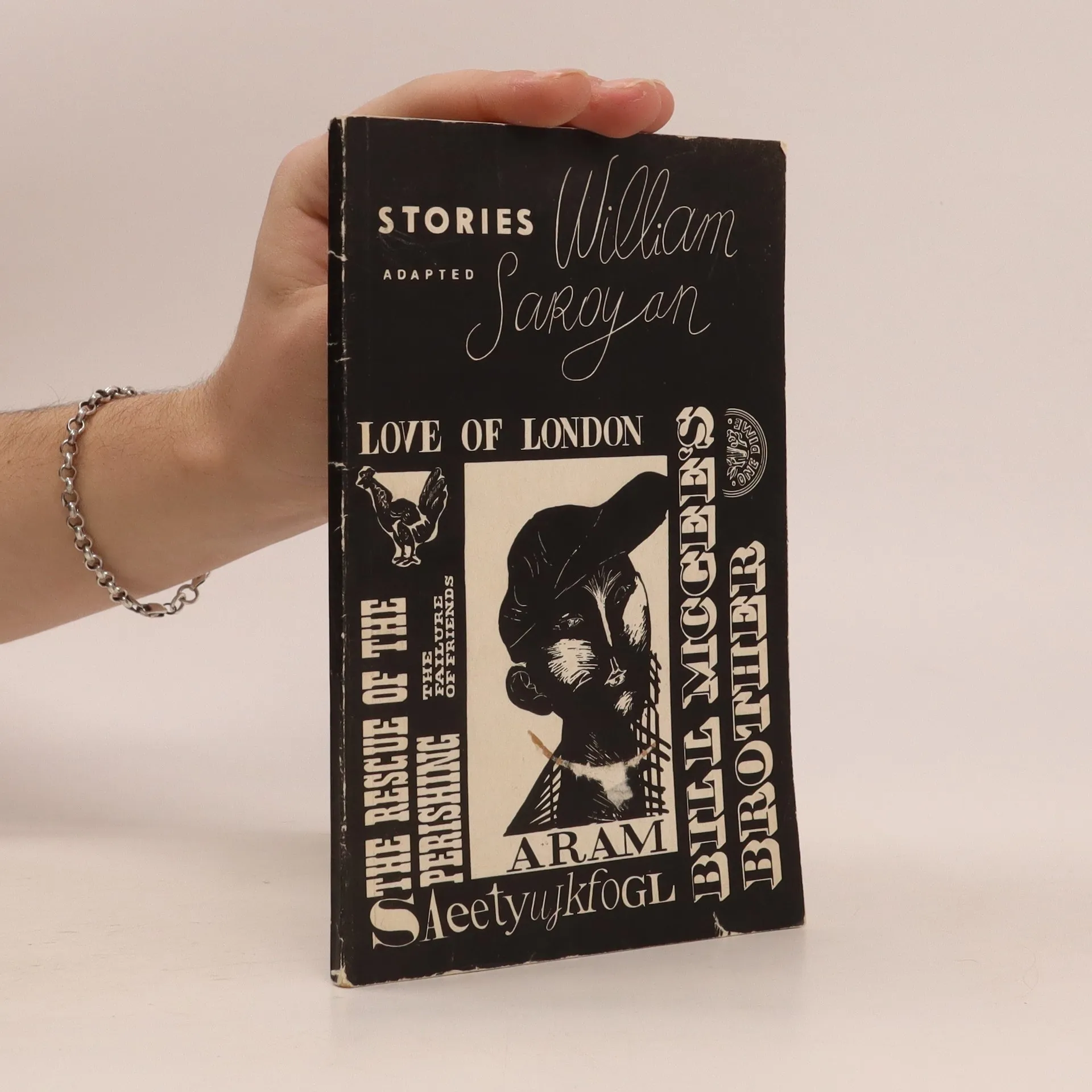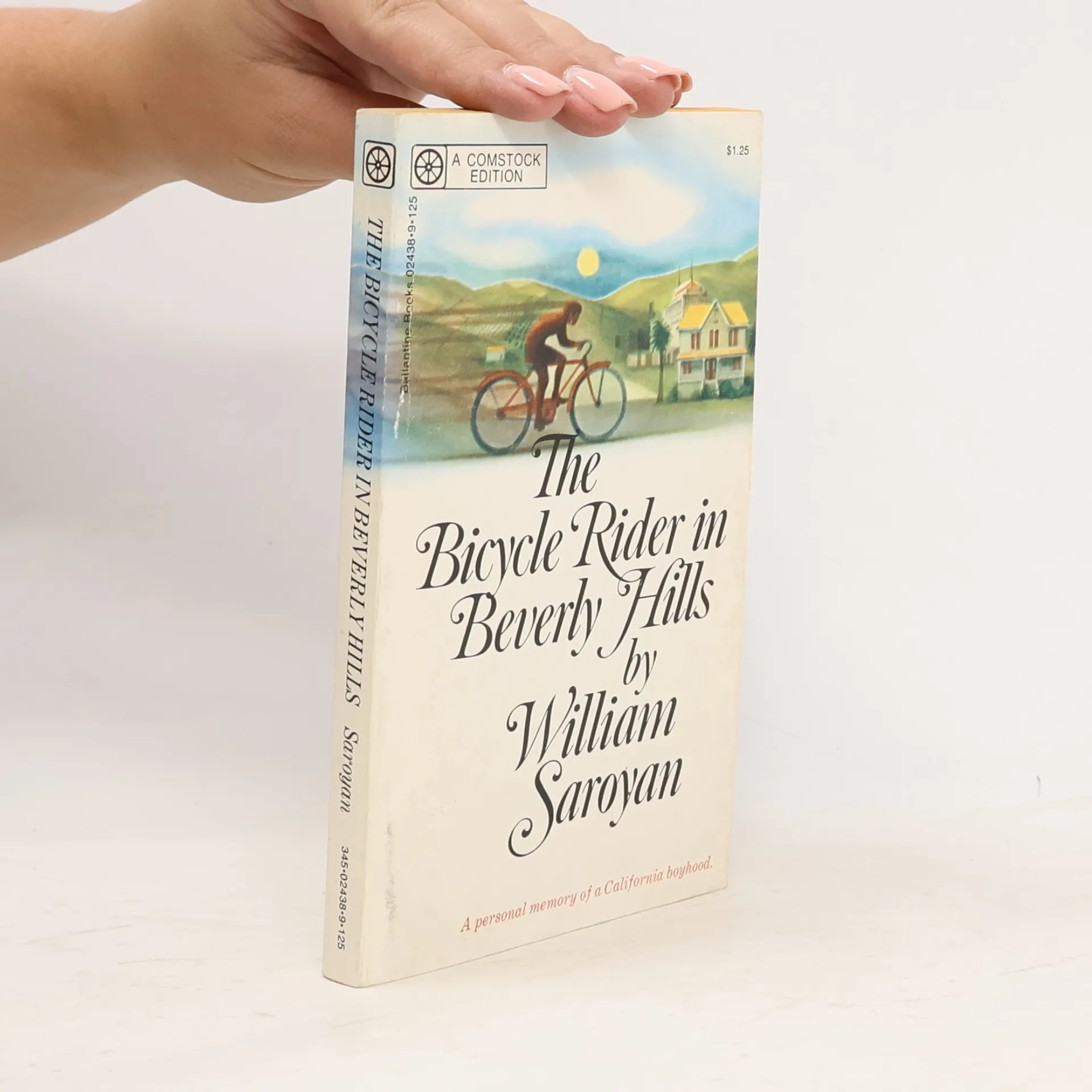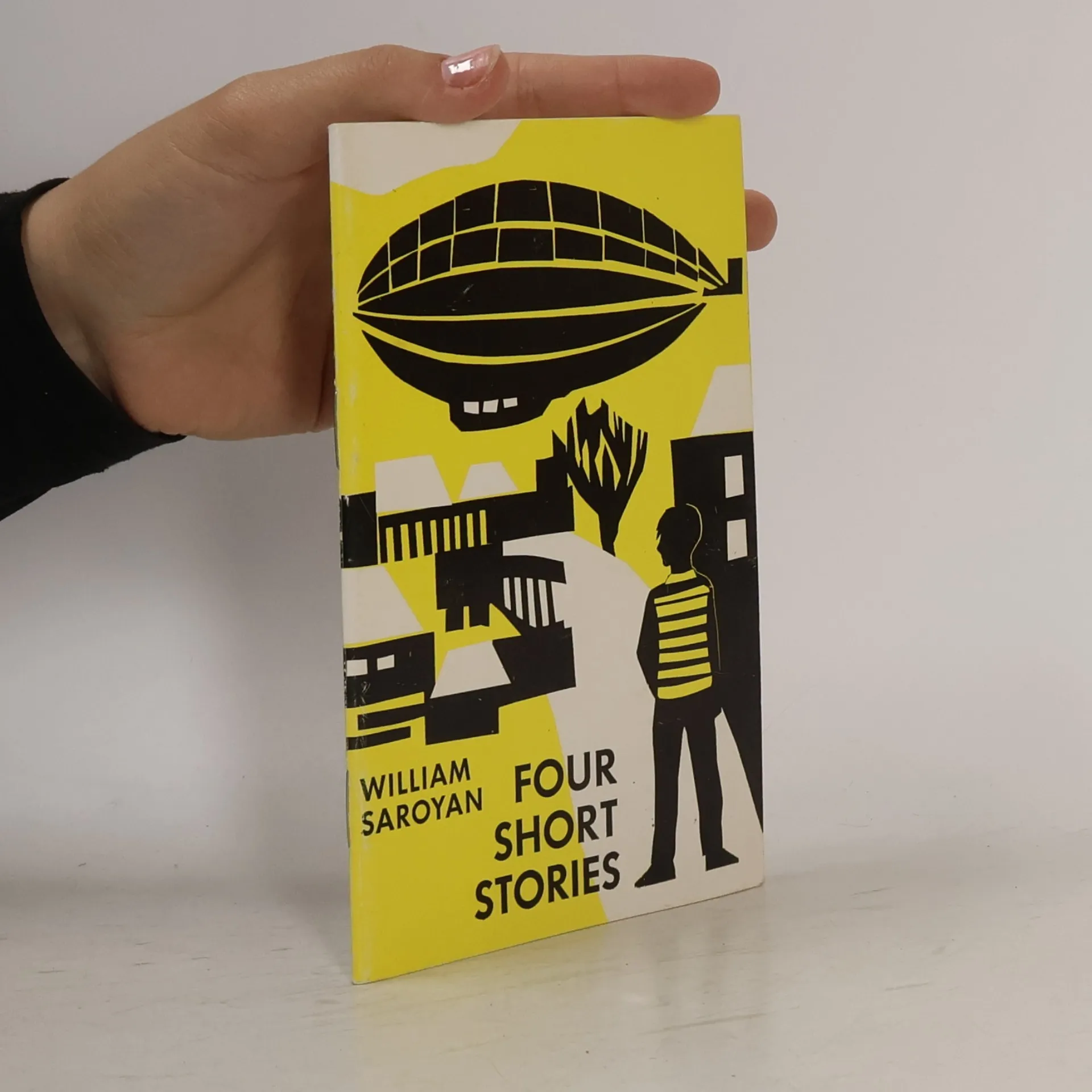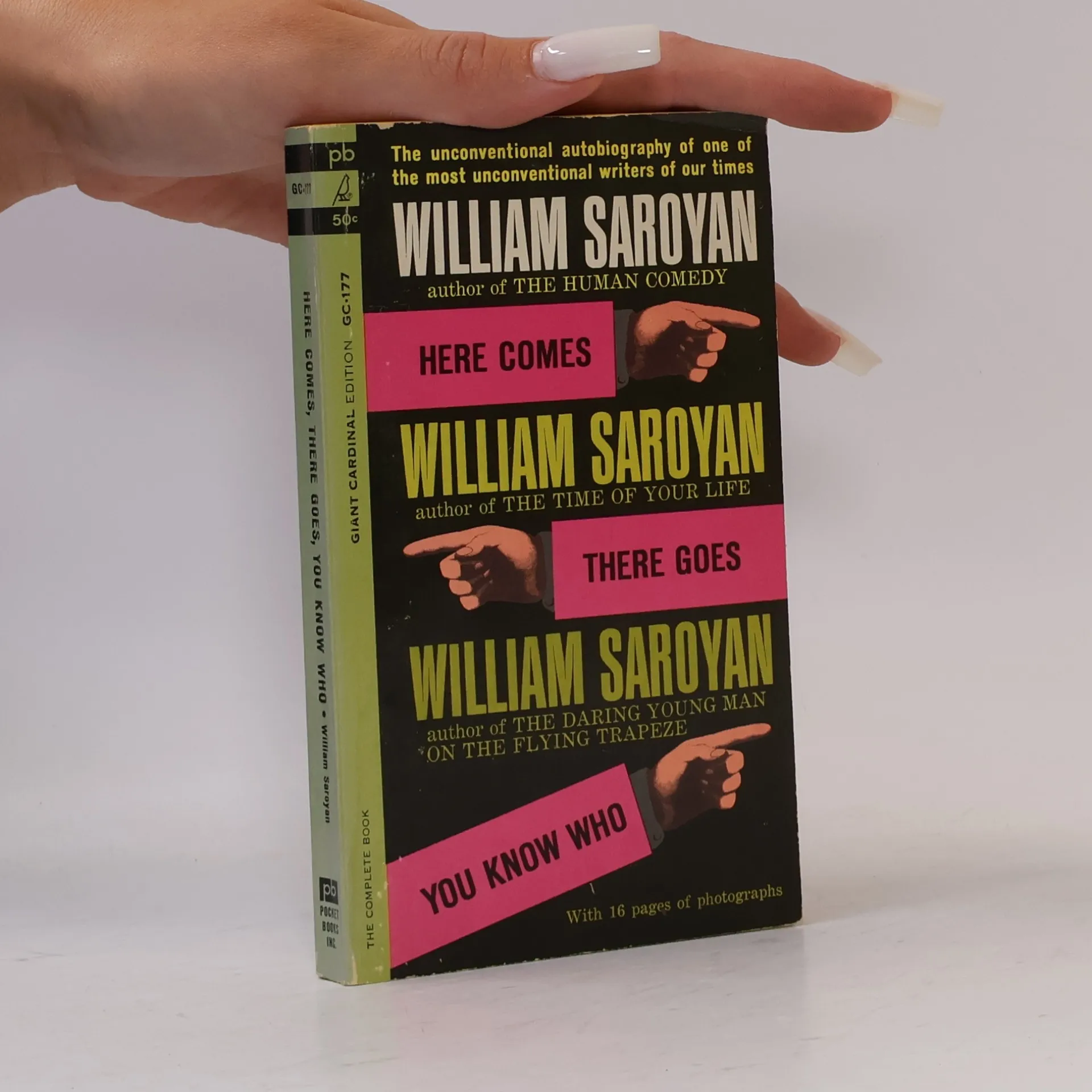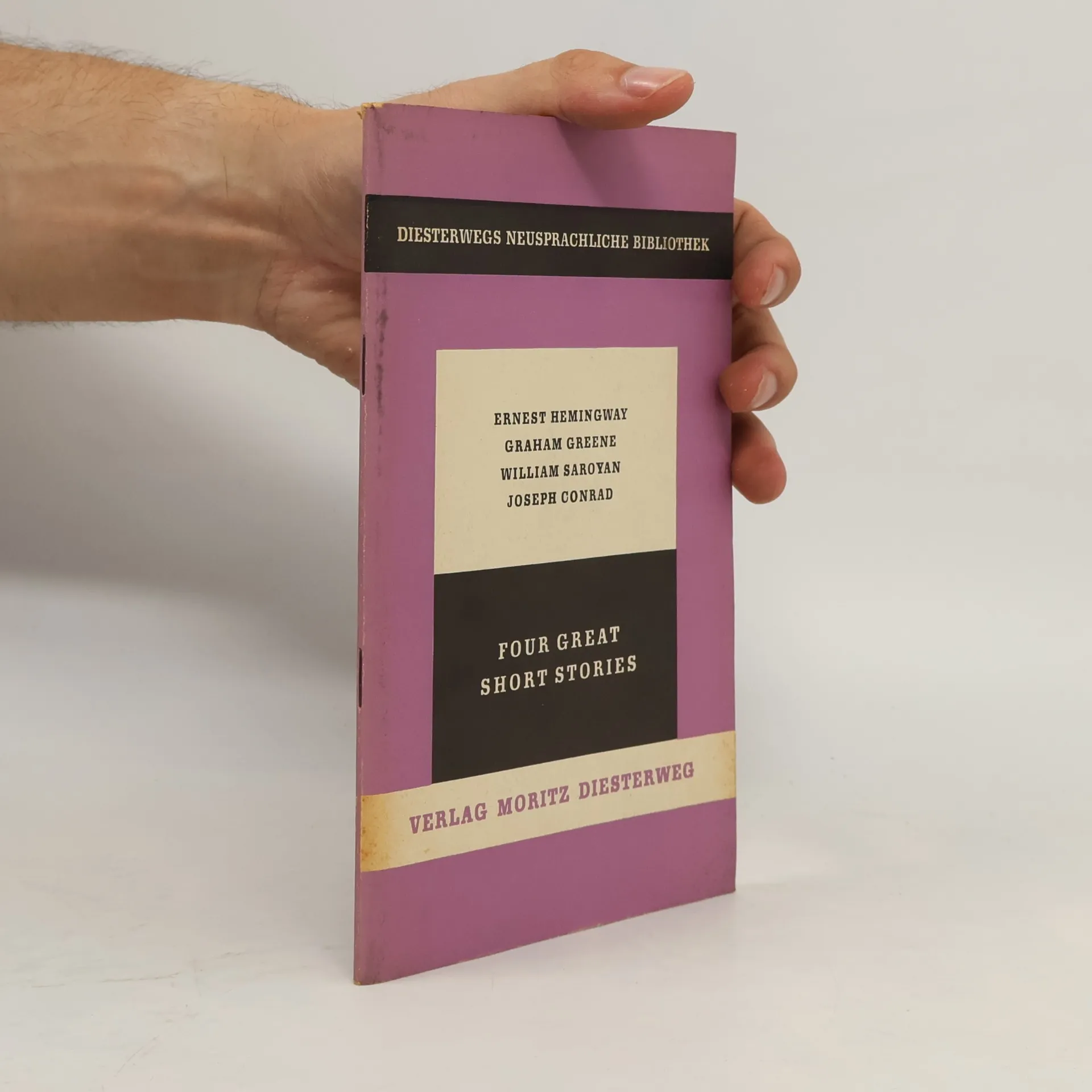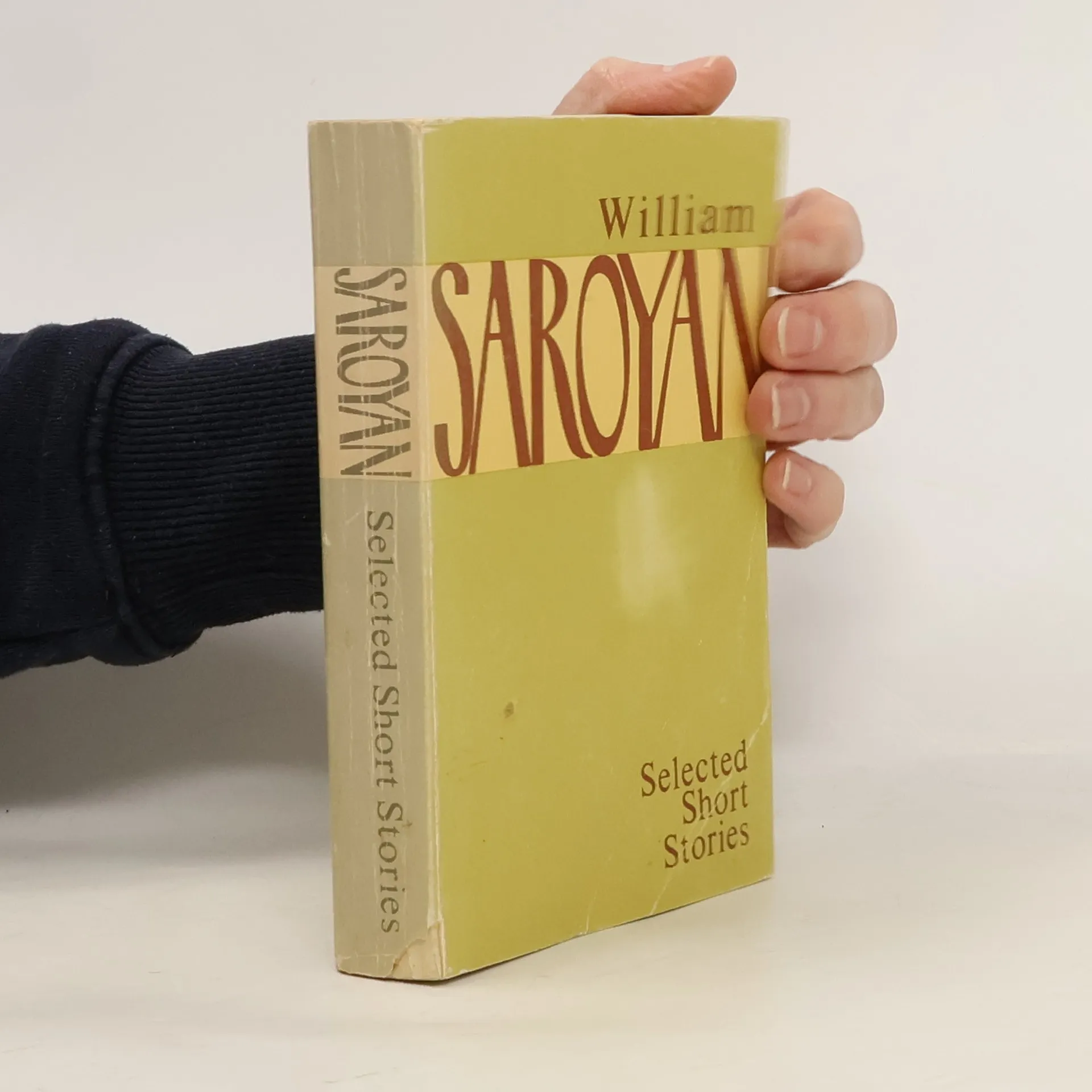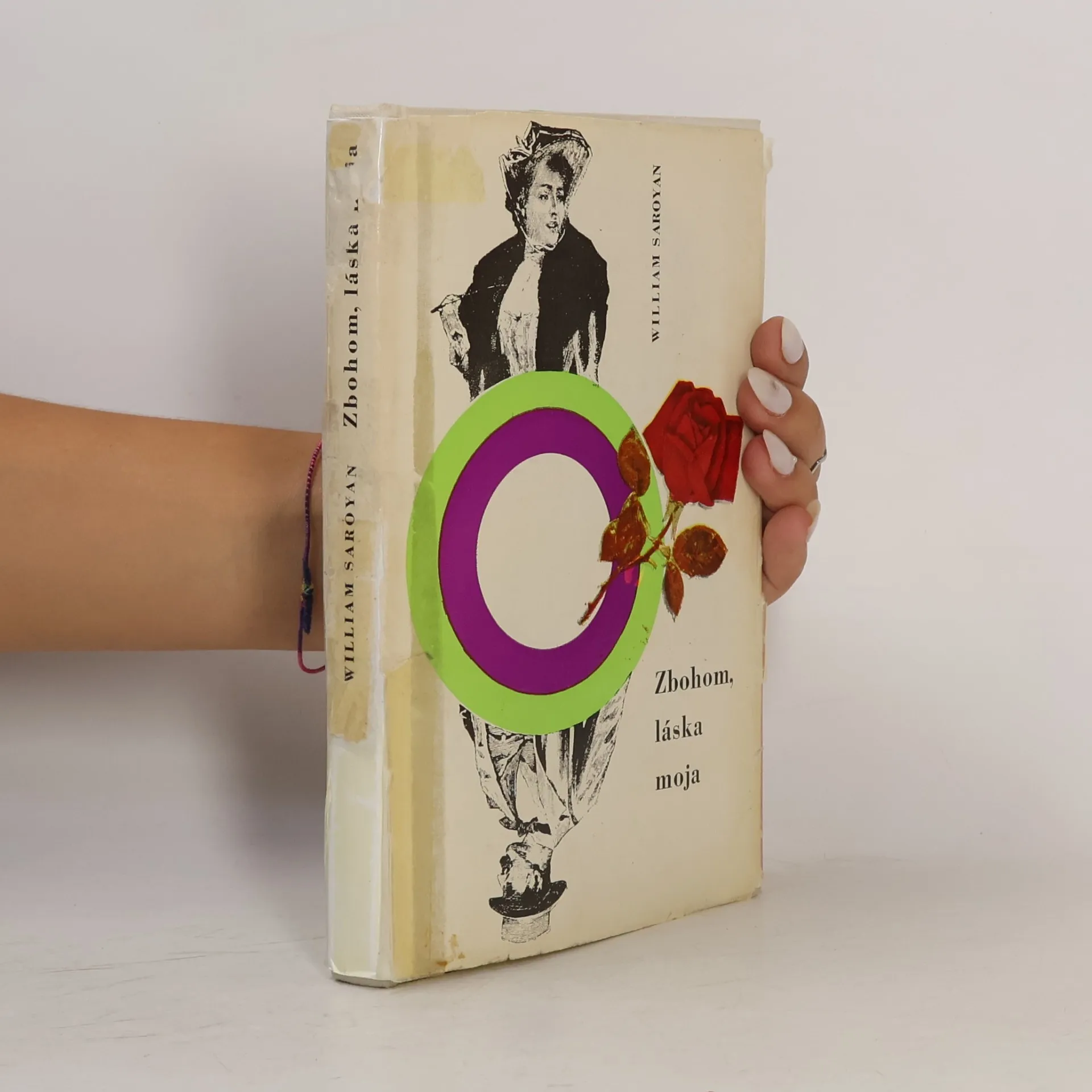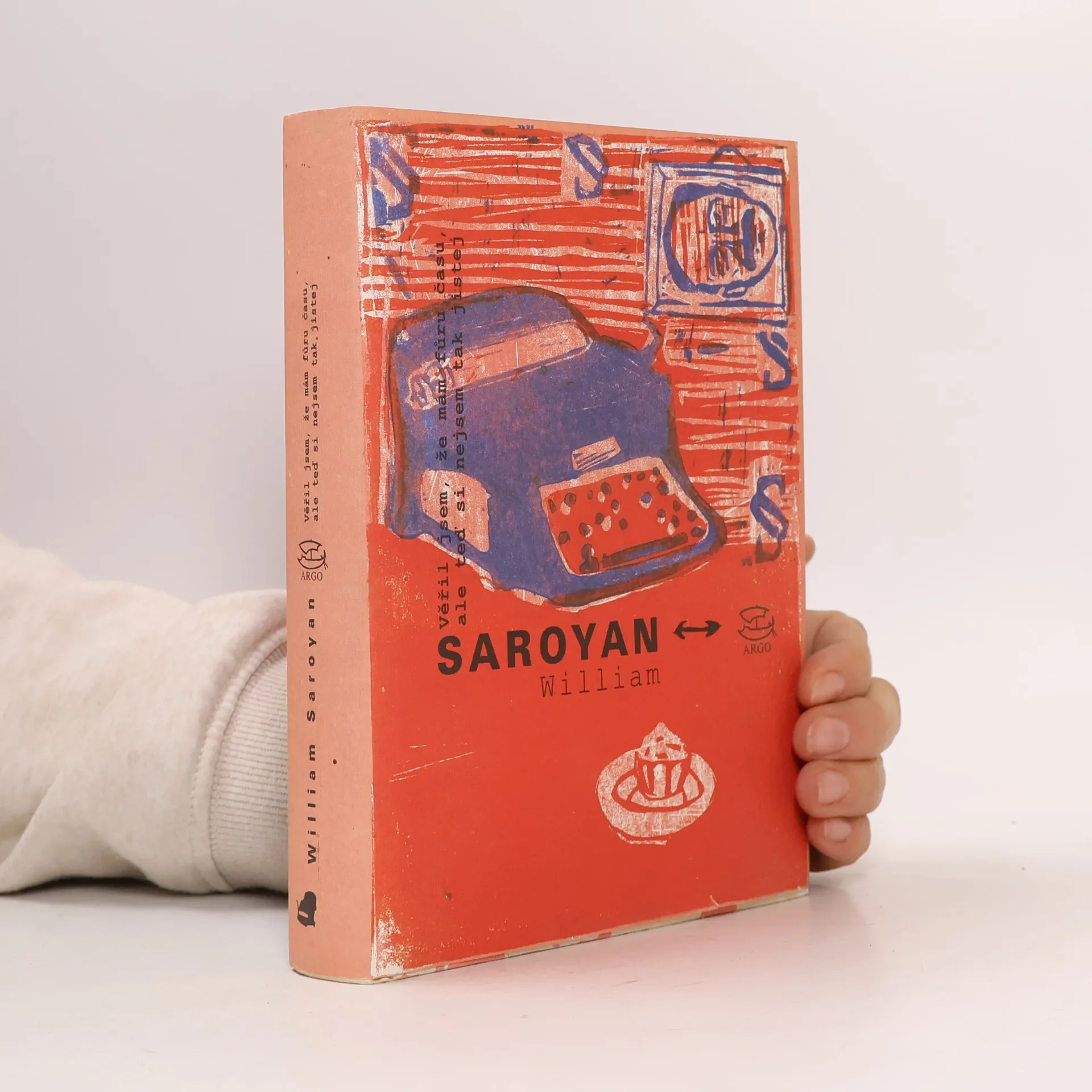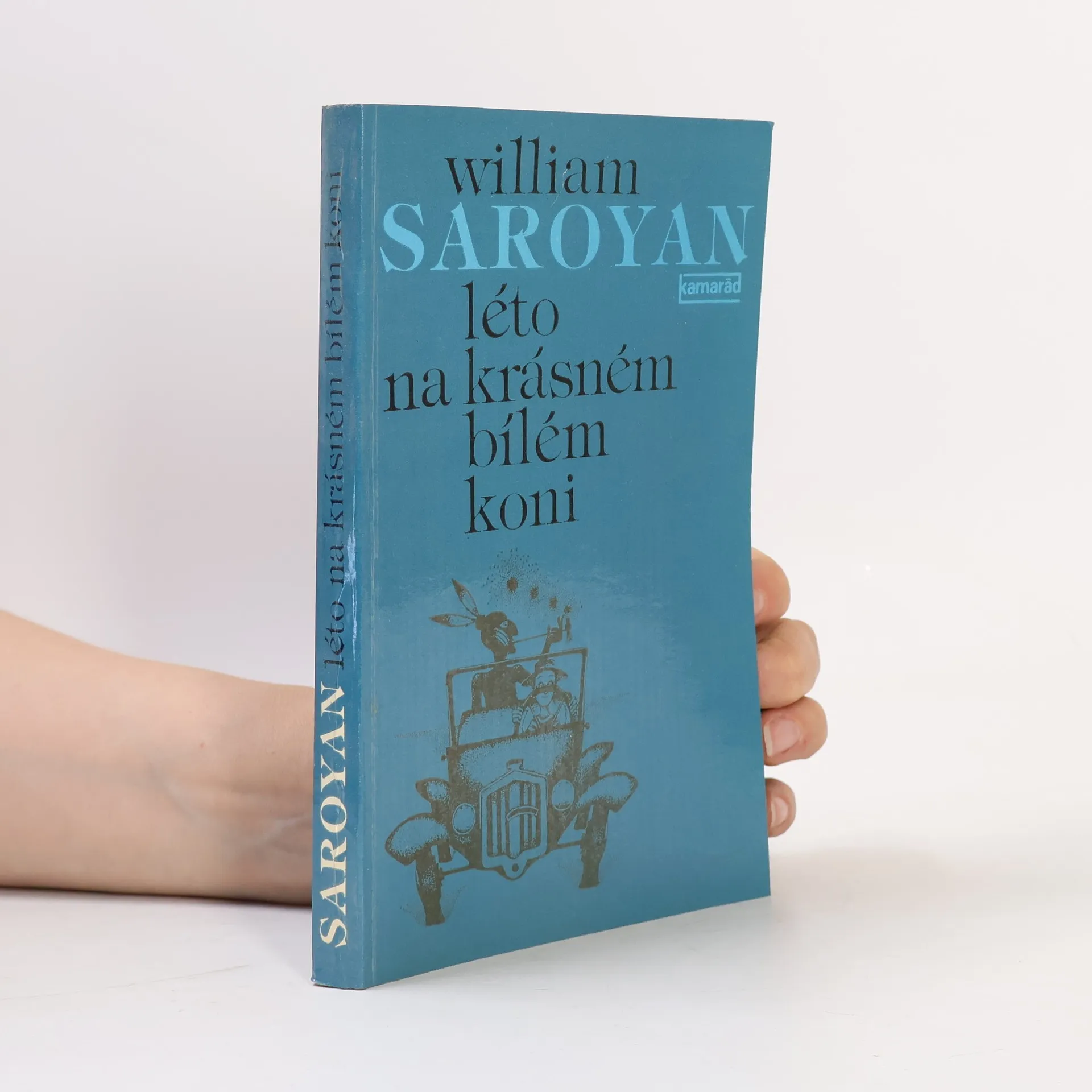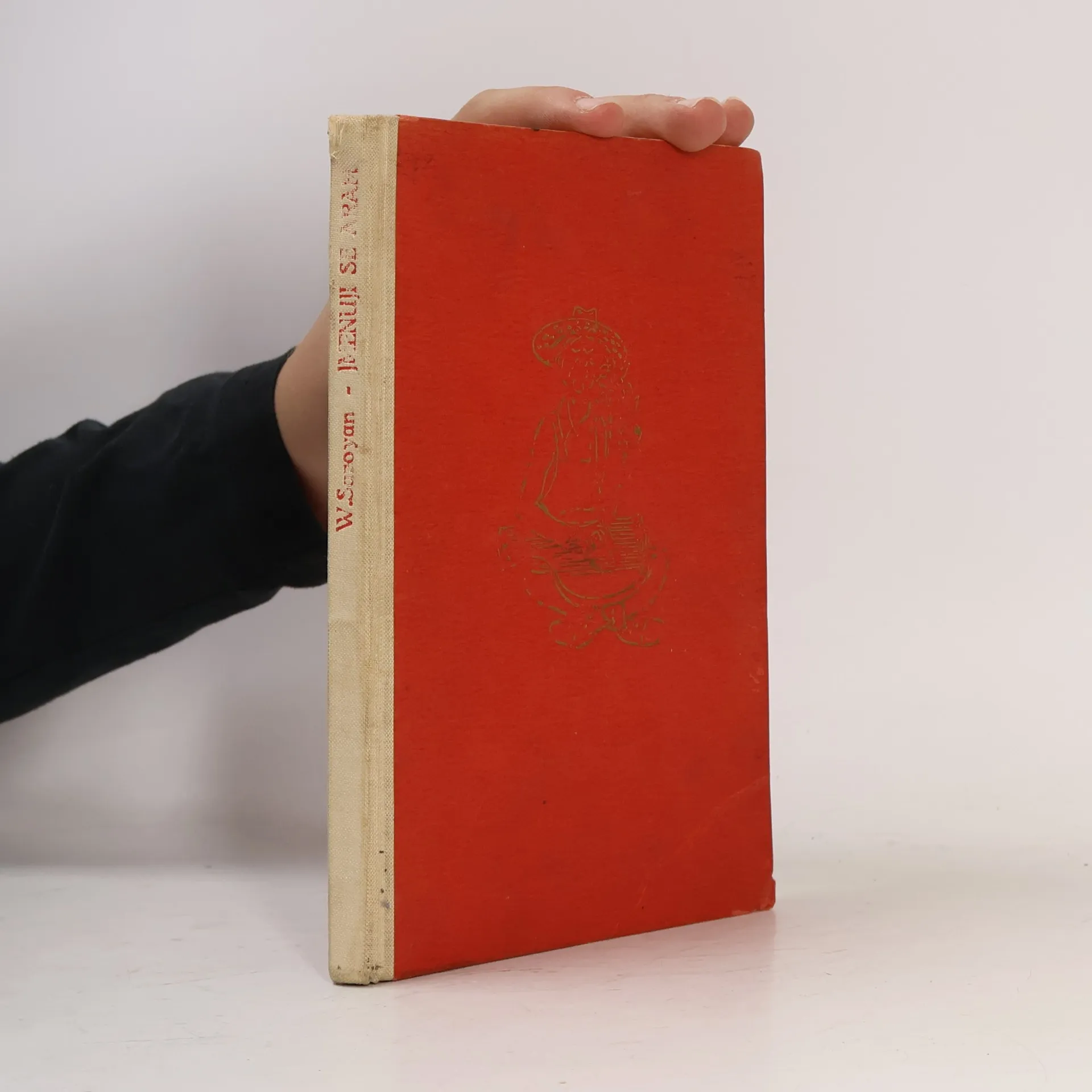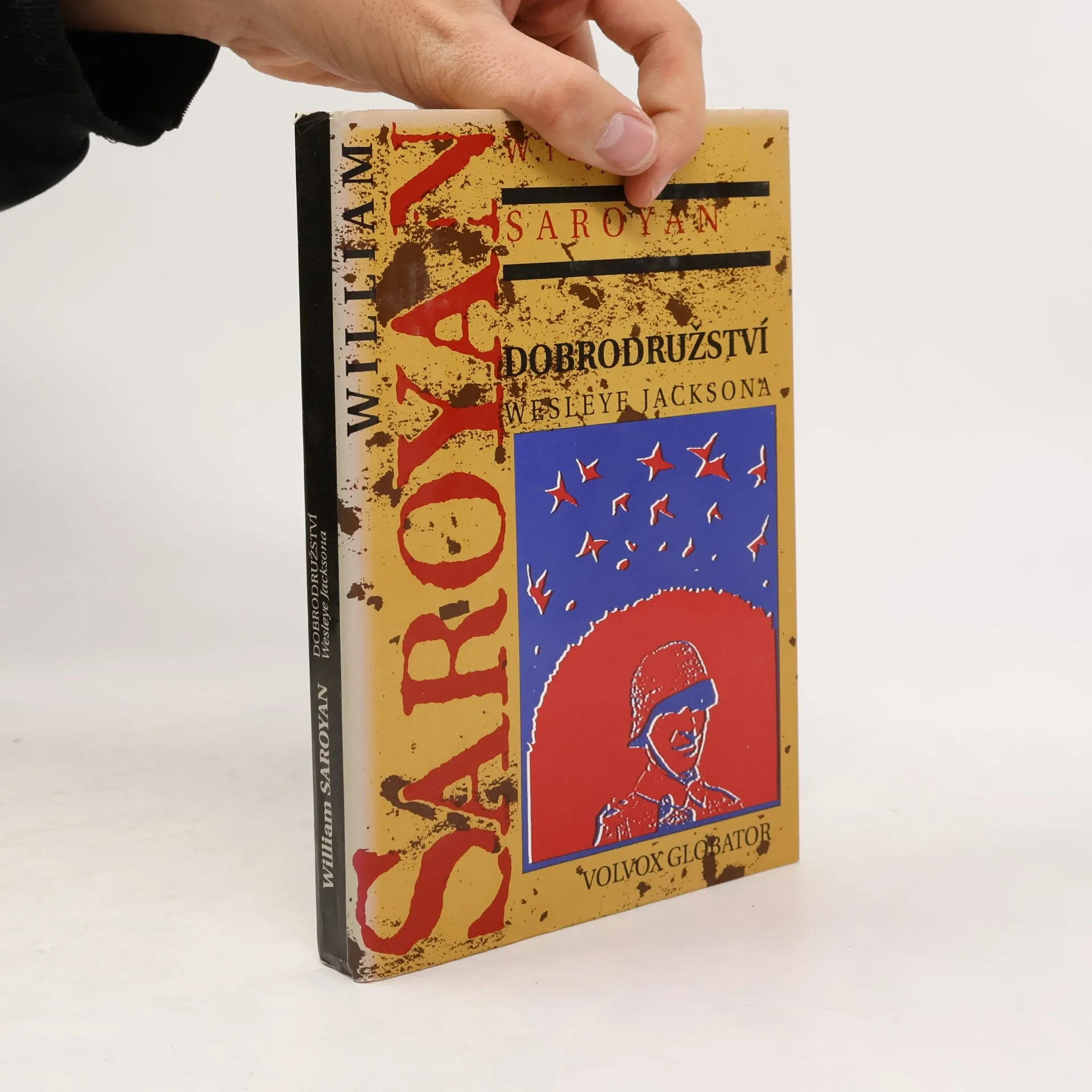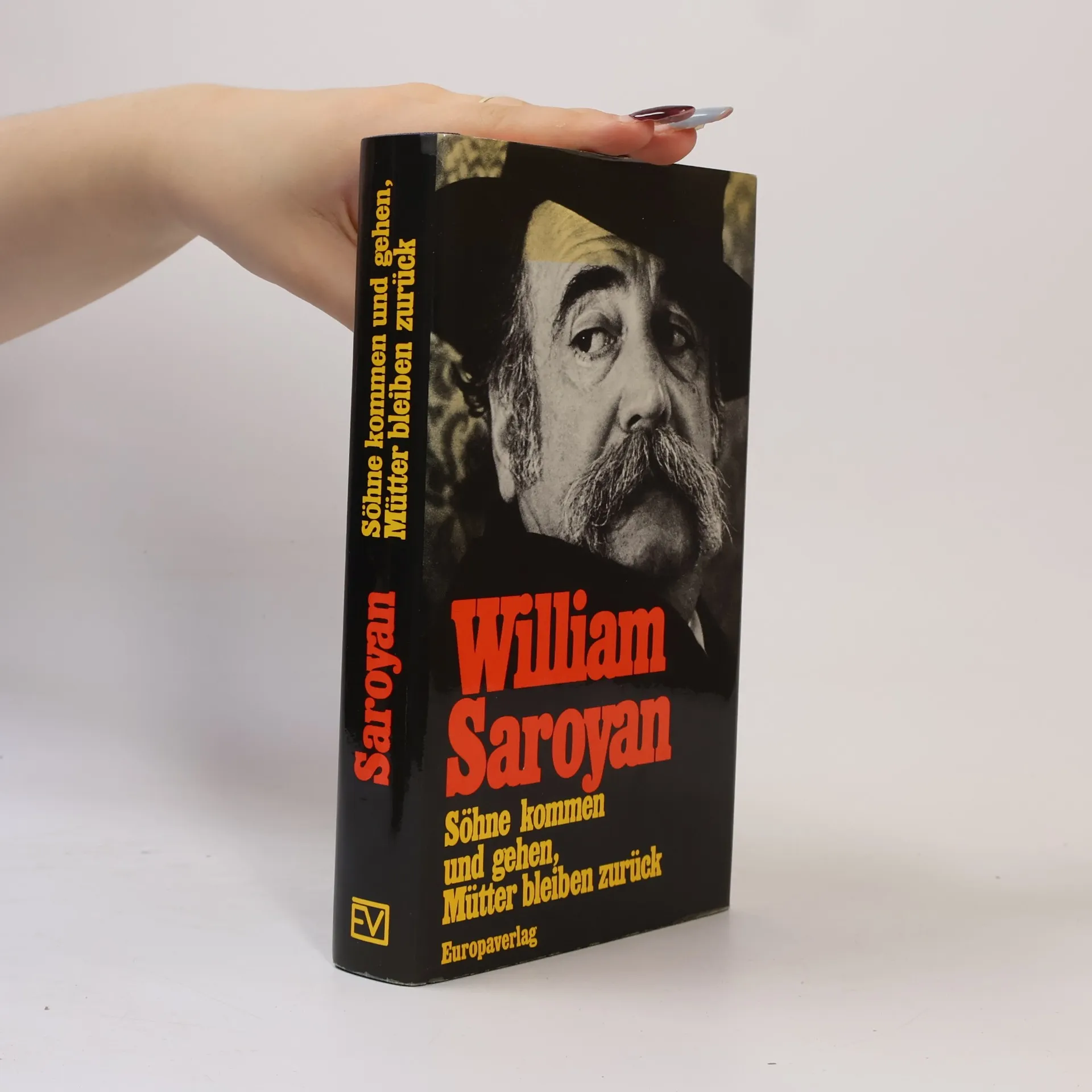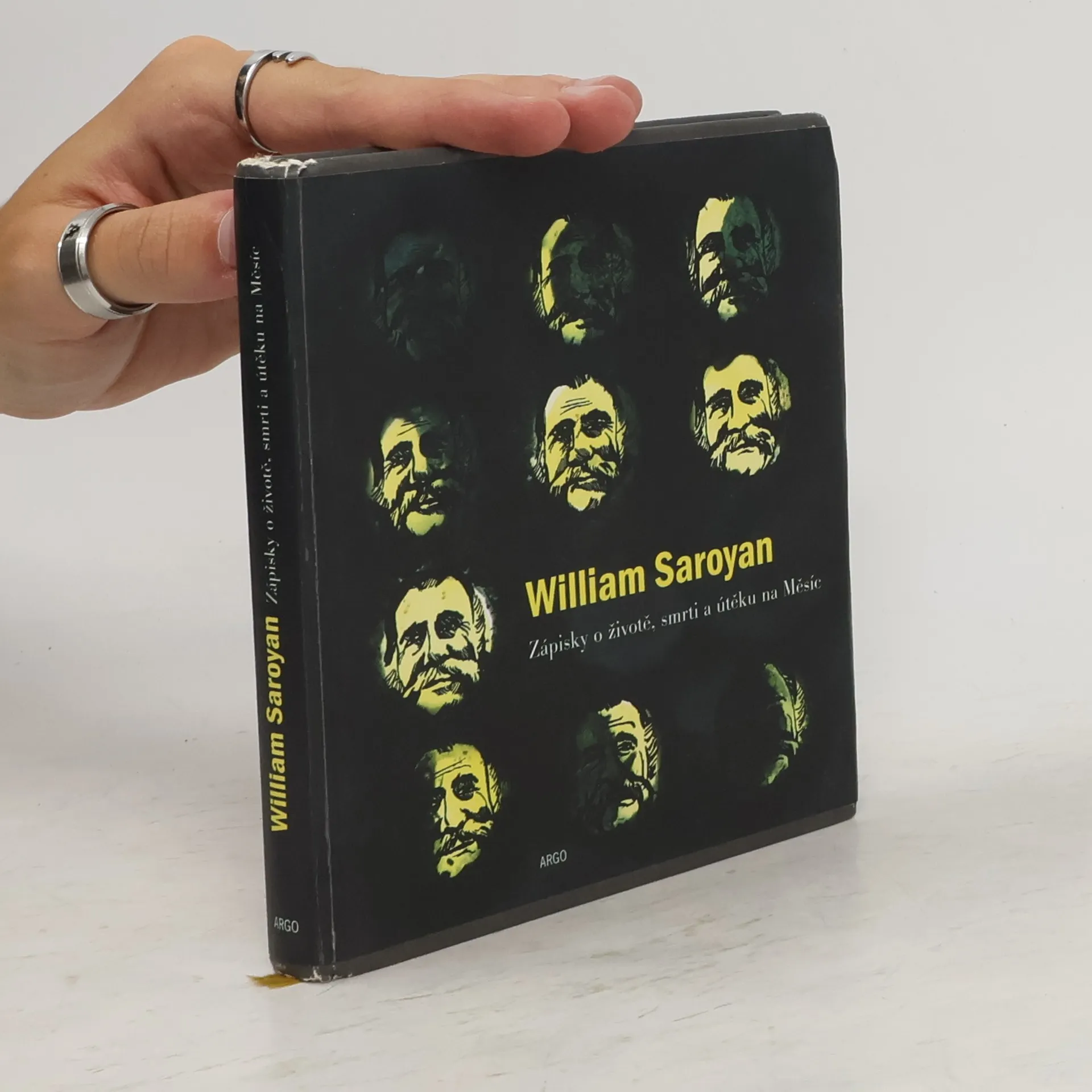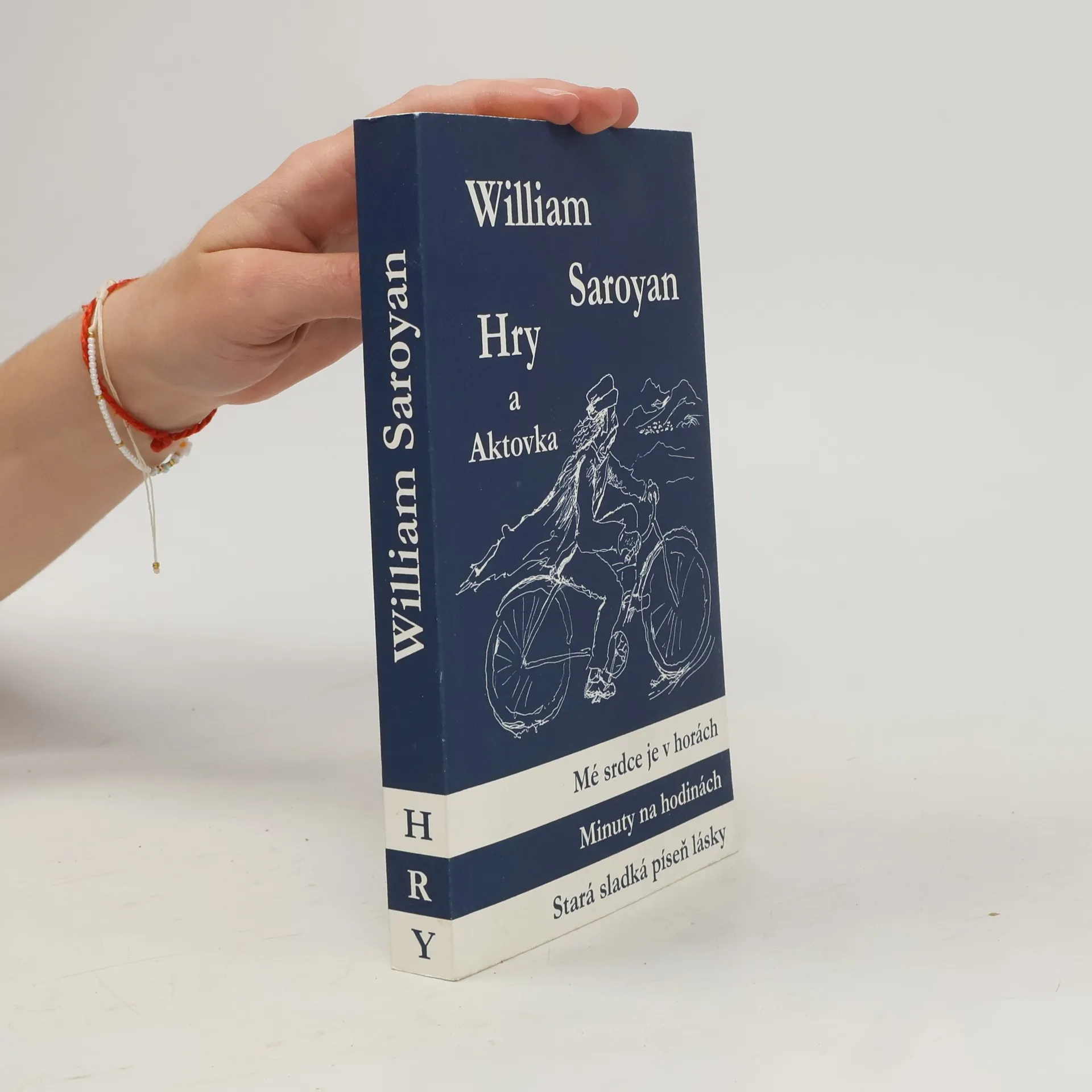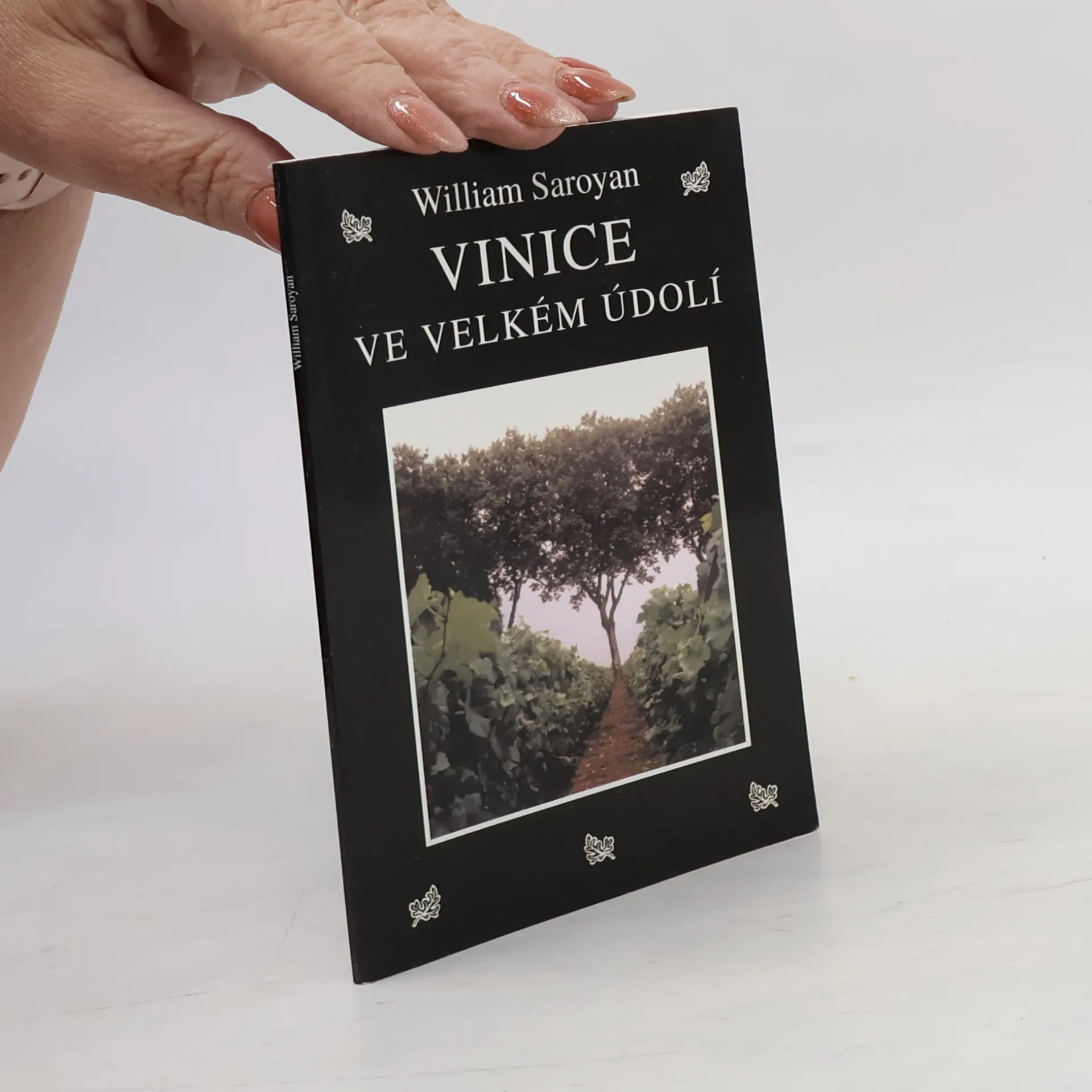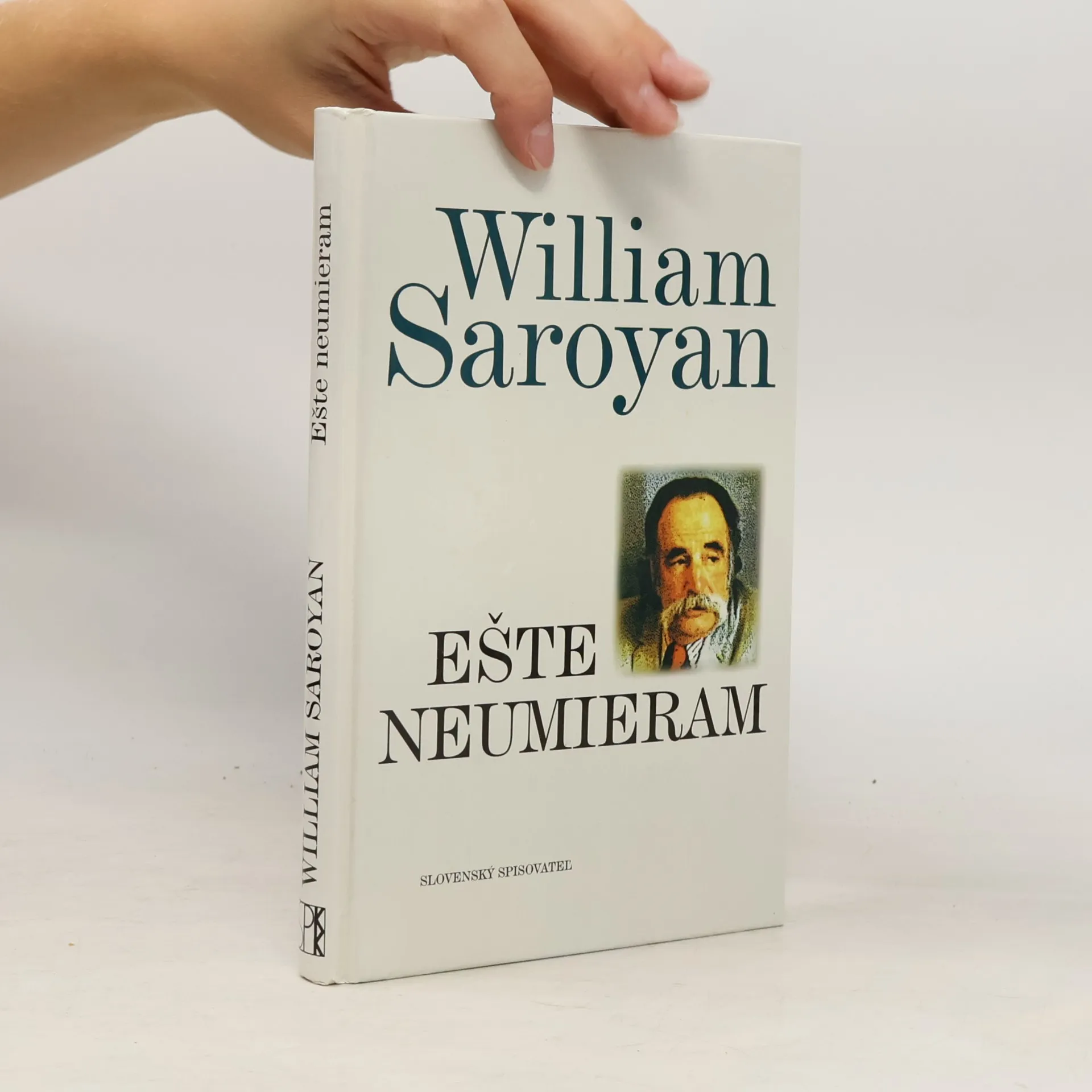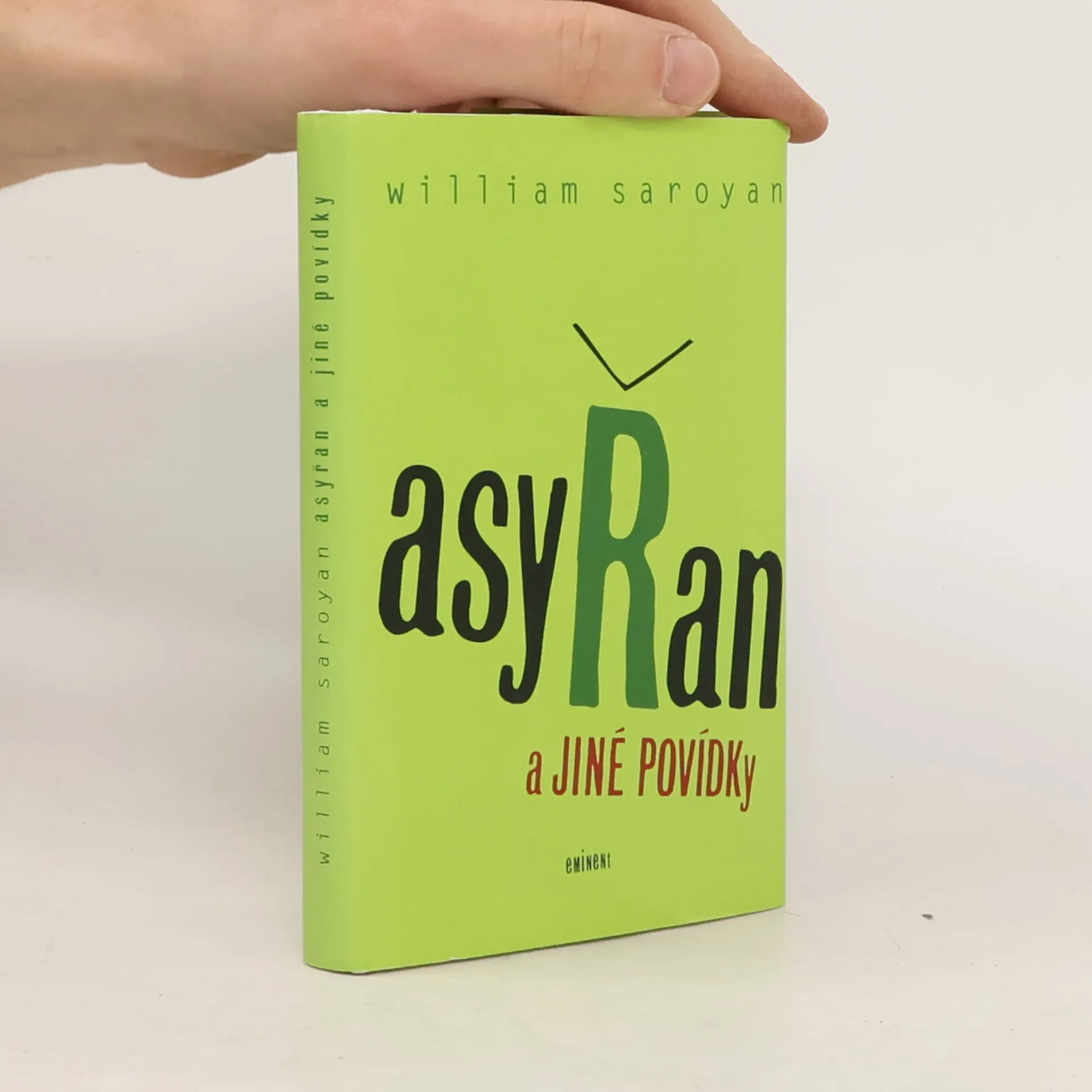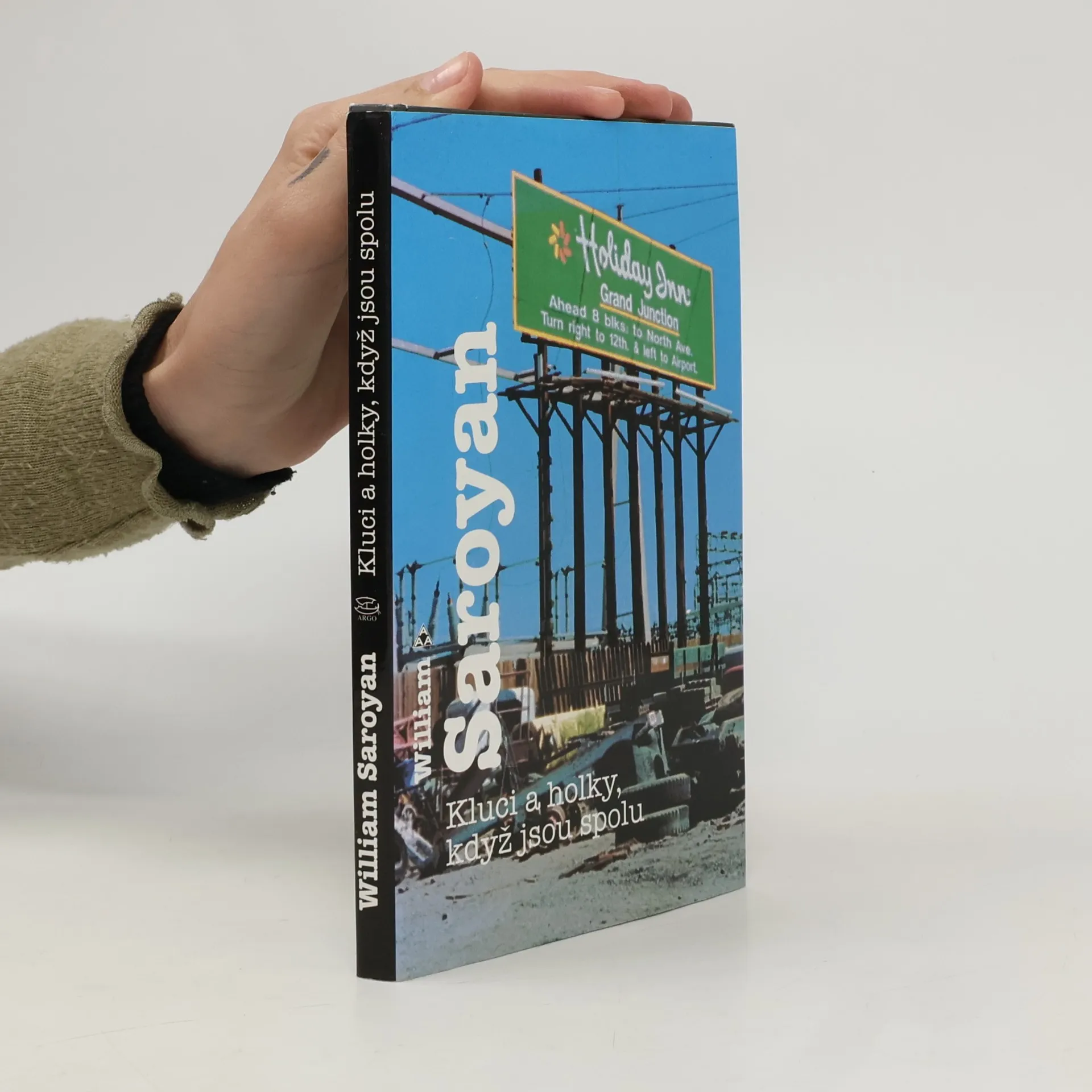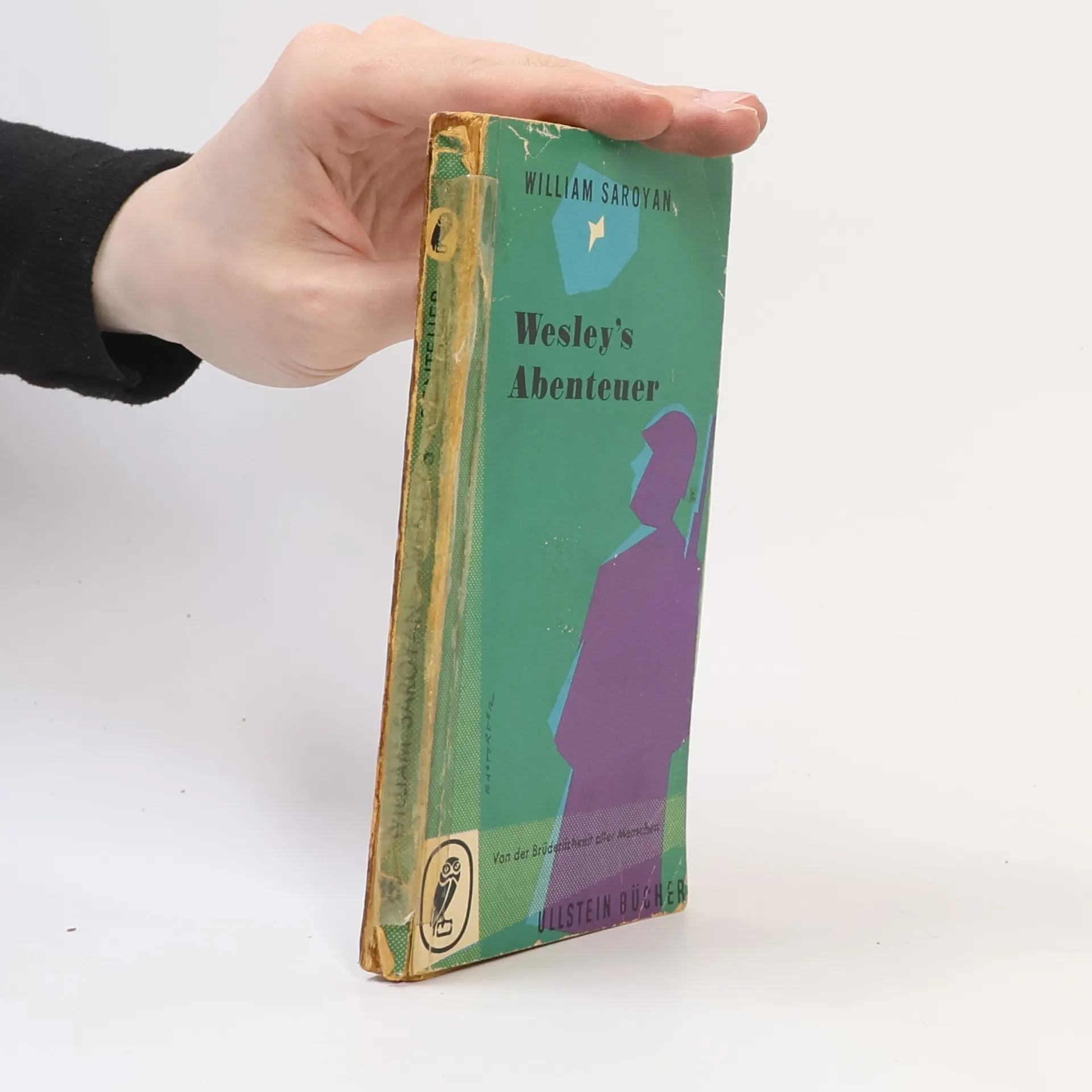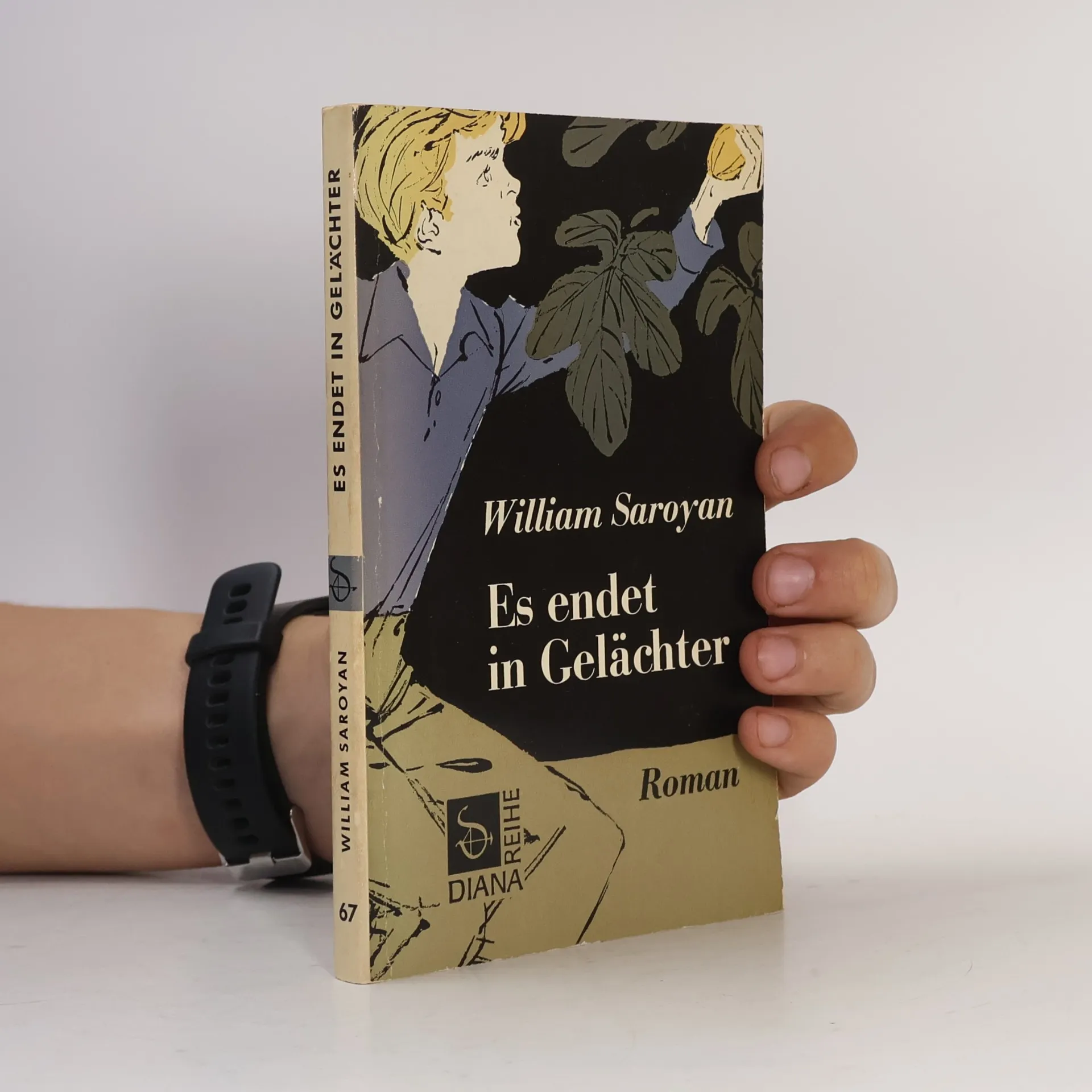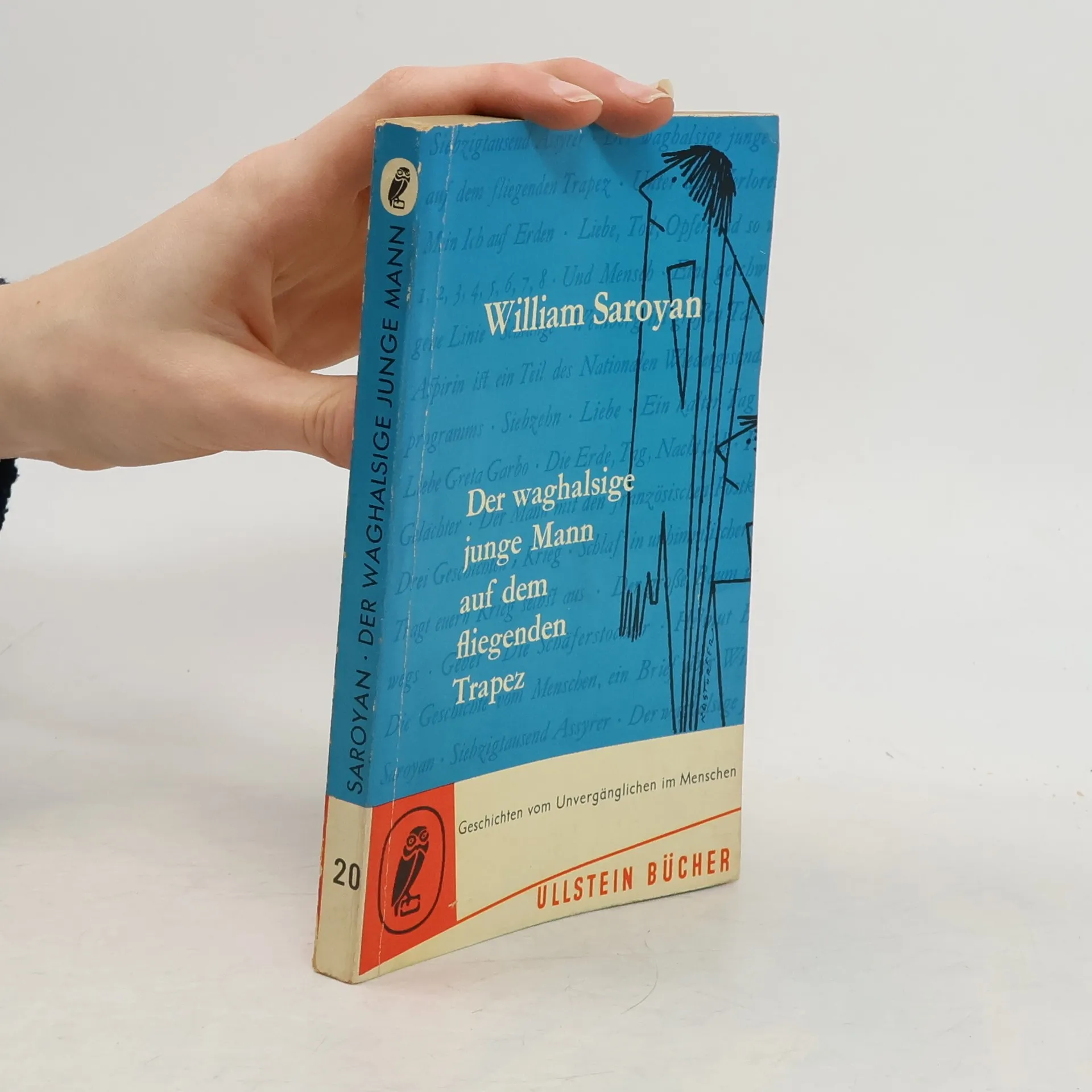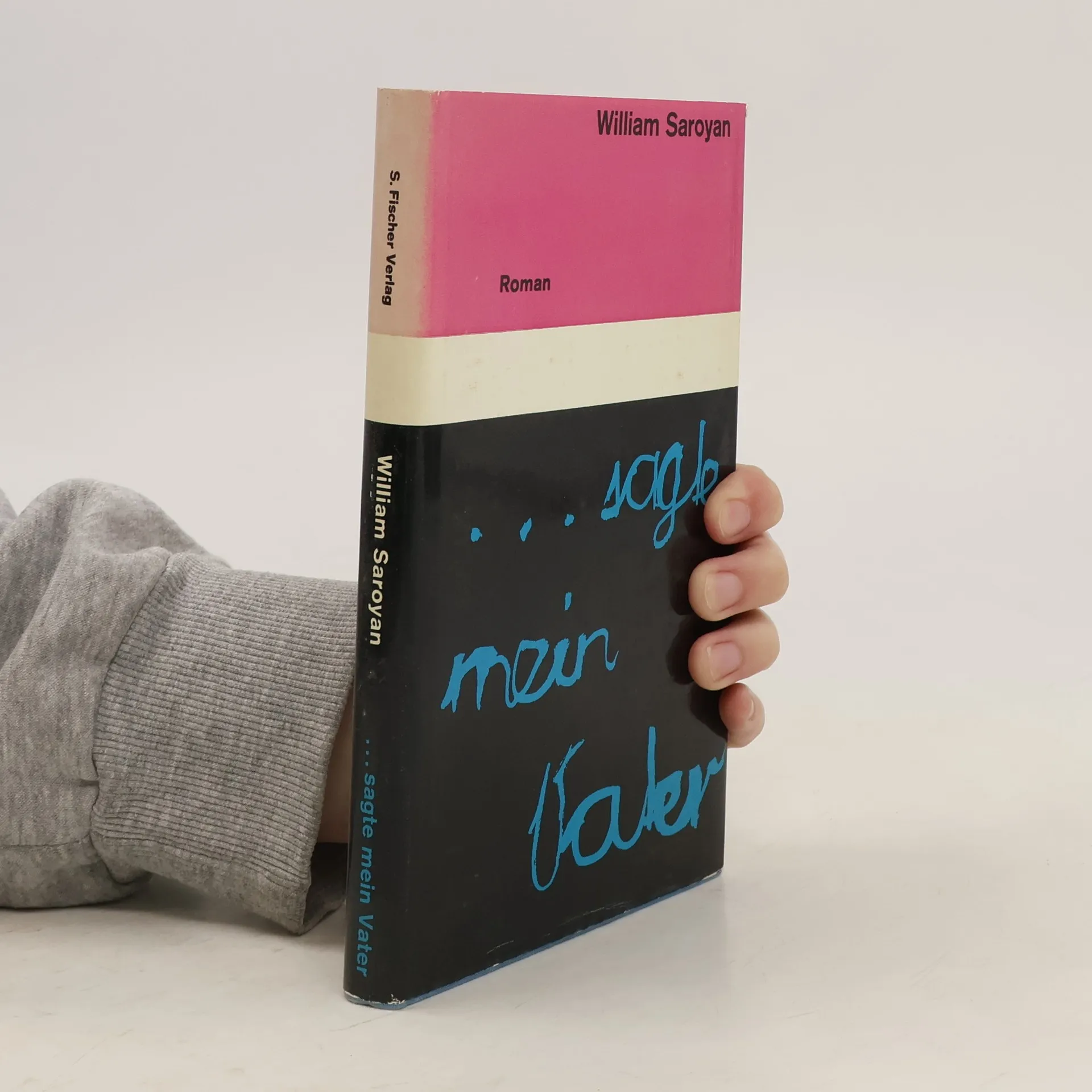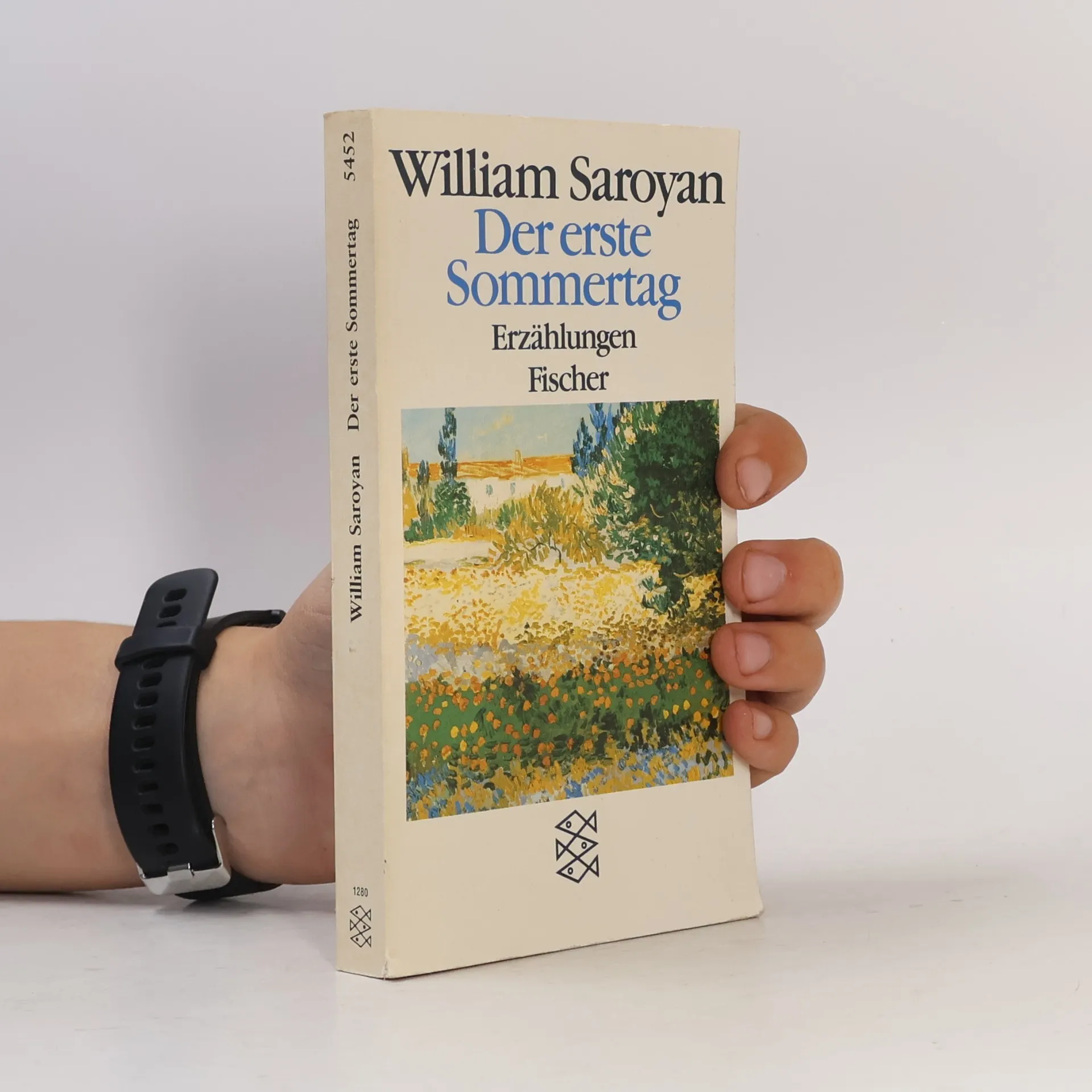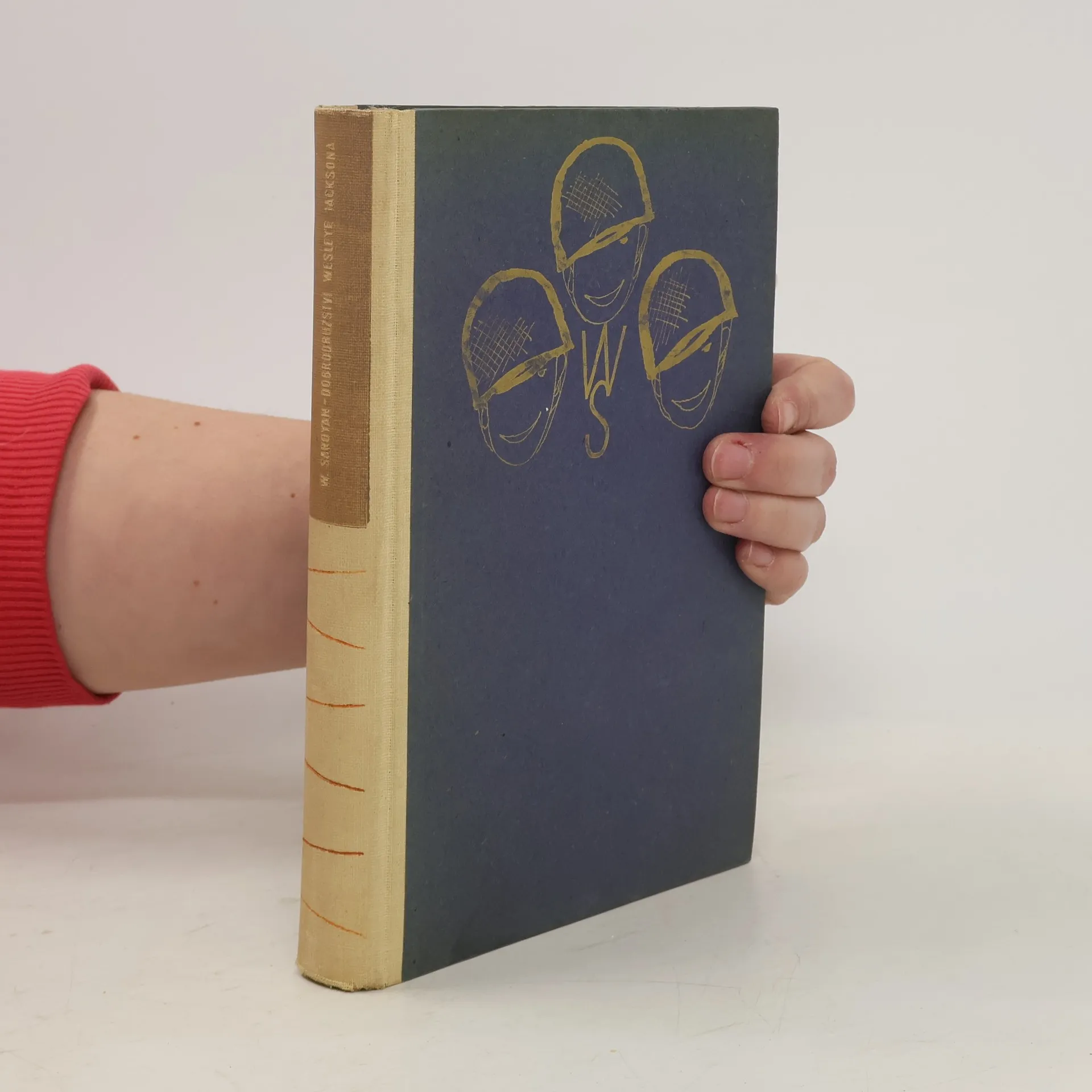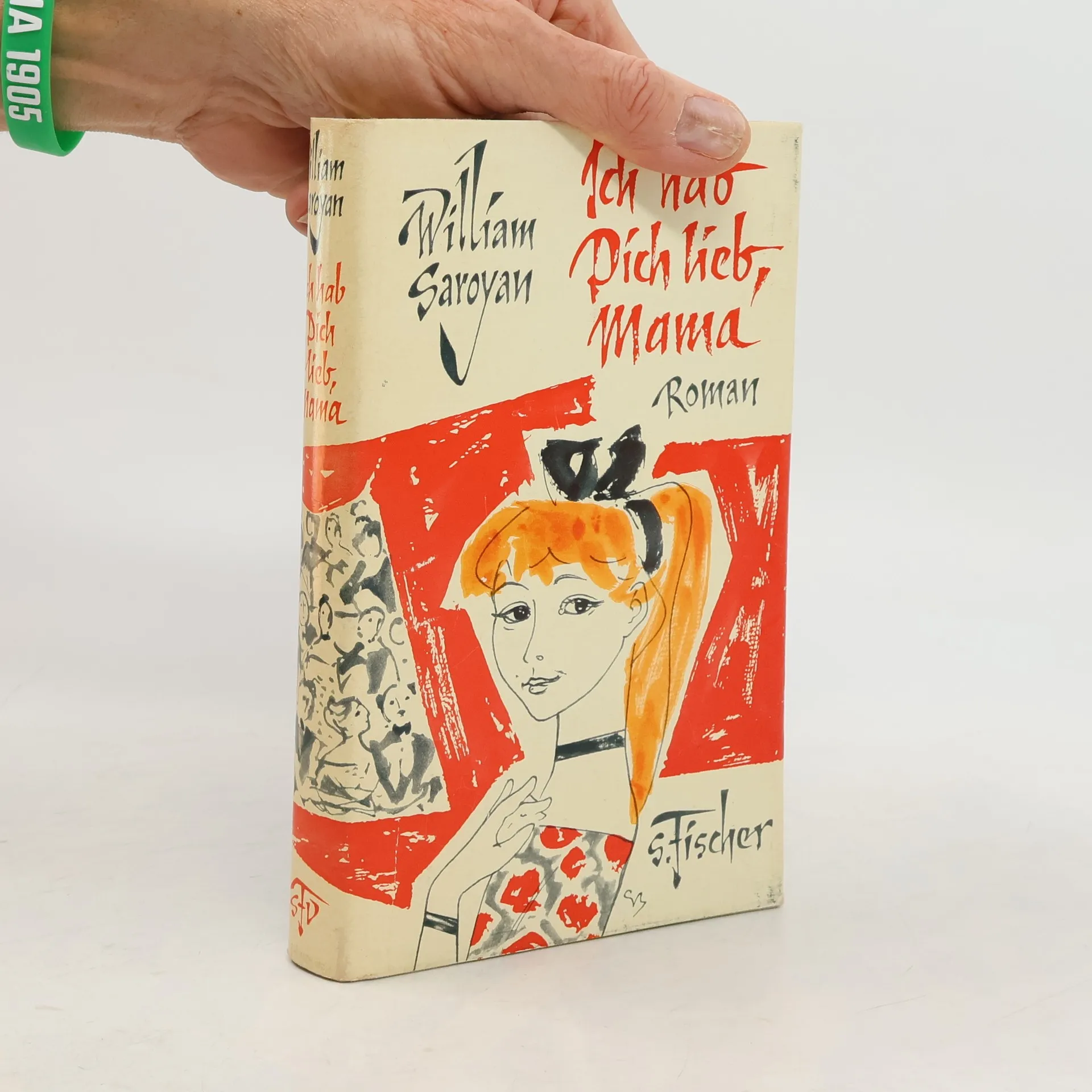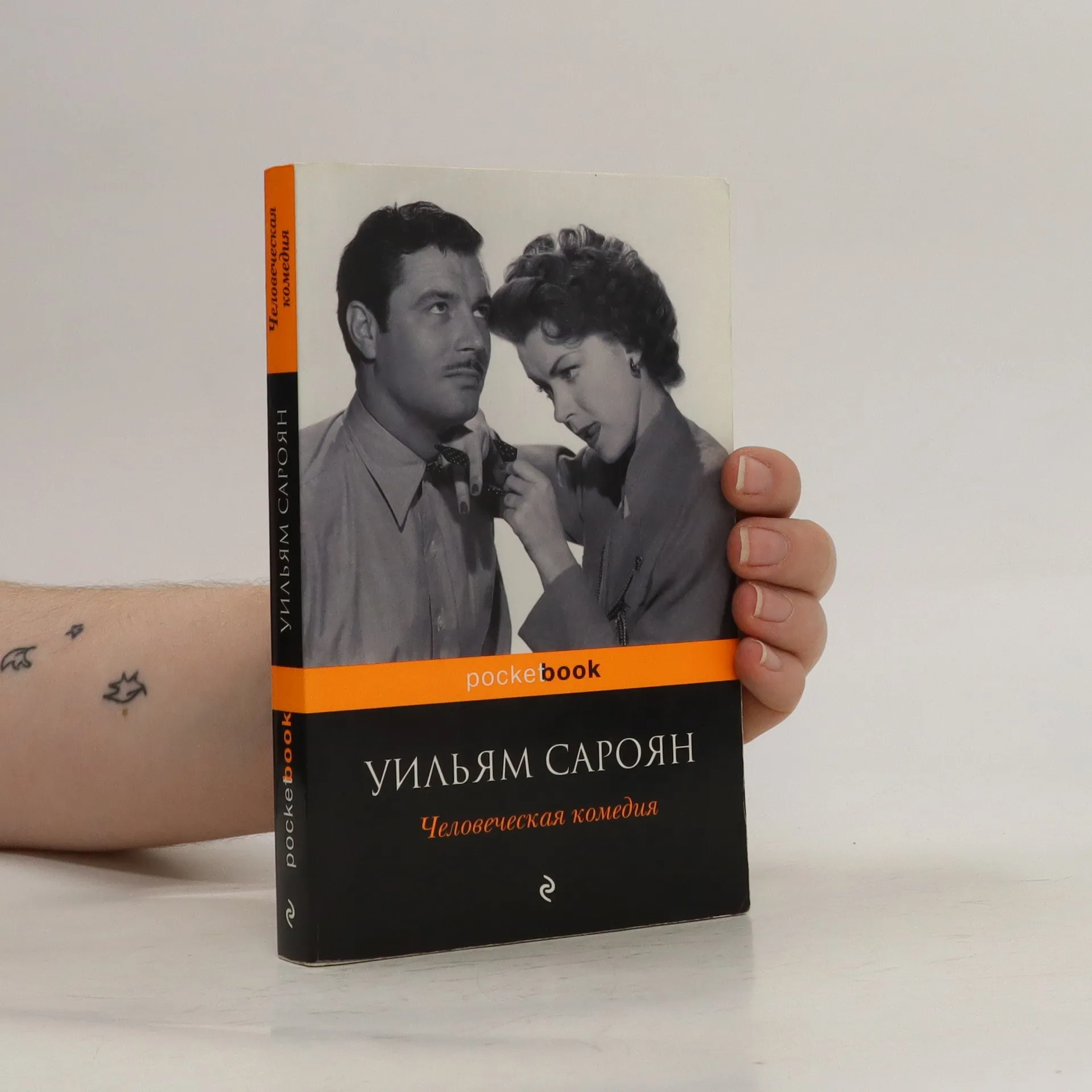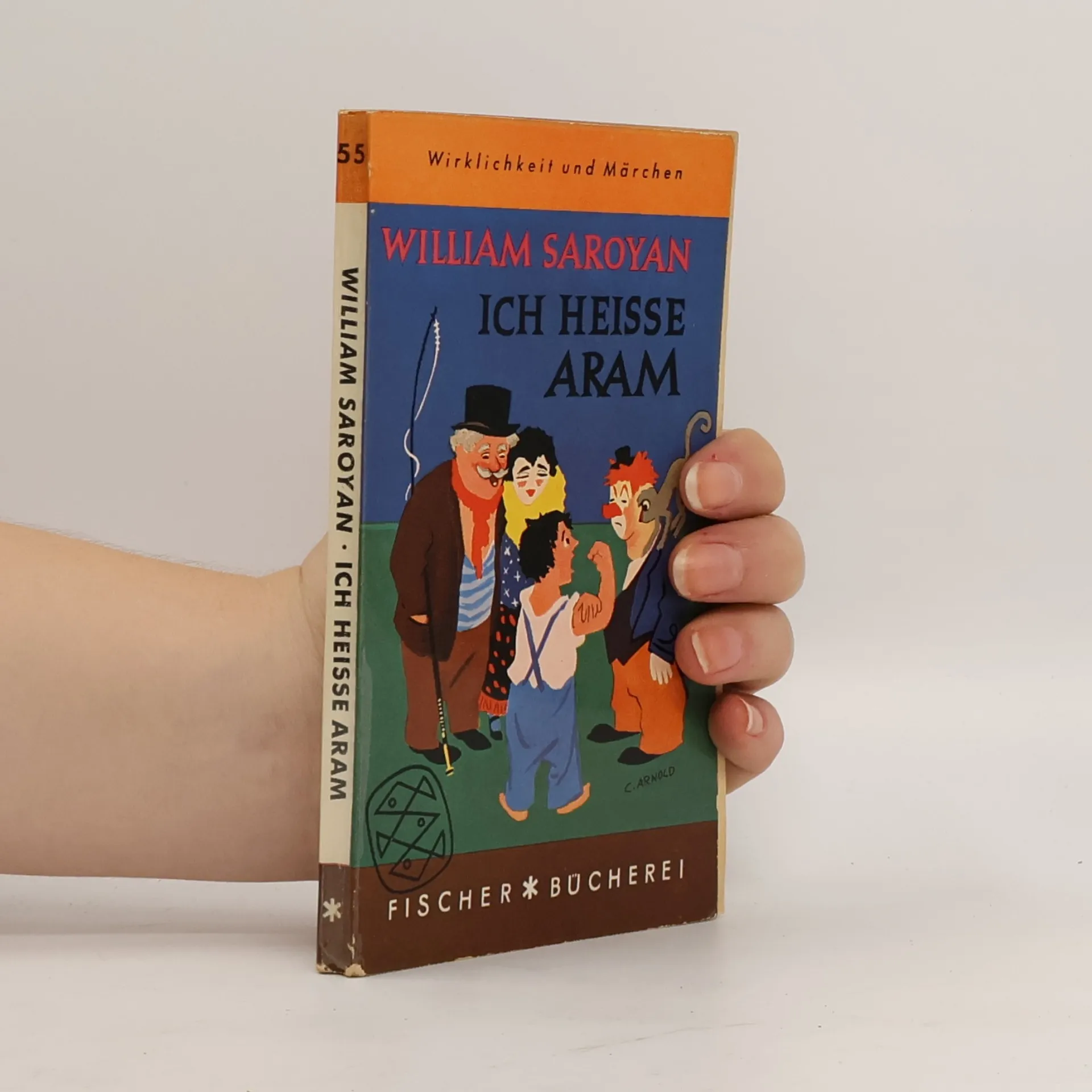
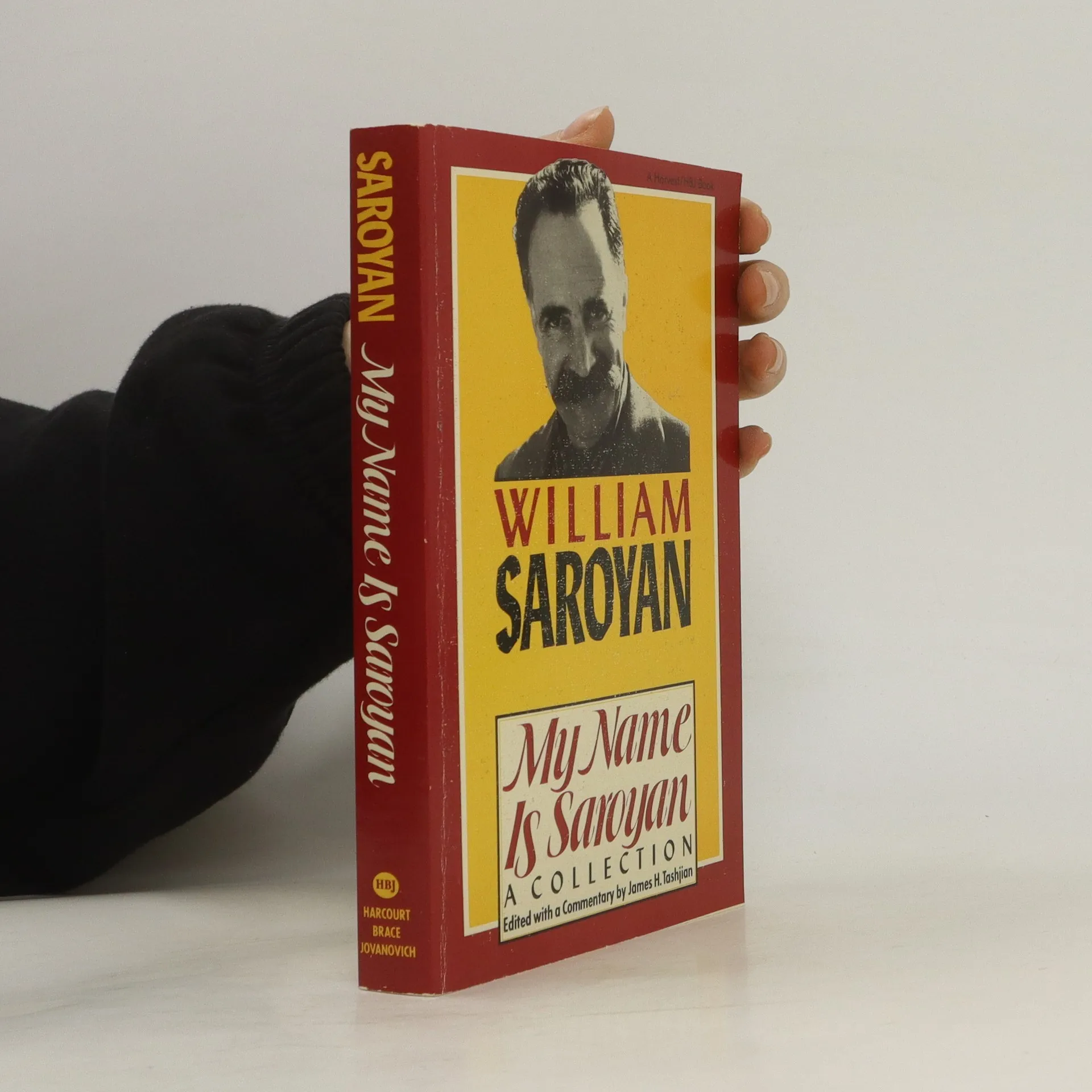
La obra de William Saroyan ofrece un retrato distintivo de la vida de los inmigrantes armenios en California, a menudo ambientada en Fresno, el corazón de la comunidad donde creció. Sus historias y obras de teatro profundizan en temas como la desarraigo, la identidad y la experiencia del inmigrante, capturando las alegrías y las luchas de sus personajes con calidez y profunda empatía. La escritura de Saroyan se caracteriza por su prosa vibrante y su profundo humanismo, lo que lo convierte en una voz cautivadora que explora la naturaleza multifacética del sueño americano.
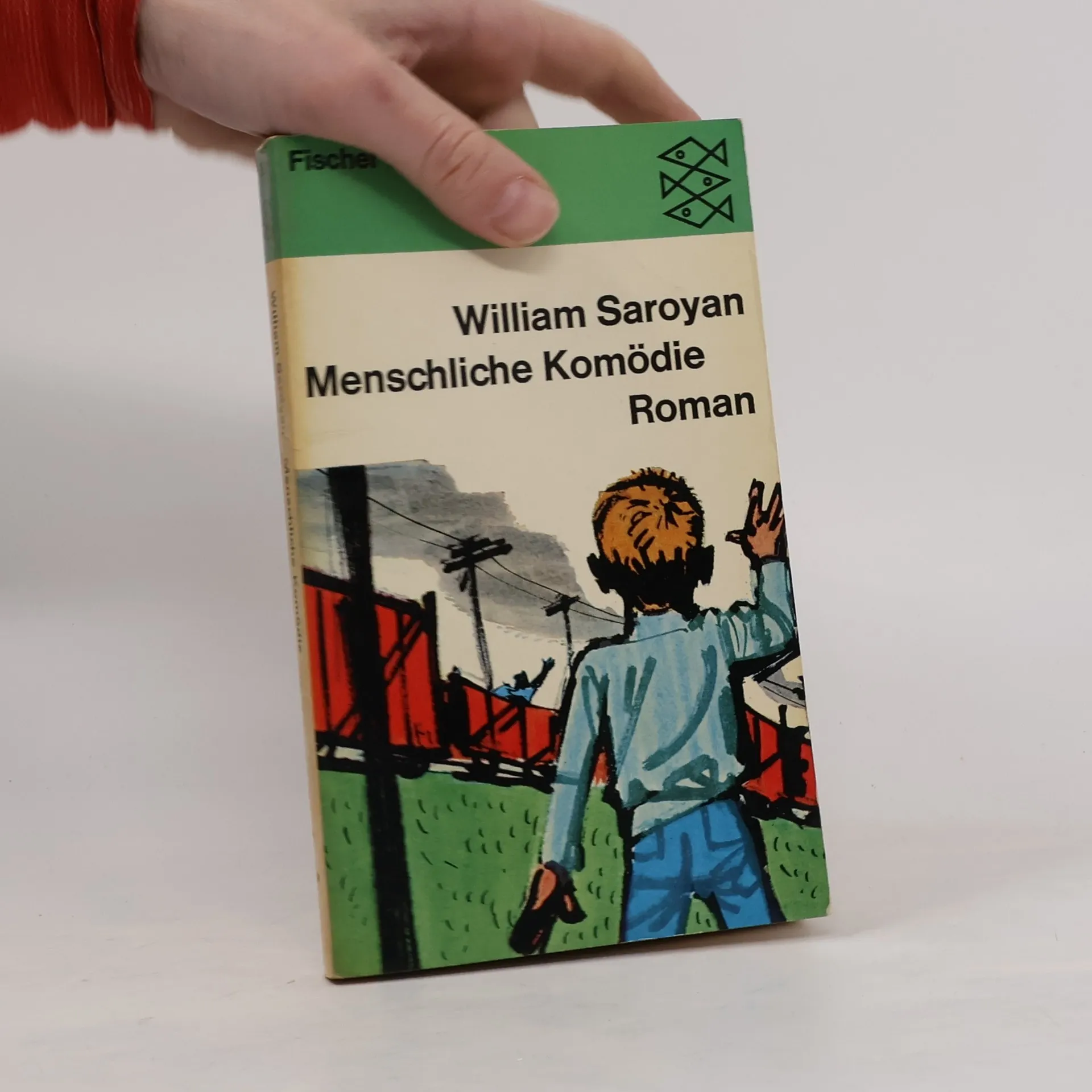
Homer Macauley trabaja como mensajero para una compañía de telégrafos y se convierte en testigo de la vida cotidiana de los habitantes de Ithaca, una pequña población del valle de San Joaquín, en California, que ve como muchos de sus soldados, en plena Segunda Guerra Mundial, no regresan al frente.
El lugar es Ithaca, San Joaquin Valley, en California. La época es la Segunda Guerra Mundial. La familia es la de Macauley, su madre, una hermana y tres hermanos cuyas luchas y sueños reflejan la de los inmigrantes de segunda generación de Estados Unidos. En particular, Homer, de catorce años, decidido a convertirse en uno de los mensajeros telegráficos más rápidos de Occidente, se encuentra atrapado entre la realidad y la ilusión al entregar sus mensajes de muerte, amor y dinero en tiempos de guerra, poniéndose cara a cara con La emoción humana en su más desnudo y crudo lado. Esta deliciosa novela nos muestra al niño convirtiéndose en hombre en un mundo que, incluso en medio de la guerra, parece más dulce, más seguro y más habitable que el nuestro.
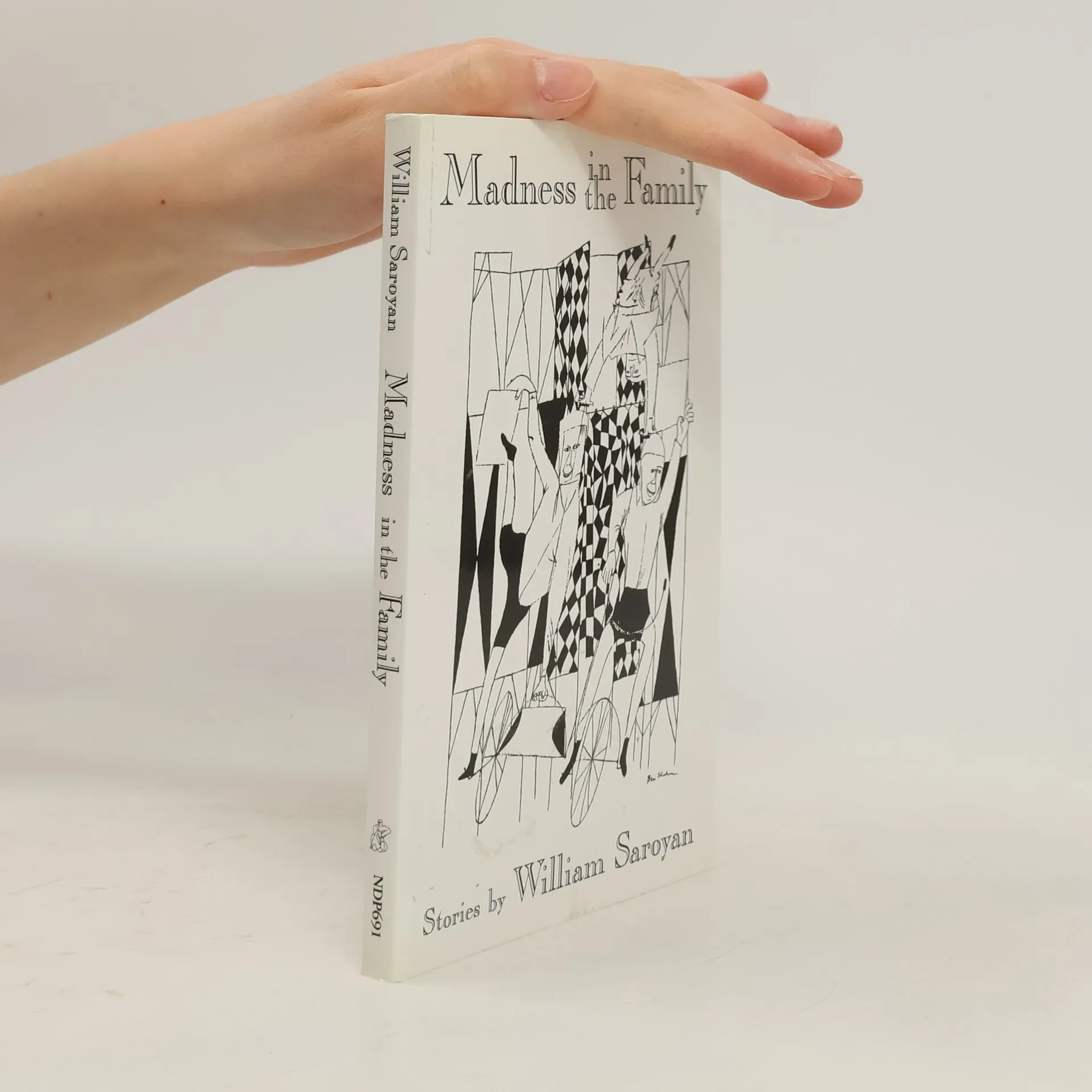
William Saroyan, whose identity as a major American author was strongly colored by his Armenian heritage, contributed frequently to "The Armenian Review," to which he gives credit for first publishing his work. This collection, published posthumously at his request, includes ninety-seven short stories, two plays, and four poems written between 1934 and 1963 and comprises one of the literary finds of the decade.Saroyan was a restless man torn between two worlds--the Armenian past of his dead father, which he felt welling up inside him, and the American present whose opportunities and possibilities he exulted in. Editor James Tashjian has compiled a record of those three decades of conflict, most of it seen in print only by "Armenian Review" readers, that expands our appreciation of a unique talent whose energy and imagination made him a literary phenomenon.from back cover
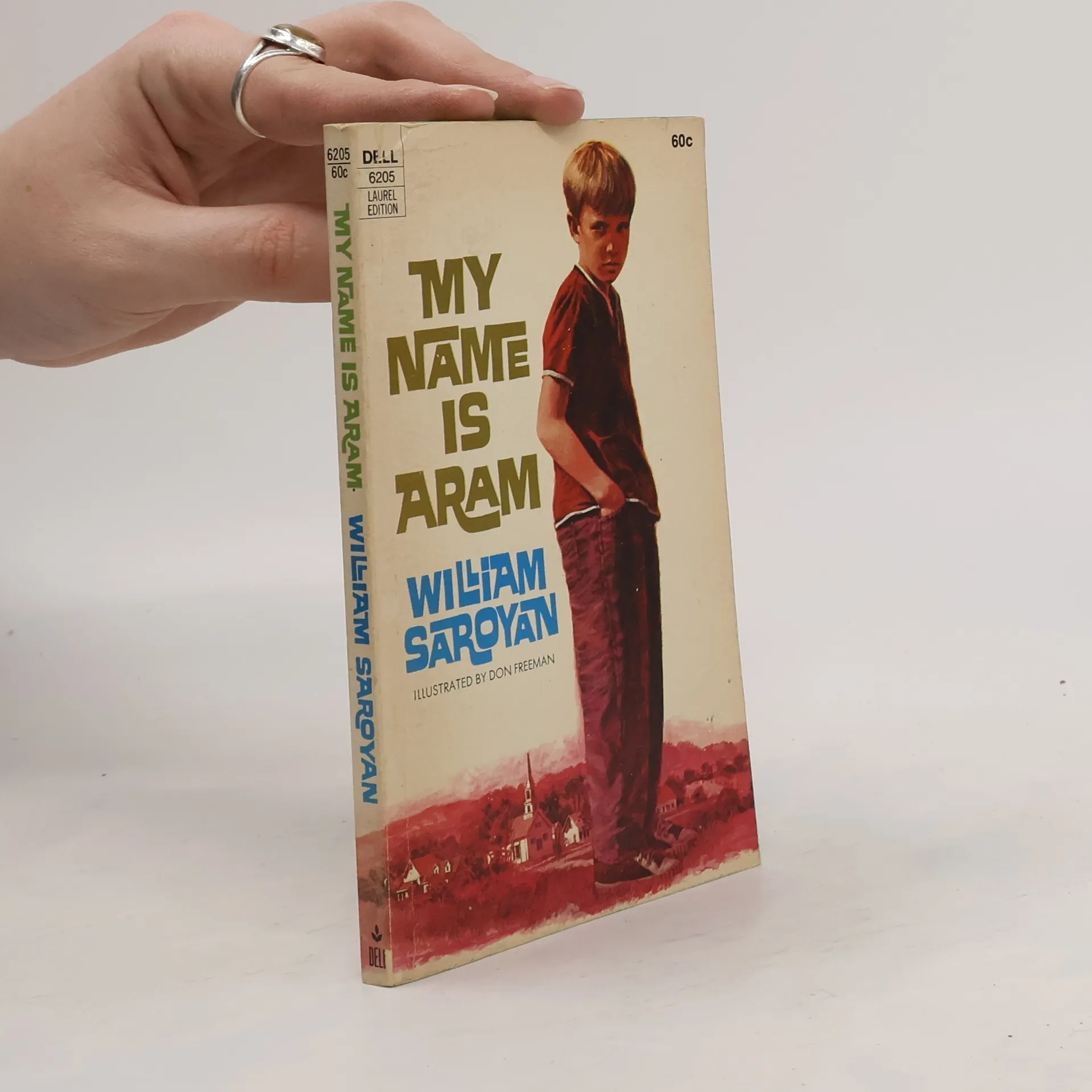
William Saroyan's most celebrated work of short fiction- a boy's view of the American Dream. Aram Garoghlanian was a Californian, born in Fresno on the other side of the Southern Pacific tracks. But he was also part of a large, sprawling family of immigrant Armenians--a whole tribe of eccentric uncles, brawling cousins, and gentle women. Through these unforgettable, often hilarious characters Aram comes to understand life, courage, and the power of dreams. Whether it is fierce Uncle Khosrove who yells "Pay no attention to it" in any situation, Uncle Melik, who tries to grow pomegranate trees in the desert, or angelic-looking Cousin Arak who gets Arma into classroom scrapes, Aram's visions are shaped and colored by this tum-of-the-century clan. Like Sherwood Anderson's Winesburg, Ohio, William Saroyan's brilliant short stories in My Name Is Aram work together to create a picture of a time, a place, and a boy's world-a truly classic account of an impoverished family newly arrived in America-rich in matters of the heart.
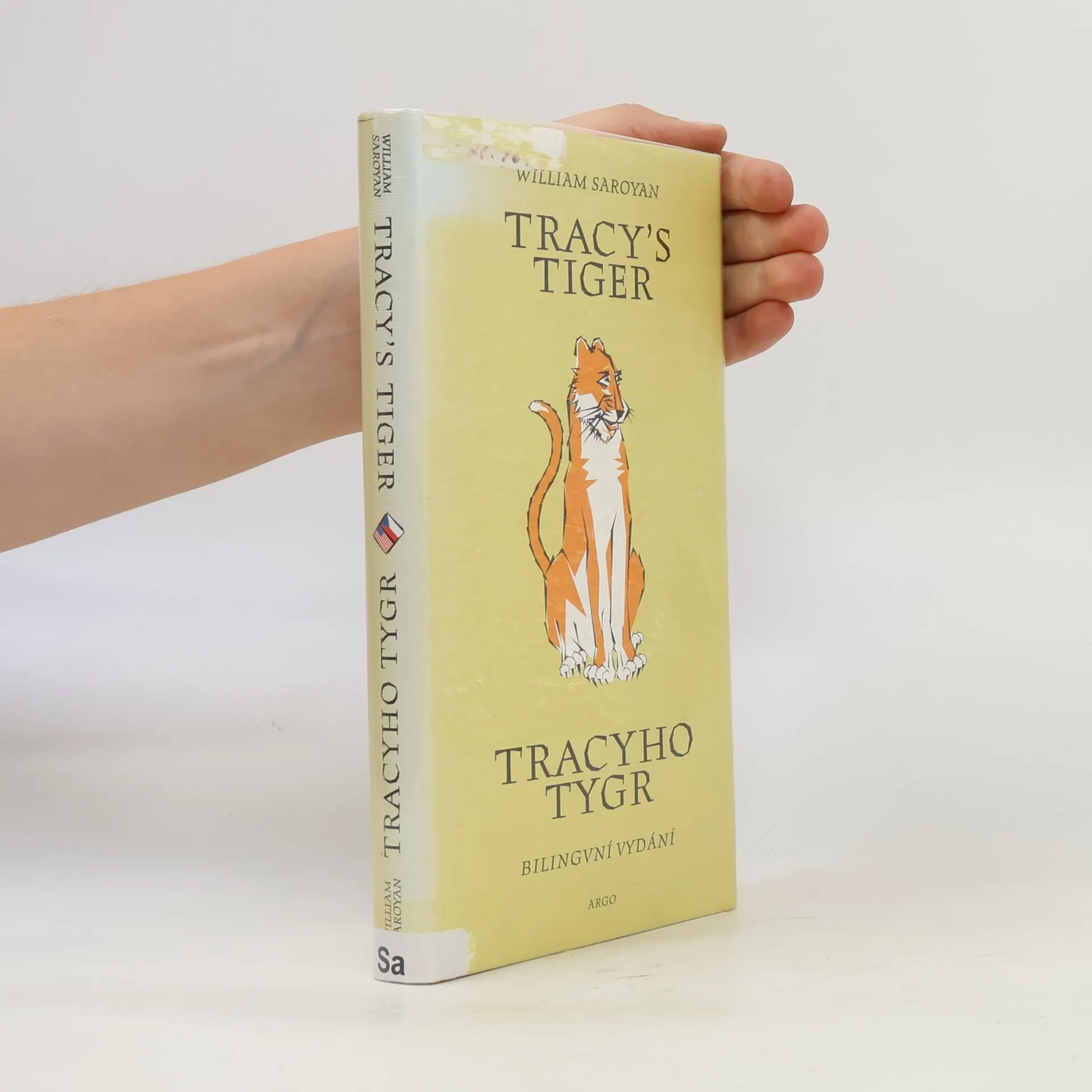
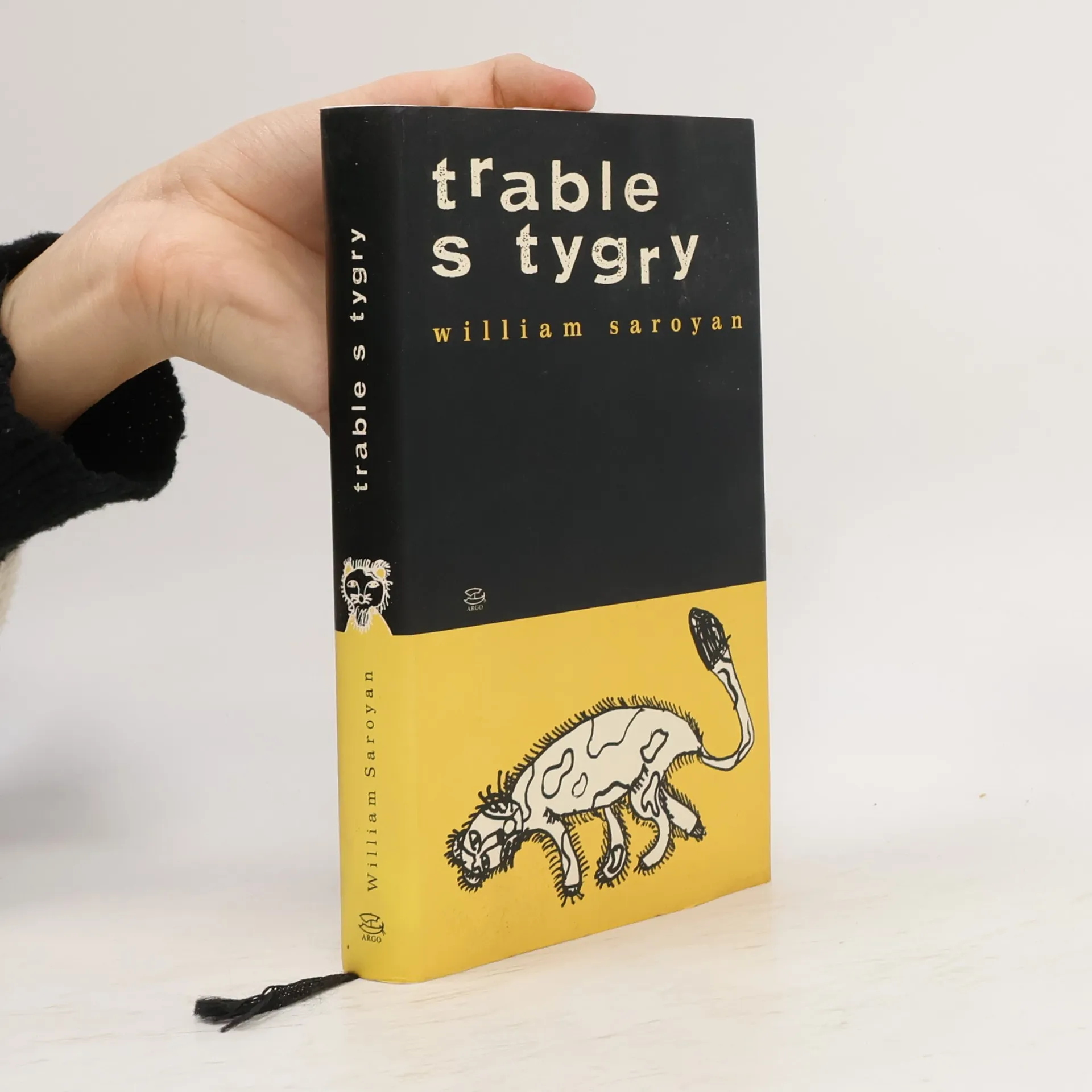
Bilingvní vydání americké kultovní novely čtenářům znovu připomene půvabný příběh Thomase Tracyho, newyorského mladíka, ke kterému se jednoho dne připojí jako stálý společník tygr, na něhož mladík už od dětství čeká, aby v něm probudil lásku k dívce Lauře a naučil ho dalším důležitým věcem, jež potřebuje mladík ke své proměně v muže.
What a delight to find seventeen of Saroyan s uncollected stories within one
cover!....charming tales, all blessed with Saroyan s pixieish imagination and
magical writing style .Even today they read as though they have been freshly
minted from the Saroyan treasure house. A discovery for those who love Saroyan
s fiction; his spark is still wonderfully alive. Library Journal