

Ein mitreißender Weckruf, um die liberale Demokratie gegen den Aufstieg von Zynismus und Autoritarismus zu verteidigen! In seinem neuen Buch stellt der niederländische Historiker und Bestseller-Autor Rutger Bregman die große Frage nach dem Sinn des Lebens. Er beobachtet einen tiefgreifenden moralischen Verfall innerhalb der westlichen Eliten, vergleicht den aktuellen Zustand der USA mit dem Zerfall des Römischen Reiches. Dagegen möchte er aufbegehren und für die Demokratie kämpfen. Bregman verbindet eine politische Diagnose mit autobiografischen Reflexionen. In einem dringlichen Appell plädiert er für einen radikalen Humanismus, für eine Revolution der Anständigen – und er skizziert eine Utopie: Er wünscht sich den Staat als mutigen Investor, fordert fundamentale Steuergerechtigkeit und eine Ökonomie, die menschliche Zuwendung als Segen statt als Kostenfaktor begreift.
Rutger Bregman Orden de los libros (cronológico)
Rutger Bregman es un historiador y periodista neerlandés, célebre por popularizar conceptos de innovación social y económica. Profundiza en el contexto histórico y el potencial de ideas como la renta básica universal y las semanas laborales más cortas. Su obra, inspirada en la historia, la filosofía y la economía, defiende soluciones innovadoras a los desafíos sociales. Bregman se ha consolidado como uno de los pensadores europeos más destacados a través de sus escritos y su periodismo.


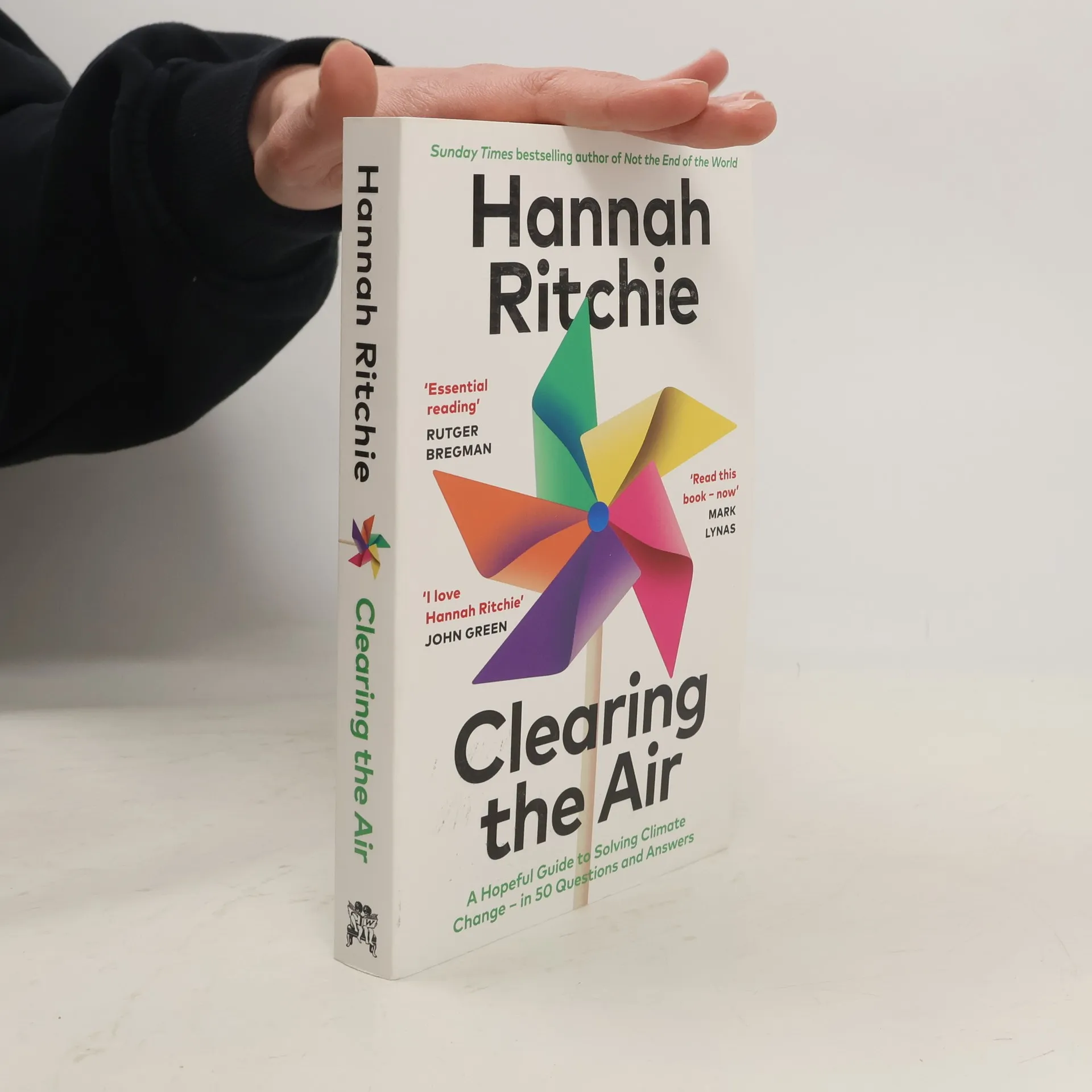

Clearing the Air
A Hopeful Guide to Solving Climate Change -- in 50 Questions and Answers
- 224 páginas
- 8 horas de lectura
We can't afford to delay climate action, but with all the shouting and disagreement it's hard to know where to turn. In her new book, bestselling environmental star Hannah Ritchie answers 50 key climate questions once and for all, clearing the air so we can get on and fix things. With so many conflicting headlines out there, it's tough to sort fact from fiction when it comes to climate change and the solutions we need for a cleaner future. The first piece of good news is that data scientist Hannah Ritchie is here with answers, and the steps we need to take now. Using simple, clear data, she tackles questions such as, 'Is it too late?', 'Won't we run out of minerals?' and 'Are we too polarised?'. The second piece of good news: the truth is way more hopeful than you might think. We're at a critical moment for our planet, and getting the facts straight is step one. But even more crucial is feeling hopeful about what we can do next. The third piece of good news? We already have many of the solutions we need to create a more sustainable planet for future generations. Clearing the Air is your essential guide whenever you're feeling lost or overwhelmed about climate change. Dive in, get informed and be part of building a better world for everyone.
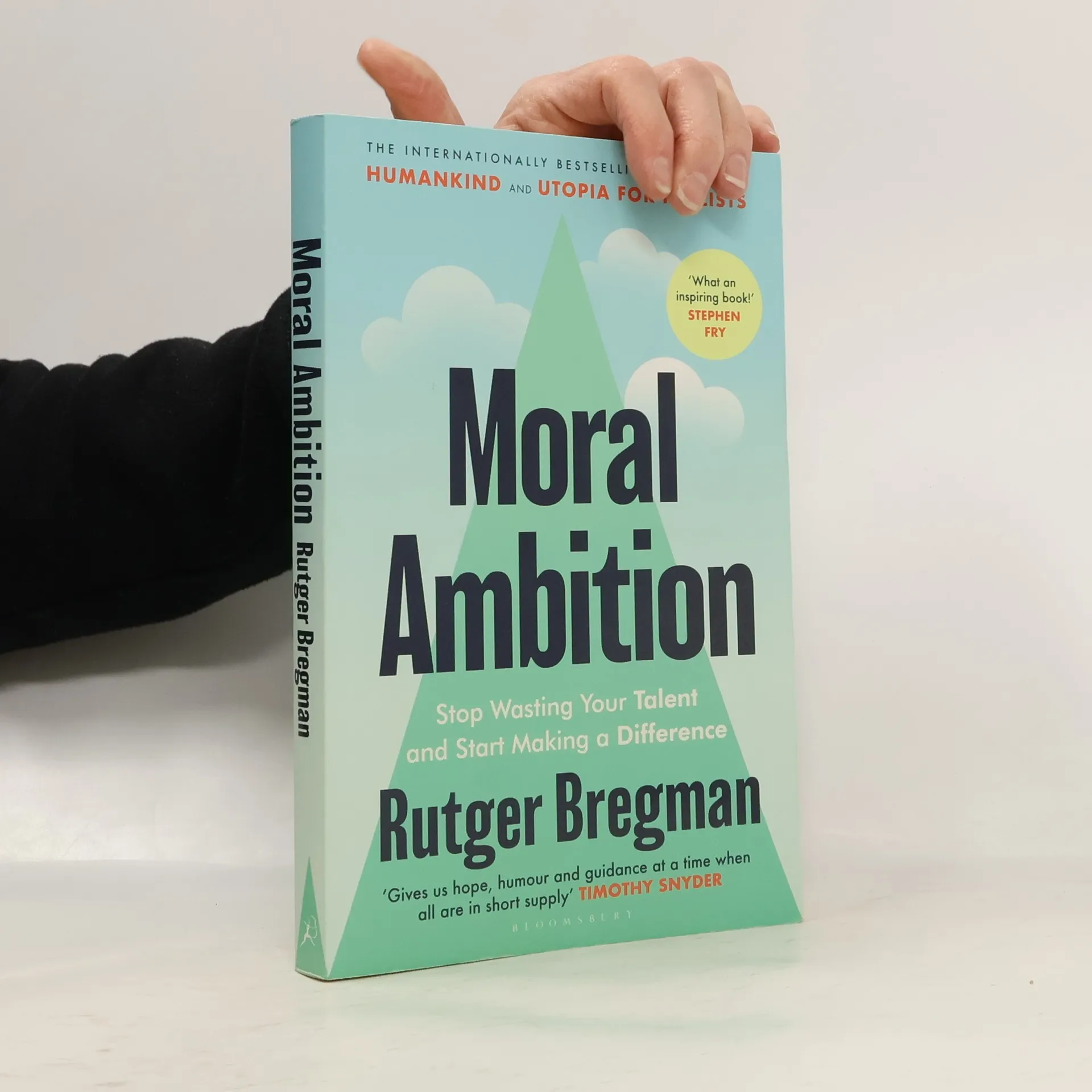
The book tells the stories of pioneers such as abolitionists, suffragettes, and civil rights activists who lived their ideals and changed the world. It highlights how transformative ideas are put into action and offers guidance on how to take action in times of crisis. It encourages readers to change their own lives.
Als er nu één verhaal verteld moet worden, dan is dat het verhaal van Johan van Veen. Ingenieur. Vader van het Deltaplan. Een van de grootste Nederlanders aller tijden. Maar vrijwel niemand die hem kent. Het verhaal van Johan is het verhaal van Nederland. Een verhaal dat sinds de Watersnoodramp van 1953 in de vergetelheid is geraakt, maar door de stijgende zeespiegel relevanter is dan ooit. En dat laat zien: we kunnen de strijd tegen het water opnieuw winnen. Reacties: "Dit mag je niet missen!' -Helga van Leur "Een belangrijk verhaal dat gelezen moet worden door iedere Nederlander.' -Angela Groothuizen "Rutger Bregman is des werelds hoop in bange dagen.' -Hugo Borst
Dignos de Ser Humanos
- 528 páginas
- 19 horas de lectura
¿Y si resulta que es el altruismo y no la competitividad feroz el impulso natural del ser humano? Una revolucionaria lectura de la historia de la humanidad. El ser humano es egoísta, insolidario y se mueve solo por su propio interés: lo han sostenido pensadores como Maquiavelo, filósofos como Hobbes, psicoanalistas como Freud, científicos como Dawkins y multitud de historiadores y escritores. Pero ¿realmente es así? Este libro propone repensar la historia a partir de la evidencia de que el ser humano tiende más a cooperar que a competir, a confiar que a desconfiar. El autor estudia doscientos mil años de historia y nos descubre que el altruismo y no la competitividad ha sido el motor evolutivo de la humanidad. Para ello aborda ejemplos como la diferencia entre lo que se cuenta en la novela El Señor de las Moscas y lo que sucedió en los años setenta del siglo pasado cuando un grupo de niños australianos naufragaron y pasaron varios meses solos; o el comportamiento solidario y resiliente de los ciudadanos durante el Blitz en el Londres de la Segunda Guerra Mundial; o la realidad tras ciertos experimentos psicológicos y sociológicos sobre comportamiento humano. Una propuesta fascinante, repleta de anécdotas, de muy grata lectura y que, lejos de pecar de ingenuidad o tramposa candidez, plantea una inteligente y revolucionaria lectura de la historia de la humanidad. Un libro que acaso pueda ayudarnos a cambiar el mundo.
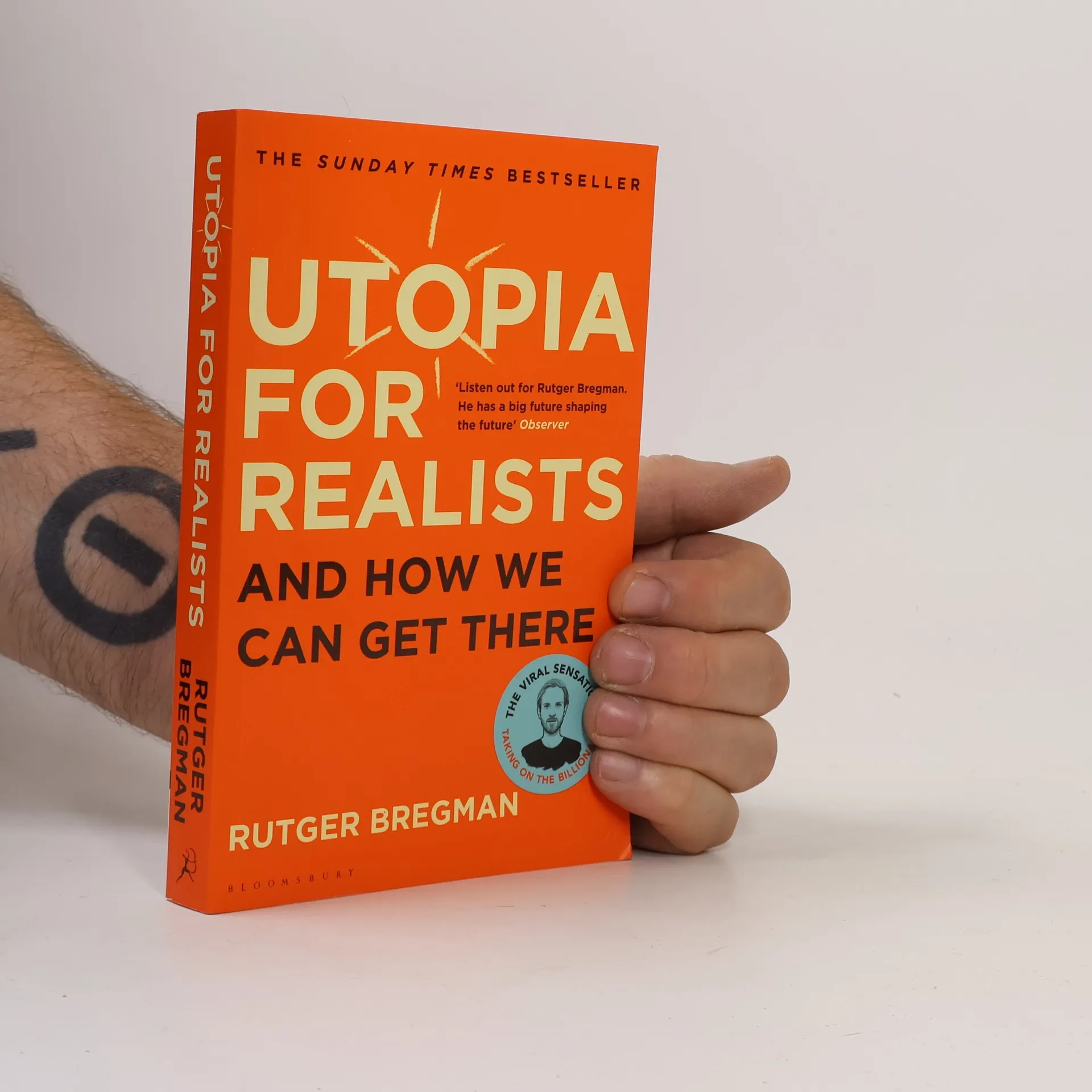
A noted Dutch journalist and economist proposes an outline for a new worldwide Utopia, with central tenets including a shortened work week, a guaranteed basic income for all, wealth redistribution, and open borders everywhere
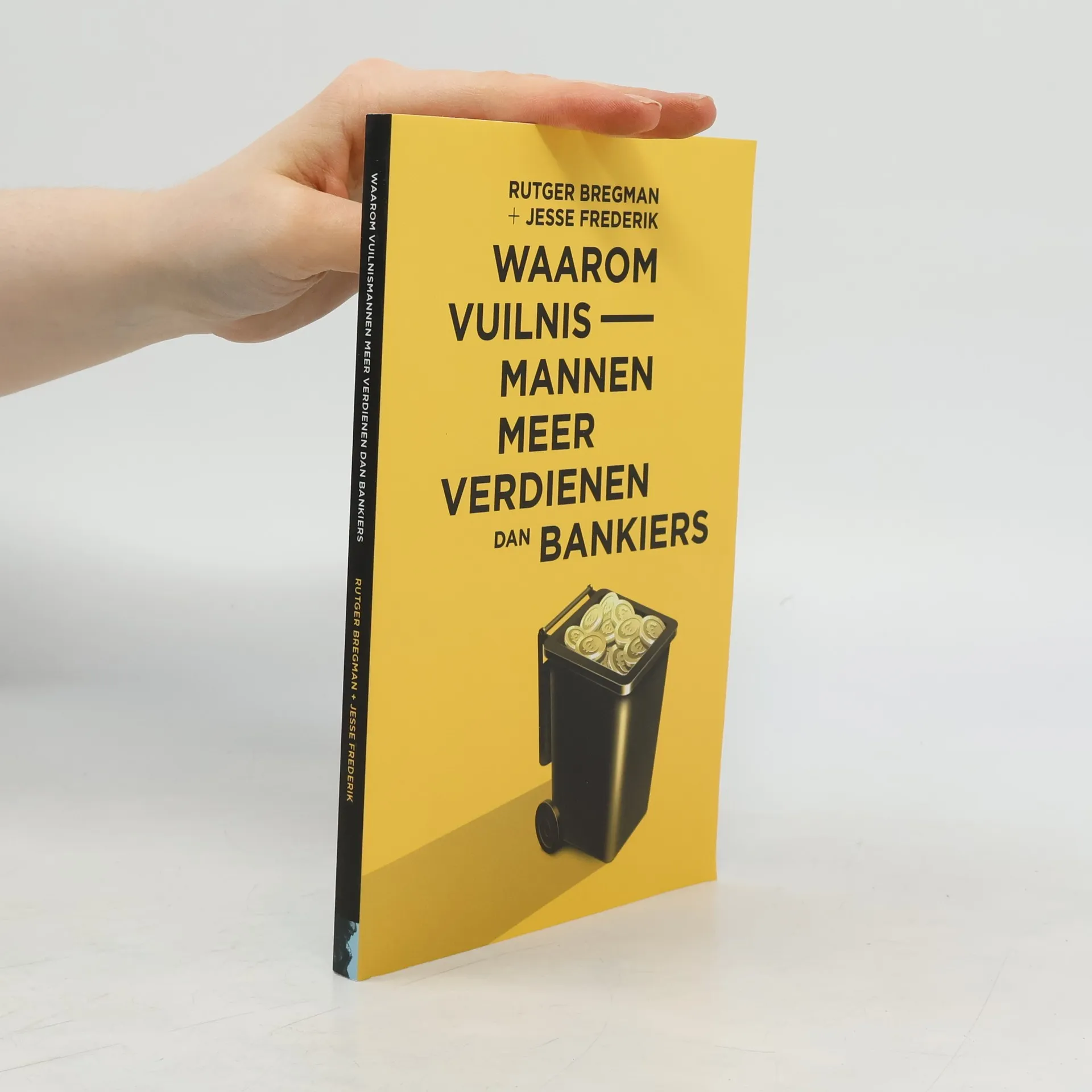
Essay over de vraag waarom werk dat waarde toevoegt aan de welvaart vaak veel slechter wordt beloond dan werk dat slechts welvaart verplaatst of zelfs schadelijk is.