
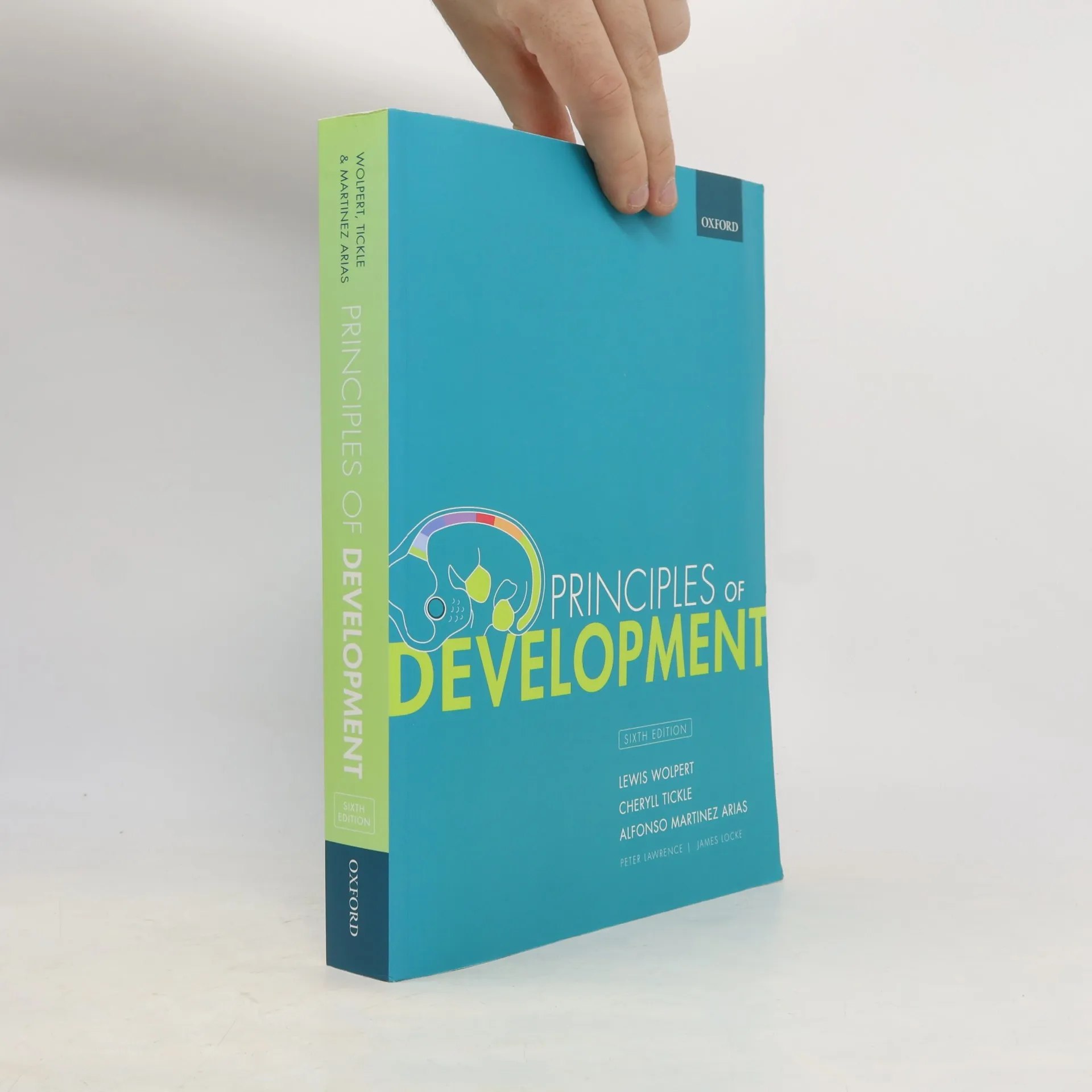
Principles of development
- 560 páginas
- 20 horas de lectura
Lewis Wolpert fue un distinguido biólogo del desarrollo cuyas investigaciones arrojaron luz sobre los procesos fundamentales del desarrollo embrionario. Fue pionero en conceptos que explican cómo las células comunican información posicional, crucial para comprender la formación de los organismos. Más allá de sus contribuciones científicas, Wolpert fue un apasionado comunicador de la ciencia, defendiendo la racionalidad y la evidencia empírica como los medios más efectivos para comprender el mundo. Sus escritos también exploraron valientemente la experiencia personal de la depresión, ofreciendo una mezcla única de perspicacia científica y vulnerabilidad humana.


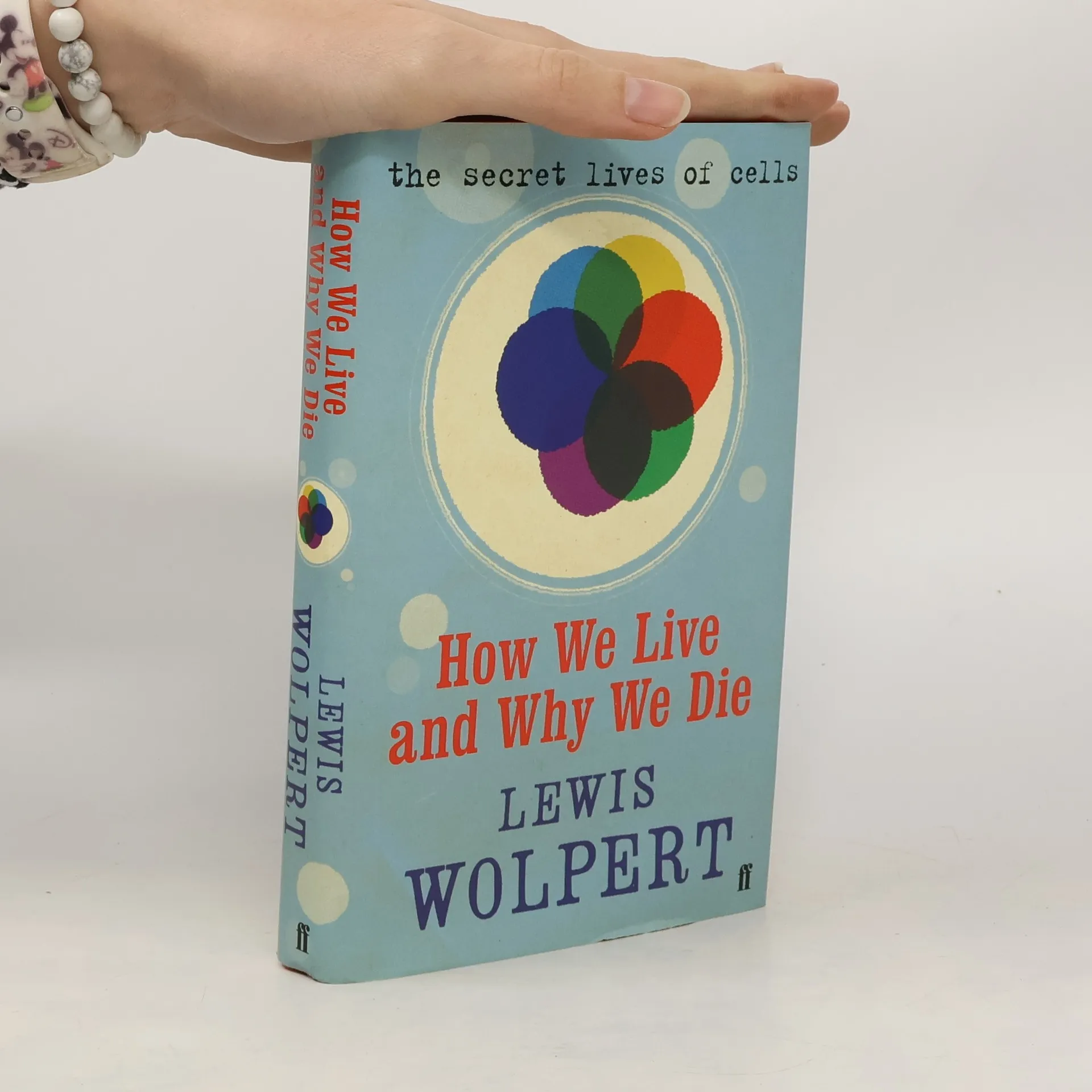
Cells are the basis of all life in the universe. Our bodies are made up of billions of an incredibly complex society that governs everything, from movement to memory and imagination. When we age, it is because our cells slow down; when we get ill, it is because our cells mutate or stop working. In "How We Live and Why we Die", Wolpert provides a clear explanation of the science that underpins our lives. He explains how our bodies function and how we derived from a single cell - the embryo. He examines the science behind the topics that are much discussed but rarely understood - stem-cell research, cloning, DNA - and explains how all life evolved from just one cell. Lively and passionate, "How We Live and Why we Die" is an accessible guide to understanding the human body and, essentially, life itself.
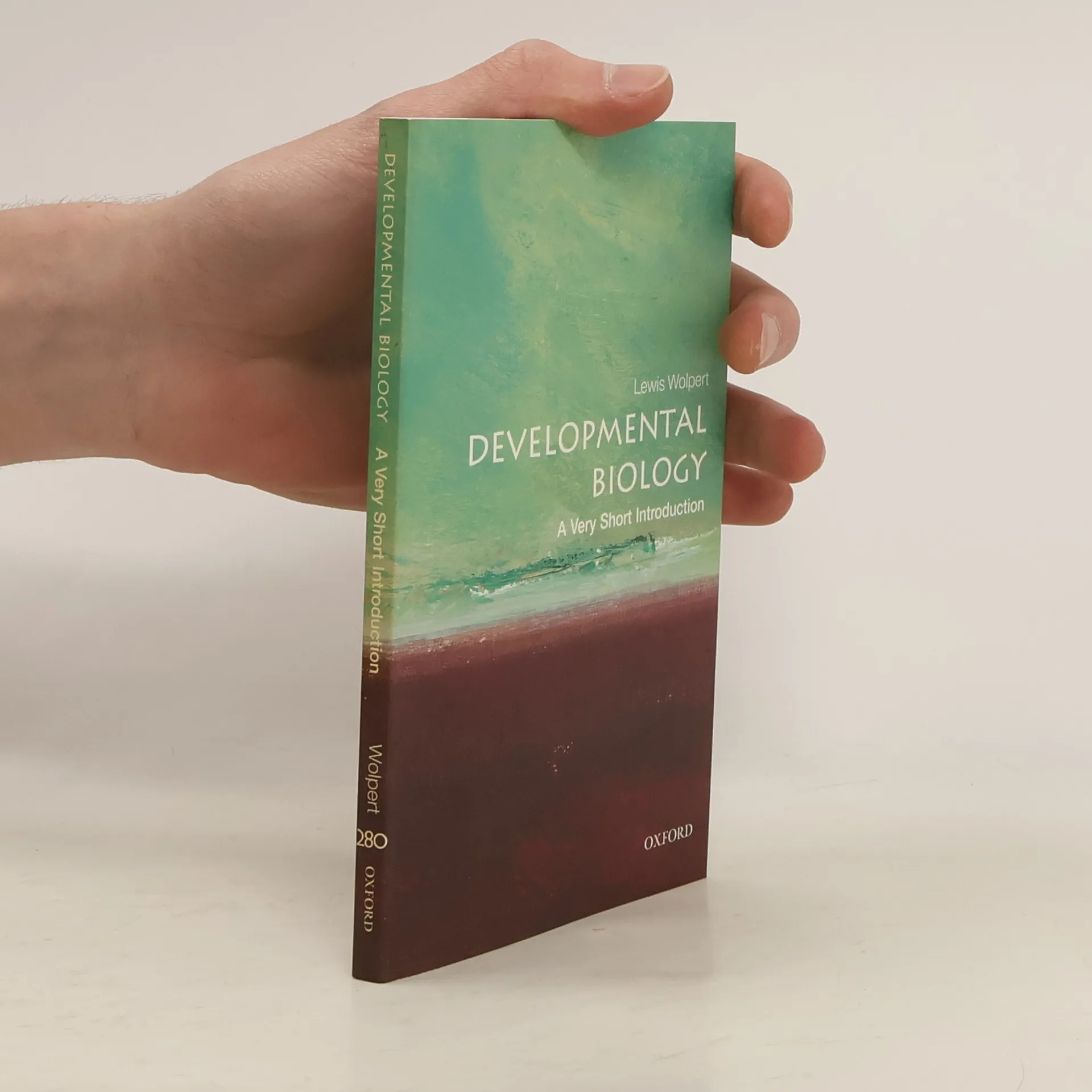
The development of a single fertilized egg into a fly, an elephant, or a human baby is one the most remarkable near-miracles achieved by nature. This Very Short Introduction, written by the distinguished developmental biologist Lewis Wolpert, gives a concise account of, and explores, one of the liveliest areas of scientific research.
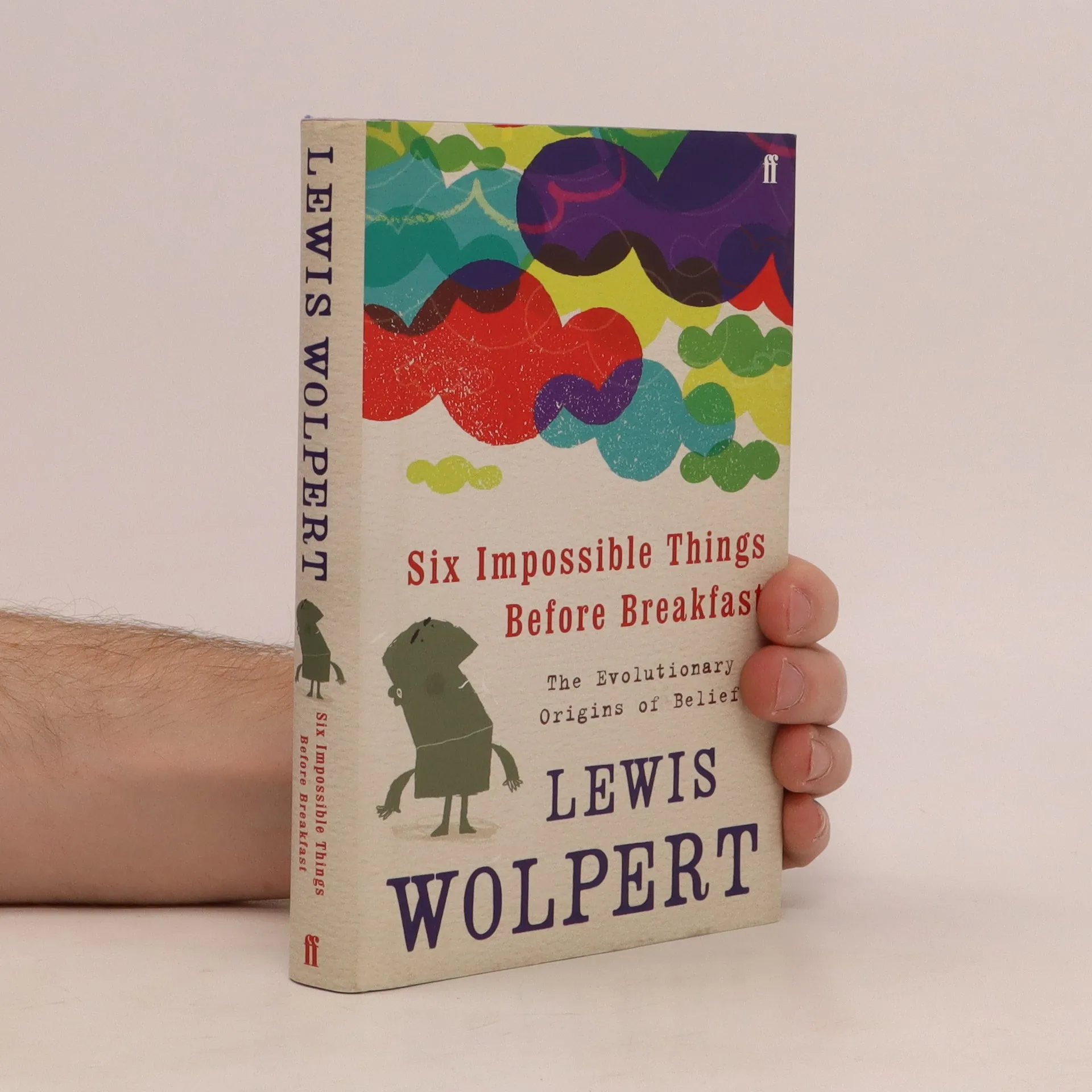
Lewis Wolpert investigates the nature of belief and its causes. He looks at belief's psychological basis and its possible evolutionary origins in physical cause and effect.
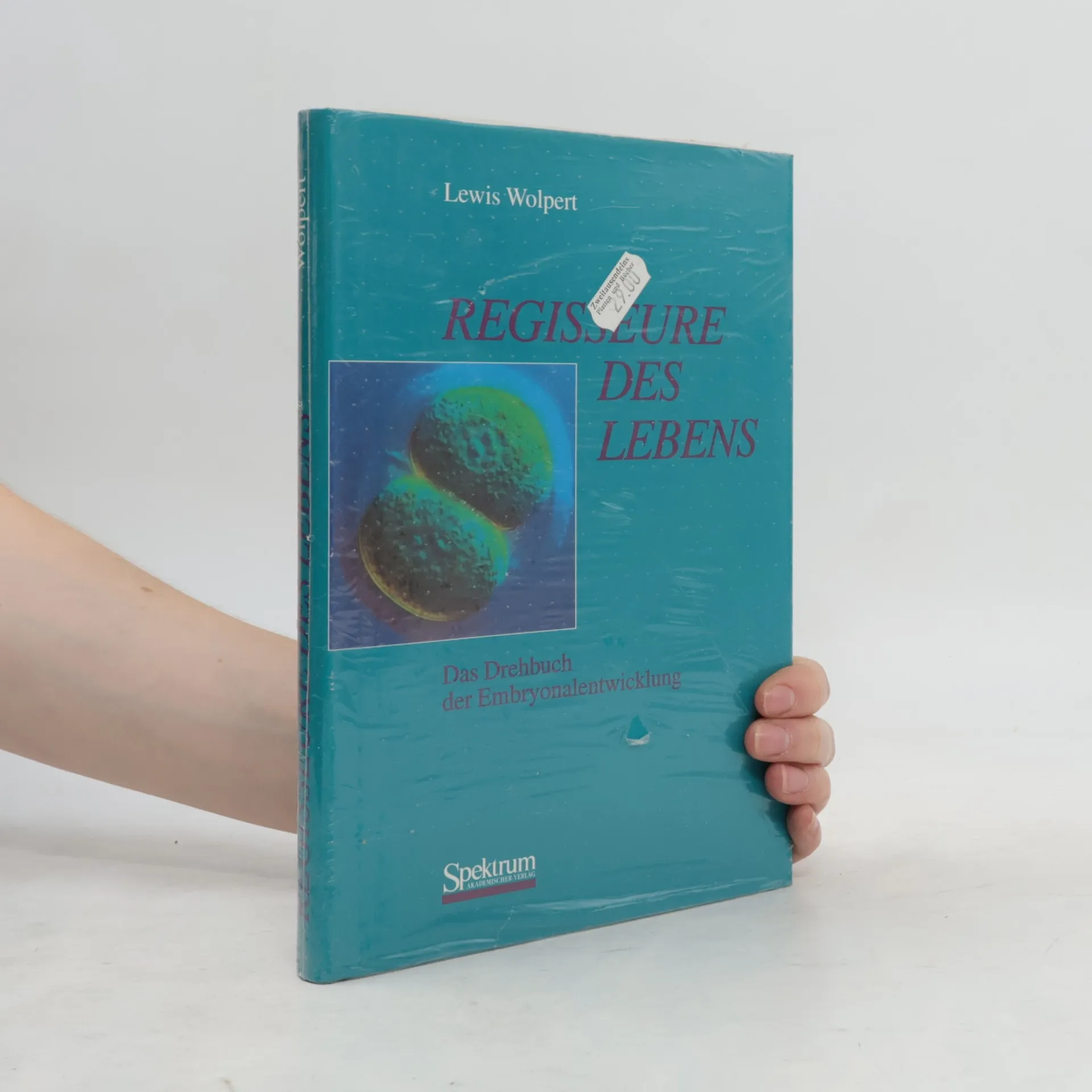
Jak může z jediné buňky vzniknout úplná forma dospělé bytosti? Jak mohou z jediné buňky vzniknout miliony buněk s nejrůznějšími specializovanými funkcemi ve správném poměru? Jak se organizují v úplné struktury, jako jsou končetiny, tváře, srdce a mozky? Jak to, že tyto útvary jsou tak stálé a v každé generaci se opakují? Kde je celá tato informace ve vajíčku zakódována a uložena?
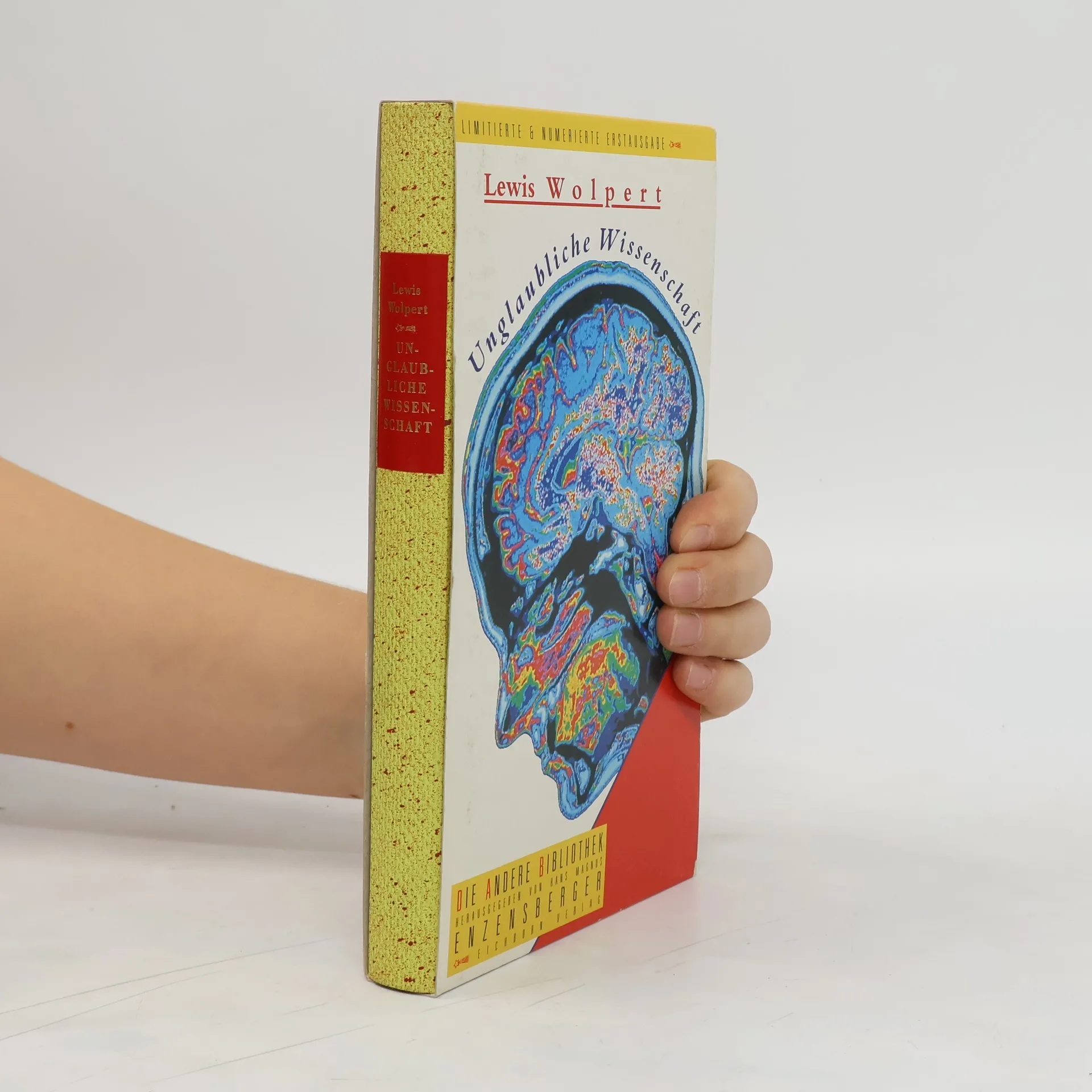
Der Biochemiker Lewis Wolpert arbeitet die Unterschiede zwischen der Technik, dem gesunden Menschenverstand und dem naturwissenschaftlichen Denken heraus und vertritt die These, dass die Ursprünge der Naturwissenschaften ausschließlich im antiken Griechenland liegen würden
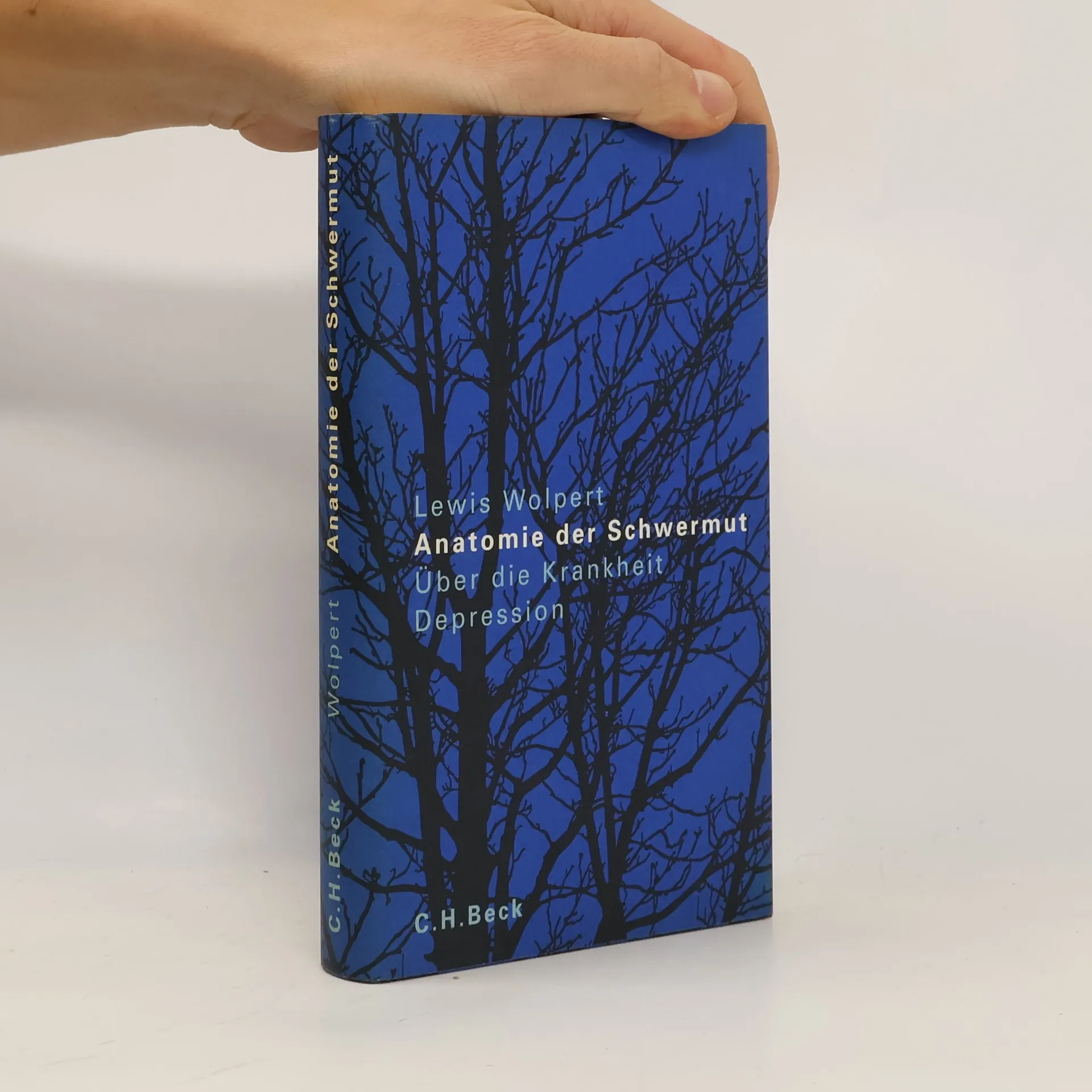
Über die Krankheit Depression
Vor einigen Jahren durchlebte der berühmte Biologe Lewis Wolpert eine schwere depressive Phase. Trotz eines glücklichen Privatlebens und beruflichen Erfolgs konnte er nur noch an Suizid denken. Nach seiner Heilung wurde ihm das Stigma deutlich, das auf dieser bösartigen Erkrankung lag – und wie schwer es war, an zuverlässige Informationen zu kommen. Mit bemerkenswerter Offenheit schrieb er daraufhin Anatomie der Schwermut – eine klare und seriöse Darstellung der Ursachen und Behandlungsformen von Depression. Wolperts Buch, das in Großbritannien mittlerweile in dritter Auflage vorliegt und auch die Grundlage für eine Fernsehserie der BBC bildete, informiert über den neuesten Stand der wissenschaftlichen und medizinischen Forschung zum Thema Depression – von den möglichen Gefahren von Antidepressiva und der Entdeckung von Genen, die eine Disposition für die Erkrankung darstellen, bis hin zu der Frage, wie wir zu einem besseren Verständnis dessen gelangen, was seelische Gesundheit überhaupt bedeutet.