
Compra 10 libros por 10 € aquí!
Bookbot

John Maynard Keynes

    5 de junio de 1883 – 21 de abril de 1946

    John Maynard Keynes fue un economista británico cuya influencia en la teoría y práctica de la macroeconomía moderna es particularmente significativa. Su pensamiento económico moldeó profundamente la comprensión contemporánea de cómo funcionan las economías. Keynes abordó sistemas económicos complejos, y sus obras se convirtieron en la base de muchas teorías económicas posteriores. Su legado reside en su profunda perspicacia sobre la dinámica del mercado y la política gubernamental.

    John Maynard Keynes
    A Treatise on Money
    A Treatise on Money
    A Treatise On Probability - Unabridged
    Aborigines and the 'Sport of Kings'
    The Collected Writings of John Maynard Keynes
    Las posibilidades económicas de nuestros nietos : una lectura de Keynes por Joaquín Estefanía
    • 2024

      A Treatise on Money

      Vol. I

      • 384 páginas
      • 14 horas de lectura

      This reprint of a 1930 original offers a glimpse into the past, preserving the historical context and themes of its time. Readers can expect to explore the era's unique perspectives and cultural nuances, making it a valuable addition for those interested in vintage literature and historical narratives. The book maintains its authenticity, providing an opportunity to experience the writing style and societal reflections from nearly a century ago.

      A Treatise on Money
    • 2024

      1930 rechnete der Ökonom Keynes vor, dass seine Enkelkinder-Generation hundert Jahre später dank technologischen Fortschritts in nie gekanntem materiellem Wohlstand leben und dank dieser Entwicklung nur noch 15 Stunden pro Woche arbeiten würde. Die erste Prognose ist präzise eingetroffen – die zweite offenkundig nicht. Keynes’ visionärer Essay wirft Fragen auf, die heute mehr denn je zentral sind: Warum arbeiten wir immer noch so viel und wieder zunehmend mehr? Welche Alternativen gäbe es zum derzeitigen Arbeitsregime? Und wofür arbeiten wir überhaupt? Ein Essay der Journalistin Ulrike Herrmann gibt zusätzliche Denkanstöße.

      Wirtschaftliche Möglichkeiten für unsere Enkel
    • 2023

      A Tract on Monetary Reform

      in large print

      • 248 páginas
      • 9 horas de lectura

      Focusing on accessibility, this book is a reproduction of a historical work presented in large print format. The publishing house Megali aims to enhance the reading experience for individuals with impaired vision, ensuring that classic literature remains available and enjoyable to a broader audience.

      A Tract on Monetary Reform
    • 2021
    • 2021

      The End of Laissez-Faire

      The Economic Consequences of the Peace

      • 192 páginas
      • 7 horas de lectura

      Keynes provides a historical overview of laissez-faire economic policy, advocating for a balance between free markets and government intervention to mitigate the adverse effects of capitalism, particularly concerning unemployment. His insights gained relevance during the Great Depression. Additionally, the author gained notoriety after World War I for critiquing the Treaty of Versailles in "The Economic Consequences of the Peace," where he condemned the harsh terms imposed on Germany and warned of their detrimental impact on Europe.

      The End of Laissez-Faire
    • 2021

      Výbor obsahuje politické, ekonomické a biografické eseje Johna Maynarda Keynese. V pozoruhodných statích o Versailleské smlouvě, Velké hospodářské krizi a úvahách o budoucnosti kapitalismu se skrývají zárodky Obecné teorie zaměstnanosti, úroku a peněz, základního díla dějin ekonomie. Zastoupen je však i Keynesův nejoblíbenější žánr: psychologický portrét a biografická skica. Svazek obsahuje osobní portréty státníků, například Georgese Clémenceaua, Woodrowa Wilsona či Lloyda George, ale i vědců jako Albert Einstein či Isaac Newton, a ekonomů Roberta Malthuse či Williama Stanleyho Jevonse.

      Jsem liberál? – Výbor esejů
    • 2016

      Wegen seiner vielen Kontakte kann Kurt Singer, Hauptschriftleiter des „Wirtschaftsdienst“ von 1920 bis 1927, während seiner Arbeit beim „Wirtschaftsdienst“ einige hochkarätige Autoren von außen gewinnen, darunter den britischen Ökonomen John Maynard Keynes. Von 1920 bis 1932 hat Keynes 51 Artikel im „Wirtschaftsdienst“ veröffentlicht. Sie befassen sich mit den drängenden geld- und währungspolitischen Fragen seiner Zeit: den Reparationszahlungen nach dem Krieg, dem Goldstandard, der währungspolitischen Lage in England, Frankreich, Russland und Deutschland und vielem anderen mehr. Singers Nachfolger, Eduard Rosenbaum, wurde im April 1933 infolge der Machtergreifung der Nationalsozialisten zum Rücktritt gedrängt, fühlte sich aber weiterhin verantwortlich und ersuchte John Maynard Keynes, dem er von seiner Entlassung berichtete, auch zukünftig für den „Wirtschaftsdienst“ zu schreiben. Keynes lehnte dieses Ansinnen allerdings „bis auf Weiteres“ ab. Dieser Band enthält sämtliche Artikel, die seinerseits von John Maynard Keynes im „Wirtschaftsdienst“ publiziert wurden. Alle Beiträge liegen in deutscher Sprache vor.

      Gesammelte Artikel im "Wirtschaftsdienst" von 1920 bis 1932
    • 2015

      Sin duda hoy la mayoría de los ciudadanos cree en el poder de los gobiernos y de las intervenciones públicas a la hora de evitar las depresiones, el desempleo masivo y el empobrecimiento. Sin embargo, prácticamente nadie sabe que esta idea, y su correspondiente desarrollo técnico, es de John Maynard Keynes, uno de los padres de la economía como ciencia, y probablemente el economista más citado, cuya obra, sin embargo, es para muchos desconocida. Más de seis décadas después de su muerte, ¿qué queda de él y del keynesianismo? Para responder a esta pregunta, Joaquín Estefanía rescata, de sus Ensayos de persuasión, los textos de mayor calado político, accesibles a cualquier lector y enormemente representativos de la vigencia de Keynes. En su amplia introducción a los siete ensayos que conforman la segunda parte de este libro, de impresionante actualidad en el siglo XXI, Joaquín Estefanía analiza en qué medida Keynes y su obra siguen siendo guías para el futuro. La lúcida semblanza que hace del creador de la macroeconomía retrata a éste como un pensador clave y contracorriente: "Keynes rechaza frontalmente el comunismo, no le gustan ni el conservadurismo ni el laborismo de su época, y cree que hay que hacer algo".

      Las posibilidades económicas de nuestros nietos : una lectura de Keynes por Joaquín Estefanía
    • 2015

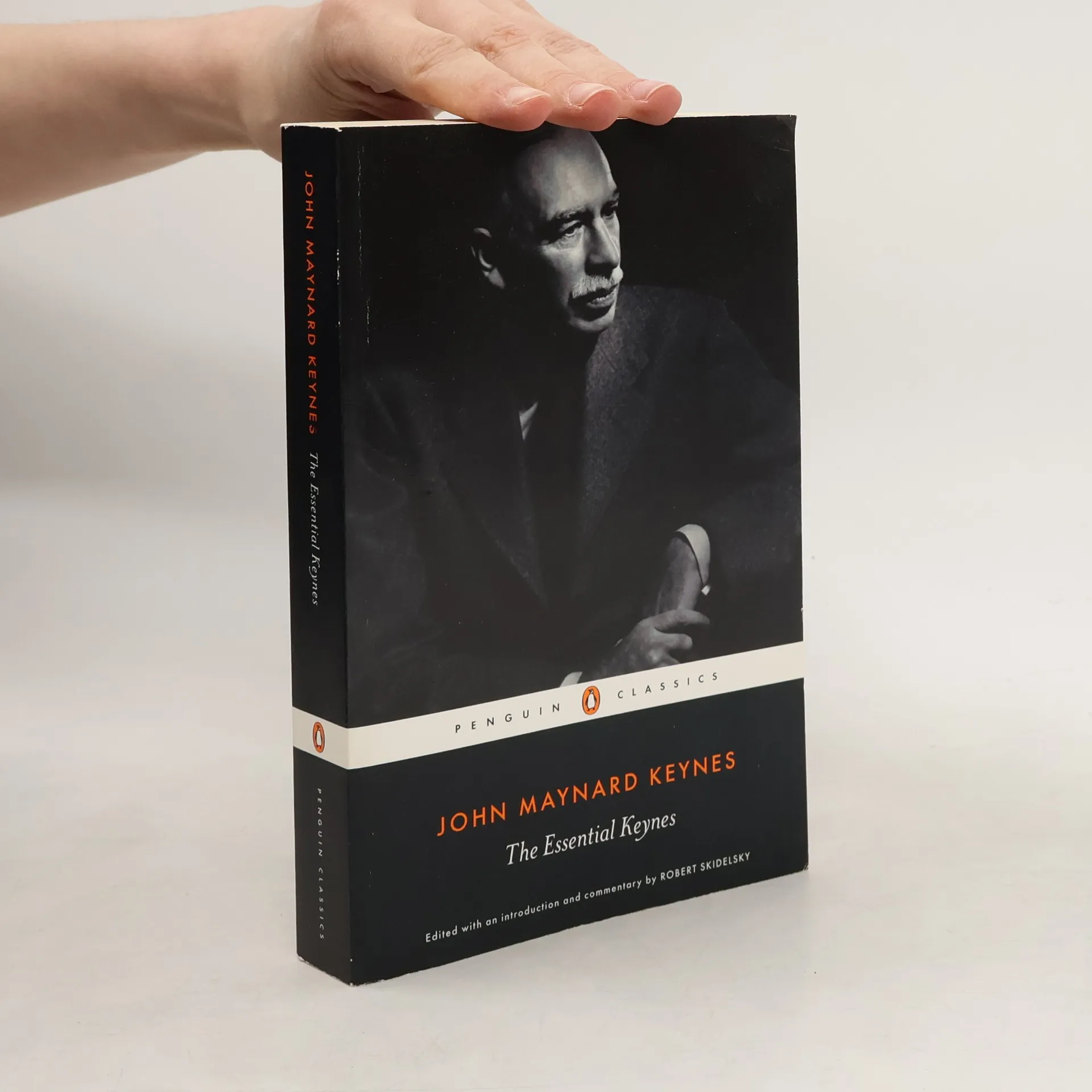
      Edited with an introduction by ROBERT SKIDELSKY'Many of the greatest economic evils of our time are the fruits of risk, uncertainty, and ignorance'John Maynard Keynes was the most influential economist, and one of the most influential thinkers, of the twentieth century. He overturned the orthodoxy that markets were optimally self-regulating, and instead argued for state intervention to ensure full employment and economic stability. This new selection is the first comprehensive single-volume edition of Keynes's writings on economics, philosophy, social theory and policy, including several pieces never before published. Full of irony and wit, they offer a dazzling introduction to a figure whose ideas still have urgent relevance today.John Maynard Keynes (1883-1946) is widely considered to have been the most influential economist of the 20th century. His key books include The Economic Consequences of the Peace (1919); A Treatise on Probability (1921); A Tract on Monetary Reform (1923); A Treatise on Money (1930); and his magnum opus, the General Theory of Employment, Interest, and Money (1936).Robert Skidelsky is Emeritus Professor of Political Economy at Warwick. His three-volume biography of Keynes received numerous awards, including the Lionel Gelber Prize and the Council on Foreign Relations Prize.

      The Essential Keynes