
Un ex comandante de submarino británico e historiador aficionado que profundiza en narrativas históricas poco convencionales, desafiando líneas de tiempo y orígenes establecidos. Su trabajo propone que descubrimientos globales y movimientos culturales significativos se originaron en civilizaciones ajenas a la visión típicamente eurocéntrica. Incita a los lectores a cuestionar los relatos históricos aceptados explorando intrigantes teorías alternativas. El enfoque distintivo del autor busca desenterrar aspectos pasados por alto de la historia y remodelar nuestra comprensión de los acontecimientos pasados.
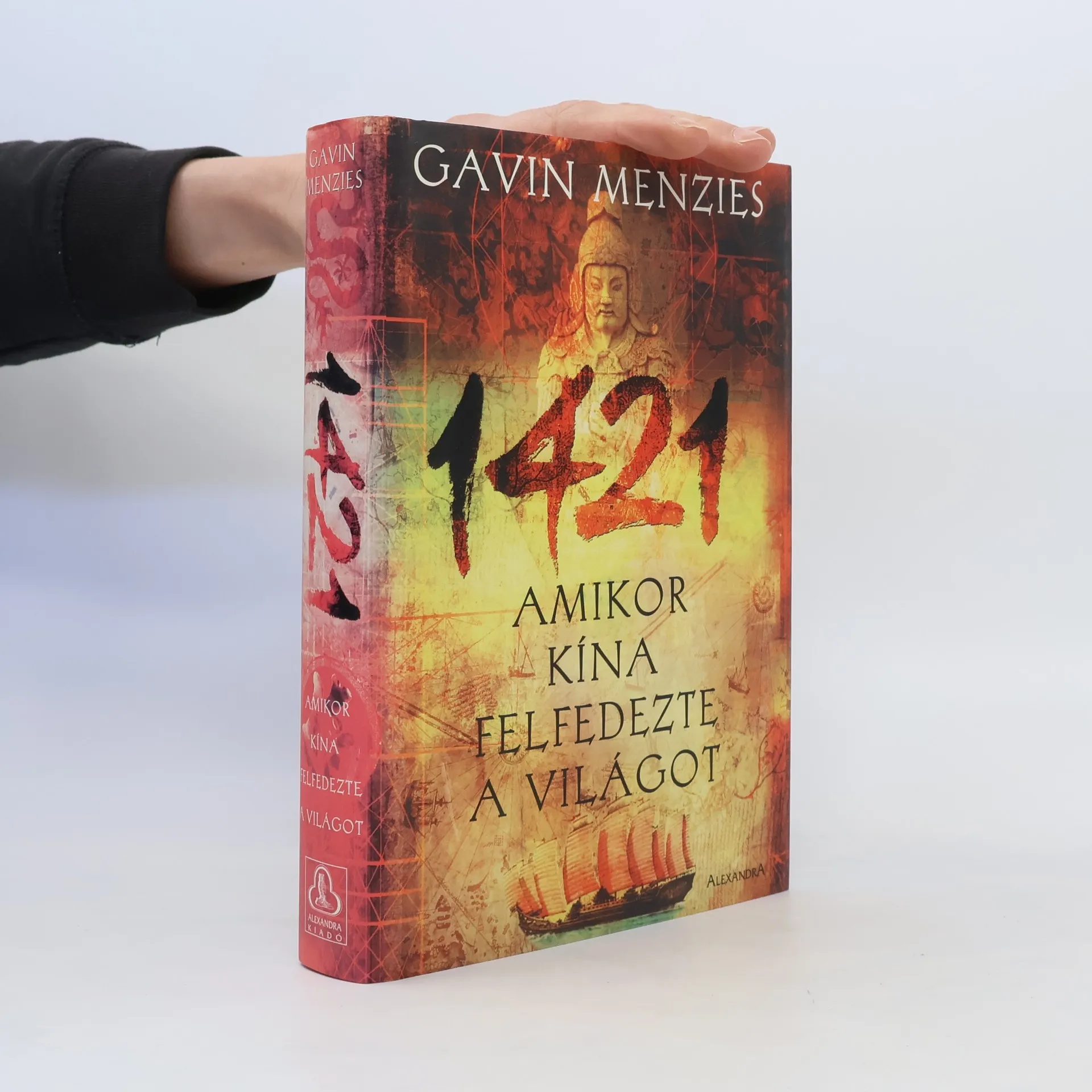
Tras el inmenso éxito de 1421, su autor nos ofrece otra asombrosa revisión de la historia con nuevas pruebas que sitúan las raíces del Renacimiento en los viajes de exploración chinos del siglo XV.
The bestselling author of 1421: THE YEAR THE CHINESE DISCOVERED THE WORLD
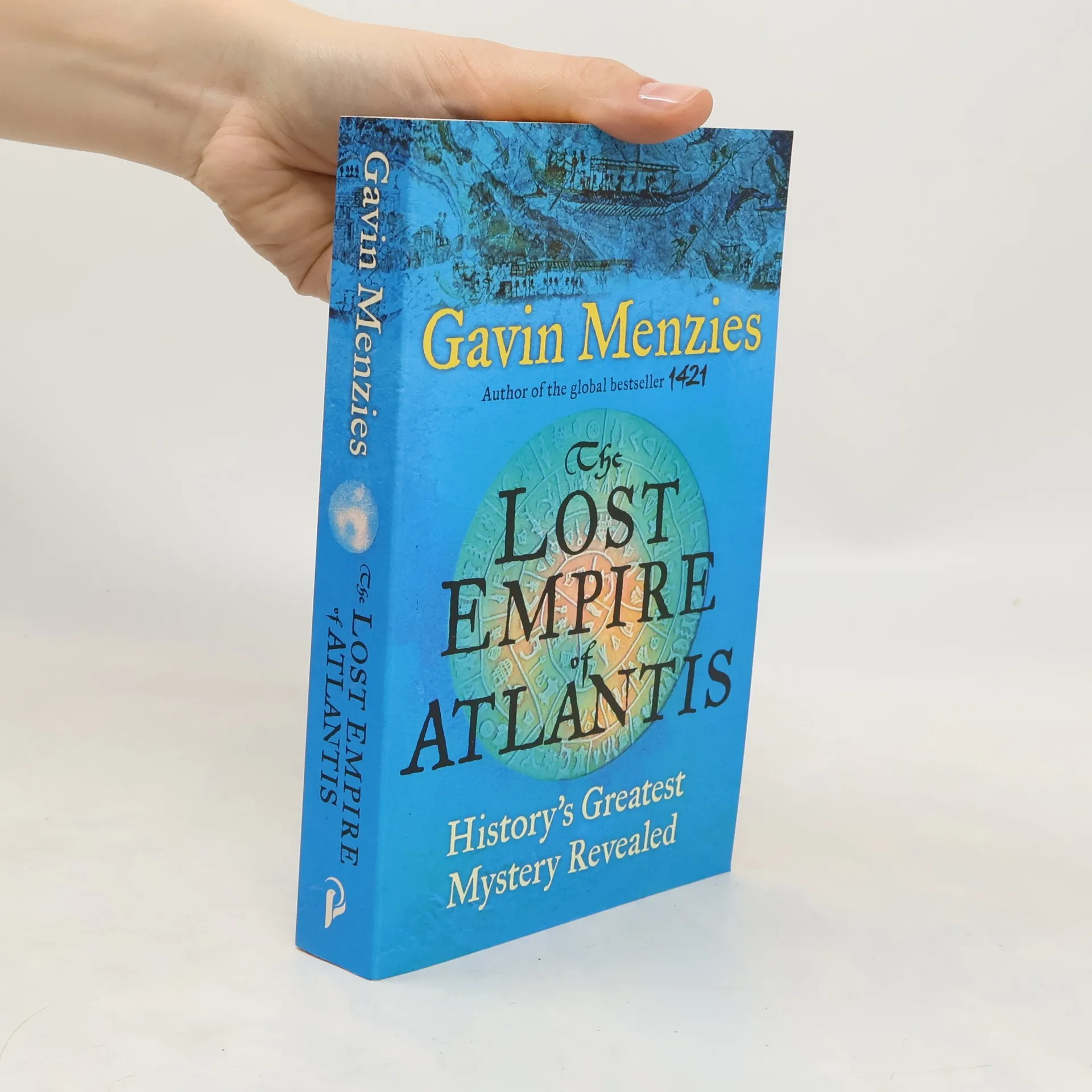
uncovers the truth behind the mystery of Atlantis. Updated with thrilling new
discoveries for the paperback.
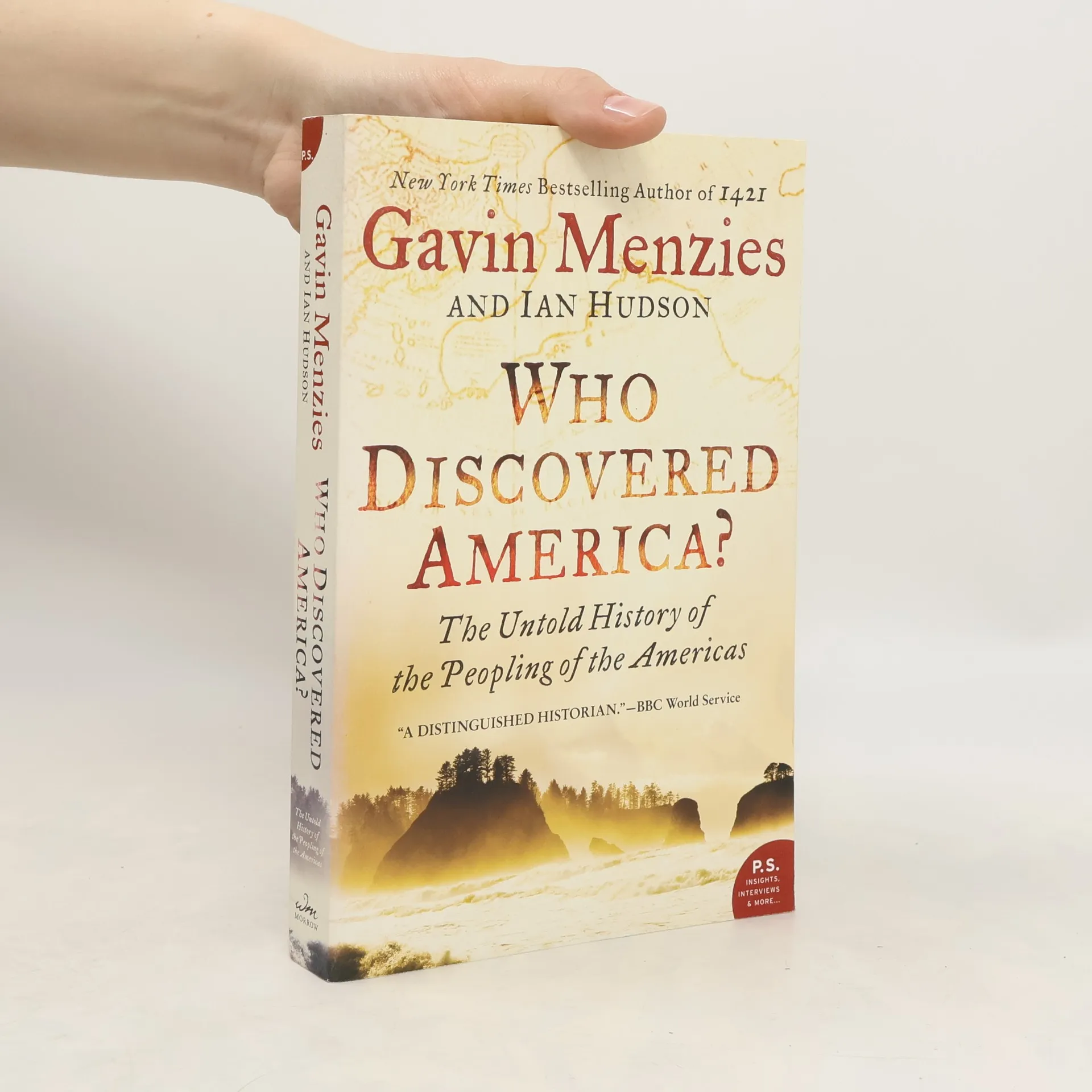
Combining in-depth research with an adventurer's spirit to present a radical rethinking and new revelations relating to the Beringia theory of how humans discovered, explored, and settled the American continent.
Historian Gavin Menzies makes the startling argument that in the year 1434, China--then the world's most technologically advanced civilization--provided the spark that set the European Renaissance ablaze. From that date onward, Europeans embraced Chinese intellectual ideas, discoveries, and inventions, all of which form the basis of western civilization today. Florence and Venice of the early fifteenth century were hubs of world trade, attracting traders from across the globe. Based on years of research, this marvelous history argues that a Chinese fleet--official ambassadors of the emperor--arrived in Tuscany in 1434, where they were received by Pope Eugenius IV in Florence. The delegation presented the influential pope with a wealth of Chinese learning from a diverse range of fields: art, geography (including world maps that were passed on to Christopher Columbus and Ferdinand Magellan), astronomy, mathematics, printing, architecture, steel manufacturing, military weaponry, and more. This vast treasure trove of knowledge spread across Europe, igniting the legendary inventiveness of the Renaissance, including the work of such geniuses as da Vinci, Copernicus, Galileo, and more.
In 1421, the largest fleet the world had ever seen set sail from China under the command of Emperor Zhu Di's loyal eunuch admirals. But by the time they returned home, Zhu Di had lost control and China was turning inwards, leaving the records of their discoveries to be forgotten for centuries.