This is the astonishing story of Sabbatai Sevi, 17th-century rabbi, Kabbalist and probable manic depressive, who convinced large numbers of Jews throughout Europe, the Middle East and North Africa that he was their long-awaited Messiah. And then, on threat of painful death from the Turkish Sultan, apparently converted to Islam and in so doing created the strange Donme sect - outwardly Muslim, yet clinging secretly to Sabbatai's strange form of mystical Judaism - a sect that may survive to this day.
John Freely Libros
1 de enero de 1926 – 20 de abril de 2017
John Freely fue un autor que exploró el rico tapiz de la historia y la cultura. Sus extensos escritos profundizan en el fascinante pasado de los lugares donde vivió y que visitó, ofreciendo a los lectores una perspectiva única sobre su evolución histórica y significado cultural. El trabajo de Freely se caracteriza por su profunda investigación y su estilo narrativo atractivo, lo que hace que los temas históricos complejos sean accesibles y agradables para una amplia audiencia. Dio vida a tiempos y lugares lejanos a través de su apasionada exploración de su herencia.


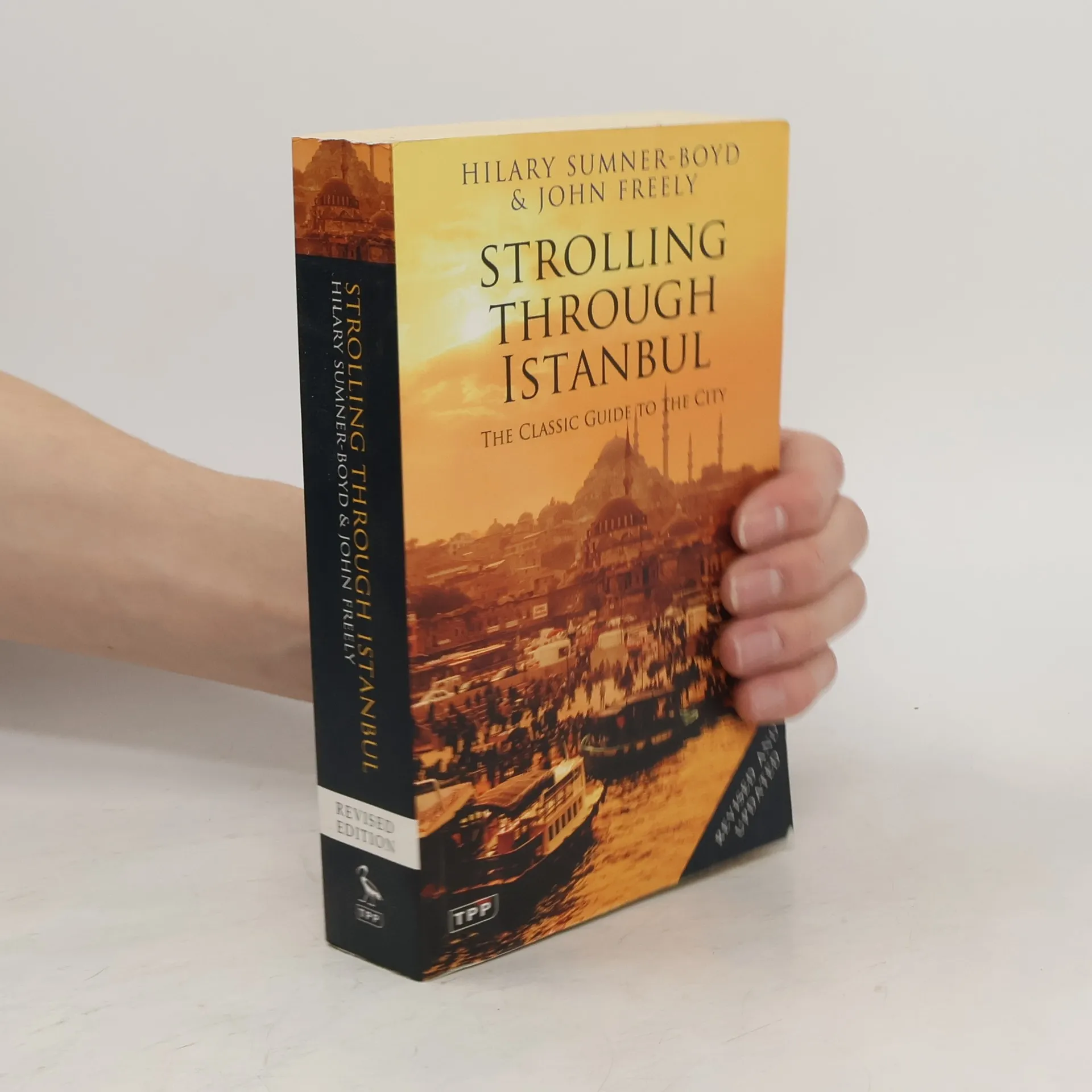

Strolling Through Istanbul
- 494 páginas
- 18 horas de lectura
This classic guide to Istanbul by Hilary Summer-Boyd and John Freely - the 'best travel guide to Istanbul' ("The Times"), 'a guide book that reads like a novel' ("New York Times") - is here, for the first time since its original publication thirty-seven years ago, published in a completely revised and updated new edition. Taking the reader on foot through this captivating city - European City of Culture 2010 - the authors describe the historic monuments and sites of what was once Constantinople and the capital in turn of the Byzantine and Ottoman Empires, in the context of the great living city. Woven throughout are vivid anecdotes, secret histories, hidden gems and every major place of interest the traveler will want to see. Practical and informative, readable and vividly described, this is the definitive guide to and story of Istanbul, by those who know it best.
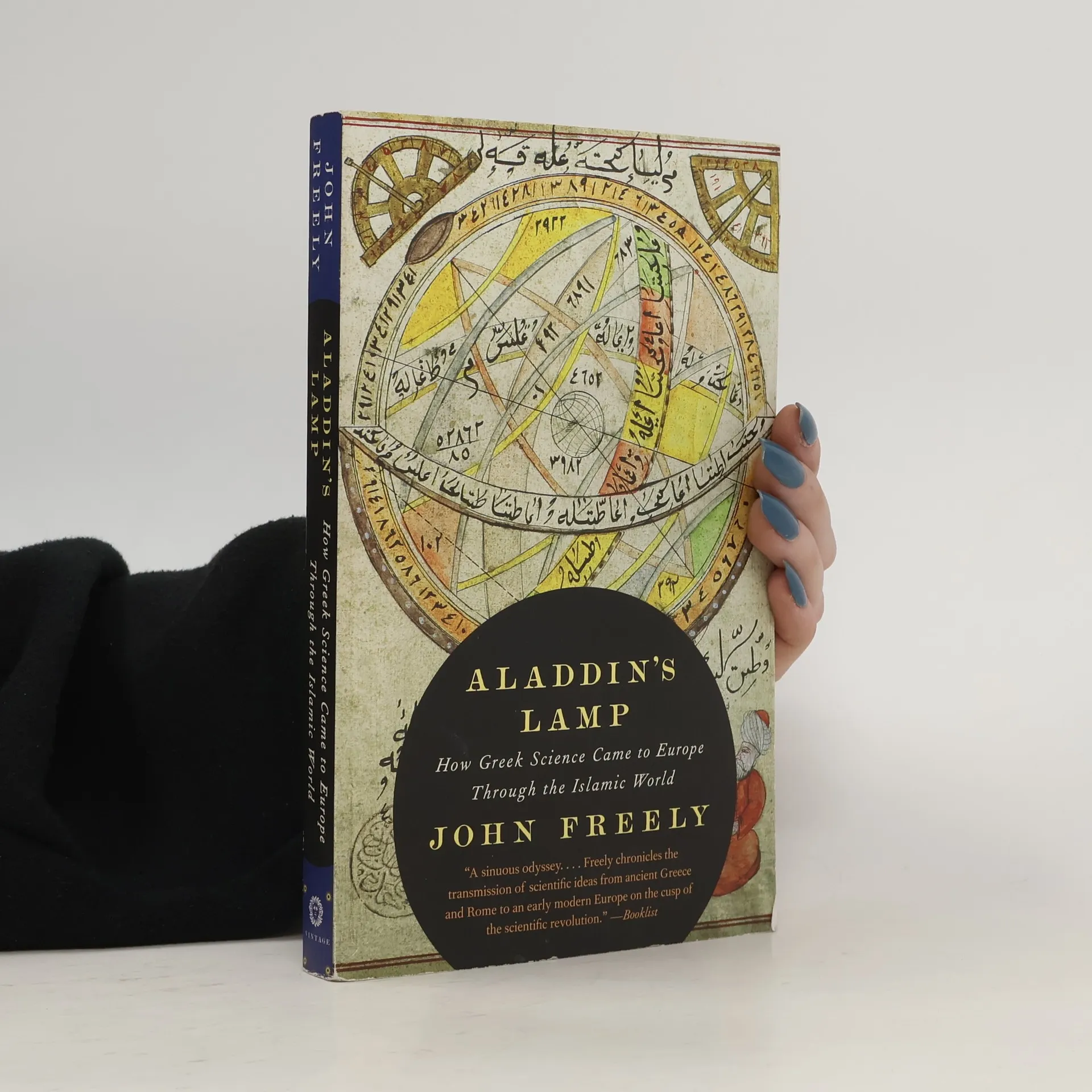
Aladdin's Lamp : how Greek science came to Europe through the Islamic world
- 320 páginas
- 12 horas de lectura
Aladdin’s Lamp is the fascinating story of how ancient Greek philosophy and science began in the sixth century B.C. and, during the next millennium, spread across the Greco-Roman world, producing the remarkable discoveries and theories of Thales, Pythagoras, Hippocrates, Plato, Aristotle, Euclid, Archimedes, Galen, Ptolemy, and many others. John Freely explains how, as the Dark Ages shrouded Europe, scholars in medieval Baghdad translated the works of these Greek thinkers into Arabic, spreading their ideas throughout the Islamic world from Central Asia to Spain, with many Muslim scientists, most notably Avicenna, Alhazen, and Averroës, adding their own interpretations to the philosophy and science they had inherited. Freely goes on to show how, beginning in the twelfth century, these texts by Islamic scholars were then translated from Arabic into Latin, sparking the emergence of modern science at the dawn of the Renaissance, which climaxed in the Scientific Revolution of the seventeenth century.
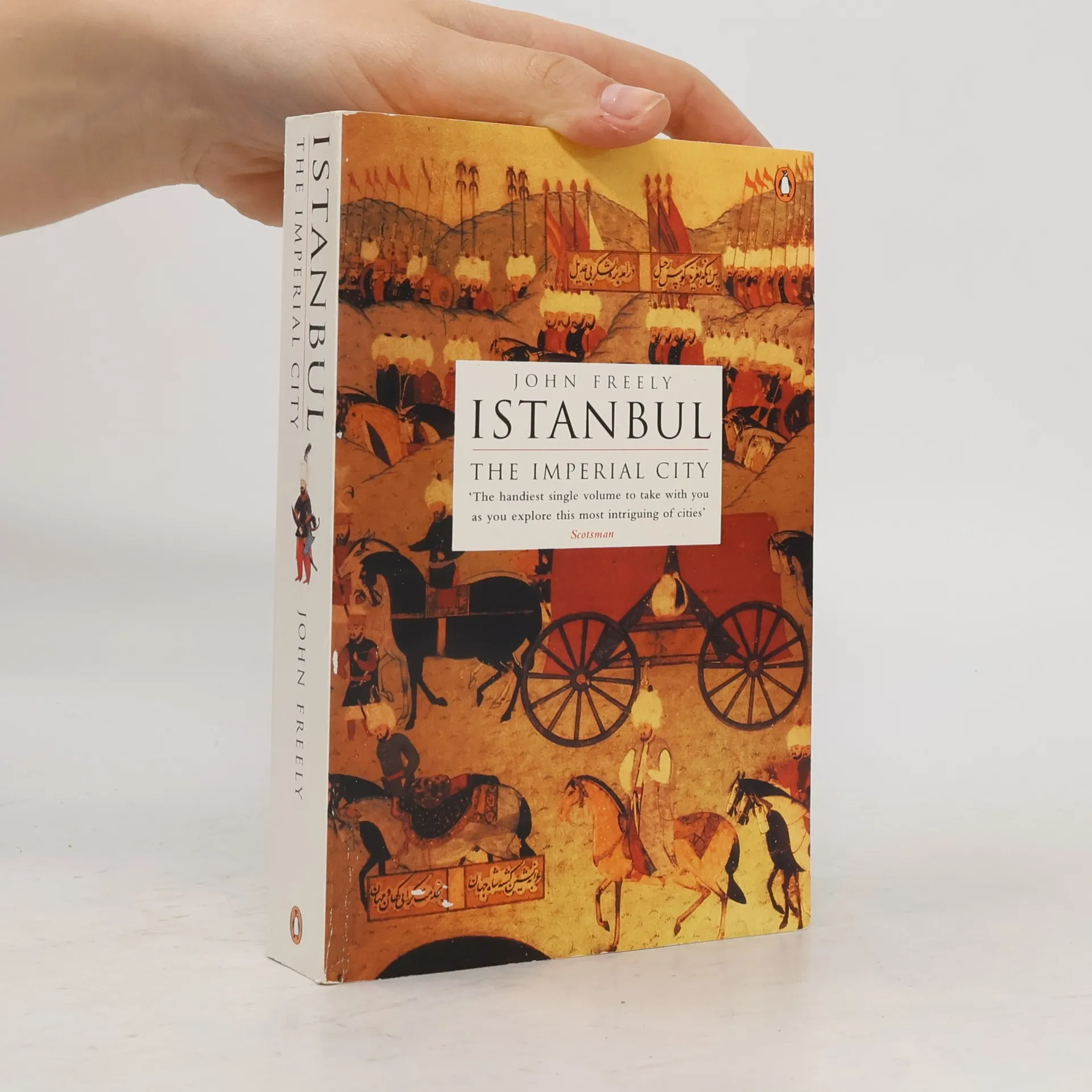
Instanbul : the imperial city
- 414 páginas
- 15 horas de lectura
Istanbul's history is a catalogue of change, not least of name, yet it has managed to retain its own unique identity. John Freely captures the flavour of daily life as well as court ceremonial and intrigue. The book also includes a comprehensive gazetteer of all major monuments and museums. An in-depth study of this legendary city through its many different ages from its earliest foundation to the present day - the perfect traveller's companion and guide.
Inside the Seraglio
- 384 páginas
- 14 horas de lectura
Inside the Seraglio takes us behind the doors of Topkapi Sarayi and the other palaces of the Ottoman sultans who for more than six centuries ruled one of the world's most powerful empires. The heart of the palace was the Harem, the women's quarters, ruled by the Valide, or Queen Mother.Described here and illustrated throughout with images of this sequestered court, is the history and life of this remarkable palace in all its colour and opulence, and the story of its influence on a great empire.
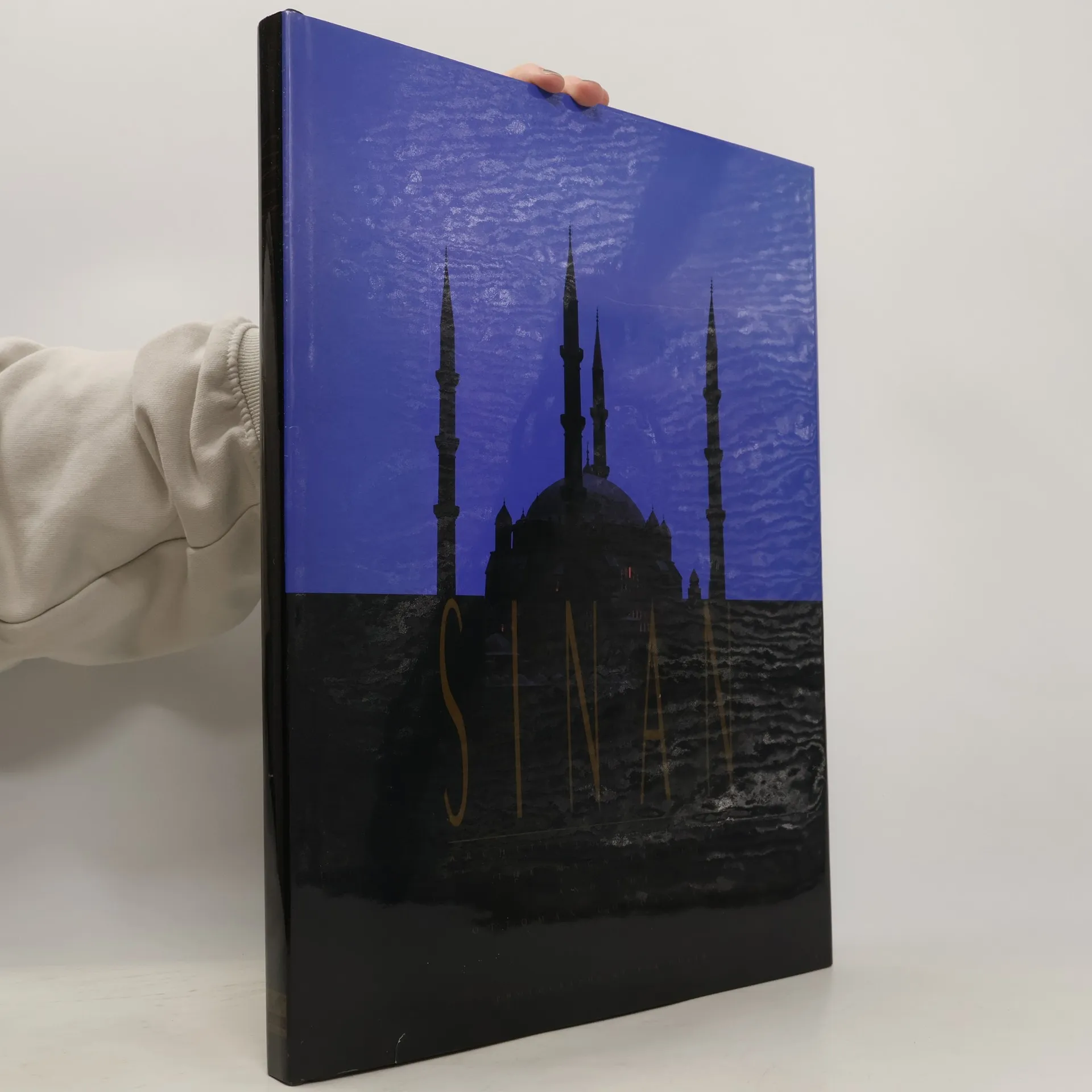
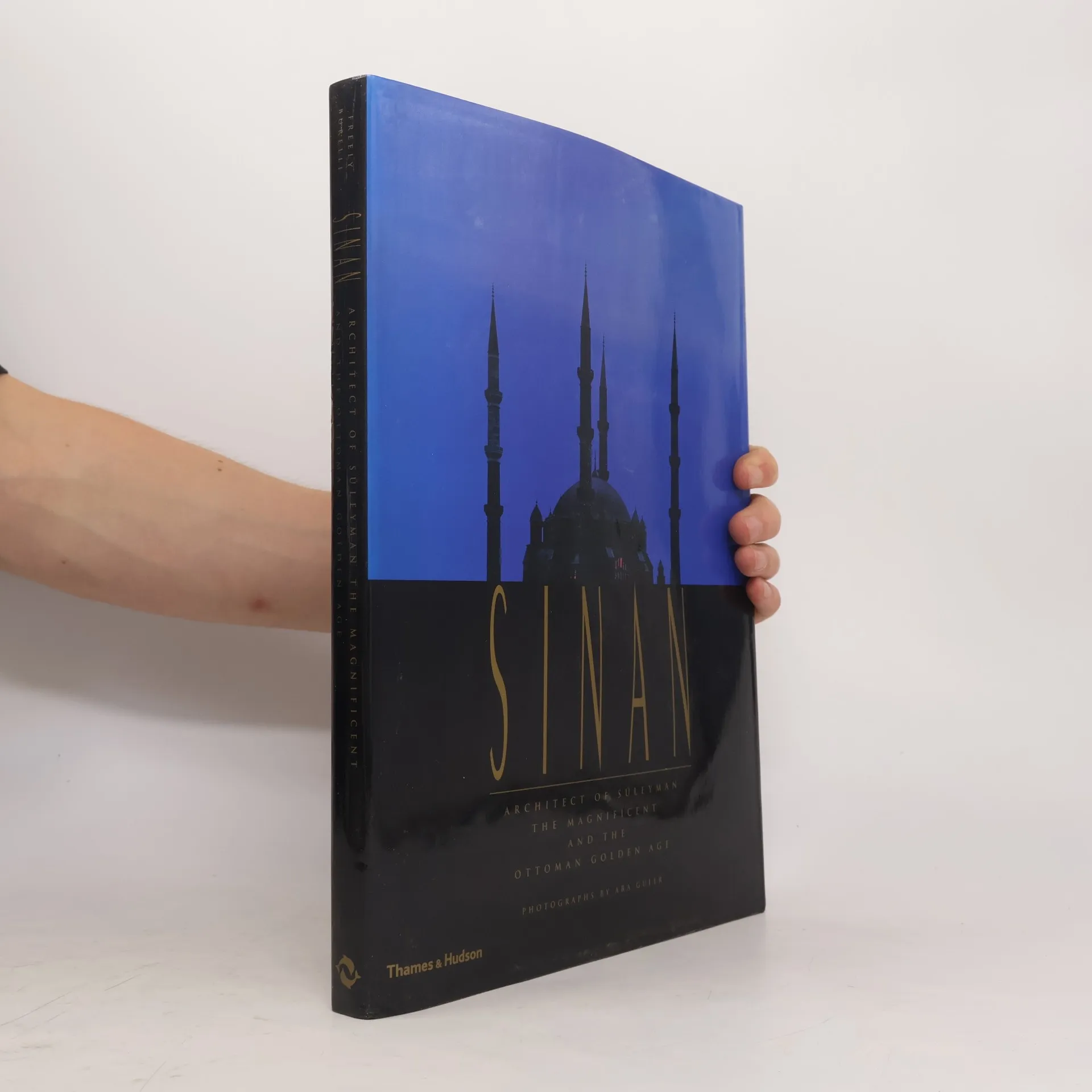
Sinan
- 144 páginas
- 6 horas de lectura
Sinan was the greatest architect of the Ottoman Golden Age of the sixteenth century when the Ottoman Empire reached its zenith of power and magnificence. His style marks the apogee of Turkish art. This book deals with his life and work.
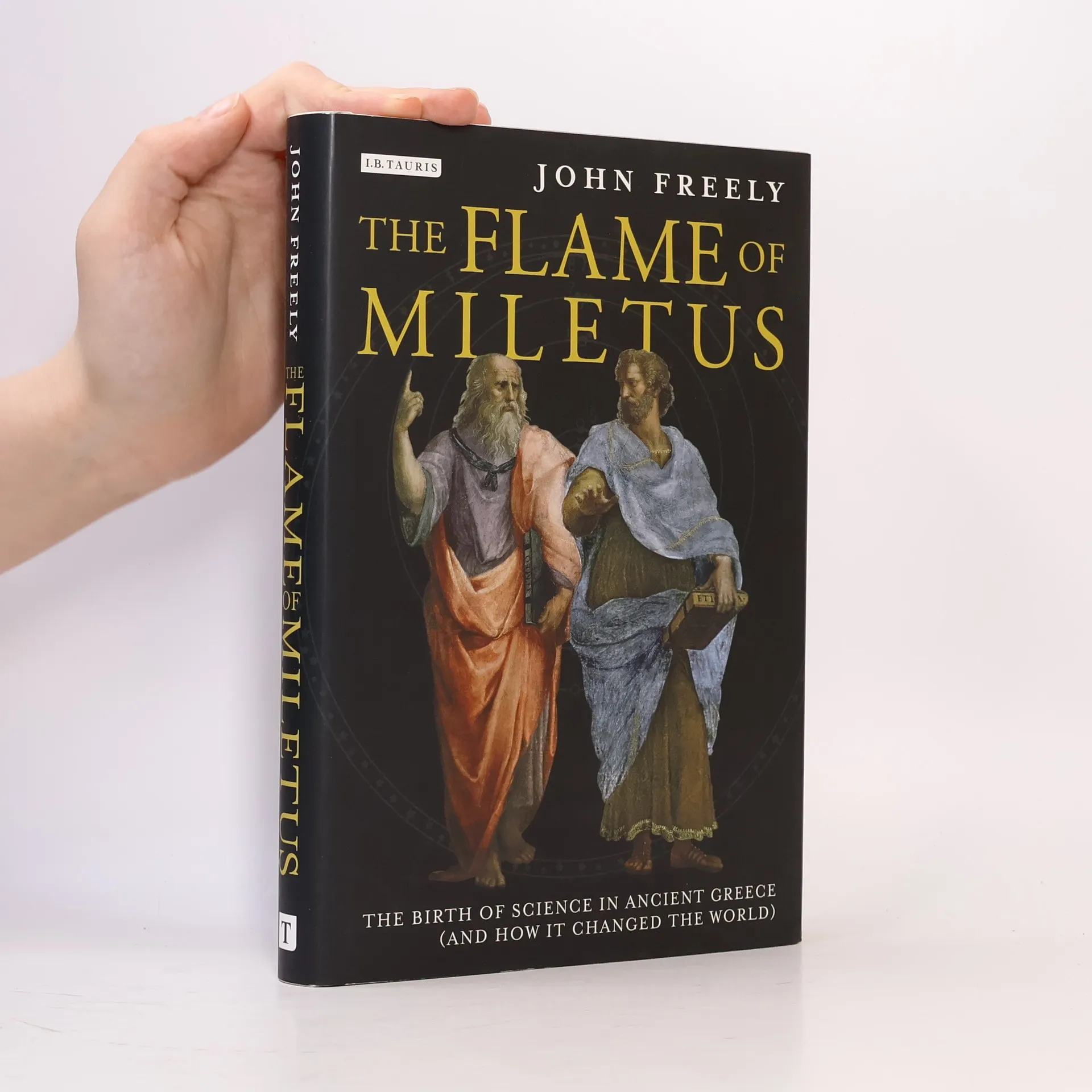
Miletus: one of the wealthiest and most important towns in ancient Greece. It was here, on the Aegean coast of Asia Minor, in the 6th century BC, that the great traditions of Greek science and philosophy sparked into life, setting in motion a chain of knowledge that would change the world, forever. This is the extraordinary story of Greek science from its earliest beginnings through its development in classical Athens and Hellenistic Alexandria and its subsequent diffusion to the wider world. Most histories of Greek science end with the collapse of the Graeco-Roman world in late antiquity and the closing of all classical schools of "pagan" philosophy in A.D. 529. But acclaimed historian John Freely here continues the story to tell of how the elements of Greek scientific and philosophical learning were adopted by the Islamic world and the transmission of Graeco-Islamic science to western Europe, as well as the preservation of Hellenic culture in Byzantium and its profound influence on the European renaissance and our modern world.
Galata, Pera, Beyoğlu. Bir Biyografi
- 264 páginas
- 10 horas de lectura
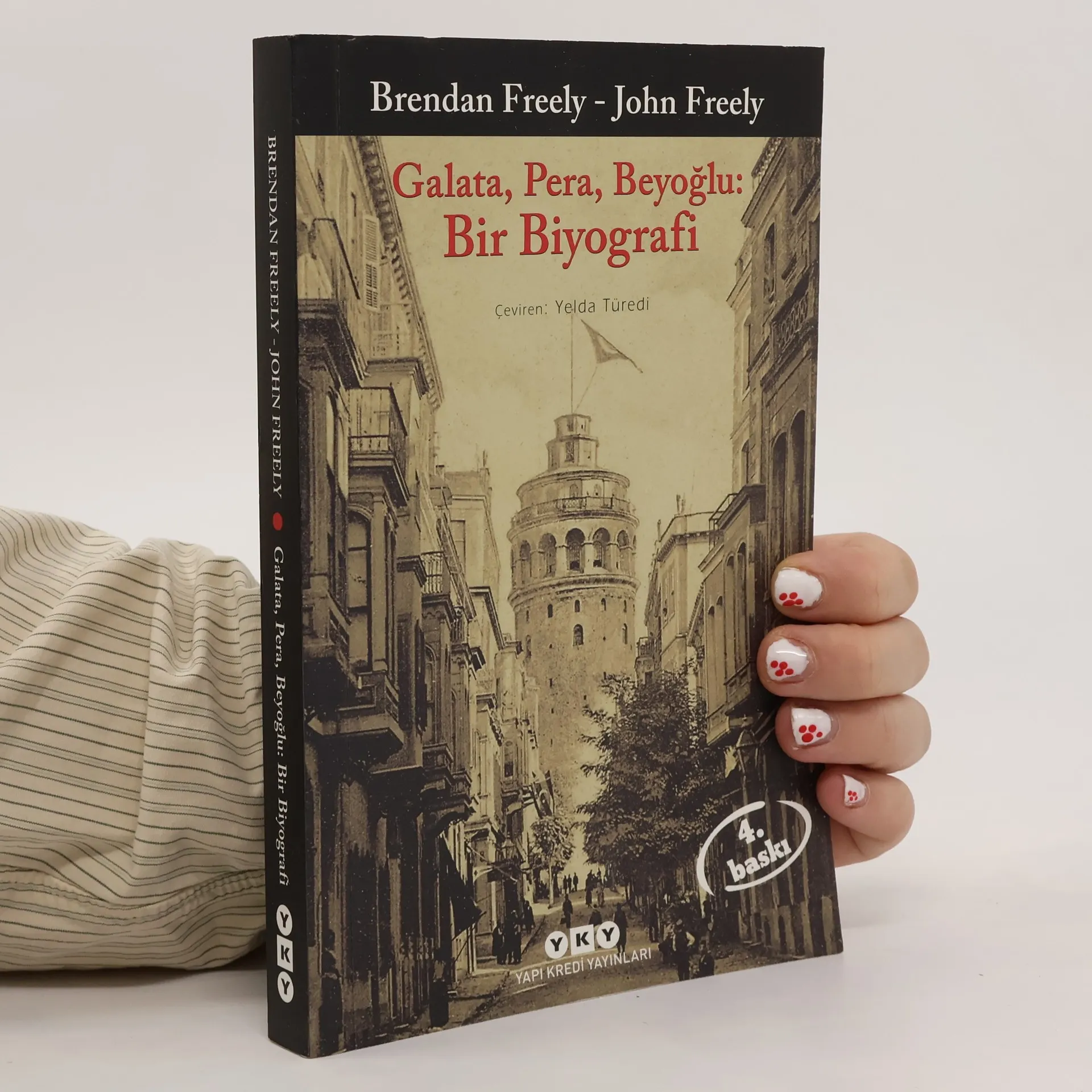
Sokak sokak Galata, adım adım Pera, karış karış Beyoğlu... Yüzyıllardır farklı kültürleri-kimlikleri kucaklayan, her gün biraz daha değişip dönüşen ama değerli özünü asla yitirmeyen caddeler, mahalleler, hanlar, geçitler: John Freely ve Brendan Freely'nin kaleminden sıradışı bir "biyografi"...İstanbul'a dair kitaplar hep tarihi yarımadaya odaklanır. Ama Galata, Pera, Beyoğlu: Bir Biyografi, Konstantinopolis yarımadasının karşısındaki Beyoğlu bölgesine yoğunlaşıyor. Bölgenin gelişimini ve sosyal tarihini, Haliç'teki ilk yerleşimlerden Taksim ve çevresindeki son yerleşimlere kadar, sadece mimarisiyle değil, katillerinden mafyasına, fahişelerinden bankerlerine, diplomatlarından sosyetesine kadar, bütün sakinlerini de inceleyerek sokak sokak takip ediyor.
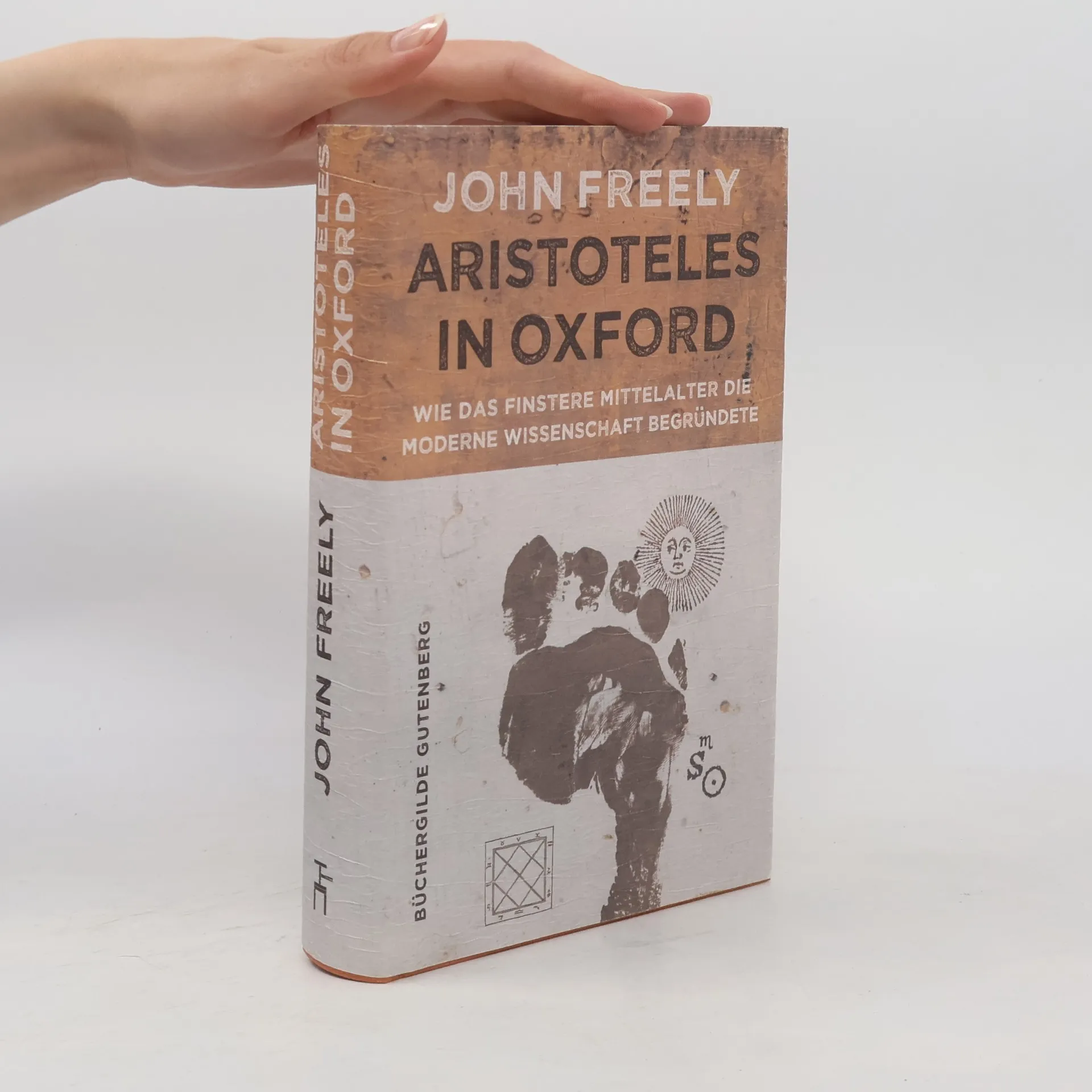
Aristoteles in Oxford
Wie das finstere Mittelalter die moderne Wissenschaft begründete
- 395 páginas
- 14 horas de lectura
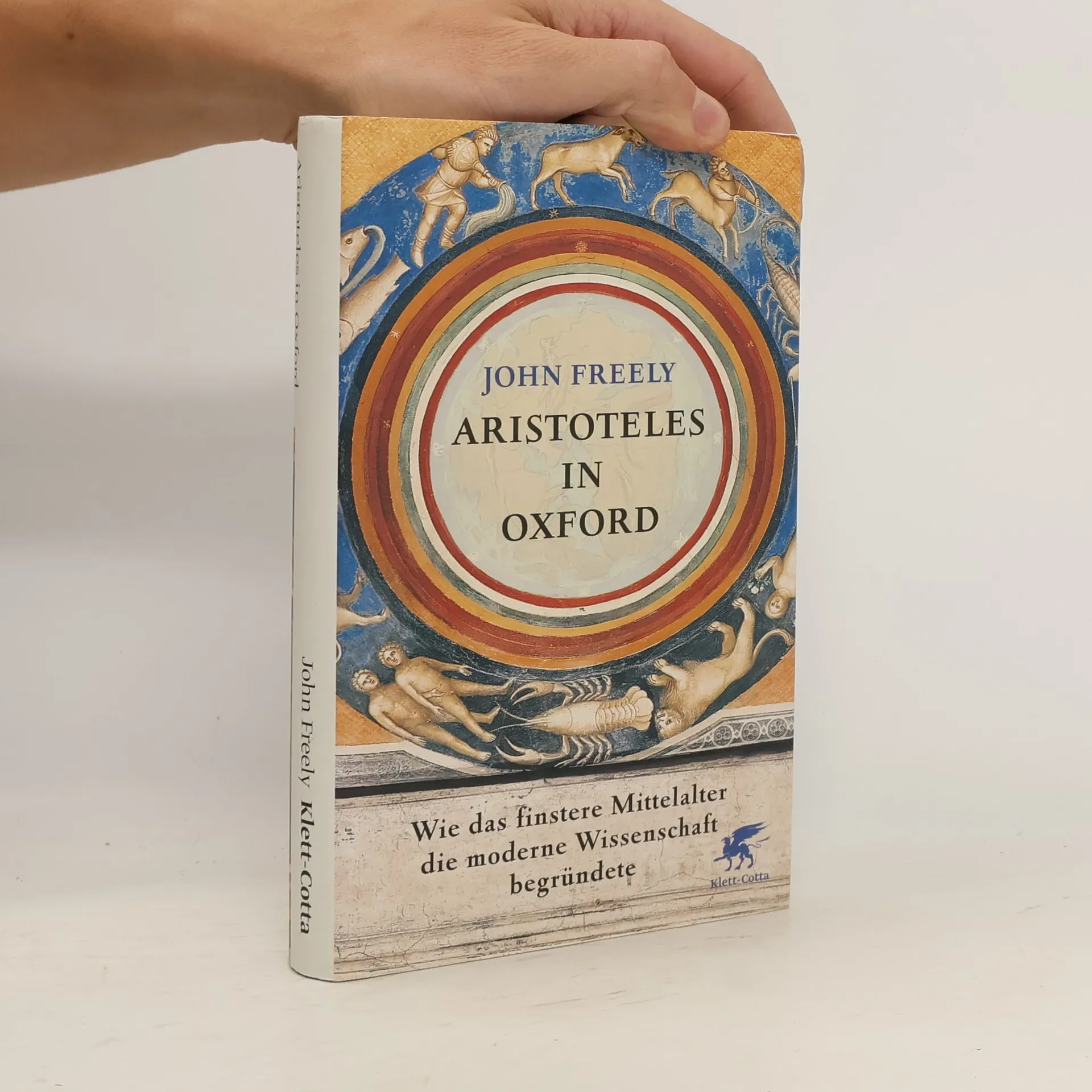
Mehr als 1 000 Jahre vor Kopernikus, Galilei und Newton haben viele Gelehrte das Wissen der Antike bewahrt, Naturerscheinungen beobachtet und experimentiert. In einer glänzenden Kulturgeschichte lässt John Freely zum ersten Mal die faszinierenden Entdeckungen der mittelalterlichen Menschen Revue passieren. Brillant weist er nach, dass – entgegen unseren Vorstellungen – die Grundlagen der modernen Wissenschaft und zahlreicher moderner Theorien wesentlich früher gelegt wurden, ja viele Erkenntnisse im Mittelalter vorweggenommen wurden. Zugleich erzählt er von den vielen unbekannten Menschen, die sich erklären wollten, was in der Natur vor sich ging, und damit die wissenschaftliche Revolution der Moderne vorbereiteten. John Freely lässt uns das »finstere« Mittelalter mit neuen Augen sehen und erfüllt es mit neuem Leben.
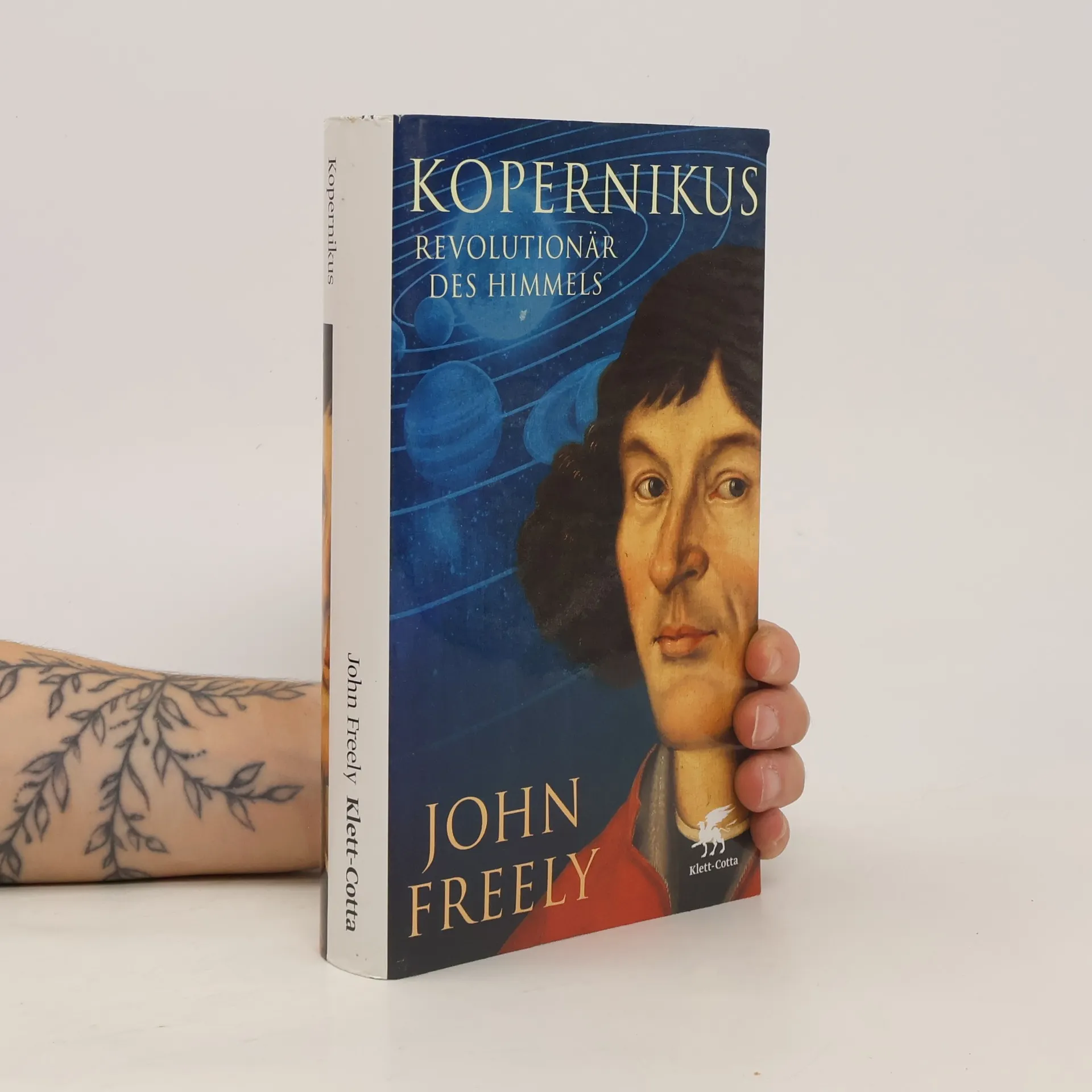
Kopernikus
Revolutionär des Himmels
Elegant erzählt John Freely das wechselvolle Leben eines der bedeutendsten Gelehrten der Renaissance. Dieses Buch vereinigt Biographie und spannende Wissenschaftsgeschichte. Die wohl wichtigste wissenschaftliche Entdeckung der Neuzeit, dass die Erde und die Planeten um die Sonne kreisen und die Erde einmal in 24 Stunden um ihre Achse rotiert, verdanken wir Kopernikus (1473-1543). Er war einer der größten Universalgelehrten aller Zeiten: Sprachwissenschaftler, Rechtsanwalt, Arzt, Diplomat, Politiker, Mathematiker, Naturwissenschaftler, Künstler, Geistlicher und Astronom. Zugleich vereinigte er die Erkenntnisse der Antike, der mittelalterlich-islamischen Welt wie auch der neuzeitlichen Naturwissenschaften. In seiner neuen Biographie schildert John Freely das bewegte Leben des Kopernikus, erklärt seine Theorien, vergegenwärtigt die atemlose Epoche der frühen Neuzeit und der Renaissance und zeigt, was es heißt, im »Kopernikanischen Zeitalter« zu leben.
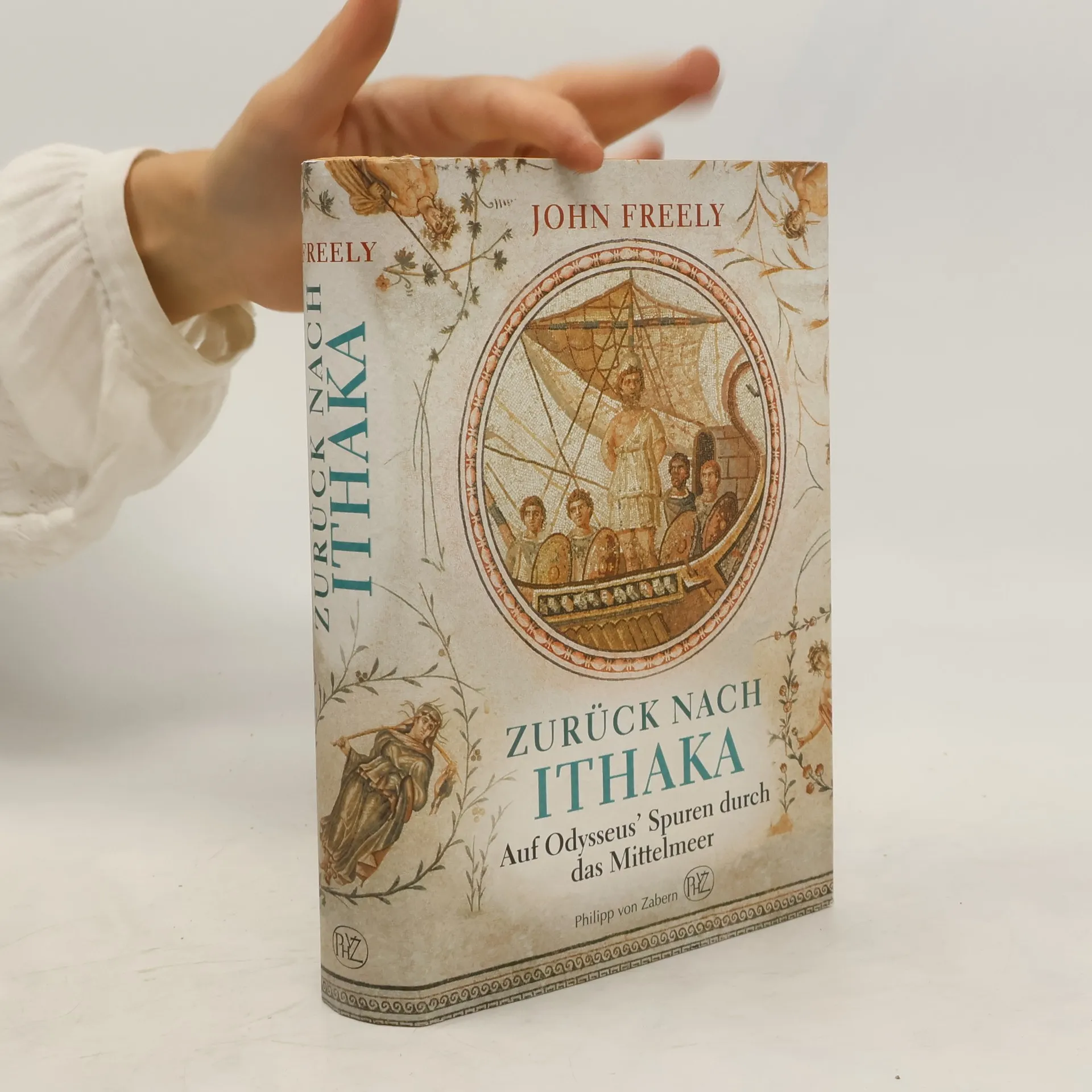
›Zurück nach Ithaka‹ auf den Spuren des Odysseus entführt uns John Freelys Reiseführer - in die verschwundene Welt der antiken Dichtkunst. Homer und seine Epen begeistern seit vielen Jahrtausenden. Noch heute lesen wir gespannt von der tragischen Geschichte um Helena und Paris, dem außergewöhnlichen Kampf zwischen Achill und Hektor und den wundersamen Abenteuern des Odysseus. Auch John Freely hat sich vom größten Dichter der Antike in seinen Bann ziehen lassen. Seit seiner Jugend begleiten ihn Ilias und Odyssee auf seinen Reisen. Auf dem Höhepunkt seines Wirkens geht Freely in seinem neuen Titel den Fragen nach, wo sich die Länder Homers verorten lassen. Welche Besonderheiten trägt die mediterrane Landschaft in sich, dass sie den größten klassischen Ependichter derart inspirierte? Mit unvergleichbarer Kenntnis führt der Autor den Reisenden zu allen Plätzen, die mit Homer verbunden sind. Durch ihn wird der Dichter und wird seine Welt lebendig.
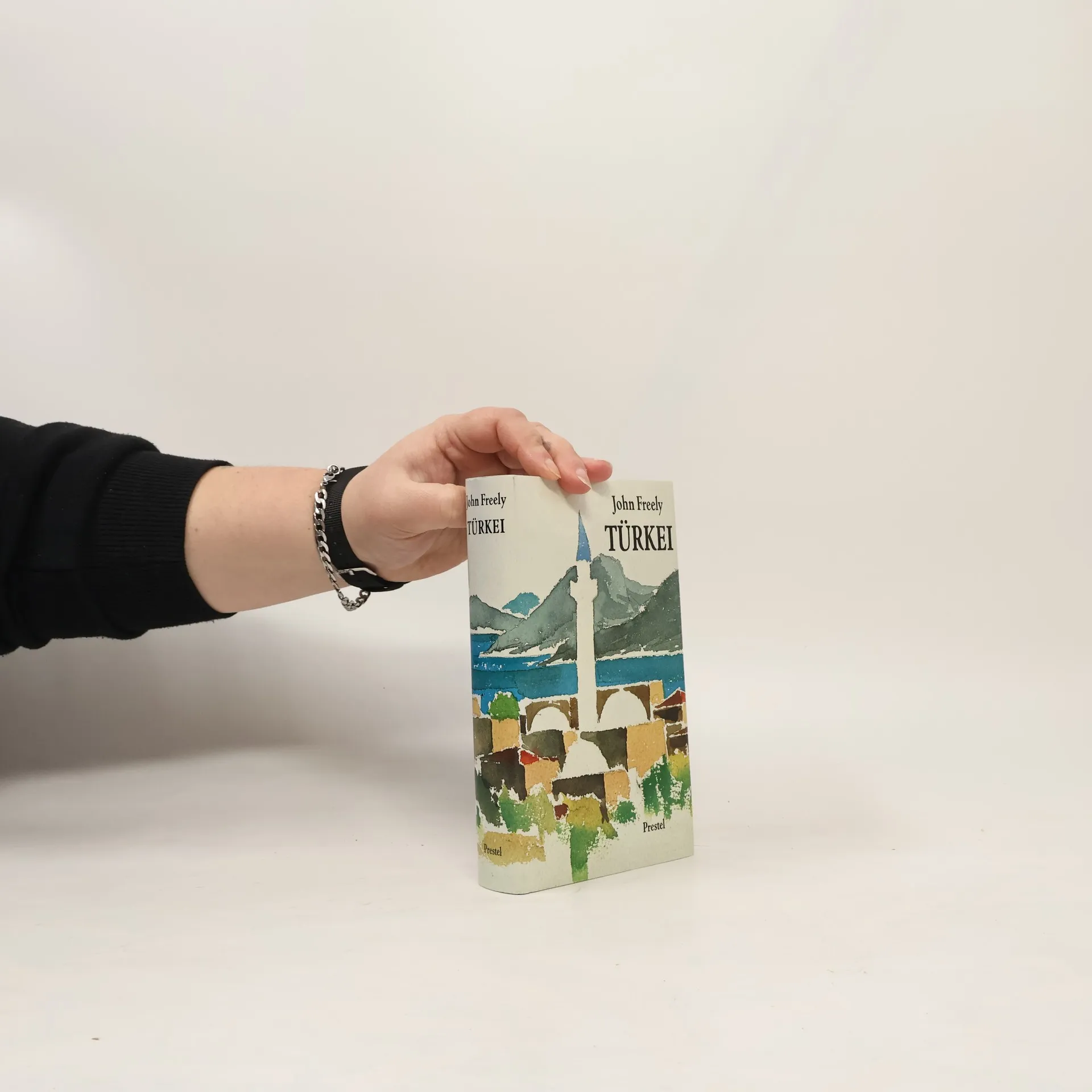
Türkei
- 542 páginas
- 19 horas de lectura
Aristoteles in Oxford
- 395 páginas
- 14 horas de lectura
Mehr als 1 000 Jahre vor Kopernikus, Galilei und Newton haben viele Gelehrte das Wissen der Antike bewahrt, Naturerscheinungen beobachtet und experimentiert. In einer glänzenden Kulturgeschichte lässt John Freely zum ersten Mal die faszinierenden Entdeckungen der mittelalterlichen Menschen Revue passieren. Brillant weist er nach, dass - entgegen unseren Vorstellungen - die Grundlagen der modernen Wissenschaft und zahlreicher moderner Theorien wesentlich früher gelegt wurden, ja viele Erkenntnisse im Mittelalter vorweggenommen wurden. Zugleich erzählt er von den vielen unbekannten Menschen, die sich erklären wollten, was in der Natur vor sich ging, und damit die wissenschaftliche Revolution der Moderne vorbereiteten. John Freely lässt uns das "finstere" Mittelalter mit neuen Augen sehen und erfüllt es mit neuem Leben