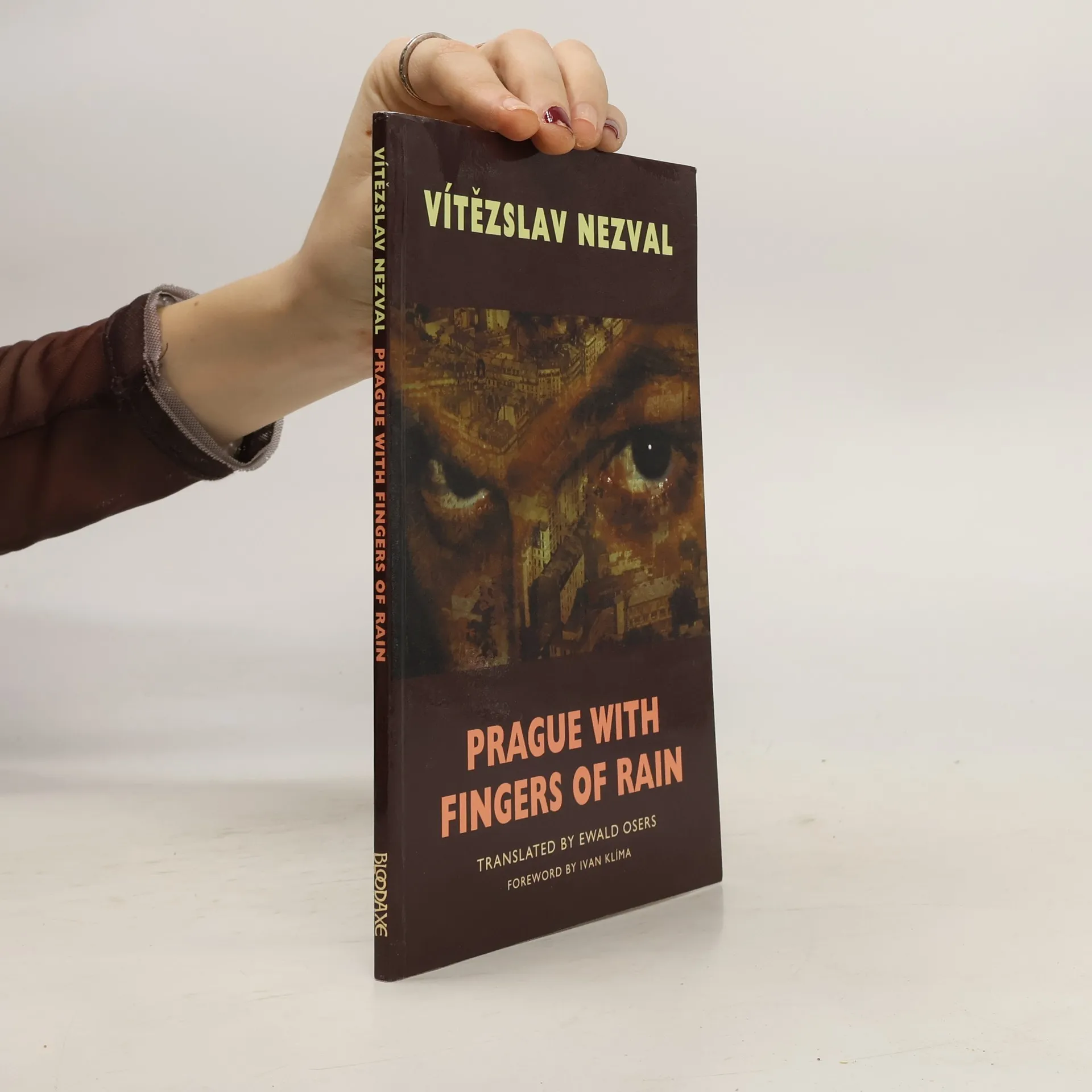
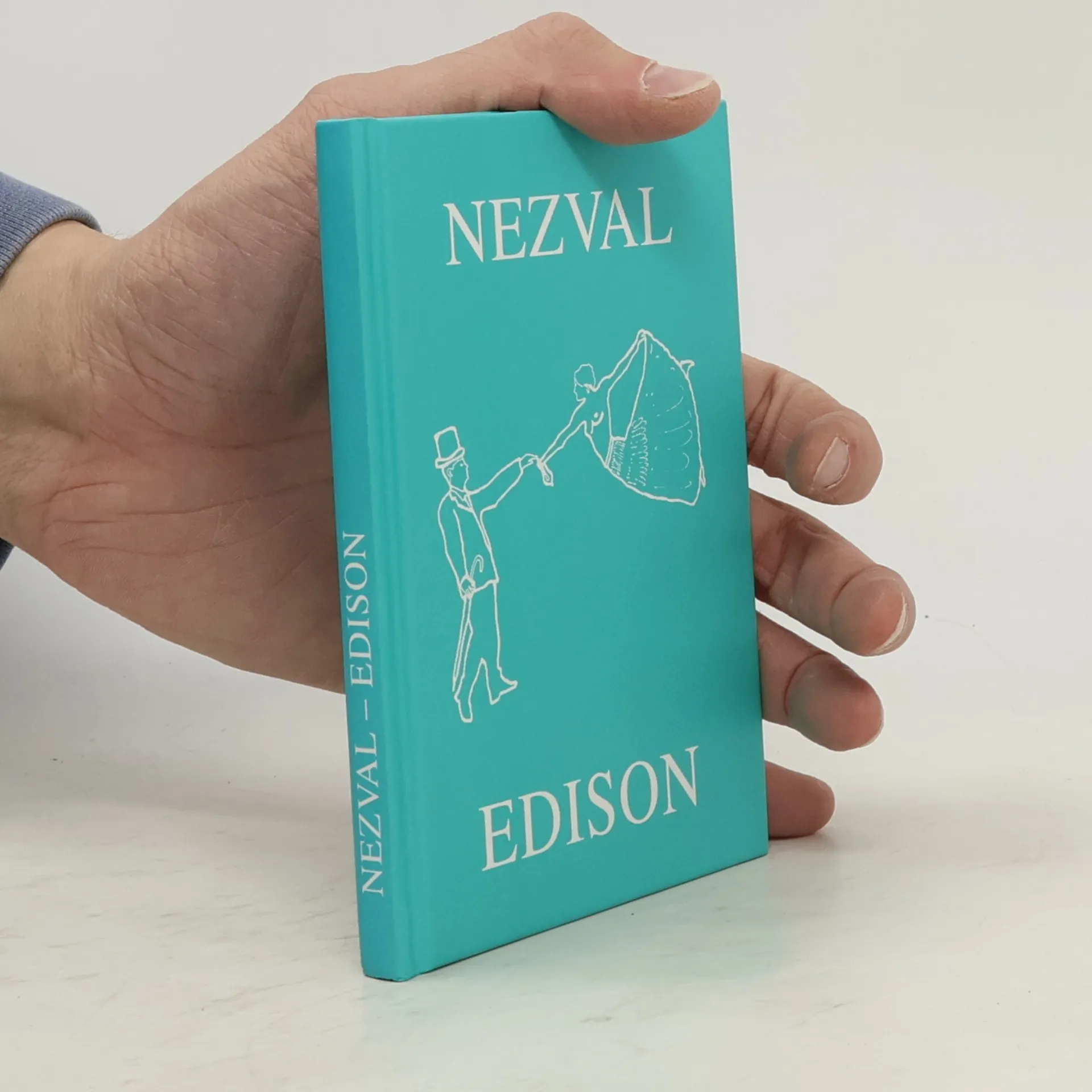
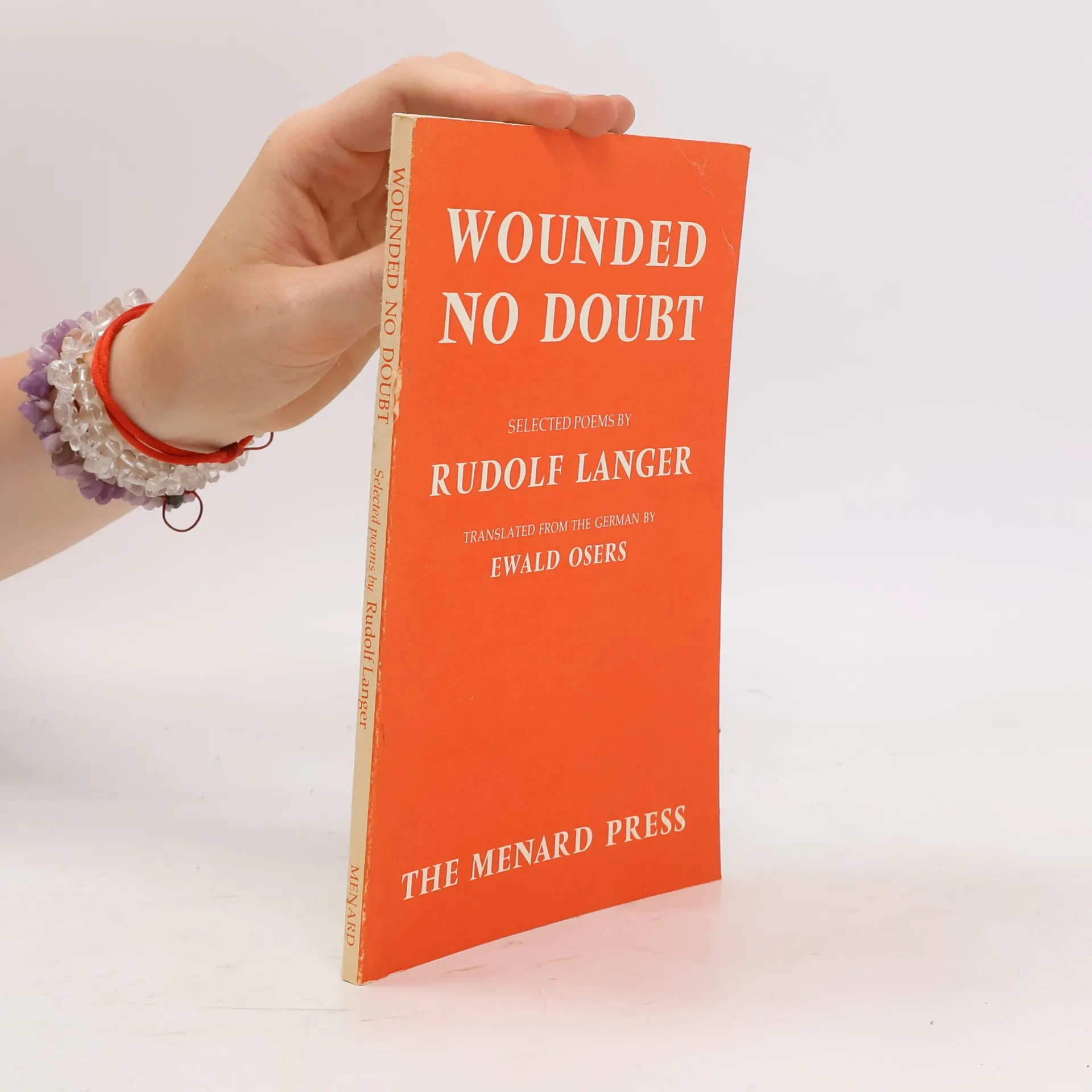
Czech writer Vitezslav Nezval (1900-58) was one of the leading Surrealist poets of the 20th century. Prague with Fingers of Rain is his classic 1936 collection in which Prague’s many-sided life – its glamorous history, various weathers, different kinds of people – becomes symbolic of what is contradictory and paradoxical in life itself.
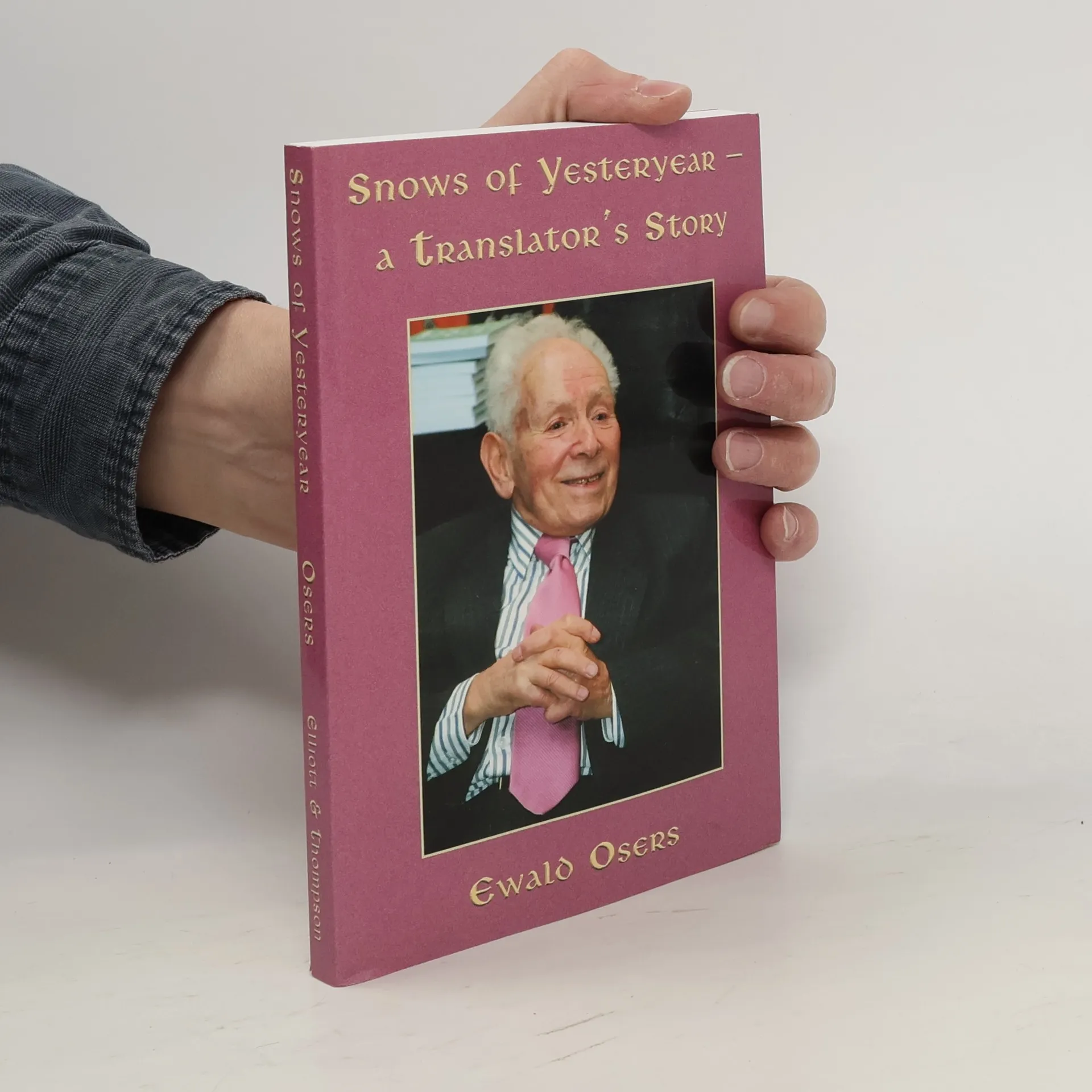
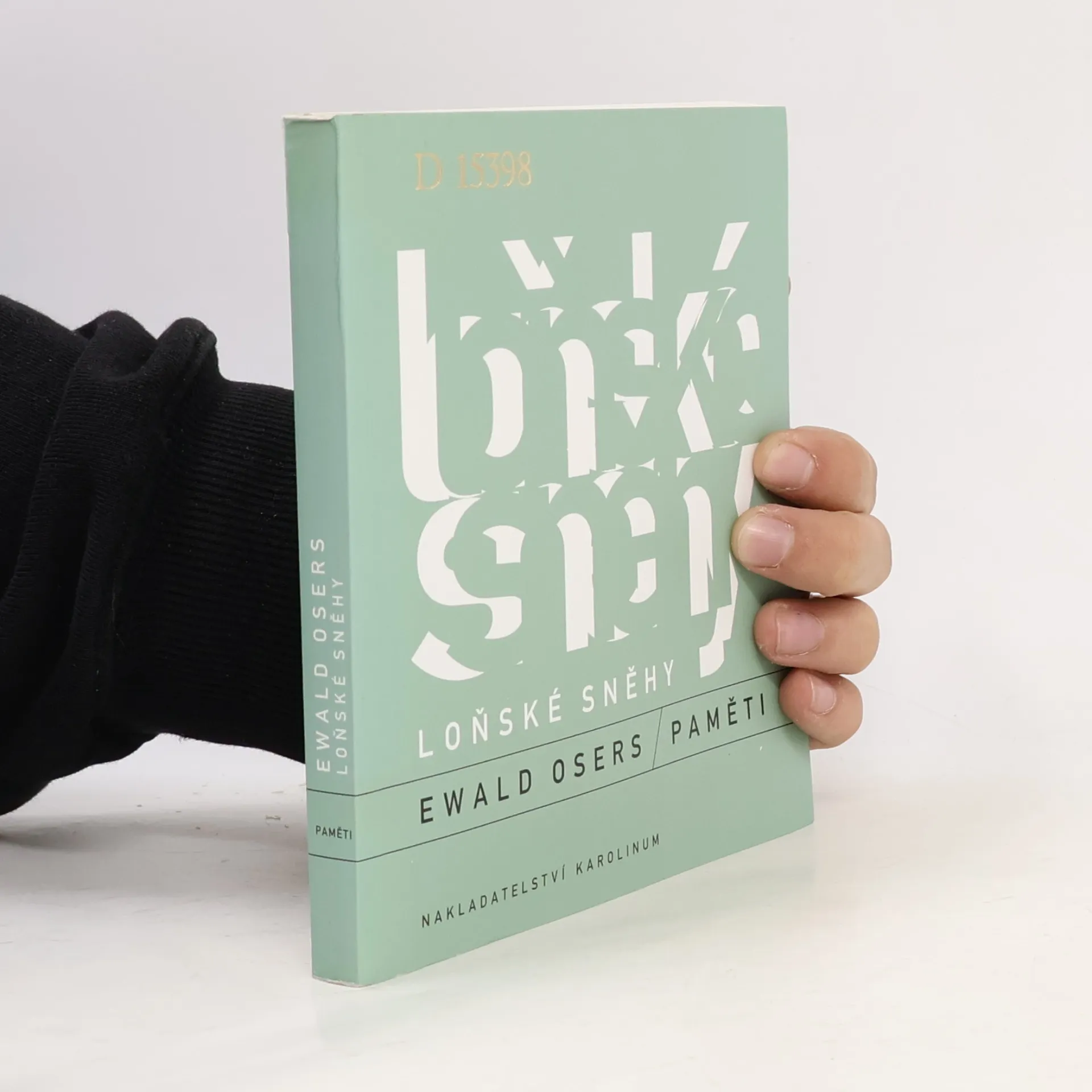
Allowed to enter England in 1938, Ewald Osers was not to see his home town, Prague, for another twenty-seven years. In the intervening years Ewald Osers would become one of the best known translators of European literature in the twentieth century. This memoir presents an account of the many works he has translated.
Svazek obsahuje verše současného amerického básníka, scénáristy a dramatika, které kromě intimních reflexí přinášejí i jeho postřehy z cest.
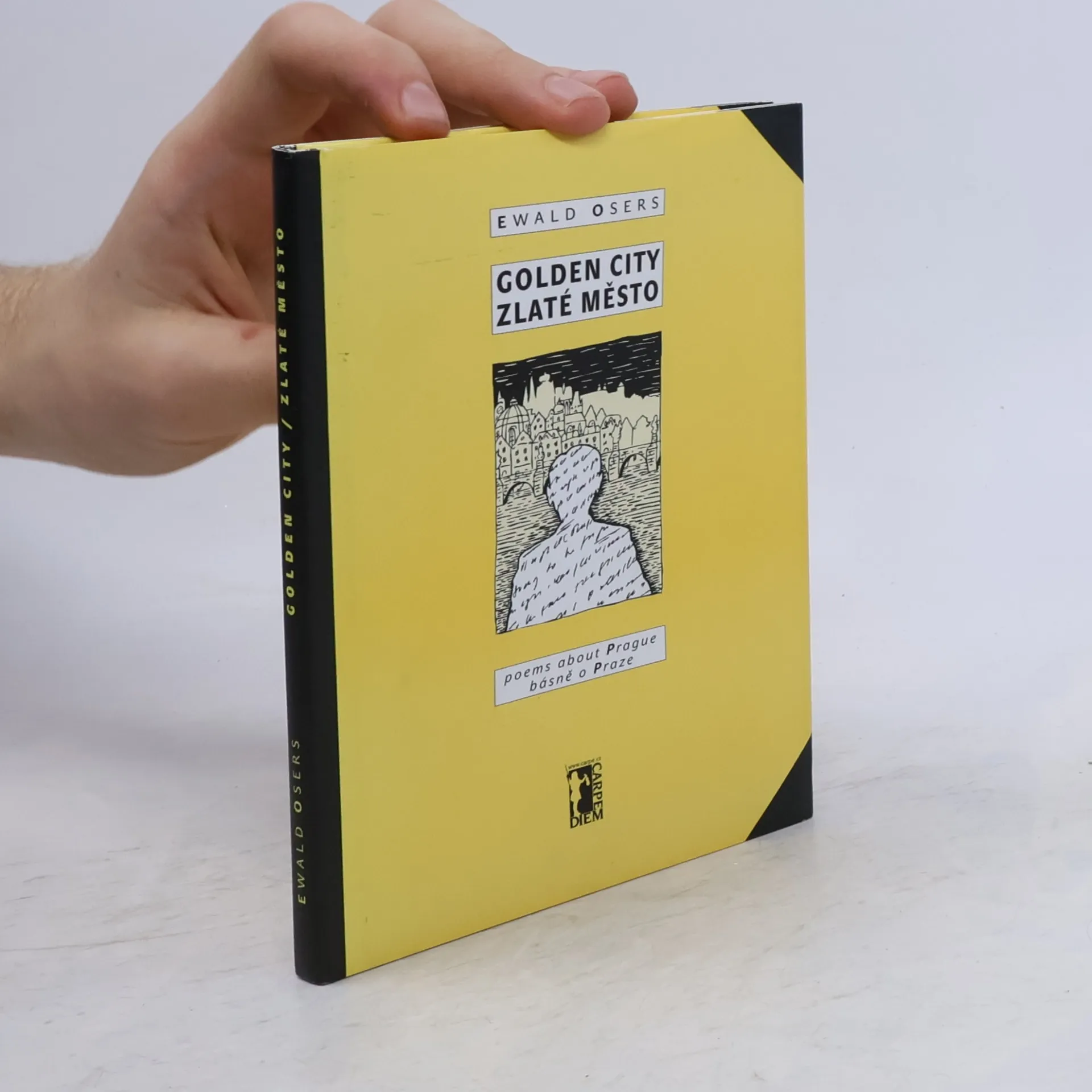
Vůbec se zdá, že autorovo putování po nejrůznějších kontinentech se stává jedním z "hnacích motorů" jeho poetiky, která se svým pojetím hlásí spíše ke všednímu, až civilnímu tónu. Tato koncepce pak dává Raganovi možnost, aby se konkrétně vyjádřil k nejrůznějším historickým či společenským problémům určité země, kterou právě navštívil. V tomto básnickém souboru se do centra autorova zájmu dostaly dva sousední státy uprostřed Evropy - Čechy a Slovensko. Zatímco u druhého z nich se Ragan pokouší navázat především na tradici lidových balad, první z nich ho doslova "uhranul" nepřeberným množstvím kulturních památek, mýty i pověstmi, bohatou architekturou i dějinnými rozpory. Snad i proto Ragan tvrdí, že píše poezii, aby "pohnul myslí králů a popíchl svědomí společnosti".
Paměti britského překladatele českého původu Ewalda Oserse, který odborné a čtenářské veřejnosti v anglofonních zemích představil např. Jaroslava Seiferta, Jana Skácela, Vítězslava Nezvala, Egona Hostovského, Ivana Klímu nebo Karla Čapka. Přeložil 150 knih, z toho téměř čtyřicet sbírek poezie. Kniha je rozdělena do čtyř částí, zahrnujících dobu dětství a raného mládí v předválečné Praze, pobyt v Anglii během války, poválečný vývoj a barvitý popis Osersových profesionálních aktivit – zejména jeho práce ve válečném zpravodajství BBC. Půvab Pamětí spočívá v tom, že v nich Ewald Osers nehovoří detailně o překladatelských problémech, ale přesto výmluvně vypovídá o tom, co to je být vynikajícím překladatelem. Svazek uzavírá doslov Martina Hilského a úplná bibliografie publikovaných knižních překladů Ewalda Oserse.
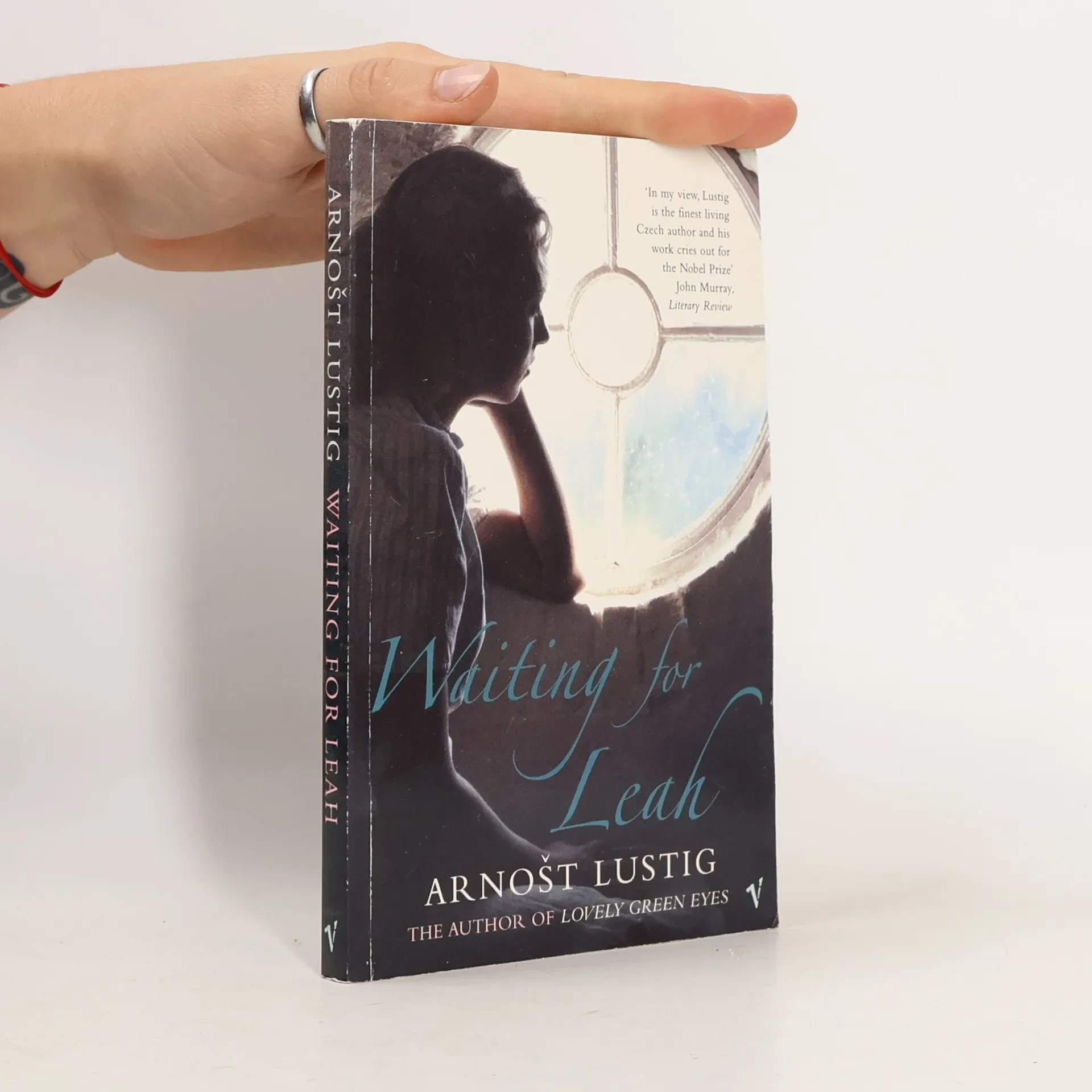
It is September 1944; the war is going badly for the Germans, and they are in a hurry to complete their 'final solution'. Compromises are being made on all sides, conditions are unspeakable, rumours are rife, but nothing definite is known of the Nazis' intentions. On the outskirts of a concentration camp in northern Bohemia three people - two eighteen-year-old men and a desperately lost young woman, Leah - are thrown together, sharing their precarious existence in an attic room. While the world disintegrates around them their relationships are charged with passion, their days filled with erotic and spiritual attraction. Caught in the web of their relationships, their futures are uncertain and any choices they have left to make will be made in the face of almost certain death...
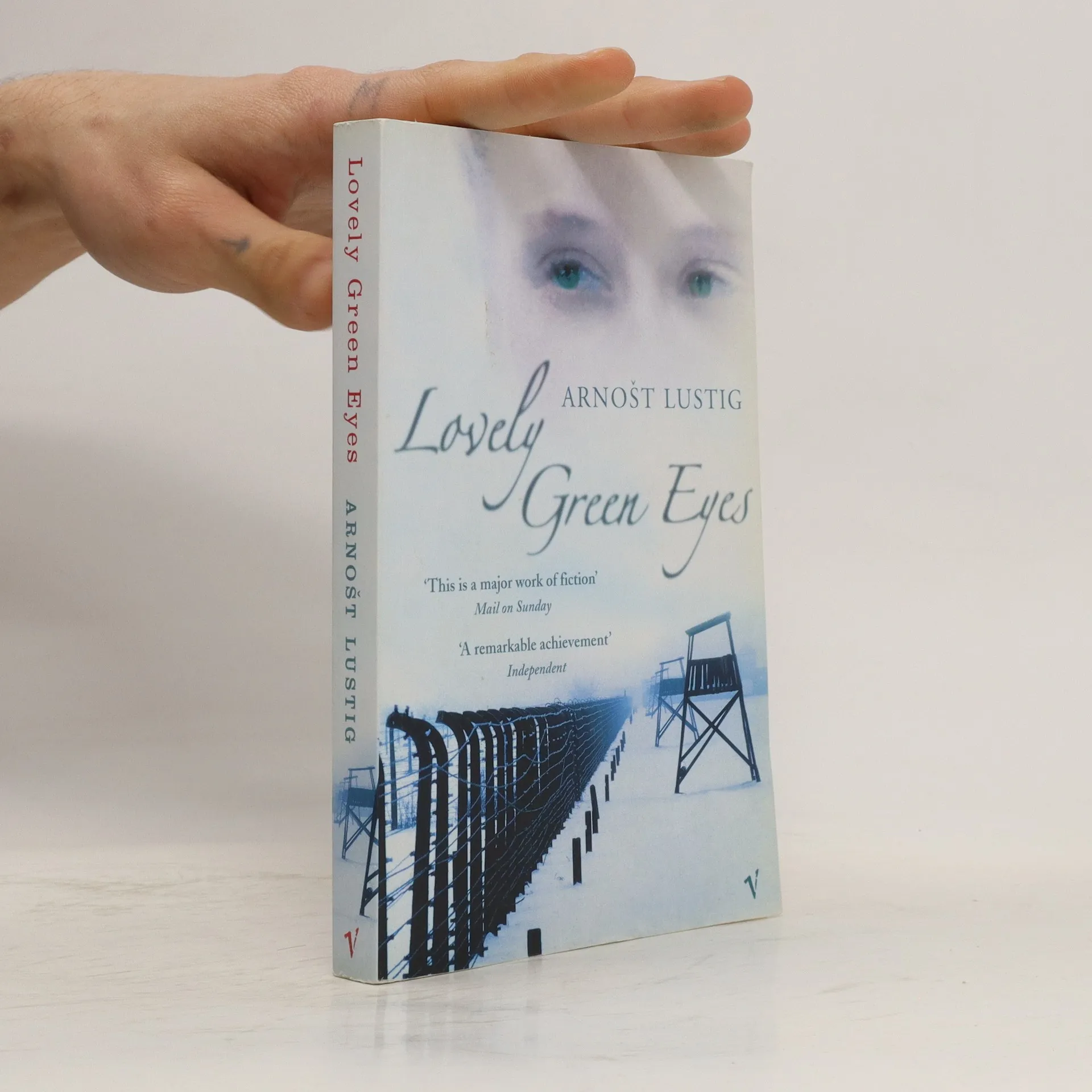
"Fifteen-year-old Hanka Kaudersova has ginger hair and clear, green eyes. hen her family is deported to Auschwitz, her mother, father and younger brother are sent to the gas chamber. By a twist of fate, Hanka is faced with a simple alternative- follow her family, or work in as SS brothel behind the eastern front. She chooses to live, her Aryan looks allowing her to disguise the fact that she is Jewish. As the German army retreats from the Russian front, Hanka battles cold, hunger, fear and shame, sustained by her hatred for the men she entertains, her friendship with the mysterious Estelle, and her fierce, burning desire for life. ovely Green Eyes explores the compromises and sacrifices that an individual may make in order to survive, the way a woman can retain her identity in the face of appalling trauma, and the value of human life itself. This is a remarkable novel, which soars beyond nightmare, leaving the reader with a transcendent sense of hope."
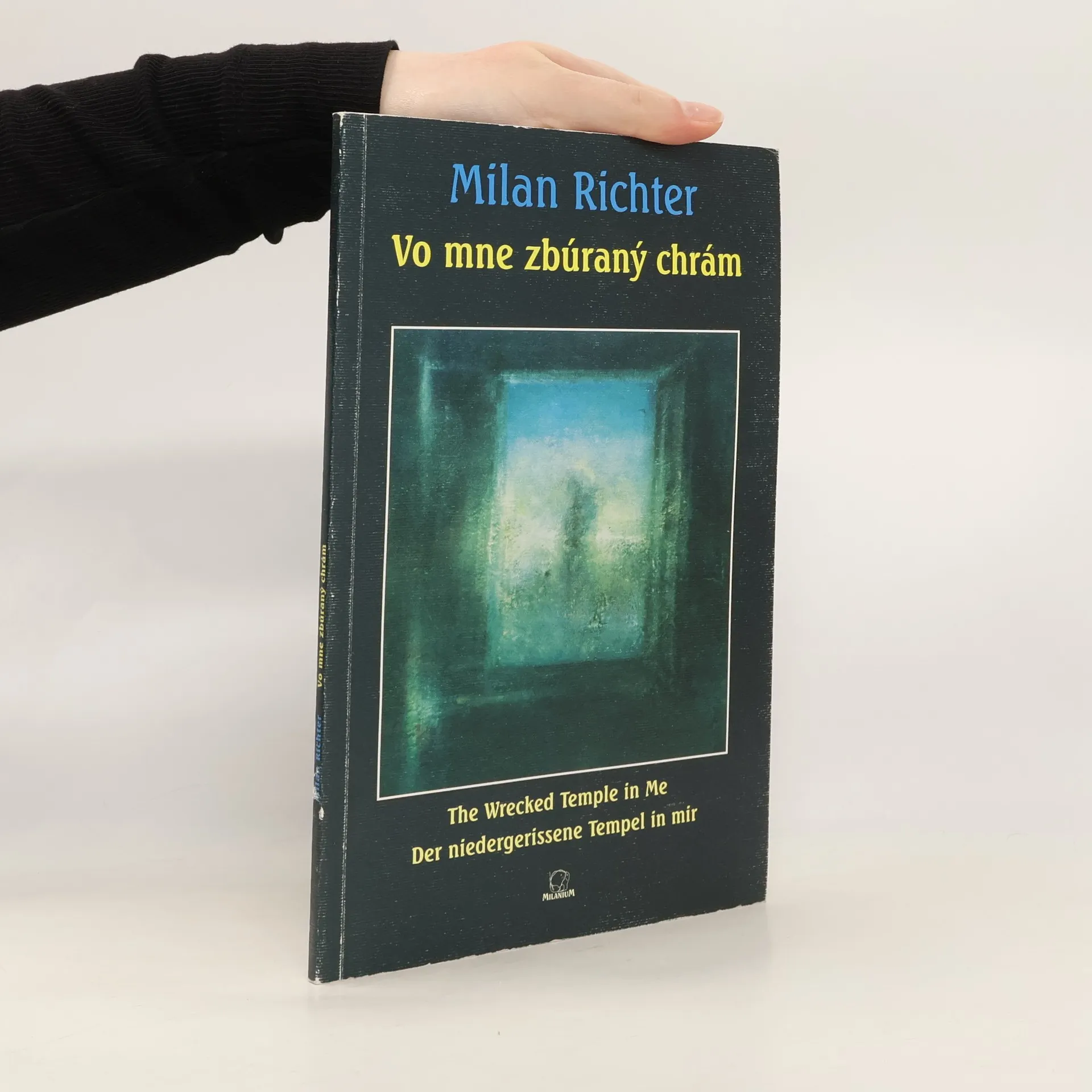
33 básní v slovenčine a 18 básni v nemeckom alebo anglickom preklade spájajú témy židovský osud a holokaust. Ako v predslove píše popredná česká poetka Jana Štroblová, „Richter je básník, spontánně reagující i na sebenepatrnější podněty zvenčí. Schopností bezprostředních reakcí asnahou dodat obecnější platnosti i zážitkům nejsubjektivnějším pripomene tu a tam našeho již nežijícího Miroslava Holuba. U obou je všudepřítomná hořká, až nemilosrdná ironie a kritičnost k jakýmkoli iluzím, ať už osobním či společenským. Holub však měl aspoň jednu víru, a to víru ve všemocnost vědy. Takovou víru Richter nehlásá. Ke všeobsáhlé skepsi ho opravňuje i paměť krve, zadřená tříska židovské zkušenosti (...), jaká snad co do síly tragického prožitku nemá v současné poezii obdobu.“
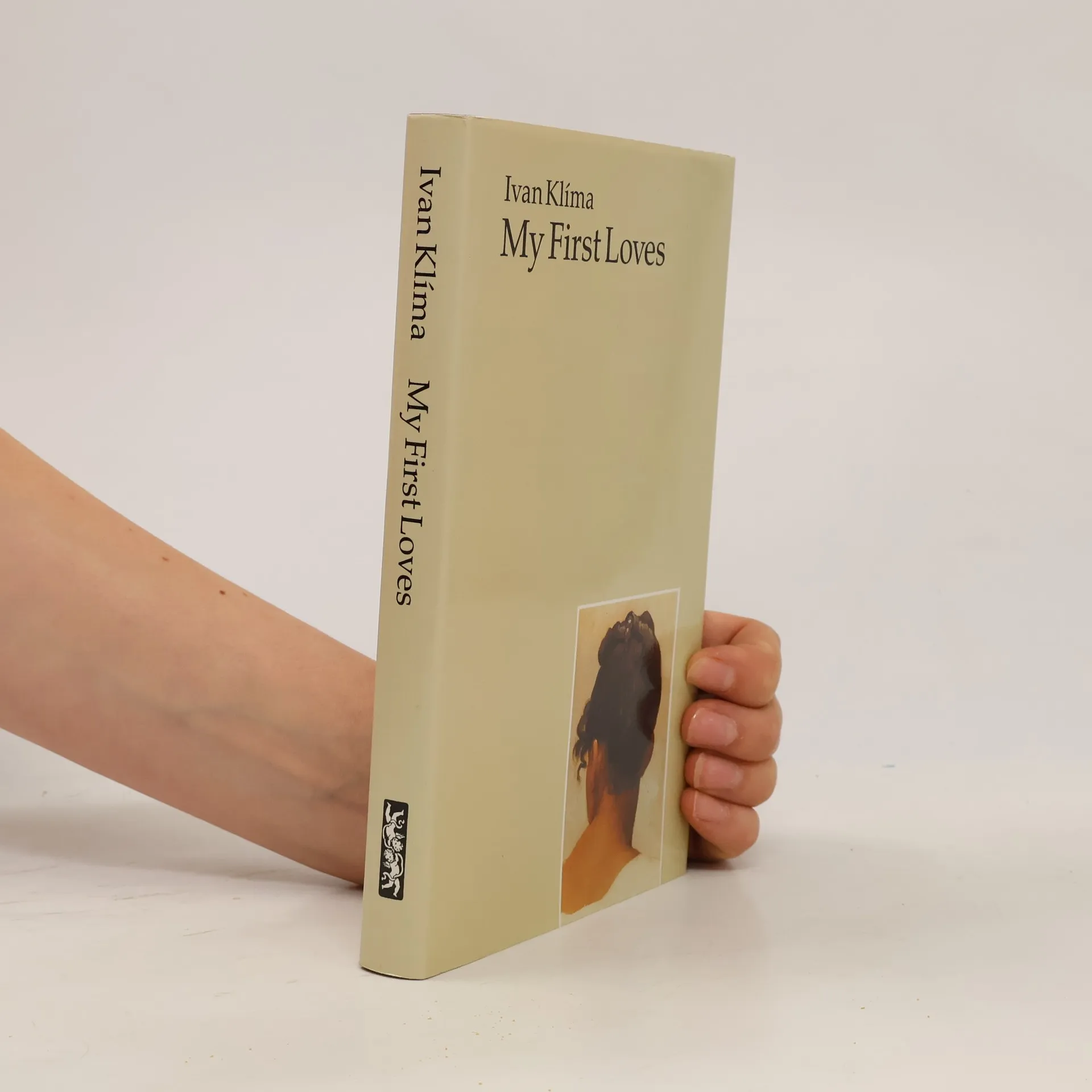
El protagonista de Amor y basura es un escritor que se ve convertido en barrendero por la censura estatal, y que comparte con los otros miembros de la brigada de limpieza a la que pertenece un similar afán de evasión. Este deseo de elevarse por encima de la realidad, y la imposibilidad material de despegarse de ésta, crean una disyuntiva que constituye el núcleo de esta historia, una bellísima novela en la que Klíma reivindica no solamente la necesidad de la memoria, sino el papel de la literatura en la conformación de la vida personal y de la historia colectiva.
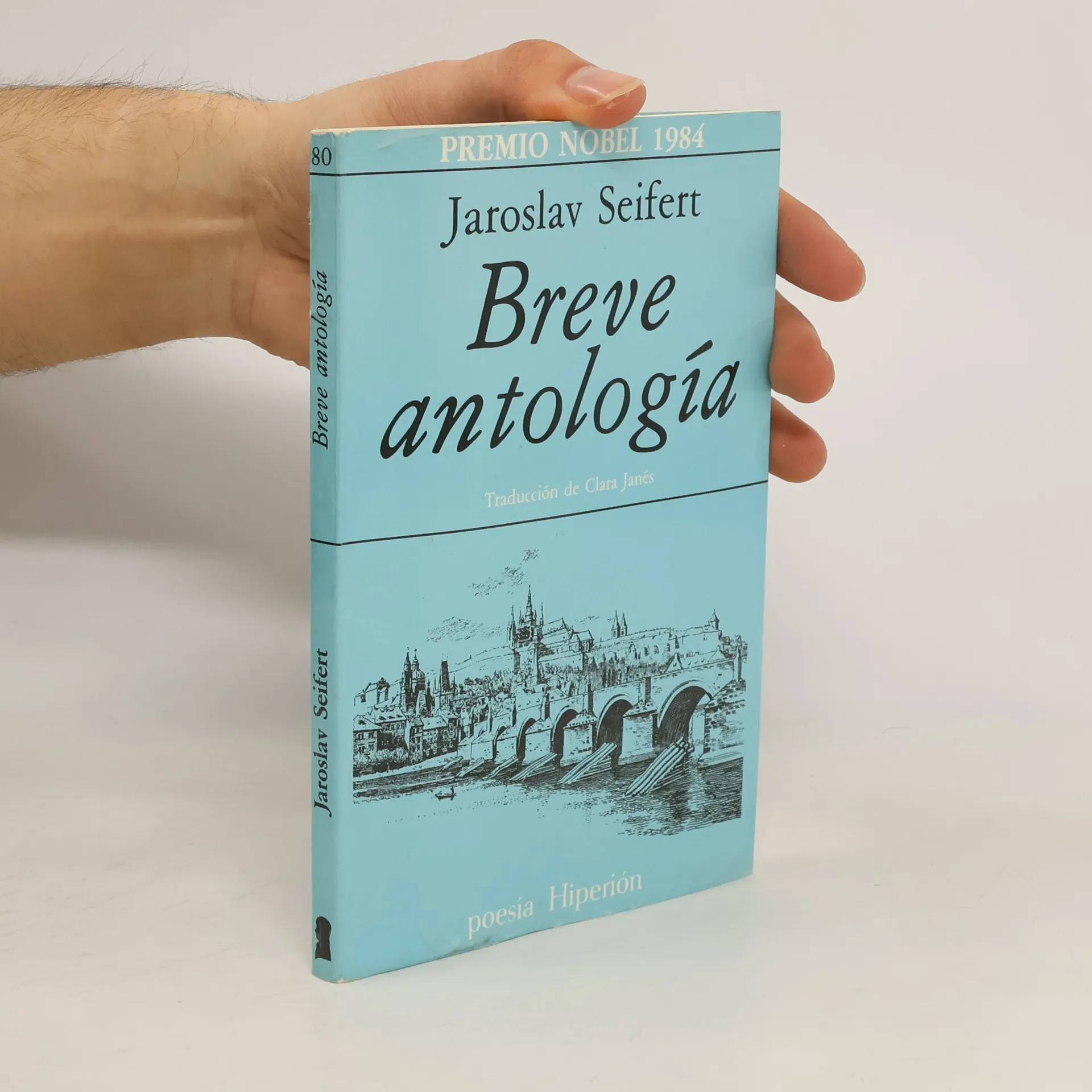
Jaroslav Seifert recibió el Premio Nobel de Literatura en 1984. Al premiarle se reconocía el valor de su poesía, pero también el hecho de ser el único superviviente de una generación de poetas extraordinaria, única en la historia de su país, que vivió, sufrió y cantó con maestría los acontecimientos del siglo XX. Seifert parte de las vanguardias de los años veinte, se integra en el ‘poetismo’ de influjos dadaístas y cultiva la poesía revolucionaria. A partir de los años treinta su obra se inclina hacia un clasicismo que se remansa y se enraíza en su Praga natal para dar a luz libros de gran belleza que culminaron con Ser poeta en 1983. La Academia Sueca, al concederle el Premio Nobel, destacó que «con su poesía, de una sensualidad ardiente y gran riqueza de invención, da una imagen liberadora de una humanidad indomable y diversa». Literatura checa. Poesía lírica. Siglo XX.
The bestselling author of "Seven Years in Tibet" presents this compelling mix of history, religion, and travel writing, which bears witness to the suffering and perseverance of the ancient civilization under Chinese rule
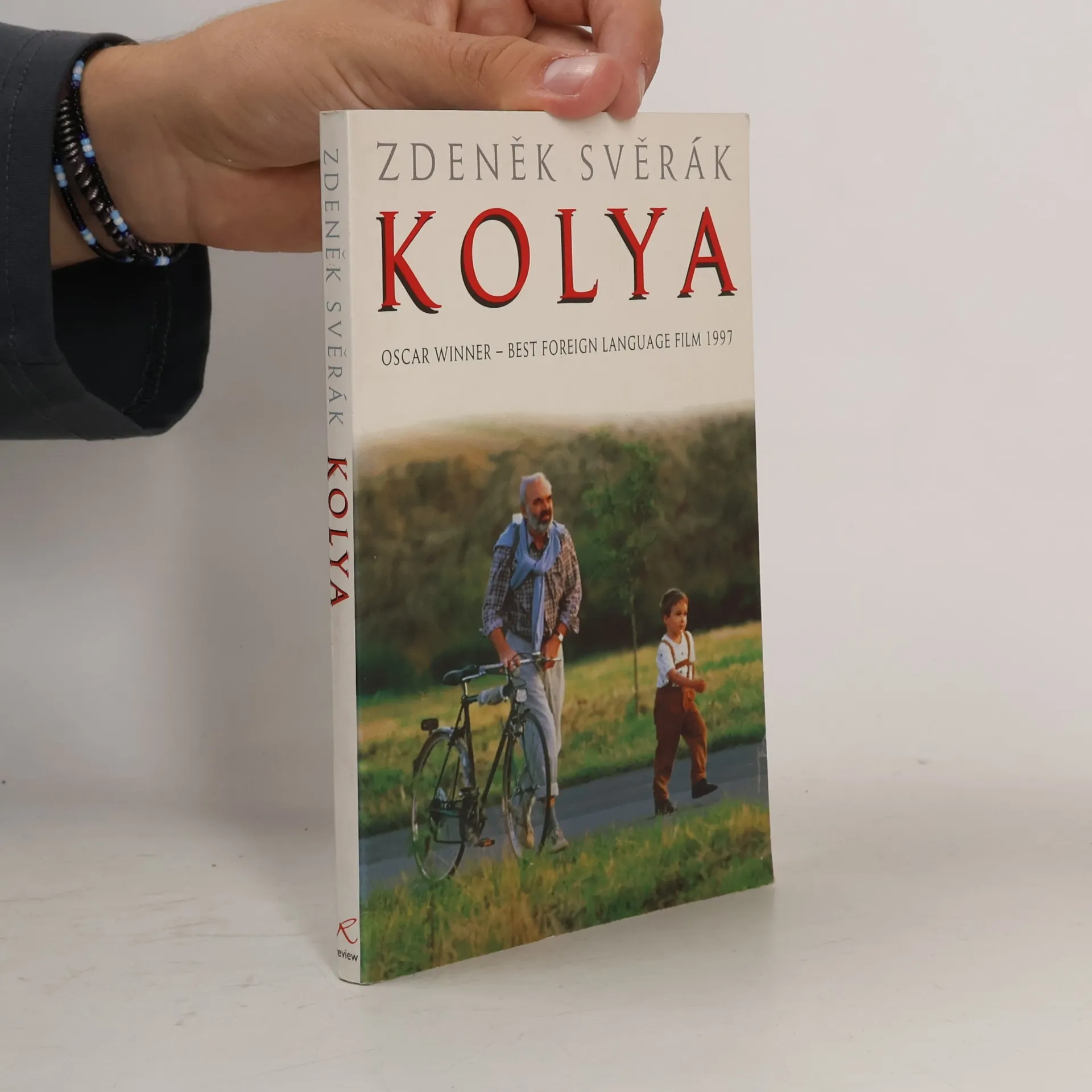
Kolya, here beautifully translated by Ewald Osers, is the novelization of the Czech film of the same name, which won both the 1997 Oscar and Golden Globe awards for Best Foreign Language Film. Set in Prague in 1988—just before the Velvet Revolution—it tells the story of Louka, a virtuoso performer with the Czech Philharmonic, who has been banned from playing by the state. Now he finds himself playing at cemeteries for a living. Adding to his problems, an illegal arranged marriage has left the hardened bachelor with a little Russian boy to care for. From these elements, Zdenek Sverak—who also played Louka in the film—has woven an enduring tale of the transforming powers of music, language, and love.
Old Masters (1985) is Thomas Bernhard's devilishly funny story about the friendship between two old men. For over thirty years Reger, a music critic, has sat on the same bench in front of a Tintoretto painting in a Viennese museum, thinking and railing against contemporary society, his fellow men, artists, the weather, even the state of public lavatories. His friend Atzbacher has been summoned to meet him, and through his eyes we learn more about Reger - the tragic death of his wife, his thoughts of suicide and, eventually, the true purpose of their appointment. At once pessimistic and exuberant, rancorous and hilarious, Old Masters is a richly satirical portrait of culture, genius, nationhood, class, the value of art and the pretensions of humanity.
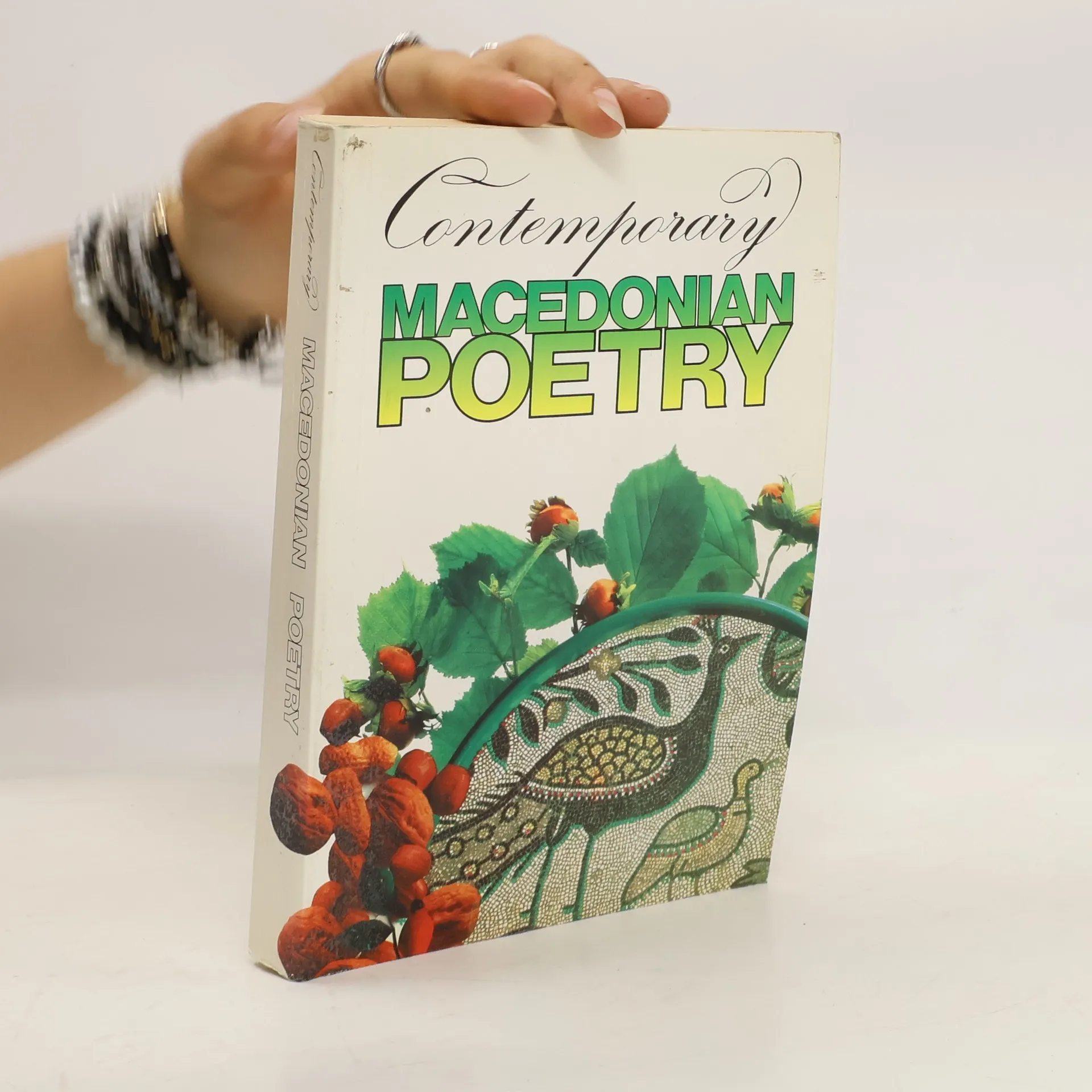
Works selected from twenty-five poets from the Balkan regions, based on volumes published during the past twenty years. ""Many of the poems evoke peasant art from Yugoslovia, of which much of Macedonia was a part for much of this century. Brilliant and ornate, with vivid dreamlike images, the work of Slavko Janevski is painterly in the extreme...Mateja Matevski's hard-edged poems offer a glory of crammed imagery...Osers' selections make us hunger for more"" - Booklist. ""A valuable contribution to our appreciation of Macedonian poetry as one of the most vibrant in world literatures"" - Slavic Review.
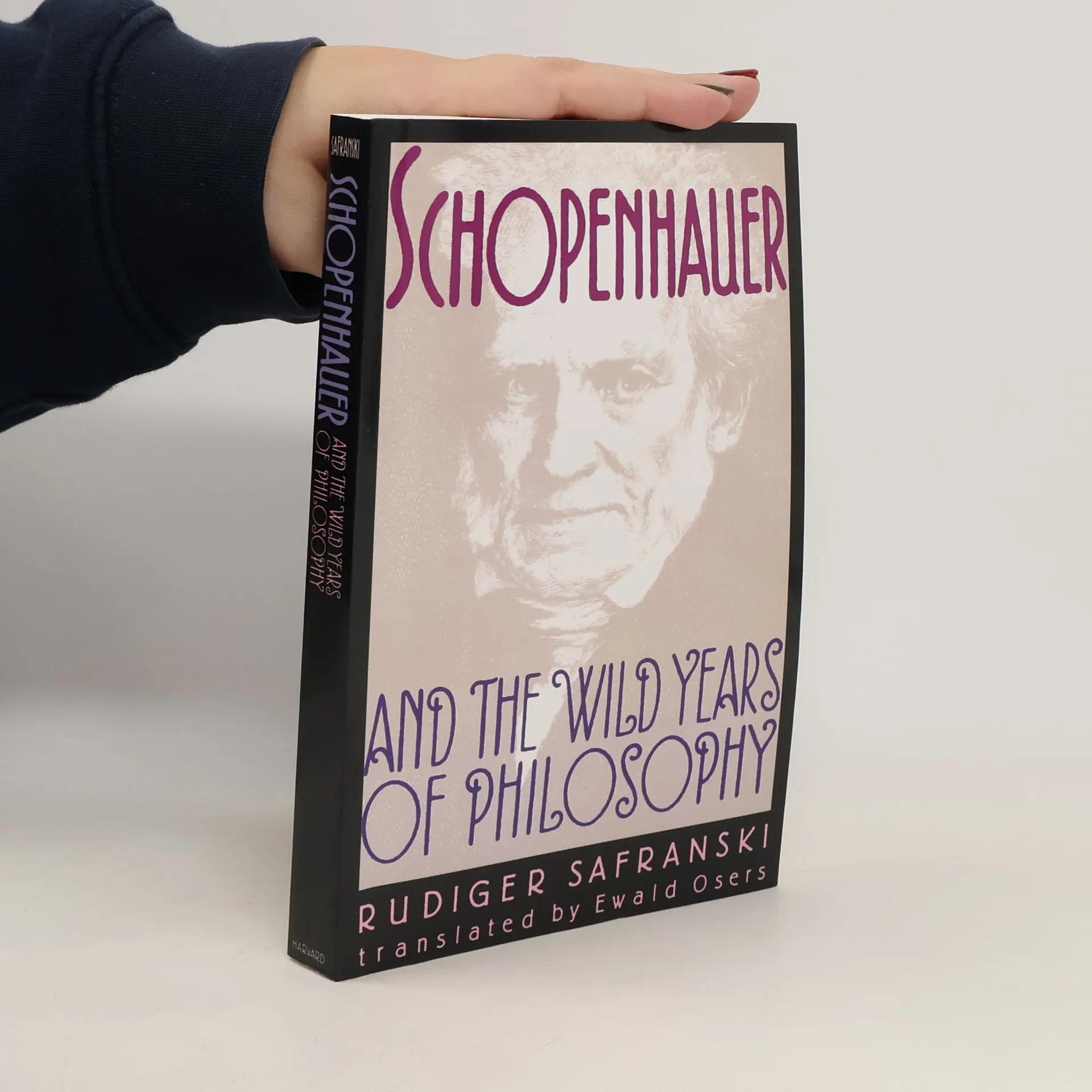
This detailed biography of a key figure in nineteenth-century philosophy examines both the life and work of Arthur Schopenhauer. Rudiger Safranski situates Schopenhauer within the context of his philosophical predecessors and contemporaries, such as Kant, Fichte, Schelling, and Hegel, while exploring the sources of his profound alienation from their "secularized religion of reason." The narrative delves into Schopenhauer's personal life, depicting struggles against a domineering father and the challenges of reconciling with his mother's literary success, as well as the loneliness he faced when his major work, The World as Will and Representation, was initially overlooked. Safranski also highlights the vibrant culture of Goethe's Weimar and Hegel's Berlin, enriching the portrayal of the era's intellectual landscape. Schopenhauer's philosophy, characterized by "weeping and gnashing of teeth," found few followers during the Romantic idealism of his time. However, after the disillusionments of 1848, his ideas gained traction among philosophers and writers, influencing figures from Nietzsche to Samuel Beckett. This biography, the first of Schopenhauer in English this century, vividly brings to life an intriguing philosopher and the intellectual battles of his time, whose impact continues to resonate today.
Man discovers a species of giant, intelligent newts and learns to exploit them so successfully that the newts gain skills and arms enough to challenge man's place at the top of the animal kingdom. Along the way, Karel Capek satirizes science, runaway capitalism, fascism, journalism, militarism, even Hollywood.
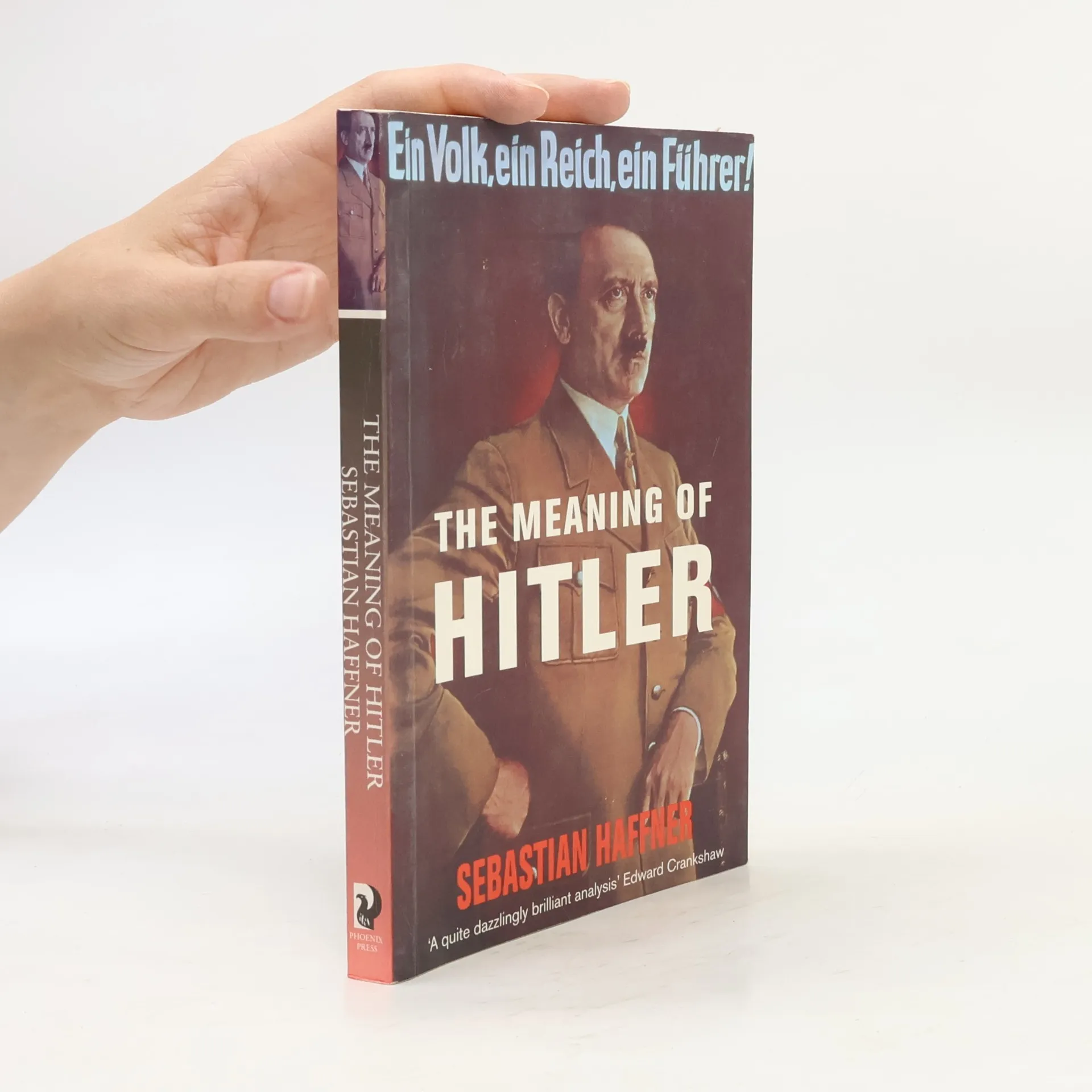
This is a remarkable historical and psychological examination of the enigma of Adolf Hitler--who he was, how he wielded power, and why he was destined to fail. Beginning with Hitler's early life, Sebastian Haffner probes the historical, political, and emotional forces that molded his character. In examining the inhumanity of a man for whom politics became a substitute for life, he discusses Hitler's bizarre relationships with women, his arrested psychological development, his ideological misconceptions, his growing obsession with racial extermination, and the murderous rages of his distorted mind. Finally, Haffner confronts the most disturbing question of all: Could another Hitler rise to power in modern Germany?
The memoir of a writer sentenced to hard labor in Stalinist Czechoslovakia, this is a soaring story of hope and survival. Written during the first year of his sentence for offences against the Stalinist regime, it is a shocking but surprisingly humorous account of life under a harsh regime.