The man the New York Times has called "the preeminent scholar of the Holocaust" draws on a lifetime's thought and reflection to focus on the people who--as individuals and in groups--committed, suffered and looked on the mass murder known as the Holocaust.
Raul Hilberg Libros
2 de junio de 1926 – 4 de agosto de 2007
Raul Hilberg fue un politólogo e historiador estadounidense nacido en Austria, ampliamente considerado el máximo erudito mundial del Holocausto. Su obra monumental se considera un estudio fundamental de la "Solución Final" nazi, que examina meticulosamente la naturaleza sistemática del aniquilamiento de los judíos europeos. El enfoque de Hilberg se caracterizó por su riguroso detalle y análisis exhaustivo, lo que convierte su erudición en una contribución esencial para comprender esta trágica época. Su investigación descubre las complejidades burocráticas y la maquinaria que posibilitaron la ejecución del genocidio.


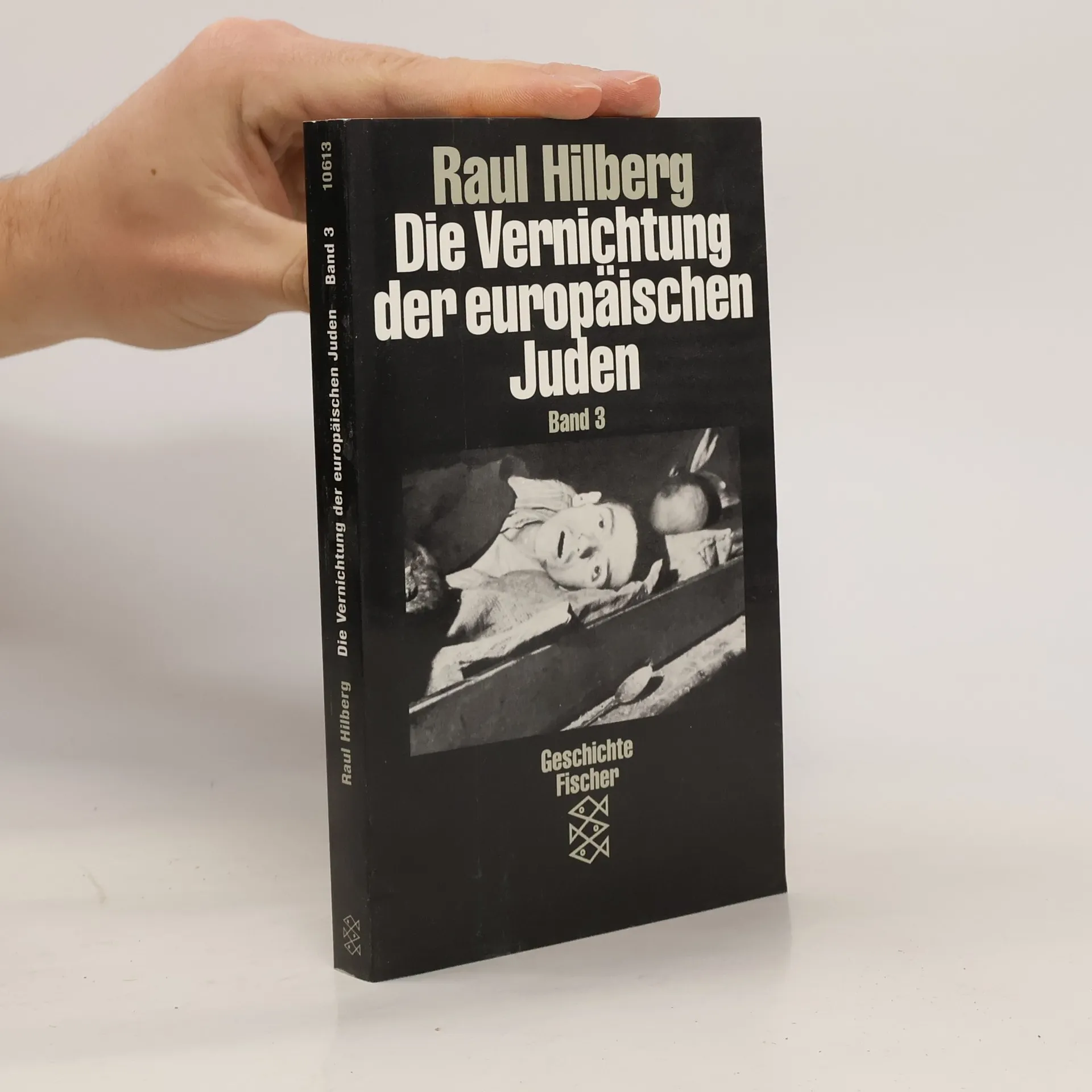


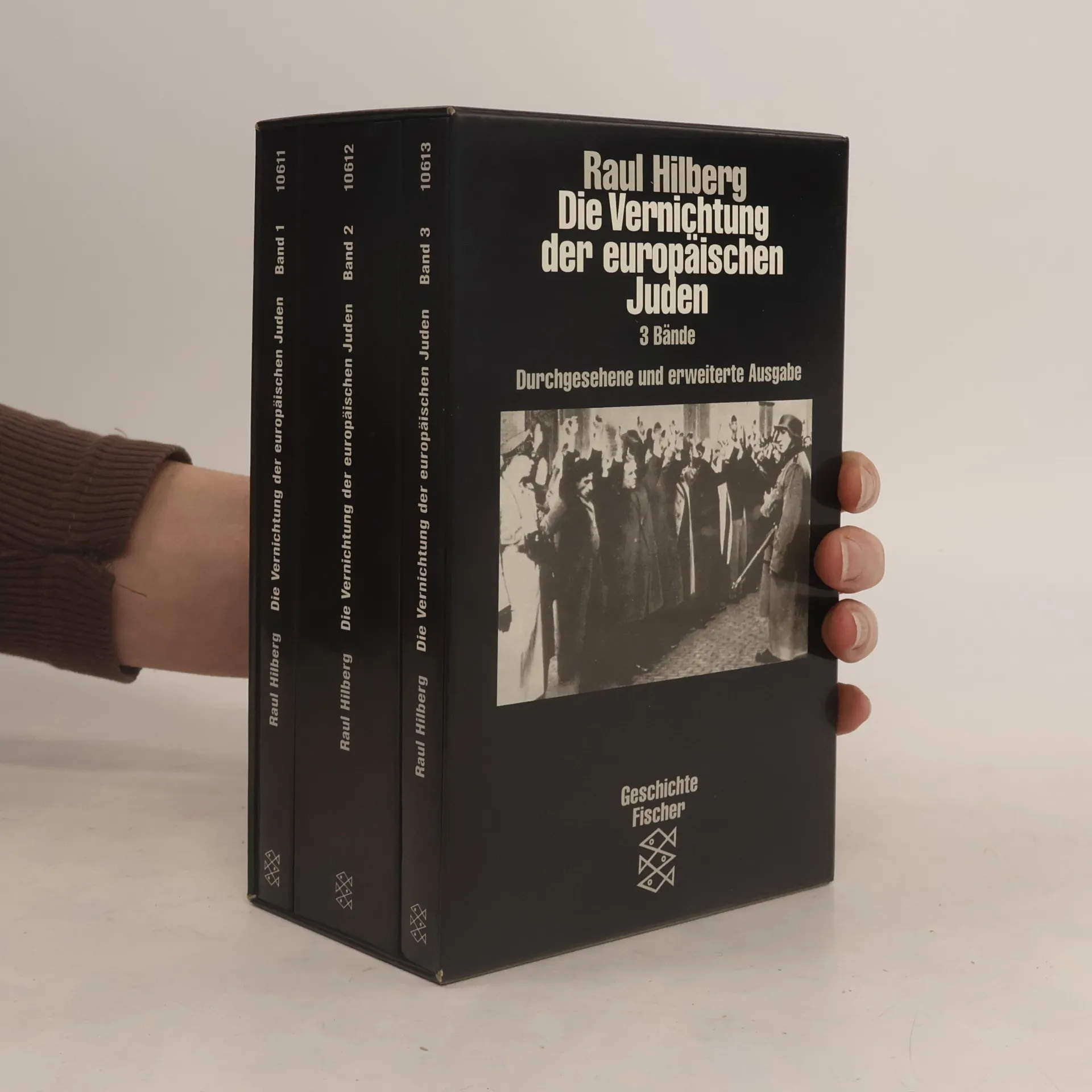
The Destruction of the European Jews
- 1388 páginas
- 49 horas de lectura
A three-volume study of the Holocaust. First published in 1961, Raul Hilberg's account of how Germany annihilated the Jewish community of Europe spurred discussion and shaped the field of Holocaust studies. This expanded edition includes new material, particularly from archives in Eastern Europe. číst celé
La destruction des Juifs d'Europe
- 352 páginas
- 13 horas de lectura
La destruction des Juifs d'Europe est un ouvrage de référence sur le génocide, expliquant en détail la mise en œuvre de la Solution finale, sans prétendre élucider le pourquoi de cette volonté destructrice. Ce génocide, unique par son caractère systématique, fut orchestré par une société moderne et industrielle, impliquant divers professionnels tels que spécialistes, juristes, médecins et fonctionnaires, tous ancrés dans des habitudes de respect de l'ordre et de l'efficacité. Les étapes clés incluent les décrets définissant le terme "Juif", l'expropriation des biens, l'isolement physique des victimes, le travail forcé, la déportation et les chambres à gaz. Aucun secteur de la société allemande - bureaucratie, ministères, forces armées, Parti, industrie - ne resta étranger au processus de destruction. Ce génocide ne représente pas seulement la banalité du mal, mais sa quotidienneté, chaque individu, à son niveau, appliquant des procédures normales à une situation exceptionnelle. Les acteurs déployèrent une ingéniosité remarquable pour définir, classer et transporter, comme si la Solution finale n'était qu'une affaire courante, malgré les efforts de camouflage par le vocabulaire.
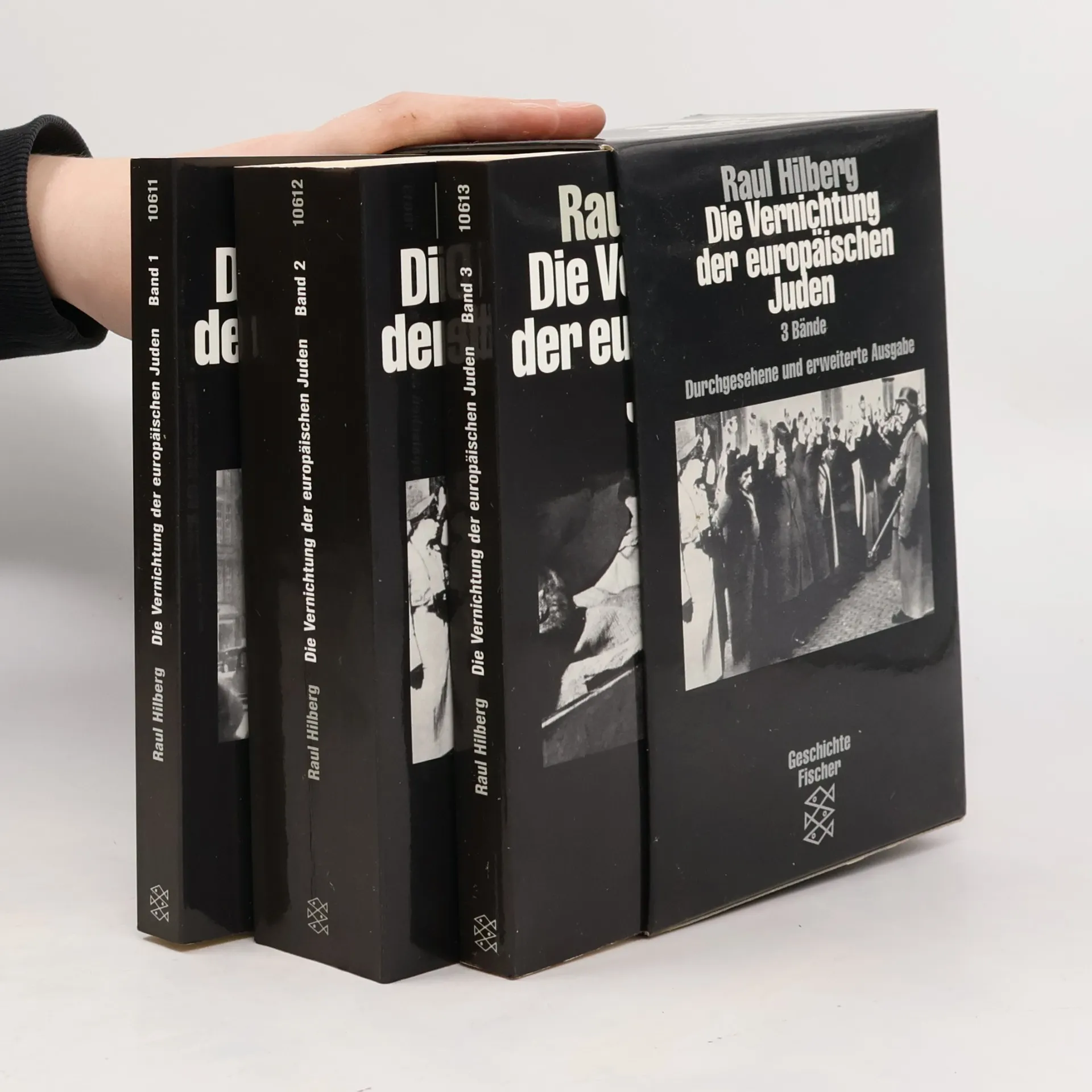
Die dreibändige Reihe von Raul Hilberg bietet eine umfassende Analyse der systematischen Vernichtung der europäischen Juden während des Zweiten Weltkriegs. Hilberg untersucht detailliert die bürokratischen, wirtschaftlichen und sozialen Strukturen, die zur Durchführung des Holocaust führten. Der erste Band befasst sich mit der Vorgeschichte und den ideologischen Grundlagen des Antisemitismus, während der zweite Band die Mechanismen der Umsetzung der Vernichtungspolitik, einschließlich der Rolle staatlicher Institutionen und der Zusammenarbeit verschiedener Akteure, behandelt. Der dritte Band analysiert die Konsequenzen und die Nachwirkungen der Vernichtung, einschließlich der Herausforderungen der Nachkriegszeit und der Erinnerungskultur. Hilberg stützt sich auf umfangreiche Quellen und Dokumente, um die Komplexität und die Dimensionen des Holocaust zu beleuchten. Die Themen der Verantwortung, der Täter und der Opfer sowie die Rolle der Gesellschaft werden eingehend behandelt. Diese Arbeit ist ein bedeutender Beitrag zur Geschichtswissenschaft und bietet einen tiefen Einblick in die Mechanismen des Genozids und die Auswirkungen auf die jüdische Gemeinschaft in Europa. Die detaillierte Untersuchung der historischen Fakten und die kritische Reflexion über die moralischen Implikationen machen diese Reihe zu einer wichtigen Quelle für das Verständnis des Holocaust.
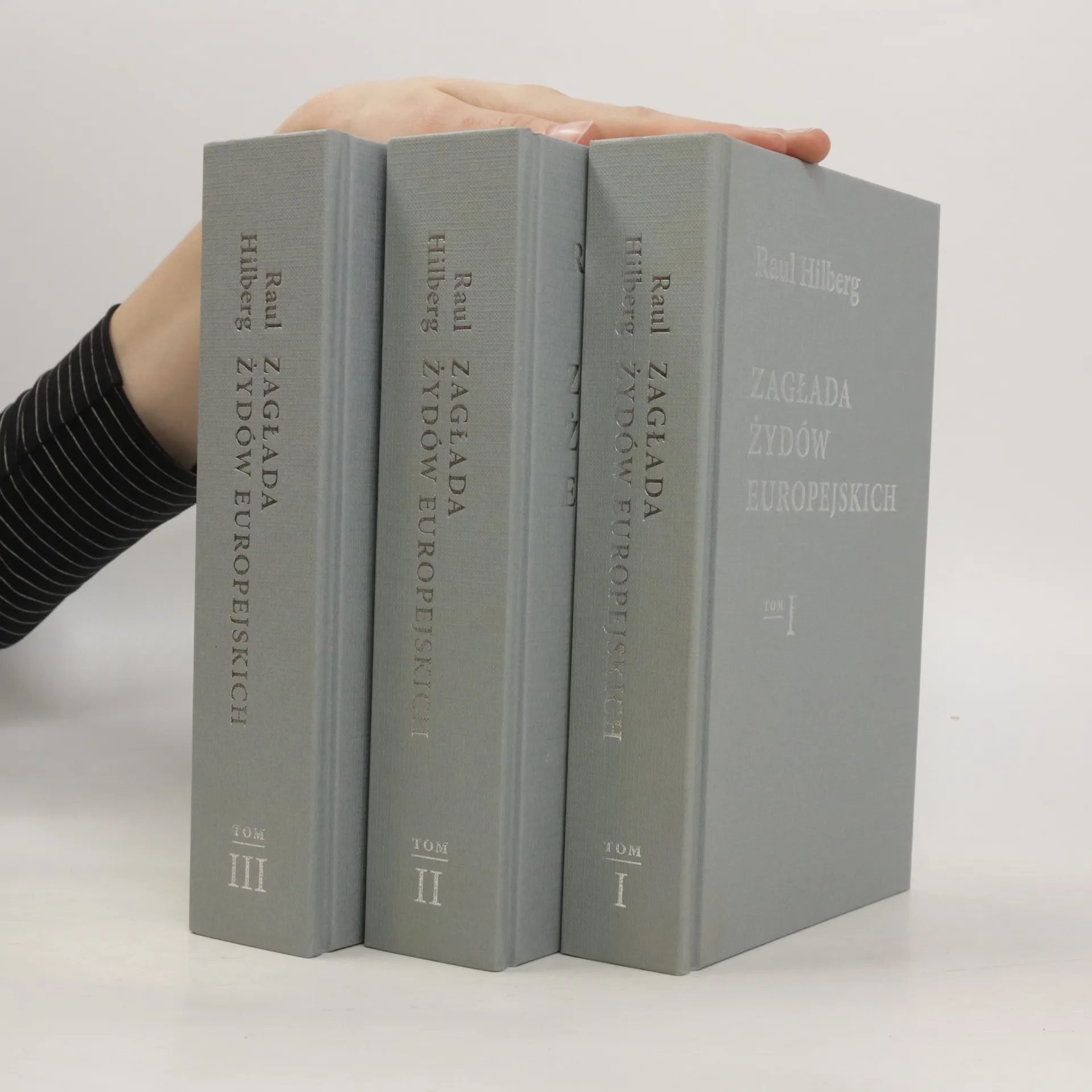
Książka Raula Hilberga to obszerne, liczące niemal 1700 stron studium Zagłady Żydów europejskich. Pierwsze wydanie książki ukazało w 1961, drugie w 1985, trzecie w 2003 r.. wydanie polskie poszerzone jest o poprawki autora, które tworzył do ostatnich chwil życia, spędzając nad nią ponad 50 lat życia. Jest to precyzyjny, szczegółowy i doskonale uporządkowany obraz zagłady społeczności żydowskiej w Europie dokonanej przez działające w III Rzeszy struktury hierarchiczne: partię nazistowską, biznes, administrację i armię, tworzące razem maszynerię Zagłady.
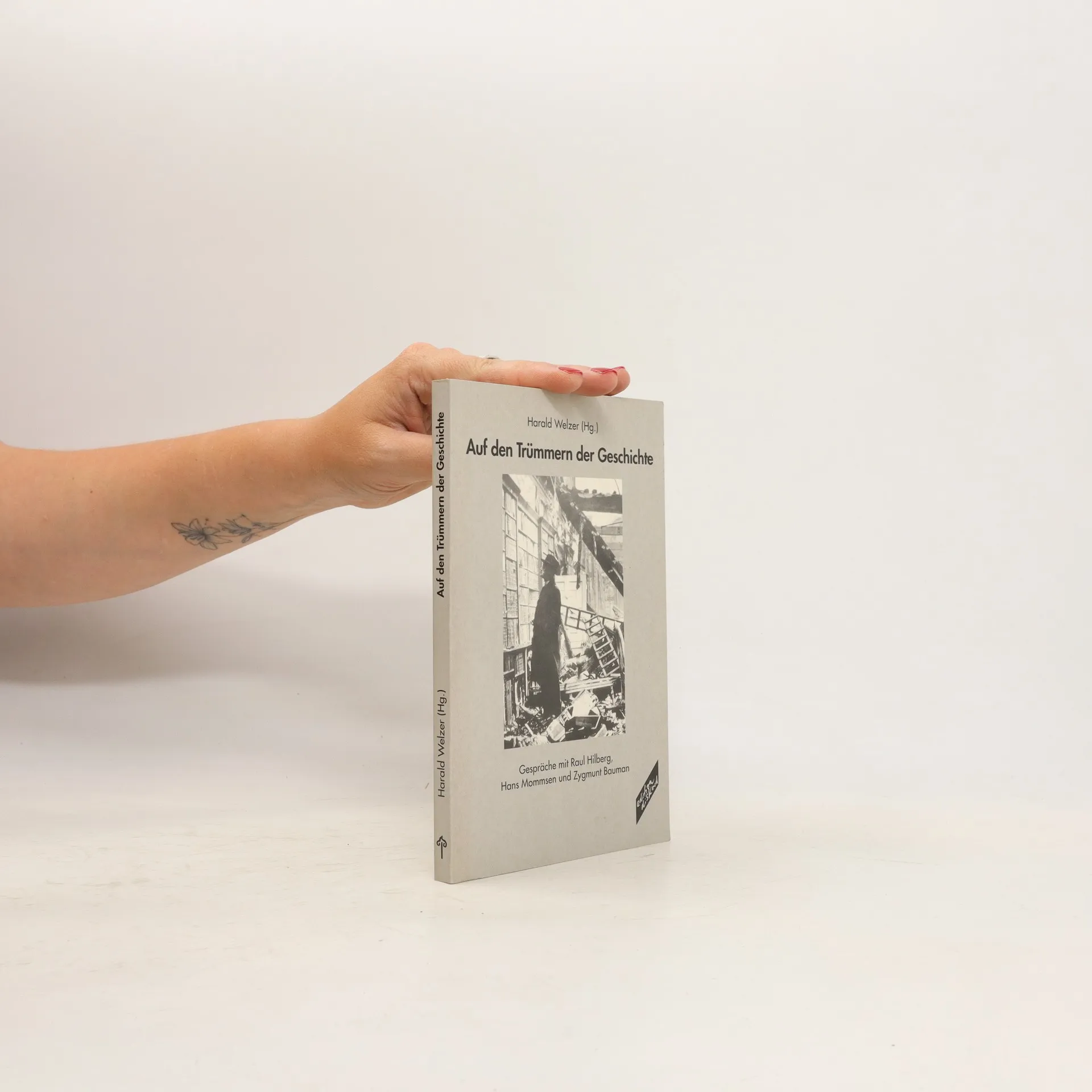
Auf den Trümmern der Geschichte
- 127 páginas
- 5 horas de lectura
Unerbetene Erinnerung
- 176 páginas
- 7 horas de lectura
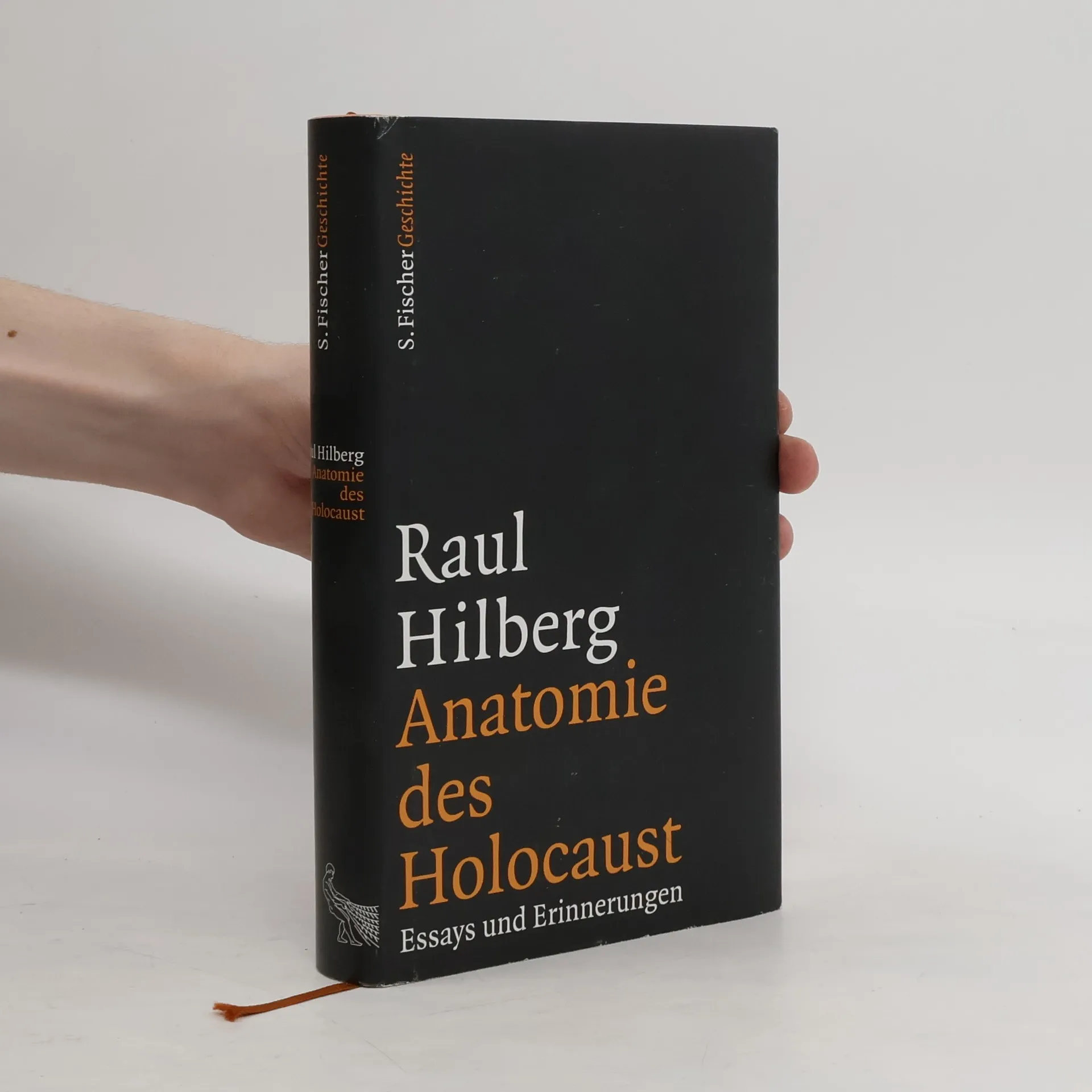
Der große Historiker Raul Hilberg hat mit seinem Werk ›Die Vernichtung der europäischen Juden‹ die Erforschung des Holocaust maßgeblich geprägt. Auch sein Buch ›Täter, Opfer, Zuschauer‹ ist in der Debatte um die Geschichte des Nationalsozialismus bis heute zentral. Der 2007 verstorbene Doyen der Holocaust-Forschung hat einen reichhaltigen Fundus an wichtigen Texten hinterlassen, die bislang nicht ins Deutsche übersetzt wurden. Im Band ›Anatomie des Holocaust‹ liegt nun erstmals eine Auswahl dieser Texte auf Deutsch vor. Es geht darin um bis heute kontroverse Fragen zur Geschichte des Holocaust, etwa die Rolle der Judenräte, die Motive der Deutschen für die Verfolgung und Ermordung der Juden und die Frage der moralischen Verantwortung. Zugleich runden sehr persönliche Texte das Bild ab: So beschreibt Raul Hilberg seine bewegende Reise nach Auschwitz als Mitglied der Holocaust-Kommission 1979 und erzählt, wie er seine Arbeit als Holocaust-Forscher empfunden hat. Ein Band, der uns den Menschen und Historiker Raul Hilberg neu entdecken lässt.
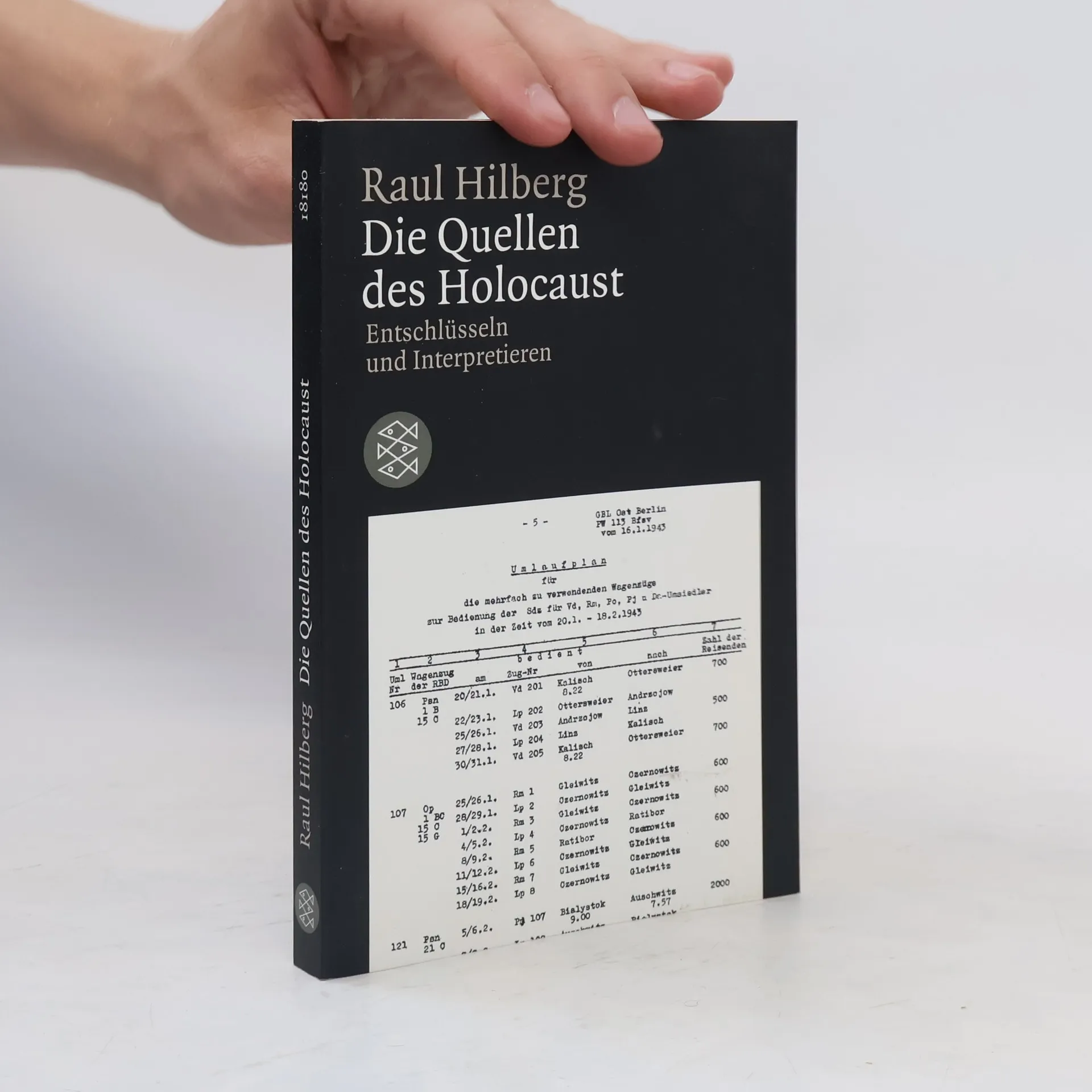
Seit der Veröffentlichung seines monumentalen Werks "Die Zerstörung der europäischen Juden" vor vierzig Jahren ist Raul Hilberg der anerkannte Meister der Holocaust-Historiker. In "Die Quellen des Holocaust" destilliert er ein Leben lang wissenschaftlicher Untersuchungen in ein unverzichtbares Grundlagenwerk über die Nutzung von Quellen in der Schreibweise der Holocaust-Geschichte. Hilberg beschreibt zunächst die "äußere" Untersuchung und Klassifizierung von Quellen; anschließend die "innere" Sicht – die Konfiguration, den charakteristischen Stil und den hoch selektiven Inhalt der Quellen; und schließlich, was aus ihnen extrahiert werden kann, unter Berücksichtigung der intrinsischen Probleme des Materials selbst und der "äußeren Bedingungen". Throughout verwendet Hilberg einen reichen Fundus an Beispielen und Anekdoten, um seine Prinzipien zu veranschaulichen. Das Ergebnis ist ein Buch, das jeder, der sich ernsthaft mit der Holocaust-Forschung beschäftigt, haben muss.
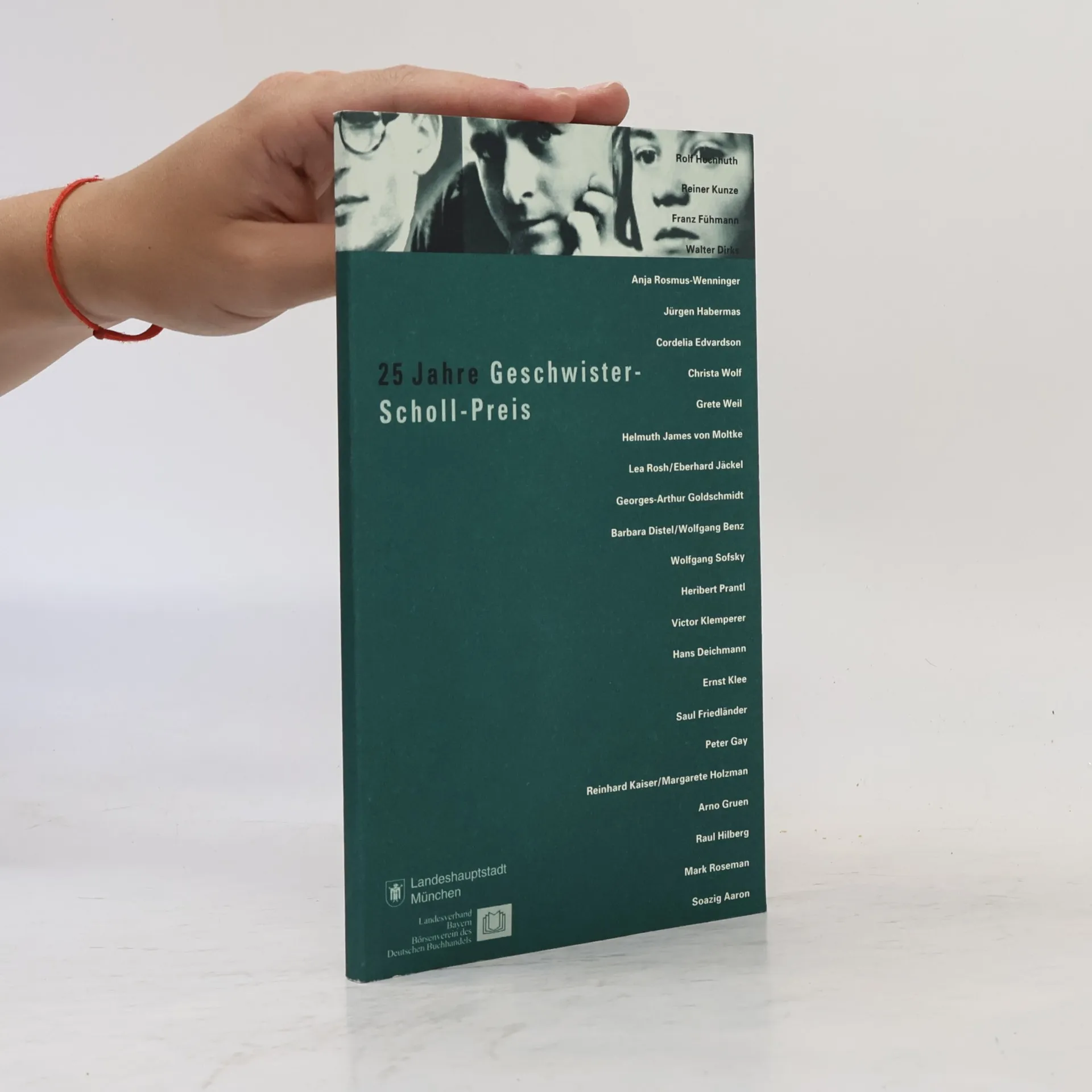
25 Jahre Geschwister-Scholl-Preis
- 71 páginas
- 3 horas de lectura
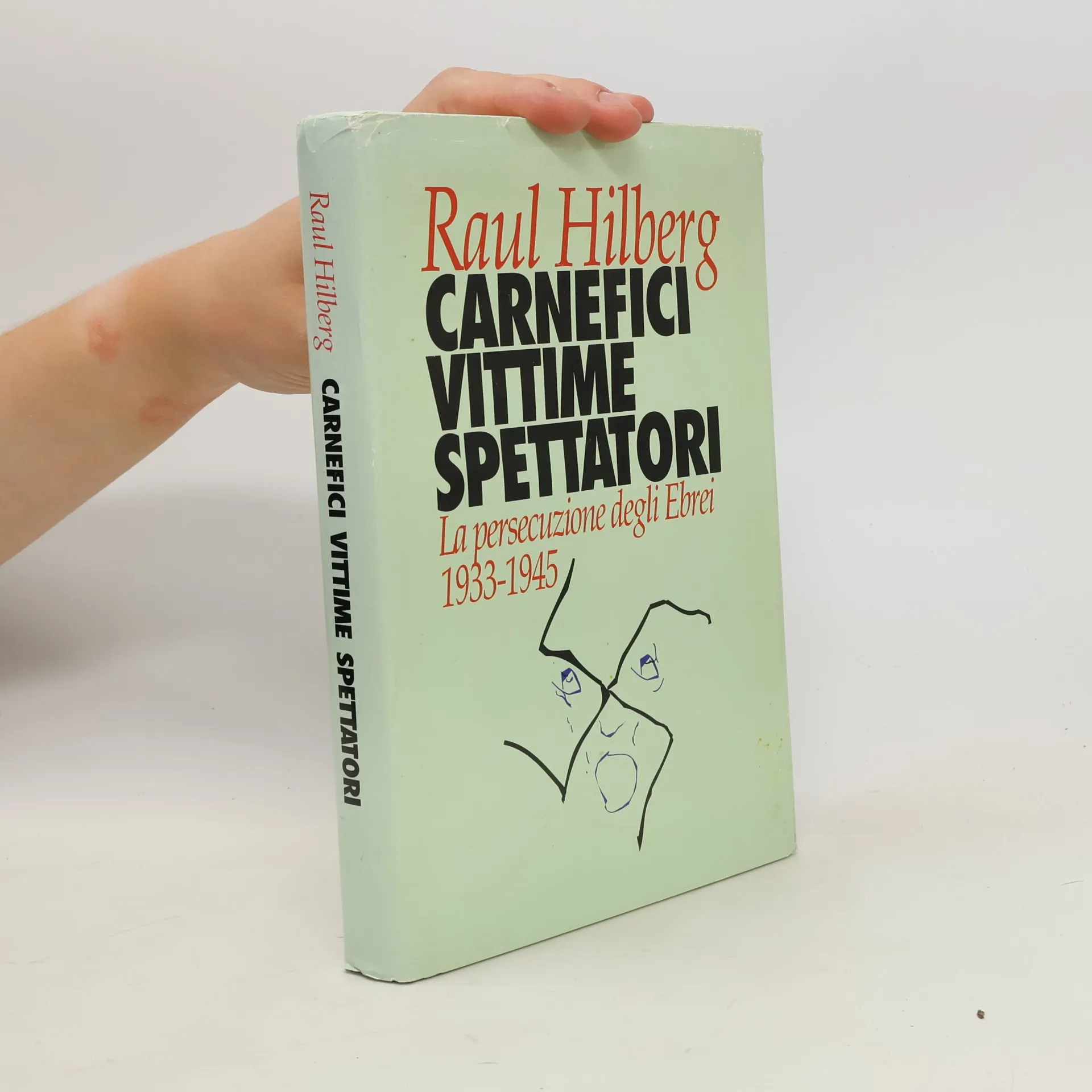
Carnefici, vittime, spettatori
La persecuzione degli Ebrei 1933-1945