The Sword of Gnosis: Matephysic, Cosmology, Tradition, Symbolism
- 464 páginas
- 17 horas de lectura
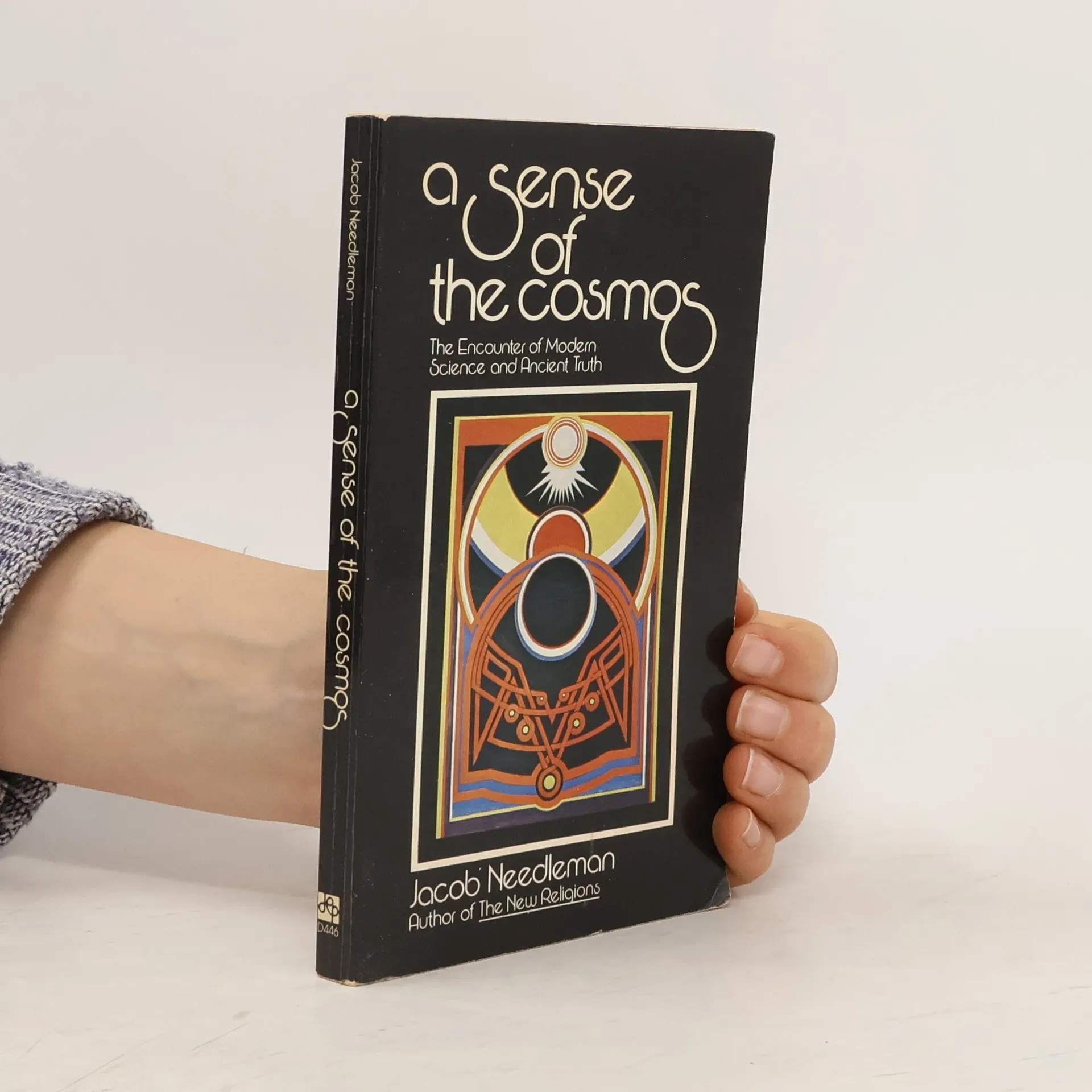
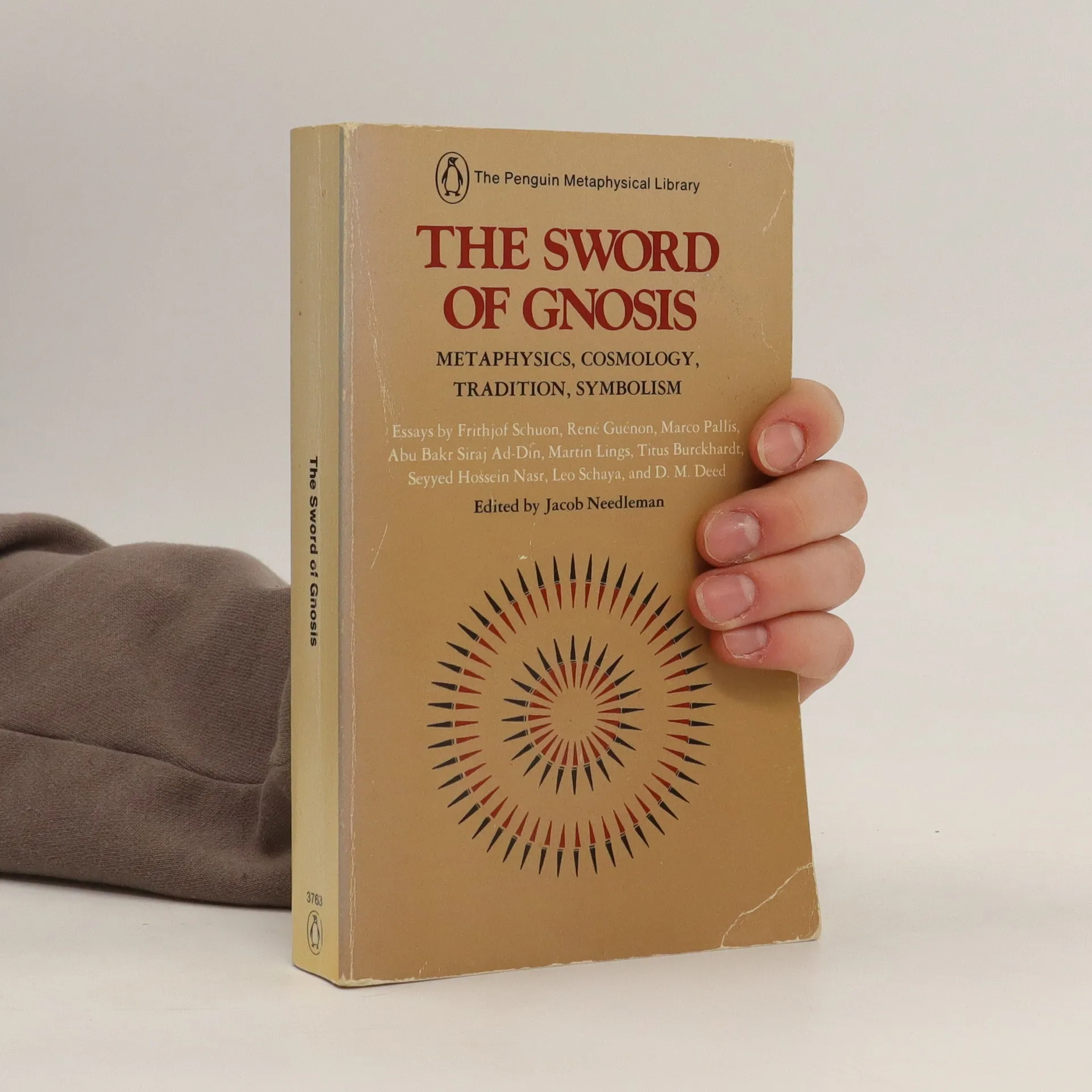
The Sword of Metaphysics, Cosmology, Tradition, Symbolism (The Penguin metaphysical library) [May 30, 1974] Needleman, Jacob


El filósofo Jacob Needleman profundiza en las preguntas esenciales de la existencia humana y la búsqueda de significado. Sus escritos exploran la intrincada relación entre las tradiciones espirituales y la vida moderna, enfatizando la necesidad de transformación interior y autoconocimiento. Conocidos por su claridad, los textos de Needleman conectan hábilmente la sabiduría ancestral con los desafíos contemporáneos, ofreciendo a los lectores un camino hacia una comprensión más profunda de sí mismos y del mundo.


The Sword of Metaphysics, Cosmology, Tradition, Symbolism (The Penguin metaphysical library) [May 30, 1974] Needleman, Jacob
Jacob Needleman has elevated the discourse surrounding science and religion, prompting a more nuanced exploration of consciousness transformation. This work serves as a pivotal point for those delving into this profound inquiry. Notable thinkers like Theodore Roszak and Fritjof Capra endorse its significance for anyone invested in contemporary cultural dynamics. Needleman argues that Western science has long overlooked the necessity of self-understanding in comprehending the universe. The current endeavor is to bridge the gap between the laws of nature and our inner nature, emphasizing that this connection cannot be achieved through superficial means. He clarifies that his focus is not on the convergence of science and spirituality but on their separation. True unity, he posits, arises from recognizing real divisions, mirroring the organic unity found in nature. By fostering sustained awareness, we can hope to cultivate the harmony that has eluded us and our civilization. Needleman, a philosophy professor at San Francisco State University, has authored several influential works and contributes to various fields including psychology and ethics. His insights have been showcased in Bill Moyers's PBS series, highlighting his significant role in contemporary thought.
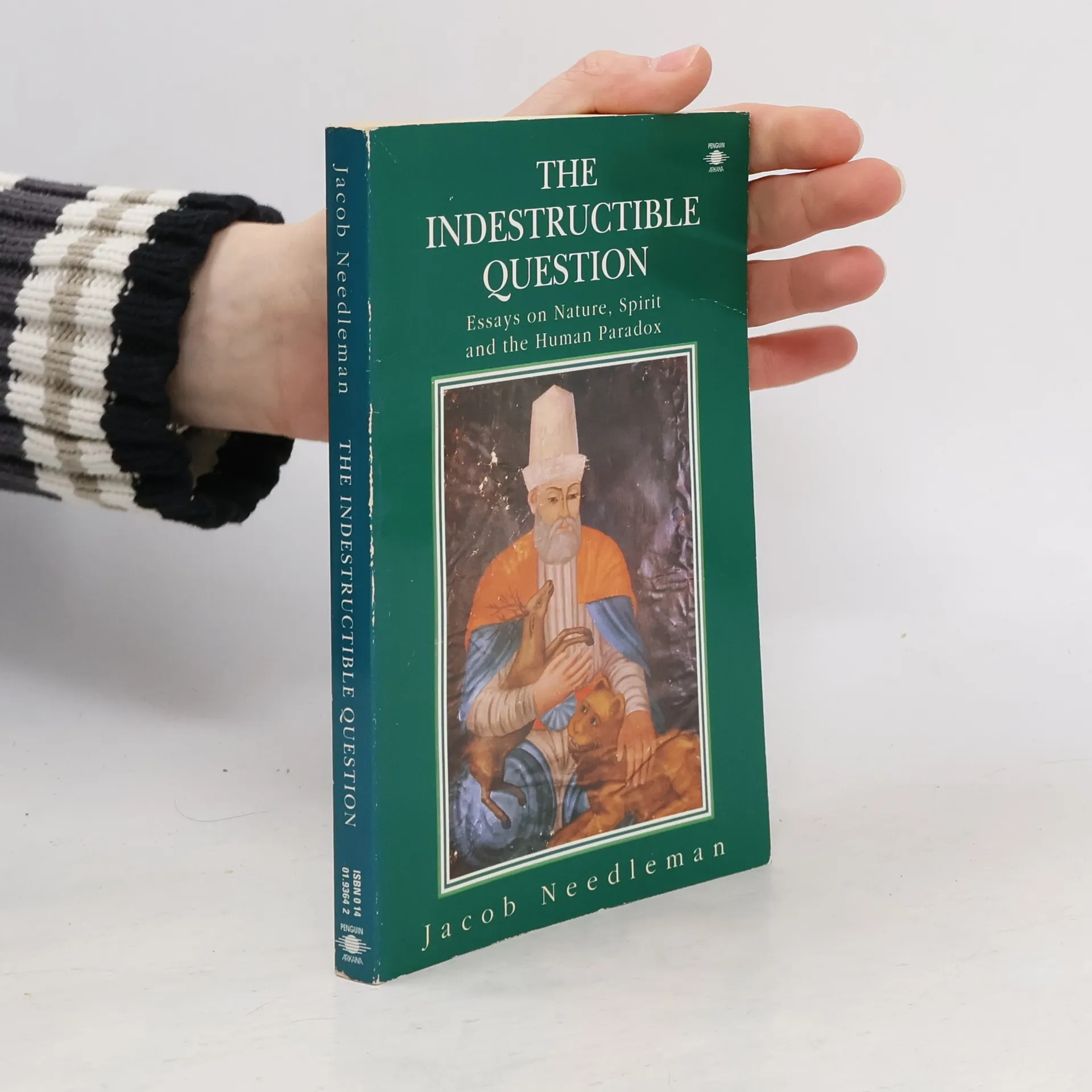
Essays on Nature, Spirit, and the Human Paradox
In essays examining our technocratic world, philosophy, religion, medicine, and other fields, the author argues that what is missing in all of them today iscultivation of a power of awareness of ourselves.
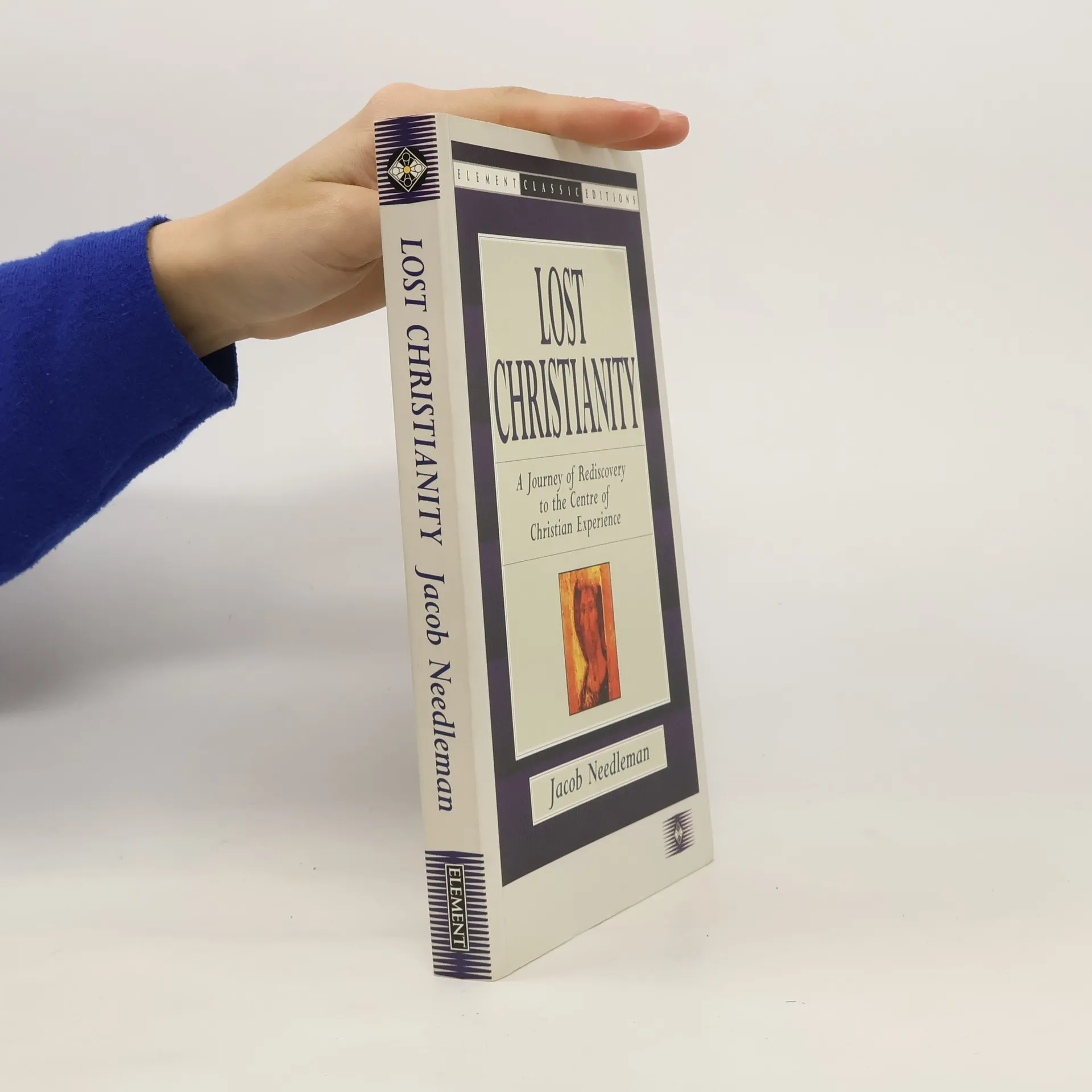
Renowned scholar of comparative religion Jacob Needleman gathers together ancient texts and writings of the modern practitioners of essential Christianity. Needleman demonstrates that a more effective contemplative tradition existed in the early church and continues today in the lives of extraordinary people whose stories he retells in the course of his own personal explorations into the realms of the spirit. 2 cassettes.
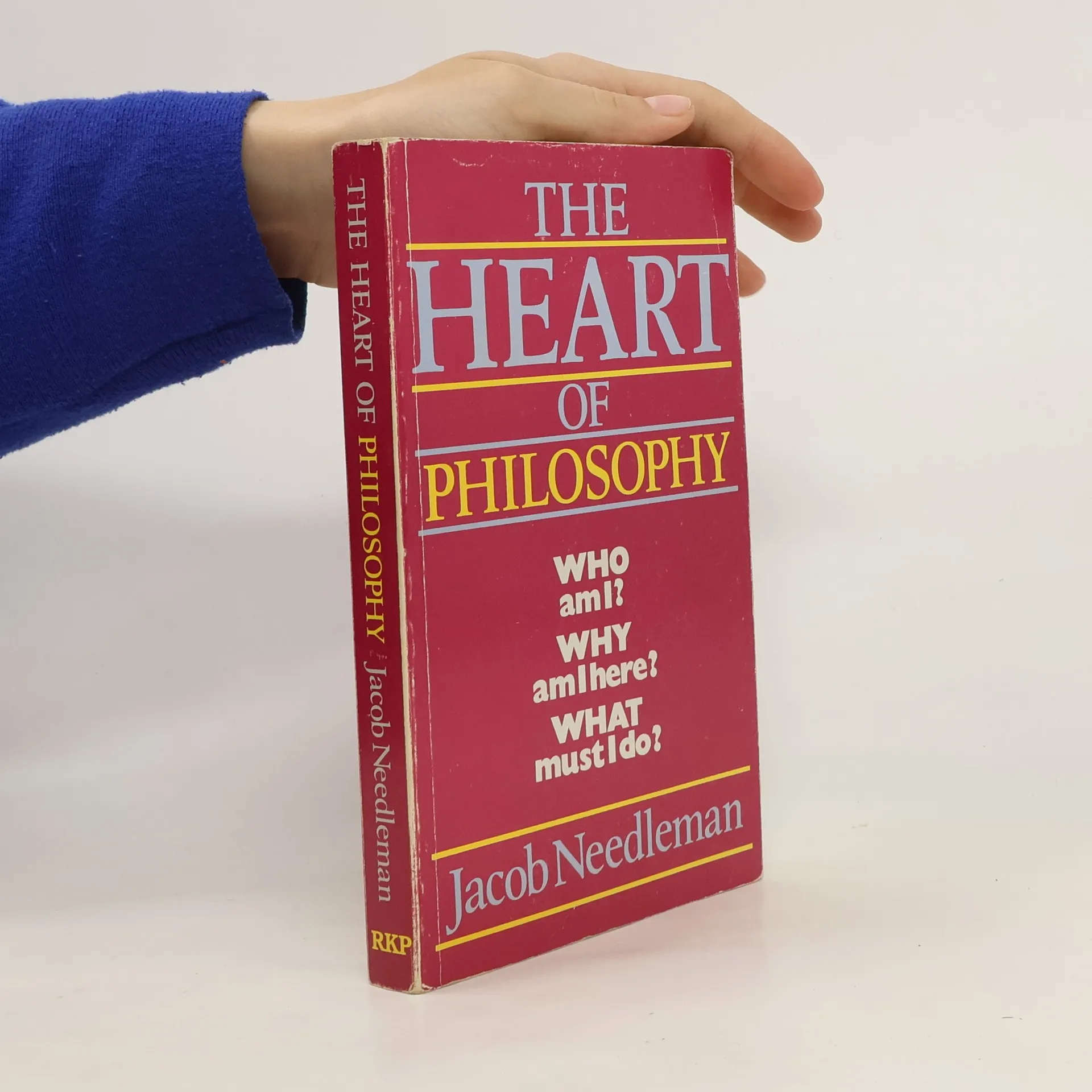
Philosophy as it is frequently taught in classrooms bears little relation to the impassioned and immensely practical search for self-knowledge conducted by not only its ancient avatars but also by men and woman who seek after truth today. In The Heart of the Philosophy, Jacob Needleman provides a "user's guide" for those who would take philosophy seriously enough to understand its life-transforming qualities.
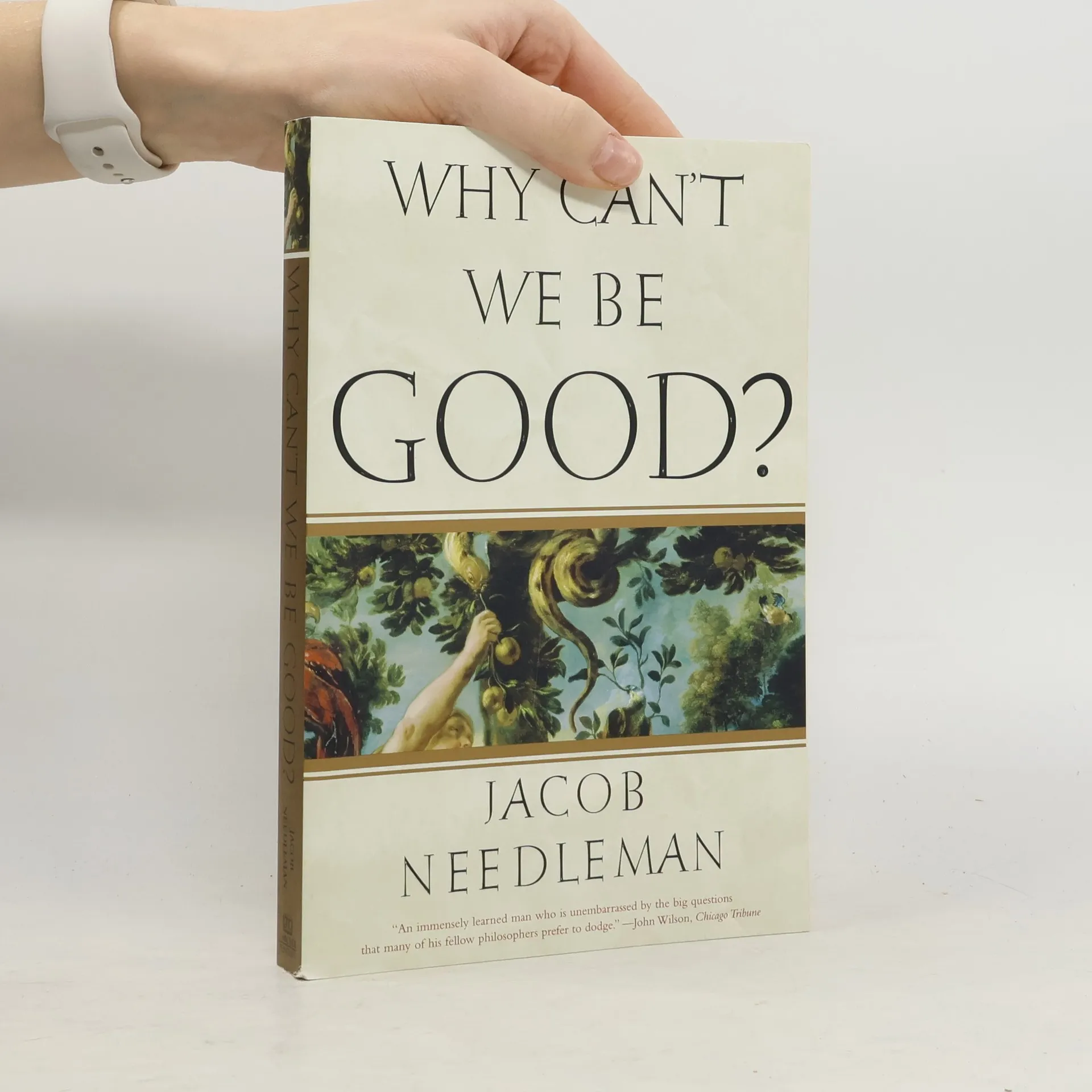
The widely respected social philosopher embarks on his most gripping and broadly appealing work, asking the ultimate question of human nature: Why do we repeatedly violate our most deeply held values and beliefs? After nearly forty years of weighing humanity's deepest dilemmas-working in settings ranging from university and high school classrooms to corporate offices and hospitals-bestselling author, philosopher, and religious scholar Jacob Needleman presents the most urgent, deeply felt, and widely accessible work of his career. In Why Can't We Be Good? Needleman identifies the core problem that therapists and social philosophers fail to see. He depicts the individual human as a being who knows what is good, yet who remains mysteriously helpless to innerly adopt the ethical, moral, and religious ideas that are bequeathed to him.
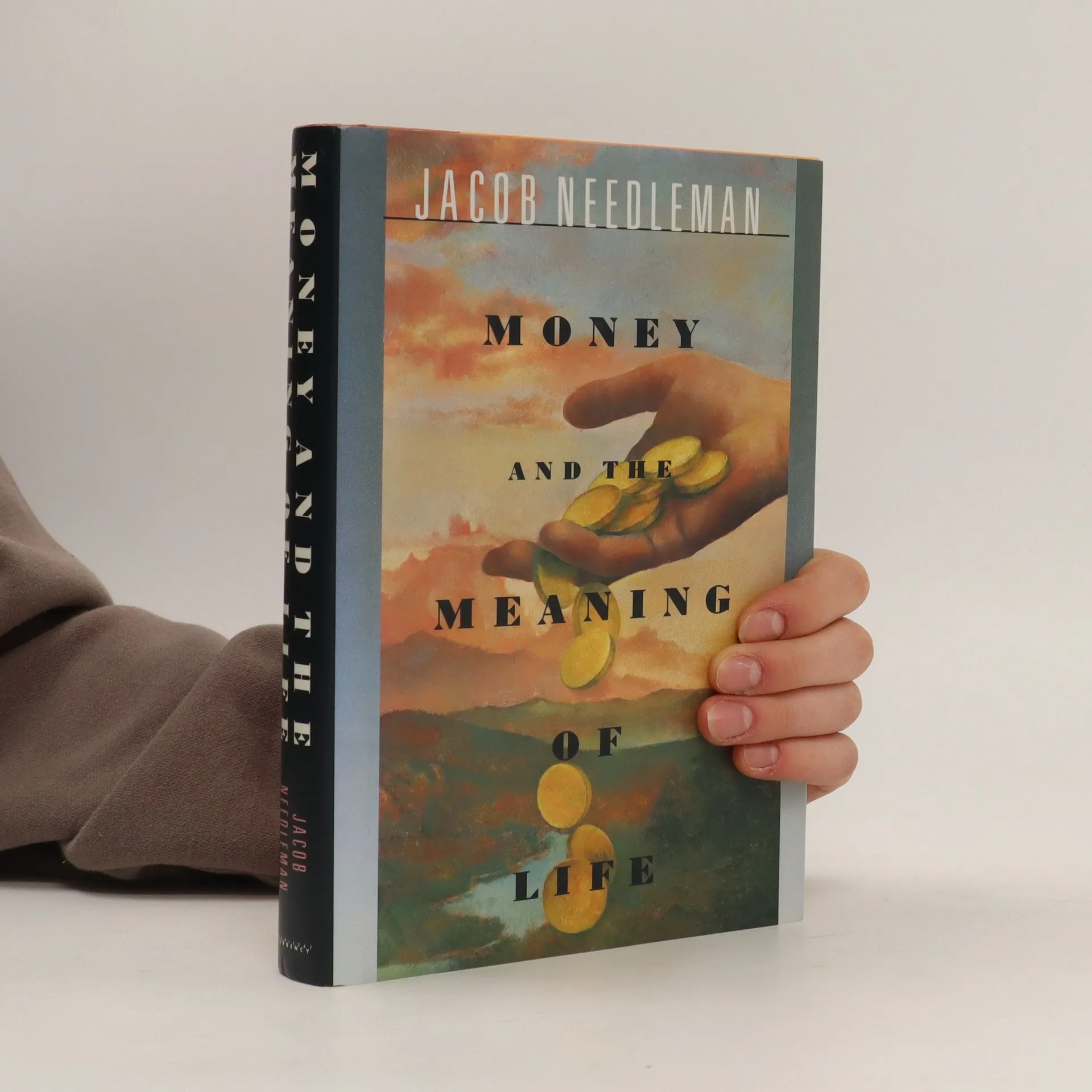
If we understood the true role of money in our lives, writes philosopher Jacob Needleman, we would not think simply in terms of spending it or saving it. Money exerts a deep emotional influence on who we are and what we tell ourselves we can never have. Our long unwillingness to understand the emotional and spiritual effects of money on us is at the heart of why we have come to know the price of everything, and the value of nothing. Money has everything to do with the pursuit of an idealistic life, while at the same time, it is at the root of our daily frustrations. On a social level, money has a profound impact on the price of progress. Needleman shows how money slowly began to haunt us, from the invention of coins in Biblical times (when money was created to rescue the community good, not for self gain), through its hypnotic appeal in our money-obsessed era. This is a remarkable book that combines myth and psychology, the poetry of the Sufis and the wisdom of King Solomon, along with Jacob Needleman's searching of his own soul and his culture to explain how money can become a unique means of self-knowledge. As part of the Currency paperback line, it includes a "User's Guide" an introduction and discussion guide created for the paperback by the author -- to help readers make practical use of the book's ideas.
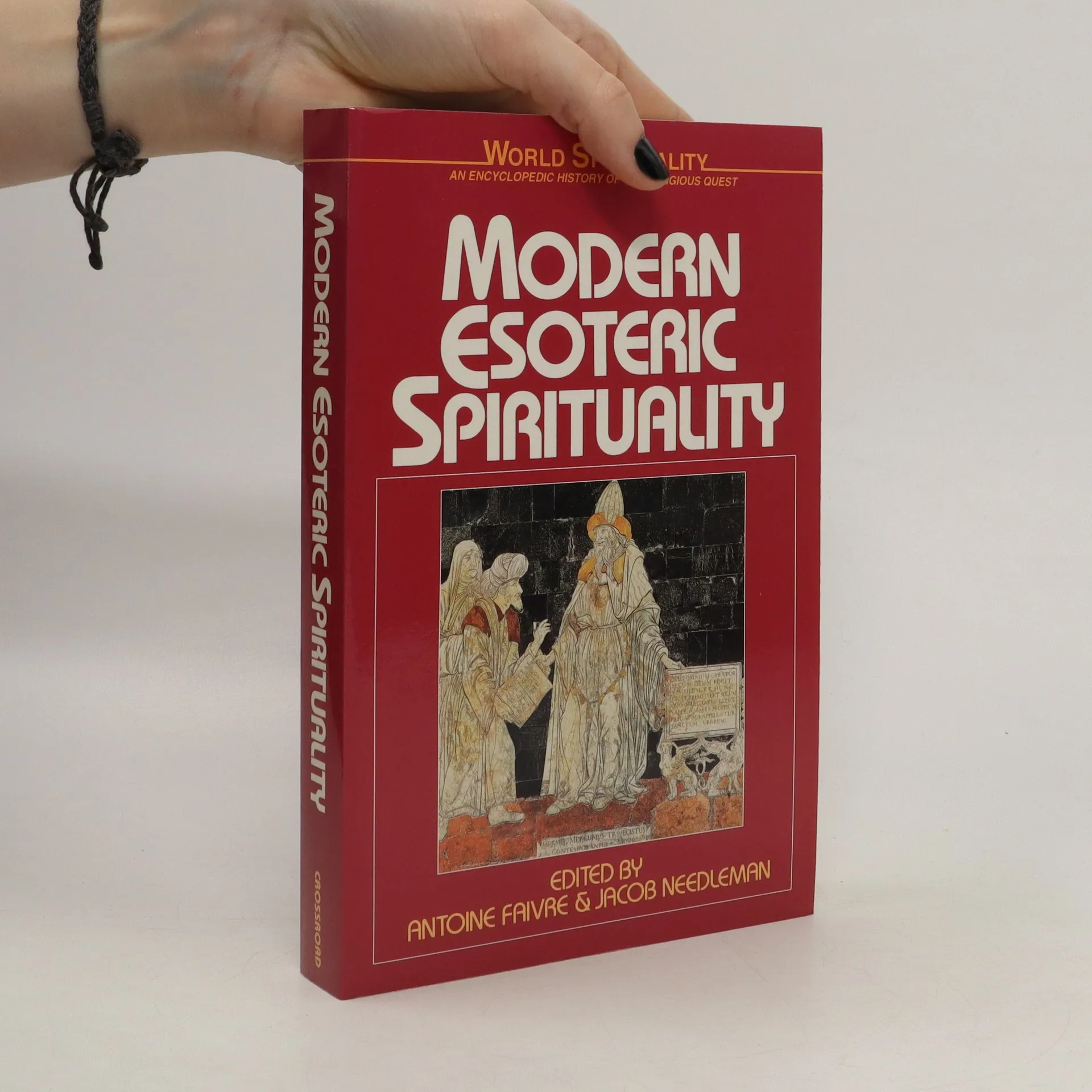
"An excellent overview of spiritual movements throughout the last few centuries . . . a superb panorama" (The Book Reader), this book covers esoterica from its ancient beginnings through the alchemists to Gurdijeff and Jung.
English (translation)Original German
This address to practising doctors discusses matters of medical ethics, but is especially aimed at re-establishing idealism in the face of increasing disillusionment and materialism among physicians. The main theme of the book is the question - what is it to be a healer rather than a mechanical fixer of bodies? Typically, this book transcends medicine and broaches principles which apply generally.
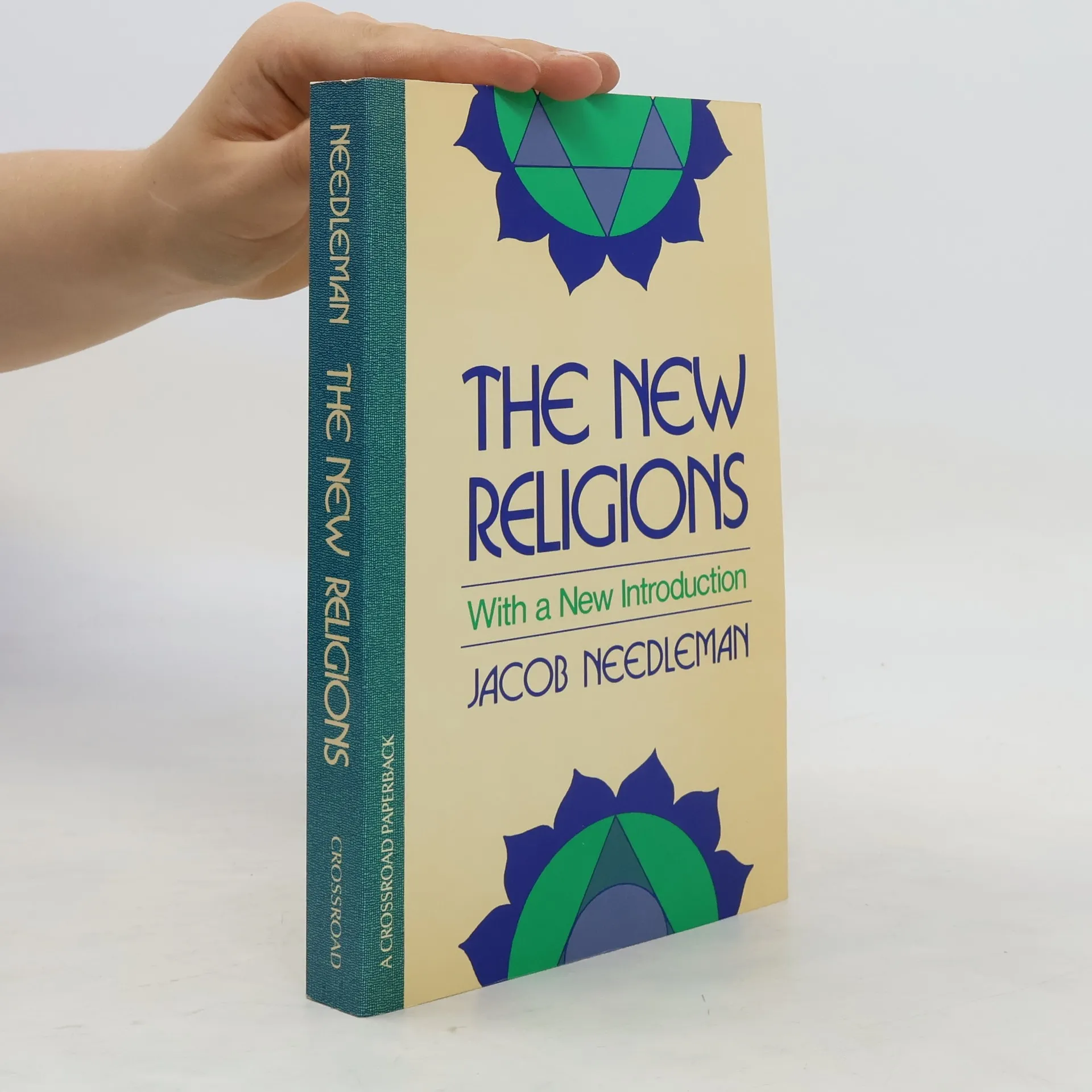
Now restored to print, here is philosopher Jacob Needleman's groundbreaking study of America's alternative spiritual movements, with a new introduction by the author. Originally published in 1970, The New Religions was the first full-scale study of alternative spirituality in America. It remains unparalleled for the intellectual depth and seriousness with which it regards Eastern, New Age, and alternative faiths on the American landscape.
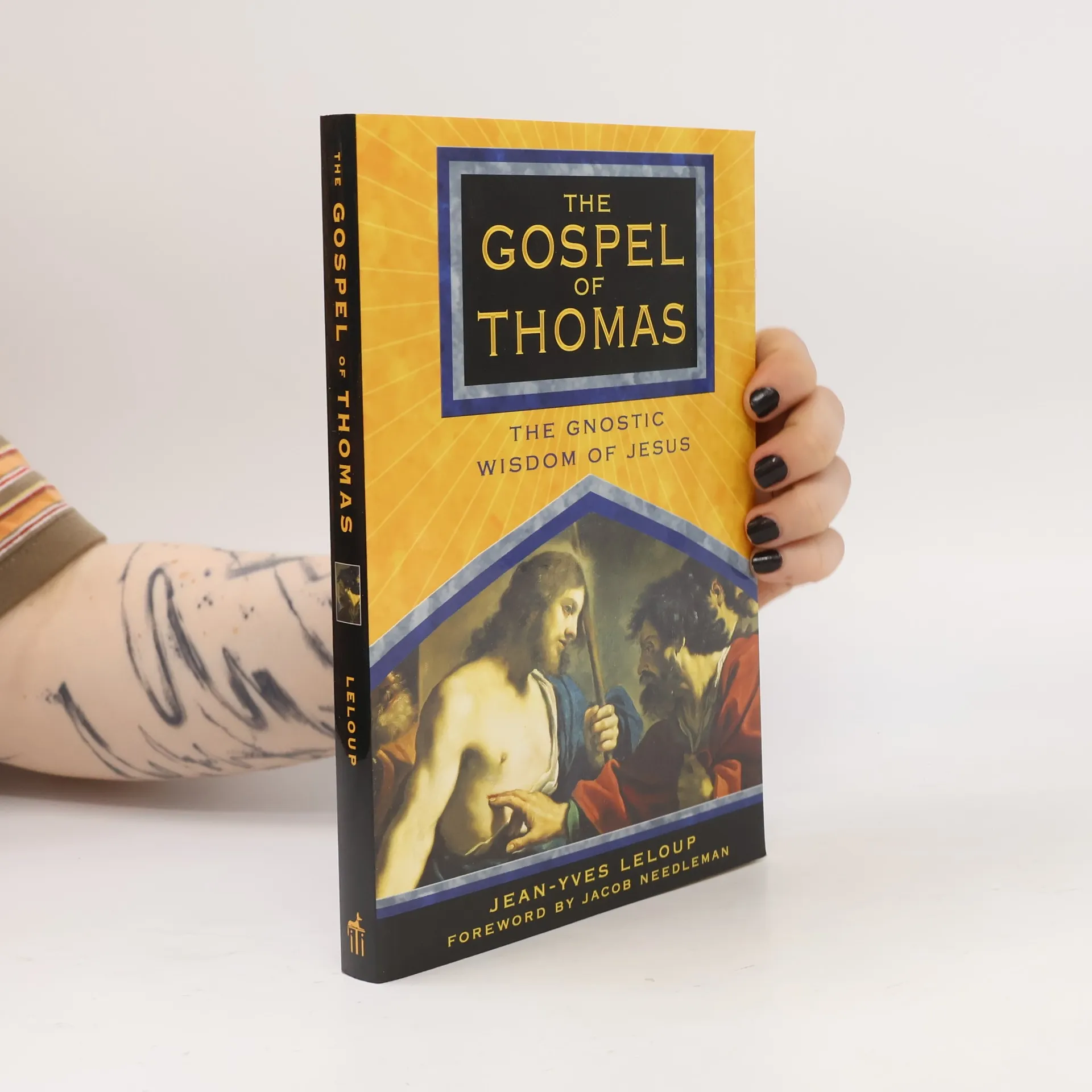
The Gospel of Thomas, discovered in Nag Hammadi, presents a unique collection of 114 sayings attributed to Jesus, emphasizing personal revelation over narrative. Scholar Jean-Yves Leloup's translation highlights the teachings of Jesus as a path to self-knowledge and spiritual enlightenment, resonating with gnostic themes of transformation and consciousness. This work invites readers to explore their inner wisdom, suggesting that understanding these teachings can lead to a profound personal awakening, rather than merely conforming to traditional Christian beliefs.
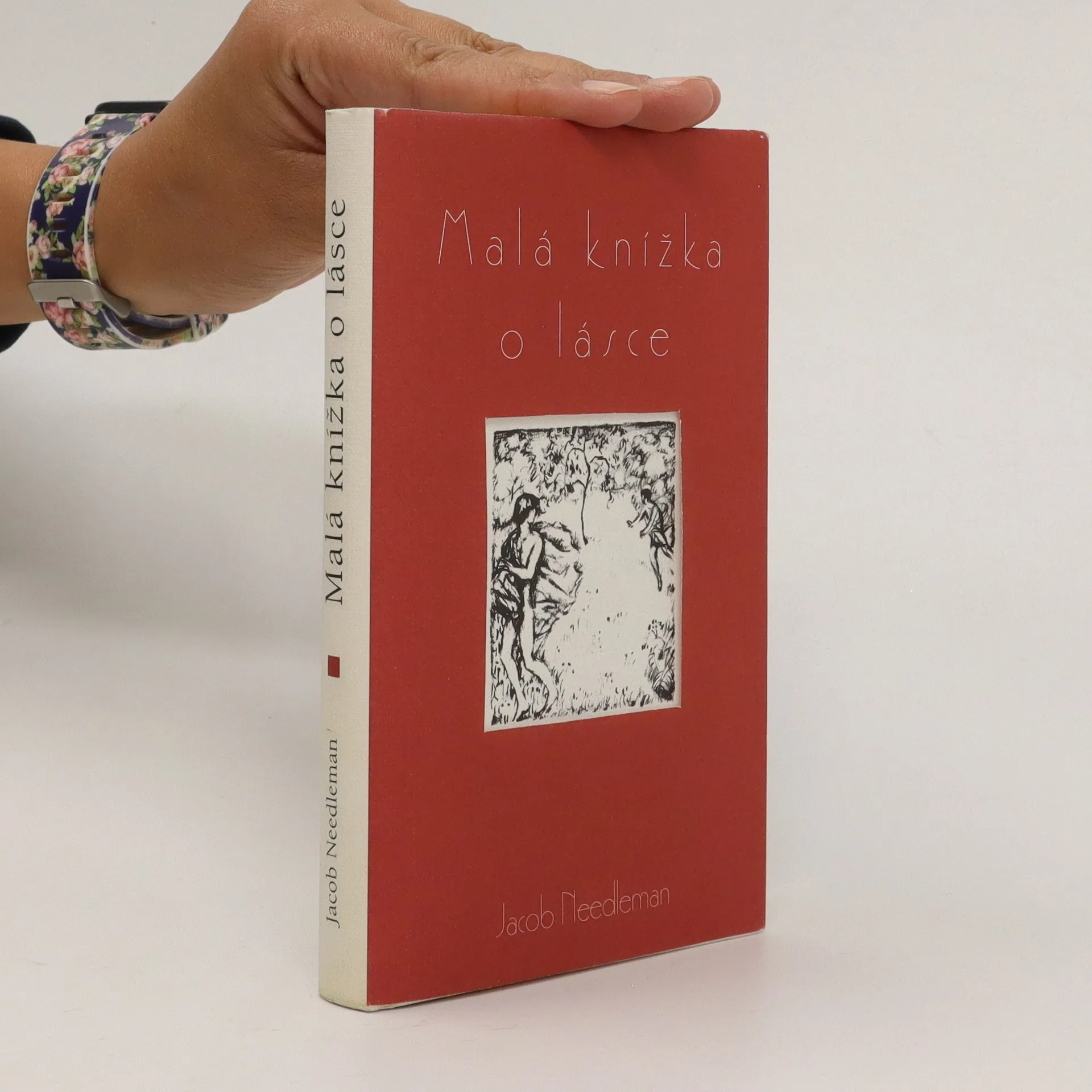
Kdo z nás nebyl nikdy pokořen láskou, jejími radostmi a strastmi? Kolik z nás se znovu a znovu snaží uchopit to, co se láska zdá slibovat, jen abychom byli znovu vrženi zpět ke strachu, zmatku či bolesti? A kolik z nás se vzdává a smutně se smiřuje s životem mimo dramata lásky? Ať už je smysl našich životů jakýkoli, musí zahrnovat lásku. Ale jaký druh lásky? Z dostupného množství knih o lásce se jen málokterá čerpá nikoli z pouček moderní psychologie, nýbrž z významných filosofických učení světových duchovních tradic.
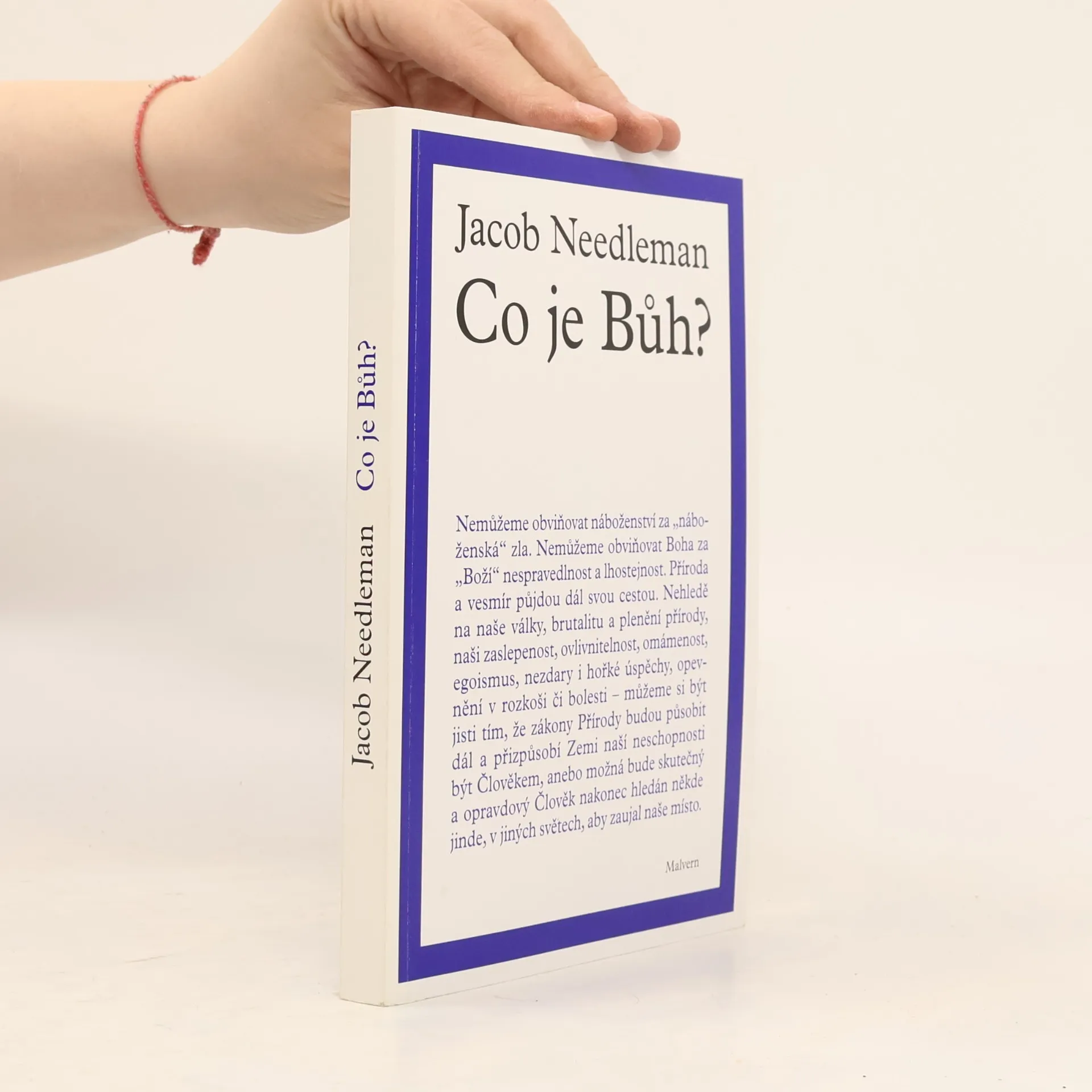
Významný americký filosof a religionista Jacob Needleman ve své autobiografické knize zkoumá, jak rozumět náboženským idejím v současnosti. Vstupuje do 50. let, kdy jako mladý student na Harvardské univerzitě odmítal religiozitu. Znepokojující setkání s učitelem zen D. T. Suzukim a učením G. I. Gurdžijeva ho přimělo hlouběji prozkoumat náboženské myšlenky, které považoval za mrtvé. V tradičních náboženských textech objevil jádro myšlenek, které jsou vyzrálejší než to, co spojoval s judaismem, křesťanstvím či východními náboženstvími. Needleman si uvědomil, že myšlenky a slova nestačí, neboť nemohou zabránit nenávisti a zoufalství. Tento vhled ho vede k tomu, že pro sdílení náboženské zkušenosti je nutná změna povahy lidské zkušenosti a struktury našeho vnímání. Kniha se stává současným příspěvkem k filosofii náboženství a esejistickým „vyznáním“, které přibližuje význam potřebné změny a ukazuje, jak naše zmatení ohledně účelu náboženství a konceptu Boha odráží psychologický hlad po kvalitě myšlení a zkušenosti. Díky autorově upřímnosti a vzdělání se tato silná výpověď stává sondou do duše dnešního člověka a vodítkem k hledání odpovědi na otázku: Co je Bůh?
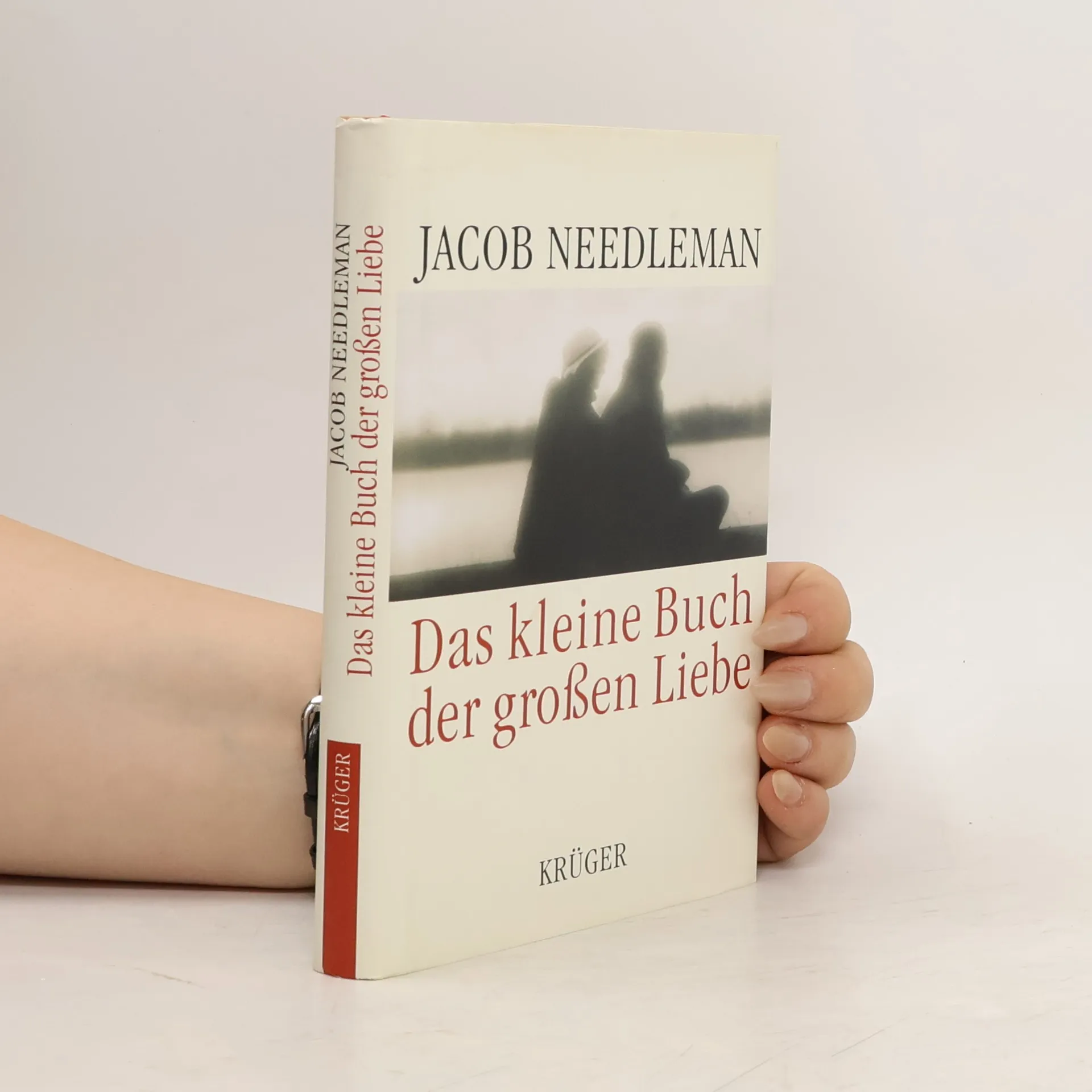
Natürlich glauben wir zu wissen, was Liebe ist. Doch: wissen wir es wirklich? Sehnen wir uns nicht vielmehr danach, die Liebe neu zu verstehen, zu begreifen, was es bedeutet, zusammenzuleben, an der Liebe zu arbeiten und nicht aufzugeben? Needleman fragt nach dem Potential eines Lebens in Liebe, das zwischen bloßem sexuellen Verlangen und hehren, aber meist unrealistischen Entwürfen 'heiliger' Liebe angesiedelt ist. Das kleine Buch der großen Liebe hilft uns, unsere eigene Liebesfähigkeit zu begreifen, zu entfalten und gemeinsam immer tiefere, intensivere Formen der Liebe zu erfahren. Denn: Welche Bedeutung unser Leben auch haben mag, es wäre sinnlos ohne die Liebe.
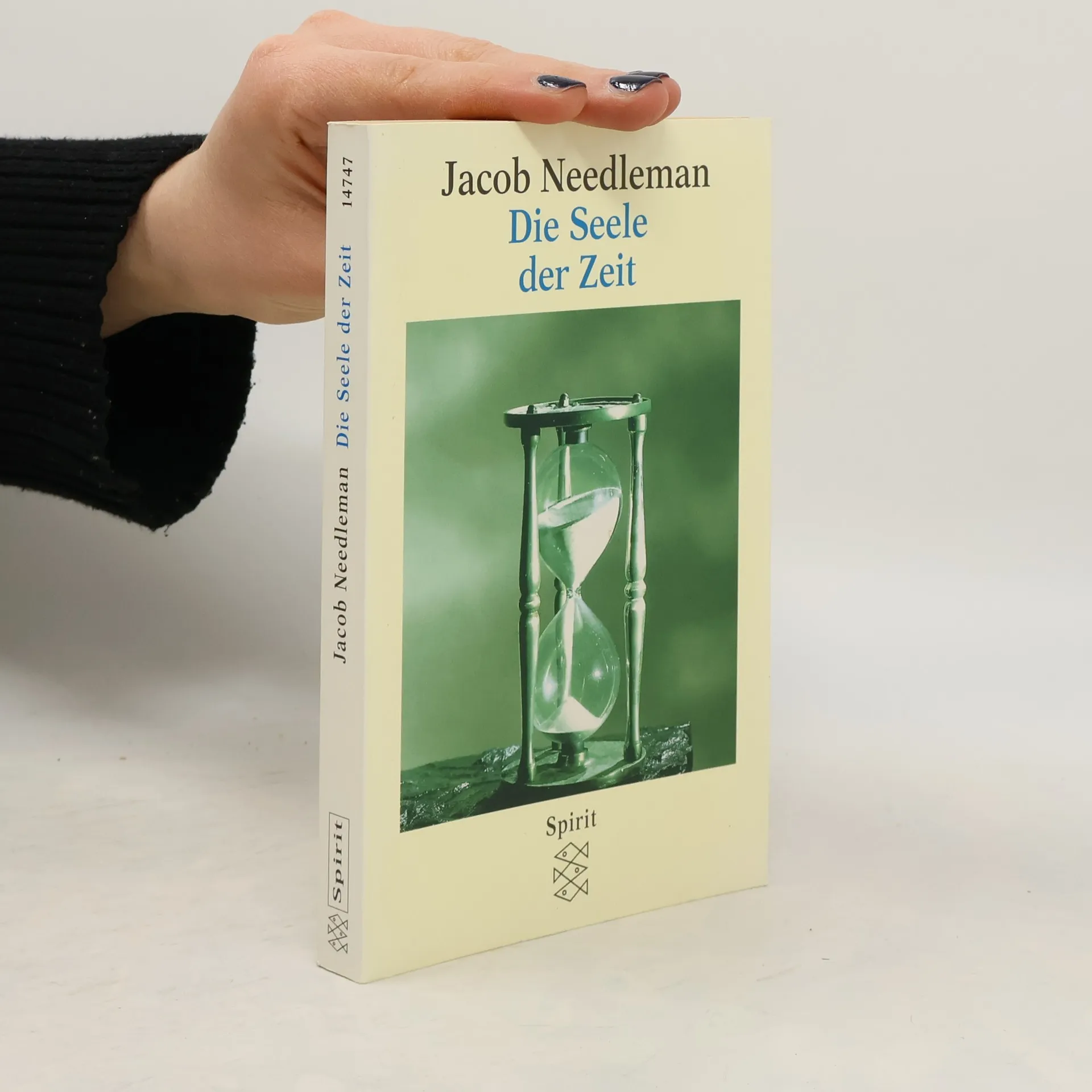
Auf der Suche nach der eigenen Zeit - wer ist das nicht? In hektischer Betriebsamkeit, versuchen wir immer mehr Termine in immer kürzerer Zeit abzuhaken, packen wir unsere Freizeit mit den unterschiedlichsten Aktivitäten voll - ohne Sinn und Verstand und ohne jede Möglichkeit zur Besinnung. Jacob Needleman sieht im Mangel an Zeit 'die Armut unseres Wohlstands. Es ist unsere Hungersnot, die Hungersnot einer Kultur, der Dinge wichtiger sind als die Zeit, der das Außen wichtiger ist als das Innen.' Diesem Phänomen entgegenzuwirken ist sein Ziel. Dabei geht es nicht um neue noch ausgefeiltere Methoden des Zeitmanagements, sondern um die Wiederentdeckung eines Sinns in unserem Leben. Auf sympathische und nachdenklich stimmende Weise lädt er uns ein, die Seele der Zeit - unserer Zeit - wiederzuentdecken.
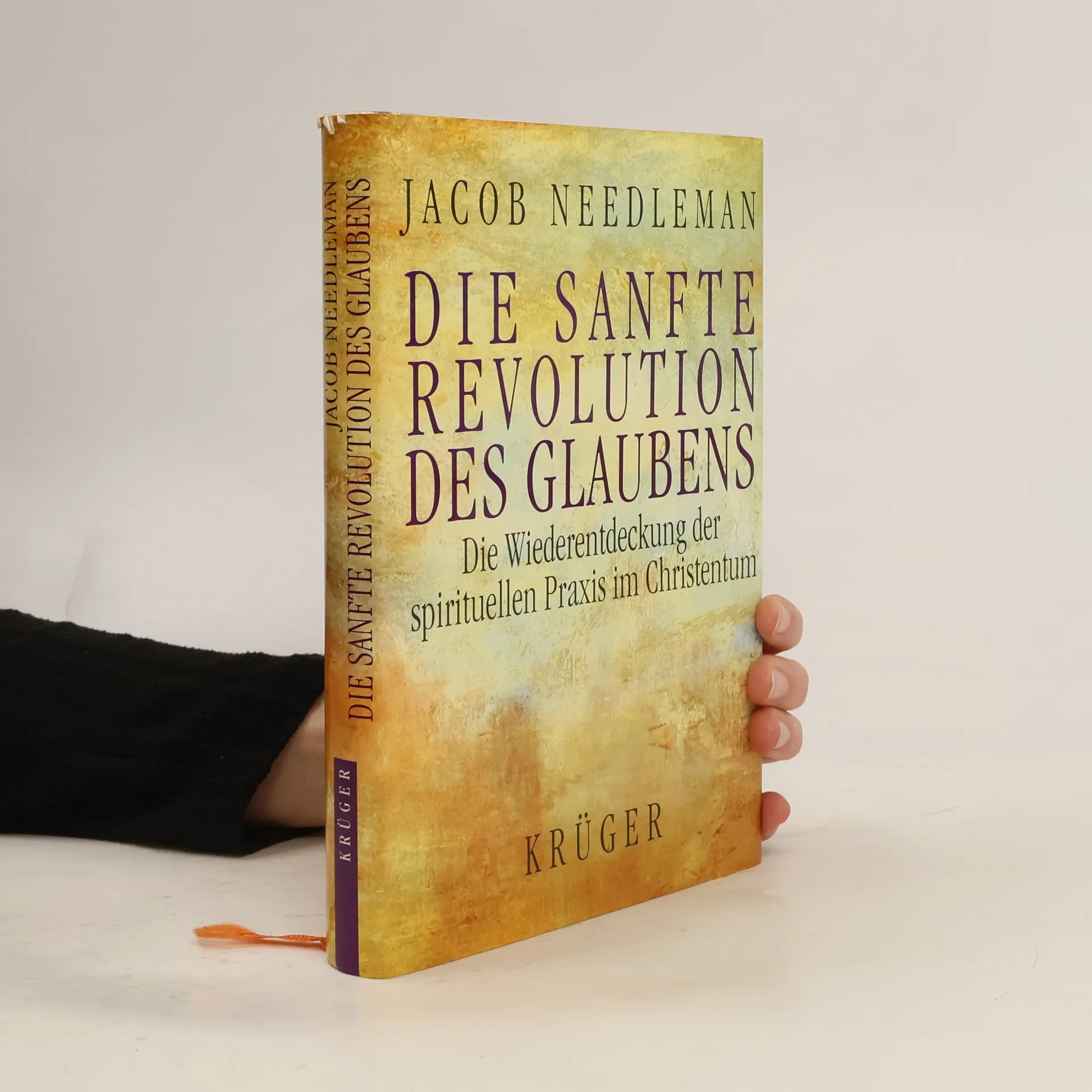
Die Wiederentdeckung der spirituellen Praxis im Christentum