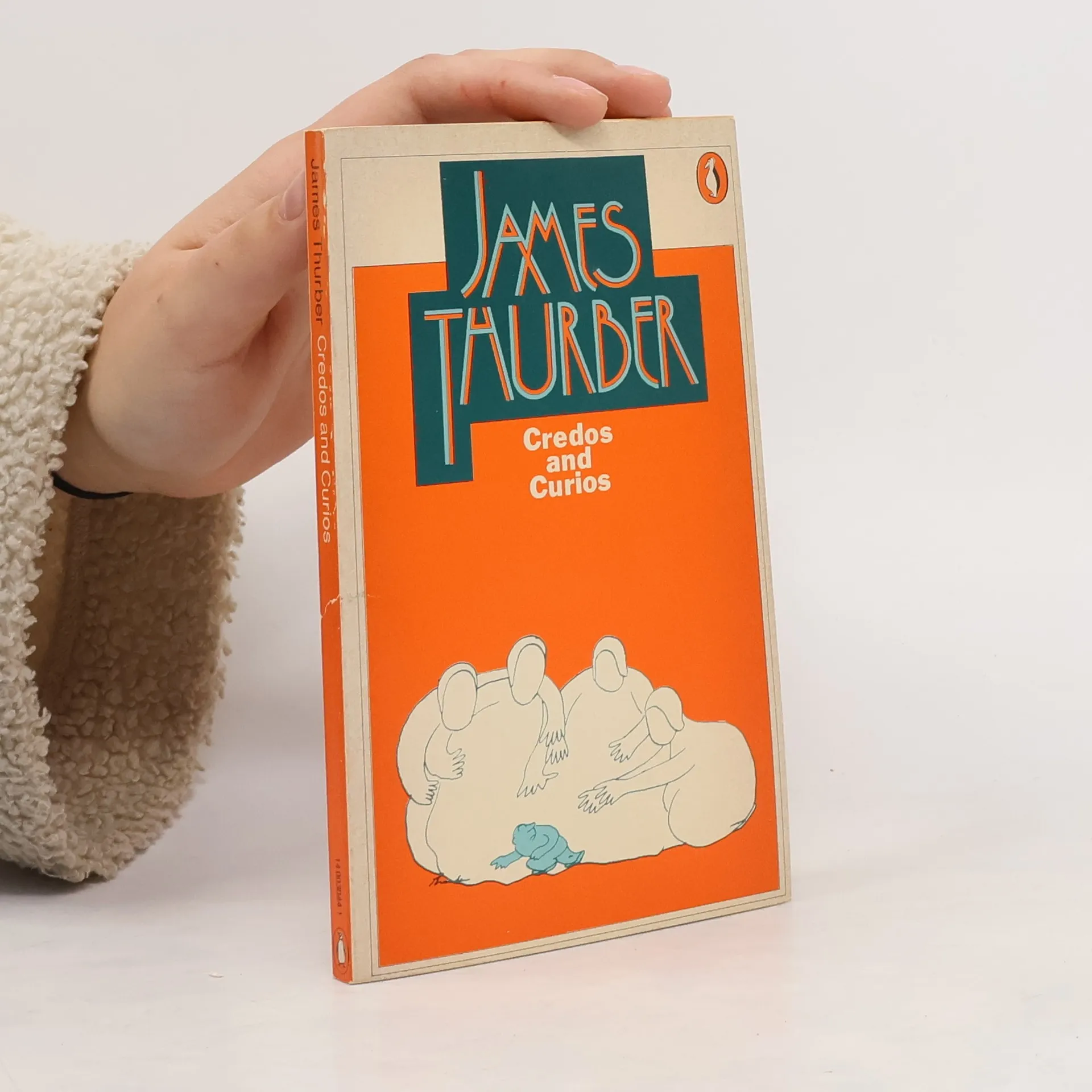
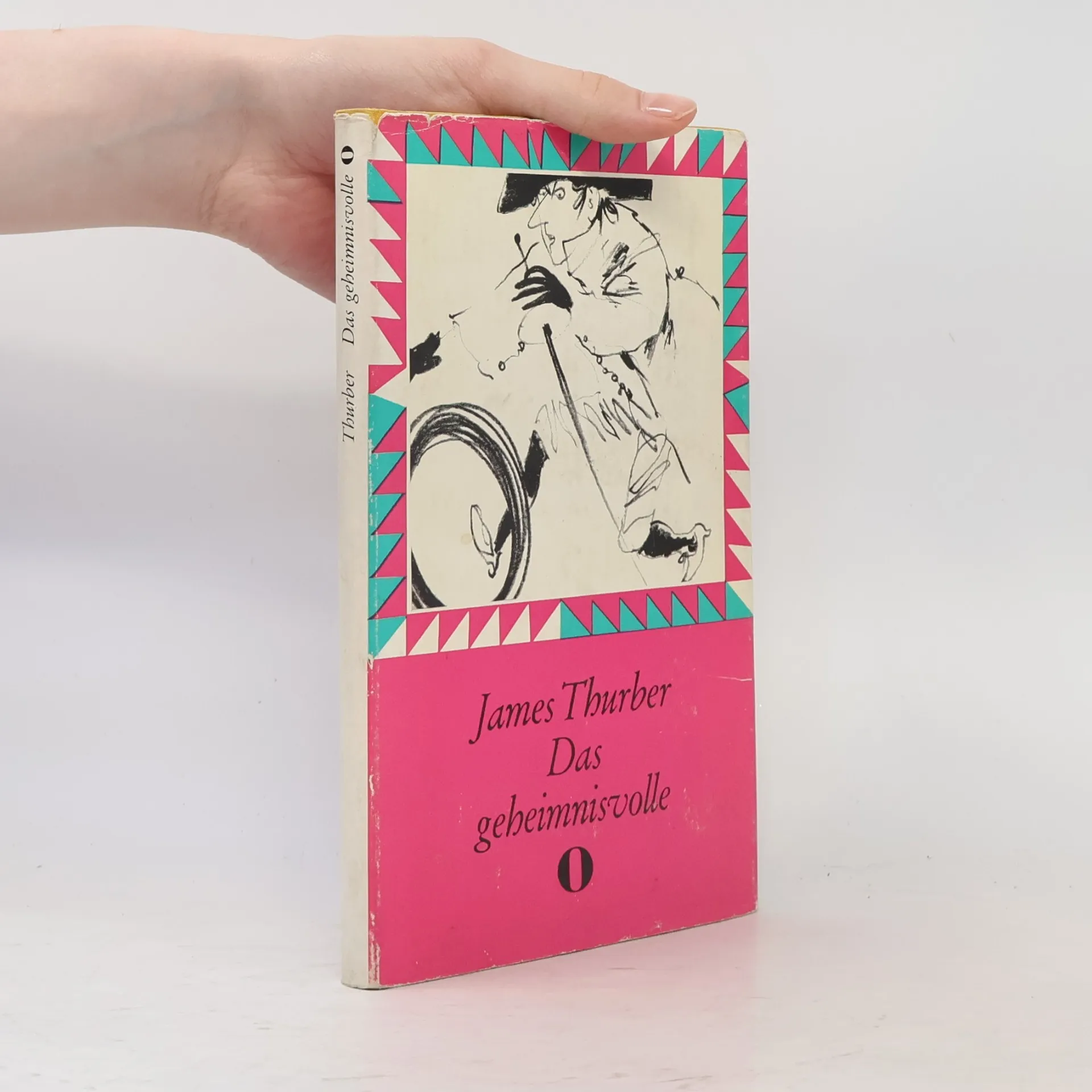
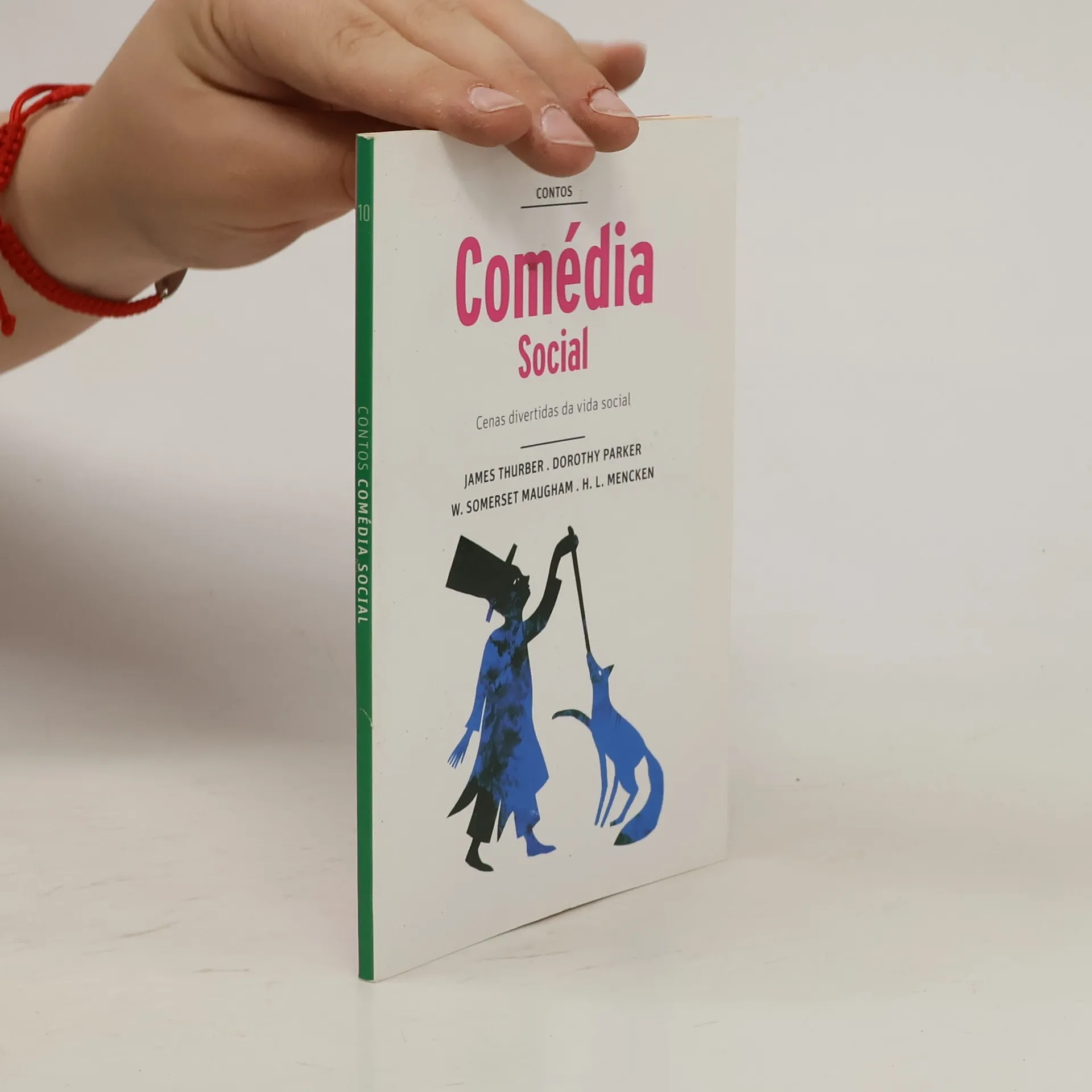
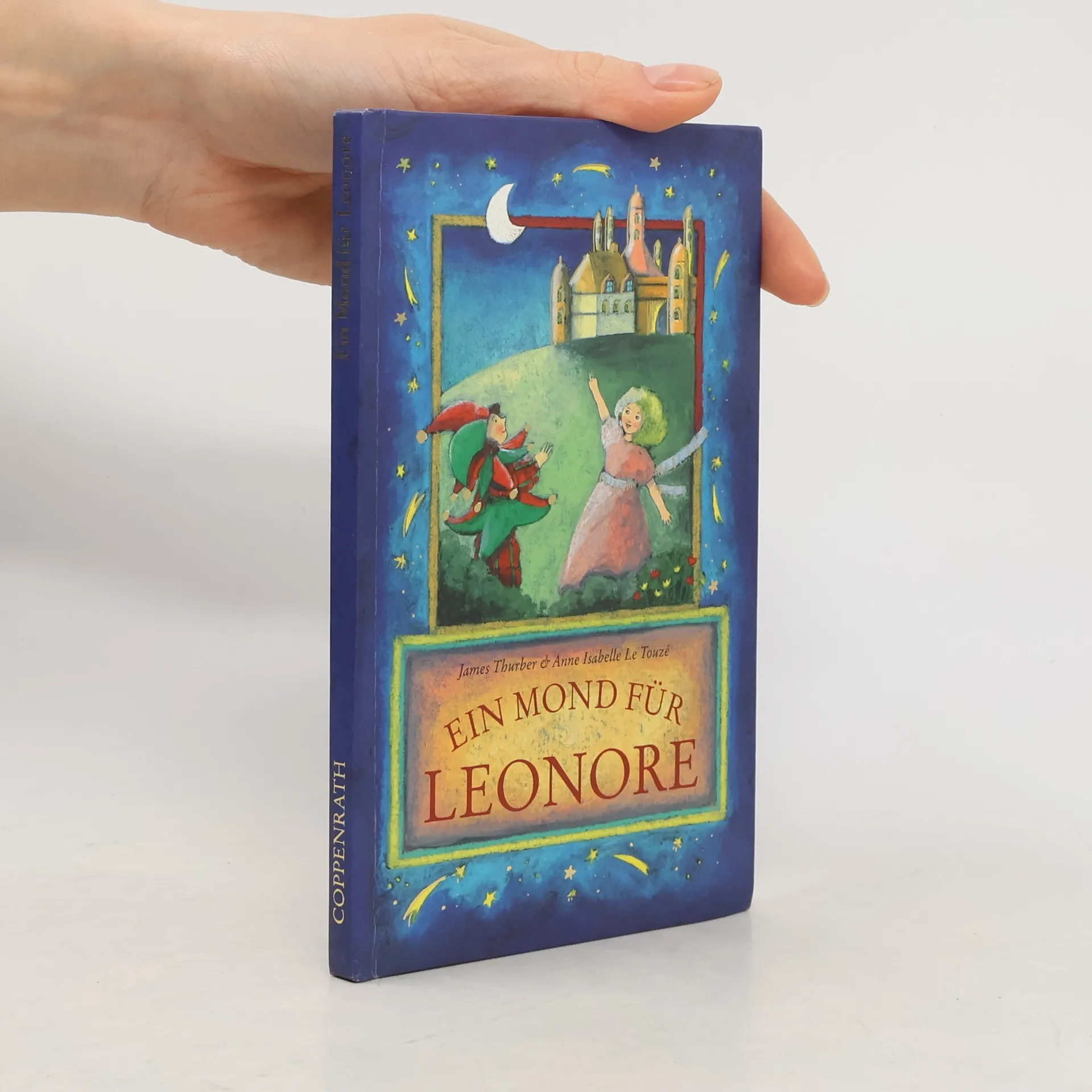
James Thurber fue un maestro del humor y un observador de la naturaleza humana, cuyas obras a menudo se inspiraron en sus propias experiencias vitales, explorando la delgada línea entre la realidad y la fantasía. Su escritura, caracterizada por un ingenio agudo y una sutil ironía, profundizó en las luchas y triunfos cotidianos de la gente común. Con un estilo único que capturó las absurdidades de la vida con una profunda comprensión, Thurber dejó una marca indeleble en la literatura estadounidense. Su habilidad para transformar momentos comunes en piezas literarias inolvidables lo convierte en un autor querido hoy en día.
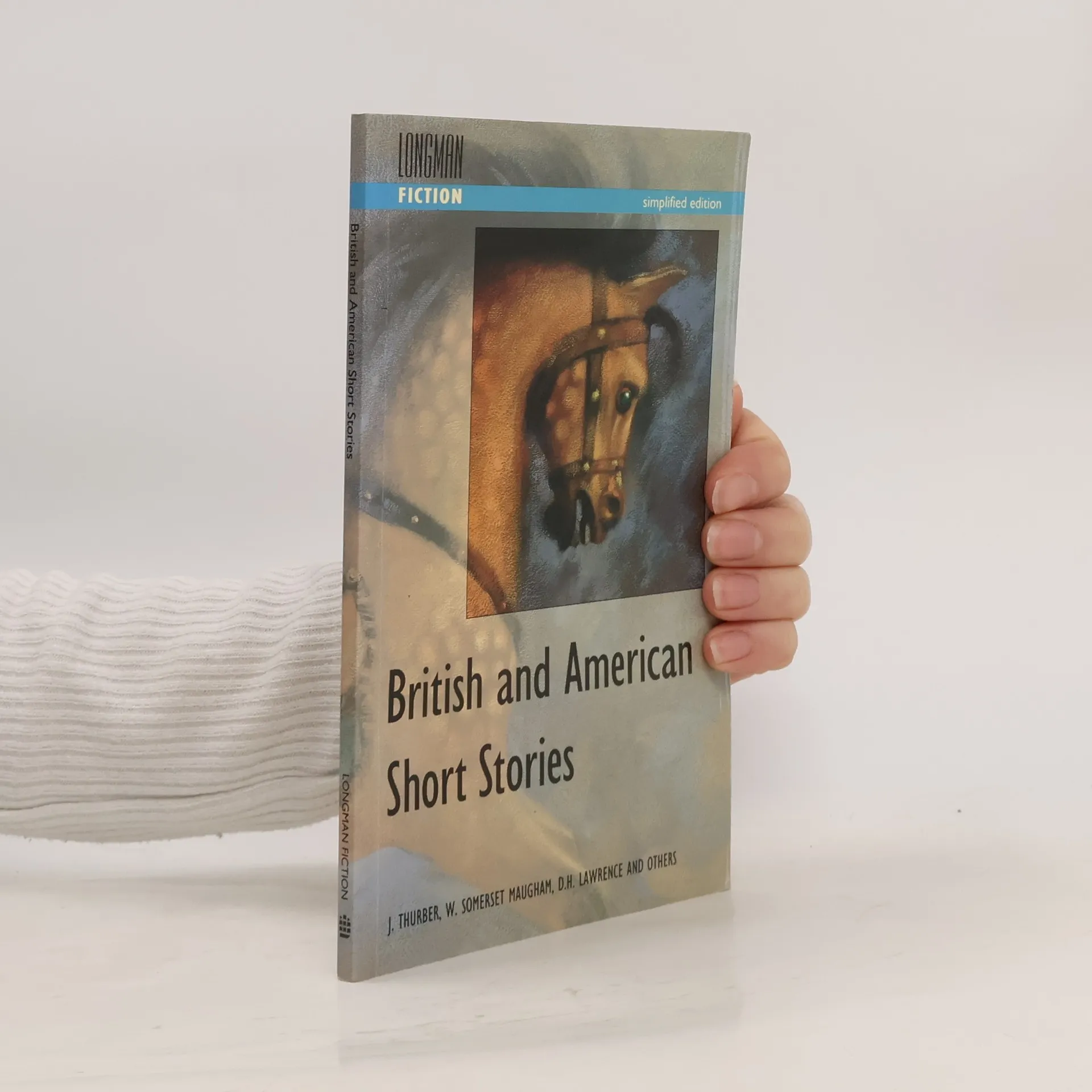
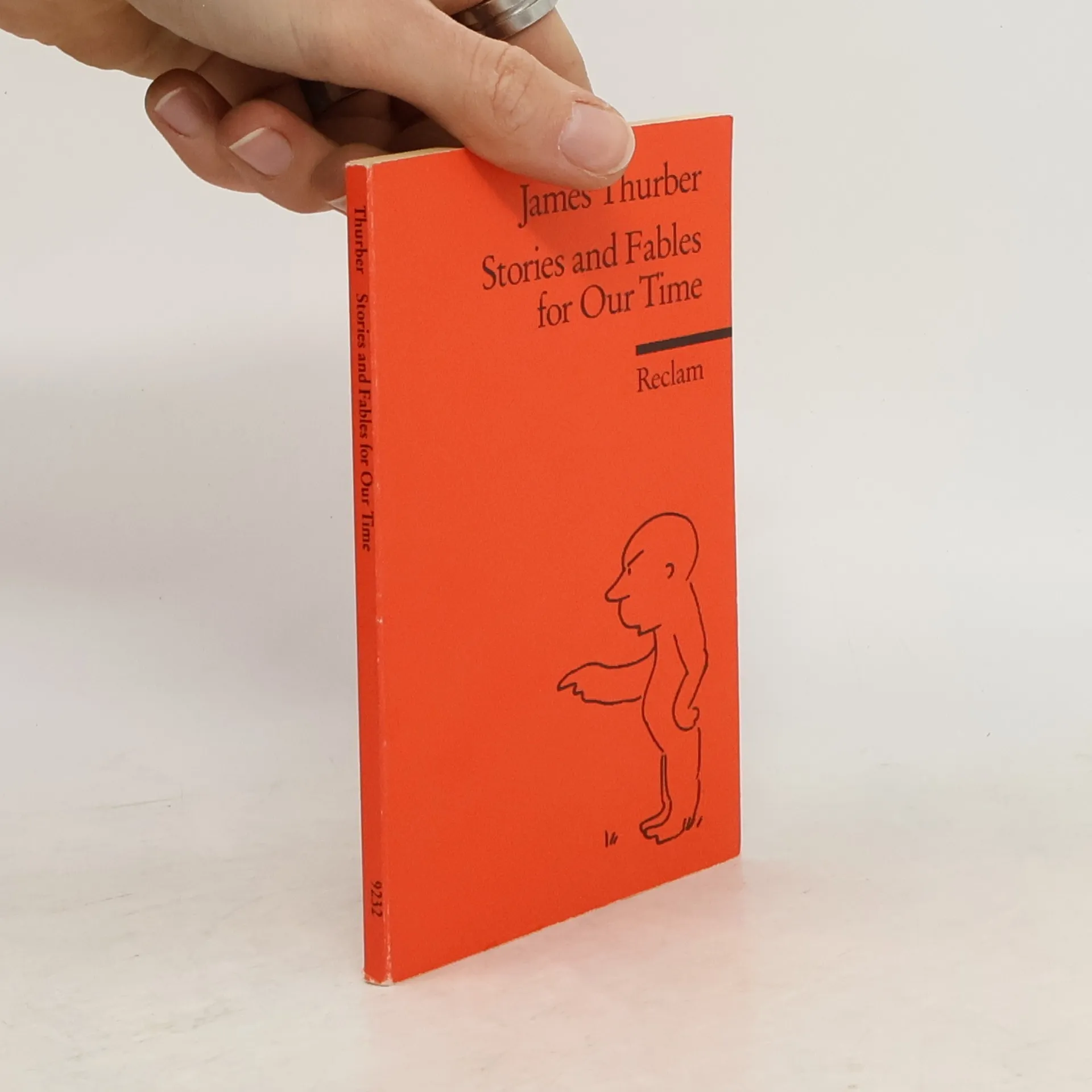
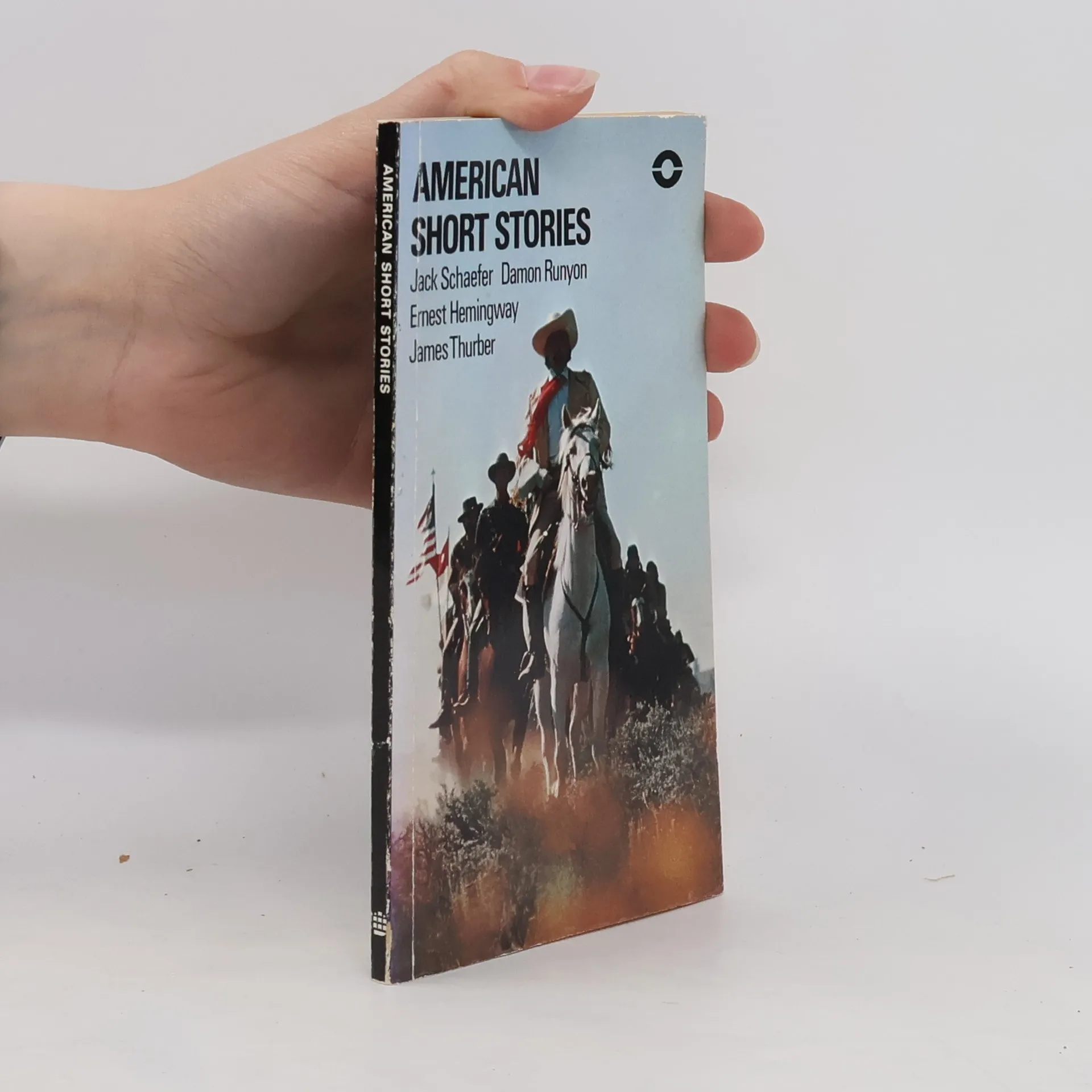
Part of a series designed to be suitable for students at upper intermediate level, including those preparing for the Cambridge First Certificate examinations. These simplified editions keep within a 2000 word vocabulary, contain exercise material and an introduction to the text and author.
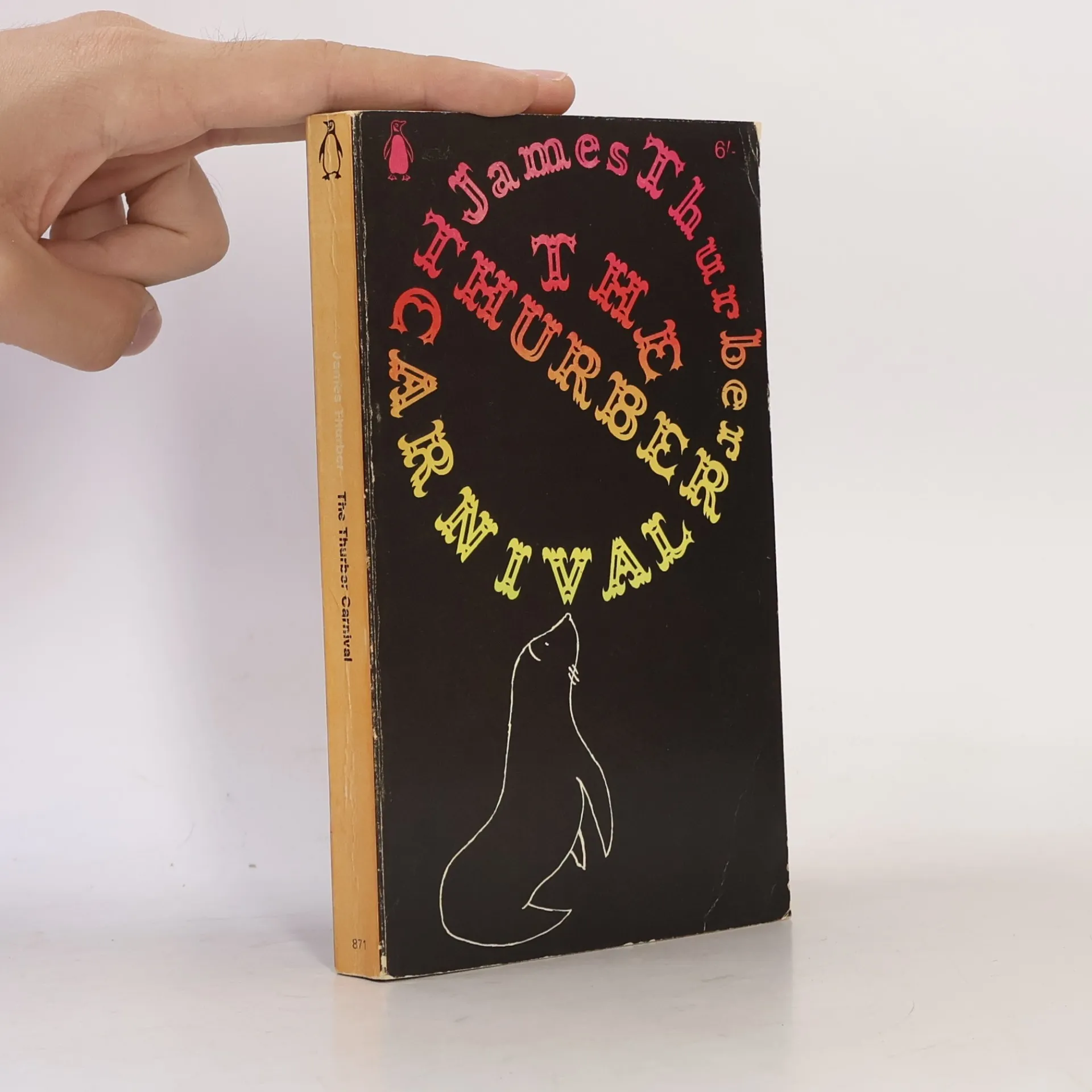
James Thurber's unique ability to convey the vagaries of life in a funny, witty, and often satirical way earned him accolades as one of the finest humorists of the twentieth century. A bestseller upon its initial publication in 1945. The Thurber Carnival captures the depth and breadth of his talent. The pieces here, almost all of which first appeared in The New Yorker, include selections from such beloved classics as My World and Welcome to It, The Owl in the Attic, The Seal in the Bathroom, and Men, Women and Dogs. Thurber's take on life, society, and human nature is timeless and will continue to delight readers even as they recognize a bit of themselves in his brilliant sketches.
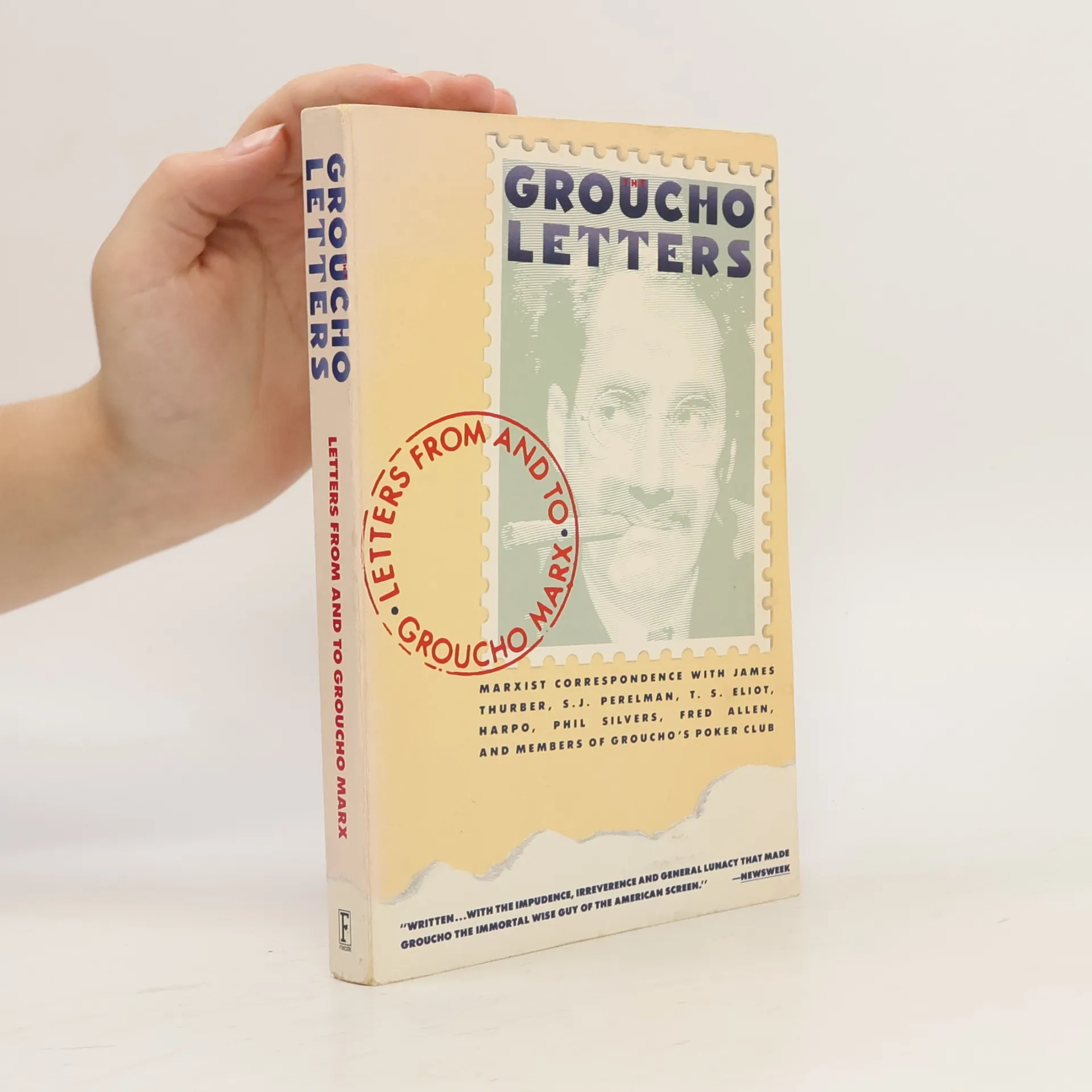
Reissued for the thirtieth anniversary of Groucho Marx's death, this collection returns to fans a classic retrospective of the funny man's best letters with the biggest personalities of his day.
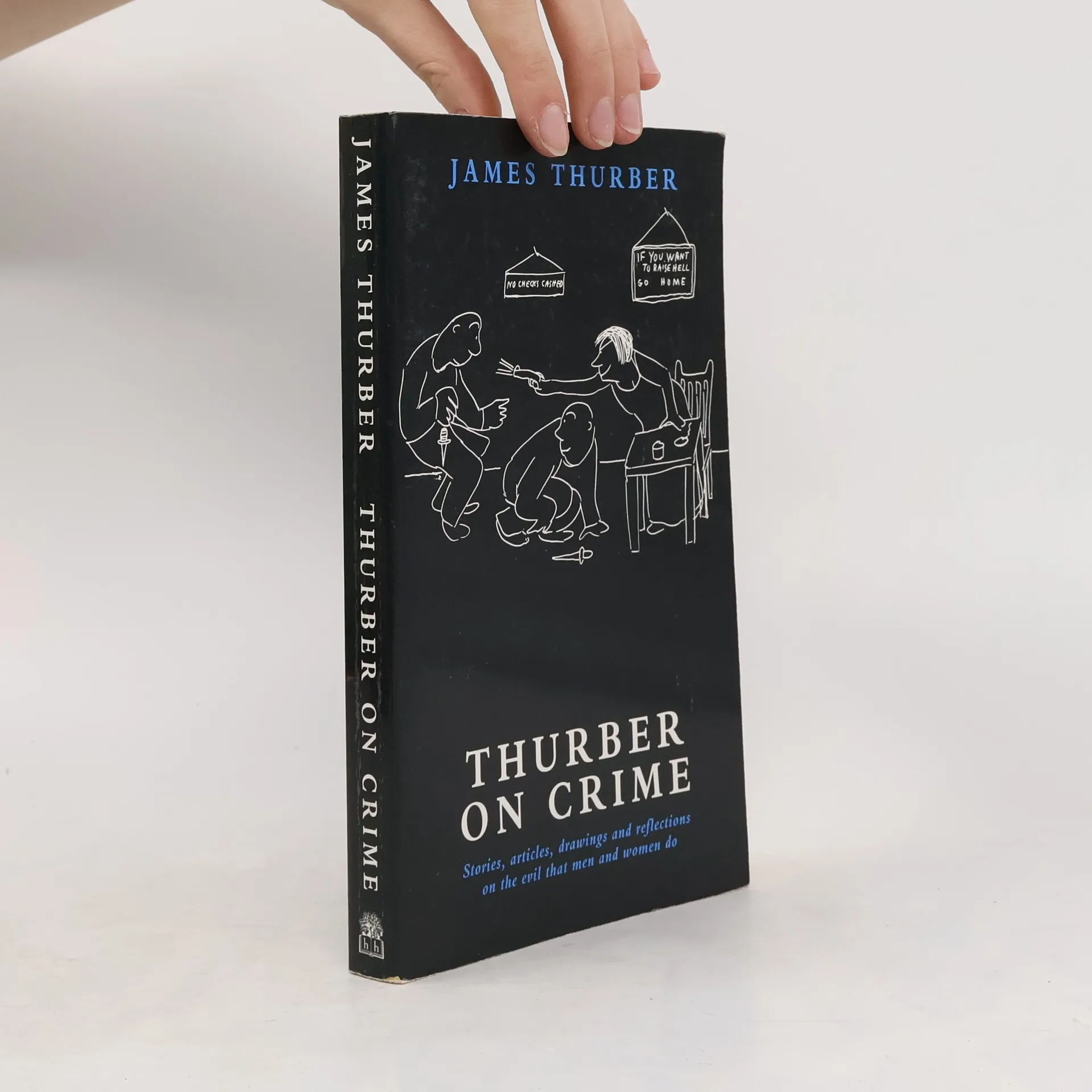
Stories, Articles, Drawings and Reflections on the Evil that Men and Women Do
James Thurber, one of the greatest American humorists, was not a man to shrink from danger - as long as he was safely ensconsed behind his typewriter or drawing board. Thurber on Crime is a collection of the master's ruminations on everyday villainy: stories, articles, essays, drawings, and reflections on the evil that men and women do. Several of the pieces are appearing here for the first time in book form. One of Thurber's major contributions to American letters is his view of the "little man" - Walter Mitty and his brothers - doing battle with the world. In the pages of Thurber on Crime, the little man fights international spies, gets mixed up in gangland vendettas, and plans the perfect murder.
Here, in the companion volume to "Fables For Our Time", are 47 fables including "The Wolf Who Went Places", "The Bragdowdy and the Busybody", "The Human Being and the Dinosaur" and "The Peacelike Mongoose".
“Thurber is...a landmark in American humor...he is the funniest artist who ever lived.” — New RepublicWidely hailed as one of the finest humorist of the twentieth century, James Thurber looks back at his own life growing up in Columbus, Ohio, with the same humor and sharp wit that defined his famous sketches and writings. In My Life and Hard times, first published in 1933, he recounts the delightful chaos and frustrations of family, boyhood, youth, odd dogs, recalcitrant machinery, and the foibles of human nature.
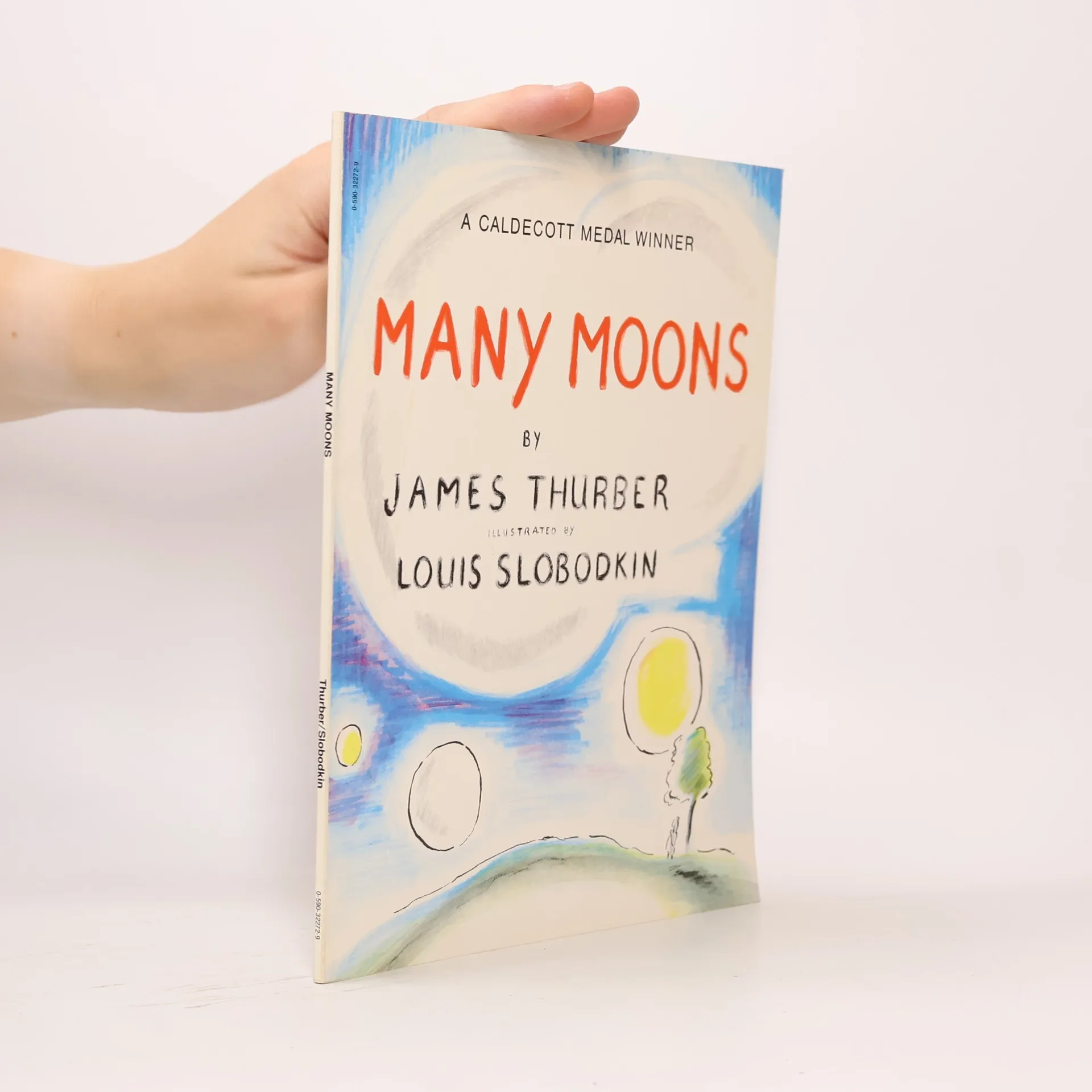
Princess Lenore is ill from eating too many raspberry tarts. She believes that possessing the moon is the only thing that will cure her. Despite a command from the King, neither the Lord High Chamberlain nor the Royal Wizard nor the Royal Mathematician can get the moon for her. Only when the clever Court Jester consults the Princess herself is the problem solved -- with characteristic Thurber wit.
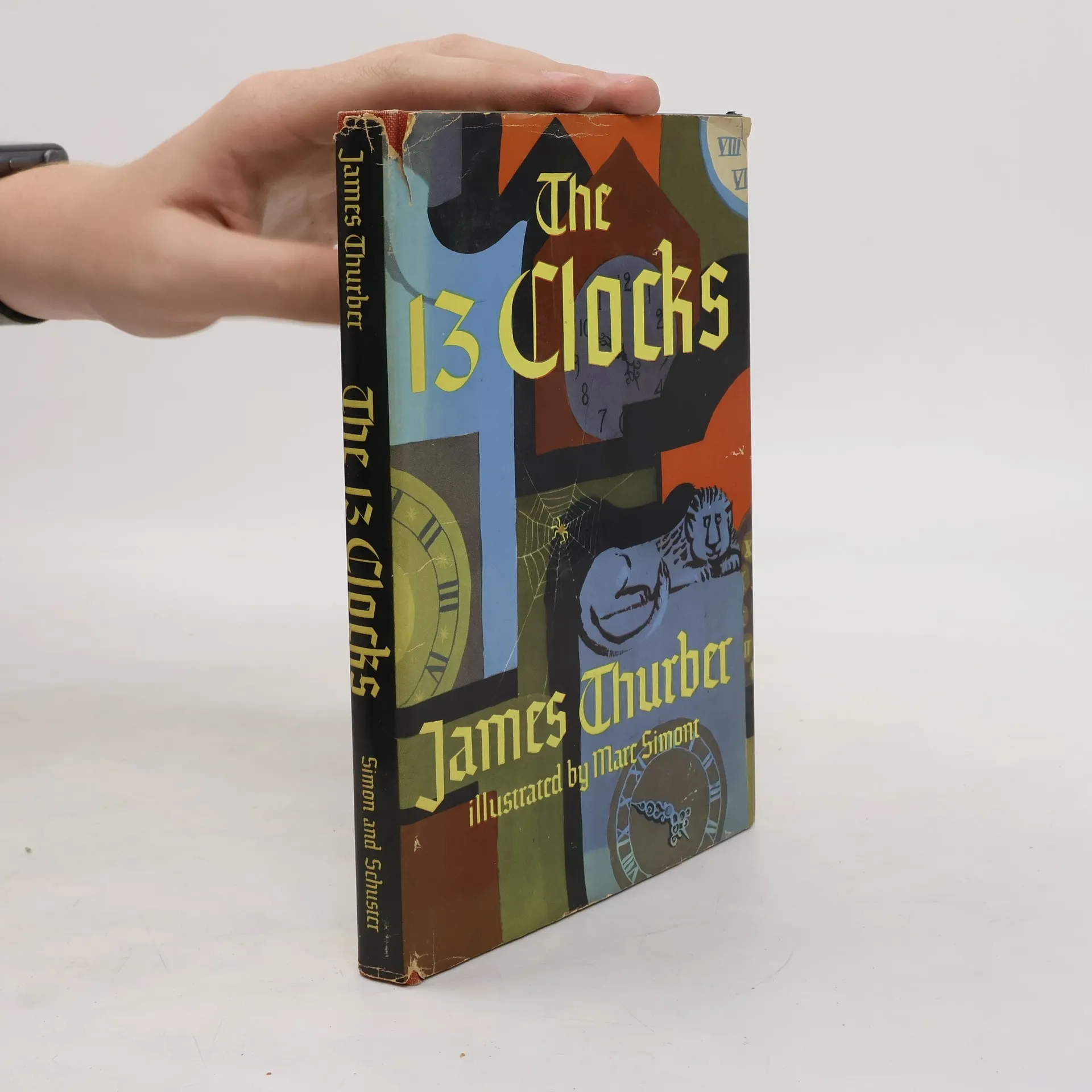
How can anyone describe this book? It isn't a parable, a fairy story, or a poem, but rather a mixture of all three. It is beautiful and it is comic. It is philosophical and it is cheery. What we suppose we are trying fumblingly to say is, in a word, that it is Thurber. There are only a few reasons why everybody has always wanted to read this kind of story: if you have always wanted to love a Princess; if you always wanted to be a Prince; if you always wanted the wicked Duke to be punished; or if you always wanted to live happily ever after. Too little of this kind of thing is going on in the world today. But all of it is going on valorously in The 13 Clocks .
"Thurber in his heyday was one of those international names, like Garbo, Ruth or Mussolini, that immediately summoned up a point of view: partly, no doubt, because he sounded like one of his own characters but more certainly because of his drawings. He did not make jokes in his mouth, like so many clowns, but somewhere between the optic nerve and the unconscious, an area where the slightest tilt can lead to torment and madness. But thank God he compiled this book while youthful high spirits could still put funny hats on his nightmares and he could still be diverted by jokes that had nothing to say about anything: "I said the hounds of Spring are on Winter's traces, but let it pass, let it pass." I used to repeat this line so often as a boy, that it lost all humor, and finally all meaning, and I still loved it. That's art and that's Thurber."*From the Introduction by Wilfrid Sheed
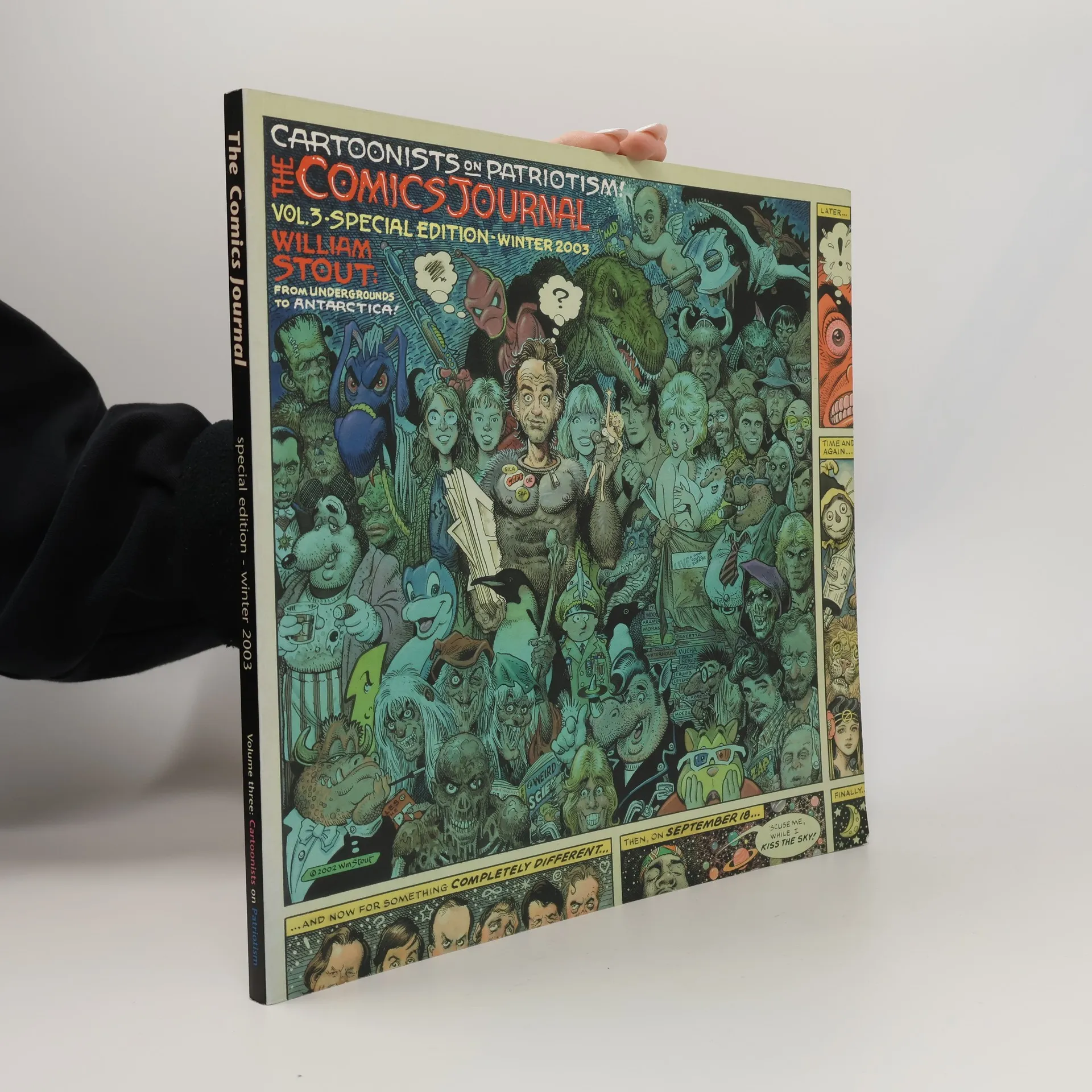
Cartoonists on Patriotism - Winter 2003: William Stout: From Undergrounds to Antarctica!
180 páginas
7 horas de lectura
The 2003 Harvey Award Winner, Best Anthology―a Paris Review devoted to the art of comics. The third in The Comics Journa l's series of oversized coffe-table volumes, this lush collection of art, comics and commentary kicks off with a gigantic, career-spanning interview with legendary illustrator (and cover artist) William Stout, complete with copious illustrations and paintings. There's also an extensive appreciation of the cartoon work of noted humorist James Thurber (including a gallery of Thurber cartoons and a four-page comics tribute by Ivan Brunetti), Paul Gravett's remembrance of the seminal British indy-comix magazine Escape (complete with new strips drawn just for this volume by many of that magazine's noted cartoonists), critical appreciations of numerous fine cartoonists (Lynda Barry, Tom Hart, Michael Kaluta, and more) by the cream of our best critics ― and, as if that weren't enough, a 70-page comics section on the theme of "patriotism," with contributions by Joe Sacco, Phoebe Gloeckner, Bill Griffith, Megan Kelso, Peter Bledvag, Carol Swain, Gilbert Shelton, Penny Van Horn, Ho Che Anderson and many, many more! Color and black-and-white comics and illustrations throughout
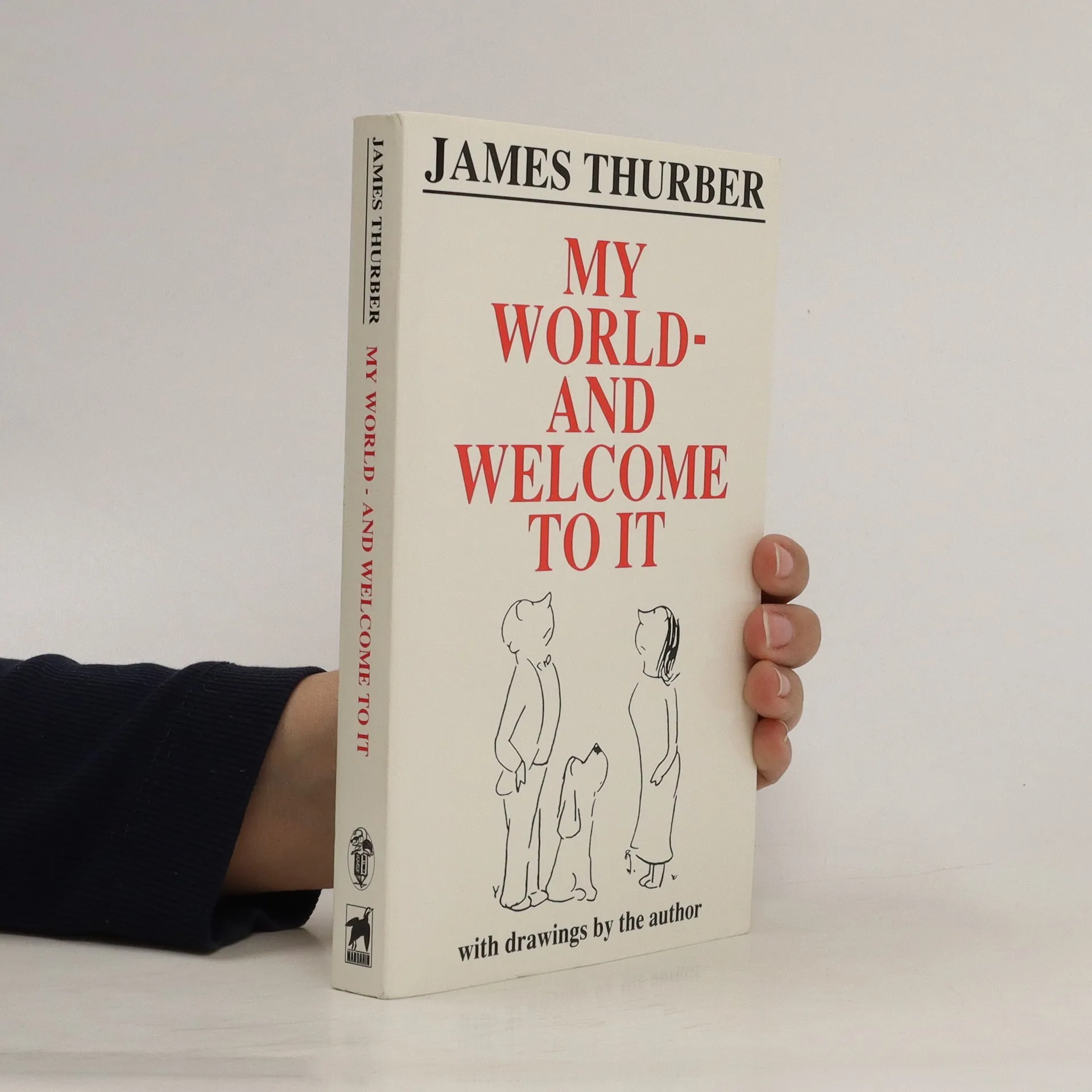
A collection of letters by an American humorist, known for his drawings and writings, especially "My World - and Welcome To It" and "The Secret Life of Walter Mitty". 37 of his most famous drawings illustrate the letters throughout.
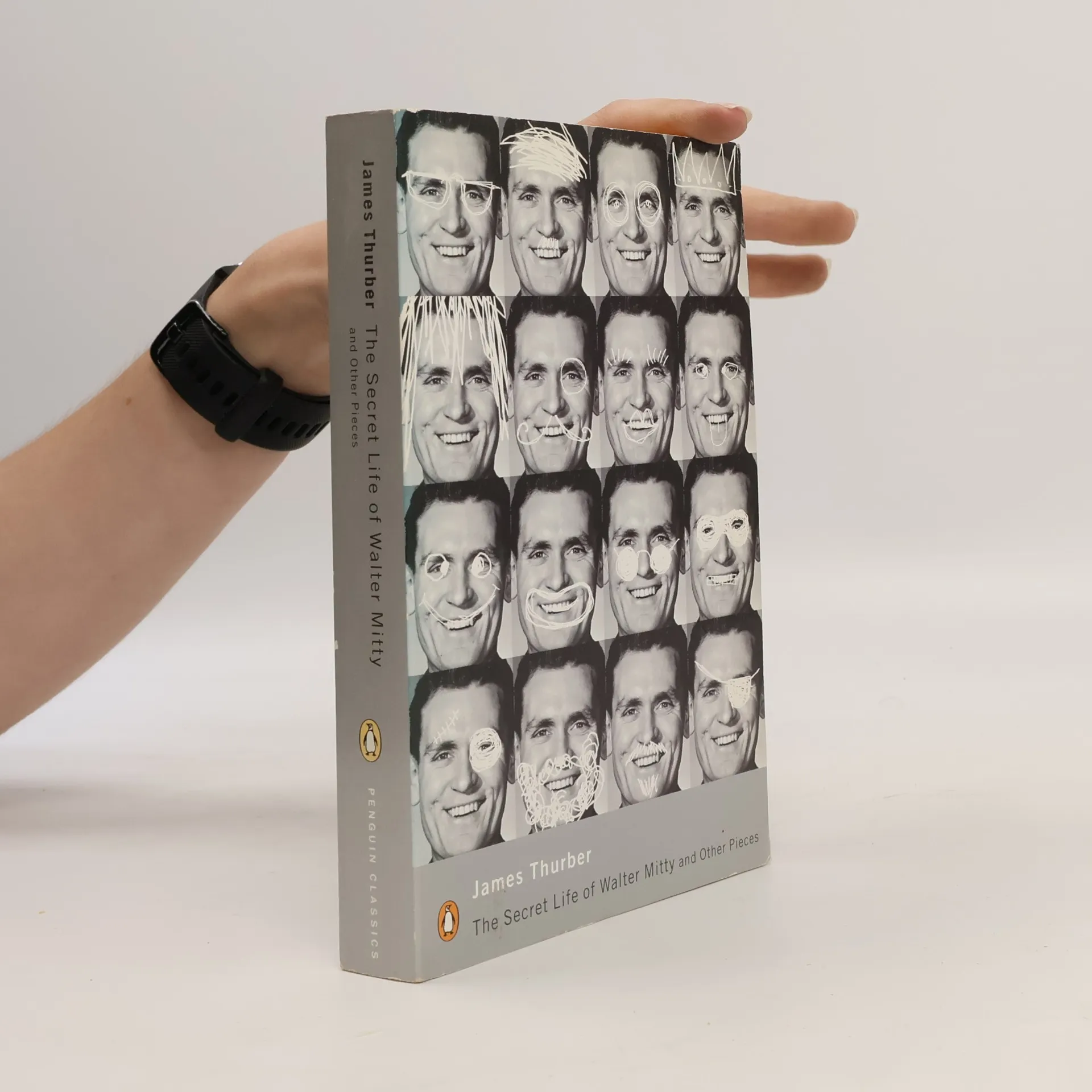
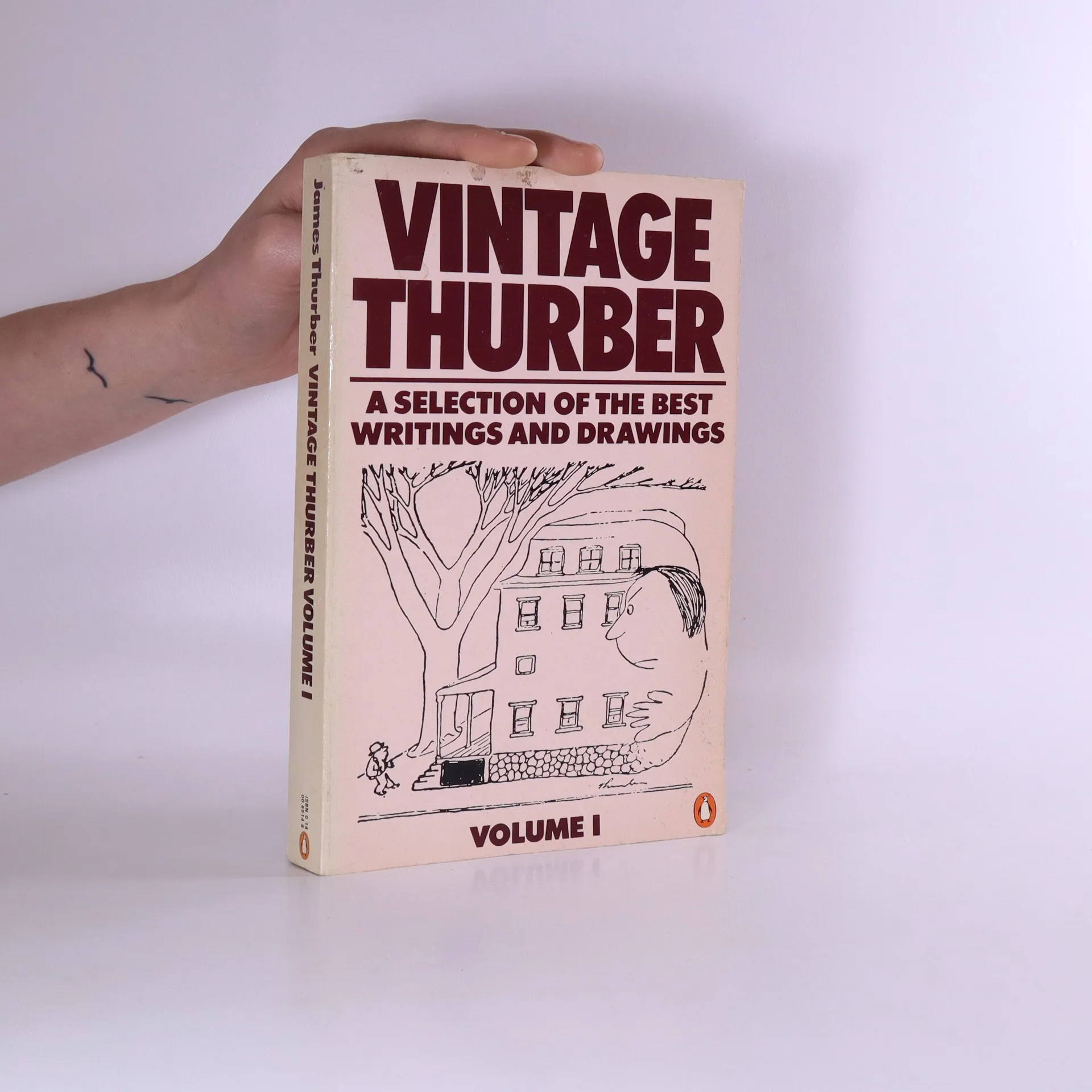
James Thurber is universally admired for his hilarious sense of humour, off-beat imagination and unique take on the world around him. The Secret Life of Walter Mitty, in which a young man's fantasies have a much more powerful hold on him than reality, is probably his best-known prose work, but this selection also contains wonderfully entertaining essays, poetry and cartoons gathered from all of Thurber's collections. Poking fun at his own weaknesses and those of other people (and dogs) - the English teacher who looked only at figures of speech, the Airedale who refused to include him in the family, the botany lecturer who despaired of him totally - James Thurber is essential reading for everyone who loves to laugh.
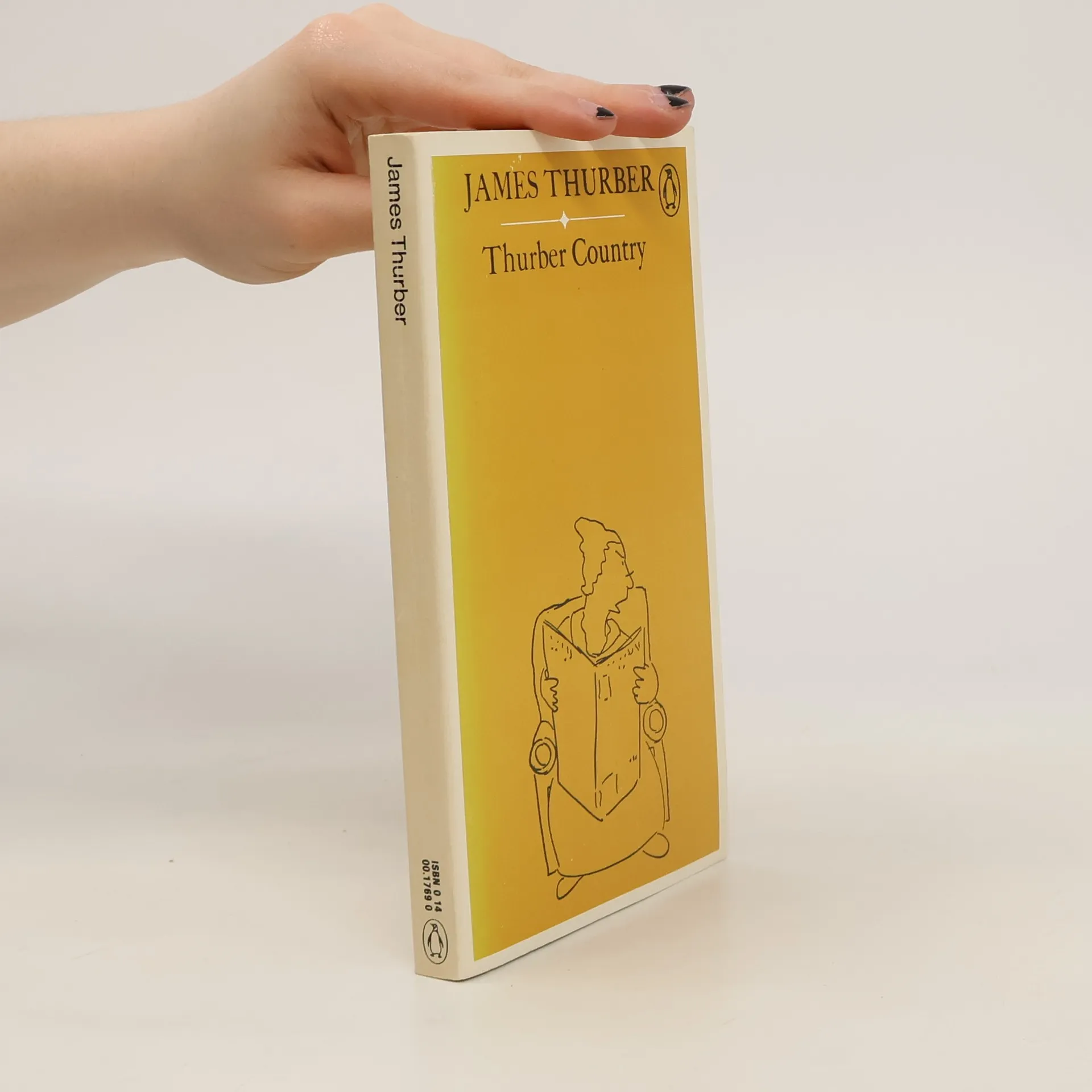
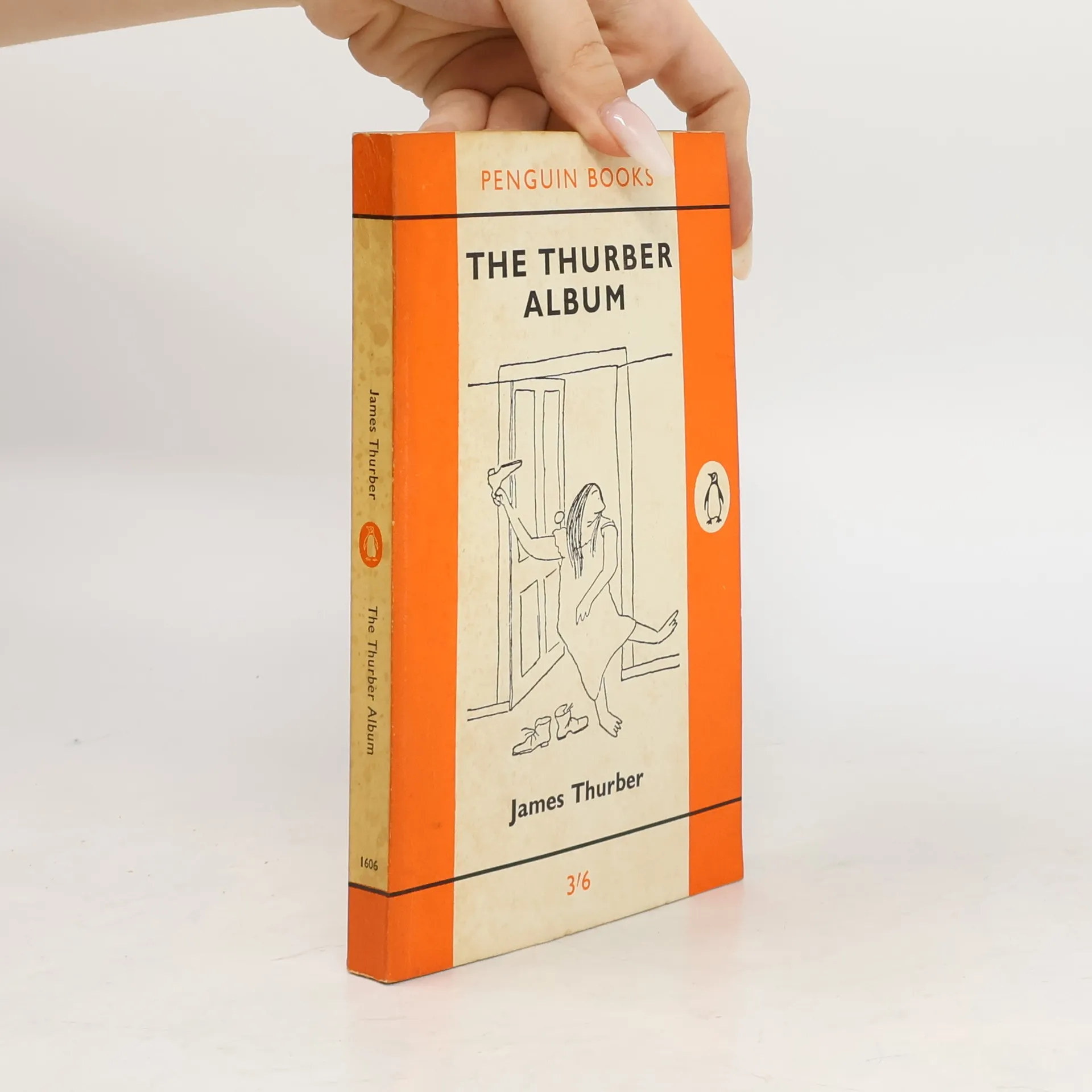
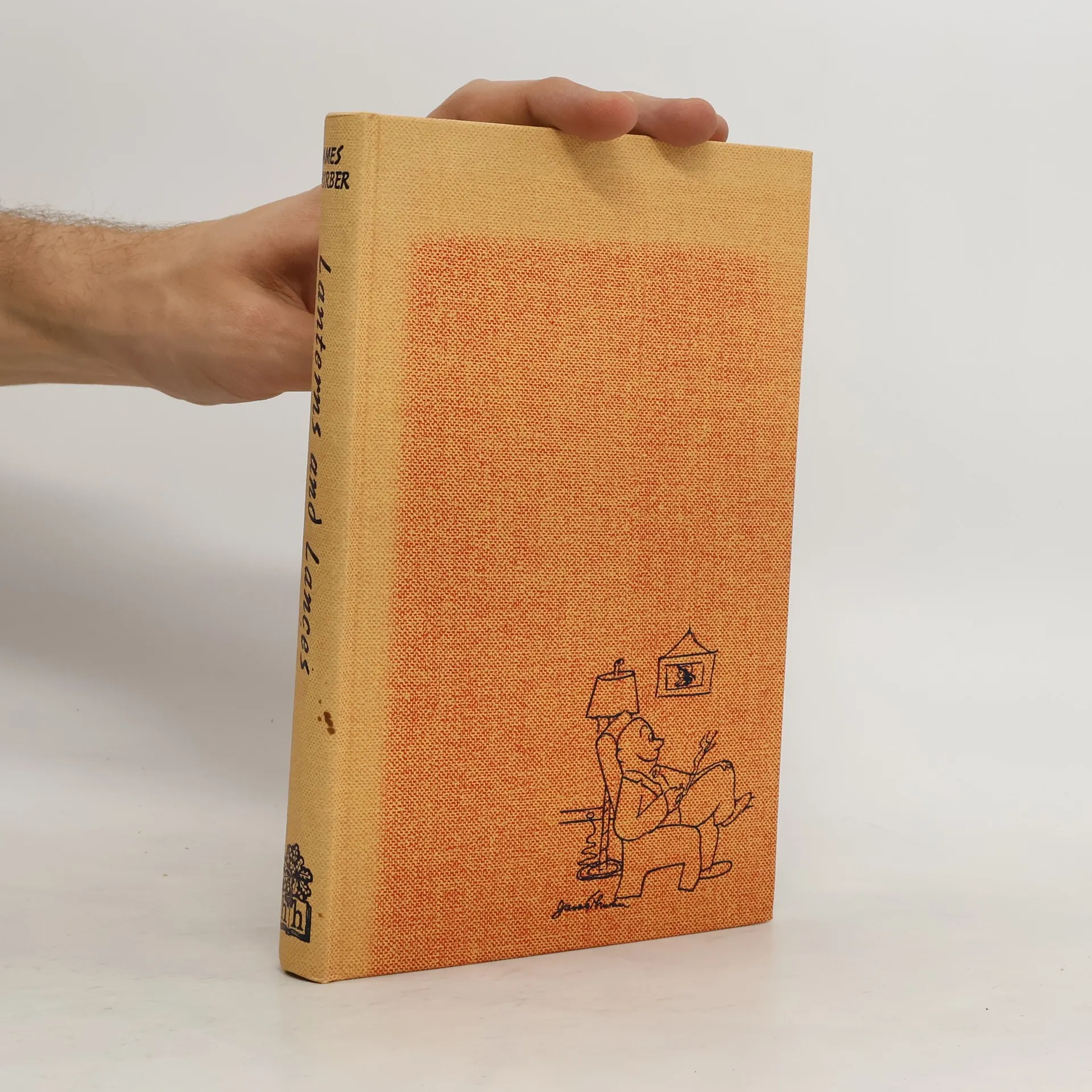
alternate cover for ISBN 0140017690 ‘It was a Sunday when I got back to my house in the country. I turned on the Magnavox, keeping herlow, and pressed a station button at random. “Today,” said a voice, “is the birthday of Bob Hope, Beatrice Lillie, Patrick Henry, and King Charles II of England.” Yes, I was back home all right.’ Back home in the Thurber Country there are Thurberisms galore. Who but Thurber could describe ‘Miss Menta, the disturbingly nude Chilean transcendentalist’, or ‘the Curious Adventure of the Oral Surgeon’s Mouse’, or ‘some dogs other than the carnivorous mammal’? As for the drawings, they throw more light on that peculiar creature, Homo Americansis. What more need — or could — be said? Contents: 1. What's so Funny? 2. The Figgerin' of Aunt Wilma S. The White Rabbit Caper 4. Back Home Again S. My Own Ten Rules for a Happy Marriage 6. What a Lovely Generalization! 1. The Interview 2. Lady in a Trap 9. File and Forget 10. The Case Book of James Thurber 11. The Case of Dimity Ann 12. Look at That Darling Thing! 13. Want to Make Something Out 14. Take Her up Tenderly 1s. The Girls in the Closet 16. A Final Note on Chanda Bell 17. There's a Time for Flags 18. A Friend of the Earth 19. The American Literary Scene 20. Teacher’s Pet 21. Shake Hands with Birdey Doggett 22. What Cocktail Party? 23. Joyeux Noël Mr Durning 24. See No Weevil 25. The Pleasure Cruise, and How to Survive It
The world of Thurber is splendidly sampled in these thirty stories, sketches, and articles that range from the wildest comedy to the serious business of murder. Animal courtship, maids, Macbeth, baseball, sailing, marriage-all fall within Thurber' s scope. Drawings by the Author.
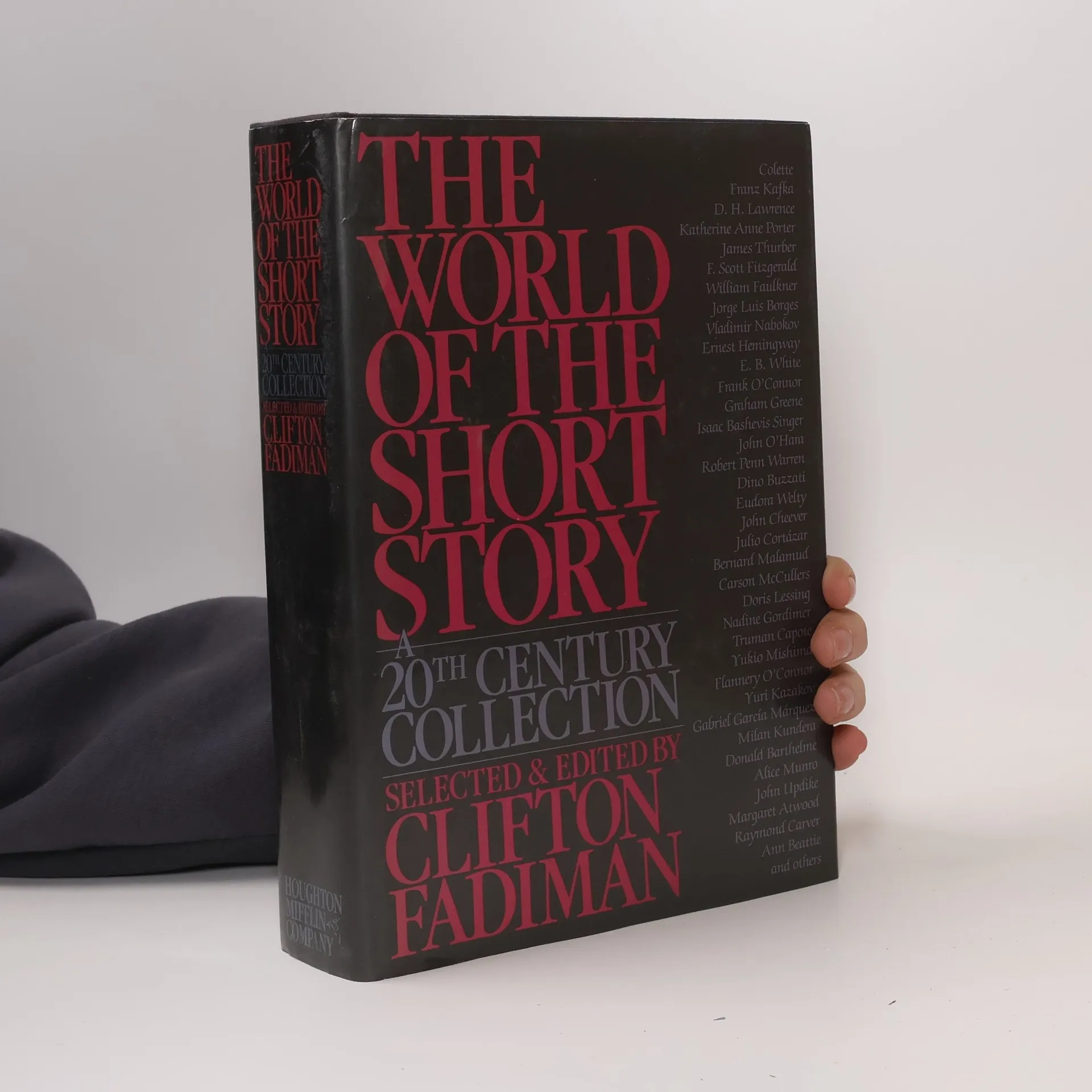
At age 82, Clifton Fadiman continues his prolific publishing career, here presenting 62 of the world's best short stories from 16 countries. His criteria? "Each story had to be both interesting and of high literary merit." Fadiman fulfills both requirements and much more, offering a cornucopia of superior 20th-century writers that includes Franz Kafka, D. H. Lawrence, Isaac Babel, F. Scott Fitzgerald, William Faulkner, Ernest Hemingway, John Cheever, Sean O'Faolain, Graham Greene, Robert Penn Warren, Colette, John Updike, Donald Barthelme, and James Thurber. (Regrettably, J. D. Salinger is not included due to lack of permission.) Here is a truly remarkable collection of this century's short stories that readers from all over the world will read with delight.
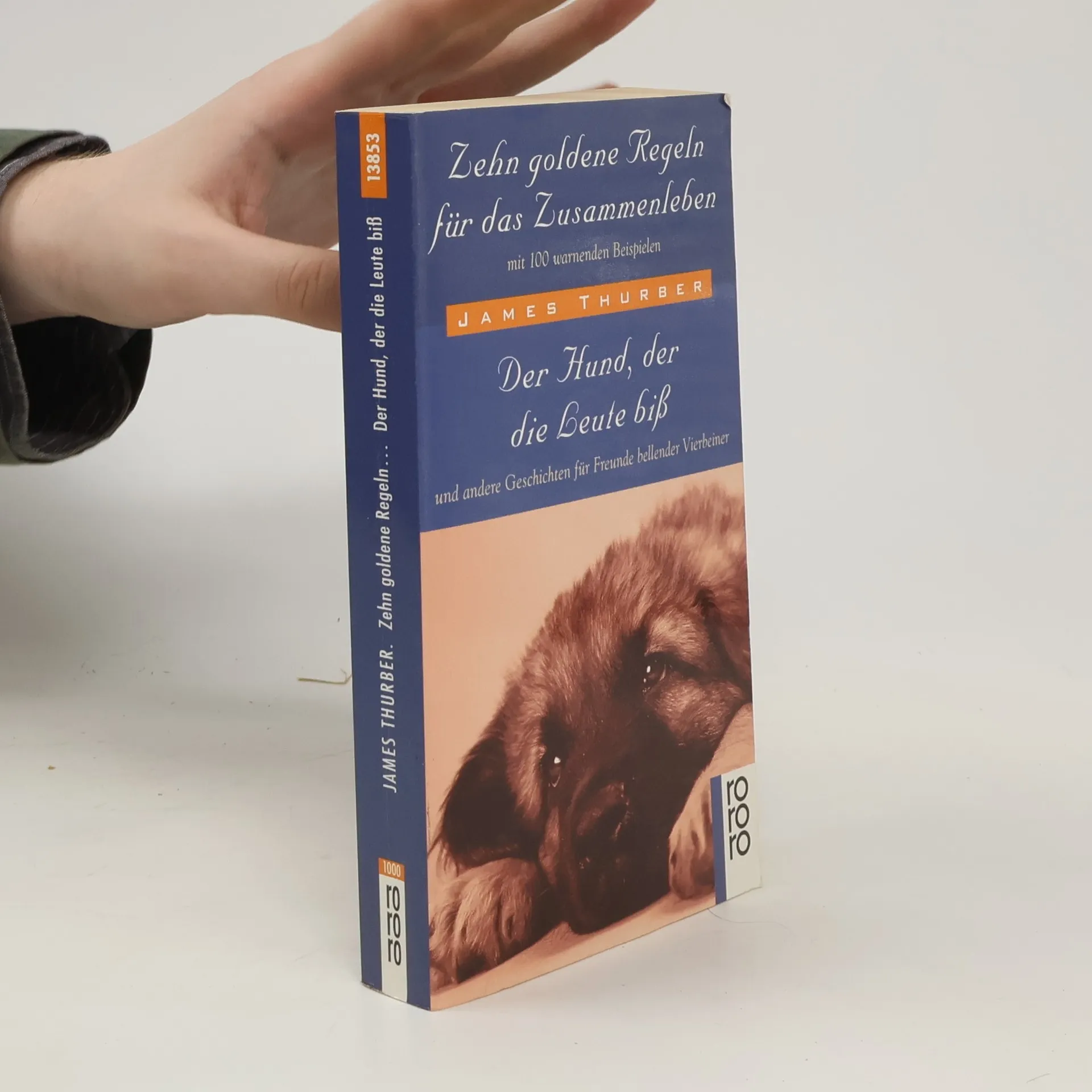
James Thurber, der in den 1920ern als Reporter für die 'New York Evening Post' arbeitete und auch regelmäßig für die berühmte Zeitschrift 'The New Yorker' schrieb, zeichnet sich in seinem Werk vor allem durch die Kombination gegensätzlicher Elemente aus: Eine möglicherweise tragische Situation erhält durch triviale Vertracktheiten eine Wendung ins Komische, eine an sich nebensächliche Kleinigkeit wird zum Ausgangspunkt bedeutender Entwicklungen. The Human Being and the Dinosaur - The Remarkable Case of Mr Bruhl - The Trial of the Old Watchdog - The Lover and His Lass - The Private Life of Mr Bidwell - The Rabbits Who Caused All the Trouble - The Tiger Who Would Be King - The Admiral on the Wheel - The Little Girl and the Wolf - The Peacelike Mongoose - The Wolf Who Went Places - The Macbeth Murder Mystery - The Last Clock. Texte in der Originalsprache, mit Übersetzungen schwieriger Wörter am Fuß jeder Seite, Nachwort und Literaturhinweisen.
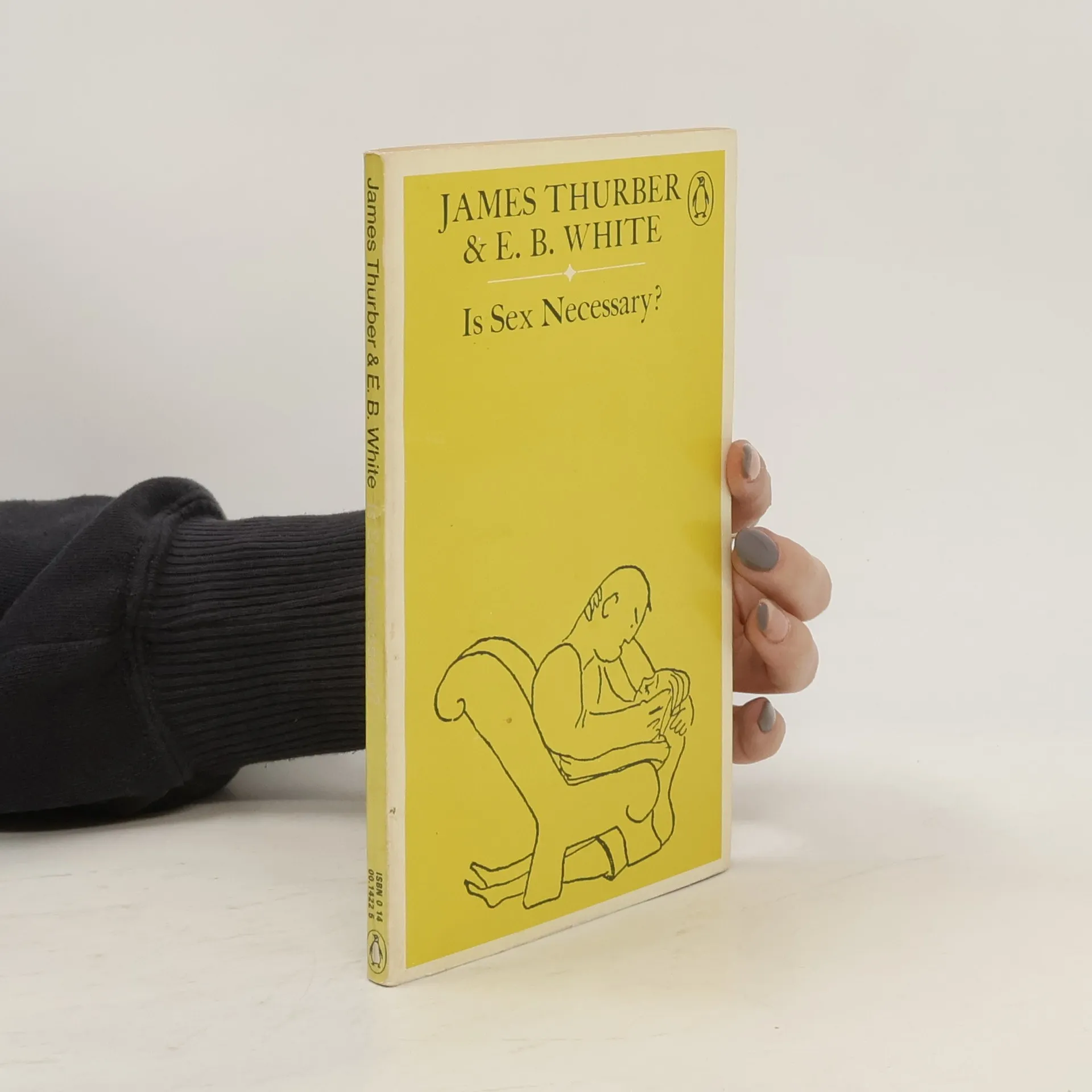
The first book of prose published by either James Thurber or E. B. White, Is Sex Necessary? combines the humor and genius of both authors to examine those great mysteries of life -- romance, love, and marriage. A masterpiece of drollery, it stands the test of time with its sidesplitting spoof of men, women, and psychologists; and more than fifty funny illustrations by Thurber.
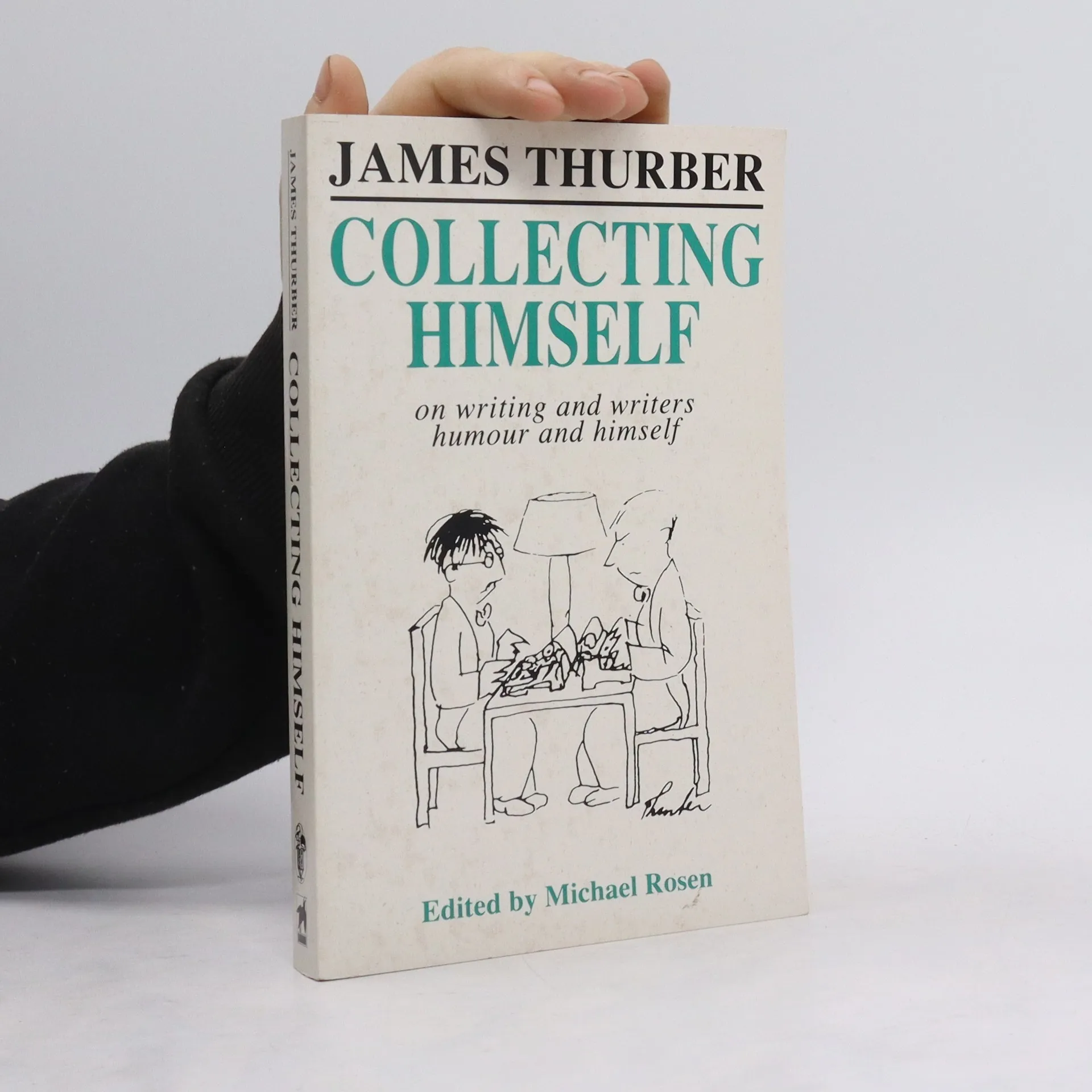
The first volume of a series containing previously unpublished Thurber material comprising drawings, cartoons, essays, autobiographical and biographical sketches. This book is arranged primarily by theme, rather than by chronology or genre.
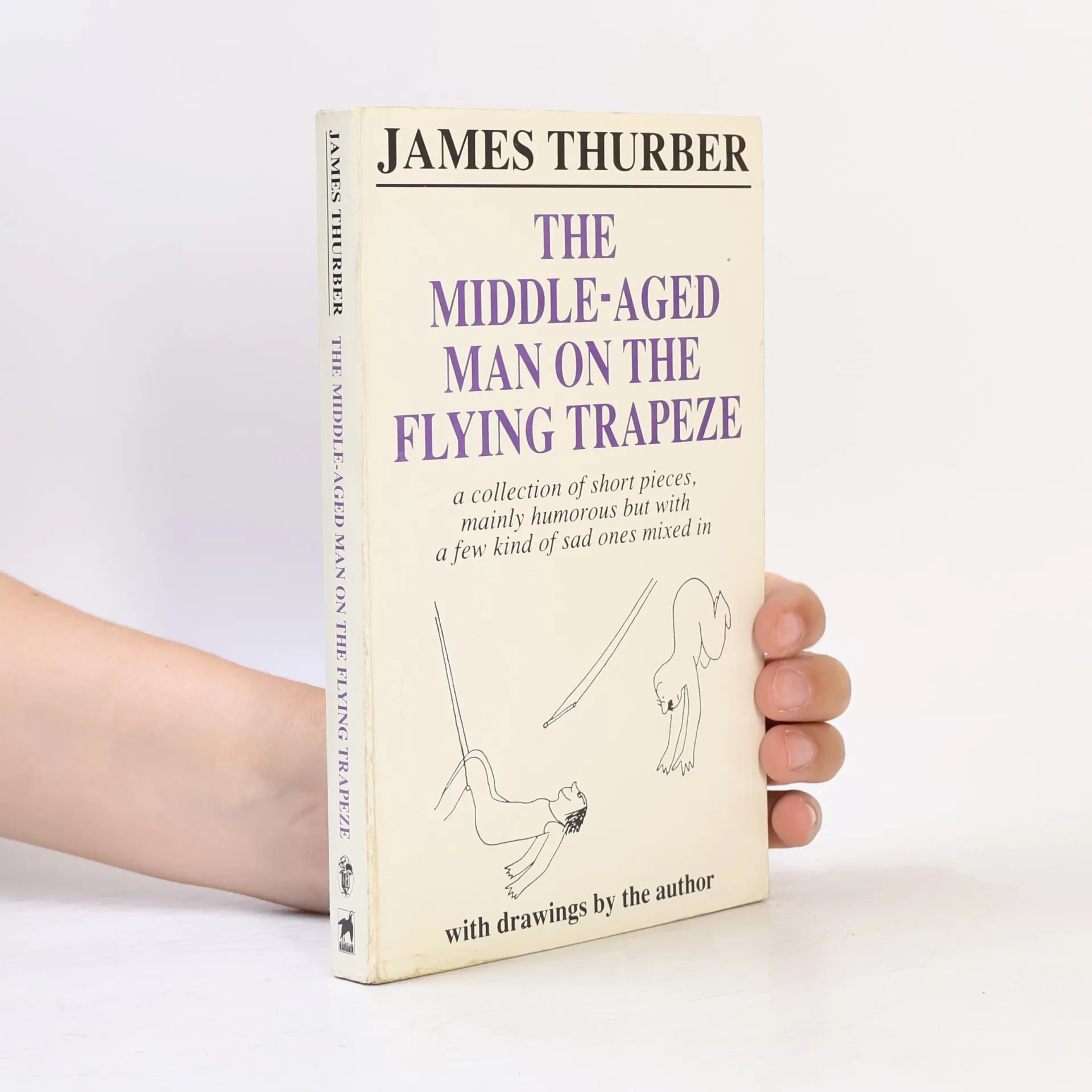
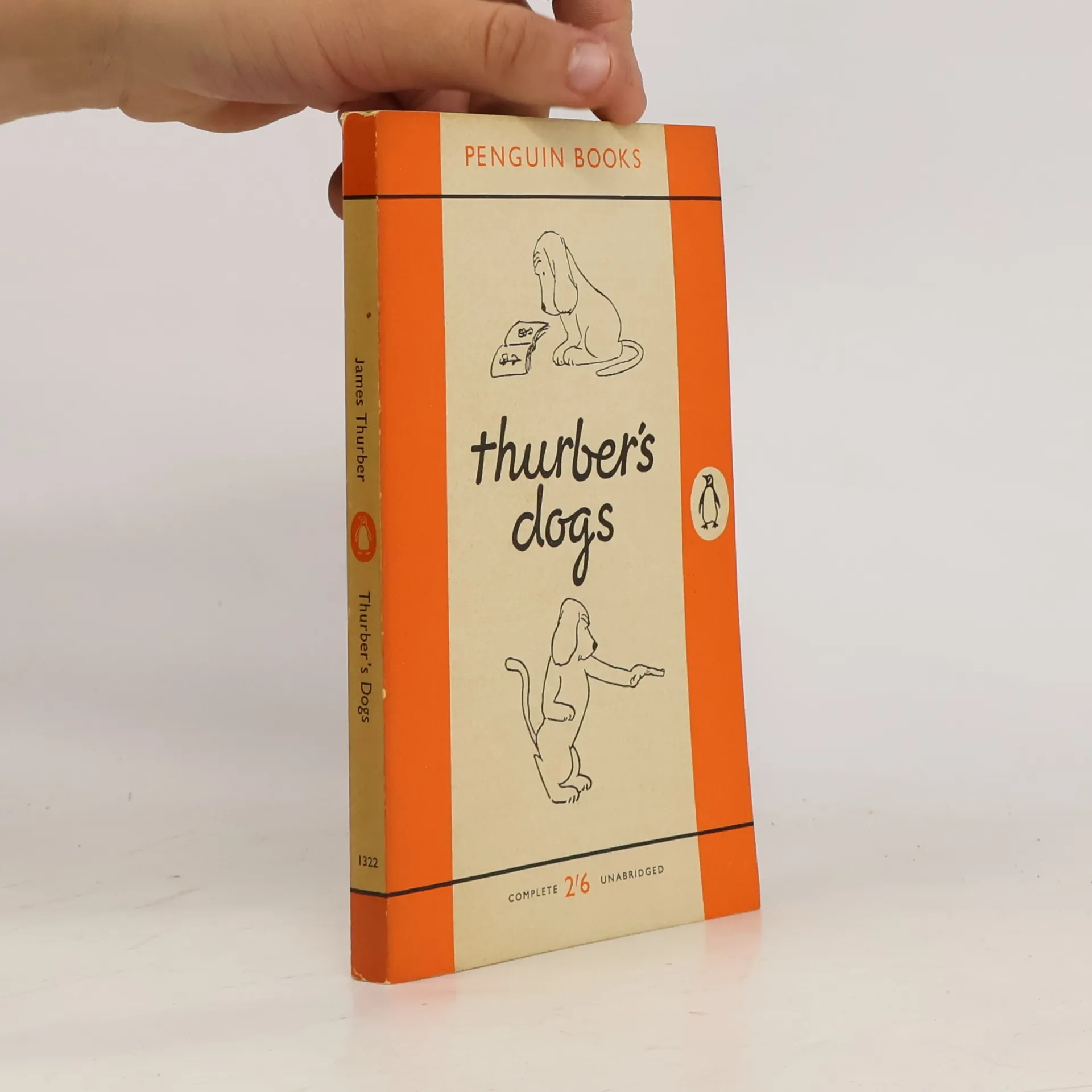
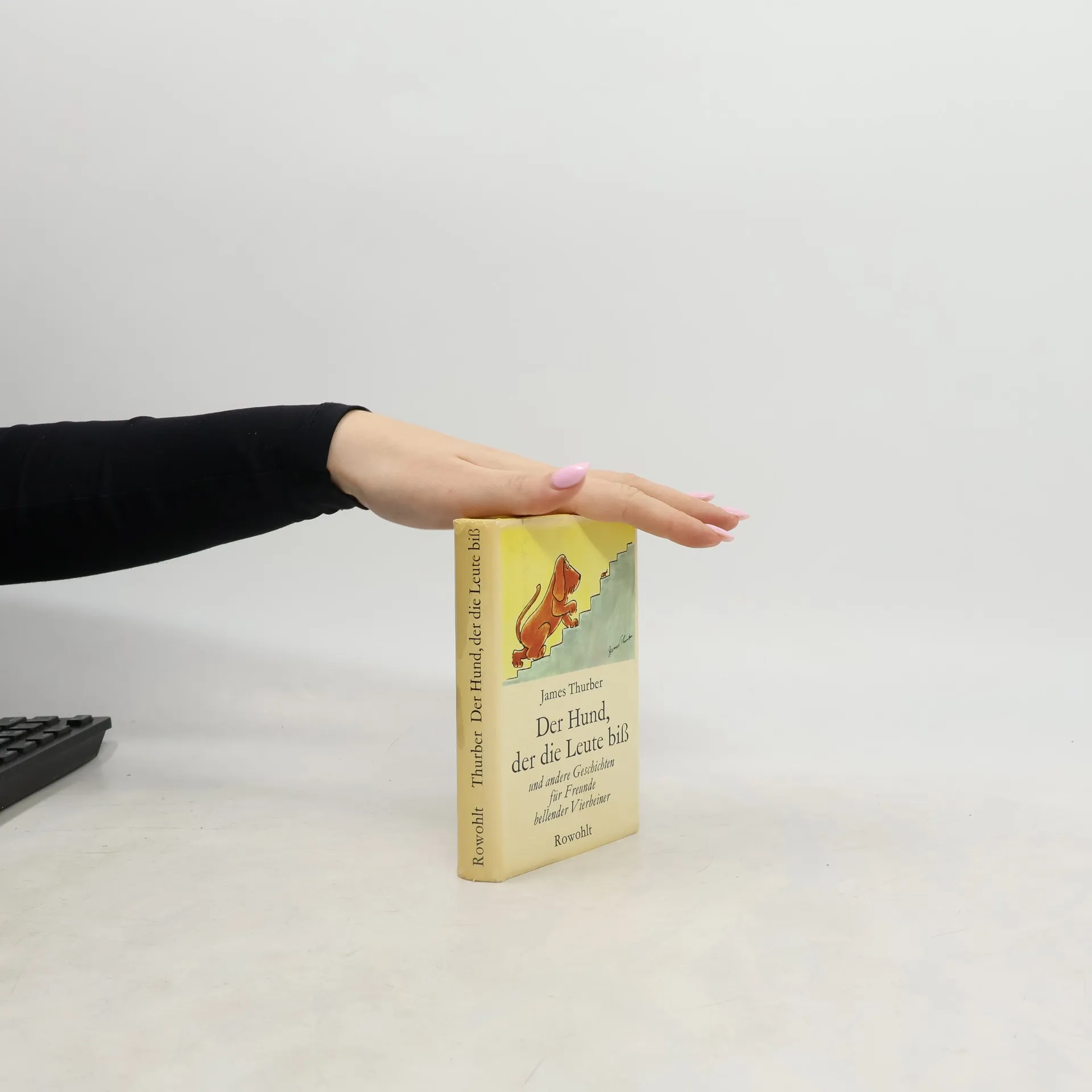
A collection of 36 short pieces, first published in 1935, by the distinguished American humorist, James Thurber. They include essays about language and people, ironic stories, and portraits in words and pictures of dogs.
Harlow. 18 cm. 119 p. Encuadernación en tapa blanda de editorial ilustrada. Idioma inglés .. Este libro es de segunda mano y tiene o puede tener marcas y señales de su anterior propietario. 0582530261
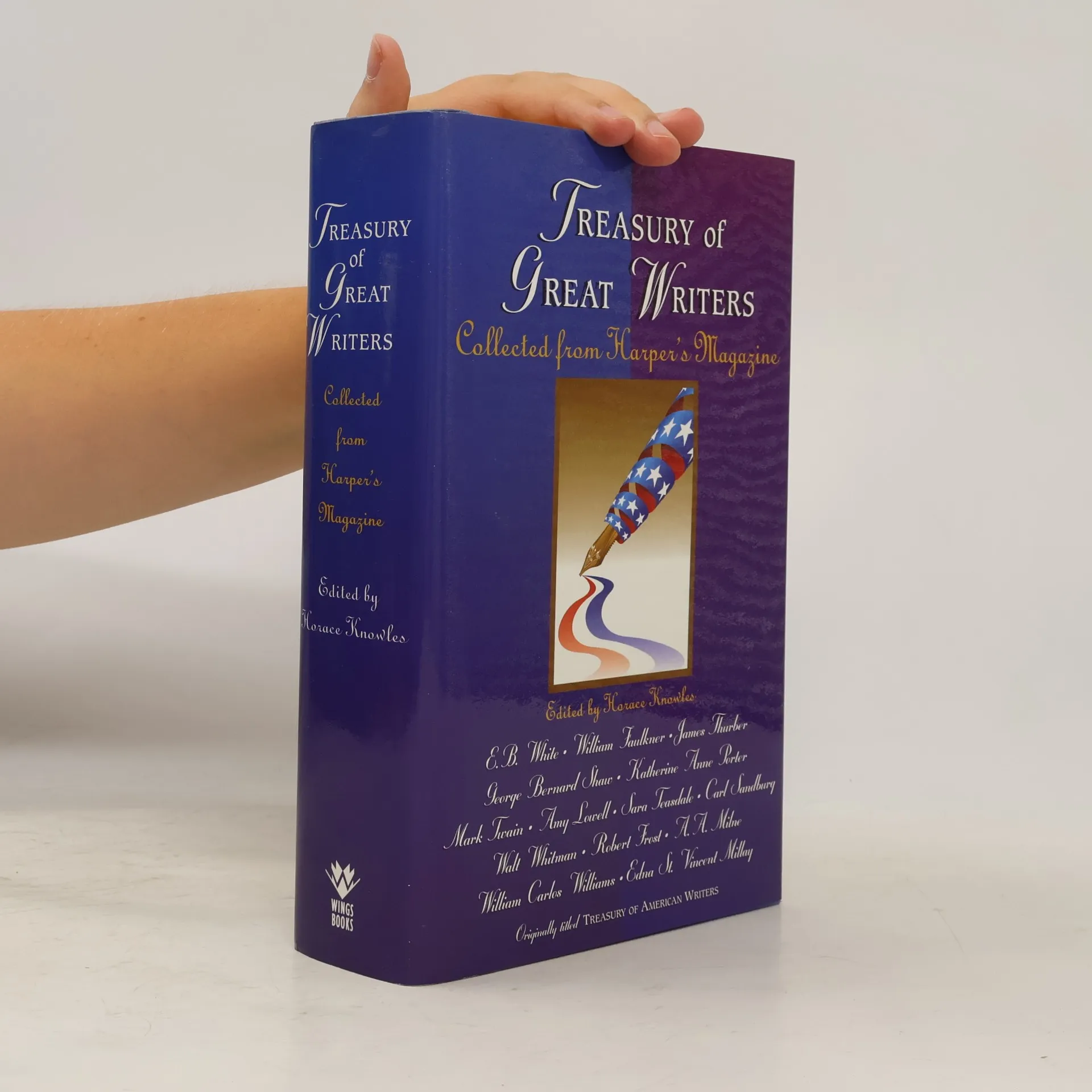
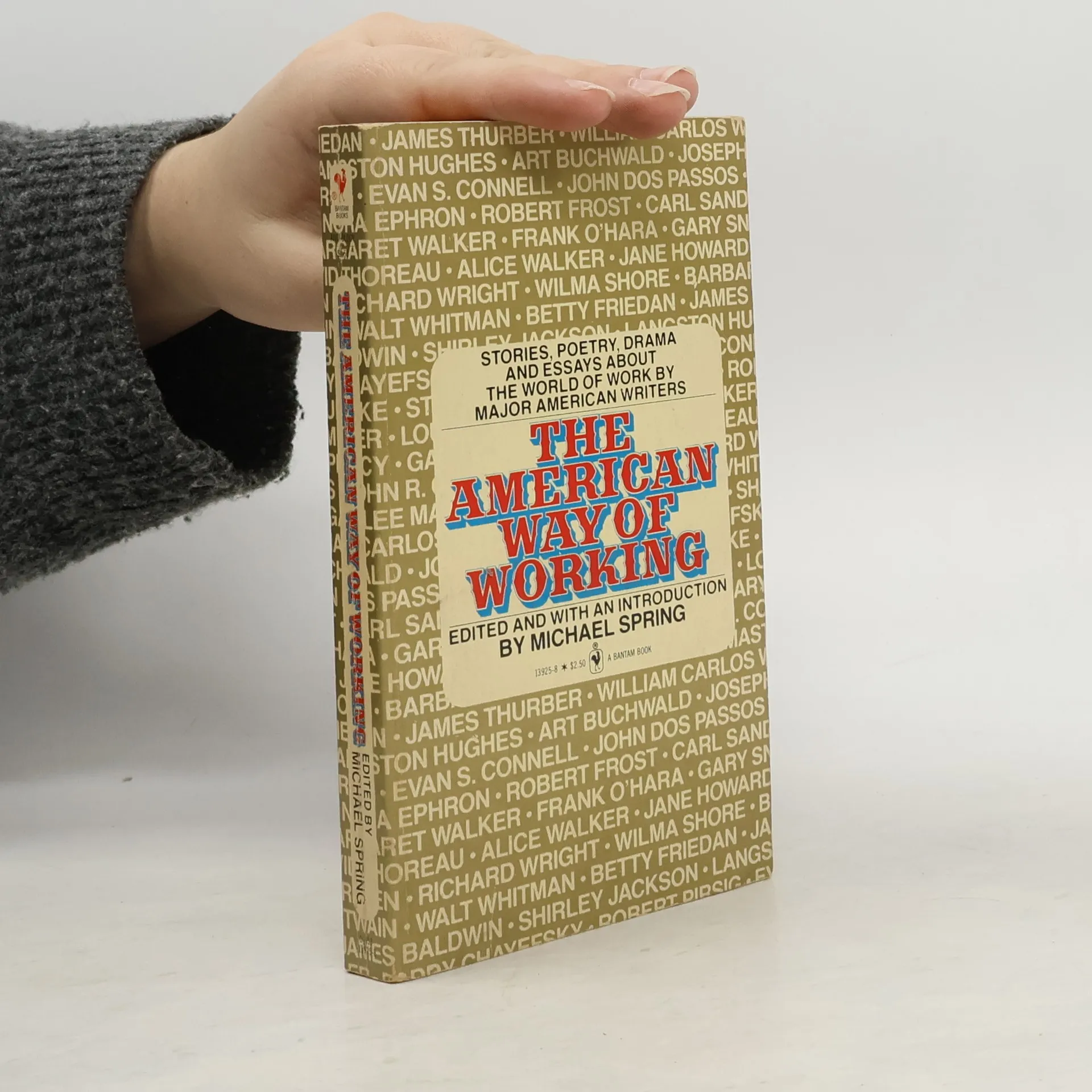
A diverse collection of essays by famous writers is culled from the pages of Harper's Magazine, and includes William Faulkner on integration, John Kenneth Galbraith on the Wall Street crash, and James Thurber on women.
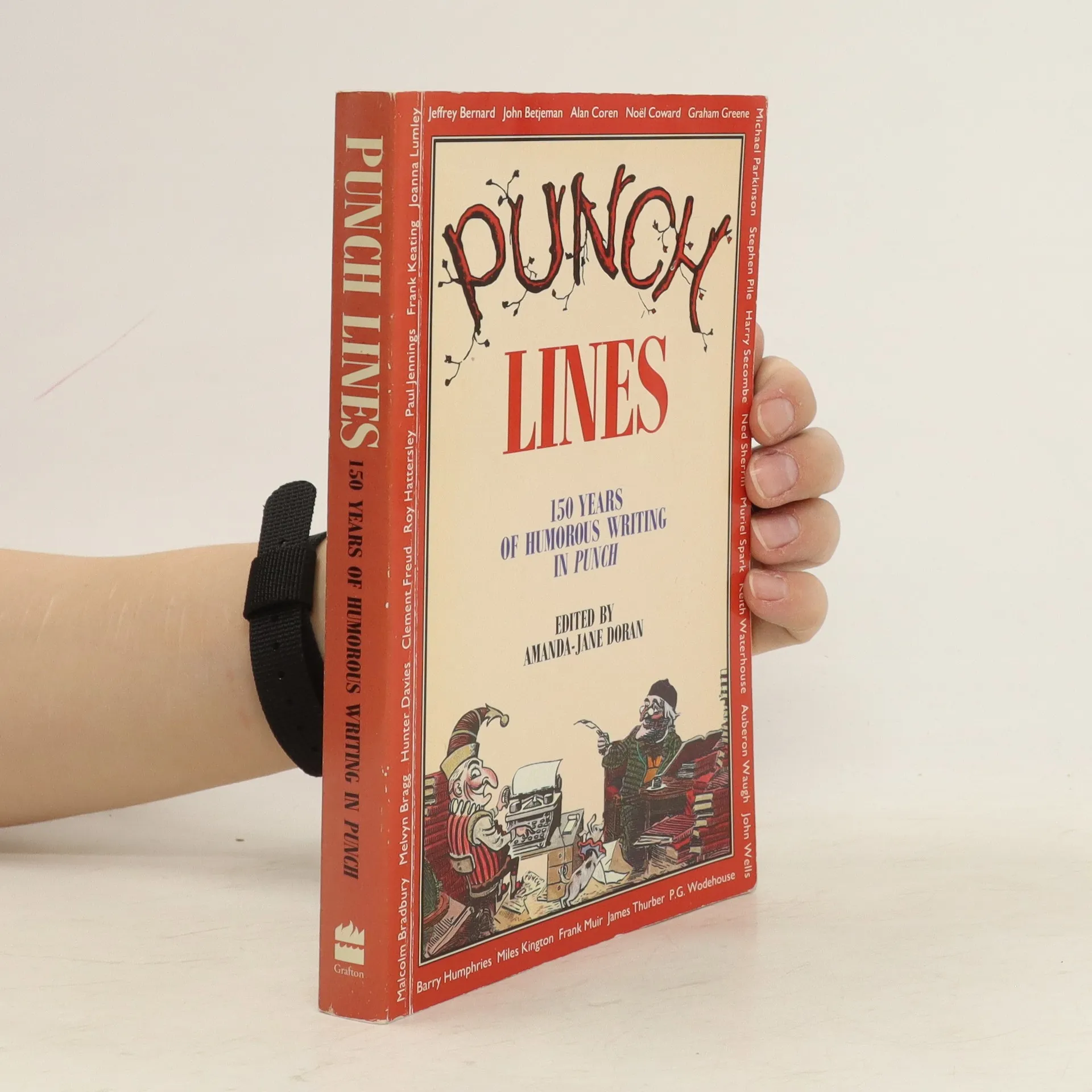
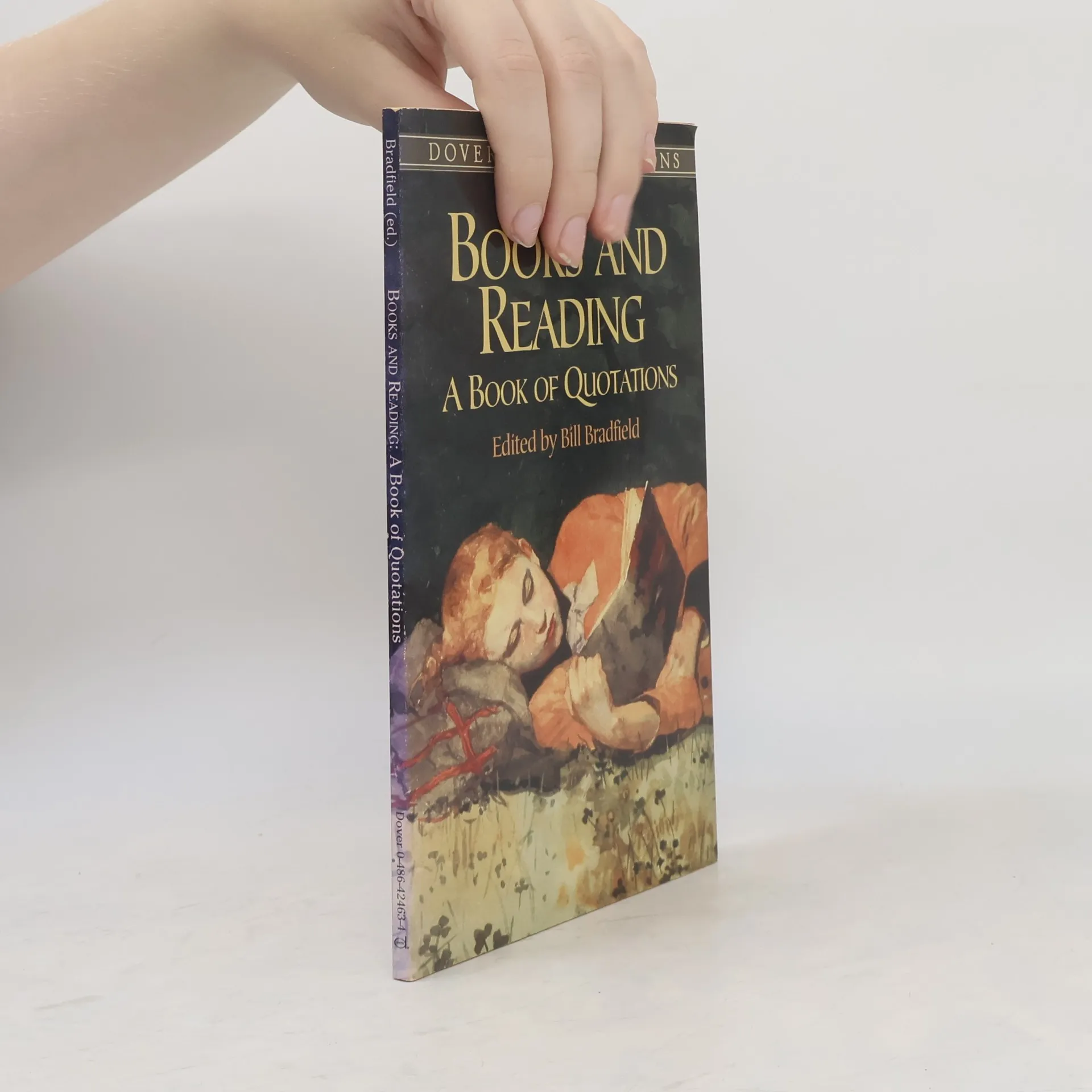
"Let blockheads read what blockheads write," suggested Lord Chesterfield. W. H. Auden once said, "Some books are undeservedly forgotten; none are undeservedly remembered." And TV celebrity Jerry Seinfeld "The big advantage of a book is that it's very easy to rewind. Close it and you're right back at the beginning."Over 450 memorable quotes about books and reading fill these pages—with provocative declarations from Mark Twain, Virginia Woolf, Andrew Carnegie, Theodore Roosevelt, James Thurber, Anna Quindlen, and Oprah Winfrey, and scores of other writers, political figures, and celebrities.A handy aid for speech writers and public speakers, this entertaining collection will also delight general readers.
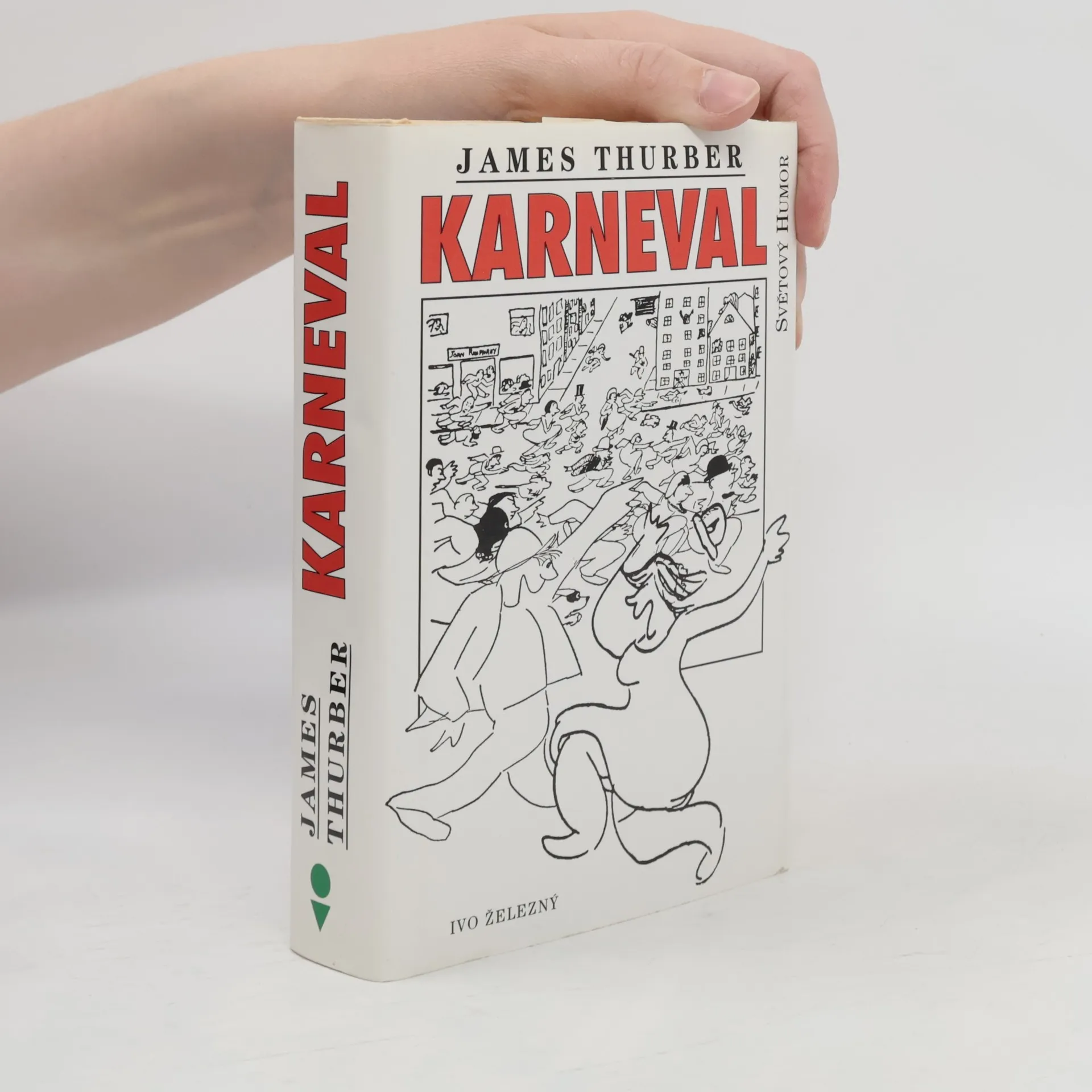
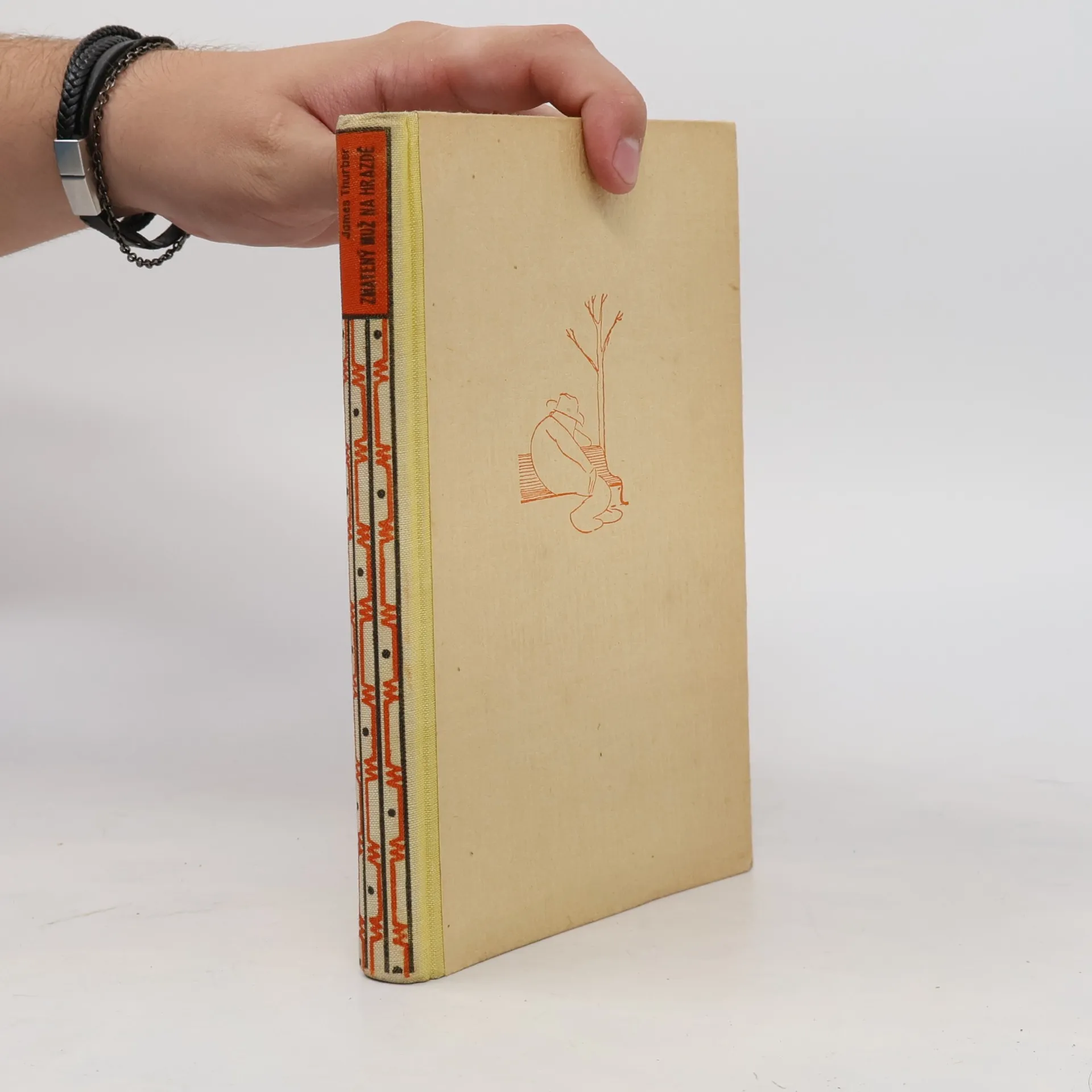
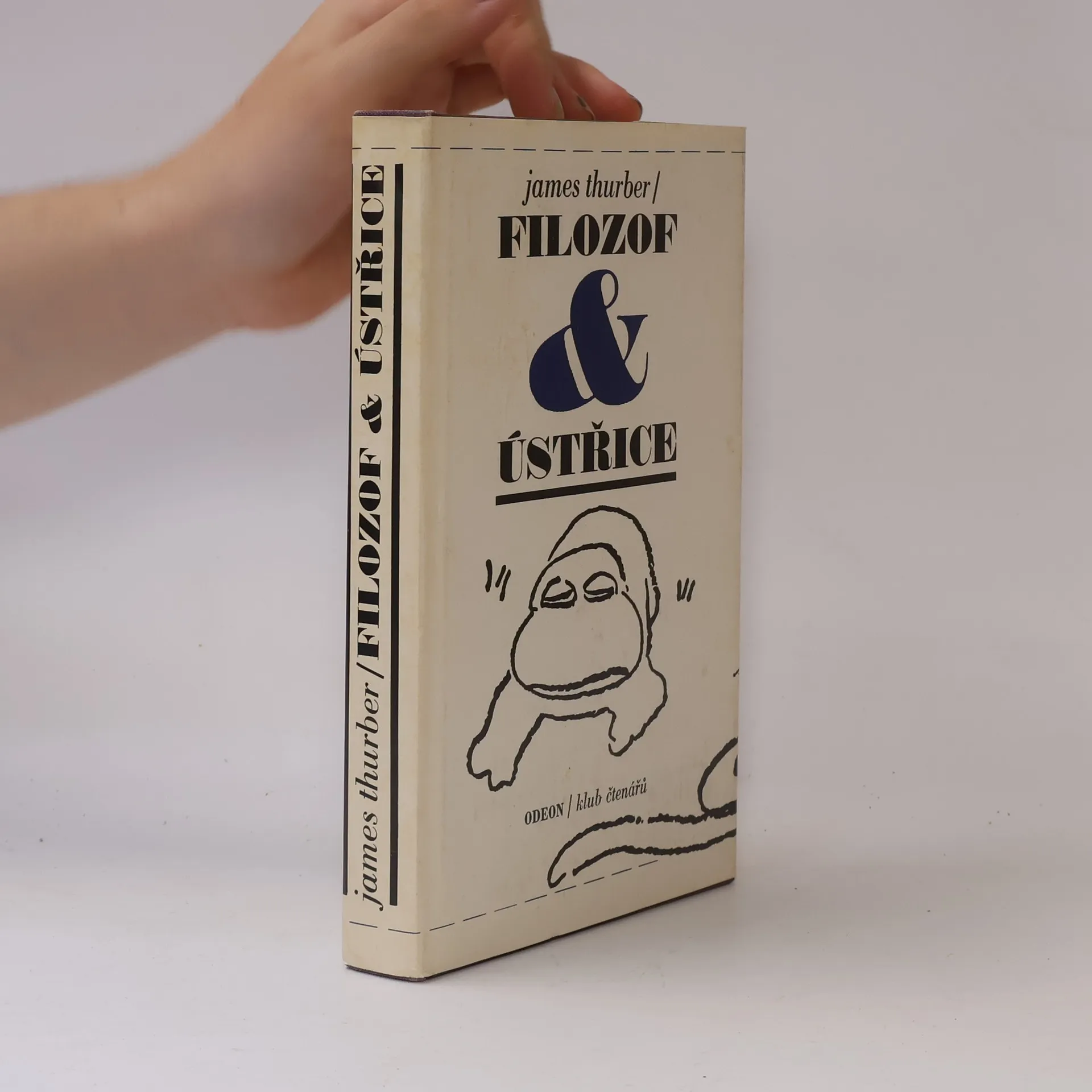
Reprezentativní výbor z nejlepších povídek, bajek, literárních parodií a kreslených vtipů amerického humoristy, uznávaného za klasika amerického humoru 20. století. Výbor se pokouší představit autora v jeho mnohotvárnosti a pestrosti: zachycuje nejen jeho povídky s typickými hrdiny, lidmi chycenými v pasti civilizace a konvence, ale i figurkářské povídky, příležitostné črty pro noviny a časopisy, povídky s vážnějšími náměty, postihujícími bezcílnost a tíhu velkoměstského života, chytře koncipované cykly bajek, literární parodie, karikující literární tvorbu, lidi kolem literatury, posedlost po detektivkách, a posléze několik seriálů kreslených vtipů.
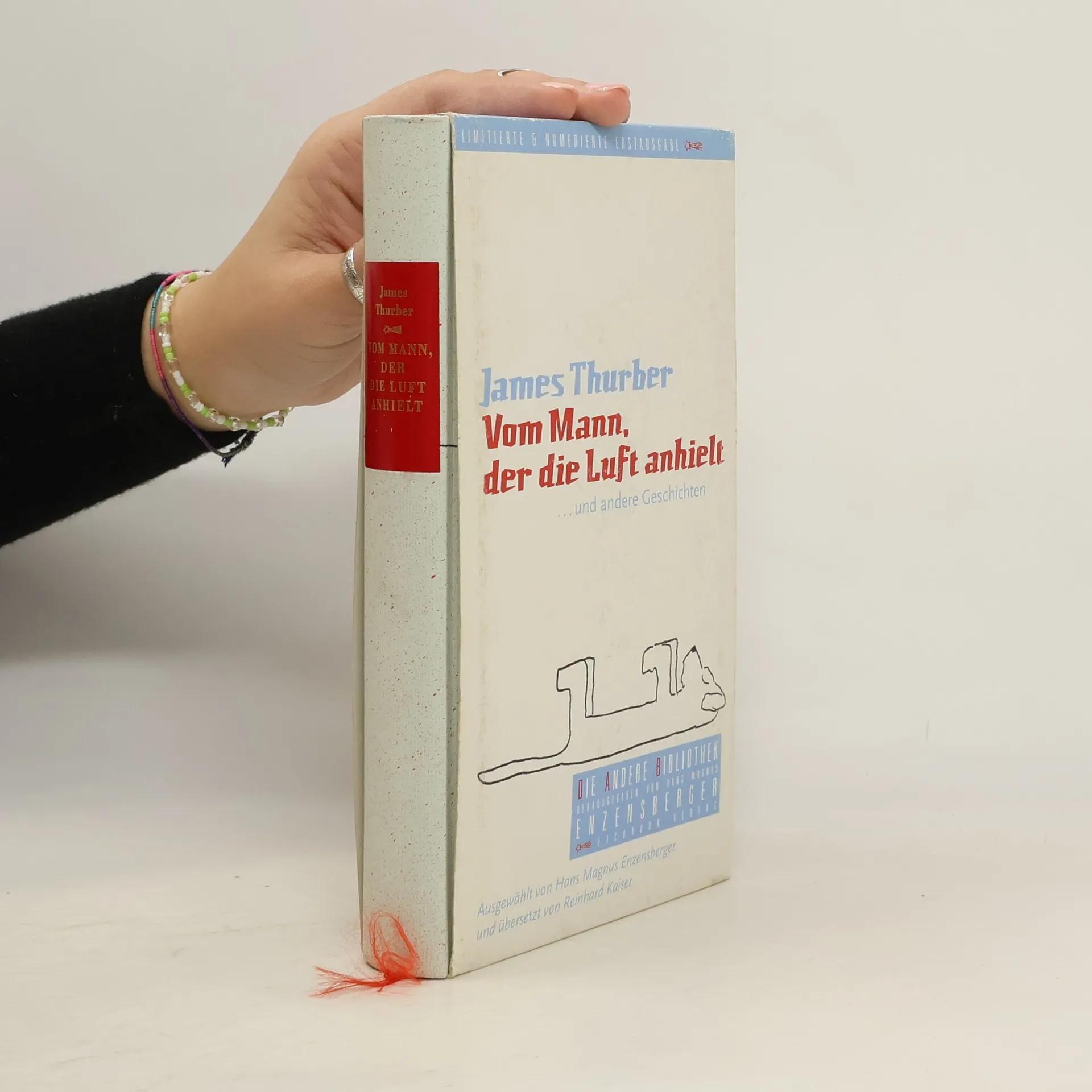
Die Anmerkung beschreibt James Thurber, einen humorvollen Schriftsteller des 20. Jahrhunderts, der trotz anfänglicher Schwierigkeiten zum berühmtesten Humoristen Amerikas wurde. Seine im New Yorker veröffentlichten Geschichten und Skizzen lösten den Thurberismus aus und sind bis heute zeitlos und wirkungsvoll. Die Auswahl von Hans Magnus Enzensberger belegt dies.
Trece sorprendentes historias que reflejan el indiscutible talento de uno de los grandes maestros de la literatura universal. El humor, la ironía y la imaginación de Roald Dahl se mezclan para crear situaciones y personajes inolvidables. En sus relatos encontramos un lenguaje directo y rico, un humor corrosivo y sarcástico, y finales atípicos e inesperados que invitan a una sonrisa cómplice.
Americký humorista a satirik James Thurber (1894 — 1961) je pokračovatelem tradice, kterou proslavil Mark Twain a na filmovém plátně k ní přispíval Charlie Chaplin. Jeho bajky se svéráznými kresbičkami lidiček a celé plejády nejrůznějších zástupců zvířecího světa okouzlují nápaditostíi humorně ironickým pohledem na svět amerických středních vrstev. Thurberova úsměvná kritika si při vší ironii zachovává vlídné sympatie k nehrdinským hrdinům a spolu s jazykovou i obsahovou vynalézavostí autora je tajemstvím uměleckého i čtenářského úspěchu tohoto nejvýraznějšího humoristy moderní americké literatury.
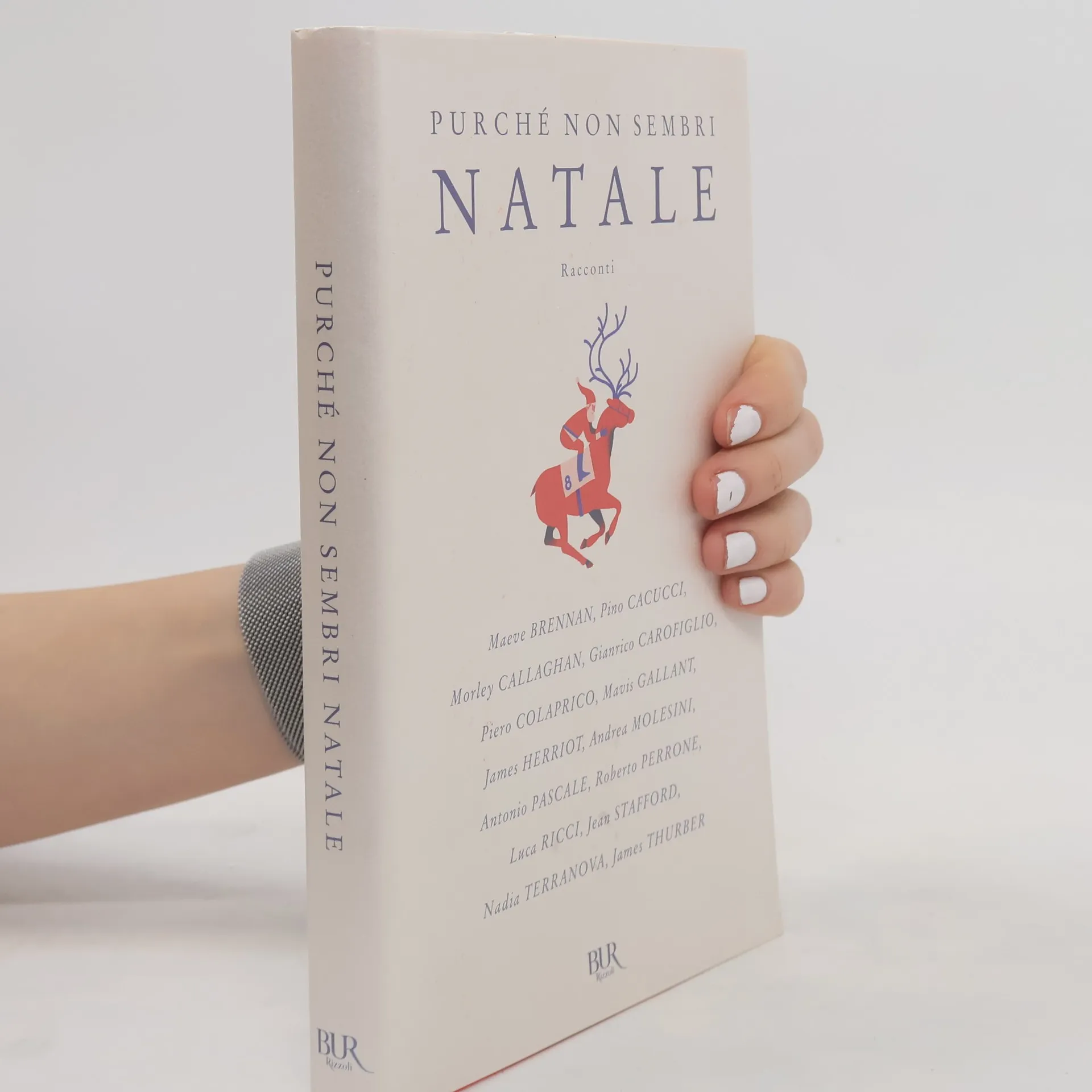
Natale è tempo di scelte e divisioni. Prima di discutere su pranzo o cenone, albero o presepe, panettone o pandoro, ci si confronta sulla festa stessa. Per alcuni, è magia e desiderio di bontà; per altri, è solo stress e routine. Si fronteggiano così gli amanti del Natale e i contrari, ma esiste una terra di mezzo ricca di sfumature. Questa raccolta nasce dal desiderio di esplorare questa via, offrendo punti di vista originali a chi è stanco delle opposizioni scontate. Le voci di autori italiani contemporanei e di penne internazionali si alternano per guidarvi in un viaggio inatteso. Pino Cacucci, Gianrico Carofiglio, Piero Colaprico e Antonio Pascale vi porteranno lungo le vie più oscure del male, mentre Maeve Brennan, James Herriot, Roberto Perrone e Nadia Terranova dimostreranno che anche il Natale più classico ha le sue crepe. Andrea Molesini, Luca Ricci e Jean Stafford presenteranno protagonisti insospettabili alle prese con lo spirito natalizio, mentre Morley Callaghan, Mavis Gallant e James Thurber evidenzieranno l'importanza di lasciarsi sorprendere. Le migliori sorprese, infatti, sono quelle che sfidano le aspettative, e il Natale non fa eccezione: ogni Natale ha un suo perché, purché non sembri Natale.
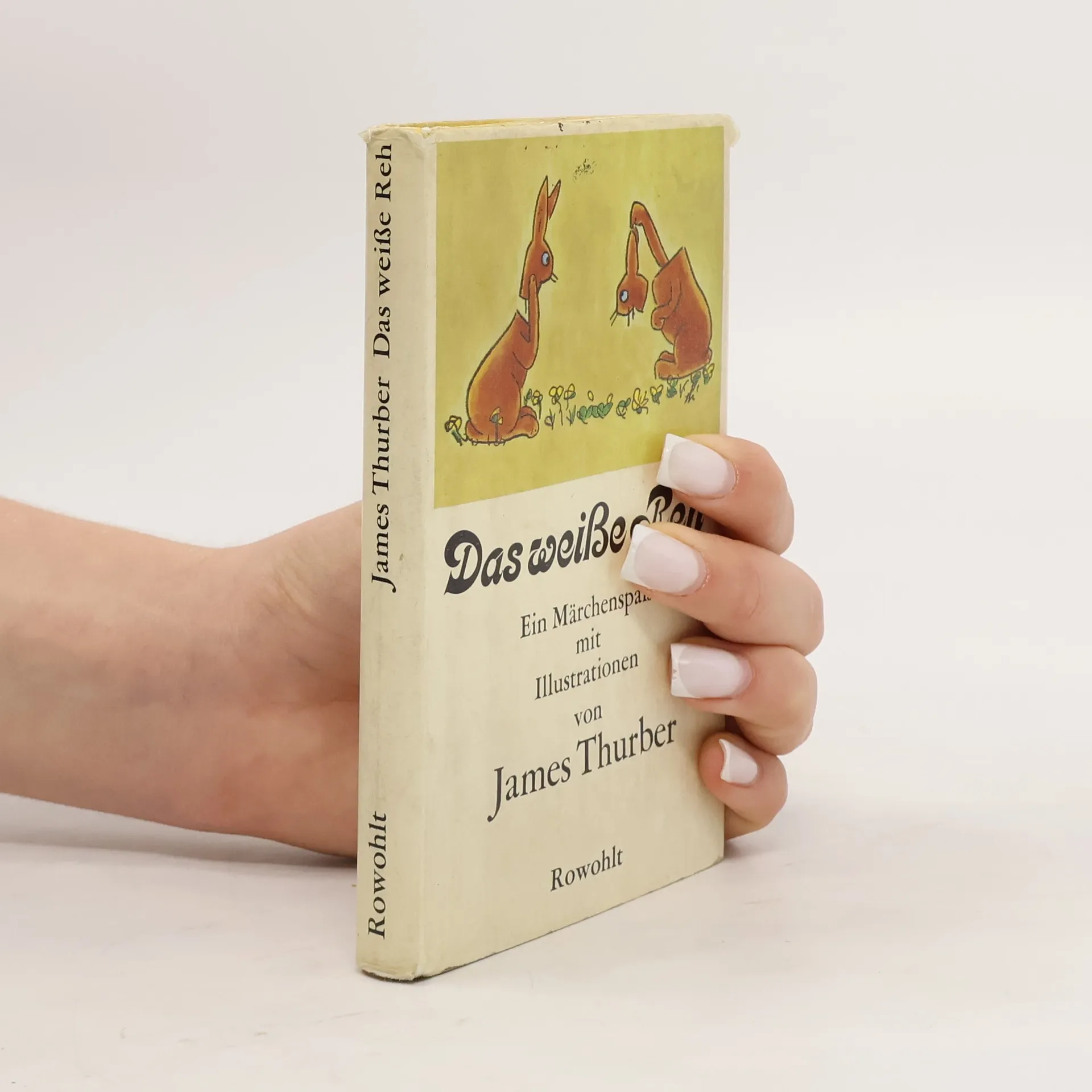
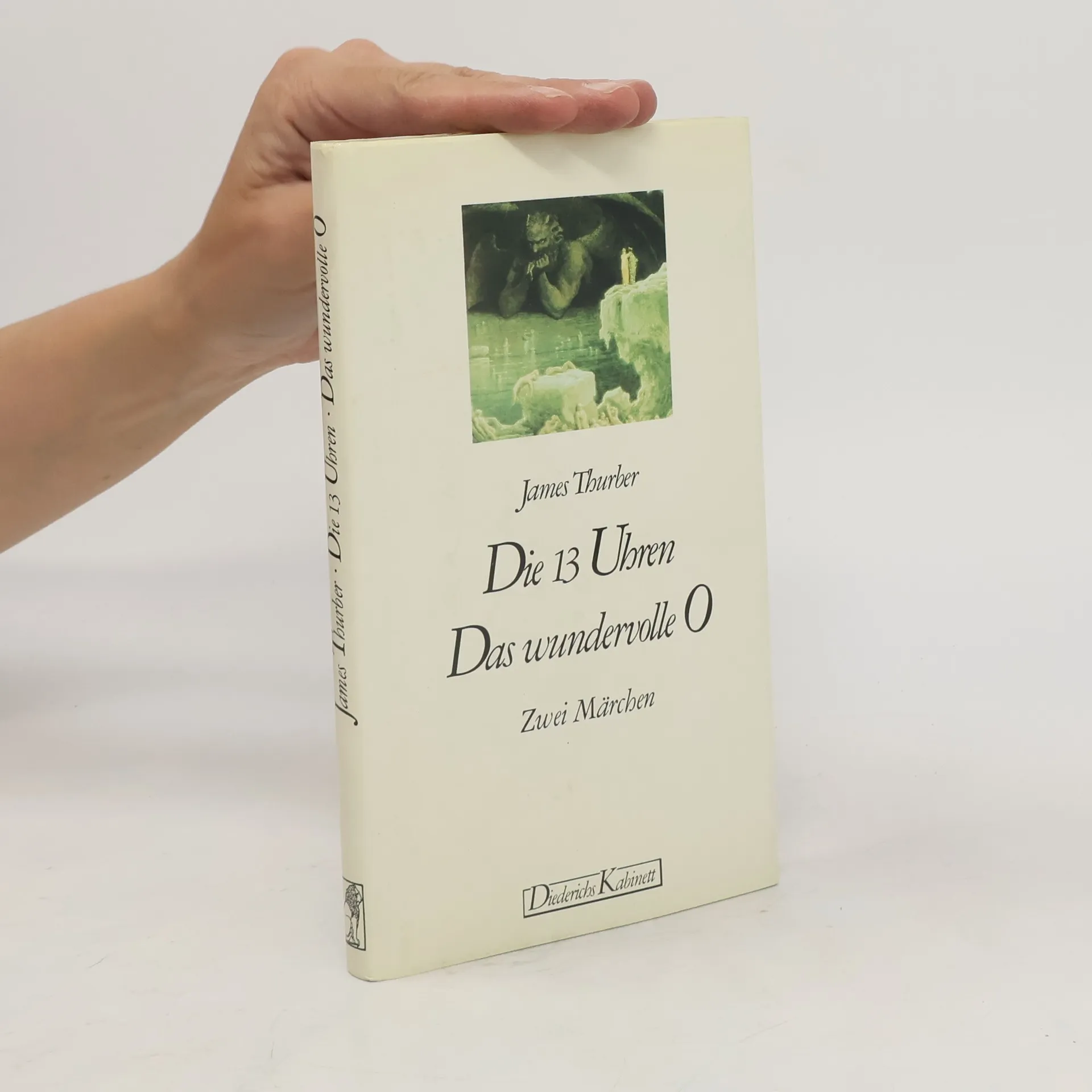
„Die dreizehn Uhren“ ist eine Mischung aus Märchen, Parabel und Poesie. Es hat alles, um jeden zu erfreuen. Es gibt eine in Not geratene Prinzessin, einen verkleideten Prinzen, einen bösen Onkel und ein spannendes Wettrennen zwischen Gut und Böse, das so aufregend ist wie jeder Thriller. James Thurber schrieb es, als er eigentlich etwas ganz anderes schreiben sollte, weil er sich nicht zurückhalten konnte, was wahrscheinlich der Grund ist, warum es vor Fröhlichkeit und Witz sprüht und warum jeder, der es gelesen hat, es sofort noch einmal lesen möchte.
„Das wunderbare O“, die zweite Geschichte in diesem Buch, handelt von zwei abscheulichen Bösewichten, einem Mann mit einer Karte und einem Mann mit einem Schiff, die zur Insel Coroo segeln, um nach Schätzen zu suchen, und als sie diese nicht finden, sich an den sanften Bewohnern rächen, indem sie alles mit einem O verbannen. Zuerst nehmen sie die O’s aus allen Wörtern und dann beginnen sie, Dinge wie Hunde, Hütten, Kokosnüsse und Puppen zu verbieten. Sie sind gerade dabei, Mütter zu verbieten, als die Inselbewohner entscheiden, dass es vier Dinge mit einem O gibt, die nicht verloren gehen dürfen. Drei davon sind „Hoffnung“, „Liebe“ und „Tapferkeit“. Das vierte und wichtigste ist wirklich der ganze Sinn von „Das wunderbare O“, das ein wunderbares Buch ist.









![Zehn goldene Regeln für das Zusammenleben mit 100 [hundert] warnenden Beispielen](https://rezised-images.knhbt.cz/1920x1920/60273866.webp)