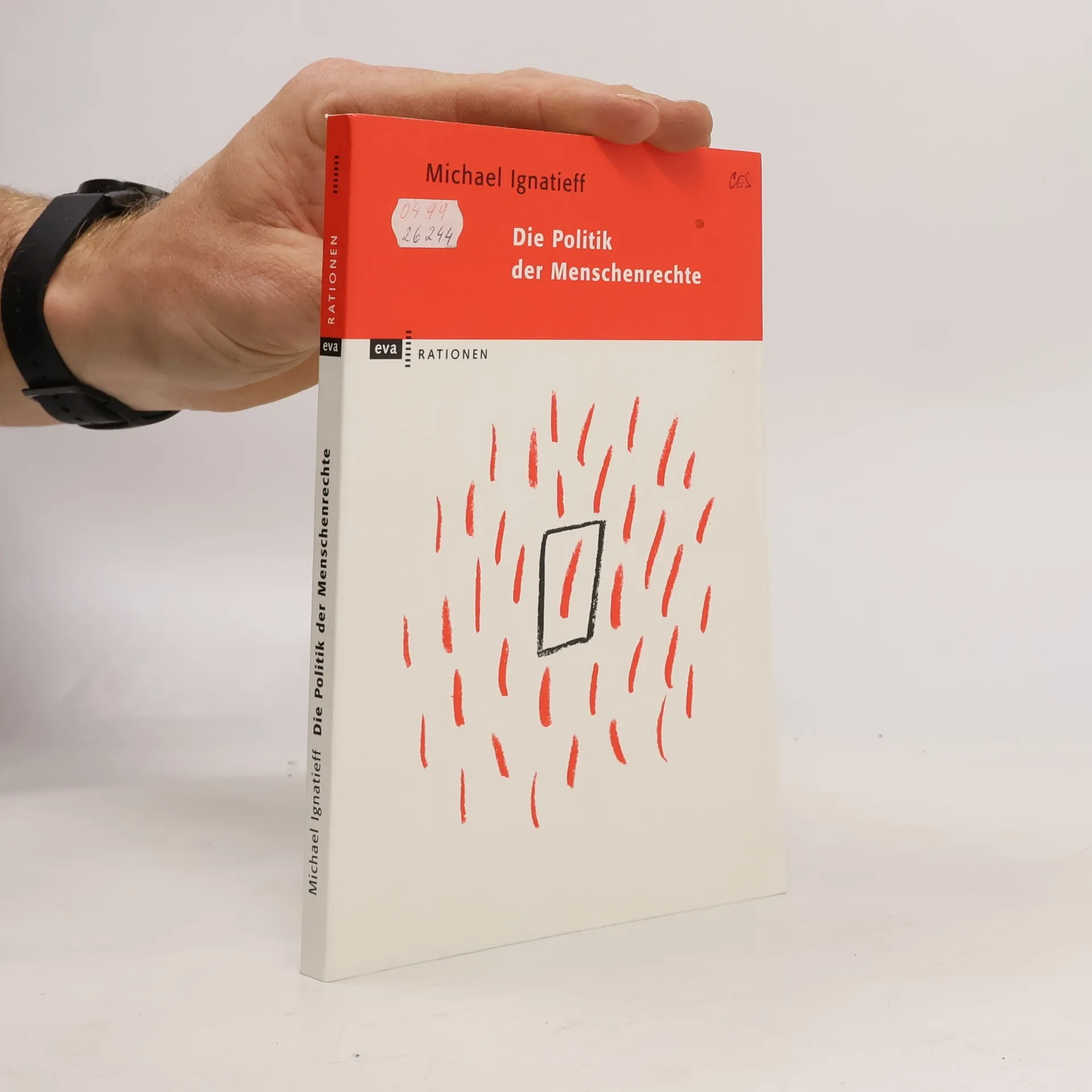
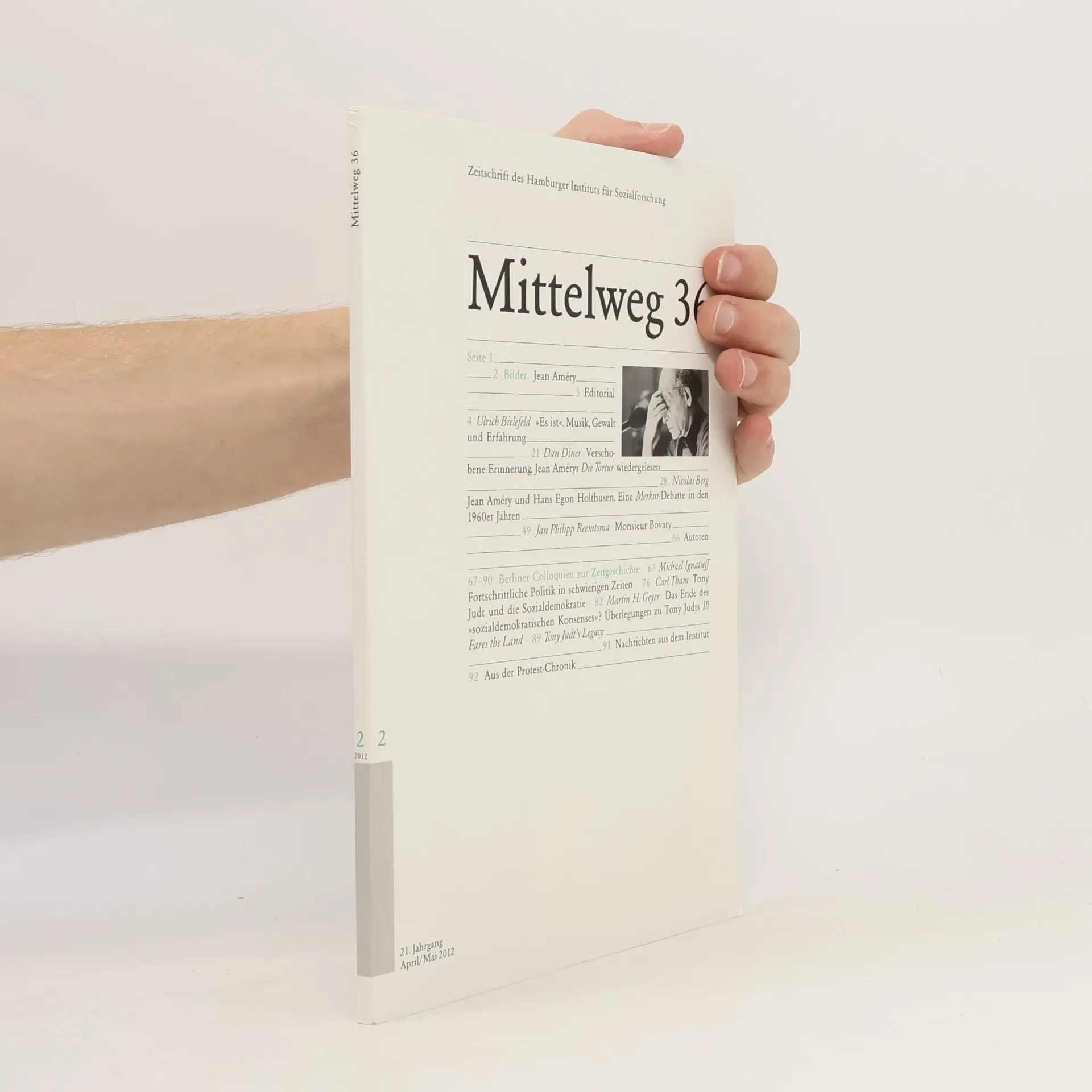
Michael Ignatieff es un autor canadiense cuya obra profundiza en la historia y la política. Su escritura explora complejas cuestiones de identidad, nacionalidad y democracia. La formación académica y la experiencia política de Ignatieff le otorgan una perspectiva única sobre los desafíos del mundo moderno. Sus obras son valoradas por su profundidad y perspicacia.
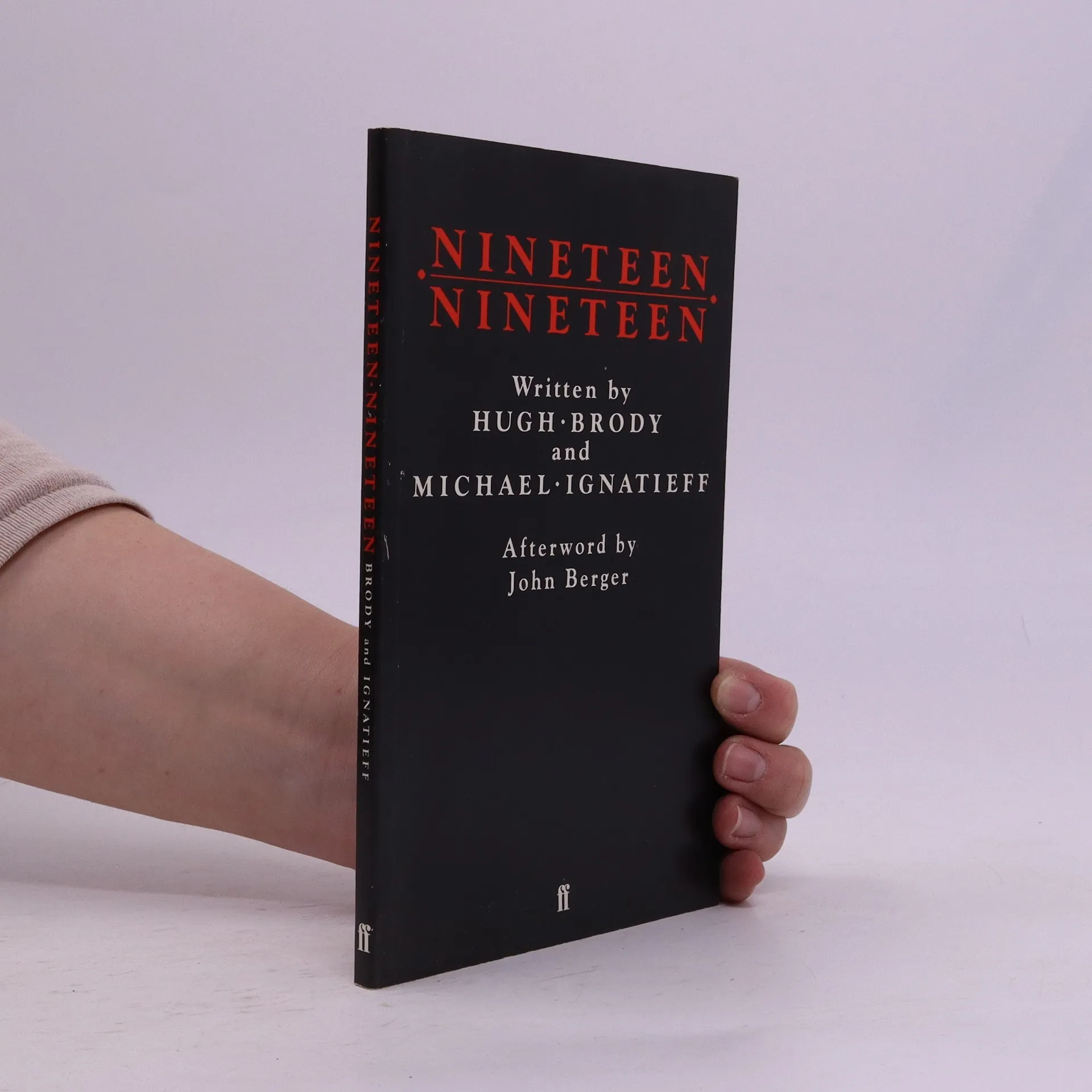
Paperback. Signed by Hugh Brody on title page. Covers and inside covers are lightly marked. Leading corners, edges and spine are worn. Light scores on covers and half title page. Pages are clean and contents are clear throughout. Binding is sound. HJW
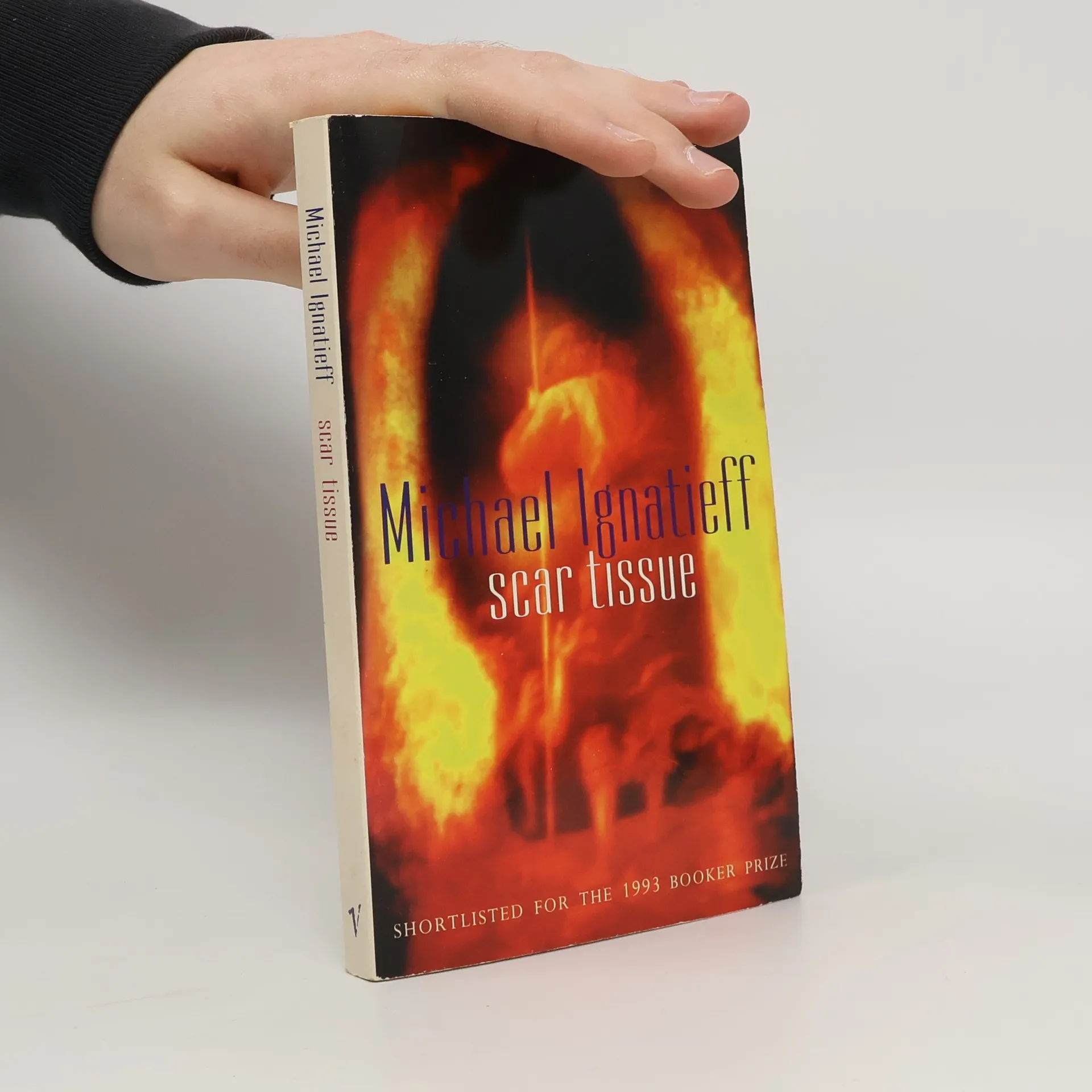
A report from that other country called illness. At its heart is a son's memoir of his mother's voyage into the world of neurological disease, where she loses first her memory, and then her very identity, only to gain - at the very end - a strange serenity. By the author of The Russian Album.
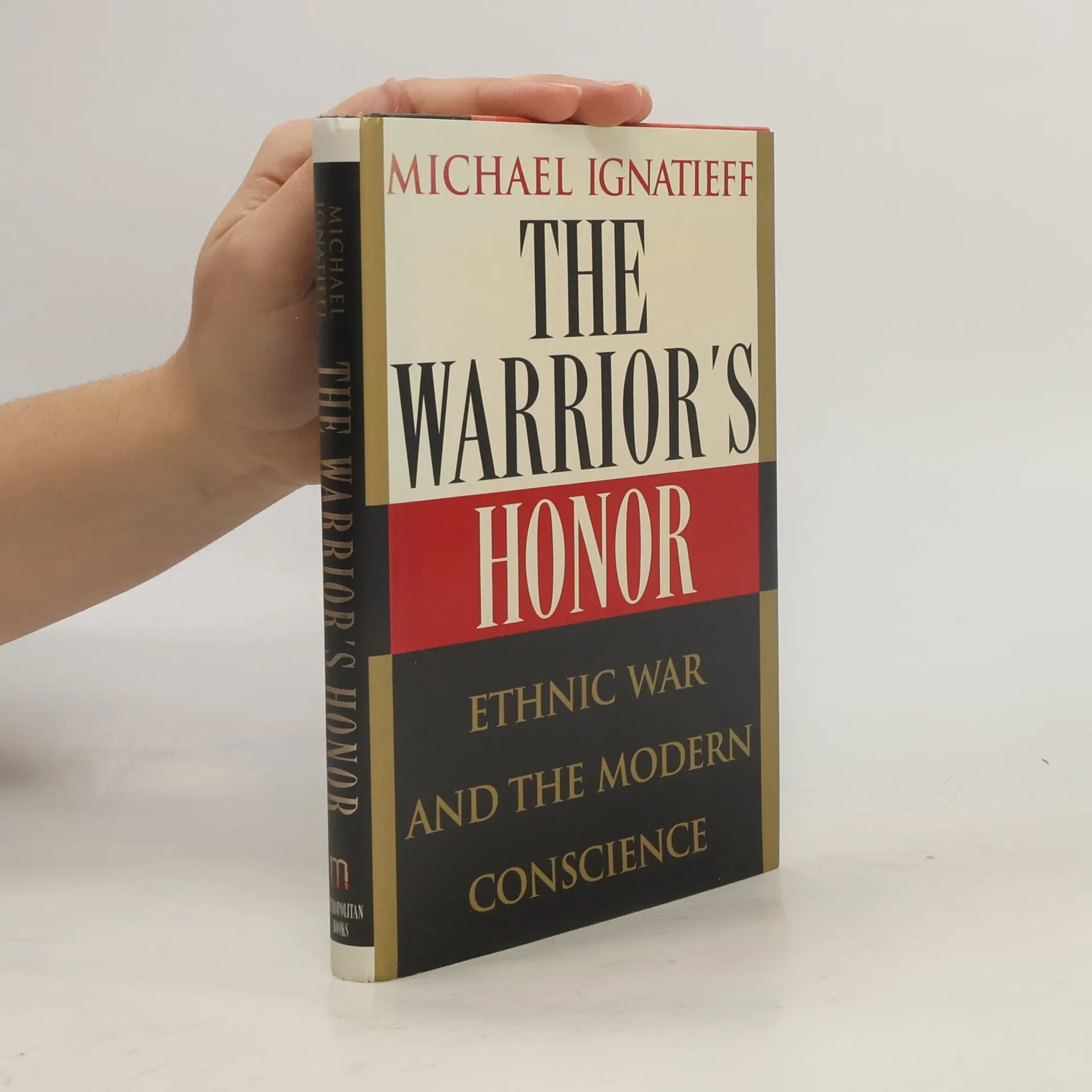
Since the early 1990s, Michael Ignatieff has traveled the world's war zones, from Bosnia to the West Bank, from Afghanistan to central Africa. "The Warrior's Honor" is a report and a reflection on what he has seen in the places where ethnic war has become a way of life. In a series of vivid portraits, Ignatieff charts the rise of the new moral interventionists -- the aid workers, reporters, peacekeepers, Red Cross delegates, and diplomats -- who believe that other people's misery, no matter how far away, is of concern to us all. He brings us face-to-face with the new ethnic warriors -- the warlords, gunmen, and paramilitary forces -- who have escalated postmodern war to an unprecedented level of savagery. From the encounter of these two groups, he draws dramatic and startling realizations about the ambiguous ethics of engagement, the limited force of moral justice in a world of war, and the inevitable clash between those who defend tribal and national loyalties and those who speak the universal language of human rights.
Political Ethics in an Age of Terror: The Gifford Lectures
212 páginas
8 horas de lectura
Must we fight terrorism with terror and torture with torture? Must we sacrifice civil liberty to protect public safety?In the age of terrorism Michael Ignatieff argues that we must not shrink from the use of violence. But its use - in a liberal democracy - must be measured. And we must not fool ourselves that whatever we do in the name of freedom and democracy is good. We may need to kill to fight the greater evil of terrorism, but we must never pretend that doing so is anything better than a lesser evil.In making this case, Ignatieff traces the modern history of terrorism and counter-terrorism, from the nihilists of Czarist Russia and the militias of Weimar Germany to the IRA and the unprecedented menace of Al Qaeda. He shows how the most potent response to terror has been force, decisive and direct, yet restrained. The public scrutiny and political ethics that motivate restraint also give democracy its strongest weapon: the moral power to endure when vengeance and hatred are spent.
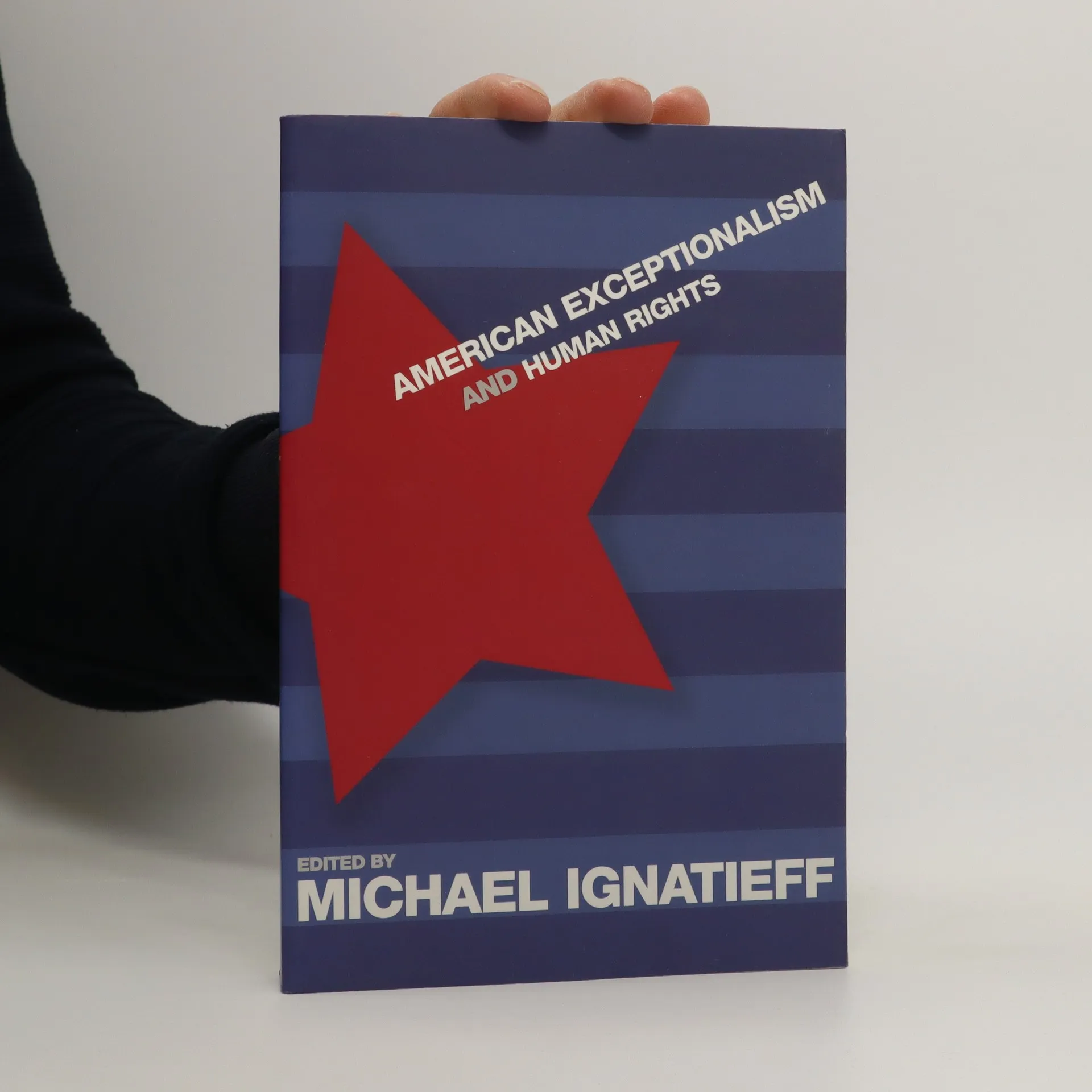
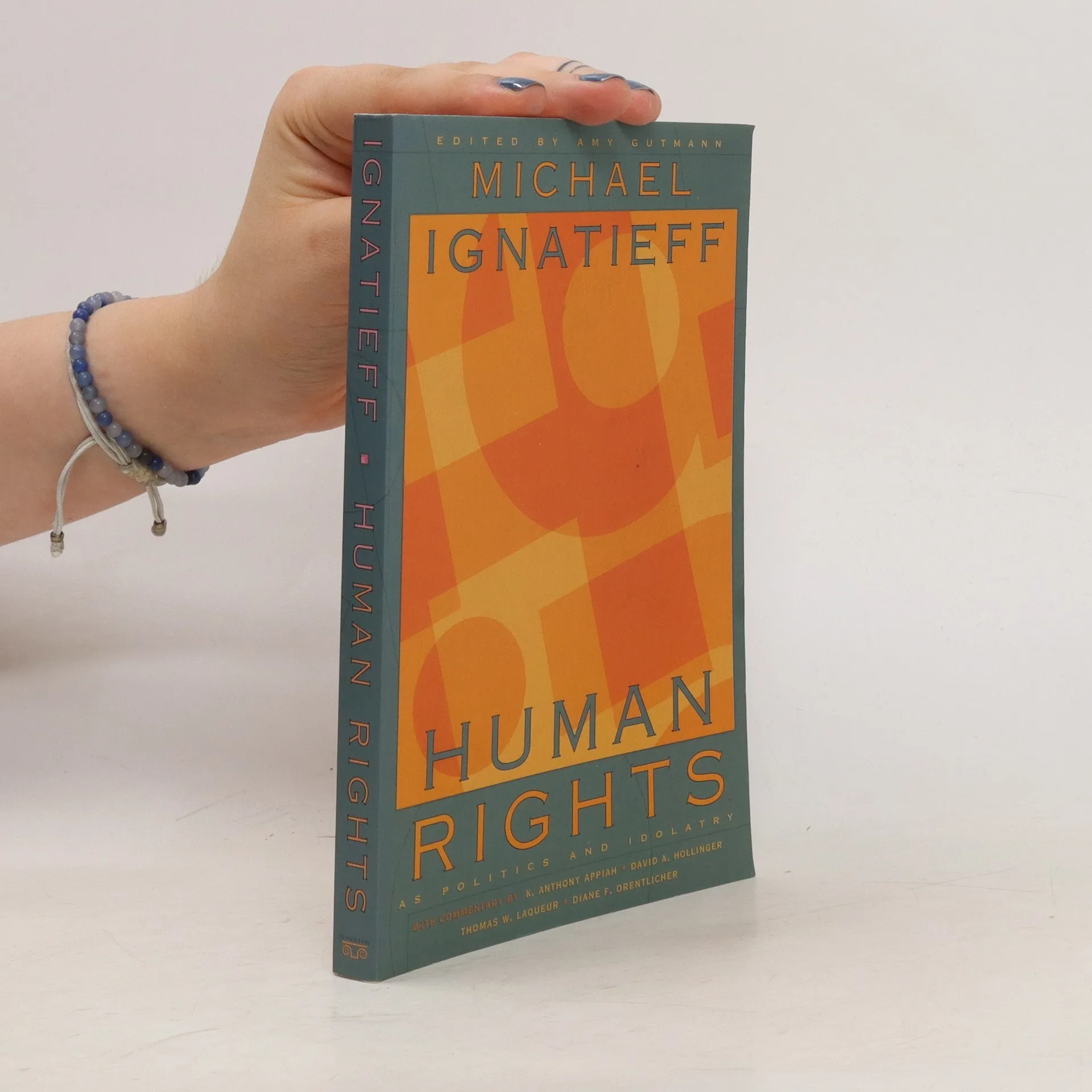
The 2003 invasion and occupation of Iraq raised a critical question in global politics: does the United States operate within the framework of international law? This work examines America's adherence to human rights standards compared to other Western nations. Featuring essays from eleven prominent experts in international relations and law, it highlights the distinctiveness of the U.S. approach to human rights. Michael Ignatieff's introduction outlines three forms of exceptionalism: exemptionalism (supporting treaties while seeking exemptions for Americans), double standards (criticizing others for ignoring international human rights findings while overlooking similar issues in the U.S.), and legal isolationism (American judges often disregarding foreign legal precedents). Contributors build on Ignatieff's insights to analyze specific aspects of exceptionalism, such as capital punishment and free speech, and investigate its social, cultural, and institutional foundations. Most essays are published here for the first time and have been revised from a year-long lecture series at Harvard's John F. Kennedy School of Government. Notable contributors include Stanley Hoffmann, Paul Kahn, Harold Koh, and Cass Sunstein.
From renowned intellectual and historian Michael Ignatieff comes a moving
portrait of artists, writers, politicians, emperors, and poets overcoming
tragedy and crisis an ancient tradition of consolation which will resonate
with readers in our turbulent times.
Michael Ignatieff draws on his extensive experience as a writer and commentator on world affairs to present a penetrating account of the successes, failures, and prospects of the human rights revolution. Based on the Tanner Lectures that Ignatieff delivered at Princeton University's Center for Human Values in 2000.
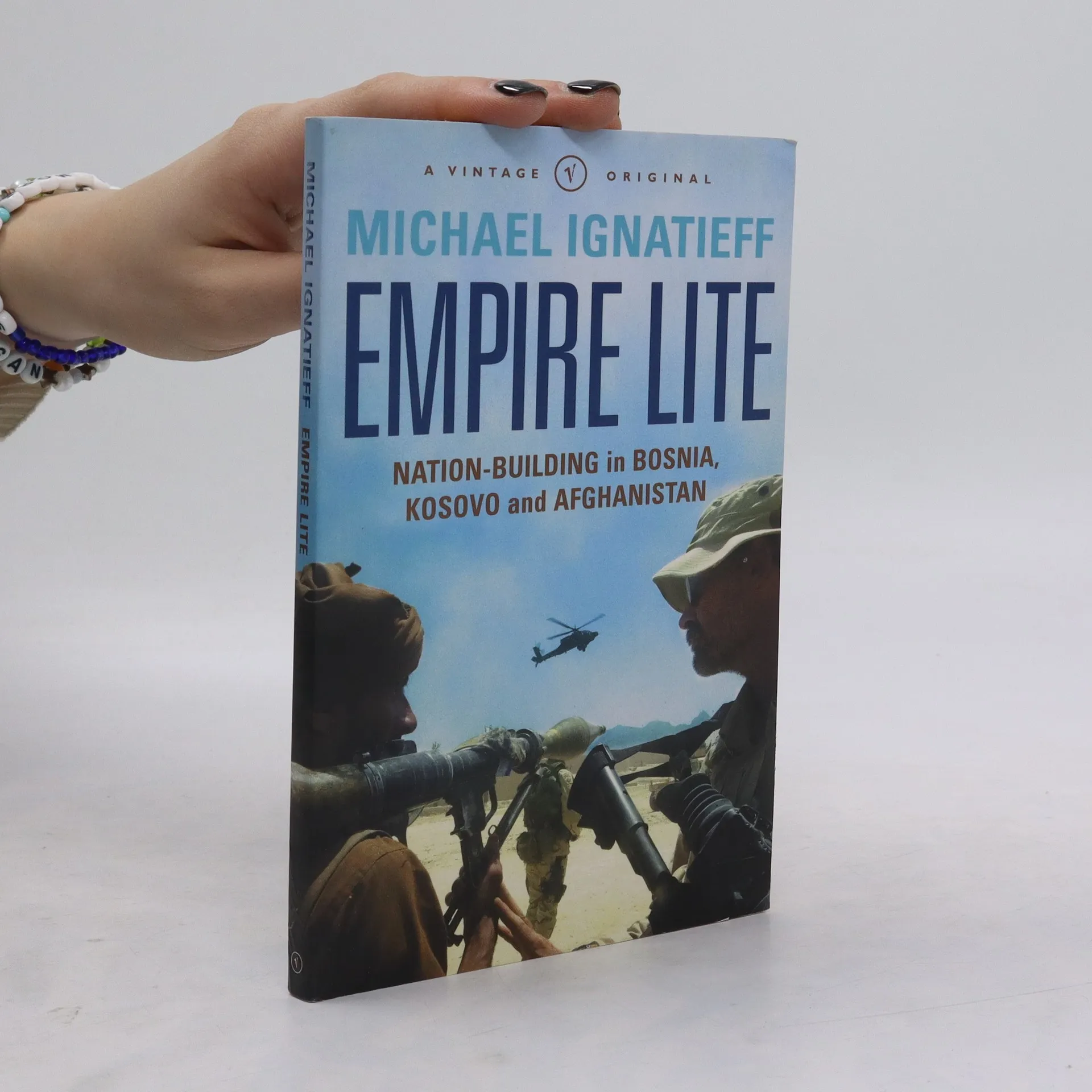
In Empire Lite, Michael Ignatieff explores both sides of what he sees as a new global empire - the imperial and the humanitarian - and argues that the international community has failed to engage intelligently with the problems of nation building in the aftermath of apocalyptic events.
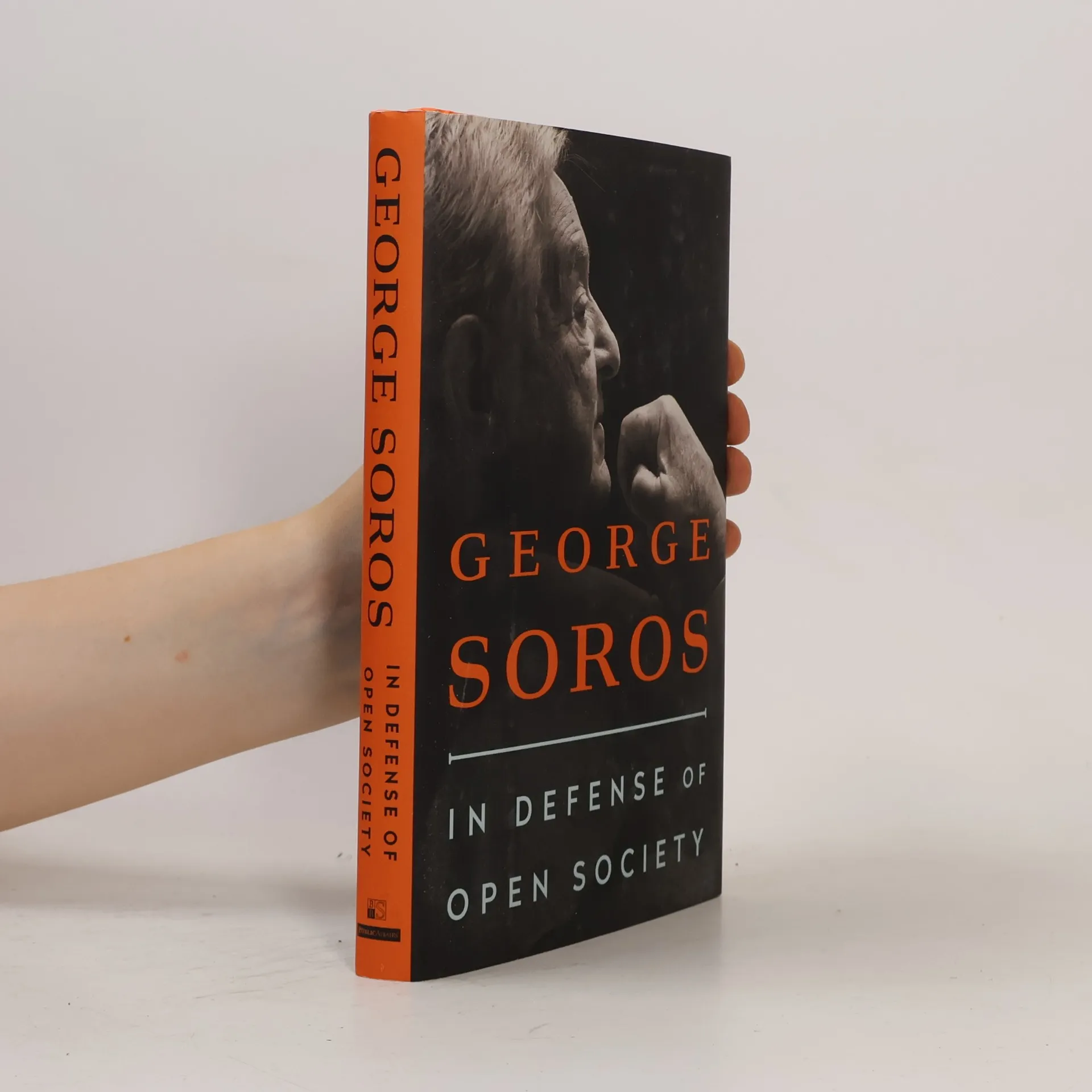
An impassioned defense of open society, academic and media freedom, and human rights. George Soros -- universally known for his philanthropy, progressive politics, and investment success--has been under sustained attack from the far right, nationalists, and anti-Semites in the United States and around the world because of his commitment to open society and liberal democracy. In this brilliant and spirited book, Soros brings together a vital collection of his writings, some never previously published. They deal with a wide range of important and timely topics: the dangers that the instruments of control produced by artificial intelligence and machine learning pose to open societies; what Soros calls his "political philanthropy"; his founding of the Central European University, one of the world's foremost defender of academic freedom; his philosophy; his boom/bust theory of financial markets and its policy implications; and what he calls the tragedy of the European Union. Soros's forceful affirmation of freedom, democracy, the rule of law, human rights, social justice, and social responsibility as a universal idea is a clarion call-to-arms for the ideals of open society.
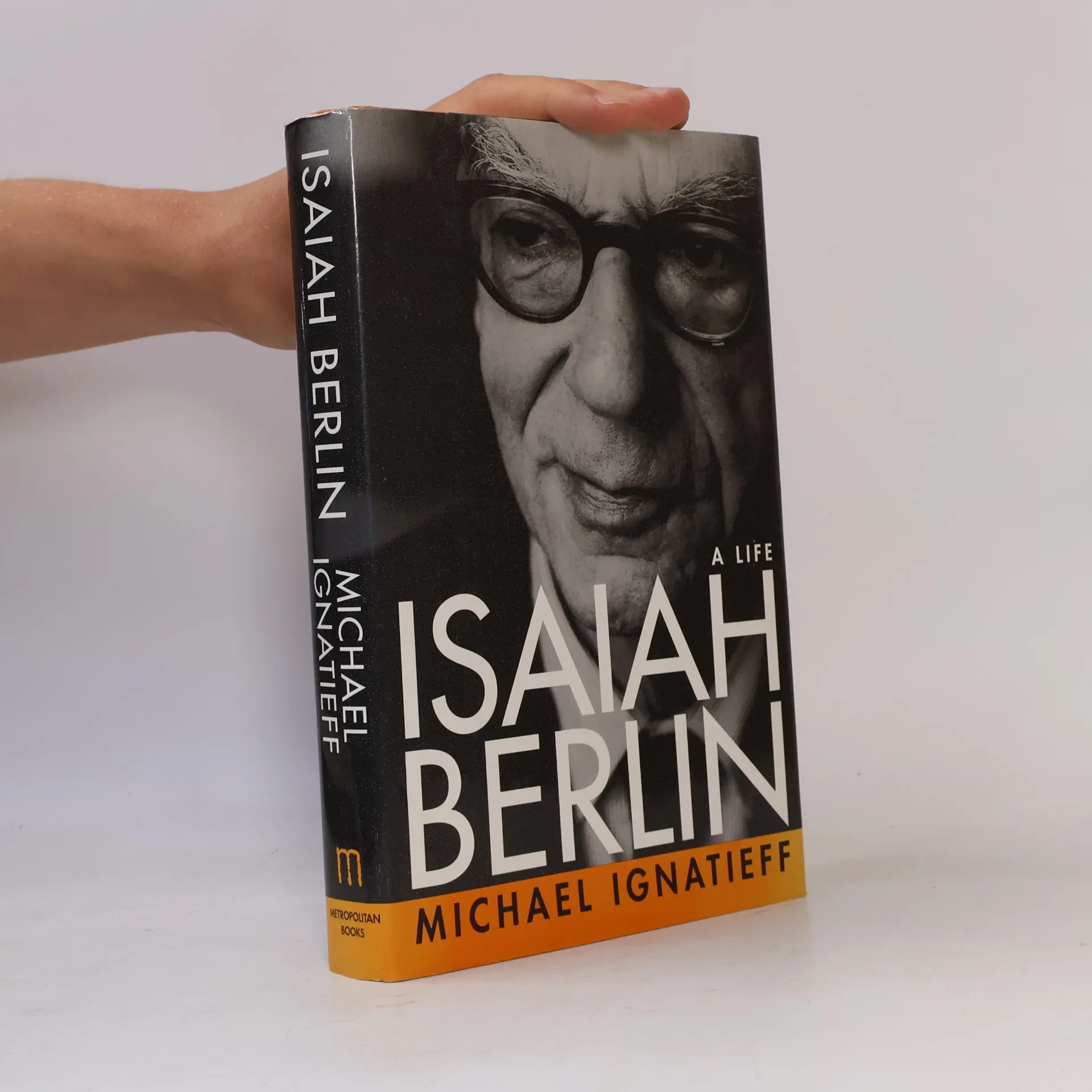
Isaiah Berlin was witness to a century. Born in the twilight of the Czarist empire, he lived long enough to see the Soviet state collapse. The son of a Riga timber merchant and the first Jew elected to a fellowship at All Souls, Oxford, he was a presiding judge of intellectual life on both sides of the Atlantic for sixty years: historian of the Russian intelligentsia, biographer of Marx, scholar of the Romantic movement, and defender of the liberal idea of freedom against Soviet tyranny. When he died in 1997, he was hailed as the most important liberal philosopher of his time. But Berlin's life was not only a life of the mind. Present at the crucial events of our age, he was in Washington during World War II, in Moscow at the dawn of the Cold War, in Israel as the new state came into being. For this definitive biography - the result of a remarkable ten-year collaboration between biographer and subject - Michael Ignatieff, himself a leading public intellectual, interviewed Berlin extensively and was granted complete access to his papers, one of the largest archives in Anglo-American cultural history. Ignatieff charts the emergence of a unique liberal temperament - serene, comic, secular, and unafraid - and he examines its influence on Berlin's vision of liberalism, which stressed the often tragic nature of political and moral choice.
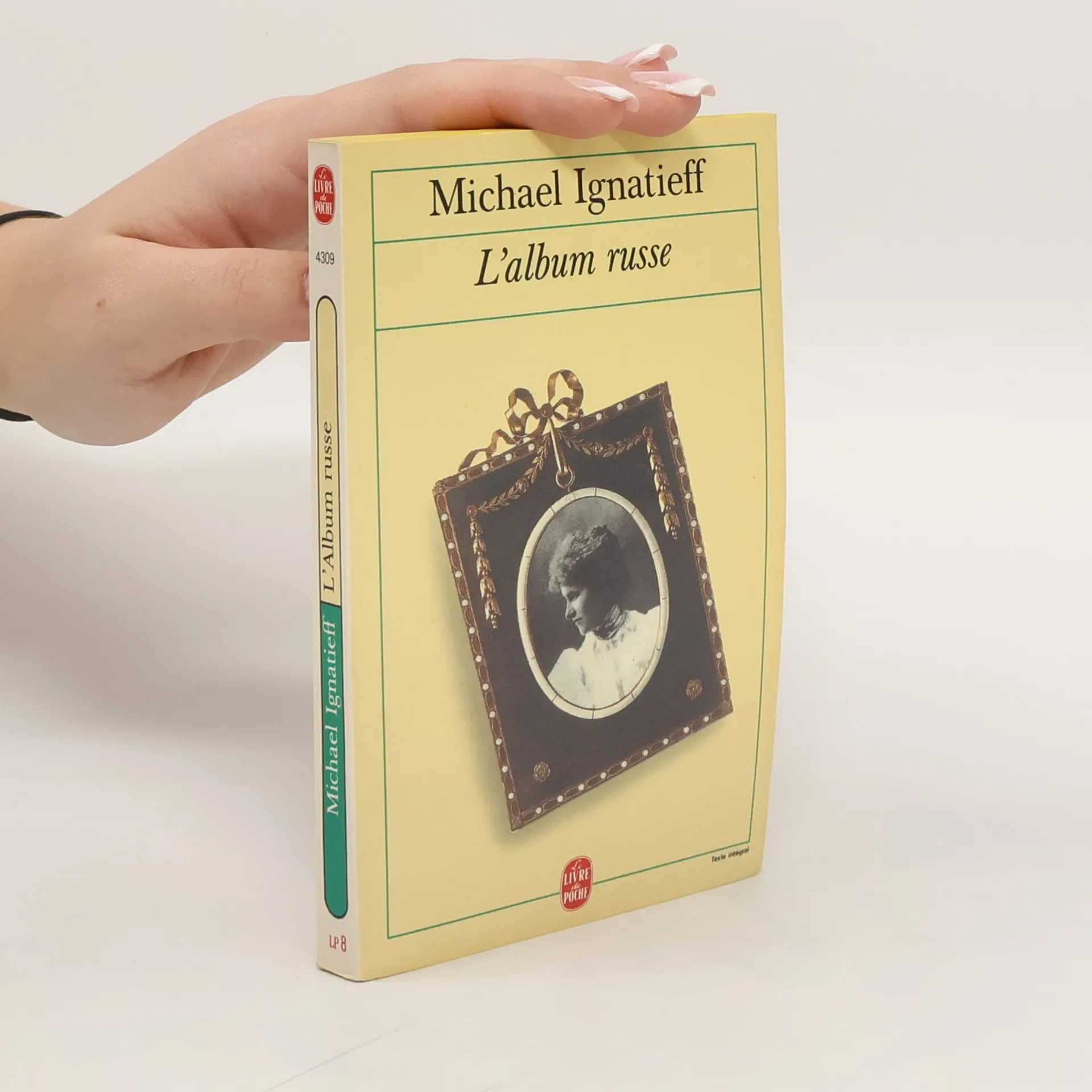
De la cour du tsar Nicolas II à la révolution d'Octobre et à la guerre civile, ce roman-témoignage retrace le destin de Paul Ignatieff, ministre libéral, et de sa femme Natacha, tous deux issus de la haute aristocratie russe. Alors que le régime des tsars s'effondre, Paul tente désespérément de le sauver, tandis que Natacha, avec l'aide d'une gouvernante anglaise, guide leur famille vers l'exil. Michael Ignatieff, leur petit-fils, s'appuie sur des Mémoires inédits et des souvenirs familiaux pour reconstituer cette histoire touchante, qui explore les thèmes de l'enracinement, de l'exil et des origines. À travers des journaux intimes, des photos jaunies et des objets de famille, il évoque les dernières années de la Russie tsariste, des fastes de Saint-Pétersbourg aux affrontements entre "rouges" et "blancs" dans le Caucase. Le récit de Michael Ignatieff est une réflexion émouvante sur son héritage russe, confrontant le passé à la mémoire des existences évanouies, offrant ainsi un portrait sensible et poignant de ces vies bouleversées par l'histoire.
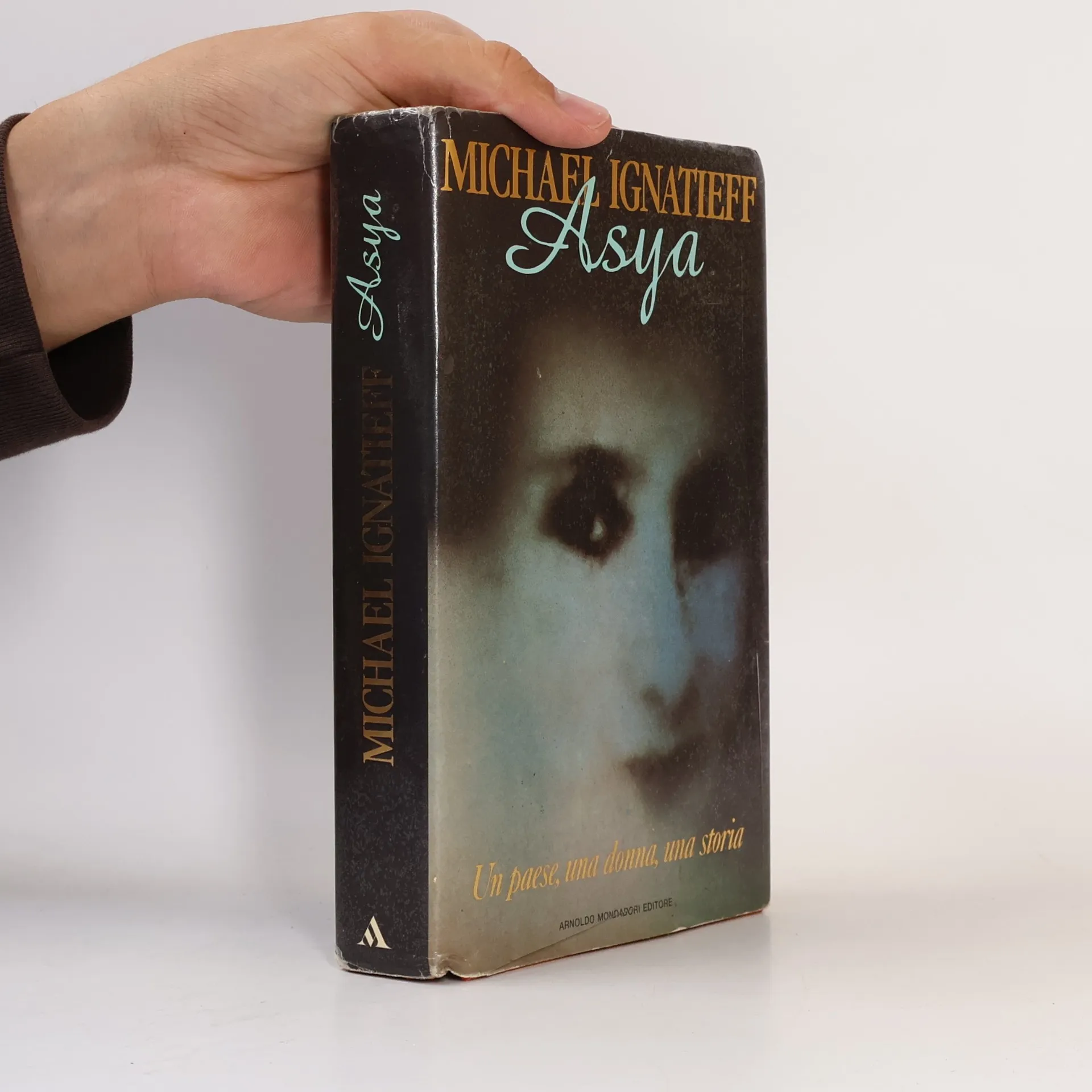
In una nebbiosa mattina del 1905, una bambina di nome Asya scivola nelle acque ghiacciate del fiume che attraversa i possedimenti del padre, il principe Vladimir Galitzine. Nata pochi giorni prima della fine del secolo, Asya scoprirà che quell'esperienza ha congelato qualcosa dentro di lei, ma le ha anche conferito audacia e libertà. La sua vita si intreccia con le vicende del suo paese e dell'Europa, affrontando esilio, tradimento e privazione. Incontra l'amore, ma lo perde, e ricostruisce la sua esistenza in fughe successive: prima a Parigi durante la rivoluzione bolscevica, poi a Londra con l'invasione nazista, fino al ritorno in Russia negli anni di Gorbaciov. Nonostante i rivolgimenti del secolo, Asya mantiene la sua innocenza e la nobiltà del suo spirito. Vive con coraggio e lucidità, affrontando la paura fin dall'infanzia e rimanendo fedele ai suoi sentimenti, anche di fronte agli inganni. Con uno sfondo che cambia rapidamente al ritmo della Storia, l'autore disegna con eleganza il ritratto di questa donna dalla "delicatezza ingannevole", madre, moglie e amante, che esplora le zone più oscure di se stessa, divisa tra il battito del tempo e quello del cuore.
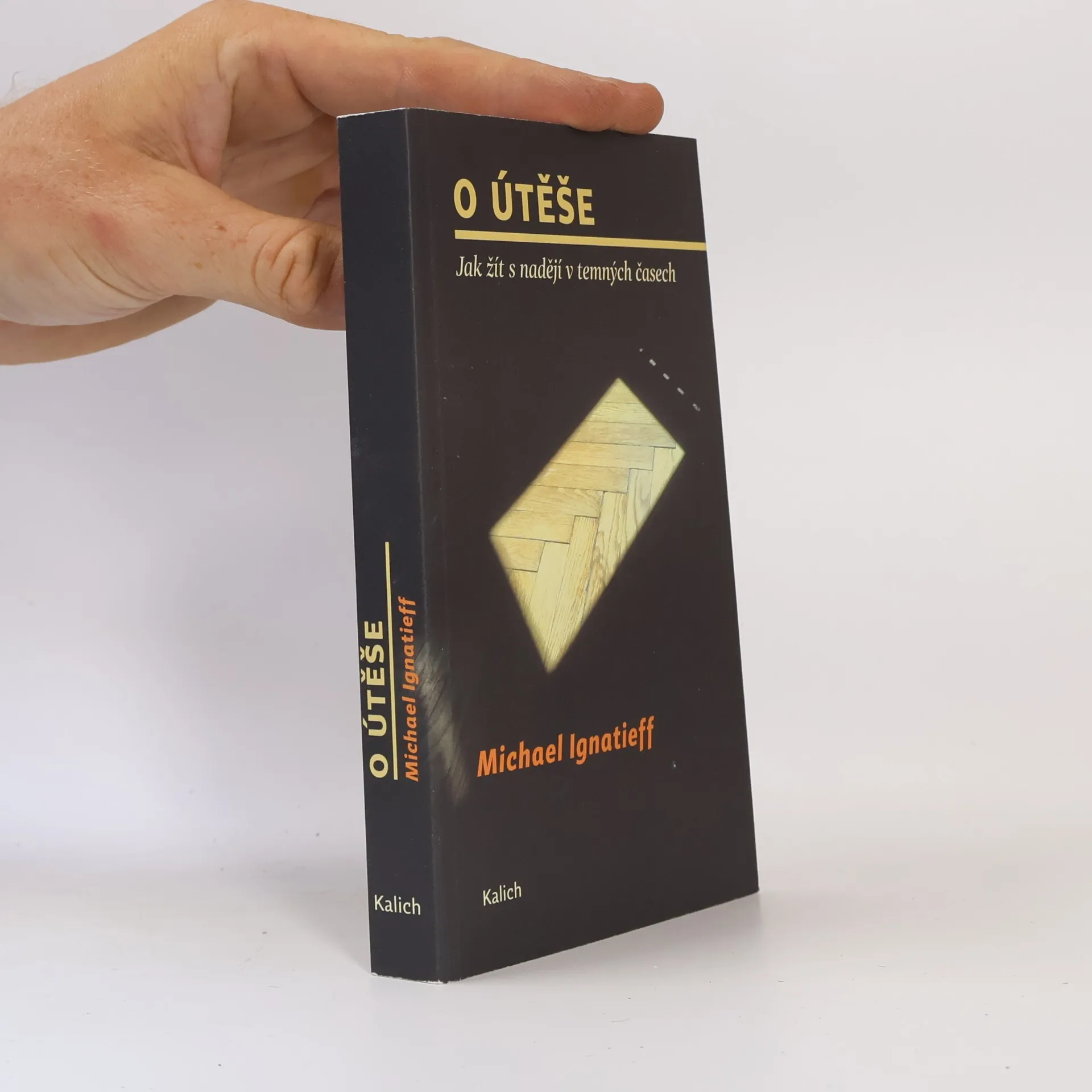
Jak se utěšujeme v době nevíry? V řadě úvah o spisovatelích, umělcích, hudebnících a jejich dílech – od knihy Jób a Žalmů po Gustava Mahlera, Alberta Camuse, Prima Leviho a Václava Havla – ukazuje uznávaný spisovatel a historik Michael Ignatieff, jak se muži a ženy v extrémních situacích napříč časem obraceli jeden k druhému, aby získali naději a odolnost. Kniha O útěše obnovuje okamžiky, kdy velké osobnosti našly odvahu postavit se svému osudu a odhodlání pokračovat beze strachu. Jejich příběhy přenáší do současnosti s přesvědčením, že tyto tradice útěchy můžeme oživit, když čelíme úzkosti a nejistotě našeho rozkolísaného jednadvacátého století.
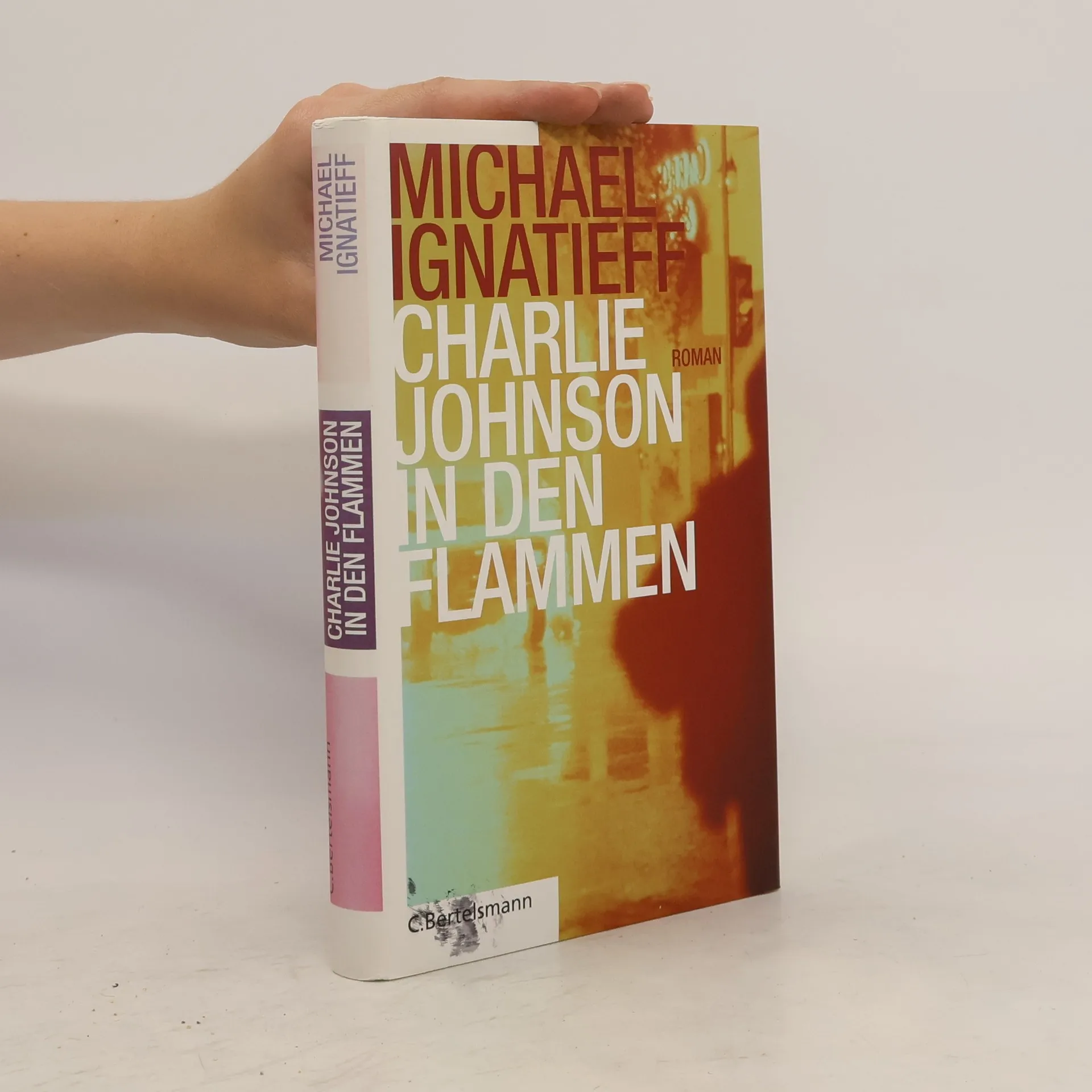
Seit 20 Jahren ist der Fernsehjournalist Charlie Johnson in Krisengebieten unterwegs. Während des Bosnien-Kriegs gerät er durch eine Wette in das von Serben kontrollierte Gebiet. Dort wird er mit seinem polnischen Kameramann Jacek in einen Überfall verwickelt. Eine junge Frau, die sie versteckt hat, wird brutal von einem serbischen Milizchef mit Benzin übergossen und angezündet. Dieses grausame Erlebnis brennt sich in Charlies Seele ein und zerstört seine journalistische Distanz. Getrieben von Wut und Schuld will er den Täter zur Rechenschaft ziehen, und weder Familie noch Freunde können ihn von seinem Rachefeldzug abhalten. Er kehrt ins Krisengebiet zurück, um den Colonel mit dem Feuerzeug zu finden. Michael Ignatieff erzählt Charlies Geschichte authentisch und ohne Pathos, gestützt auf eigene Erfahrungen in Kriegsgebieten. Der Roman kritisiert die unreflektierte Bilderflut aus den Kriegsgebieten und beleuchtet die Grenzen dieser Darstellungen. Ignatieff zeigt, dass Journalisten nicht die Welt exorzieren können; vielmehr sind sie oft Komplizen des Bösen. Letztlich fordert er die Leser auf, sich zu entscheiden, wo sie hingehören, und stellt die düstere Realität des Lebens dar.
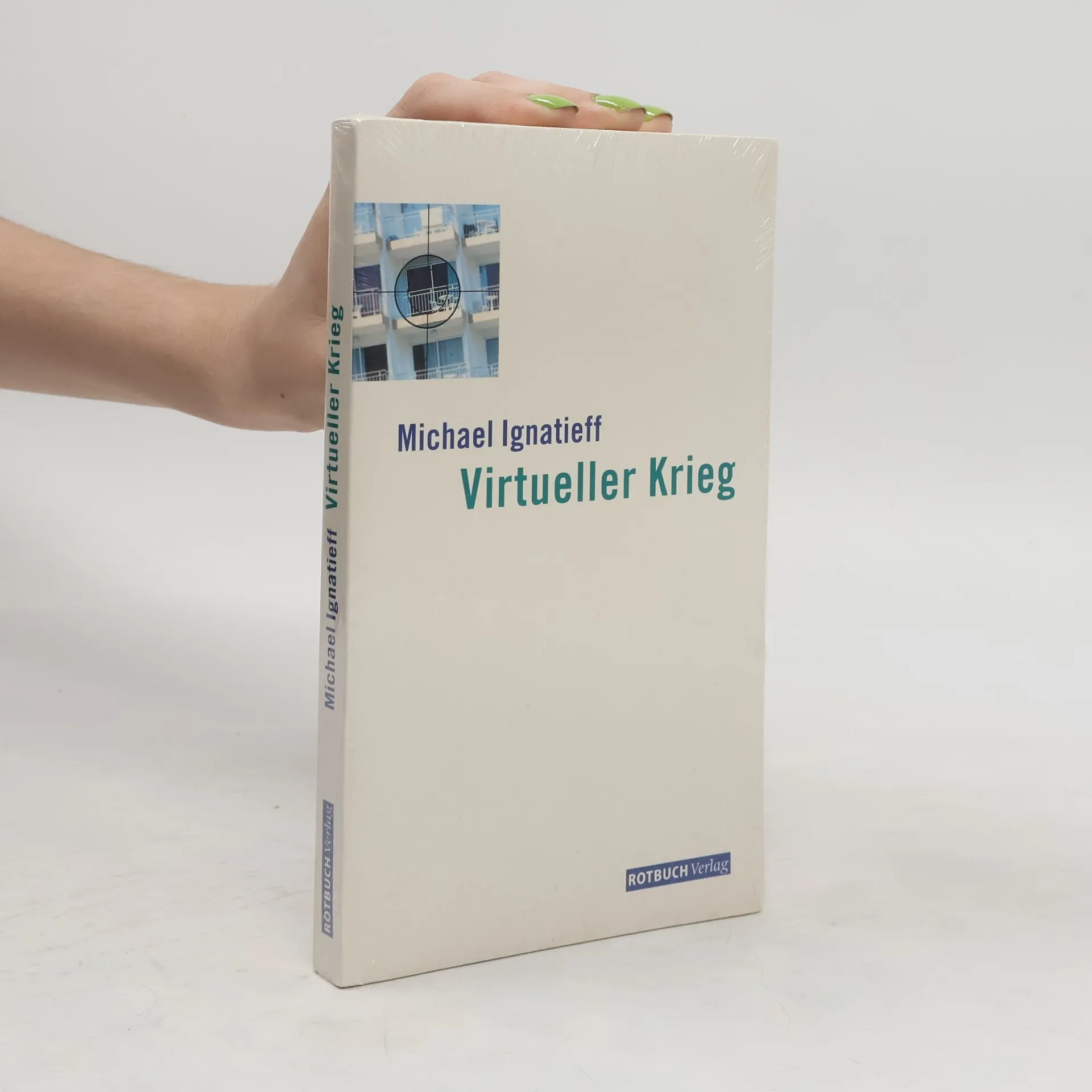
Der Autor, ein amerikanischer Experte für ethnische Probleme, bietet einen umfassenden Blick auf moderne Kriege. Er stützt sich auf persönliche Erfahrungen und war Augenzeuge aller wesentlichen Phasen des kosovarischen Konflikts. Er begleitete den amerikanischen Hauptverhandler Richard Holbrooke, der versuchte, eine Konfrontation mit dem Westen zu vermeiden. Während des Krieges, der von der NATO aus Brüssel unter dem Einfluss von Luftaufklärungen geleitet wurde, stand er an der Seite von General Wesley Clark. Unmittelbar nach dem Ende der Kampfhandlungen trat er einer Untersuchungskommission bei, die sich mit der Aufdeckung von Massengräbern beschäftigte. Ignatieff lässt die Stimmen der ehemaligen jugoslawischen Bevölkerung sowie zahlreiche westliche Perspektiven zu Wort kommen. Er reflektiert über die endlosen Geschichten menschlichen Krieges und sucht nach Antworten auf die Frage, wohin sich die Dinge in Zukunft entwickeln könnten.
Michael Ignatieff, geboren 1947 in Toronto, ist Historiker, Journalist, Autor und Politiker. Von 2008 bis 2011 war er Vorsitzender der Liberalen Partei Kanadas.
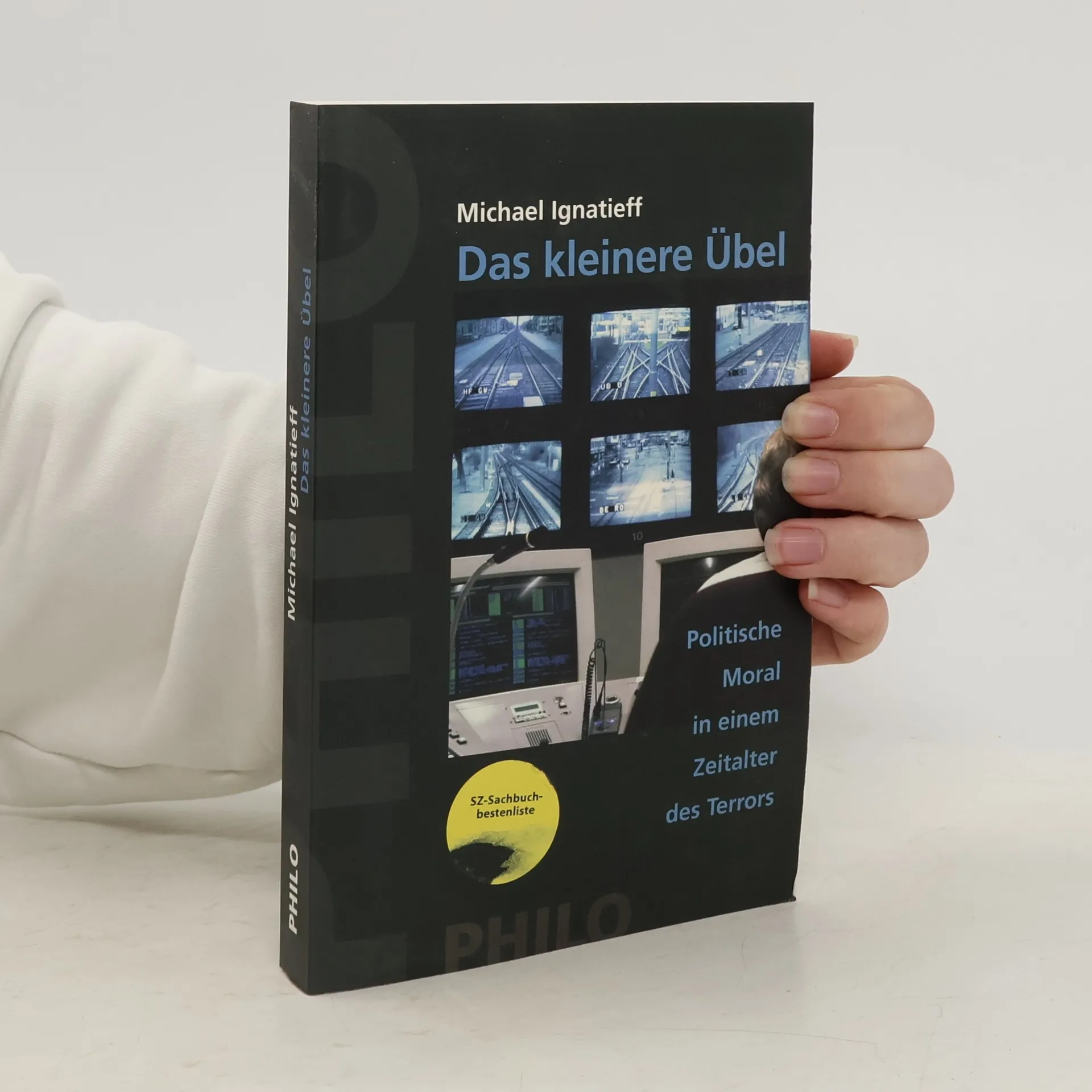
Müssen wir Terror mit Terror bekämpfen, Mord mit Mord und Folter mit Folter? Müssen wir zivile Freiheiten opfern, um die öffentliche Sicherheit zu erhalten? Michael Ignatieff, linksliberaler Intellektueller und Befürworter des Irak-Krieges, legt mit diesem Buch eine theoretische Begründung seiner politischen Positionen vor: Angesichts der Gefahr verheerender terroristischer Angriffe vertritt der „liberale Falke“ die These, daß eine politische Ethik ständig abwägen müsse, welche „kleineren Übel“ zu rechtfertigen seien, um „größere Übel“ zu verhindern. Dies bedeutet konkret, die Frage zuzulassen, unter welchen Umständen die Aufhebung von Grundrechten, härtere Verhörmethoden (unter Ausschluß der Folter) und vorbeugende Kriege vertretbar seien. Ignatieff argumentiert für die Suche nach einem Mittelweg: Man müsse die Balance finden zwischen Freiheit und Sicherheit, zwischen Wahrung der Grundrechte von Individuen und dem Schutz der gesellschaftlichen Mehrheit. Gleichzeitig weist Ignatieff darauf hin, daß dieser Balanceakt immer auch die Gefahr einer Selbstbeschädigung der Demokratie birgt, der es bewußt entgegenzuwirken gilt.
Michael Ignatieff, geboren 1947 in Toronto, ist Historiker, Journalist, Autor und Politiker. Von 2008 bis 2011 war er Vorsitzender der Liberalen Partei Kanadas.
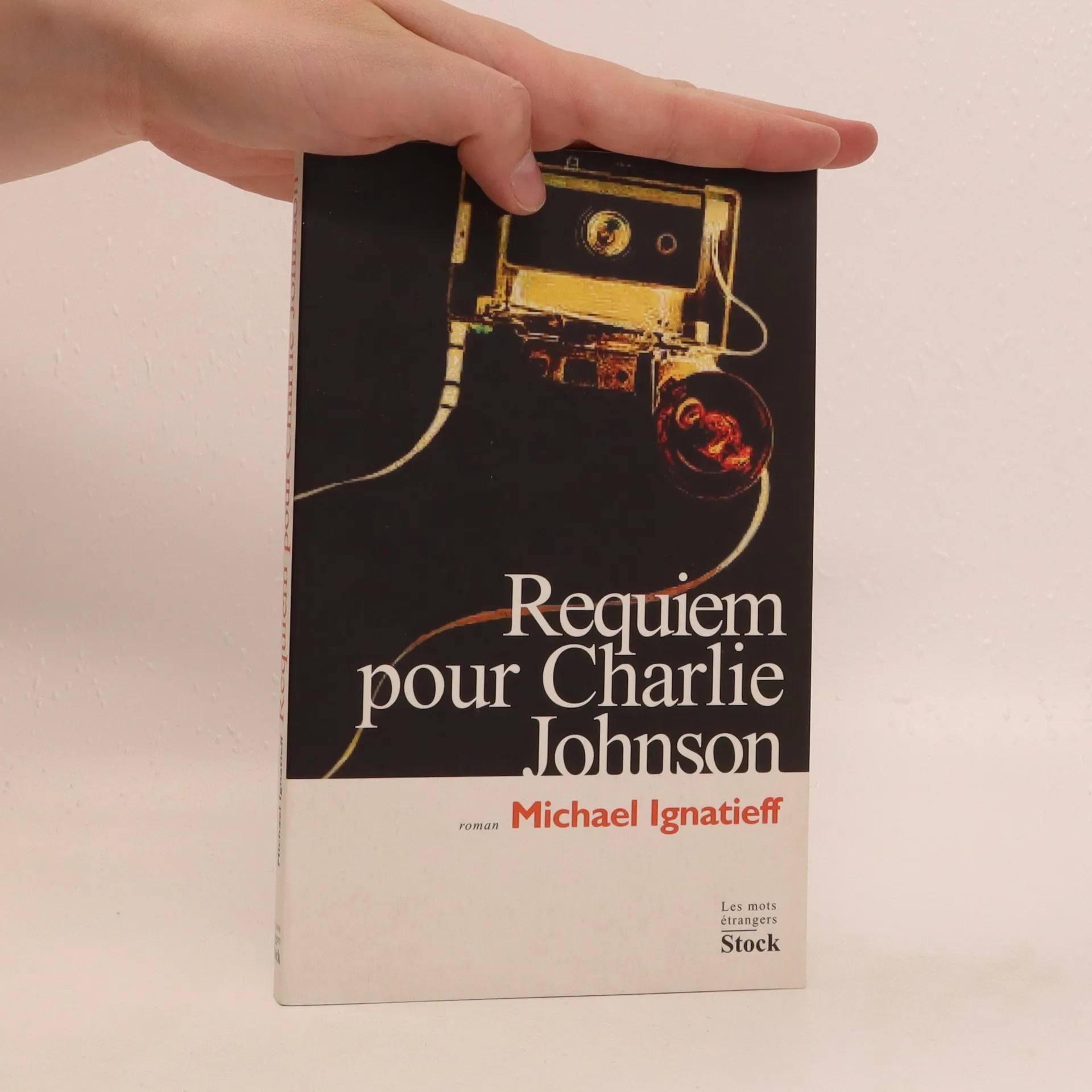
Plus rien n?impressionne Charlie Johnson, ancien correspondant de guerre au Vietnam. Jusqu?au jour où, alors qu?il couvre le conflit dans une zone des Balkans, il assiste, impuissant, au meurtre gratuit de la femme qui l?a hébergé. Impossible pour le journaliste de garder le recul que requiert sa profession. Charlie décide de retrouver le criminel afin de venger la femme dont le souvenir l?obsède. Commence alors pour lui une longue et dangereuse traque au nom de la justice. Requiem pour Charlie Johnson est un voyage de l?autre côté du miroir, au coeur d?une violence que les médias, sous couvert de rapporter la réalité, contribuent à rendre abstraite. S?inspirant de sa propre expérience des pays en guerre, Michael Ignatieff propose une réflexion sur la mise à distance opérée par les images. Il nous incite à ne plus regarder la guerre comme un spectacle long et éculé, auquel une tendance au voyeurisme nous pousse à assister malgré tout, mais comme ce qu?elle est réellement : quelque chose de révoltant et d?incompréhensible qui remet en cause la notion même d?humanité.