


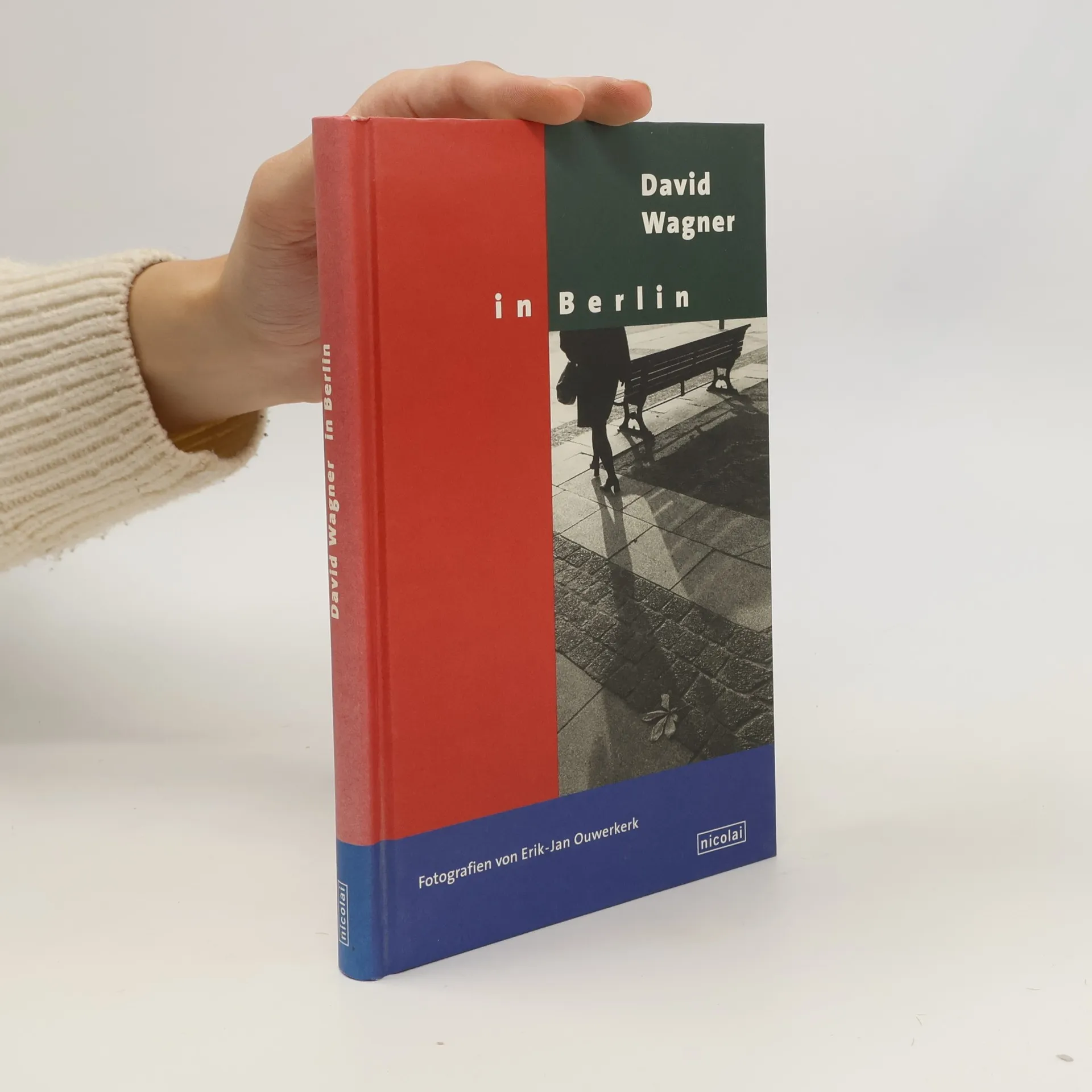
Barrio a barrio, calle a calle, descubrimos --en la estela de otros famosos flâneurs berlineses que le precedieron: Walter Benjamin o Franz Hessel-- cómo es el Berlín de hoy en día. David Wagner pasea por la ciudad casi siempre solo, aunque no rehúye la compañía en ocasiones, y responde a una pregunta que todos nos hacemos: ¿qué es la ciudad hoy?. Wagner se topa con las ruinas de la historia alemana, mientras relata de un modo magistral cómo es la ciudad en el presente y cuánto ha cambiado en los últimos diez años. Un verdadero caminante urbano que lleva recorriendo Berlín de una punta a otra desde que tenía veinte años
David Wagner Libros
La producción literaria de David Wagner abarca una amplia gama de formas, desde novelas y cuentos hasta poesía y ensayos, explorando a menudo los límites entre géneros. Su obra se adentra profundamente en temas de la infancia, la experiencia personal y la búsqueda de identidad. El estilo de Wagner se caracteriza por un lenguaje preciso y una perspicaz comprensión de la psique humana. Sus creaciones literarias son reconocidas como una contribución significativa a la literatura alemana contemporánea.


Caterpillars of Eastern North America
A Guide to Identification and Natural History
- 512 páginas
- 18 horas de lectura
Featuring excellent photography, this book serves as a comprehensive guide to identifying common caterpillars through images of their early stages alongside adult counterparts. Each species is accompanied by engaging snippets of natural history, enhancing the reader's understanding and appreciation of lepidoptera. This resource is designed to spark enthusiasm among both professional biologists and casual readers interested in the fascinating world of caterpillars.
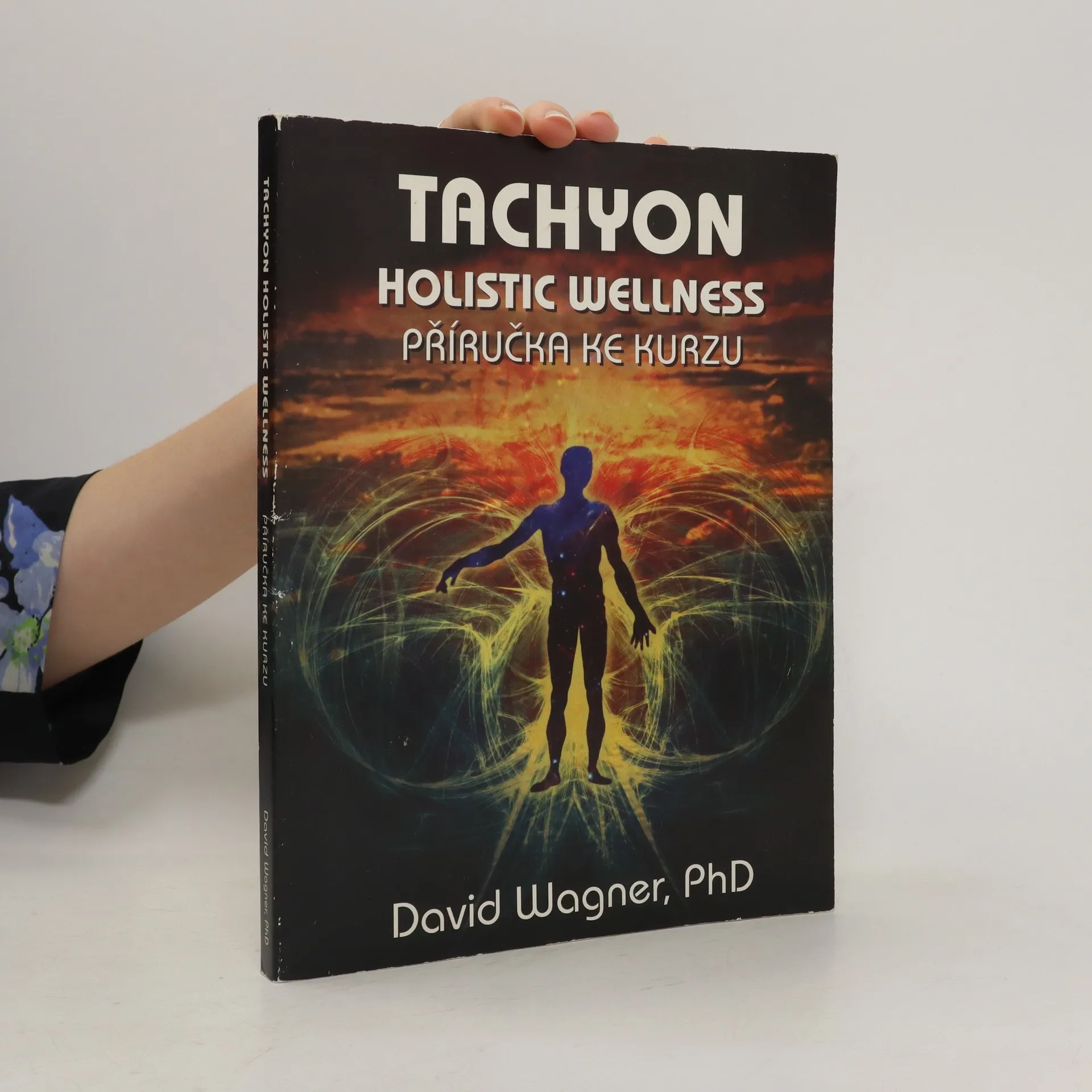
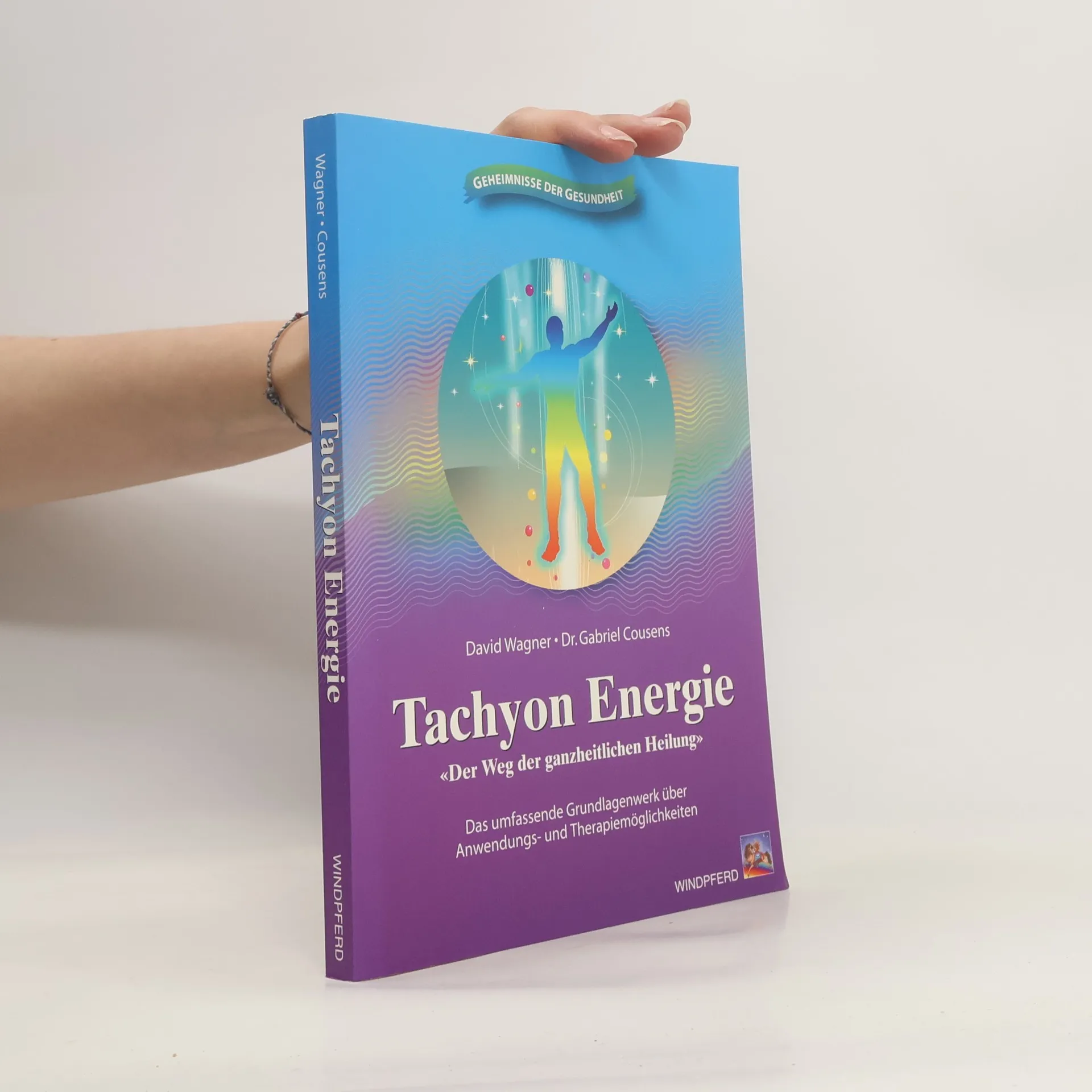
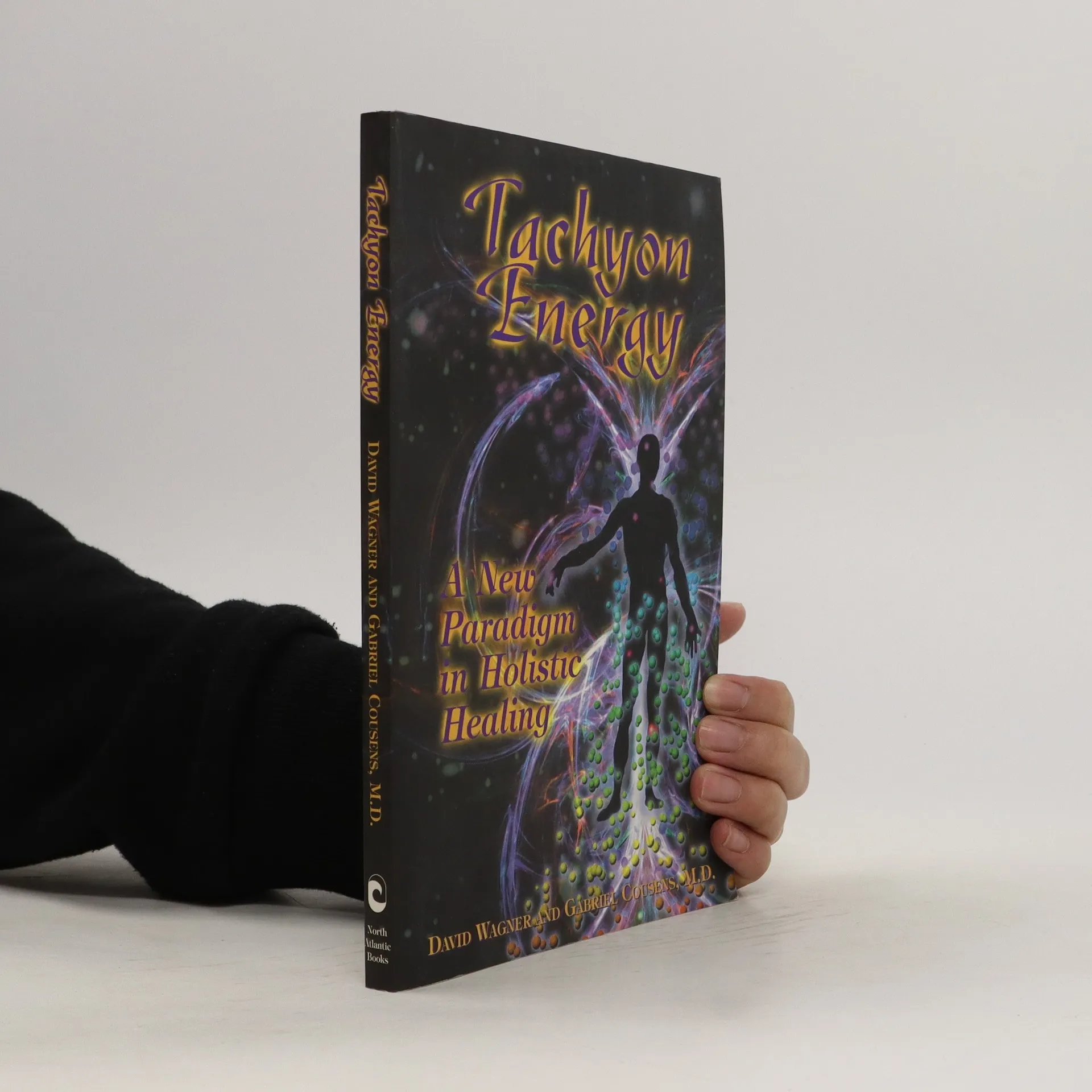
Tachyon Energy
- 120 páginas
- 5 horas de lectura
Wagner and Cousens demonstrate a tachyon theory that unveils the delicate weave of Spirit, kundalini, health, physics, and biology as a subtle dance out of traditional healing. This book explains, in the authors' persuasive words and case studies, the breakthrough holistic healing technology called Tachyon energy. Benefits include a more rapid healing and at least a partial reversal of the aging process. They have successfully merged concepts of science and spirituality, as they bridge the faster than light world of existence with our slower than light world of form. The reader of this book will understand profoundly how tachyon energy is the source of all frequencies as well as the source of all healing.
The book critically analyzes contentious claims regarding poverty and anti-poverty programs in the United States. It effectively debunks falsehoods and misconceptions, providing readers with a clear and objective perspective on these complex social issues. Through thorough examination, it aims to foster a deeper understanding of the realities surrounding poverty and the effectiveness of various initiatives designed to combat it.
The book explores the inspiring journeys of individuals who rose from poverty to achieve significant fame, highlighting their struggles, resilience, and the impact of their backgrounds on their success. Through compelling narratives, it showcases the diverse experiences of these Americans, illustrating how determination and talent can transcend socioeconomic barriers. The stories serve as a testament to the human spirit and the possibility of overcoming adversity to make a mark on the world.
No Longer Homeless
- 198 páginas
- 7 horas de lectura
No Longer Homeless is a powerful look at a group of people we rarely hear about-those who have formerly been on the streets-sharing the details of their lives to help individuals, organizations, and communities learn to better support the ongoing challenges of homelessness.
Cold Tuscan Stone
- 304 páginas
- 11 horas de lectura
"Rick Montoya has moved from New Mexico to Rome, embracing the life of a translator. He's settling into la dolce vita when a school friend, who is now senior in the Italian Art Squad, recruits Rick for an unofficial undercover role. But before the sun sets on Rick's first full day in Volterra, a gallery employee dies in a brutal fall from a high cliff. The local Commissario and his team consider Rick an amateur, and worse, a foreigner. And now they suspect him of foul play. Has Rick's undercover role made him a target in more ways than one?"--
The book explores America's recent fixation on personal behavior, drawing parallels to the more liberated attitudes of the 1960s and early 1970s. It highlights the enduring themes of societal control and individual freedom, suggesting that contemporary trends reflect historical patterns. Through this lens, it examines the implications of these behaviors on culture and society, encouraging readers to reflect on the cyclical nature of temperance and personal autonomy.
To Die in Tuscany
- 288 páginas
- 11 horas de lectura
"Translator Rick Montoya is looking forward to a quiet weekend away in beautiful Urbino with his girlfriend, Betta, an art fraud investigator for the Italian Culture Ministry. While Betta does have official business-namely, collecting a priceless Piero drawing from a wealthy Spanish collector-she asks Rick to join her "in case she needs an interpreter," but with other, less-official intentions in mind. When the Spaniard is found murdered and the drawing stolen, Betta must shift back into art cop mode, and Rick's official services are required after all. Will this lovers' getaway literally be to die for?"--
Roman Count Down
- 232 páginas
- 9 horas de lectura
Rick Montoya, eager to experience more of his Italian mother's culture, heads to Rome to start his own translation business. He's armed with curiosity and an appetite for local food and wine. Rick's maternal uncle is a Roman cop with one eye to his nephew's welfare and another to how Rick might be useful, perhaps widen his career choices. So Commissario Piero Fontana pulls Rick into an investigation: the murder of Count Umberto Zimbardi. The wealthy count enjoyed indulging a circle of convivial friends and a hobby collecting oral histories by interviewing residents in the city's centro storico. After heading home from such an afternoon, he was found dead on a bridge over the Tiber. As a newcomer and an investigator, Rick makes rookie mistakes. He's learning the ropes as an amateur sleuth and that living in Rome is different from visiting. Plus he's distracted by a woman pressing him into service as a tour guide and the arrival of a college friend on a mission to sell Argentine wine to the Vatican. In Roman Count Down, the city emerges as another character in David Wagner's "...usual deft mix of travel and suspense" (Kirkus Reviews). Like all the Rick Montoya Mysteries, this prequel is rich in food, drink, and local culture and landmarks.