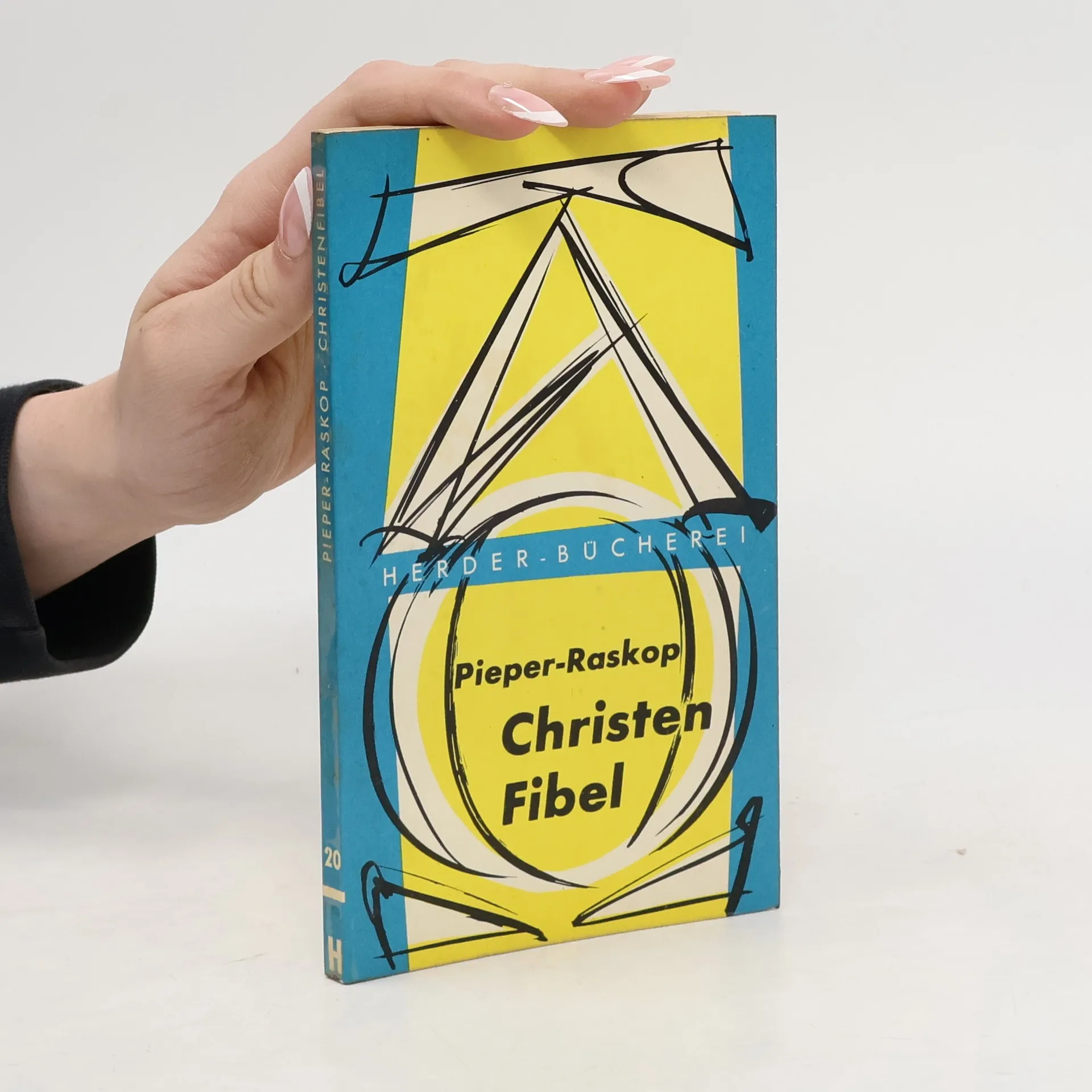
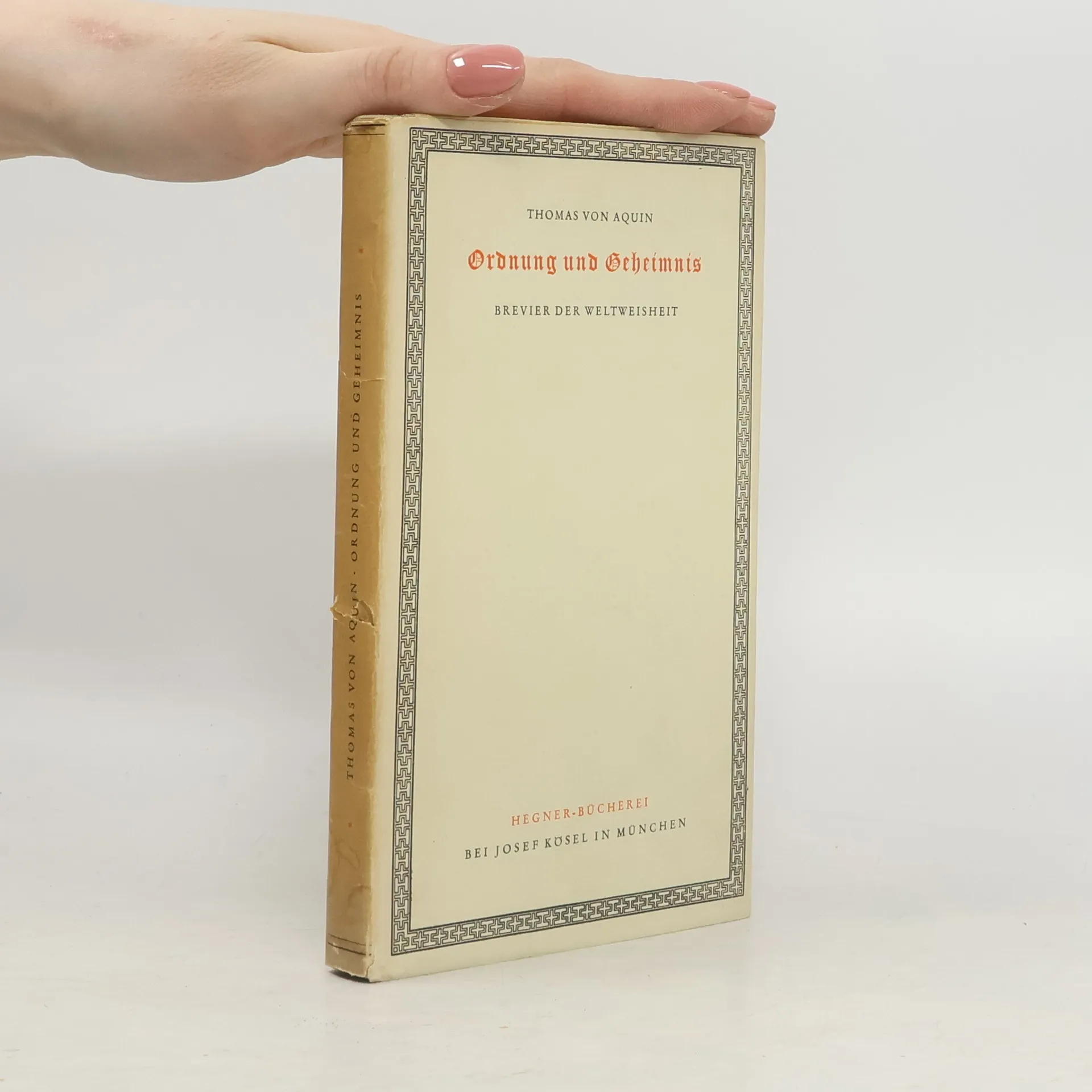
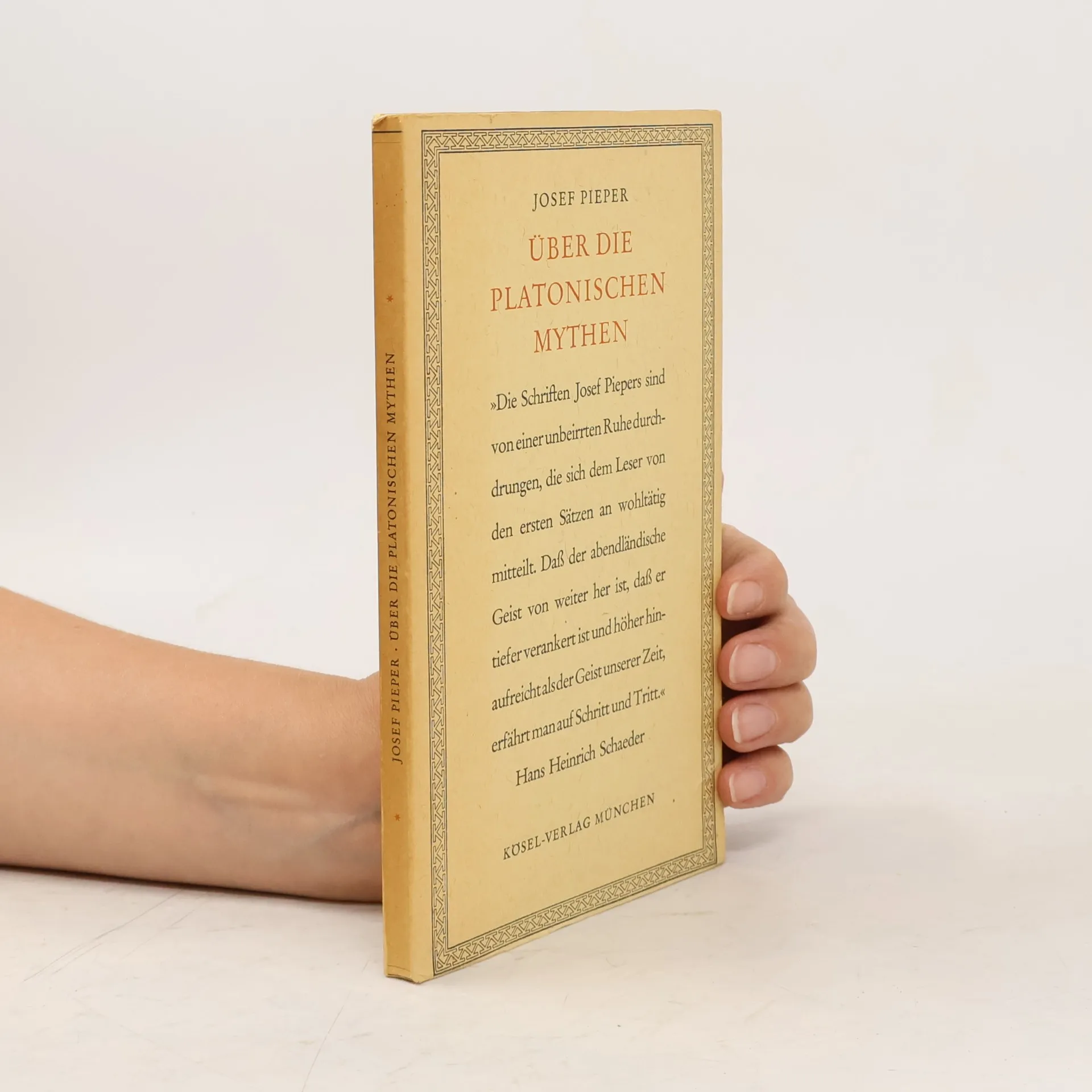
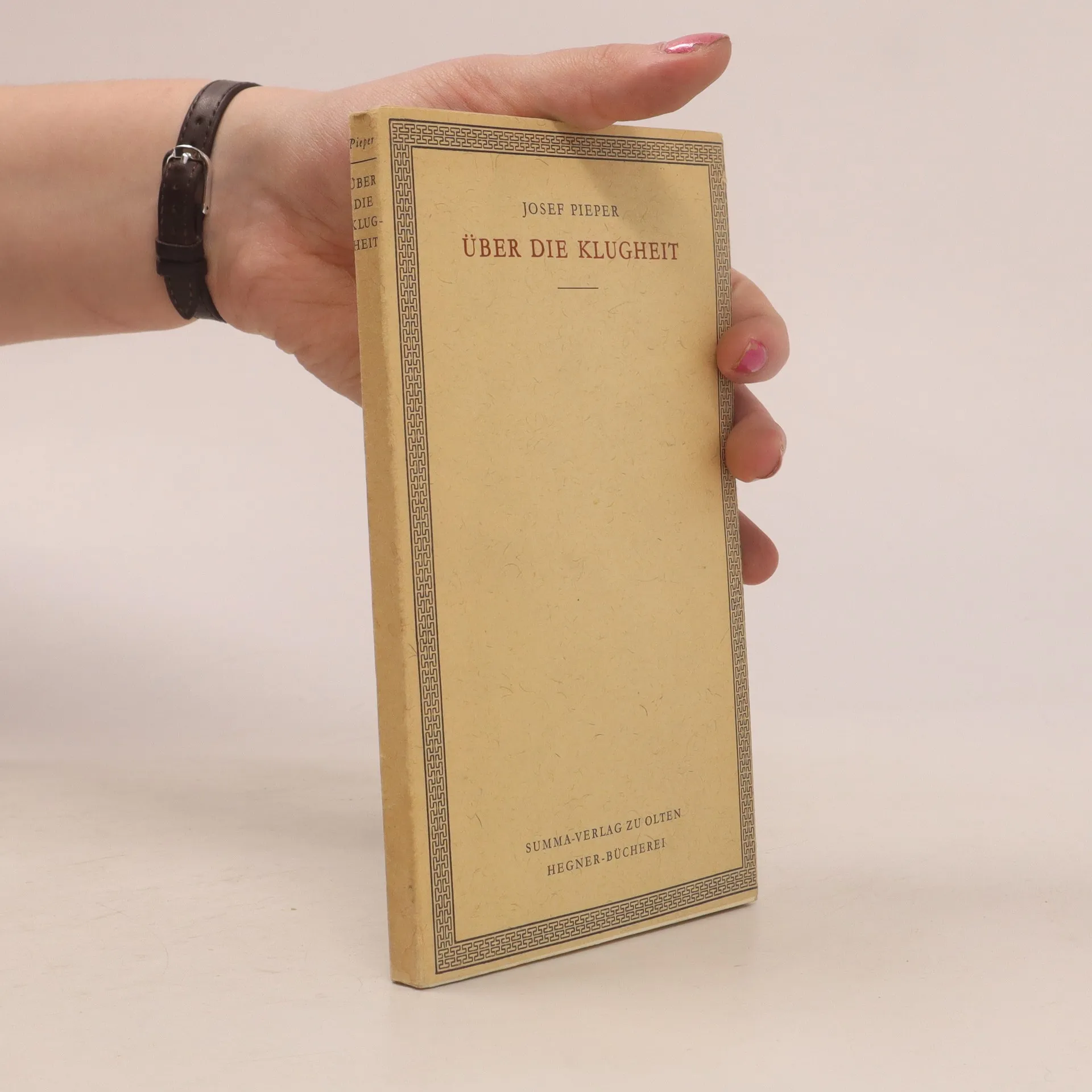
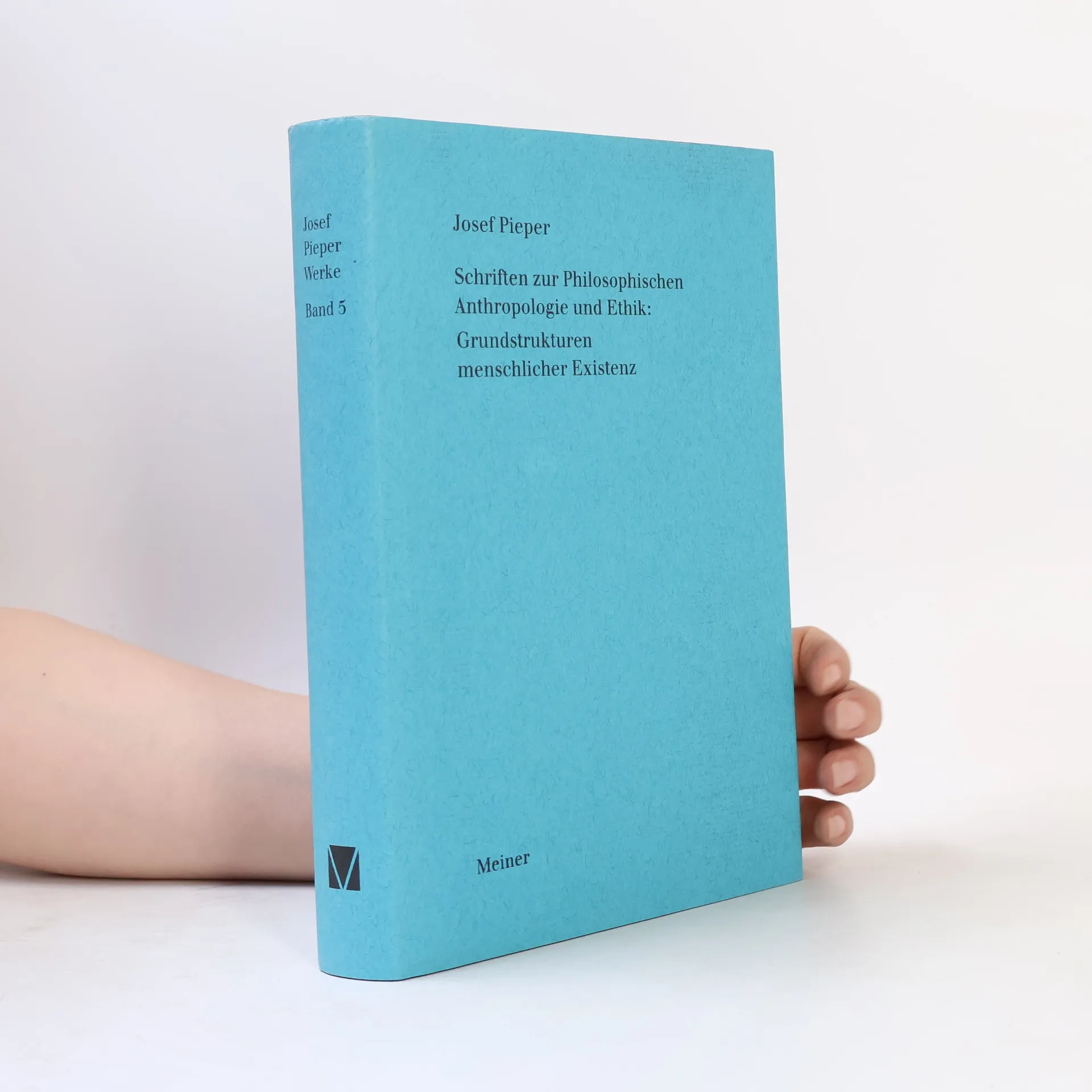
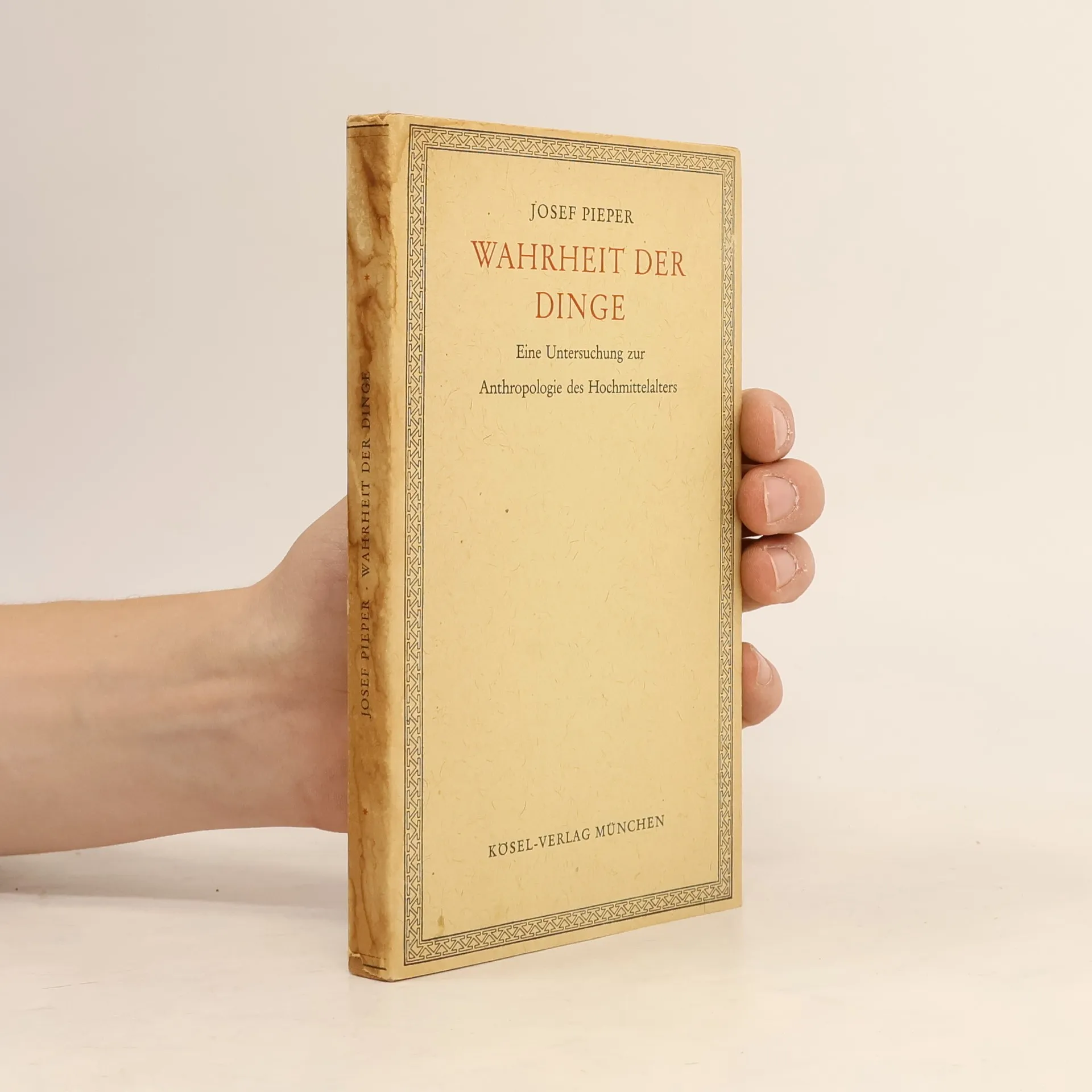
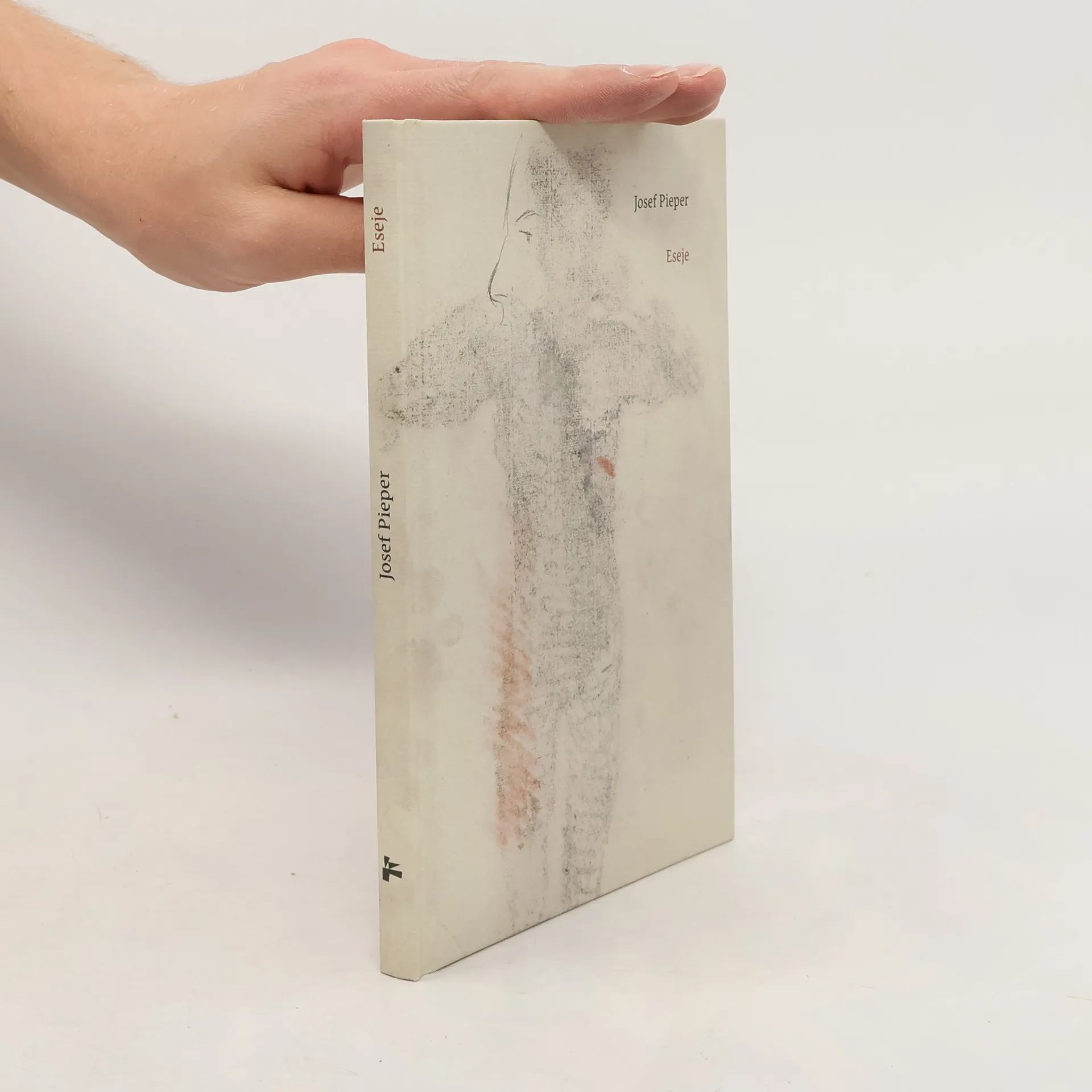
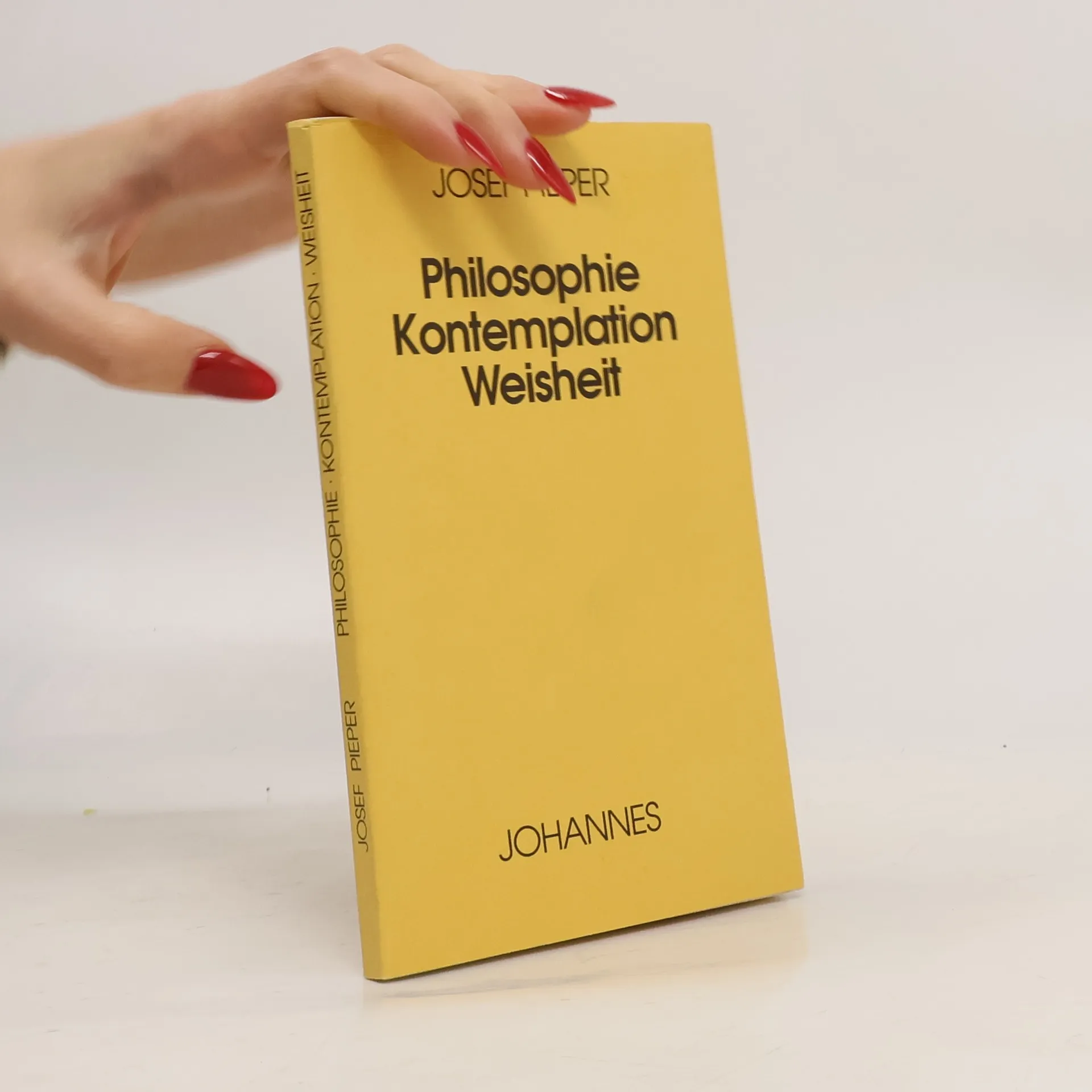
Josef Pieper fue profesor de antropología filosófica y se encuentra entre los filósofos más leídos del siglo XX. Su pensamiento se centra en superar el totalitarismo secular y sus fundamentos filosóficos mediante la rehabilitación del concepto cristiano de ser humano, relacionado con la experiencia y la acción. Platón y Tomás de Aquino fueron fuentes inspiradoras para su crítica constructiva de la cultura contemporánea.
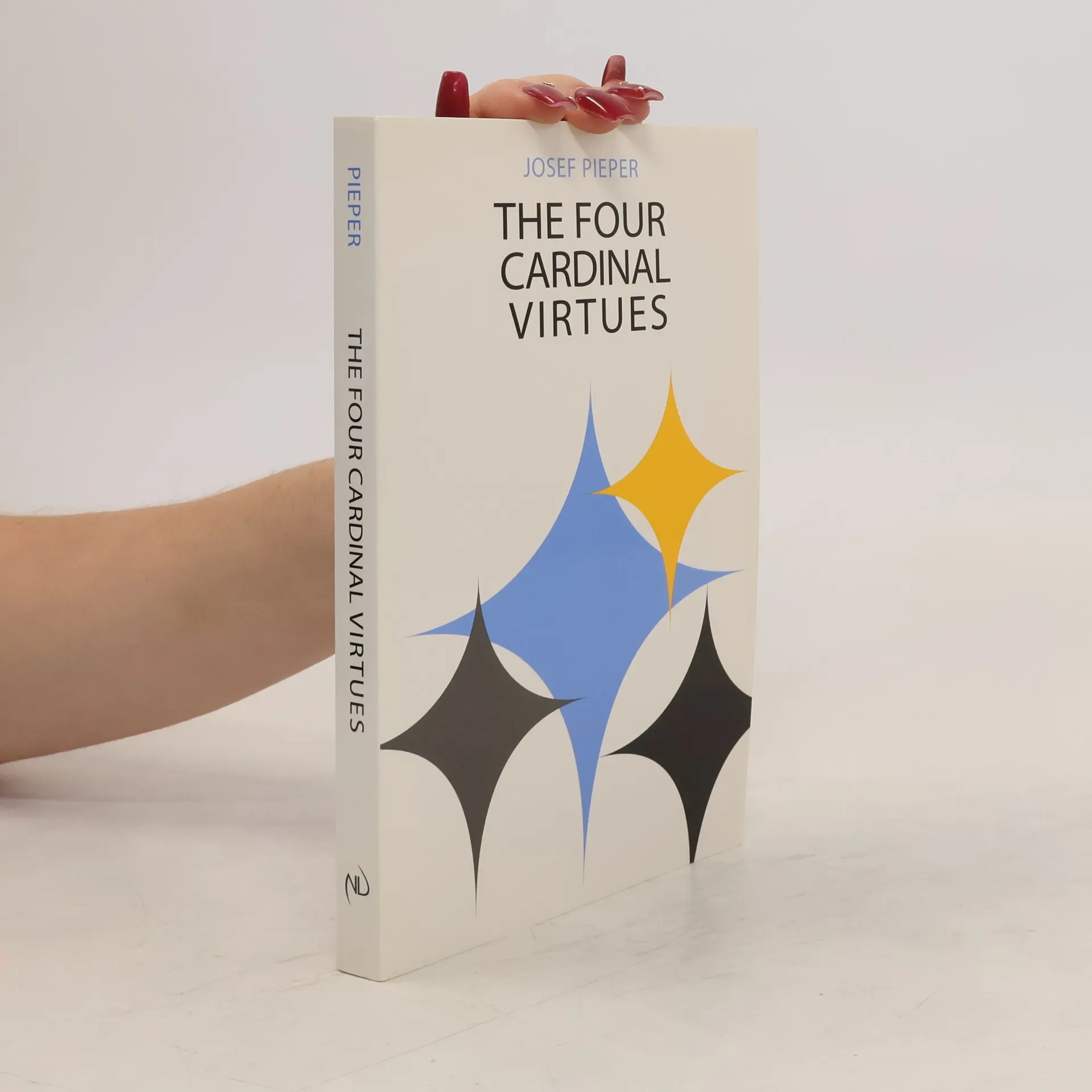
Delivers a stimulating quartet of essays on the four cardinal virtues. Josef
Pieper demonstrates the unsound overvaluation of moderation that has made
contemporary morality a hollow convention and points out the true significance
of the Christian virtues.
"The ultimate of human happiness is to be found in contemplation". In offering this proposition of Thomas Aquinas to our thought, Josef Pieper uses traditional wisdom in order to throw light on present-day reality and present-day psychological problems. What, in fact, does one pursue in pursuing happiness? What, in the consensus of the wisdom of the early Greeks, of Plato and Aristotle, of the New Testament, of Augustine and Aquinas, is that condition of perfect bliss toward which all life and effort tend by nature? In this profound and illuminating inquiry, Pieper considers the nature of contemplation, and the meaning and goal of life.
One of the most important philosophy titles published in the twentieth century, Joseph Pieper's Leisure, the Basis of Culture is more significant, even more crucial than it was when it first appeared fifty years ago. Pieper shows that Greeks understood and valued leisure, as did the medieval Europeans. He points out that religion can be born only in leisure. Leisure that allows time for the contemplation of the nature of God. Leisure has been, and always will be, the first foundation of any culture. He maintains that our bourgeois world of total labor has vanquished leisure, and issues a startling warning: Unless we regain the art of silence and insight, the ability for nonactivity, unless we substitute true leisure for our hectic amusements, we will destroy our cultureCand ourselves. These astonishing essays contradict all our pragmatic and puritanical conceptions about labor and leisure; Joseph Pieper demolishes the twentieth-century cult of Awork as he predicts its destructive consequences.
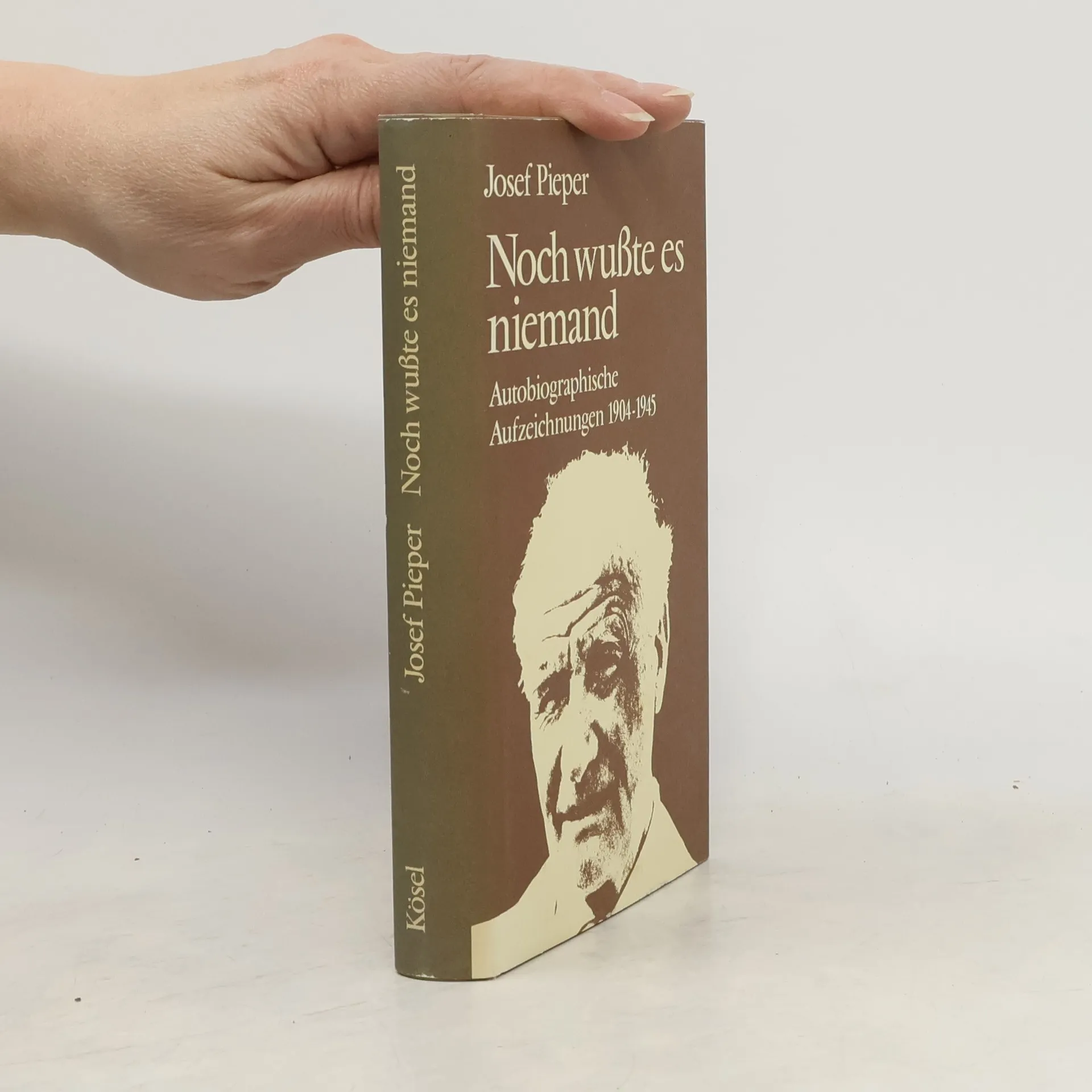
The autobiographical writings of a modern Christian philosopher reflect his unwavering dedication to truth amidst the turmoil of two World Wars and the Catholic Church's changes during Vatican II. He critiques the dilution of sacred meanings in liturgical practices, advocating for a philosophy that emphasizes living truth existentially. Influenced by Plato, Augustine, and Aquinas, he navigates the tension between philosophy and theology, asserting that while divine understanding requires faith, the quest for truth is an inner journey fraught with mystery, particularly regarding the afterlife.
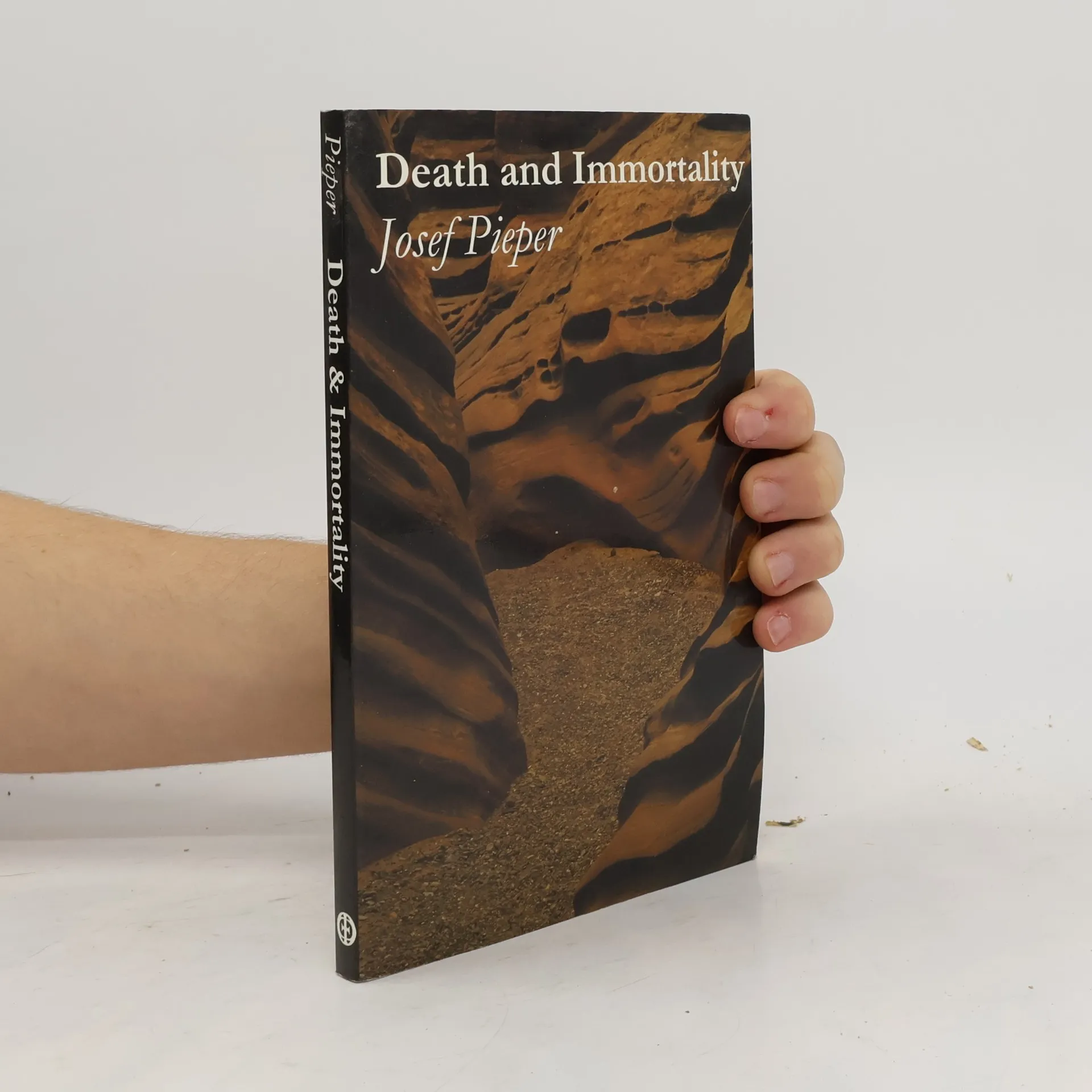
"Pieper [attempts to] show how death must be seen as an experience of the whole man and is properly to be understood as punishment.' When he views man's pilgrim status on earth, Pieper is led to assert that death is an act of human freedom, consistent with Creation and redemption. . . . With his rare gift of high-level popularization, Pieper brings a critical mind and an in-depth acquaintance with the scholastic tradition to bear on contemporary thought and experience. . . . [This] volume deserves a place on any bookshelf devoted to Christian philosophy." Library Journal "Dr. Pieper very subtly and usefully stresses the character of dying as act and choice, leading us up very gently to the shocking old notion that it might also constitute a well-deserved punishment." Times Literary Supplement
Každý člověk touží po štěstí, zakouší ve svém nitru žízeň, která volá po utišení. Touha po štěstí je člověku přirozená, vychází z nejvnitřnějšího jádra lidské bytosti, kam byla vepsána už při stvoření. A tato touha musí nakonec dojít naplnění, má-li mít lidský život vůbec nějaký smysl. Kdyby neexistovala naděje na utišení, byl by člověk odsouzen k zoufalství. Lidskou touhu po štěstí ovšem nemůže utišit nic stvořeného. I kdyby člověk získal celý svět, nenasytí se, nepřestane prahnout po něčem víc. Onu nejhlubší žízeň může utišit jedině „dobro v úplnosti“, Bůh sám. Znamená to tedy, že štěstí nám bude dopřáno až na věčnosti? Nikoli. Už zde můžeme okoušet předchuť věčného štěstí, v milujícím patření, v pozemské kontemplaci. Ta není vyhrazena pouze mystikům či světcům, ale každému, kdo se dokáže zastavit, ztišit, žasnout a s láskou pohlížet i na ty nejnepatrnější věci.
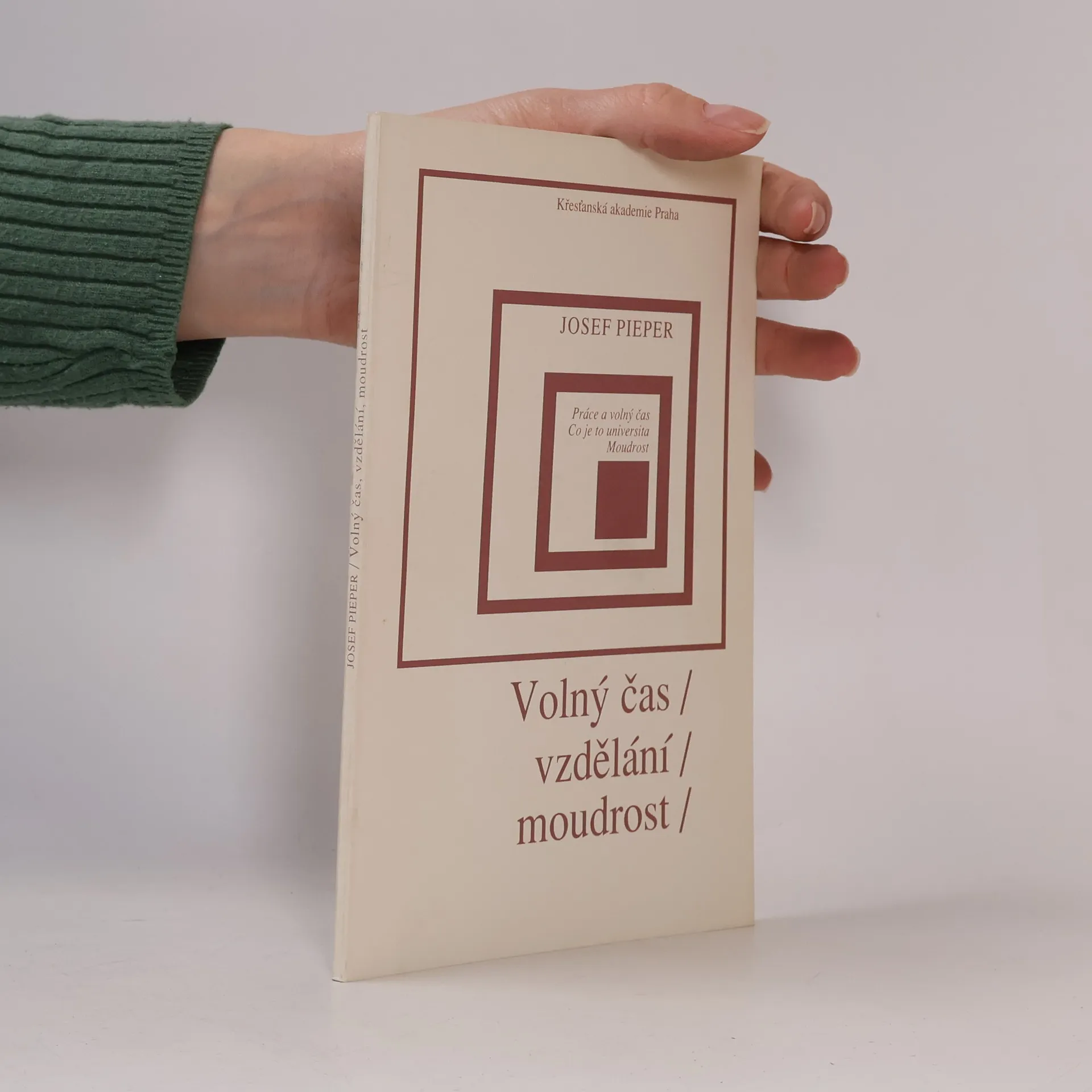
3 eseje, ktoré majú spoločné prieniky - akademické, respektíve vysokoškolské štúdium, ktoré by malo mať svoju oporu vo filozofii. Autor naznačuje, prečo je to tak. V ďalších esejach polemizuje nad historickými, ale aj súčasnými formami sofizmu, a to nielen po inštitucionálnej stránke, ale aj politickej.
In der Neuausgabe "Über die Liebe" von 1972 spricht Josef Pieper kritisch, wach, klärend in eine Zeit hinein, die in Sprache und Verhalten vom Eros zur forcierten Sexualität wechselte. Was Pieper an intellektuellen Mißverständnissen und gewalttätigem Umgang mit der Liebe aufzeigt, wie er an die Diagnose ein therapeutisches Erhellen und Umdenken anschließt, kurz wie er in die Freiheit des richtigen Liebens führt, kann in zehn meisterhaften Kapiteln mitvollzogen werden.
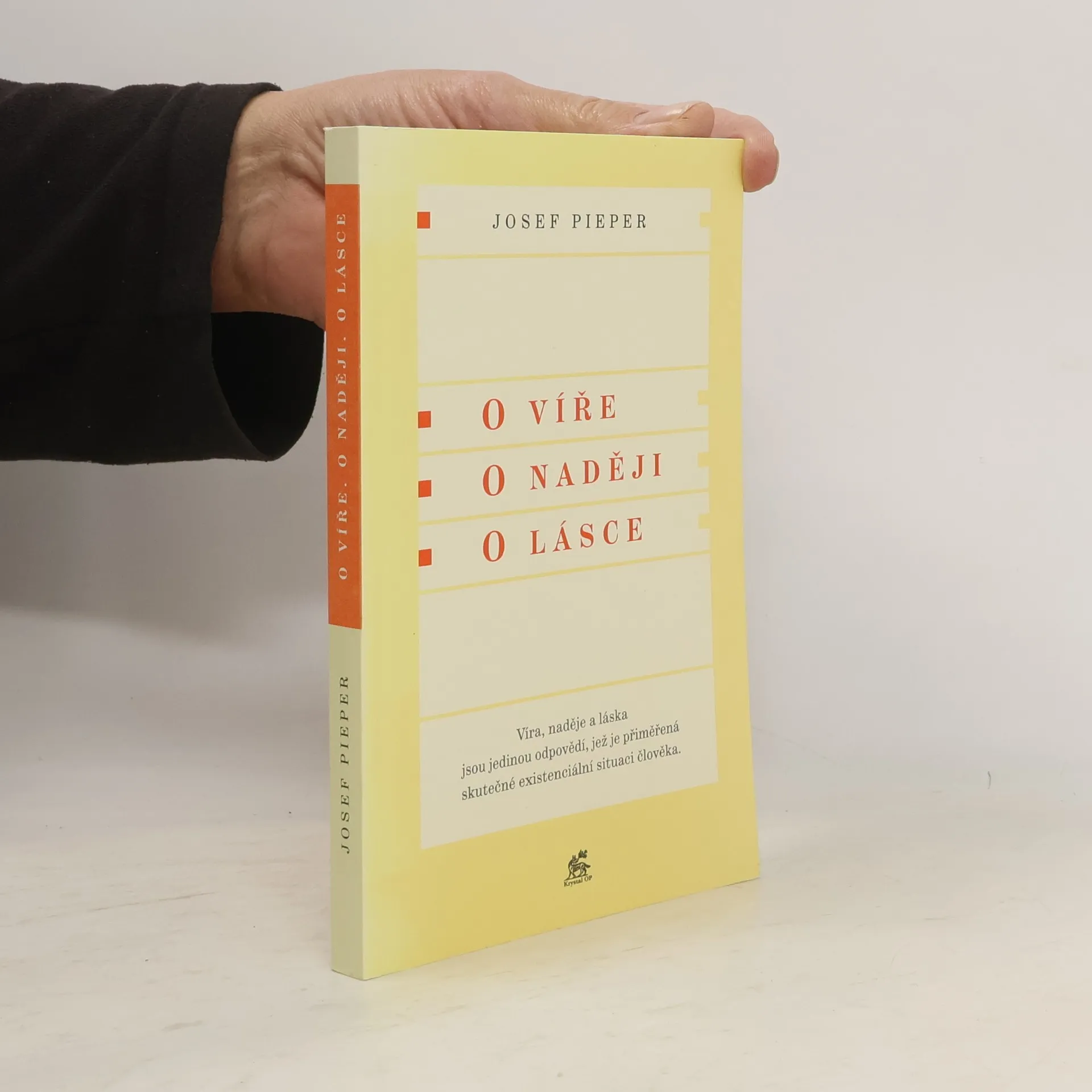
Josef Pieper, významný německý filosof 20. století, podává filosofickou analýzu víry, naděje a lásky a ukazuje, jak tyto postoje či úkony souvisejí s existenciální situací člověka. Nejsou krotkou „spořádaností“ a „správným chováním“ šosáka, ale bytostným povýšením lidské osoby. Jsou krajností toho, co člověk může být, naplněním lidské možnosti být. Neochvějně člověka zaměřují k pravému uskutečnění jeho podstaty – k dobru.
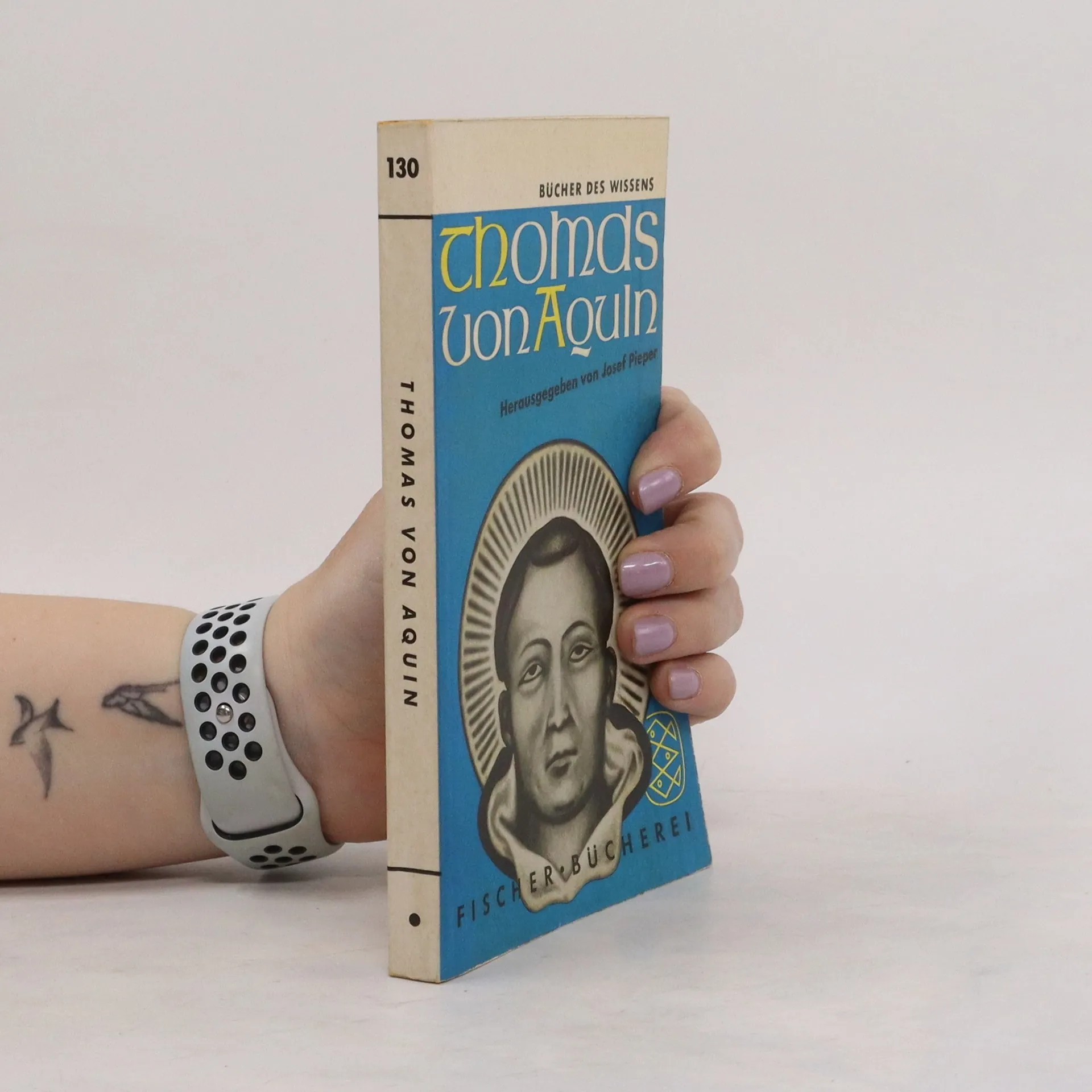
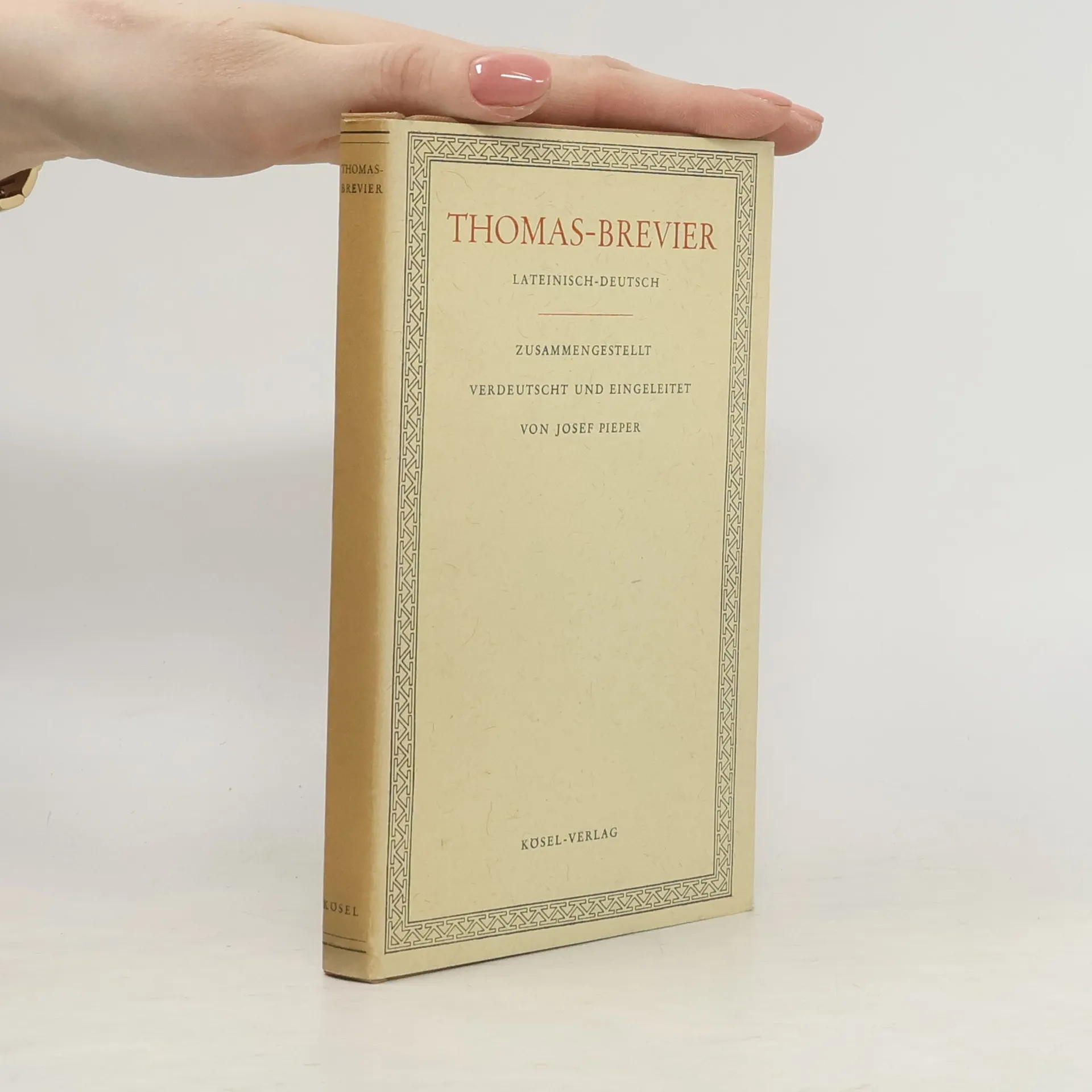
Thomas von Aquin (1225–1274) gilt als der bedeutendste Theologe des Hochmittelalters. Er war ein Mensch, dessen Verstand das Geheimnis von Gott und Welt zu erhellen vermochte und darin von unerschöpflicher Aktualität geblieben ist. Für Josef Pieper verkörpert er wie kein anderer das „Prinzip des christlichen Abendlandes: Weltverpflichtung in eins mit der Offenheit für den überweltlichen Anruf“. Piepers Einführung in Leben und Werk zeichnet auf spannende Weise das Bild eines bedeutenden Denkers in seiner Zeit.
Josef Piepers frühe Jahre werden durch sein Engagement in den lebhaften Studentenbewegungen des frühen 20. Jahrhunderts, seinen Kontakt zu einigen der großen geistigen Führer unserer Zeit (zum Beispiel Romano Guardini), die studentischen akademischen und sozialen Ferien, an denen Pieper teilnahm, sowie die Entwicklung von Freundschaften, die sich als sehr einflussreich in der katholischen Geistesgeschichte erwiesen, nachgezeichnet.
Dieses Buch schildert die Kämpfe des jungen Philosophen, seine Erfahrungen während des Zweiten Weltkriegs, die Übel des Nationalsozialismus und die Schwierigkeiten, ein intellektueller Christ in dieser historischen Periode zu sein. Josef Pieper, bekannt als Laienphilosoph, der St. Thomas von Aquin popularisiert hat, wird weltweit für seine tiefgründigen Analysen und klaren Erklärungen der entscheidendsten christlichen Konzepte geschätzt.
Že člověk dává druhému, co je jeho, co mu náleží — na této zásadě stojí veškerý spravedlivý řád na světě. A zase veškeré bezpráví vychází z toho, že se člověku upírá nebo bere, co je jeho, a to ne snad pro neštěstí, neúrodu, oheň, zemětřesení, ale z vůle člověka. O této ideji, která dává suum cuique — každému, co jeho je — budeme mluvit na následujících stránkách. Tato idea se stala společným majetkem západní kultury od starověku přes Platona, Aristotela, Cicerona, Ambrože, Augustina a především prostřednictvím římského práva. Přesněji řečeno, budeme mluvit o uvědomělém postoji, jímž člověk dává každému, co je jeho. Bude řeč o ctnosti spravedlnosti. »Spravedlnost je postoj (habitus), jímž přiznáváme se stálou a vytrvalou vůlí každému, co mu náleží«.
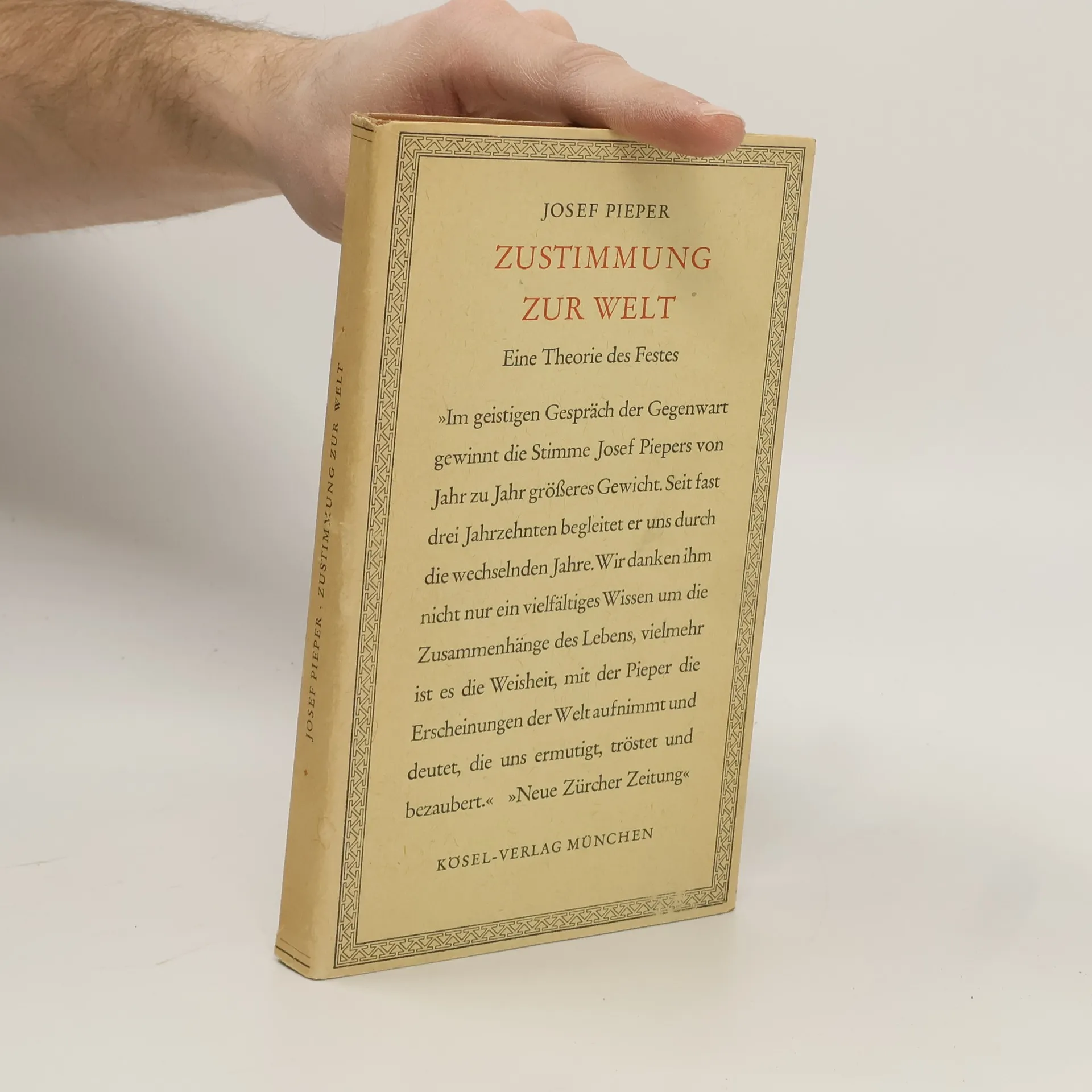
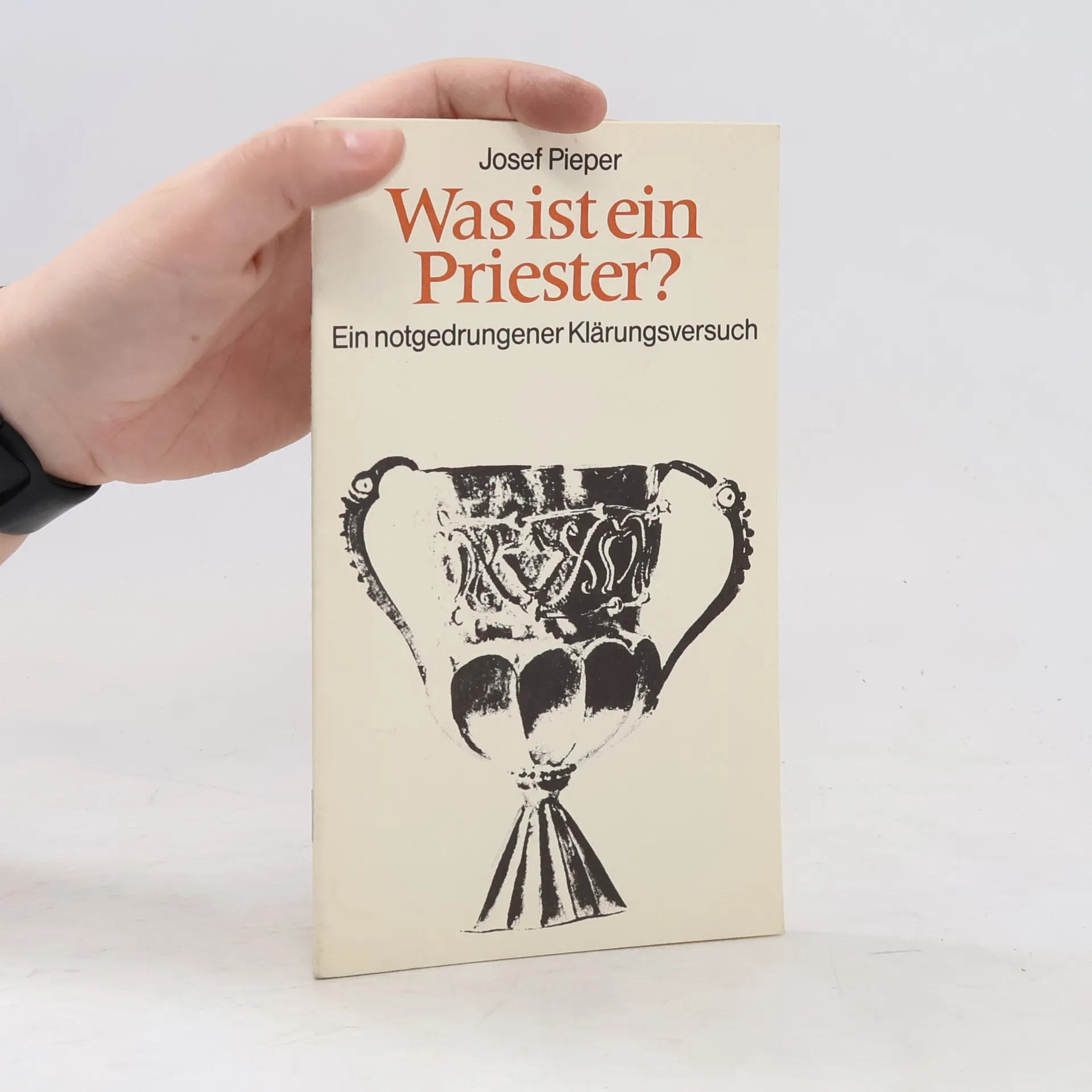
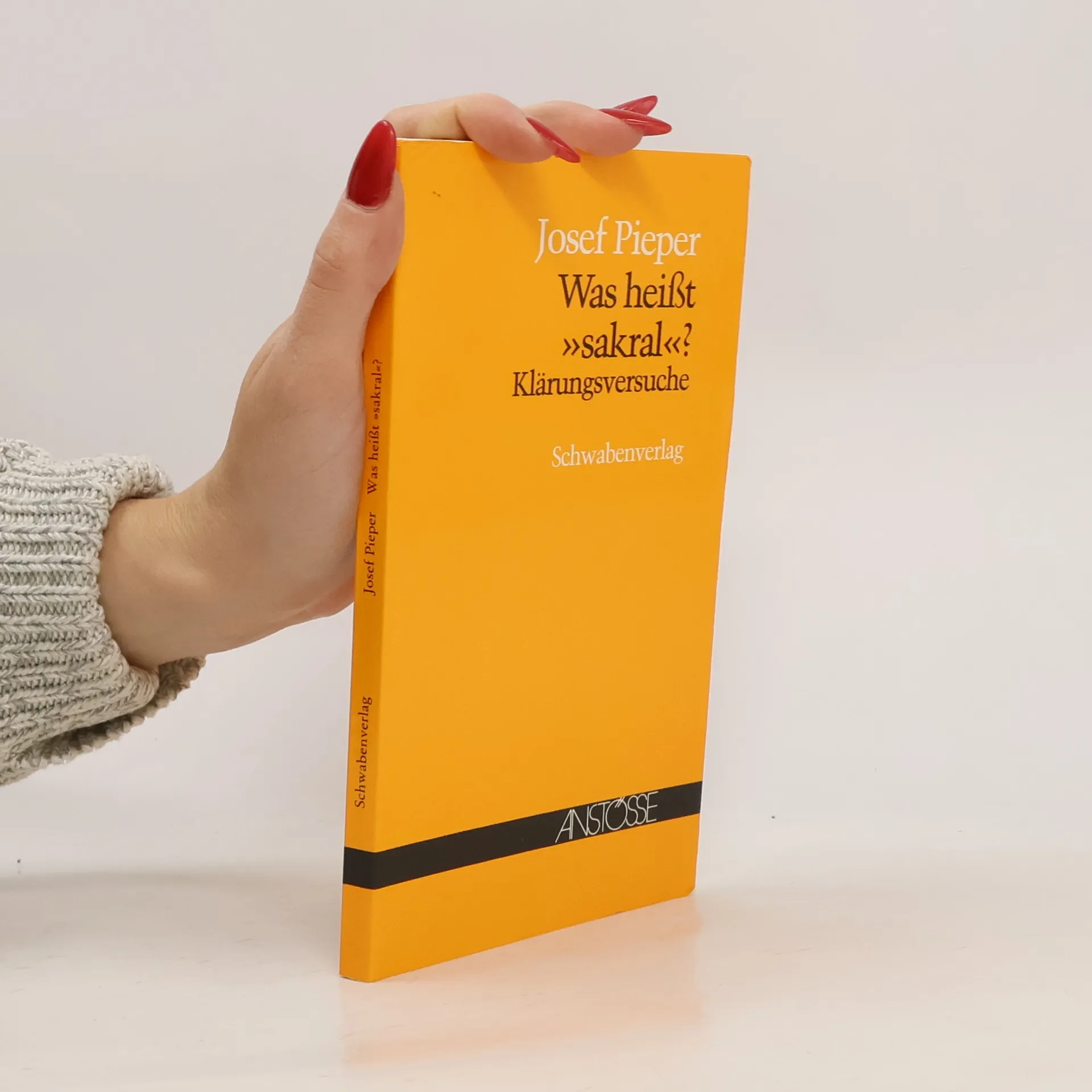
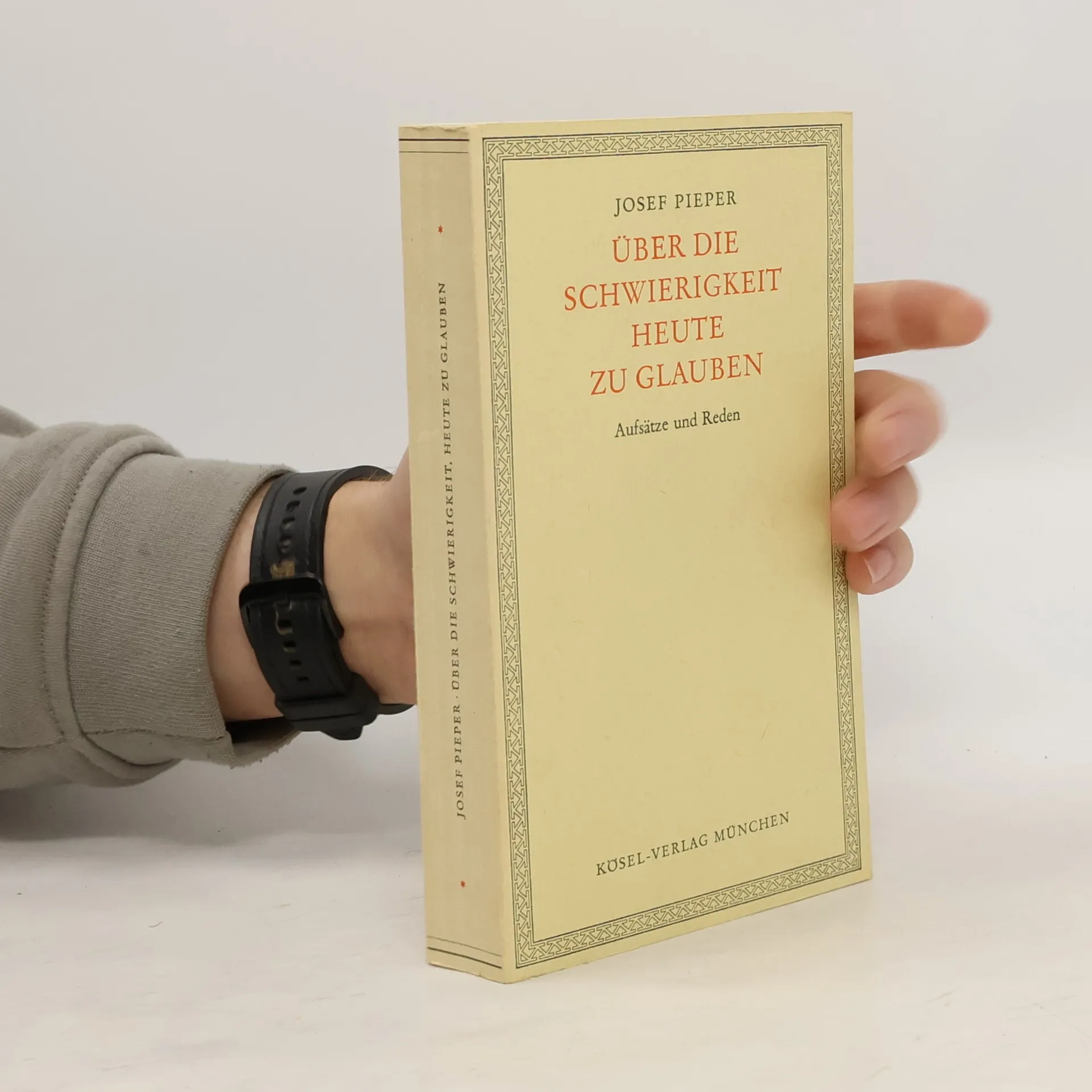
Die in diesem Band zusammengefassten Arbeiten verstehen sich durchweg als »notgedrungene Klärungsversuche, provoziert durch ›die Schwierigkeit, heute zu glauben‹«. Sie sprechen von der Realität des Sakralen, von der »irdischen Kontemplation«, der möglichen Zukunft der Philosophie, der »Kunst, nicht zu verzweifeln«, vom Zusammenhang zwischen Missbrauch der Sprache und Missbrauch der Macht. Das Buch ist nicht nur geprägt durch die Überzeugung, der Mensch könne nicht bloß dadurch zu Schaden kommen, dass er den Anschluss an die Zukunft versäumt, sondern auch dadurch, dass er das Unentbehrliche verliert und vergisst. Dennoch träfe der Versuch, es in die Rubrik »konservativ« einzuordnen, am Kern der Sache vorbei.