
Compra 10 libros por 10 € aquí!
Bookbot

Zsigmond Móricz

    29 de junio de 1879 – 4 de septiembre de 1942
    Zsigmond Móricz
    Der glückliche Mensch
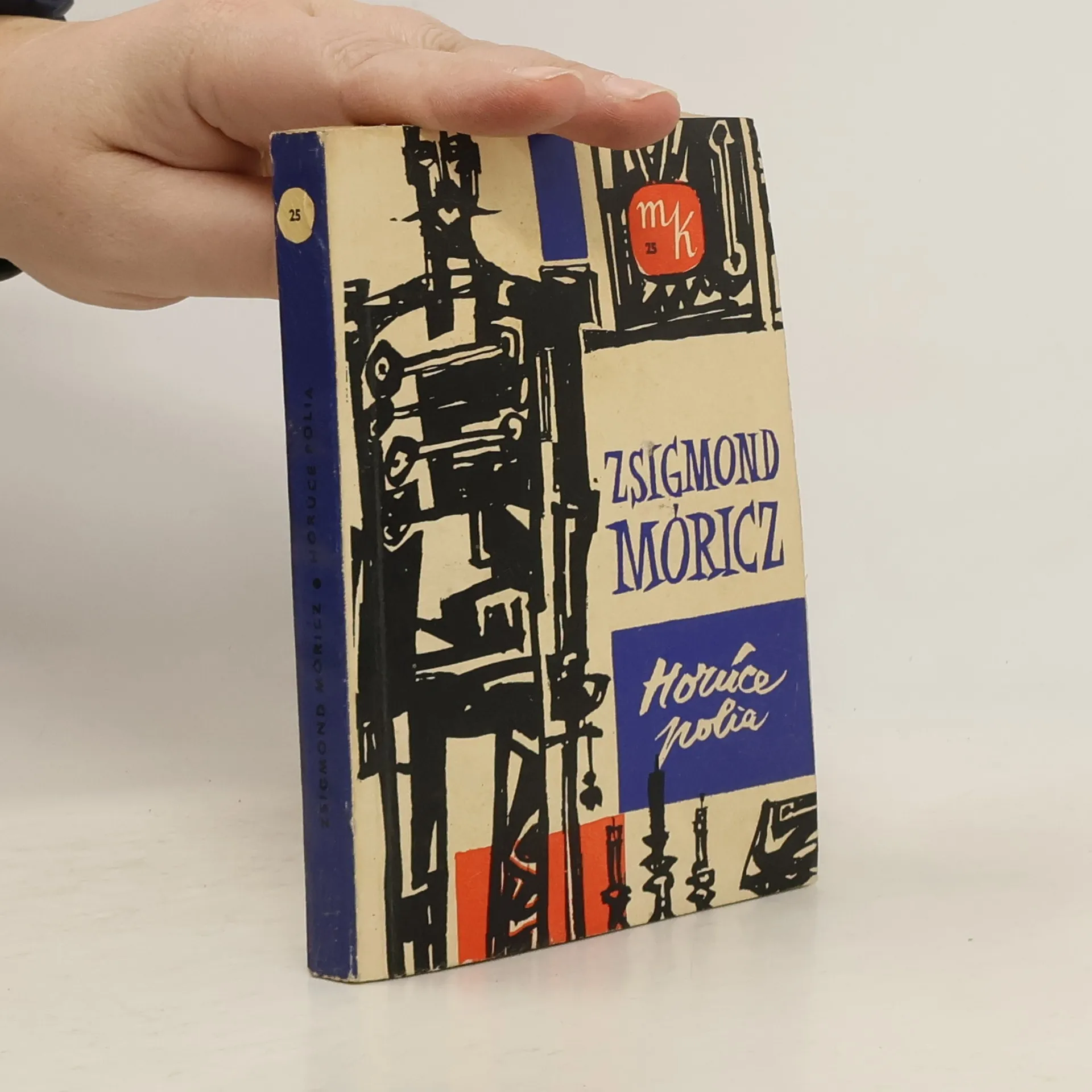
    Buď dobrý až do smrti
    Pillangó
    In the Godforsaken Hinterlands: A Tale of Provincial Hungary
    Be Faithful Unto Death
    Orphalina
    • Orphalina

      • 260 páginas
      • 10 horas de lectura

      Set against the backdrop of interwar Hungary, the story follows the life of Orphalina, an orphaned girl inspired by Erzsébet Litkei, whom the author encountered in 1934. The novel delves into the profound suffering experienced by individuals in a society that suppresses their potential for a better life. Through Orphalina's tragic fate, Zsigmond Móricz explores themes of loss, resilience, and the societal forces that hinder personal agency, making this work both poignant and lyrical.
      Orphalina
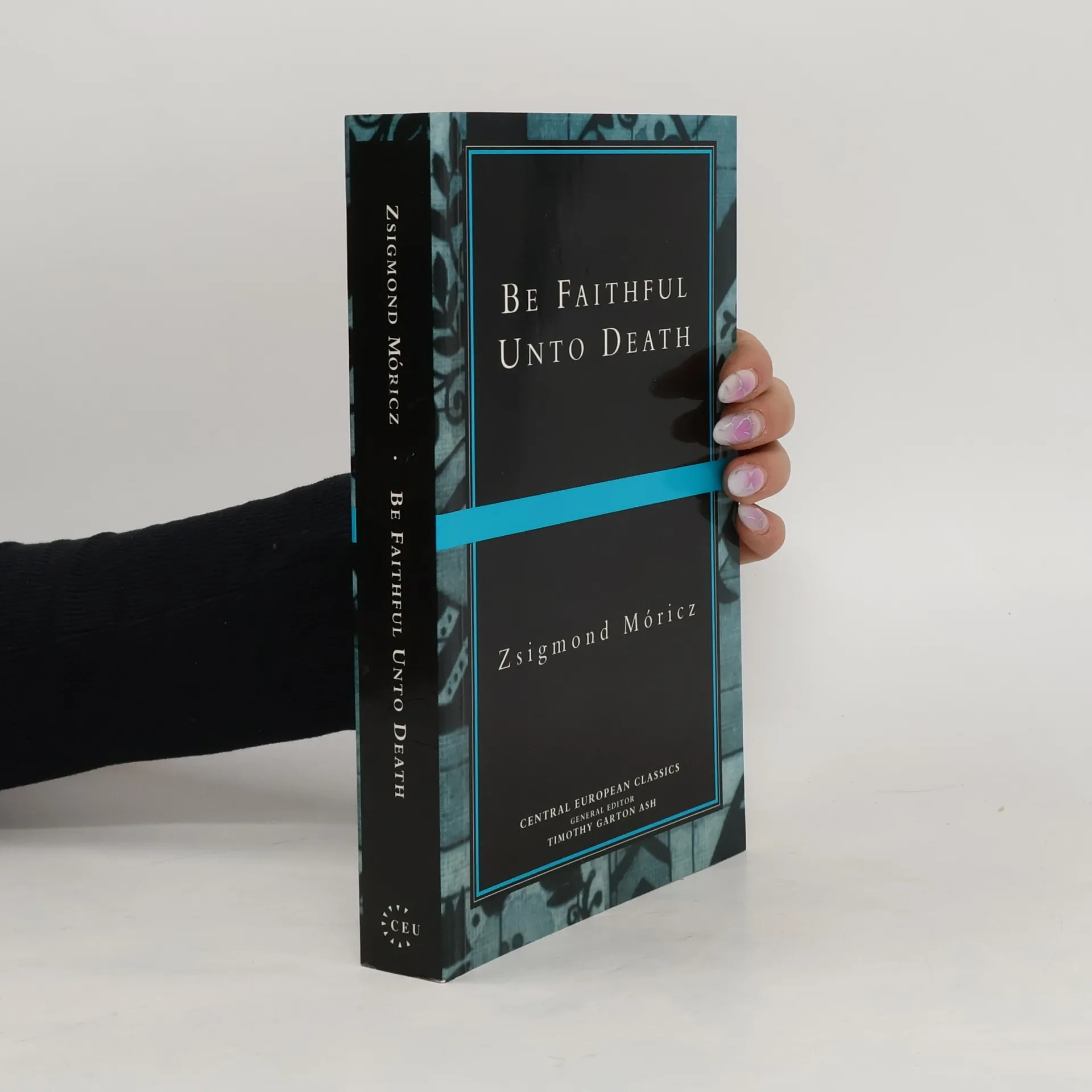
    • Be Faithful Unto Death

      • 332 páginas
      • 12 horas de lectura

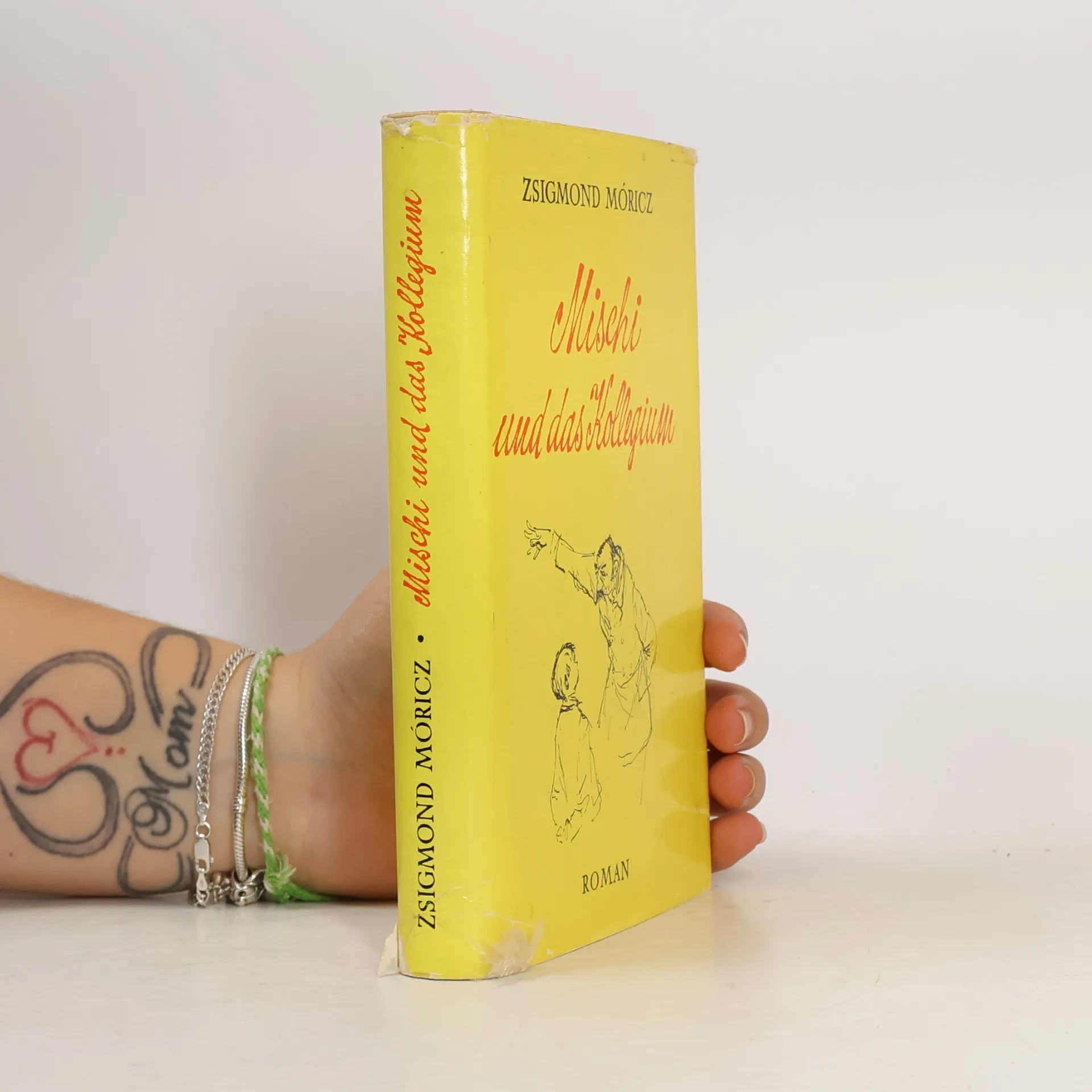
      Be Faithful unto Death is the moving story of a bright and sensitive schoolboy growing up in an old-established boarding school in the city of Debrecen in eastern Hungary. Misi, a dreamer and would-be writer, is falsely accused of stealing a winning lottery ticket. The torments through which he goes – and grows – are superbly described. The novel is brimming with vivid detail from the provincial life that Móricz knew so well and shot through with a sense of the tragic fate of a newly truncated Hungary.
      Be Faithful Unto Death
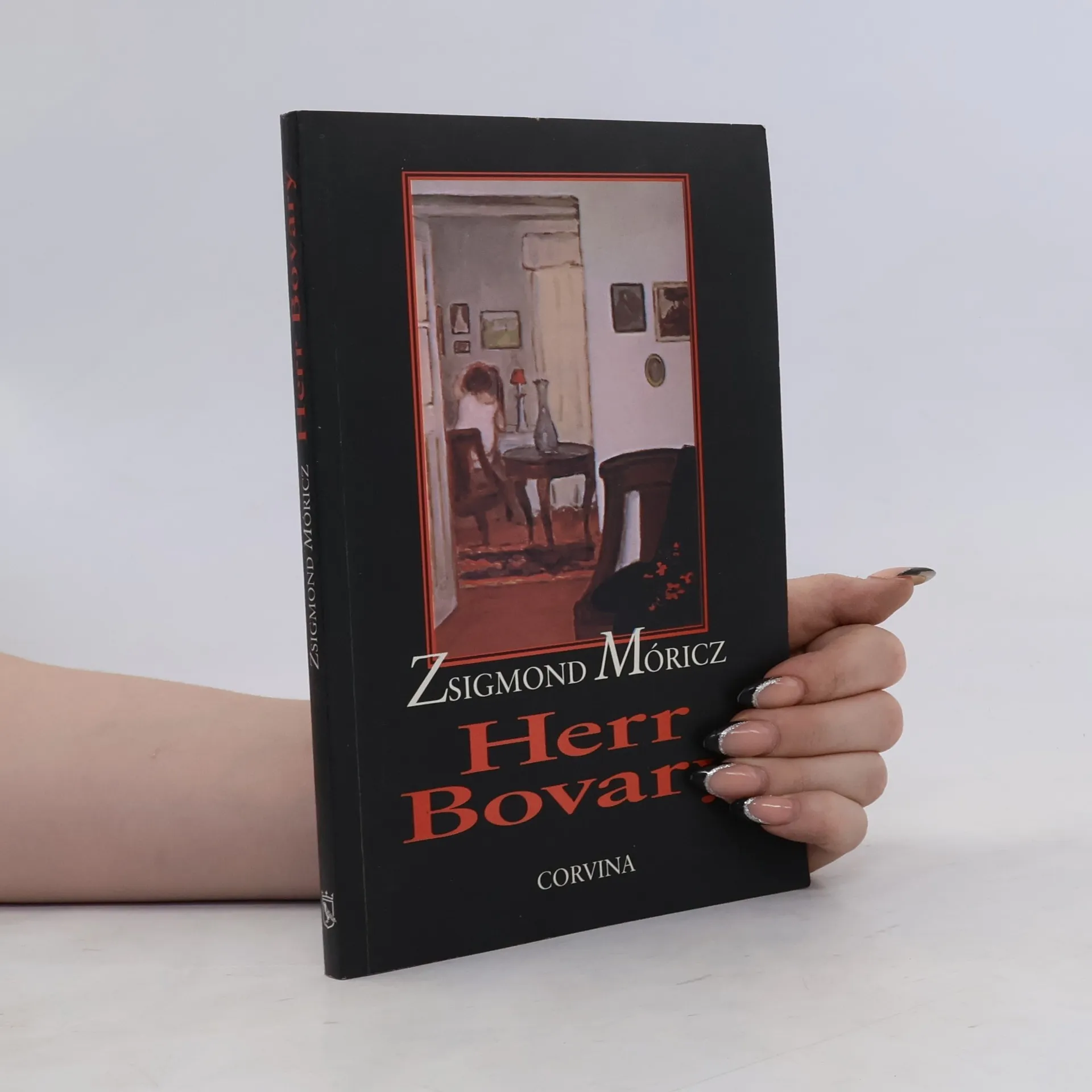
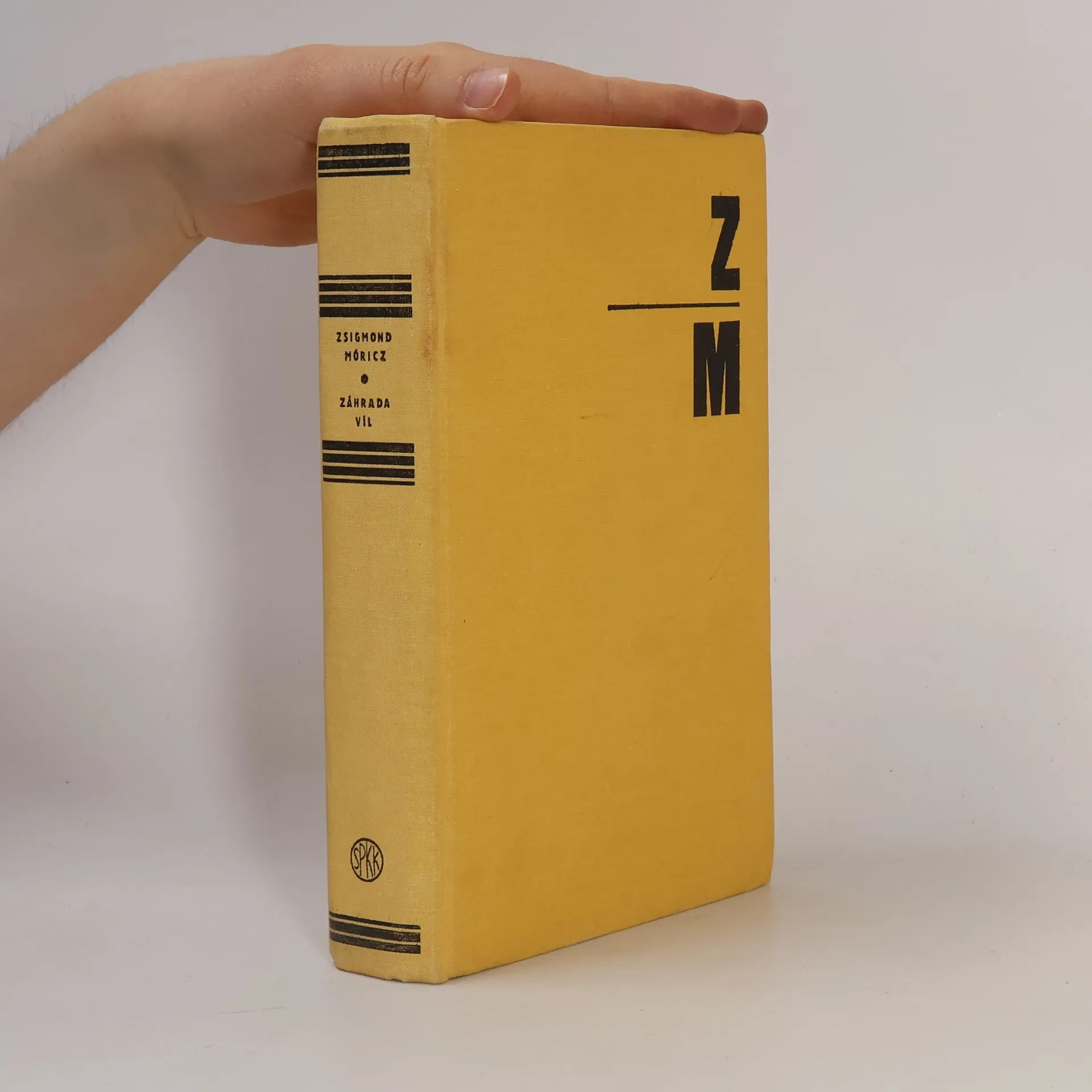
    • The novel presents a fresh Hungarian perspective on the theme of adultery, echoing Flaubert's Madame Bovary. Set in the fictional town of Ilosva, it follows the life of a bored teacher's wife and her unaware husband against the backdrop of semi-feudal Hungary. Zsigmond Móricz, writing in 1911, introduces innovative narrative techniques that enhance the exploration of desire and discontent, making this work a significant classic in Hungarian literature.

      In the Godforsaken Hinterlands: A Tale of Provincial Hungary
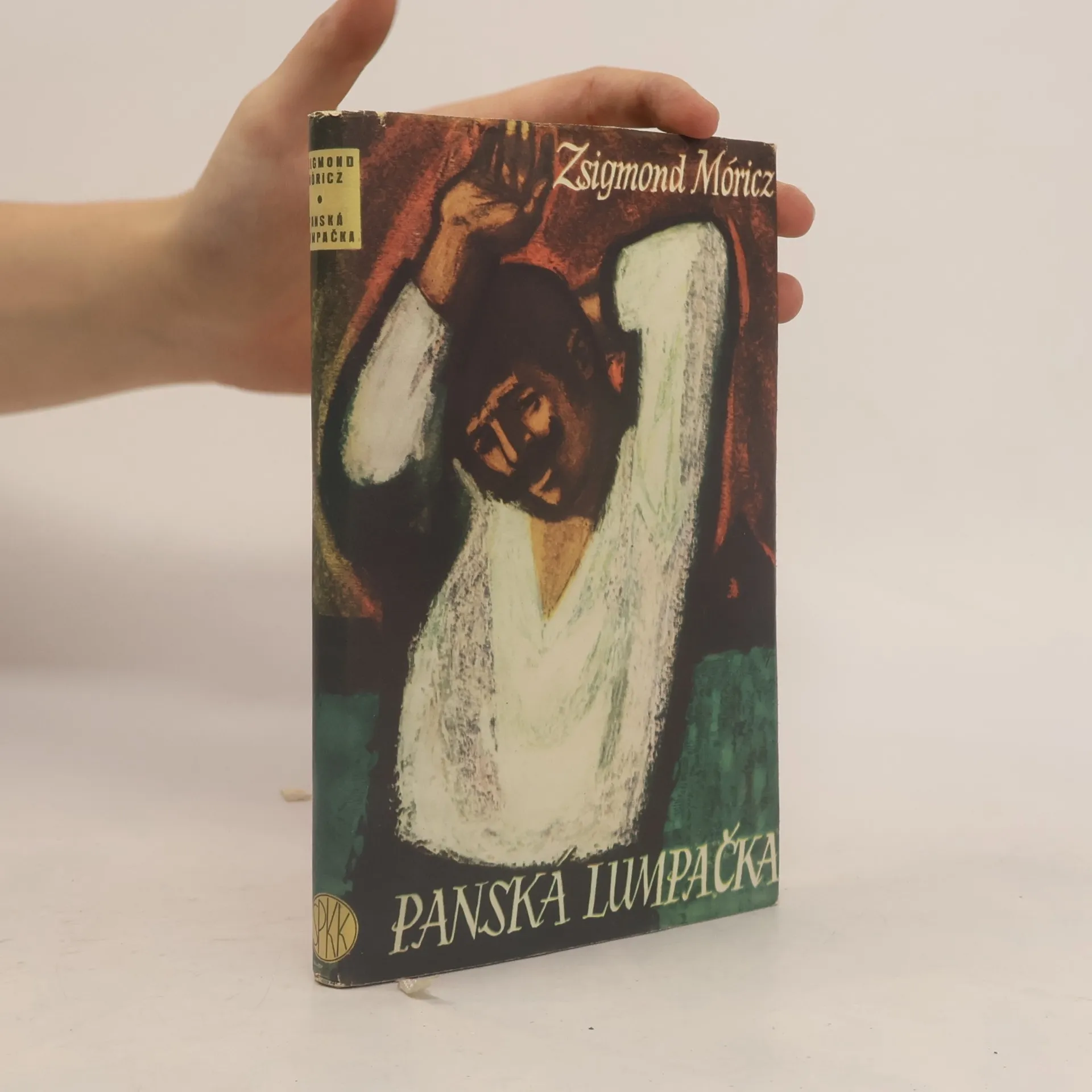
    • Druhá hodina je maďarčina. Profesorom maďarčiny je mladý suplent, ktorému v istom peštianskom časopise vyšli zo dve básne, nuž ho pokladajú za úžasne veľkého básnika. Je on vlaste dozorcom v konvikte, inak skončeny bohosloves, ktorý učí niekoľko hodín na -......

      Buď dobrý až do smrti
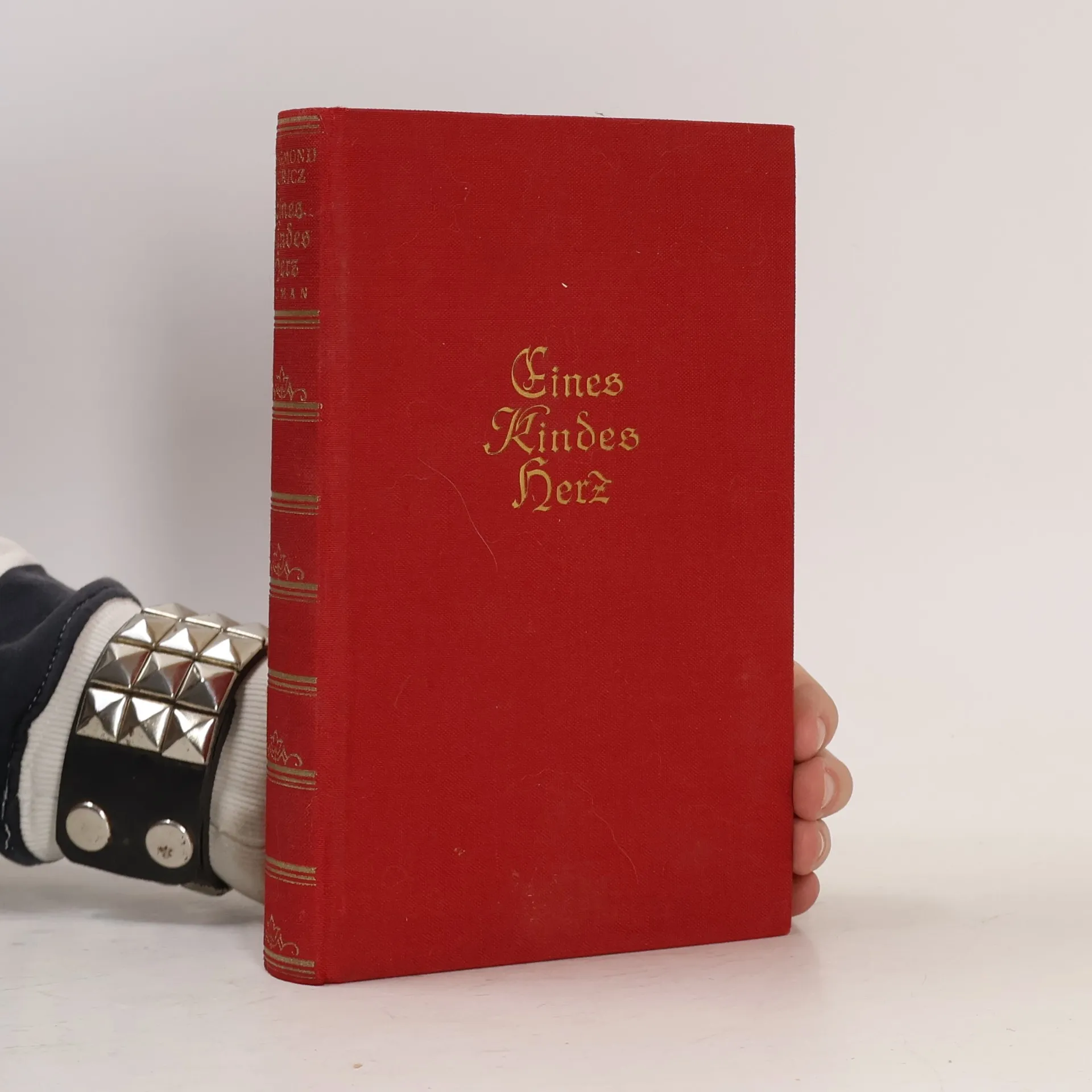
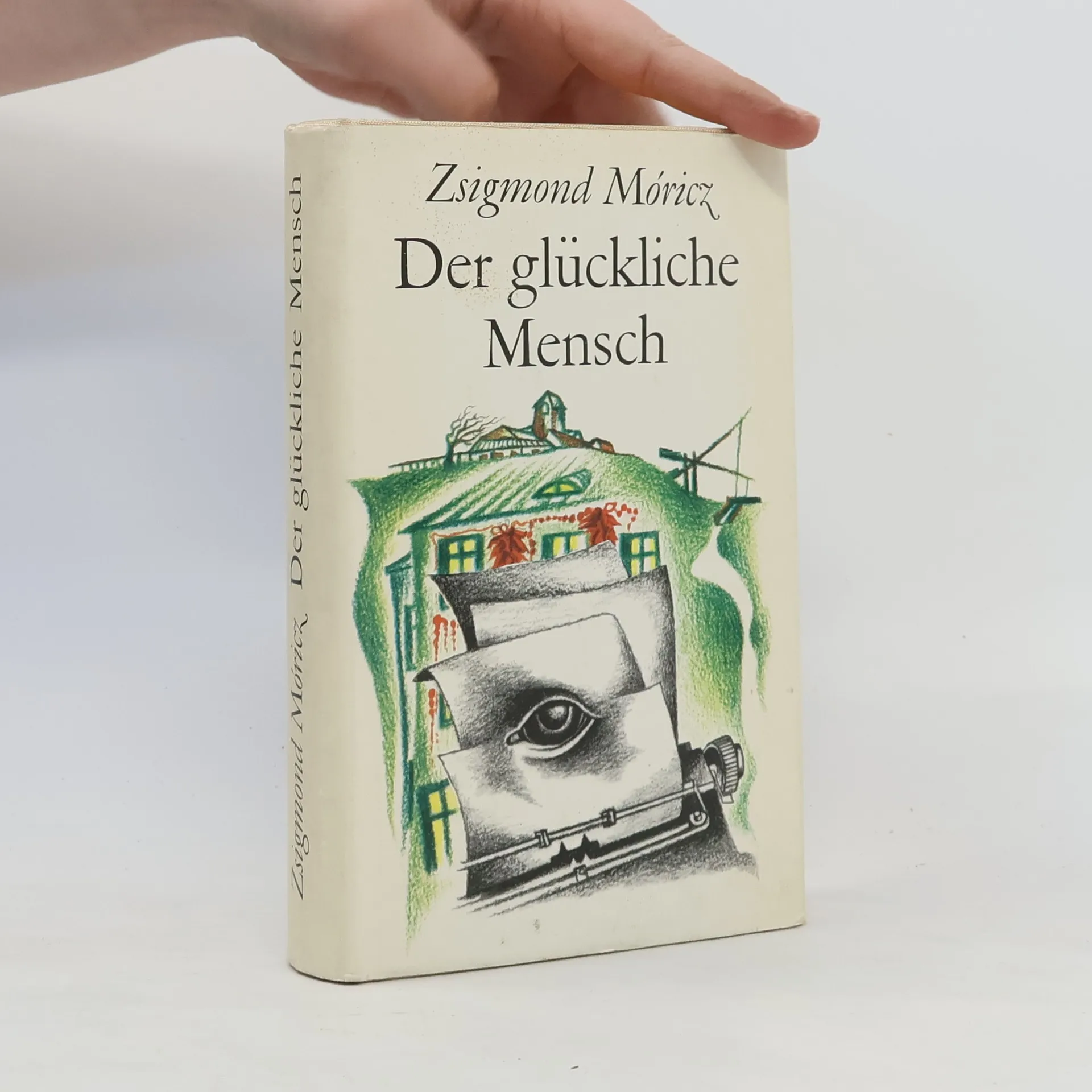
    • Zsigmond Móricz (1879–1942) widmete sein schriftstellerisches Werk der ungarischen Landbevölkerung. Der Protagonist György Jo. in »Der glückliche Mensch« verkörpert den unverwüstlichen Kätners, der täglich bei größeren Landbesitzern arbeitet, um seinen Lebensunterhalt zu sichern. Er erinnert sich an die Freuden seiner Kindheit, geprägt von Gelegenheitsarbeiten und einfachen Mahlzeiten. Trotz der wachsenden sozialen Ungleichheit im Dorf, wo die Reichen unlautere Mittel nutzen, um den Besitz der Ärmeren zu erlangen, findet György mit unerschöpflichem Humor Glück im Alltag und beim Tanzen mit den Mädchen aus der Nachbarschaft. Die schlichte Schönheit seiner Erzählung fesselt die Leser, die mit ihm fiebern und sich wünschen, dass seine Bemühungen um Wohlstand erfolgreich sind. Timea Tankós kraftvolle Übersetzung bleibt nah am unverfälschten Erzählton Móricz' und verleiht der Geschichte eine lebendige Note voller Erlebnislust und Bauernschläue. Trotz aller Rückschläge bleibt die Hoffnung auf den nächsten Sonnenaufgang und einen weiteren Tag voller Möglichkeiten auf neues Glück stets bestehen.

      Der glückliche Mensch
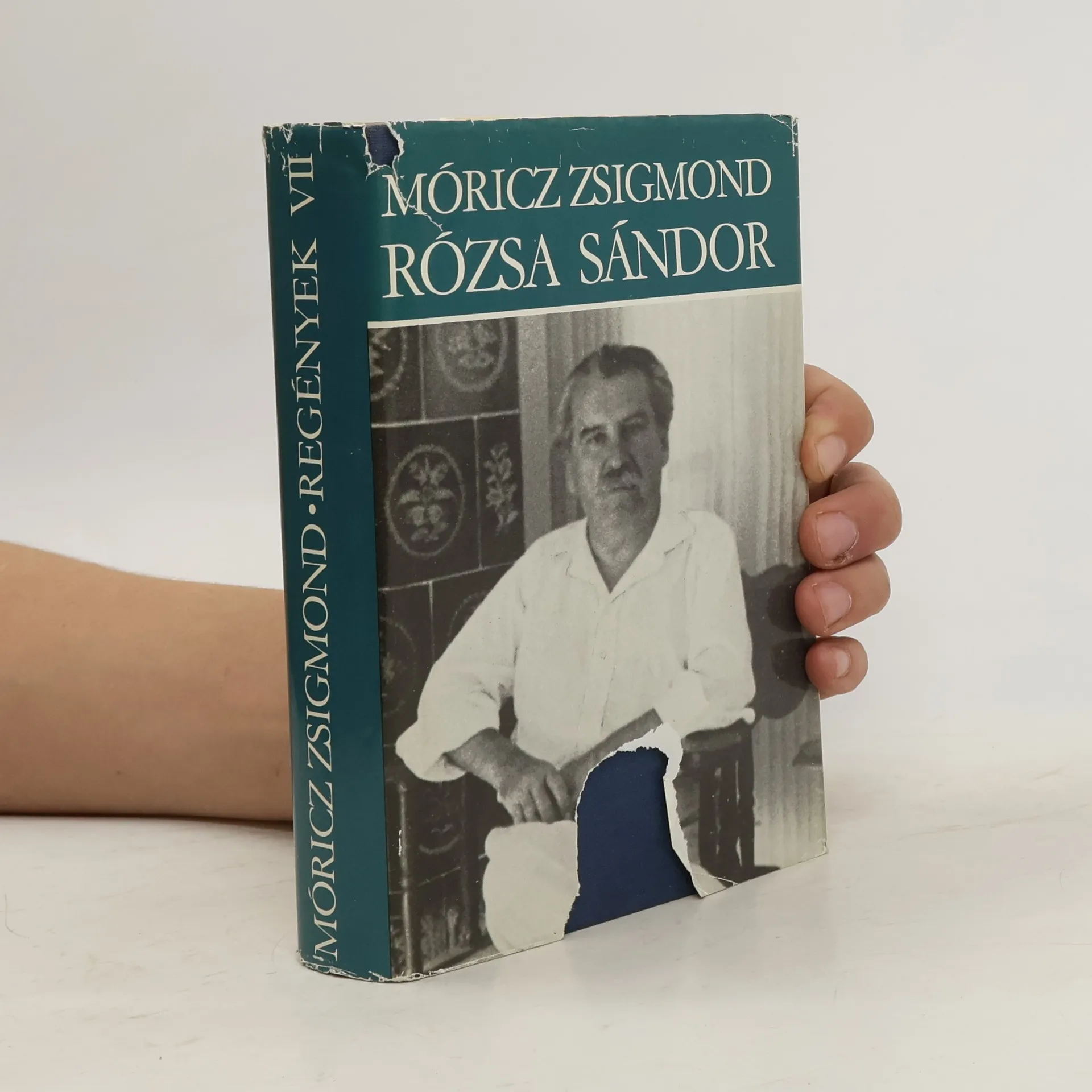
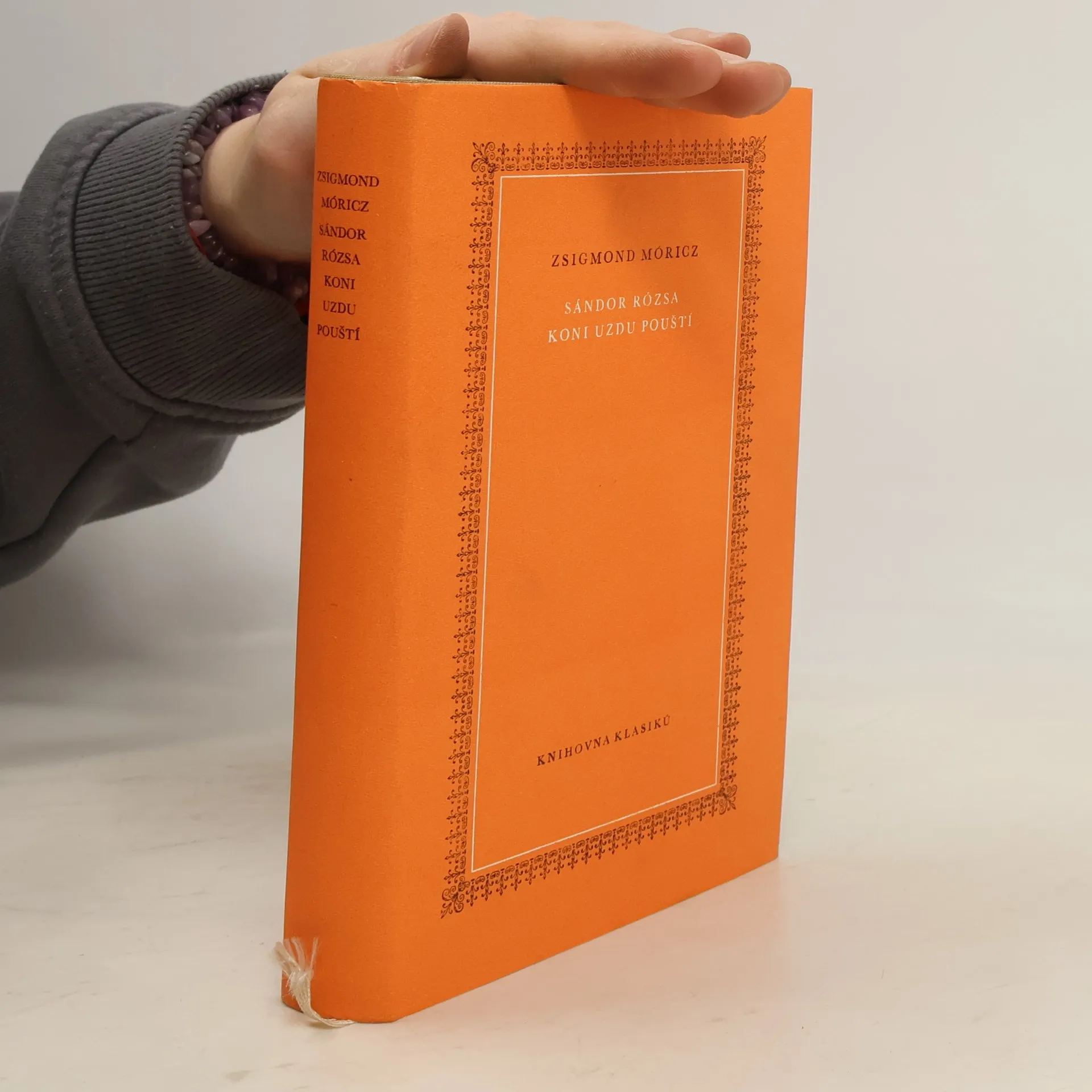
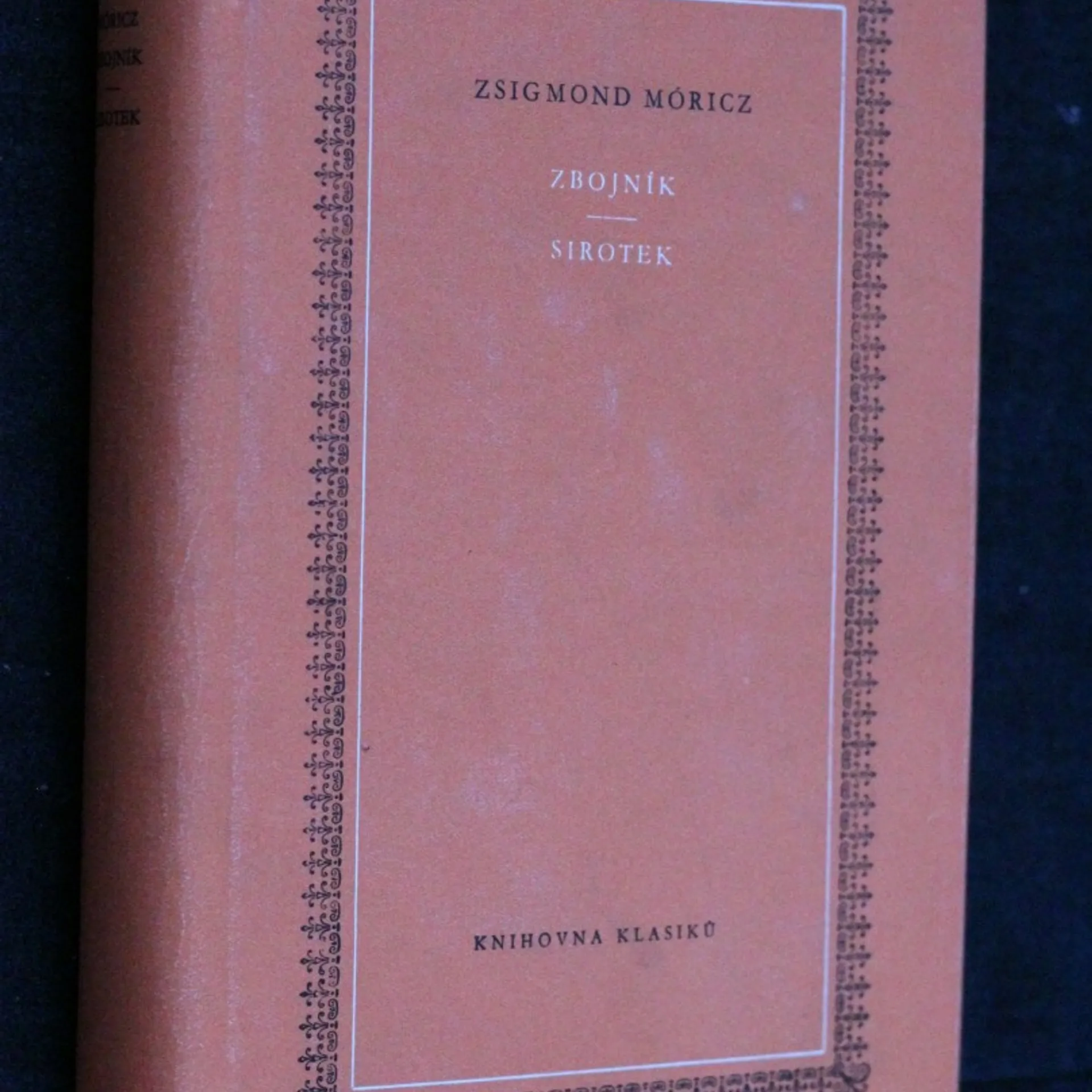
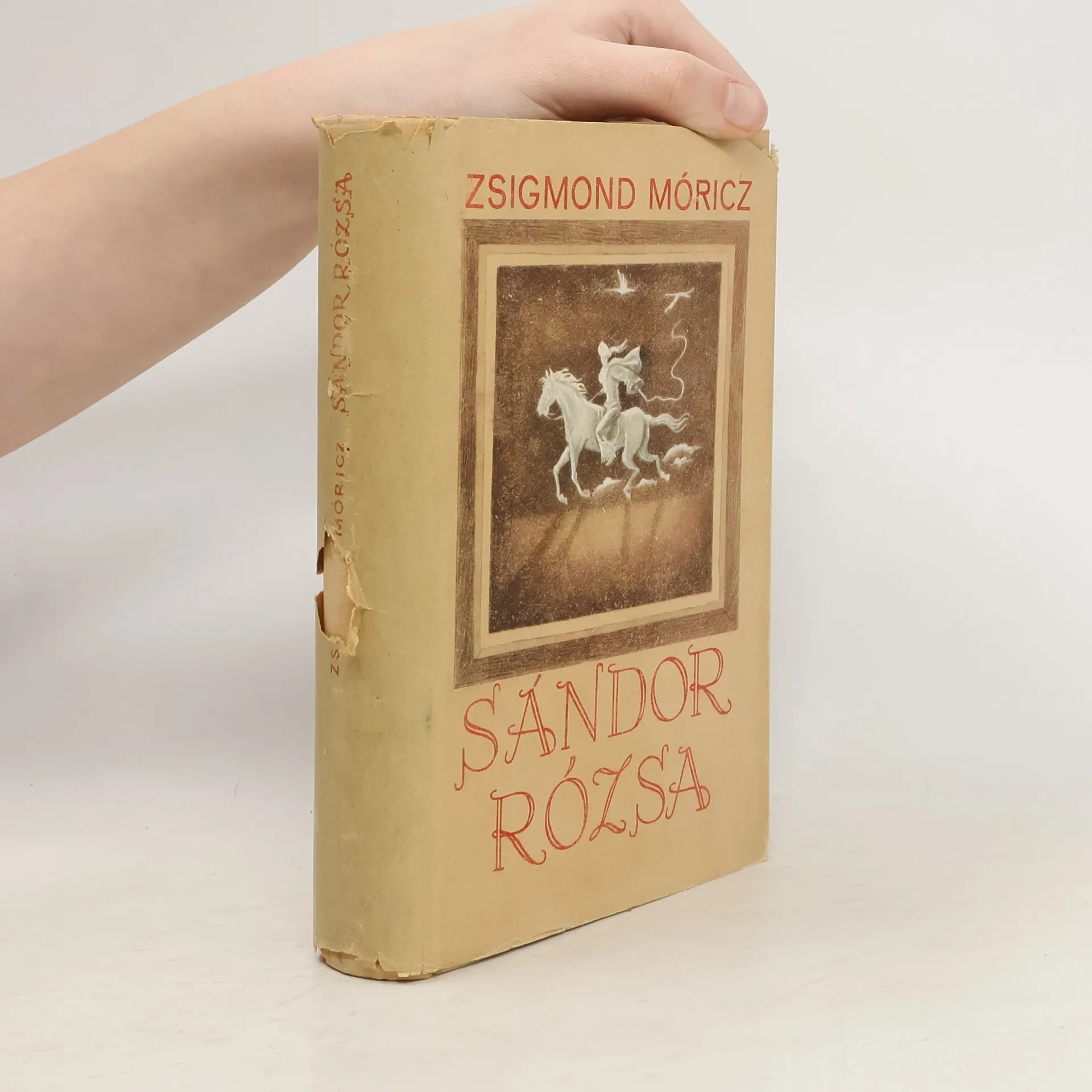
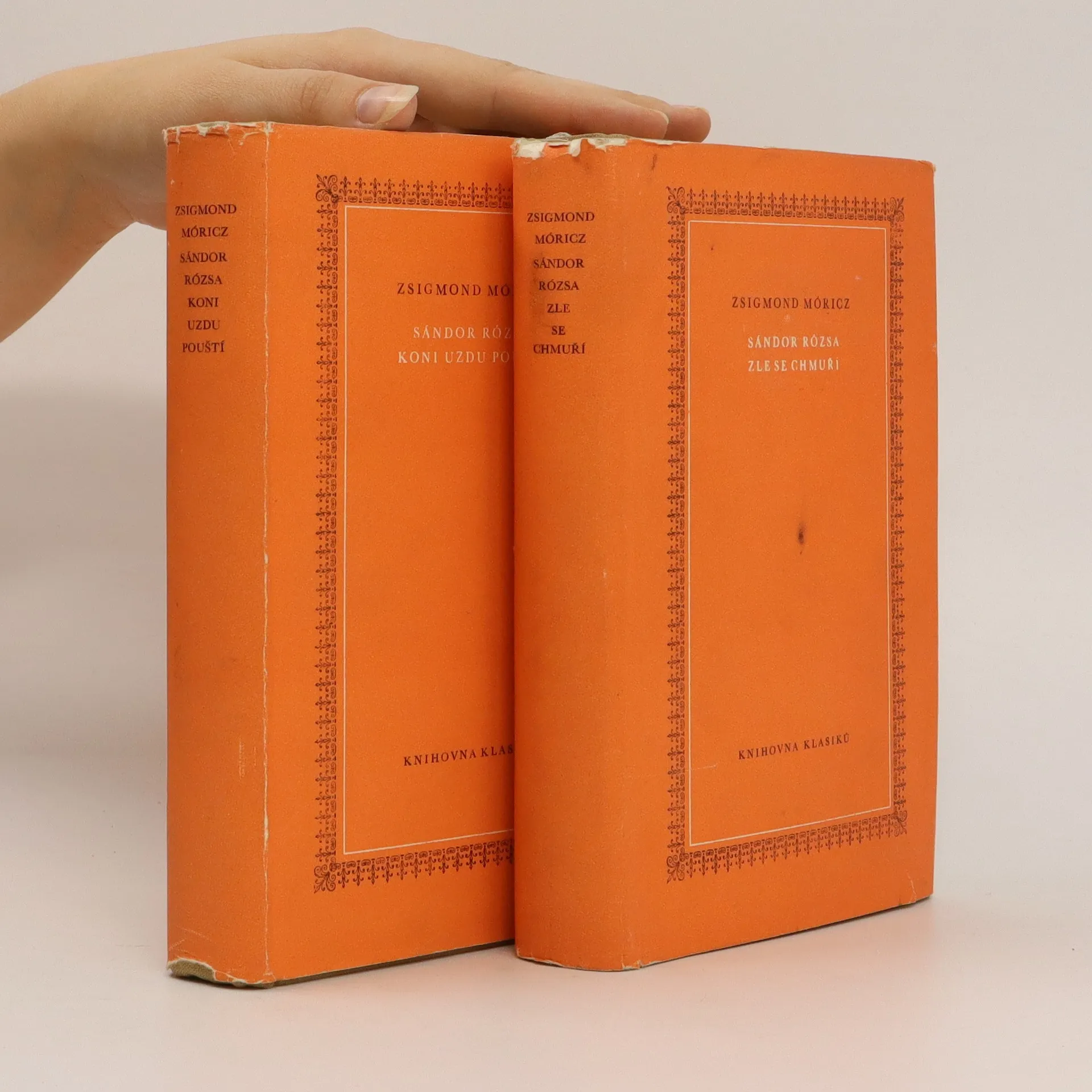
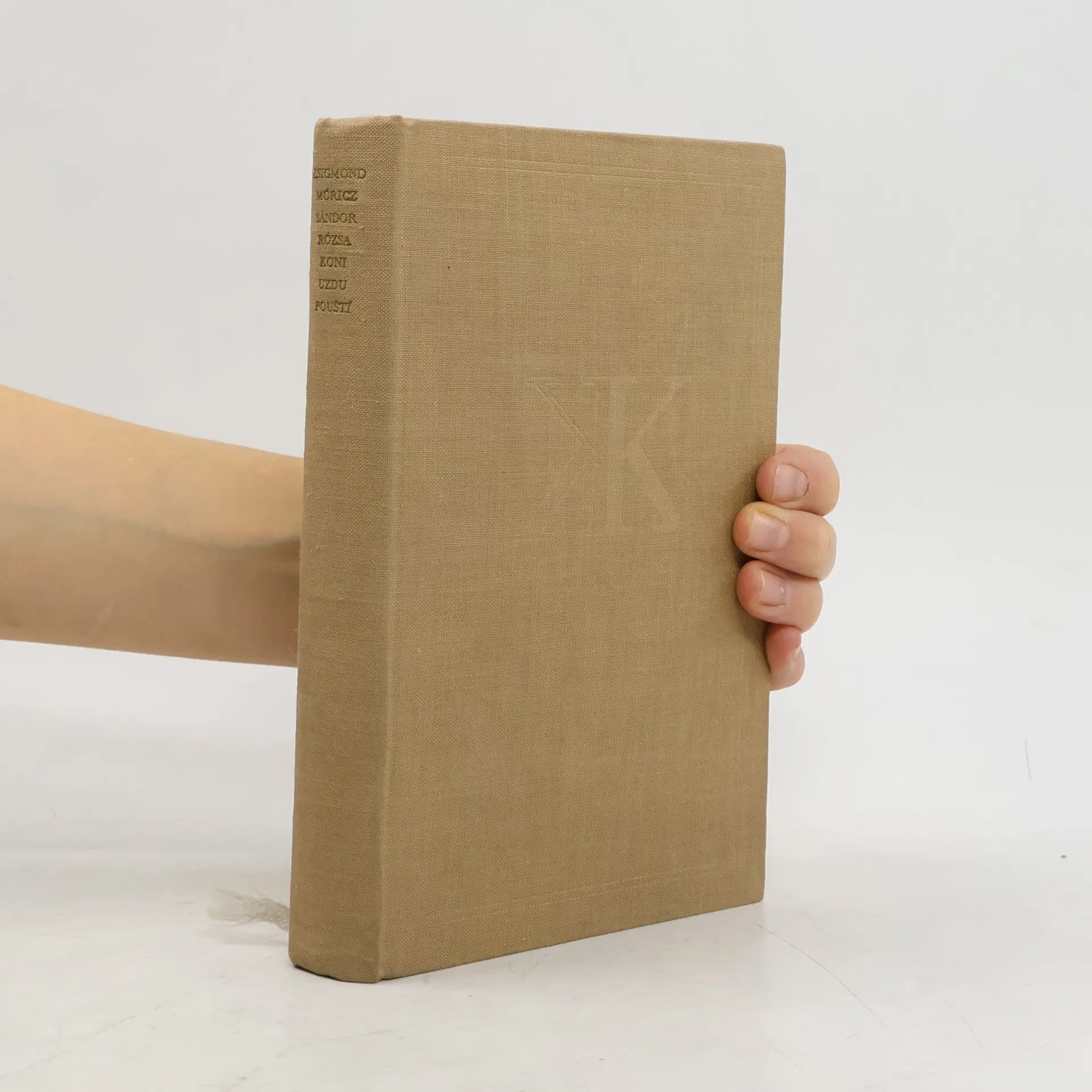
    • Dvoudílná románová epopej, torzo ze zamýšlené trilogie, je oslavou legendárního maďarského zbojníka, vylíčeného nejen jako mstitele křivd chudiny, nýbrž i zcela realisticky jako rváče a tyrana. Pokouší se několikrát zanechat zbojnictví, ale vždy je donucen znovu sáhnout k násilí. Zúčastní se revoluce r. 1848 a znechucen pošpiněním boje za svobodu krutostmi a loupežemi, odchází do ústraní.

      Sándor Rózsa koni uzdu pouští
    • Román maďarského autora, hlavným hrdinom je Gyorgy Joó, ktorý sa možno trochu privčas púšťa do dobrodružstiev lásky, no privčas sa musel začať boriť aj so životom, zarábať i stať sa doslovne mladým gazdom v dome, keď mu otec umrel a on, trinásťročný chlapec, ostal s matkou sám. "Keby nebolo dievčat a keby som s nimi nebol mal pletky, bol by môj život pustý ako prázdny obrok," hovorí Gyorgy Joó už ako zrelý mládenec.....

      Šťastný človek