Compra 10 libros por 10 € aquí!
Bookbot

Tariq Ali

    21 de octubre de 1943

    Tariq Ali es un historiador y novelista británico-pakistaní cuya obra se adentra principalmente en temas políticos e históricos. Sus novelas y escritos de no ficción se caracterizan por análisis penetrantes de eventos globales contemporáneos y una profunda comprensión de los contextos históricos. El estilo de Ali es conocido por su agudeza crítica y su capacidad para conectar fenómenos sociales complejos con narrativas personales. Sus obras provocan la reflexión sobre la naturaleza del poder, la ideología y las relaciones internacionales.

    Tariq Ali
    The clash of fundamentalisms: crusades, jihads and modernity
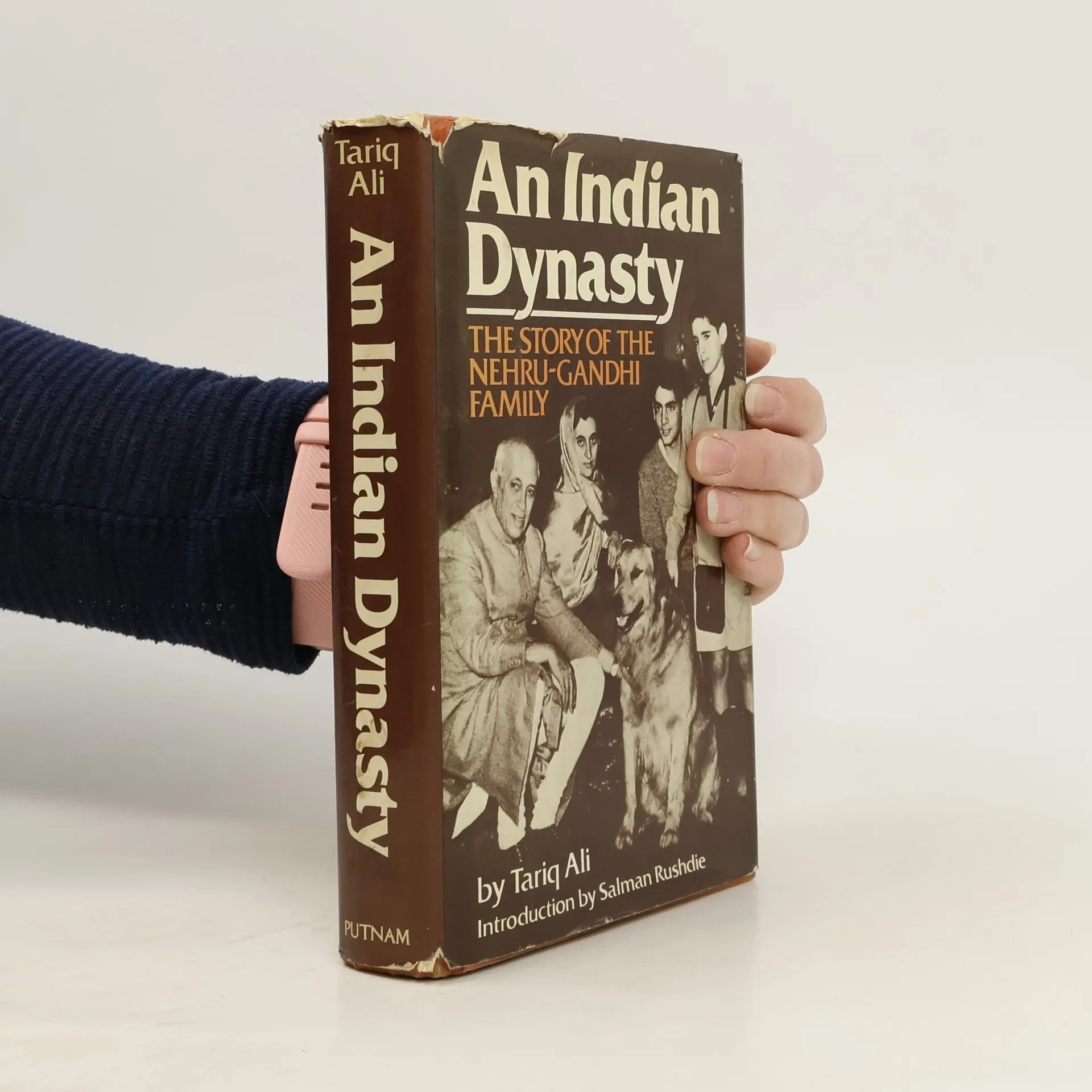
    An Indian Dynasty
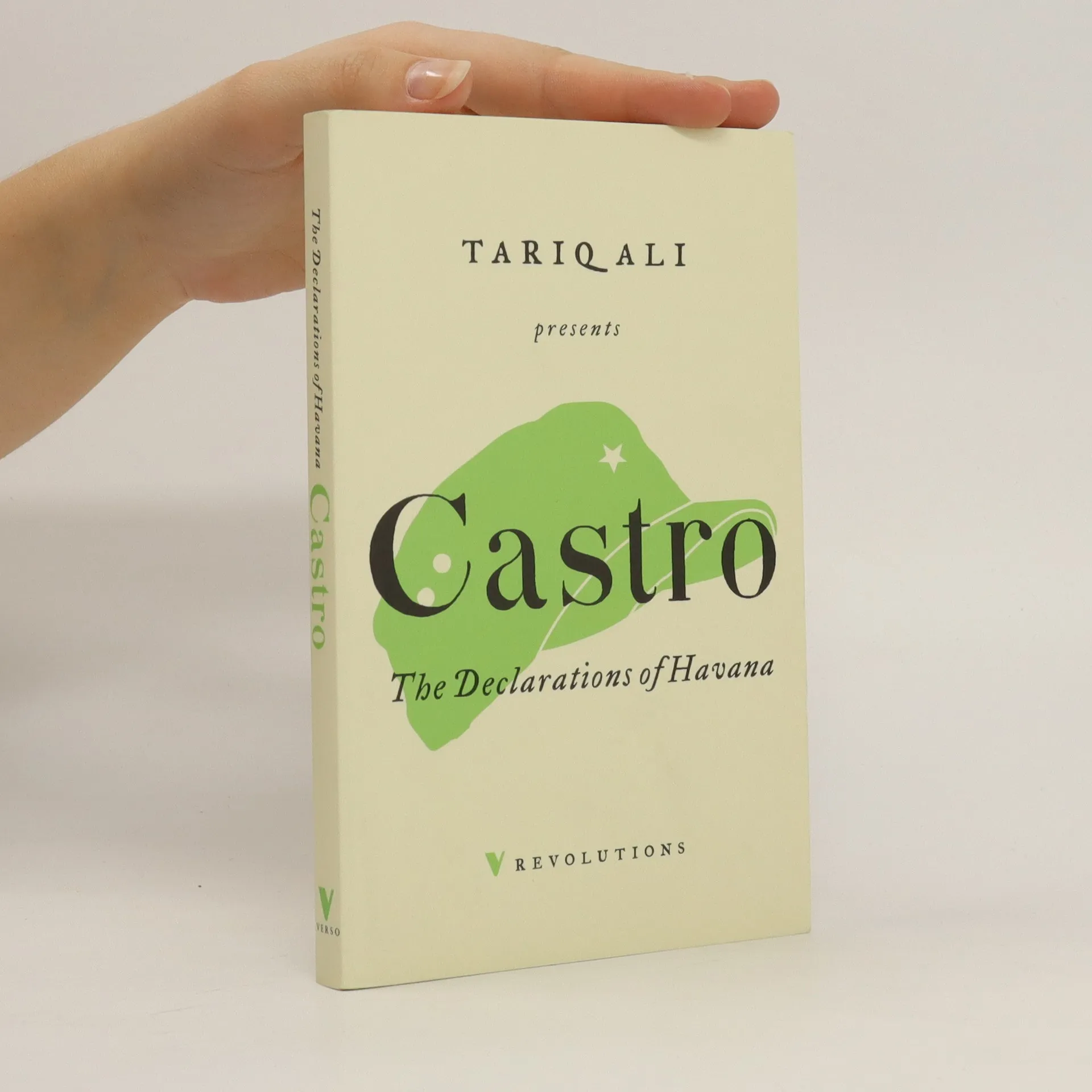
    The Declarations of Havana
    Street-Fighting Years
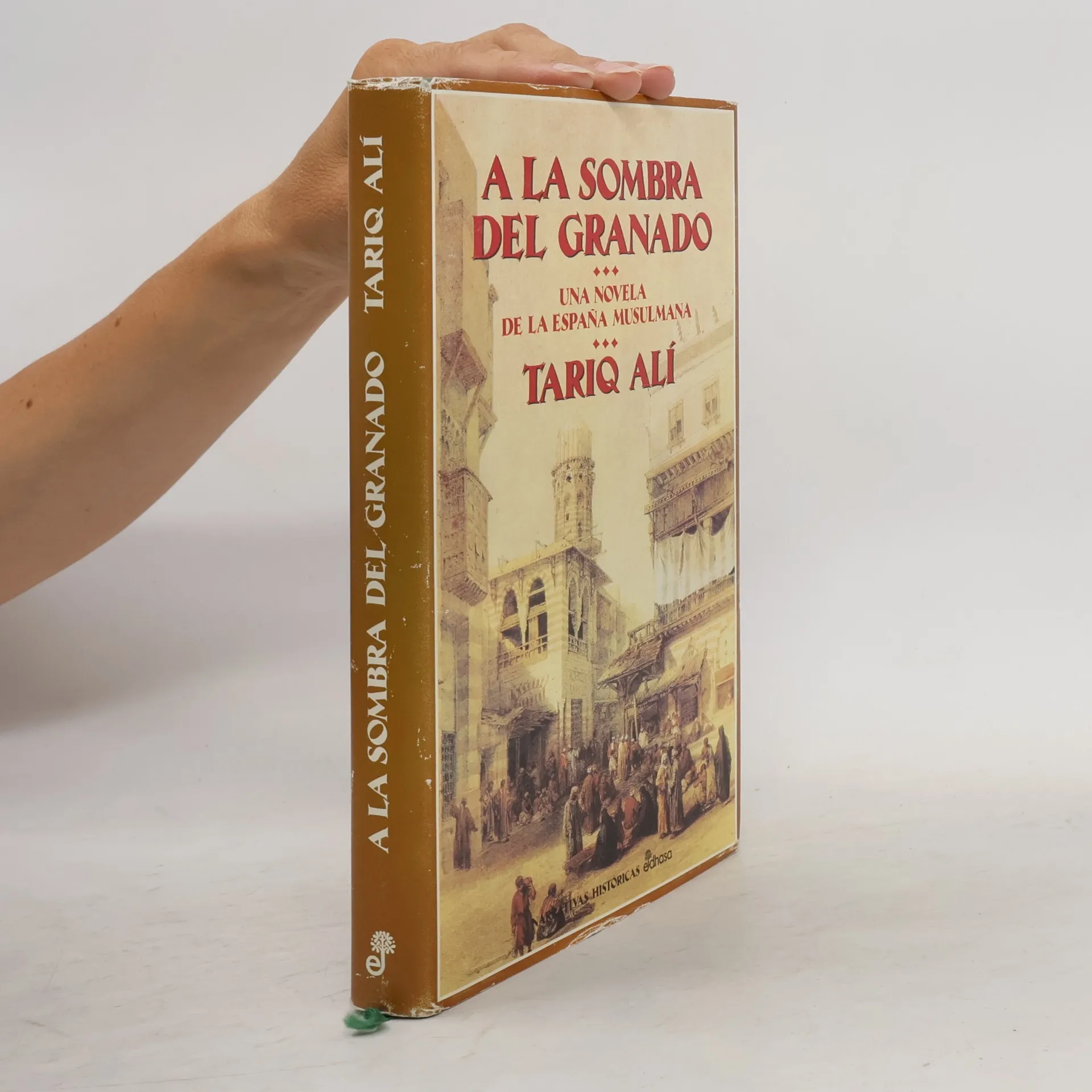
    A la sombra del granado
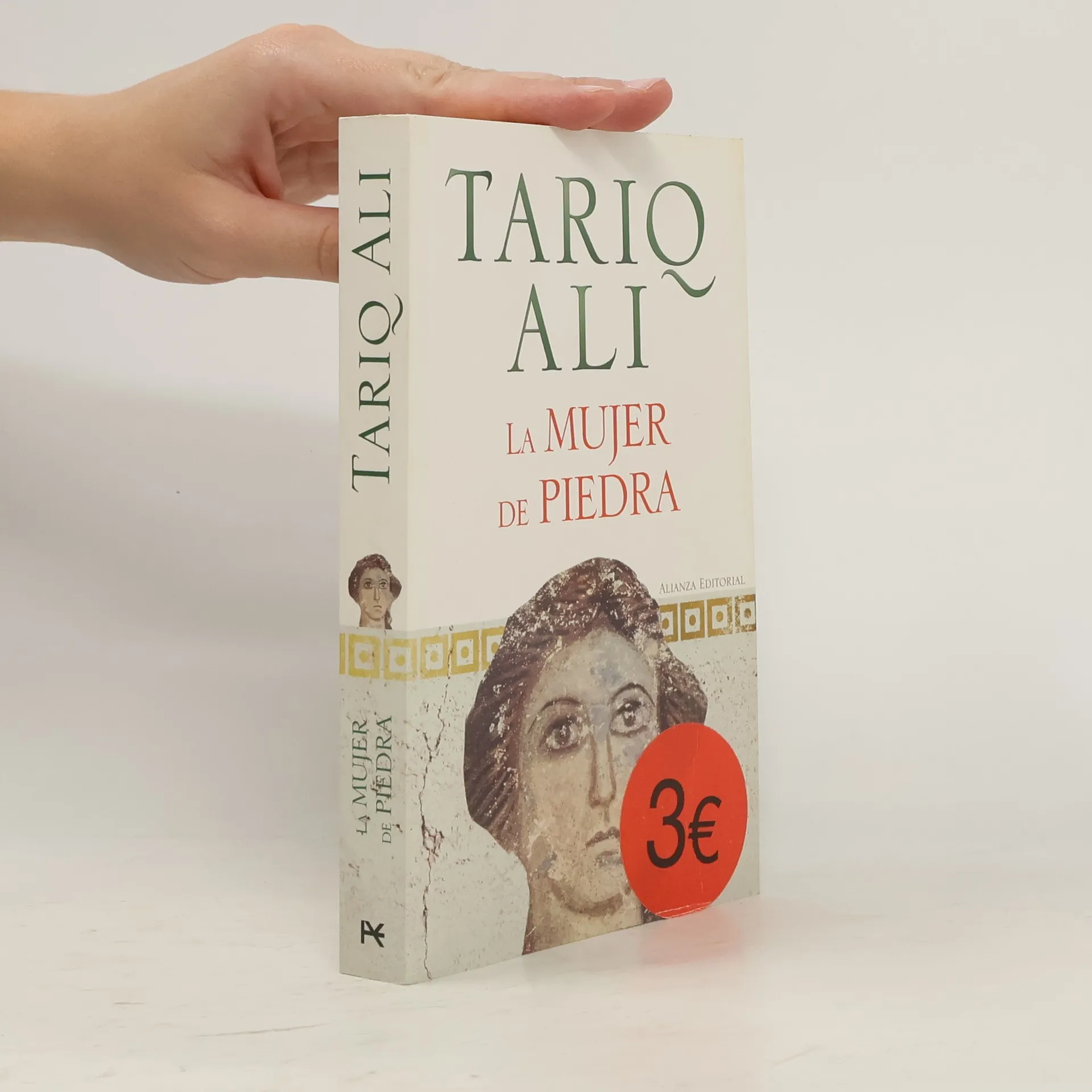
    La mujer de piedra
    • La mujer de piedra

      • 357 páginas
      • 13 horas de lectura

      Estamos cerca de Estambul, en 1899, en el palacio que un antiguo amigo del sultán, caído en desgracia, hizo construir después de que este decretara su destierro de la corte, y que durante doscientos años ha pertenecido a sucesivas generaciones de la familia. Nilofer, hija de Iskander Bajá, regresa después de nueve años de ausencia con su hijo. Allí, a la sombra de las familiares paredes del viejo edificio, en mitad de los sensuales olores del antiguo jardín y del vecino mar, se reencontrará con los miembros de su familia, con nuevos y atractivos personajes, miembros todos ellos de una sociedad que vive su decadencia. El regreso moverá a Nilofer a desgranar sus recuerdos y a escuchar de nuevo las viejas historias de la familia Pero igual de importante que su reencuentro con familia, personas y relatos es su reencuentro con "La mujer de piedra", una antiquísima estatua que se levanta en el huerto y que es la depositaria de los secretos, confidencias y consultas de toda la familia...

      La mujer de piedra
    • A la sombra del granado

      • 286 páginas
      • 11 horas de lectura

      Novela apasionante y estremecedora, “A la sombra del granado” es la incomparable crónica de un desgarramiento: el de los musulmanes que permanecieron en sus tierras tras la culminación de la Reconquista en 1492 y a los cuales el decreto de conversión promulgado diez años más tarde llevó a la diáspora, al ocultamiento o a una frustrante decisión. A través de los avatares de una familia morisca del reino de Granada, Tariq Ali pinta un fresco inolvidable de esos días decisivos en que, con un telón de fondo presidido por la ominosa figura del cardenal Cisneros, las hogueras inquisitoriales, espías, intrigas y escaramuzas, declina lentamente la luz de una civilización espléndida y una convivencia secular de culturas y religiones se ve abocada a una inexorable extinción.

      A la sombra del granado
    • Street-Fighting Years

      An Autobiography of the Sixties

      • 416 páginas
      • 15 horas de lectura

      Set against the backdrop of political upheaval, this memoir chronicles the transformative journey of a young individual who becomes deeply engaged in revolutionary activities. It explores themes of identity, social justice, and the quest for change, detailing the personal struggles and ideological awakenings that shape the protagonist's beliefs. Through vivid storytelling, the author offers insights into the motivations behind activism and the impact of historical events on personal growth, making it a compelling read for those interested in the intersection of youth and political movements.

      Street-Fighting Years
    • The Declarations of Havana

      • 160 páginas
      • 6 horas de lectura

      In response to the American administration’s attempt to isolate Cuba, Fidel Castro delivered a series of speeches designed to radicalize Latin American society. As Latin America experiences more revolutions in Venezuela and Bolivia, and continues to upset America’s plans for neo-liberal imperialism, renowned radical writer and activist Tariq Ali provides a searing analysis of the relevance of Castro’s message for today.

      The Declarations of Havana
    • The aerial attacks on the Pentagon and the World Trade Center, a global spectacle of unprecedented dimensions, generated an enormous volume of commentary. The inviolability of the American mainland, breached for the first time since 1812, led to extravagant proclamations by the pundits. It was a new world-historical turning point. The 21st century, once greeted triumphantly as marking the dawn of a worldwide neo-liberal civilization, suddenly became menaced. The choice presented from the White House and its supporters was to stand shoulder-to-shoulder against terrorism or be damned.Tariq Ali challenges these assumptions, arguing instead that what we have experienced is the return of History in a horrific form, with religious symbols playing a part on both ‘Allah’s revenge,’ ‘God is on Our Side’ and ‘God Bless America.’ The visible violence of September 11 was the response to the invisible violence that has been inflicted on countries like Afghanistan, Pakistan, Iraq, Saudi Arabia, Egypt, Palestine and Chechnya. Some of this has been the direct responsibility of the United States and Russia. In this wide-ranging book that provides an explanation for both the rise of Islamic fundamentalism and new forms of Western colonialism, Tariq Ali argues that many of the values proclaimed by the Enlightenment retain their relevance, while portrayals of the American Empire as a new emancipatory project are misguided.

      The clash of fundamentalisms: crusades, jihads and modernity
    • Ali encourages the reader to take a fresh look at Lenin's choices in the context of a repressive autocracy, the poverty and misery of the bulk of the population under tsarism and the industrialised slaughter of the first world war. What underpins his book is the view that October was an 'innocent and utopian birth' that was subsequently 'twisted' into Stalinism by three devastating years of civil war. -Daniel Beer, Guardian [The Dilemmas of Lenin] aims to rescue Lenin from both liberal caricature and Soviet hagiography by recovering the realism and dynamism of his political thought. -David Sessions, New Republic Reading this book on your vacation will make your life better and your mind broader. -Branko Milanovic A powerful tool for those wanting to understand the real Lenin and therefore the real politics behind those revolutionaries who fought so hard but ultimately failed in their goal. -Lindsey German, Counterfire An incredibly powerful, panoramic, and insightful study of the central revolutionary figure of the twentieth century ... The Dilemmas of Lenin helps attentive readers comprehend something of what happened in history, the realities of our time, and how the future could unfold if we approach it with understanding and commitment. -Paul Le Blanc, International Socialist Review

      The Dilemmas of Lenin
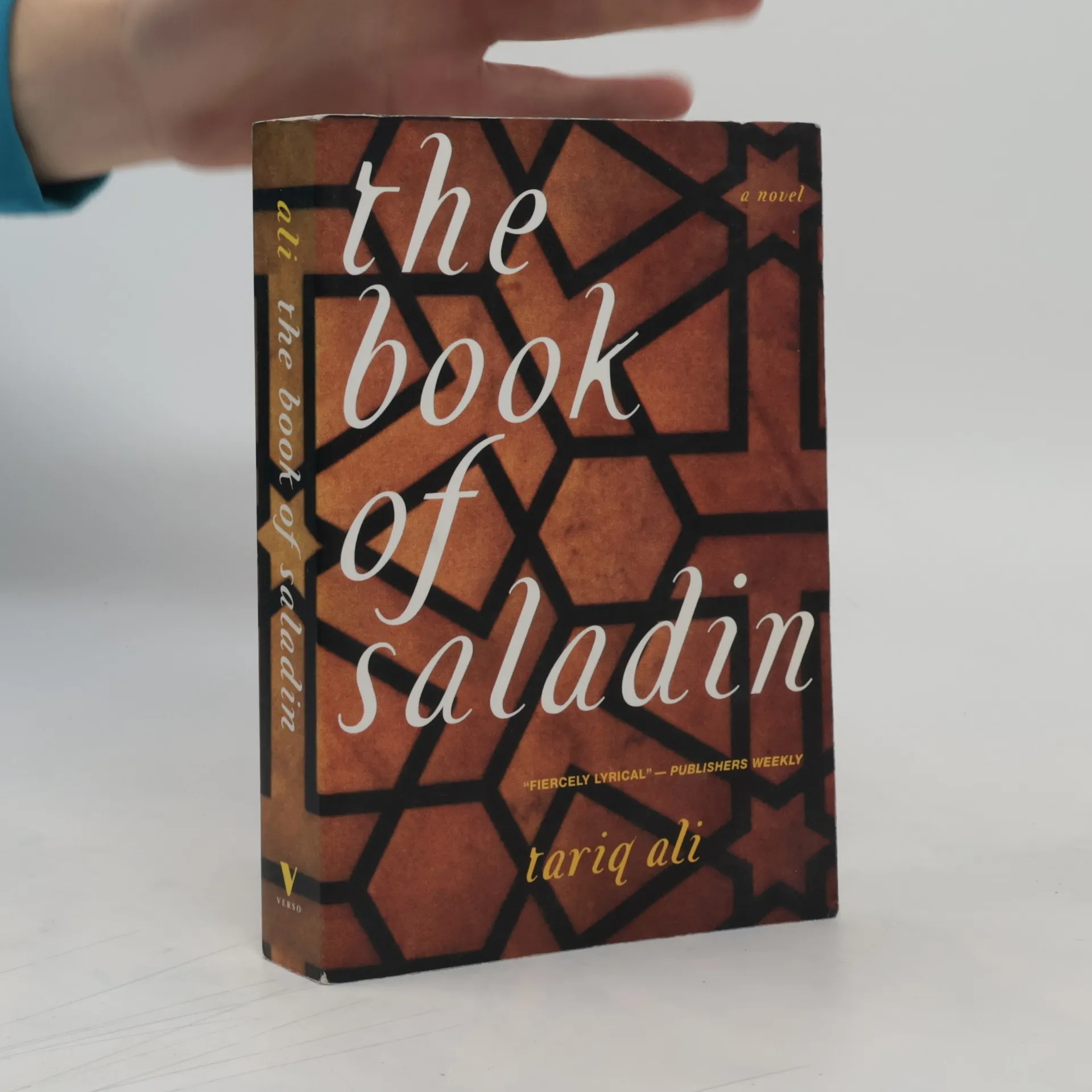
    • The Book of Saladin is the fictional memoir of Saladin, the Kurdish liberator of Jerusalem, as dictated to a Jewish scribe, Ibn Yakub. Saladin grants Ibn Yakub permission to talk to his wife and retainers so that he might present a full portrait in the Sultan’s memoirs. A series of interconnected stories follows, tales brimming over with warmth, earthy humor and passions in which ideals clash with realities and dreams are confounded by desires.At the heart of the novel is an affecting love affair between the Sultan’s favored wife, Jamila, and the beautiful Halina, a later addition to the harem. The novel charts the rise of Saladin as Sultan of Egypt and Syria and follows him as he prepares, in alliance with his Jewish and Christian subjects, to take Jerusalem back from the Crusaders. This is a medieval story, but much of it will be uncannily familiar to those who follow events in contemporary Cairo, Damascus, and Baghdad. Betrayed hopes, disillusioned soldiers and unrealistic alliances form the backdrop to The Book of Saladin .

      The Book of Saladin