Aún puedes pedir antes de Navidad 0 días y 14 horas
Bookbot

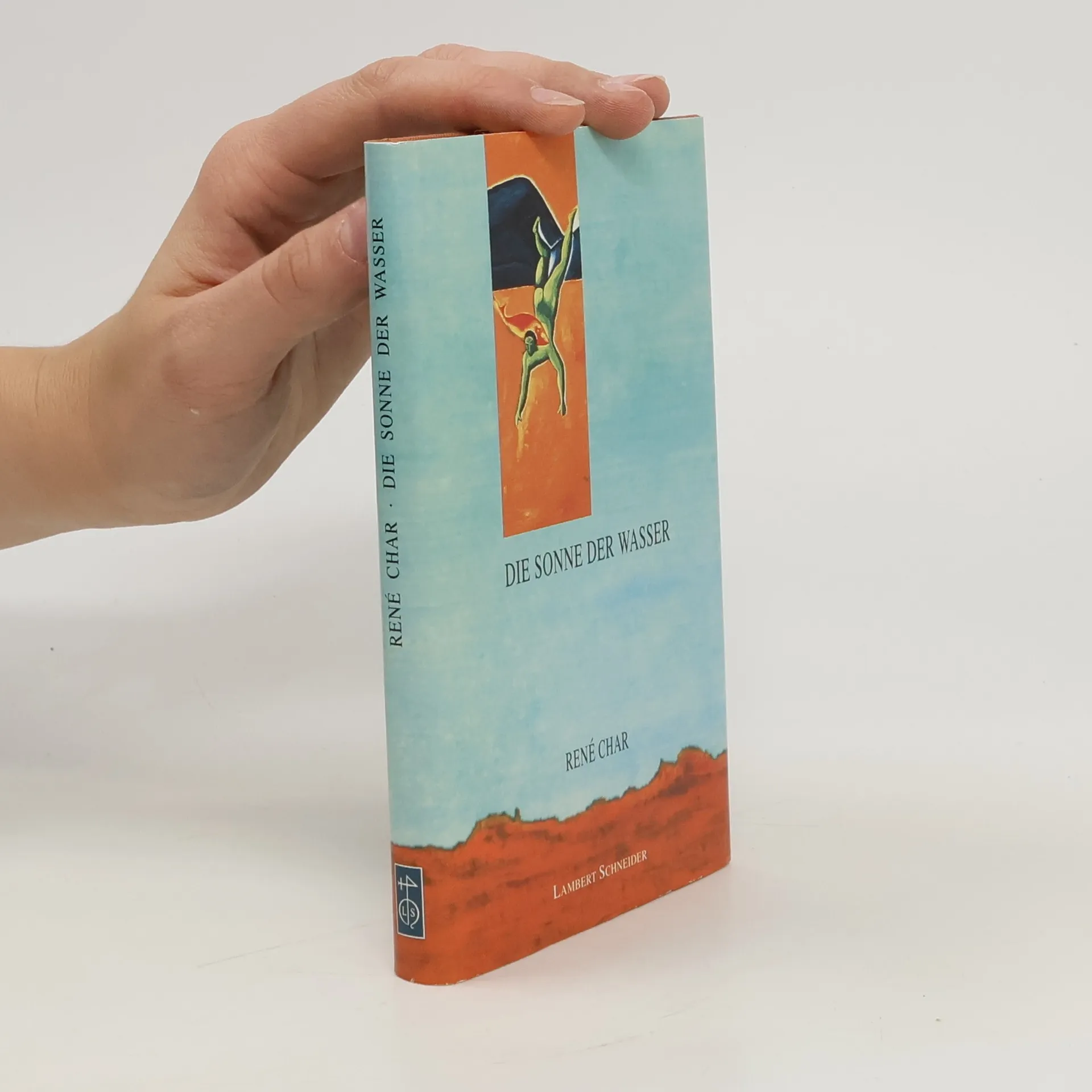
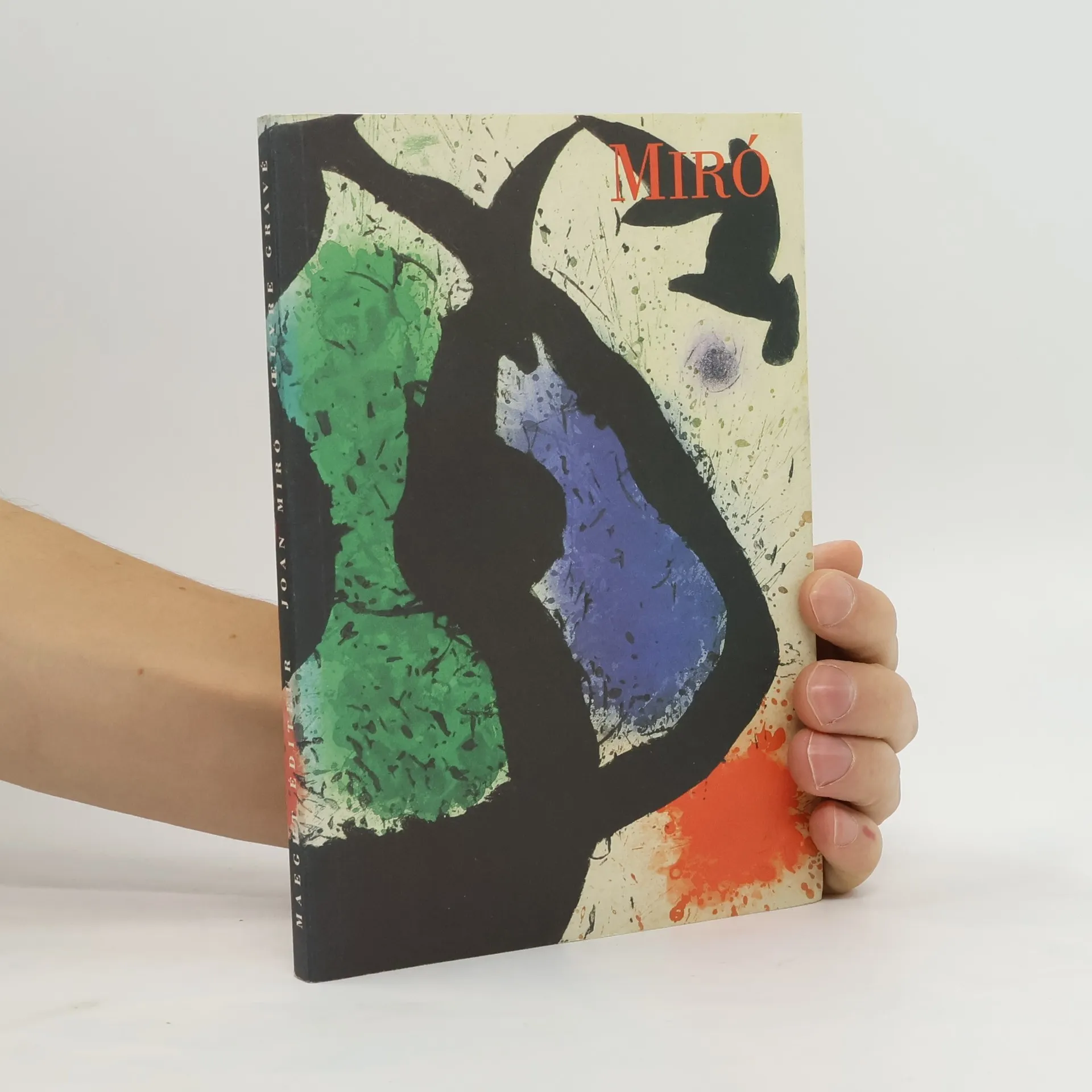
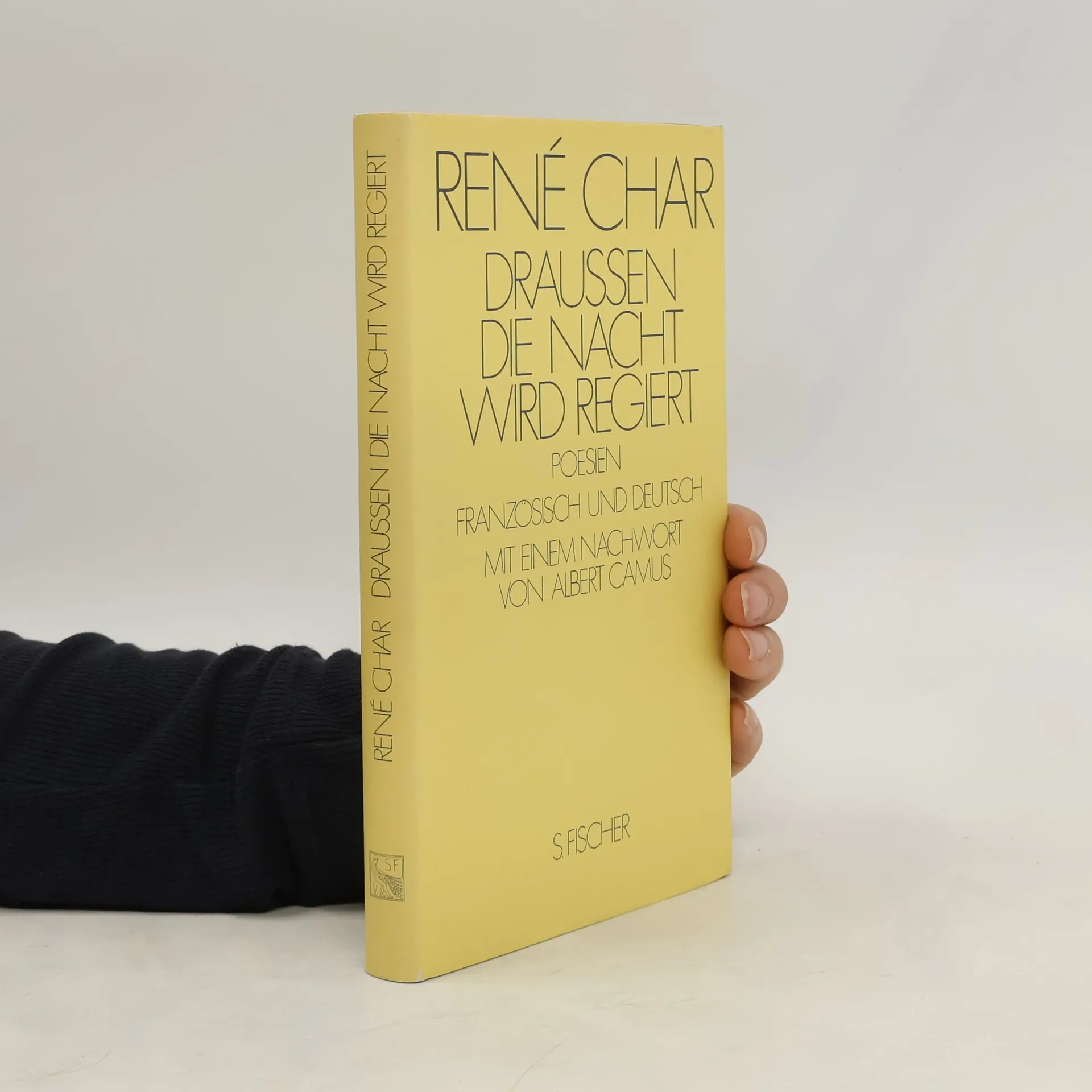
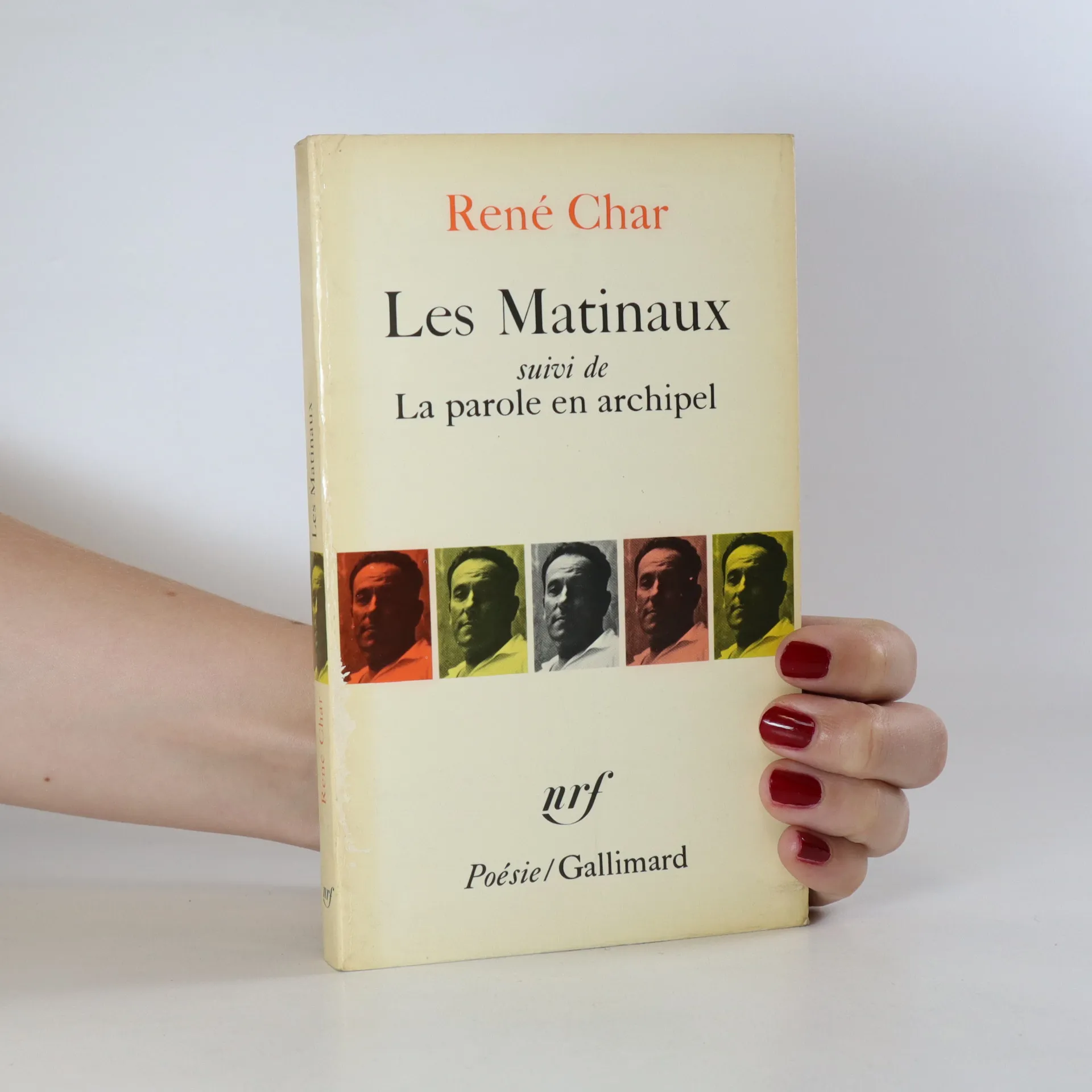
René Char

    14 de junio de 1907 – 19 de febrero de 1988

    René Char fue un poeta cuya obra estuvo profundamente influenciada por su enfoque filosófico de la poesía. Sus versos exploran a menudo temas como la existencia, la memoria y la conexión del ser humano con la naturaleza, enfatizando el momento presente y el poder del lenguaje. El estilo de Char se caracteriza por su concisión, precisión e introspección profunda, ofreciendo a los lectores una experiencia meditativa e intensa. Sus creaciones, publicadas frecuentemente en colaboración con destacados artistas visuales, representan un diálogo único entre la palabra y el arte.

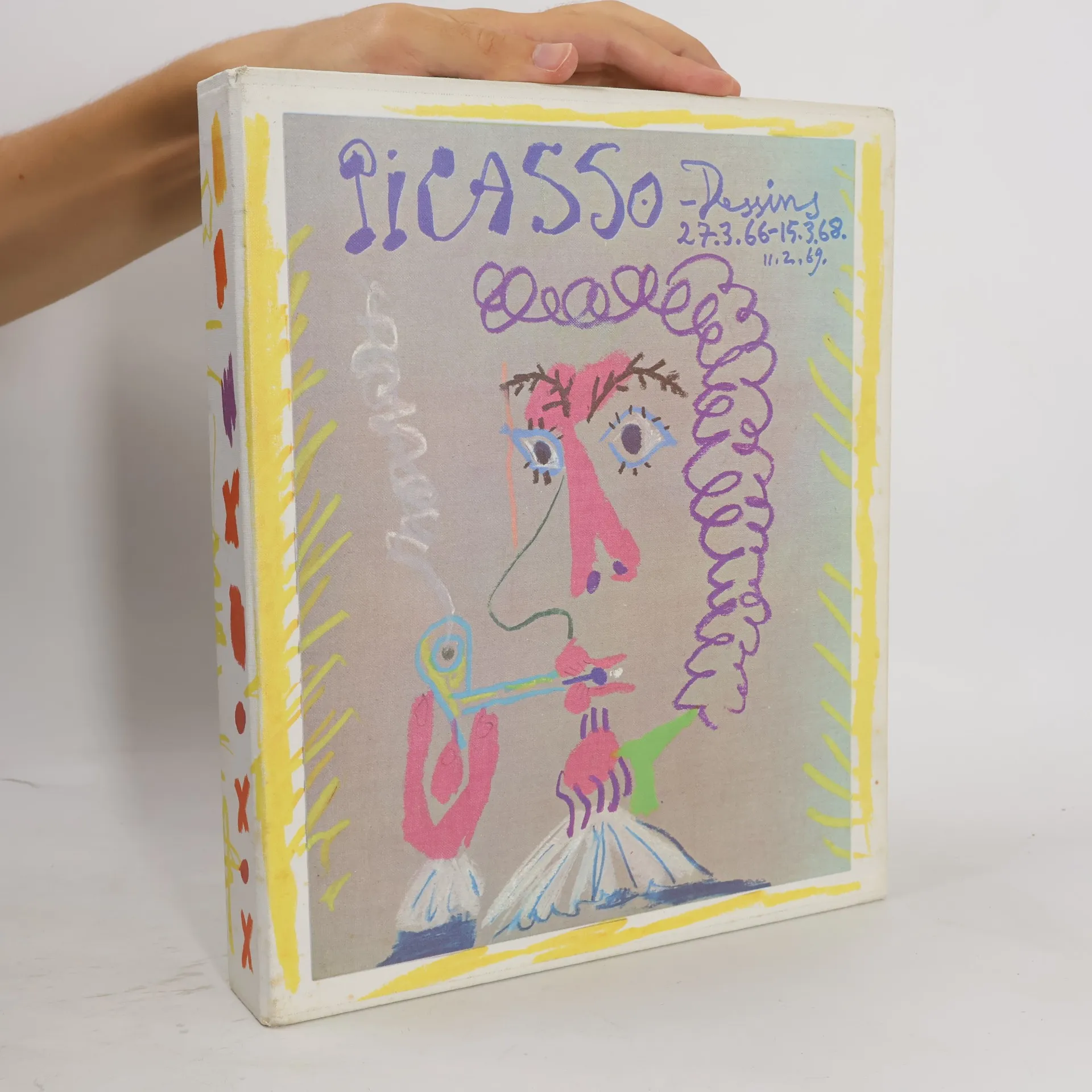
    Picasso. Zeichnungen 27.3.66 - 15.3.68
    Zorn und Geheimnis
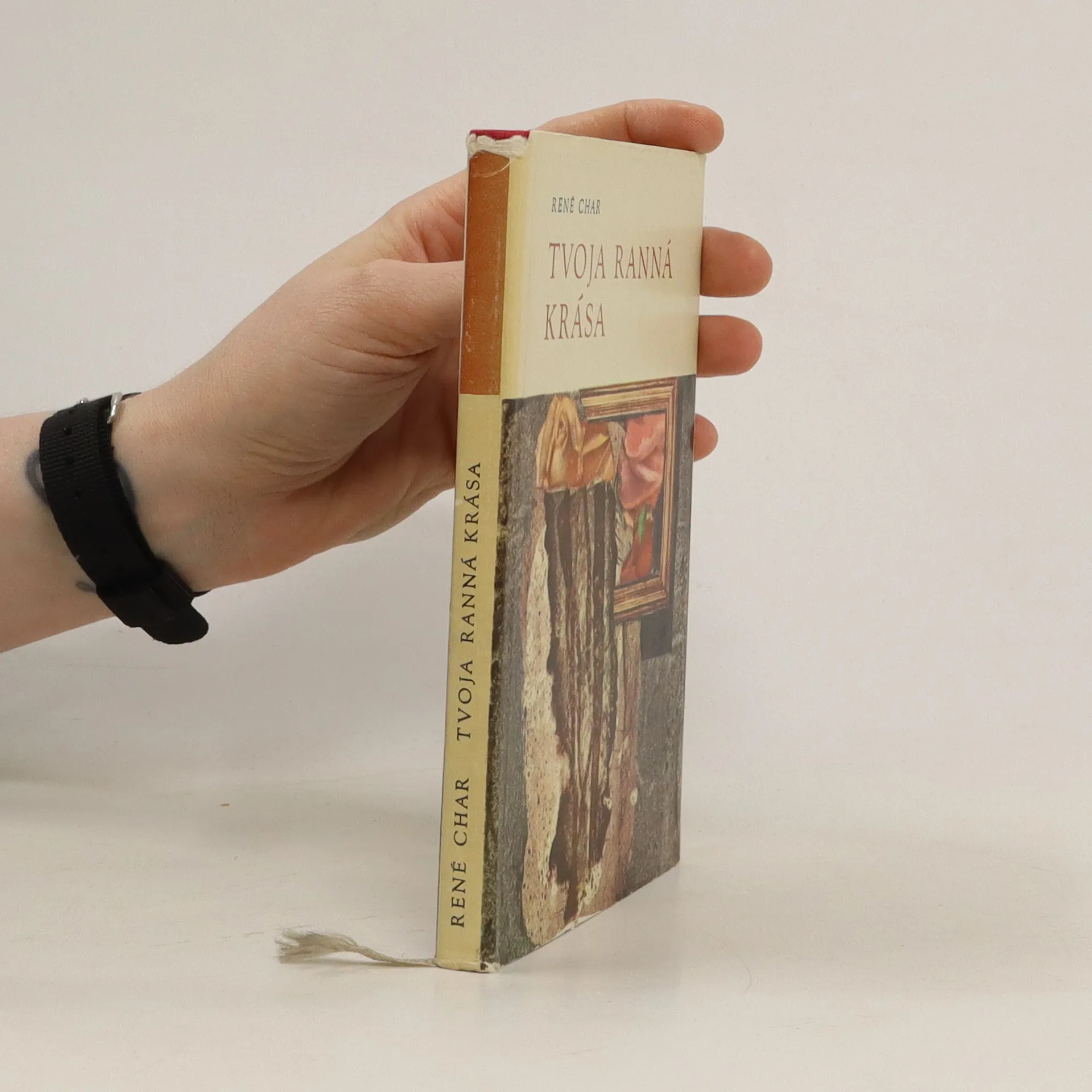
    Tvoja ranná krása
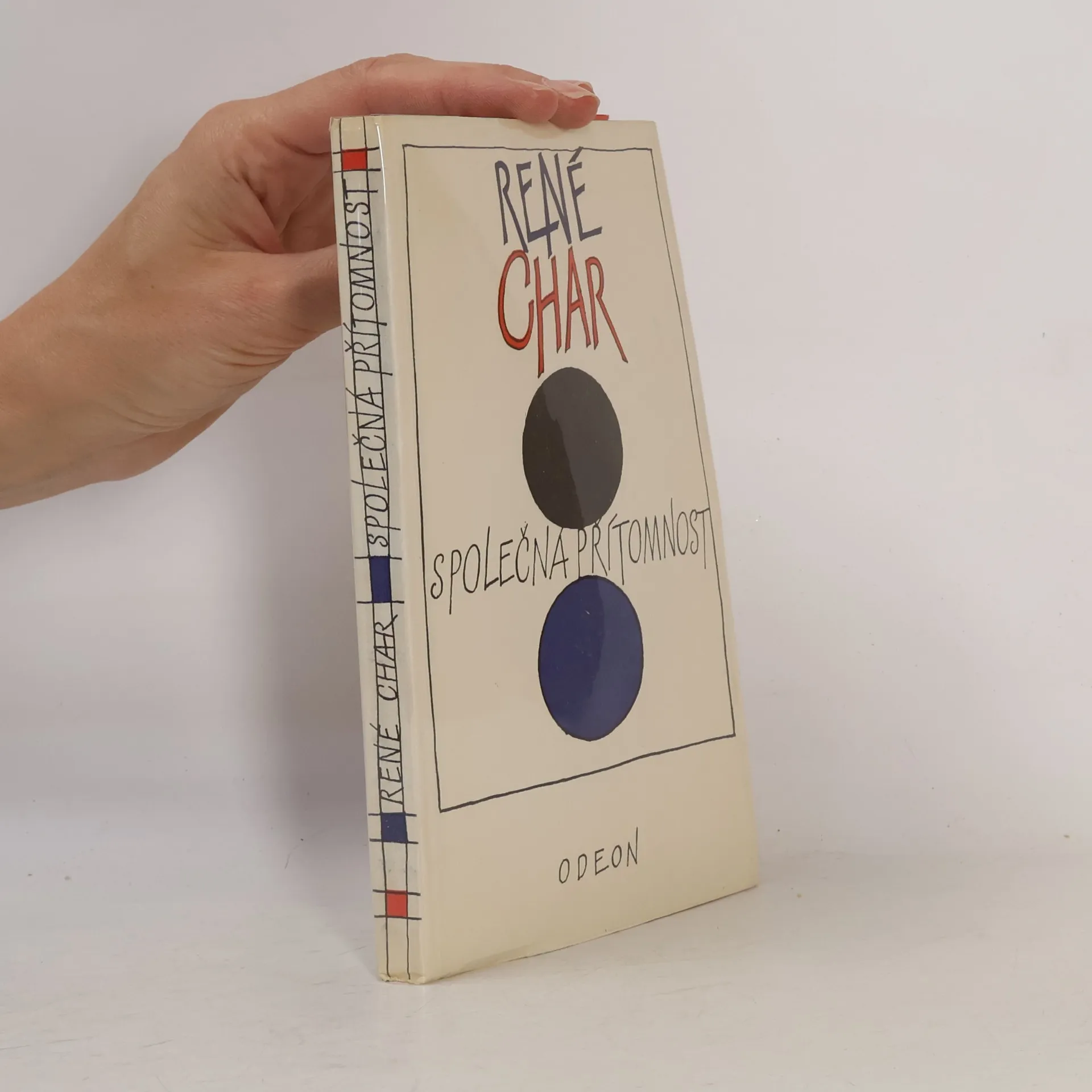
    Zápisky Hypnovy. Výslovný úděl.
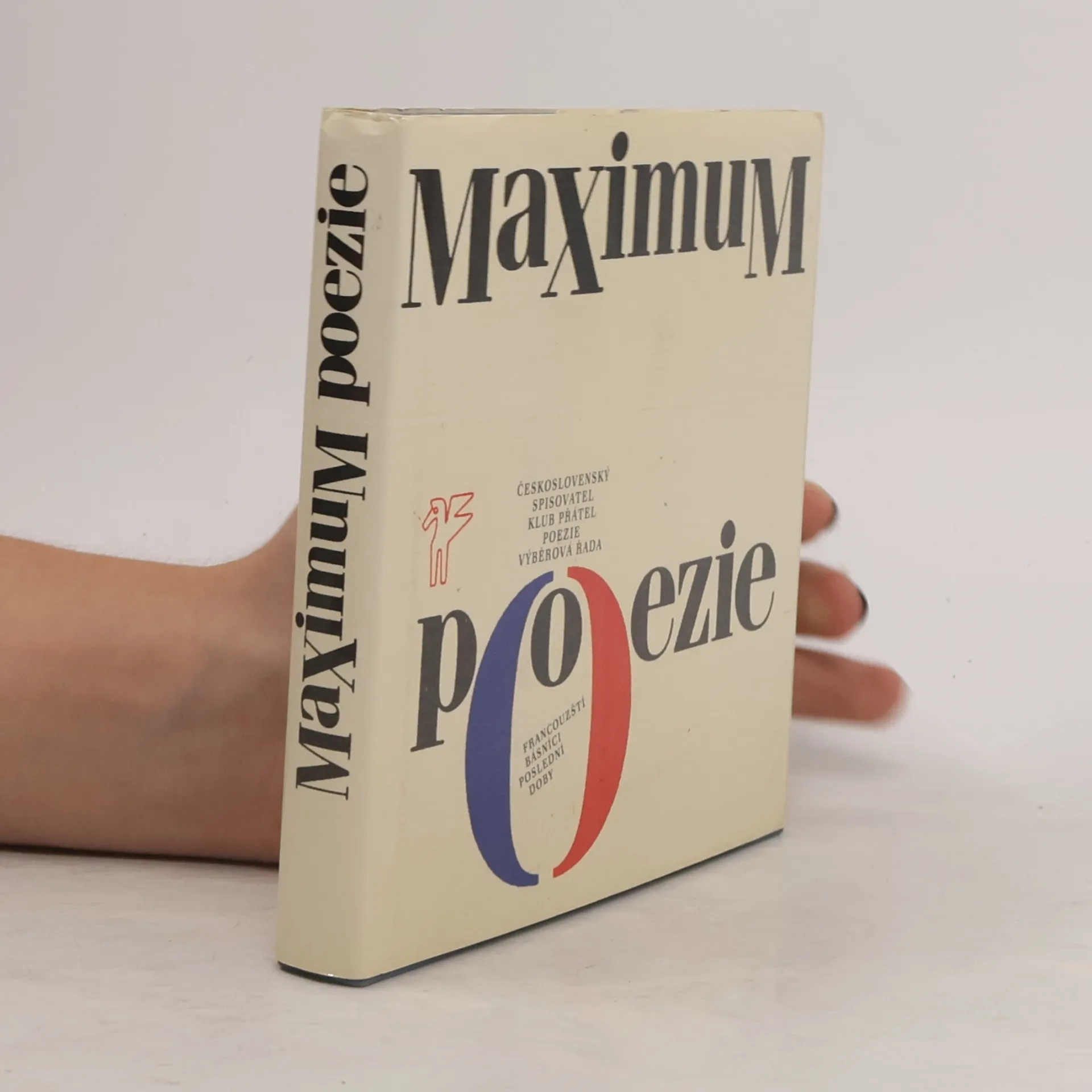
    Maximum poezie. Francouzští básnící poslední doby
    Hypnos
    • Hypnos

      • 94 páginas
      • 4 horas de lectura

      Now in paperback, René Char's Hypnos is both a remarkable work of literature and a document of unique significance in the history of the French Resistance. Hailed by the poet Paul Eluard as an "absolute masterpiece" upon its first appearance in 1946, René Char's Hypnos is both a remarkable work of literature and a document of unique significance in the history of the French Resistance. Based on a journal Char kept during his time in the Maquis, it ranges in style from abrupt and sometimes enigmatic reflections, in which the poet seeks to establish compass bearings in the darkness of Occupied France, to narrative descriptions that throw into vivid relief the dramatic and often tragic nature of the issues he had to confront as the head of his Resistance network. A tribute to the individual men and women who fought at his side, this volume is also a meditation on the white magic of poetry and a celebration of the power of beauty to combat terror and transform our lives. Translated into German by Paul Celan and into Italian by Vittorio Sereni, the book has never been carried over into English with the attention to style and detail that it deserves. Published in full here for the first time, this long-awaited new translation does justice at last to the incandescence and pathos of the original French.

      Hypnos
    • Francouzští básníci poslední doby Jaká je dnešní francouzská poezie? Bezpochyby formálně a názorové bohatá. Má také různou myšlenkovou inspiraci: surrealistickou, existencialistickou i křesťanskou. Českému čtenáři, vedenému k zemitosti a lidovosti, se však může zdát abstraktní a spekulativní... Má blízko k próze, a to poetické zůstává v maximálně účinném obraze, v hudbě a volbě slov a v rytmu věty. Ve Francii se klade větší důraz na jazykovou stránku poezie. V naší znalosti francouzské poezie vznikla mezera a tu bylo třeba zaplnit. Antologie obsahuje ukázky z tvorby 14 současných francouzských básníků. Svazek seznamuje čtenáře jednak s předchůdci dnešní francouzské poezie (Char, Ponge, Michaux), dále s básníky narozenými ve 20. letech i se současnými nadějnými autory. Editor Aleš Pohorský. Kniha je doplněna fotografiemi Paříže od Barbary Huckové.

      Maximum poezie. Francouzští básnící poslední doby
    • Kniha obsahuje drobné úvahy, záznamy a postřehy osobitého francouzského básníka, jím samým datované 1936–1974. Svazek tvoří dvě knihy zápisků jihofrancouzského básníka, které jsou zároveň svéráznými básnickými záznamy. Na přebalu a frontispisu kresby Vincenta van Gogha.

      Zápisky Hypnovy. Výslovný úděl.
    • Gute Nachbarn

      Gedichte, Briefe, Texte und Bilder

      »Lieber René Char, hier Ihr Stock in Salzburg; er dient mir als Nachbar.« - Mit dieser Zeile und einem Polaroid-Foto bedankt sich Peter Handke im Oktober 1983 für das ungewöhnliche Geschenk des großen französischen Dichters. Der Rosenholzstock ist Zeichen der Verbundenheit mit dem jüngeren Kollegen und Übersetzer seiner Gedichtsammlungen »Rückkehr stromauf« (1984) und »Die Nachbarschaften Van Goghs« (1990). Letztere wird in diesem Band zum ersten Mal einer breiten Öffentlichkeit zugänglich gemacht. Nähe und Wertschätzung für den jeweils anderen bezeugen nicht nur die literarischen Arbeiten, sondern auch die erhaltenen Briefe und Karten zwischen Handke und Char - auch sie werden hier erstmals veröffentlicht. Einblicke in die Arbeit des Übersetzers Handke geben Faksimiles seines annotierten Exemplars von Chars »Le nu perdu« und der Übersetzungsmanuskripte sowie Briefe an den Verleger Michael Krüger. Beiträge von Manfred Bauschulte, Michael Krüger, Katharina Pektor und Elisabeth Schwagerle versuchen die Einordnung der Übersetzungen in Handkes Werk sowie der deutschsprachigen Char-Rezeption.

      Gute Nachbarn