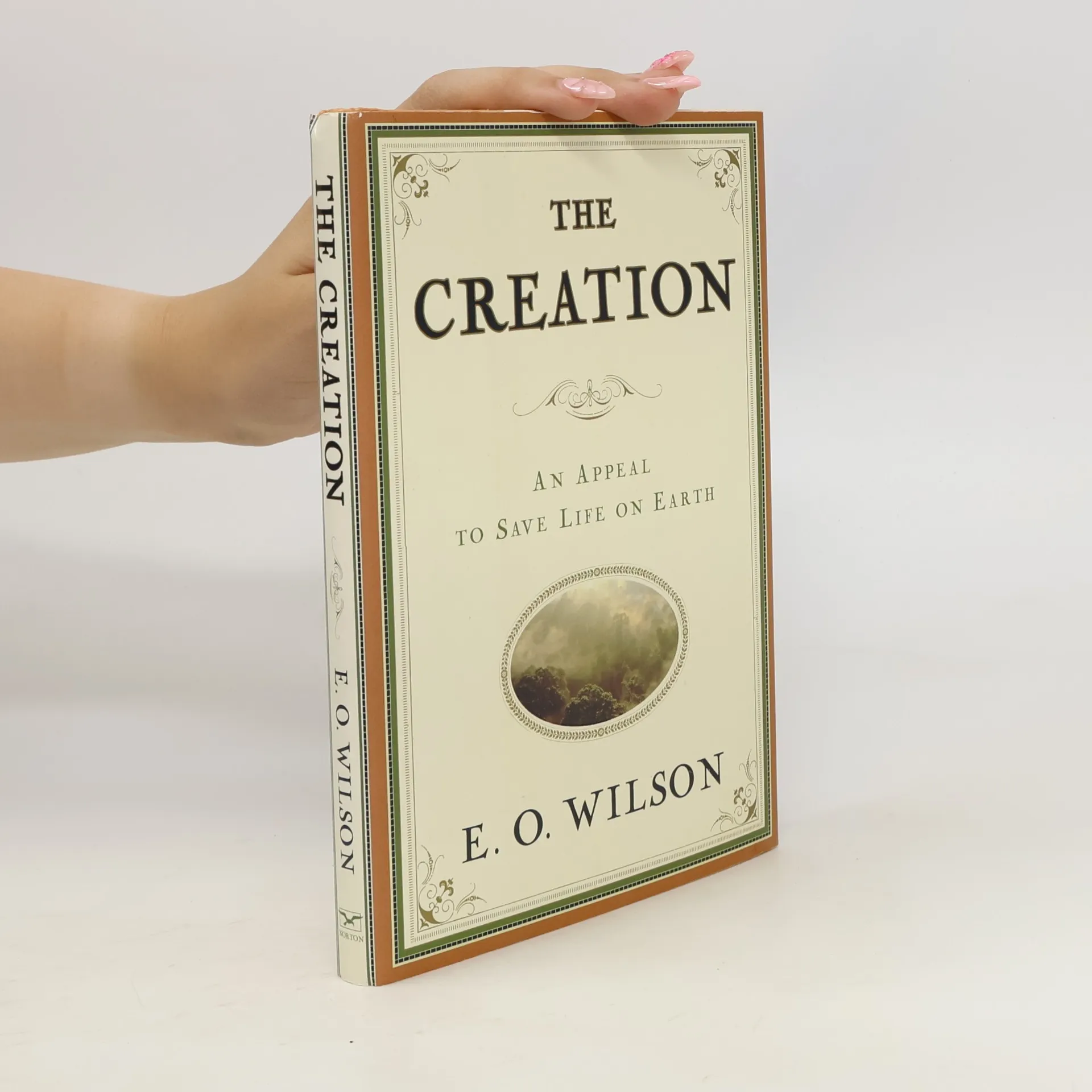

Bookbot

Edward O. Wilson

    10 de junio de 1929 – 26 de diciembre de 2021

    Edward Osborne Wilson fue un biólogo y teórico estadounidense cuyo trabajo se centró en la mirmecología, el estudio de las hormigas. Fue ganador en dos ocasiones del Premio Pulitzer de No Ficción General. Wilson es reconocido por sus contribuciones científicas, su defensa del ecologismo y sus puntos de vista secular-humanistas sobre asuntos religiosos y éticos. Su escritura a menudo explora la interconexión de la biología, la ética y el lugar de la humanidad en el mundo natural.

    Edward O. Wilson
    Naturalist
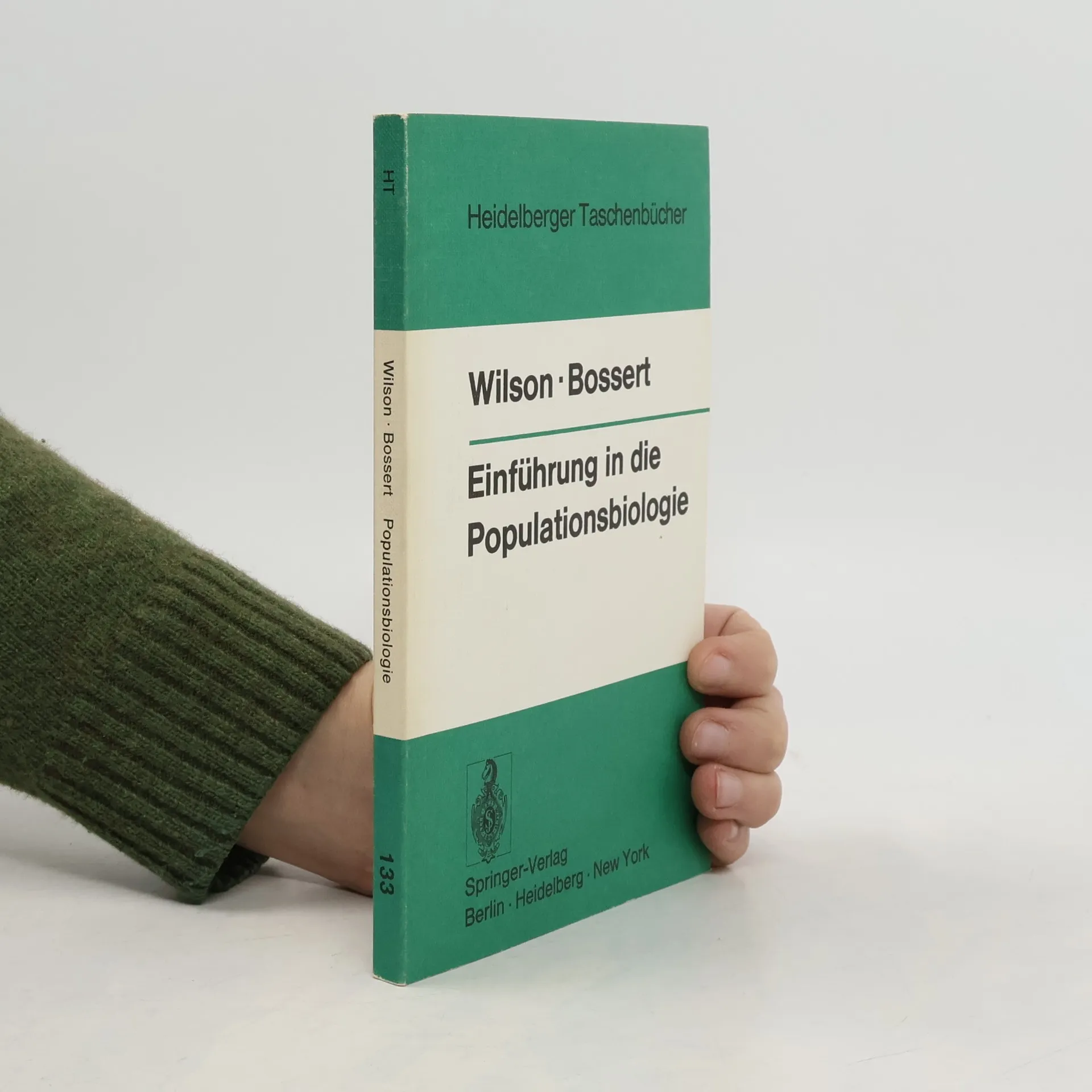
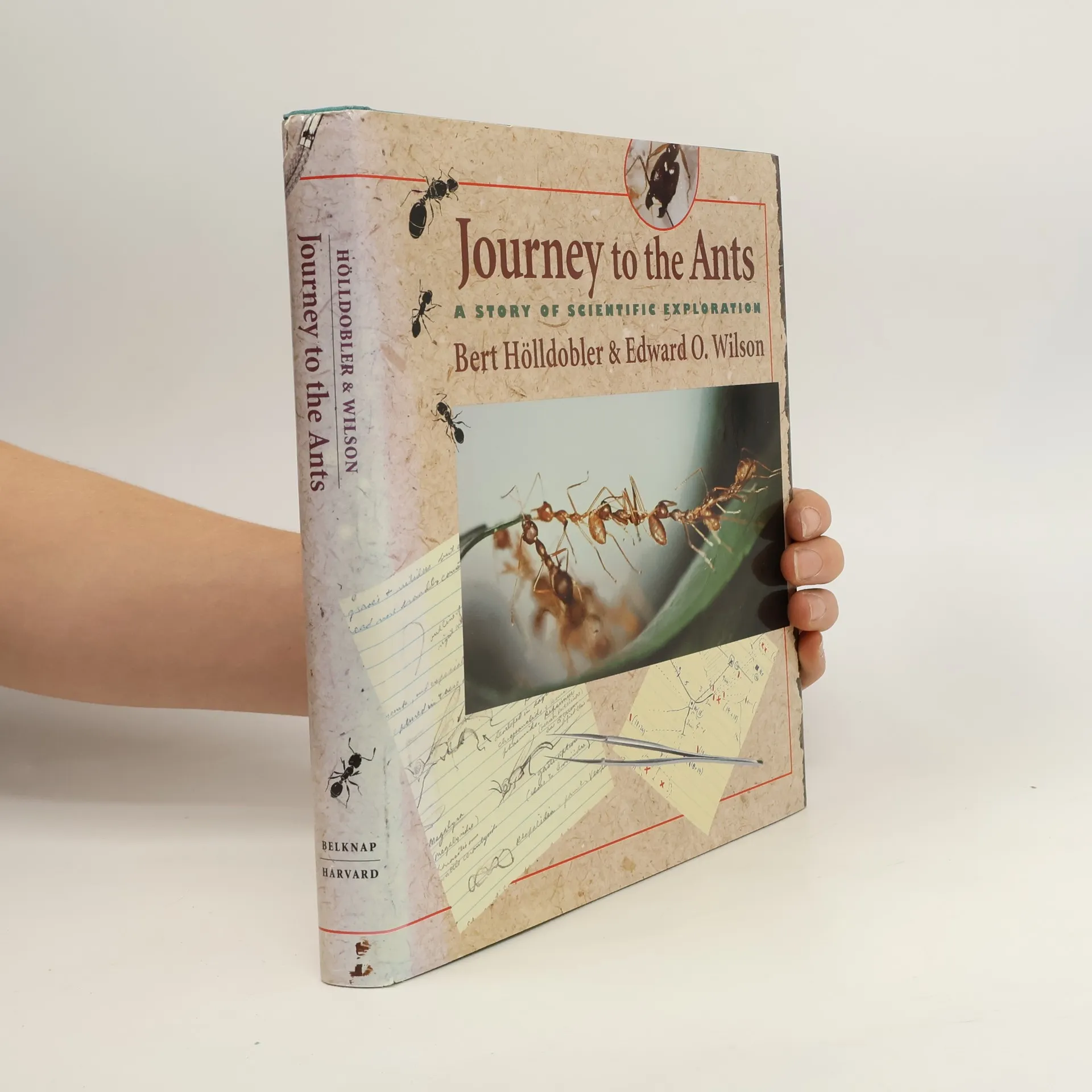
    Journey to the Ants: A Story of Scientific Exploration
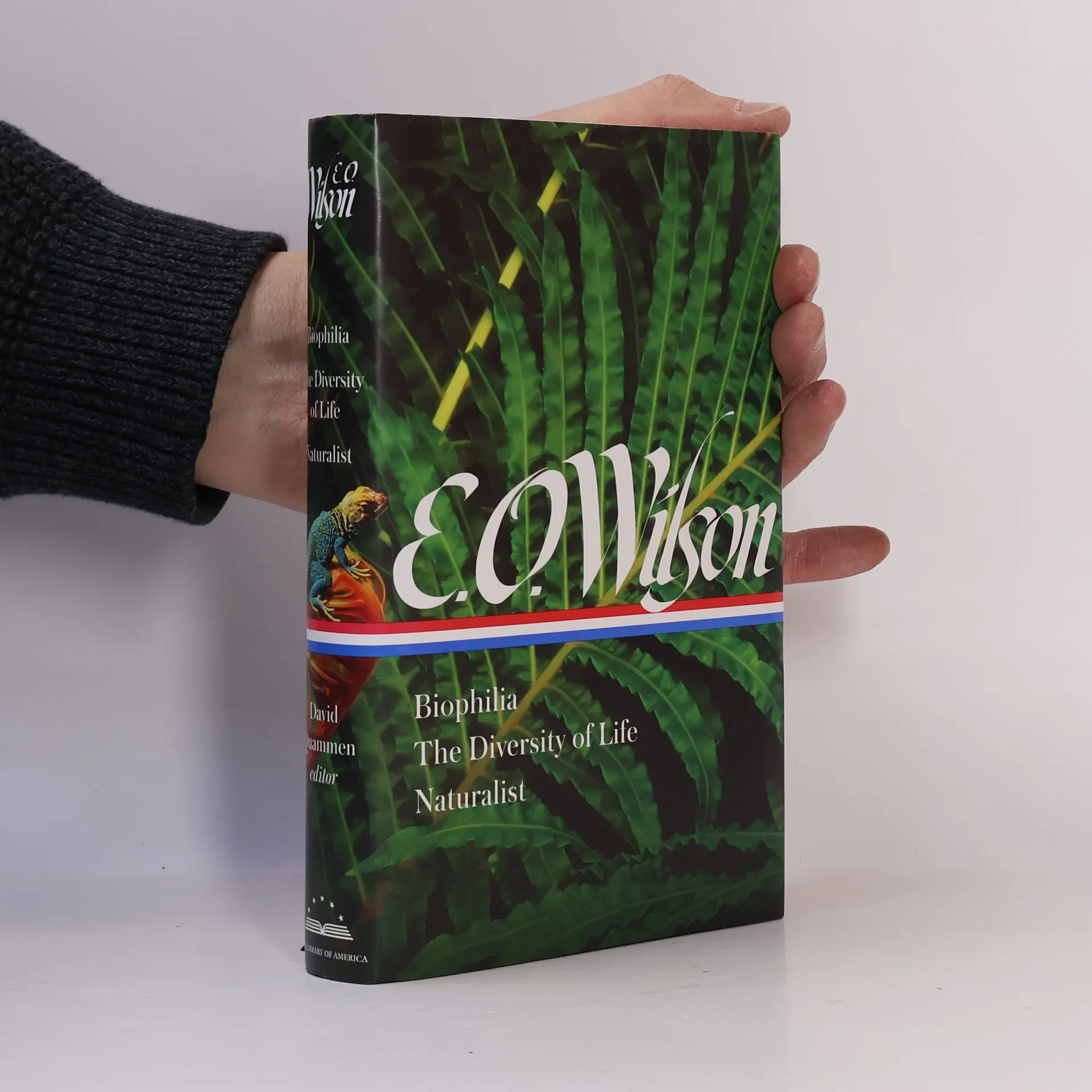
    E. O. Wilson: Biophilia, the Diversity of Life, Naturalist (Loa #340)
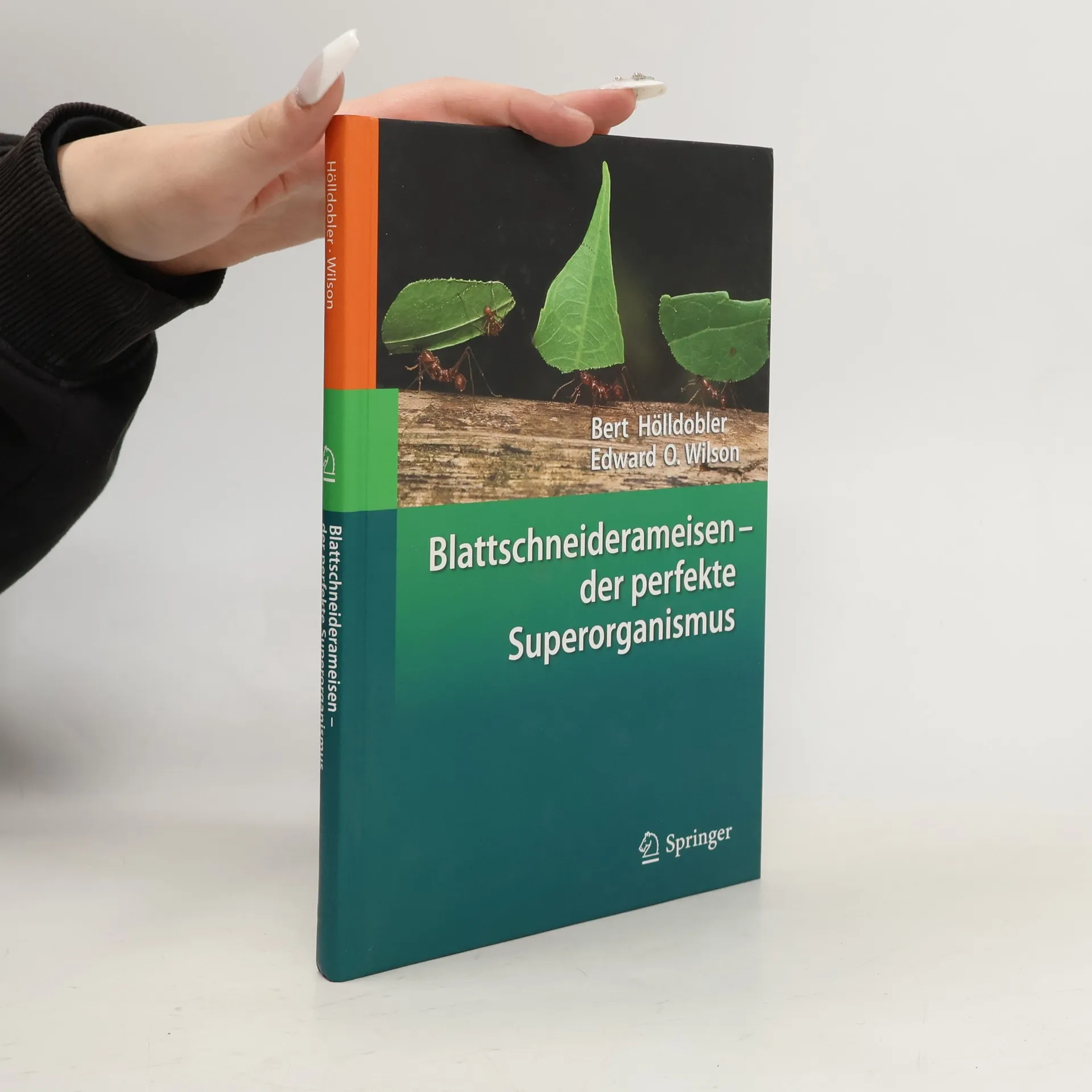
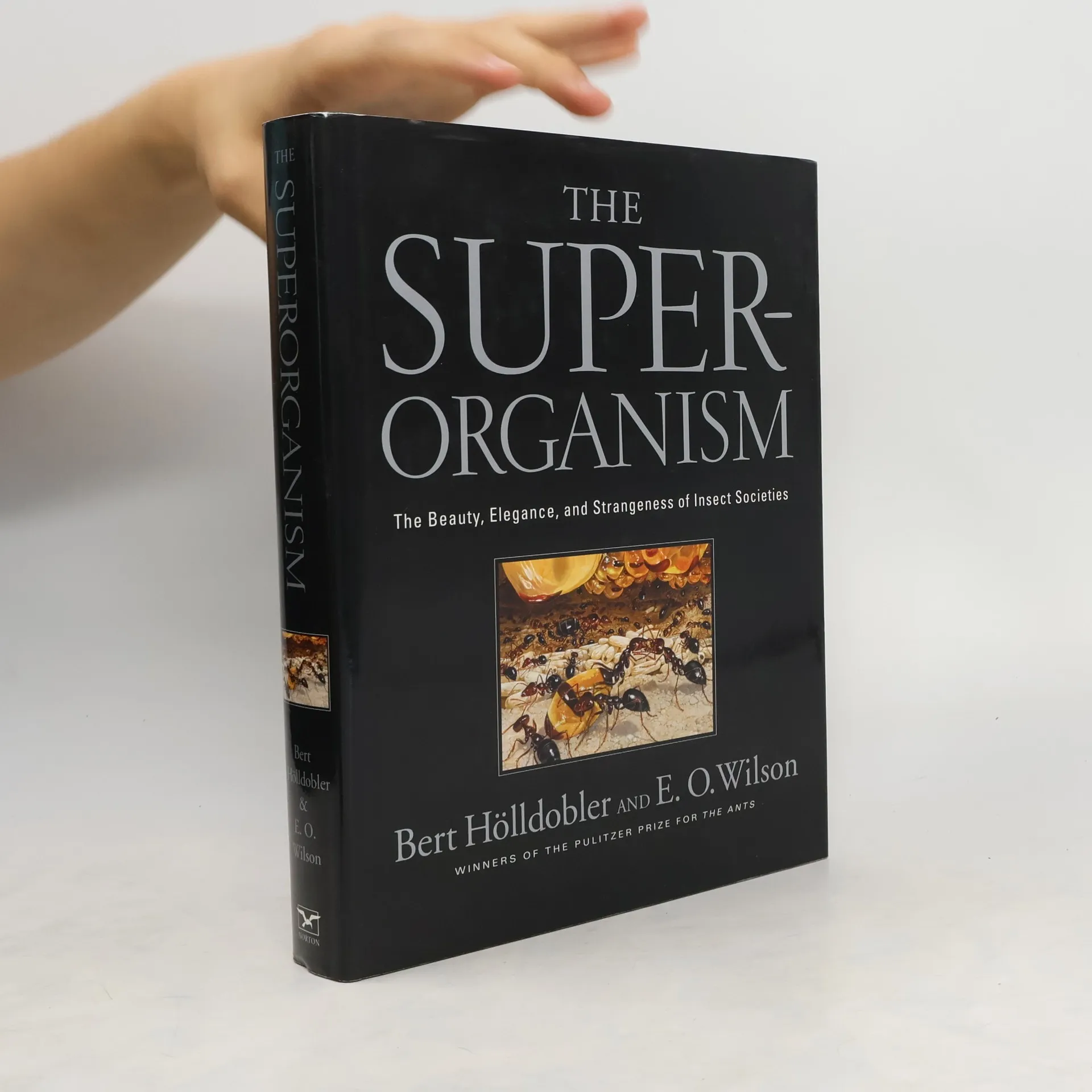
    The Superorganism
    Sentido de la Existencia Humana, El
    La conquista social de la Tierra
    • La conquista social de la Tierra

      • 384 páginas
      • 14 horas de lectura

      ¿De dónde venimos? ¿Qué somos? ¿Adónde vamos? En una obra apasionante que culmina el trabajo de toda una vida, Edward O. Wilson plantea estas tres cuestiones fundamentales y demuestra que la religión, la filosofía y la reflexión no pueden dar respuestas por sí solas, y que la única forma realista de resolver el enigma de nuestra condición humana pasa por la erudición científica. El más insigne sucesor de Darwin rediseña la historia de la evolución y recurre a su vasto conocimiento de la biología y del comportamiento social para revelar cómo la «selección de grupo» puede ser el único modelo que explique el origen del hombre, su dominación y su posterior conquista del planeta.

      La conquista social de la Tierra
      4,0
    • Sentido de la Existencia Humana, El

      • 160 páginas
      • 6 horas de lectura

      En "El significado de la existencia humana", el biólogo Edward O. Wilson explora el origen de la humanidad, su lugar en el universo y su destino. A través de una reflexión profunda, invita a apreciar la singularidad humana y la belleza de otras especies, estableciendo un puente entre las ciencias y las humanidades.

      Sentido de la Existencia Humana, El
      3,9
    • The Superorganism

      The Beauty Elegance And Strangeness Of Insect Societies

      • 556 páginas
      • 20 horas de lectura

      The Pulitzer Prize-winning authors of "The Ants" render the extraordinary lives of the social insects--ants, bees, wasps, and termites--in this visually spectacular volume. 110 color and 100 black-and-white illustrations.

      The Superorganism
      4,5
    • This collected edition features the works of a Pulitzer Prize-winning author and esteemed biologist, showcasing the wonders of biodiversity amidst the urgent challenges of climate change and mass extinction. It offers profound insights into the intricate relationships within ecosystems and emphasizes the importance of preserving the planet's diverse life forms.

      E. O. Wilson: Biophilia, the Diversity of Life, Naturalist (Loa #340)
      4,6
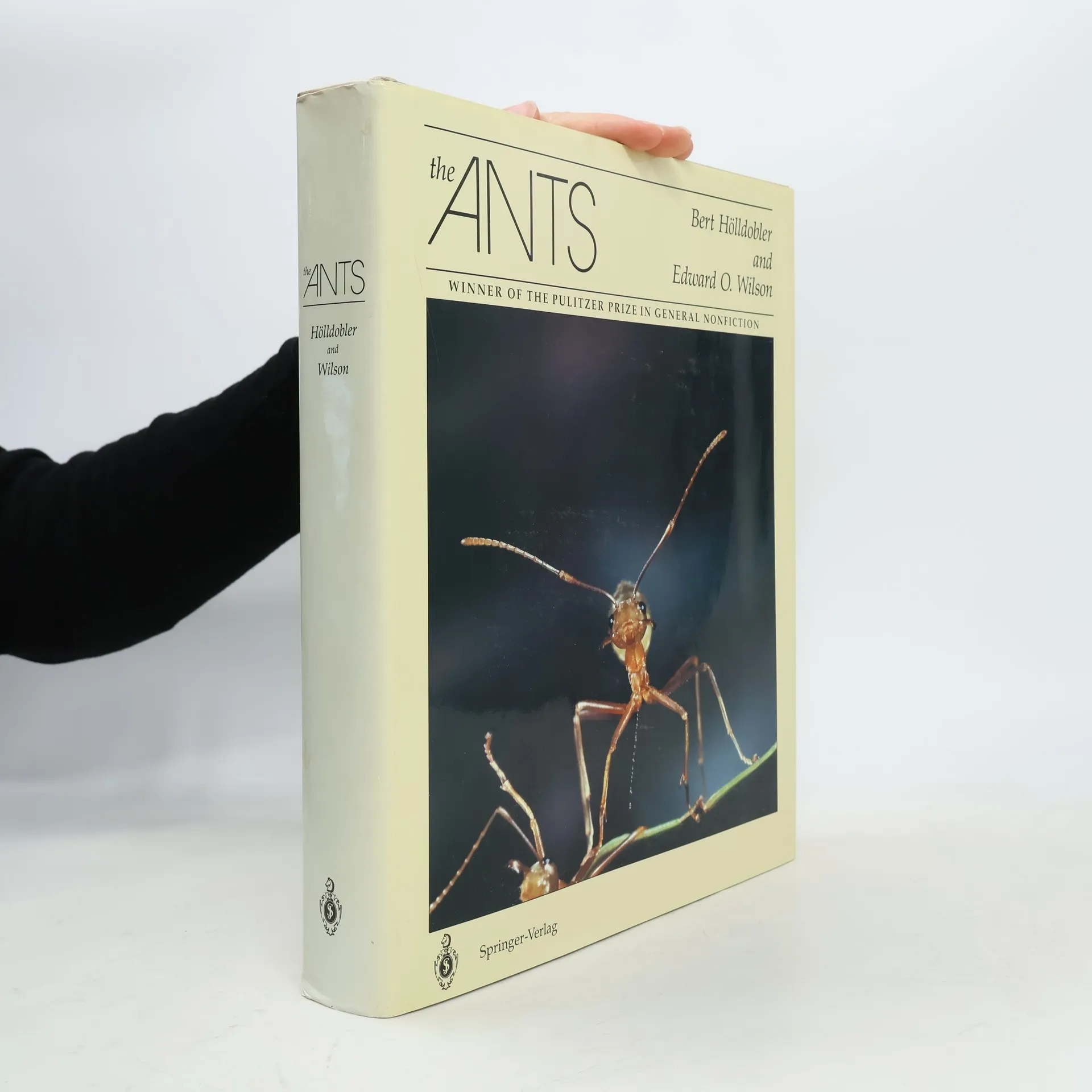
    • Hailed as "a masterpiece" by Scientific American and as "the greatest of all entomology books" by Science, Bert Holldobler and Edward O. Wilson's monumental treatise The Ants also was praised in the popular press and won a Pulitzer Prize. This overwhelming success attests to a fact long known and deeply felt by the authors: the infinite fascination of their tiny subjects. This fascination finds its full expression in Journey to the Ants, an overview of myrmecology that is also an eloquent tale of the authors' pursuit of these astonishing insects

      Journey to the Ants: A Story of Scientific Exploration
      4,5
    • Naturalist

      • 416 páginas
      • 15 horas de lectura

      In Naturalist, Wilson describes for the first time both his growth as a scientist and the evolution of the science he has helped define. He traces the trajectory of his life - from a childhood spent exploring the Gulf Coast of Alabama and Florida to life as a tenured professor at Harvard - detailing how his youthful fascination with nature blossomed into a lifelong calling. He recounts with drama and wit the adventures of his days as a student at the University of Alabama and his four decades at Harvard University, where he has achieved renown as both teacher and researcher. As the narrative of Wilson's life unfolds, the reader is treated to an inside look at the origin and development of ideas that guide today's biological research. Theories that are now widely accepted in the scientific world were once untested hypotheses emerging from one man's broad-gauged studies. Throughout Naturalist, we see Wilson's mind and energies constantly striving to help establish many of the central principles of the field of evolutionary biology. The story of Edward O. Wilson's life provides fascinating insights into the making of a scientist and a valuable look at some of the most thought-provoking ideas of our time.

      Naturalist
      4,4
    • The eminent biologist reflects on his own response to nature and the aesthetic aspects of his exploration of natural systems in an intensely personal essay that examines the essential links between mankind and the rest of the living world.

      Biophilia
      4,3
    • Farewell Dinner for a Spy

      • 368 páginas
      • 13 horas de lectura

      William Catesby - the suave, cynical spy with a conscience - returns in a mission that will take him from the docks of Marseille to the highlands of Laos

      Farewell Dinner for a Spy
      5,0
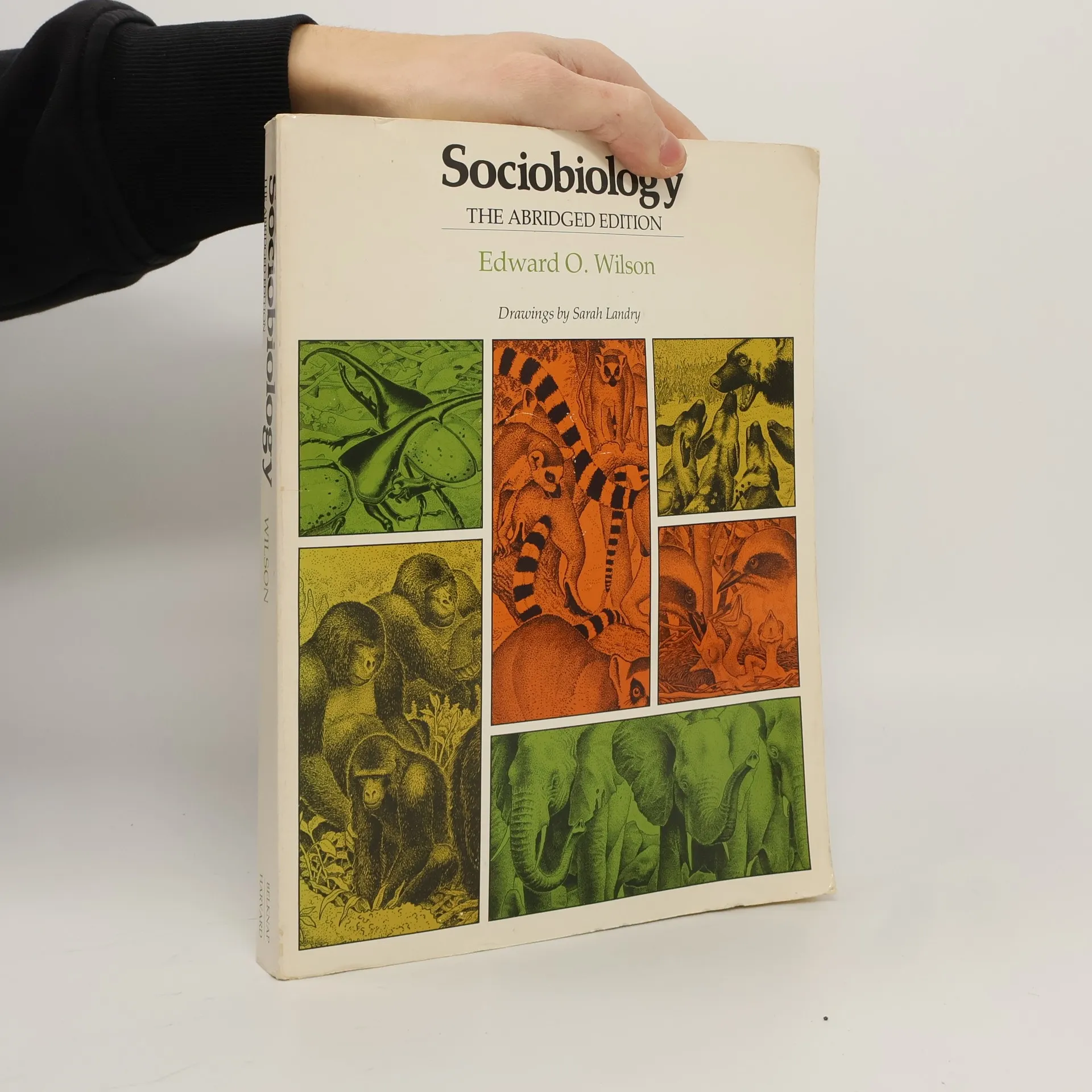
    • Sociobiology

      The Abridged Edition

      • 384 páginas
      • 14 horas de lectura

      "An evolutionary event" wrote John Pfeiffer in the New York Times Book Review when Sociobiology was published in 1975, "announcing for all who can hear that we are on the verge of breakthroughs in the effort to understand our place in the scheme of things." Praised by many and damned by some, Sociobiology provided the framework for a new science--the study of the biological basis for social behavior in every species, from the lowliest amoeba colony to modern human society. In this abridged edition, Edward O. Wilson trims his monumental work to its essential argument and most compelling examples. He retains the full basic structure of the original book, while eliminating the technical discussions and data summaries. Because of the unusual amount of interest and commentary it has generated, the final chapter on human social behavior remains virtually intact. The book has been completely reset to accommodate a convenient 8 1/2 x 11 format, and Sarah Landry's superb drawings of animal societies still accompany the text. New students and general readers can discover for themselves what sociobiology is all about and why there is so much furor surrounding it.

      Sociobiology
      4,3
    • View a collection of videos on Professor Wilson entitled "On the Relation of Science and the Humanities" In his new preface E. O. Wilson reflects on how he came to write this book: how "The Insect Societies" led him to write "Sociobiology," and how the political and religious uproar that engulfed that book persuaded him to write another book that would better explain the relevance of biology to the understanding of human behavior.

      On Human Nature
      4,2