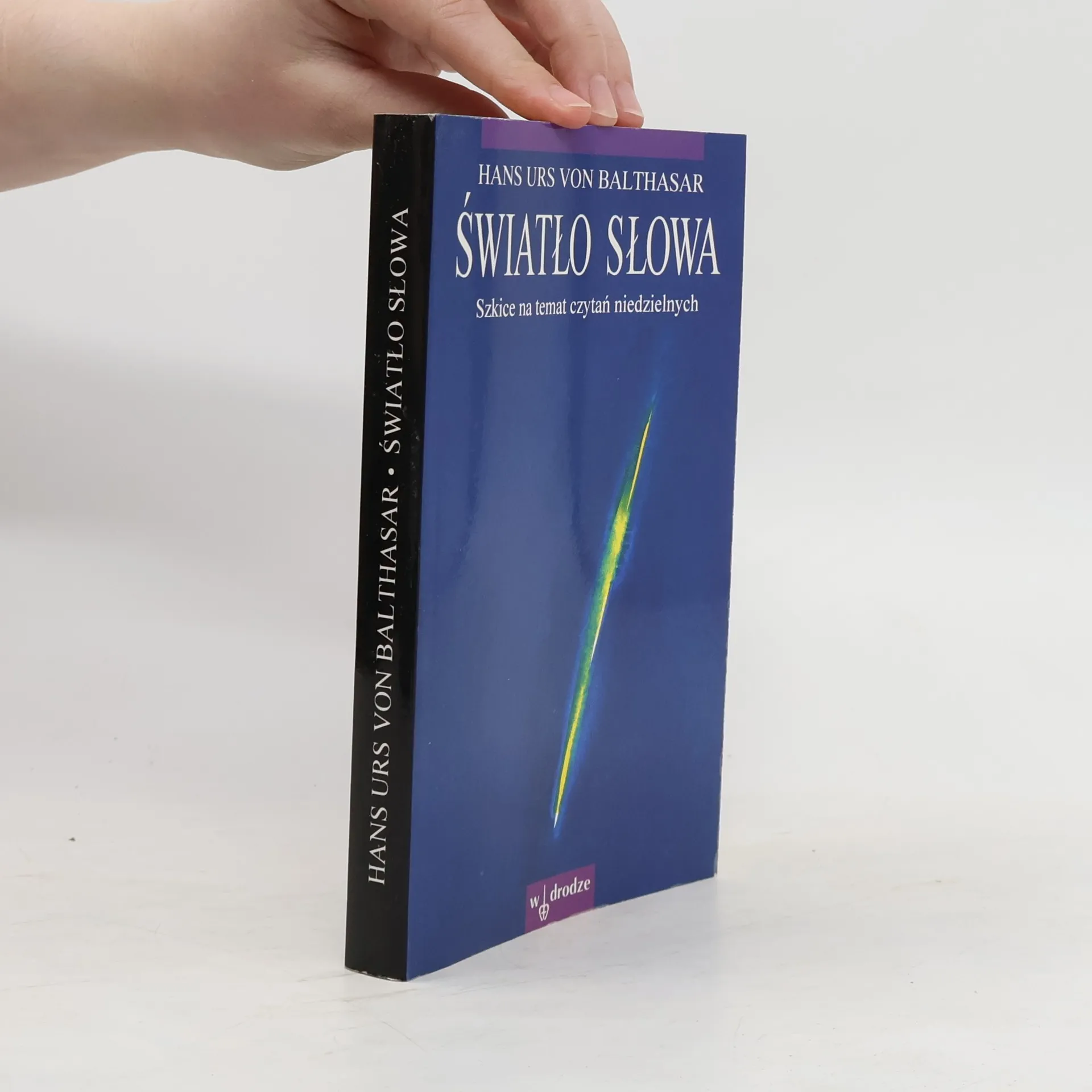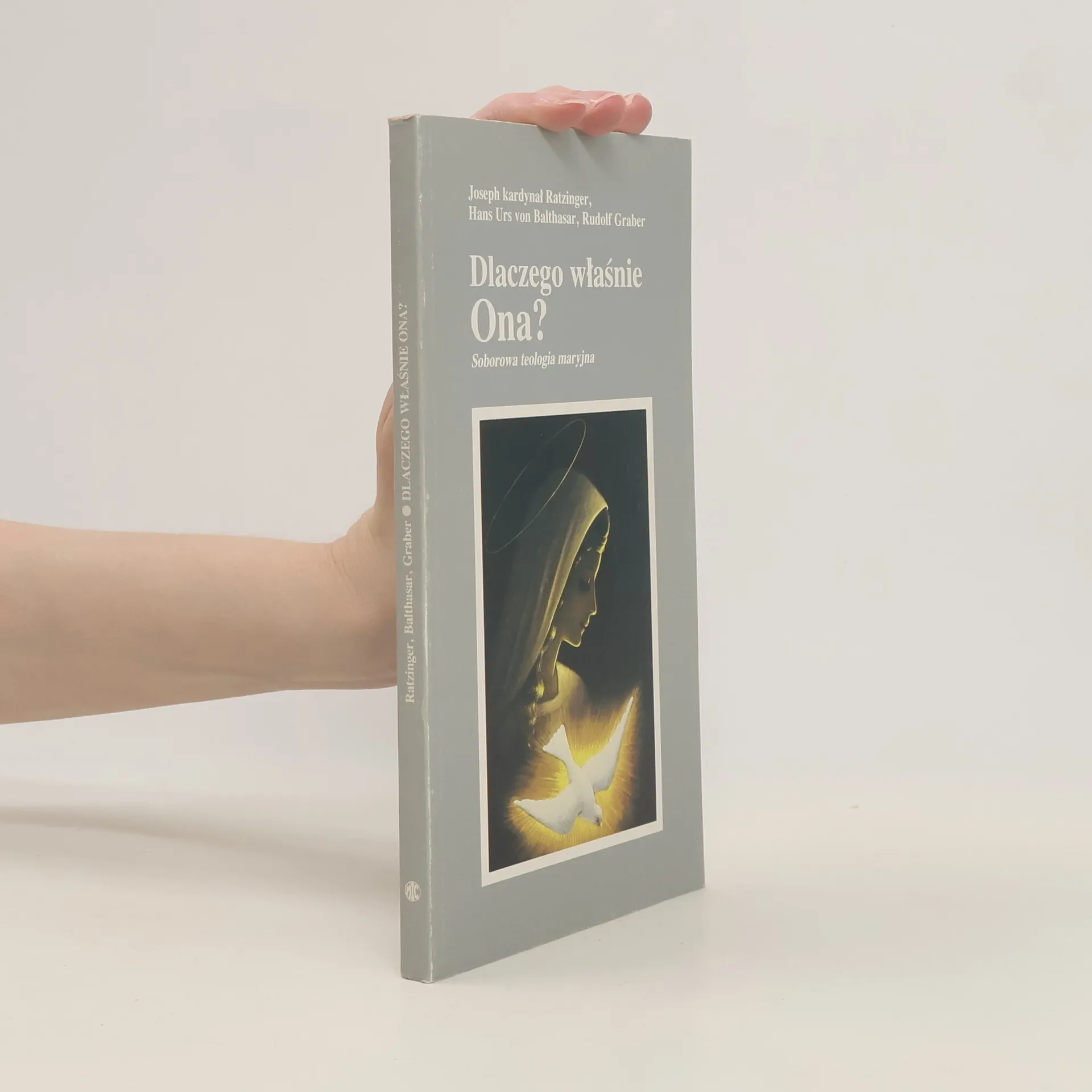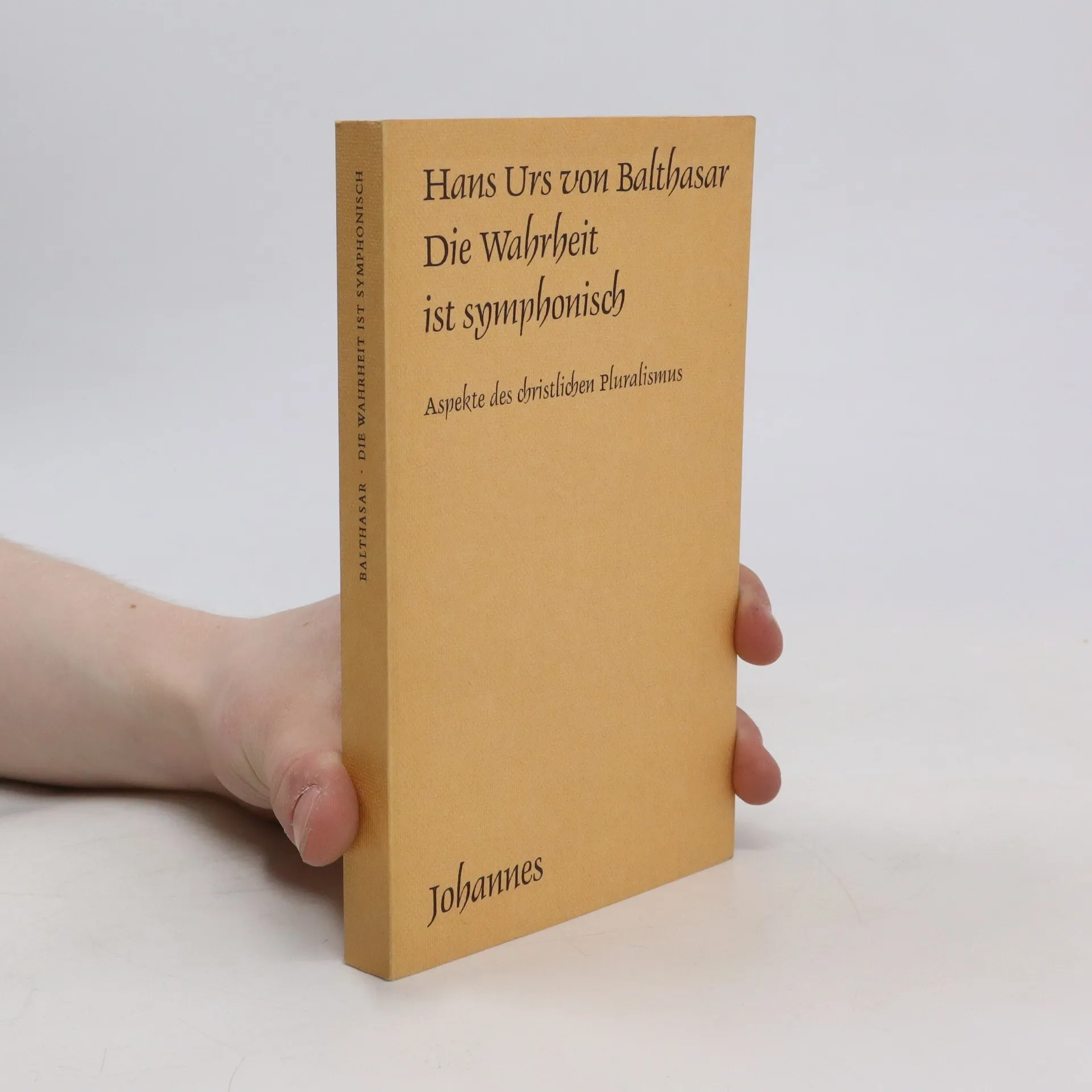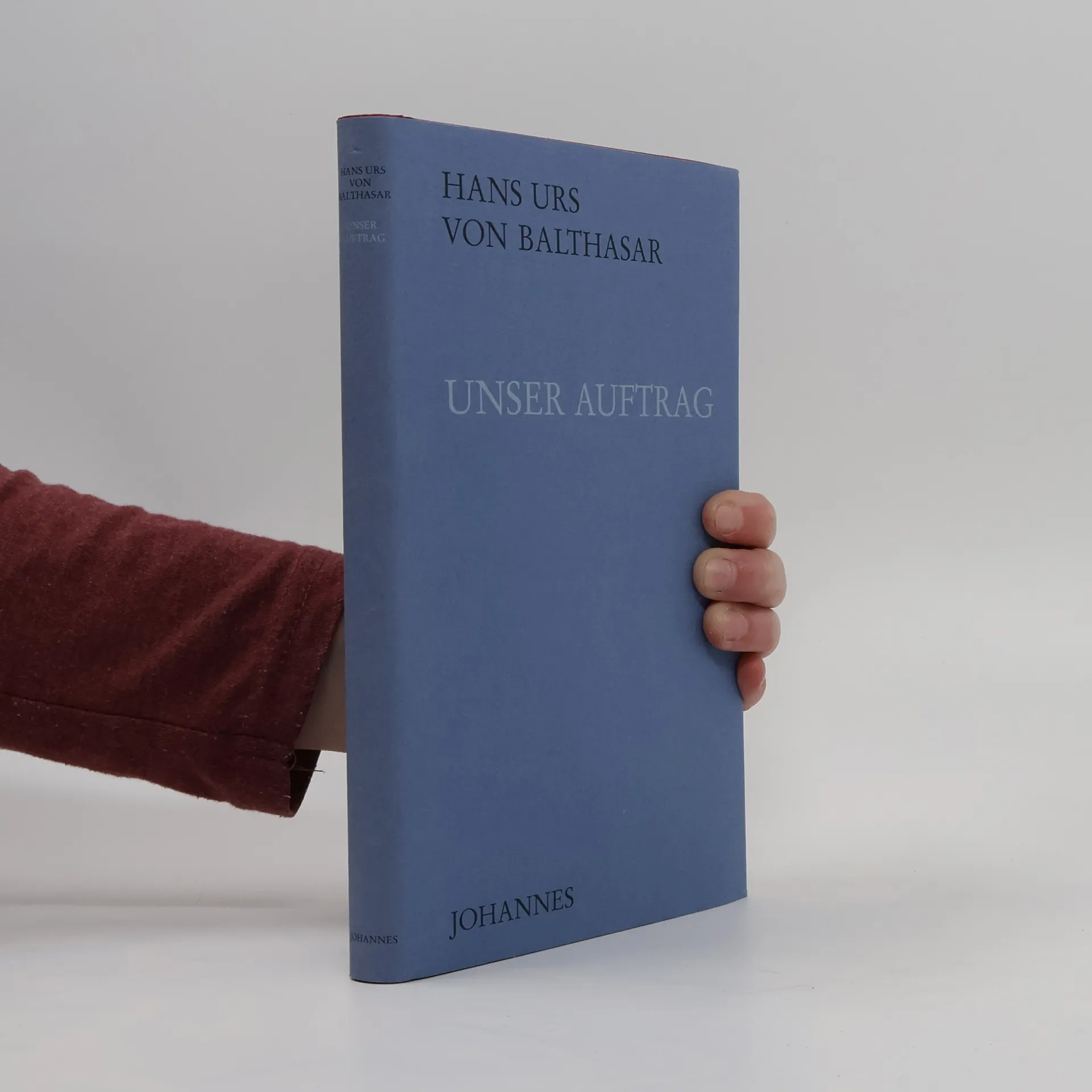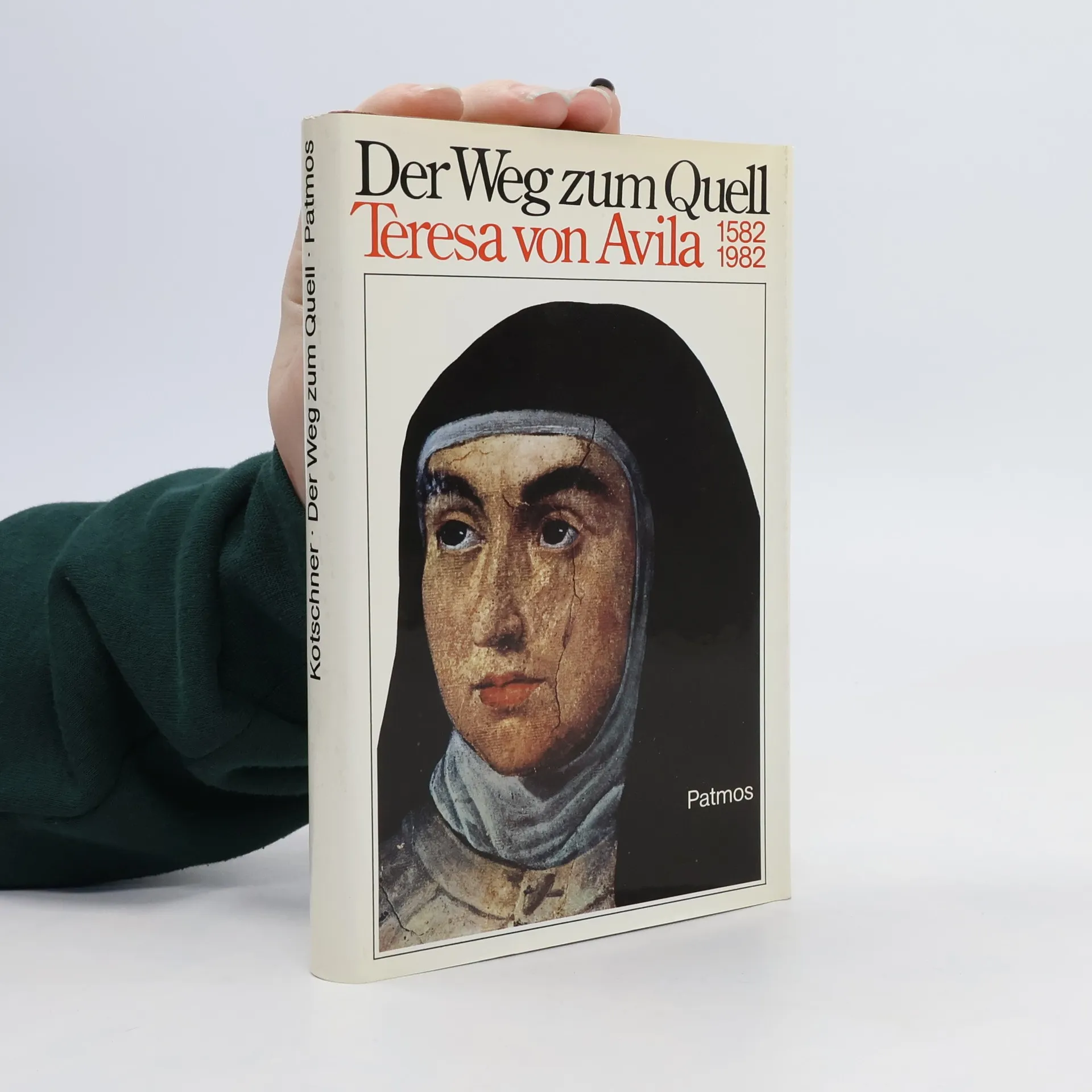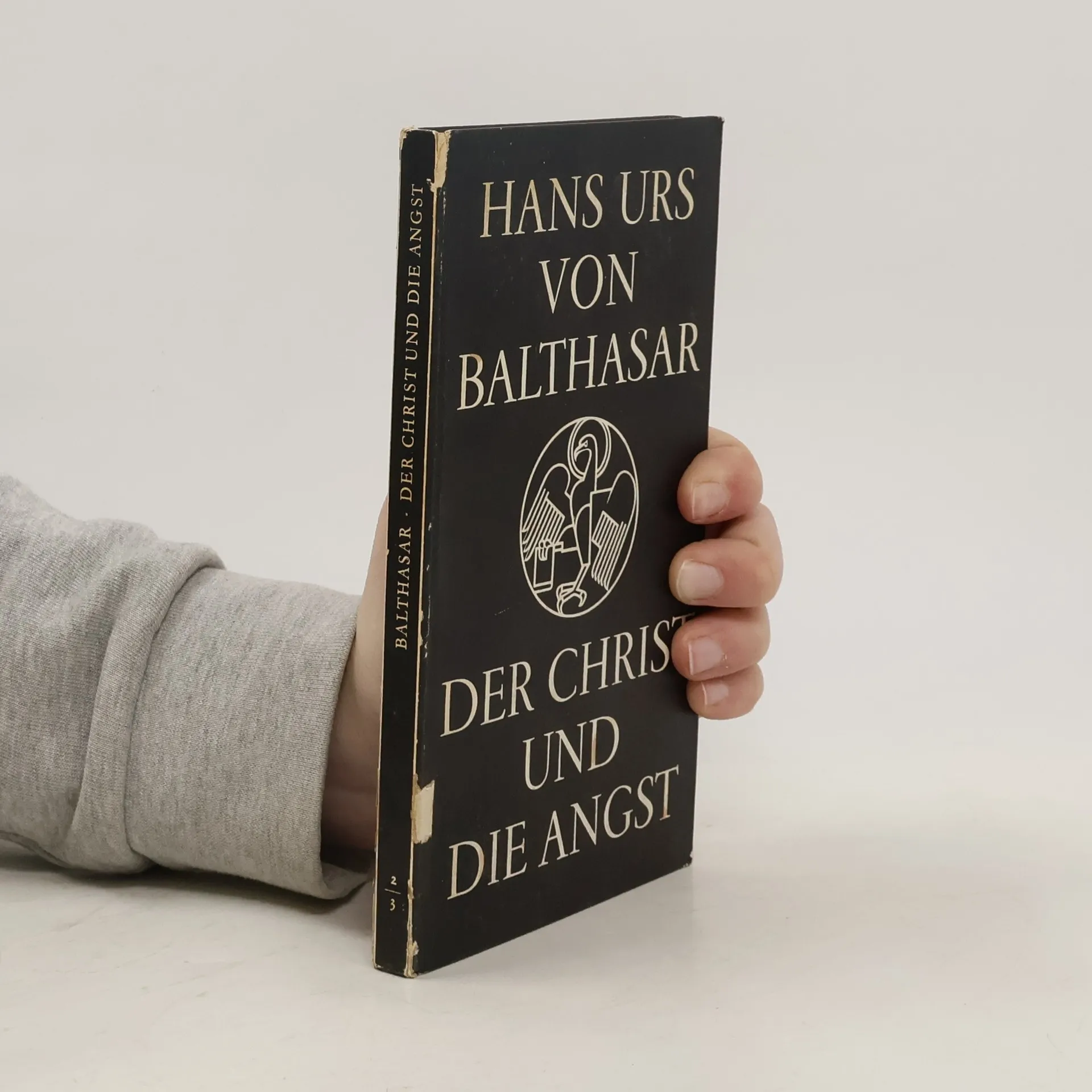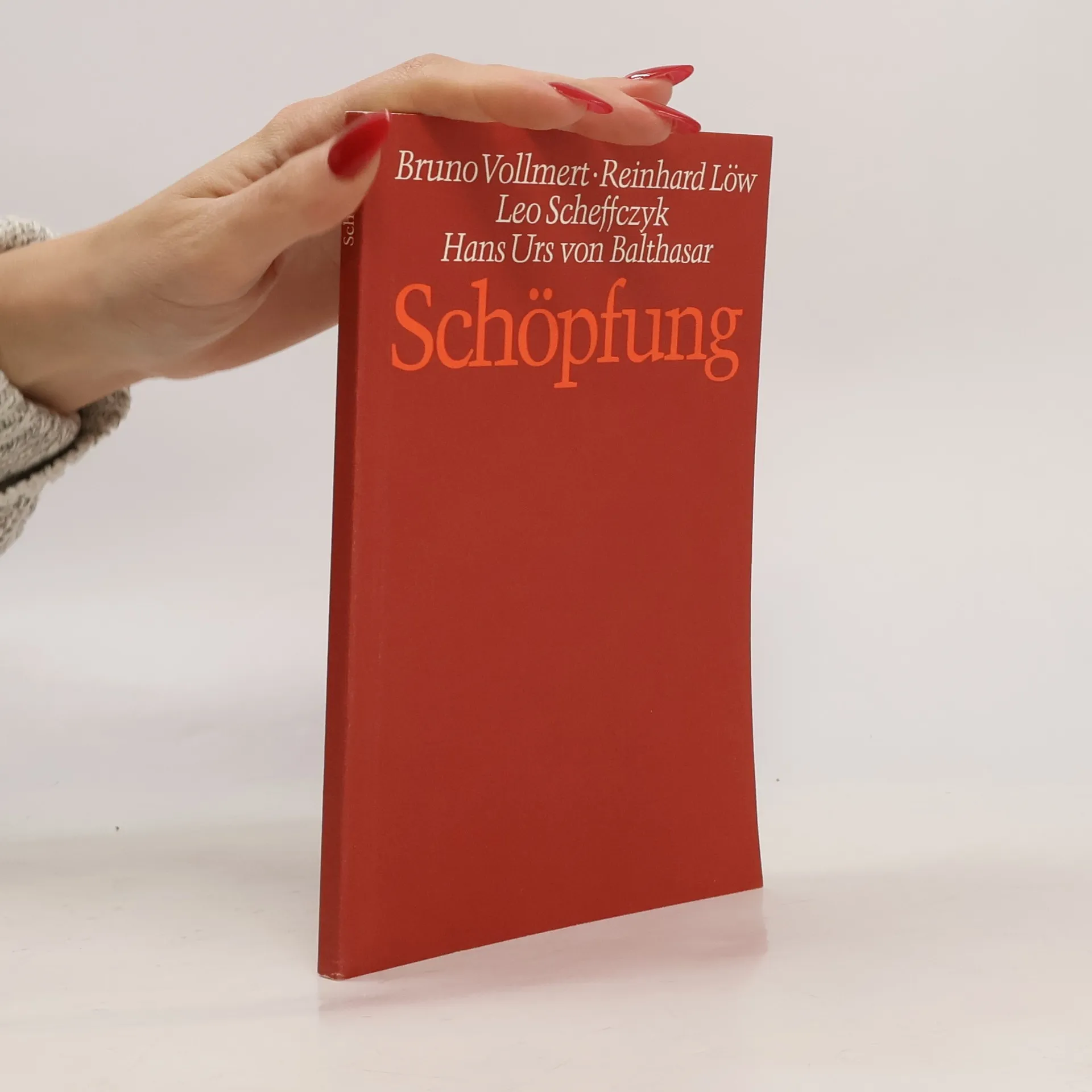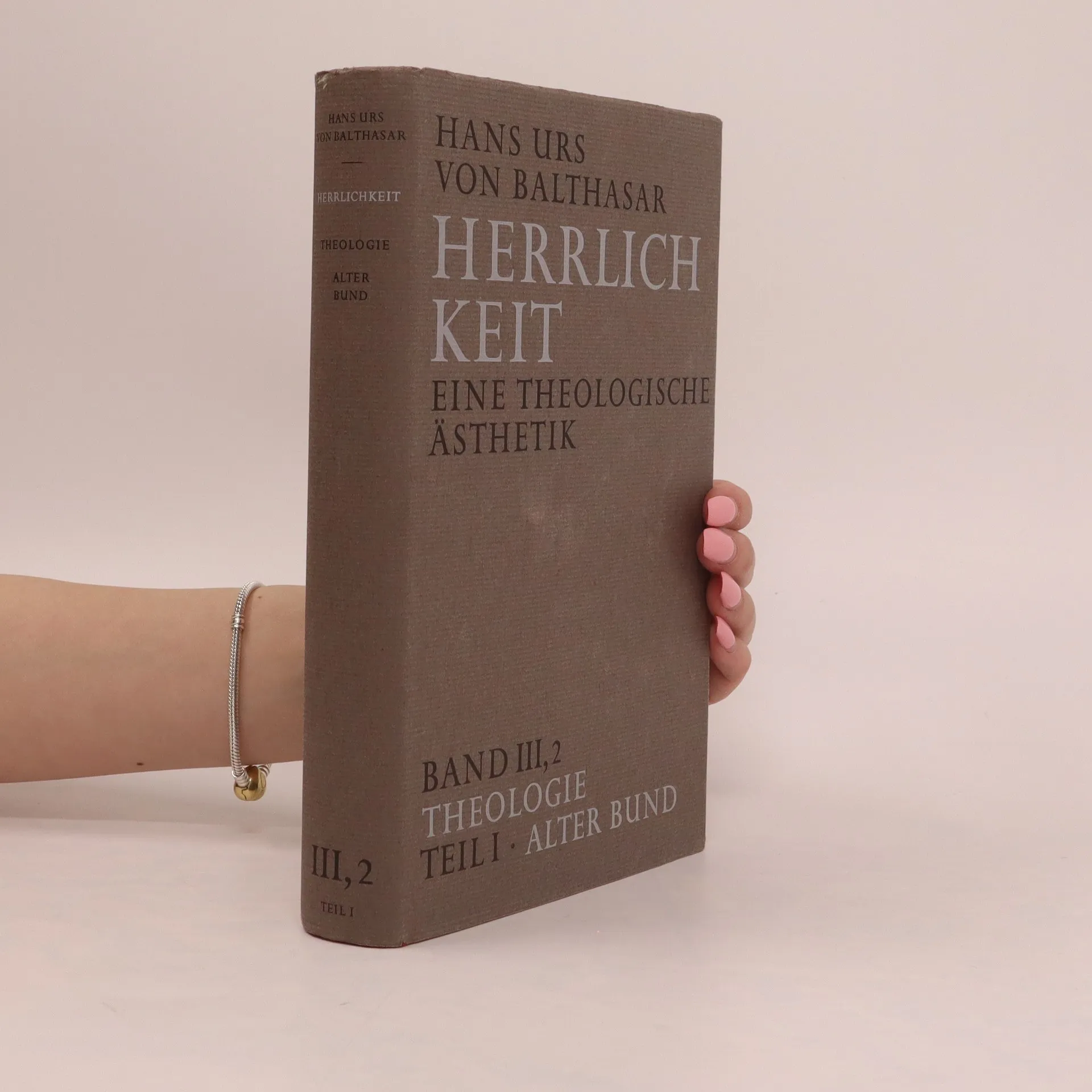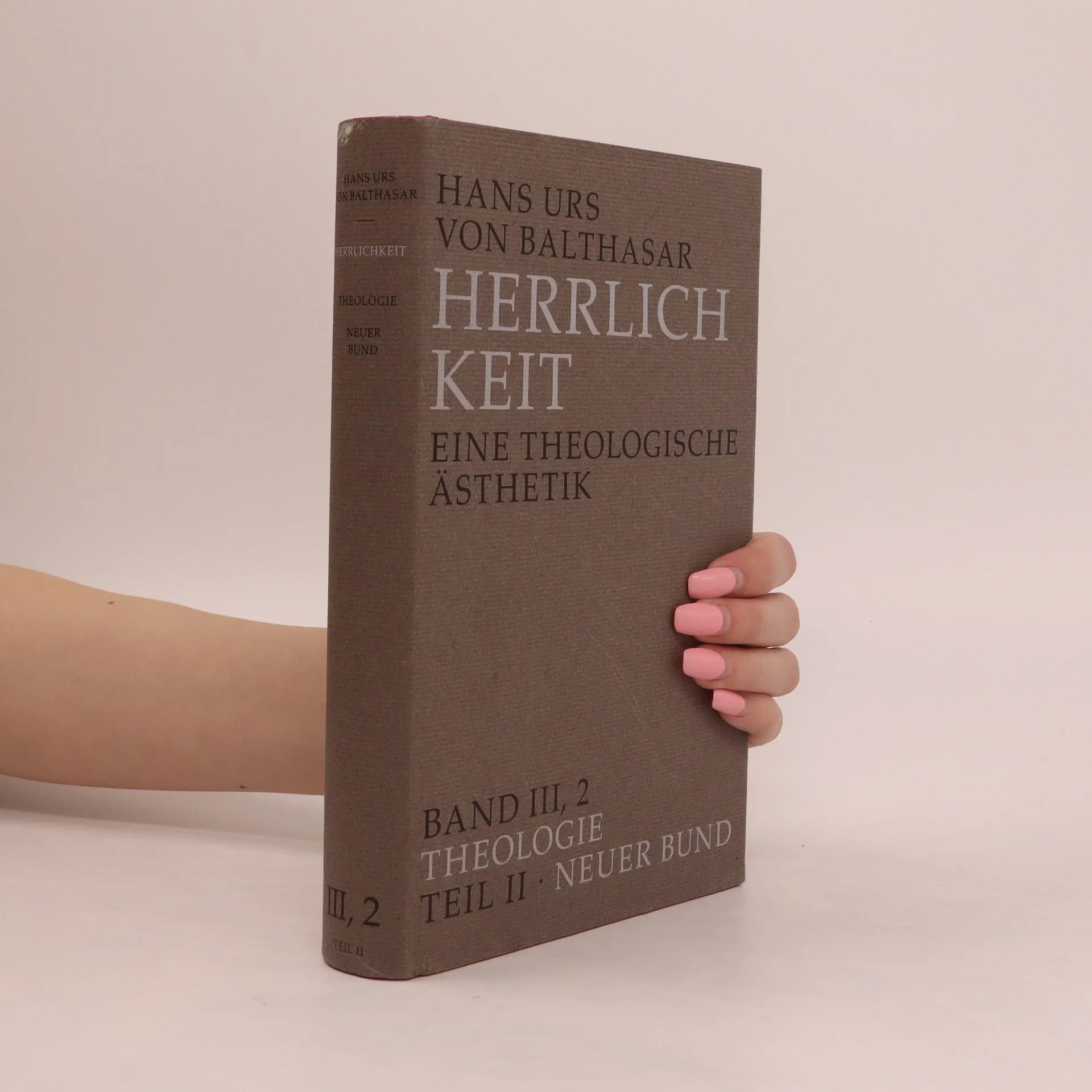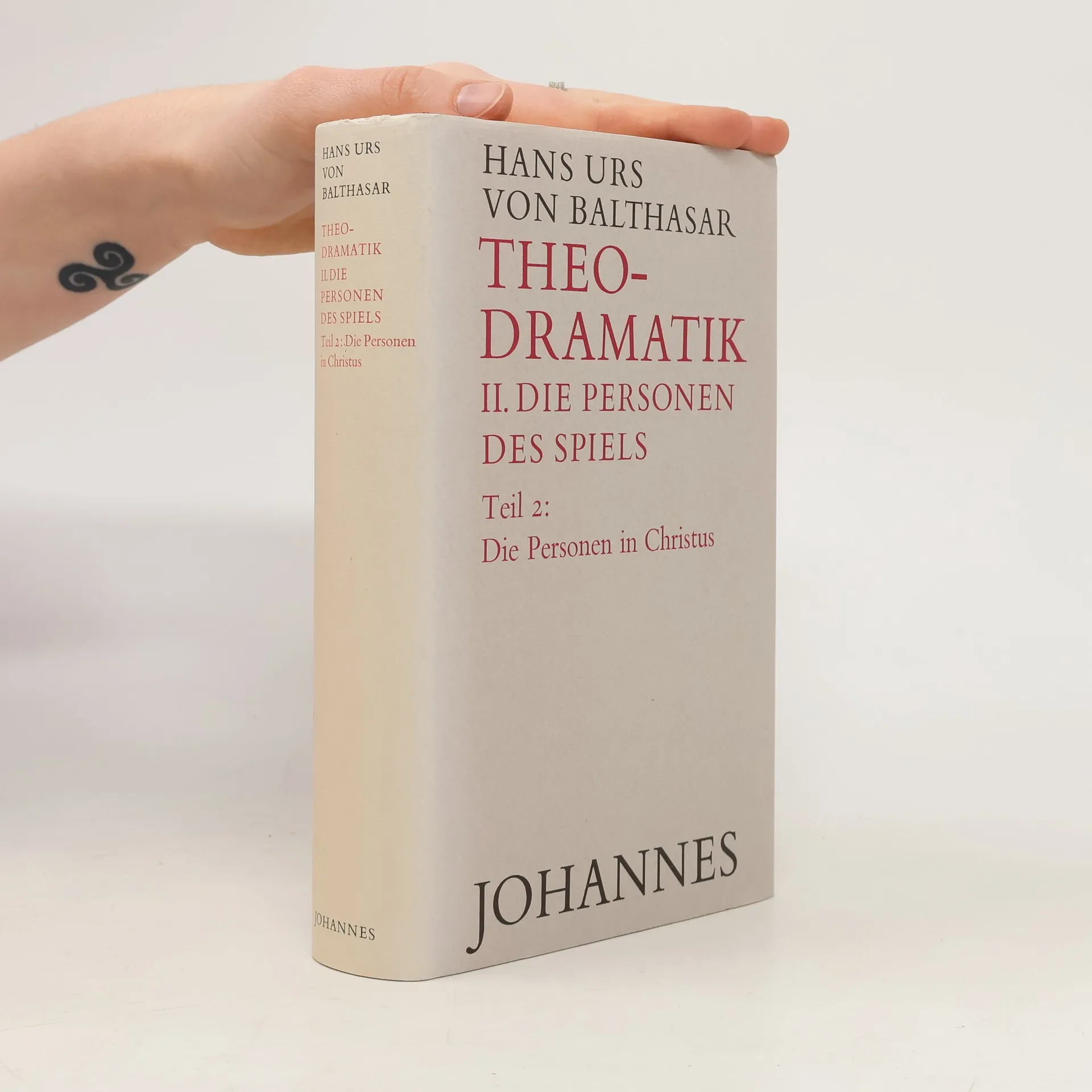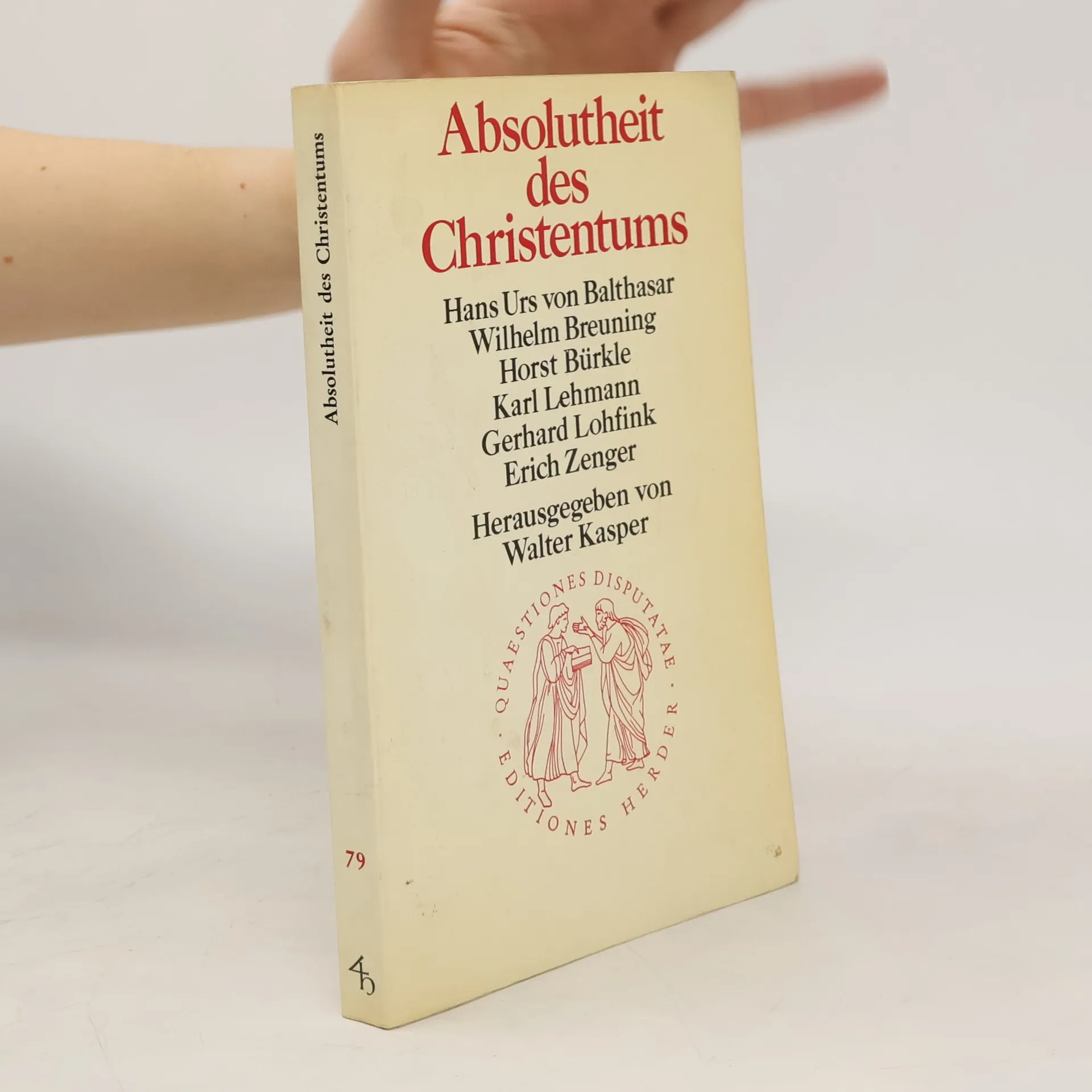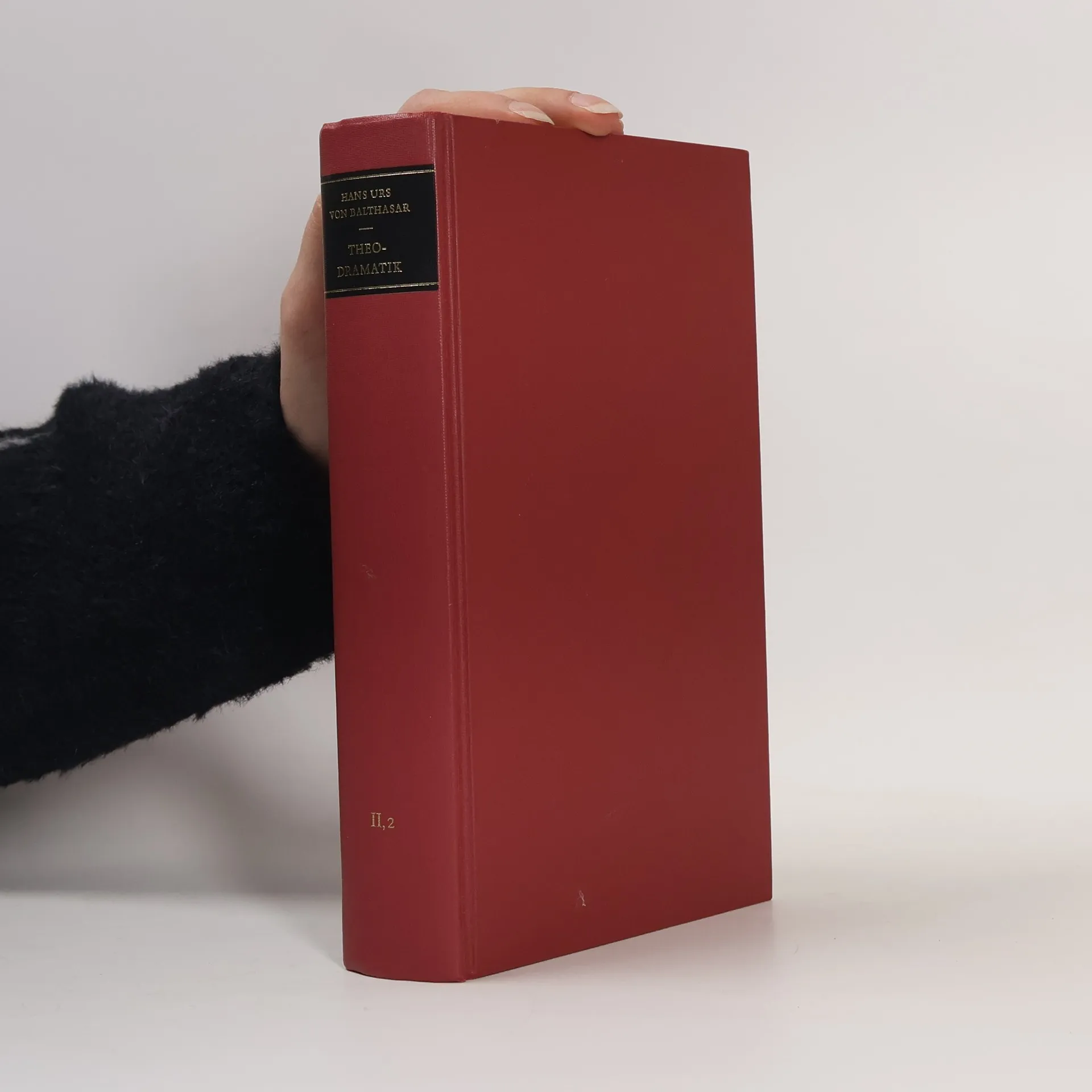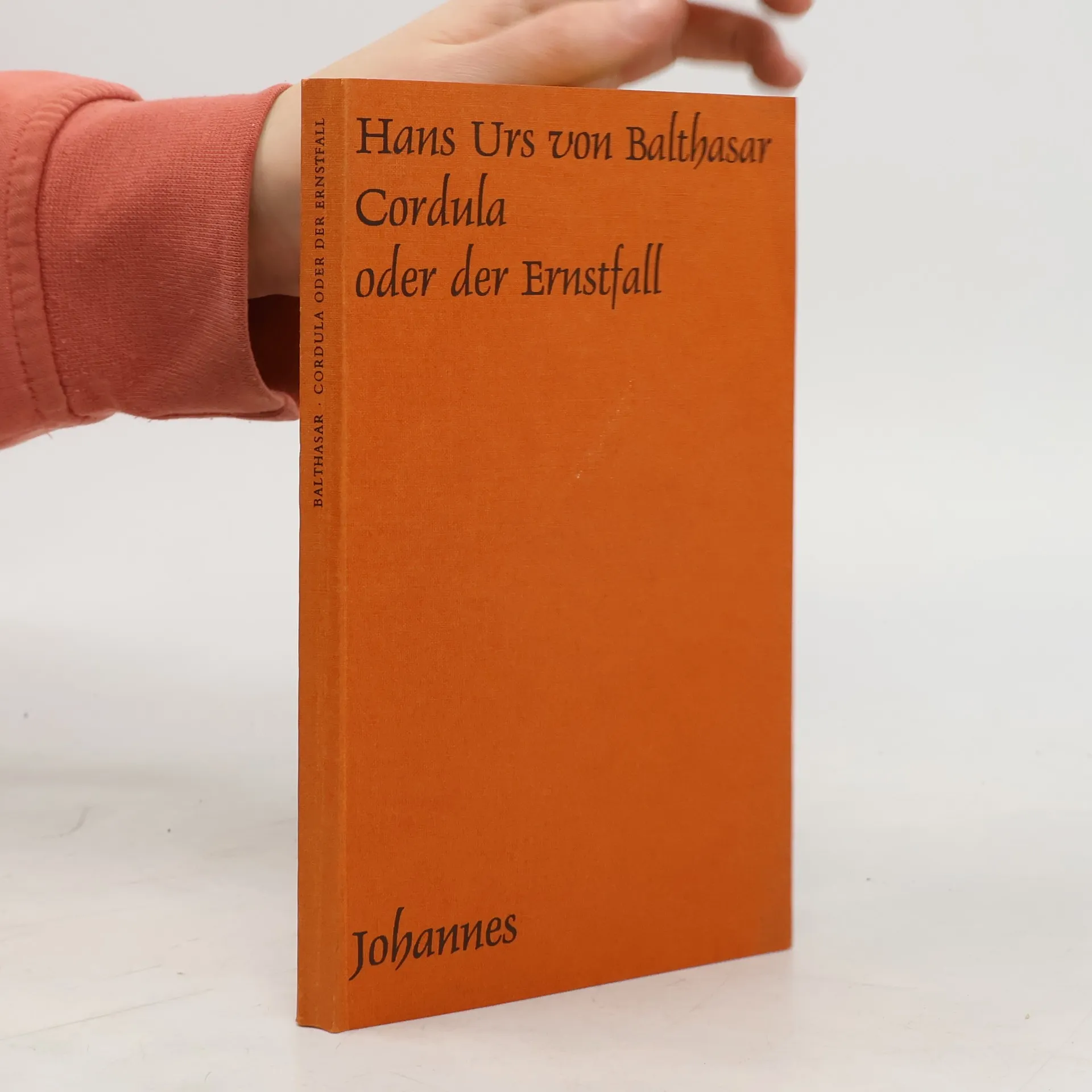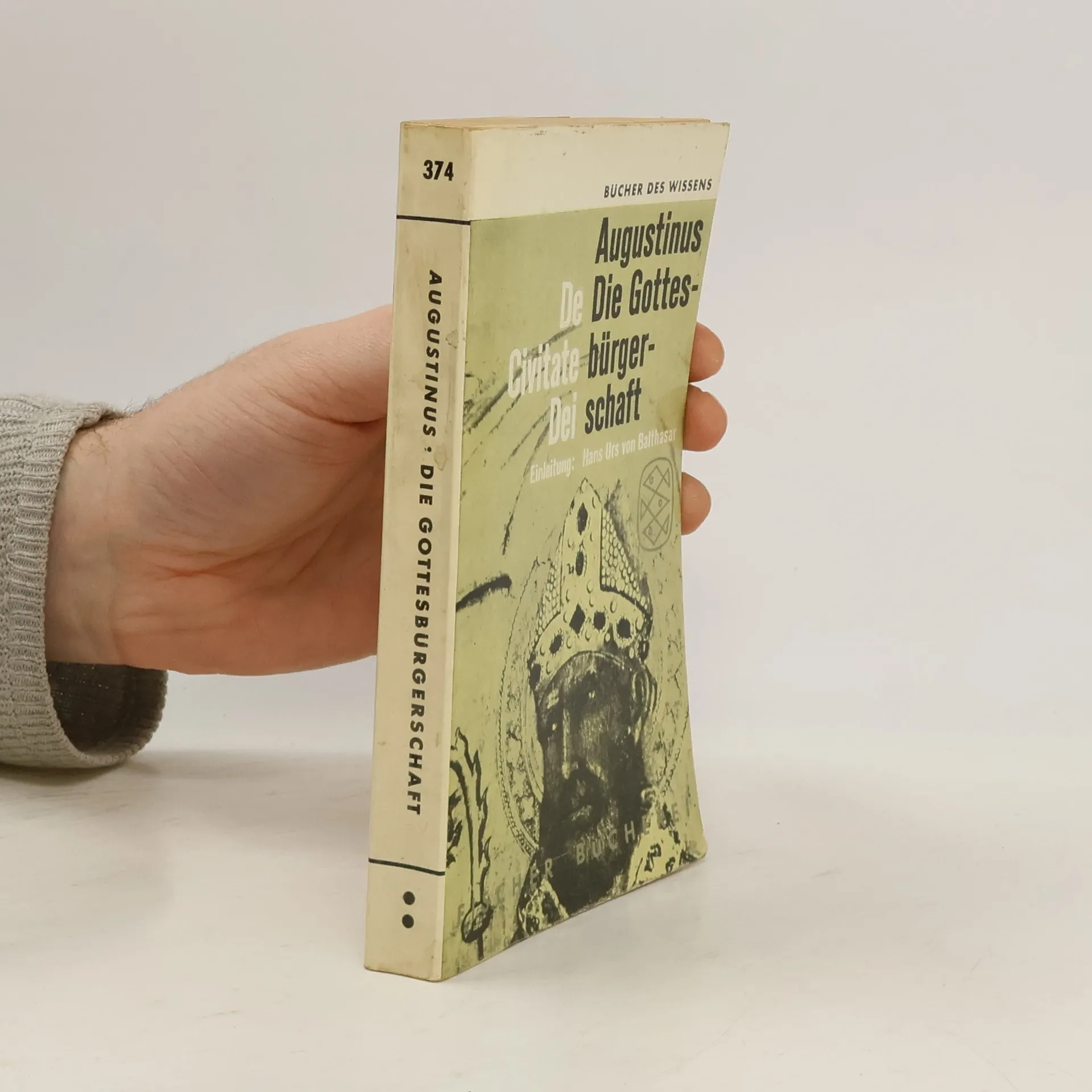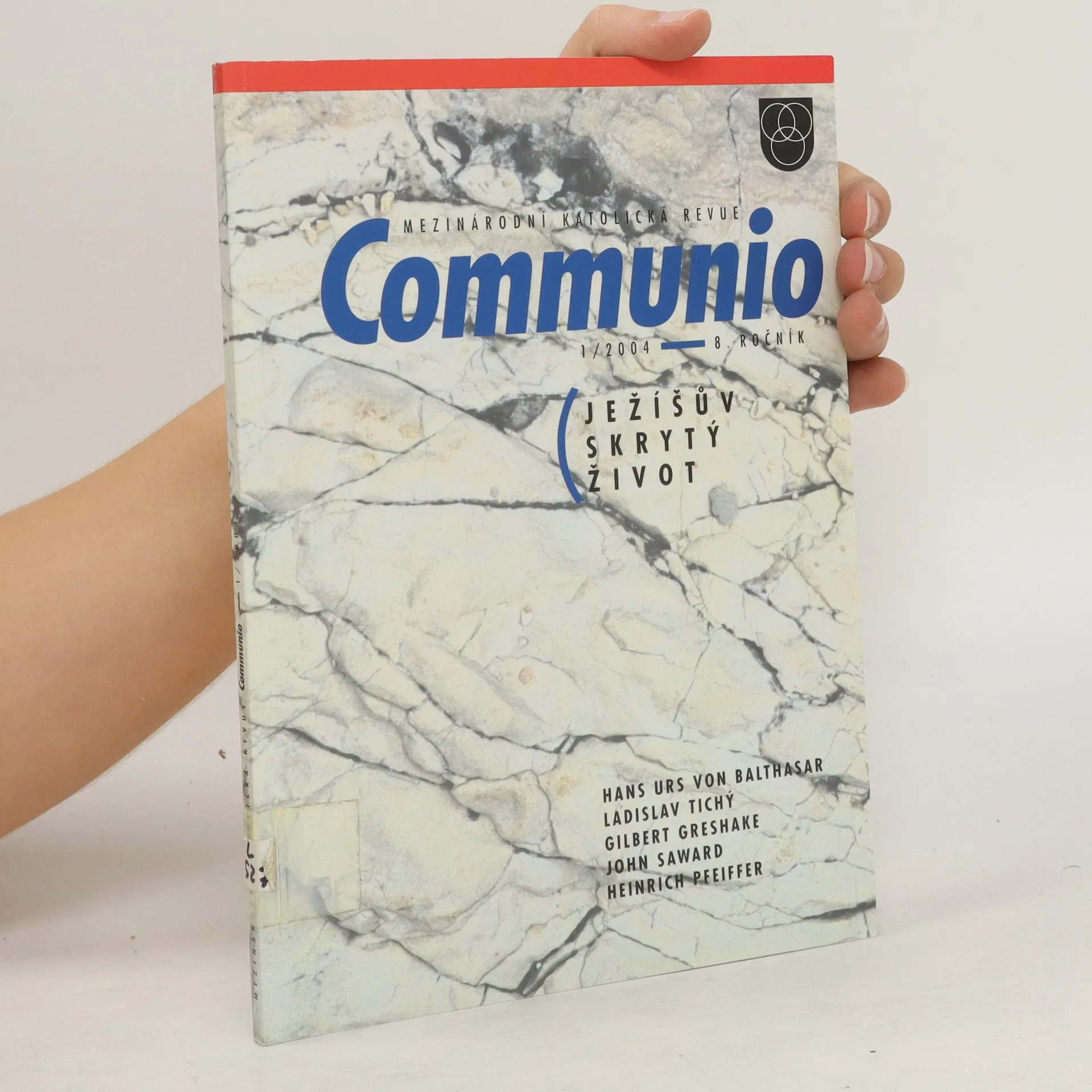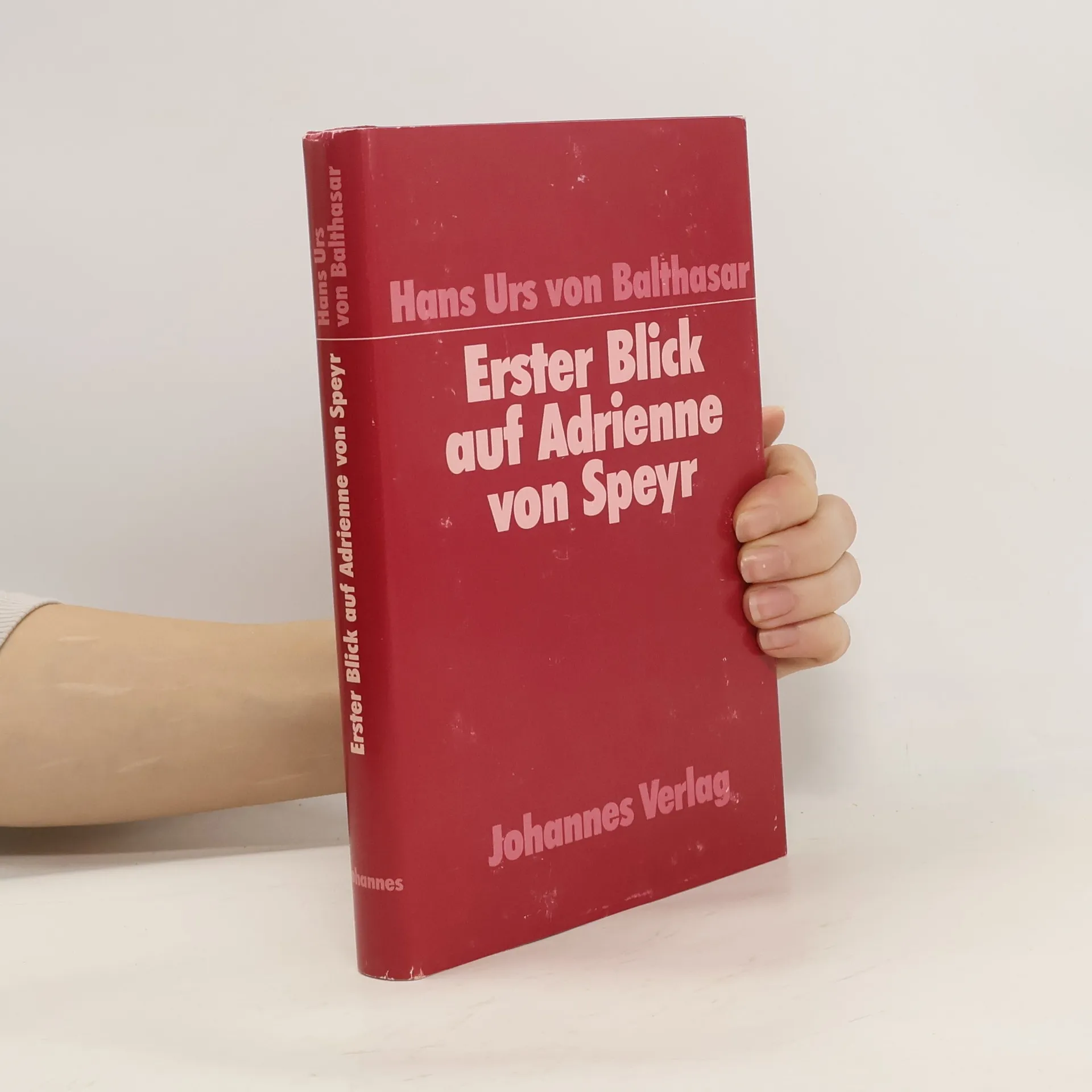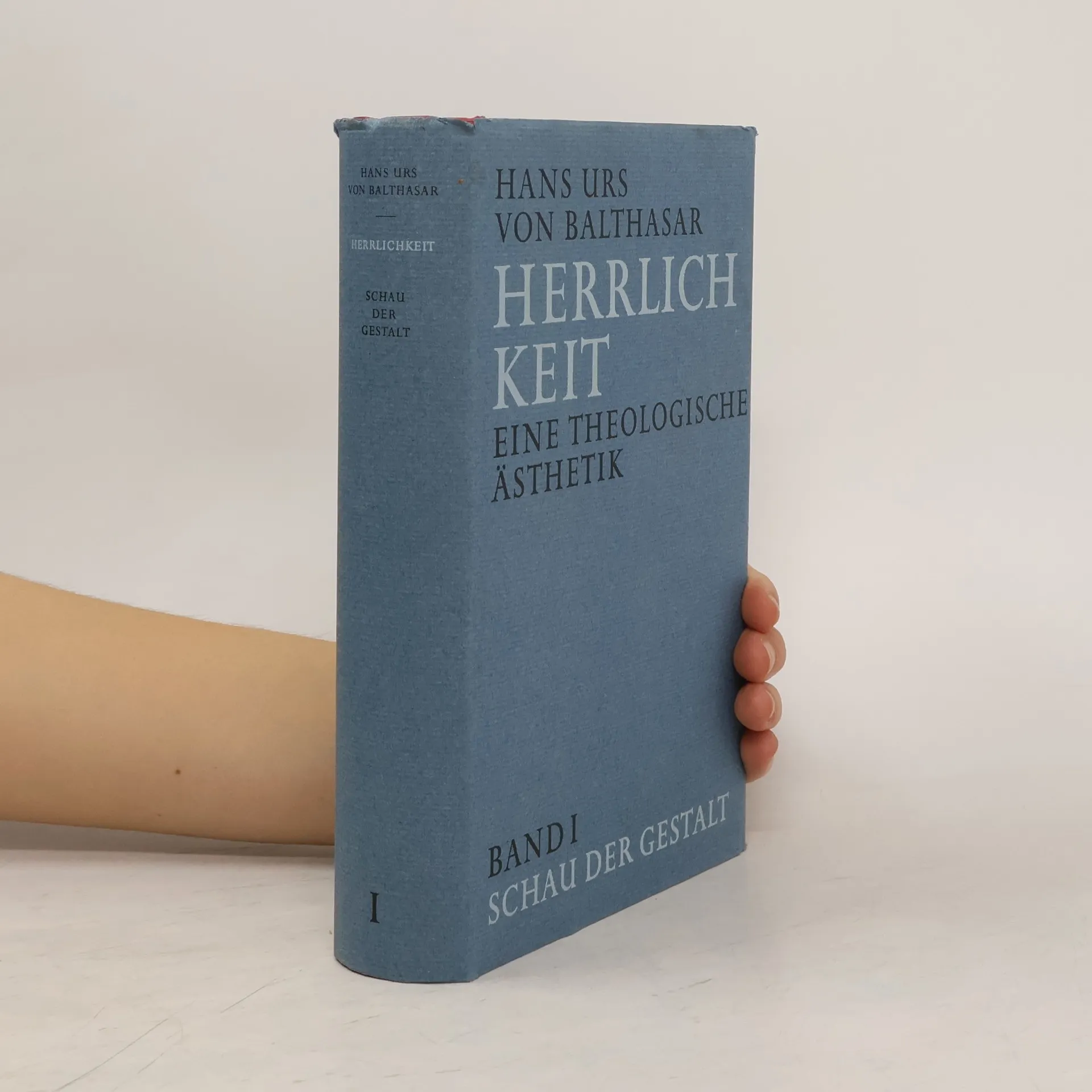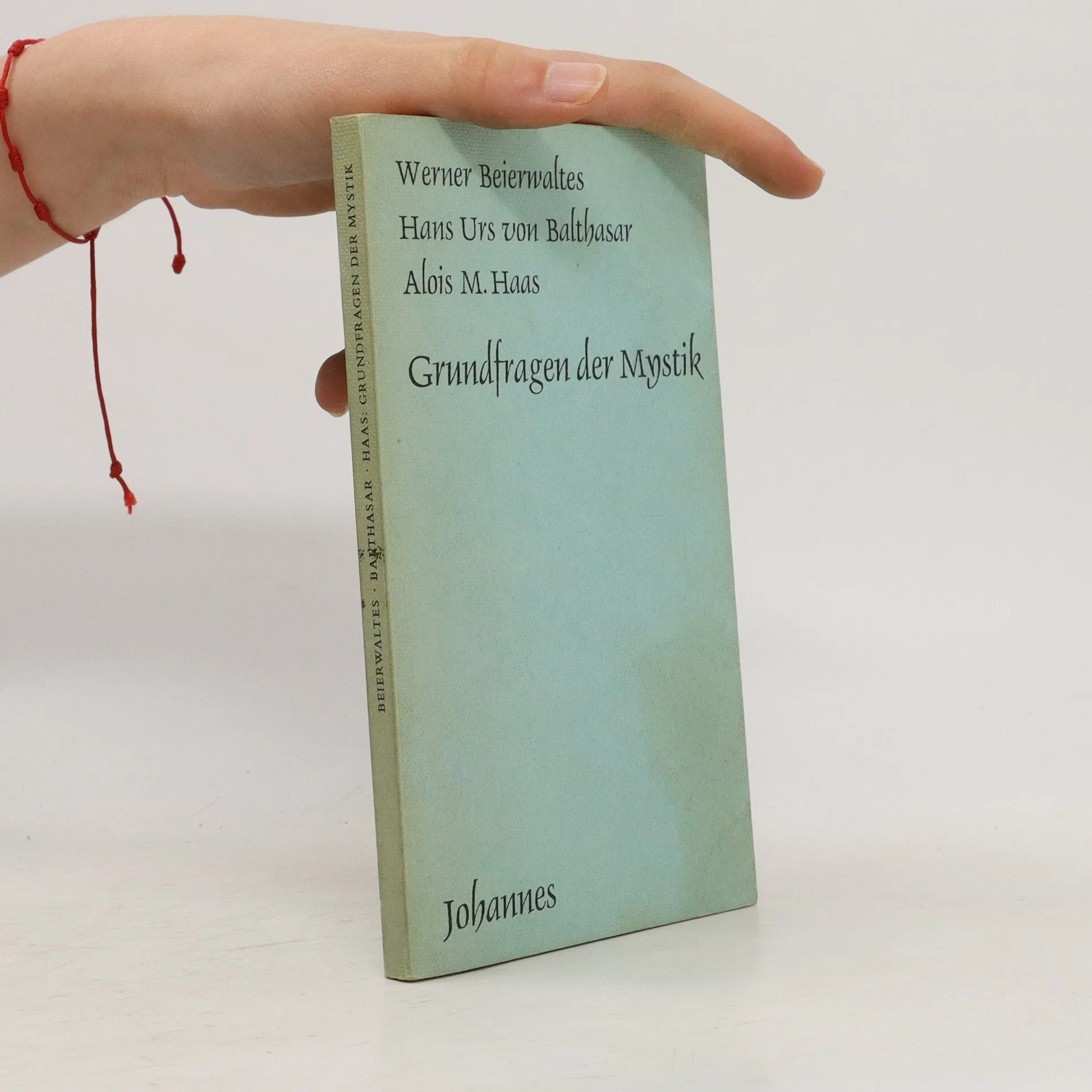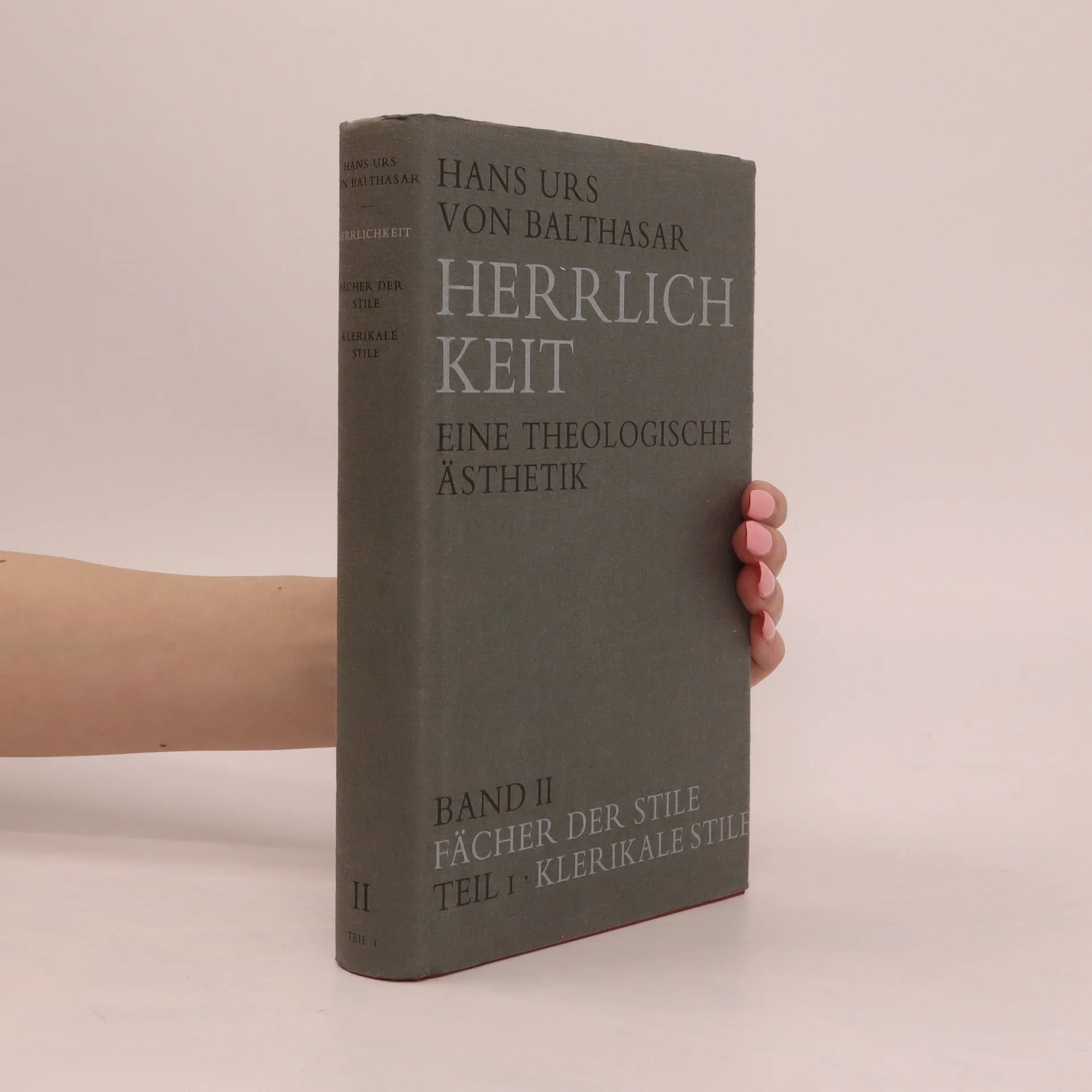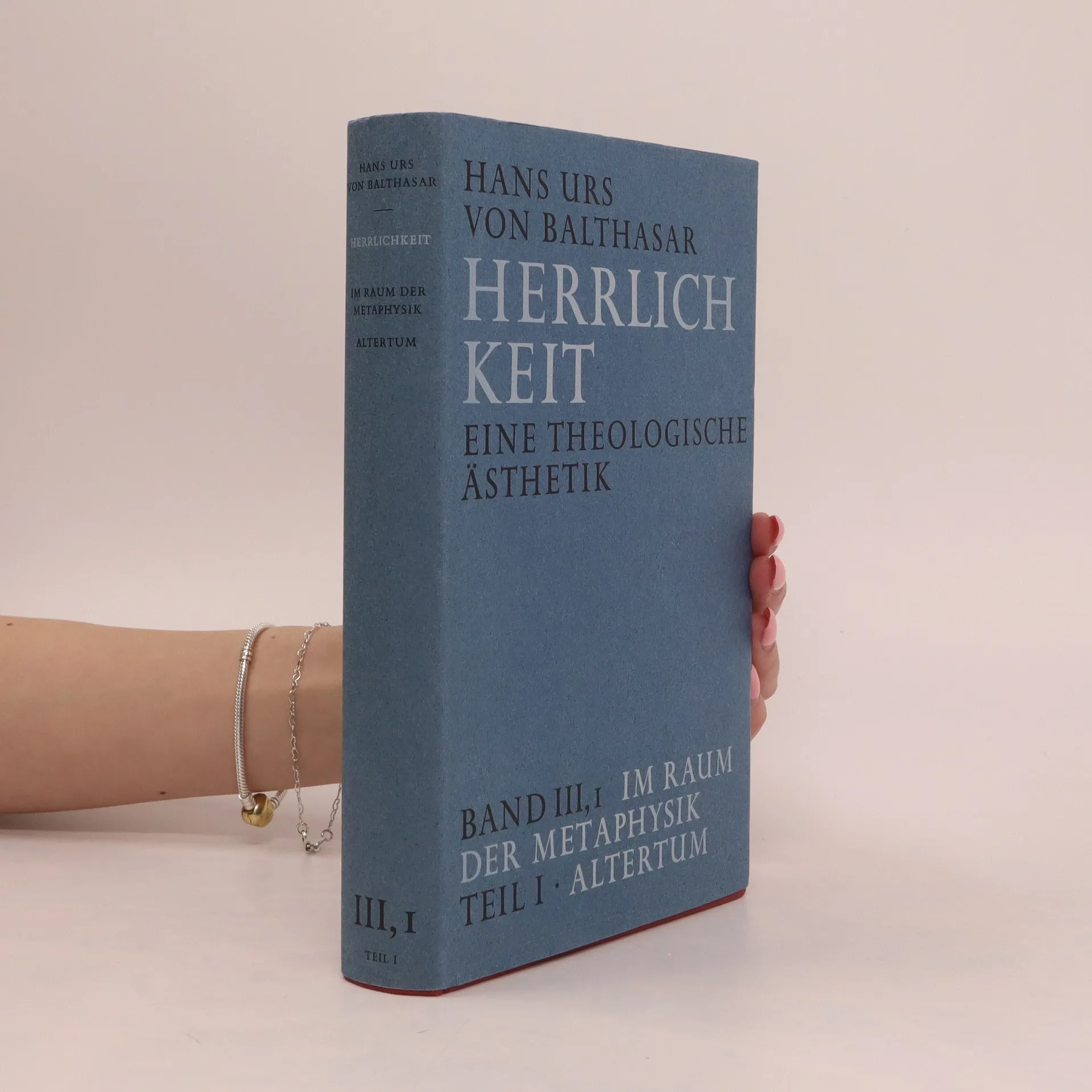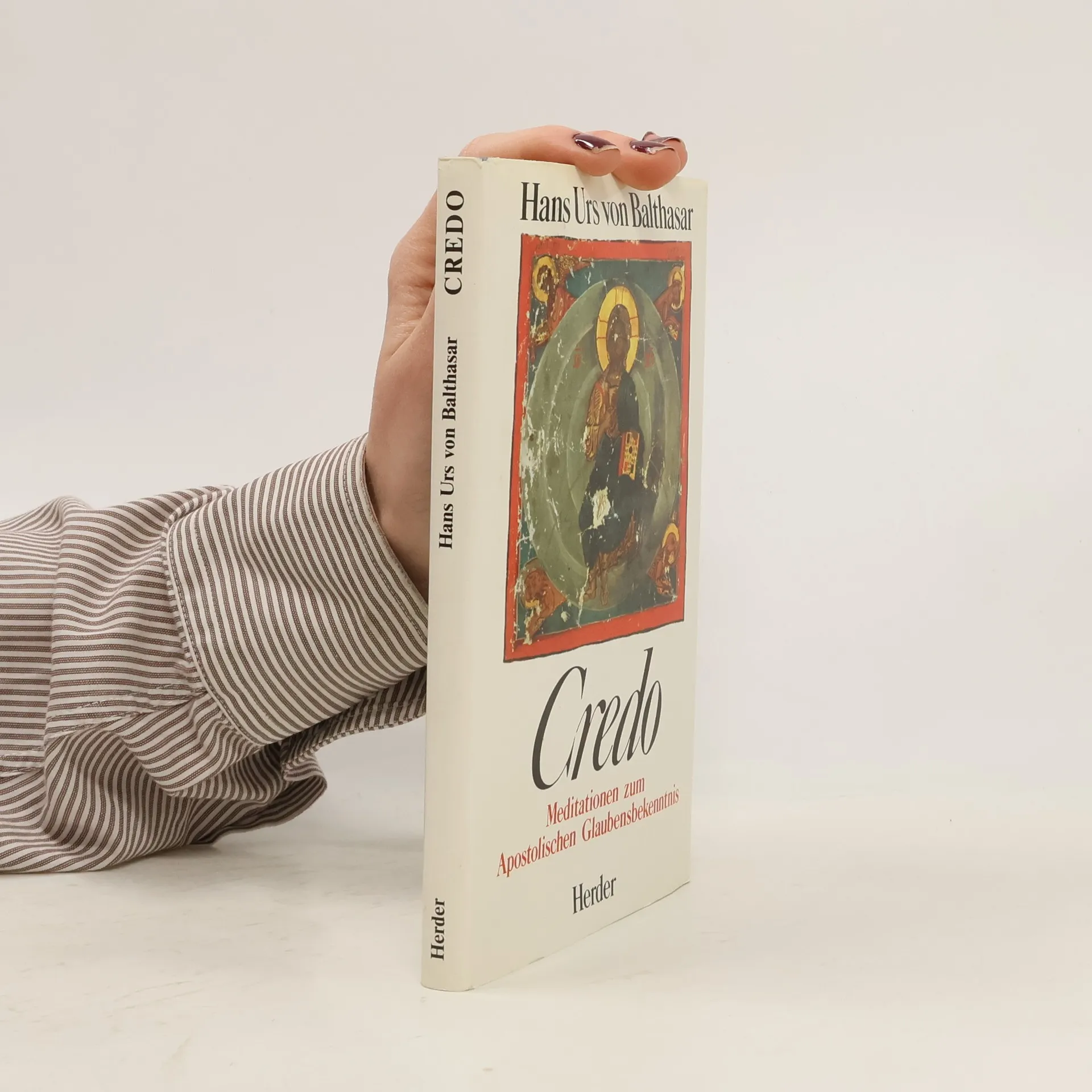


Hans Urs von Balthasar fue un teólogo y sacerdote suizo, reconocido como uno de los pensadores más importantes del siglo XX. Su obra teológica se caracteriza por un enfoque ecléctico, que se nutre de diversas fuentes y corrientes intelectuales. Balthasar ofreció una respuesta intelectual y fiel al modernismo occidental, con el objetivo de desafiar las sensibilidades contemporáneas a través del pensamiento cristiano. Su teoría dramática teológica y sus profundos análisis han dejado una influencia duradera en el discurso teológico posterior.
The work opens with a critical review of developments in Protestant and Catholic Theology since the Reformation which have led to the steady neglect of aesthetics in Christian theology. From here, von Balthasar turns to the central theme of the volume: the question of theological knowledge. He re-examines the nature of Christian believing (here he quickly draws widely on such theological figures as Anselm, Pascal and Newman) which gives due place to the particular kind of 'knowing' which develops within the personal relationship to the believer to the God mediated through the revelation-form of Jesus Christ

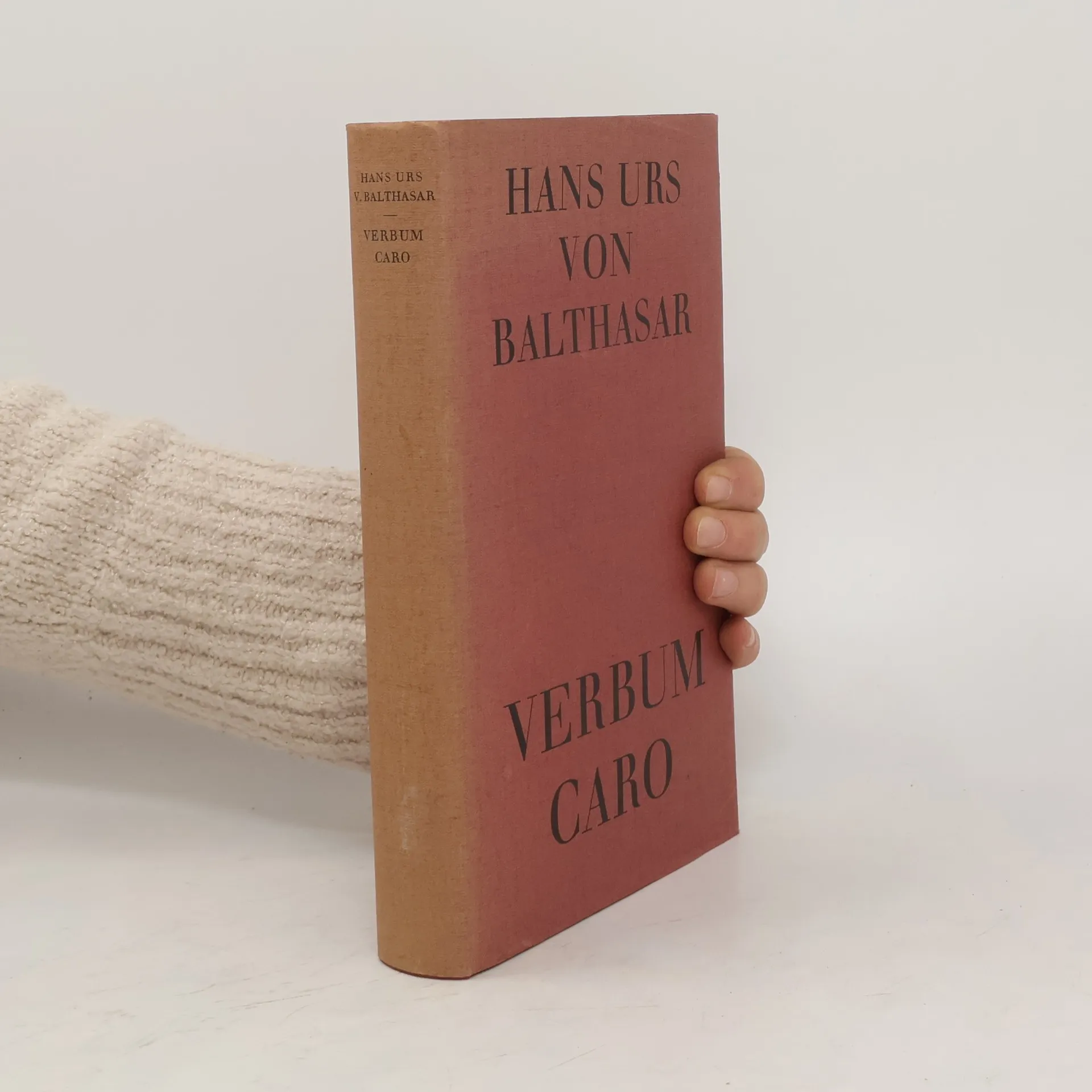
Theo-Logic is the third and crowning part of the great trilogy of the masterwork of theologian Hans Urs von Balthasar, following his first two parts, The Glory of the Lord and Theo-Drama. This is the third volume of Theo-Logic. Theo-Logic is a variation of theology, it being about not so much what man says about God, but what God speaks about himself. Balthasar does not address the truth about God until he first reflects on the beauty of God (The Glory of the Lord). Then he follows with his reflections on the great drama of our salvation and the goodness and mercy of the God who saves us (Theo-Drama). Now, in this work, he is ready to reflect on the truth that God reveals about himself, which is not something abstract or theoretical, but rather the concrete and mysterious richness of God's being as a personal and loving God.
Hans Urs von Balthasar addresses the critical issues that have been unsettling the Catholic laity since the Second Vatican Council. In a clear and readable manner, he focuses on the core elements of the faith: the Word of God; the life, death, and resurrection of Christ; the sacraments; the structure of the Church; and Mary. Speaking plainly about the polarization within the Catholic Church, he also discusses the various ideological trends—such as liberalism, progressivism, and traditionalism—that have undermined the confidence and the unity of the faithful. "In this Primer, Balthasar addresses today's faithful laity who feel that [the] solidity of the Church is shifting beneath their feet. He speaks to those who fear that the Church has done what she ought not to do: that she is in fact relaxing her demands in order to win favor, not from God, but from man. Into this situation Balthasar re-proposes the'form' of Jesus Christ as revealed in his Church. This form is 'only the whole': the whole, concrete reality of Christ, conveyed within Catholic tradition. This form is 'spun from three strands' of Word, sacrament, and ecclesial authority. These three provide the Church with the ability to remain on course despite the winds blowing through history." — Angela Franks, Ph.D., From the Foreword
Two great theologians endeavor to recover the centrality of Marian doctrine and devotion for the contemporary Church, offering a spiritually rich approach to Mariology that brings into new relief the Marian contours of ecclesial faith. Ratzinger and von Balthasar show that Mary is both the embodiment of the Church, and the mother who co-operates in giving birth to the Church in the souls of believers. At once profound and yet readily accessible, The Church at the Source offers a theologically balanced and biblically grounded presentation of traditional and contemporary thought on Marian doctrine and spirituality.
Übertragen und mit einem Nachwort versehen von Hans Urs von Balthasar.Die Entstehung dieser Novellen – Frau Dargent (1922), Schattenzwiesprache und Eine Nacht (beide 1928) –, die erstmals in französischen Zeitschriften erschienen, fällt in eine Zeit, in der sich Bernanos auf der Suche nach seinem zukünftigen Weg über seine schriftstellerische Sendung noch im unklaren ist. Und doch sind diese Novellen, wie ihr Herausgeber und Übersetzer Hans Urs von Balthasar in seinem Nachwort feststellt, bereits durch «gewisse Grundmotive bernanosischer Dichtung» miteinander verbunden.In allen drei Erzählungen schlägt Bernanos das Thema des Sterbens an, begleitete ihn doch der Gedanke der ars moriendi eine lange Epoche seines Lebens. In «Eine Nacht» sind seine Figuren alle dem Tod geweiht und in der vom Dichter geschilderten Agonie öffnet und befreit sich die verschlossene Seele des Sterbenden: «Hier», so schreibt Balthasar, «öffnet sich die Lüge des Lebens, klärt sich das Trübe zurück zum reinen Antlitz des Kindes, aber durch die Schmerzen der Todesangst. Der Tod ist die Lebensbeichte.»Der Johannes Verlag ist sich des Wagnisses bewusst, diese romantisch fern anmutenden Novellen dem heutigen Leser vorzulegen. Doch das Anliegen des Dichters, der schon vor Jahrzehnten keine Scheu hatte, das «Christentum im Untergang, im Erlöschen, in der Nacht der geistigen Armut» zu zeigen und zu begleiten, mag als Rechtfertigung genügen.
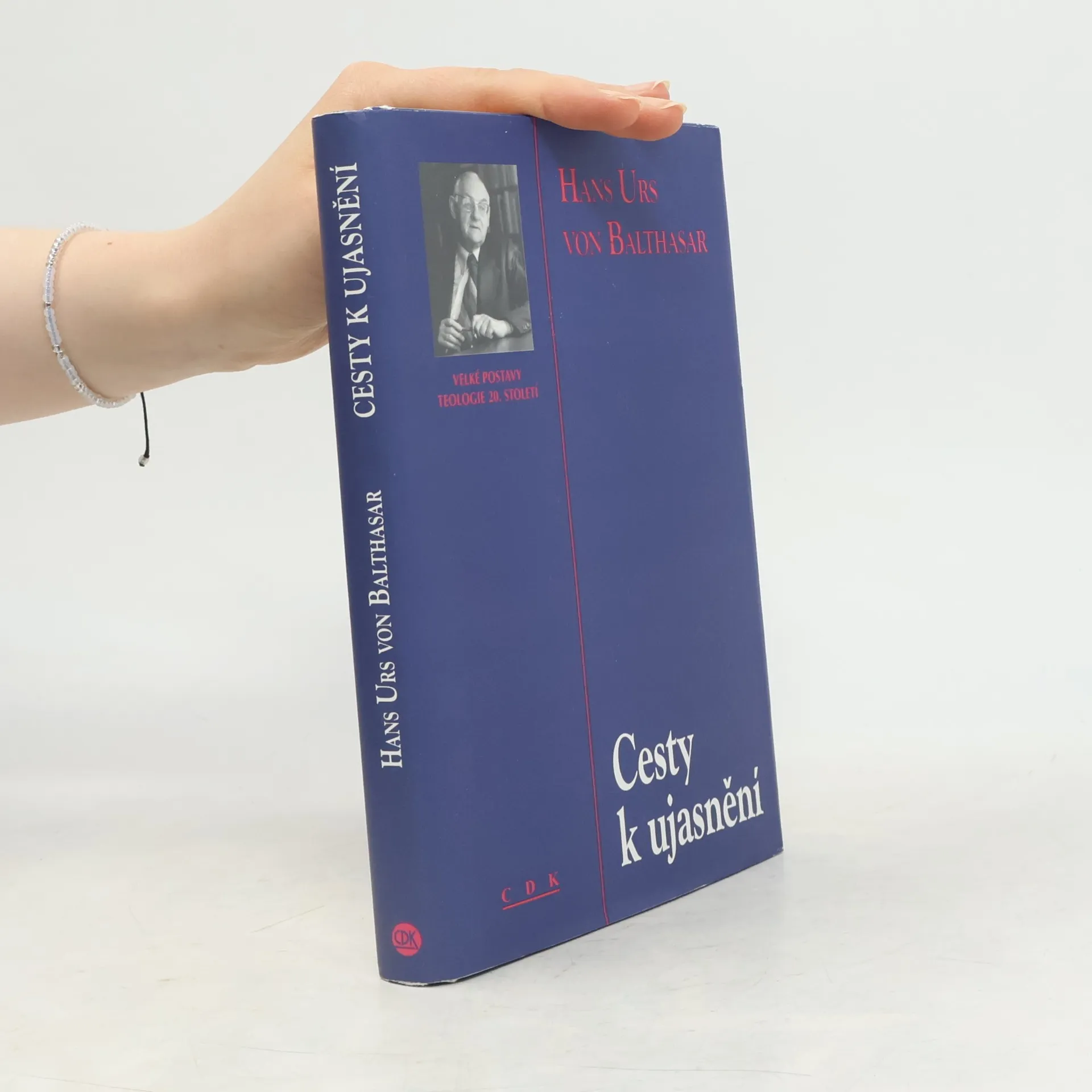
Knížka Klarstellungen, kterou jsme v češtině nazvali Cesty k ujasnění, dovoluje nahlédnout do světa génia, kterému je vlastní intelektuální poctivost a zápas o hledání oné pravdy, jíž autor zasvětil svůj život. Závěrečný esej Proč zůstávám v církvi je možné považovat za klasické dílo křesťanského myšlení naší doby. Již druhé české vydání této knihy přibližuje čtenářům životní dílo autora, jehož myšlenkový záběr připomíná velikány typu Órigena, svatého Augustina či Tomáše Akvinského.
Na čem by měl stát život dnešních kněží? Co je podstatou kněžského poslání? Odpovědi na tyto otázky nás vedou k apoštolům a jejich povolání Kristem. Apoštolové přijímají nový život a účast na jeho kněžství, což je pokračováním poslání prvních apoštolů a samotného Ježíše. Osoba Krista je základem kněžské spirituality.
Hans Urs von Balthasar, významná postava katolické teologie 20. století, ovlivnil mnohé, včetně Pavla VI. a Benedikta XVI. V této studii se zaměřuje na různá pojetí kněžství, jedinečnost novozákonního kněžství, modlitbu v životě kněze a církevní obce a posláním Panny Marie. Texty přecházejí do autorovy osobní meditace, nabízející solidní odpovědi na otázky spojené se současným nedostatkem kněžských povolání.
Vojtěch Brož napsal úvod k českému vydání. Balthasar (1905–1988) byl švýcarský katolický kněz a teolog, který studoval germanistiku a filosofii a vstoupil do jezuitského noviciátu. Vysvěcen na kněze v roce 1936, později založil sekulární institut Janovo společenství a nakladatelství Johannes Verlag. Po 2. vatikánském koncilu spoluzaložil mezinárodní katolickou revue Communio. Před smrtí přijal jmenování kardinálem od Jana Pavla II. Jeho nejznámější dílo zahrnuje trilogii Herrlichkeit, Theodramatik a Theologik, přičemž v češtině vyšly pouze drobnější studie.
Die Bedeutung und Schönheit des betrachtenden Gebets wird in diesem Werk eingehend beleuchtet, wobei die Herausforderungen und die oft vergeblichen Versuche, diese Praxis im Alltag zu integrieren, thematisiert werden. Der Autor möchte durch eine umfassende Analyse der christlichen Offenbarung das Bewusstsein für die Tiefe und Herrlichkeit dieser Gebetsform schärfen. Ziel ist es, die Freude und das Bedürfnis nach kontemplativem Gebet zu fördern und dessen Unentbehrlichkeit im Leben der Gläubigen, insbesondere in der heutigen Zeit, zu betonen.
Mysterium Paschale – veľkonočné tajomstvo je ústredným tajomstvom vzťahu Boha a ľudí. Liturgia Veľkého piatku, Bielej soboty a Veľkonočnej nedele nás zaplavuje hlbokými textami, symbolmi a krásou. Počas týchto dní však málokedy prenikáme do teologickej podstaty spásneho diania, ktoré začína Poslednou večerou a končí zjavením Zmŕtvychvstalého. Kniha ponúka možnosť kráčať vedľa Ježiša Krista na jeho ceste k krížu, k zosnulým a k Otcovi.
Autor, Hans Urs von Balthasar, sa precízne zaoberá biblickými textami, svedectvami cirkevných otcov a pohľadmi teológov, čo robí toto dielo náročným čítaním. Jeho úsilie zozbierať a sústrediť obrovské množstvo teologického materiálu nás povzbudzuje objavovať teológiu týchto veľkých dní. Balthasar bol jedným z najvýznamnejších teológov 20. storočia a táto práca je jeho prvou vyslovene teologickou knihou, ktorá vychádza na Slovensku. Doteraz vyšli po slovensky jeho Krížová cesta, Rozjímavá modlitba a zbierka aforizmov Vlastnými slovami. Čitateľom je poskytnutá aj rozsiahla životopisná štúdia, ktorá uľahčuje kontakt s týmto velikánom teologickej literatúry.
Tématem této dnes již klasické teologické knihy je aktuální otázka, zda historicky vzniklé vnitřní protiklady všeobecného křesťanského společenství lze ještě spojit v přehlédnutelné jednotě. Je ekumenismus pouze naším lidským problémem, který se netýká Boží svobody a moci? Jak je možno nalézt silnou střední cestu mezi příznačnými slabostmi krajního institucionalismu a krajního liberalismu? Spočívá řešení problémů moderní křesťanské existence skutečně v pouze částečné identifikaci s církví a vírou?
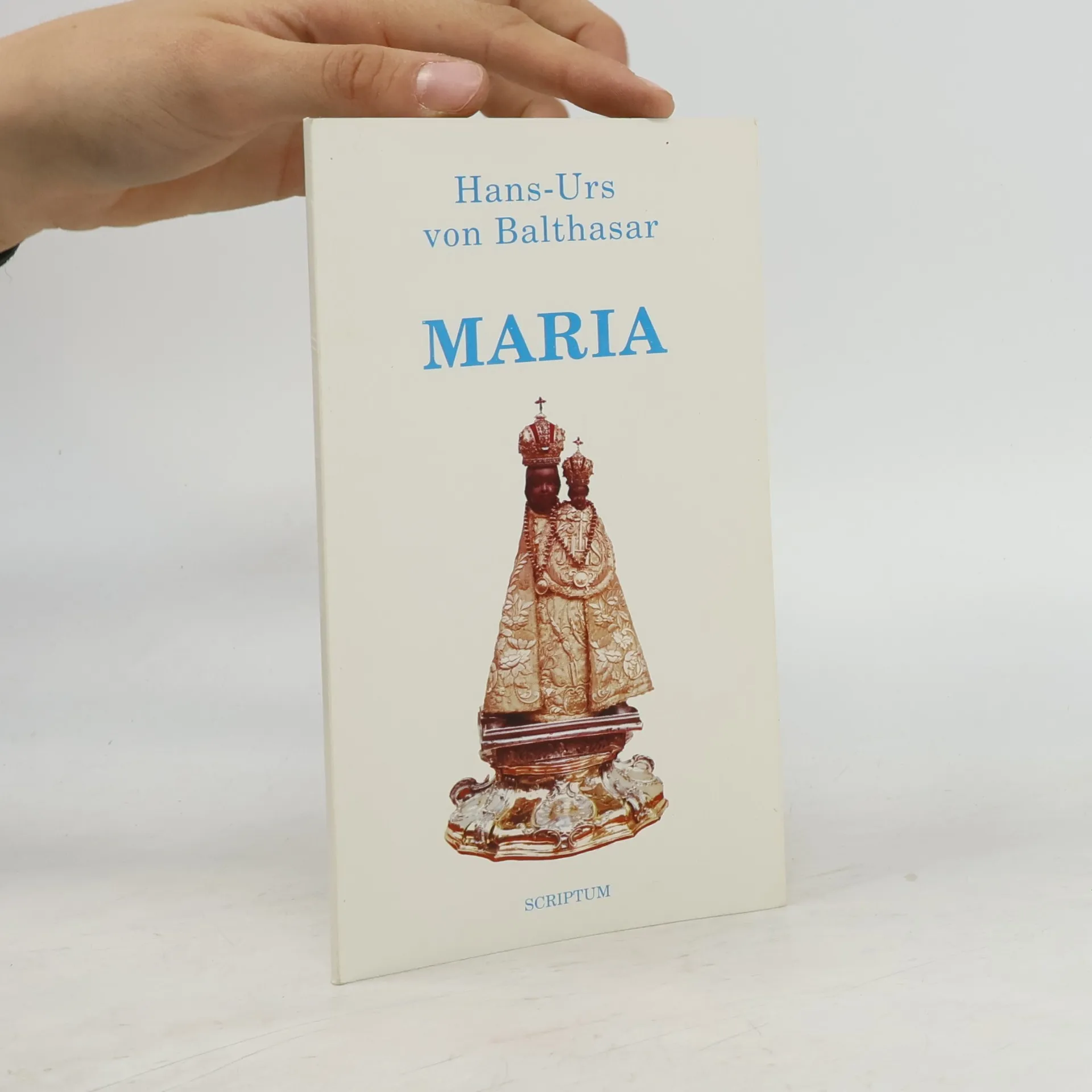
Úvahy o osobnosti a poslání Panny Marie. Obsah: I. Na poušti, II. Rodit v bolestech, III. Maria, paměť církve, IV. Manželství a panenství, V. Chudí, VI. Rána vytváří prostor.
Publikácia predkladá čitateľovi texty Hansa Ursa von Balthasara a Josepha Ratzingera – pápeža Benedikta XVI. Vychádzajúc zo súdobej situácie v Cirkvi, analyzujú dôvody, prečo je napriek mnohým problémom a krízam stále žiaduce zostať kresťanom a neodvrátiť sa od Cirkvi.
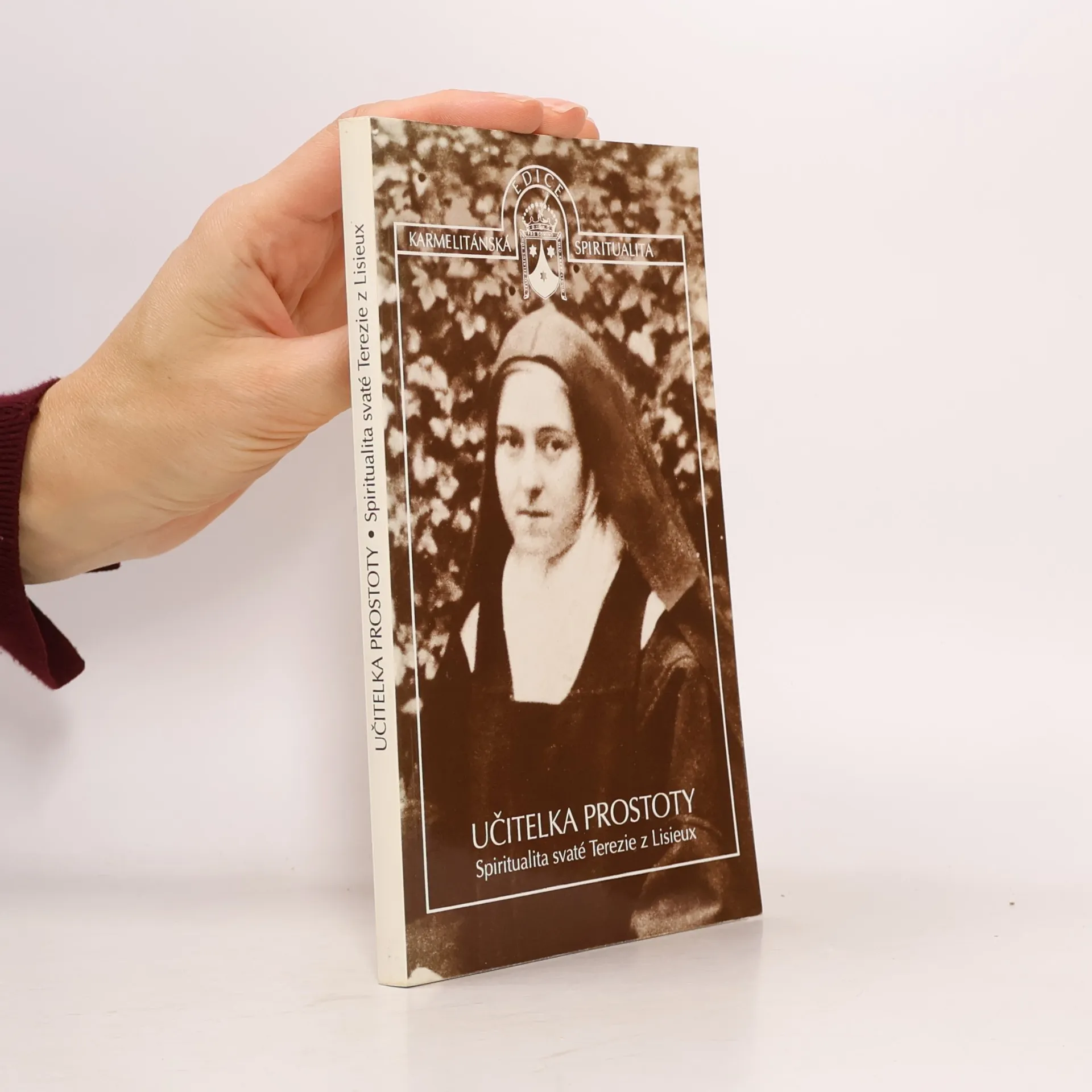
Spiritualita svaté Terezie z Lisieux / Sborník k stému výročí úmrtí sv. Terezie z Lisieux Články známých autorů (H. Urs von Balthasar, G. Gaucher, E. Richer) přibližují život a duchovní cestu učitelky "malé cesty".
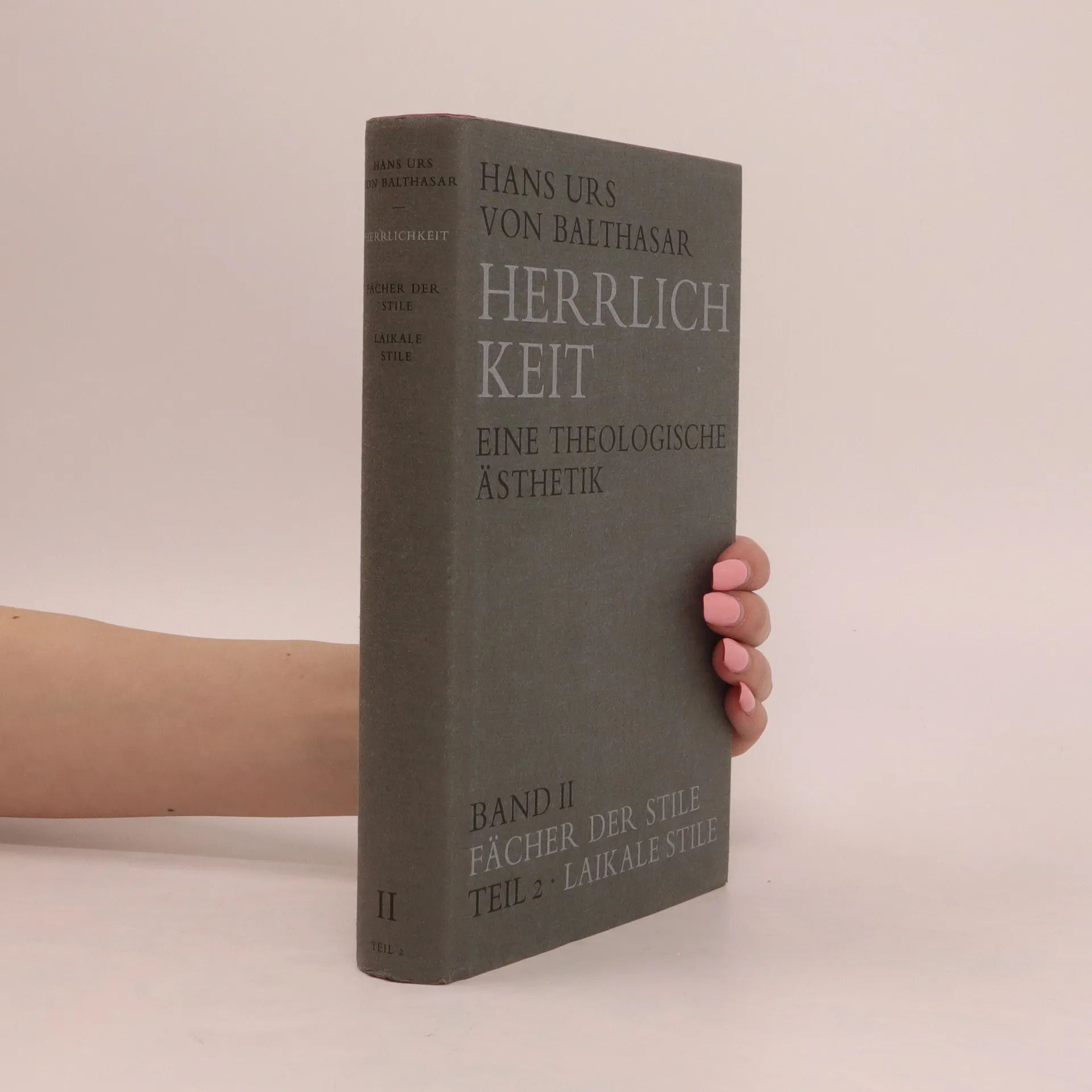
Der zweite Band von Balthasars Werk untersucht die Rolle der „Herrlichkeit“ oder „theologischen Schönheit“ in der christlichen Theologie. Er zeigt auf, dass nur Theologien, die die Herrlichkeit der christlichen Offenbarung reflektieren, eine echte geschichtliche Bedeutung erlangen. Während die Kleriker-Theologen bis zur Hochscholastik dominieren, übernehmen ab dann Laien wie Dante und Pascal die Initiative, um die ursprüngliche Herrlichkeit neu zu beleuchten. Das Buch präsentiert ein einzigartiges europäisches Symposion, das neue Perspektiven für die christliche Theologie eröffnet.
In der Heiligen Schrift gibt es zwei Gruppen von Aussagen vom Gericht über die Menschen. Die eine betont, d Christus für alle Menschen gelitten hat und gestorben ist, d Gott unbedingt das Heil aller will. Die andere Gruppe spricht eindeutig vom Gericht und von der Verurteilung derer, die sich ihrer Nächsten nicht erbarmten, und darum mit ewiger Verdammung bestraft werden. Dieser scheinbare Widerspruch verbietet es uns, im voraus wissen zu wollen, wie das Gericht Gottes Wir stehen ganz und gar unter dem Gericht und haben kein Recht und keine Möglichkeit, dem Richter vorweg in die Karten zu schauen. Die Rede über die Hölle hat nur einen ... den Menschen dahin zu bringen, sein Leben im Angesicht der realen Möglichkeit ewigen Scheiterns zu meistern und die Offenbarung als einen Anspruch von letzter Ernsthaftigkeit zu verstehen (J. Ratzinger). Das ernsteste, was es gibt, ist nicht die Strafgerechtigkeit Gottes, sondern seine Liebe. Darum ist die Hoffnung für alle dem Christen nicht nur möglich, sondern geradezu geboten.
Diese Anthologie vereint Texte von Balthasar, die sich mit den geistlichen Übungen des hl. Ignatius von Loyola befassen. Sie bietet einen umfassenden Kommentar zu den Exerzitien und einen Überblick über Balthasars theologisches Werk, das auf den Exerzitien basiert, und dient als Unterstützung für Übende und Leitende.
První svazek rozměrné trilogie, která v předvečer druhé světové války
(1937–1939) přinesla syntetizující pohled na vývoj moderní německé literatury
a filozofie z hlediska proměn eschatologického myšlení. První díl se soustředí
na epochu osvícenství a romantismu a jako jejich hlavní rys vykládá posuny
křesťanské eschatologie směrem k „prométheovskému principu“, k
imanentizujícímu a subjektivizujícímu pojetí vztahu mezi lidským duchem,
přírodou, dějinami a božstvím. Spis má navzdory tematické šíři (od Lessinga či
Herdera přes romantiky a idealisty až po Wagnera a Nietzscheho) sevřenou
interpretační povahu a představuje vyrovnání s moderním německým myšlením, jak
se rozvíjelo ne v teologických spisech, nýbrž v poezii a filozofii.
Als in den späten siebziger und in den achtziger Jahren des letzten Jahrhunderts der Leiter des Informationszentrums Berufe der Kirche, Mgr. Emil Spath, nach neuen Wegen suchte, junge Leute anzusprechen und für die christliche Sicht und Antwort zu gewinnen, hat auch Hans Urs von Balthasar seine Mitarbeit zugesagt und zu ganz verschiedenen Themen, Situationen und Problemen im Leben eines Christen in der Welt Stellung genommen. Diese «Antworten» und Beiträge gehören wesentlich zum pastoralen Werk von Balthasars und umfassen folgende Titel: Das Christentum und die Weltreligionen – Was geht mein Glaube die Kirche an? Ein Dialog – Die Heilige Schrift – Gott und das Leid – Beten – Eucharistie. Gabe der Liebe – Jesus nachfolgen. Arm, ehelos, gehorsam – Berufung (in: Zur Pastoral der geistlichen Berufe, 1966). Diese Antworten sind auch im neuen Jahrhundert hilfreich und zeitgemäß geblieben.