
Bookbot

Ian Morris

    27 de enero de 1960
    Ian Morris
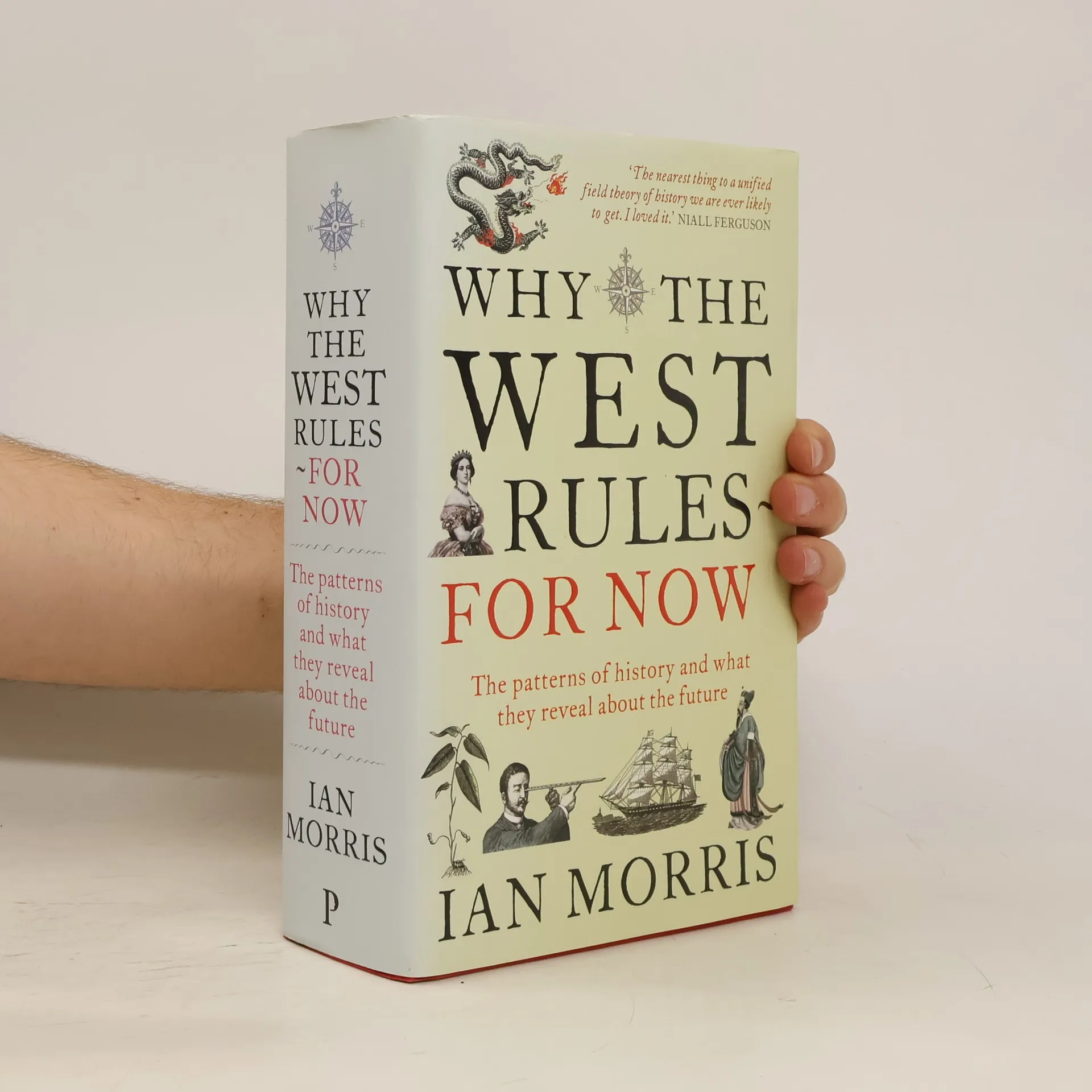
    Why the West Rules-for Now
    Cambridge International AS/A level Accounting Revision Guide 2nd edition
    The Measure of Civilisation
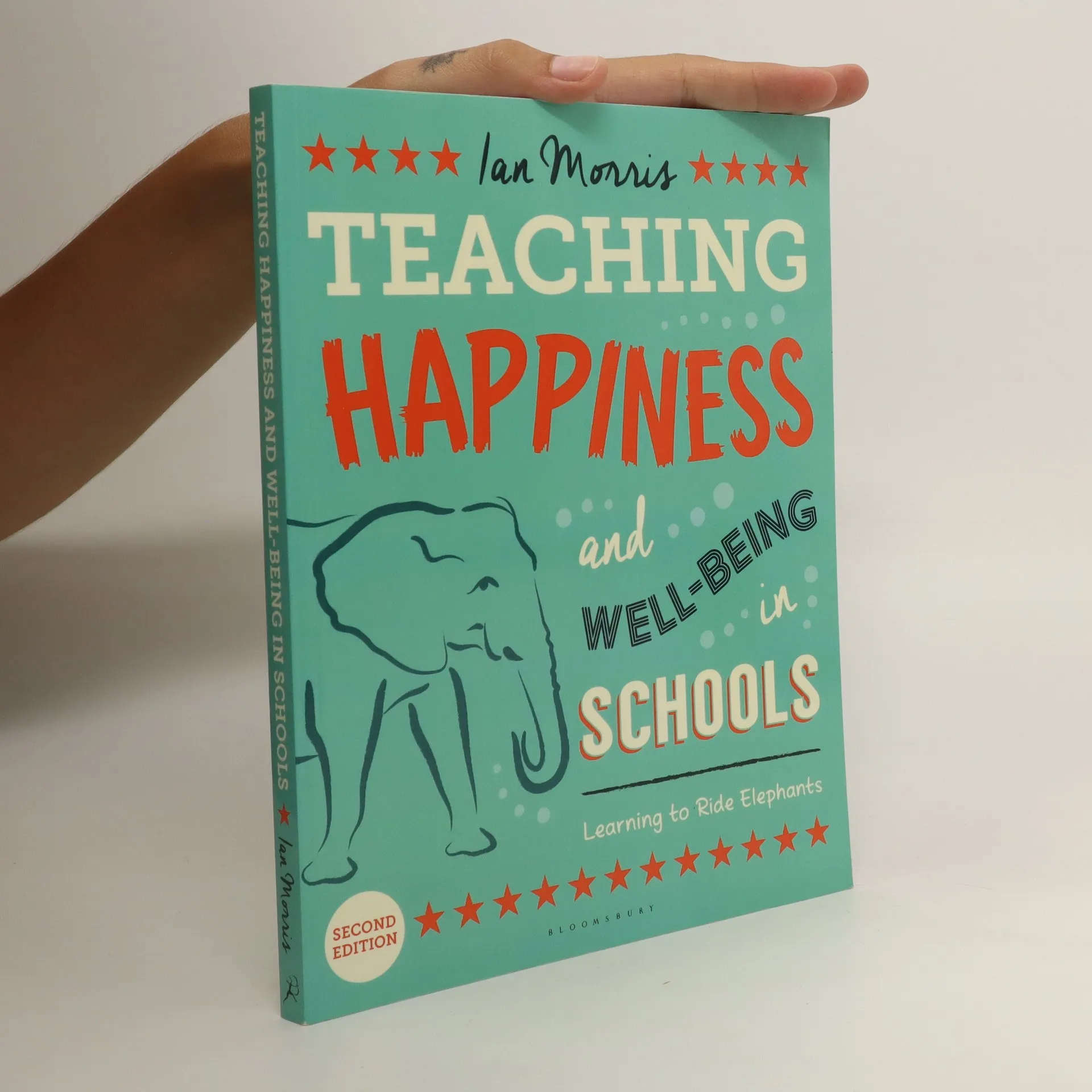
    Teaching happiness and well-being in schools
    The Dynamics of Ancient Empires
    War! What is it Good For?
    • Oblast světa, kterou dnes označujeme jako Západ, získala díky průmyslové revoluci v 19. století světovou nadvládu, která trvá dodnes. Nicméně nyní, na začátku 21. století, se začínají šířit obavy, že nastupující hospodářská síla Číny a Indie znamená konec Západu jako globální supervelmoci. Jsou tyto obavy opodstatněné? A proč se vlastně do takto dominantní pozice v minulosti dostaly zrovna státy Západu? Britský historik a archeolog Ian Morris se ve své vlivné knize zaměřuje na vzorce historie v horizontu tisíců let a přináší zajímavou odpověď na obě tyto otázky. Klíčem k nadvládě Západu nebyla kultura, rasové rozdíly nebo výjimečné výkony jedinců. Zásadní byla role geografie, která určovala, jak si byli místní lidé schopni ve svých každodenních životech poradit s nedostatkem surovin, nemocemi, migrací nebo proměnami klimatu. Souhra zeměpisných faktorů a lidské vynalézavosti přitom pokračuje a svět se díky tomu podle Morrise bude nadále proměňovat, což poznamená i velmocenské postavení vyspělých zemí. Kniha je zásadním příspěvkem k dějinám naší civilizace a skvělým výchozím bodem k porozumění současné geopolitické situaci.


      Proč Západ vládne... zatím: Co minulost říká o naší budoucnosti2025
    • The story of Britain, from its first moments as an island to its possible future.

      Geography is Destiny2022
      3,9
    • This updated edition is a theoretical and practical guide to implementing a well-being programme in your school. The book covers three areas: well-being as a philosophy of education, the teaching approach to well-being and the content that might form a well-being programme in a school. It is also a manifesto for a meaningful aim to education.There has recently been an explosion of interest in positive psychology and the teaching of well-being and 'happiness' in the PSHE world in schools and many teachers are looking for clear information on how to implement these potentially life-changing ideas in the classroom. This book provides an introduction to the theory of positive psychology and a practical guide on how to implement the theory in (primarily secondary) schools. It is written by Ian Morris who worked under Anthony Seldon at Wellington College which is well-known for its well-being and happiness curriculum.

      Teaching happiness and well-being in schools2015
      4,0
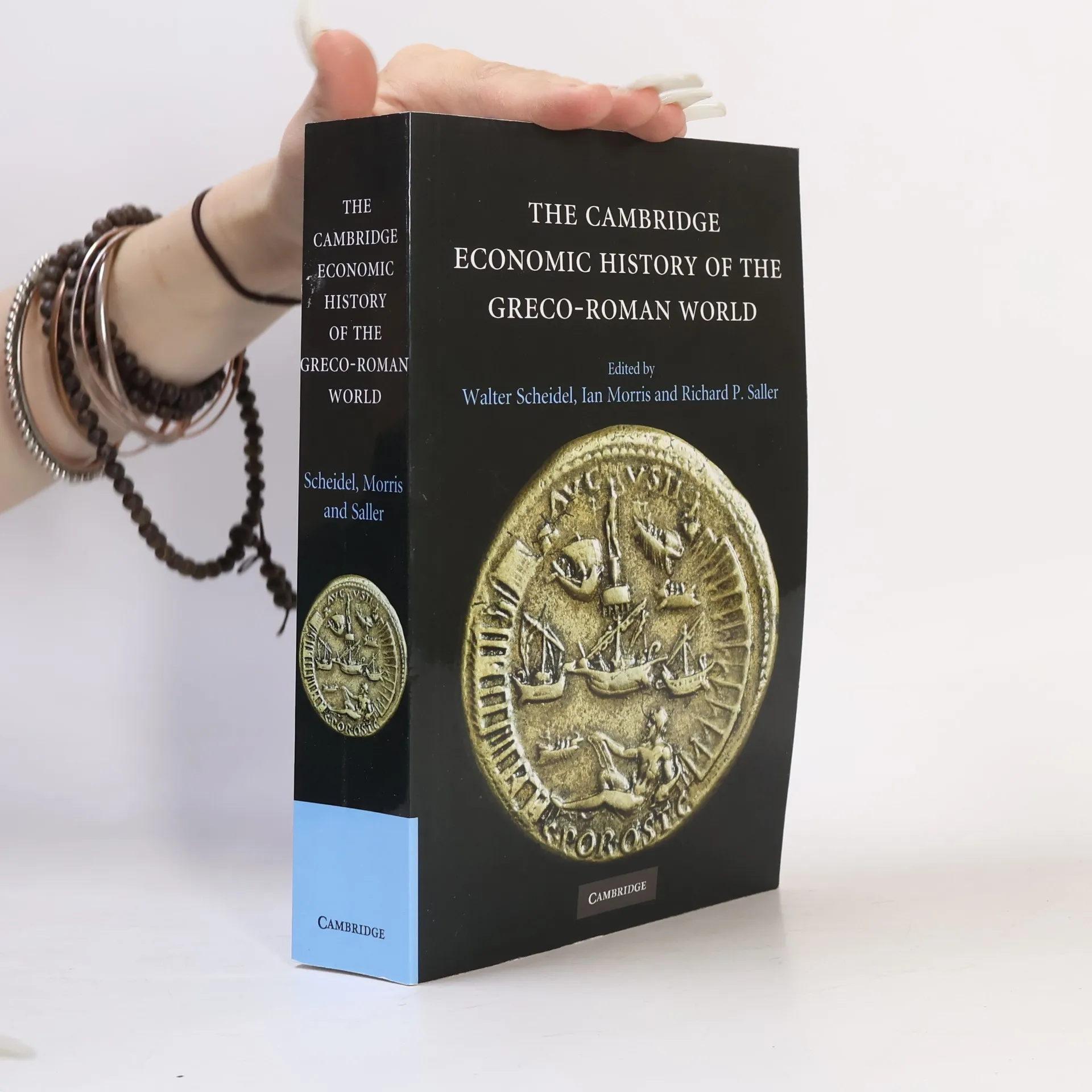
    • In this, the first comprehensive one-volume survey of the economies of classical antiquity, twenty-eight chapters summarise the current state of scholarship in their specialised fields and sketch new directions for research. The approach taken is both thematic, with chapters on the underlying determinants of economic performance, and chronological, with coverage of the whole of the Greek and Roman worlds extending from the Aegean Bronze Age to Late Antiquity. The contributors move beyond the substantivist-formalist debates that dominated twentieth-century scholarship and display a new interest in economic growth in antiquity. New methods for measuring economic development are explored, often combining textual and archaeological data that have previously been treated separately. Fully accessible to non-specialist, the volume represents a major advance in our understanding of the economic expansion that made the civilisation of the classical Mediterranean world possible.

      The Cambridge Economic History of the Greco-Roman World2013
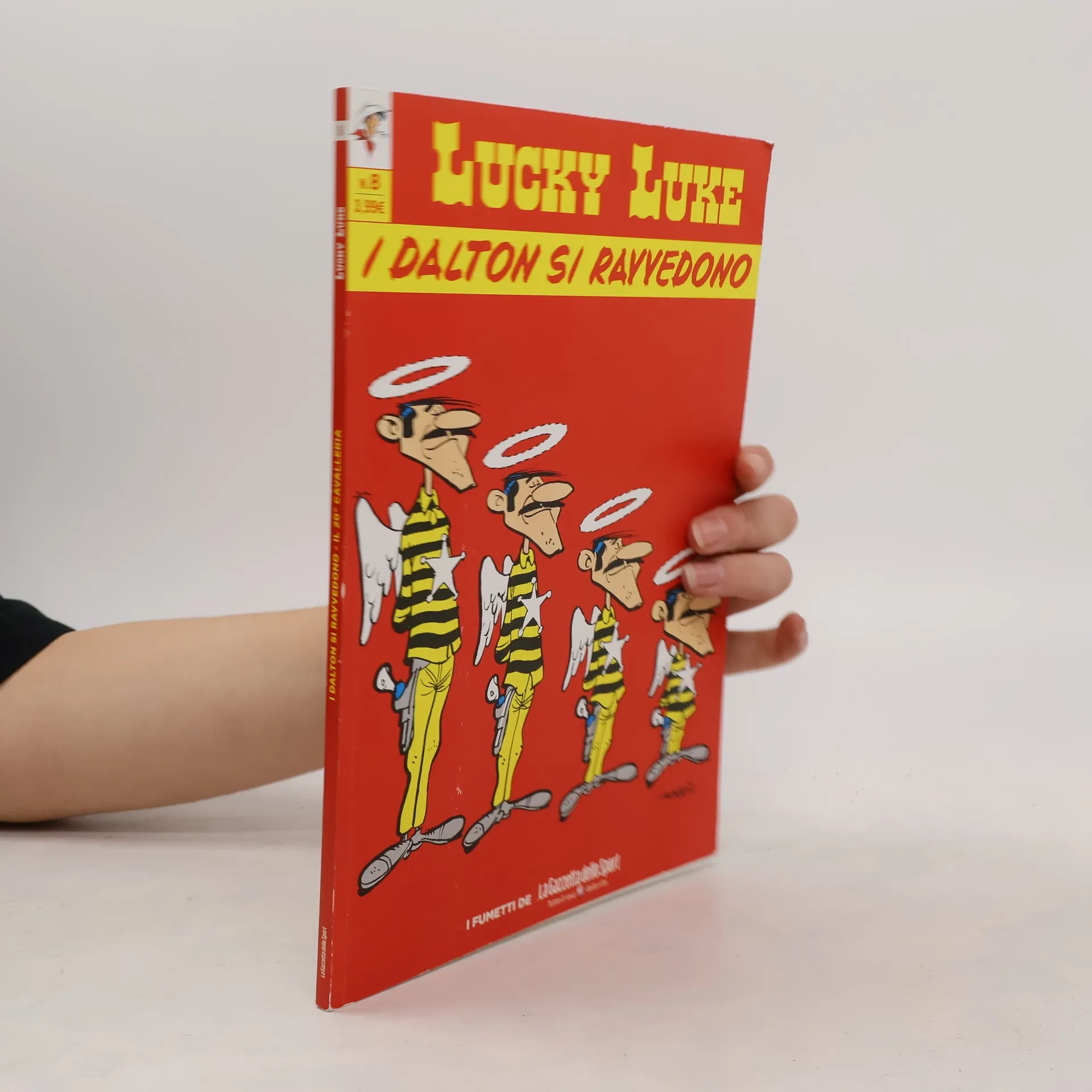
    • Lucky Luke 8. I Dalton si ravvedono

      • 100 páginas
      • 4 horas de lectura

      L'albo ospita due episodi del fumetto Lucky Luke. Il primo, quello che da il titolo al volume, è I Dalton si ravvedono e vede i simpatici banditi alle prese con un tentativo di riabilitazione, viene infatti loro offerta la cancellazione della pena in cambio della buona condotta per un mese, un mese dannatamente lungo per la Banda Dalton. Il secondo episodio presente sul volume è un omaggio al classico film western Il massacro di Fort Apache di John Ford e vede protagonisti, oltre a Lucky Luke, gli indiani e le giacche azzurre. Entrambi gli episodi sono sceneggiati da Goscinny e disegnati da Morris e sono stati realizzati rispettivamente nel 1963 e nel 1964.

      Lucky Luke 8. I Dalton si ravvedono2013
    • Offers insight into the index of social development that measures change in East and West. The author argues that to understand the development of East and West, we need to look beyond 'long-term lock-in' theories (that suggest it was inevitable) and 'short-term accident' theories.

      The Measure of Civilisation2013
      4,0
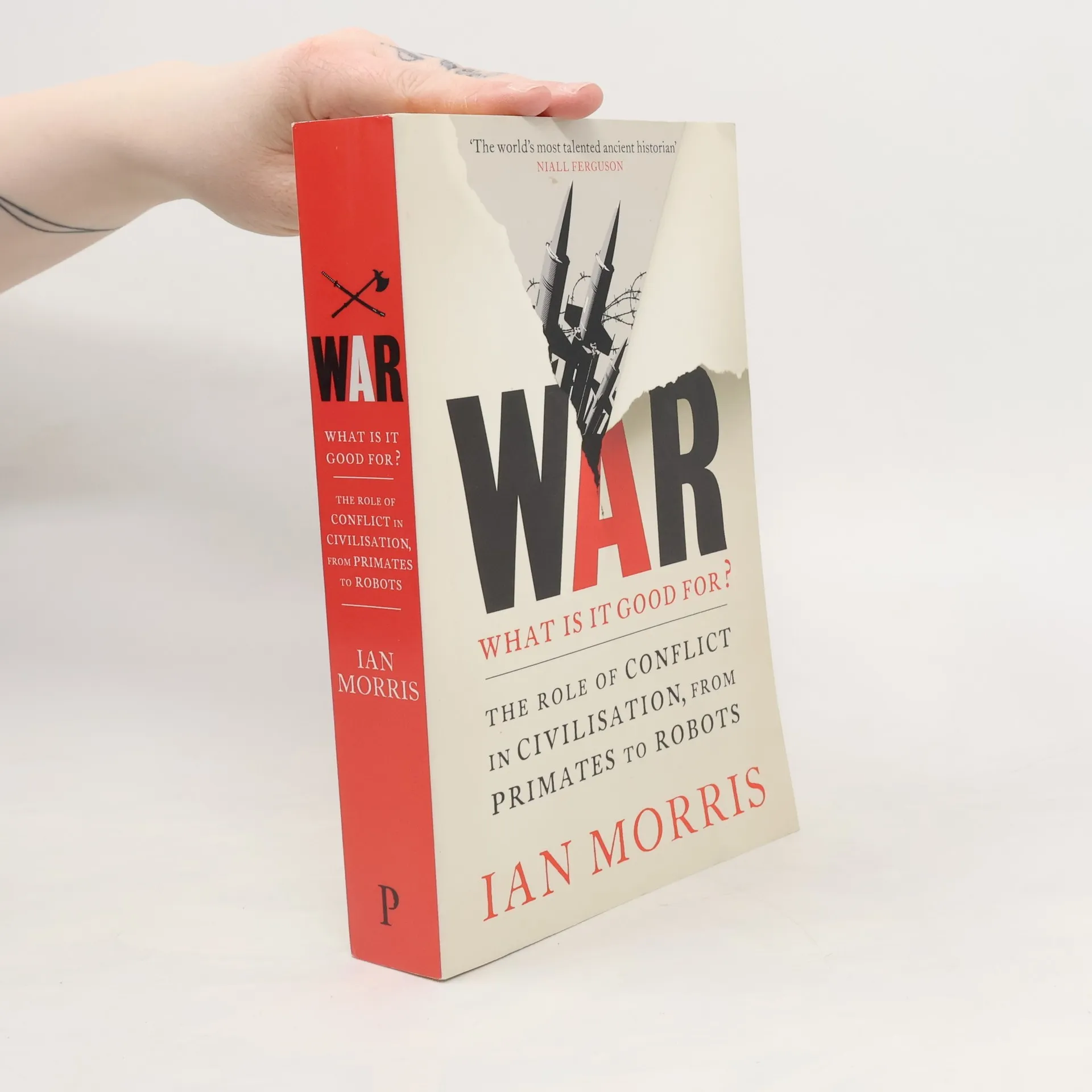
    • War! What is it Good For?

      The Role of Conflict in Civilization, from Primates to Robots

      • 495 páginas
      • 18 horas de lectura

      War is one of the greatest human evils. It has ruined livelihoods, provoked unspeakable atrocities and left countless millions dead. It has caused economic chaos and widespread deprivation. And the misery it causes poisons foreign policy for future generations...But, argues bestselling historian Ian Morris, in the very long term, war has in fact been a good thing. In his trademark style combining inter-disciplinary insights, scientific methods and fascinating stories, Morris shows that, paradoxically, war is the only human invention that has allowed us to construct peaceful societies. Without war, we would never have built the huge nation-states which now keep us relatively safe from random acts of violence, and which have given us previously unimaginable wealth. It is thanks to war that we live longer and more comfortable lives than ever before...And yet, if we continue waging war with ever-more deadly weaponry, we will destroy everything we have achieved; so our struggles to manage warfare make the coming decades the most decisive in the history of our civilisation. In War: What Is It Good For? Morris brilliantly dissects humanity's history of warfare to draw startling conclusions about our future.

      War! What is it Good For?2013
      4,6
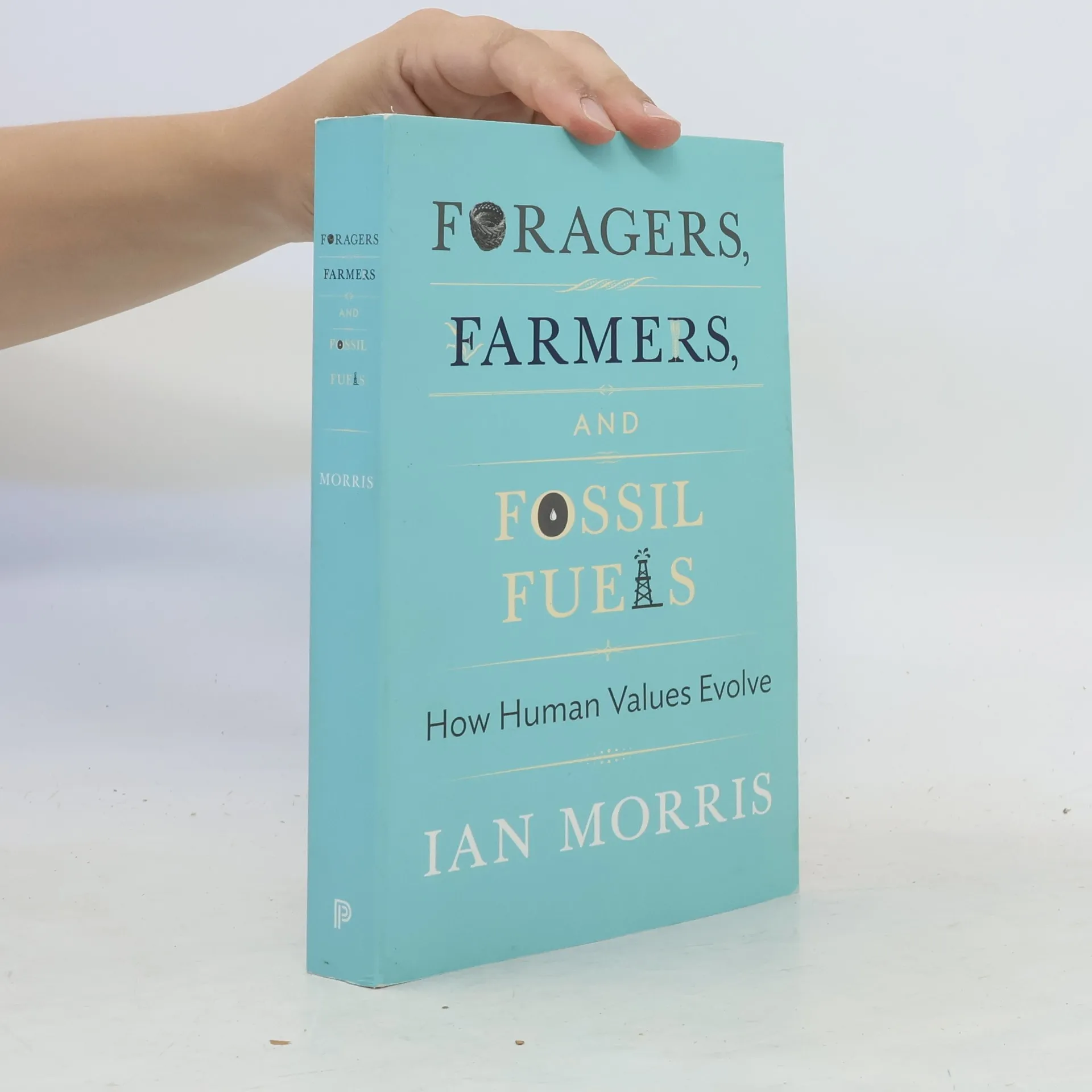
    • Why the West Rules-for Now

      The Patterns of History & What They Reveal about the Future

      • 750 páginas
      • 27 horas de lectura

      A New York Times Notable Book for 2011 explores the transformative impact of steam and coal around 1750, which led to the rise of factories, railroads, and gunboats, establishing Western dominance in the nineteenth century. The advancements in computers and nuclear weapons further solidified this power into the twentieth century. However, as the twenty-first century unfolds, concerns arise regarding the economic ascendance of China and India, prompting questions about the future of Western supremacy. To address these concerns, the author examines historical patterns to understand the reasons behind two centuries of Western dominance and its potential longevity. Contrary to common beliefs, the book argues that it is not race, culture, or individual ambition that account for this power but rather the influence of geography on the daily lives of people facing resource crises, disease, migration, and climate challenges. As geography and human creativity continue to shape our world, significant transformations are anticipated, affecting Western rule. Drawing on extensive research and interdisciplinary findings, the work spans fifty thousand years of history, providing fresh insights into why the West has ruled and what the next century may hold.

      Why the West Rules-for Now2010
      4,2
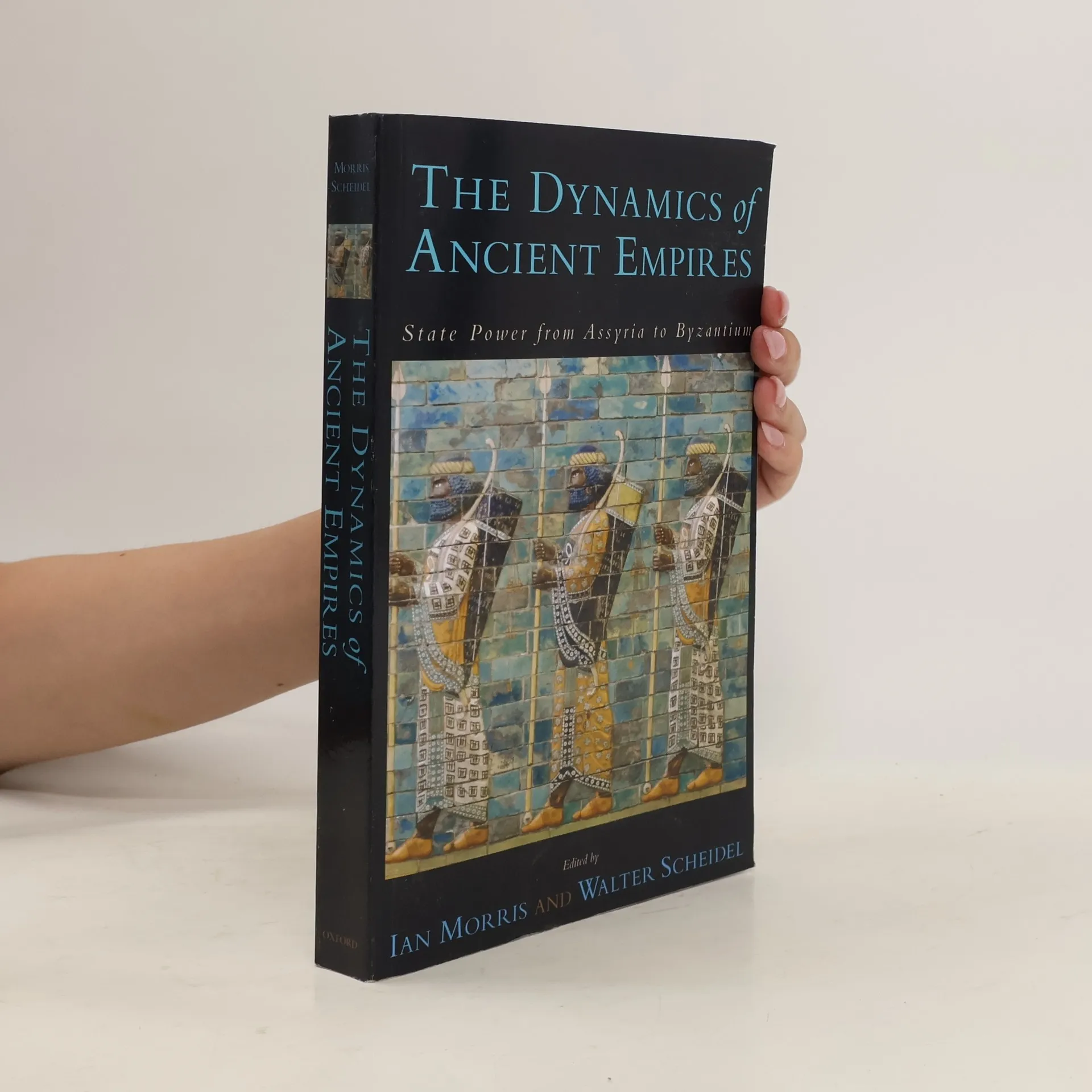
    • The Dynamics of Ancient Empires

      State Power from Assyria to Byzantium

      • 400 páginas
      • 14 horas de lectura

      "Greek and Roman empires have largely been studied in isolation from those of the Near East. This volume is designed to encourage dialogue across disciplinary boundaries by examining the fundamental features of the successive and partly overlapping imperial states that dominated much of the Near East and the Mediterranean in the first millennia BCE and CE."--Back cover.

      The Dynamics of Ancient Empires2009
      4,0
    • Themistocles: Defender of Greece

      • 116 páginas
      • 5 horas de lectura

      Themistocles was an Athenian political leader and naval commander whose defeat of the invading Persian navy at Salamis in 480 BC preserved the independence of the Greek city-states and their democratic traditions.

      Themistocles: Defender of Greece2003