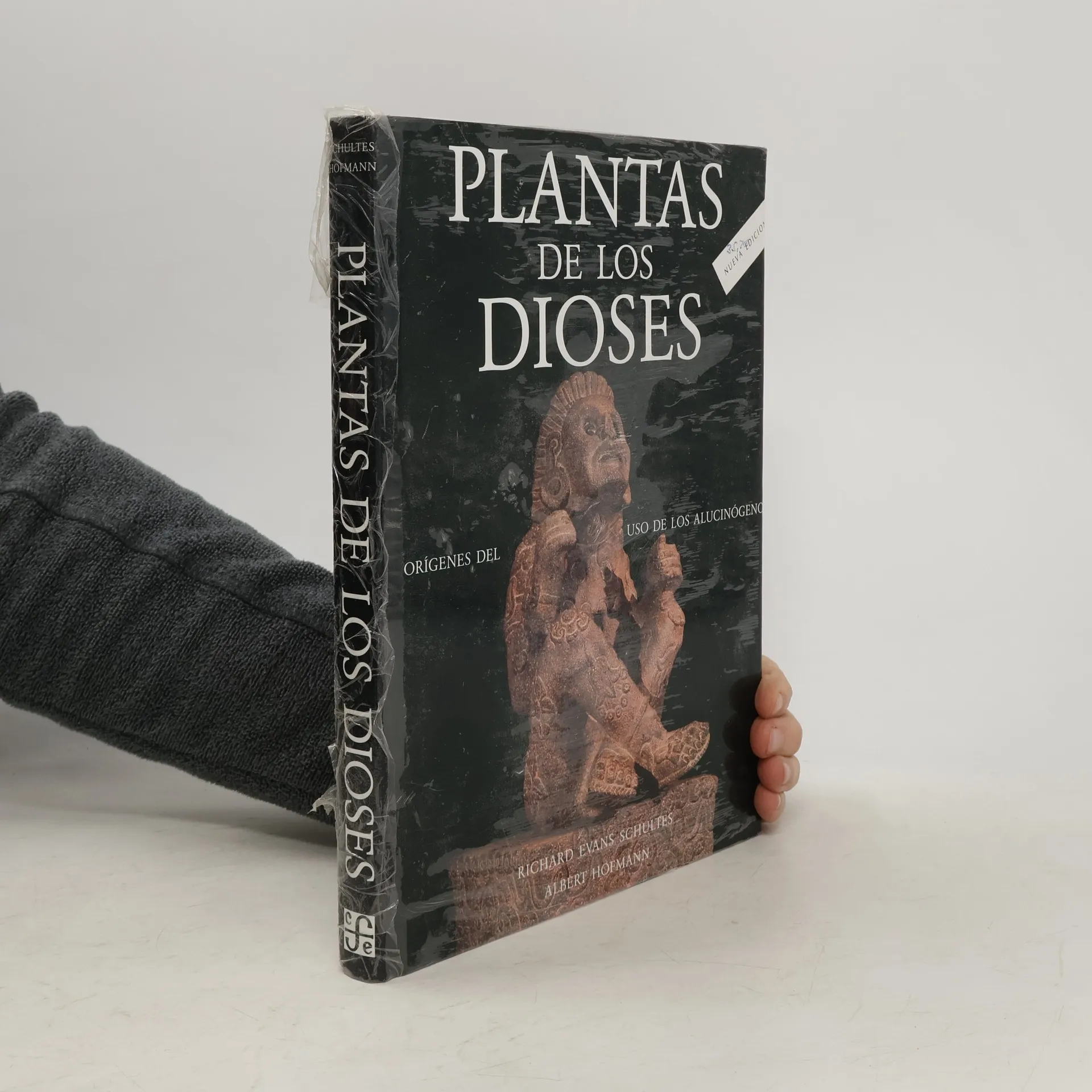
Las plantas han sido valoradas en diversas culturas por sus propiedades nutritivas, curativas y transformadoras. Las más poderosas, que transportan la mente a otras dimensiones de la conciencia, son consideradas sagradas. Este libro presenta un testimonio fascinante sobre estas "plantas de los dioses", explorando su uso global y su impacto en la historia y la cultura. Se destacan noventa y una plantas alucinógenas, con un enfoque especial en catorce que han tenido un profundo significado para la humanidad. El Dr. Richard Evans Schultes comparte sus experiencias de catorce años de trabajo de campo, describiendo peregrinaciones para recolectar plantas sagradas y los ritos, oraciones, canciones y danzas relacionadas con su uso. Sus relatos se complementan con las explicaciones del Dr. Albert Hofmann sobre la bioquímica de estas sustancias psicotrópicas. El texto incluye más de cien ilustraciones a todo color, así como fotografías raras, muchas de ellas publicadas por primera vez, que muestran tanto las plantas como las personas que las han utilizado, así como ceremonias, esculturas, pinturas, cerámicas y tejidos vinculados al uso ritual de estos alucinógenos sagrados.
Albert Hofmann Libros
Albert Hofmann fue un científico suizo, conocido principalmente por su trabajo pionero en la síntesis de dietilamida de ácido lisérgico (LSD) y la documentación de sus profundos efectos psicodélicos. Su investigación se extendió a la aislamiento y síntesis de compuestos clave que se encuentran en los hongos psicodélicos, la psilocibina y la psilocina. Las empresas científicas de Hofmann profundizaron en la intrincada química de las sustancias psicoactivas vegetales y fúngicas, explorando sus estructuras moleculares y aplicaciones potenciales. Su extenso corpus de trabajo ofrece profundas perspectivas sobre la compleja interacción entre los compuestos químicos y la conciencia humana.


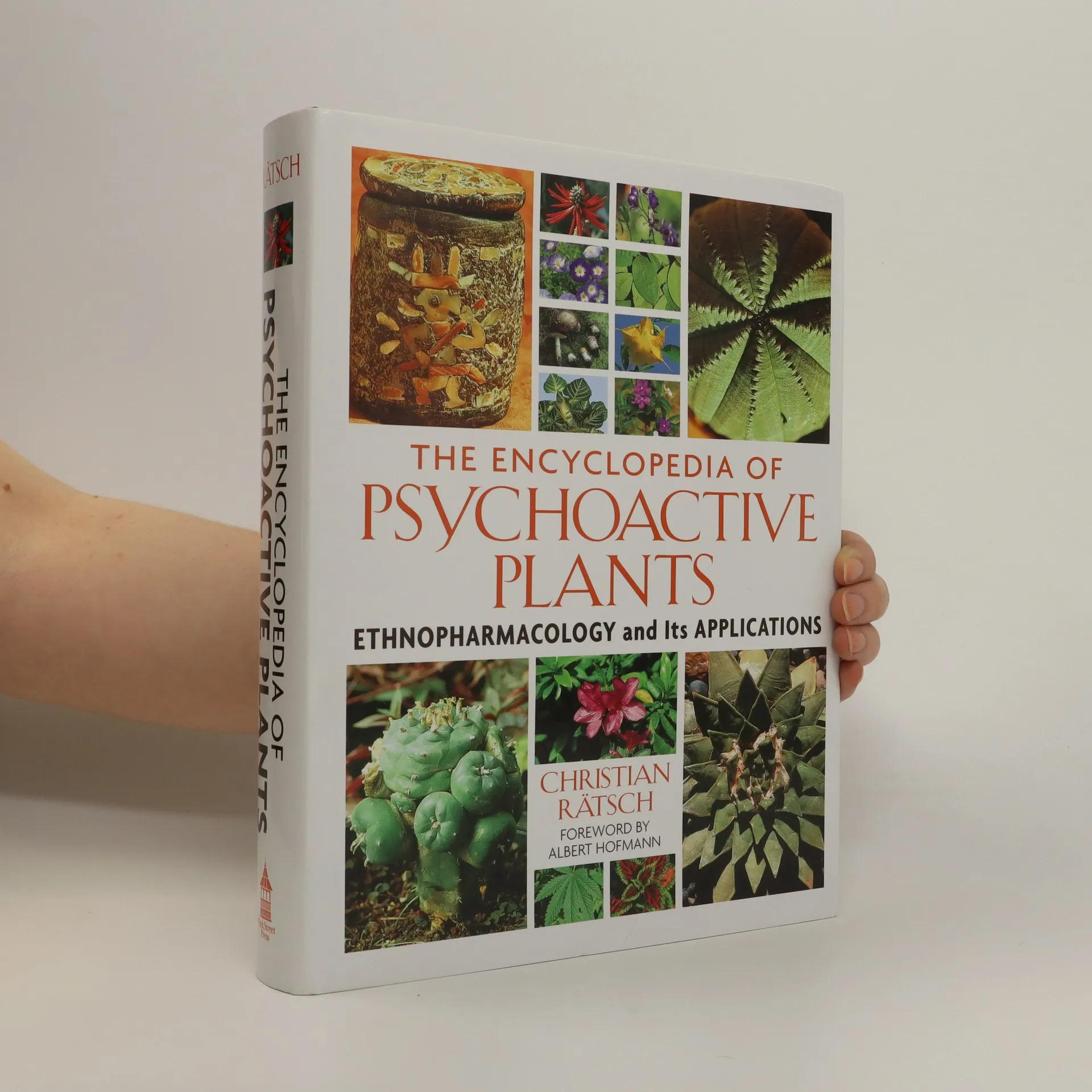
The encyclopedia of psychoactive plants
- 944 páginas
- 34 horas de lectura
This comprehensive guide covers the botany, history, distribution, and cultivation of 414 psychoactive plants and related substances. It explores how culturally sanctioned use of these plants can provide insights into the nature of reality and includes 797 color photographs along with 645 black-and-white illustrations. Throughout history, plants have been valued for their nourishing, healing, and transformative properties, with the most powerful ones often regarded as sacred. The author details the botany, history, and preparation of over 400 psychoactive plants, discussing their ritual and medicinal uses, as well as cultural artifacts and art inspired by them. The text begins with 168 well-known psychoactives, such as cannabis and datura, and expands to include 133 lesser-known substances, “legal highs,” and plants from mythological contexts. Additionally, it covers products like ayahuasca, incense, and soma. Lavishly illustrated with images from the author’s global fieldwork, the book showcases the people, ceremonies, and art associated with the ritual use of these sacred psychoactives.
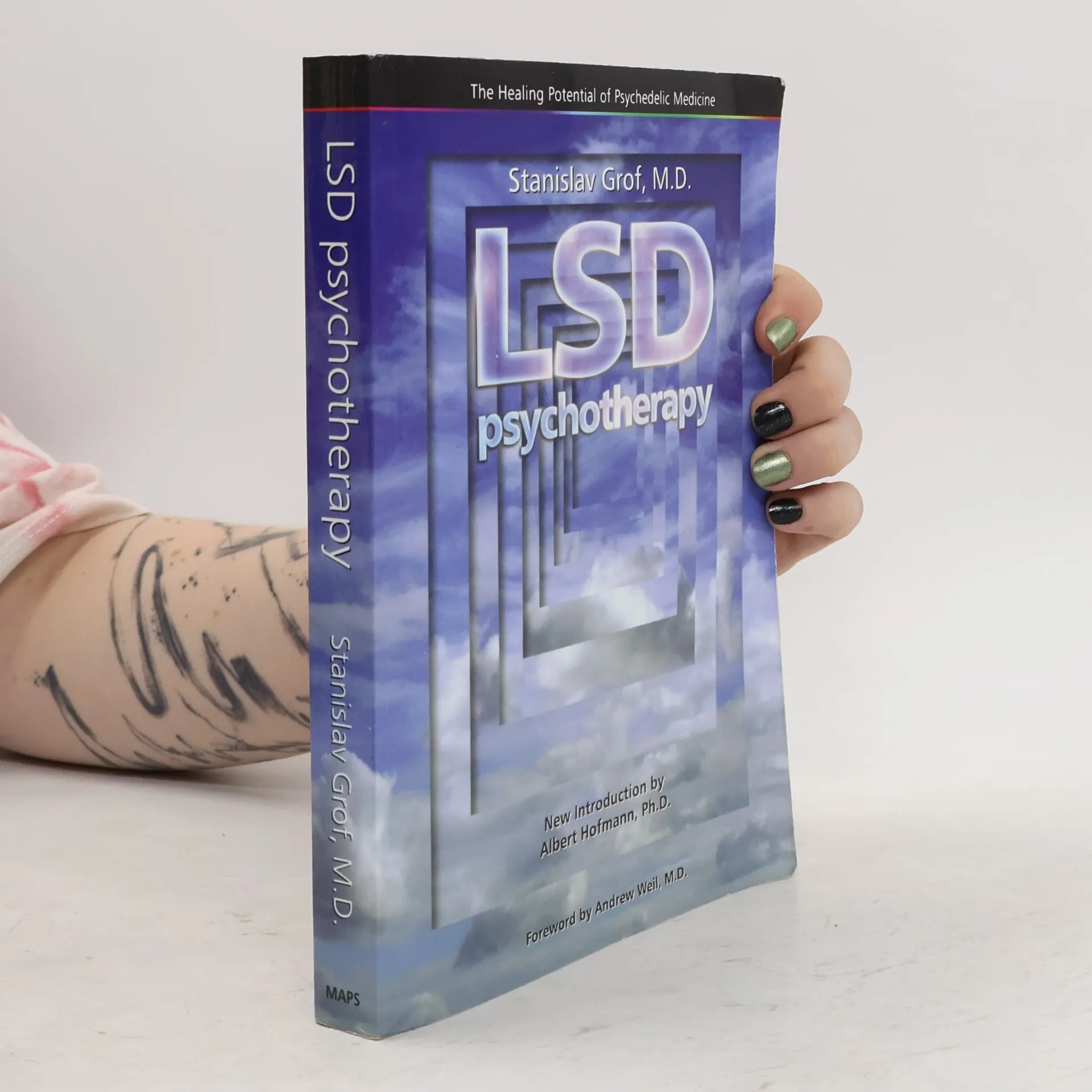
LSD Psychotherapy
The Healing Potential of Psychedelic Medicine - 4th Edition
- 374 páginas
- 14 horas de lectura
The sensationalism surrounding LSD in the late 1960s led to a dramatic decline in psychotherapeutic research, distorting much of the knowledge gained over thirty years. This book provides an objective overview of this significant yet overlooked chapter in the exploration of human consciousness. It presents controlled studies that offer intriguing insights into consciousness, perception, and reality. Stanislav Grof uses this research to propose a new understanding of the human mind, incorporating experiences such as shamanic trances and near-death experiences. This framework also underpins Grof's innovative Holotropic Breathwork techniques. Additionally, the book is visually enriched with color drawings and paintings by research participants, including archetypal images from the collective unconscious, enhancing the narrative. It serves as a vital resource for anyone interested in LSD, including parents, teachers, researchers, legislators, and students of psychology. The healing approach discussed is rooted in humanity's enduring quest for wholeness and a deeper understanding of reality.
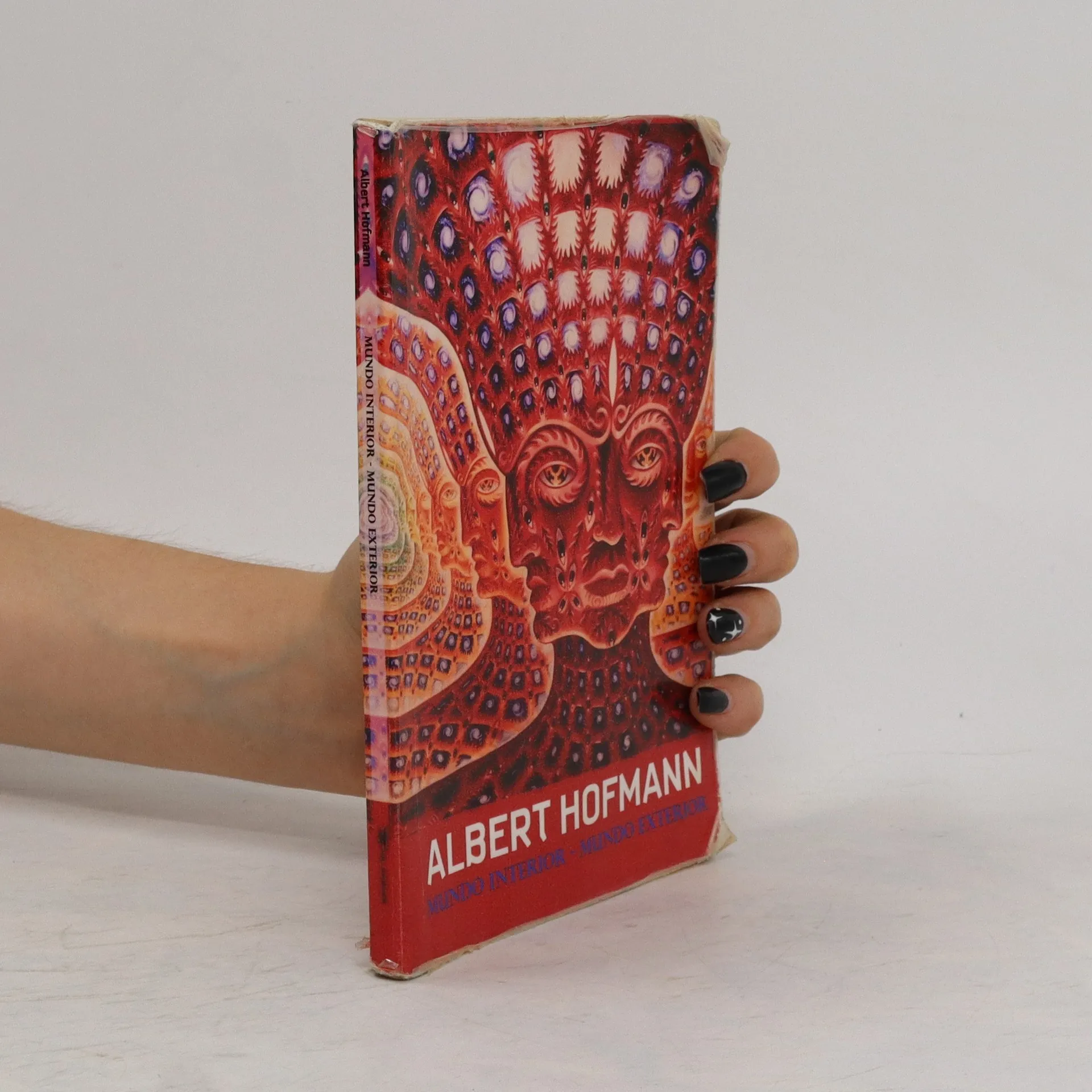
Focusing on the historical and scientific significance of ergot alkaloids, this work offers an in-depth exploration of the botany, cultivation, and pharmacological potential of the ergot mushroom and other magical plants. Albert Hofmann chronicles the evolution of their use, from early medical applications to modern psychotherapy, detailing the synthesis of key compounds like ergotamine. The book also highlights indigenous practices surrounding psychotropic plants and introduces various classifications of hallucinogens, enriching the understanding of their ceremonial and therapeutic roles.
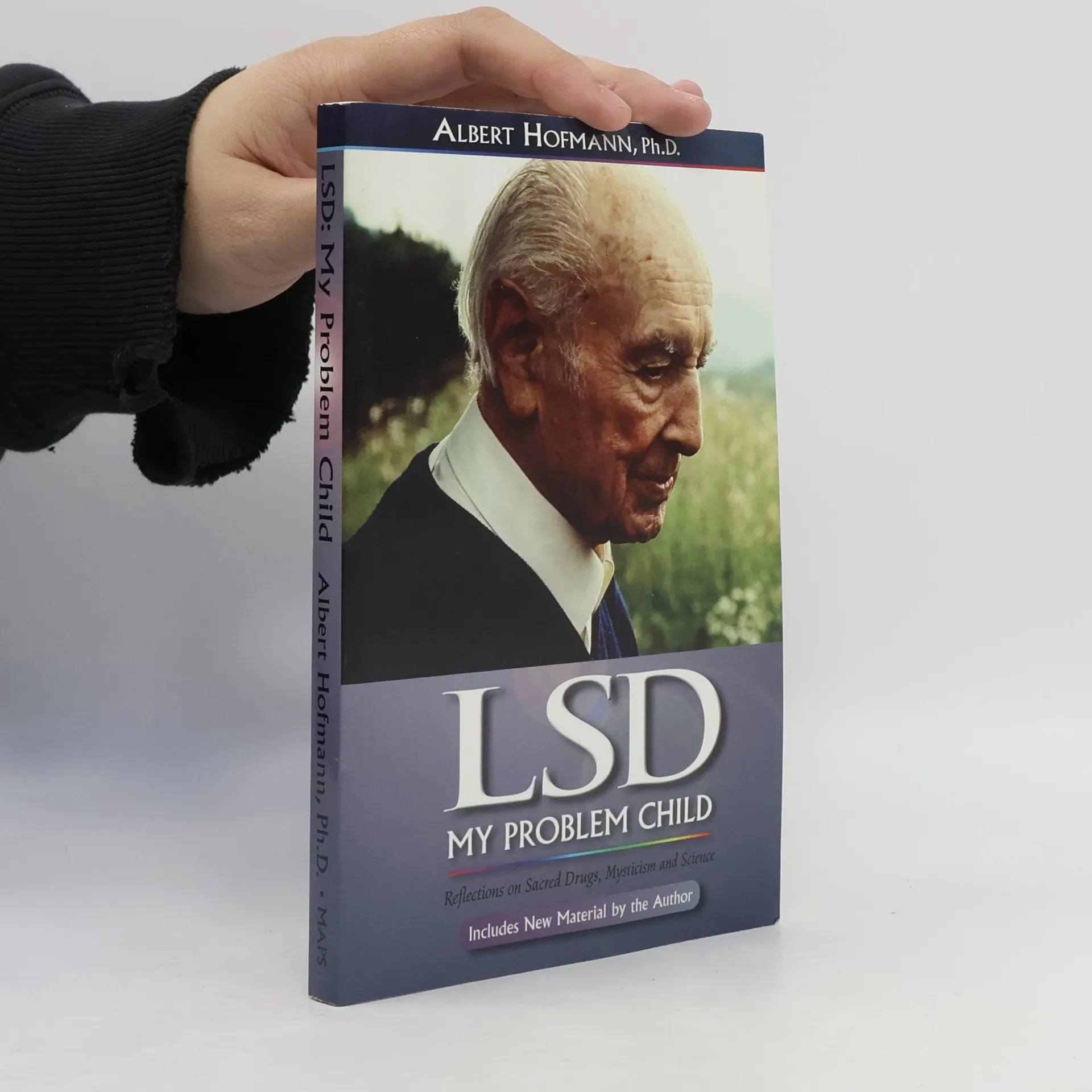
LSD: My Problem Child
Reflections on Sacred Drugs, Mysticism and Science
- 224 páginas
- 8 horas de lectura
This is the story of LSD told by a concerned yet hopeful father, organic chemist Albert Hofmann, Ph.D. He traces LSD's path from a promising psychiatric research medicine to a recreational drug sparking hysteria and prohibition. In LSD: My Problem Child, we follow Dr. Hofmann's trek across Mexico to discover sacred plants related to LSD, and listen in as he corresponds with other notable figures about his remarkable discovery. Underlying it all is Dr. Hofmann's powerful conclusion that mystical experiences may be our planet's best hope for survival. Whether induced by LSD, meditation, or arising spontaneously, such experiences help us to comprehend "the wonder, the mystery of the divine, in the microcosm of the atom, in the macrocosm of the spiral nebula, in the seeds of plants, in the body and soul of people." More than sixty years after the birth of Albert Hofmann's problem child, his vision of its true potential is more relevant, and more needed, than ever.
Spiritual Growth with Entheogens
Psychoactive Sacramentals and Human Transformation
- 320 páginas
- 12 horas de lectura
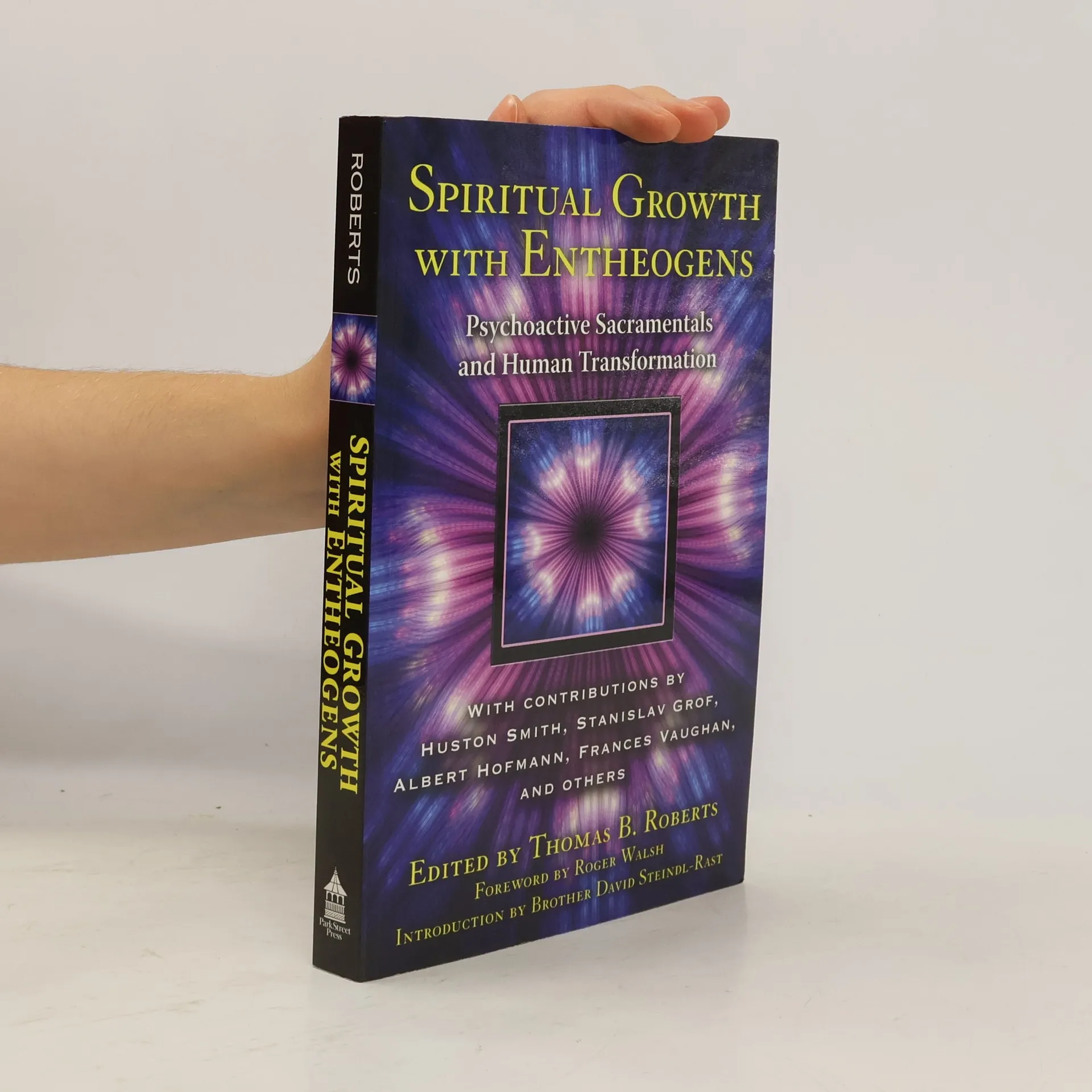
This work reveals entheogens as catalysts for spiritual growth and direct encounters with the sacred. Contributions from notable figures such as Albert Hofmann, Huston Smith, Stanislav Grof, and Alexander “Sasha” Shulgin provide insights into how psychedelics can facilitate primary spiritual experiences that underpin all religions. The text discusses protocols for the ceremonial use of psychedelics and the challenges of integrating entheogenic insights into lasting change. It questions the reliance on secondary religious experiences, suggesting that powerful sacraments could enable direct experiences of the divine. The book examines psychoactive sacraments in the Bible, myths surrounding LSD, and transformative ayahuasca rituals of Santo Daime. Personal accounts, including Walter Pahnke’s Good Friday Experiment and a 25-year follow-up with participants, illustrate the potential of entheogens to foster spiritual development. By dispelling fears of inauthentic spirituality and ill-prepared encounters with the sacred, it posits that entheogens can lead to genuine encounters with God’s power, marking the dawn of a new religious era rooted in personal spiritual experience.
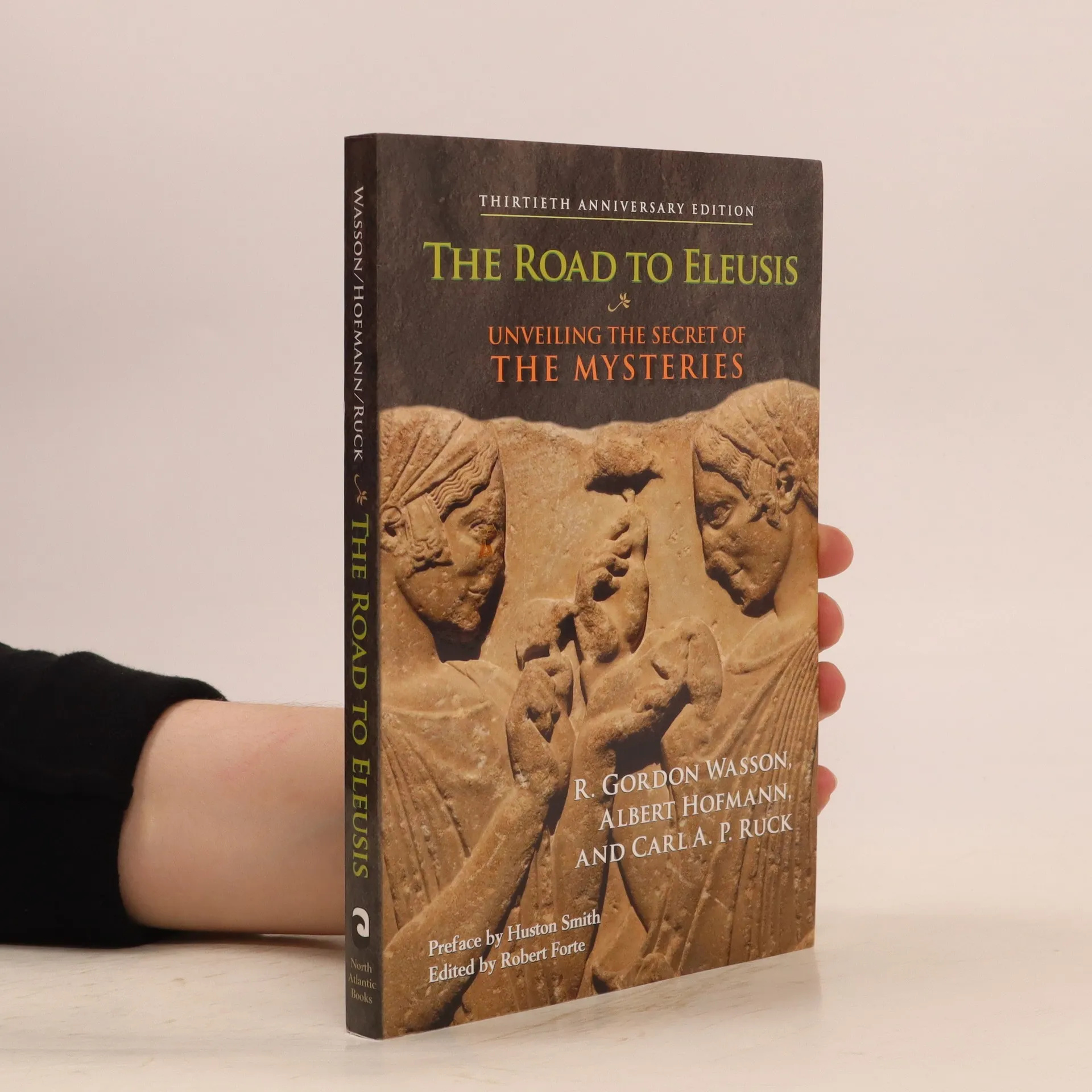
The secretive Mysteries conducted at Eleusis in Greece for nearly two millennia have long puzzled scholars with strange accounts of initiates experiencing otherworldly journeys. In this groundbreaking work, three experts—a mycologist, a chemist and a historian—argue persuasively that the sacred potion given to participants in the course of the ritual contained a psychoactive entheogen. The authors then expand the discussion to show that natural psychedelic agents have been used in spiritual rituals across history and cultures. Although controversial when first published in 1978, the book’s hypothesis has become more widely accepted in recent years, as knowledge of ethnobotany has deepened. The authors have played critical roles in the modern rediscovery of entheogens, and The Road to Eleusis presents an authoritative exposition of their views. The book’s themes of the universality of experiential religion, the suppression of that knowledge by exploitative forces, and the use of psychedelics to reconcile the human and natural worlds make it a fascinating and timely read. This 30th anniversary edition includes an appreciative preface by religious scholar Huston Smith and an updated exploration of the chemical evidence by Peter Webster.
Rostliny bohů. Magická síla psychoaktivních rostlin
- 208 páginas
- 8 horas de lectura
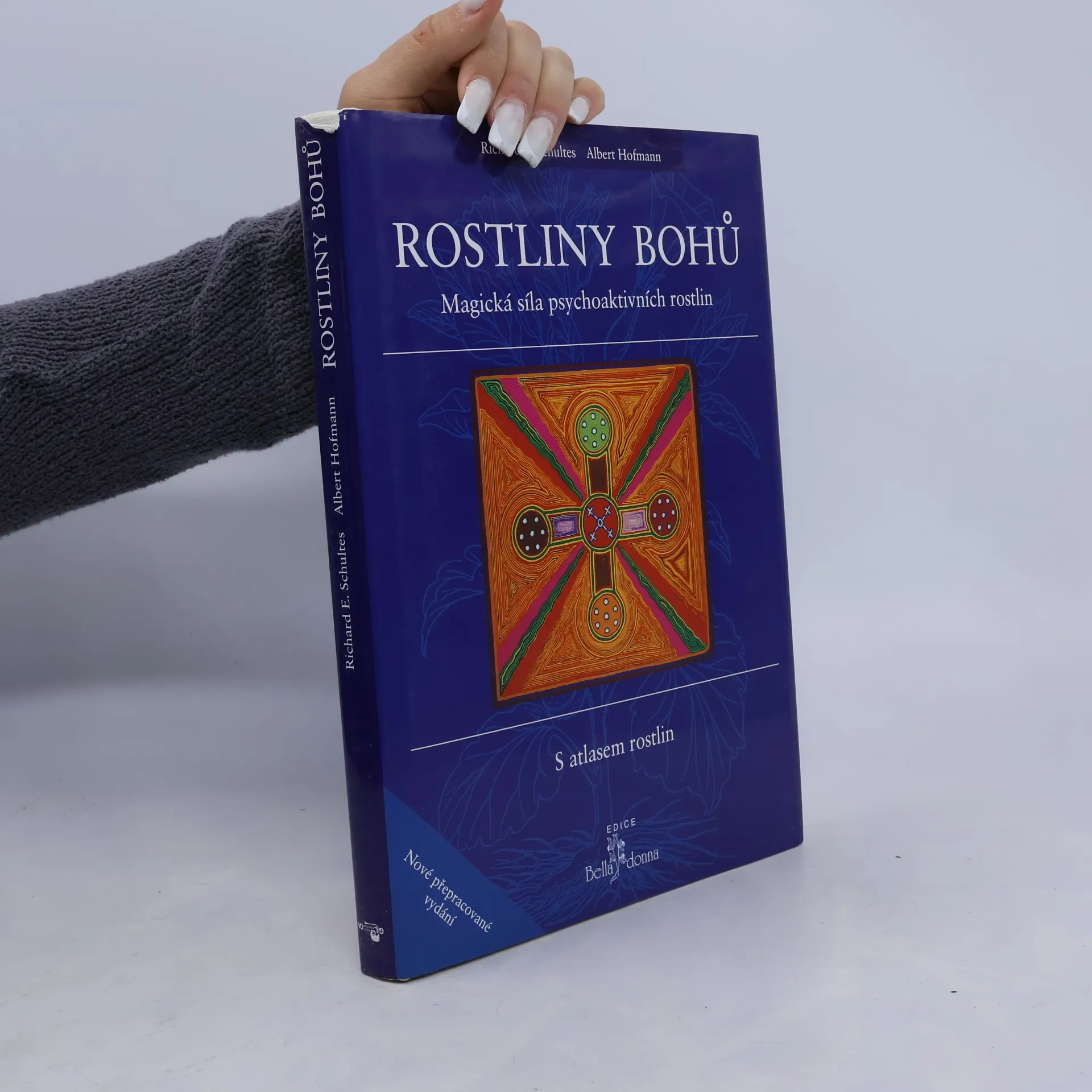
Obsáhlá obrazová publikace o halucinogenních rostlinách celého světa.
Perceptions et perspectives
Essais sur la nature de la réalité
Dieser Sammelband taucht ein in die Gedanken des brillanten Geistes Albert Hofmann, des berühmten Schweizer Chemikers, der LSD entdeckte. Er verbindet rationales Wissen mit emotionalen Erfahrungen und präsentiert die Ergebnisse seiner Beobachtungen und Forschungen, um besser zu verstehen, was man Realität nennt. Welcher Mechanismus schafft die Realität? Warum haben Worte eine so große Bedeutung für unser Bild davon? Wie kann Meditation eine gleichzeitige Betrachtung der Oberfläche und der Tiefe der Realität ermöglichen? Was sind die Grenzen der Wissenschaft in ihrem Verständnis davon? Wie beeinflusst die Entwicklung der wissenschaftlichen Forschung unseren Blick auf die Realität? Welche Rolle spielt die Sonne beim Aufbau der materiellen Welt, in der unser Alltag stattfindet? Inspiriert von mystischen Erfahrungen aus seiner Kindheit, seinen Forschungen als Chemiker und seinen psychedelischen Reisen, teilt Albert Hofmann hier die Antworten auf diese Fragen, in denen Spiritualität und Wissenschaft untrennbar miteinander verbunden sind.
Transfigurations
- 176 páginas
- 7 horas de lectura
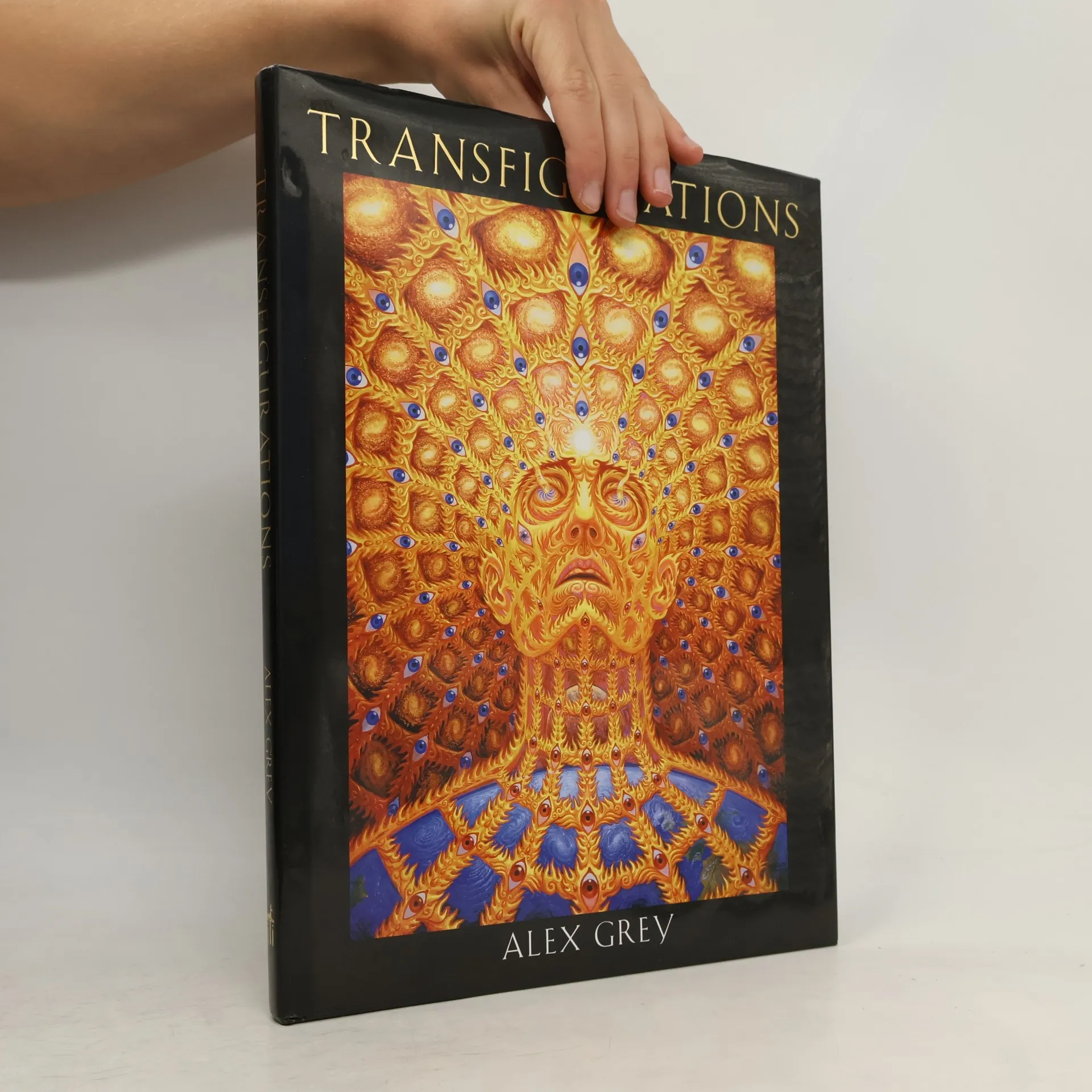
This collection showcases a decade of extraordinary artwork by a unique artist celebrated by critics, spiritual leaders, and the public alike. The pieces reflect a profound vision and creativity that resonate deeply with a diverse audience, highlighting the artist's impact and significance in the art world.
Einsichten, Ausblicke
- 157 páginas
- 6 horas de lectura
Welches ist die wahre Wirklichkeit? - Das nüchterne Weltbild des Naturwissenschaftlers oder das rauschhafte des Mystikers? Eigene spontane und drogeninduzierte mystische Erlebnisse drängten den Autor, den Entdecker des LSD, Albert Hofmann, dieser Frage nachzugehen. Er gelangte dabei zu Einsichten in das Wesen der Wirklichkeit, die dieses zentrale Problem der Philosophie in neuer Weise anschaulich machen.
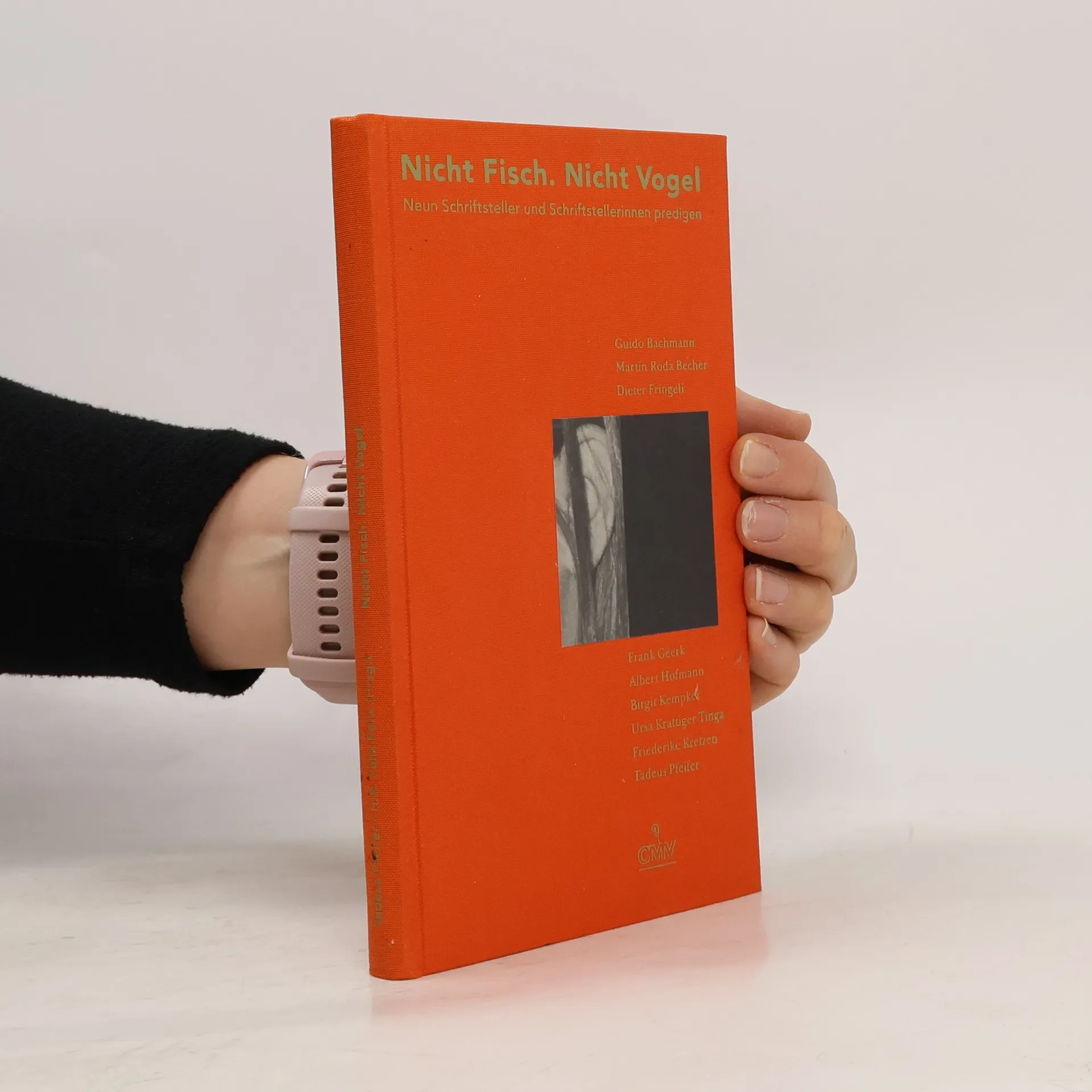
Nicht Fisch, nicht Vogel
Neun Schriftsteller und Schriftstellerinnen predigen
- 166 páginas
- 6 horas de lectura
Die Naturphilosophie und mystische Weltanschauung von Albert Hofmann. Lob des Schauens / Tun und Lassen im Set.
Deutsche Bau-Zeitung, 1908, Vol. 42
Organ des Verbandes Deutscher Architekten-U. Ingenieur-Vereine; Erster Halbband, Januar-Juni (Classic Reprint)
- 530 páginas
- 19 horas de lectura
Excerpt from Deutsche Bau-Zeitung, 1908, Vol. 42: Organ des Verbandes Deutscher Architekten-U. Ingenieur-Vereine; Erster Halbband, Januar-Juni Windwerlre zusammengebautem Dampikessel fast voll kommen, da der Kessel neben sor ältigerer Wartung auch während der Ruhezeiten der Win e unter Dampl stehen muß und somit Kohlen verbraucht, während der Elektro motor und die Verbrennungs Kraitmaschine in diesen Zeiten keine Energie benötigen. Dazu kommt der Kohlen bedari während der Anheizungsperiode. Der insofern unge nutzt bleib als die aus ihm erzeugte'wärme in der Erkal tungsperio e nach dem Betriebe wieder verloren geht. About the Publisher Forgotten Books publishes hundreds of thousands of rare and classic books. In rare cases, an imperfection in the original, such as a blemish or missing page, may be replicated in our edition. We do, however, repair the vast majority of imperfections successfully; any imperfections that remain are intentionally left to preserve the state of such historical works.
Von der Eiform zum gewölbten Boden
- 52 páginas
- 2 horas de lectura
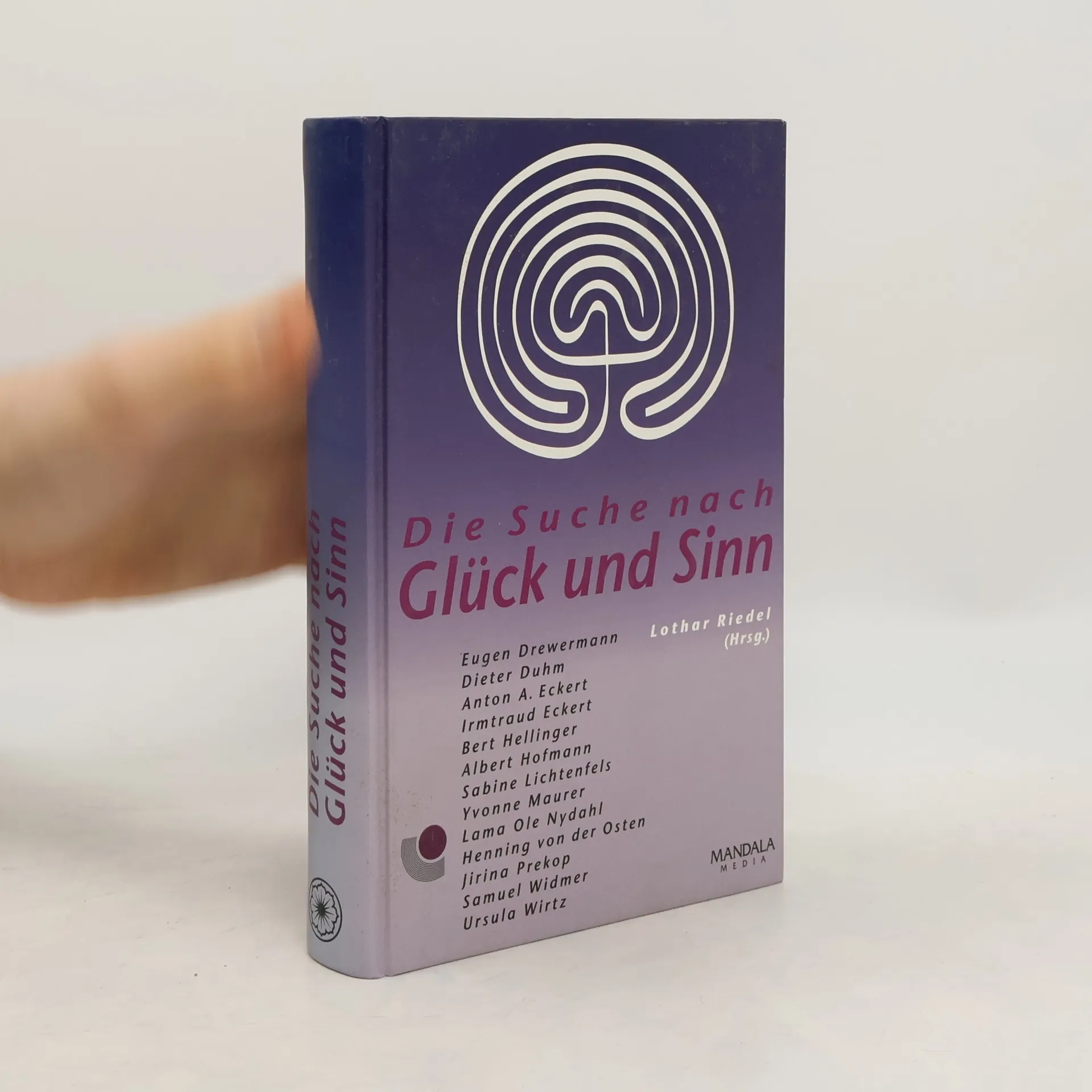
Die Suche nach Glück und Sinn
Beiträge zu den Basler Psychotherapietagen, 1997
- 277 páginas
- 10 horas de lectura
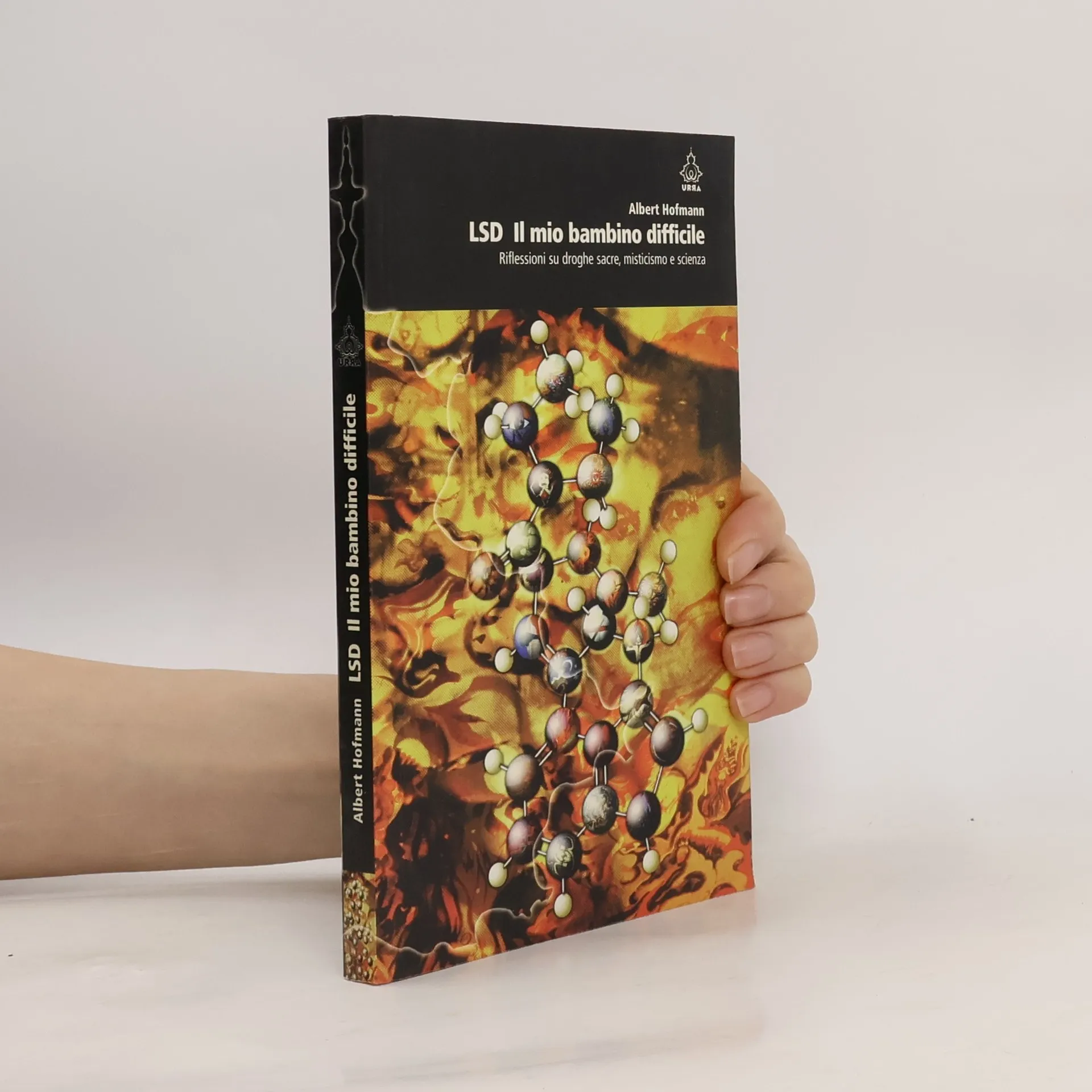
LSD, il mio bambino difficile
Riflessioni su droghe sacre, misticismo e scienza
Sozialgesetzbuch XII - SGB - 8. Auflage
- 1017 páginas
- 36 horas de lectura