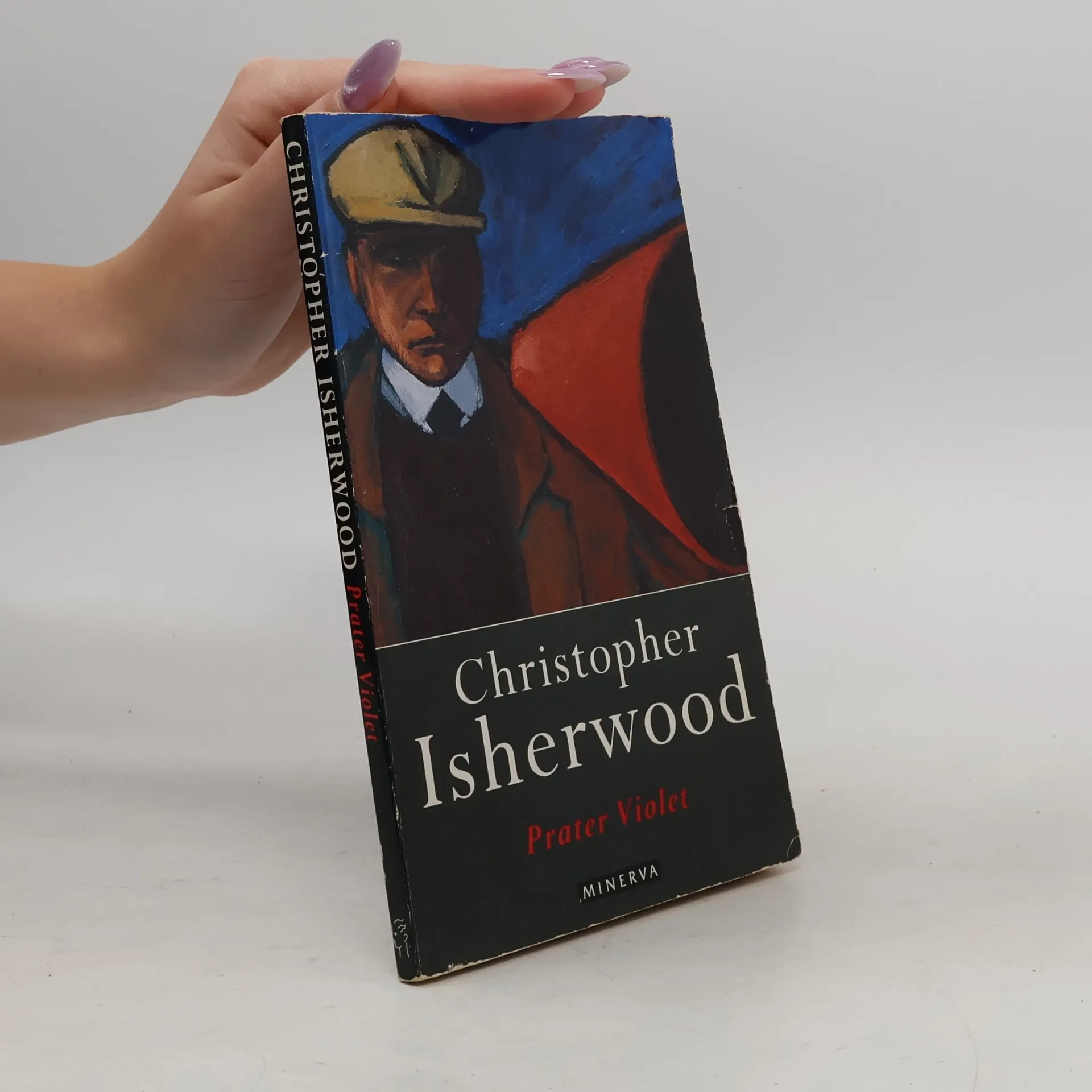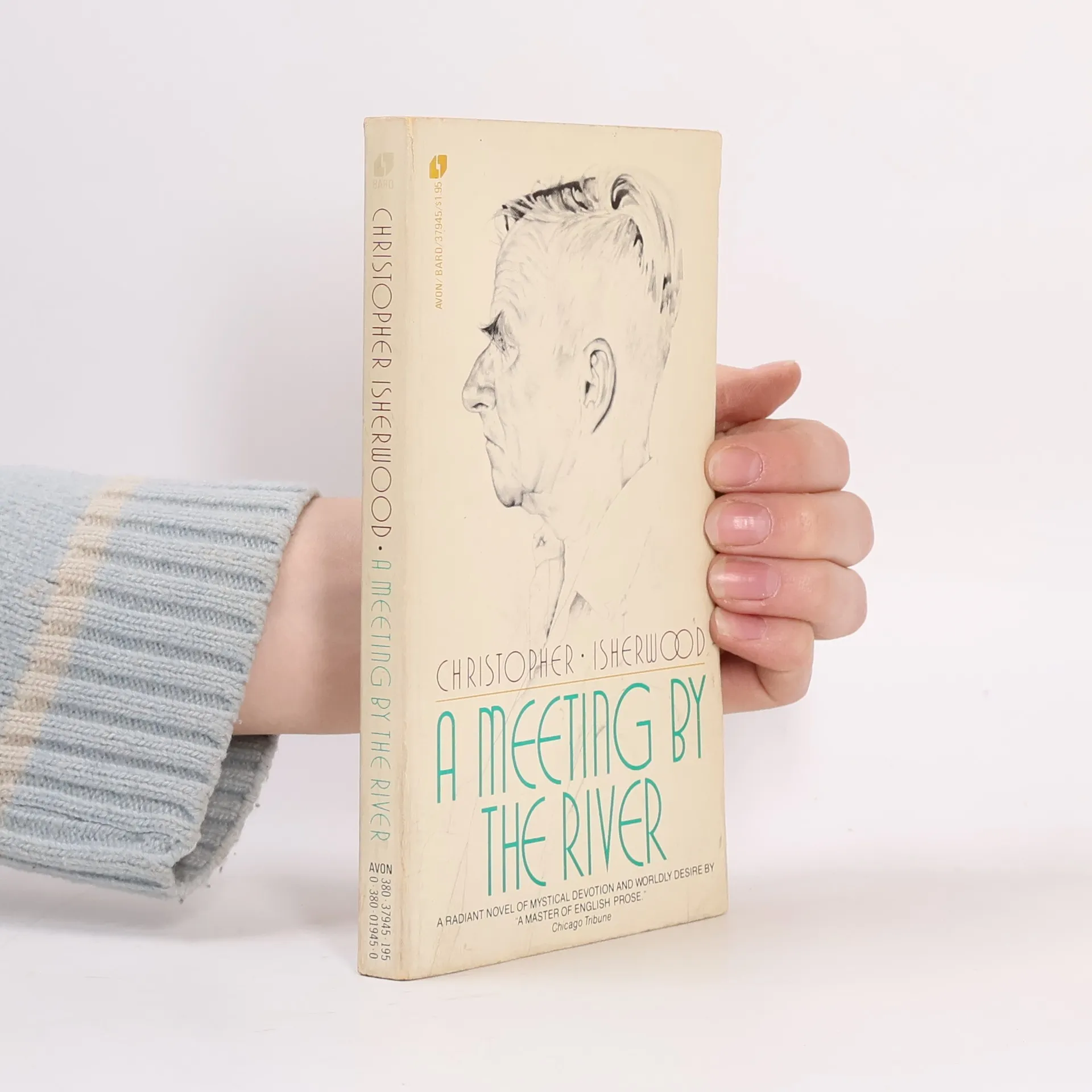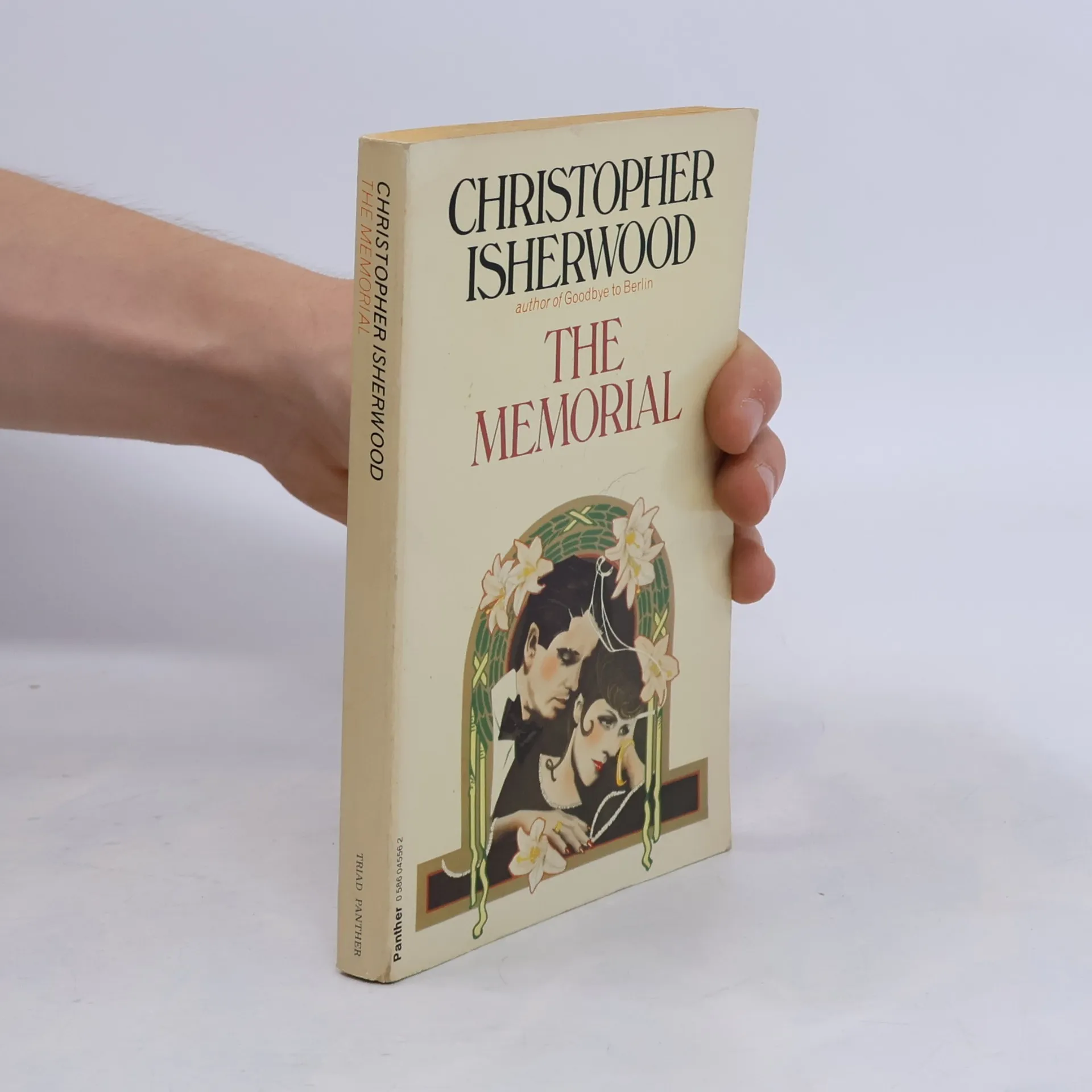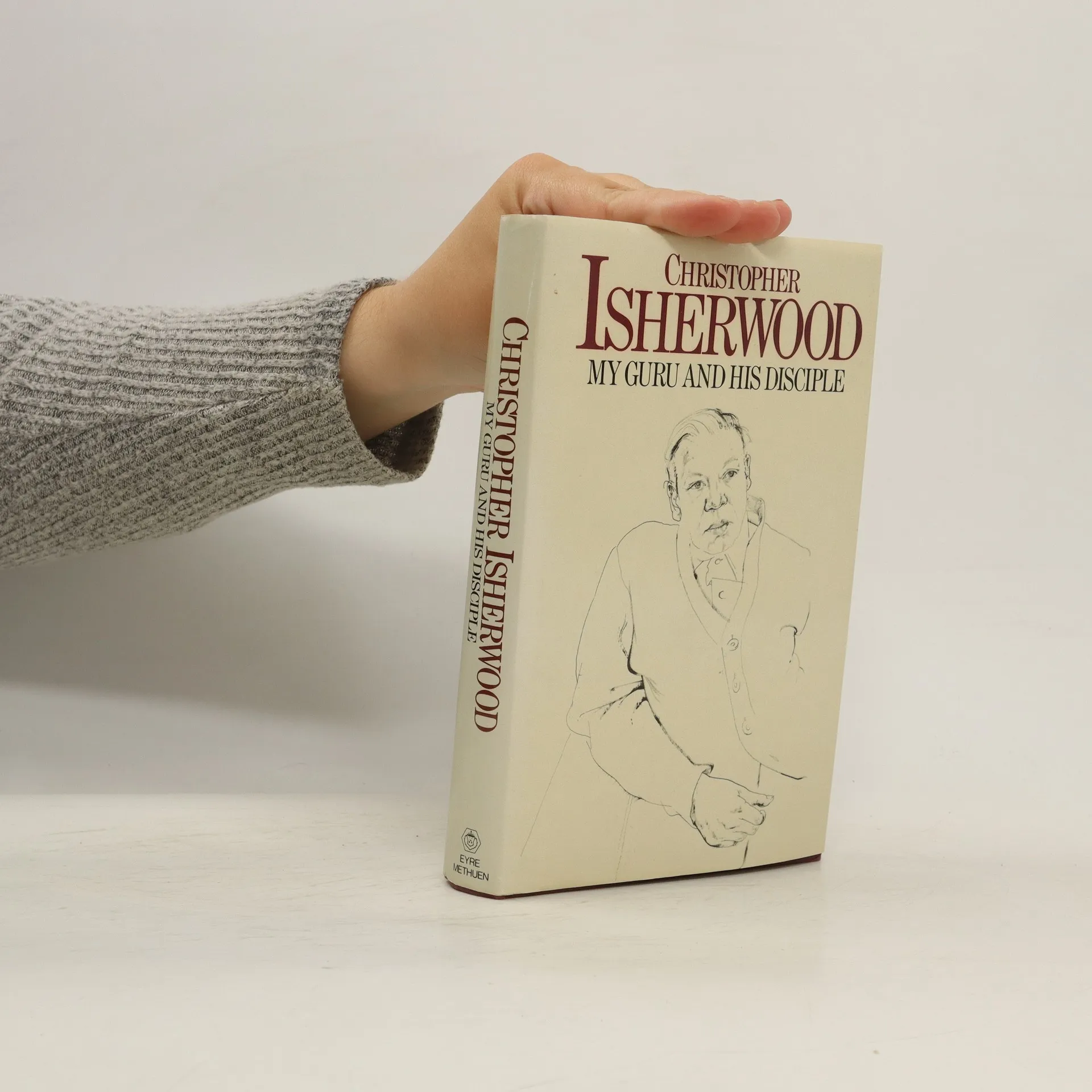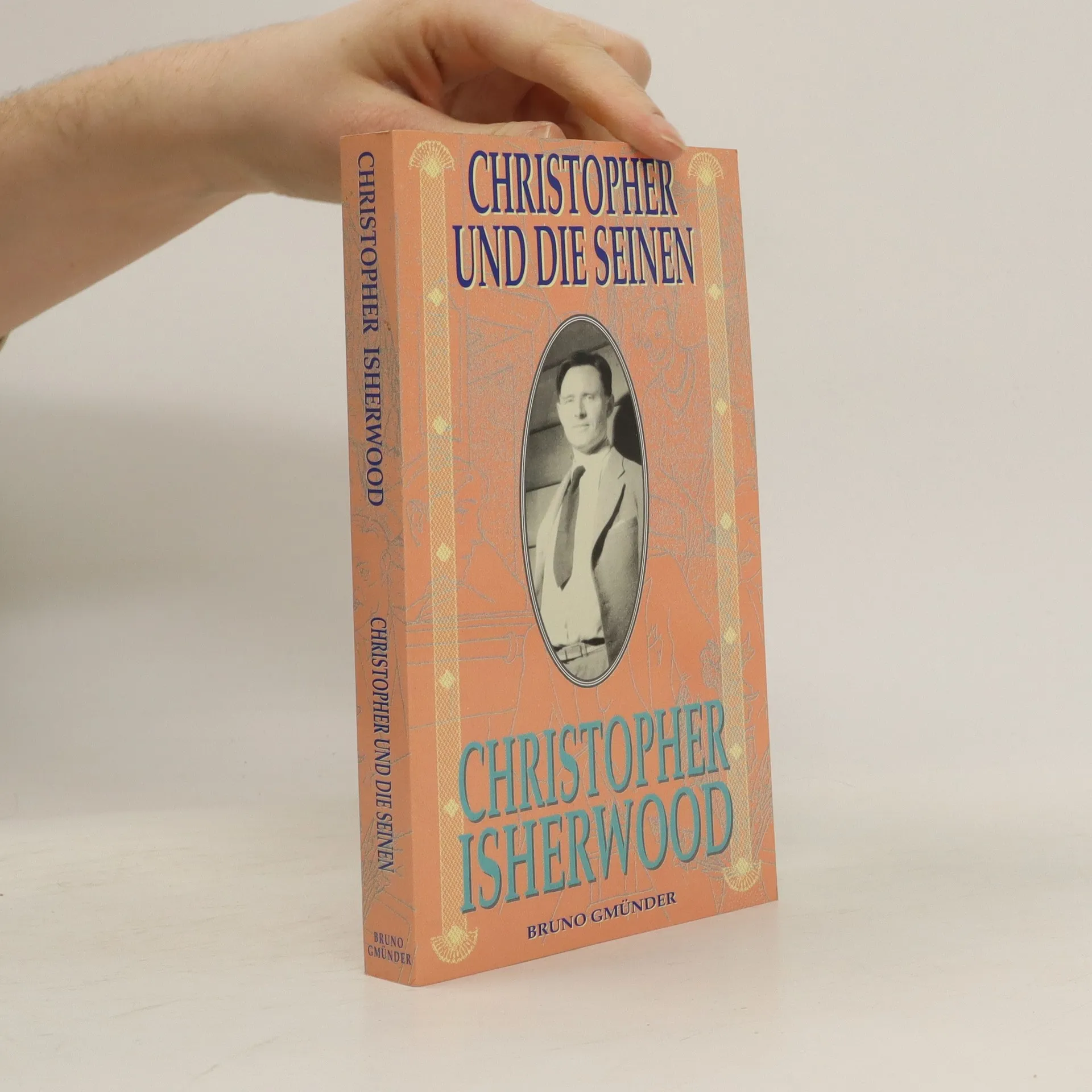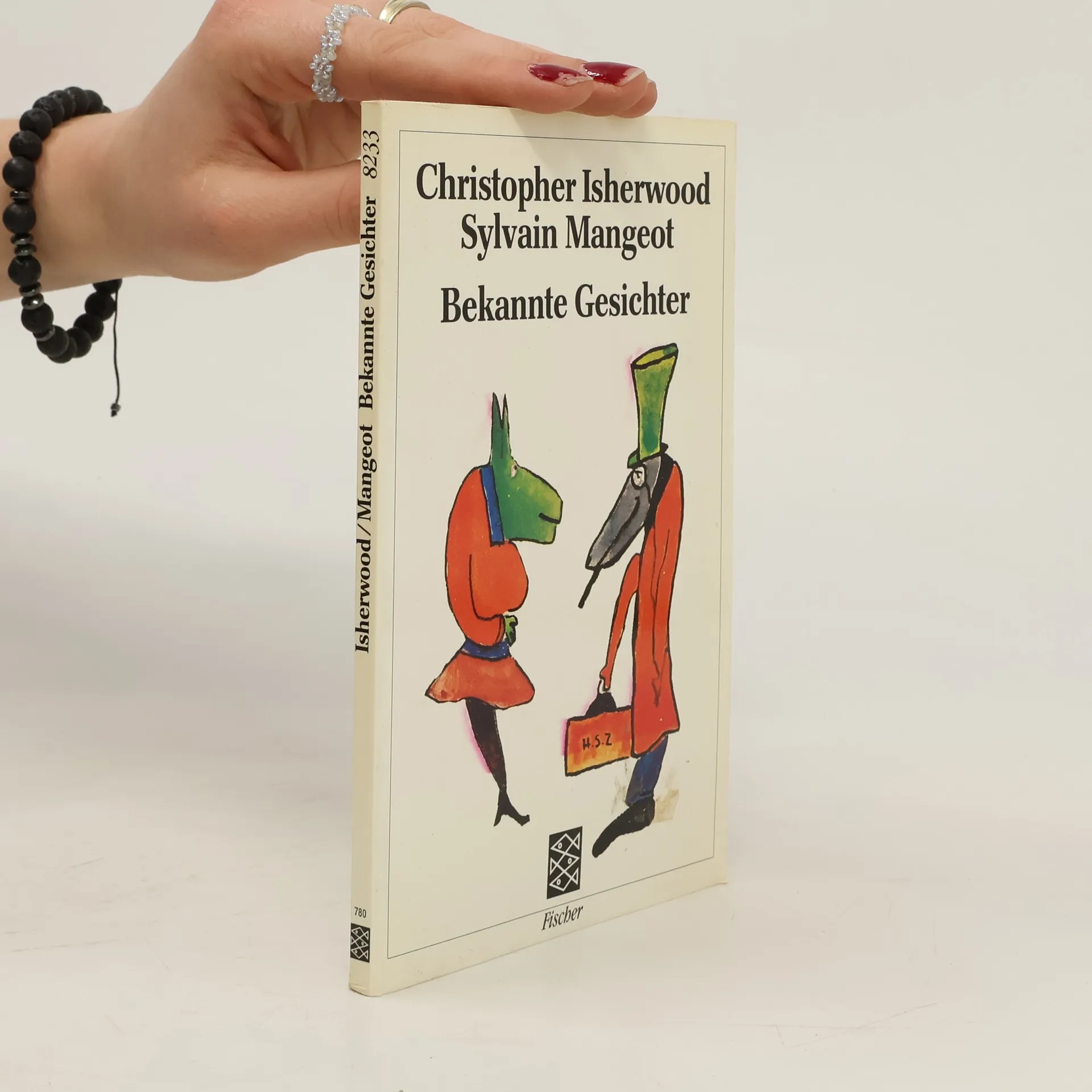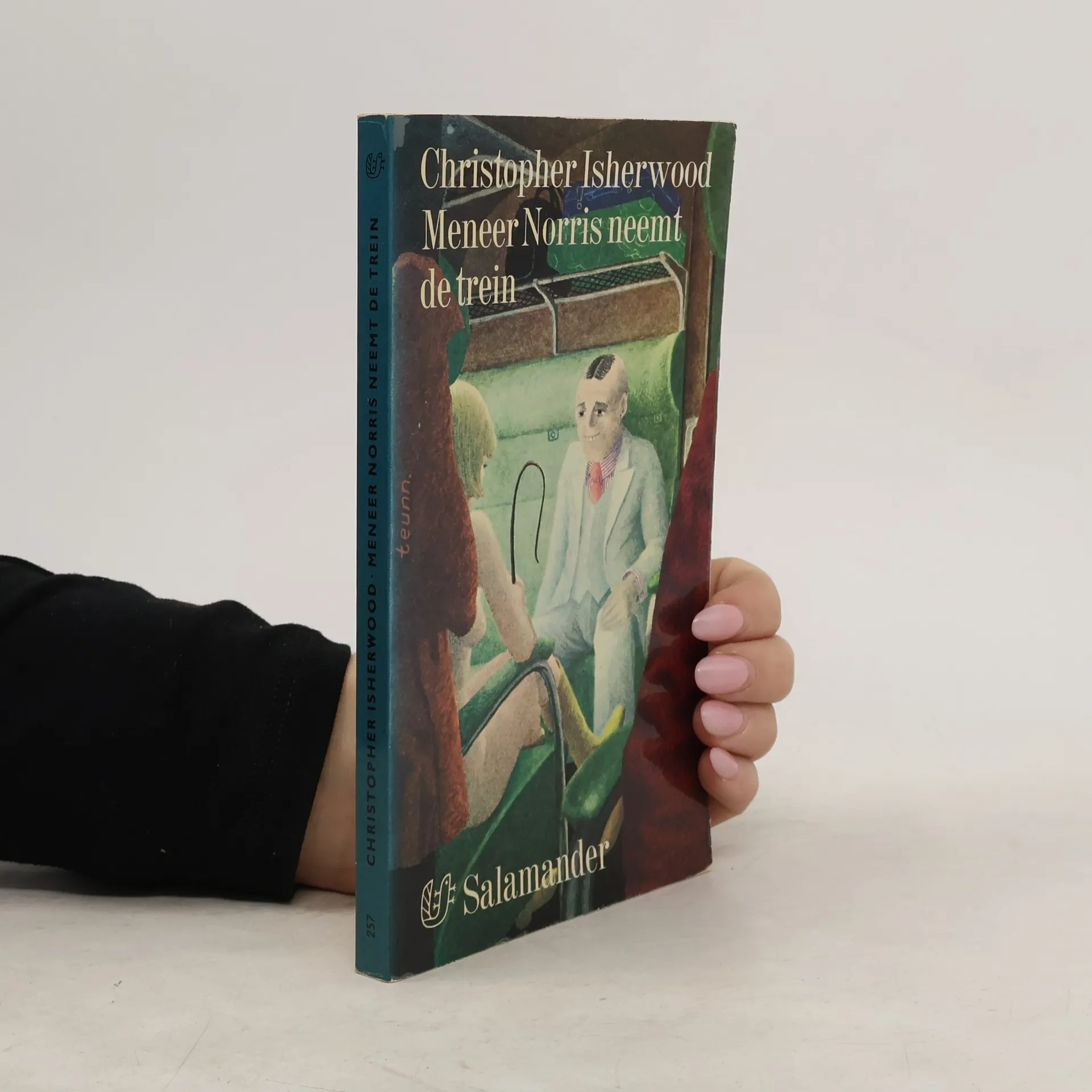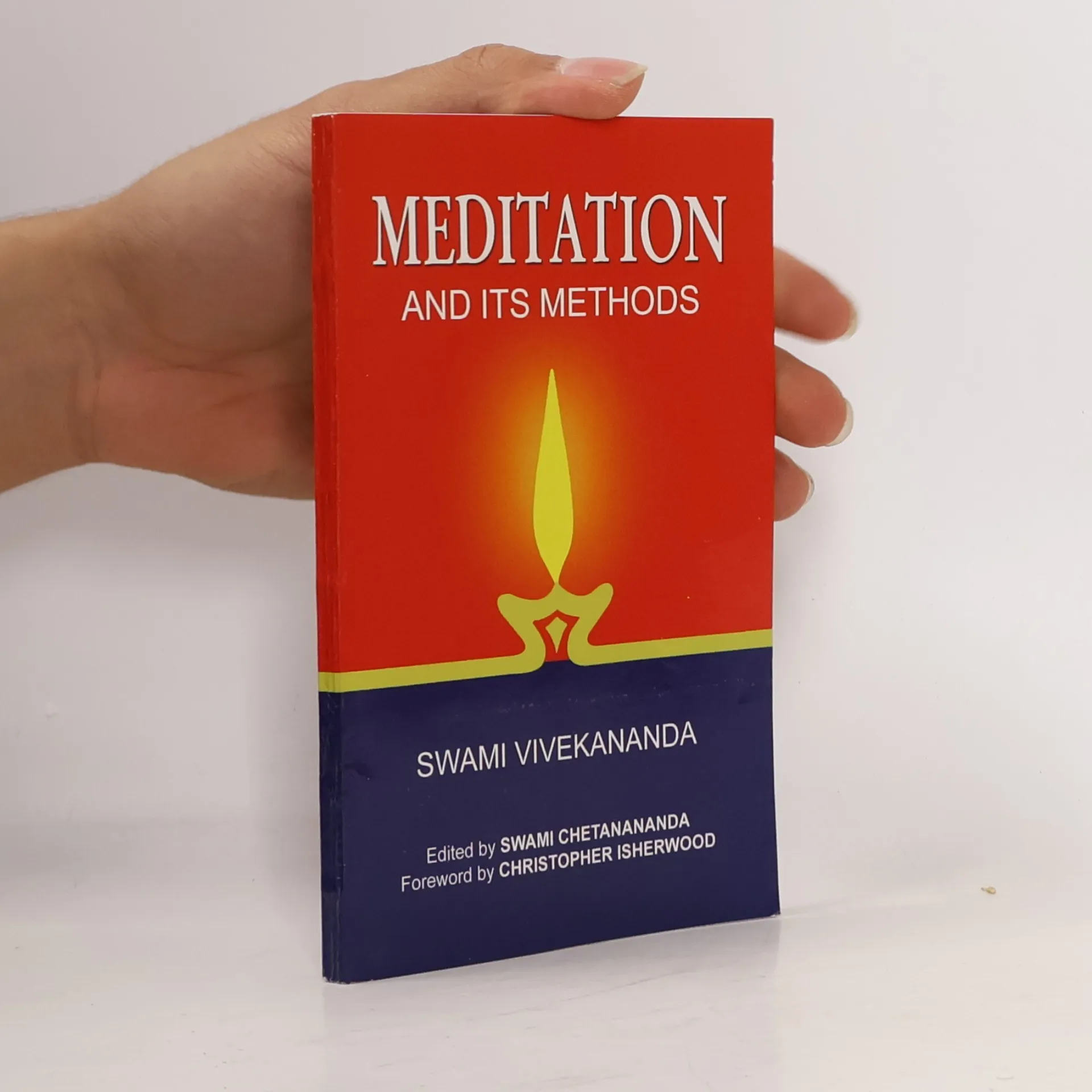

Christopher Isherwood fue un novelista, dramaturgo, guionista, autor de autobiografías y diarista cuya obra exploró a menudo temas como la homosexualidad y la identidad personal en períodos históricos turbulentos. Sus años formativos en Berlín, marcados por el autodescubrimiento y el panorama político de los años 30, proporcionaron el material para sus escritos más célebres. La prosa de Isherwood se distingue por su aguda capacidad de observación y su examen impávido de las relaciones humanas. Más tarde, se dedicó a la autobiografía y a temas espirituales, destacando su conversión al hinduismo.
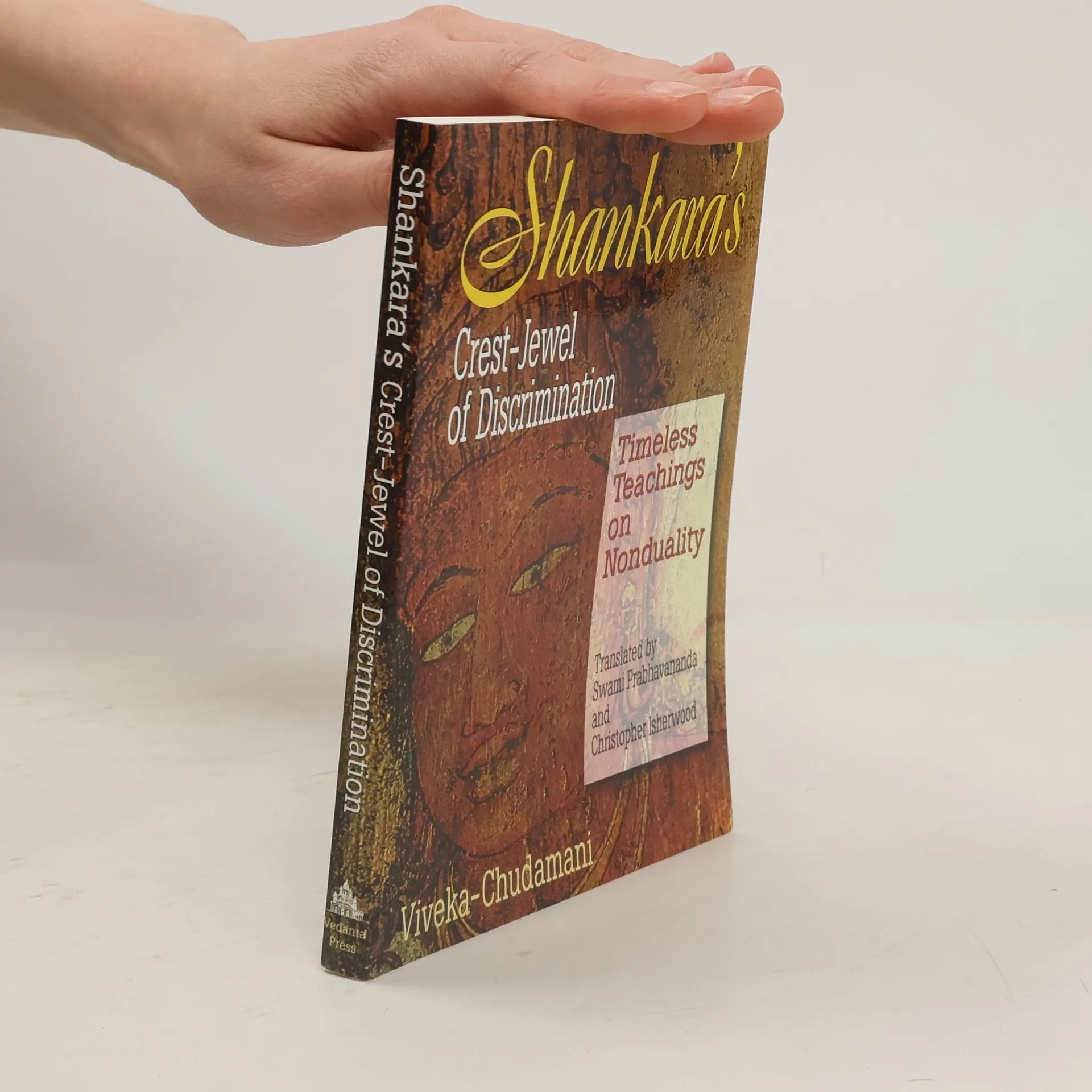
A classic text on the path to God through knowledge. The basic teaching is that God alone is the all-pervading reality; the individual soul is none other than the universal soul. According to Shankara, it is the ignorance of our real nature that causes suffering and pain. The desire for happiness is essentially a longing to awaken to who and what we truly are. Through the path of self-knowledge, Shankara clearly teaches how to awaken from ignornce created by the mind, and abide in the peace of our true nature.
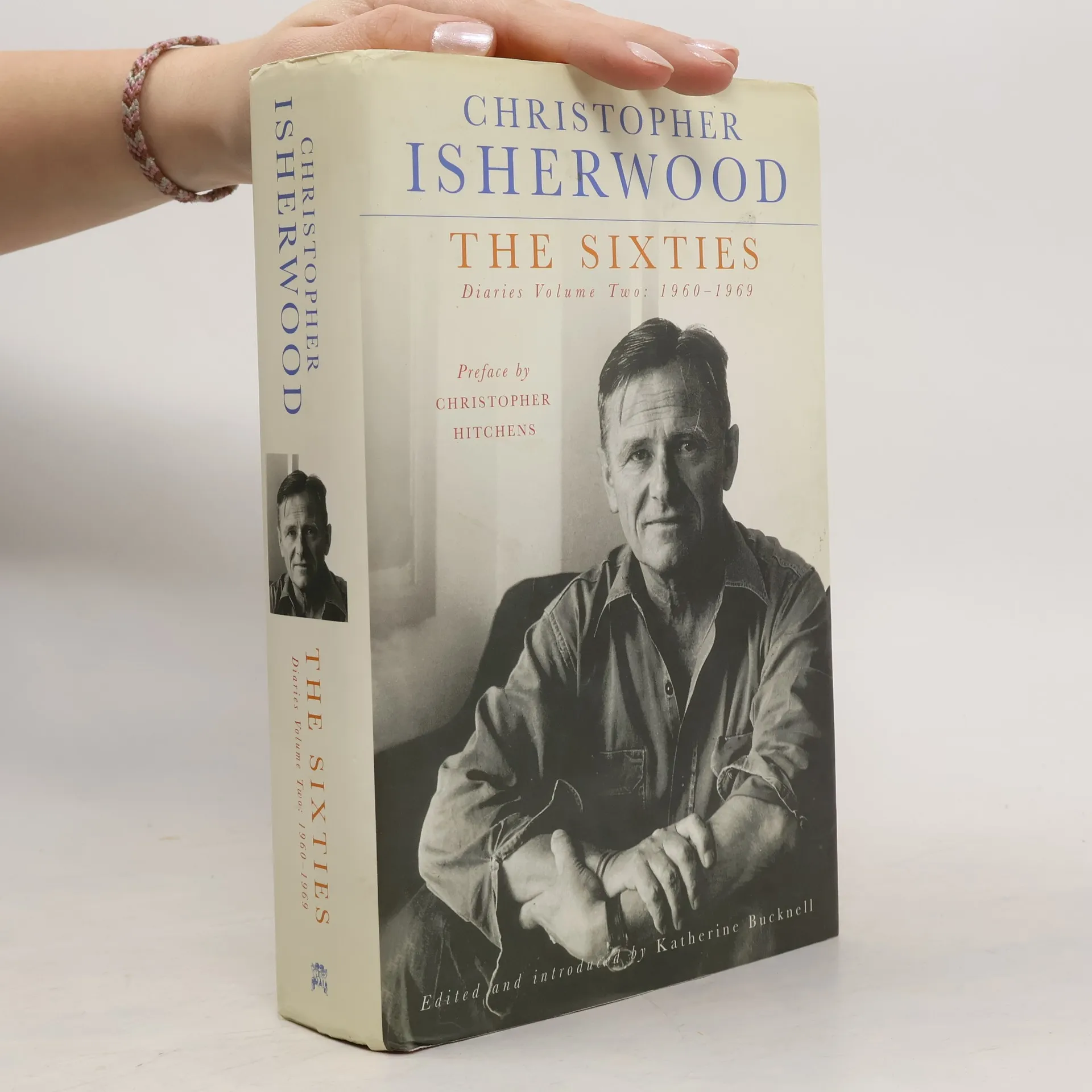
This second volume of Christopher Isherwood's remarkable diaries begins on his fifty-sixth birthday, capturing the transition from the fifties to a decade of social and sexual revolution. Isherwood takes readers through the bohemian landscape of Southern California, the liberated atmosphere of London, the vibrant cosmopolitanism of New York, and the rugged Australian outback. He chronicles his spiritual quest guided by his Hindu guru and shares the emotional complexities of his relationship with American painter Don Bachardy, who is thirty years his junior and navigating his own artistic path. The diaries are filled with sharp gossip and psychological insights about cultural icons of the era, including Francis Bacon, Richard Burton, and Mick Jagger. However, they are most revealing about Isherwood himself—his literary works, film writing, college teaching, and romantic entanglements. He seamlessly connects diverse topics, from Beckett to Brando and the opening of "Cabaret" to a detailed analysis of Gide. The backdrop includes significant political and historical events: the Cold War anxieties, Gagarin's spaceflight, the Vietnam War, and the Summer of Love. Isherwood, known for his prophetic portrayals of a morally bankrupt Europe before World War II, offers an unparalleled chronicle of the decade that profoundly influences contemporary life.
Isherwood's lectures on writing and writers, now all available for the first time In the 1960s, Christopher Isherwood gave an unprecedented series of lectures at California universities about his life and work. During this time Isherwood, who would liberate the memoir and become the founding father of modern gay writing, spoke openly for the first time about his craft--on writing for film, theater, and novels--and spirituality. Isherwood on Writing brings these free-flowing, wide-ranging public addresses together to reveal a distinctly American Isherwood at the top of his form. This updated edition contains the long-lost conclusion to the second lecture, published here for the first time, including its discussion of A Single Man, his greatest novel, and A Meeting by the River, his final novel.
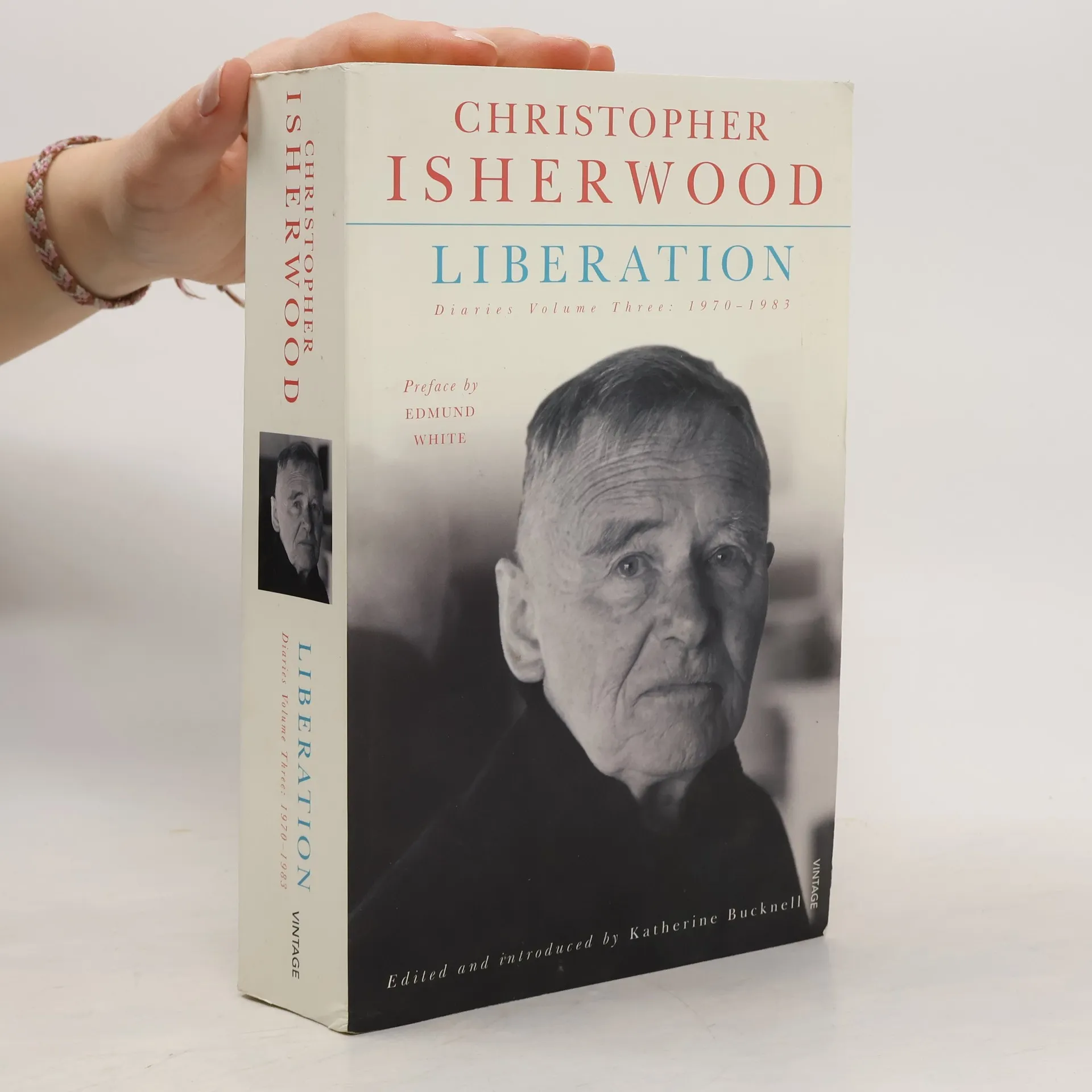
In the final volume of Christopher Isherwood's diaries, he reflects on aging with humor and curiosity. He explores Hinduism, writes his last works, and engages with the vibrant art scenes of the 1970s alongside his partner, Don Bachardy. The narrative captures a rich tapestry of cultural encounters amid significant historical events.
Isherwood anthology that include two complete novels, PRATER VIOLET and A SINGLE MAN, and excerpts from several other works including THE BERLIN STORIES, which was the inspiration for the popular musical and film CABARET.
Don, whose portraits of London theatreland were making his name, attends the
world premiere of The Innocents with Truman Capote and afterwards dines with
Deborah Kerr and the rest of the cast, spends weekends with Tennessee
Williams, Cecil Beton, or the Earl and Countess of Harewood, and tours Egypt
and Greece with a new love interest.
This second volume of Christopher Isherwood's remarkable diaries opens on his
fifty-sixth birthday as the fifties give way to the decade of social and
sexual revolution. číst celé
In spare, luminous prose these diaries describe Isherwood's search for a new
life in California; his work as a screenwriter in Hollywood, his pacifism
during World War II and his friendships with such gifted artists and
intellectuals as Garbo, Chaplin, Thomas Mann, Charles Laughton, Gielgud,
Olivier, Richard Burton and Aldous Huxley.
At times pious, at times profane but always unashamedly honest, "The Diaries of Christopher Isherwood" provide an inside look at the life and times of one of the most celebrated writers of the century. Chronicling Isherwood's life from 1939, when he emigrated to the United States, until 1960, these entries cover some of the most turbulent years of his career and give readers unprecedented insight into the major turning points in his life. Here, Isherwood relates the spiritual crisis he went through as World War II began, his discipleship (along with Aldous Huxley and Gerald Heard) with the Hindu monk Swami Prabhavananda and his decision to become a pacifist. Here also are his accounts of his intense social life in Hollywood, his career as a screenwriter and his many sexual affairs. Readers will be particularly fascinated by his revealing anecdotes and gossip about the literary greats (such as W. H. Auden, Thomas Mann, E. M. Forster, and Tennessee Williams) and movie stars (such as Greta Garbo, Charlie Chaplin and Sir Laurence Olivier) of the time.
In this brilliantly perceptive novel, a middle aged professor living in California, is alienated from his students by differences in age and nationality ,and from the rest of society by his homosexuality. Isherwood explores the depths of the human soul and its ability to triumph over loneliness, alienation and loss.