Jean Piaget Libros
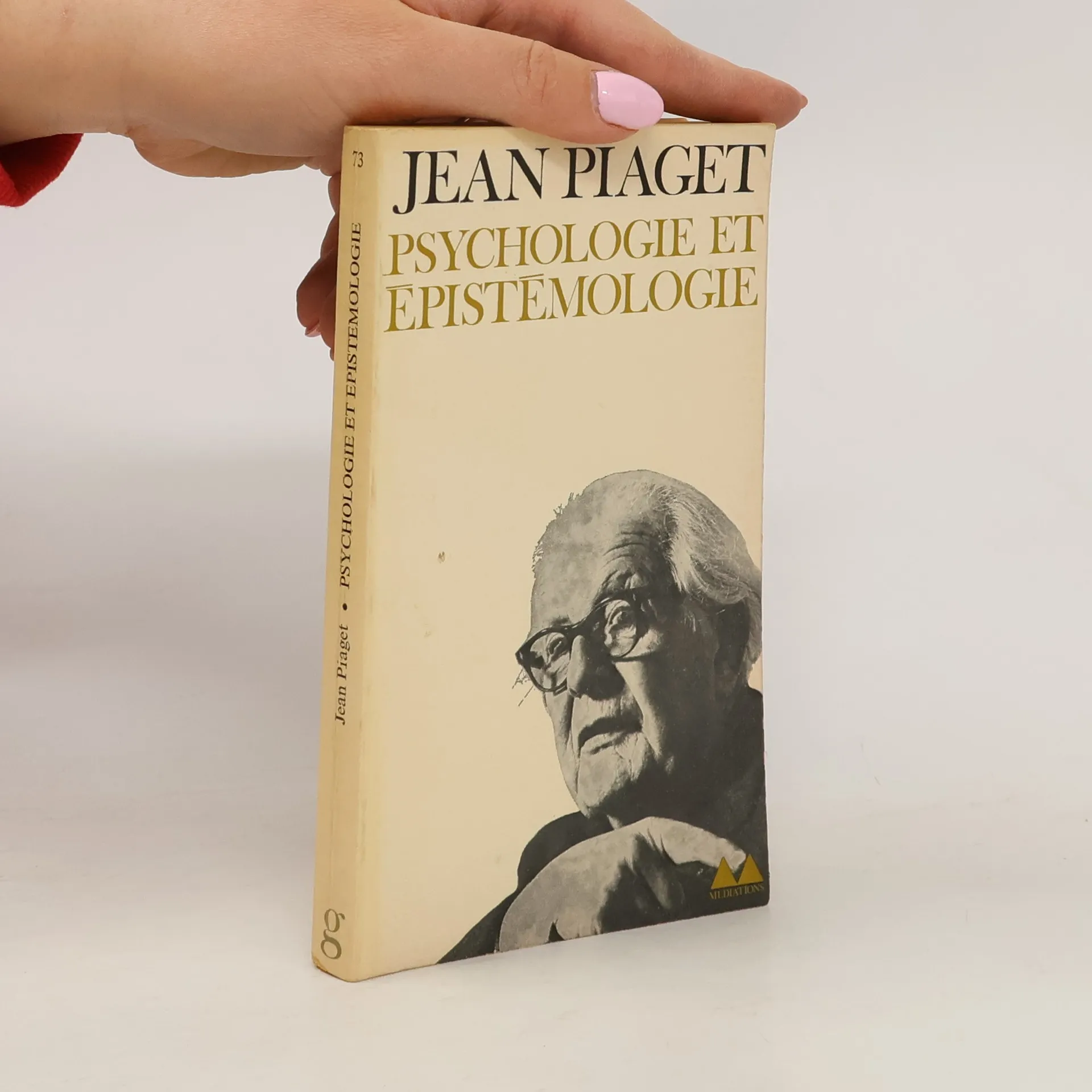
Jean Piaget fue un pensador suizo, célebre por su trabajo pionero en la teoría del conocimiento. Su investigación sobre los niños y su desarrollo cognitivo sentó las bases de una visión constructivista del saber. Piaget exploró una perspectiva epistemológica conocida como 'epistemología genética'. Su obra sigue inspirando a pensadores y educadores por igual.



English, French (translation)
The Origin of Intelligence in the Child
- 464 páginas
- 17 horas de lectura
Jean Piaget was one of the most salient and inspirational figures in psychological and educational research of the 20th century. He was also prolific, authoring or editing over 80 books and numerous journals and papers which spawned a continuation of his work over the following decades. His work now compromises a major component of many courses on children's psychological development and in a research tradition which is expanding, scholars may need access to the original texts rather than secondhand accounts. This volume is the third of nine reproducing Piaget's original works - they are also available as a boxed set
Genetic Epistemology
- 84 páginas
- 3 horas de lectura
Genetic Epistemology attempts to explain knowledge, and in particular scientific knowledge, on the basis of its history, its sociogenesis, and especially the psychological origins of the notions and operations upon which it is based.
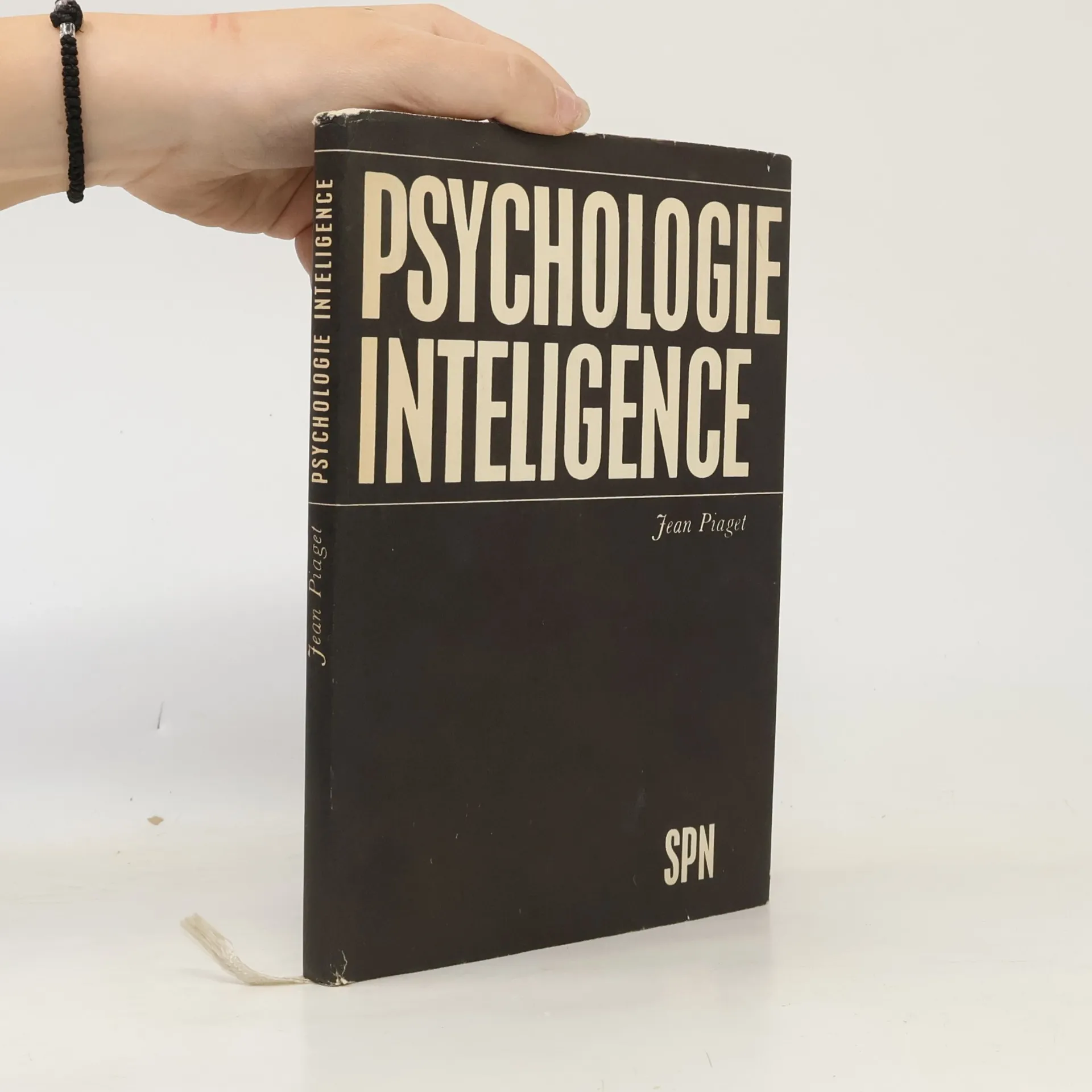
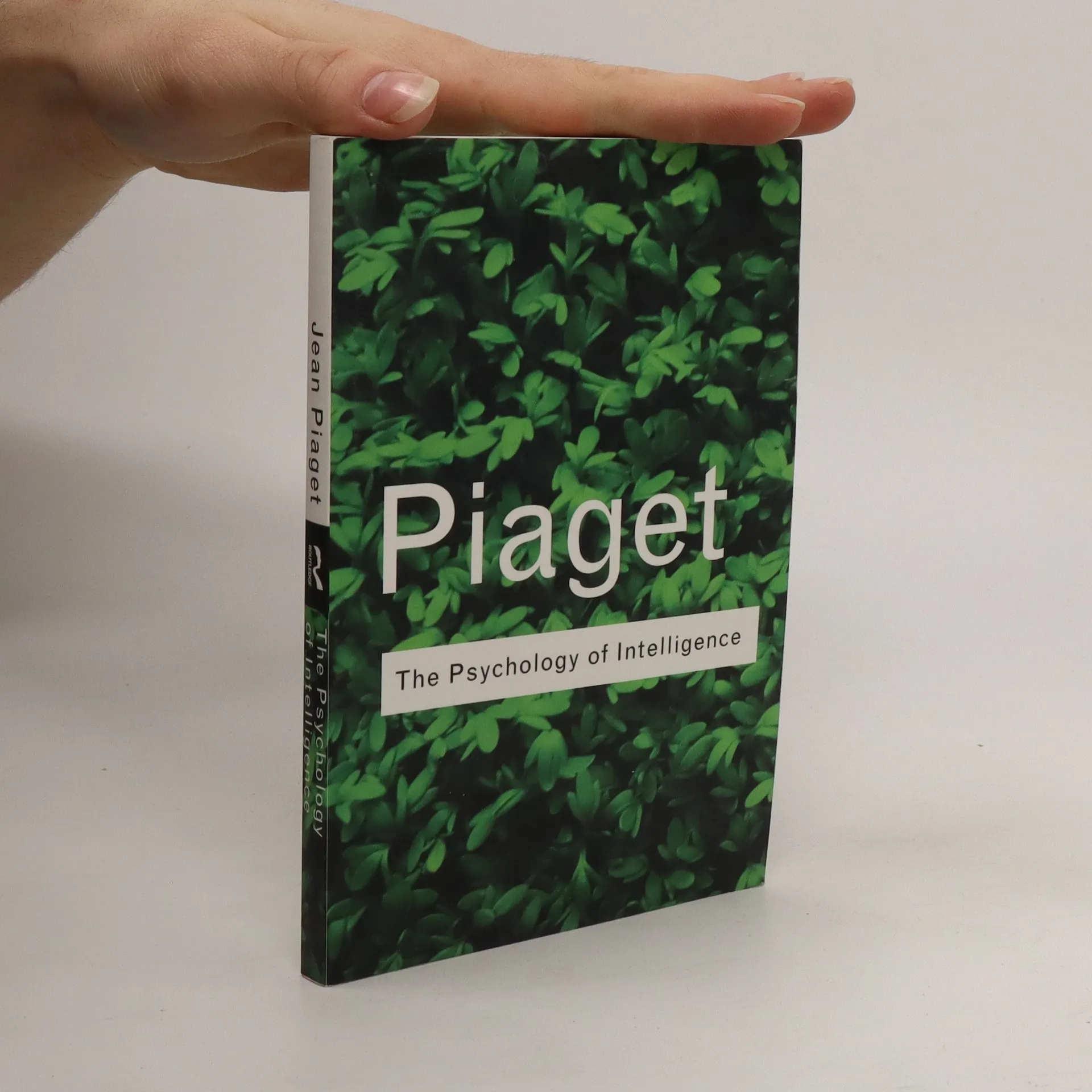
Think of developmental psychology, and the name of Jean Piaget immediately springs to mind. His theory of learning lies at the very heart of the modern understanding of the human learning process, and he is celebrated as the founding father of child psychology. A prolific writer, is the author of more than fifty books and several hundred articles. The Psychology of Intelligence is one of his most important works. Containing a complete synthesis of his thoughts on the mechanisms of intellectual development, it is an extraordinary volume by an extraordinary writer. Given his significance, it is hardly surprising that Psychology Today pronounced Piaget the Best Psychologist of the twentieth century.
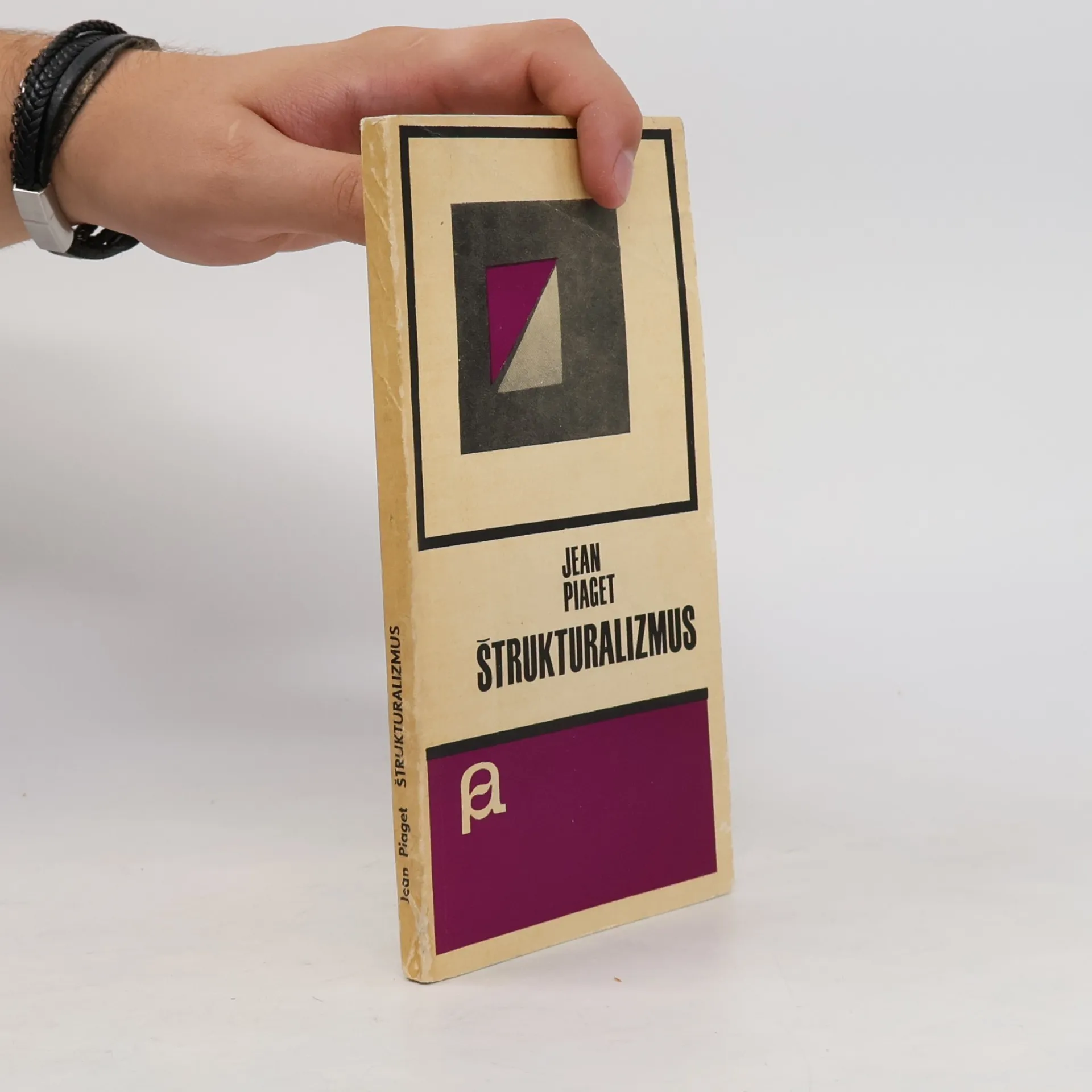
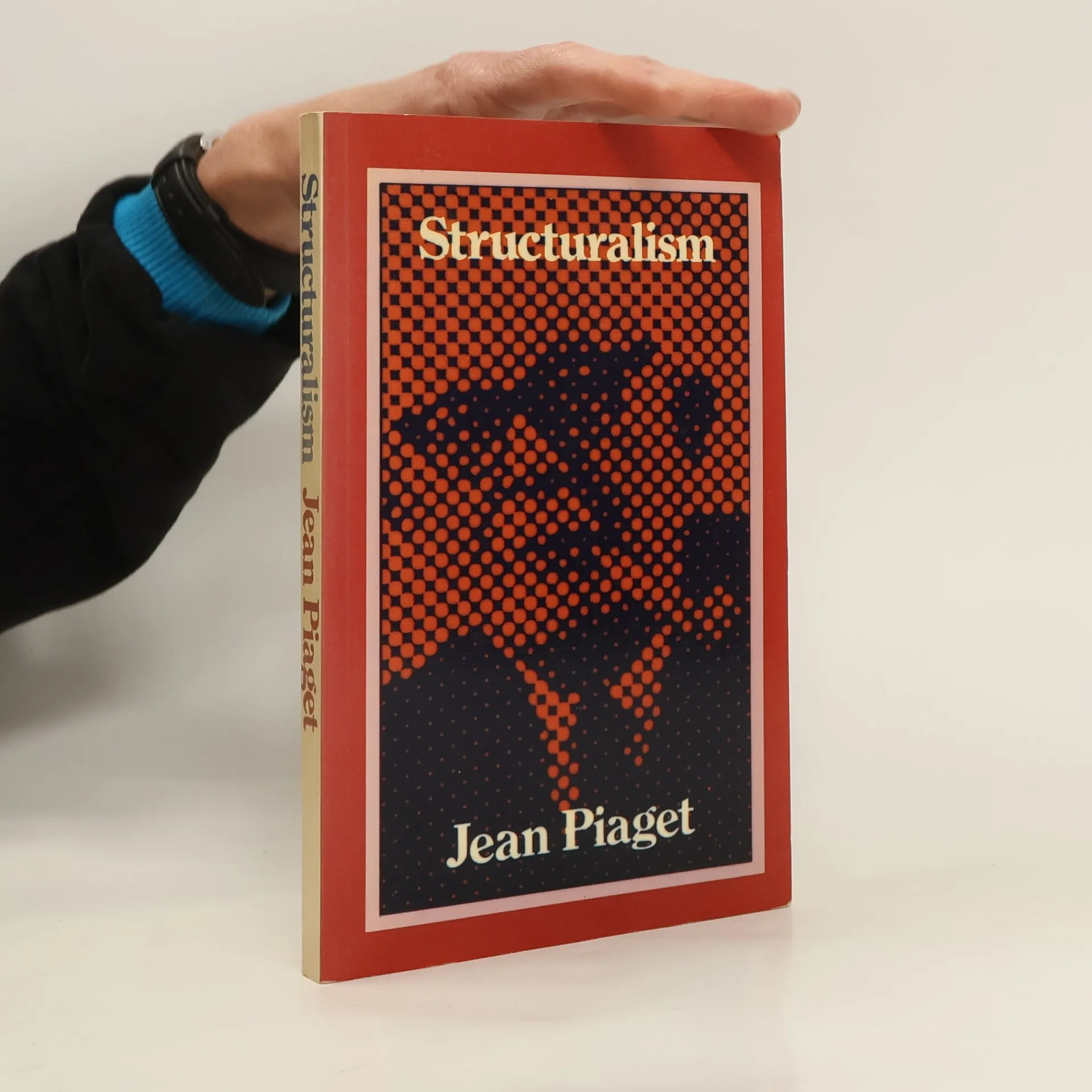
Structuralism
- 153 páginas
- 6 horas de lectura
Originally published in English in 1971, structuralism was an increasingly important method of analysis in disciplines as diverse as mathematics, physics, biology, psychology, linguistics, sociology, anthropology and philosophy. Piaget here offers both a definitive introduction to the method and a brilliant critique of the principal structuralist positions. He explains and evaluates the work of the main people at work in the field ? Claude Lévi-Strauss, Michel Foucault, Talcott Parsons, Noam Chomsky ? and concludes that structuralism has a rich and fruitful future ahead of it. An indispensable work for serious students and working scholars in almost every field, the book is also an important addition to Piaget?s life-long study of the relationship of language and thought.
This seminal book by this century's most important development psychologist chronicles the evolution of children's moral thinking from preschool to adolescence, tracing the concepts of lying, cheating, adult authority, punishment, and responsibility, and offering important insights into how they learn--or fail to learn--the difference between right and wrong.
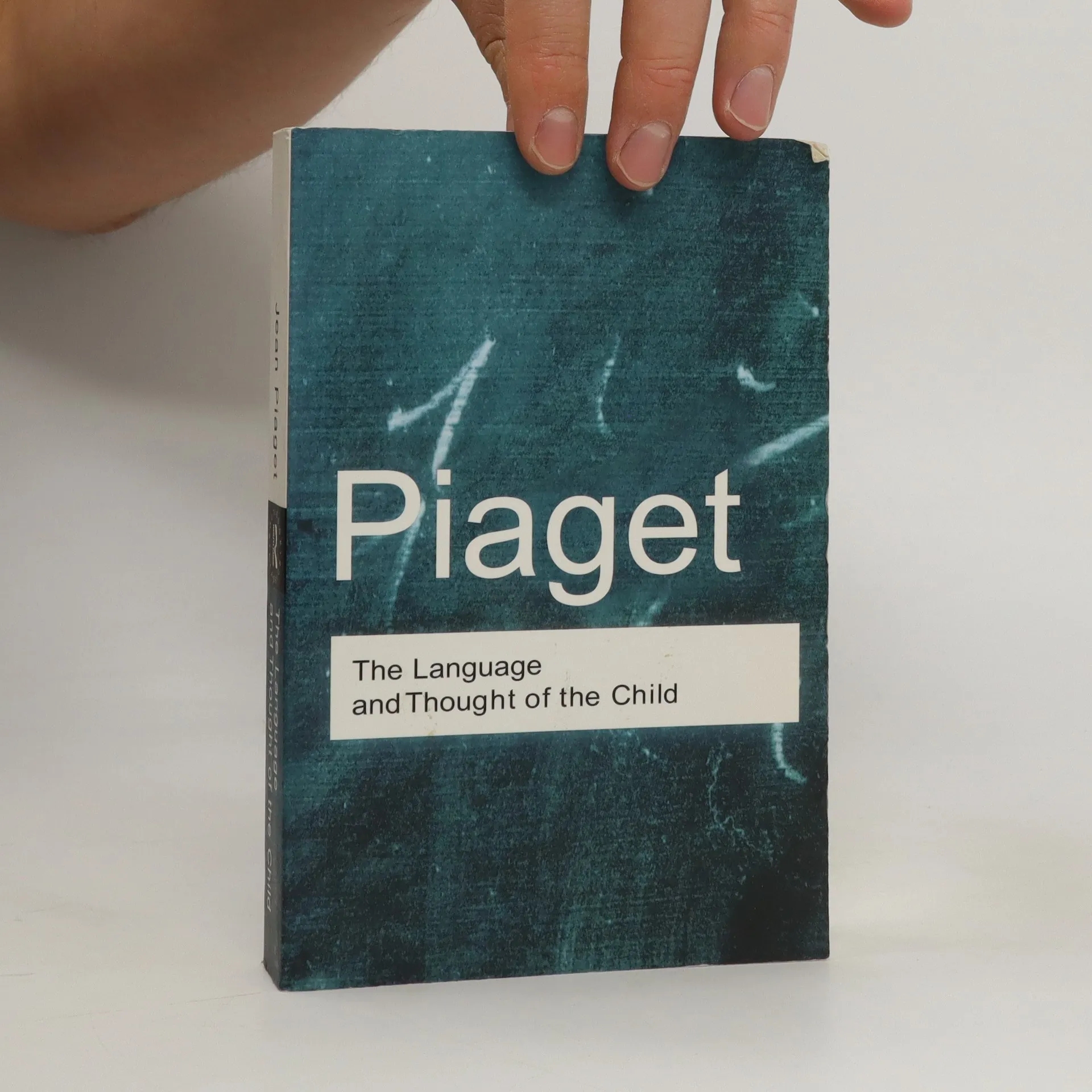
The language and thought of the child
- 288 páginas
- 11 horas de lectura
When first published in 1923, this classic work took the psychological world by storm. Piaget's views expressed in this book, have continued to influence the world of developmental psychology to this day.
The progress of behavior and thought, the genesis of logical, perceptual, and affective functions are the central themes explored by Jean Piaget in Six Psychological Studies. The first part of the book outlines the stages of mental development in children from birth to adolescence. The second part focuses specifically on methodological questions and aims to establish the principles of a theory of knowledge. While Piaget's works are often challenging for specialists, this volume serves as a striking shortcut and a comprehensive introduction to the work of the eminent psychologist.
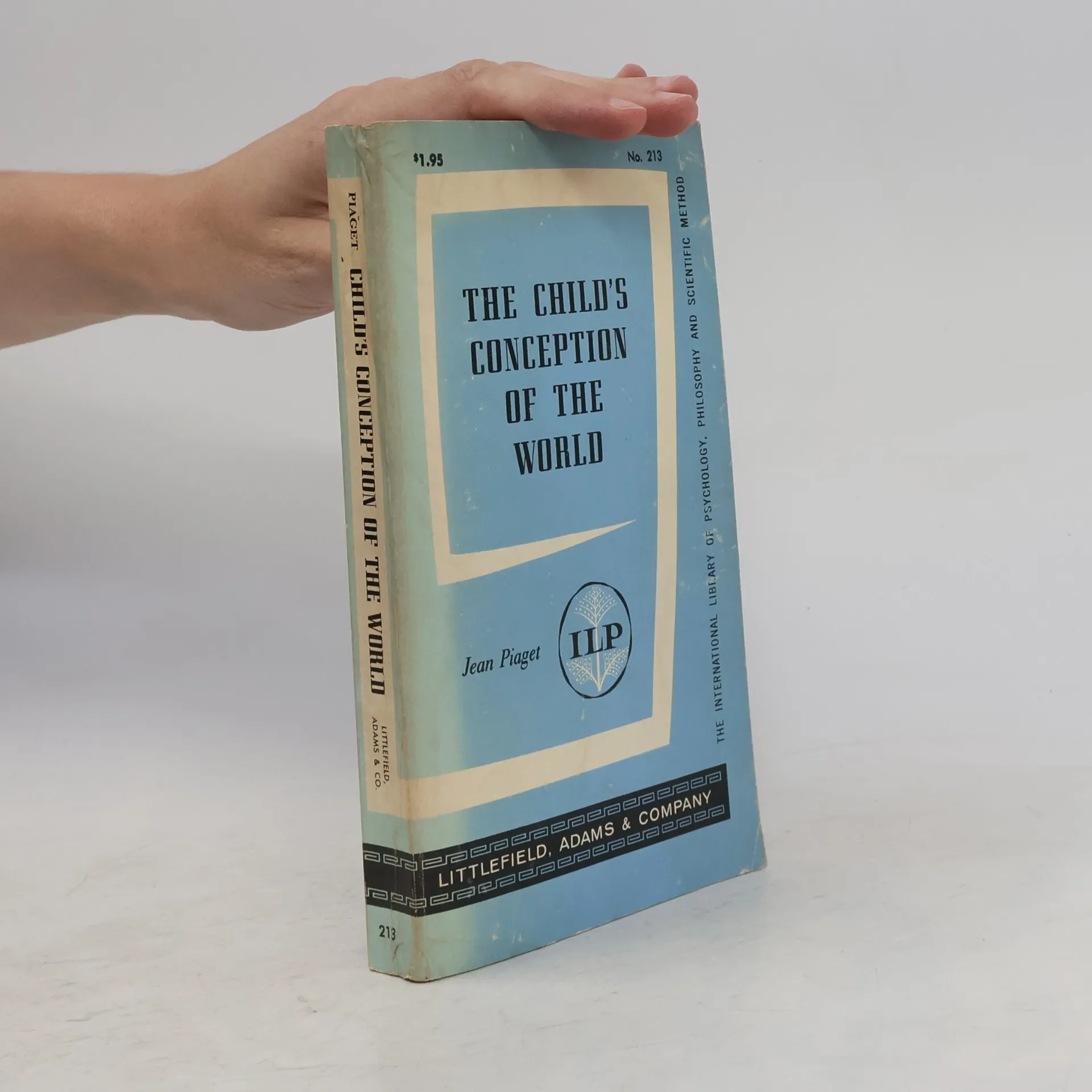
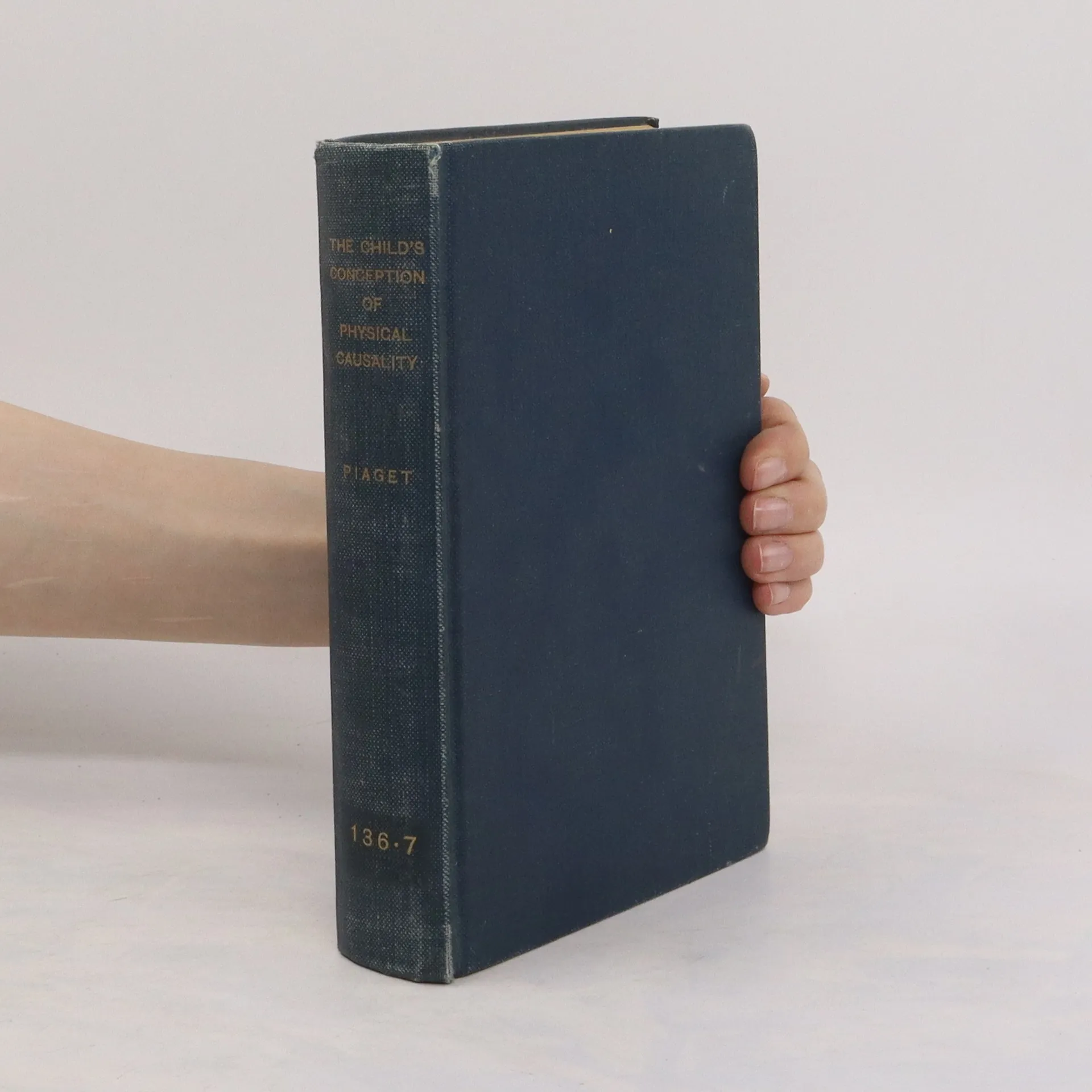
Piaget addresses the central questions of developmental psychology: How does a child perceive reality? How does it draw boundaries between the self and the environment? How does it understand the nature of thought, consciousness, and dreams? What does causality look like from a child's perspective?
Gesammelte Werke Studienausgabe - 7: Die natürliche Geometrie des Kindes
- 475 páginas
- 17 horas de lectura
Das Erwachen der Intelligenz beim Kinde
- 422 páginas
- 15 horas de lectura
Hommage à Jean Piaget zum achtzigsten Geburtstag
- 137 páginas
- 5 horas de lectura
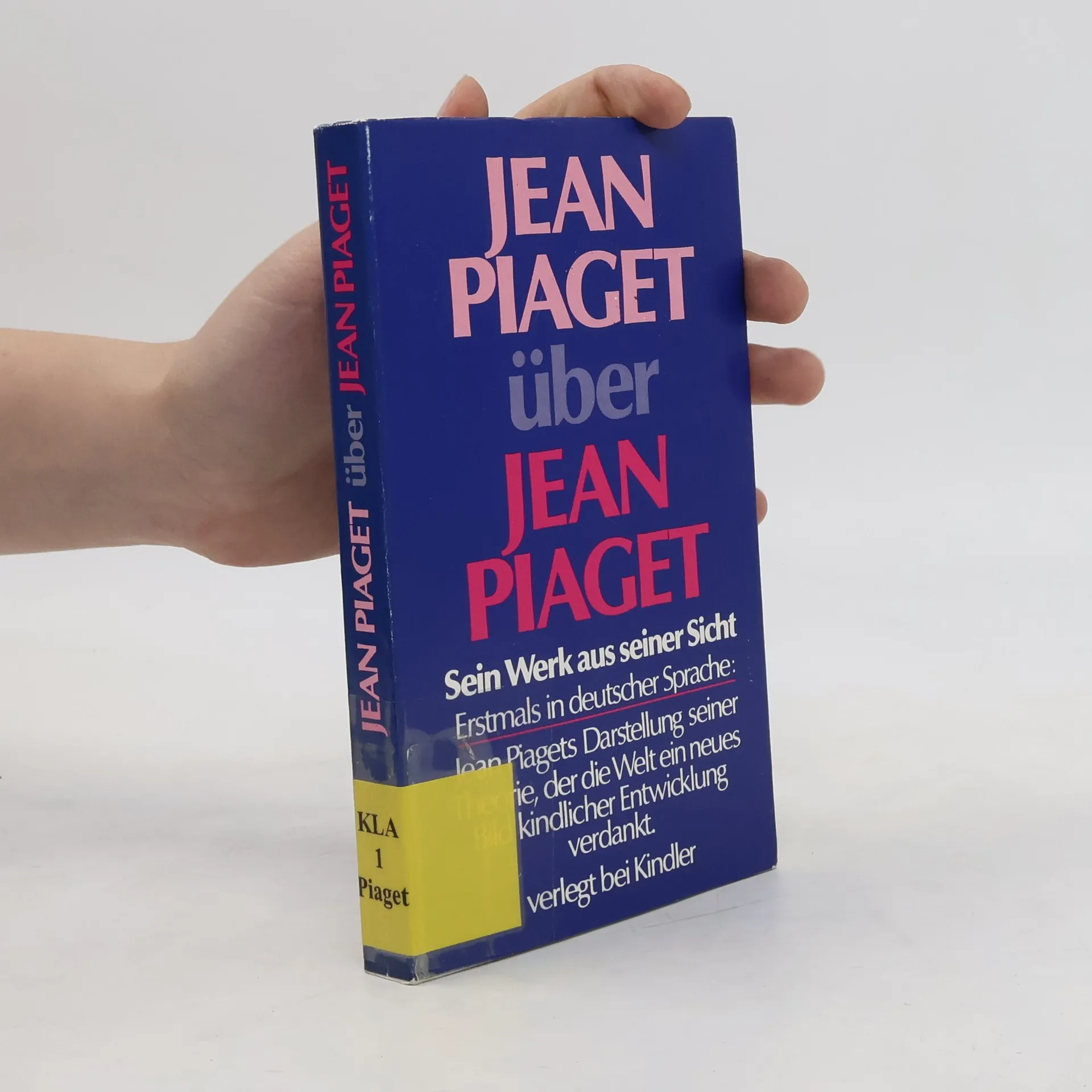
Jean Piaget über Jean Piaget
- 146 páginas
- 6 horas de lectura
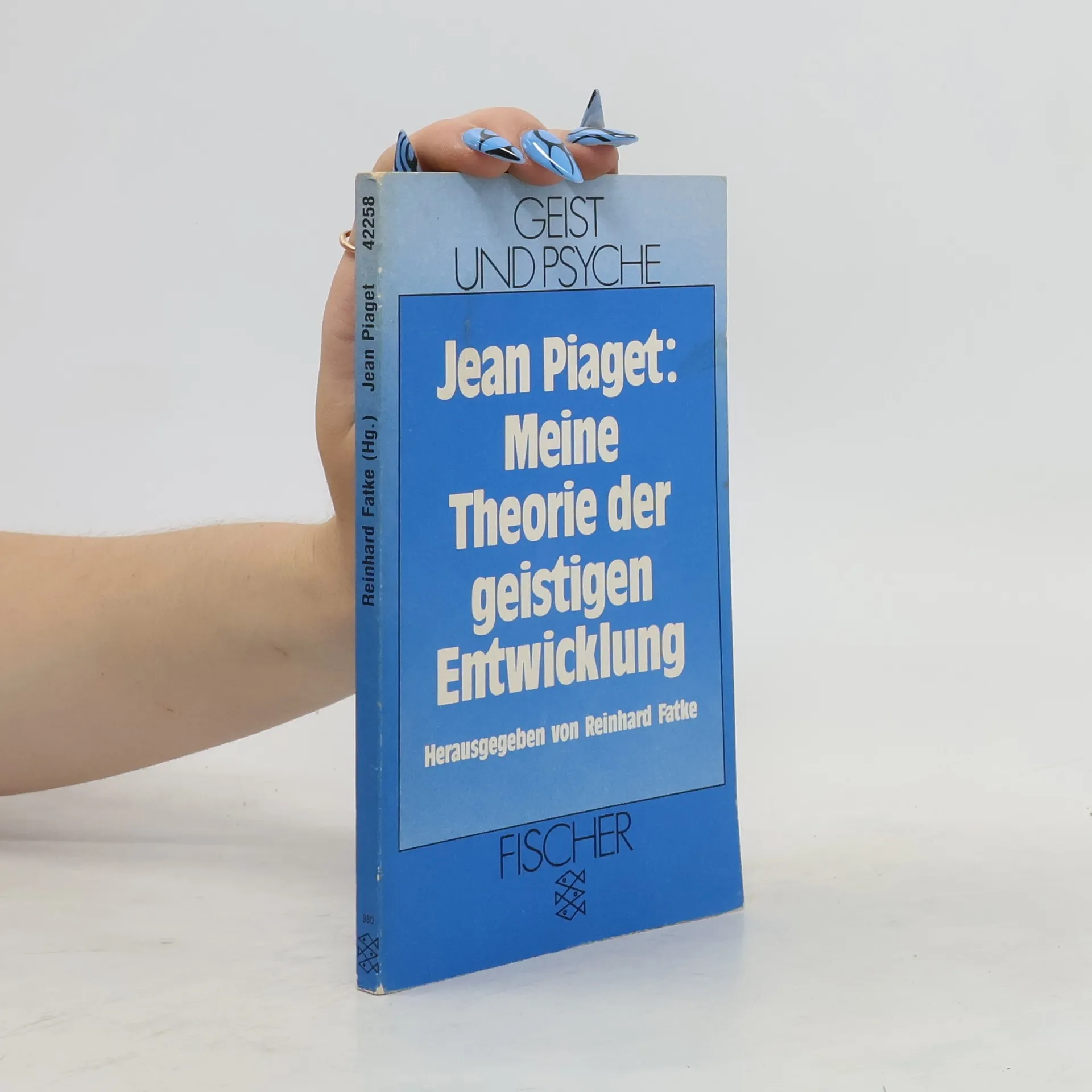
Meine Theorie der geistigen Entwicklung
- 103 páginas
- 4 horas de lectura
Die einzige Gesamtdarstellung seiner Theorie, die Jean Piaget selbst geschrieben hat. Ideal für alle, die an einer kurzen, authentischen Einführung in sein Werk und an der Erklärung seiner zentralen Begriffe ebenso interessiert sind wie an der Schilderung massgeblicher Vorgänge bei der Herausbildung von menschlicher Erkenntnis. Als Piaget 1980 im Alter von 84 Jahren starb, hinterliess er ein monumentales Werk, allerdings keine systematische Gesamtdarstellung seiner Theorie - mit einer Ausnahme: 1970 schrieb Piaget für ein Handbuch der Kinderpsychologie eine solche Gesamtdarstellung, ideal für Studentinnen und Studenten der Psychologie, Pädagogik und Sozialarbeit und für alle, die sich einen Einblick in sein Werk verschaffen wollen. Ohne Jean Piagets Untersuchungen über die Entwicklung des menschlichen Denkens und der Intelligenz beim Kind ist die moderne Entwicklungspsychologie nicht zu denken, ebenso wenig die pädagogische Theoriebildung und Praxis der letzten Jahrzehnte. Seine bahnbrechenden Forschungsergebnisse über die Entwicklung menschlichen Erkennens haben darüber hinaus das Selbstverständnis des modernen Menschen auf neue Grundlagen gestellt. Im Mittelpunkt dieser systematischen Darstellung seines Werkes stehen die Vorgänge wechselseitiger Anpassung zwischen dem erkennenden Subjekt und seiner Umwelt, mit deren Hilfe das Kind sich seine Wirklichkeit erst aneignet. (Quelle: buch.ch).
J. Piaget podal nejúplnější syntézu ze svých výzkumů a teoretických rozborů. Inteligenci pokládá za stav rovnováhy ve vzájemném působení mezi jedincem a jeho prostředím. Její nejvyšší formu spatřuje ve vědeckém myšlení.
" La psychologie de l'enfant étudie la croissance mentale ou, ce qui revient au même, le développement des conduites (c'est-à-dire des comportements y compris la conscience), jusqu'à cette phase de transition constituée par l'adolescence, qui marque l'insertion de l'individu dans la société adulte. La croissance mentale est indissociable de la croissance physique. " Dix-neuf éditions, des traductions en vingt-deux langues, des millions de lecteurs, pour ce livre publié en 1966 dans la collection Que sais-je ?, synthèse d'une conception de la psychologie de l'enfant ayant formé des générations de psychologues. La théorie piagétienne, fondée sur une méthode génétique, a largement fait ses preuves quant à la connaissance de la psychologie de l'enfant. Cette méthode est, de nos jours, relayée par le développement des sciences cognitives et les perspectives ouvertes par les techno-sciences et l'intelligence artificielle.
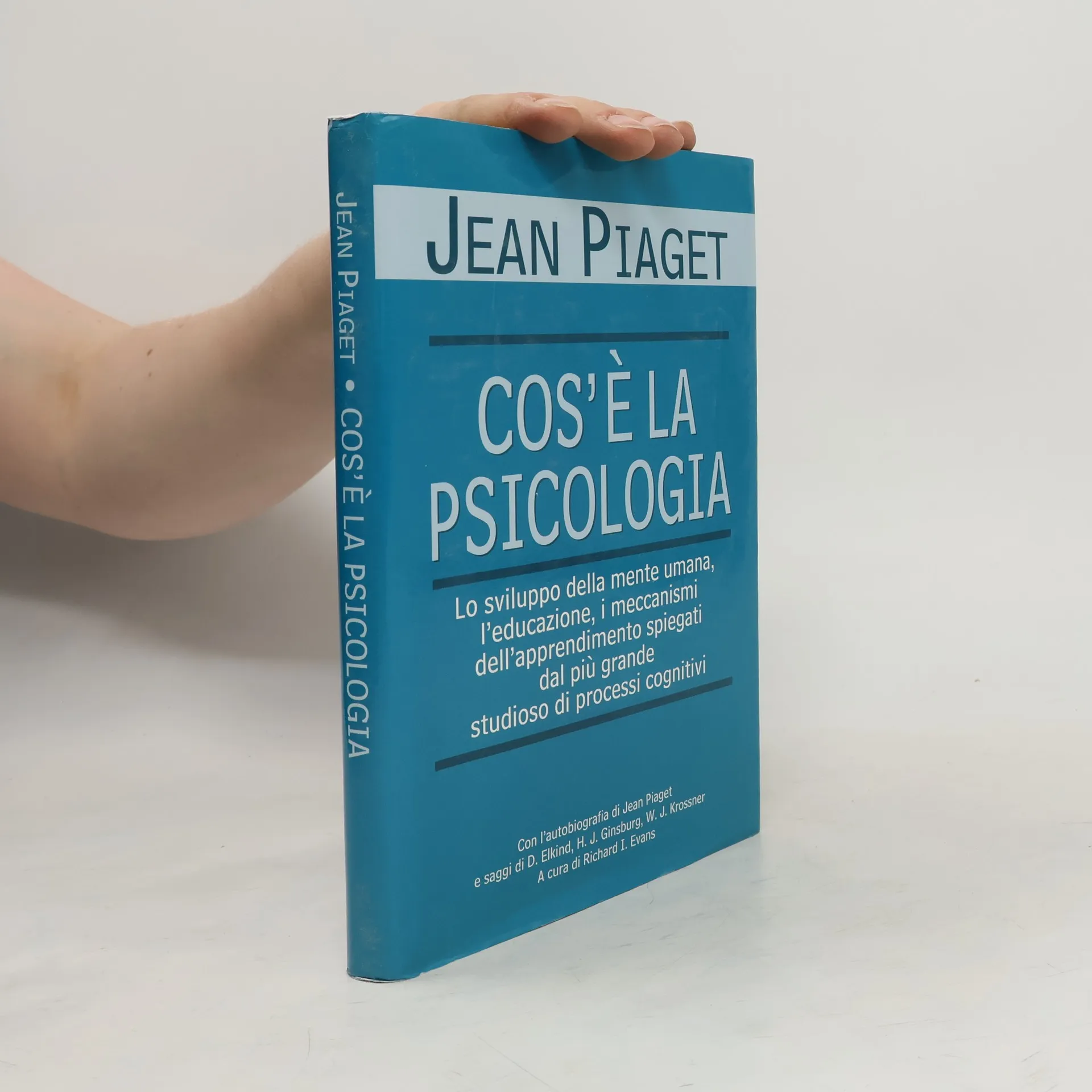
Cos'è la psicologia
- 293 páginas
- 11 horas de lectura
In questo volume, che David Elkind ha definito «una vera e propria rivoluzione copernicana nelle nostre conoscenze sulla crescita e il funzionamento della mente umana», Jean Piaget espone con grande chiarezza le linee fondamentali delle ricerche che lo hanno portato, nel corso della sua lunga attività scientifica, a formulare una nuova teoria dei meccanismi dell'apprendimento. In un racconto ricco di fascino, il lettore viene reso partecipe delle tappe che il grande psicologo ha percorso nella sua esplorazione della mente umana e delle leggi che ne regolano lo sviluppo. Il volume contiene inoltre l'autobiografia di Piaget e un suo saggio sull'epistemologia genetica. «Probabilmente ci vorranno decenni prima che le sue idee si radichino fermamente nella psicologia canonica, e allora Piaget, come Freud, sarà messo da parte perché l'aspetto più valido della sua opera sarà ormai un dato acquisito nel pensiero psicologico... Piaget ha sempre avuto quella indifferenza per la celebrità, quella indipendenza di pensiero, quel rigore di propositi e quella dedizione alla verità che caratterizzano il vero innovatore intellettuale» David Elkind
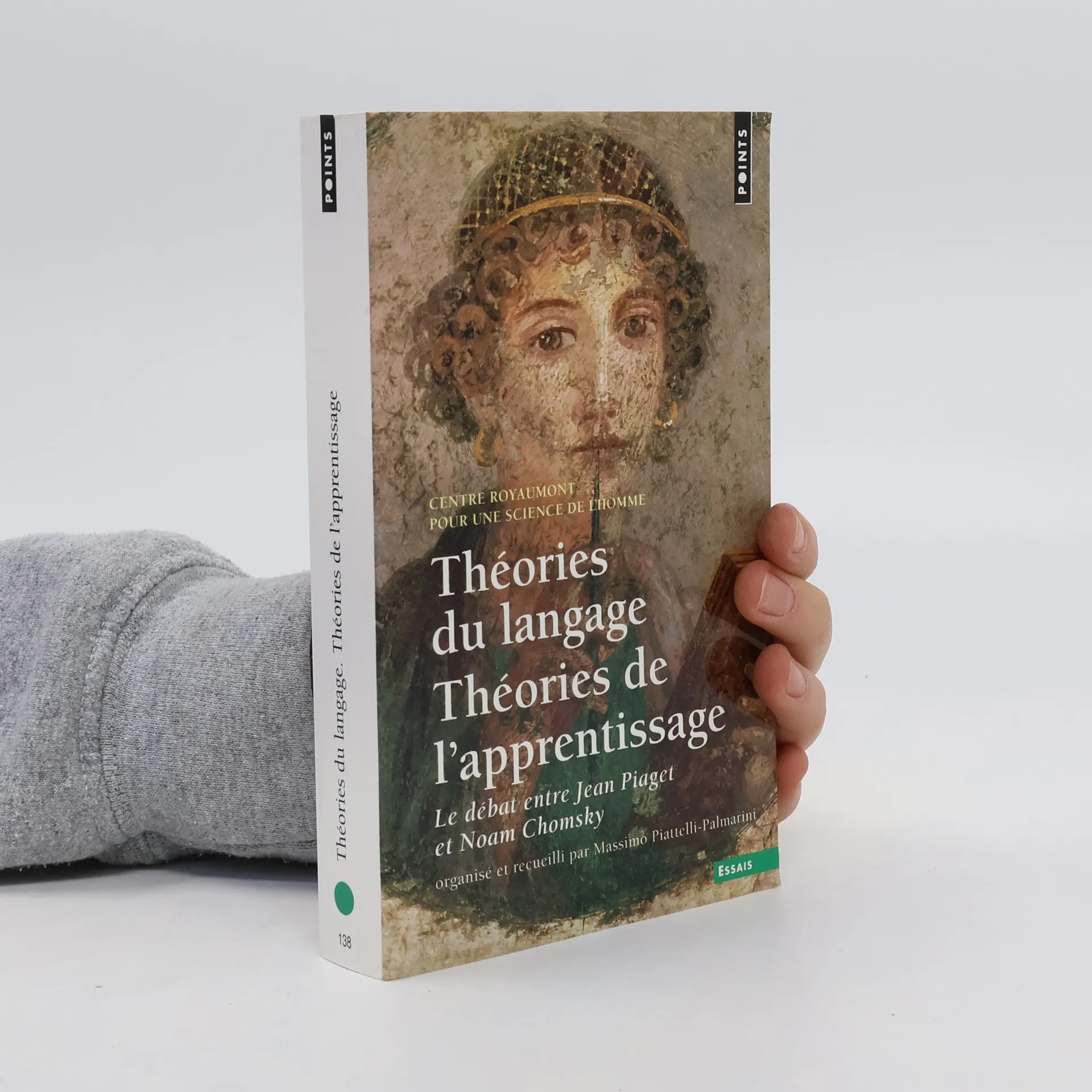
Du 10 au 13 octobre 1975, les participants à ce débat se réunirent à l'abbaye de Royaumont, autour de Jean Piaget et de Noam Chomsky. Ce livre est issu de la seule rencontre personnelle qui ait jamais eu lieu entre le fondateur de l'épistémologie génétique et celui de la linguistique générative, c'est-à-dire de deux systèmes conceptuels, voire deux « philosophies », qui ne cessent d'inspirer depuis leur première formulation d'innombrables travaux scientifiques un peu partout dans le monde.Des chercheurs de tous pays attachés ont pris une part active à ce débat, élargissant son horizon et permettant d'en dégager une synthèse qui n'a pas, à ce jour, d'équivalent.
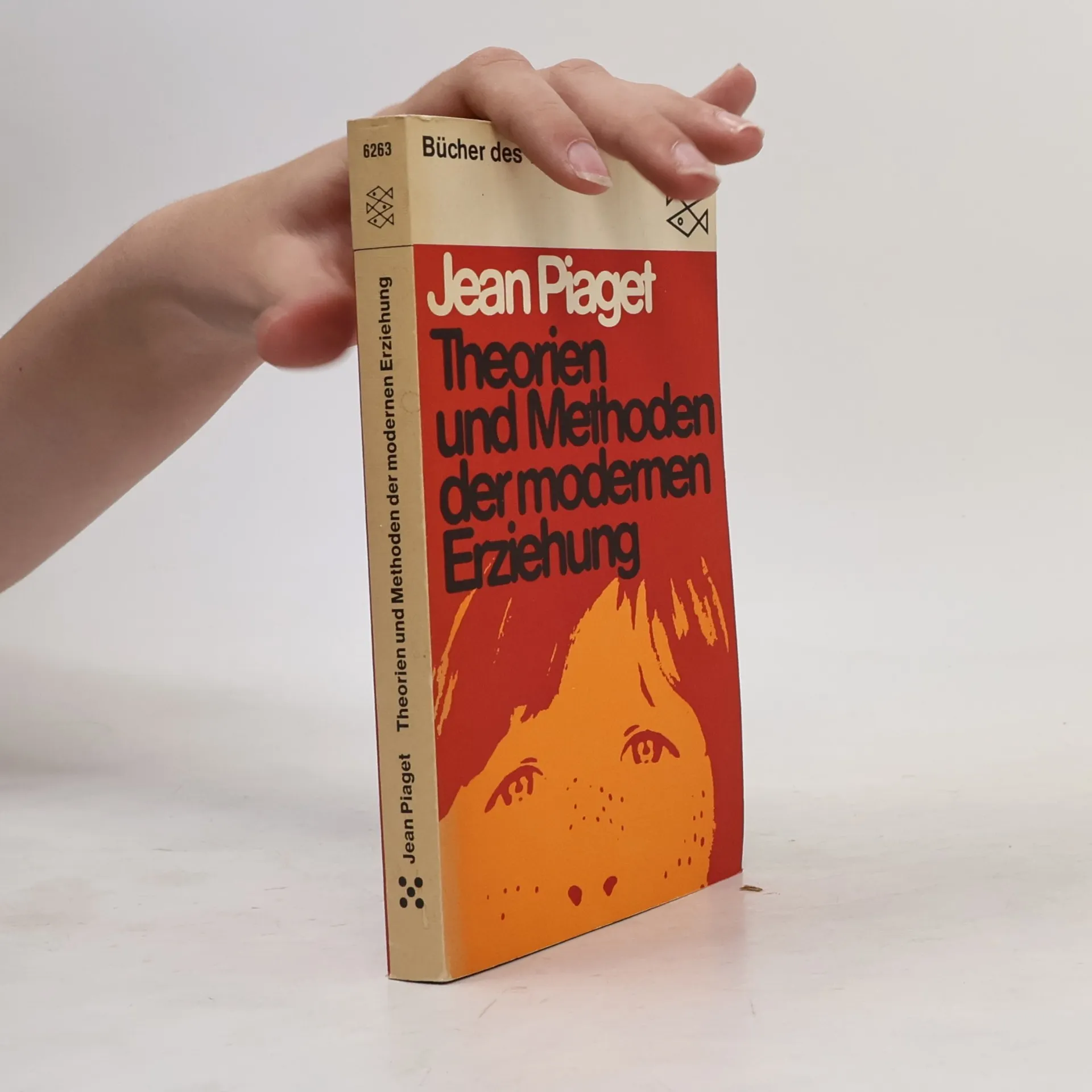
Theorien und Methoden der modernen Erziehung
- 277 páginas
- 10 horas de lectura
Der Band enthält Piagets bereits klassische Arbeit Psychologie und Pädagogik und Sechs psychologische Studien. In der ersten Schrift vertritt Piaget (1896-1980) ein Erziehungskonzept, das von der Welt des Kindes ausgeht und sein Interesse an intellektueller und schöpferischer Tätigkeit wecken soll. In der zweiten Schrift stellt Piaget zahlreiche Fallstudien und Versuchsreihen zu zentralen Fragen der Kinderpsychologie vor.
»Es geht um die Entwicklung der Symbolfunktion beim Kinde, um die Entstehung der Nachahmung und des Symbolspiels. Piaget zieht in diesem Werk zwei bisher wenig verbundene Teilgebiete seines Werkes zusammen.« Hans Aebli
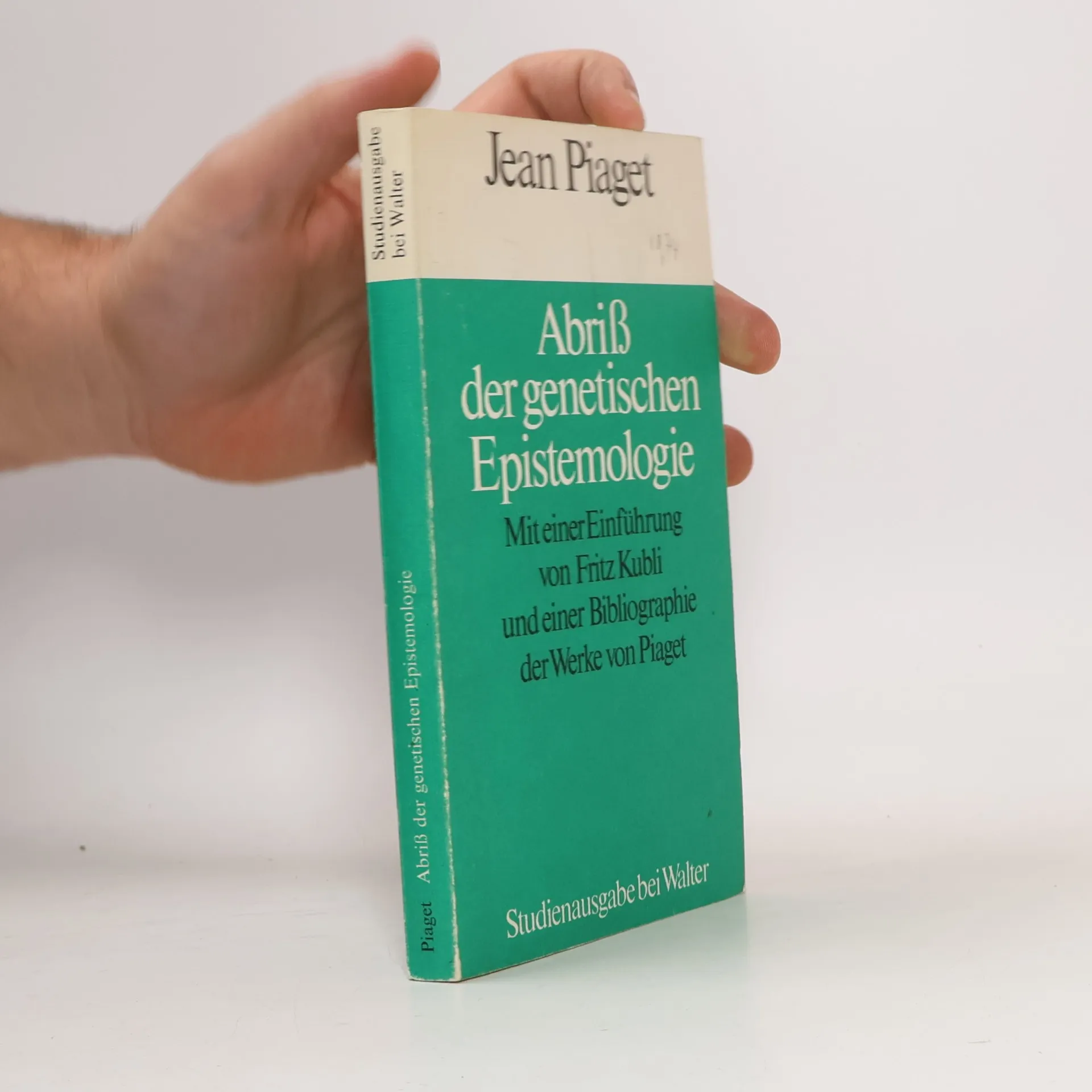
Abriss der genetischen Epistemologie
- 174 páginas
- 7 horas de lectura
Die „Entwicklung der physikalischen Mengenbegriffe beim Kinde“ und die „Entwicklung des Zahlbegriffs beim Kinde“ sind eng miteinander verbundene Werke von Piaget, die in der gleichen Periode der Genfer Schule entstanden sind. Beide Werke basieren auf der Annahme, dass menschliches Denken als ein Spiel von Operationen verstanden werden kann, die beim Kind in einem Prozess des Aufbaus und der Äquilibration entstehen. Während das Werk über den Zahlbegriff ein Operationssystem untersucht, das relativ willkürlich auf die Realität angewendet wird, konzentriert sich das andere Werk auf Operationen zur Erfassung physikalischer Tatbestände. Es werden Fragen behandelt wie: Bleibt die Menge einer Flüssigkeit beim Umfüllen erhalten? Verändert sich das Gewicht einer Plastilinkugel bei Verformung? Piaget und Inhelder beobachten den Aufbau physikalischer Mengenbegriffe zwischen dem 5. und 12. Lebensjahr. Die Methode ist ein „klinisches“ Interview, das der kindlichen Argumentation Raum gibt. Die Ergebnisse zeigen qualitative Einsichten in die kindlichen Auffassungen von Materie, insbesondere von Invarianz, also der Unveränderlichkeit von Substanz, Gewicht und Volumen bei Veränderungen der Erscheinungsform. Die Autoren fragen sich, ob das Verständnis dieser physikalischen Tatsachen mit der Fähigkeit zur Durchführung bestimmter Operationen einhergeht, und untersuchen von Anfang an die operativen Strukturen in ihrer Anwendung auf die physikalisc
Intelligenz und Affektivität in der Entwicklung des Kindes
- 197 páginas
- 7 horas de lectura
Piaget hebt in diesem Text die Bedeutung des Studiums der Eigenschaften des psychologischen Subjekts hervor. Er bietet uns ein umfassenderes und konsistenteres Verständnis der Subjektivität des Subjekts, seiner Emotionen und Gefühle, die die Erkenntnisprozesse durchdringen. Dieses Verständnis ist von großer Bedeutung für den Lernprozess. Diese Arbeit hat das Ziel, ein Denken zu vertiefen und zu klären, das die Beziehungen zwischen Affektivität und Intelligenz untersucht und wie man diese Verbindung für den Aufbau einer Bildung nutzen kann, die auf Freude und Vergnügen am Lernen basiert, wobei Wissen zu einem Werkzeug für das Leben und nicht nur für das Handeln wird. Das Bewusstsein wird aus genetischer Sicht in dem Maße aufgebaut, in dem das Bewusstsein des anderen aufgebaut wird. Das Ich und der Andere konstruieren sich komplementär.
Gesammelte Werke
- 337 páginas
- 12 horas de lectura
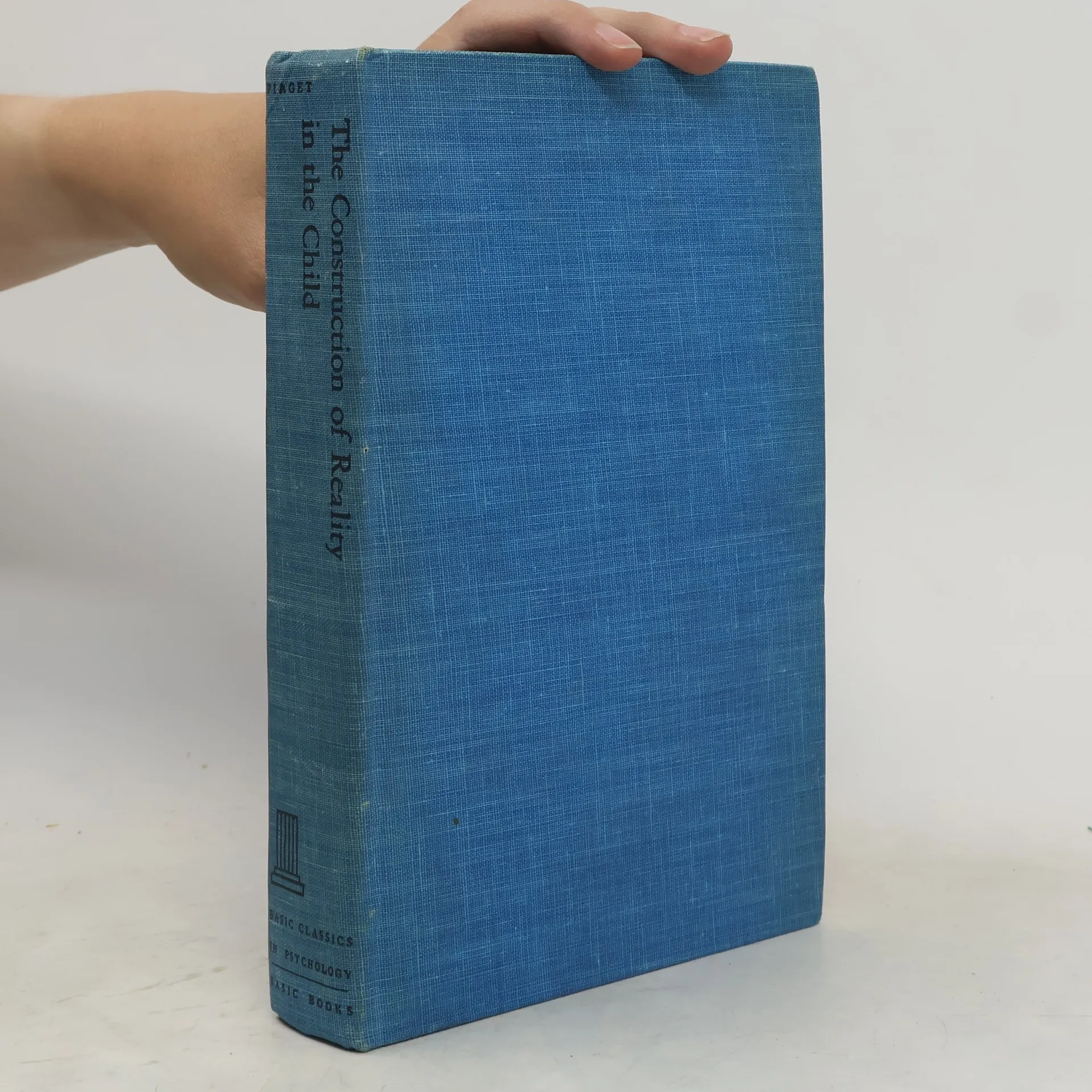
Die Einführung behandelt die Entwicklung des Objektbegriffs in mehreren Stadien, beginnend mit dem Fehlen eines besonderen Verhaltens gegenüber verschwundenen Objekten. Im ersten Stadium zeigt das Kind kein spezifisches Verhalten, während im dritten Stadium erste Ansätze von Objektpermanenz erkennbar werden. Im vierten Stadium beginnt das Kind aktiv nach Objekten zu suchen, ohne die Reihenfolge der Verschiebungen zu berücksichtigen. Im fünften Stadium wird die Berücksichtigung aufeinanderfolgender Verlagerungen deutlich, und im sechsten Stadium entsteht das Verständnis unsichtbarer Verschiebungen. Das zweite Kapitel fokussiert auf das räumliche Feld und die Entwicklung von Verlagerungsgruppen, beginnend mit praktischen und heterogenen Gruppen. Es folgt die Koordination dieser Gruppen und der Übergang zu objektiven Gruppen, die reversible Operationen entdecken. Das dritte Kapitel behandelt die Entwicklung der Kausalität, beginnend mit der Kontaktaufnahme zwischen interner Aktivität und Umwelt, gefolgt von magisch-phänomenistischer Kausalität und deren Objektivierung. Im vierten Kapitel wird das zeitliche Feld untersucht, beginnend mit praktischen Reihen und der Entwicklung subjektiver und objektiver Reihen. Der Schluss fasst die Elaboration des Weltbildes zusammen, inklusive der Konzepte von Assimilation und Akkommodation, dem Übergang zur begrifflichen Intelligenz und der geistigen Repräsentation der Welt des Kindes in Bezug
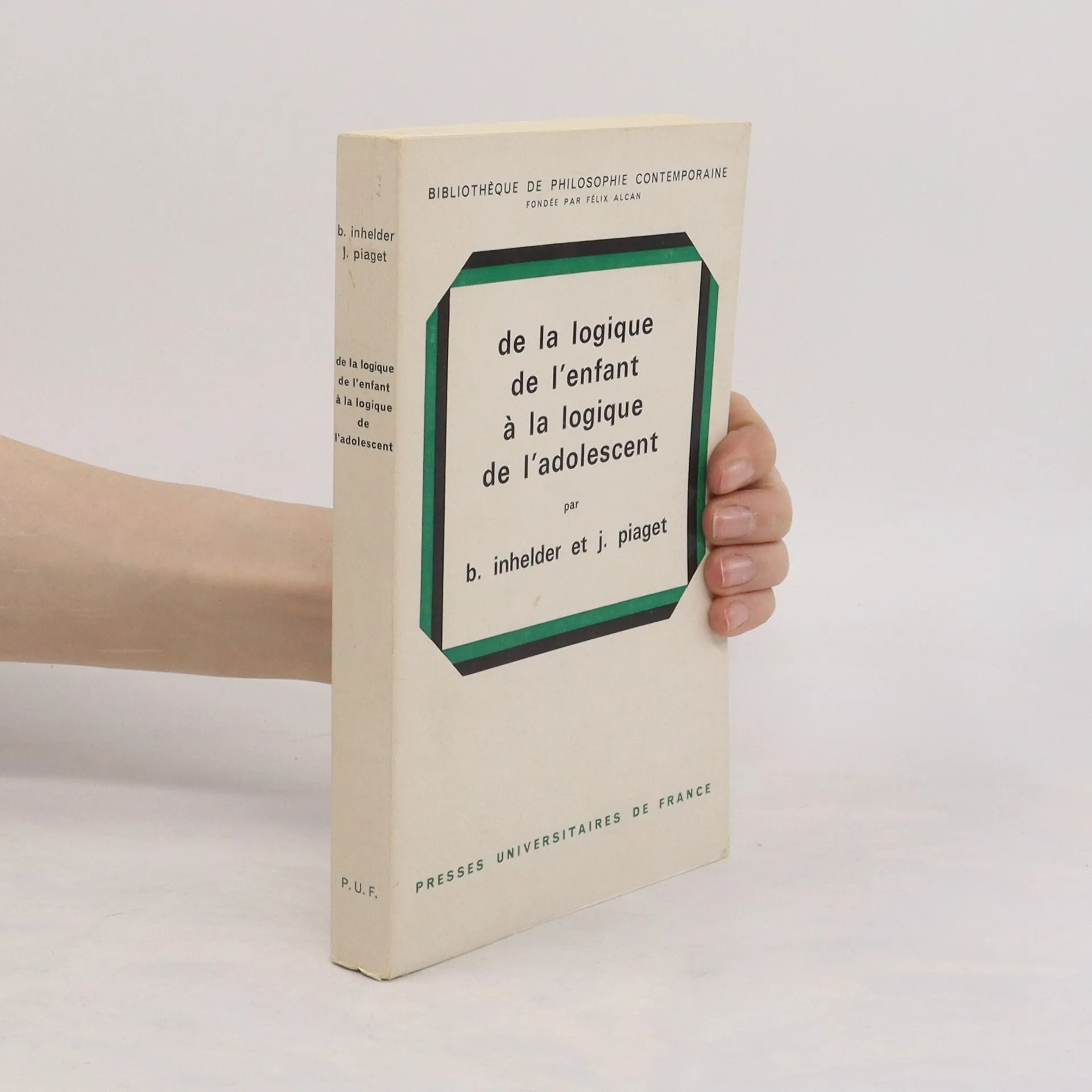
Von der Logik des Kindes zur Logik des Heranwachsenden
- 342 páginas
- 12 horas de lectura
Probleme der Entwicklungspsychologie
- 143 páginas
- 6 horas de lectura
Gedächtnis und Intelligenz
- 503 páginas
- 18 horas de lectura
Die Bildung des Zeitbegriffs beim Kinde
- 396 páginas
- 14 horas de lectura
Biologie und Erkenntnis
- 394 páginas
- 14 horas de lectura
Zeitlebens hat Piaget seine beiden wissenschaftlichen Hauptinteressen - Biologie und Erkenntnistheorie - in fruchtbarer Weise aufeinander bezogen. Eine wirkliche Synthese gelang ihm aber erst mit Biologie und Erkenntnis, das darum zu Recht als eines seiner Hauptwerke gilt. Hier vermochte er erstmals zu zeigen, daß die Genese von Organismen und deren Erkenntnisvermögen in strukturell und funktionell eng verwandter Weise verläuft - auch beim Menschen. Erkenntnis folgt nicht rein 'geistigen' Gesetzen, sondern ist stets verankert in einem biologischen Organismus. Dieser lernt durch tätige Auseinandersetzung mit der Umwelt - und ebenso handlungsorientiert ist daher die Genese von Wissen und Erkenntnis, die es als bloße Abbildung der Wirklichkeit nicht geben kann. Damit setzt Piaget den in der abendländischen Denktradition begründeten Antagonismus von Körper und Geist außer Kraft. Biologie und Erkenntnis ist nicht zuletzt eine Herausforderung an die Philosophie.
Piaget überblickt die klassischen philosophischen Probleme, Metaphysik, Ethik, Logik, Psychologie und Epistemologie, und sieht in dem Versuch, einen Konsensus zustandezubringen, ein Merkmal jeder wissenschaftlichen Erkenntnis. Er glaubt, daß mit Ausnahme der Metaphysik »alle philosophischen Untersuchungen über Probleme, die sich begrenzen lassen, dazu tendieren, sich zu Formen zu differenzieren, die wissenschaftlicher Forschung immer näher kommen - und somit auf einen möglichen Konsensus hin tendieren.«
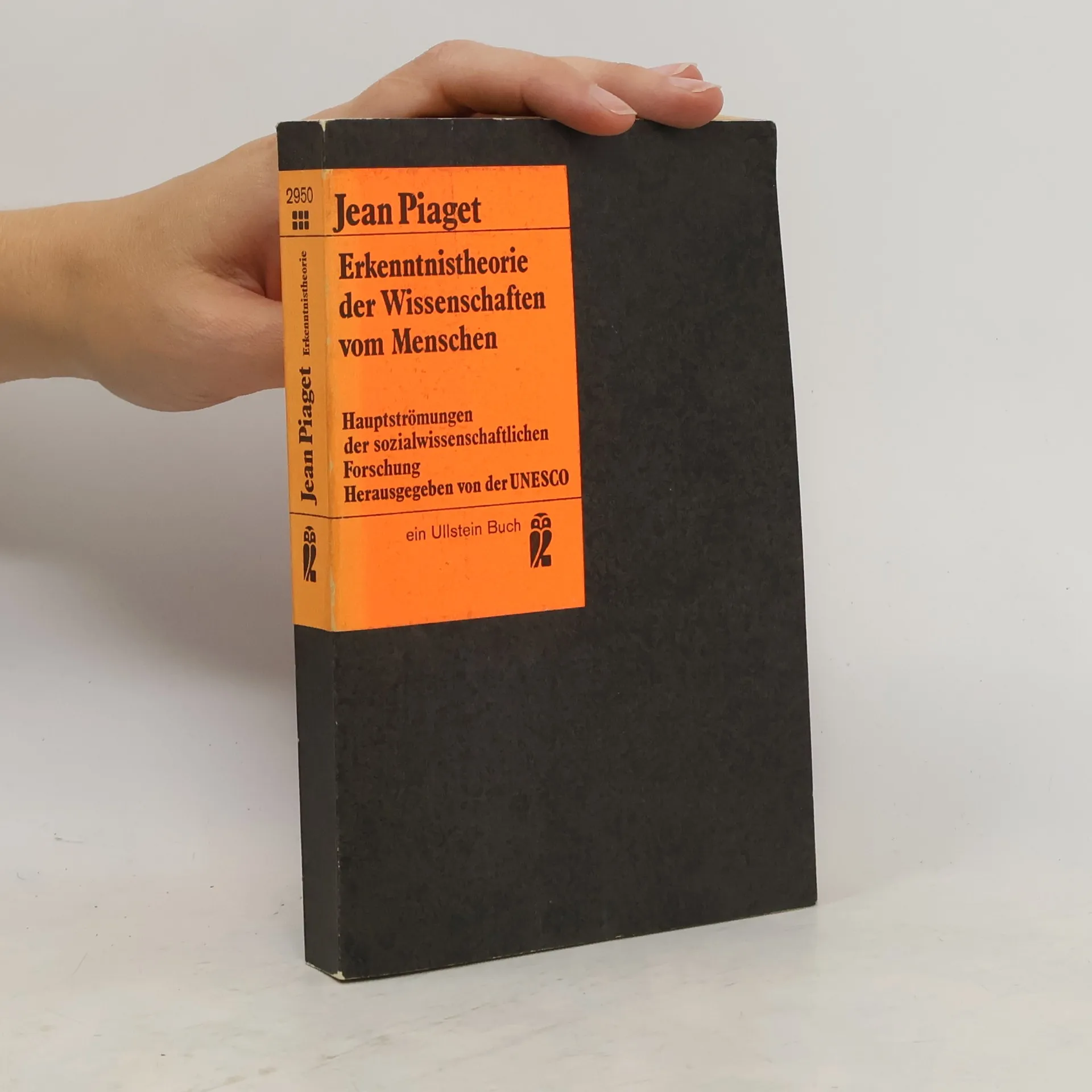
Erkenntnistheorie der Wissenschaften vom Menschen
- 303 páginas
- 11 horas de lectura
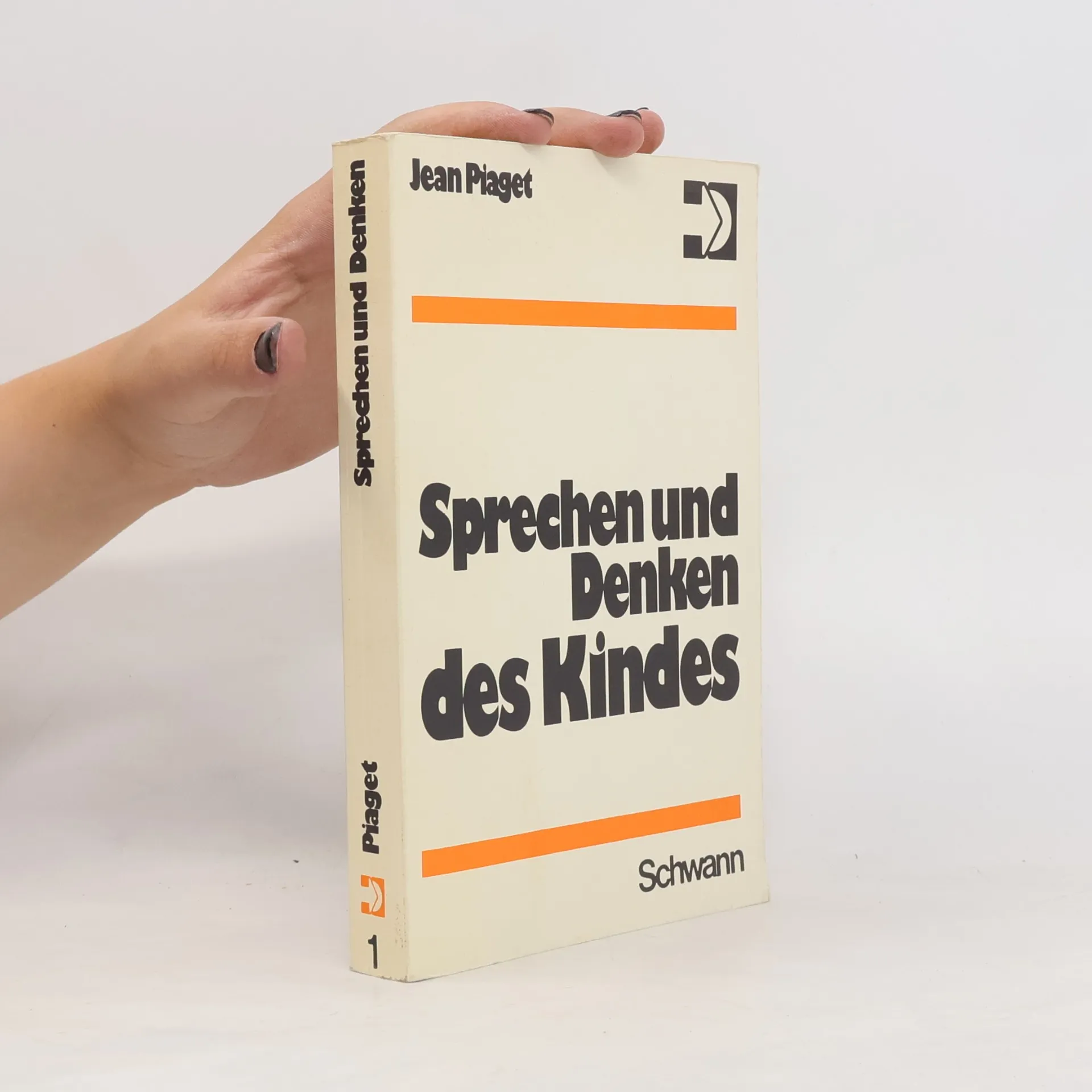
Sprechen und Denken des Kindes
- 263 páginas
- 10 horas de lectura
263 S. 4. A.
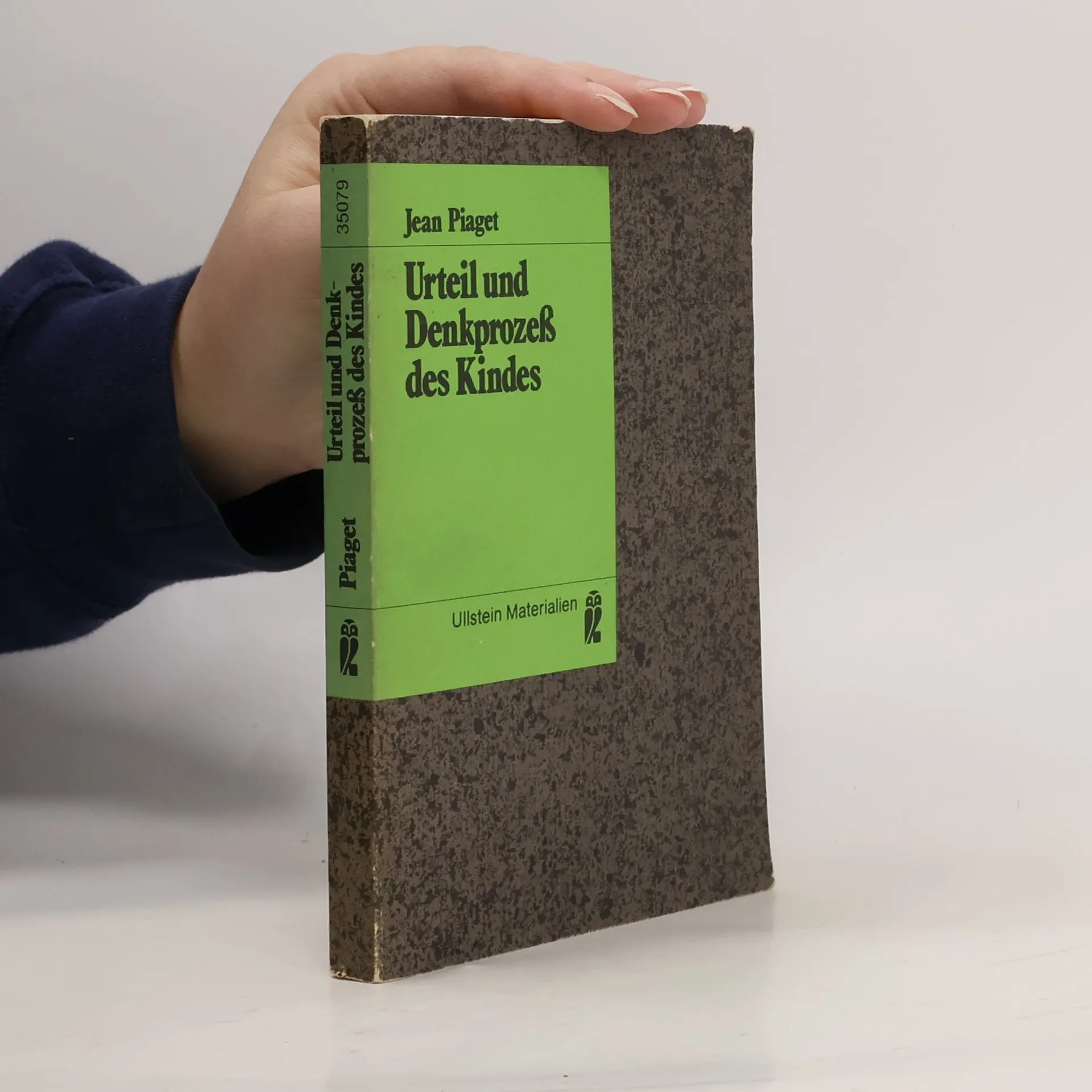
Urteil und Denkprozess des Kindes
- 253 páginas
- 9 horas de lectura
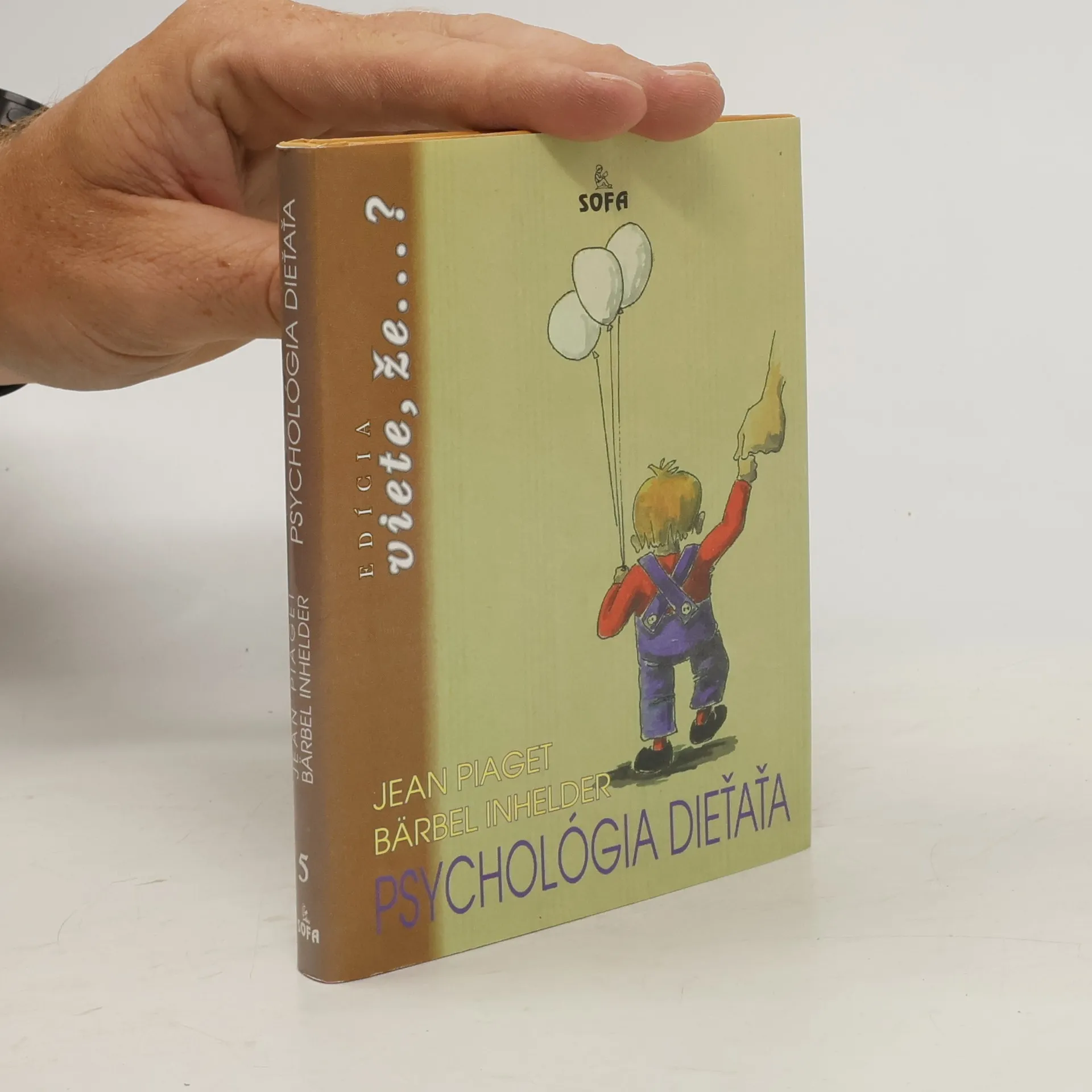
Psychológia dieťata
- 141 páginas
- 5 horas de lectura
Jean Piaget, Werk und Wirkung
- 246 páginas
- 9 horas de lectura
Biologische Anpassung und Psychologie der Intelligenz
- 118 páginas
- 5 horas de lectura
Piaget zeigt, wie die organische Selektion und die Bildung von Phänokopien - also die genetische Fixierung neuer Eigenschaften - zusammenhängen. Die evolutiven Transformationen sind nicht zu trennen von exploratorischen Verhaltensweisen. Der Organismus erobert, indem er neue Variationen hervorbringt, neue Sektoren der Umwelt. Auf der biologischen Ebene entdeckt Piaget also die Modelle wieder, welche die kognitive Entwicklung bestimmen. Die Rolle des Zufalls wird auf ein bescheidenes Maß zurückgeführt, „denn es ist gerade das Besondere dieser Kardinalfunktion des Lebens, welche die Assimilation ist, dass sie sich dem Zufälligen entgegenstemmt, um es benützen zu können„. Dieses im Original 1974 erschienene Buch setzt fort, was Piaget im dritten Band von „Biologie und Erkenntnis“ ausgeführt hatte, es ist aber gleichzeitig eine Antwort auf Monods Thesen in „Zufall und Notwendigkeit".
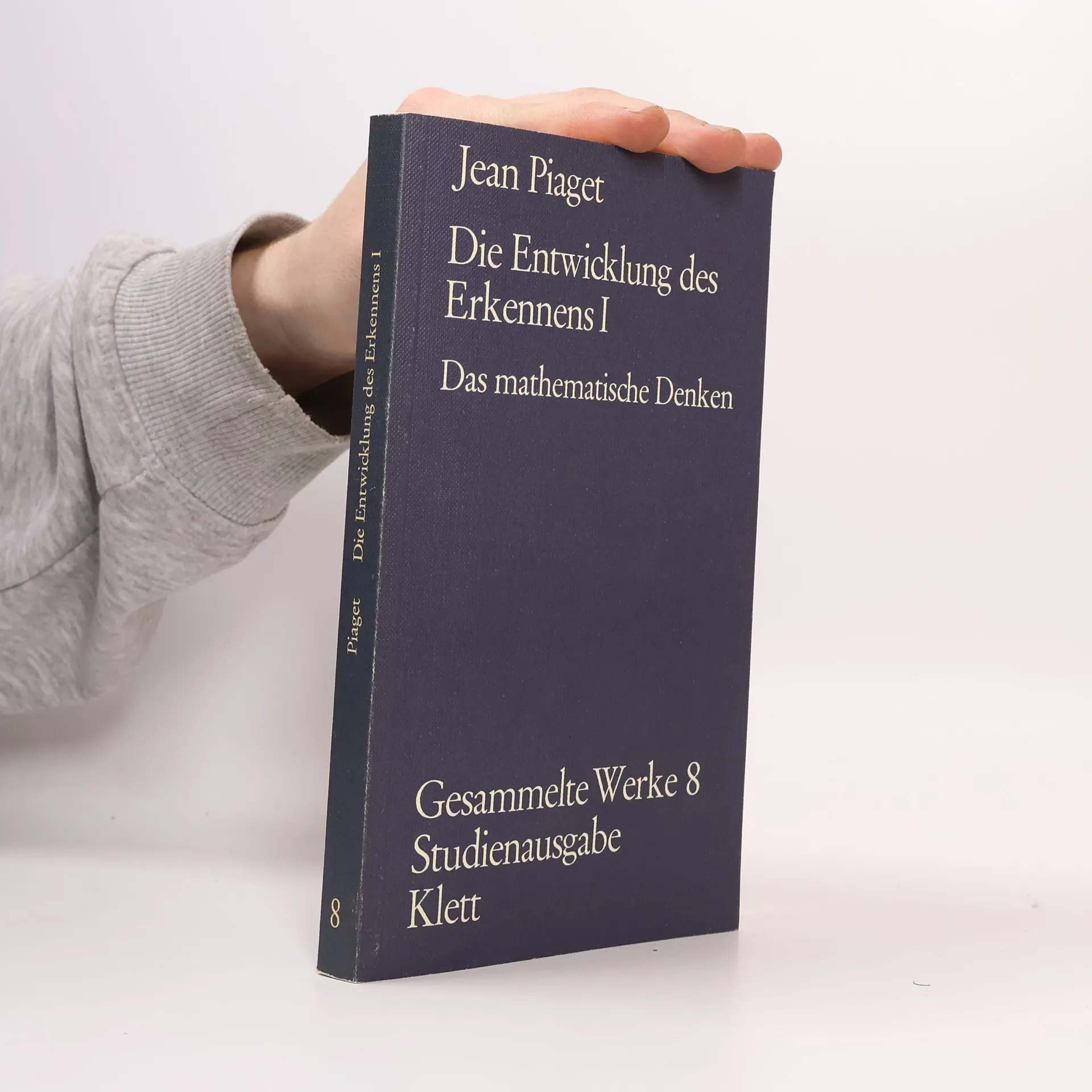
Die Entwicklung des Erkennens I - Das mathematische Denken
- 343 páginas
- 13 horas de lectura
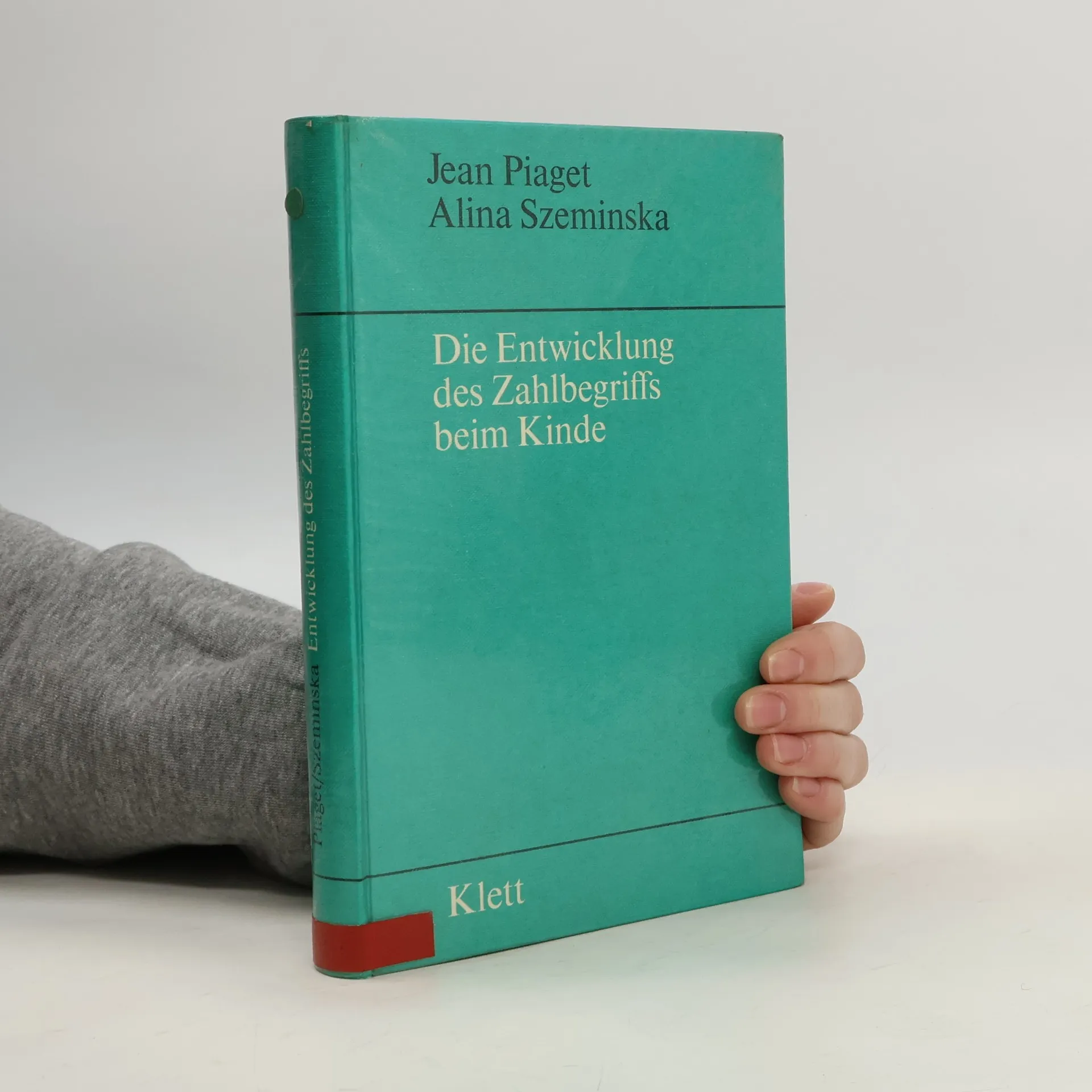
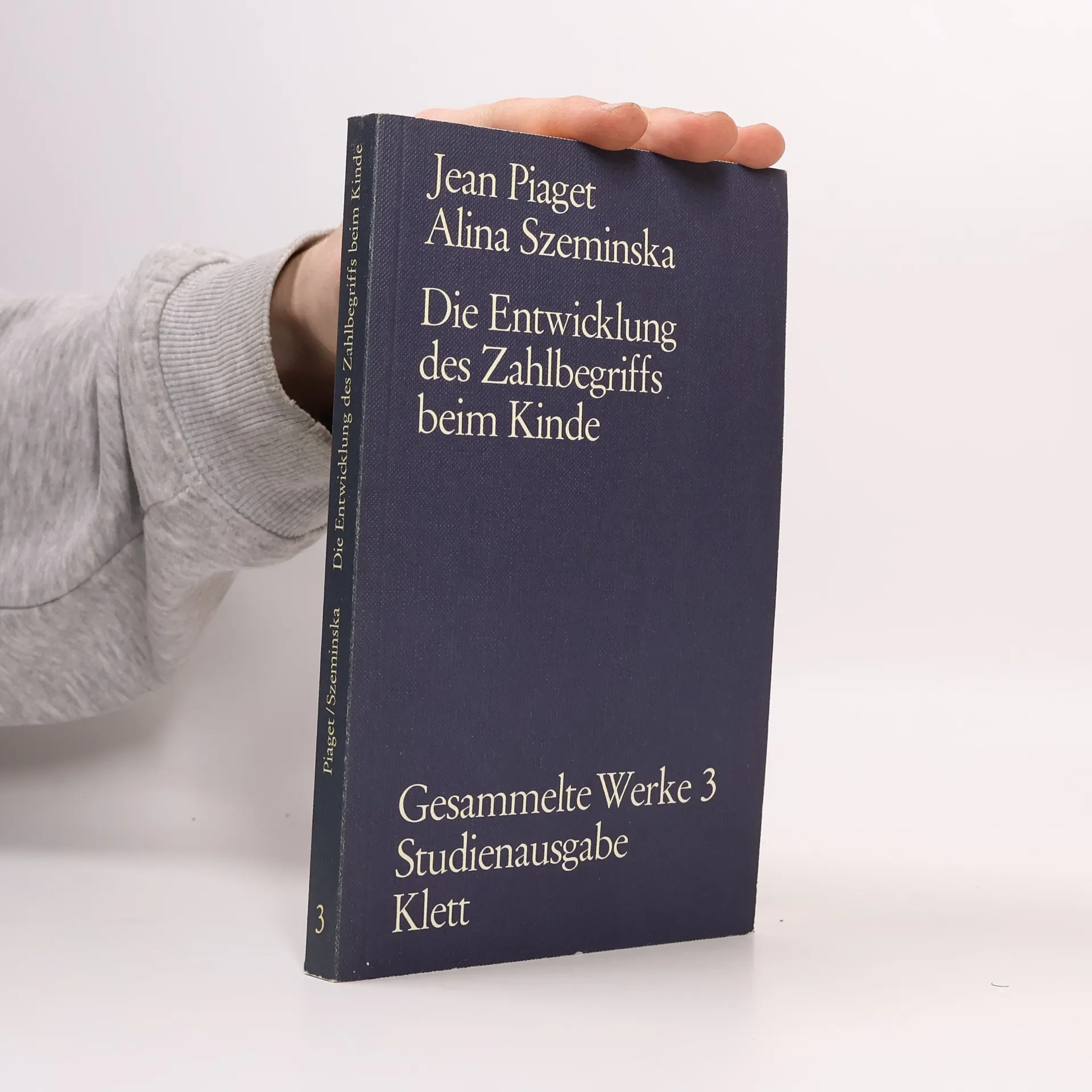
Die Entwicklung des Zahlbegriffs beim Kinde
Gesammelte Werke 3. Studienausgabe
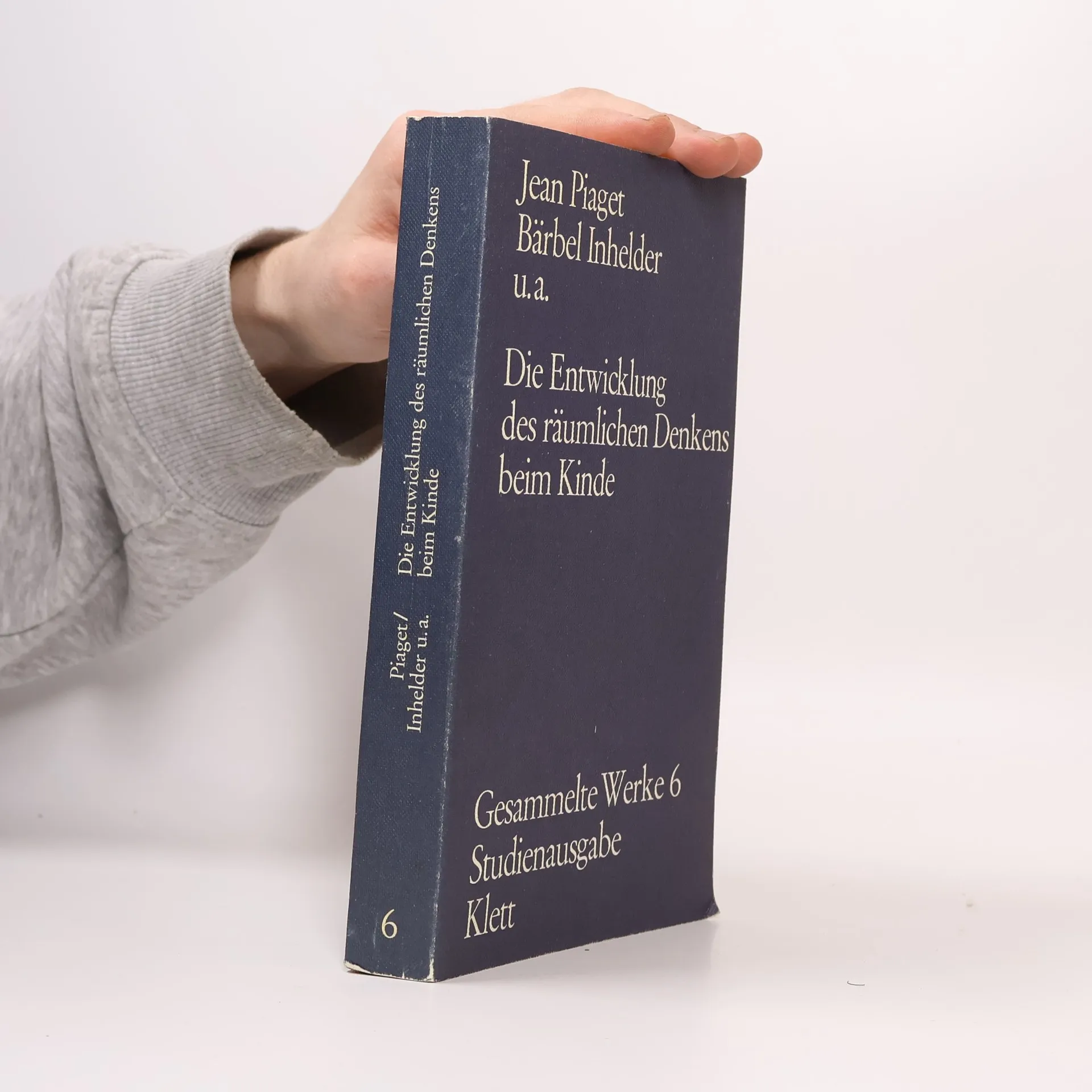
Jean Piaget, Gesammelte Werke, Studienausgabe - 6: Die Entwicklung des räumlichen Denkens beim Kinde
- 565 páginas
- 20 horas de lectura
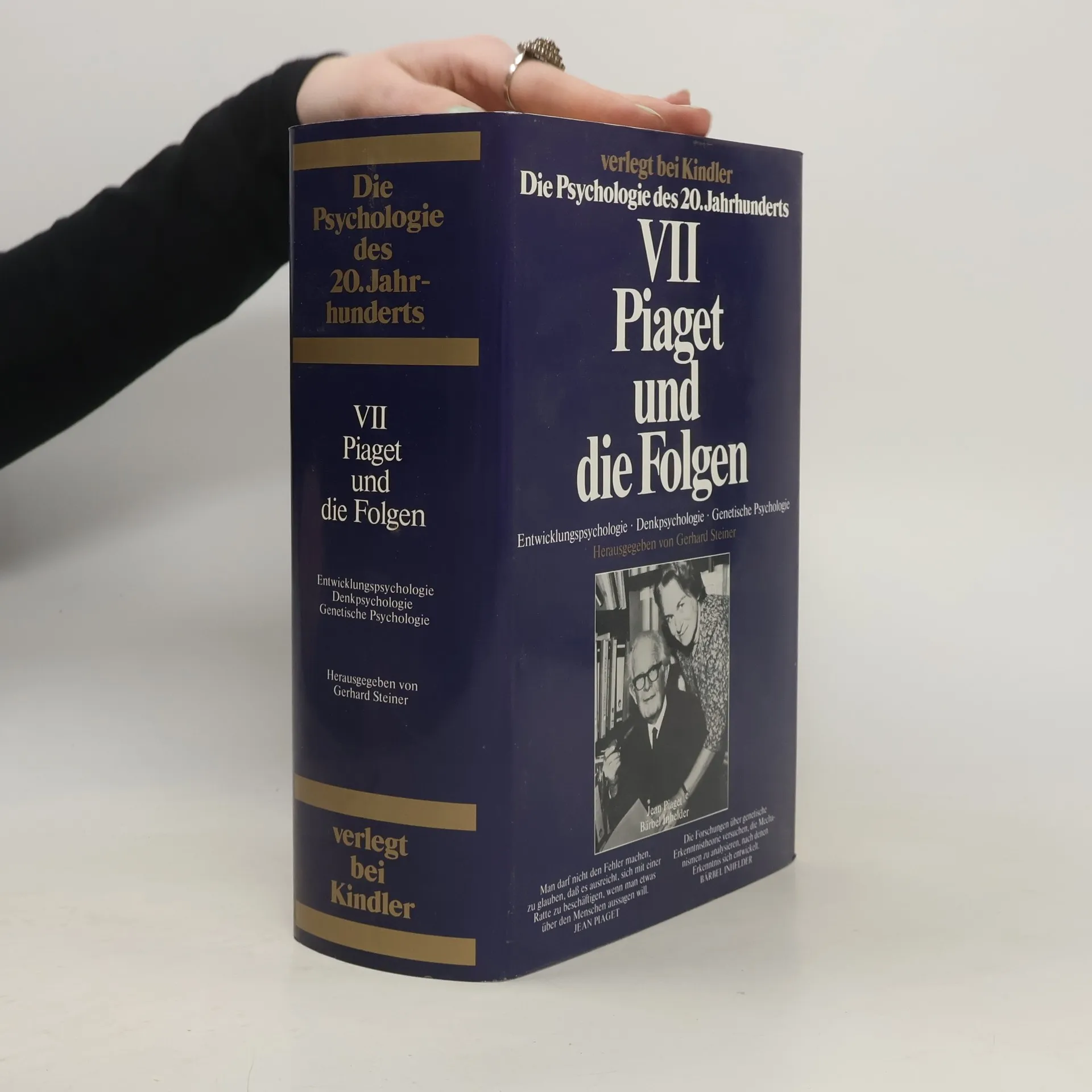
Die Psychologie des 20. Jahrhunderts - 7: Piaget und die Folgen
- 1201 páginas
- 43 horas de lectura
Die Entwicklung des räumlichen Denkens beim Kinde
- 570 páginas
- 20 horas de lectura
Drei frühe Schriften zur Psychoanalyse
mit dem französischen Originaltext
- 208 páginas
- 8 horas de lectura
Die Entwicklung des Erkennens - 1: Entwicklung des Erkennens
- 343 páginas
- 13 horas de lectura
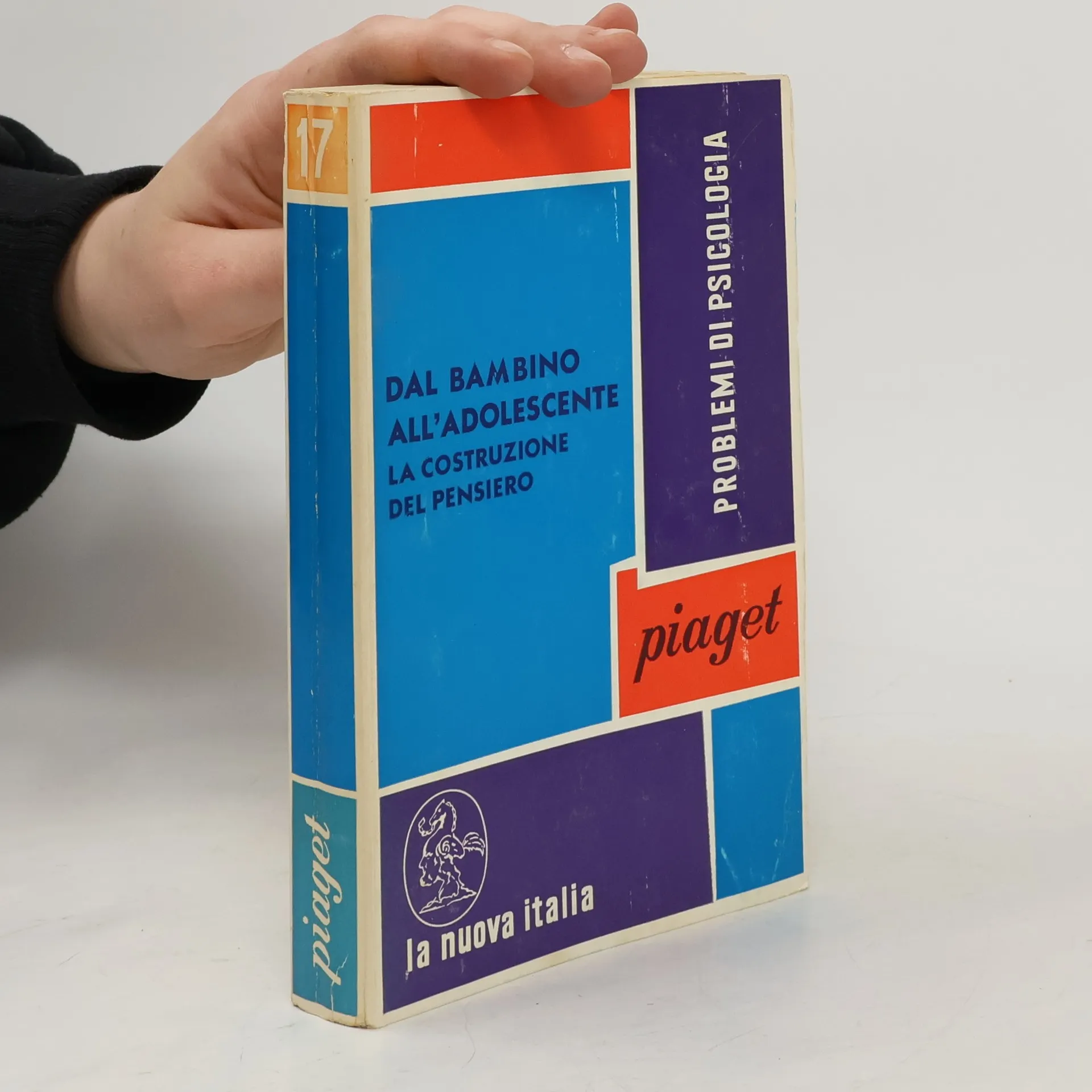
Problemi di psicologia - 17: Dal bambino all'adolescente
La costruzione del pensiero
- 354 páginas
- 13 horas de lectura