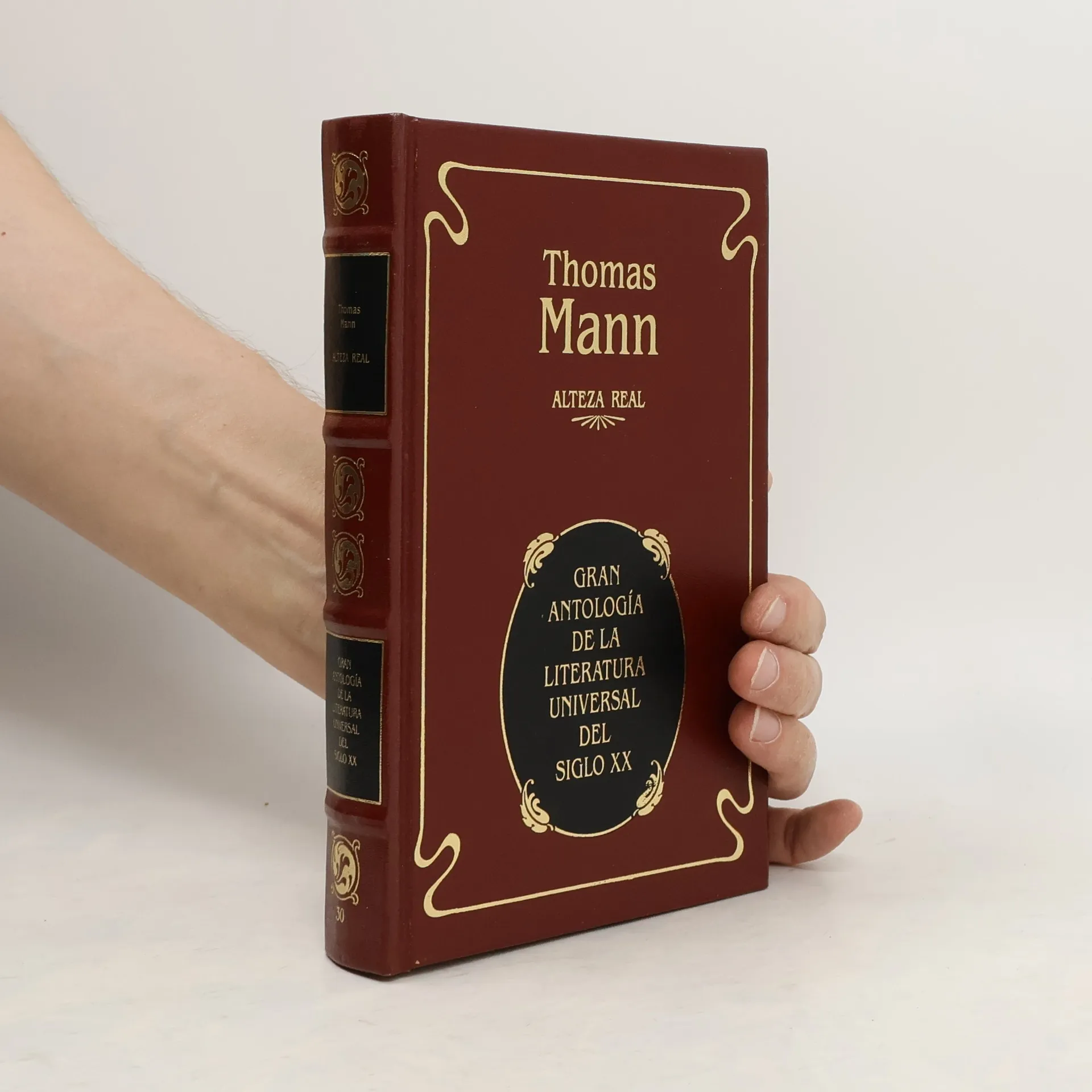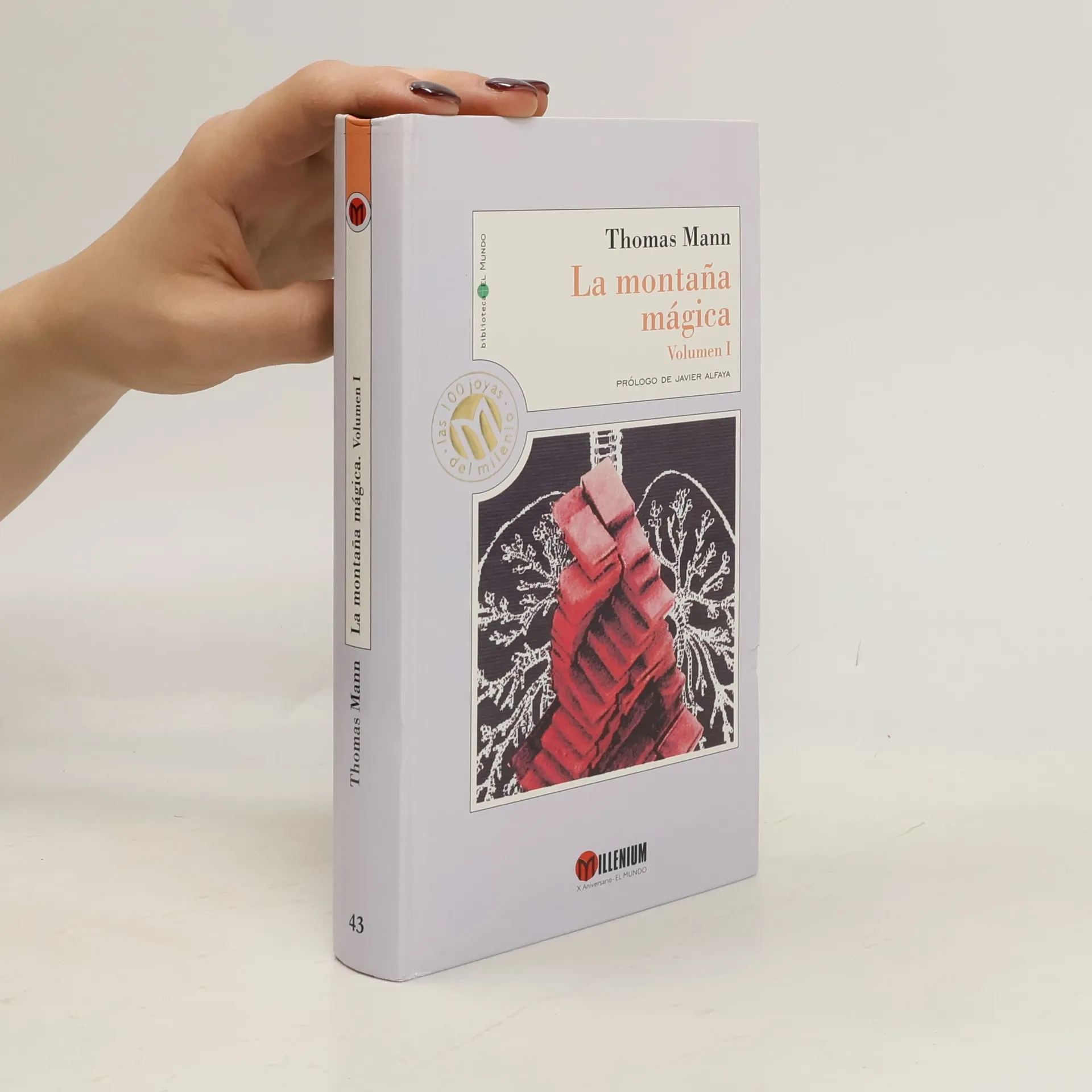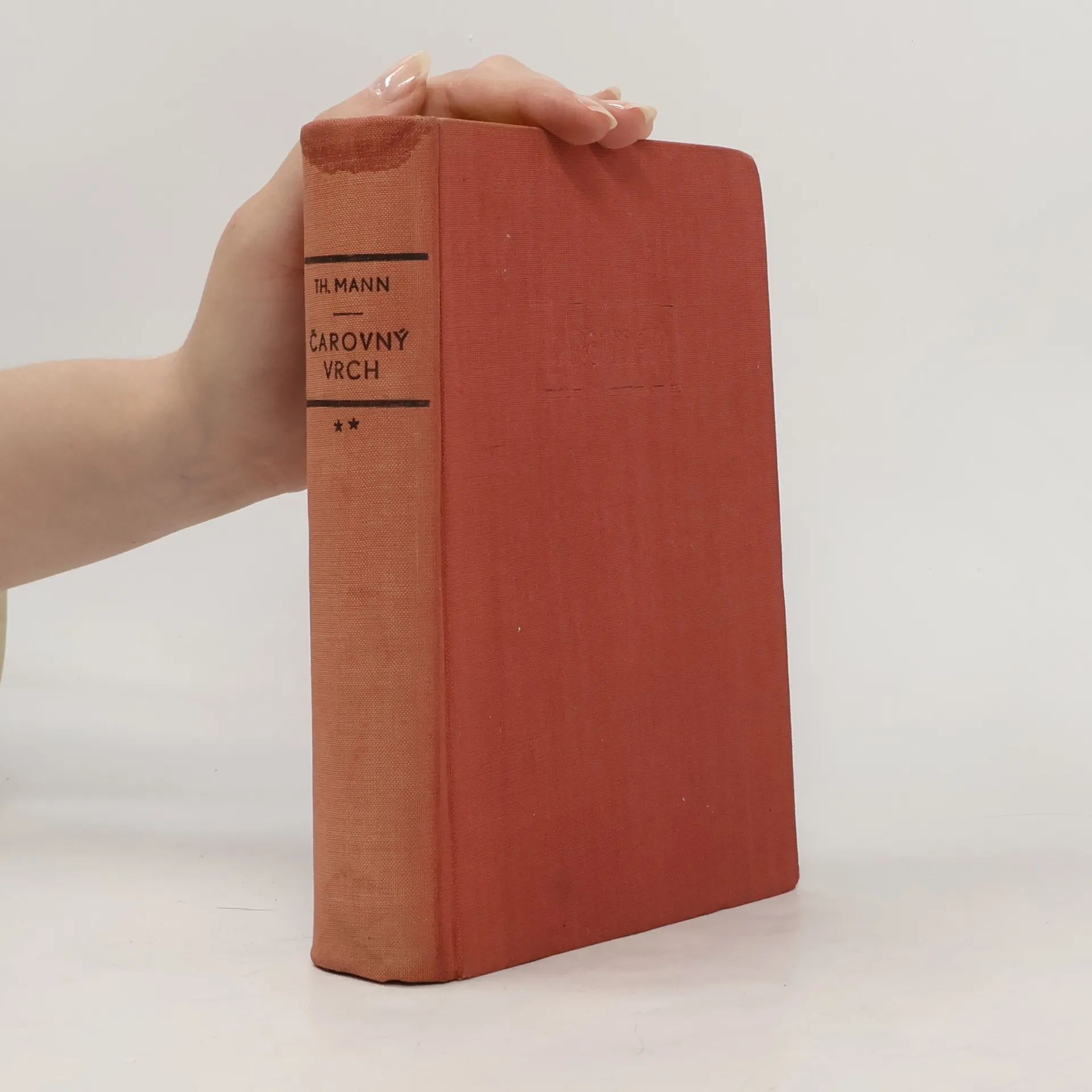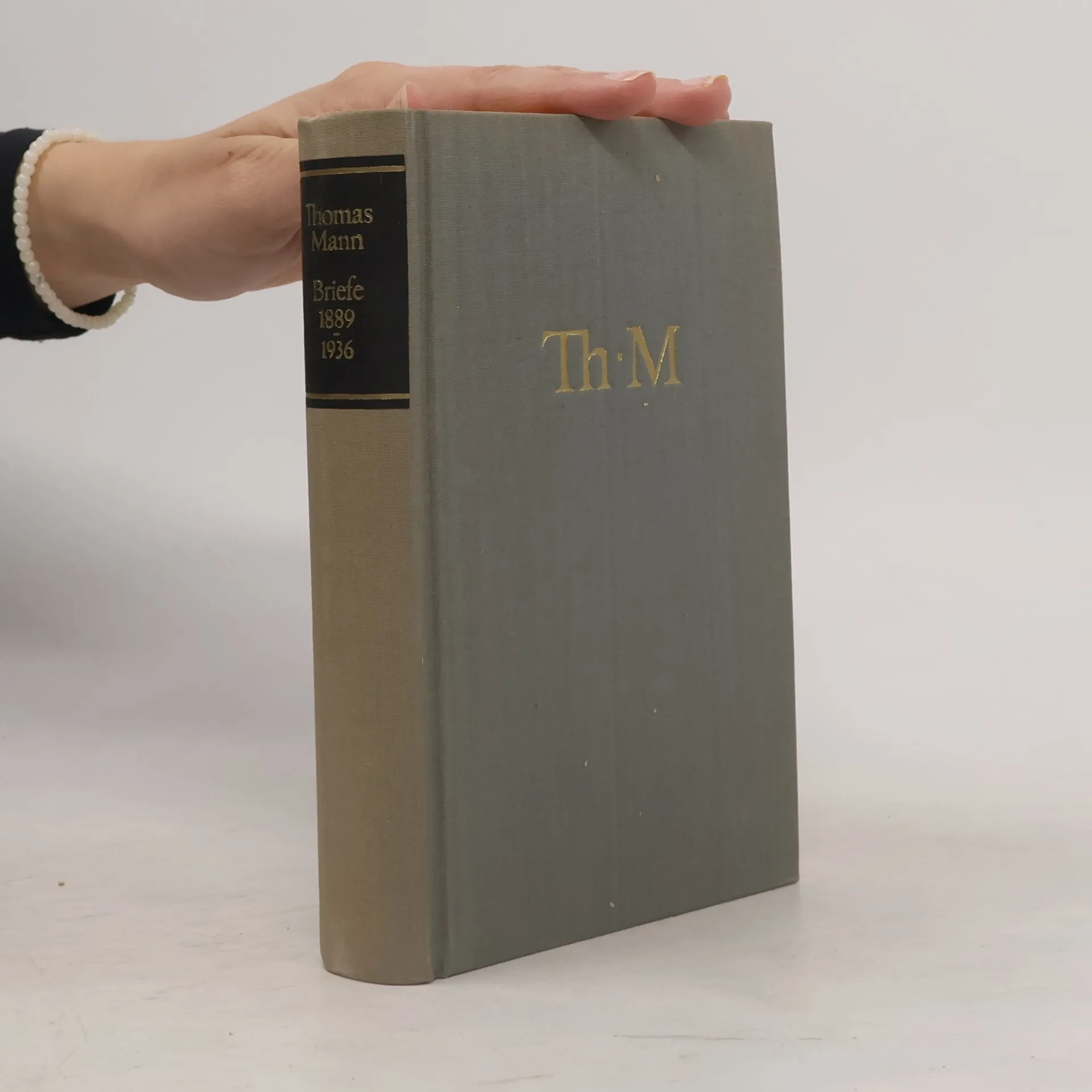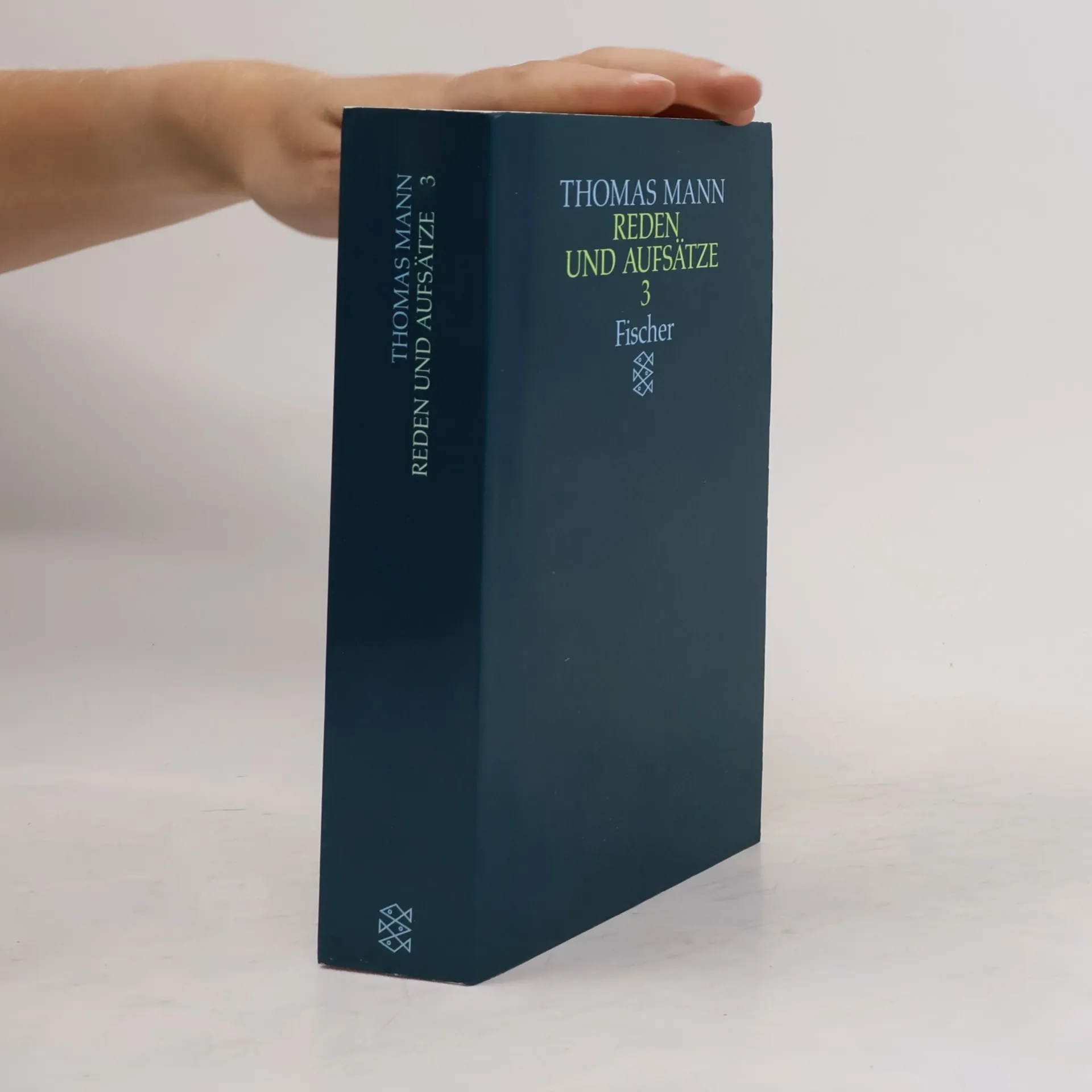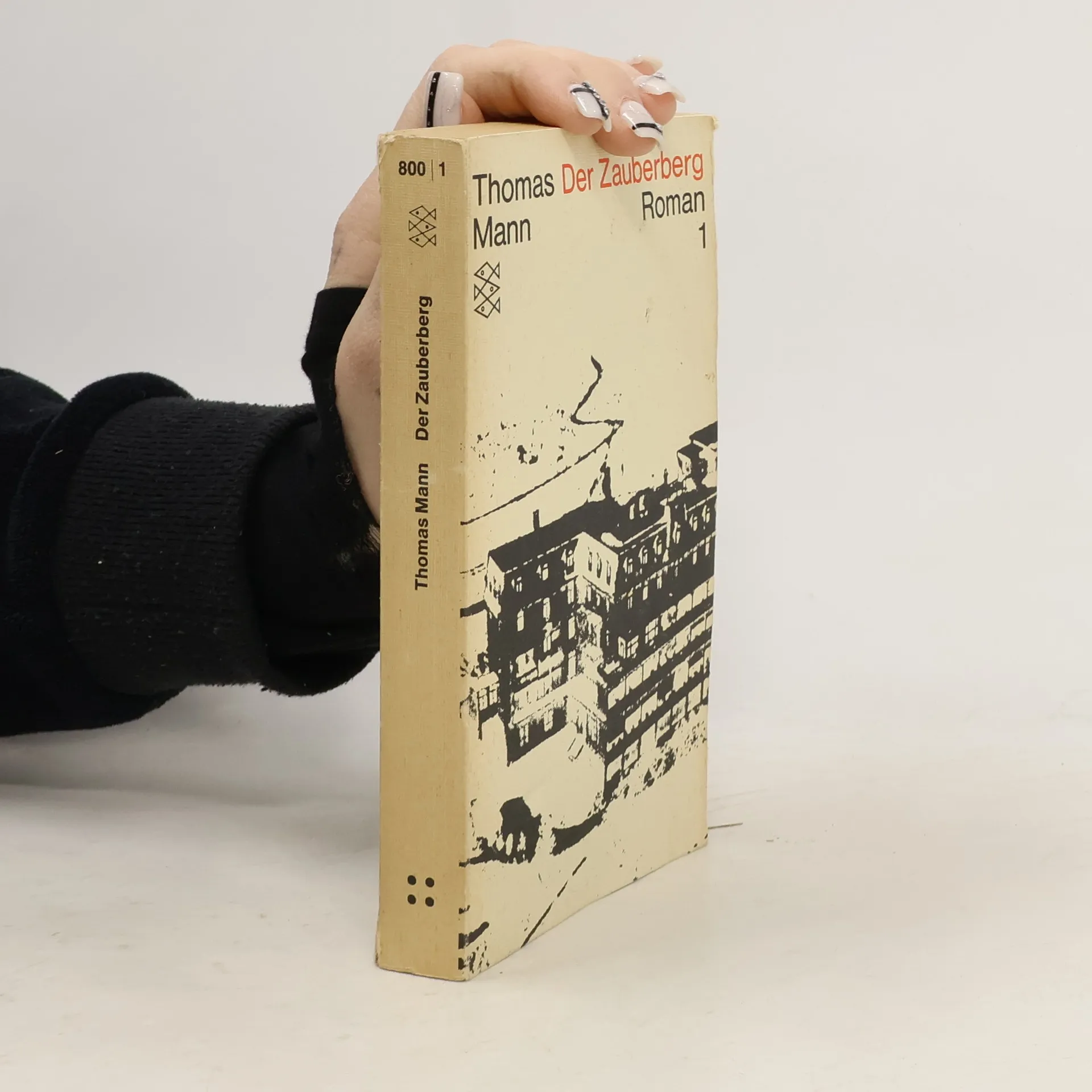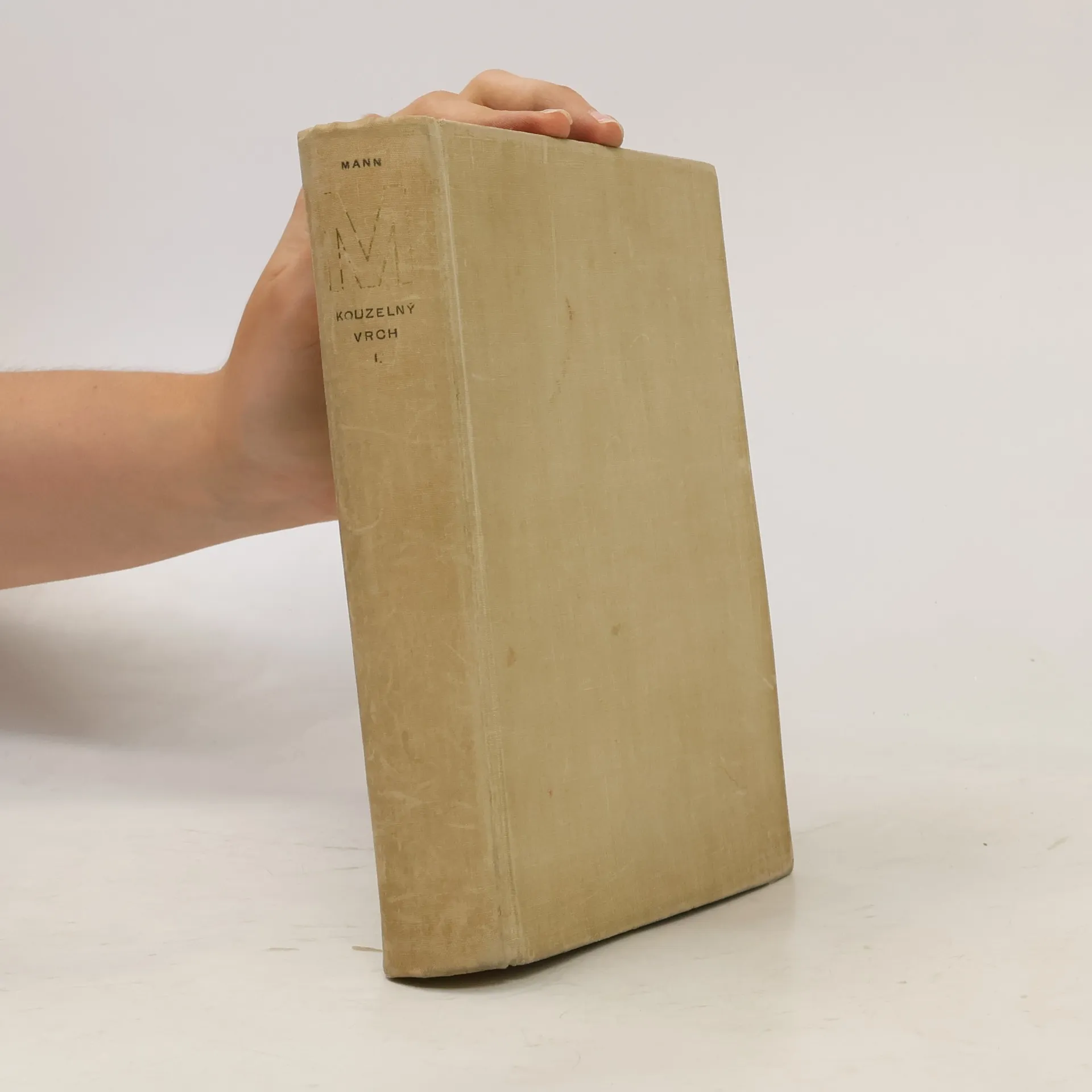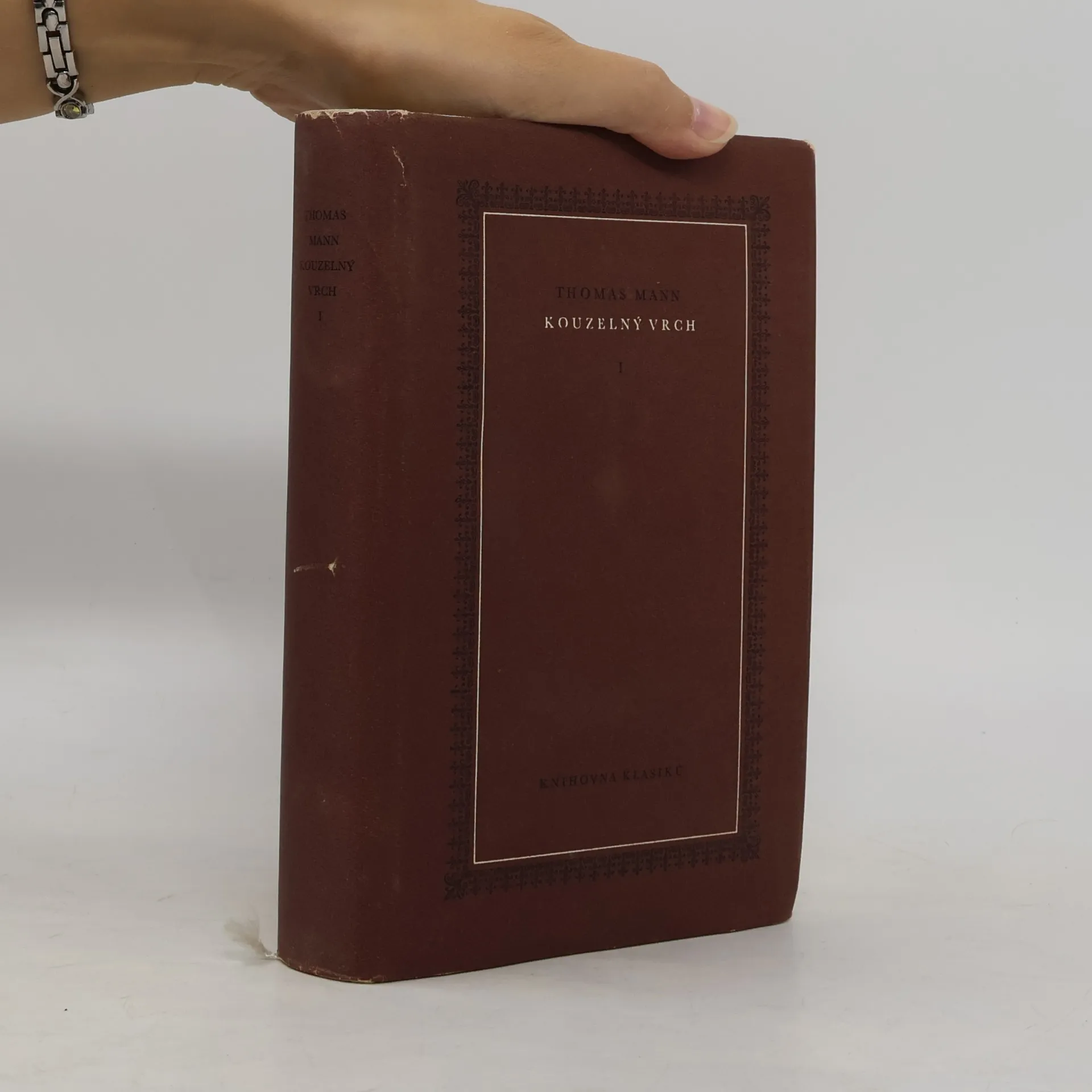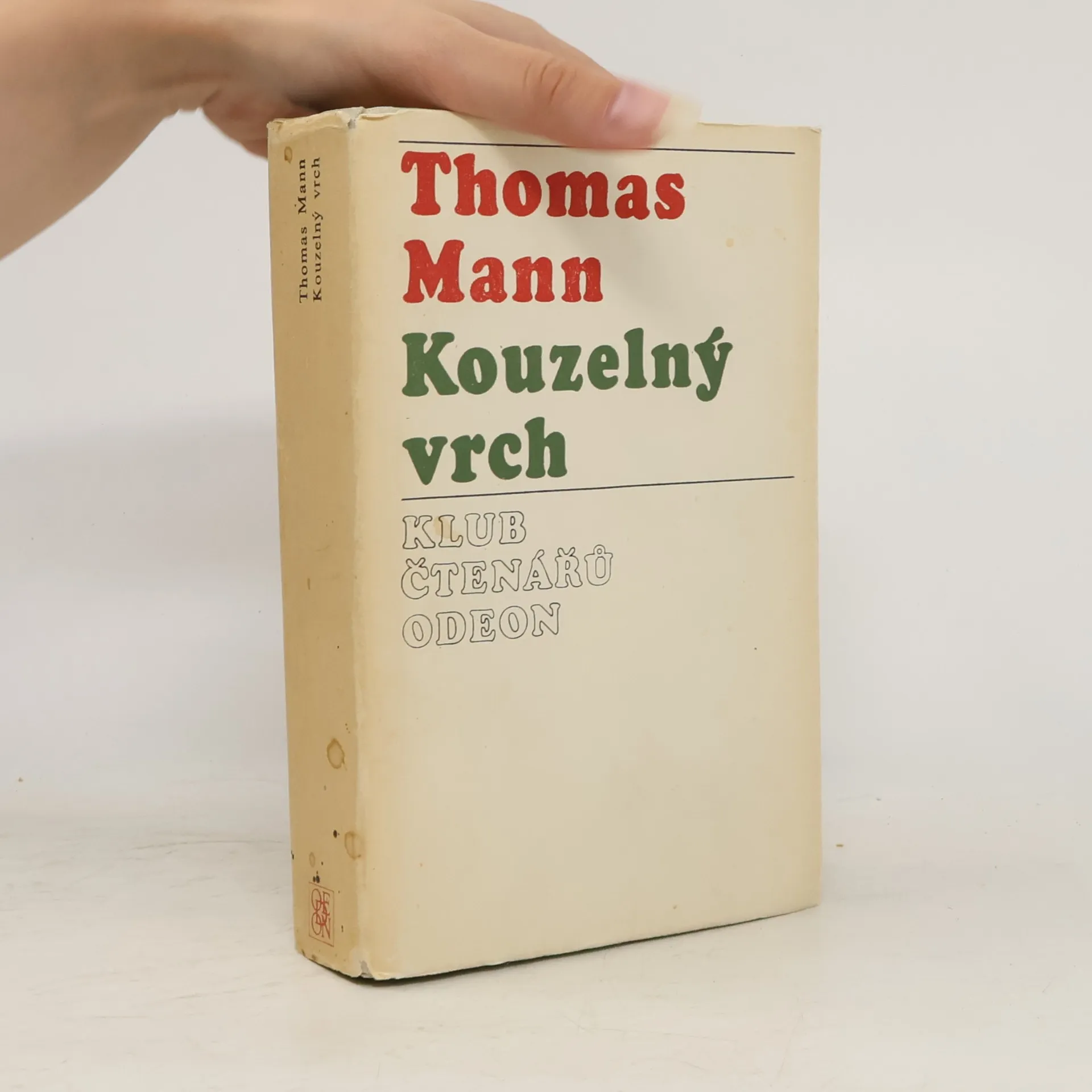
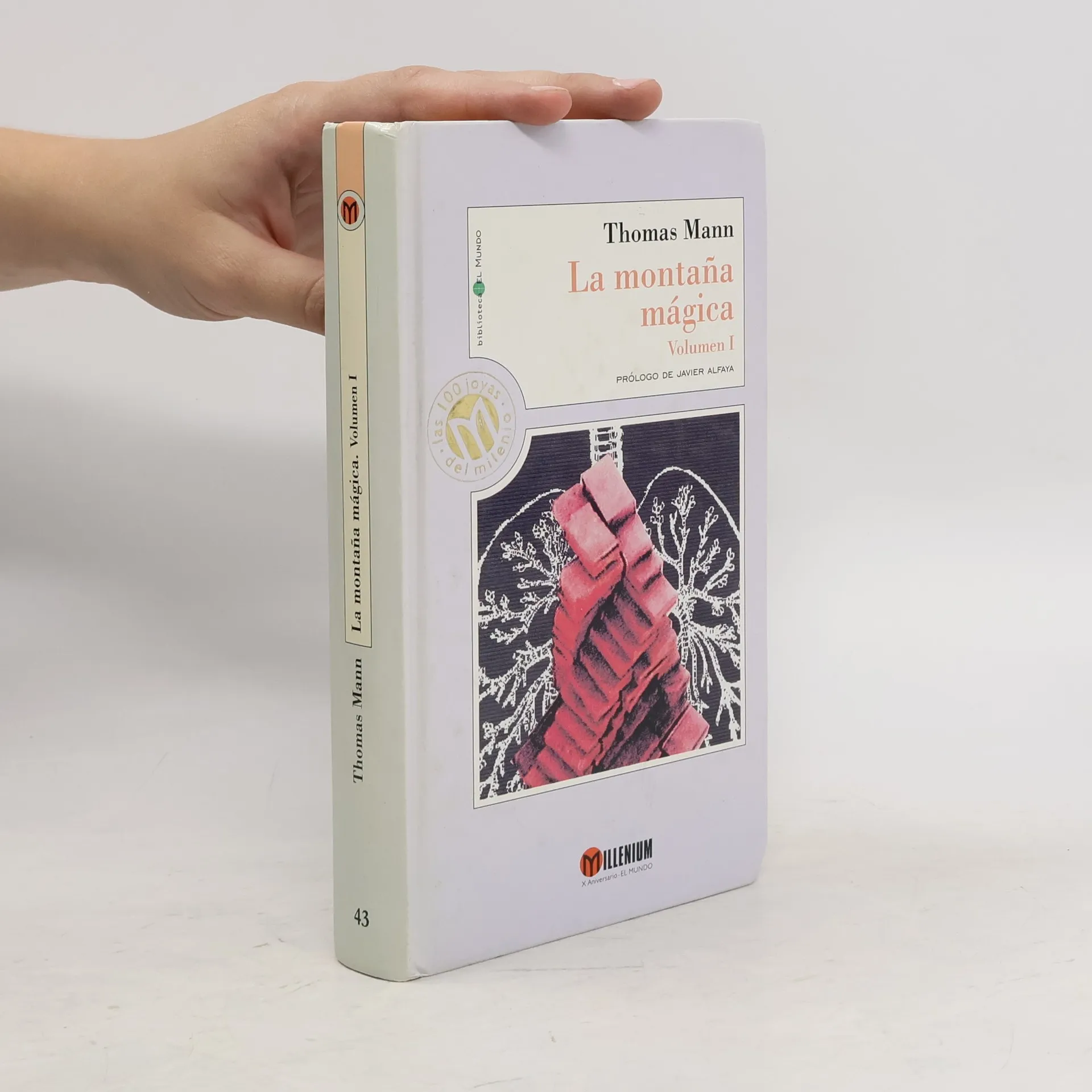
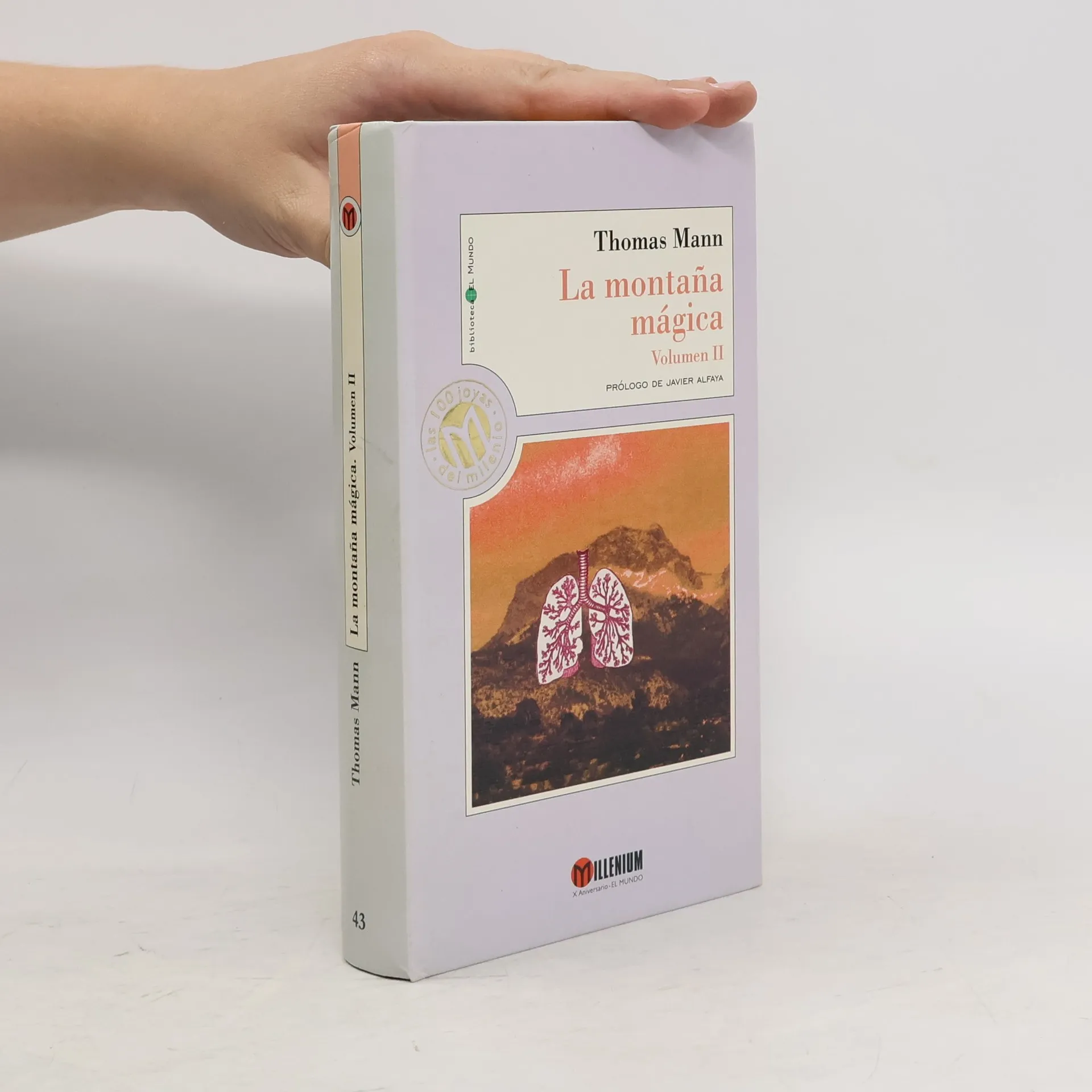
Esta es la historia de Hans Castorp, un joven y modesto ingeniero que llega a un sanatorio ubicado en los Alpes suizos para visitar a su primo. La estancia que preveía corta se dilata en el tiempo y acaba formando parte de esta nueva forma de vida en la que se relativiza el transcurso del tiempo. Sentado en el balcón del sanatorio y envuelto en una manta, Hans reflexiona acerca de la vida, la muerte y el amor. El resultado es una de las grandes obras maestras de la literatura universal, que ofrece un retrato de la Europa de principios del siglo XX al mismo tiempo que hace una profunda reflexión acerca de la condición humana.
Thomas Mann Libros


La Montaña Mágica / The Magic Mountain
- 1046 páginas
- 37 horas de lectura
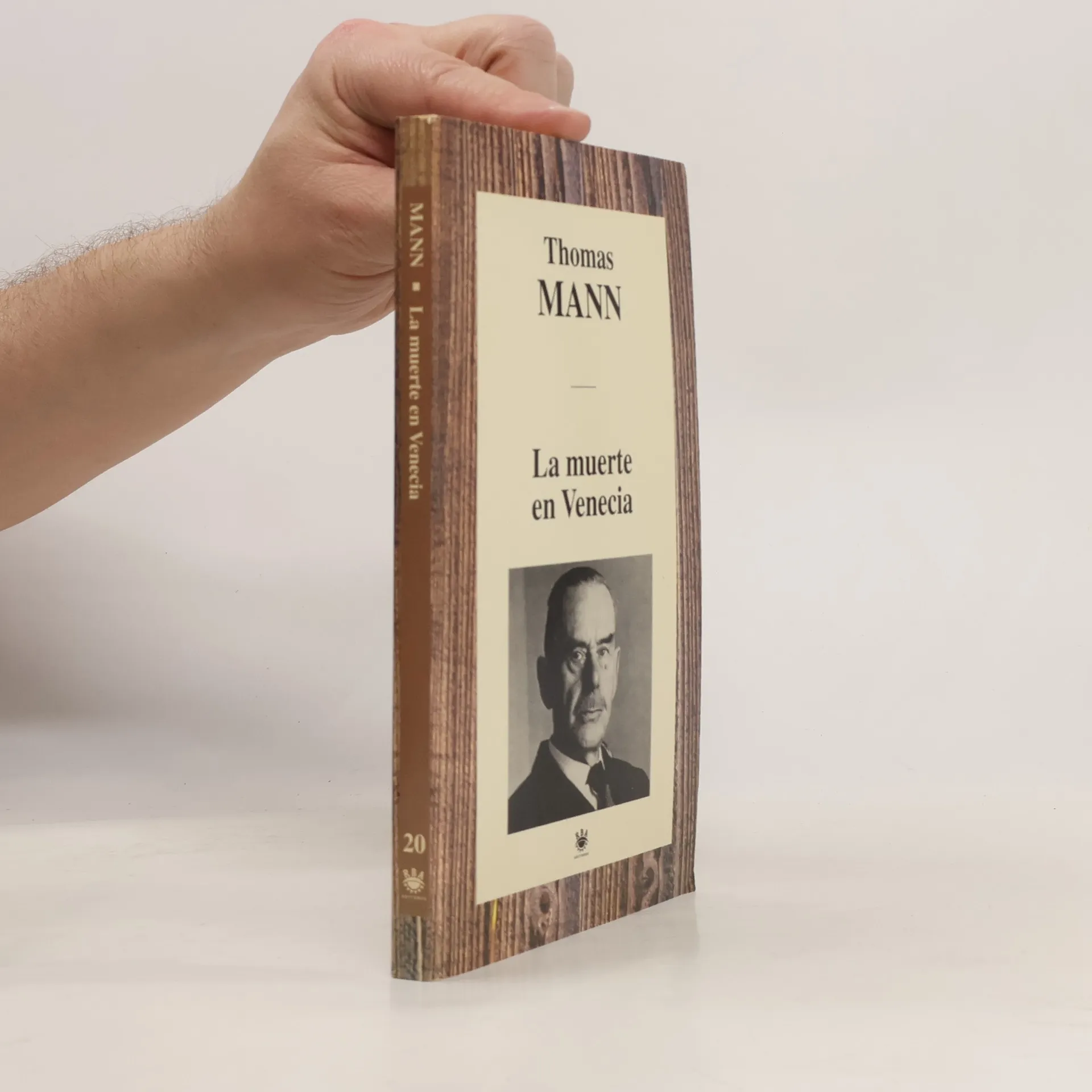
Gustav Aschenbach, «arroyo de cenizas» en alemán, es un escritor maduro que goza de reconocimiento. Llega a Venecia en busca de inspiración, pero también de llenar sus días con reflexiones estéticas en un entorno idílico. En el hotel coincide con Tadzio, un joven de polaco que se encuentra de vacaciones con su familia. El muchacho se convierte en objeto de deseo y adoración; un amor ideal e imposible basado en la contemplación estética y que llevará a Aschenbach a renunciar a todo, incluso a sí mismo. «Hay, entre los resquicios de esa historia, un abismo que ella deja entrever y que inmediatamente identificamos en nosotros mismos.»
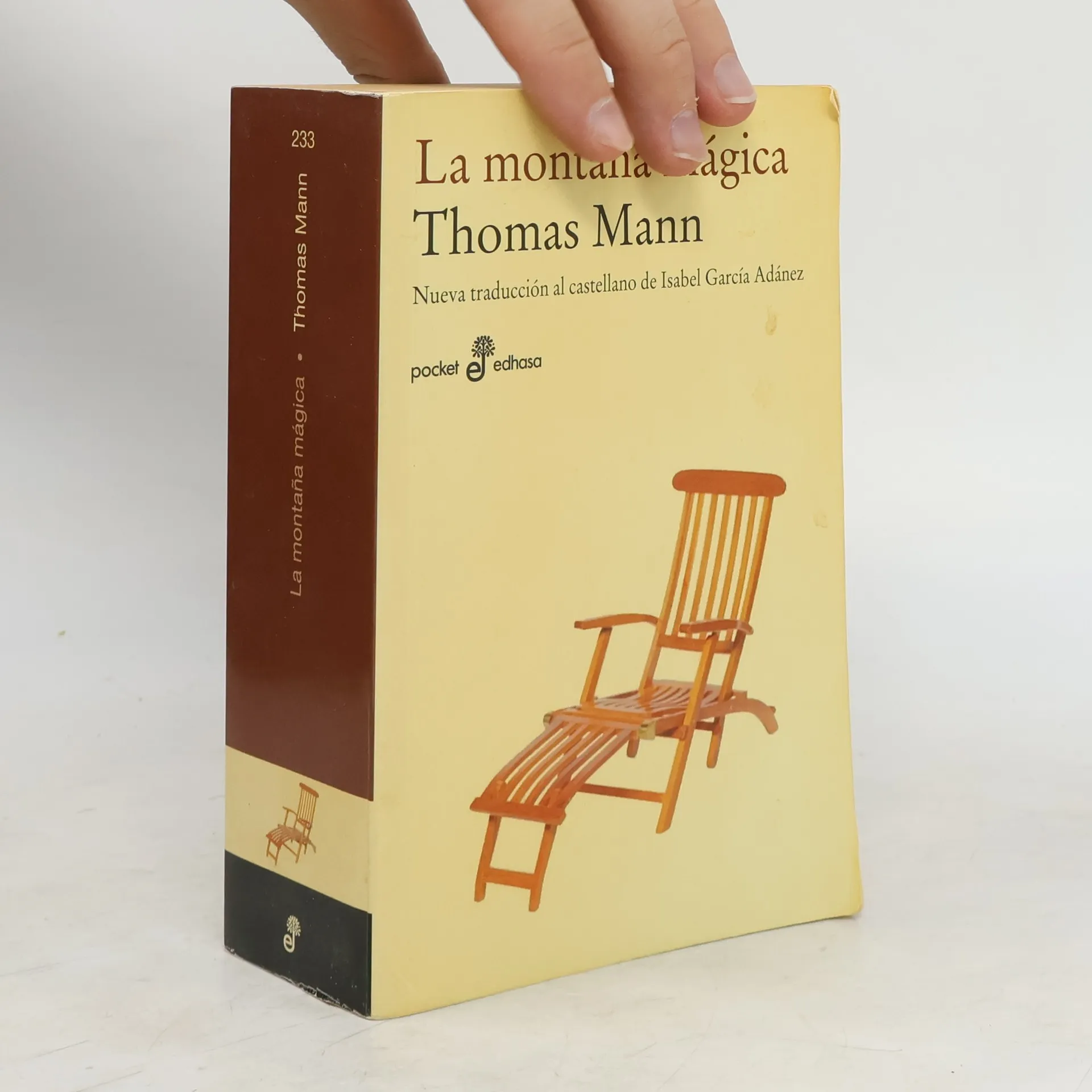
Pocket - 233: La montaña mágica
Nueva traducción al castellano de Isabel García Adánez
- 1050 páginas
- 37 horas de lectura
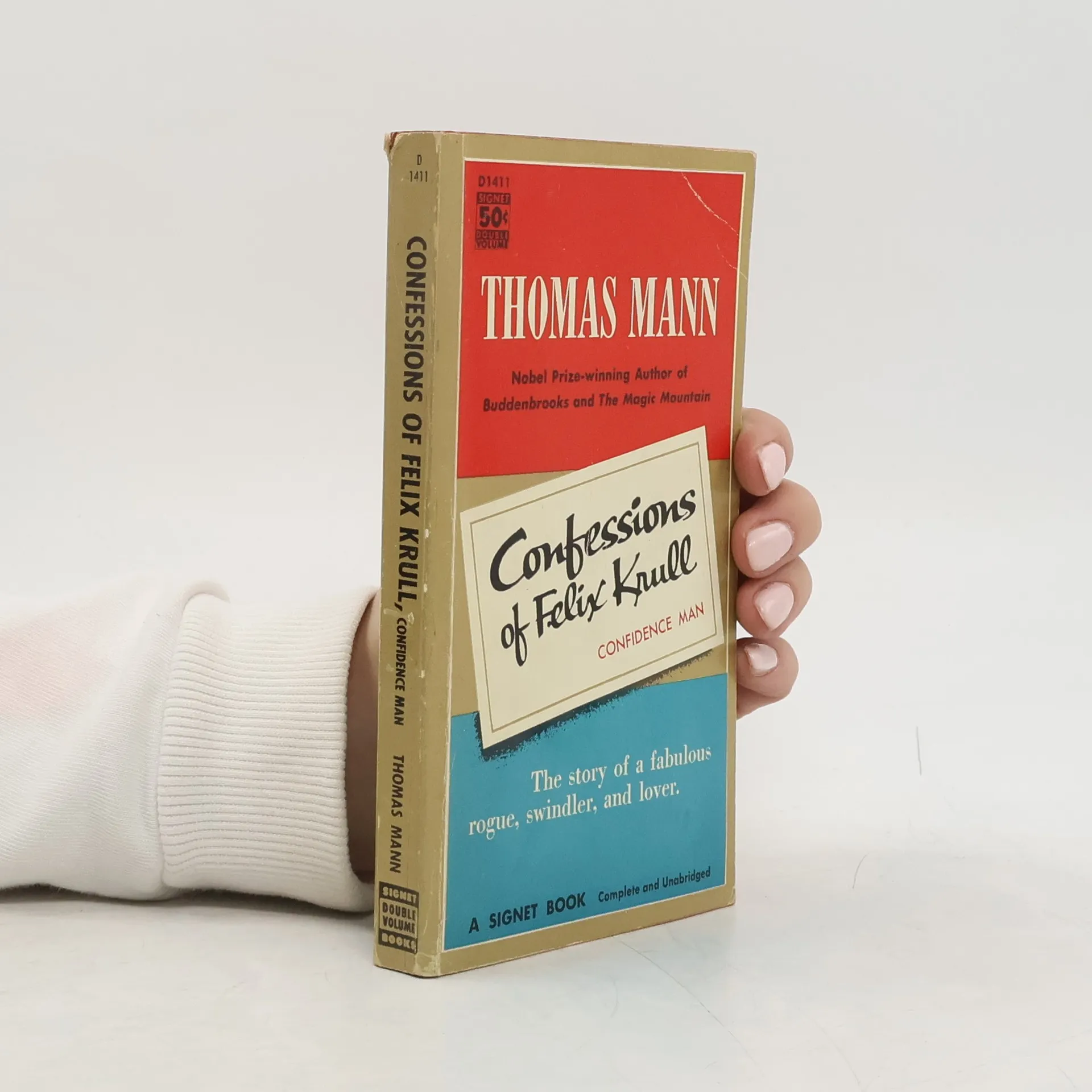
El protagonista, Hans Castorp, un joven de 22 años de familia adinerada y estudiante de ingeniería, visita a su primo en un hospital de tuberculosos en Davos. Lo que inicialmente iba a ser una estancia de tres semanas se convierte en siete años. Pronto se da cuenta de que la lógica del hospital, situado a 1530 m de altitud, es muy diferente a la del mundo de los sanos. Este lugar, marcado por la enfermedad y la muerte, así como por la ociosidad y la seducción, transforma profundamente a Hans. La historia también refleja la situación social e intelectual de Europa, capturando los eventos filosóficos, sociales y políticos que precedieron a la Primera Guerra Mundial. Edhasa conmemora el 50° aniversario de la muerte del premio Nobel de Literatura Thomas Mann con una nueva traducción al castellano de su obra más emblemática, que reemplaza la única versión disponible en el mundo hispanohablante desde 1934, la cual omitía pasajes significativos. Esta nueva traducción, realizada por la doctora en Filología Isabel García Adánez, catedrática en la Universidad de Alcalá de Henares, no solo recupera el texto completo, sino que también refleja con mayor precisión el estilo de Mann en esta epopeya espiritual que culmina con el estallido de la Primera Guerra Mundial.
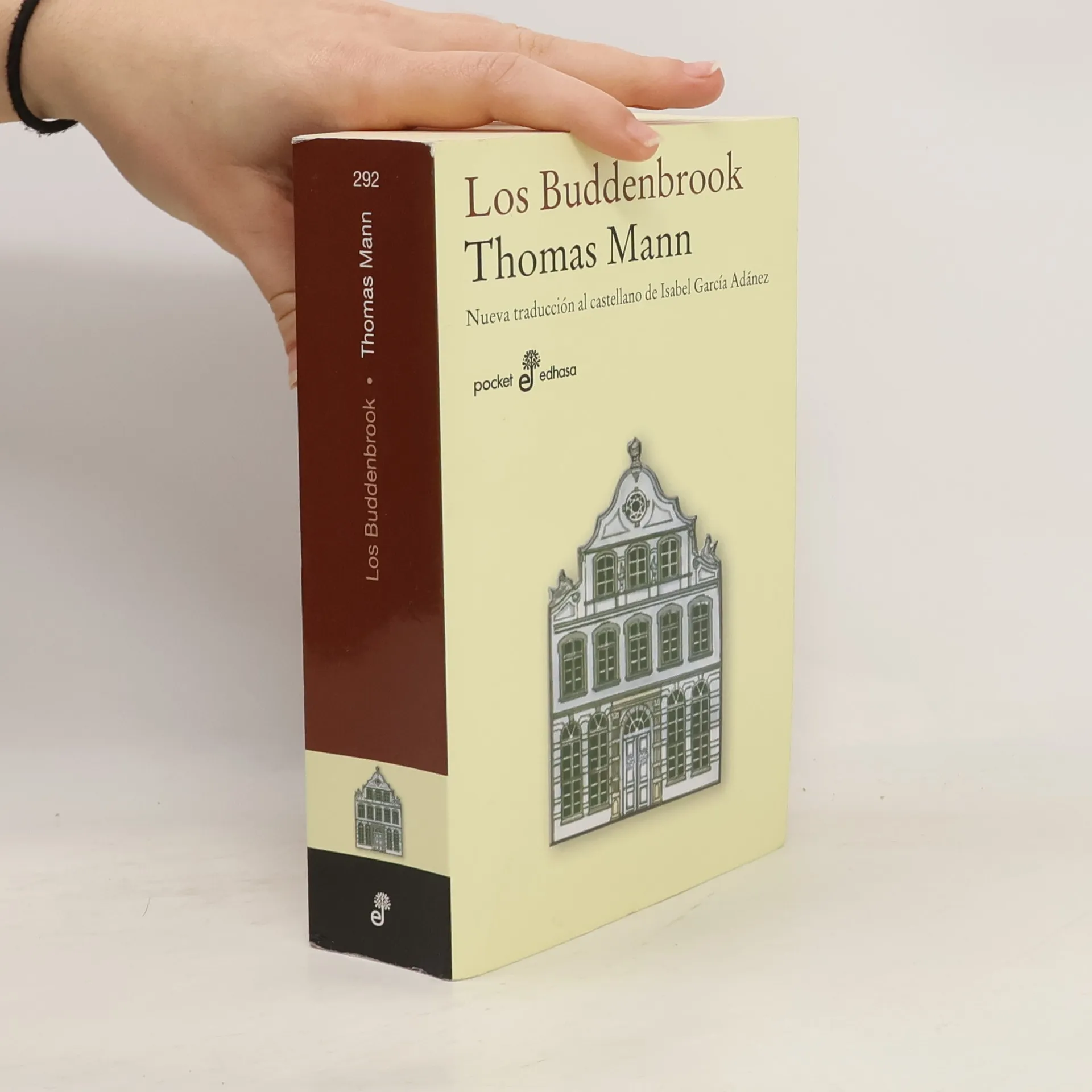
Pocket - 292: Los Buddenbrook: Nueva traducción al castellano de Isabel García Adánez
- 884 páginas
- 31 horas de lectura
Primera obra maestra del autor, Los Buddenbrook fue escrita tras su período de formación en Italia. En ella narra magistralmente la historia de las sucesivas generaciones de una familia de la alta burguesía de Lübeck, su ciudad natal, hasta la muerte del último heredero en 1876; desde el más brillante esplendor hasta la más desgarradora decadencia.
La montaña mágica
- 963 páginas
- 34 horas de lectura
In this dizzyingly rich novel of ideas, Mann uses a sanatorium in the Swiss Alps, a community devoted exclusively to sickness, as a microcosm for Europe, which in the years before 1914 was already exhibiting the first symptoms of its own terminal irrationality. The Magic Mountain is a monumental work of erudition and irony, sexual tension and intellectual ferment, a book that pulses with life in the midst of death.
La montaña mágica 1
- 342 páginas
- 12 horas de lectura
Esta es la historia de Hans Castorp, un joven y modesto ingeniero que llega a un sanatorio ubicado en los Alpes suizos para visitar a su primo. La estancia que preveía corta se dilata en el tiempo y acaba formando parte de esta nueva forma de vida en la que se relativiza el transcurso del tiempo. Sentado en el balcón del sanatorio y envuelto en una manta, Hans reflexiona acerca de la vida, la muerte y el amor. El resultado es una de las grandes obras maestras de la literatura universal, que ofrece un retrato de la Europa de principios del siglo XX al mismo tiempo que hace una profunda reflexión acerca de la condición humana.
Doctor Faustus
- 496 páginas
- 18 horas de lectura
De la estirpe de Odín
- 306 páginas
- 11 horas de lectura
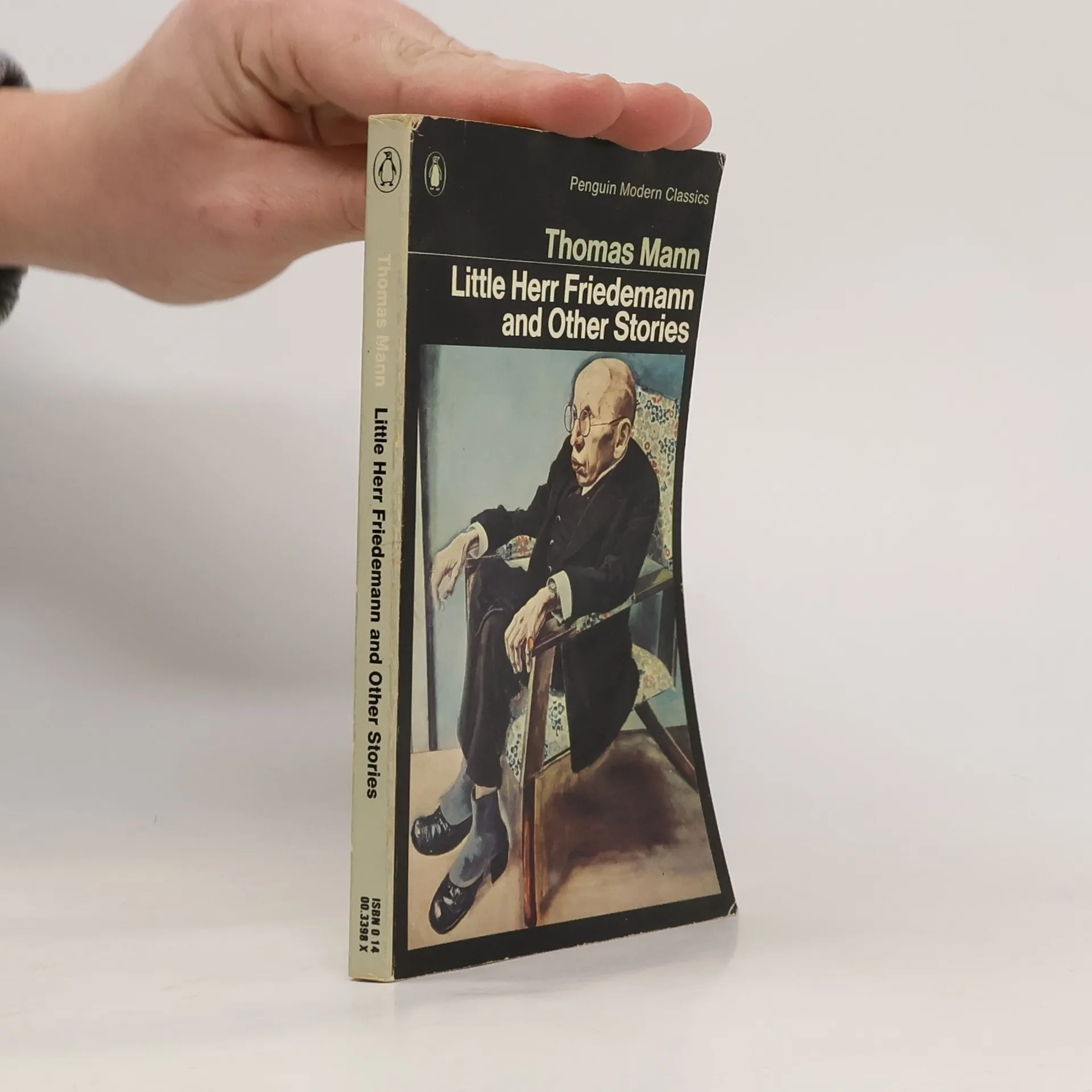
Colección de cuentos del escritor alemán Thomas Mann(1875-1955), Premio Nobel de Literatura 1929. Índice De la estirpe de Odin Los hambrientos Venganza Decepción En casa del profeta El accidente ferroviario Tonio Kröger El pequeño señor Friedemann El payaso El armario ropero La gran pelea
La muerte en Venecia
- 157 páginas
- 6 horas de lectura
Alteza Real
- 314 páginas
- 11 horas de lectura
Esplugas de Llobregat Barcelona. 18 cm. 314 p., 3 h. Encuadernación en tapa blanda de editorial ilustrada. Colección 'Varia'. Mann, Thomas 1875-1955. Königliche Hoheit. Traducción del alemán de Juana Moreno de Sosa. Moreno de Sosa, Juana. 1895-1971 .. Este libro es de segunda mano y tiene o puede tener marcas y señales de su anterior propietario. ISBN: 8401480663
Tonio Kröger
- 176 páginas
- 7 horas de lectura
Tonio Kröger es un personaje inolvidable, un inadaptado que nos permite indagar en el miedo social, el desconocimiento de nosotros mismos, en la mediocridad y en el arte. Tonio Kröger es el libro más cercano al corazón de Thomas Mann, el más autobiográfico, el texto perfecto para conocer a uno de los mejores escritores del siglo XX. - Información editorial
Joseph And His Brothers
- 1536 páginas
- 54 horas de lectura
Thomas Mann regarded his monumental retelling of the biblical story of Joseph as his magnum opus. He conceived of the four parts-The Stories of Jacob, Young Joseph, Joseph in Egypt, and Joseph the Provider-as a unified narrative, a mythological novel of Joseph's fall into slavery and his rise to be lord over Egypt.
Thomas Mann: New Selected Stories
- 256 páginas
- 9 horas de lectura
Sparkling new translations illuminate the humor and poignancy of Mann's best stories, including his masterpiece, newly translated into English for the first time in nearly a century. Often seen as a dry and forbidding writer, Mann's fiction is actually lively, humane, and sometimes hilarious. Award-winning translator Damion Searls sheds light on this underappreciated aspect of Mann's genius through fresh renderings of his short works. The centerpiece, "Chaotic World and Childhood Sorrow," is a subtle masterpiece that reveals the emotional significance of everyday life, portraying the bourgeois Cornelius family as they navigate straitened circumstances in hyperinflationary Weimar Germany. The volume also features an excerpt from Mann's first novel, Buddenbrooks, which was a sensation upon its release. While "Death in Venice" is Mann's most famous story, it was originally intended to be paired with a comedic tale, included here as "Confessions of a Con Artist, by Felix Krull." Additionally, "Louisey," a story of sexual humiliation, offers insight into Mann's lifelong ambivalence about the power of art. This collection is both revelatory and transformative, showcasing the depth and range of Mann's literary brilliance.
Collected Stories
- 890 páginas
- 32 horas de lectura
Famous for his novels, Thomas Mann is more accessible through the shorter fictions which span his entire career. The most famous of these stories is one of the earliest. Death in Venice was made into the celebrated Visconti film, but all his mature preoccupations are present in this story: the need for a sense of meaning in existence, the relationship between life and art, the central role of sexual energy and the strange forms it can take, the place of death and disease, the importance of work, the individual's complex relations with his society and the dominant culture. These themes are developed in a series of brilliant stories, may of them very short and displaying the author's talent for macabre comedy. Dr Faustus and Buddenbrooks are already available in Everyman
The Tables of the Law
- 130 páginas
- 5 horas de lectura
This classic novella, writer by Thomas Mann in exile during the Second World War, recounts the early life of Moses. In Mann's ironic and telling style, this most dramatic and significant story in the Hebrew Bible takes on a new (and at times witty) life and meaning. It represents Mann's art at its best.
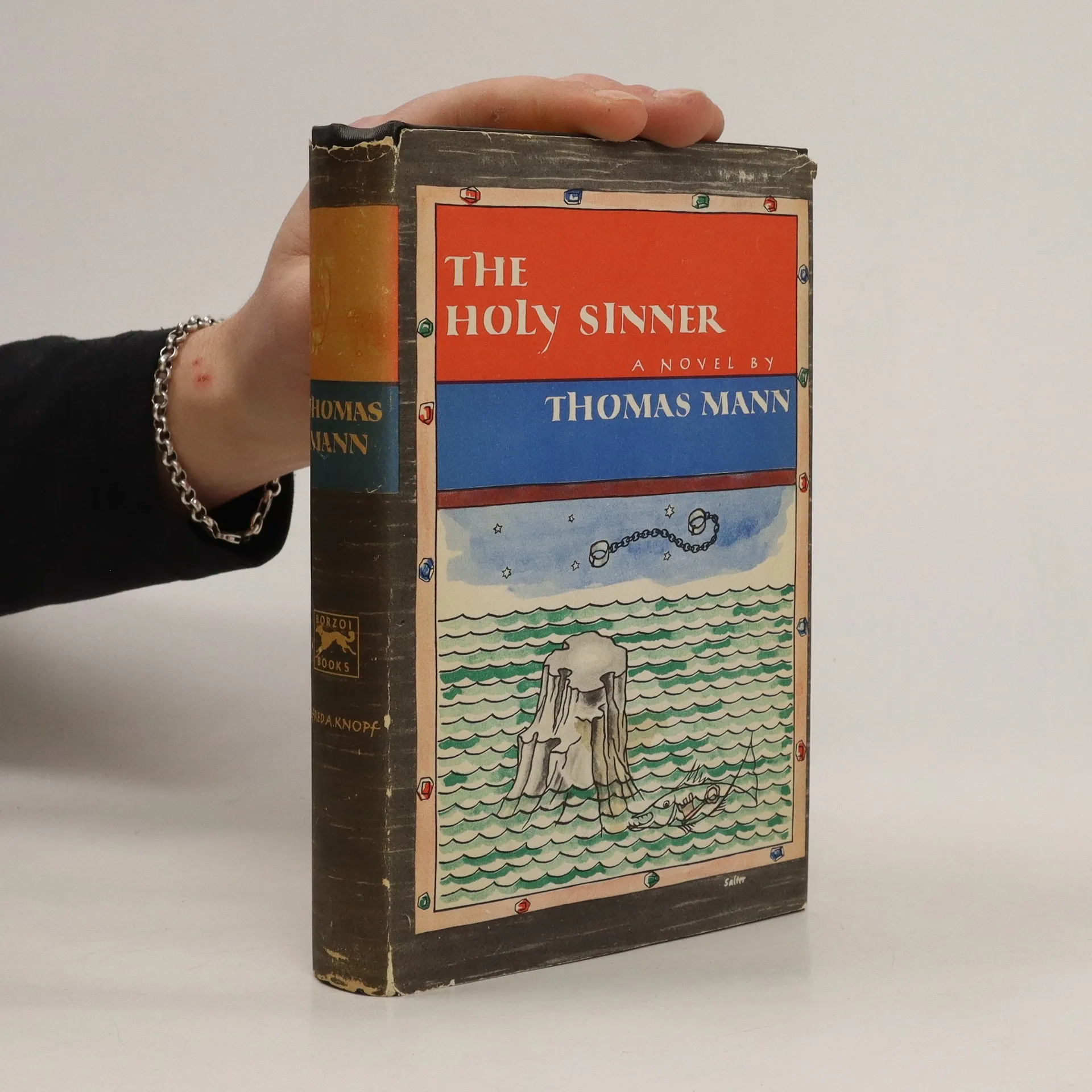
Thomas Mann wrote his last great novel, Doctor Faustus , during his exile from Nazi Germany. Although he already had a long string of masterpieces to his name, in retrospect this seems to be the novel he was born to write.A modern reworking of the Faust legend in which a twentieth-century composer sells his soul to the devil for the artistic power he craves, the story brilliantly interweaves music, philosophy, theology, and politics. Adrian Leverkühn is a talented young composer who is willing to go to any lengths to reach greater heights of achievement. What he gets is twenty-four years of genius—years of increasingly extraordinary musical innovation intertwined with progressive and destructive madness.A scathing allegory of Germany’s renunciation of its own humanity and its embrace of ambition and nihilism, Doctor Faustus is also a profound meditation on artistic genius. Obsessively exploring the evil into which his country had fallen, Mann succeeds as only he could have in charting the dimensions of that evil; his novel has both the pertinence of history and the universality of myth. Translated from the German by H. T. Lowe-Porter
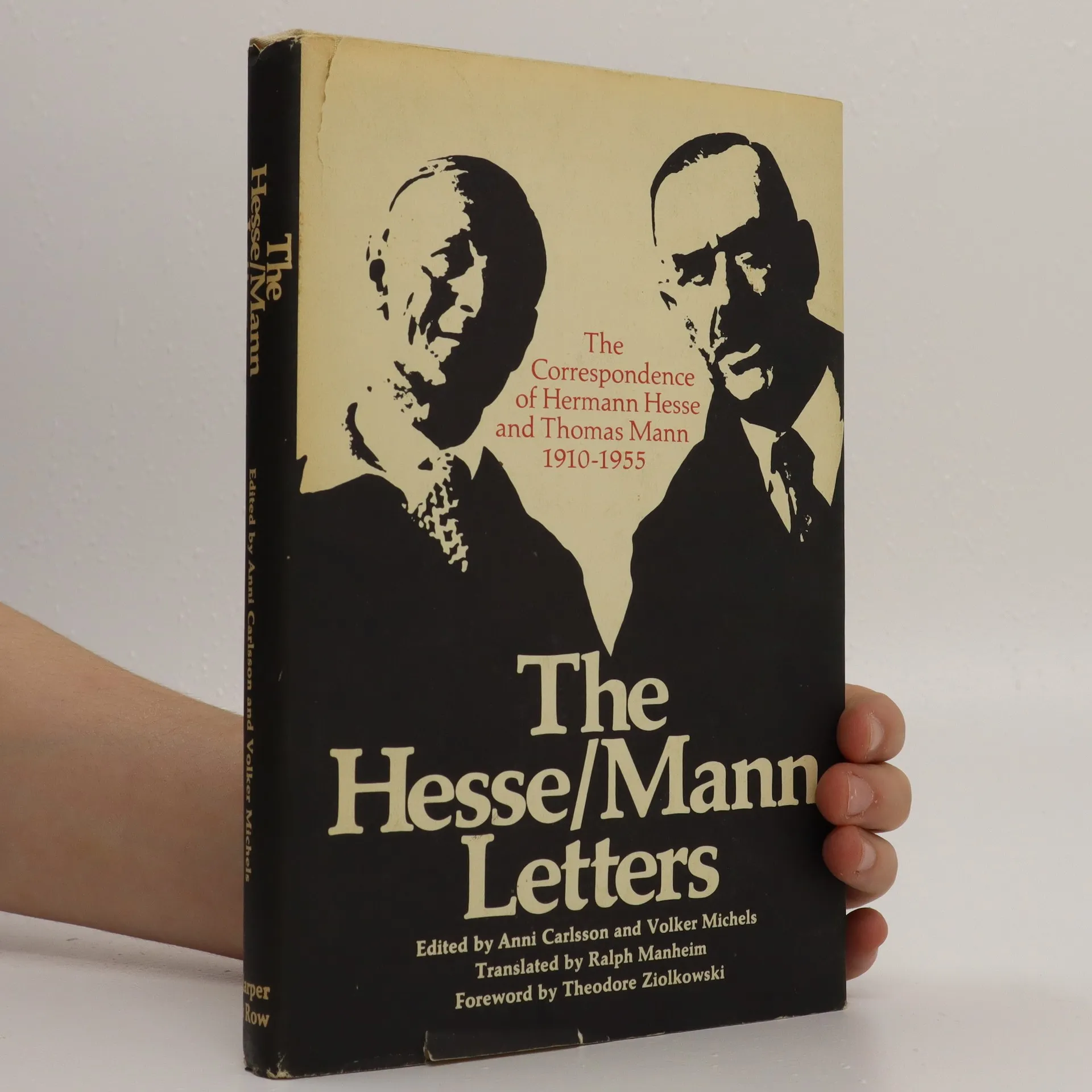
The Hesse-Mann Letters
- 196 páginas
- 7 horas de lectura
s/t: The correspondence of Hermann Hesse and Thomas Mann 1910-55 The letters present two great XX century Nobel Prize writers grieving for the ruined world. In the 1930s and 1940s, they rail against the stupidity of war and the cowardice of diplomats, against the social savagery of the Nazis, against the blind forces of abstraction and nationalism. They brood about the fate of Germany and of Europe after the last shots have been fired. They have lived through a time of extraordinary horror and yet they have not surrendered to despair or nihilism. Reading the letters, the reader will feel like some privileged guest in a special room, sitting off to the side somewhere, listening while these men talk.
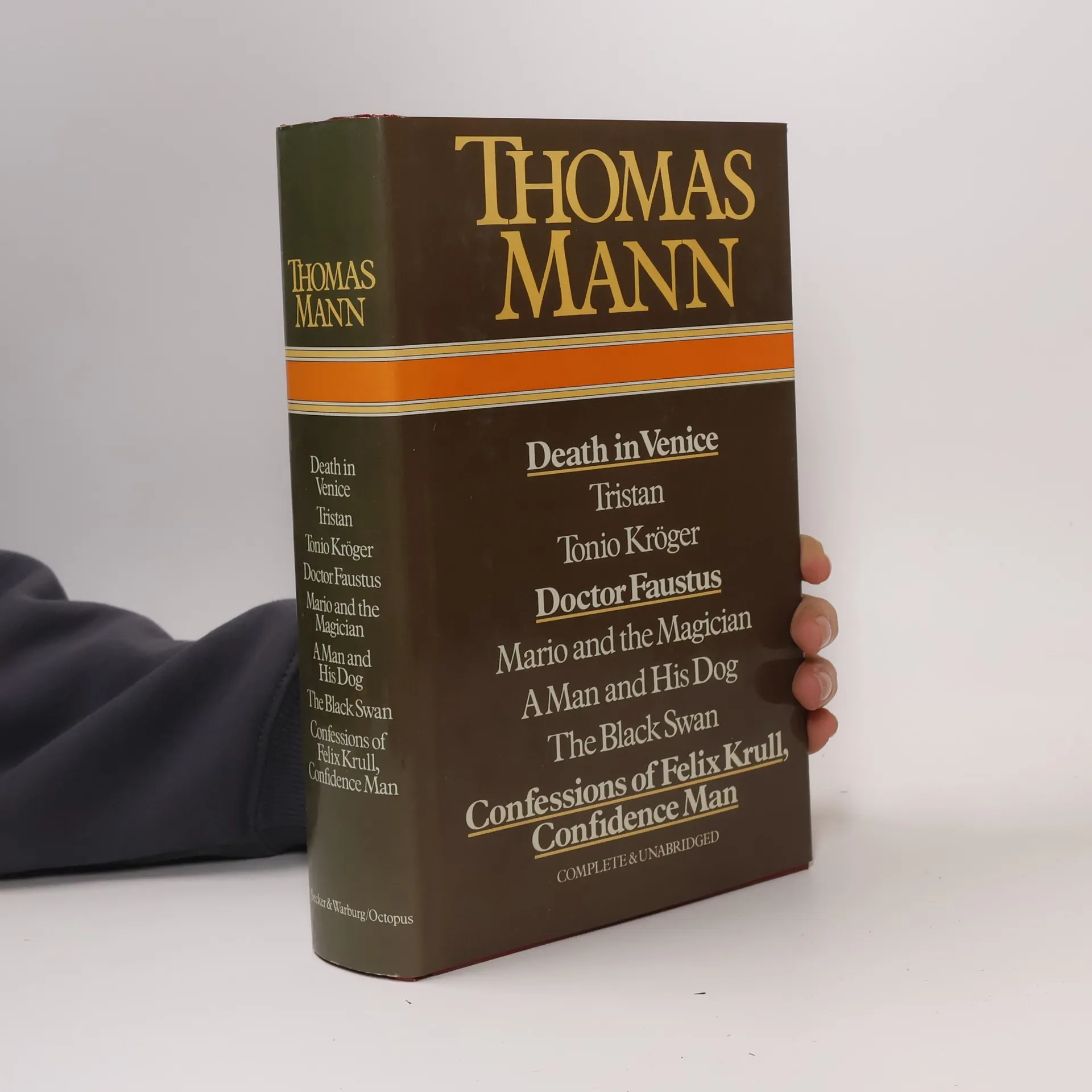
Recounts the enchanted career of the con man extraordinaire Felix Krull--a man unhampered by the moral precepts that govern the conduct of ordinary people.
Vintage International: Death in Venice and Seven Other Stories
- 402 páginas
- 15 horas de lectura
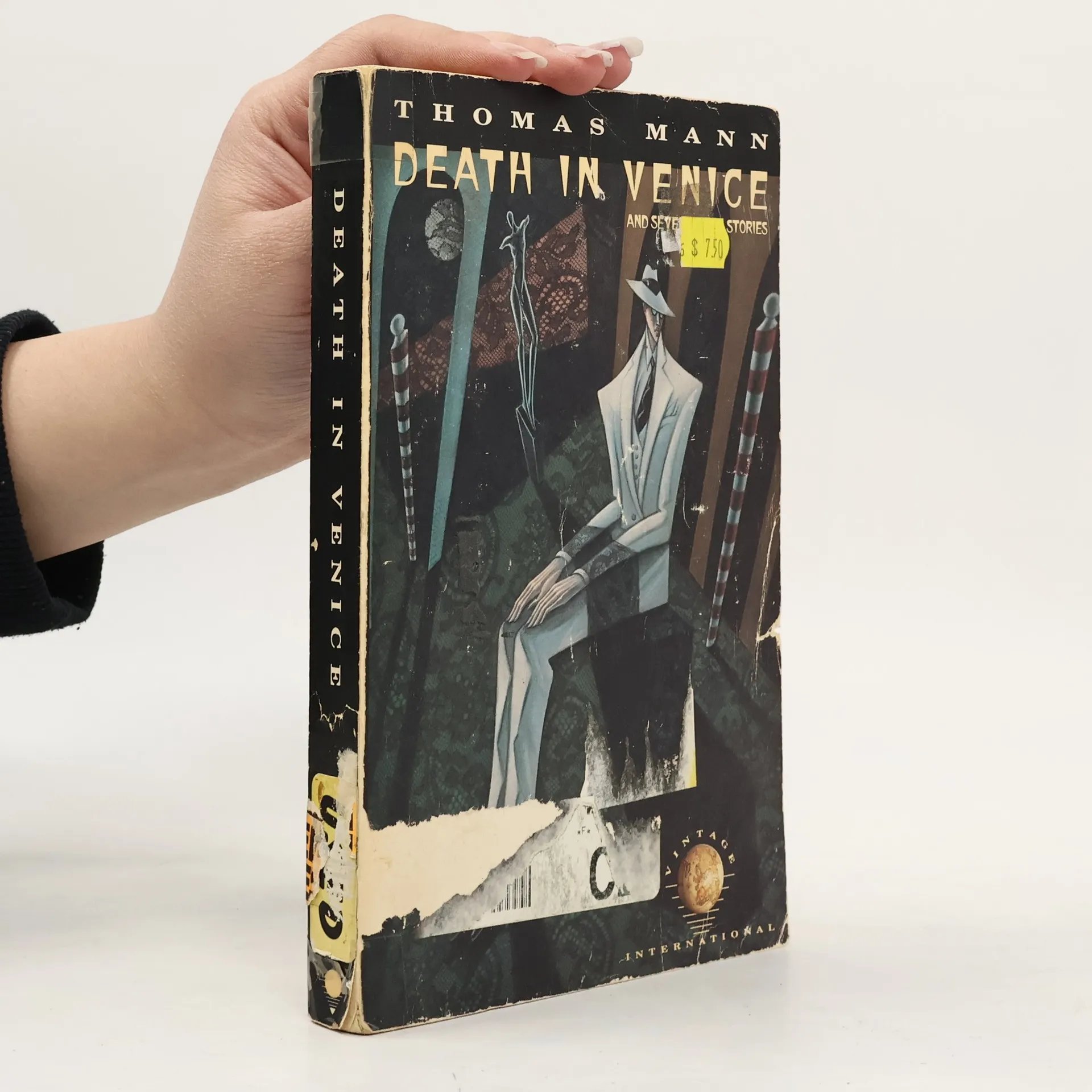
In addition to Death in Venice , this volume includes "Mario and the Magician," "Disorder and Early Sorrow," "A Man and His Dog," "Felix Krull," "The Blood of the Walsungs," "Tristan," and "Tonio Kröger." These stories, as direct as Thomas Mann's novels are complex, are perfect illustrations of their author's belief that "a story must tell itself." Varying in theme, in style, in tone, each is in its own way characteristic of Mann's prodigious talents. From the high art of the famous title novella ("A story," Mann said, "of death...of the voluptuousness of doom"), to the irony of "Felix Krull," the early story on which he later based his comic novel The Confessions of Felix Krull , they are stunning testimony to the mastery and virtuosity of a literary giant. Translated from the German by H.T. Lowe-Porter.
Selected Works
- 816 páginas
- 29 horas de lectura
Death in Venice and other stories
- 266 páginas
- 10 horas de lectura
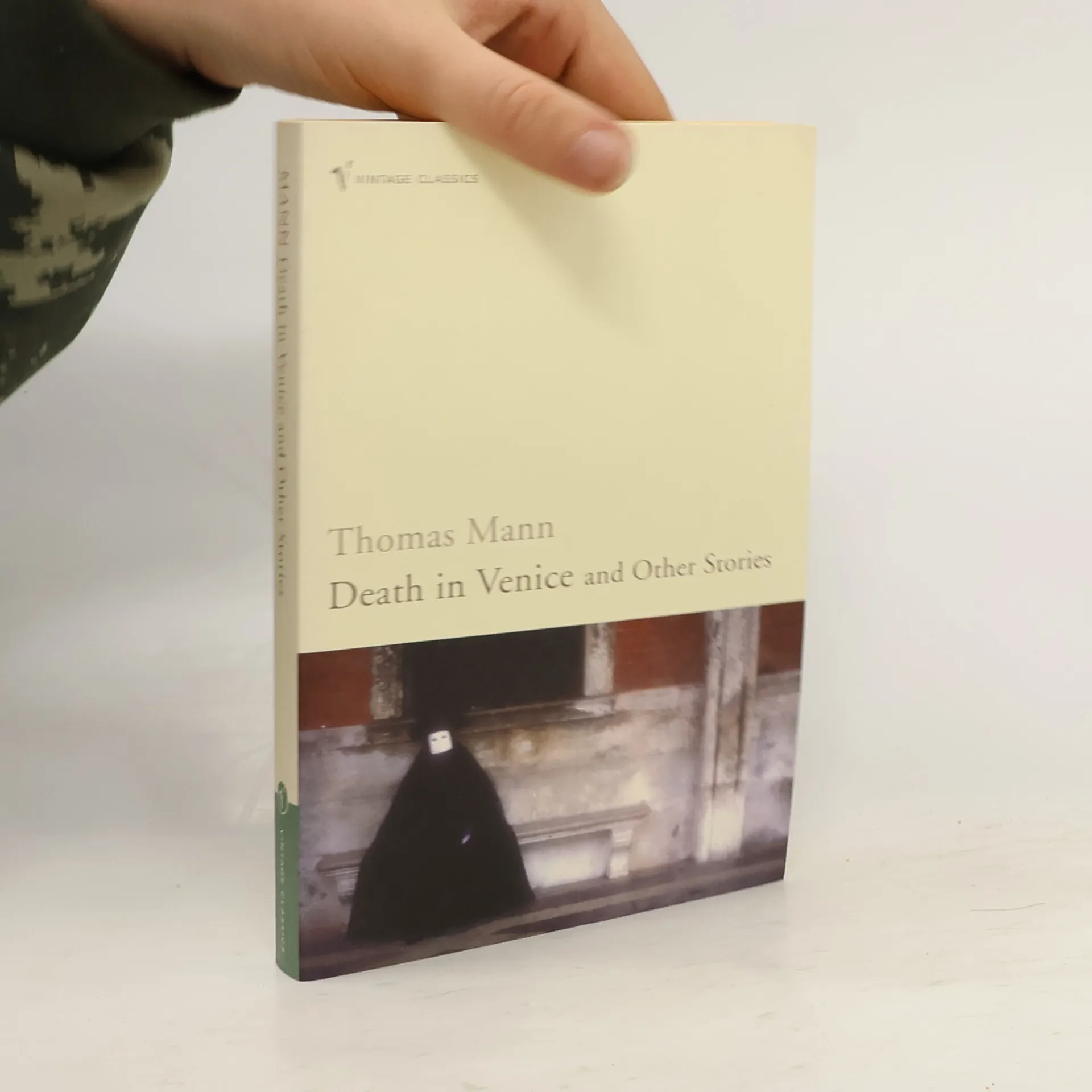
Death in Venice is a story of obsession. Gustave von Aschenbach is a successful but aging writer who travels to Venice for a holiday. One day, at dinner, Aschenbach notices an exceptionally beautiful young boy who is staying with his family in the same hotel. Soon his days begin to revolve around seeing this boy and he is too distracted to pay attention to the ominous rumors that have begun to circulate about disease spreading through the city. Available exclusively from Vintage Classics.

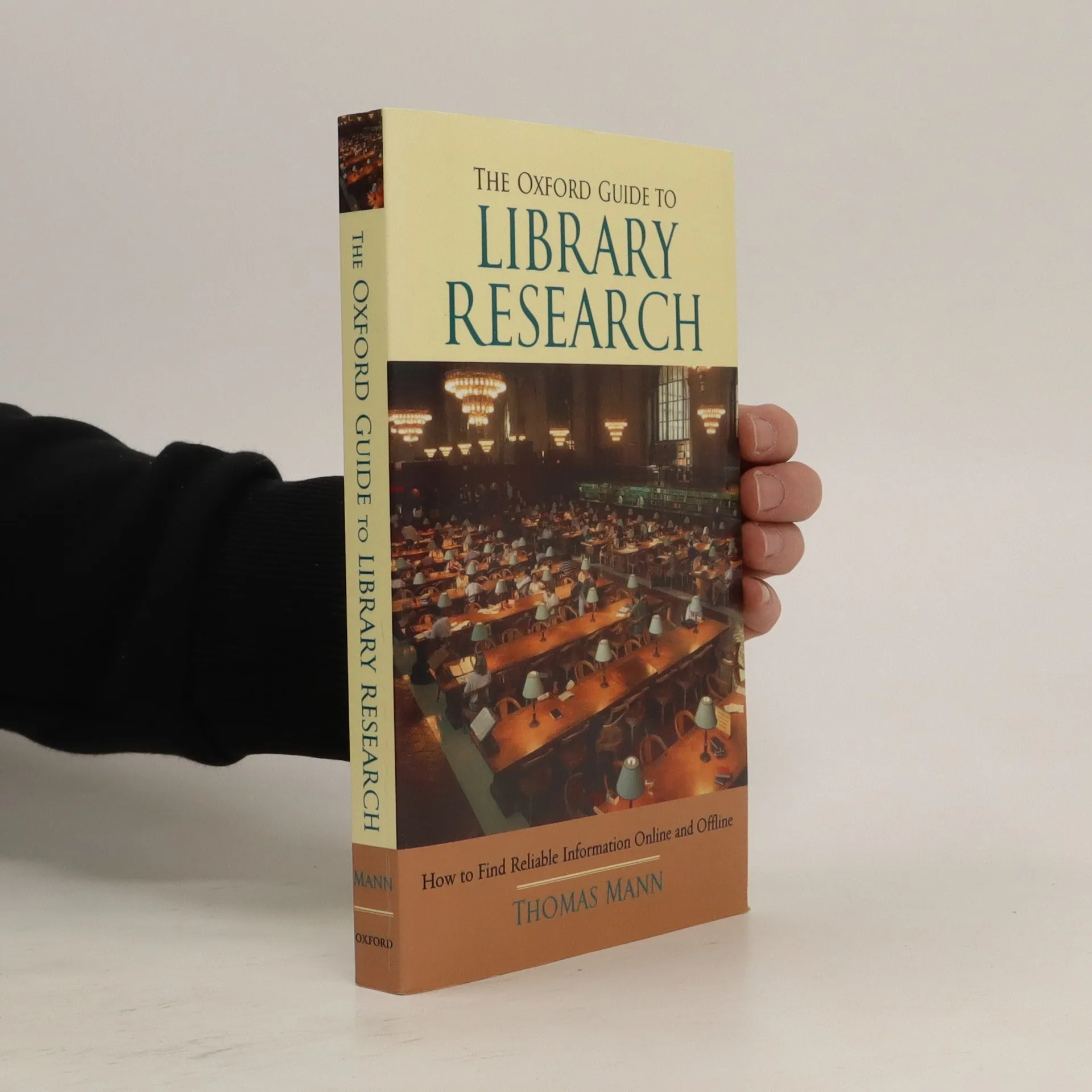
Outlines several resources and search strategies for researchers, including encyclopedias, subject headings, library catalogs, browsing, keyword searches, citation searches, and published bibliographies.
Reflections of a Nonpolitical Man
- 468 páginas
- 17 horas de lectura
"When World War I broke out the author of "Buddenbrooks" was almost 40 but not yet in the public view one of the giants of European literature. In his native Germany it was thought that Gerhart Hauptmann and probably a few of his elder contemporaries were towering above him. But he already had a reputation as one of the most interesting writers in Europe and as a moralist from whom his many readers expected a message in a time of great trials. His first decision was that of a man of action, not a man of letters, and he volunteered for the Landsturm, the reserve army. The physician who examined him happened to know his work and reached the sensible conclusion that the writer Thomas Mann would make a greater contribution to the war effort than the soldier. Mann's despair was within manageable limits; he wrote to a friend that his nerves were bad and his heart, head and stomach would fail him. The doctor had probably saved him from disgrace"-- Provided by publisher
Exploring the deep bond between a man and his dog, this memoir blends personal narrative with vivid insights into the psychology of both Thomas Mann and his canine companion, Bashan. Mann recounts the story of acquiring Bashan and delves into the dog's unique traits, while also reflecting on their peaceful hunting adventures together. The writing captures the essence of their relationship, revealing profound emotional connections and the joys of companionship in a bucolic setting.
Lotte in Weimar
- 336 páginas
- 12 horas de lectura
Thomas Mann, fascinated with the concept of genius and with the richness of German culture, found in Johann Wolfgang von Goethe the embodiment of the German culture hero. Mann's novelistic biography of Goethe was first published in English in 1940. "Lotte in Weimar" is a vivid dual portrait--a complex study of Goethe and of Lotte, the still-vivacious woman who in her youth was the model for Charlotte in Goethe's widely-read "The Sorrows of Young Werther," Lotte's thoughts, as she anticipates meeting Goethe again after forty years, and her conversations with those in Weimar who knew the great man, allow Mann to assess Goethe's genius from many points of view. Hayden White's fresh appraisal of the novel reveals its consonances with our own concerns.
Mann's short stories explore his abiding interest in the split nature of humanity and the discordance of the world it inhabits. And in `Mario and the Magician' a young family on holiday in Italy encounters a creepy entertainer: Cipolla, a hypnotist with a fascist-like will to control his audience.
The Call to Serve: The Thomas Mann Jr Story
- 194 páginas
- 7 horas de lectura
The mid-fifties were a challenging time for all African Americans. Especially in the Jim Crow South where author Thomas Mann, Jr. grew up. Even though slavery had been abolished with the 13th Amendment on December 6th, 1895, blacks were still enslaved in other ways-such as the unspoken rules his grandmother reminded him of before he was allowed to venture out into his segregated community. The author writes, "The tension created by the oppressor and the oppressed was so tight, at times, I felt it would snap. My family and I tried not to disobey these rules, because we knew that you could be beaten up, jailed, spat upon, or hanged with just one wrong move that defied the unspoken code of deference to the white man." In The Call to Serve, the author reveals what it was like to grow up during this oppressive time in our nation's history and how he chose to rise above this oppression by earning a law degree and serving as a state senator and civil rights attorney. In the pages of his book, he shares the struggles and successes of a decorated career that spanned more than four decades.
Festivals and Holidays of India
- 115 páginas
- 5 horas de lectura
Little Herr Friedemann And Other Stories
- 208 páginas
- 8 horas de lectura
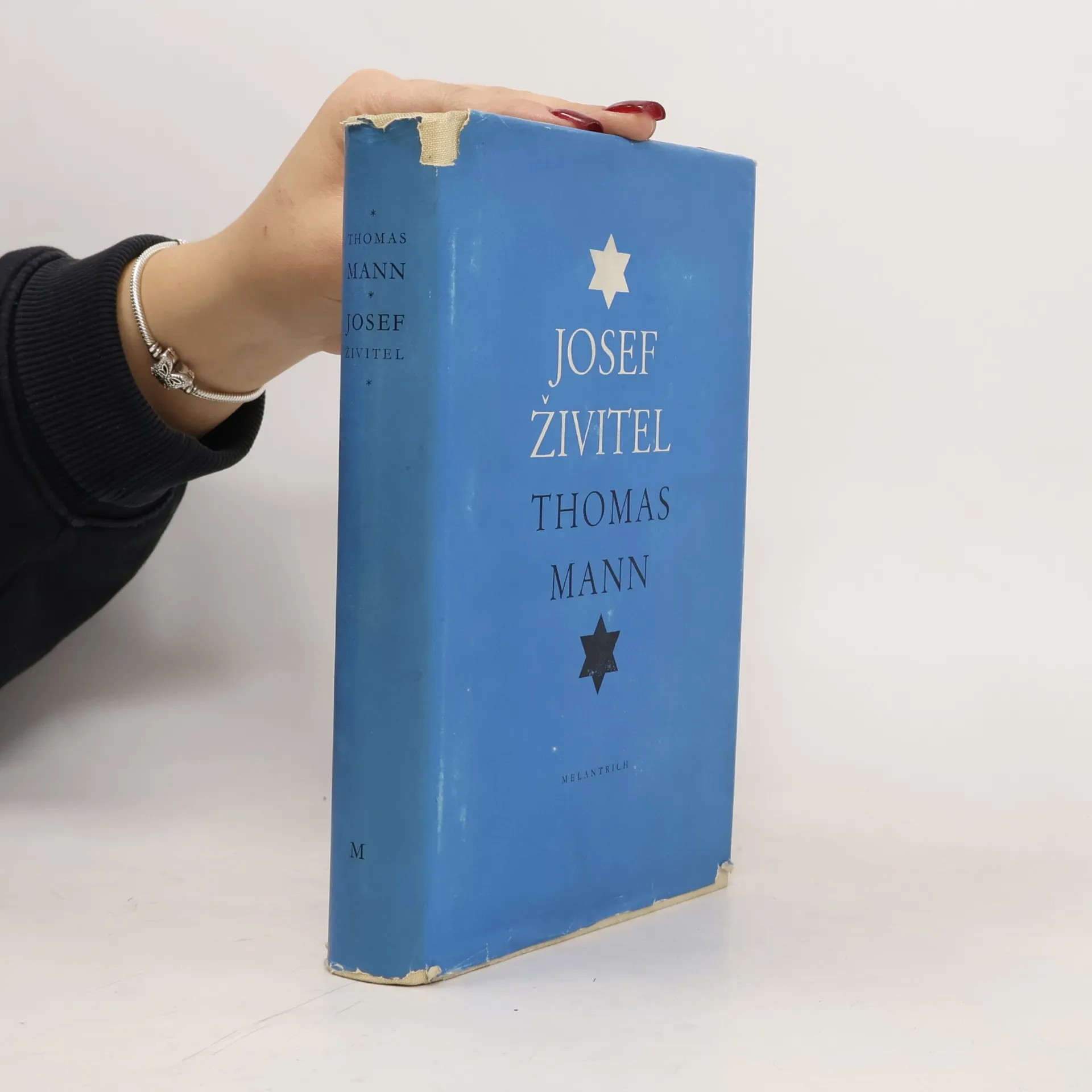
Obsahově samostatná závěrečná část tetralogie, Josef a bratří jeho (Příběhy Jákobovy, Mladý Josef, Josef v Egyptě). Jádrem je biblický příběh, jak jej podává Genesis, první kniha Mojžíšova, k němuž Thomas Mann přibral děje a „příběhy“ Josefových předků, počínaje Abrahamem. Rozhojnil je motivy ze staré legendární literatury židovské a biblický mýtus spjal s mytickými motivy předoasijskými, především s egyptskými, aby tak Josefův příběh vyrostl z rámce kmenového na příměrový příběh všelidského dosahu. Hlavní pozornost věnuje Josefovu přerodu, kterým se v péči o egyptský stát stává z výjimečného a společensky neodpovědného snílka dobrodincem, živitelem bratří, kmene, velké cizí říše a téměř celého tehdejšího okrsku zemského. Tetralogií, dokončenou roku 1943, chtěl autor proti lži-mýtu rasistické lůzy postavit mýtus pravý, mýtus humanizovaný, mýtus o sebe-umravňovacím pochodu a zápasu člověka, lidstva.
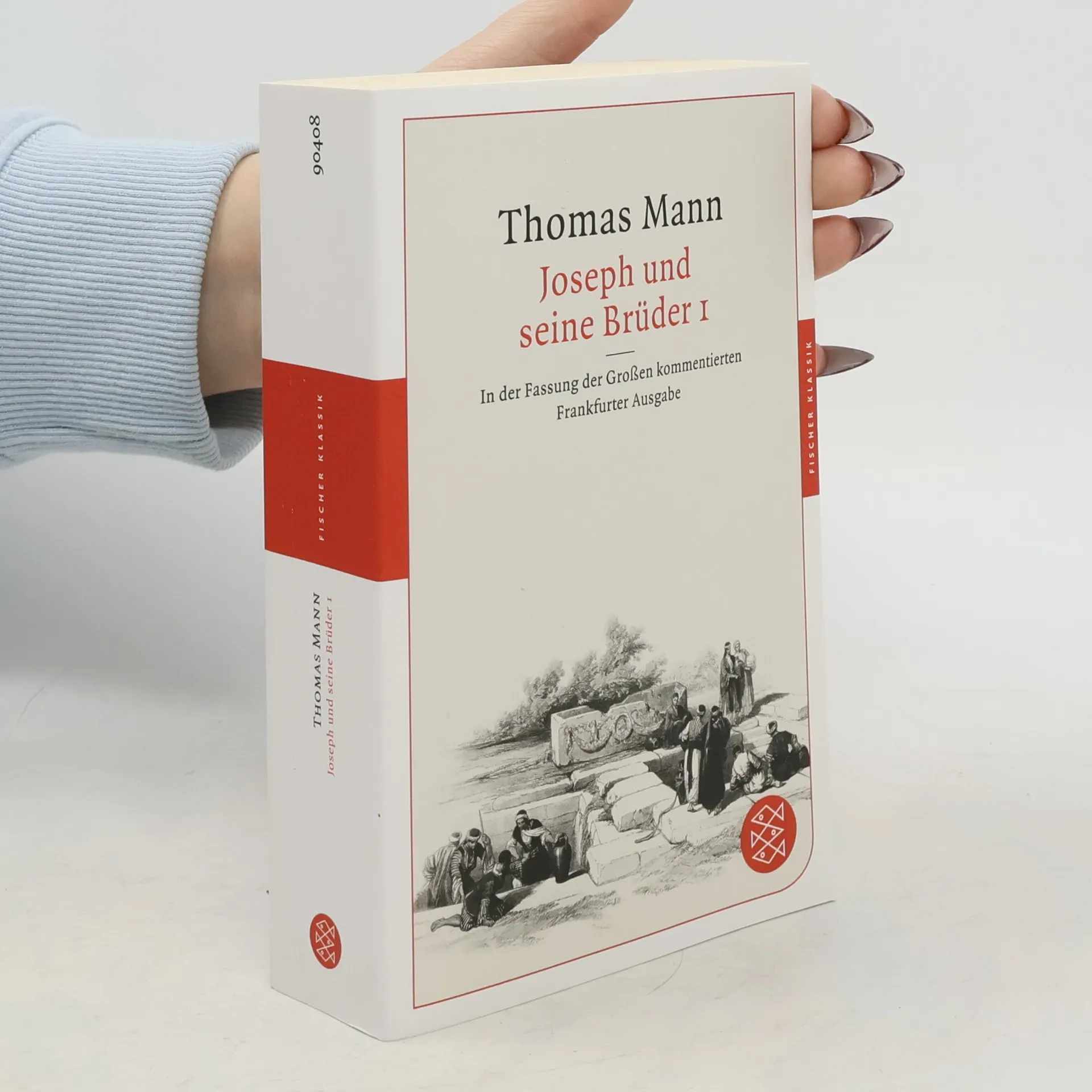
Joseph und seine Brüder 1
- 495 páginas
- 18 horas de lectura
Die Geschichte Jaakobs Der junge Joseph
Der Zauberberg. Große kommentierte Frankfurter Ausgabe
Textband / Kommentarband
- 1632 páginas
- 58 horas de lectura
Der Roman entfaltet sich im Sanatorium von Davos, wo Hans Castorp ursprünglich nur kurz verweilen wollte, sich jedoch für sieben Jahre einfindet. Diese Zeit wird zur Reflexion über die europäische Seele vor dem Ersten Weltkrieg. Der Autor, während des Schreibprozesses durch den Krieg und seine essayistischen Arbeiten beeinflusst, schafft ein vielschichtiges Werk, das sowohl persönliche als auch gesellschaftliche Themen behandelt. Der 'Zauberberg' gilt als ein bedeutendes Beispiel der klassischen Moderne und spiegelt die komplexen Stimmungen seiner Zeit wider.
Joseph und seine Brüder I
In der Fassung der Großen kommentierten Frankfurter Ausgabe
Thomas Manns vierbändiger Josephsroman ist ein Gipfelwerk des 20. Jahrhunderts. Zwischen 1933 und 1943 erschienen, stand diese große biblische Erzählung von Anfang an konträr zur Nazi-Ideologie, sie eröffnet Perspektiven auf die Menschheitsgeschichte und gilt heute als großes Monument des Exils und der Humanität. Voller Schönheit und Erotik, humorvoll, subtil und detailreich erzählt Thomas Mann von Josephs Fall und vom Verrat durch die Brüder, von Gefangenschaft und Aufstieg in Ägypten. Die zweibändige Taschenbuchausgabe enthält die textkritisch edierte Fassung des Textes aus der »Großen kommentierten Frankfurter Ausgabe«. Band I beinhaltet die Romane »Die Geschichten Jaakobs« und »Der junge Joseph«.
Frühe Erzählungen
- 714 páginas
- 25 horas de lectura
Mnohovrstevnatý príbeh sa odohráva na začiatku 20. storočia v luxusnom sanatóriu pre chorých na tuberkulózu v blízkosti Davosa. Do uzavretej spoločnosti ľudí trpiacich tuberkulózou prichádza na návštevu za svojím bratrancom mladý inžinier Hans Castorp. Choroba čoskoro prepukne aj u neho, a taksa aj Hansovi uzavrie normálny, zdravý svet. Castorp začína ako ostatní žiť vo svete čakania, ako s ním zhubná choroba naloží. V sanatóriu ho zaujmú dvaja spolupacienti - humanista a cynický jezuita. Castorp s nimi vedie diskusie o láske, živote, smrti, náboženstve, politických systémoch i spravodlivosti. V slovných súbojoch týchto troch protagonistov románu sa tak uskutočňuje svetonázorová diskusia o zániku starej spoločnosti a súčasne prebieha aj morálna a duchovná príprava na lepšiu budúcnosť.
Druhý díl Mannovy tetralogie Josef a bratří jeho.
Der Erwählte
Text und Kommentar in einer Kassette
Thomas Manns Roman »Der Erwählte« ist eine meisterhafte Neuerzählung der Gregorius-Legende, in der Gregorius 17 Jahre Buße leistet, bevor er zum Papst erhoben wird. Die kommentierte Ausgabe bietet umfassende Einblicke in die Entstehungsgeschichte, Quellenstudium und Rezeption des Werks, ergänzt durch detaillierte Erläuterungen.
Die Geschichten Jaakobs
- 417 páginas
- 15 horas de lectura
Thomas Mann: Gesammelte Werke in Einzelbänden, Band 9. Frankfurter Ausgabe: Joseph und seine Brüder, 4 Bände. Band 1: Die Geschichten Jaakobs.
Im Werk Thomas Manns stehen die Erzählungen gleichberechtigt neben den großen Romanen. Ihre formale Klarheit und sprachliche Präzision zeichnen sie ebenso aus wie ihr Humor und ihr psychologischer Scharfblick. Bereits der junge Thomas Mann hat die kurze Prosa als seine Form entdeckt und früh zur Meisterschaft entwickelt. Über Jahrzehnte hinweg hat der Autor immer wieder Erzählungen geschrieben, die zu den bedeutendsten nicht nur des 20. Jahrhunderts gehören. Die beiden Idyllen ›Herr und Hund‹ und ›Gesang vom Kindchen‹ (beide 1919) sowie das lange Zeit unbekannt gebliebene Filmmanuskript ›Tristan und Isolde‹ (1923) umrahmen die Erzählung ›Unordnung und frühes Leid‹ (1925), die ironisch distanzierte Eigenerfahrung des Familiären, und die 1930 entstandene, ins faschistische Italien verlegte Novelle ›Mario und der Zauberer‹.
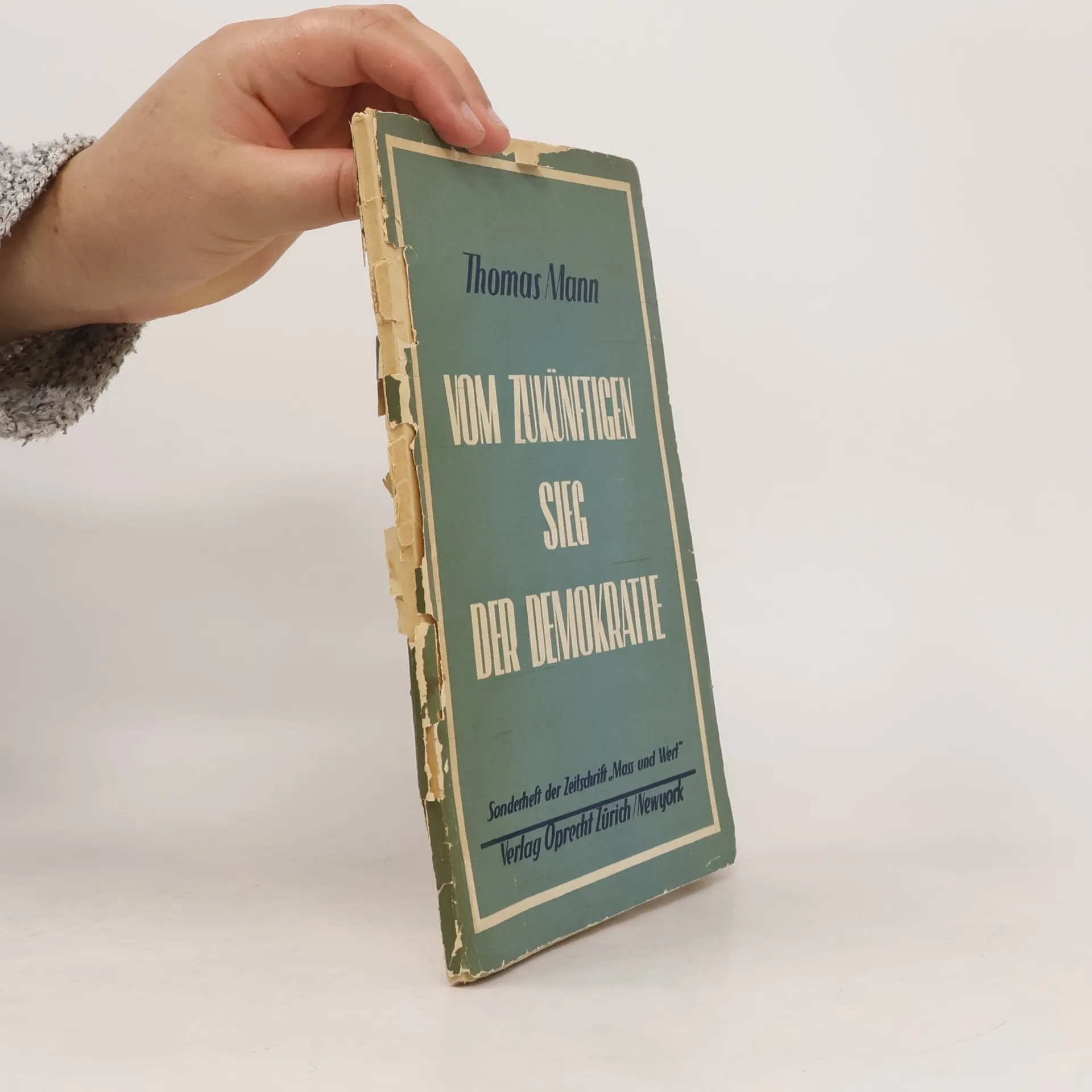
Vom zukünftigen Sieg der Demokratie
Sonderheft der Zeitschrift „Mass und Wert“ 1938
- 128 páginas
- 5 horas de lectura
Diese leicht erweiterte Form eines Vortrags, den Thomas Mann im Frühjahr 1938 in 15 Städten der USA hielt, ist von geradezu prophetischer Kraft und inspirierender Aktualität. Denn heute erleben wir, dass die Grundwerte der Demokratie wieder infrage gestellt werden, dass Populismus und Nationalismus unsere demokratische Gesellschaft massiv unter Druck setzen. Schon früh erkannte Mann die Zeichen der Zeit und entwickelte sich zu einem wirkmächtigen Gegner der Nationalsozialisten. »Es handelt sich um die Lebensbedingungen unserer Kinder. Daß wir Fünfzigjährigen das Europa noch sehen werden, in dem unsere Kinder wohnen sollen, wohnen wollen, ist kaum wahrscheinlich. Aber wir können […] wirken helfen, daß es werde«, schrieb er bereits im Jahr 1926.
Joseph in Ägypten Joseph, der Ernährer
Волшебная гора. Volšebnaja gora
- 829 páginas
- 30 horas de lectura
История об обитателях дорогого туберкулезного санатория в Швейцарских Альпах, где время течет незаметно, жизнь и смерть как бы утрачивают смысл и значимость, а мельчайшие нюансы человеческих отношений, напротив, приобретают болезненную остроту
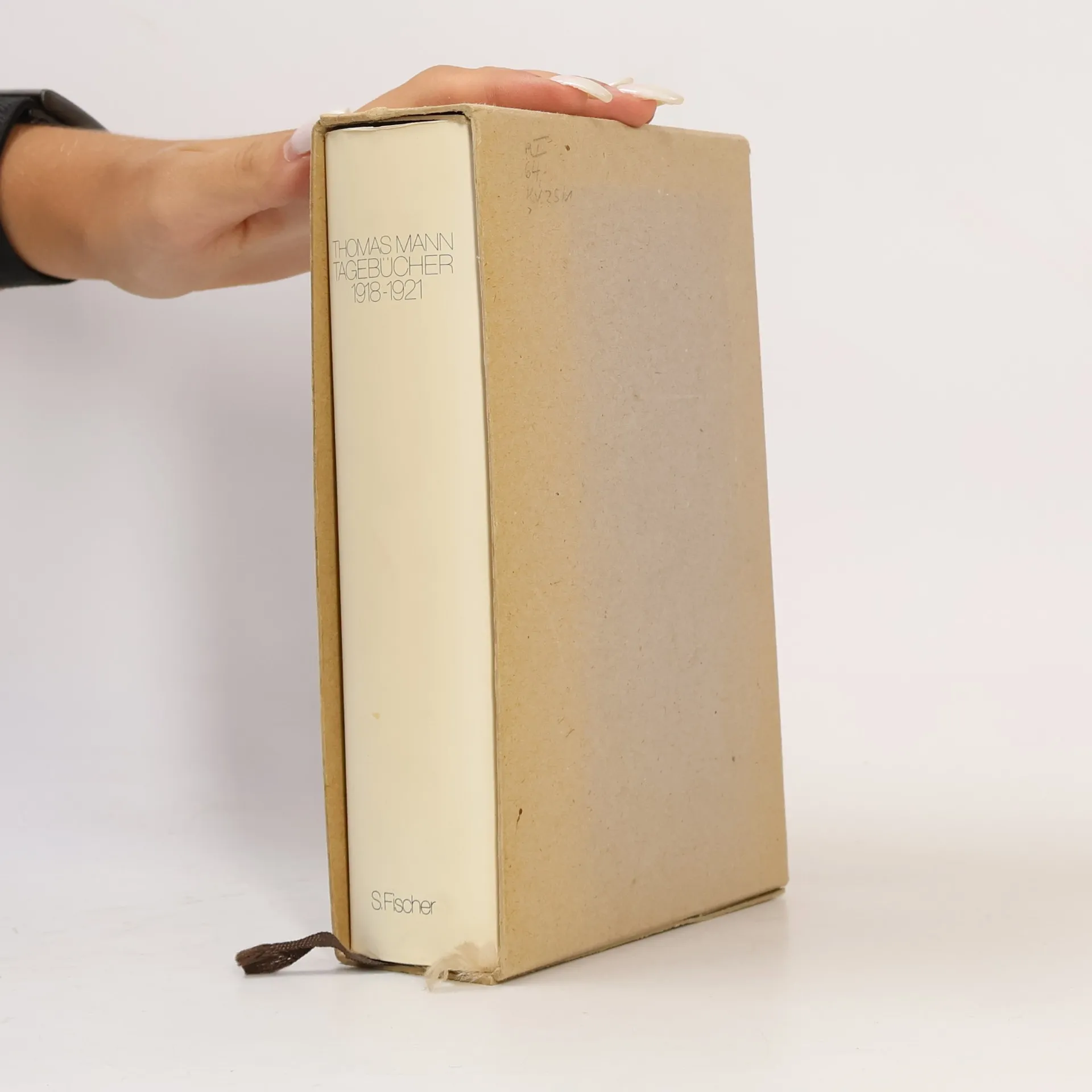
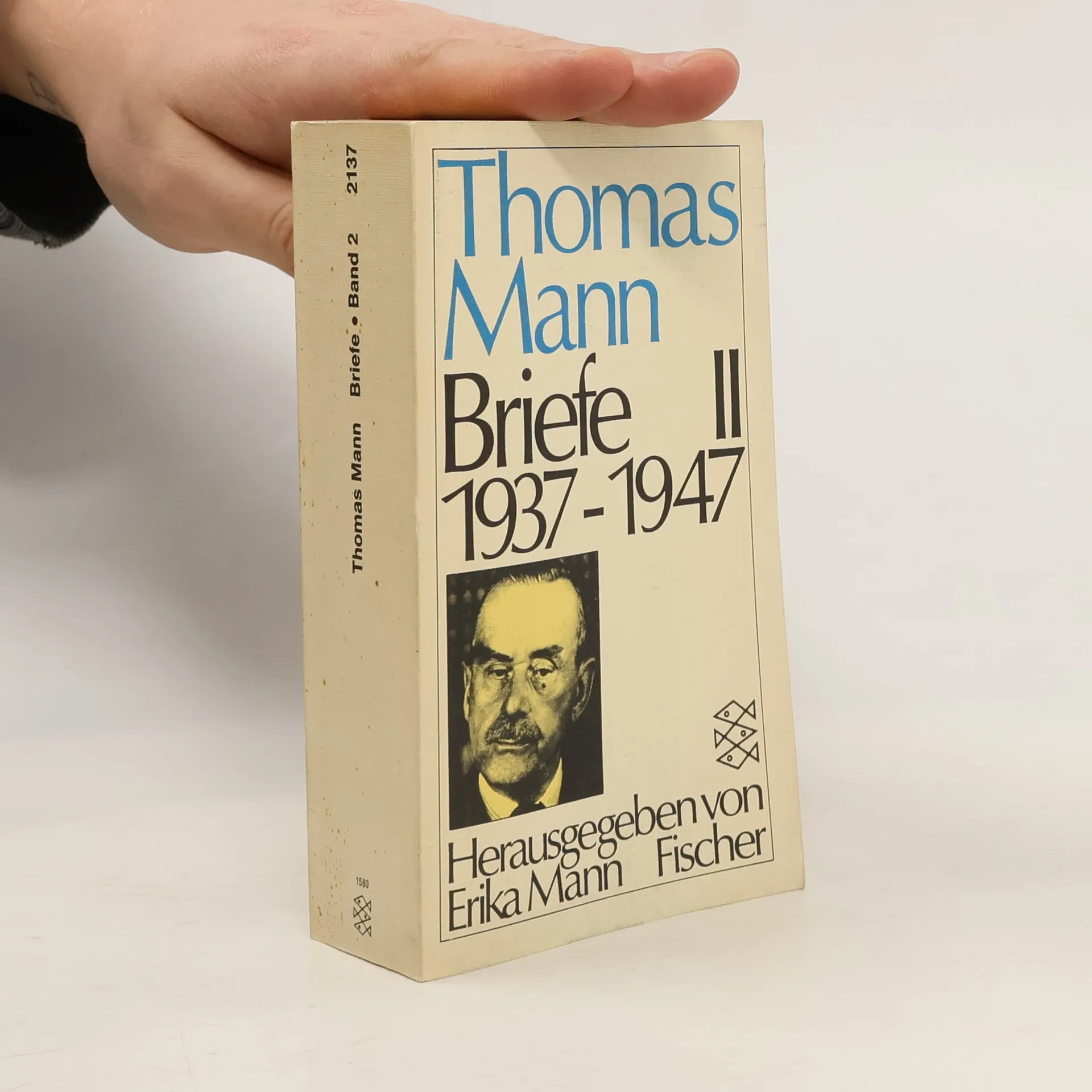
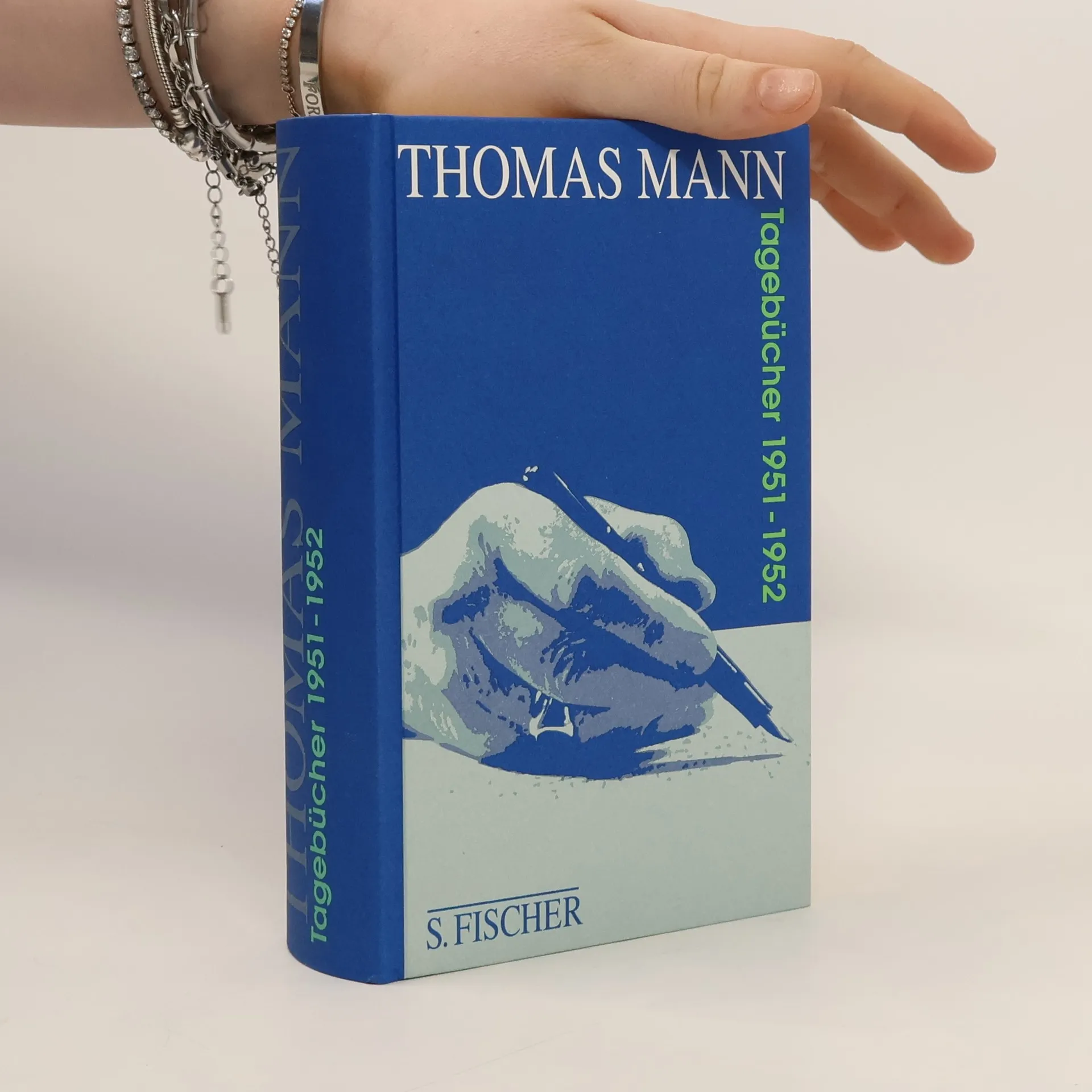
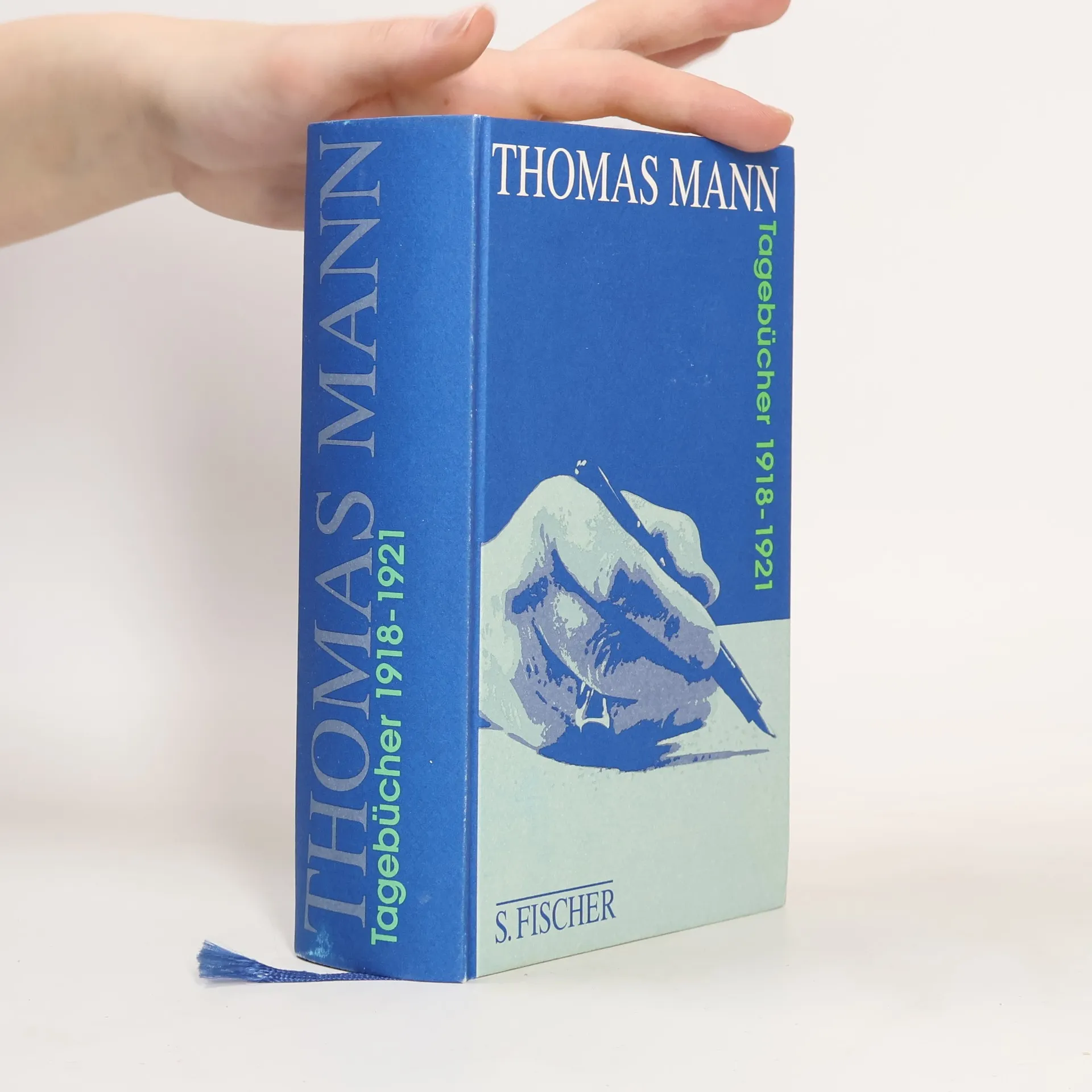
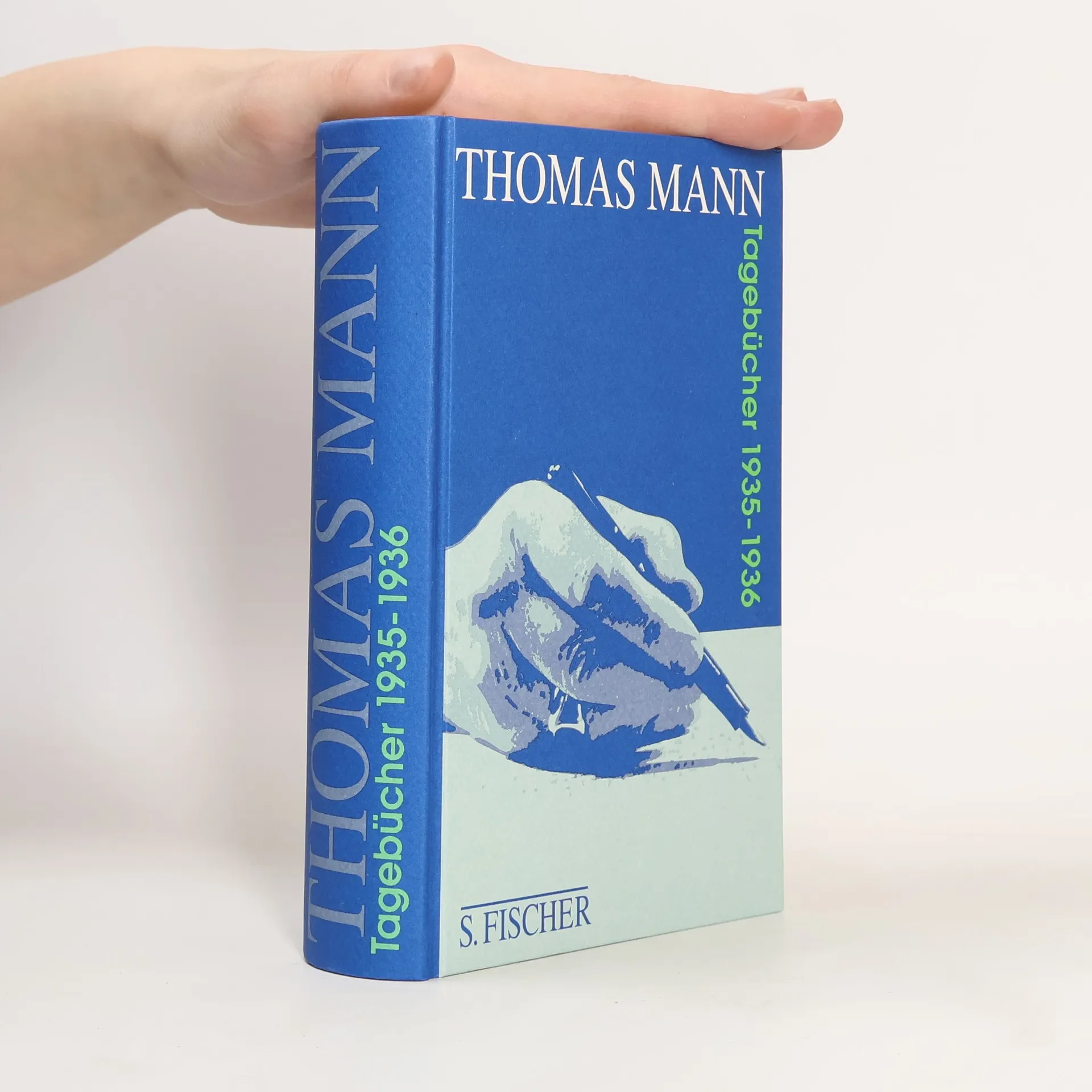
Mit dem Erscheinen von Thomas Manns Tagebüchern hat sich unser Bild des Autors und unser Verständnis seines Werks nachhaltig verändert. In den erhaltenen Journalen von 1918-1921 und ab 1933 bis zum Tod 1955 verbindet Thomas Mann alltägliche Beobachtungen mit dem Weltgeschehen und schreibt so „den Roman eines Lebens“: es ist „der umfassendste, welthaltigste, rührendste, aberwitzigste Roman“, den der Autor je geschrieben hat - „und wie wunderbar geschrieben!“ (Volker Hage)
Von Herr und Hund bis Die Betrogene vereinigt dieser zweite Band die nach dem Ersten Weltkrieg veröffentlichten Erzählungen Thomas Manns, ferner Fiorenza und den Gesang vom Kindchen. Die FAZ schrieb: »Die Scheu, die man hat, Thomas Mann einen Dichter zu nennen (weil er zu gescheit ist), verliert man am ehesten beim Lesen seiner Novellen. Da hängt man an seinem Munde nicht anders wie beim urtümlichen Geschichtenerfinder des Orients.« Dabei waren auch für einen so formbewussten Autor wie Thomas Mann die literarischen Gattungen nicht streng gesondert; wiederholt konzipierte er große Romane als kleine Novellen. Diese zwei Bände enthalten daher neben Novellen und Erzählungen auch Skizzen und andere Prosaformen. Inhalt: - Herr und Hund - Unordnung und frühes Leid - Mario und der Zauberer - Der Knabe Henoch (Fragment) - Die vertauschten Köpfe - Das Gesetz - Die Betrogene - Fiorenza - Gesang vom Kindchen
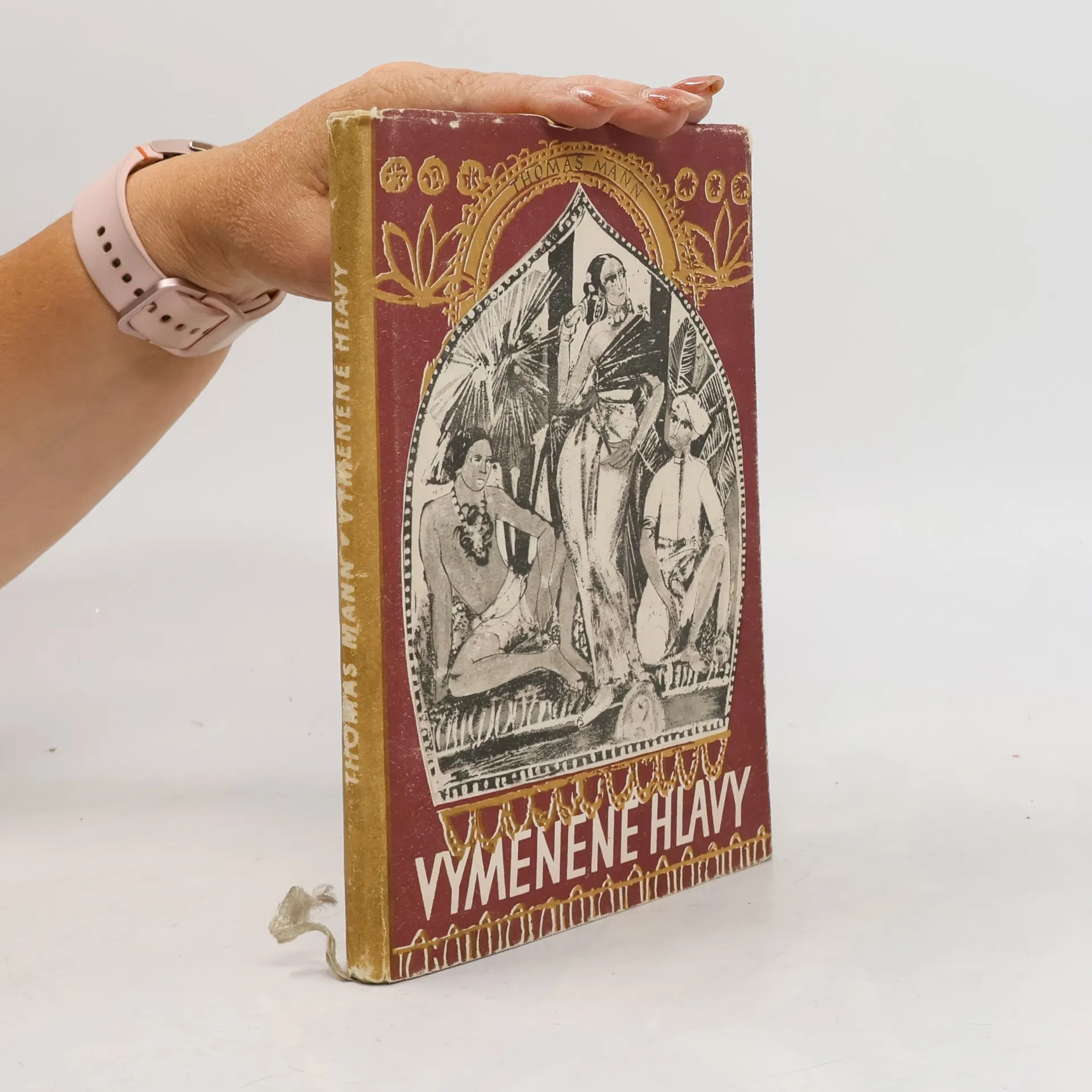
Rozprávka námetom siaha do čias, keď Indovia hľadali pravdu o živote vo Védach a v pokynoch učených brahmanov. Jadro príbehu spočíva v zázračnom vzkriesení dvoch mužov „peknobokej Sity“, pri ktorom došlo k zámene hláv. Vynorila sa otázka, čo tvorí podstatu človeka — hlava, či telo. Spisovateľ v diele ukazuje nevyhnutnú závislost človeka od podmienok a spôsobu života, čím sa postupne vytvára jednota tela i ducha. A láska ženy k duši jedného a k telu druhého nie je nadlho možná. Mannova fantastická rozprávka očarí zvláštnym kúzlom indického spôsobu myslenia, plastickými opismi exotického prostredia a čistým, vybrúseným básnickým slovom.
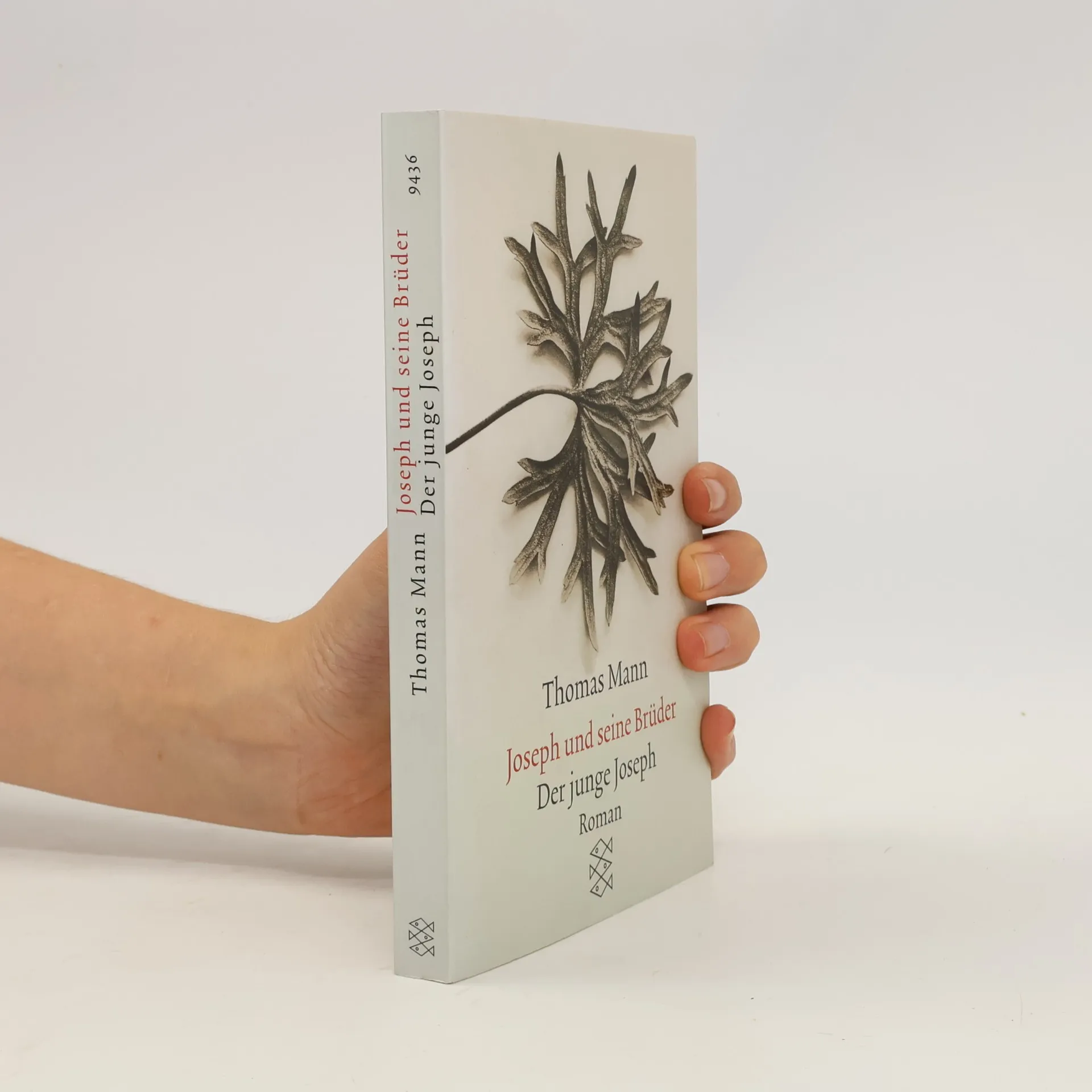
Joseph und seine Brüder. Der junge Joseph
- 269 páginas
- 10 horas de lectura
Im zweiten Band der Tetralogie wird Joseph zur Hauptfigur. Der siebzehnjähirge Held besticht durch seine jugendliche Schönheit und durch seinen Verstand. Dieser Spätgeborene ist der Liebling Jaakobs, und diese Liebe weckt den Neid der älteren Brüder, führt zu Zwist in der Sippe. Schließlich wird Joseph von seinen Brüdern gedemütigt und an fremde Händler verkauft. Dem Vater erzählen sie, sein Jüngster sei von einem wilden Tier getötet worden. 'Der junge Joseph' erschien 1934 bei S. Fischer in Berlin.
Gesammelte Werke in Einzelbänden
- 534 páginas
- 19 horas de lectura
Výbor třinácti novel a/nebo povídek napříč celou tvorbou Thomase Manna. Doslov napsal Antonín Pešek.
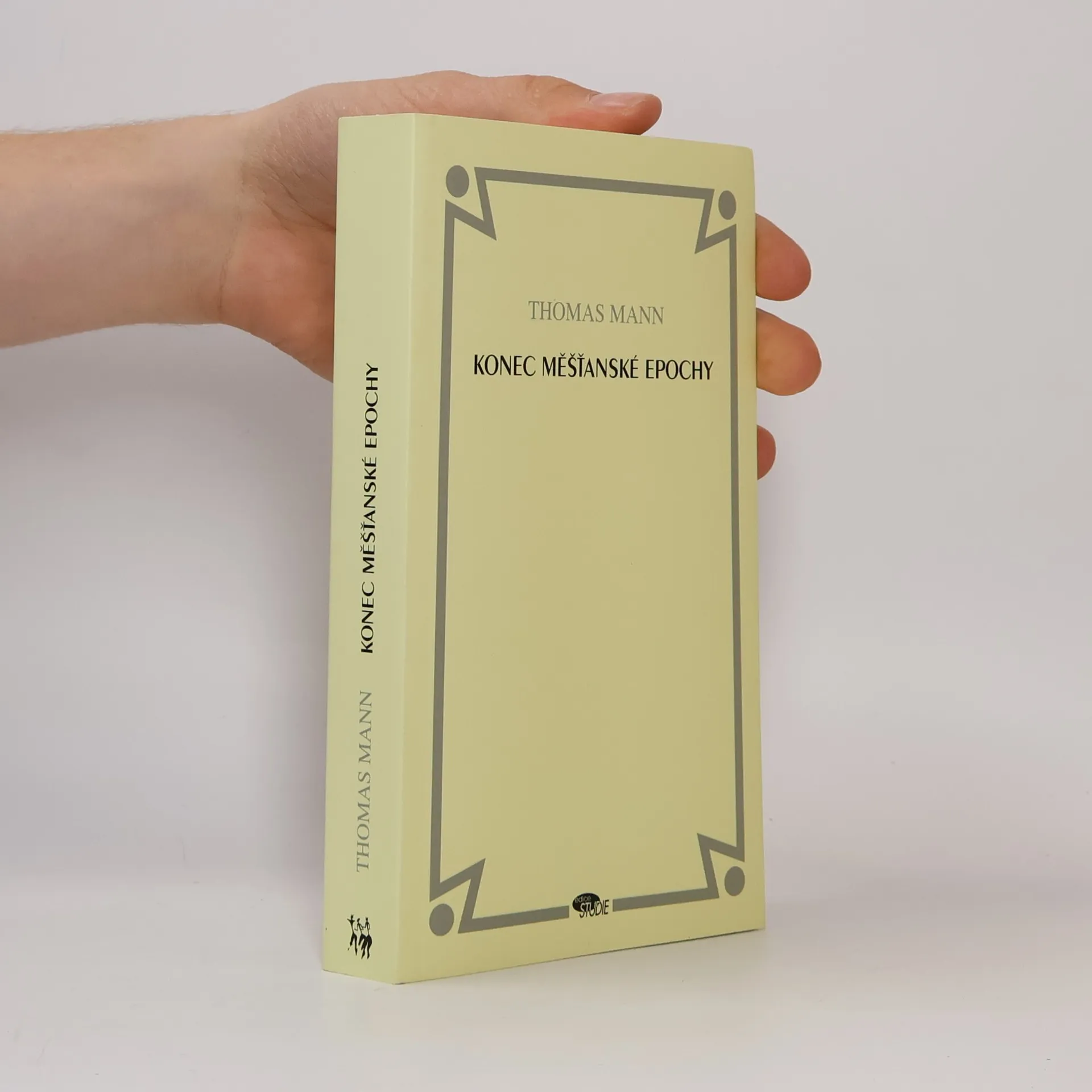
Výbor z Mannovy rozsáhlé esejistiky o literatuře, filozofii a hudbě je koncipován tak, aby reprezentoval pokud možno nejdůležitější estetická a ideová východiska autorovy celoživotní tvorby. Obsahuje jednak eseje o měšťanství a románu jakožto kulturně-historických fenoménech, jednak eseje věnované jednotlivým autorům, kteří měli na Manna zásadní vliv (Wagner, Nietzsche, Dostojevskij, Schiller). Velká část textů tohoto výboru je do češtiny přeložena vůbec poprvé.
Joseph und seine Brüder(komplet)
- 4 volúmenes
Thomas Mann hat mit seiner vierbändigen Joseph-Geschichte einen der größten mythischen Romane des 20. Jahrhunderts geschrieben. Aus einer kurzen biblischen Erzählung entwickelt der Autor ein episches Gemälde, das durch szenischen Reichtum, durch seine menschlichen Figuren, seinen Humor und seine Weisheit gleichermaßen begeistert. Insgesamt 17 Jahre hat Thomas Mann an seinem Opus magnum gearbeitet, bis 1943 der letzte Band erschien.
Joseph und seine Brüder II
Joseph in Ägypten. Joseph der Ernährer. Große kommentierte Frankfurter Ausgabe. Werke, Briefe, Tagebücher
- 1100 páginas
- 39 horas de lectura
Der vierbändige Josephroman von Thomas Mann stellt ein bedeutendes literarisches Werk des 20. Jahrhunderts dar, das zwischen 1933 und 1943 veröffentlicht wurde. Die biblische Erzählung widersetzt sich von Beginn an der Nazi-Ideologie und reflektiert die Erfahrungen des Exils. Mann schafft mit dieser Erzählung ein eindrucksvolles Monument, das sowohl historische als auch kulturelle Themen behandelt und tiefgehende Einblicke in die menschliche Existenz bietet.
Mit Thomas Mann durch das Jahr
- 432 páginas
- 16 horas de lectura
Felix Lindner präsentiert in diesem humorvollen Buch 365 Kurzzitate aus den Tagebüchern von Thomas Mann, die seinen Alltag und die Herausforderungen des Schreibens zeigen. Trotz seines Rufes als disziplinierter Arbeiter kämpfte Mann mit Müdigkeit, Zweifeln und Ablenkungen, während er versuchte, sein Schreib-Pensum zu bewältigen.
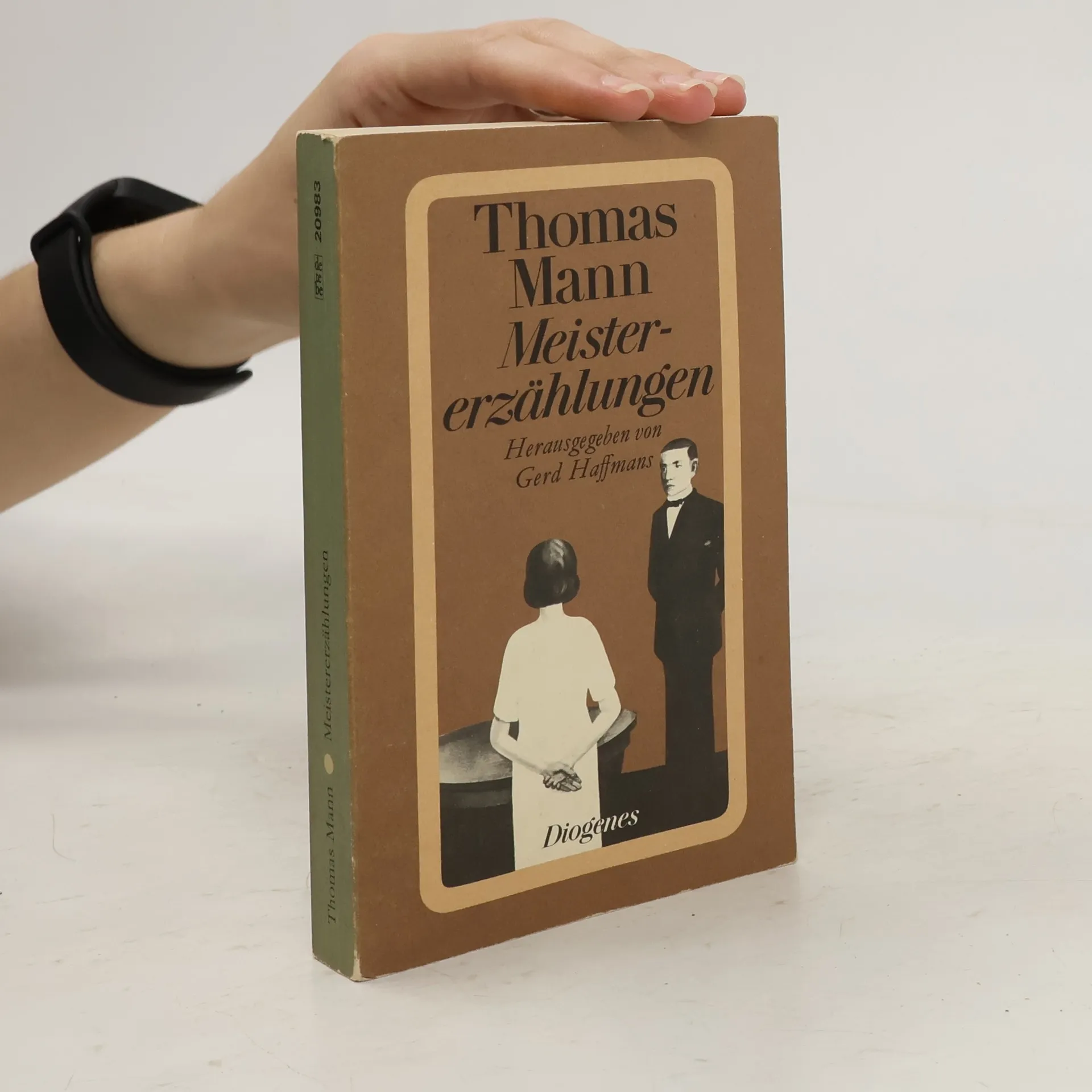
Meistererzählungen
- 335 páginas
- 12 horas de lectura
Ausgewählt von Gerd Haffmans Inhalt: Der Büchersack Fußspuren im Dschungel Die Tür des Schicksals Neil Mac Adam Der Brief Vor der Party Jane Der rote Ted Tugend Die Dschungel-Residenz P & O Das runde Dutzend
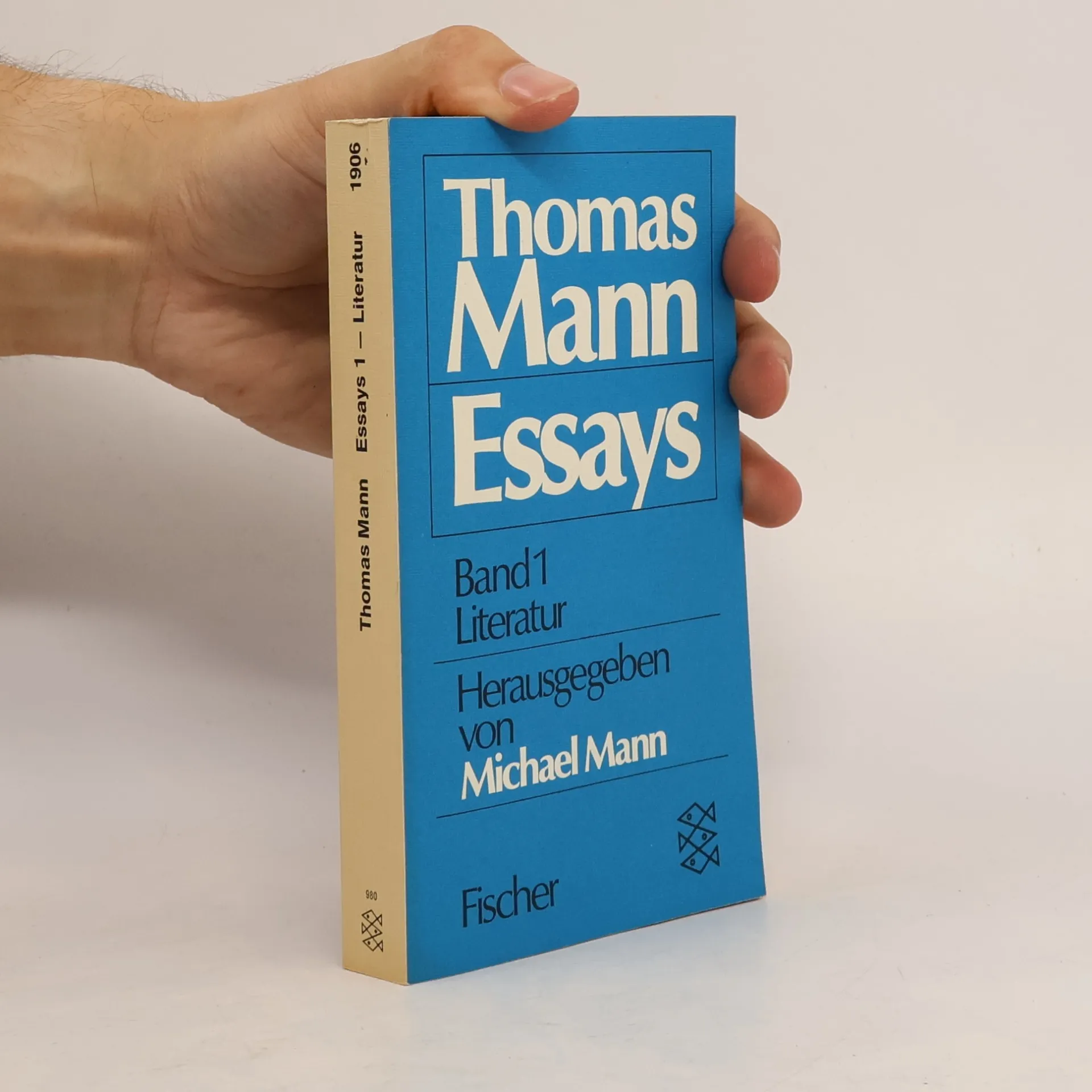
Die Forderung des Tages
Abhandlungen und kleine Aufsätze über Literatur und Kunst
- 410 páginas
- 15 horas de lectura
Mit dem Erscheinen von Thomas Manns Tagebüchern hat sich unser Bild des Autors und unser Verständnis seines Werks nachhaltig verändert. In den erhaltenen Journalen von 1918-1921 und ab 1933 bis zum Tod 1955 verbindet Thomas Mann alltägliche Beobachtungen mit dem Weltgeschehen und schreibt so „den Roman eines Lebens“: es ist „der umfassendste, welthaltigste, rührendste, aberwitzigste Roman“, den der Autor je geschrieben hat - „und wie wunderbar geschrieben!“ (Volker Hage)
Thomas Mann Brevier
- 307 páginas
- 11 horas de lectura
Dieses Lesebuch enthält vielfältige Informationen über Thomas Mann und präsentiert kurze sowie ausführliche Zitate und Textausschnitte, die einen weniger bekannten Blick auf den weltberühmten Autor bieten.
Příběhy Jákobovy (1933), Mladý Josef (1934). První a druhá část slavné tetralogie o Josefu Egyptském, kterého jeho závistiví bratři prodali do Egypta. Tato část vypráví příběh Jákoba, syna Izákova, a jeho lásky ke krásné Ráchel. Inspirací byla I. kniha Mojžíšova – Genesis. Zpracované motivy jsou jen zlomkem dějů, o nichž biblická předloha hovoří a od ostatních podobných děl se liší hluboce lidským a zároveň nadčasovým pojetím osudů svých hrdinů.