In this collection, John Lennon gives insights on surviving fame the day before his murder, Bob Dylan contemplates identity in his film "Renaldo and Clara, " and Lou Reed explores the nihilism of New York City and the best lines he's ever written.
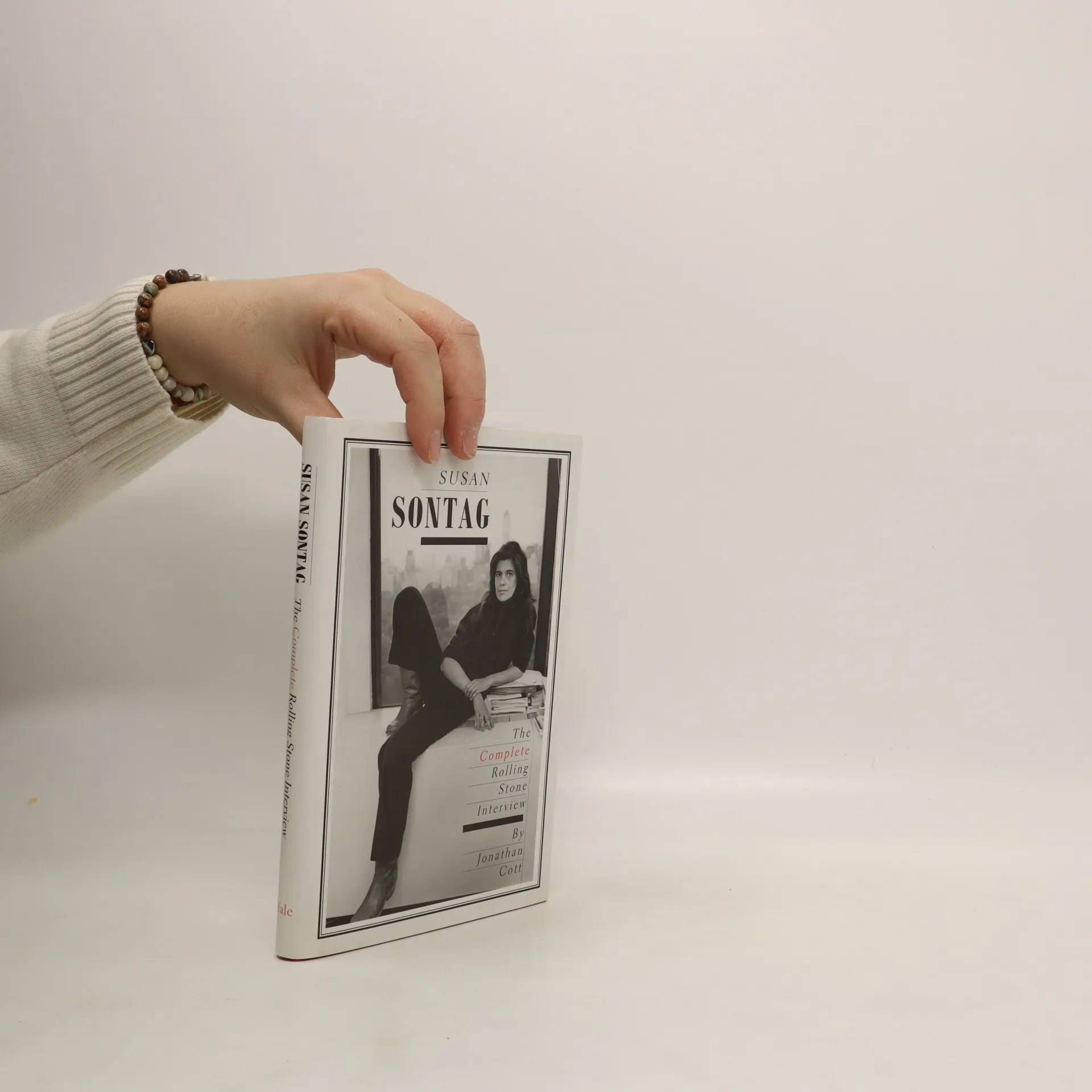
Susan Sontag, one of the most internationally renowned and controversial intellectuals of the latter half of the twentieth century, still provokes. In 1978 Jonathan Cott, a founding contributing editor of Rolling Stone magazine, interviewed Sontag first in Paris and later in New York. Only a third of their twelve hours of discussion ever made it to print. Now, more than three decades later, Yale University Press is proud to publish the entire transcript of Sontag’s remarkable conversation, accompanied by Cott’s preface and recollections. Sontag’s musings and observations reveal the passionate engagement and breadth of her critical intelligence and curiosities at a moment when she was at the peak of her powers. Nearly a decade after her death, these hours of conversation offer a revelatory and indispensable look at the self-described "besotted aesthete" and "obsessed moralist." Sontag proclaims a personal credo, declaring: "Thinking is a form of feeling; feeling is a form of thinking."
A historical compilation to savor” (Los Angeles Times) that is “invaluable…irresistible” (The New York Times)—the ultimate collection of interviews and encounters with Nobel Laureate Bob Dylan, spanning his entire career from 1962 to today
Pianist Glenn Gould (1932–82) was one of the most unique and charismatic musicians of the twentieth century, known for his interpretations of Bach, Beethoven, and Mozart at brisk tempos with remarkable clarity. A true eccentric, Gould was famous not only for his musical talent but also for his peculiar habits, such as humming during performances and wearing unconventional attire, including fingerless gloves and fur coats. In 1964, at the peak of his controversial career, he withdrew from live performances to concentrate on recording and writing. Jonathan Cott, a noted author and poet, was among the few who interviewed Gould, capturing their conversation in 1974 for Rolling Stone. After Gould's passing, Cott compiled these interviews into a collection, enhancing it with an introduction, photographs, and lists of Gould's recorded works and media appearances. In this engaging dialogue, Gould shares his opinions on various subjects, including his aversion to Mozart's piano sonatas, his preference for composers like Orlando Gibbons and Richard Strauss, and his admiration for Petula Clark, while expressing his distaste for the Beatles. This collection is widely regarded as one of Gould's finest interviews and a remarkable showcase of his personality.
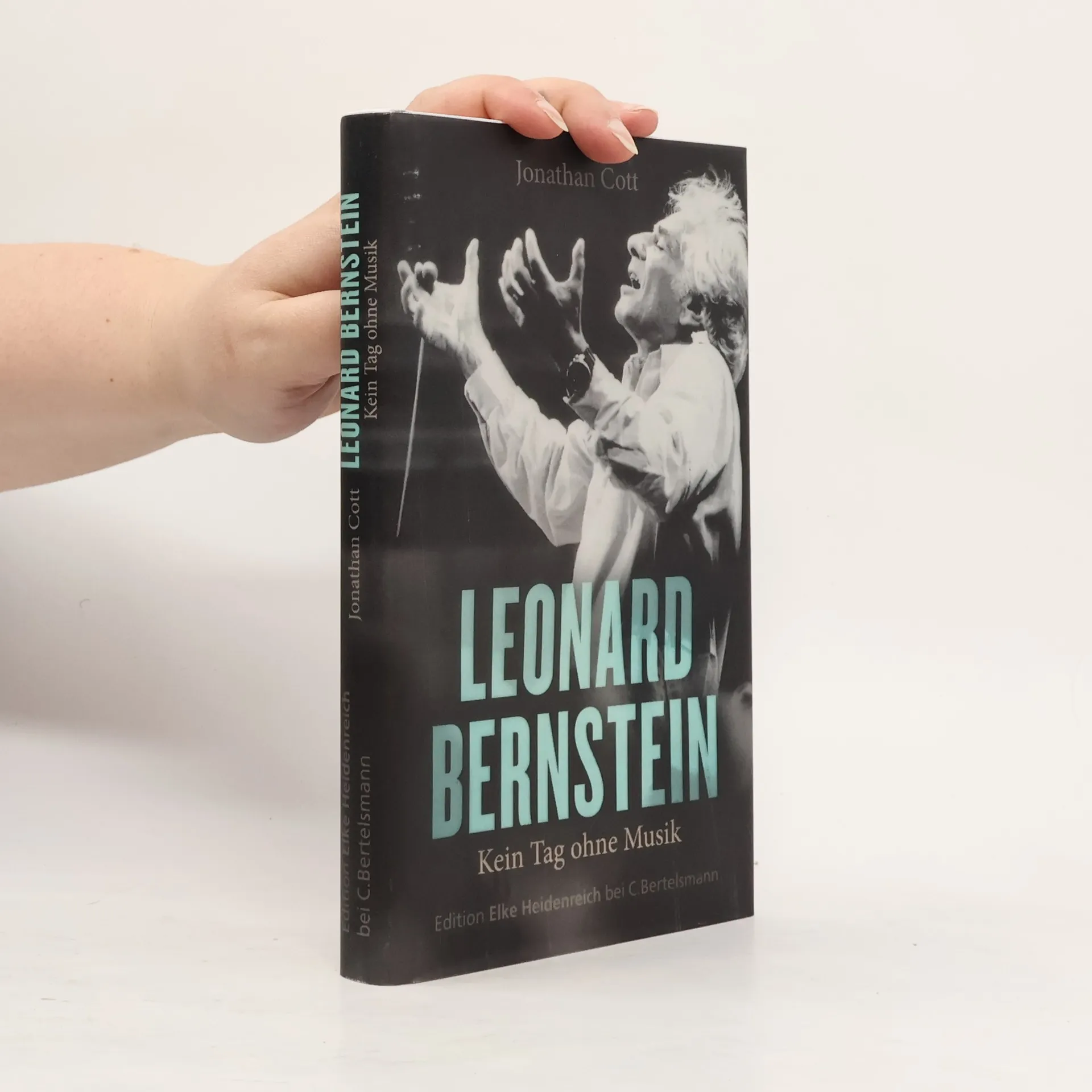
Geistreich, erfrischend, unterhaltsam! Im Terminkalender des Journalisten Jonathan Cott war am 20. November 1989 notiert: 'Dinner mit Lenny'. Leonard Bernstein gab zu diesem Zeitpunkt, ein Jahr vor seinem Tod, eigentlich keine Interviews mehr; und doch entstand in dieser Nacht ein intensives geistreiches und inspirierendes Gespräch über musikalische, pädagogische, psychologische, politische und spirituelle Themen, das zwölf Stunden dauerte. Bernstein zeigt sich hier noch einmal in allen Facetten seiner schillernden Künstlerpersönlichkeit: als Dirigent, Pianist und Komponist, dem es gelang, die Grenzen zwischen E- und U-Musik, zwischen Kunst und Leben spielend zu überwinden, und der sich stets weigerte, emotionale, intellektuelle, erotische und spirituelle Aspekte von der musikalischen Erfahrung zu trennen. Cott rundet dieses Bild ab, indem er Bernsteins Lebensweg nachzeichnet und ergänzt: Die glänzende Hommage an ein Jahrhundertgenie.
In 1978, Susan Sontag and Jonathan Cott met for an interview, first in Sontag's Paris apartment and later in her New York loft. The result is a multifaceted portrait of Sontag as a profound and agile thinker, unafraid to tackle a wide range of topics—feminism, fascism, aesthetics, ideology, Chuck Berry, and Friedrich Nietzsche—while disregarding the divide between high and pop culture: "Rock 'n' Roll changed my life." Sontag also provides insights into her personal life, discussing her role as a mother, her marriage, and her battle with cancer, which inspired her pivotal work, Illness as Metaphor. The conversation touches on her significant essays, including Art and Anti-Art and On Photography. Even humor, not typically associated with Sontag, finds its place in this book, offering a well-rounded view of her intellect and personality.
»Dieser Spinner ist ein Genie«, sagte der Dirigent George Szell nach einem Konzert von Glenn Gould. Seit der kanadische Pianist im Alter von vierzehn Jahren zum ersten Mal öffentlich Beethovens 4. Klavierkonzert spielte, versetzte er sein Publikum in Erstaunen. Aber er wurde auch scharf angegriffen: wegen seiner Manieriertheit – ungebügelter Frack und ein kurzbeiniger Hocker, auf dem er, fast auf dem Boden sitzend, spielte –, wegen seines kompromisslosen Repertoires wie seiner progressiven Bach-Interpretationen, wegen seiner an Besessenheit grenzenden Suche nach dem perfekten Flügel. Und nicht zuletzt wegen seiner exzentrischen Lebensweise und seines bizarren Aufzugs: Er trug selbst im Sommer Handschuhe und Schal. Und dann beschloss Gould im Alter von zweiunddreißig Jahren auch noch, keine öffentlichen Konzerte mehr zu geben. Der Musikjournalist Jonathan Cott besuchte schon als Jugendlicher jedes New Yorker Konzert von Gould; 1960 lernte er sein Idol persönlich kennen. 1974 führten die beiden drei mehrstündige Telefongespräche für den Rolling Stone, die den Kern dieses Buchs bilden.