The Birth and Death of the Personal Computer - Third Edition
386 páginas
14 horas de lectura
Fire in the Valley is the definitive history of the personal computer, drawn from interviews with the people who made it happen, written by two veteran computer writers who were there from the start.
The Quest for Common Ground Between Humans and Robots
400 páginas
14 horas de lectura
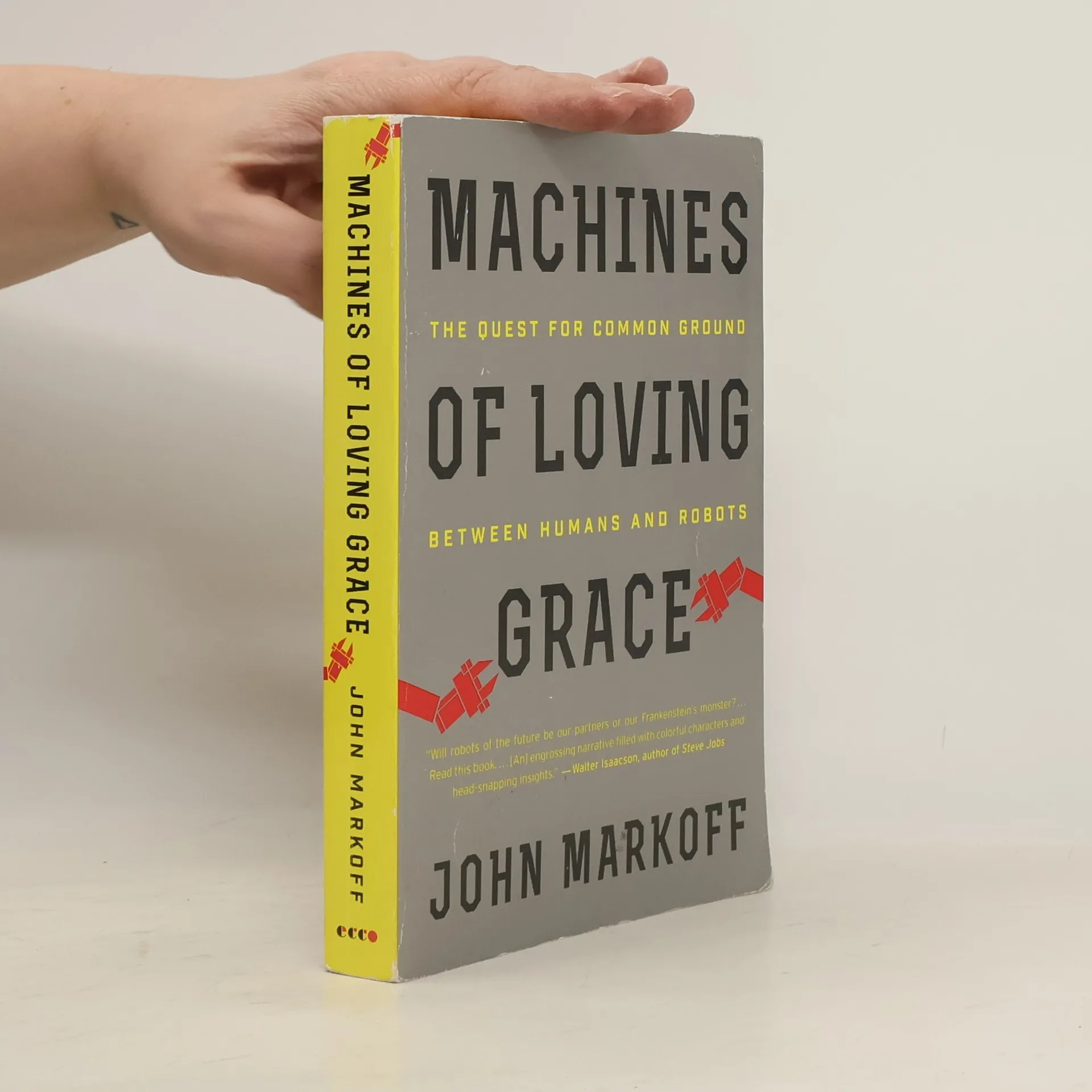
As robots become integral to society—impacting the battlefield, business, education, and health—Pulitzer-Prize-winning science writer John Markoff explores a critical question: will these machines assist us or replace us? In the last decade, innovations like driverless cars and personal assistants have emerged, while the Internet of Things has connected daily tasks to the broader internet. With advancements in sensors and computing power, robots are poised to operate autonomously, raising the age-old dilemma of control: will we manage these systems, or will they dominate us? Markoff, a pioneer in covering the World Wide Web, provides a comprehensive history of the complex relationship between humans and computers. He highlights the rapid pace of technological change, which reintroduces this ethical challenge with significant implications. Tracing the evolution of automation from the 1950s to the present, including the influential tech hubs in Silicon Valley and the Northeast, Markoff examines how developers have approached this issue and emphasizes the need for careful consideration of their creations' consequences. As we stand on the brink of a technological revolution, he argues that a clear distinction between human and machine is essential to maintain balance in our lives.
Told by a leading chronicler of technology and society, this definitive biography explores the life of Stewart Brand, an iconic serial visionary. From his involvement with the Merry Pranksters and the influential Whole Earth Catalog to the fusion of environmental awareness and hacker capitalism, Brand's story is intertwined with the emergence of a new planetary culture. While he is well-known among counterculture enthusiasts and environmental advocates, many outside these circles recognize him for his mantra, "Stay Hungry. Stay Foolish," famously endorsed by Steve Jobs. Brand's life is marked by striking contradictions: a blond-haired WASP with a modest background, he became an artist and photographer during the 1960s LSD revolution. His vision of seeing Earth from space culminated in a photograph featured on the cover of his catalog, a cornerstone of counterculture literature. Committed to protecting indigenous cultures and the environment, he has also faced criticism for his pragmatic embrace of technologies like nuclear power in combating climate change. Rejecting traditional politics, Brand focused on direct empowerment and was an early advocate for the computer revolution. John Markoff masterfully unfolds Brand's complex narrative, revealing how his individualism, respect for science, and diverse influences create a powerful worldview that embodies a California state of mind and offers a hopeful vision for humanity's futu
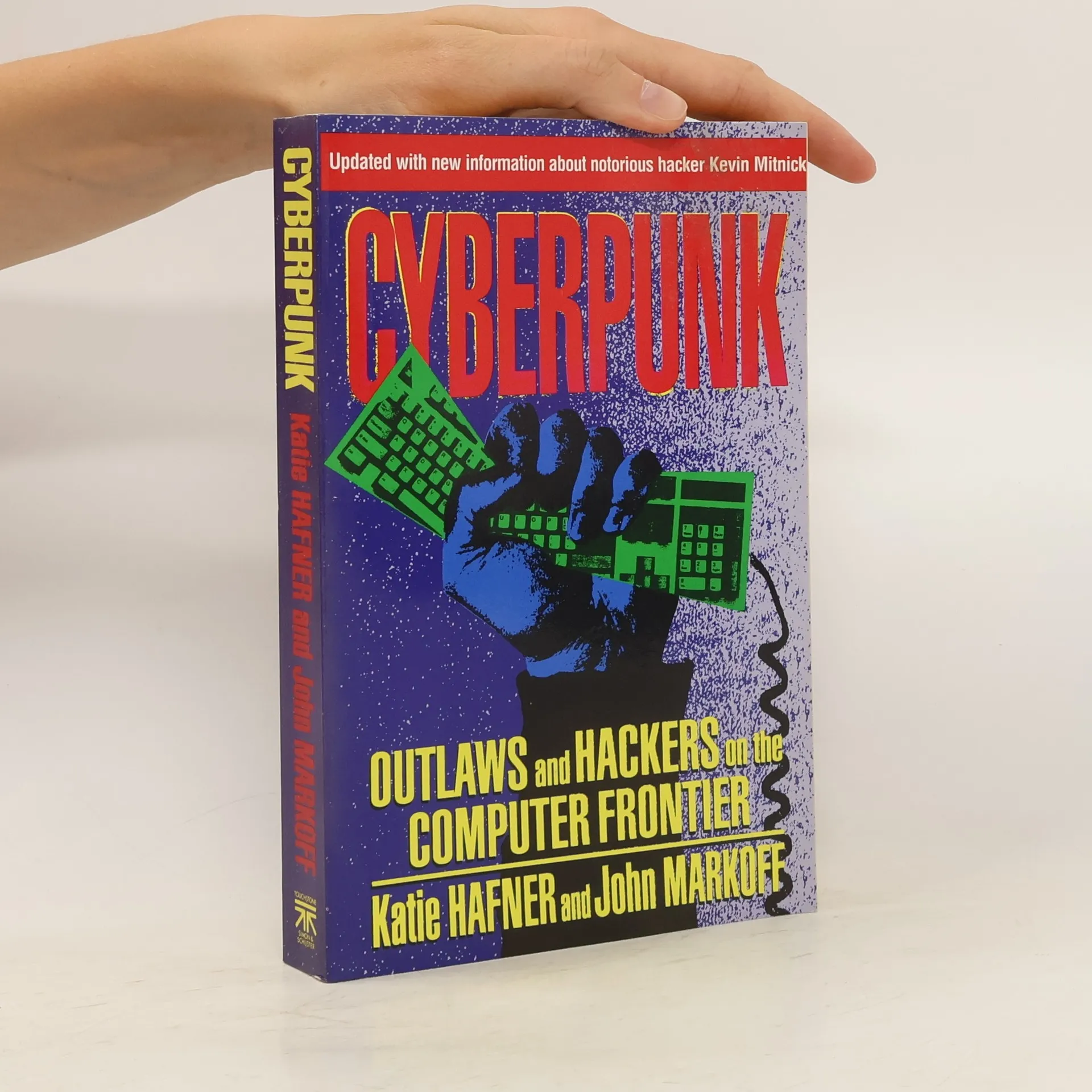
Using the exploits of three international hackers, Cyberpunk provides a fascinating tour of a bizarre subculture populated by outlaws who penetrate even the most sensitive computer networks and wreak havoc on the information they find -- everything from bank accounts to military secrets. In a book filled with as much adventure as any Ludlum novel, the authors show what motivates these young hackers to access systems, how they learn to break in, and how little can be done to stop them.
An analysis of the political and cultural forces that gave rise to the personal computer chronicles its development through the people, politics, and social upheavals that defined its time, from a teenage anti-war protester who laid the groundwork for the PC revolution to the imprisoned creator of the first word processing software for the IBM PC. Reprint.
A world-renowned computer security expert gives his personal account of the thrilling and ingenius capture of the Internet's most notorious cyberthief--Kevin Mitnick--in a gripping drama which illuminates the good, the bad, and the ugly of the computer world. Photos.
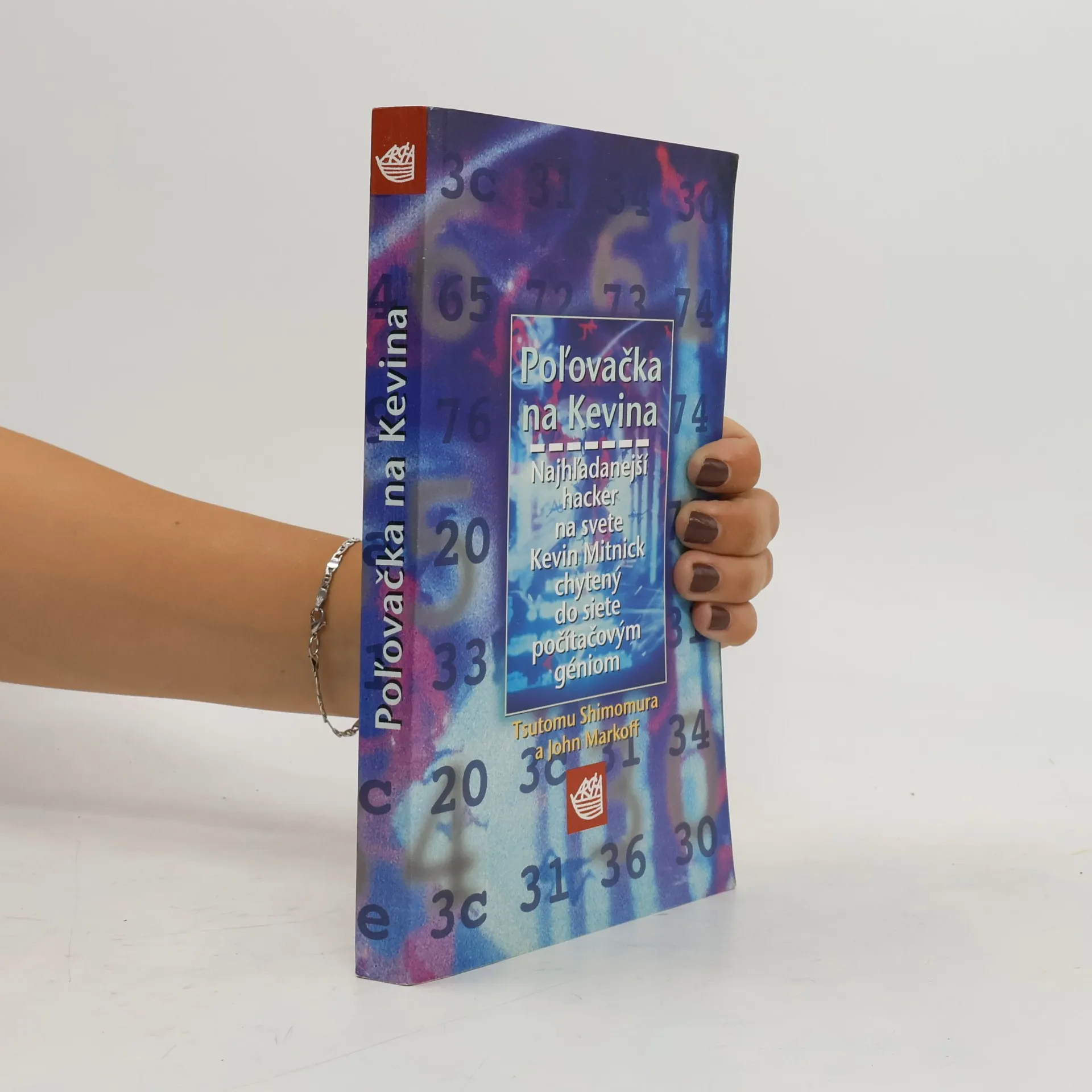
Vo februári 1995 zatkla FBI najhľadanejšieho počítačového zločinca na svete Kevina Mitnicka, po ktorom pátrala už niekoľko rokov. Mitnick by bol možno dodnes na slobode, keby neurobil osudnú chybu. Na Vianoce 1994 prenikol sieťou Internetu do osobného počítača jedného z najlepších odborníkov na bezpečnostné systémy v Amerike - Tsumomu Shimomuru. Od toho okamihu sa začal odohrávať strhujúci zápas dvoch geniálnych mozgov, v ktorom zvíťazil ten lepší. Nešlo však len o osobný súboj, išlo najma o záchranu obrovského množstva dát, ktorých majiteľmi boli veľké počítačové spoločnosti a vládne úrady. Kevin Mitnick mohol v každom okamihu ukradnúť a zničiť informácie v hodnote stoviek miliónov dolárov.
Zatknutie Mitnicka bolo udalosťou, ktorá sa objavila na prvých stránkach svetovej tlače a ktorá podnietila mohutnú diskusiu o fenoméne Internet a o práve na súkromie. Táto kniha je predovšetkým napínavým detektívnym príbehom. Je však súčastne príbehom z virtuálneho sveta Internetu, v ktorom už dnes žijú milióny ľudí a v ktorom prebieha zápas dobra proti zlu presne tak, ako v každom inom ľudskom svete.