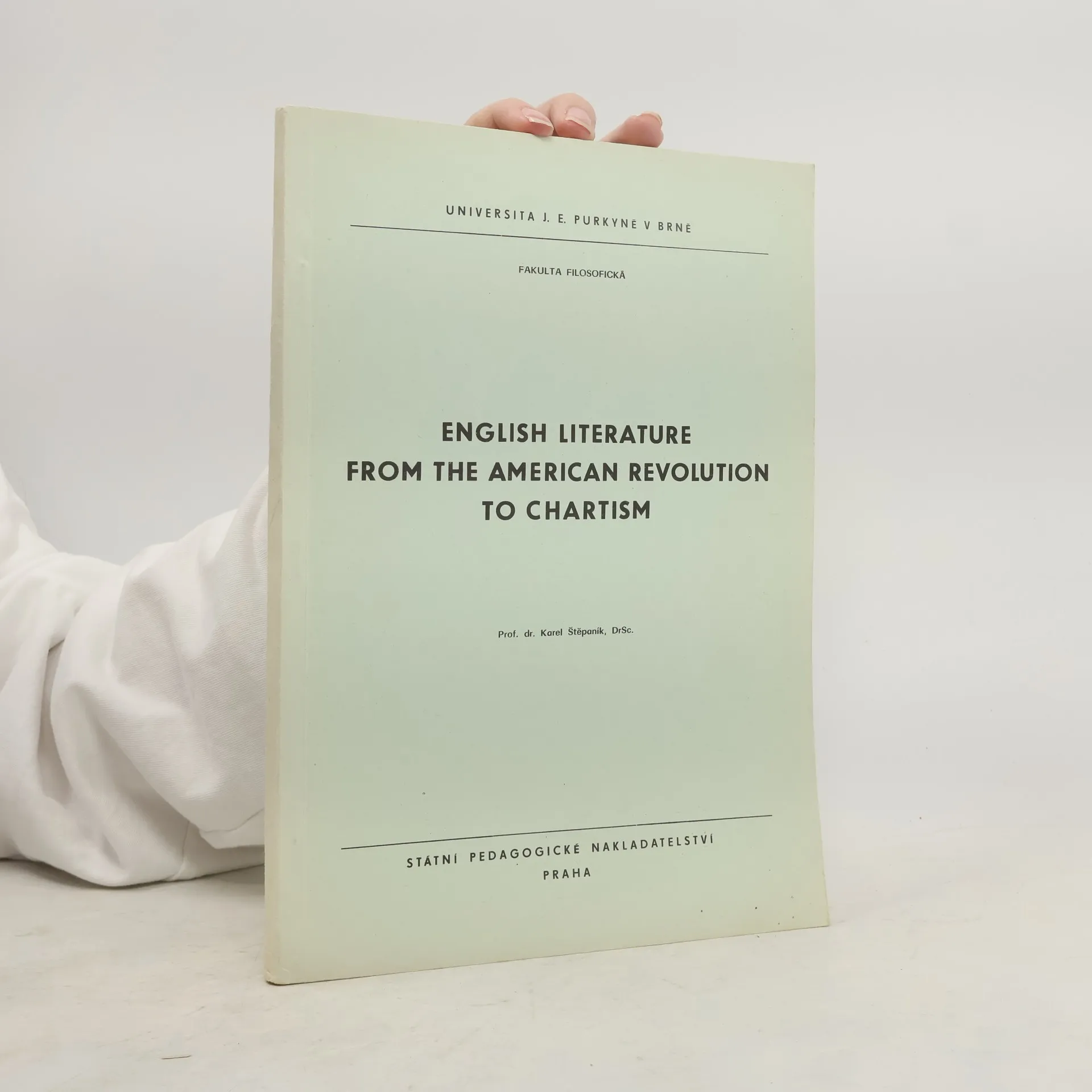
English Literature from the American Revolution to Chartism
- 148 páginas
- 6 horas de lectura



A gripping portrayal of London's dark criminal underbelly, the story follows Oliver Twist, an orphan who faces evil and adversity from birth, shocking readers upon its publication. After escaping the workhouse and the pompous Mr. Bumble, Oliver is drawn into a den of thieves filled with vivid characters like the Artful Dodger, the brutal burglar Bill Sikes, his dog Bull's Eye, and the prostitute Nancy, all under the watchful eye of master-thief Fagin. Blending Gothic Romance, Newgate Novel elements, and popular melodrama, Dickens crafted a new kind of fiction that critiques a cruel society, imbued with a sense of threat and mystery. The narrative explores themes of poverty, crime, and the struggle for identity, highlighting the harsh realities of life for the underprivileged in Victorian England. Through Oliver's journey, Dickens sheds light on social injustices, making "Oliver Twist" a timeless exploration of humanity and morality.
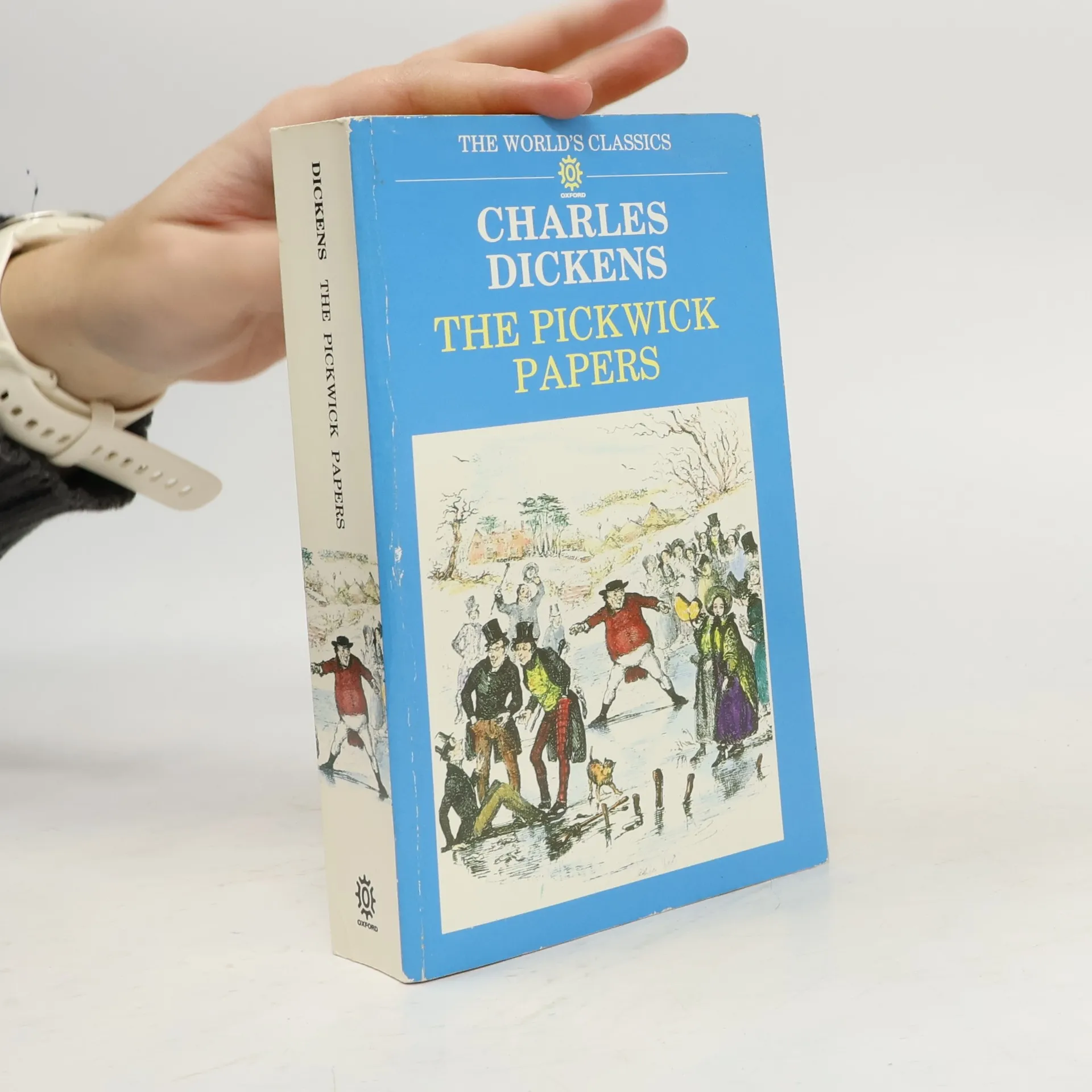
Charles Dickens's satirical masterpiece, "The Pickwick Papers," catapulted the young writer into literary fame when it was first serialized in 1836-37. It recounts the rollicking adventures of the members of the Pickwick Club as they travel about England getting into all sorts of mischief. Laugh-out-loud funny and endlessly entertaining, the book also reveals Dickens's burgeoning interest in the parliamentary system, lawyers, the Poor Laws, and the ills of debtors' prisons. As G. K. Chesterton noted, "Before ÝDickens ̈ wrote a single real story, he had a kind of vision . . . a map full of fantastic towns, thundering coaches, clamorous market-places, uproarious inns, strange and swaggering figures. That vision was Pickwick."