Compra 10 libros por 10 € aquí!
Bookbot

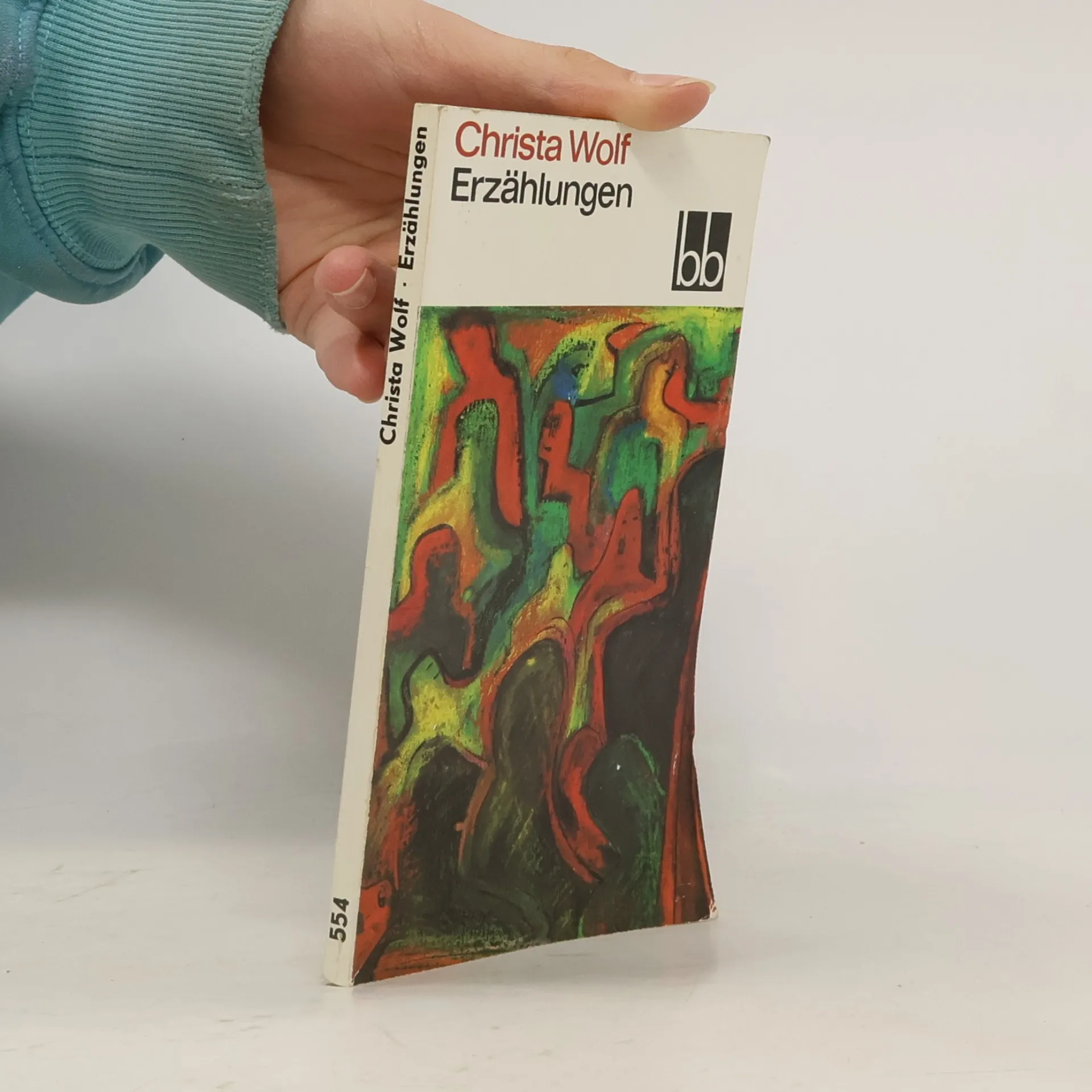
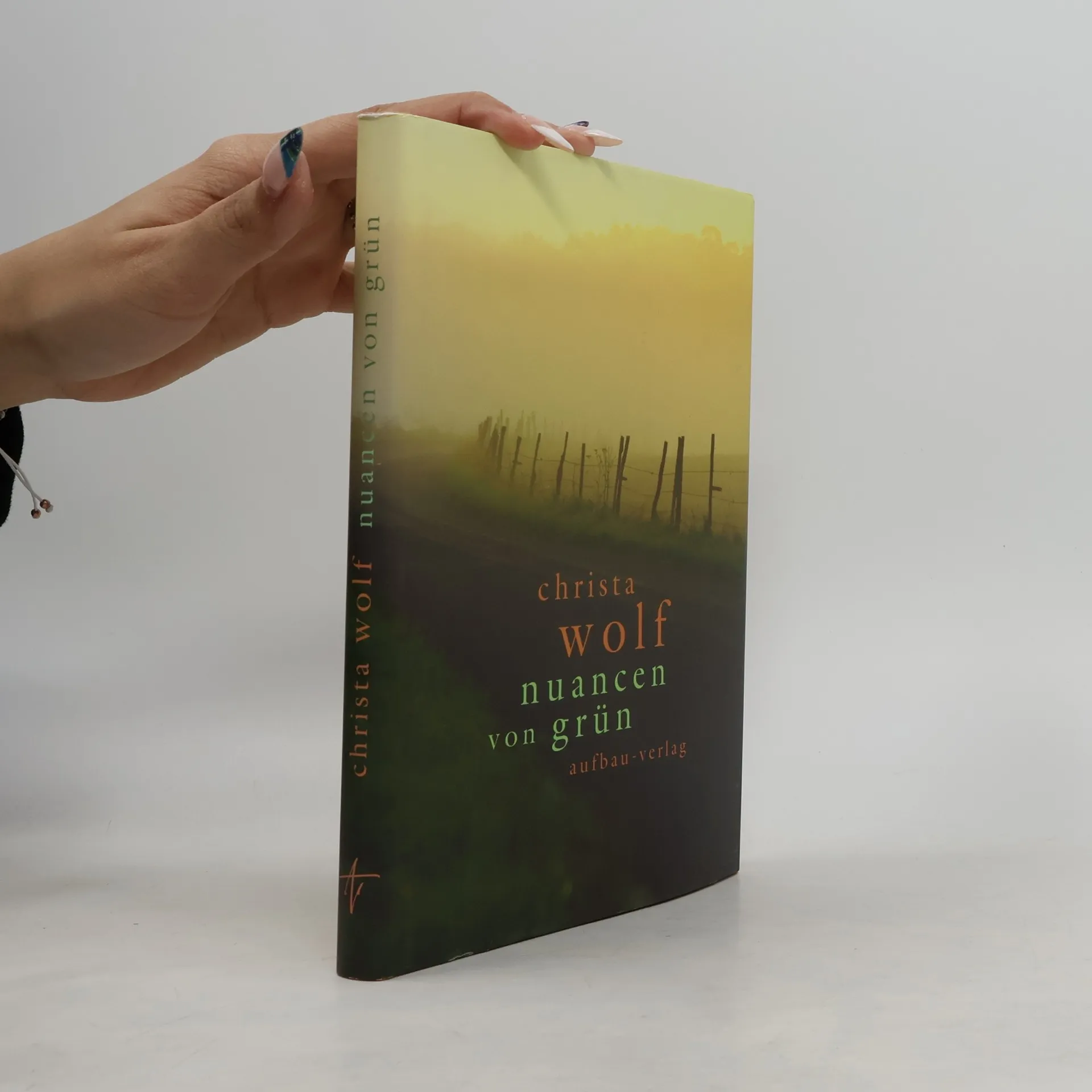
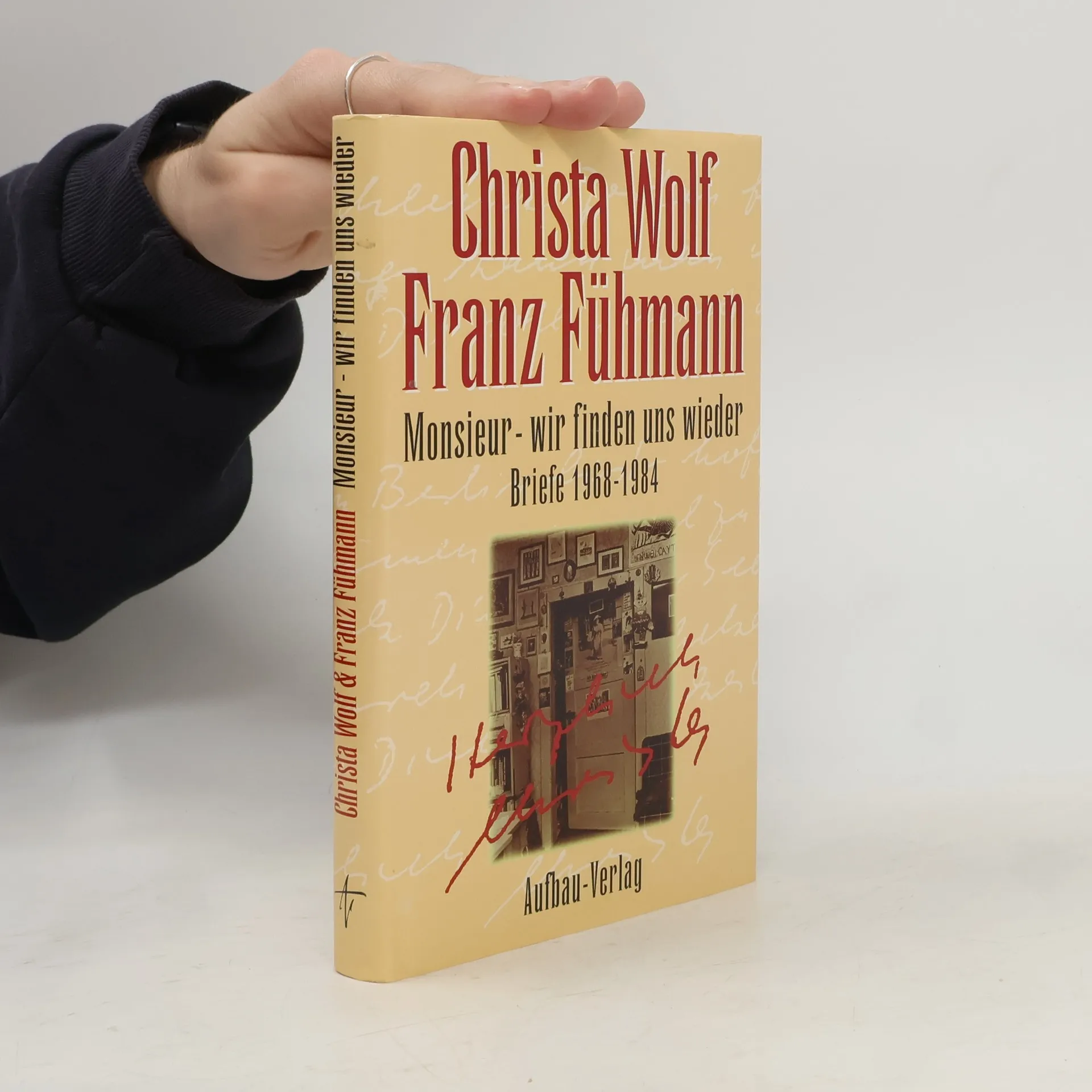
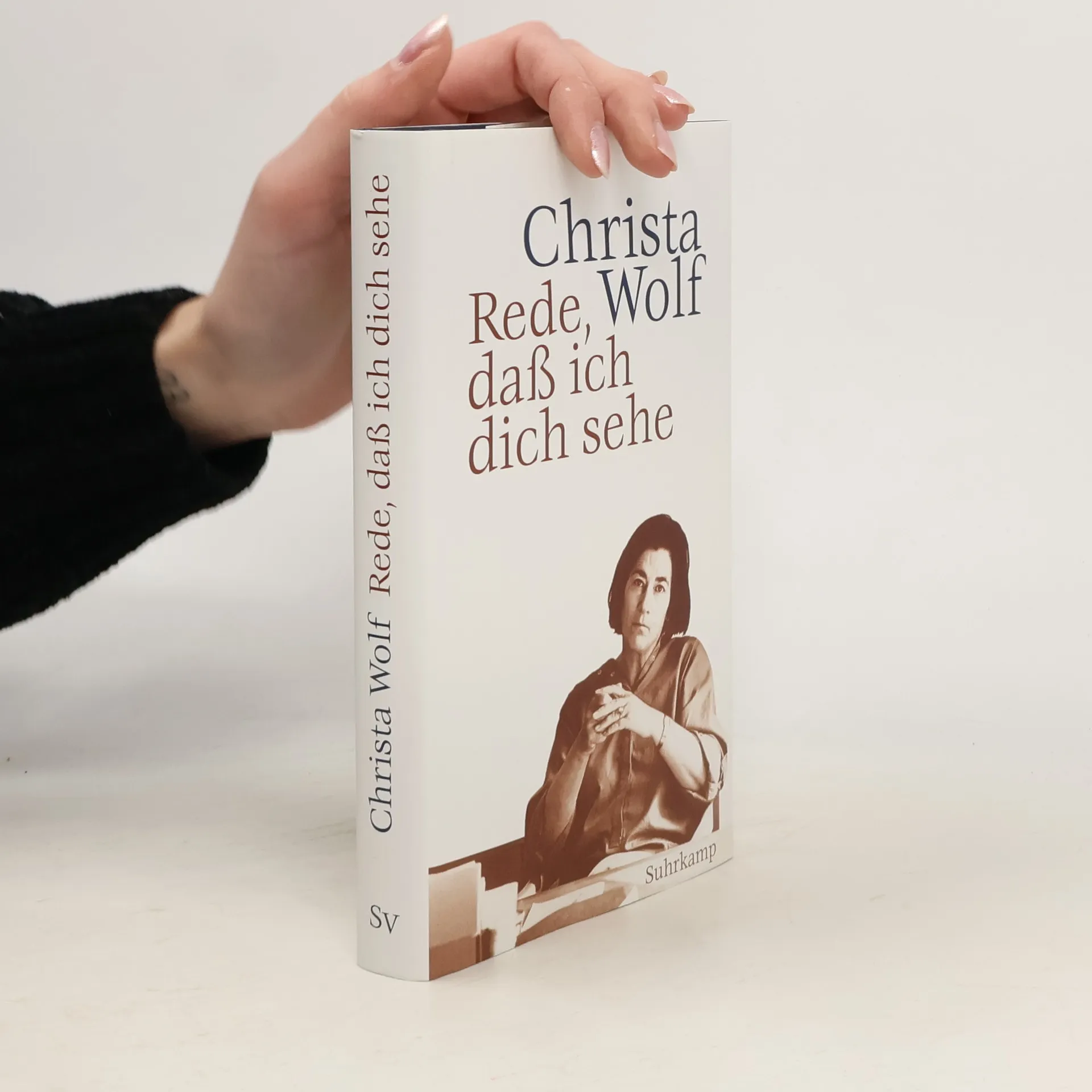
Christa Wolf

    18 de marzo de 1929 – 1 de diciembre de 2011

    Christa Wolf fue una novelista que mantuvo una distancia crítica del régimen comunista, al tiempo que era una socialista comprometida. Su obra exploró a menudo temas de división social y los conflictos internos del individuo, caracterizada por una profunda seriedad moral y un poder narrativo. Wolf cuestionó valientemente las esperanzas y los errores de su tiempo, obteniendo reconocimiento por su incuestionable honestidad intelectual y su destreza literaria. Sus escritos ofrecen profundas reflexiones sobre la condición humana en un complejo panorama político.

    Christa Wolf
    One Day a Year
    August
    Parting from phantoms
    Virtualization
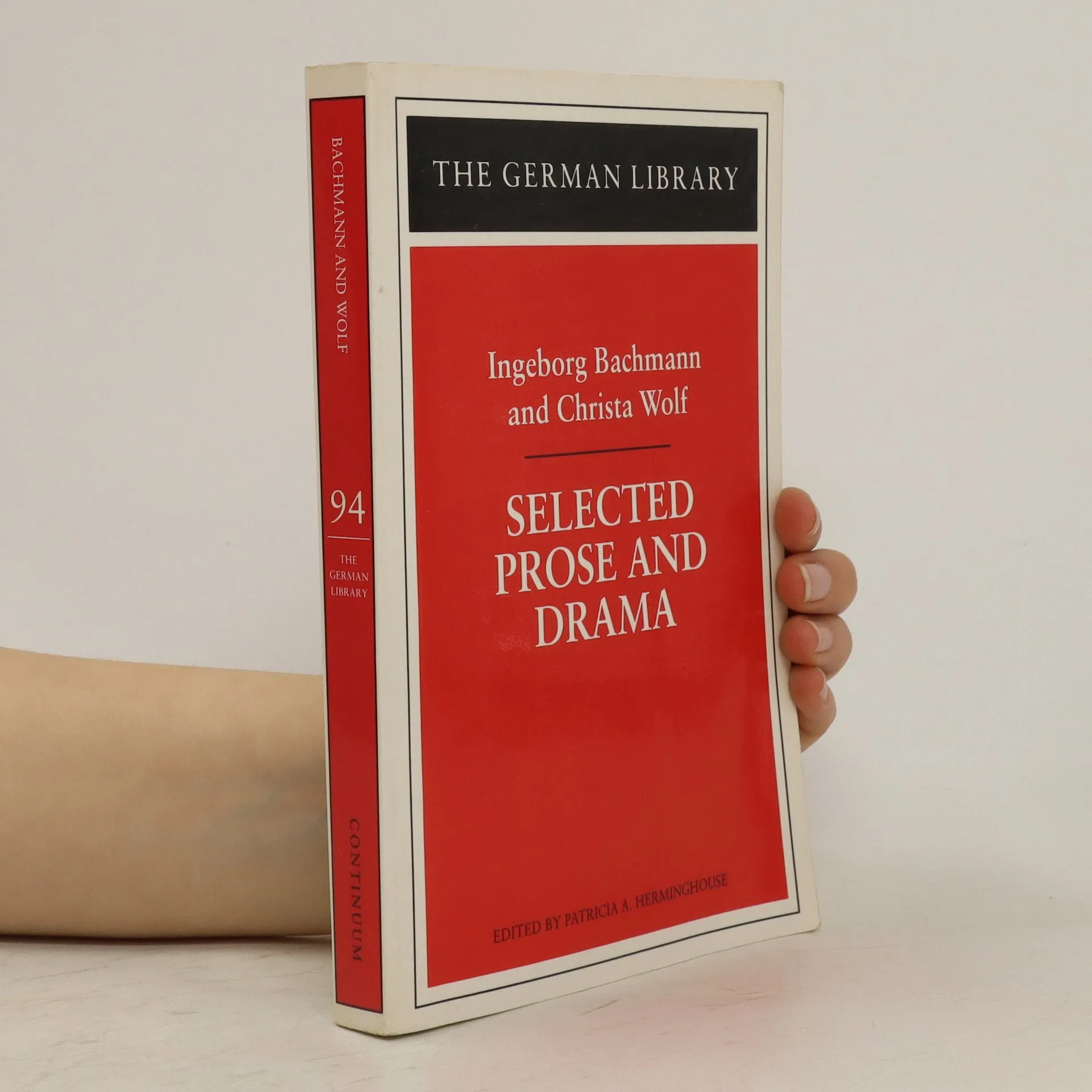
    The German Library 94: Selected Prose and Drama
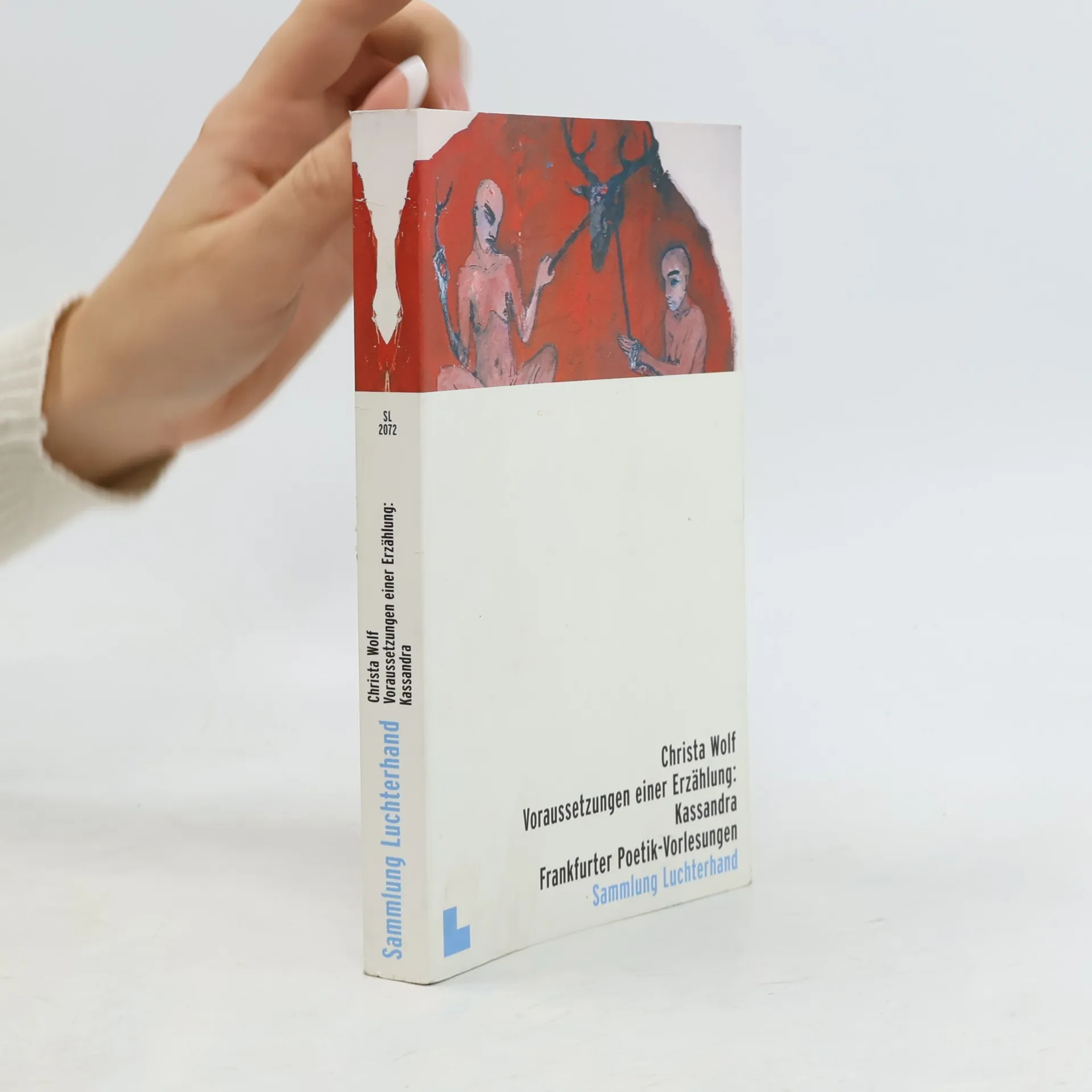
    Casandra
    • Casandra

      • 142 páginas
      • 5 horas de lectura

      Era hija de Príamo y Hécuba. Apolo se enamoró de ella y le concedió el don de la profecía pero, al ser rechazado, se vengó disponiendo que nunca fuera creída. Casandra anunció la caída de Troya, pero los troyanos se burlaron de ella. Sobre este mito, la autora construye una apasionante analogía entre los hechos narrados en la Ilíada y el tenso periodo de guerra fría del siglo XX. La profetisa no desea ser simplemente la portavoz de Dios, anhela ante todo el conocimiento y la autoconciencia. Desde la cesta de mimbre en la que está encerrada (metáfora de la situación de la mujer en la sociedad patriarcal), vaticina la ruina, es decir, la destrucción de la cultura.

      Casandra
    • Virtualization

      • 600 páginas
      • 21 horas de lectura

      * This will be the only complete virtualization reference on the market; brings all virtualization technologies together * Microsoft has shifted its training strategy to include virtual machine technology in all new ALS/MOC courses, which leads to high demand for knowledge about this technology * Covers both Microsoft and Linux environments

      Virtualization
    • Parting from phantoms

      • 315 páginas
      • 12 horas de lectura

      Parting from Phantoms is a window into the soul of the most prominent writer of the German Democratic Republic and its most famous export, Christa Wolf. The essays, diary entries, and letters in this book document four agonizing years in Wolf's personal history and paint a vivid portrait of the cultural and political situation in the former German Democratic Republic. This collection stands as an important testimony to the personal and cultural costs of German reunification. "The works in this book constitute an essential document of the history of reunified Germany, and this alone recommends it to scholars and those interested in current European events."— Publishers Weekly "Christa Wolf was arguably the most influential writer of a nation that no longer exists. . . . Parting from Phantoms traces the fever chart of her anguish. . . . In some ways, the rawness of the present volume is its greatest contribution, and its bona fides—testifying to the human cost of deception and self-deception."—Todd Gitlin, Nation "A thrilling display of ideological soul-searching."—Ilan Stavans, Newsday, Favorite Books of 1997
      Parting from phantoms
    • August

      • 80 páginas
      • 3 horas de lectura

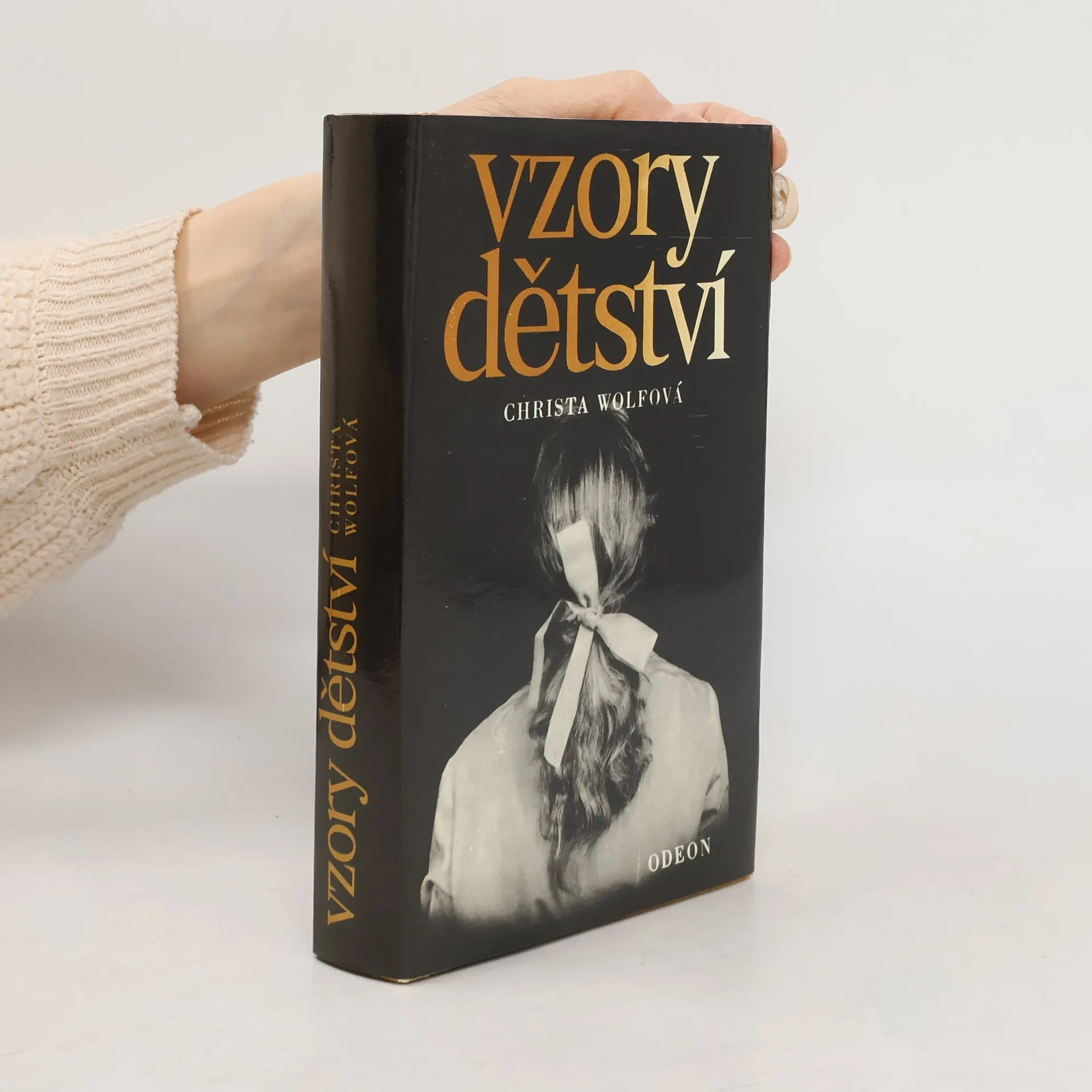
      "August" is Christa Wolf s last piece of fiction, written in a single sitting as an anniversary gift to her husband. In it, she revisits her stay at a tuberculosis hospital in the winter of 1946/47, which makes up the closing scenes of her 1976 novel "Patterns of Childhood." This time, however, the perspective is a very different one: that of August, a young patient who has lost both parents to the war. He adores the older girl Lilo, a rebellious teenager who holds things together on the wards. Sixty years later, August thinks back on his life and the things that she taught him. Written in taut, affectionate prose, "August "offers a new entry into Christa Wolf s work and, incidentally, her first and last male protagonist. Yet, it is more than a literary artefacta perfectly constructed story of a quiet life well lived. For August as for Christa Wolf, the past was never dead."

      August
    • One Day a Year

      • 128 páginas
      • 5 horas de lectura

      During a 1960 interview, East German writer Christa Wolf was asked a curious question: would she describe in detail what she did on September 27th? Fascinated by considering the significance of a single day over many years, Wolf began keeping a detailed diary of September 27th, a practice which she carried on for more than fifty years until her death in 2011. The first volume of these notes covered 1960 through 2000 was published to great acclaim more than a decade ago. Now translator Katy Derbyshire is bringing the September 27th collection up to date with One Day a Year--a collection of Wolf's notes from the last decade of her life. The book is both a personal record and a unique document of our times. With her characteristic precision and transparency, Wolf examines the interplay of the private, subjective, and major contemporary historical events. She writes about Germany after 9/11, about her work on her last great book City of Angels, and also about her exhausting confrontation with old age. One Day a Year is a compelling and personal glimpse into the life of one of the world's greatest writers.

      One Day a Year
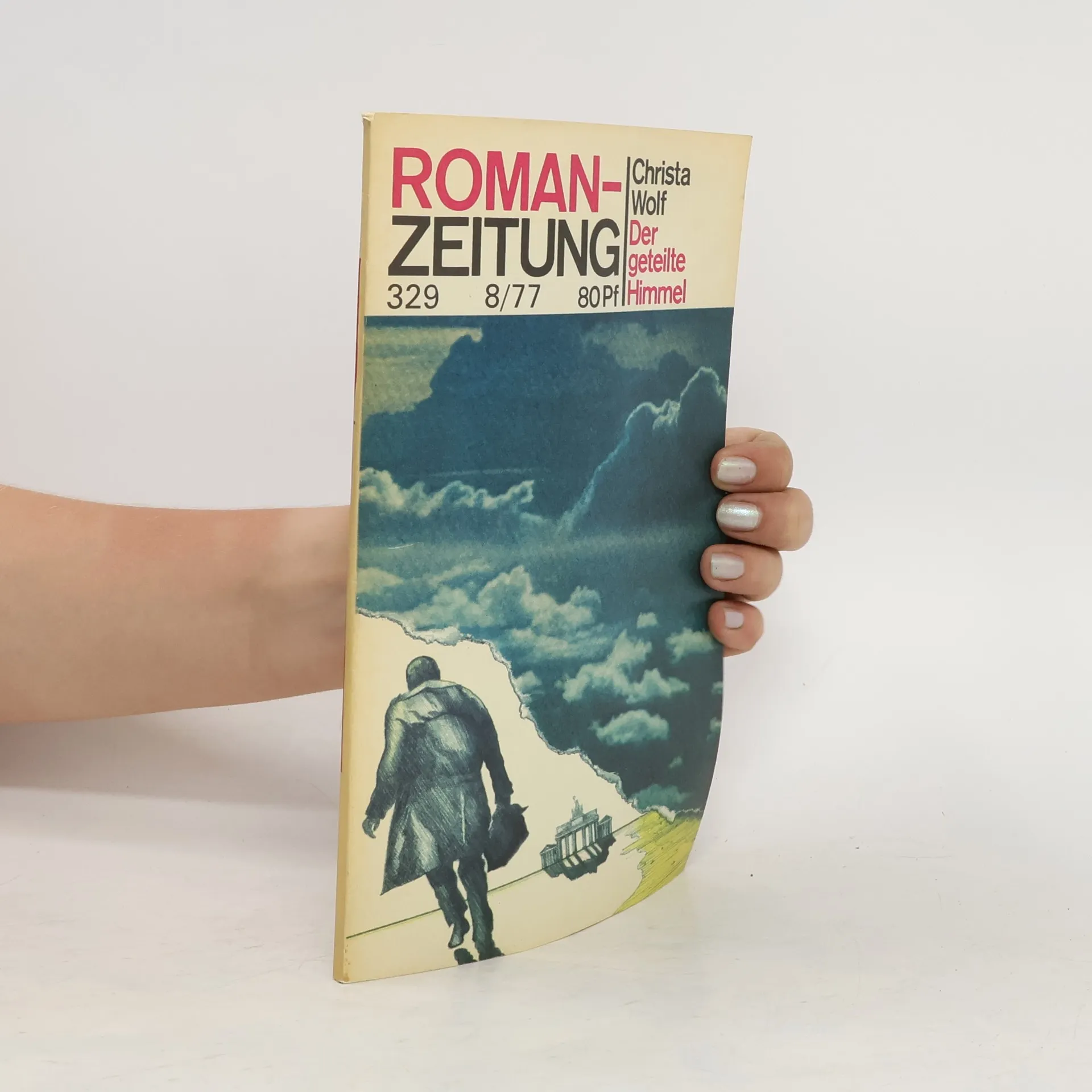
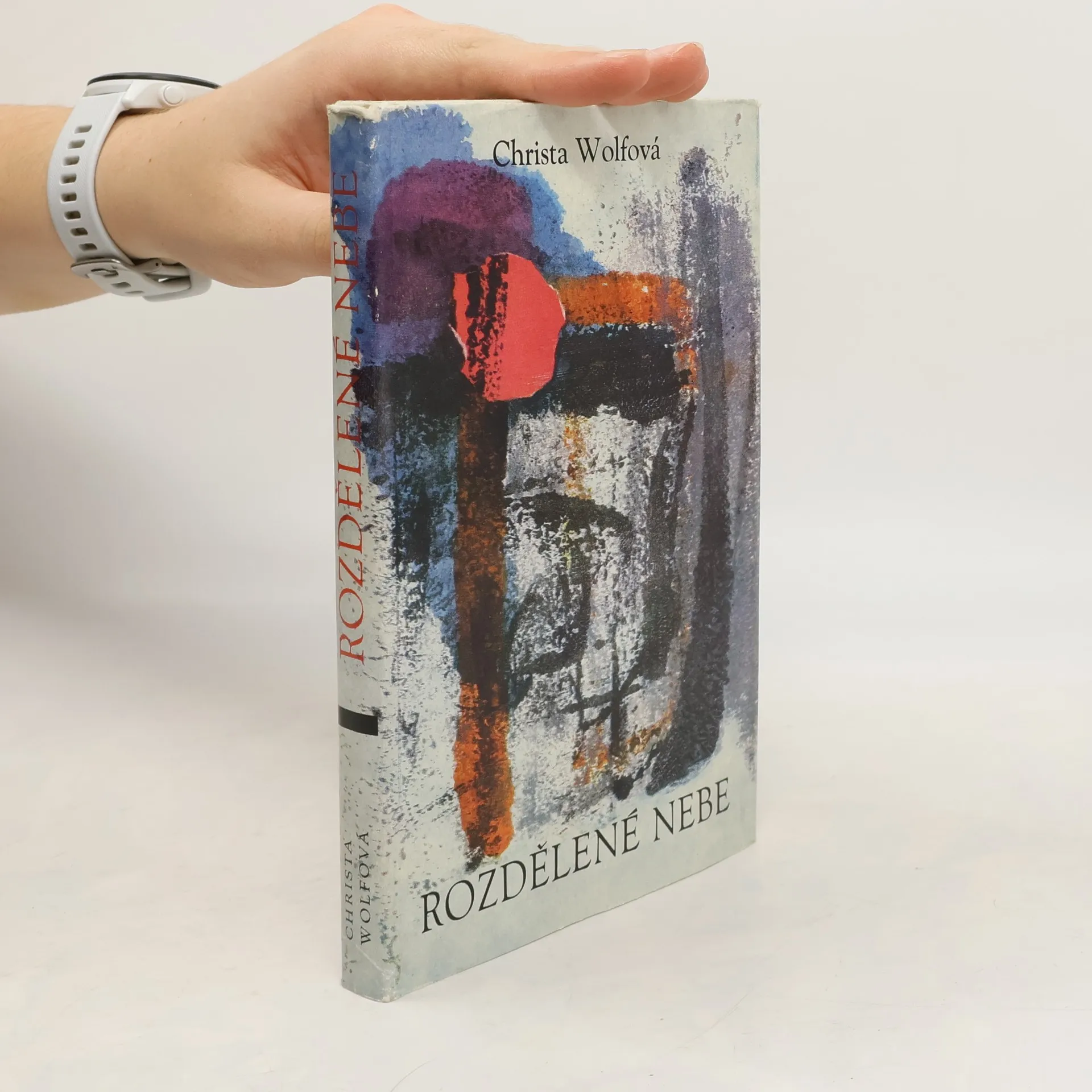
    • They divided the sky

      • 203 páginas
      • 8 horas de lectura

      The story is set in 1960 and 1961, a moment of high political cold war tension between the East Bloc and the West, a time when many thousands of people were leaving the young German Democratic Republic (the GDR) every day in order to seek better lives in West Germany, or escape the political ideology of the new country that promoted the "farmer and peasant" state over a state run by intellectuals or capitalists.

      They divided the sky
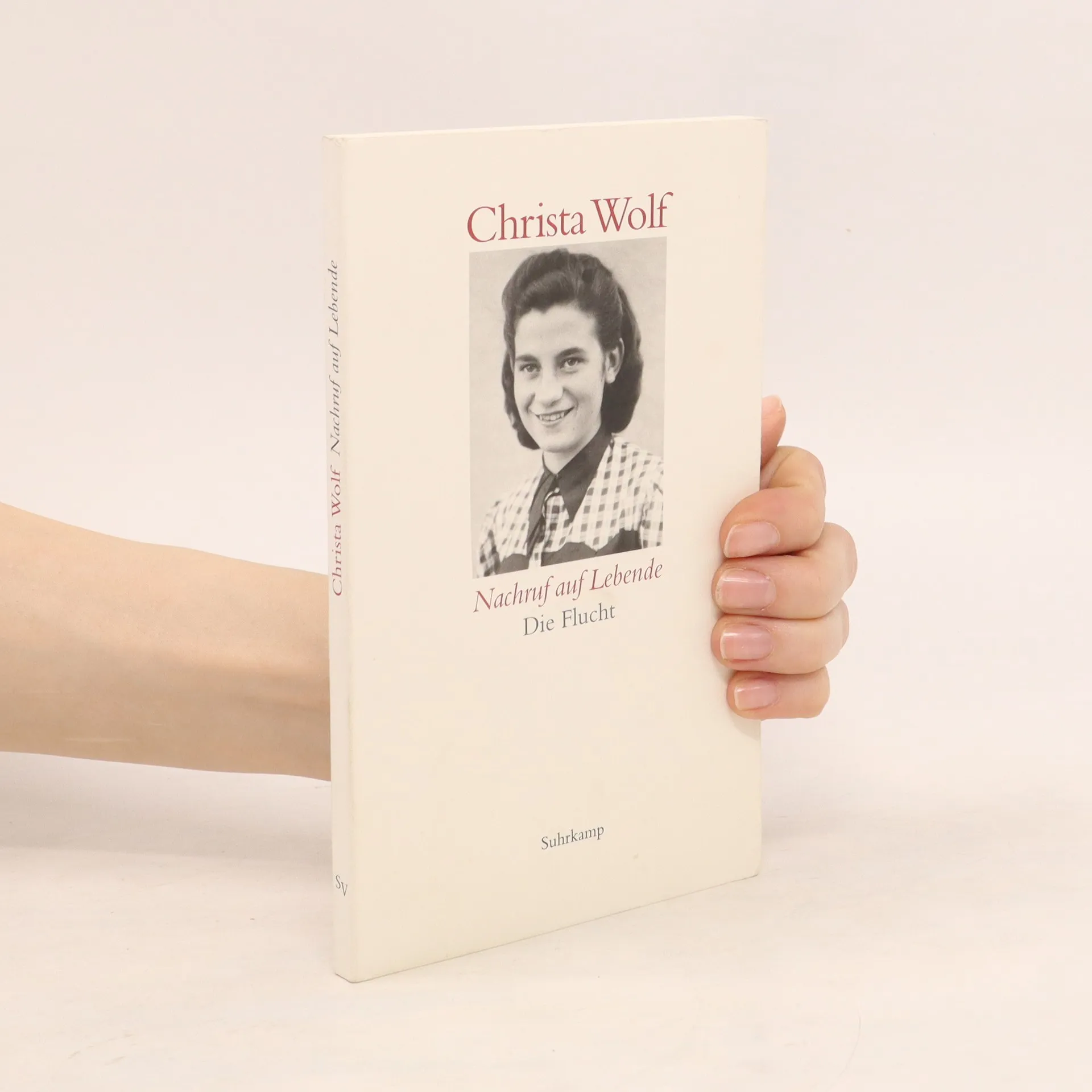
    • A fragmentary work that stands as a testament to Wolf's skill as a thinker, storyteller, and memorializer of humanity's greatest struggles. Christa Wolf tried for years to find a way to write about her childhood in Nazi Germany. In her 1976 book Patterns of Childhood, she explained why it was so difficult: "Gradually, over a period of months, the dilemma has emerged: to remain speechless or to live in the third person, these seem to be the options. One is impossible, the other sinister." During 1971 and 1972 she made thirty-three attempts to start the novel, abandoning each manuscript only pages in. Eulogy for the Living, written over the course of four weeks, is the longest of those fragments. In its pages, Wolf recalls with crystalline precision the everyday details of her life as a middle-class grocer's daughter, and the struggles within the family--struggles common to most families, but exacerbated by the rise of Nazism. And as Nazism fell, the Wolfs fled west, trying to stay ahead of the rampaging Red Army.

      Eulogy for the Living - Taking Flight