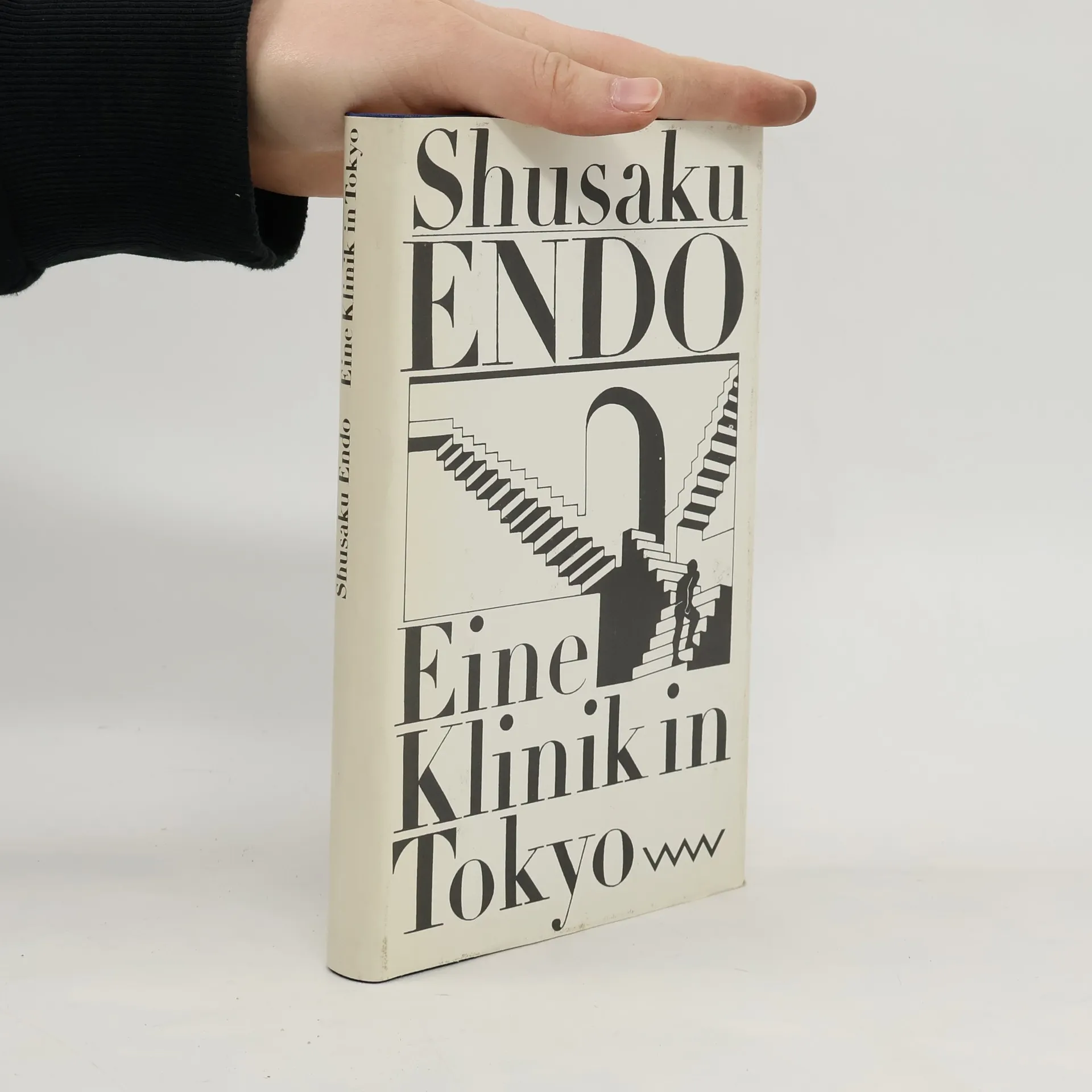
La obra de Shusaku Endo profundiza en la intrincada relación entre el cristianismo occidental y la cultura japonesa. Sus narrativas exploran a menudo la fe y las dudas de personajes que luchan con el suelo aparentemente infértil de su patria para el crecimiento cristiano. Endo capta magistralmente las luchas internas y la búsqueda espiritual, empleando frecuentemente la ironía y la compasión. Su prosa es incisiva e introspectiva, ofreciendo una perspectiva única sobre la condición humana y la búsqueda de significado.
En 1613, cuatro samurais, acompañados de un sacerdote español, se hacen a la mar con destino a Nueva España (México), en una larguísima travesía. Novelada reconstrucción de un verídico e insólito encuentro entre culturas.
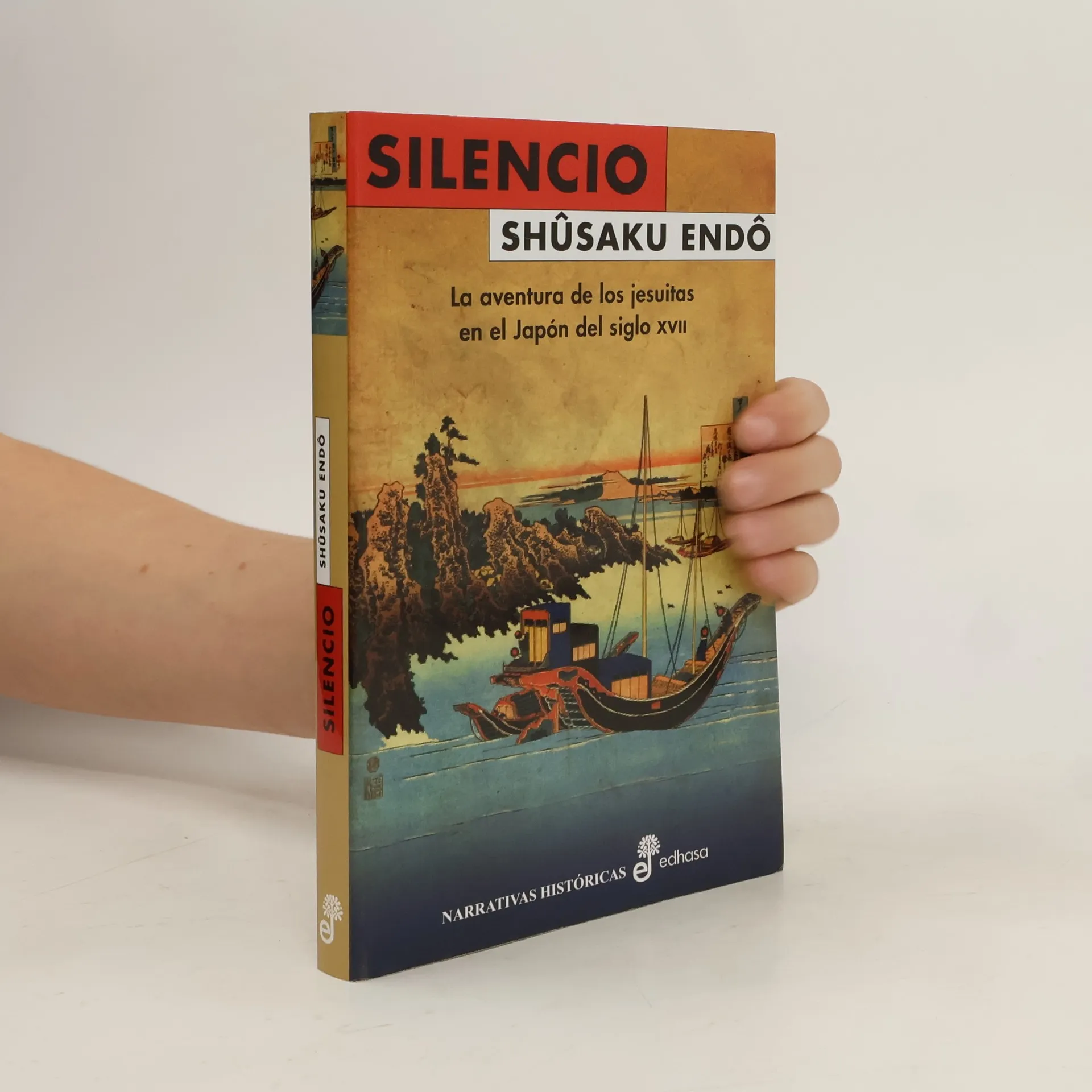
La aventura de los jesuitas en el Japón del siglo XVII
256 páginas
9 horas de lectura
A través de la fracasada misión de los sacerdotes occidentales que en el siglo XVII intentaron evangelizar el Japón, Endo propone una sutil reflexión sobre los valores fundamentales de la fe cristiana.Cuando la obra se publicó en Japón fue motivo de apasionadas controversias, obtuvo el prestigioso premio Tanizaki, fue considerada la mejor novela del año y en poco tiempo había vendido millones de ejemplares. Hoy es considerada como la novela más importante de Endo y una pieza fundamental para explicar ciertos caminos emprendidos por la narrativa japonesa de nuestros días.Esta nueva edición incorpora un prólogo escrito especialmente para la ocasión por el traductor de japonés, Jaime Fernández, que contribuye a situarla en el contexto en que surgió y las polémicas en que se vieron envueltos tanto la obra como el autor debido al tema que toca.
En el Japón de la Segunda Guerra Mundial, un ambicioso cirujano convence a Suguro, estudiante de medicina del hospital universitario de Fukuoka, de que participe en una serie de experimentos médicos realizados sobre prisioneros de guerra estadounidenses. Suguro descubre pronto que aquellos experimentos son producto de la brutalidad de los militares, la pugna entre los cirujanos del hospital por destacar y la atmósfera de nihilismo que reina en Japón a causa de la casi segura derrota ante los Aliados. Cuando uno de los cirujanos le propone participar en la vivisección sin anestesia ni calmantes de uno de los prisioneros, Suguro tendrá que tomar una decisión que marcará para siempre su vida.
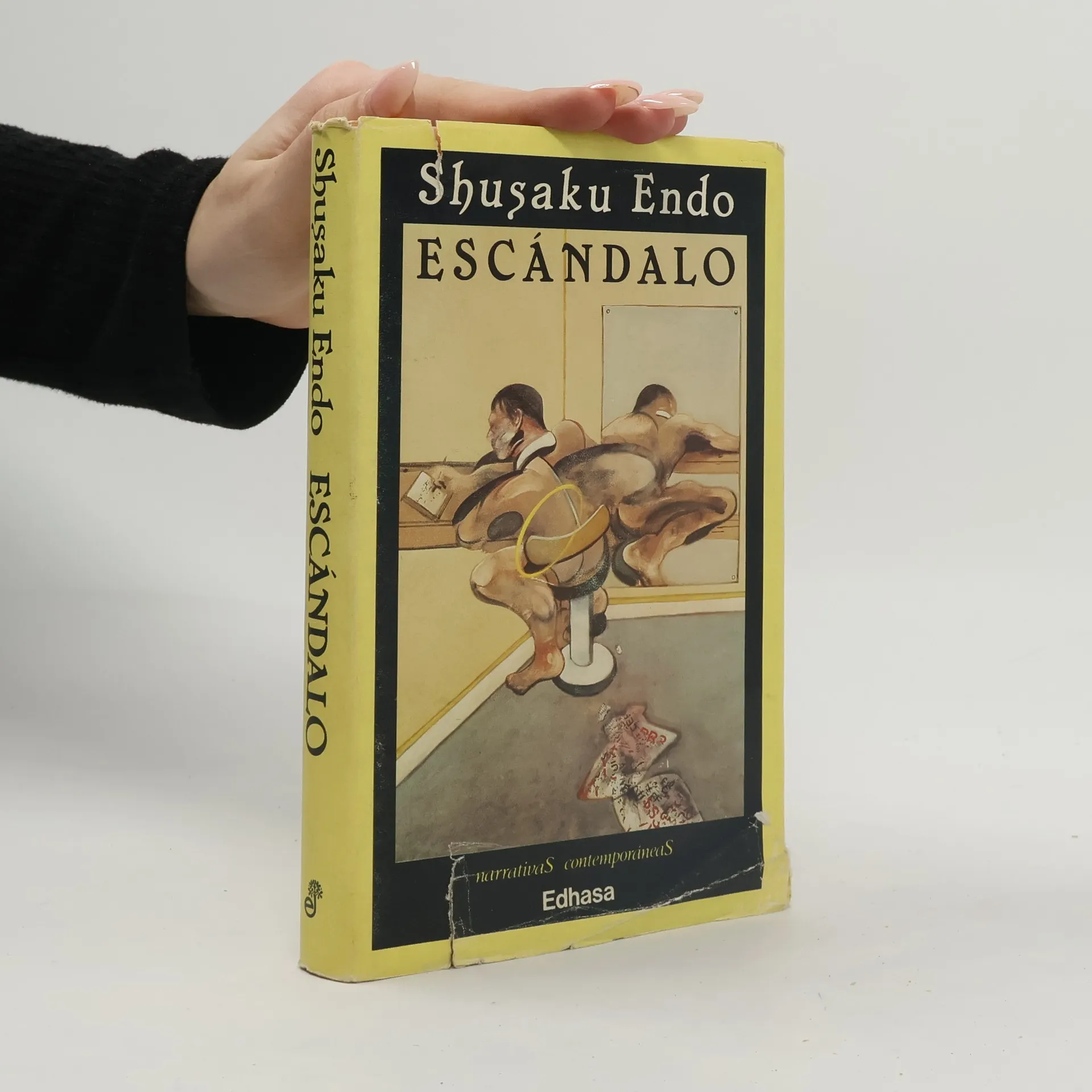
Scándalo (1986) es una novela que revela, de manera lúcida y despiadada, los miedos y obsesiones de un escritor que ha alcanzado una edad avanzada, explorando la frágil frontera que separa el estudio de los gestos violentos y depravados de su comisión efectiva. A los sesenta y cinco años, Suguro es apreciado por lectores, críticos y colegas, aunque hay voces que ironizan su rigor moral y reticencia respecto a los problemas sexuales. Todo parece indicar que lo espera una vejez tranquila junto a su esposa, pero este escenario se desmorona en el momento en que una mujer lo acusa de que la vida que lleva contradice flagrantemente las premisas sobre las que se fundamentan sus escritos, denunciándolo como un cliente asiduo de burdeles y sex-shops en Tokio. Suguro, amenazado por un periodista vengativo con desatar un verdadero escándalo en la prensa, se ve obligado a desentrañar el misterio de esta acusación y descubre así la existencia de un doble suyo, un "gemelo maligno" con inclinaciones sadomasoquistas. Con su inigualable maestría, Endo nos ofrece en Scándalo una meditación sutil sobre la identidad, el arte y el mal.
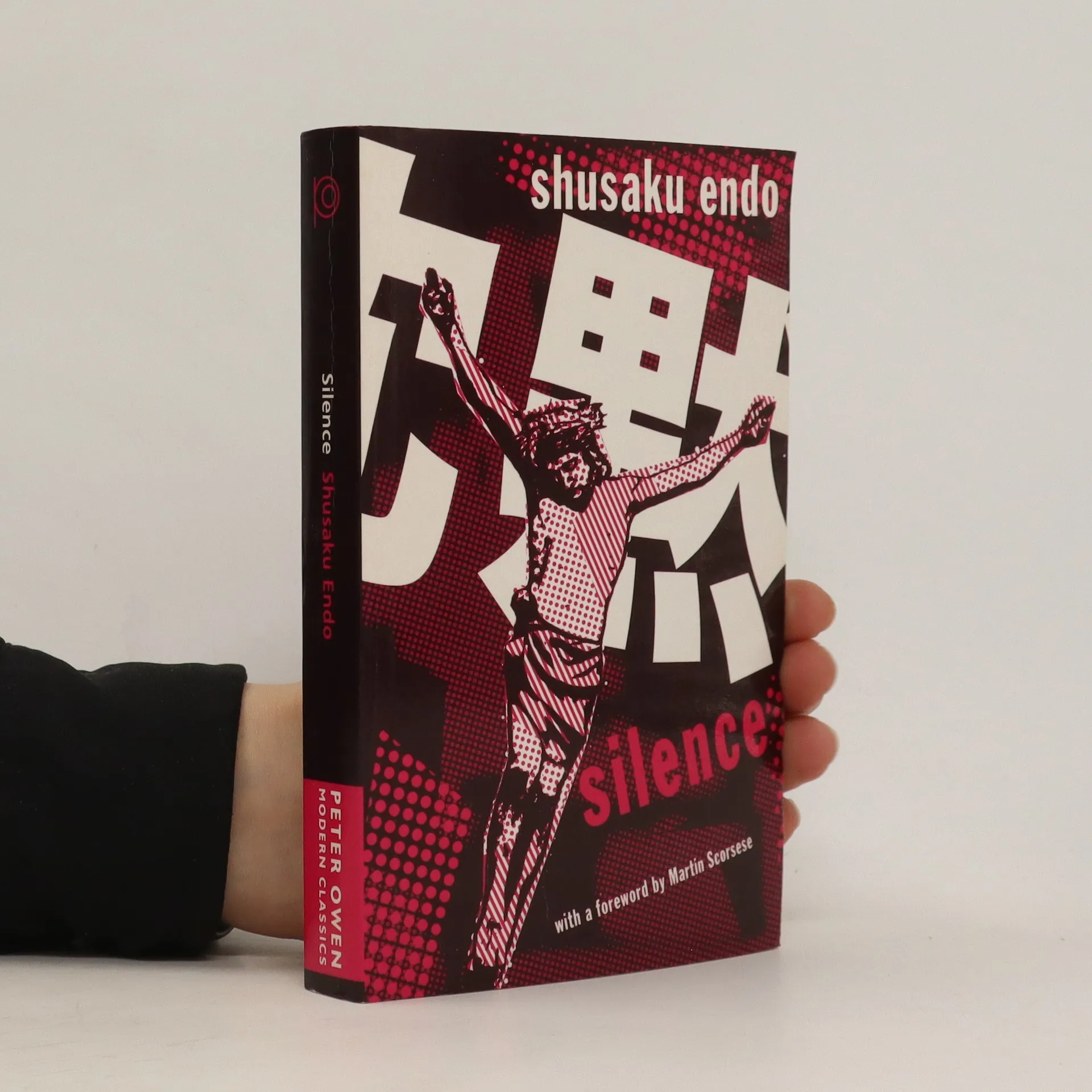
A Japanese Catholic, Endo tells the story of two 17th century missionaries attempting to shore up the oppressed Japanese Christian movement. Father Rodrigues has come to Japan to find the truth behind unthinkable rumours that his famous teacher Ferreira has renounced his faith.
A group of Japanese tourists embarks on a journey that reveals their personal struggles and connections. As they explore a foreign land, the characters confront their pasts, cultural identities, and the complex emotions tied to loss and memory. The narrative intertwines their individual stories, highlighting themes of belonging, nostalgia, and the search for meaning in a rapidly changing world. Through their experiences, the novel captures the beauty and challenges of human relationships and the impact of travel on self-discovery.
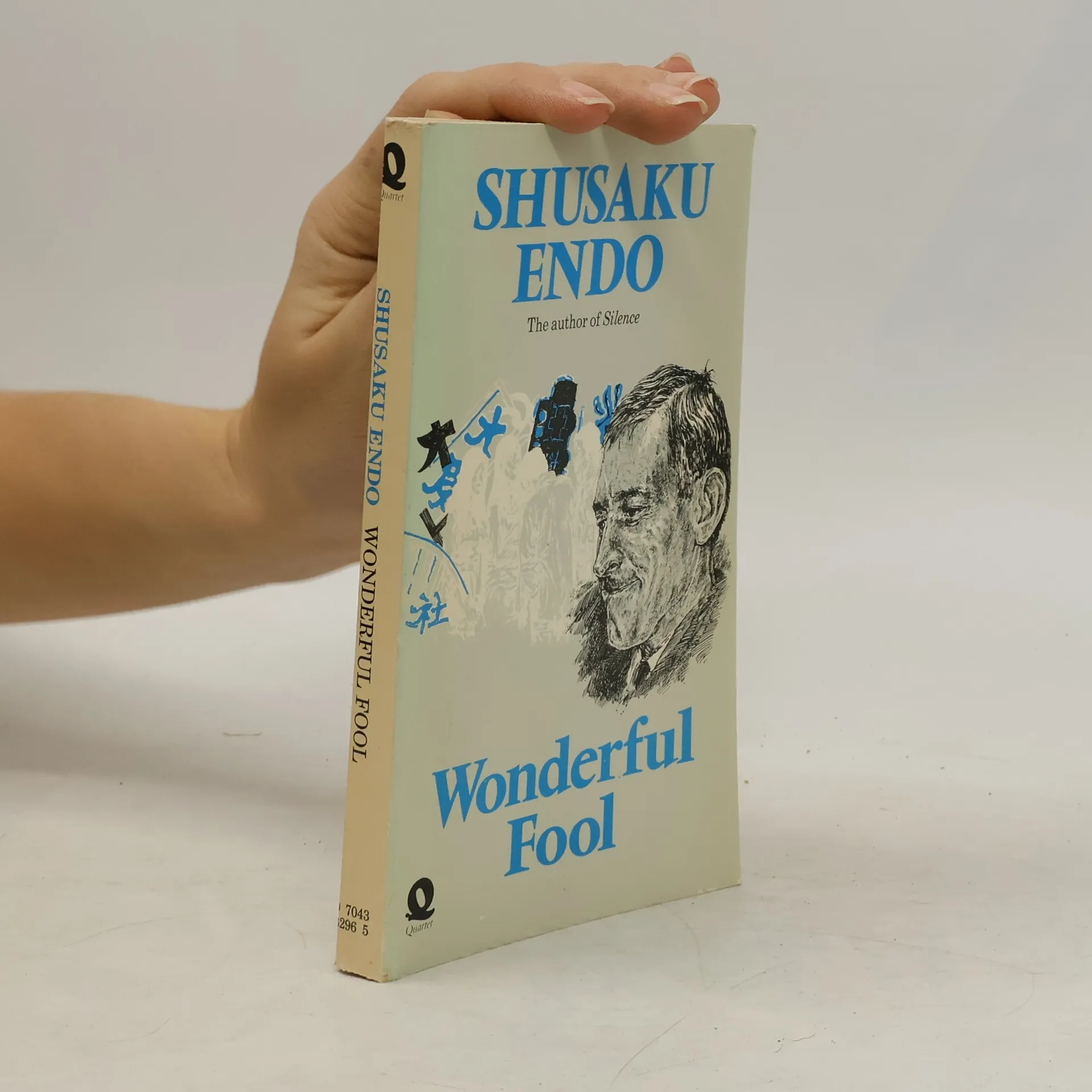
Wonderful Fool is the story of Gaston Bonoparte, a young Frenchman who visits Tokyo to stay with his pen-friend Takamori. Gaston is a trusting person with a simple love for others even after they have demonstrated deceit and betrayal, but his appearance and his behaviour prove a bitter disappointment and embarrassment to Takamori and his associates, as Gaston spends his time making friends with street children, stray dogs, prostitutes and gangsters. Endo charts his misadventures with irony, satire and humanity.
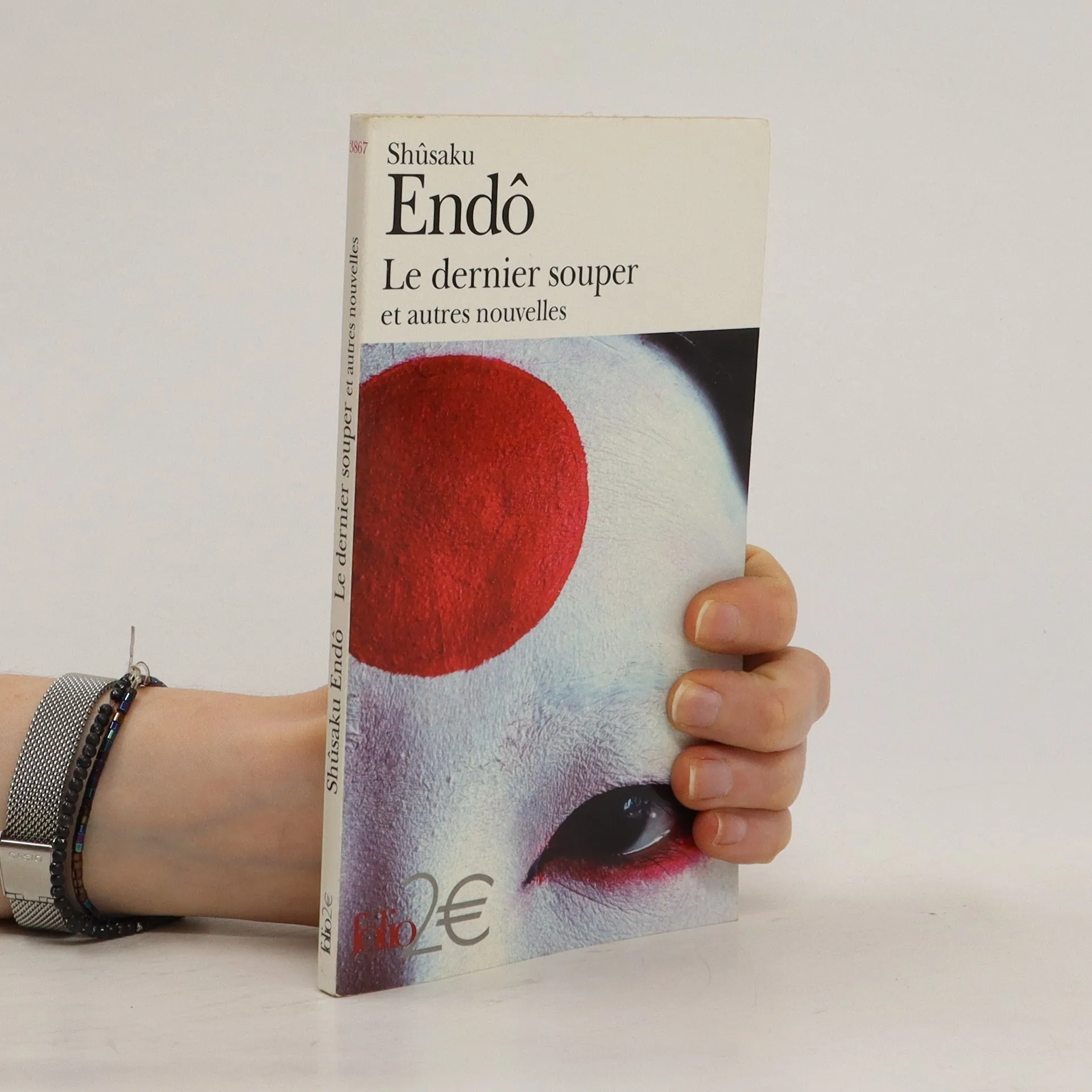
Quel terrible secret de son passé Tsukada tente-t-il d'oublier - ou d'expier - en buvant ? Comment un prêtre ocidental, profondément croyant en apparence et qui convertit les Japonais de son entourage, devient-il un défroqué ? Quelle place notre vie laisse-t-elle à la mort ?Au cœur d'un Japon tourné vers l'avenir, Shûsaku Endô essaie de réconcilier traditions ancestrales et enseignement catholique, péché et obsession du rachat, souffrance et courage.
Durch die Schilderung der Leiden des Alters bei den beiden Protagonisten dieses Romans, Jimpei Suda, einem ehemaligen Leiter des Meteorologischen Amtes, und Durand, einem französischen entlassenen Priester, vertieft Endo seinen Kampf gegen die japanische – und zeitgenössische – Gefühllosigkeit gegenüber Gott, der Sünde und dem Tod. Ein großes Buch der Spiritualität.
Schweigen ist der wichtigste Roman des gefeierten japanischen Autors Shūsaku Endō. Er verursachte nach seiner Veröffentlichung im Jahr 1966 eine große Kontroverse in Japan. Shūsaku Endō, ein japanischer Katholik, erzählt die Geschichte zweier portugiesischer Missionare, die im siebzehnten Jahrhundert in Japan versuchen, die dortige unterdrückte christliche Bewegung zu unterstützen. 1638 bricht Pater Sebastião Rodrigues nach Japan auf, um der Wahrheit hinter den undenkbaren Gerüchten, dass sein berühmter Lehrer Ferreira seinem Glauben abgeschworen habe, nachzugehen. Nach seiner Ankunft erlebt er die brutale und unmenschliche Verfolgung der Christen. Angesichts der Ereignisse in einer Gesellschaft, die keine Toleranz kennt und in der der Tod an der Tagesordung ist, stellt der Autor die immerwährende Frage: Wie kann Gott zu all dem schweigen?
De weinig gemotiveerde student Tsutomu Yoshioka gaat gebukt onder een gebrek aan geld en een behoefte aan seks. Hij heeft een kortstondige affaire met Mitsu, een naïef plattelandsmeisje. Ze delen het bed, hoewel zij daar nog niet aan toe is. Als hij haar laat vallen blijft zij achter met de hoop dat hij bij haar terug zal komen. Het meisje dat ik achterliet van de veelgeprezen Japanse schrijver Shūsaku Endō is een aangrijpende roman over de keuzes van jonge volwassenen die ontdekken wie ze zijn en wat ze willen in het leven. De lezer volgt Mitsu op haar zware weg naar een leprakolonie waar zij het meest onverwachte pad inslaat. Yoshioka vindt uiteindelijk een goede baan en legt het aan met het nichtje van de directeur, zich ervan bewust dat hem dat zal helpen in zijn verdere carrière. Na verloop van tijd raakt Yoshioka overweldigd door een gevoel van eenzaamheid en spijt om het meisje dat hij achterliet. 'Het meisje dat ik achterliet' (1963) verscheen niet eerder in het Nederlands en werd vertaald door Maria Smolders.