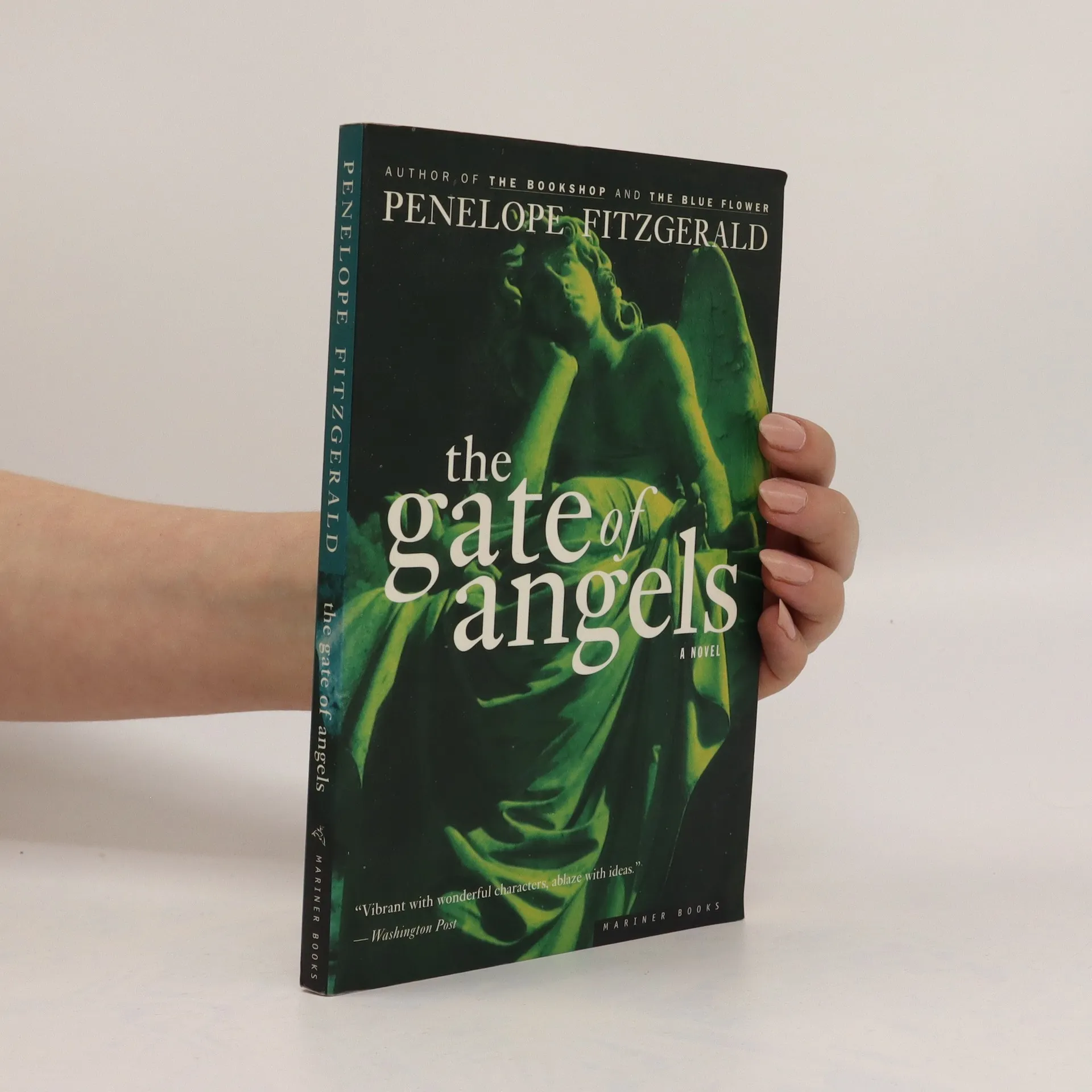
Edward Burne-Jones
- 336 páginas
- 12 horas de lectura
Penelope Fitzgerald, the Booker Prize-winning author of Offshore' and The Blue Flower', turns her attention to the remarkable life of the Pre-Raphaelite artist Edward Burne-Jones.


Penelope Fitzgerald fue una novelista, poeta, ensayista y biógrafa inglesa, celebrada por su aguda perspicacia sobre la naturaleza humana y su magistral narrativa. Con un ojo impecable para el detalle y un ingenio seco, capturó las complejidades de la vida cotidiana y las pasiones ocultas de sus personajes. Su prosa, a menudo arraigada en eventos e individuos reales, resuena con verdad atemporal y elegancia literaria. Fitzgerald dejó una marca perdurable en la literatura británica como narradora que pudo dar vida a la historia y a las vidas humanas con una sensibilidad única.


Penelope Fitzgerald, the Booker Prize-winning author of Offshore' and The Blue Flower', turns her attention to the remarkable life of the Pre-Raphaelite artist Edward Burne-Jones.
Penelope Fitzgerald's fascinating portrait of the tragic poet and her life at the heart of the Bloomsbury set.
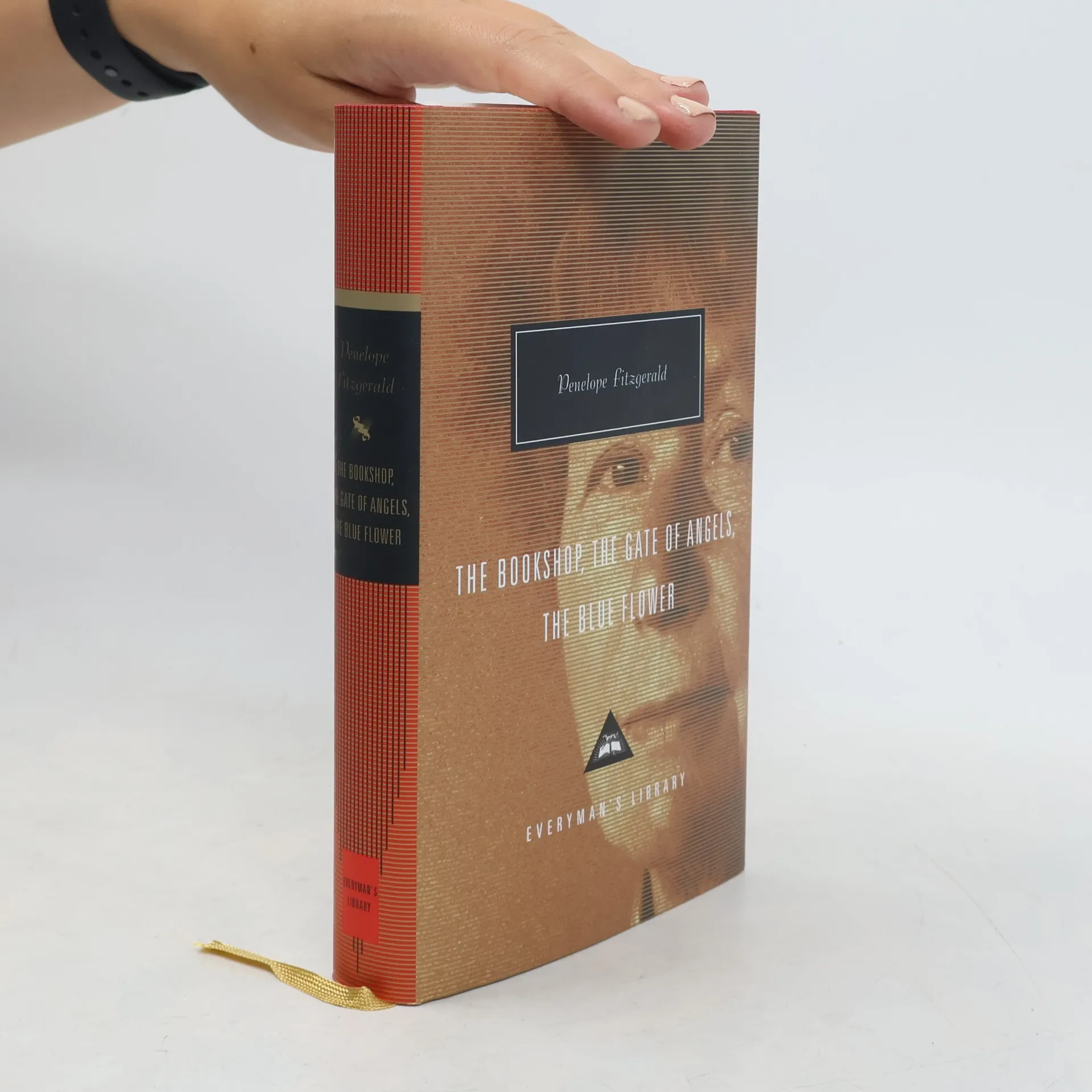
Penelope Fitzgerald, who died in 2000, emerged late in life as one of the most remarkable English writers of the last century. The three novels in this volume all display her characteristic wit, intellectual breadth and narrative brilliance, applied to the different traditional forms into which she breathed new life. schovat popis
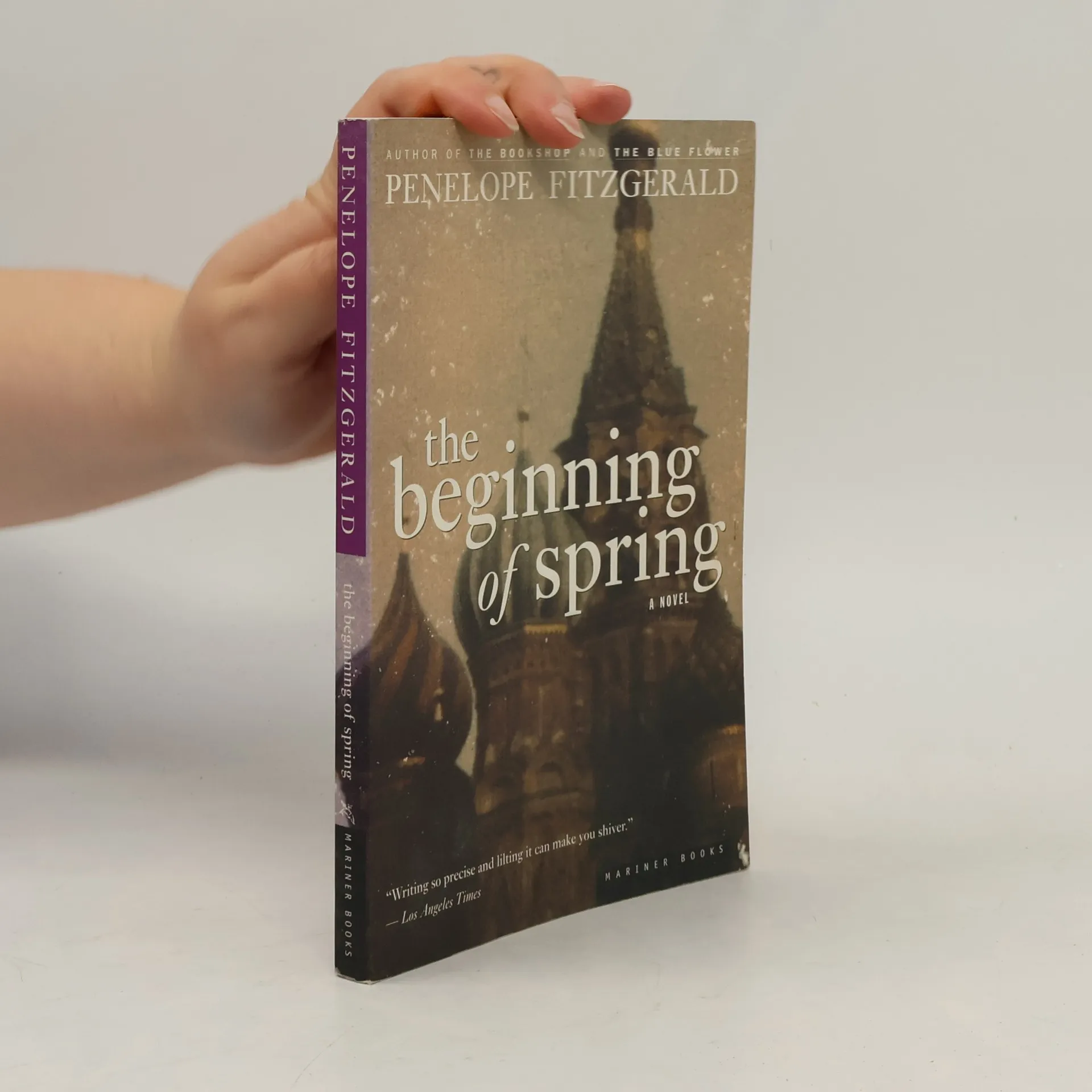
Sixty-one when she published her first novel, Penelope Fitzgerald based many subsequent books on the experiences of a long and varied life. It presents a life unknown to the author through a story of English emigres in pre- Revolutionary Russia and has been described by one critic as the best `Russian' novel of the twentieth century. schovat popis
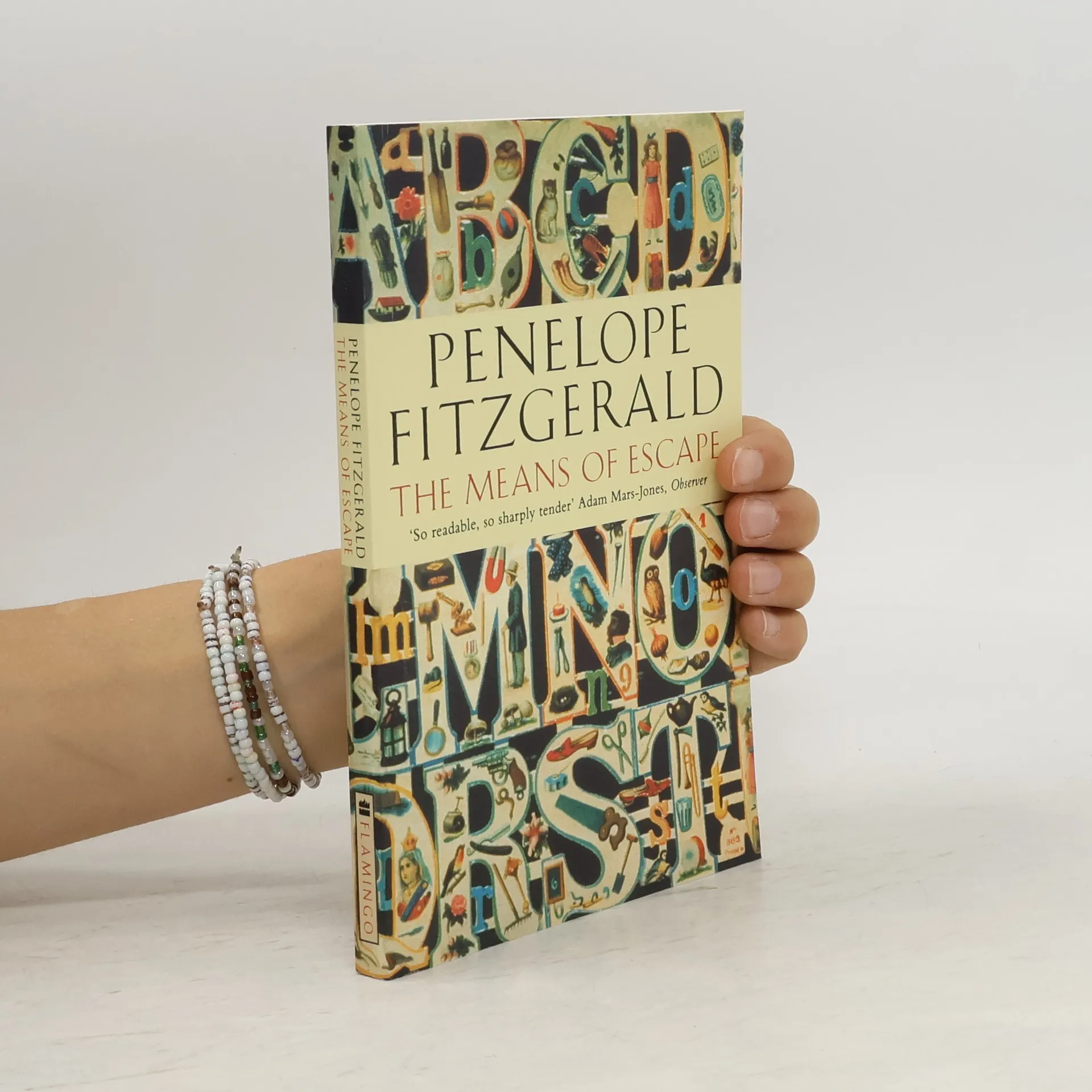
A collection of Penelope Fitzgerald's short stories. schovat popis
It is March of 1913, and dear, slovenly Mother Moscow, her windows still sealed against the cold of winter, is stirring herself to meet the beginning of spring. Change is in the air - uncertainty, too - and nowhere more than at 22 Lipka Street, the home of the English printer Frank Reid. Frank returns from work one night to find that his wife has gone away; no one knows where or why, or whether she'll ever come back. All Frank knows for sure is that he is now alone and must find someone to care for his three young children.
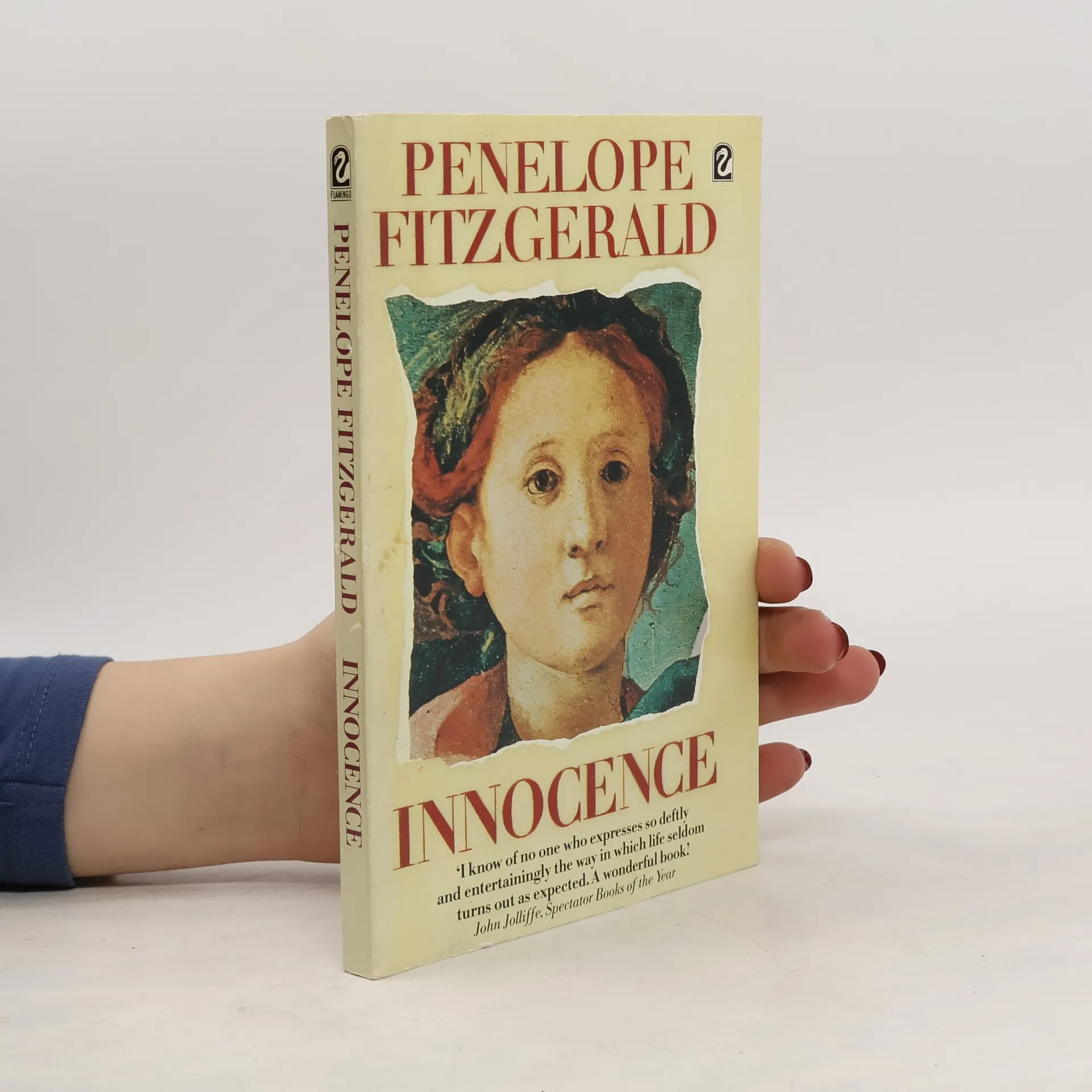
In 1912, rational Fred Fairly, one of Cambridge's best and brightest, crashes his bike and wakes up in bed with a stranger--fellow casualty Daisy Saunders, a charming, pretty, working-class nurse. So begins a series of complications--not only of the heart but also of the head--as Fred and Daisy take up each other's education and turn each other's philosophies upside-down.
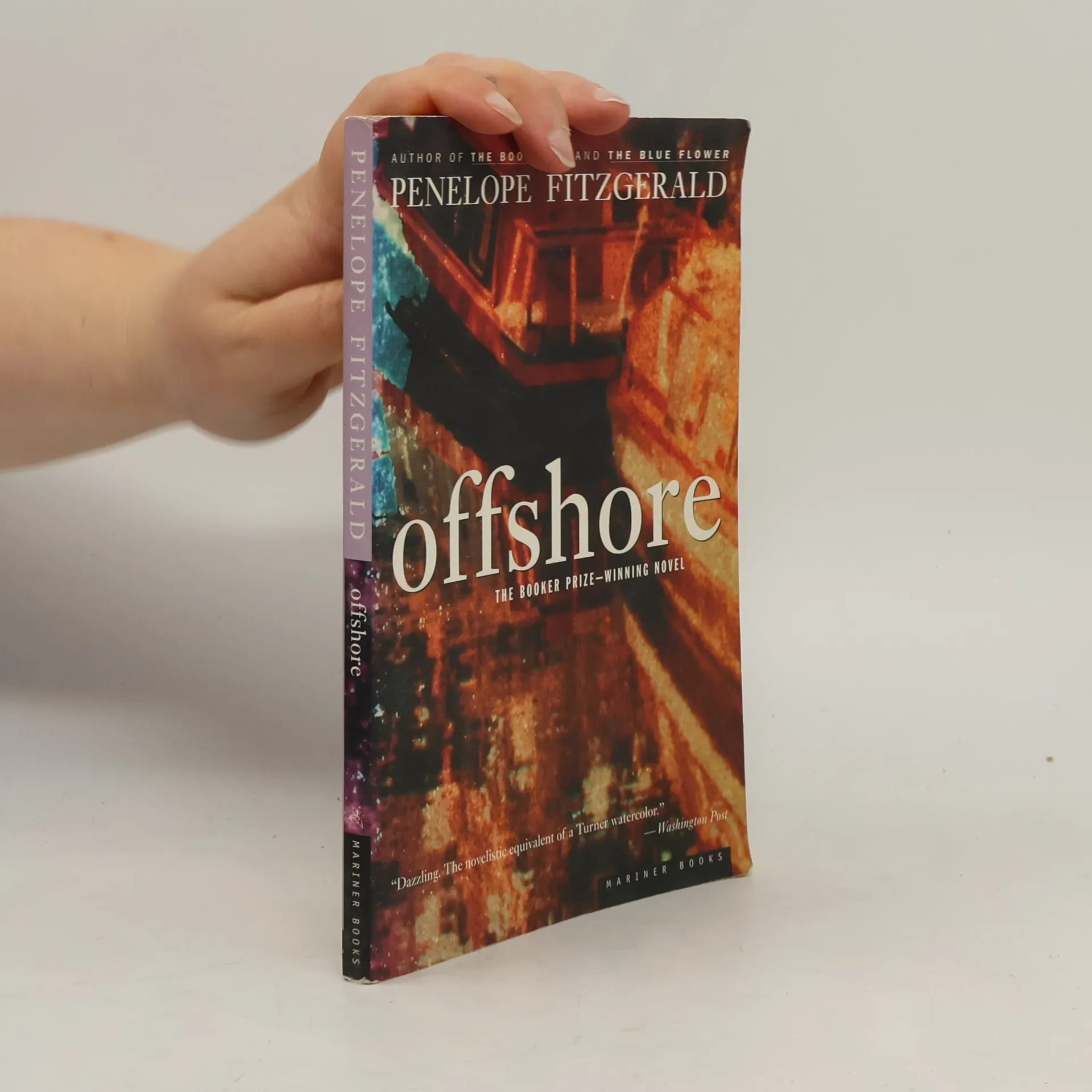
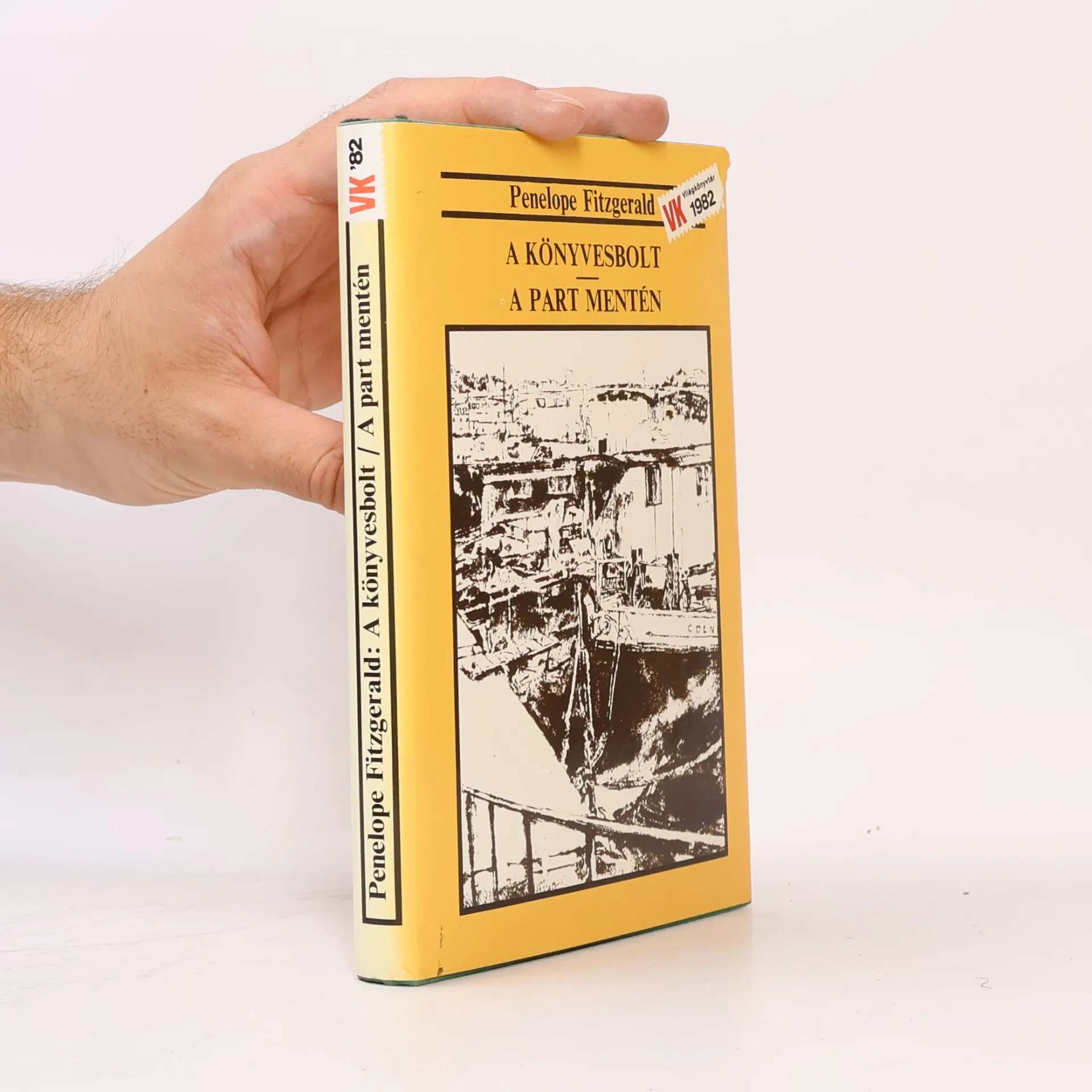
On the Battersea Reach of the Thames, a mixed bag of eccentrics live in houseboats. Belonging to neither land nor sea, they belong to one another. There is Maurice, a homosexual prostitute; Richard, a buttoned-up ex-navy man; but most of all there's Nenna, the struggling mother of two wild little girls. How each of their lives complicates the others is the stuff of this perfect little novel.
Fitzgerald writes a story about the formidable proprietress of "Freddie's, " the Temple Stage School, which provides child actors for London's West End theaters, a promising child actor and his rival, and a man with wicked plans to rescue Freddie's from insolvency.
"Introduction by Julian Barnes"--Page 1 of cover.
Penelope Fitzgerald's novel, The Golden Child, combines a deft comedy of manners with a classic mystery set in London's most refined institution--the museum. When the glittering treasure of ancient Garamantia, the golden child, is delivered to the museum, a web of intrigue tightens around its personnel, especially the hapless museum officer Waring Smith. While prowling the halls one night, Waring is nearly strangled. Two suspicious deaths ensue, and only the cryptic hieroglyphics of the Garamantes can bring an end to the mayhem. Fitzgerald has an unerring eye for human nature, and this satirical look at the art world delivers a terrifically witty read.
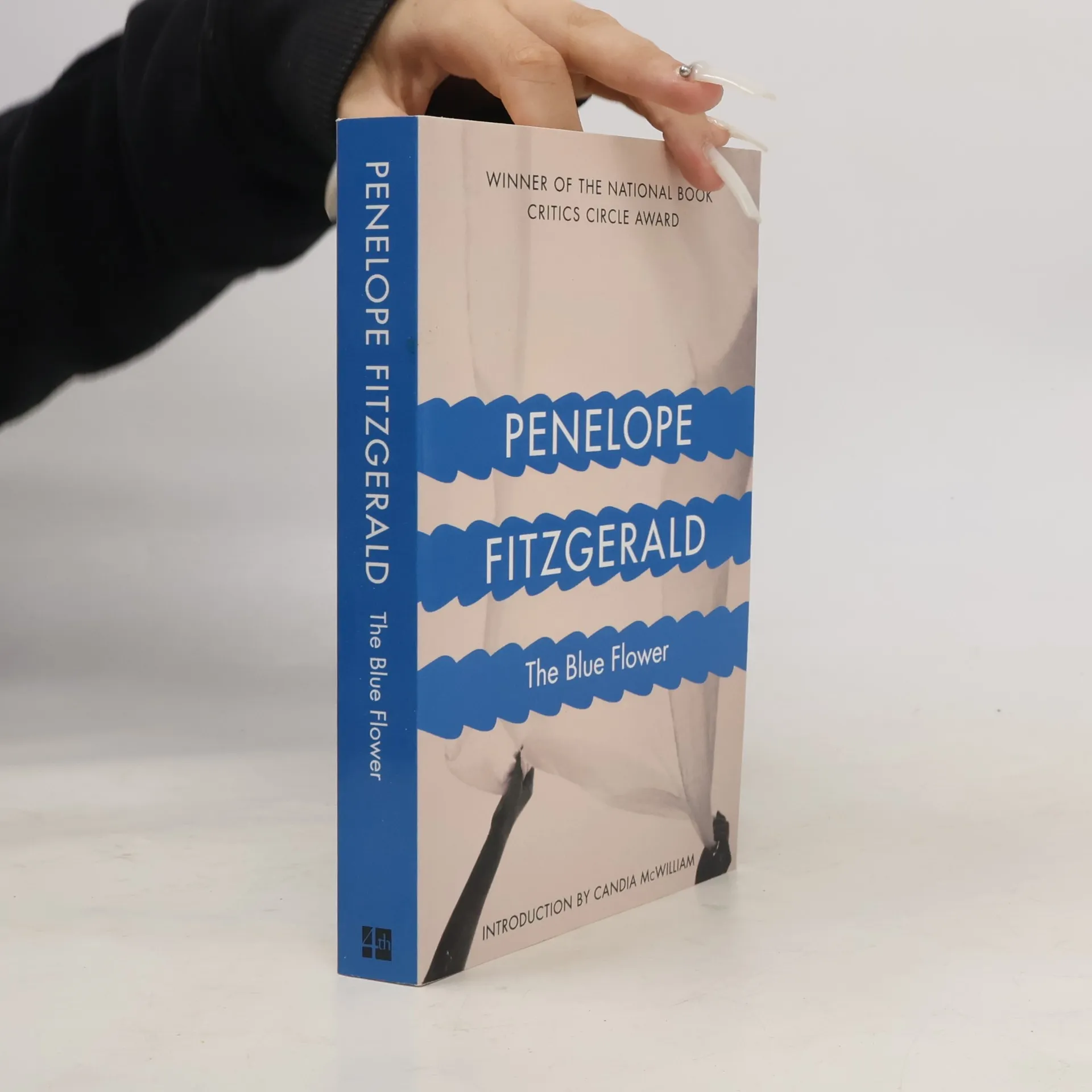
Romance between the poet Novalis and his fiancée Sophie, newly introduced by Candia McWilliam. The year is 1794 and Fritz, passionate, idealistic and brilliant, is seeking his fathers permission to announce his engagement to his hearts desire: twelve-year-old Sophie. His astounded family and friends are amused and disturbed by his betrothal. What can he be thinking?
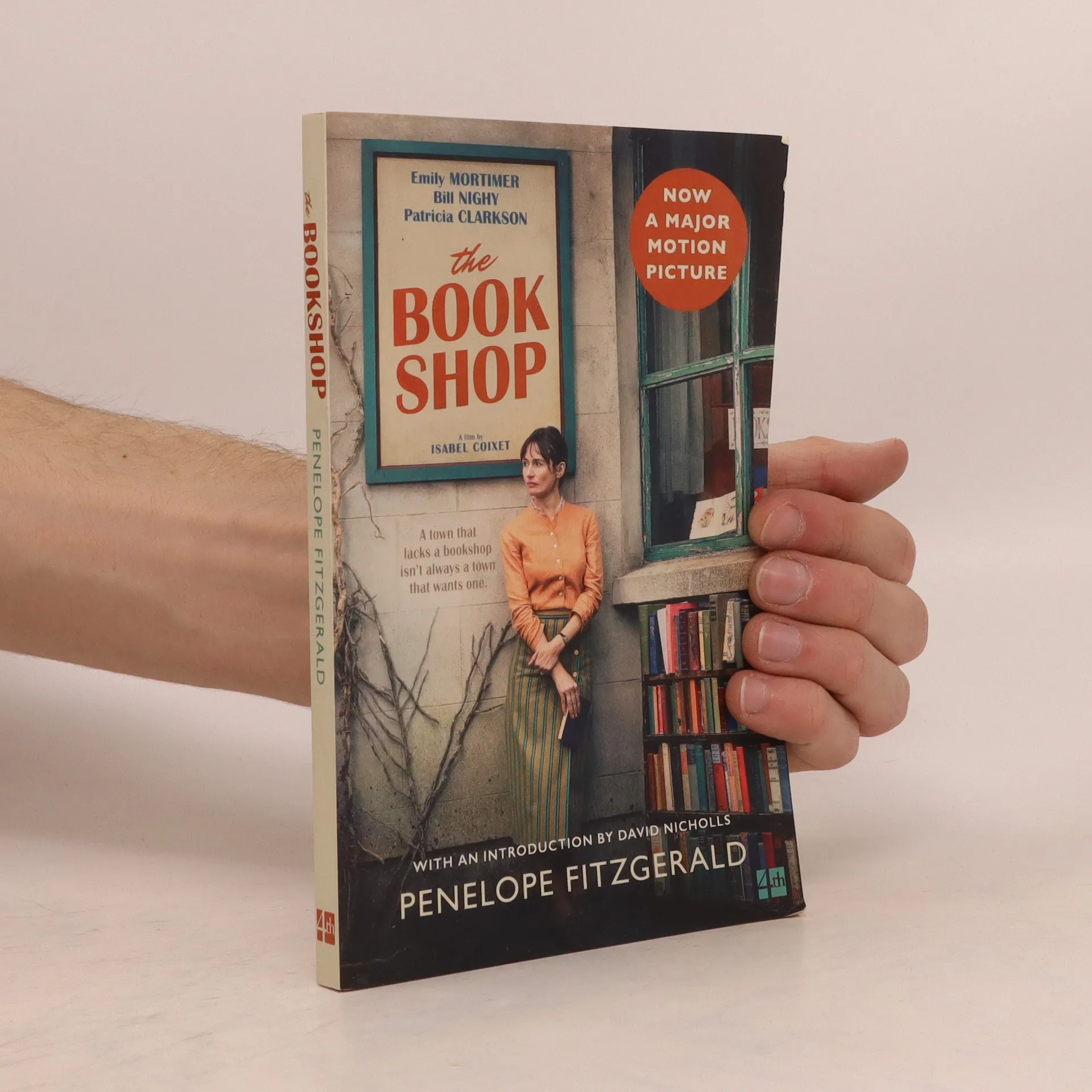
Shortlisted for the Booker Prize. In a small East Anglian town, Florence Green decides, against polite but ruthless local opposition, to open a bookshop.
Seit über dreißig Jahren lädt die „Lektüre zwischen den Jahren“ ihre Leser zum Innehalten und Nachdenken ein. Nun präsentiert sie sich in neuer Geschenkbuchausstattung. Der Band auf das Jahr 2011 ist der Liebe gewidmet und versammelt die schönsten Gedanken und Geschichten zu diesem unvergänglichen Thema. Isabel Allende, Rose Tremain, Louise Erdrich, Laura Esquivel u. v. a. erzählen von Schmetterlingen im Bauch, von Verführung, Gefühl und Leidenschaft.
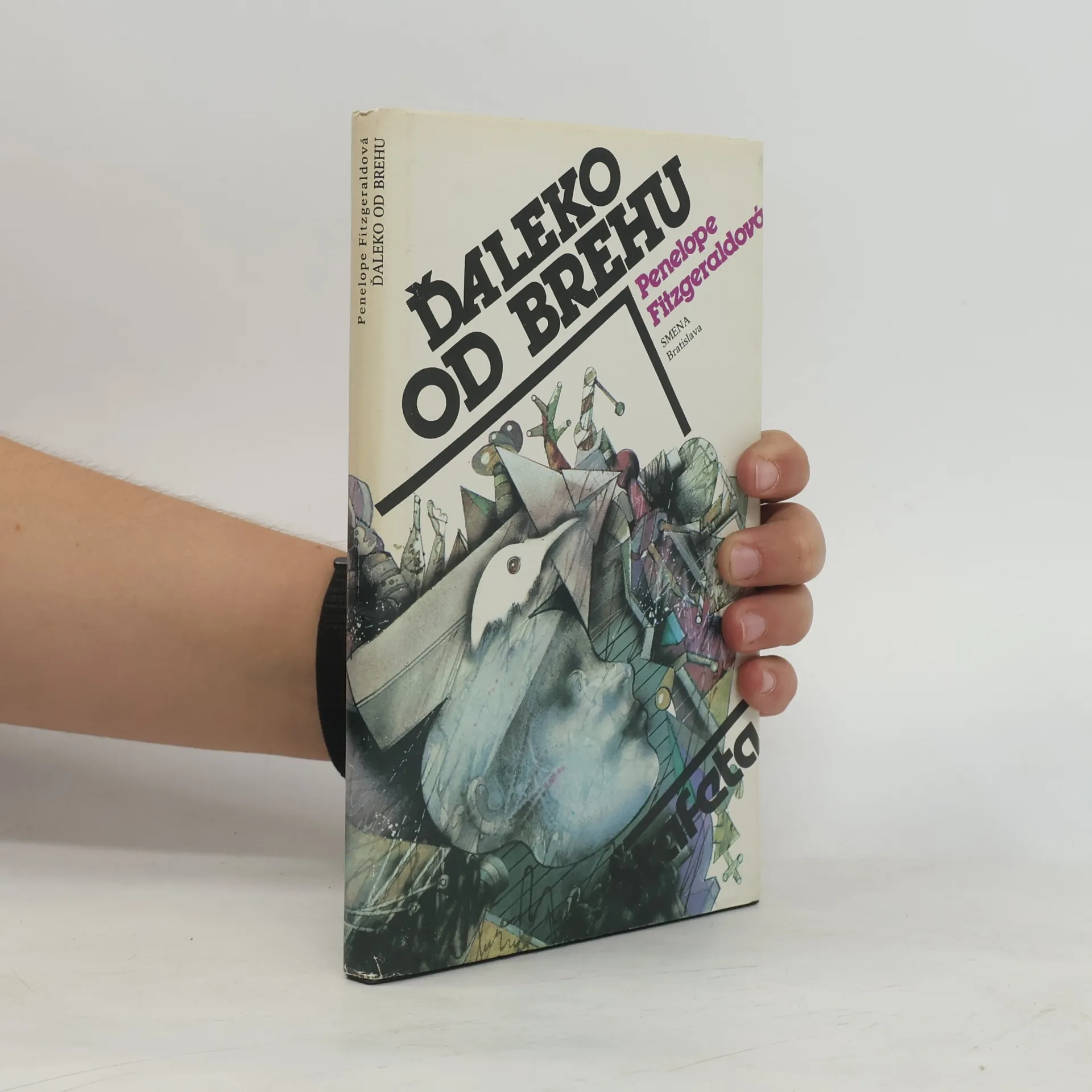
Román Ďaleko od brehu je zábavný i vážny, jemný i drsný. Autorka v ňom čerpá zo svojich skúseností, keď bývala na zakotvenom člne na Temži, medzi ľuďmi, ktorí — aspoň na čas — stratili pevnú pôdu pod nohami a žili medzi zemou a vodou - a dostali sa tak trocha mimo spoločnosť. S úctyhodným a najmä spoľahlivým brehom londýnskej City ich spája iba lano, iba ním sú bárky vyviazané o nábrežie, a zhrdzavená kotva zarytá do riečneho bahna. Pradivo ich osobného života sa pretrhlo a s minulosťou ich spája len tenké vlákno. Sú šesťdesiate roky a každá postava románu je nejako poznačená, istým spôsobom vydedená. Spisovateľka rafinovane splieta ich osudy do príbehu, ktorý naberá silu i spád, dosahuje vyvrcholenie a presviedča nás, že Penelope Fitzgeraldová je majsterkou umenia románu i biografie a dôstojne pokračuje v tradícii anglického románu.
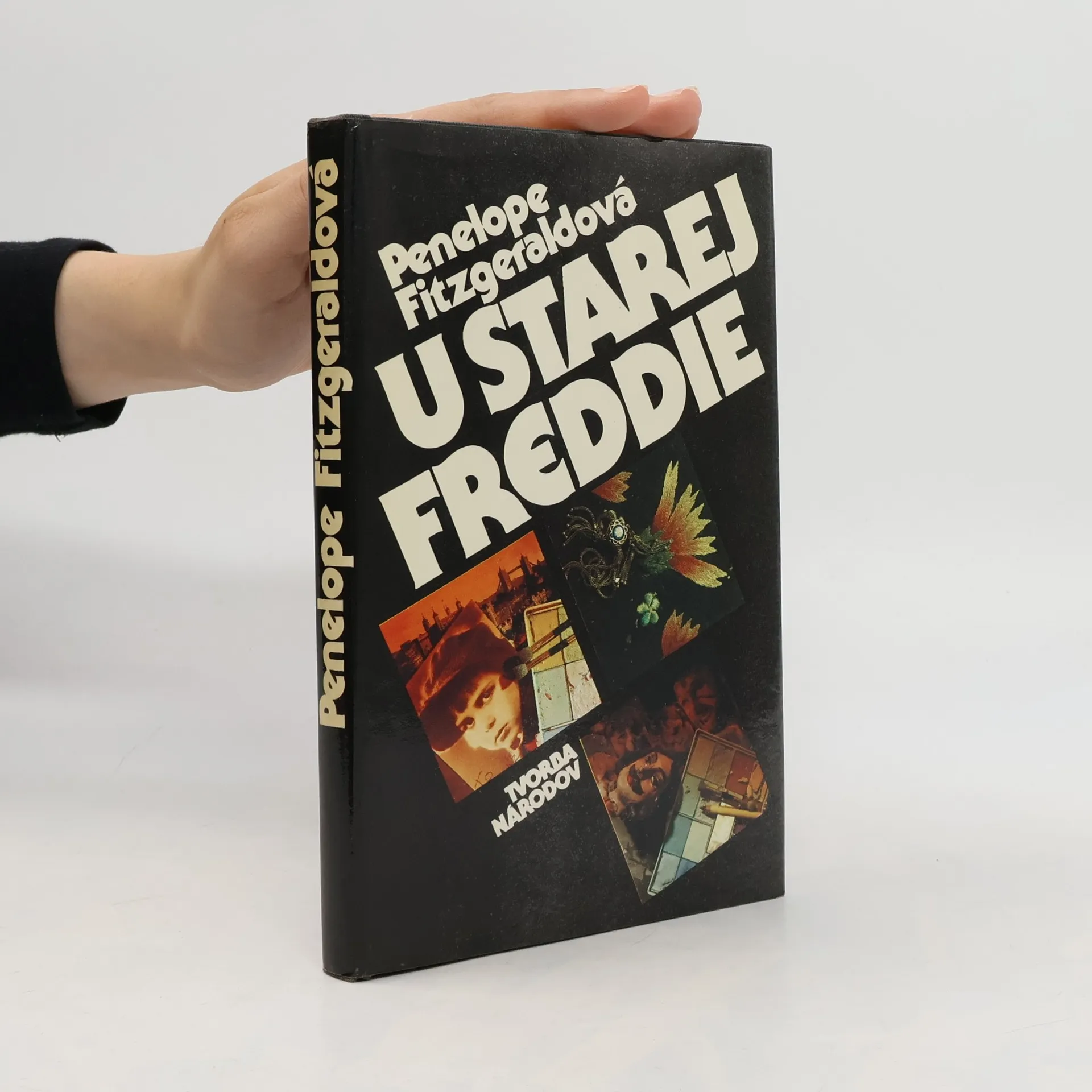
Fitzgeraldovej román U starej Fredie patrí medzi diela vyhľadávané širokým čitateľským publikom. Odohráva sa v prostredí súkromnej dramatickej školy pre deti, ktoré sa chcú venovať hereckému povolaniu, a je opradený čarom a vzrušením divadelného zákulisia. S humorom podaný príbeh je zaľudnený rozličnými postavami a postavičkami, z ktorých vyniká najmä riaditeľka školy, stará pani s tajomnou minulosťou, večne zápasiaca s finančnými ťažkosťami a ochotná podujať sa na všetko, len aby udržala školu v prevádzke.
„Nincs bizalma könyvesbolthoz, nincs is könyvesboltja egy kelet-angliai városka lakóinak, amióta egy könyvkereskedő leütött egy okvetlenkedő vevőt. Ugyancsak fölkavarja hát a kedélyeket, hogy az évek óta lakatlan – csak kísértetjárta … – házban boltot nyit <> józan eszű hősnője. Hadakozhat is a helyi intrikával, a közeli pornószaküzlet konkurrenciájával, maradiak világszemléletével, "kopogó szellemmel”, s a vihar hullámai fölcsapnak a parlament felsőházáig is.… a másik regény, „A part mentén” környezete, típusai egy bárkalakó kolóniáé. Művészek és életművészek élnek szilárd talaj és víz határán, kiérdemesült festők, keménykalapos-esernyős urak (reggelente taxin járnak be hivatalukba), elhagyott asszonyok, betörők, orgazdák, prostituáltak. Vitorlázók fúlnak vízbe, műtárgyakat ásnak ki a folyó iszapjából a felnőtteknél érettebbre edződött gyerekek. A hatvanas évek „kicsapongó London”-ába ágyazott mozgalmas történetnek szereplője, hőse még a Temze is, vagy legalább időtlen háttere."