Victory at Sea
- 644 páginas
- 23 horas de lectura
A sweeping, lavishly illustrated one-volume history of the rise of American naval power during World War II


Paul Michael Kennedy es un historiador británico especializado en la historia de las relaciones internacionales, el poder económico y la gran estrategia. Su obra profundiza en momentos cruciales de la historia de la política exterior británica y las luchas entre las grandes potencias. Los análisis de Kennedy ofrecen una visión profunda de las dinámicas del poder global y de cómo se ha configurado el escenario internacional. Sus publicaciones son valoradas por su erudición y su capacidad para conectar eventos pasados con desafíos contemporáneos.




A sweeping, lavishly illustrated one-volume history of the rise of American naval power during World War II
Badger Bill needs rescuing. He's been kidnapped by two nasty sisters who are about to make him fight a boxing match against three even nastier dogs. The four most depressed llamas in the history of llamas need rescuing too. They are about to be turned into llama pies. But never fear - Uncle Shawn is here. He loves rescuing things. He has a rescuing plan, which involves dancing and a mole and an electric fence. What could possibly go wrong?
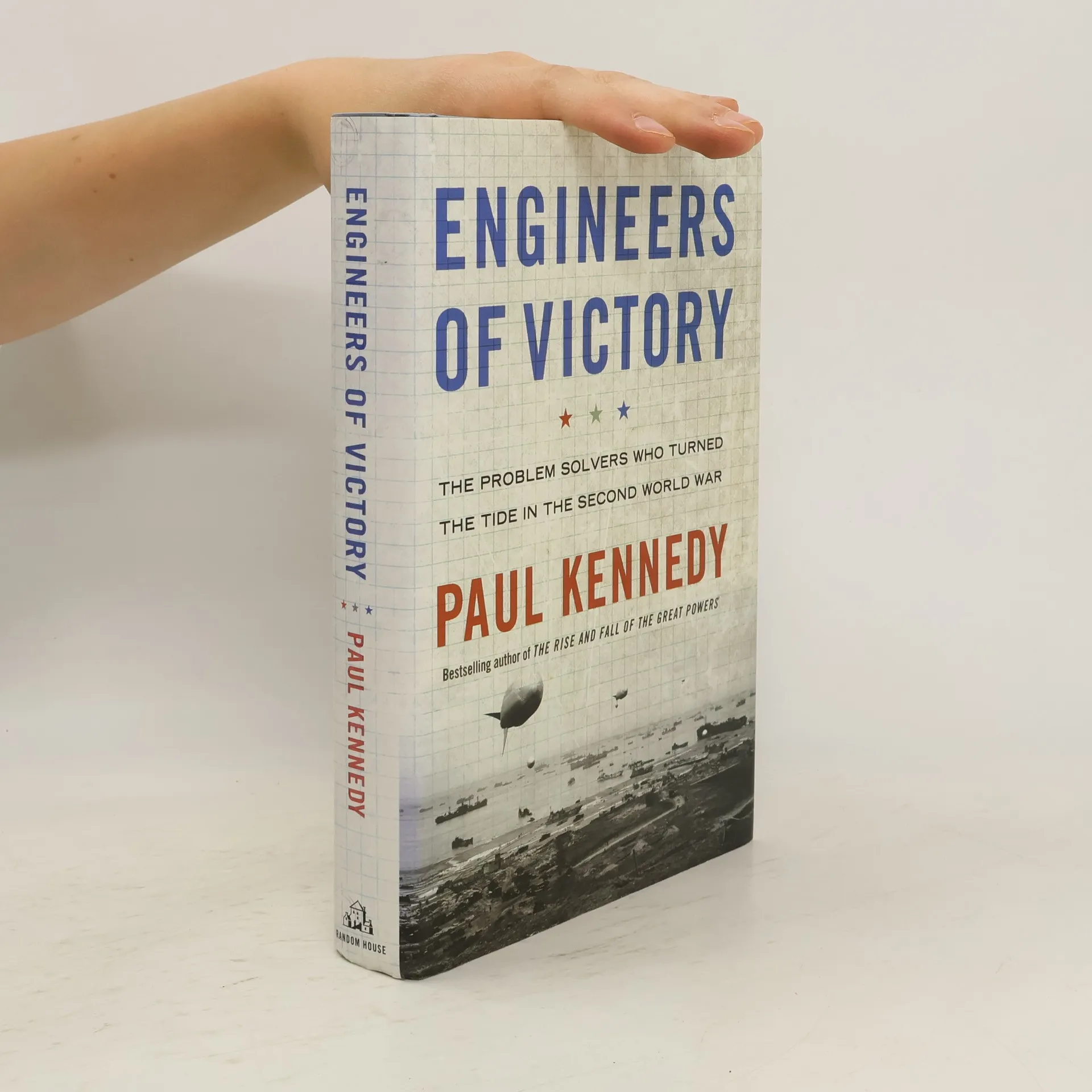
The Problem Solvers who Turned the Tide in the Second World War
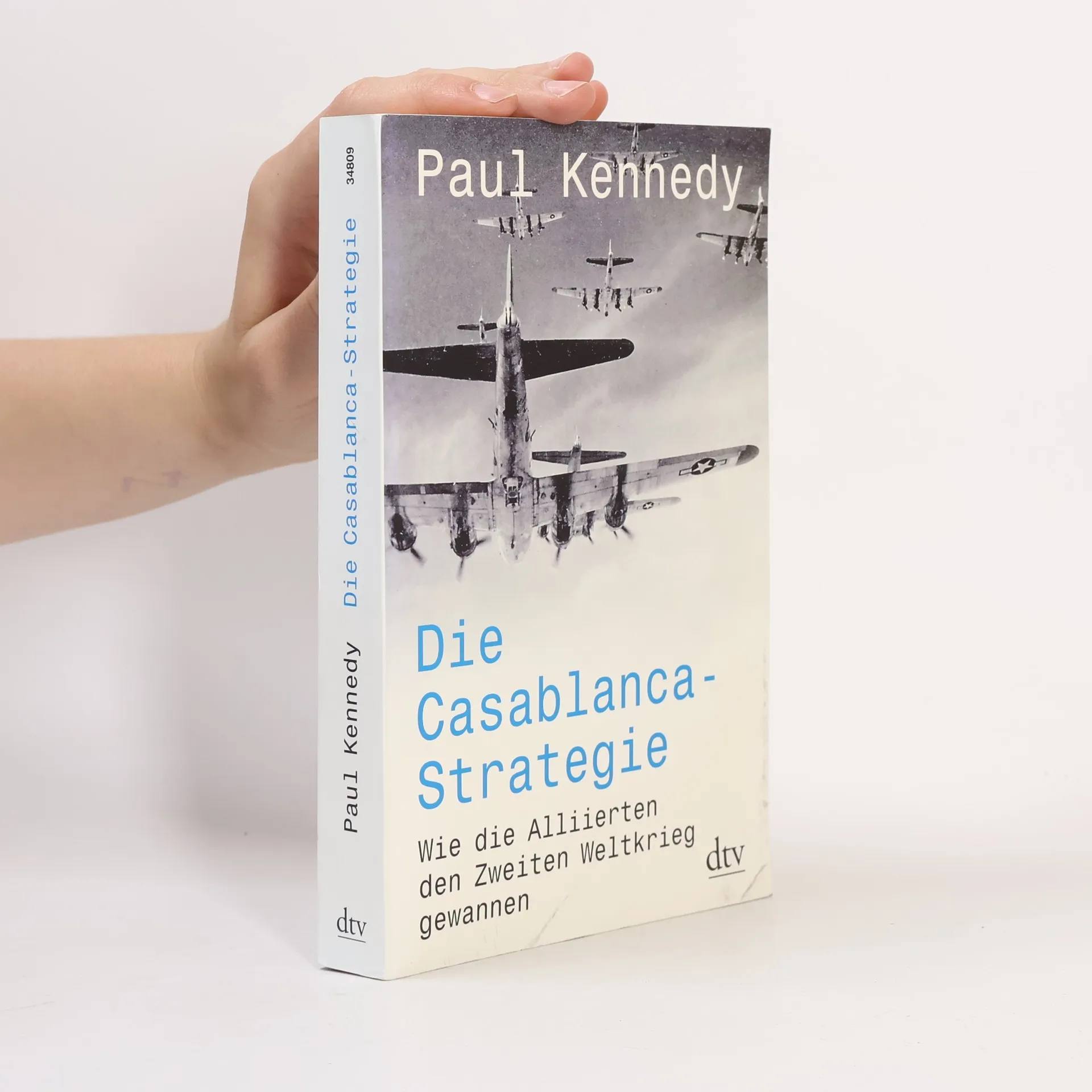
Analyzes previously unexplored strategic factors that contributed to the Allied victory in World War II, sharing assessments of ambitious goals successfully pursued by FDR, Churchill, and other attendees at the Casablanca Conference.
Wie die Alliierten den Zweiten Weltkrieg gewannen
Zum 70. Jahrestag der Landung in der Normandie Im Januar 1943 besprachen die Alliierten auf der Konferenz von Casablanca ihre Strategie gegen Deutschland und Japan. Ziel war die bedingungslose Kapitulation der Gegner. Dass dies gelingen würde, war alles andere als selbstverständlich. Paul Kennedy schildert fundiert und spannend, wie die Alliierten innerhalb eines Jahres die Oberhand gewannen. Er zeigt, dass insbesondere der Einfallsreichtum und die unkonventionellen Ideen von Technikern und Militärs ausschlaggebend für den Sieg waren.
Chrissie e Anthony vivono una vita tranquilla insieme alle due figlie di sei e quattro anni, Emma e Katie. Le bambine frequentano la scuola cattolica, diretta dall'anziano padre Kevin O'Donnell. Molto credenti, i genitori ripongono una totale fiducia nel sacerdote e gli affidano le piccole, senza sospettare quali abissi si celino dietro quella maschera di rettitudine. Padre O'Donnell ha vagato per anni di parrocchia in parrocchia, lasciando dietro di sé una scia di lagnanze e sospetti, che però non hanno mai spinto i suoi superiori ad andare a fondo alle accuse. Anche Katie ed Emma subiranno le sue attenzioni, covando in silenzio ferite insanabili. Solo quando le due bambine sono ormai adolescenti, una denuncia porterà a galla la verità. In un istante, il mondo di Chrissie e Anthony va in pezzi. Facendosi forza sul loro dolore, intraprendono una lunga battaglia per far luce sui fatti e ottenere giustizia. Se non quella della Chiesa, almeno quella degli uomini. Si scontreranno però con reticenze e impenetrabili silenzi, persino minacce. Avevano insegnato alle loro figlie come conquistare il paradiso, ma l'inferno è più vicino, dietro l'angolo di casa, e talvolta perfino in coloro a cui ci affidiamo con candore.
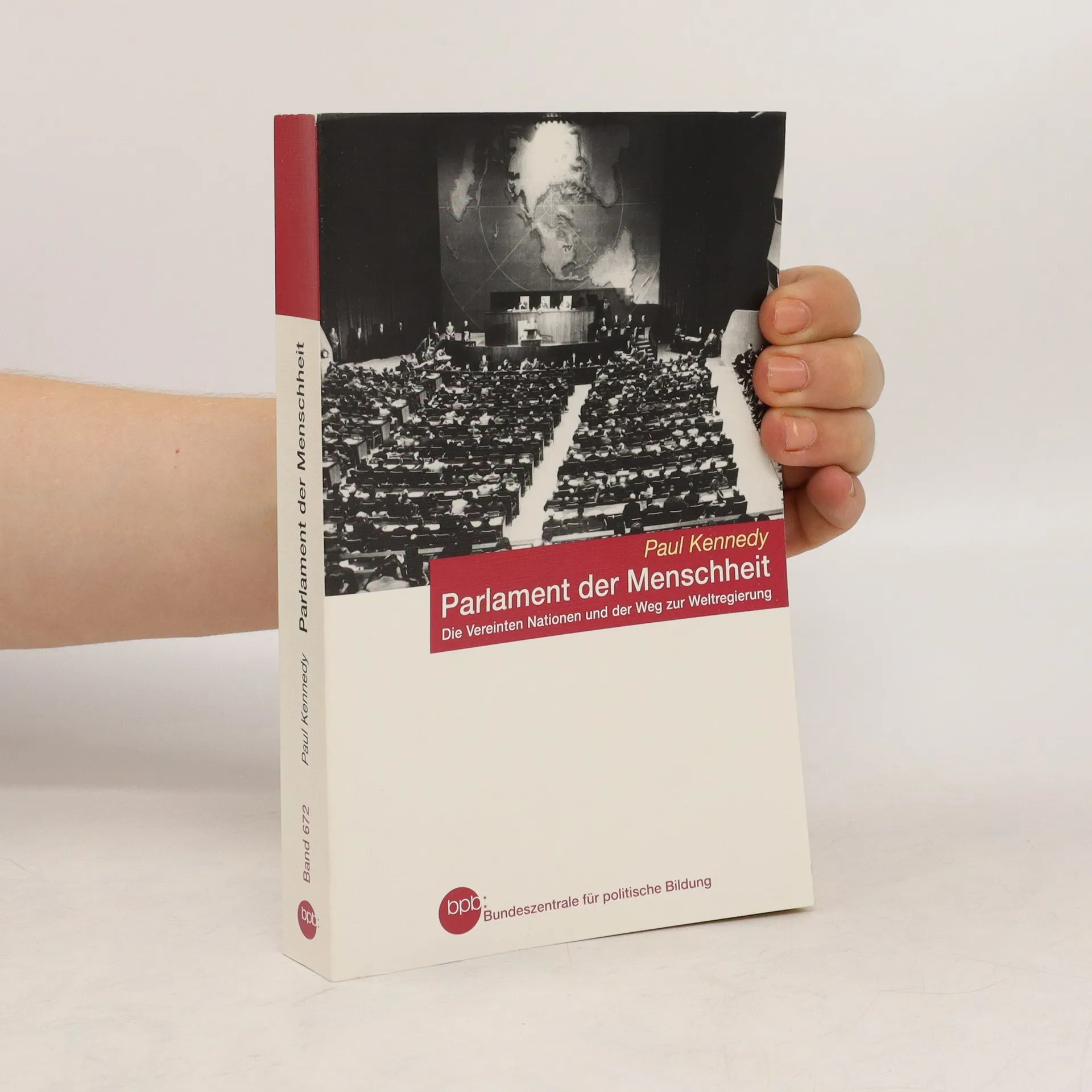
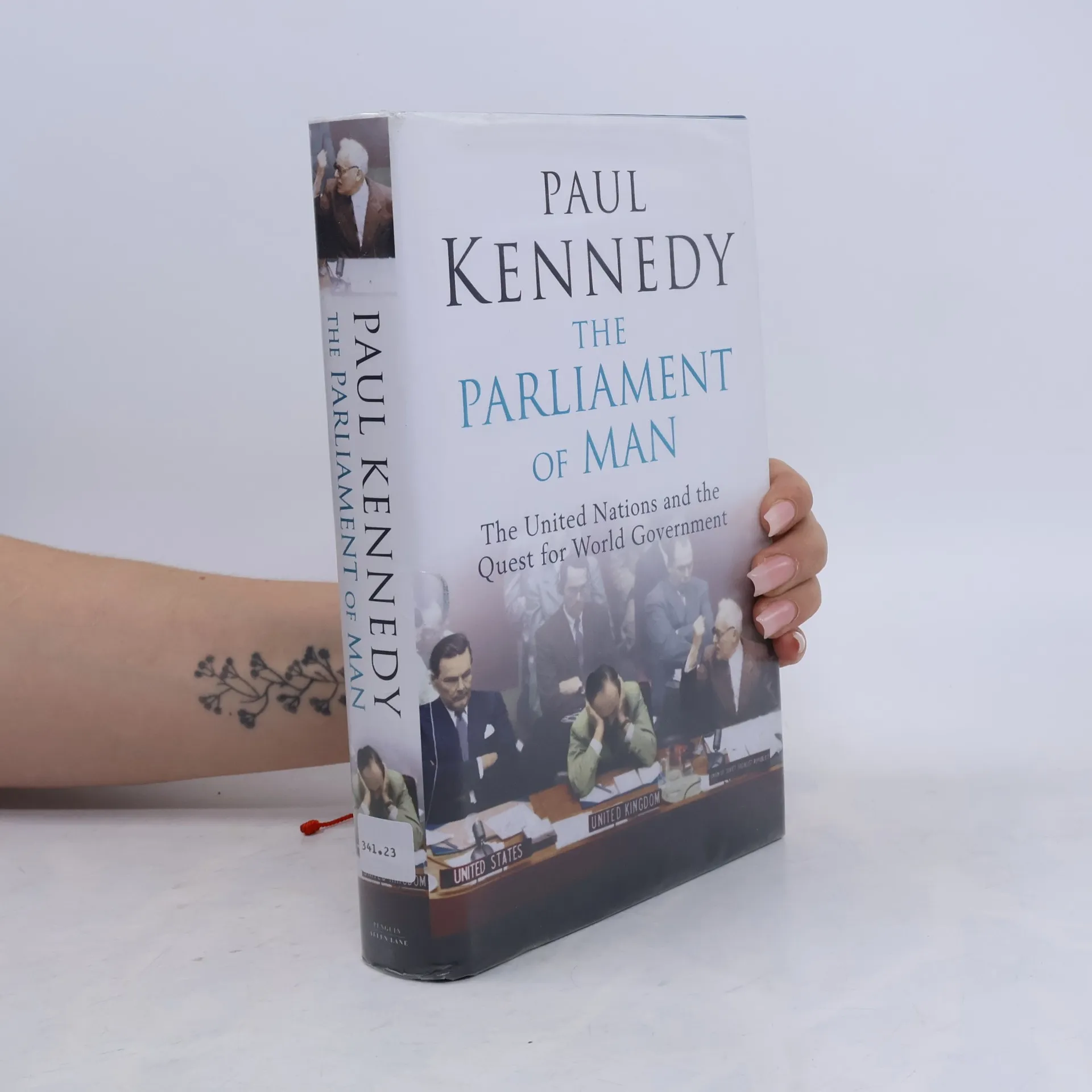
The United Nations and the Quest for World Government
“With all its defects, with all the failures that we can check up against it, the UN still represents man’s best-organized hope to substitute the conference table for the battlefield.” –Dwight D. Eisenhower, 1961 The signing of the United Nations Charter in 1945 marked a significant moment in history, as powerful sovereign nations united to form an autonomous organization aimed at preventing war and promoting human rights. Sixty years later, the UN continues its mission, facing challenges and criticism. In this comprehensive history, scholar Paul Kennedy explores the UN’s origins and functions while assessing its effectiveness and future prospects. Drawing on his experience from drafting reports for the UN’s fiftieth anniversary, Kennedy clarifies the roles of its six main bodies: the General Assembly, Security Council, Economic and Social Council, Trusteeship Council, Secretariat, and International Court. He highlights instances where the five permanent members of the Security Council— the United States, the United Kingdom, Russia, China, and France—collaborated to address humanitarian crises, despite political tensions. However, he also notes how lack of cooperation among great powers has hindered efforts like controlling greenhouse gas emissions and addressing the negative impacts of globalization on developing nations. Ultimately, Kennedy illustrates the UN as a fallible but essential institution, emphasizing its critica
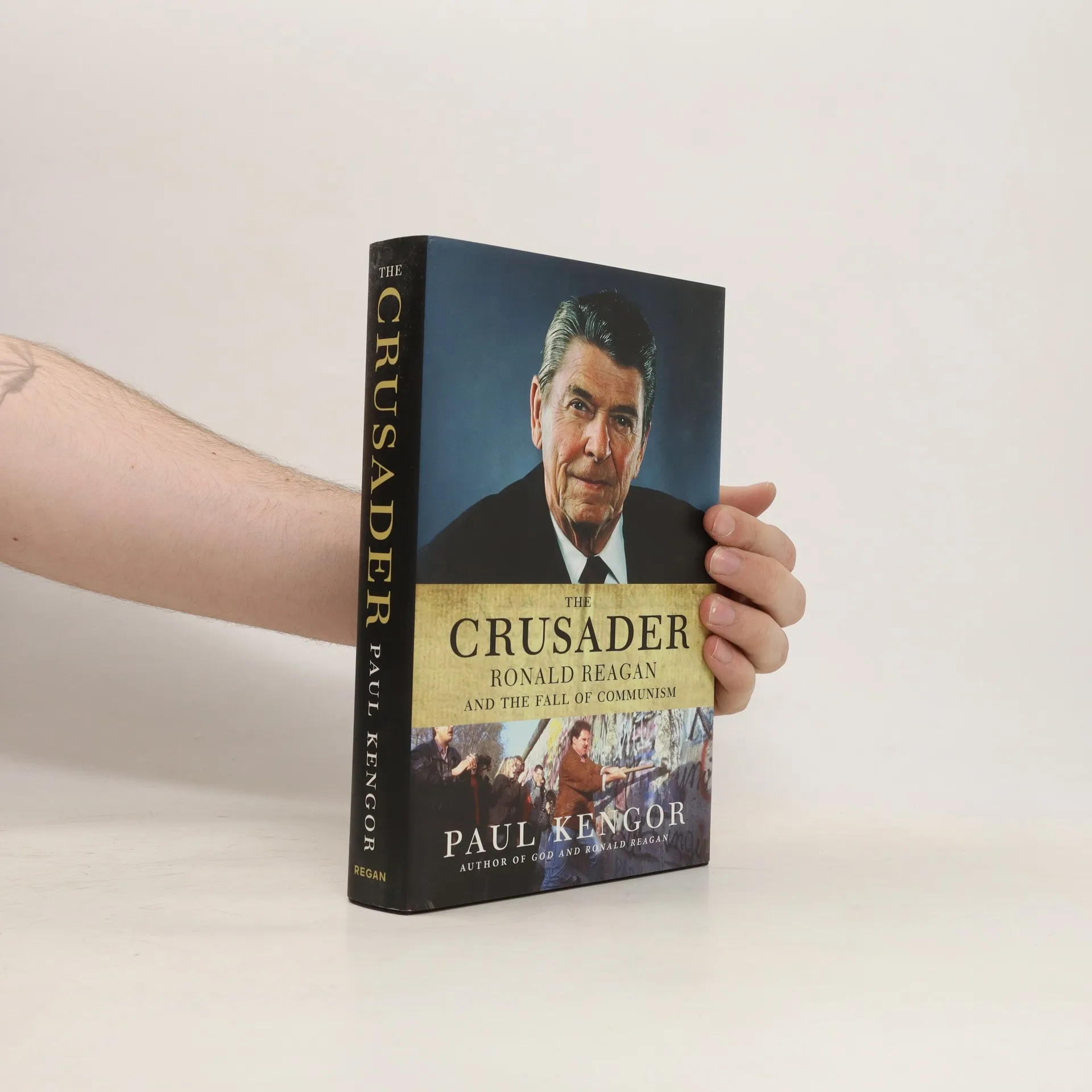
"God and Ronald Reagan" made historian Paul Kengor one of the premier chroniclers of the life and career of the 40th president. Now, with "The Crusader," Kengor returns with the one book about Reagan that has not been written: The story of his lifelong crusade against communism, and of his dogged--and ultimately triumphant--effort to overthrow the Soviet Union.
The twelve stories in Indelible Acts are variations on a theme of longing - the unassuagable human need for contact, for completion, for that most fugitive gift of all: reciprocal love. In the title story, two lovers confront their lusts amid the ruins of Rome; schovat popis
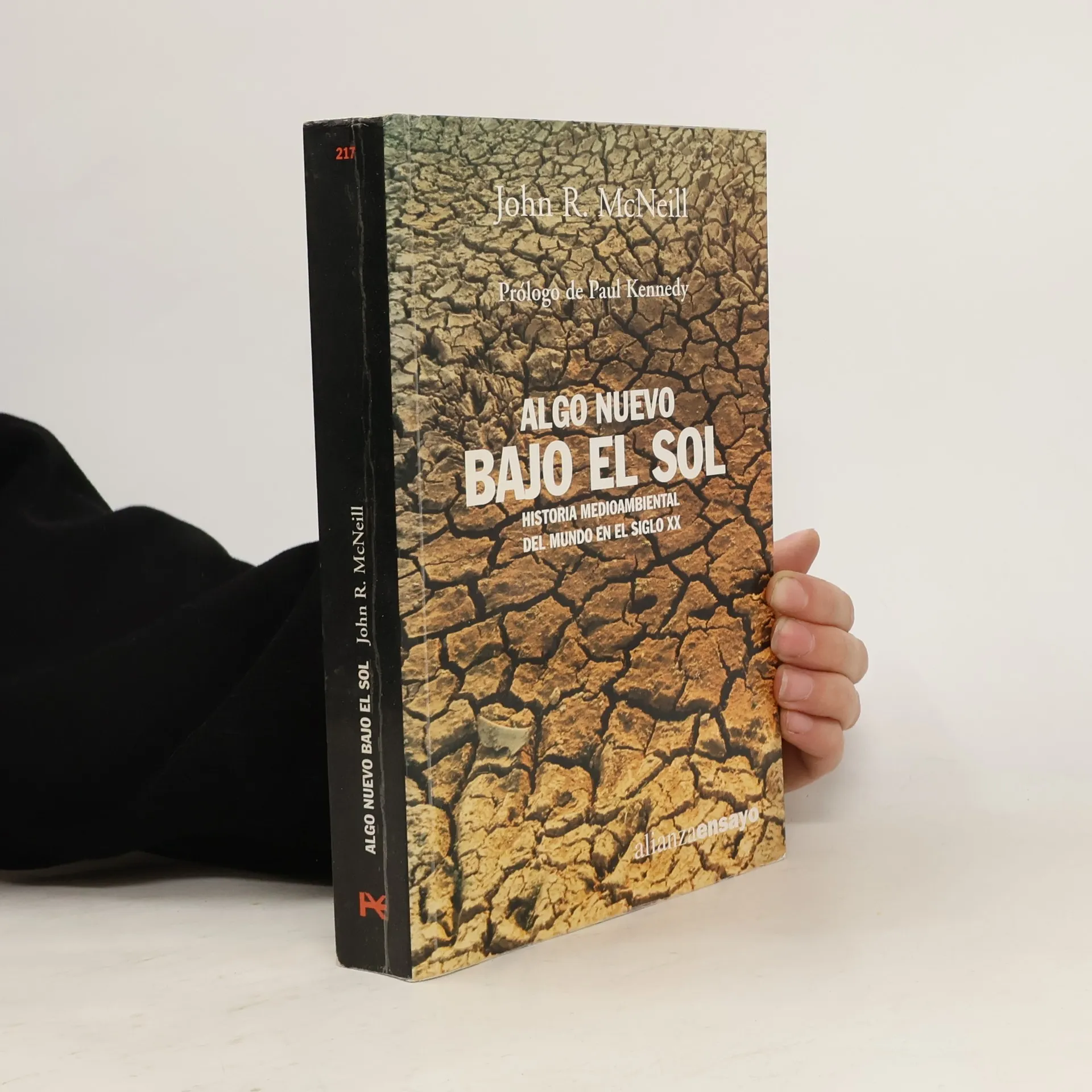
Historia medioambiental del mundo en el siglo XX
Guerras mundiales, el auge y caída del comunismo, la difusión de la democracia: la historia del siglo XX se suele contar a través de acontecimientos así. Pero, en este siglo, la humanidad también ha remodelado, en un grado sin precedentes, el aire, el agua, el suelo y la biosfera de la Tierra. Tal como escribe John R. McNeill en este importante libro, el cambio medioambiental acabará siendo con el tiempo el aspecto más significativo del siglo XX.
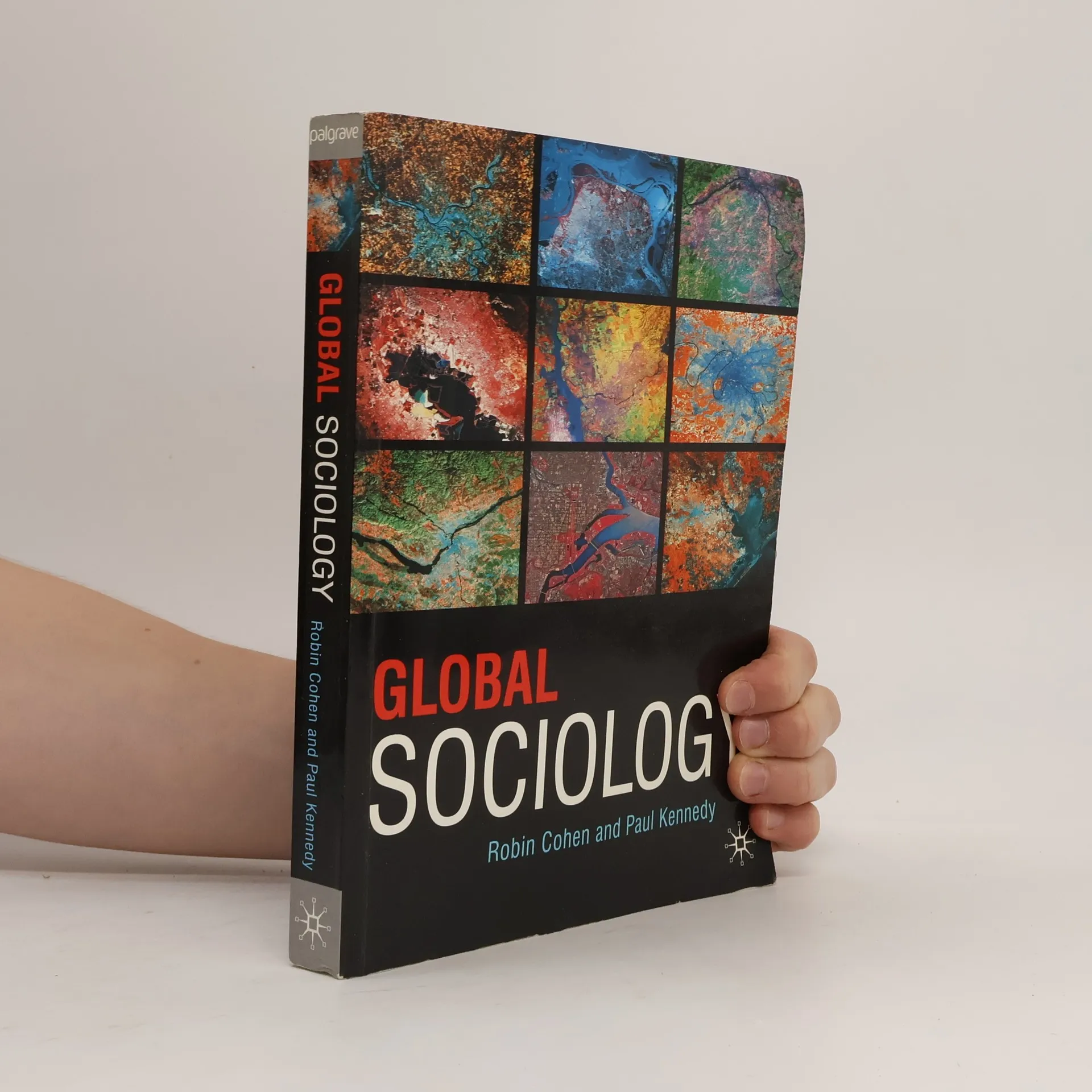
The second edition of this pioneering text, Global Sociology , offers an innovative approach to sociology that takes the global dimensions of the contemporary world as its overarching framework. Fully revised and updated with a new Introduction and three new chapters, Global Sociology is written in a fresh and relevant style for undergraduate readers whether they have studied sociology before or are approaching the subject for the first time. Carefully balancing contemporary sociological theory and concepts with arguments and concrete examples drawn from around the globe, Global Sociology highlights the scope and the importance of sociology for understanding the complex and ever-changing world around us. This new edition reflects current world events and debates in the discipline, importantly covering the aftermath of September 11, the new terrorist threat, and the impact of globalization.
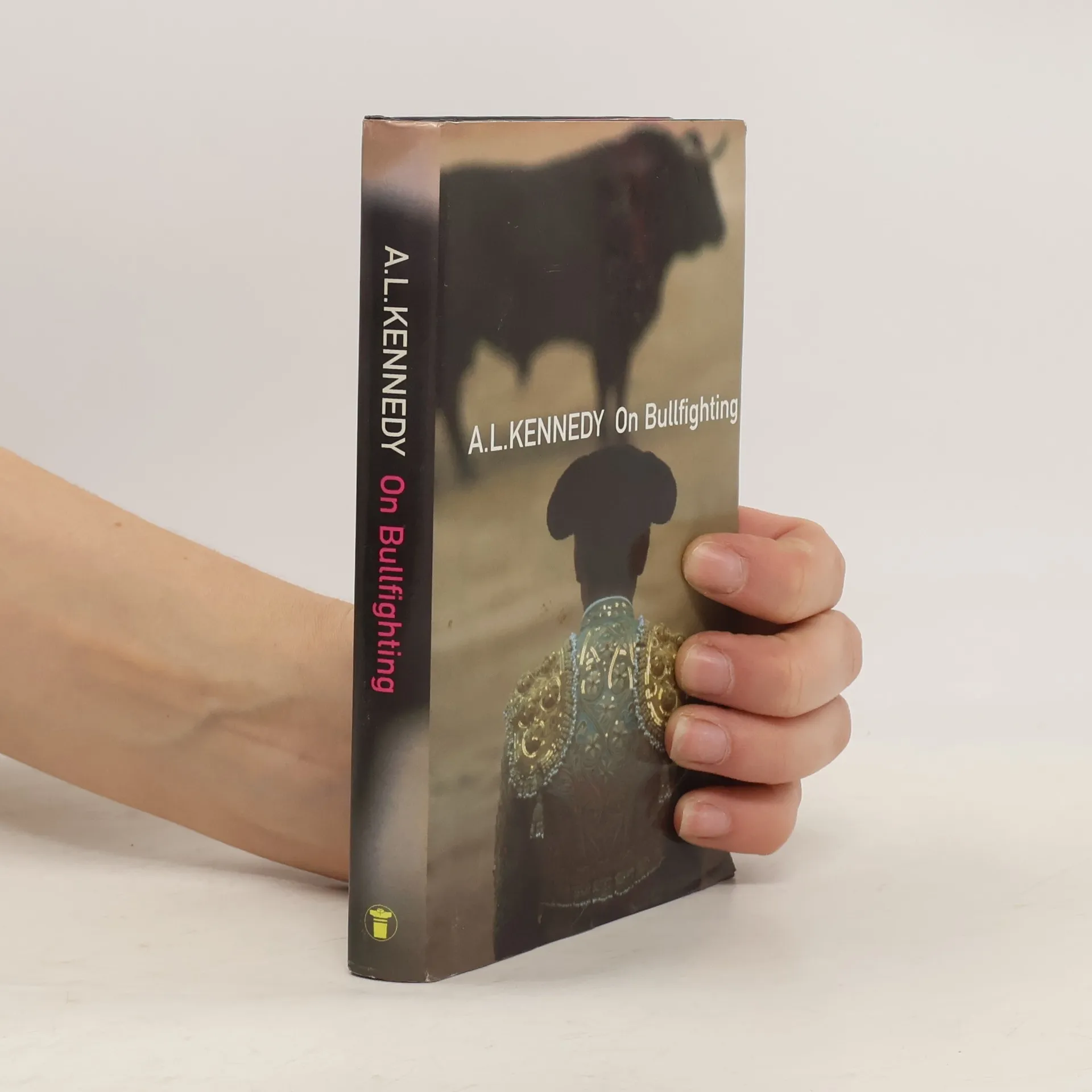
An introduction to death -- To send a bull from Heaven -- Three bad days -- Drop by Drop: the making of a Torero -- Acts of faith -- Self-portrait -- The gate of fear
In this collection, a dozen scholars of international affairs consider the 20th century's recurring failure to construct a peaceful and stable international order in the wake of war. They reflect on the difficulties faced by governments as they sought to secure a world order.
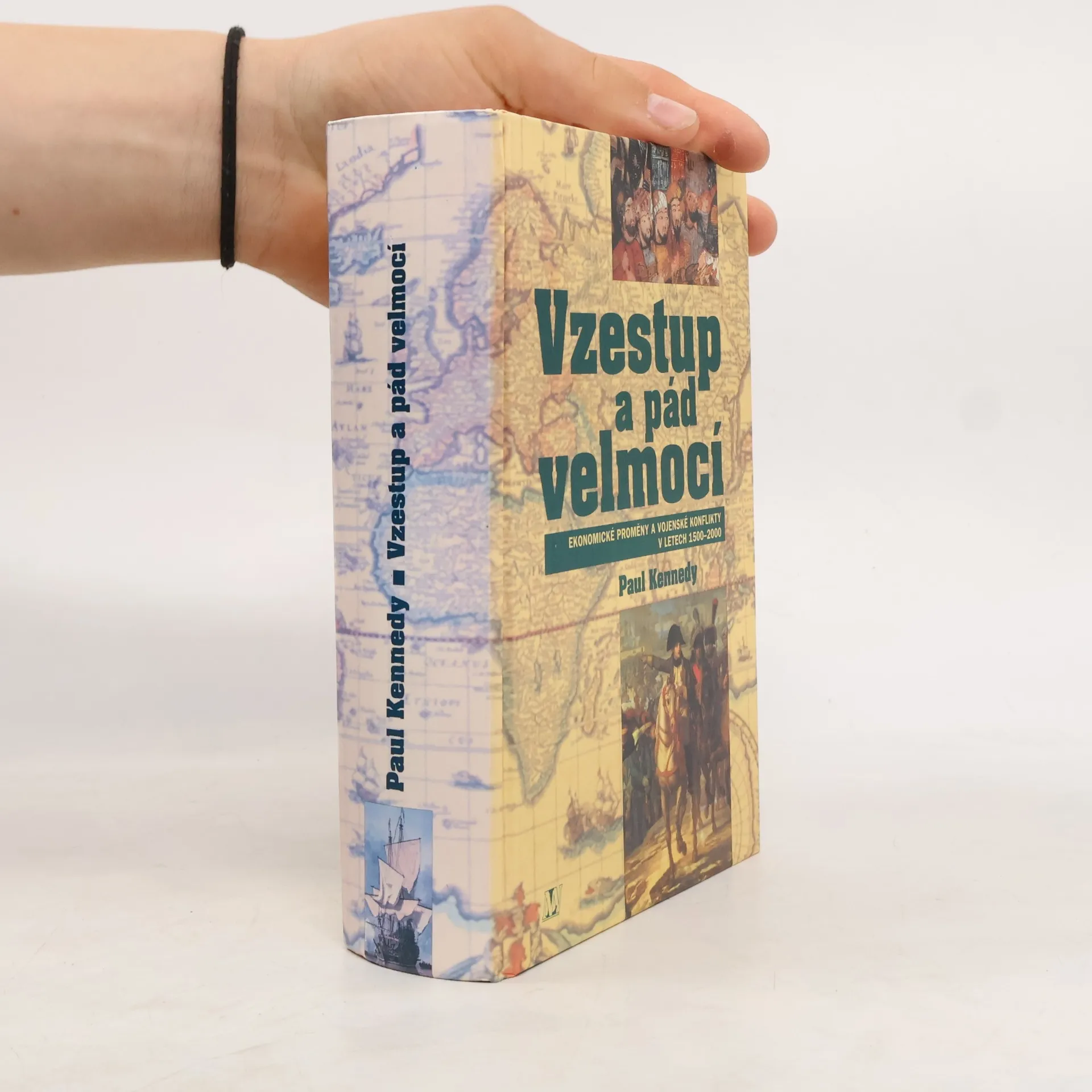
Je samozřejmé, že se v roce 1885 o zkáze a zpustošení, které postihnou Evropu o šedesát let později, nikomu ani nezdálo, ale mnoho bystrých pozorovatelů konce devatenáctého století tušilo směr, kterým se dynamika světové moci řítí. Nejen intelektuálové a novináři, ale i rutinní politici hovořili a psali v pojmech vulgarně pojatého darwinistického světa boje, úspěchu a prohry, růstu a úpadku. A tak se přinejmenším už v roce 1895 nebo 1900 začínaly rýsovat hrubé kontury příštího světového řádu.
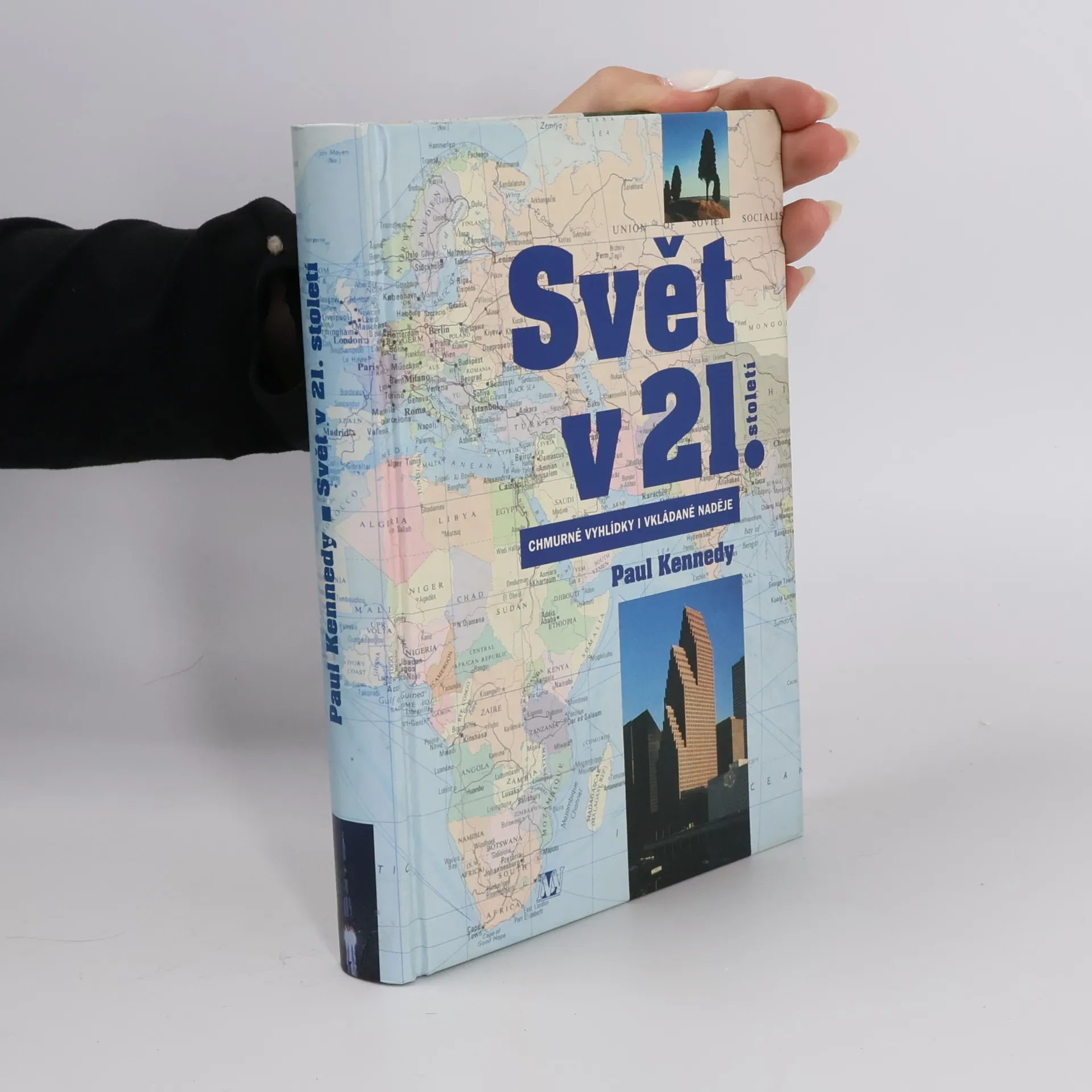
Podnázev : Chmurné vyhlídky i vkládané naděje Odborná futurologická studie.
Until reality breaks in and Jennifer uncovers the harsh vocabulary of addiction and the addictive extremes of sex. -An alchemical romance, a Swiftian satire for our times, an impossible spiritual journey and a devastating plummet into insanity and perversion, So I Am Glad is oblique, incisive,... číst celé
Called “Fascinating! An incredible book” by Oprah Winfrey, this beloved photography collection vividly portrays the look and feel of the human condition everywhere on Earth. In an unprecedented effort, sixteen of the world’s foremost photographers traveled to thirty nations around the globe to live for a week with families that were statistically average for that nation. At the end of each visit, photographer and family collaborated on a remarkable portrait of the family members outside their home, surrounded by all of their possessions; a few jars and jugs for some, an explosion of electronic gadgetry for others. This internationally acclaimed bestseller puts a human face on the issues of population, environment, social justice, and consumption as it illuminates the crucial question facing our species Can all six billion of us have all the things we want? “Material culture, laid bare in this way, is surprisingly intimate―and whets a persons appetite to see the world.” ― The Atlantic “This remarkable book vividly presents its own cross section of families today, with the energy and intimacy of a work of art for our times . . . This is a record of striking value. No time traveler could bring back a more valuable resource.” ― Scientific America “Striking.” ― San Francisco Chronicle
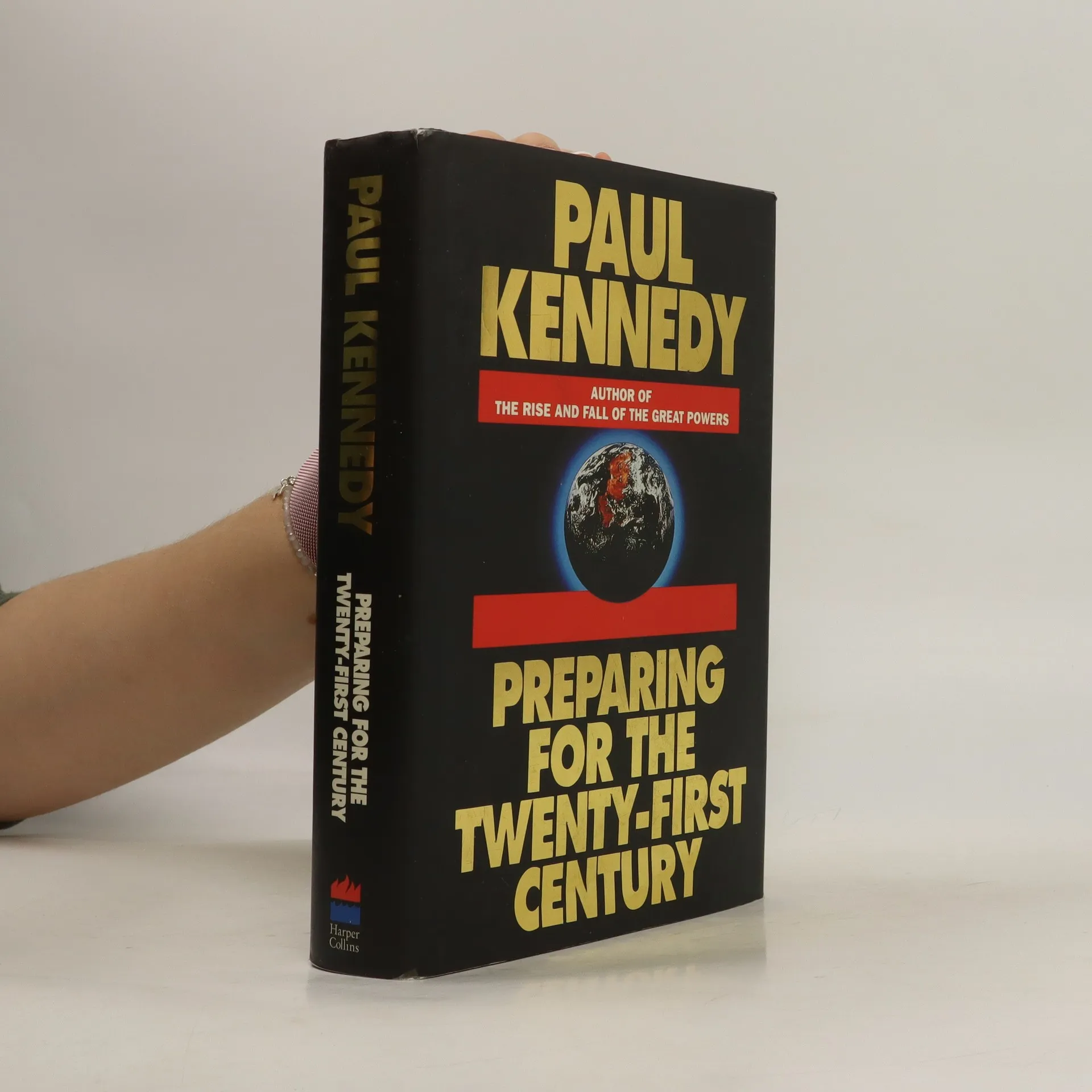
Following on from his book The Rise and Fall of the Great Powers, the author of this book looks at the different ways in which society prepares itself for the arrival of the 21st century. Digesting and synthesizing developments in population growth, environmental change, biotechnology, robotics, communications technology and global financial markets, this book looks at the possible future for the developed world.
What is Asia to Us, now available in paperback, looks at the uneasy relationship of Russia and Soviet Central Asia. It examines both the significance of Asia to the Russian mind and the place that Asia has occupied in Russian geopolitical thinking over the last hundred years, showing that recent outbreaks of violence are only the latest manifestation of long-standing tension. Hauner surveys events from the conquest of Turkestan to the invasion of Afghanistan and beyond in order to reassess existing theories about Russia's aims in Asia. He also examines the views of Russians themselves and explores the place of Eurasia in Mikhail Gorbachev's vision of a common European house.
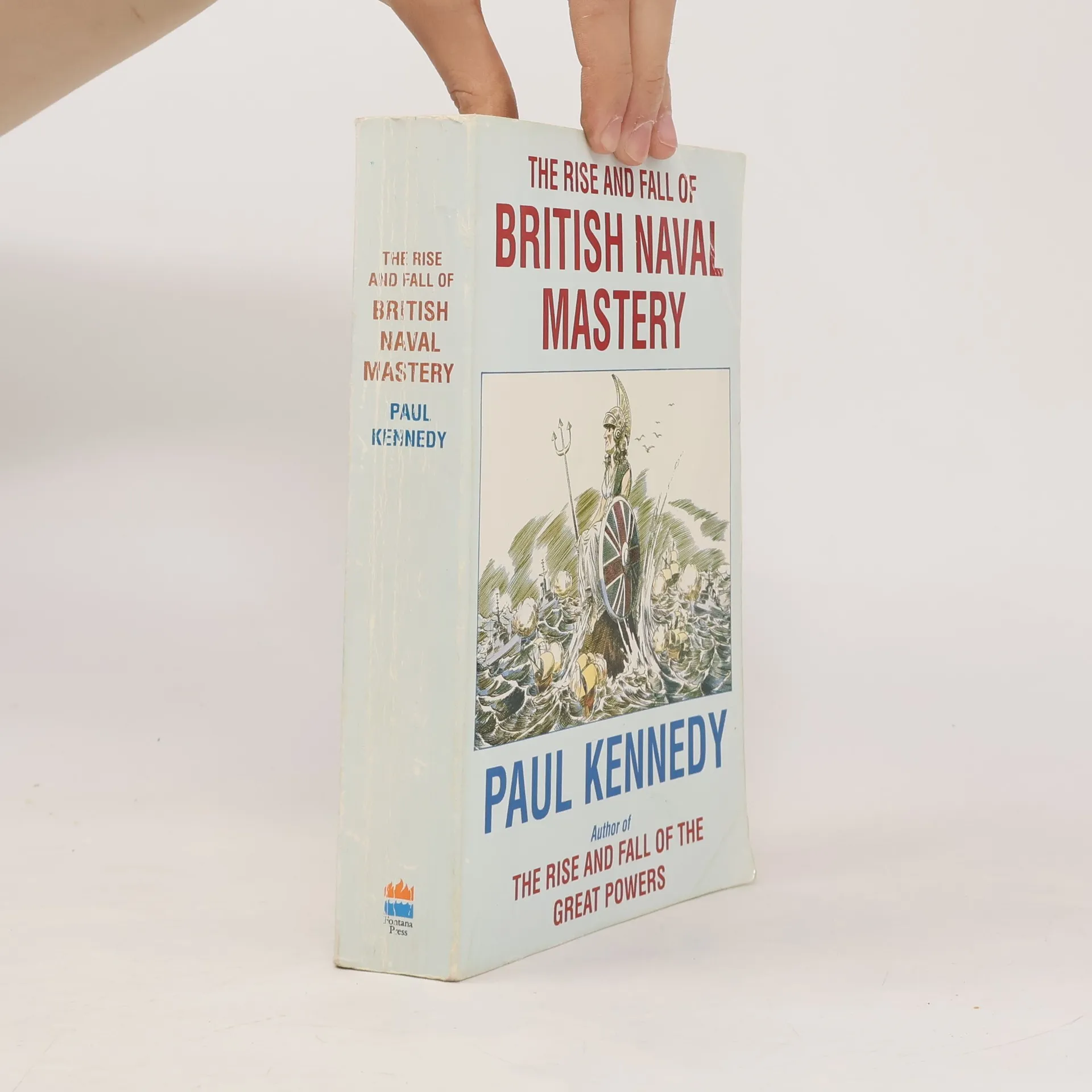
La Marina di Sua Maestà Britannica rappresenta un esempio di efficienza e dinamismo, dominando gli oceani per oltre tre secoli e supportando il vasto impero che abbracciava cinque continenti. Paul Kennedy offre una ricostruzione dettagliata della sua storia, dai tempi dei Tudor fino alla guerra delle Falkland e oltre. La sua analisi sfata il mito che gli inglesi siano stati avvantaggiati dalla loro natura isolana e vocazione marittima, dimostrando invece che il successo della marineria britannica è legato allo sviluppo economico del paese. Inserendo la Royal Navy nel contesto della geografia, della storia e della struttura politica ed economica dell'Impero Britannico rispetto a stati rivali come Olanda, Spagna, Francia e Germania, l'opera ha avuto un impatto significativo sulla storiografia contemporanea, evidenziando il legame tra potenza militare ed economica. Pubblicato per la prima volta nel 1976, il libro è diventato un classico e ora include una nuova prefazione dell'autore, che confronta la potenza navale britannica con quella degli Stati Uniti. Le conclusioni di Kennedy non si limitano a una sola nazione, ma riflettono i dilemmi di qualsiasi potenza desiderosa di avere un ruolo di rilievo sulla scena mondiale.
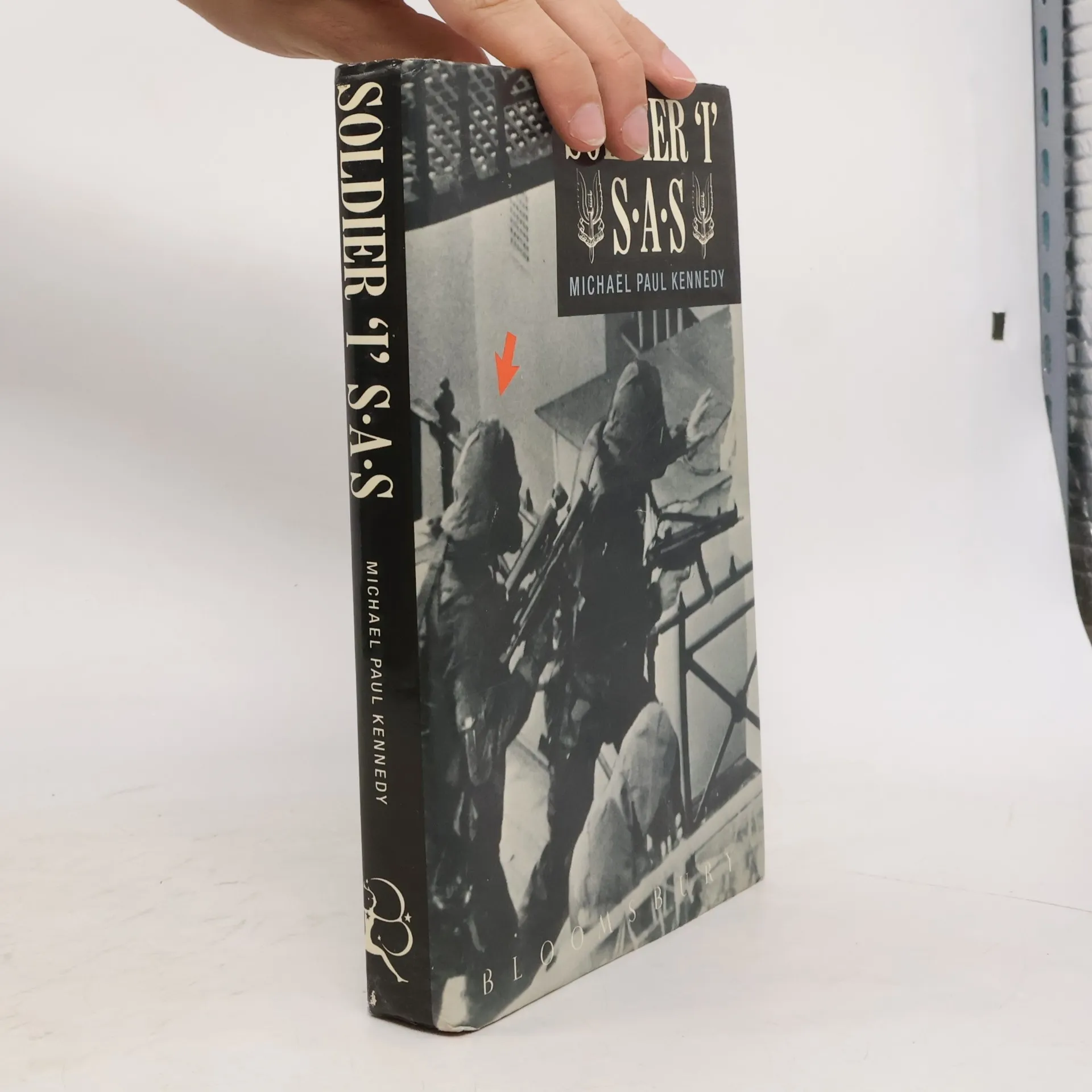
No publicity, no media. We move in silently, do our job, and melt away into the background. If you have the stamina, the willpower and the guts, we’ll welcome you with open arms and you one of us. And if you haven’t, then it’s been very nice knowing you. Eighteen years in the SAS saw Pete Winner, codenamed Soldier ‘I’, survive the savage battle of Mirbat, parachute into the icy depths of the South Atlantic at the height of the Falklands War, and storm the Iranian Embassy during the most famous hostage crisis in the modern world. For the first time Pete also details his close-protection work around the world, from the lawless streets of Moscow to escorting aid convoys into war-torn Bosnia. He also unveils the problems of Post-Traumatic Stress Disorder faced by many Special Forces veterans, and how he battled his own demons to continue his roller-coaster career. This is his story, written with a breathtaking take-no-prisoners attitude that brings each death-defying episode vividly to life.
About national and international power in the "modern" or Post Renaissance period. Explains how the various powers have risen and fallen over the 5 centuries since the formation of the "new monarchies" in W. Europe.
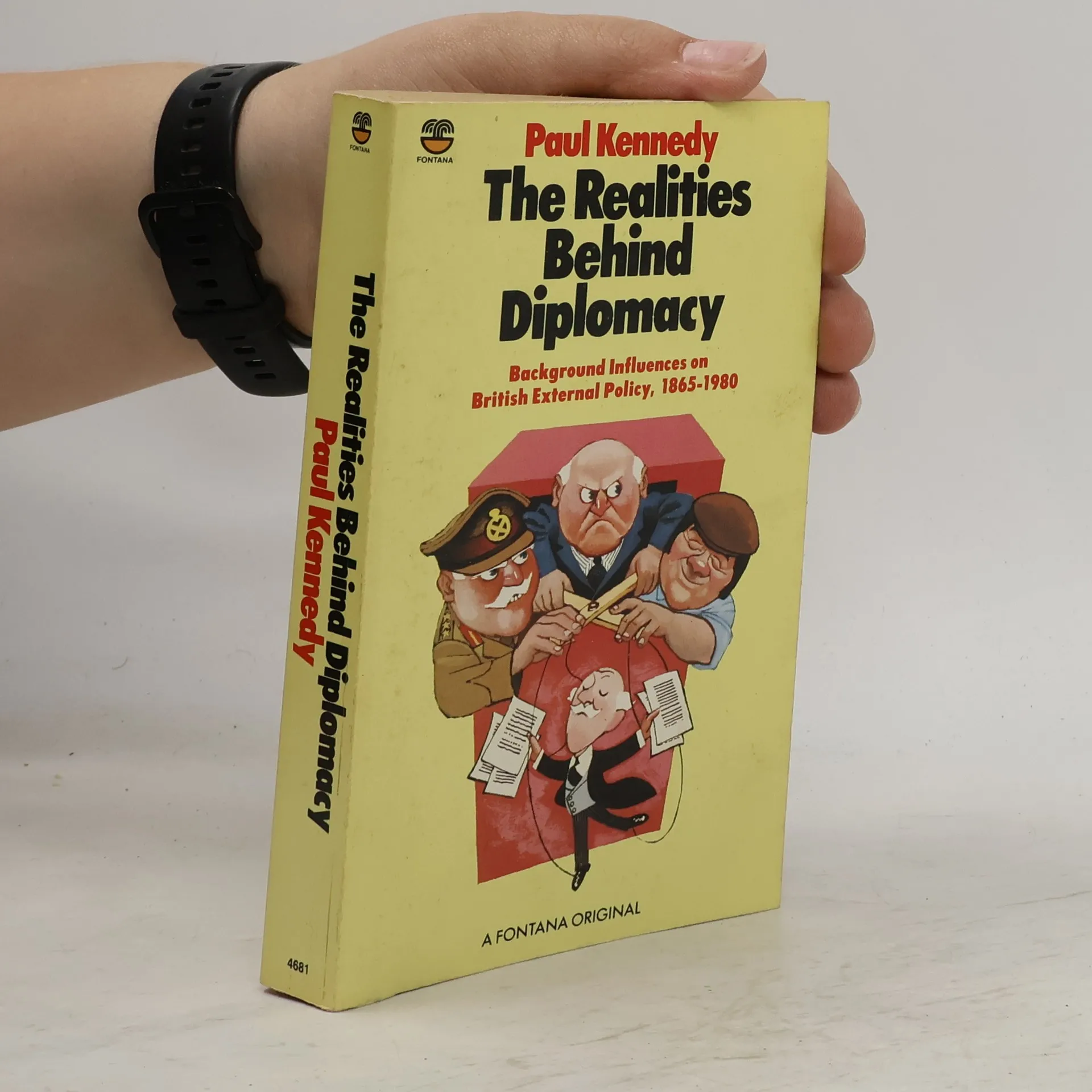
Background Influences on British External Policy 1865-1980
GF. 327.41 KEN.