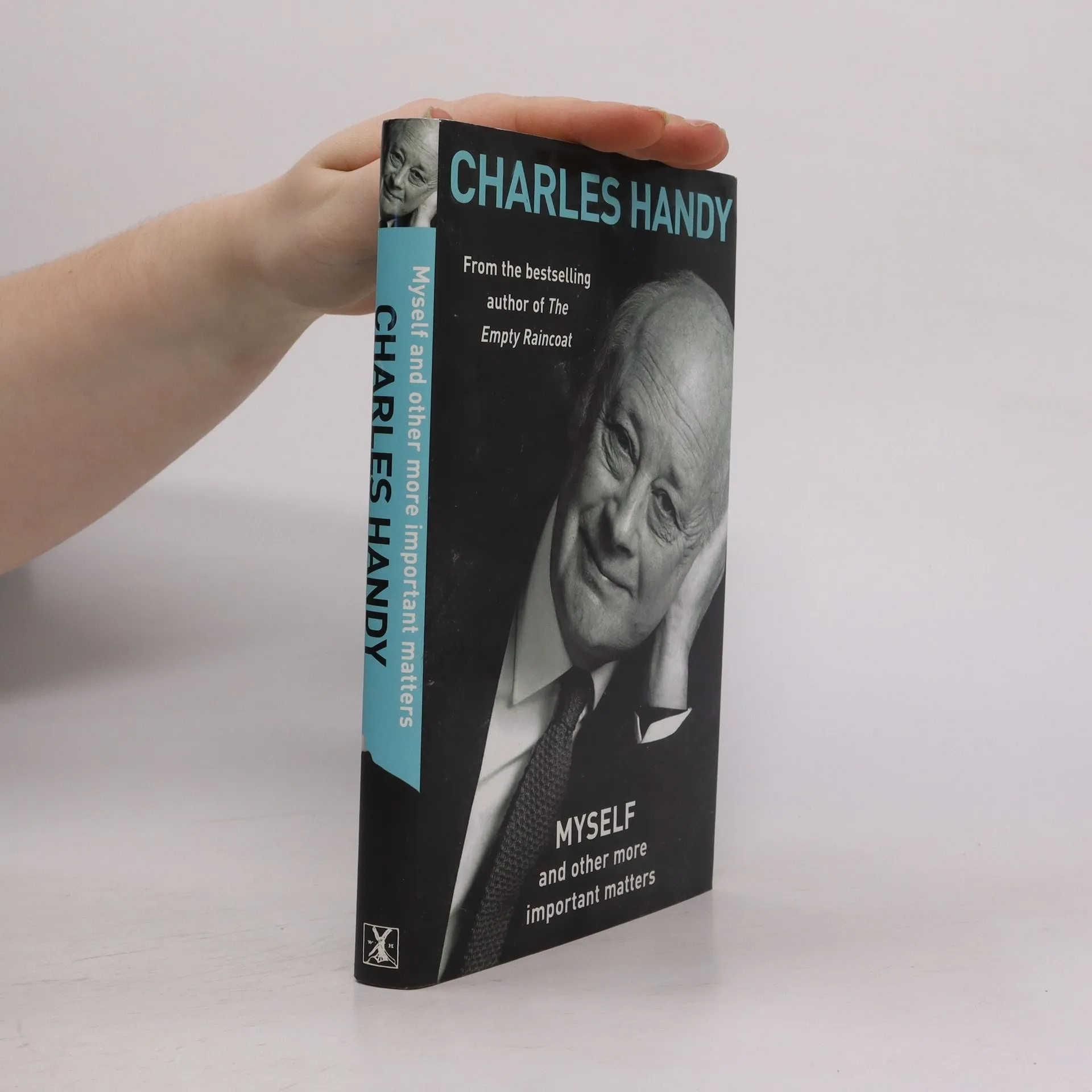
Charles Handy Libros
Este autor y filósofo irlandés se especializa en el comportamiento organizacional y la gestión. Entre las ideas que ha promovido se encuentran el "trabajador de cartera" y la "Organización Shamrock", que arrojan luz sobre la naturaleza cambiante del trabajo y las estructuras organizativas. Su trabajo a menudo profundiza en las conexiones más profundas entre los individuos y los sistemas en los que operan, ofreciendo perspectivas perspicaces sobre el panorama profesional moderno. A través de su experiencia, el autor tiene como objetivo proporcionar puntos de vista novedosos sobre cómo tanto los individuos como las organizaciones pueden prosperar en un mundo complejo y en constante cambio.

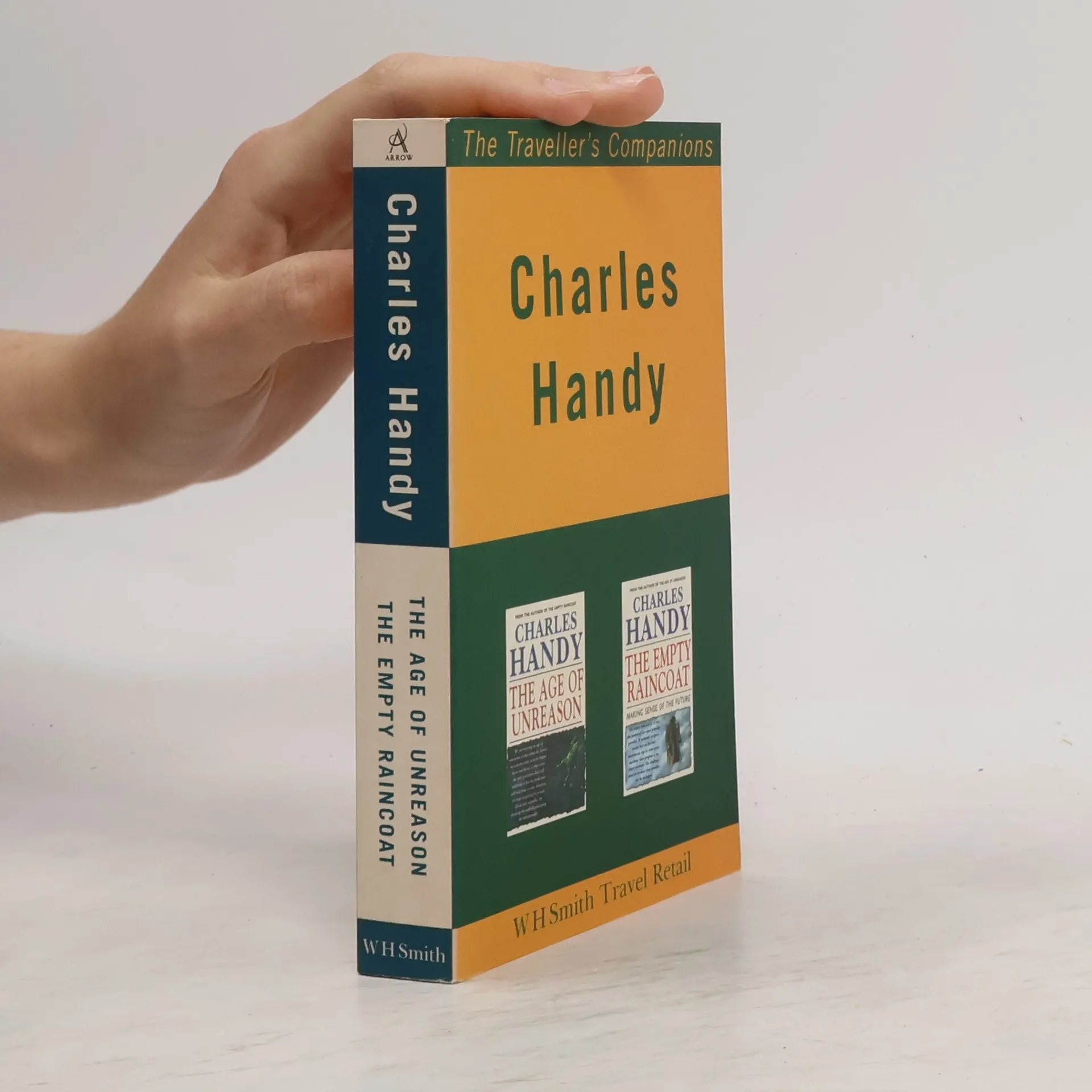
The Age of Unreason. The Empty Raincoat
- 280 páginas
- 10 horas de lectura
Who are the new philanthropists? And how is their philanthropy 'new'? In this remarkable and inspiring book, the eminent management writer Charles Handy and his wife Elizabeth, a portrait photographer, have collaborated to portray a new generation of practical philanthropists, men and women who have made their own fortunes and decided to move on from financial success to try to help those in need. They are doing so not simply by giving their money away to charities and agencies but by helping actively, working on the spot with the very people who need their aid, ensuring that the initiatives are sustainable in the longer term. As in their acclaimed The New Alchemists, the Handys have both interviewed and photographed their subjects in order to tell their inspiring stories; from the Sydney restaurateur Jeff Gambin, who personally helps to cook hot and cold menus for homeless people; to Niall Mellon, a young Irish property developer who is replacing the shacks with breeze-block homes in a South African township; and Sara Davenport, who sold her art gallery and set up the breast-cancer care centre the Haven Trust to offer integrated and holistic treatment and support. This striking book of words and photographs reveals the energy and inspiration of these new ways of using wealth, revealing the motivations and satisfactions of such direct action.
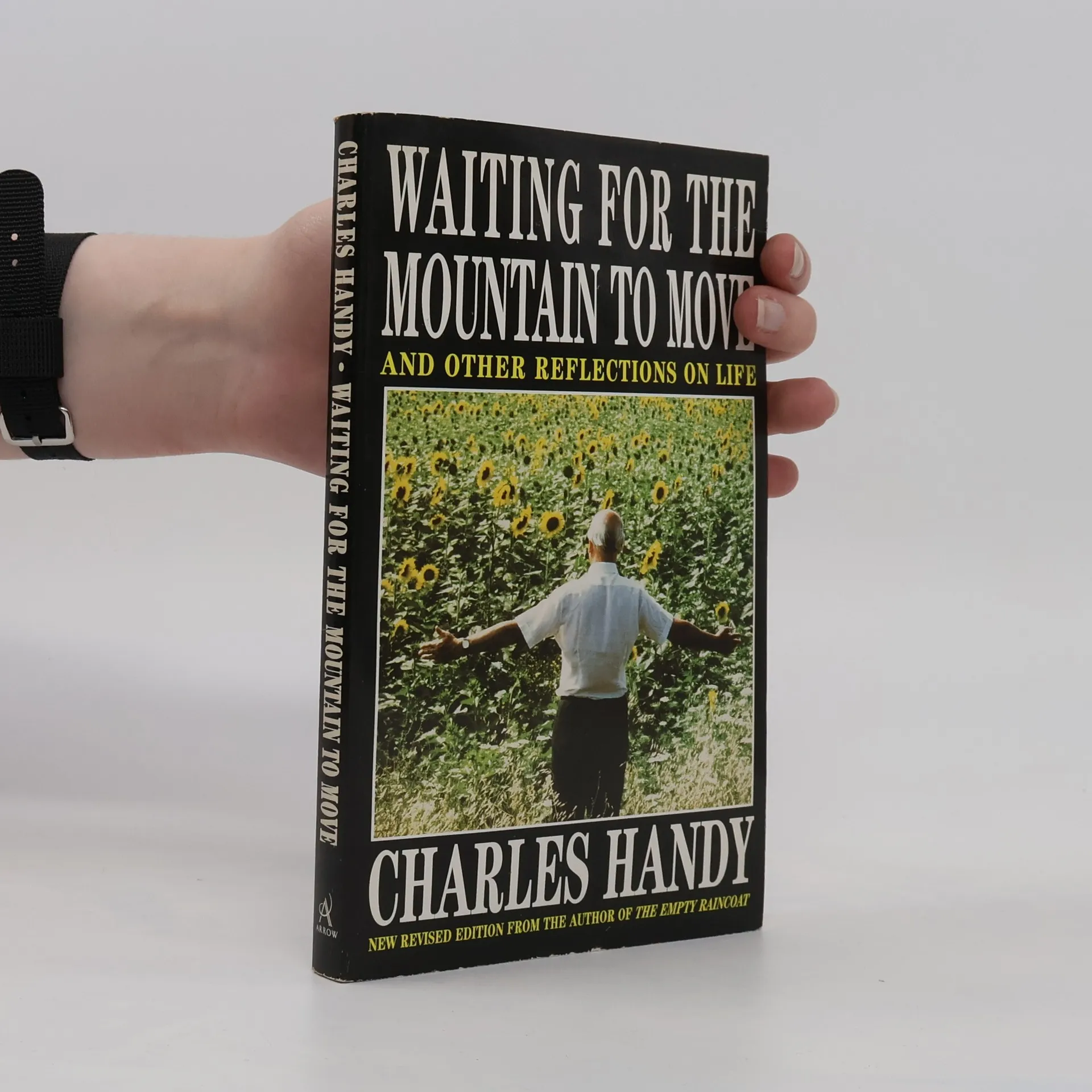
Waiting for the Mountain to Move and Other Reflections on Life
- 224 páginas
- 8 horas de lectura
Thoughts about life and business as heard on Radio 4's Thought for the Day.
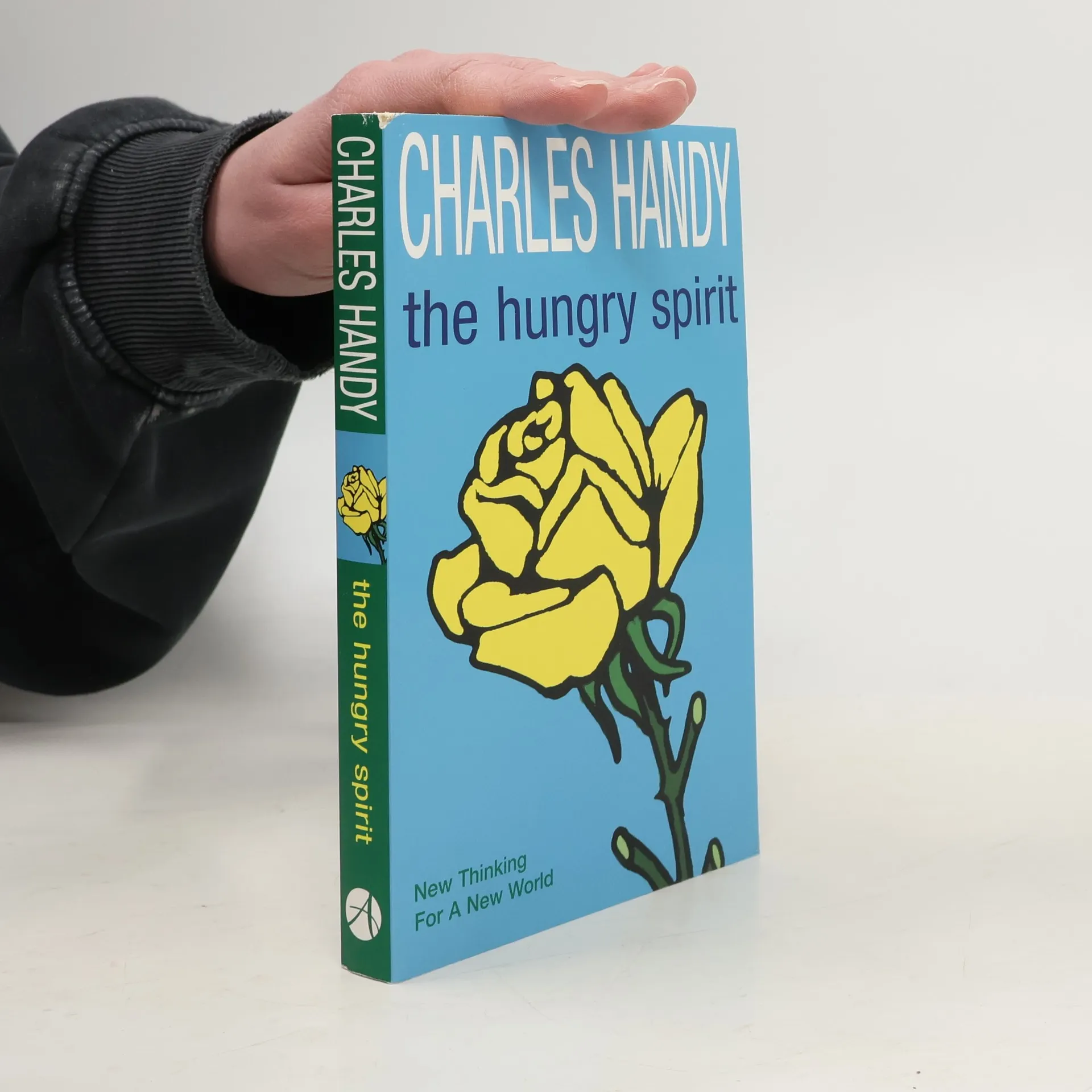
The Hungry Spirit
- 288 páginas
- 11 horas de lectura
With his characteristically very personal anecdotal style, Charles Handy analyses how materialistic capitalism is self-limiting, how efficiency may be the enemy of a cohesive society, and examines the false certainties of science and religion.
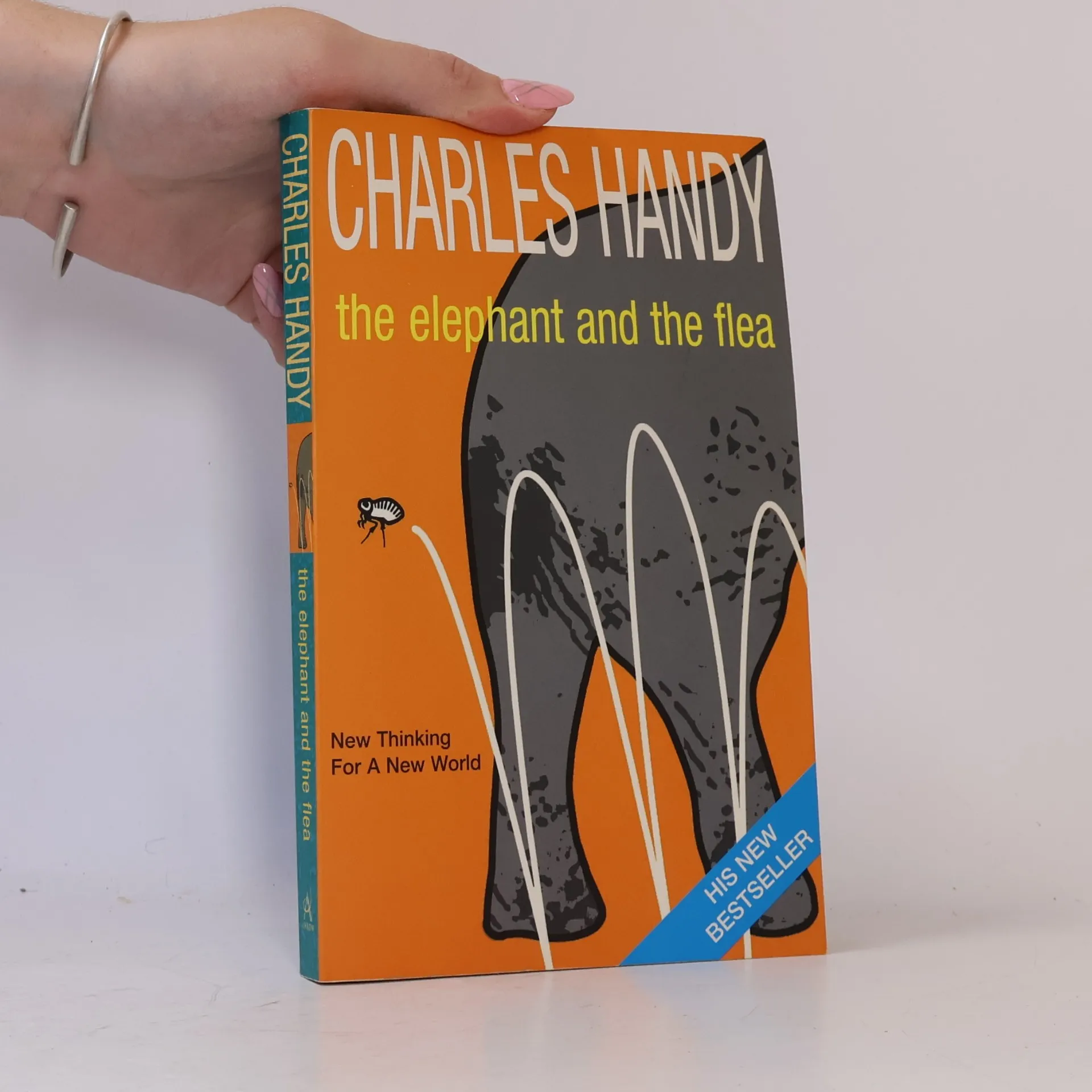
The Elephant and the Flea
- 288 páginas
- 11 horas de lectura
Charles Handy's best-selling new book looks at how individuals (the fleas in his analogy) relate to multi-national conglomerates (the elephants). In addition to addressing how and why we work today, he covers a wide range of preoccupations and issues including the increasing fear of big business-'it is easy to see why many observers think that the big corporations are now both richer and more powerful than many nation states. They worry that these new corporate states are accountable to no-one ... that their financial clout makes governments beholden to them ... The elephants, people feel, are out of control.'
"Ultimately his thoughtful questioning of his own life is designed to inspire our own - what do we really value? Is it money? Time? Family and community? What is the role of work in our lives? What do we find fulfilling? In his wonderfully engaging and drily witty telling of his own story, Charles Handy provides us with the opportunity to learn life-lessons from one of our wisest contemporaries - and ultimately to inform and influence our own making of life's major decisions." -- BOOK JACKET.
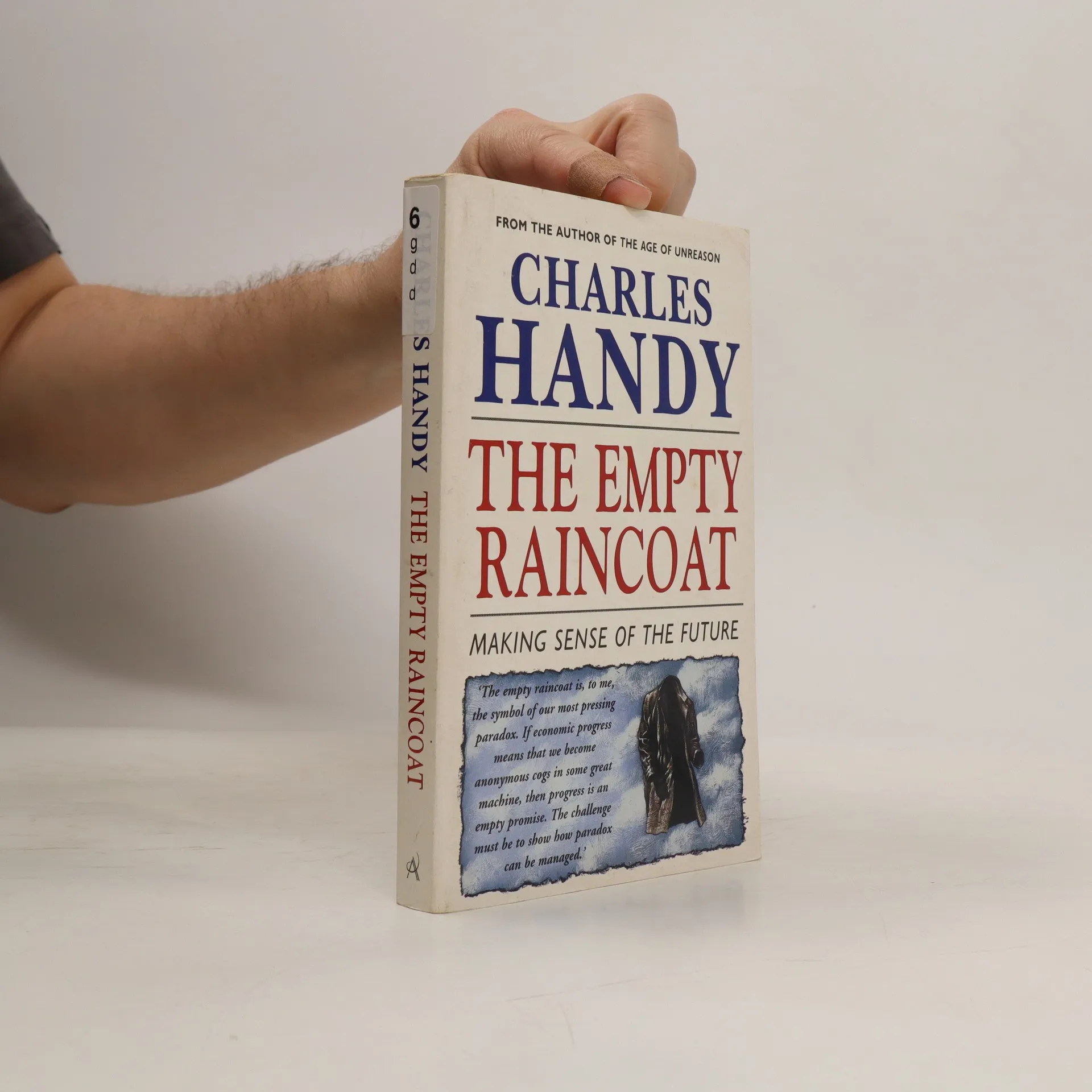
The Empty Raincoat
- 288 páginas
- 11 horas de lectura
In this extraordinary, life-affirming book, Charles Handy reaches for a philosophy beyond the impersonal mechanics of business organizations, and beyond material choices. He presents a powerful alternative vision, where life and work are regrounded in a natural sense of continuity, connection and purposeful direction. 'The empty raincoat is to me, the symbol of our most pressing paradox. If economic progress means that we become anonymous cogs in some great machine, then progress is an empty promise. The challenge must be to show how paradox can be managed.' from 'The Empty Raincoat'
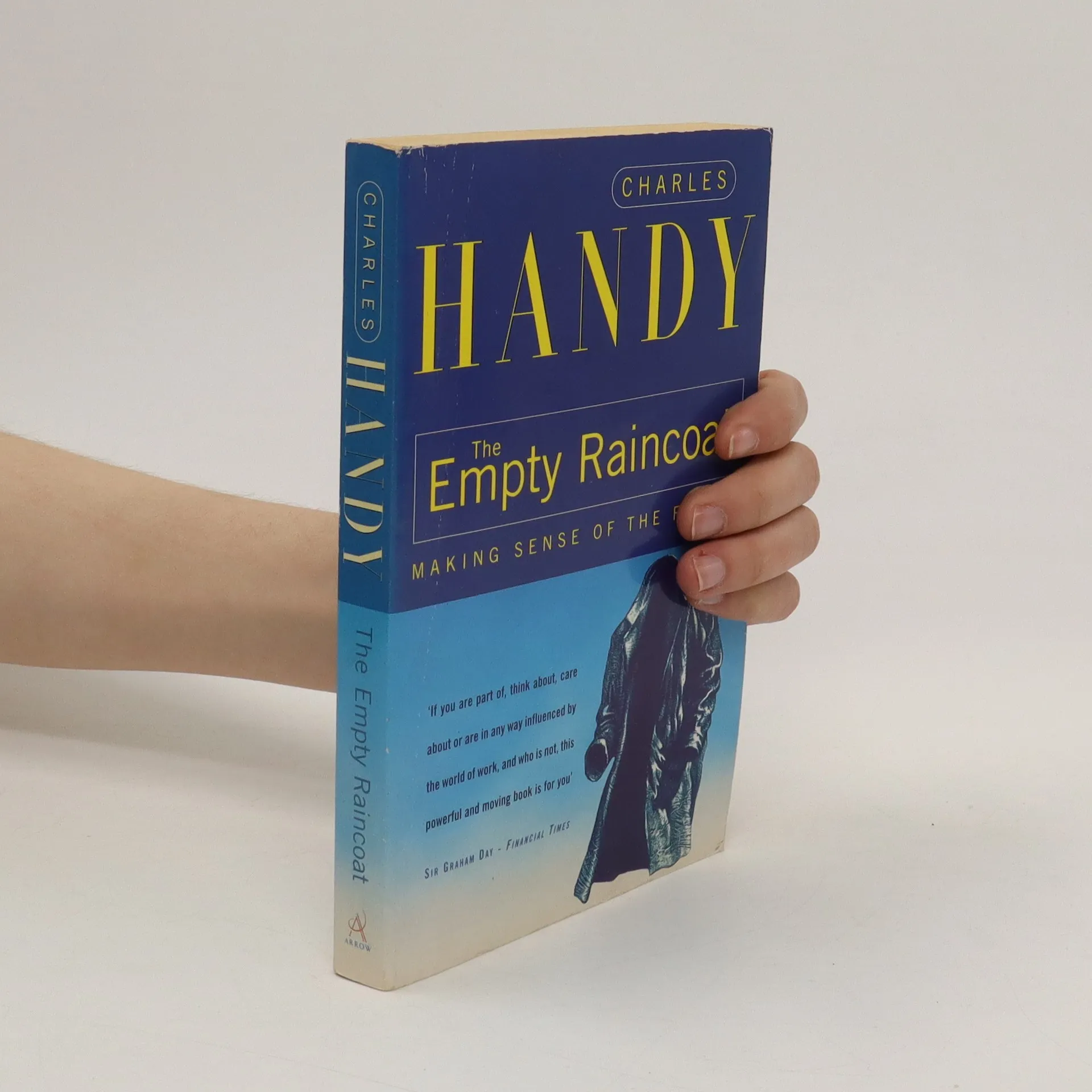
The empty raincoat : making sense of the future
- 288 páginas
- 11 horas de lectura
Handy reaches here for a philosophy beyond the mechanics of business organisations, beyond material choices, to try and establish an alternative universe where the work ethics can contain a natural sense of continuity, connections and a sense of direction.
A collection of essays on work and organizational life in which the author shares his reflections on a changing world. He advocates compromise as the path to progress, and urges organizations to give more freedom to individual employees, to maintain a balance of commitment and creativity.
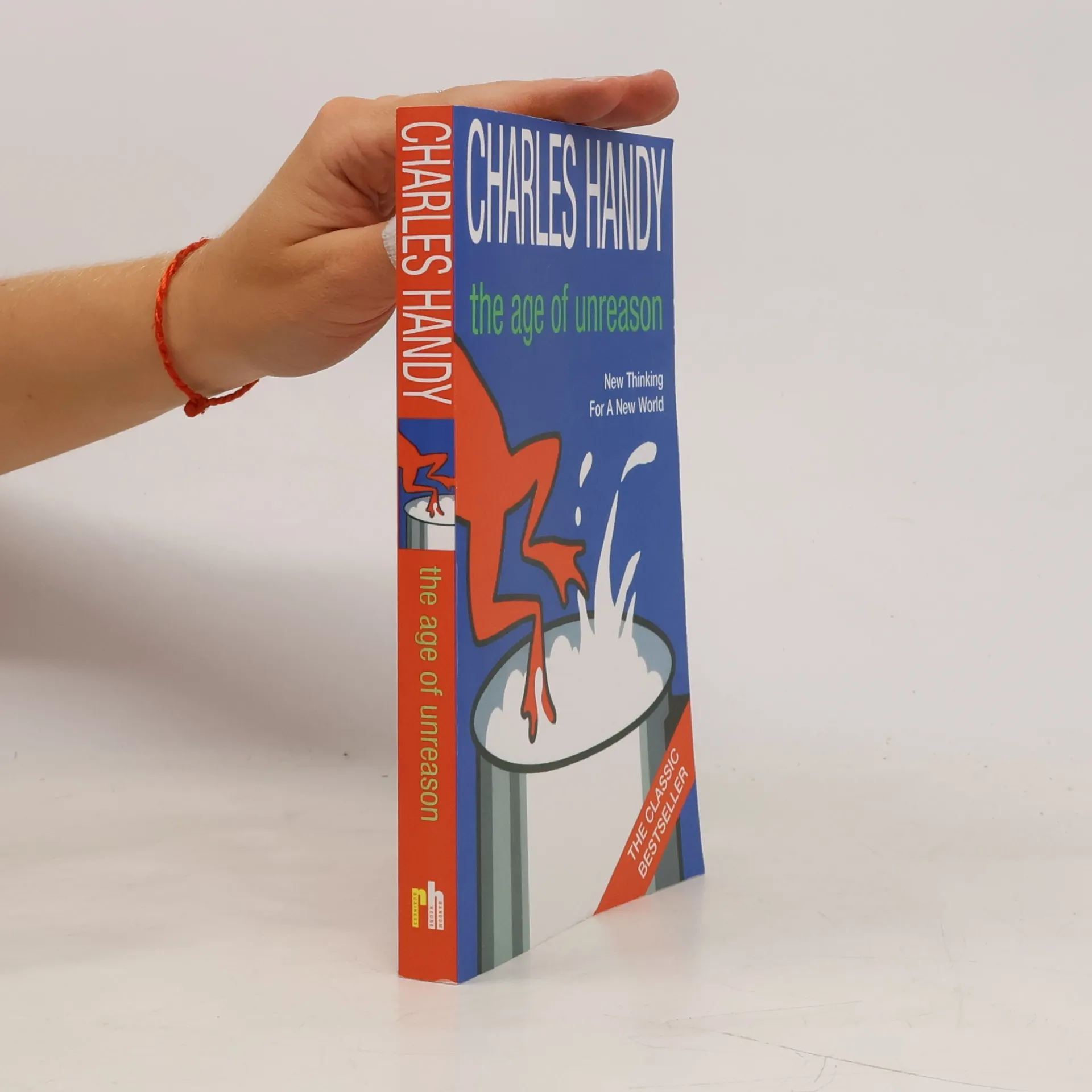
The Age Of Unreason
- 232 páginas
- 9 horas de lectura
We will not survive unless we adapt to the way the world is changing. The Age of Unreason is an inspiring vision of an era of new discoveries, new enlightenment and new freedoms. It helps us to understand what Tom Peters, the American business guru, has called the new 'upside down' competitive realities in the world of work and of leisure.
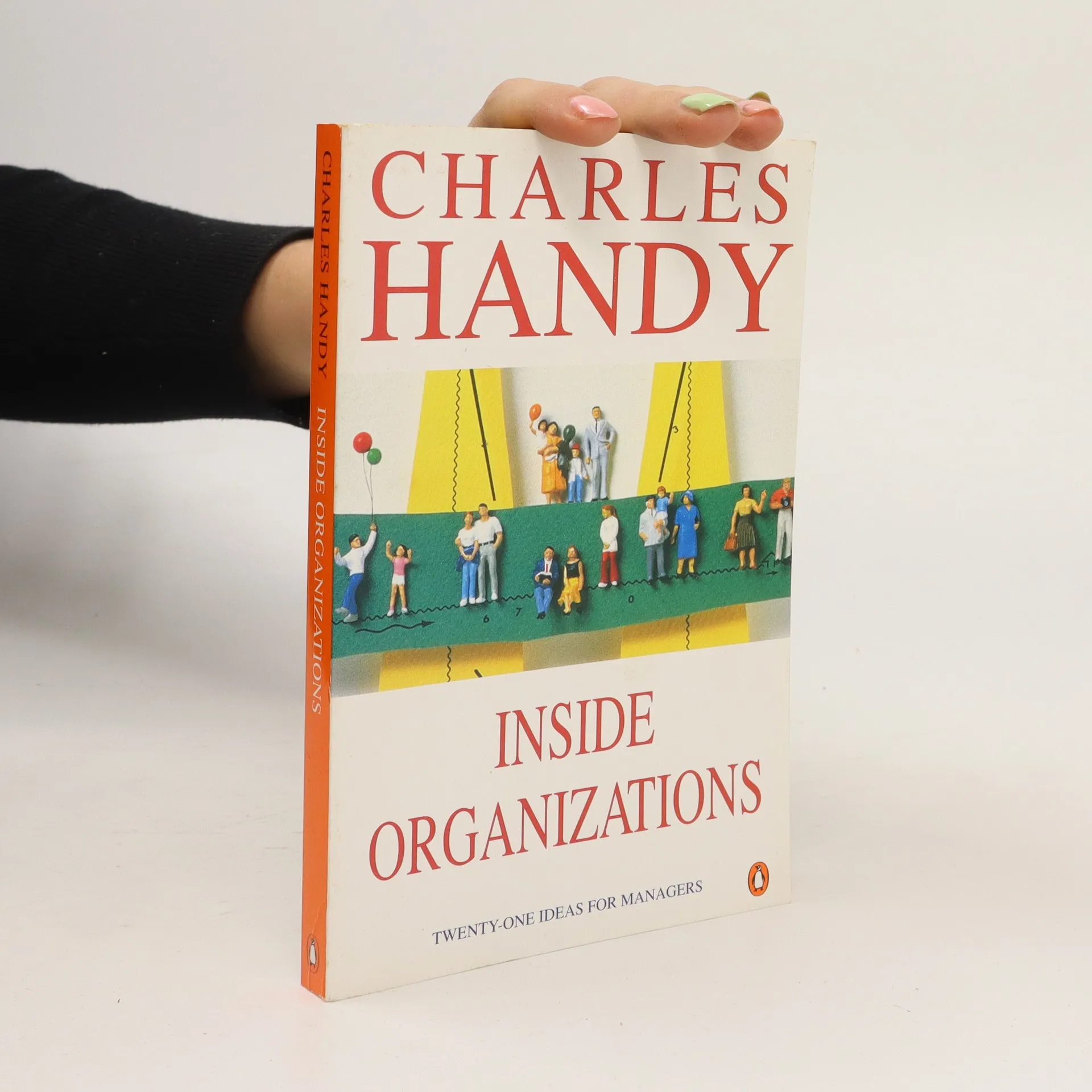
Inside Organizations: 21 Ideas for Managers
- 240 páginas
- 9 horas de lectura
Light-hearted yet profound, Inside Organizations will have a broad general appeal, complementing Handy's bestselling Understanding Organizations. It contains anecdotes, commentary and questions which challenge the reader.
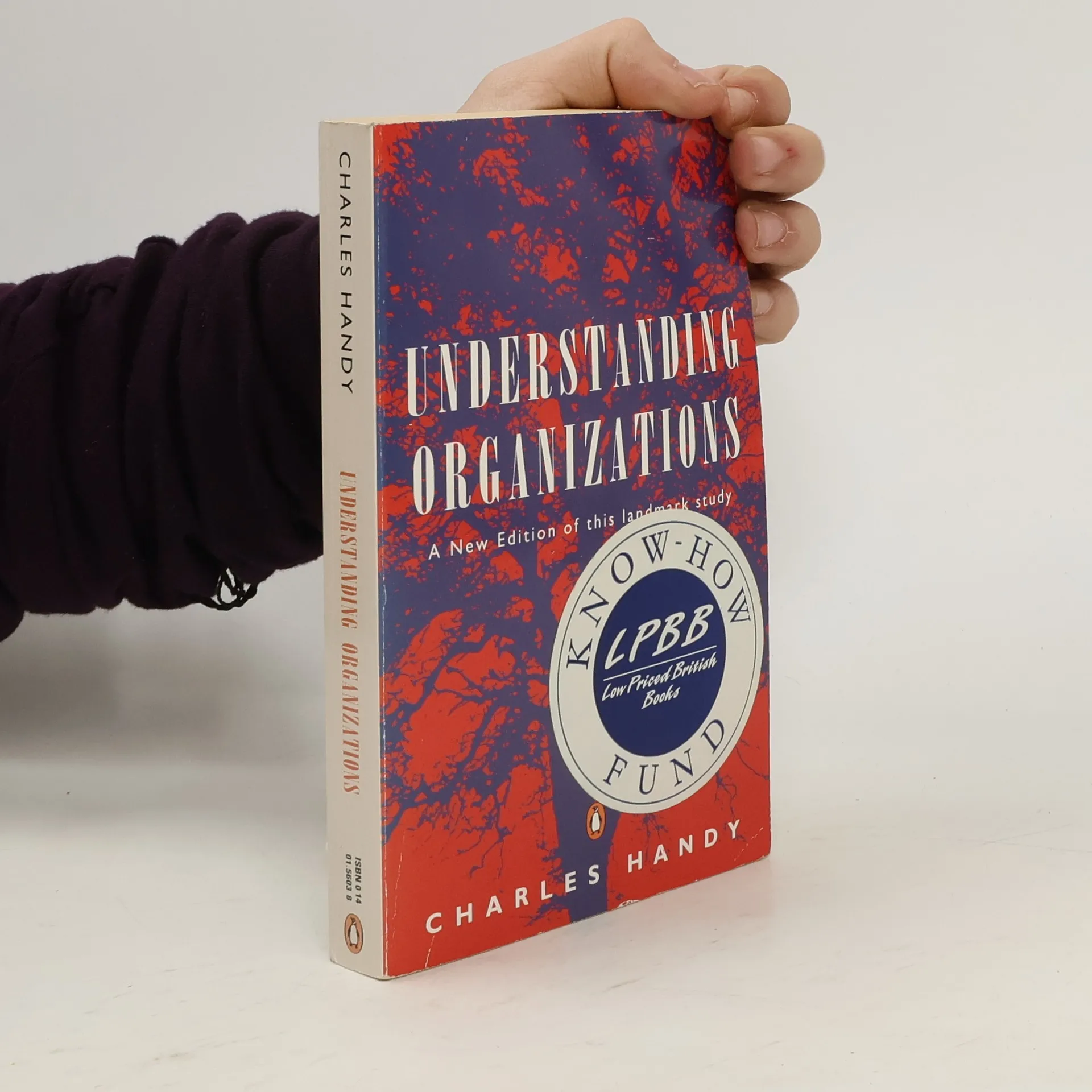
Understanding Organizations
- 448 páginas
- 16 horas de lectura
This text offers an extended dictionary of the key concepts - culture, motivation, leadership, power, role-playing and group-working - and then shows how this language can help readers to find new solutions to familiar problems.
Gods of Management
- 256 páginas
- 9 horas de lectura
The four gods of the title - Zeus, Apollo, Athena and Dionysus - symbolize the different styles of management and culture to be found in organizations. The underlying point is that management is not a precise science, but more of a creative and political process, owing much to the prevailing culture and traditions of the organization. Part 1 explains the theory of cultures and how it applies to organizations; Part 2 examines the major cultural crisis affecting businesses today; as the multi-layered and multi-structured organizations - in the Apollonian or bureaucratic model - have reached a dead end and must give way to the cultures of Zeus and Dionysus, gods of individualism and personal power.
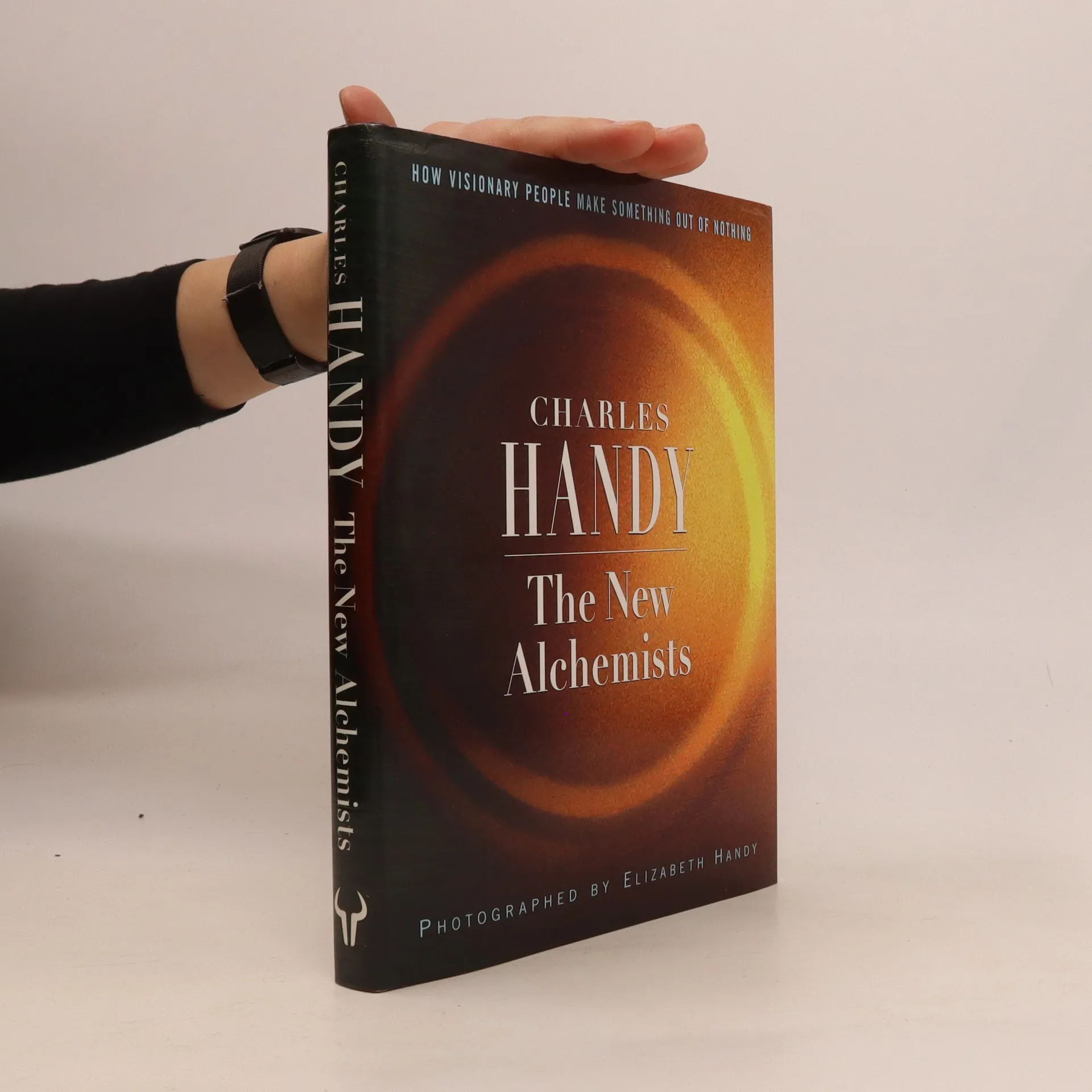
The New Alchemists
- 238 páginas
- 9 horas de lectura
"What drives people to create something from nothing? Is it ambition, the need for self-fulfilment? Is it to do with money, power, or even genes? Is there a mood of the time that encourages people? Can anyone do it?" "Charles Handy has talked to a range of extraordinary characters - from Trevor Baylis and Richard Branson to Jane Tewson and Terence Conran. And Elizabeth Handy has used her new style of composite portraits to highlight aspects of all the different alchemists in their particular environments."--Jacket
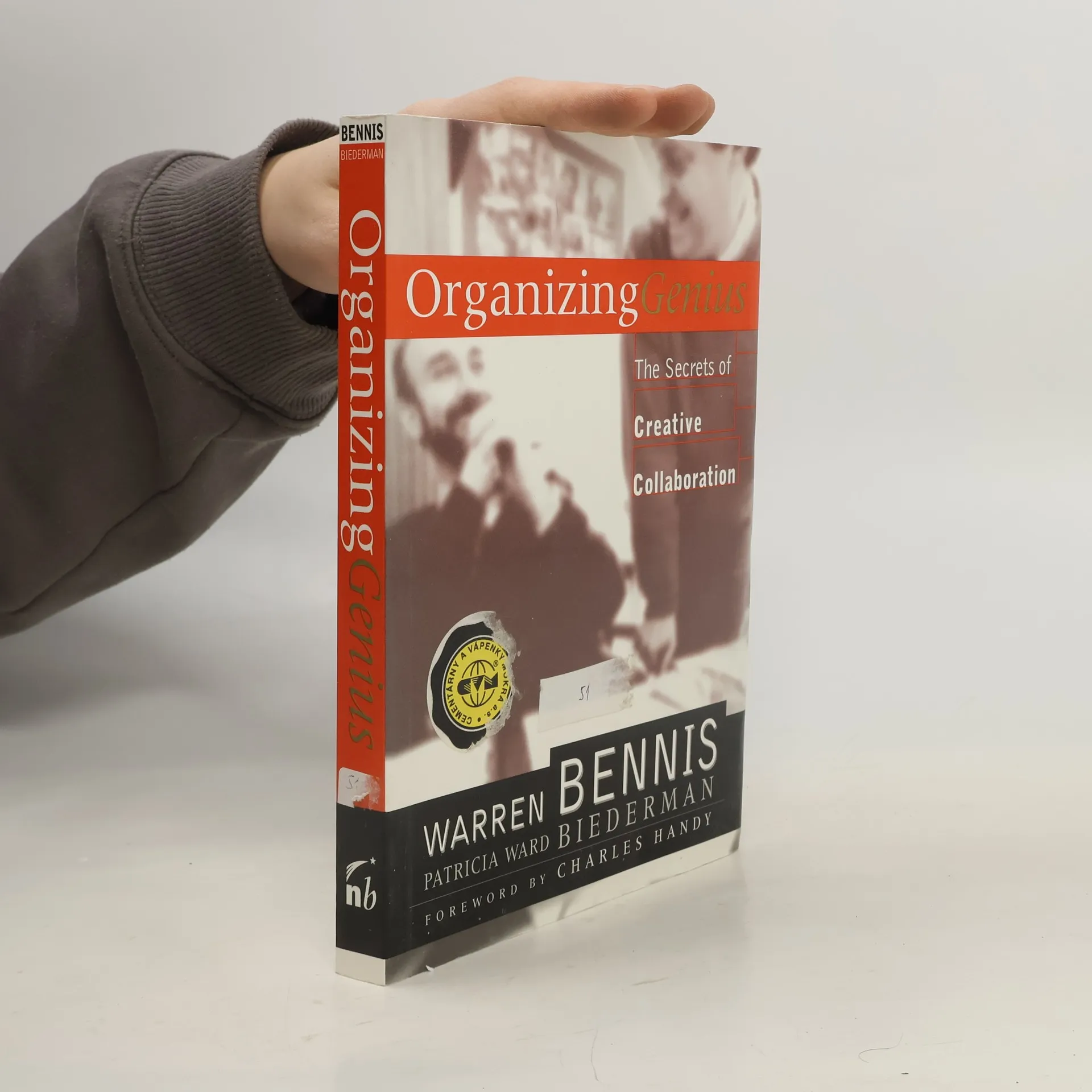
Uncovers the elements of creative collaboration by examining six of the century's most extraordinary groups and distill their successful practices into lessons that virtually any organization can learn and commit to in order to transform its own management into a collaborative and successful group of leaders. Paper. DLC: Organizational effectiveness - Case studies.
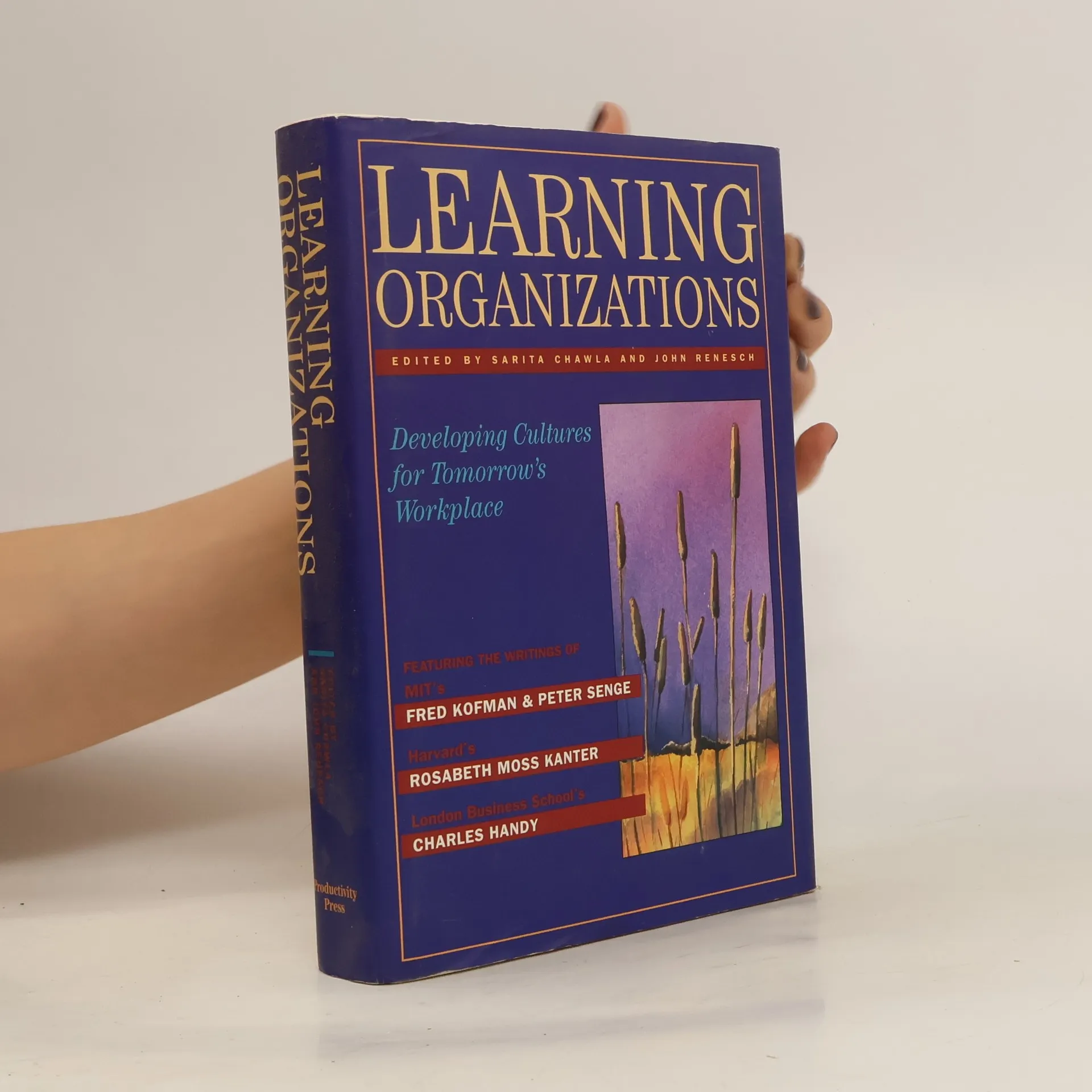
What is a learning organization? What are the advantages of creating one? Why should a company want to become a learning organization? Where does one start? Learning Developing Cultures for Tomorrow's Workplace contains essays by thirty-nine of the most respected practitioners and scholars of this topic. This definitive collection of essays is rich in concept and theory as well as application and example. Lead authors include Harvard's Rosabeth Moss Kanter, London Business School's Professor Emeritus Charles Handy, and MlT's Fred Kofman and Peter Senge. The thirty-two essays in this comprehensive collection are presented in four main 1. Guiding Ideas 2. Theories/Methods/Processes 3. Infrastructure 4. Arenas of Practice
Harvard Business Review on Corporate Responsibility
- 208 páginas
- 8 horas de lectura
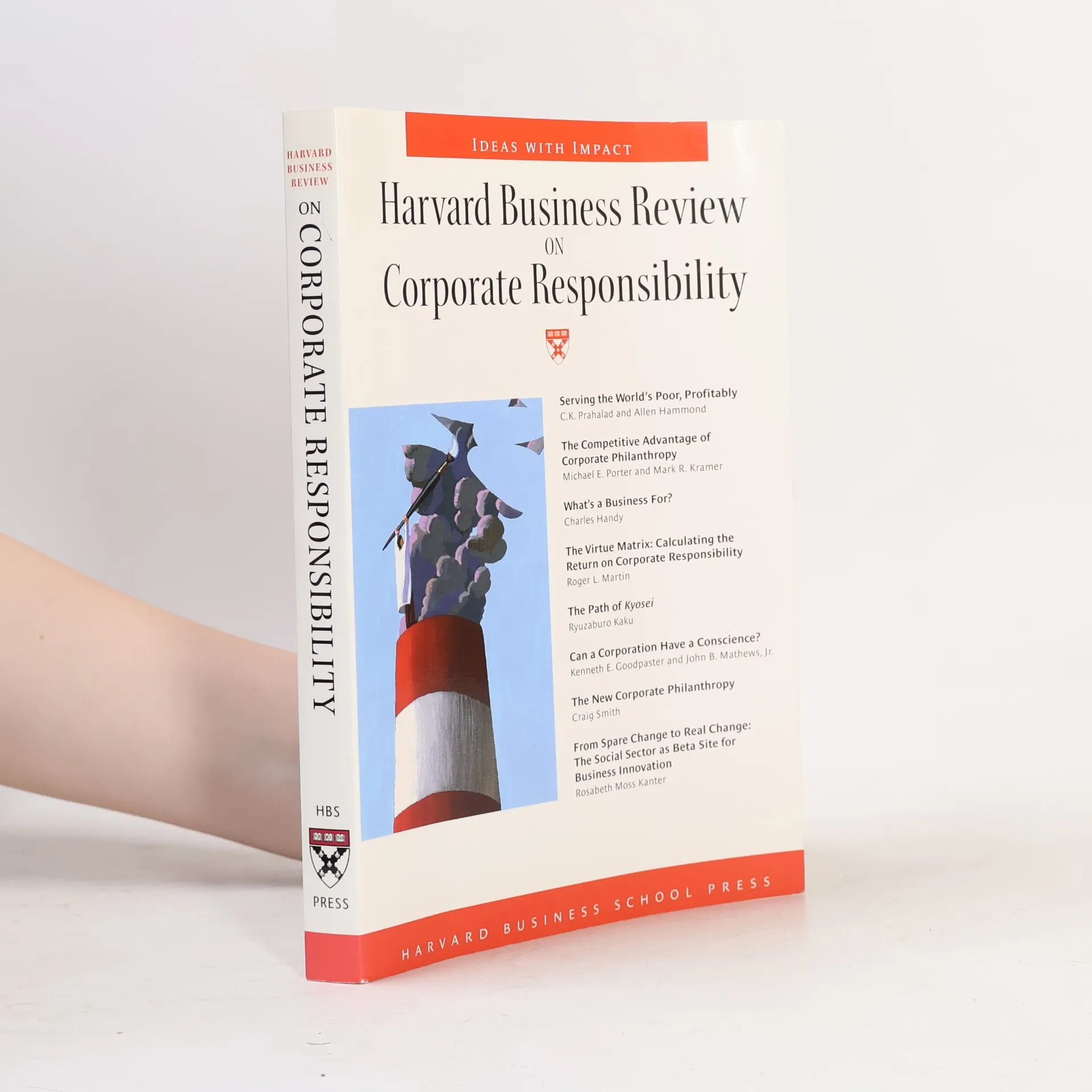
What and whom is a business for? This collection of articles gathers the latest thinking on the strategic significance of corporate social responsibility. Readers will develop an understanding of why businesses should continue to give money away even while laying off workers, how companies play a leadership role in today's social problems by incorporating the best thinking of governments and nonprofit institutions, and how community needs are actually opportunities to develop ideas and demonstrate business technologies. Readers will see how corporate responsibility can lead to new markets and solutions to long-standing business problems.
Die Fortschrittsfalle
- 348 páginas
- 13 horas de lectura
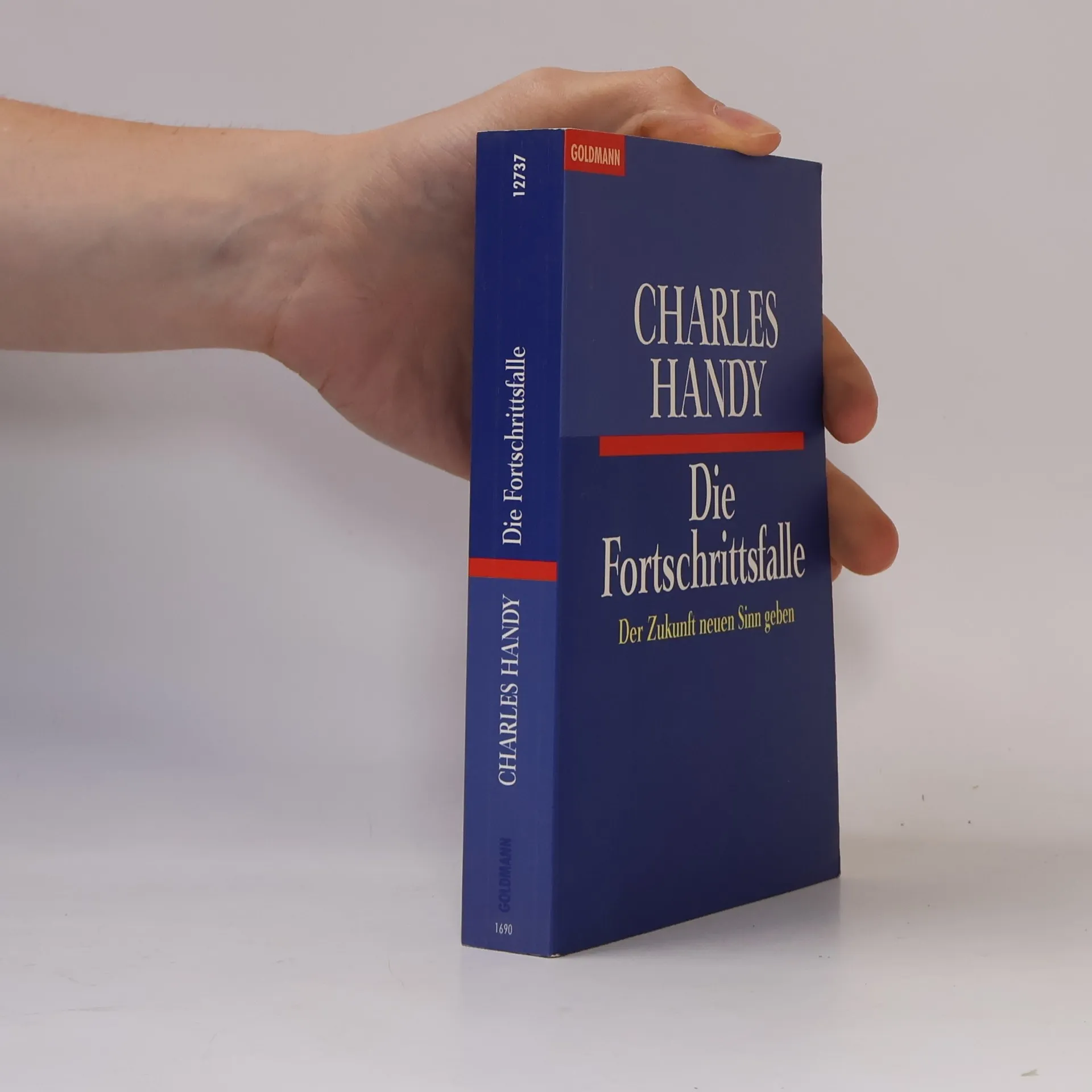
Charles Handy zählt zur Handvoll weltweit bakannter Vordenker der Geschäftswelt. Handys Buch ist eine Fundgrube für herausfordernde Gedanken." Die Zeit
S námitkou, že status quo je lepší, než věci nové a neznámé se setkáváme často. Odpor ke změnám je lidem vrozený. Problém ovšem je, že naše společnost se dostala do kritického bodu. Nefunguje, jak by měla a většině lidí se nežije snadněji než dříve, naopak, jejich život je stále obtížnější. Narůstá nerovnost, bohatství se už zdaleka nešíří shora dolů, jak tomu bylo kdysi. Nešíří se ani zdola nahoru, jak by teoreticky mělo, protože spotřebitelé se utápějí v dluzích. Většina společenských zvyků, pravidel a institucí zůstává nastavena na podmínky časů, které už minuly. Zdá se, že západní svět usnul v jakémsi odpočinkovém režimu. Jenže přítomnost nelze prodlužovat donekonečna. Problém ovšem je, že lidé, kteří jsou teoreticky za naši budoucnost odpovědní, začali odvážné myšlení považovat za příliš podezřelé, případně příliš riskantní. Kniha Druhá křivka přináší jedno podstatné sdělení platné pro celou řadu oblastí života: pokud se máme posunout vpřed, je nezbytné učinit zásadní změny. Zvolit nový směr, který se bude odlišovat od dosavadního. To mnohdy zároveň vyžaduje zcela nový pohled na známé problémy.
Gute Egoisten. Die Suche nach Sinn jenseits des Profitdenkens.
- 286 páginas
- 11 horas de lectura
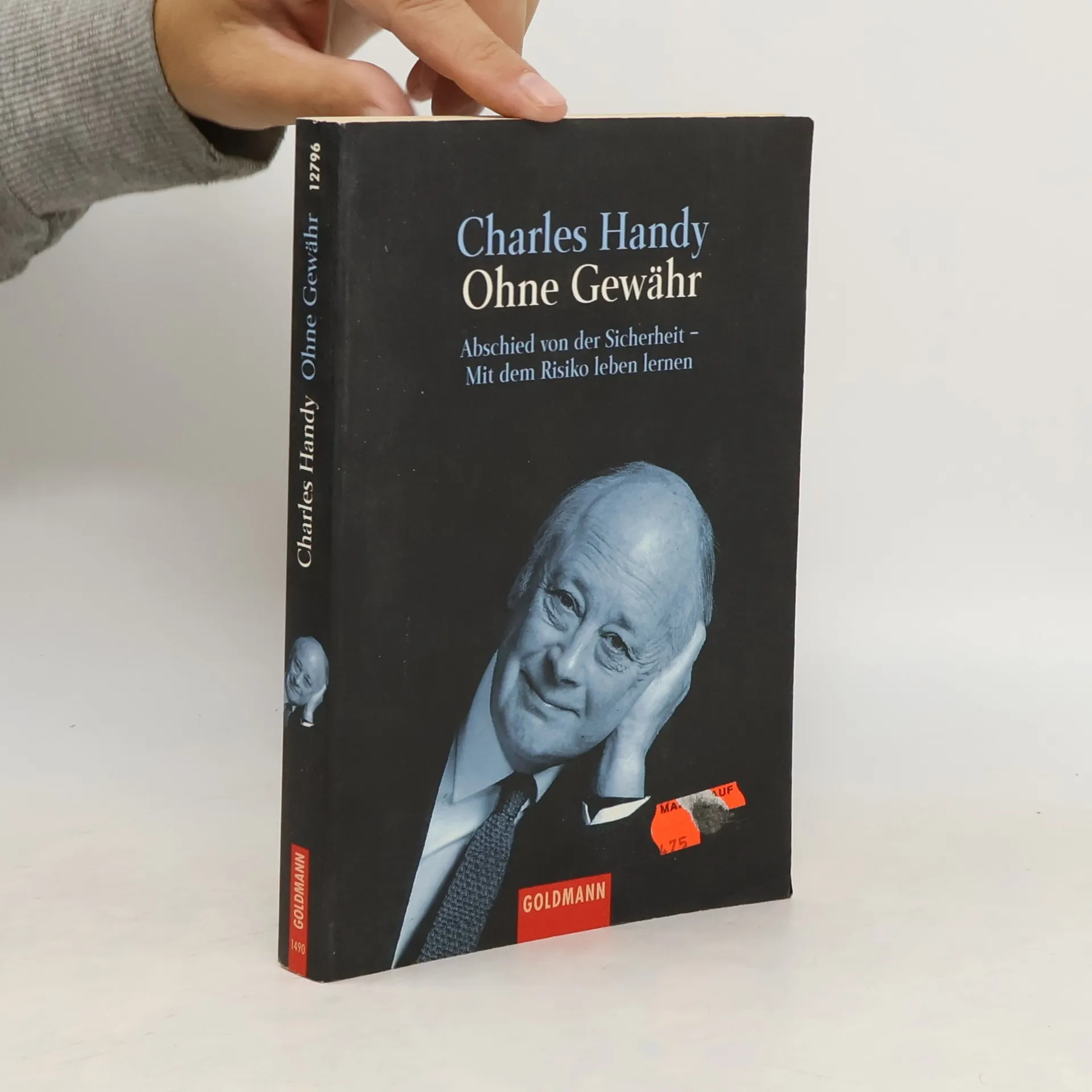
Ohne Gewähr
- 221 páginas
- 8 horas de lectura
„In grundlegenden Essays analysiert der Professor für Managementpsychologie mit scharfem Blick die geistige wie wirtschaftliche Situation der westlichen Gesellschaft an der Schwelle zur Jahrtausendwende.“ Welt am Sonntag
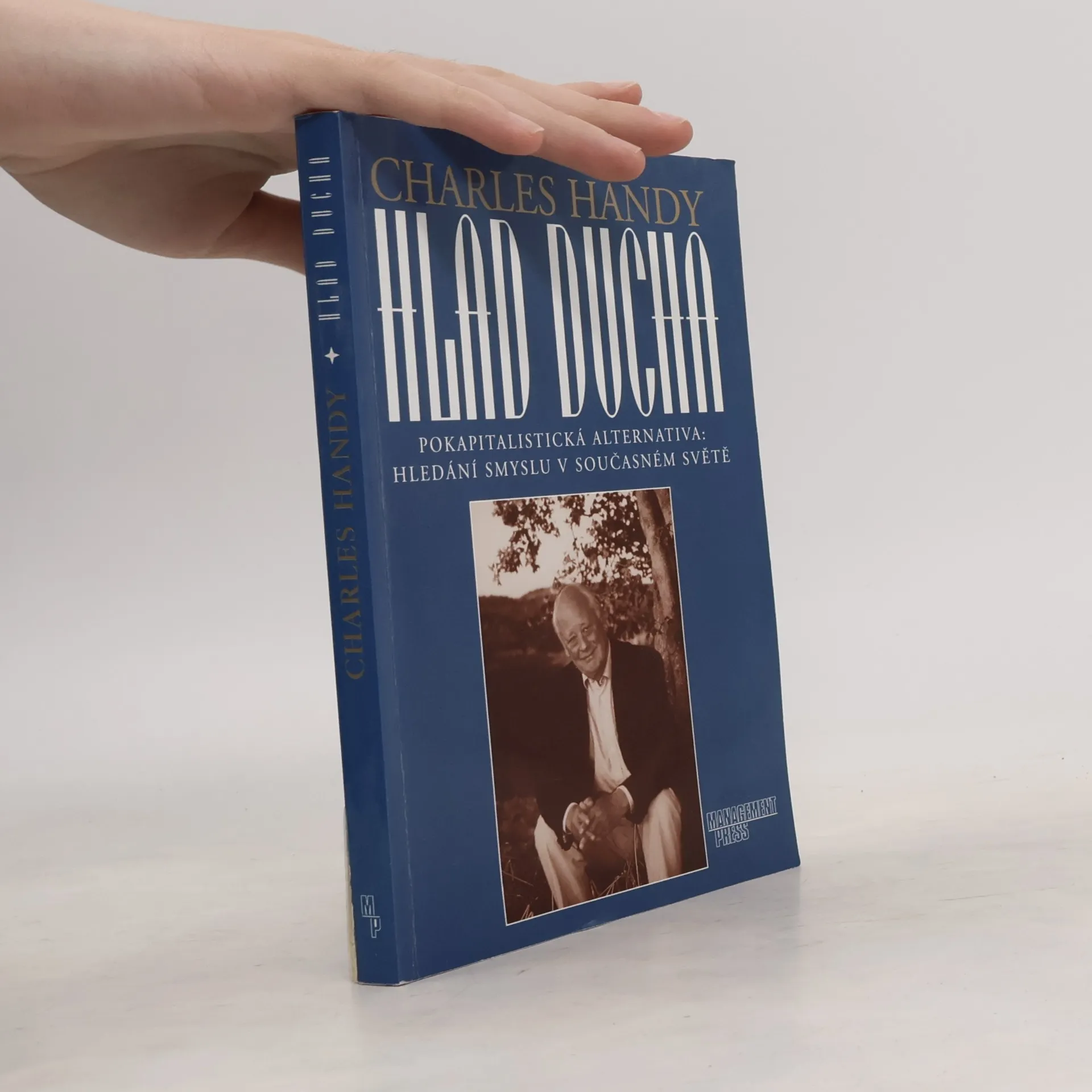
Hlad ducha : pokapitalistická alternativa: hledání smyslu v současném světě
- 231 páginas
- 9 horas de lectura
Im Bauch der Organisation
20 Einsichten für Manager und alle anderen, die etwas bewegen wollen
- 223 páginas
- 8 horas de lectura
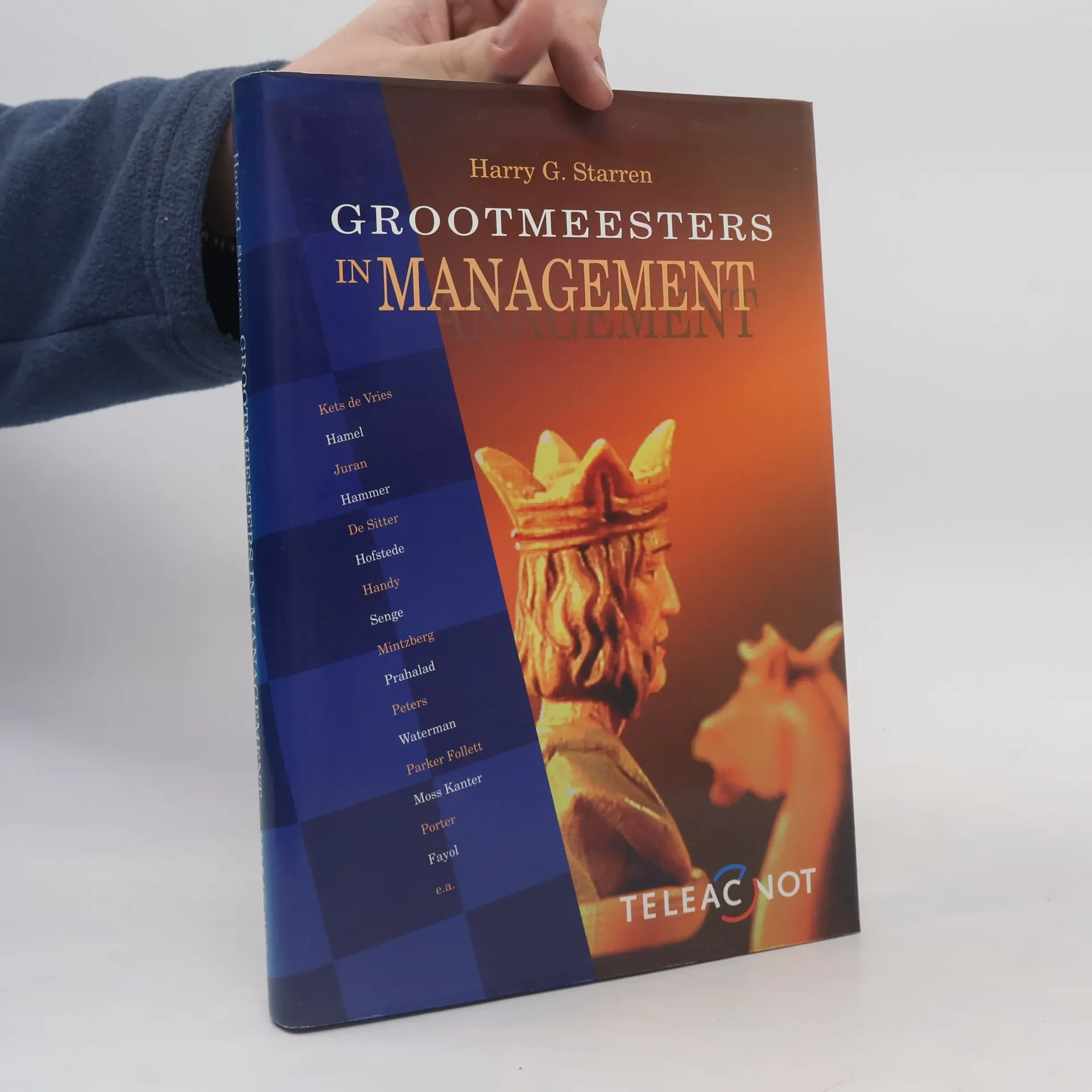
Grootmeesters in management
- 224 páginas
- 8 horas de lectura
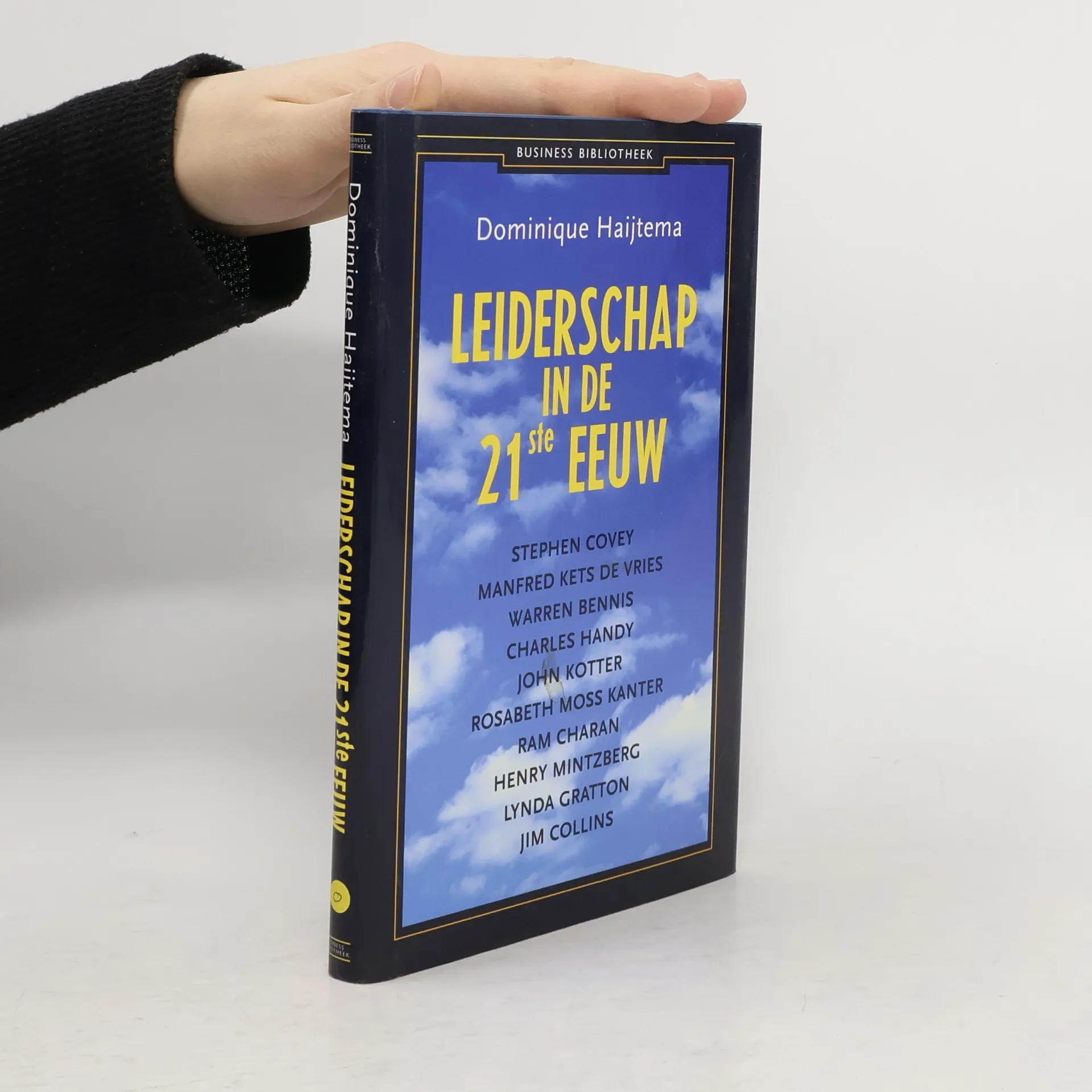
Business Bibliotheek: Leiderschap in de 21ste eeuw
- 126 páginas
- 5 horas de lectura
Interviews met een tiental topmanagers.