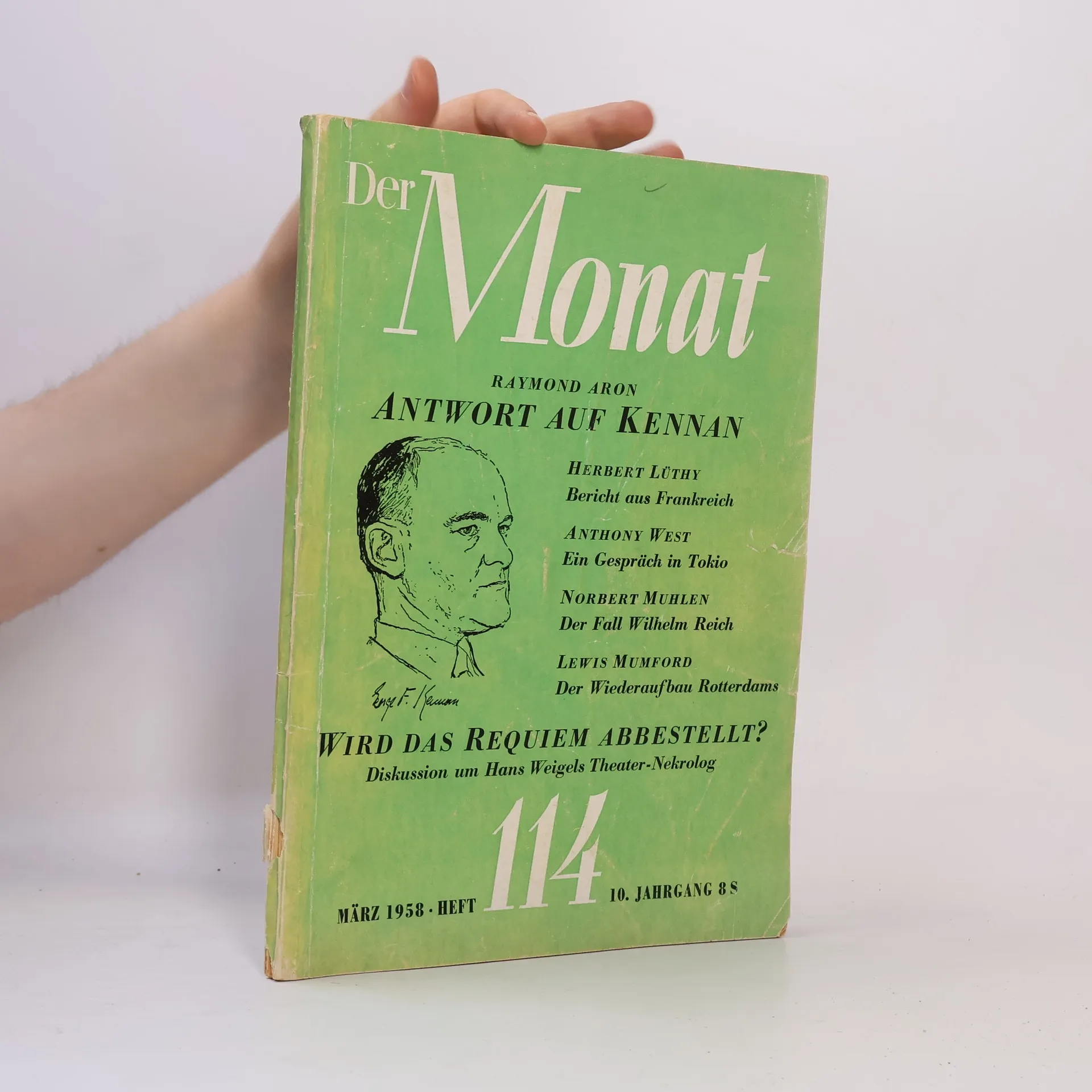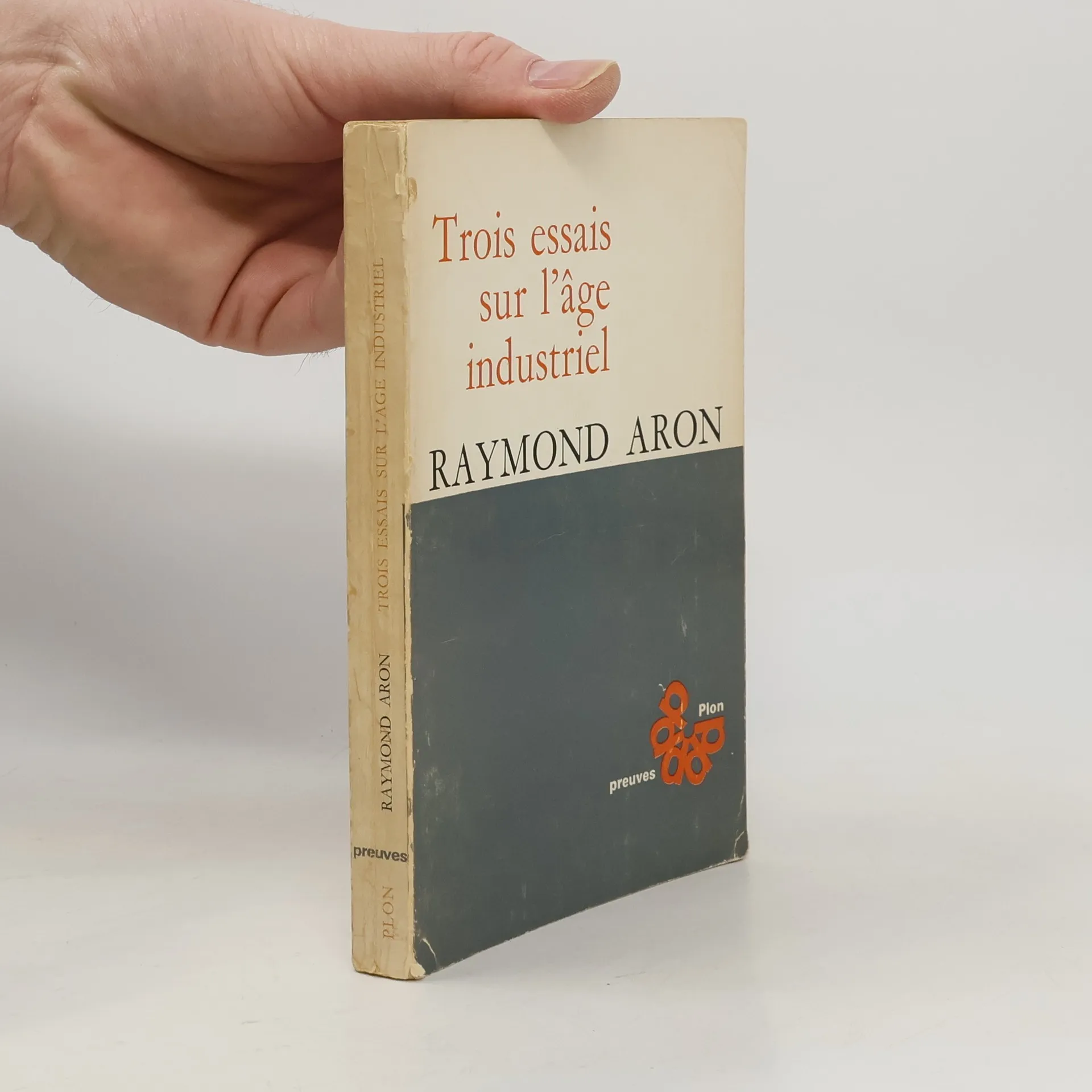


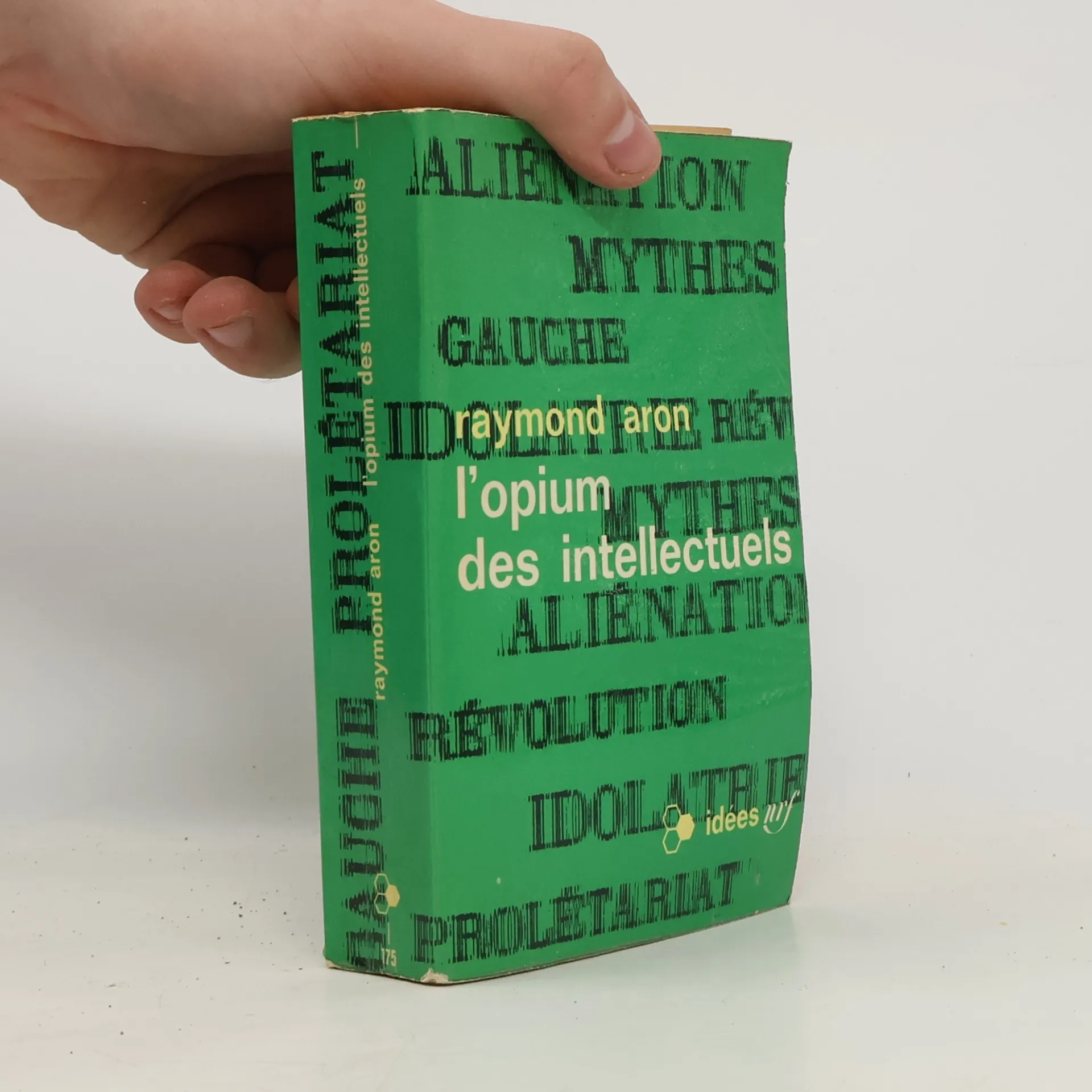
El opio de los intelectuales
- 448 páginas
- 16 horas de lectura
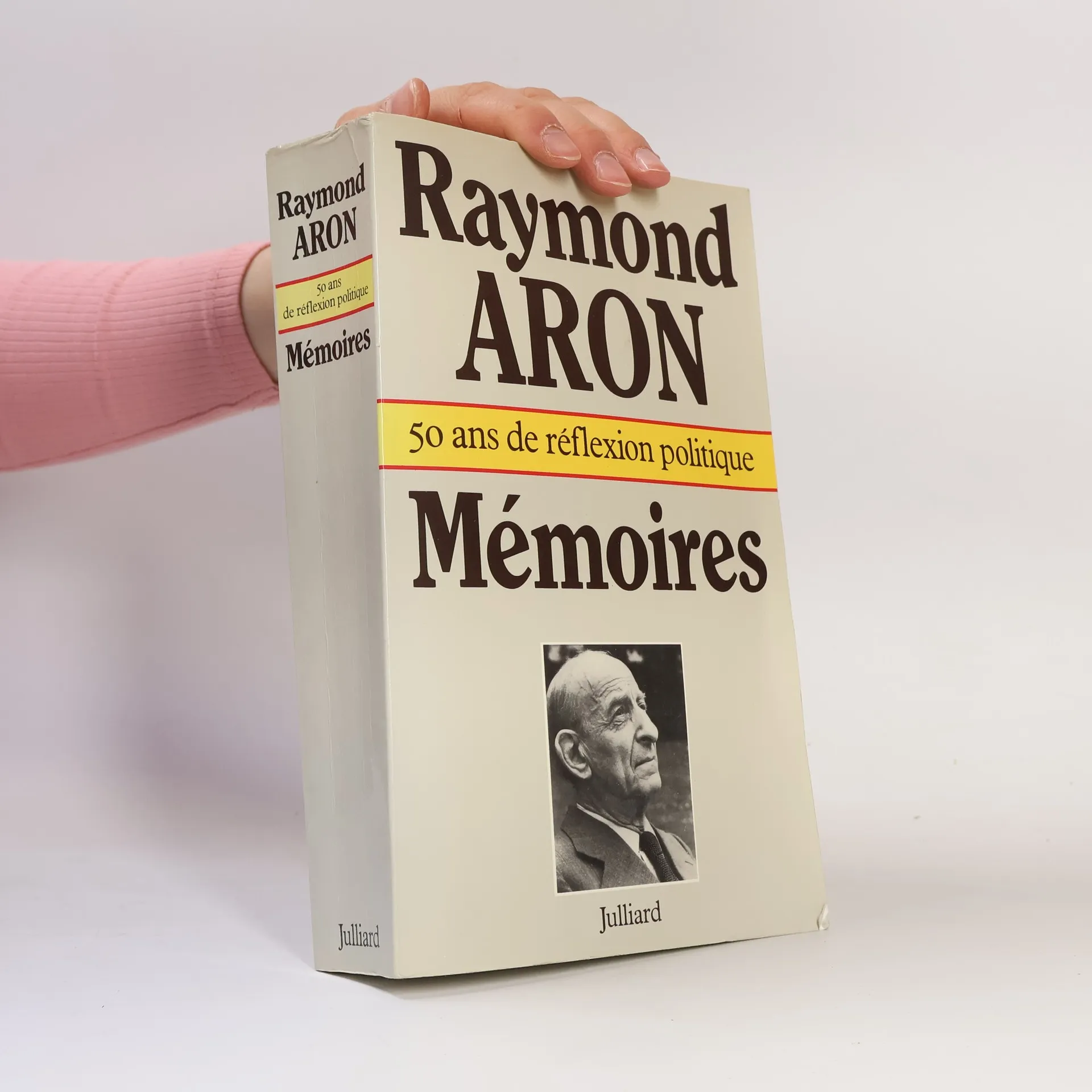
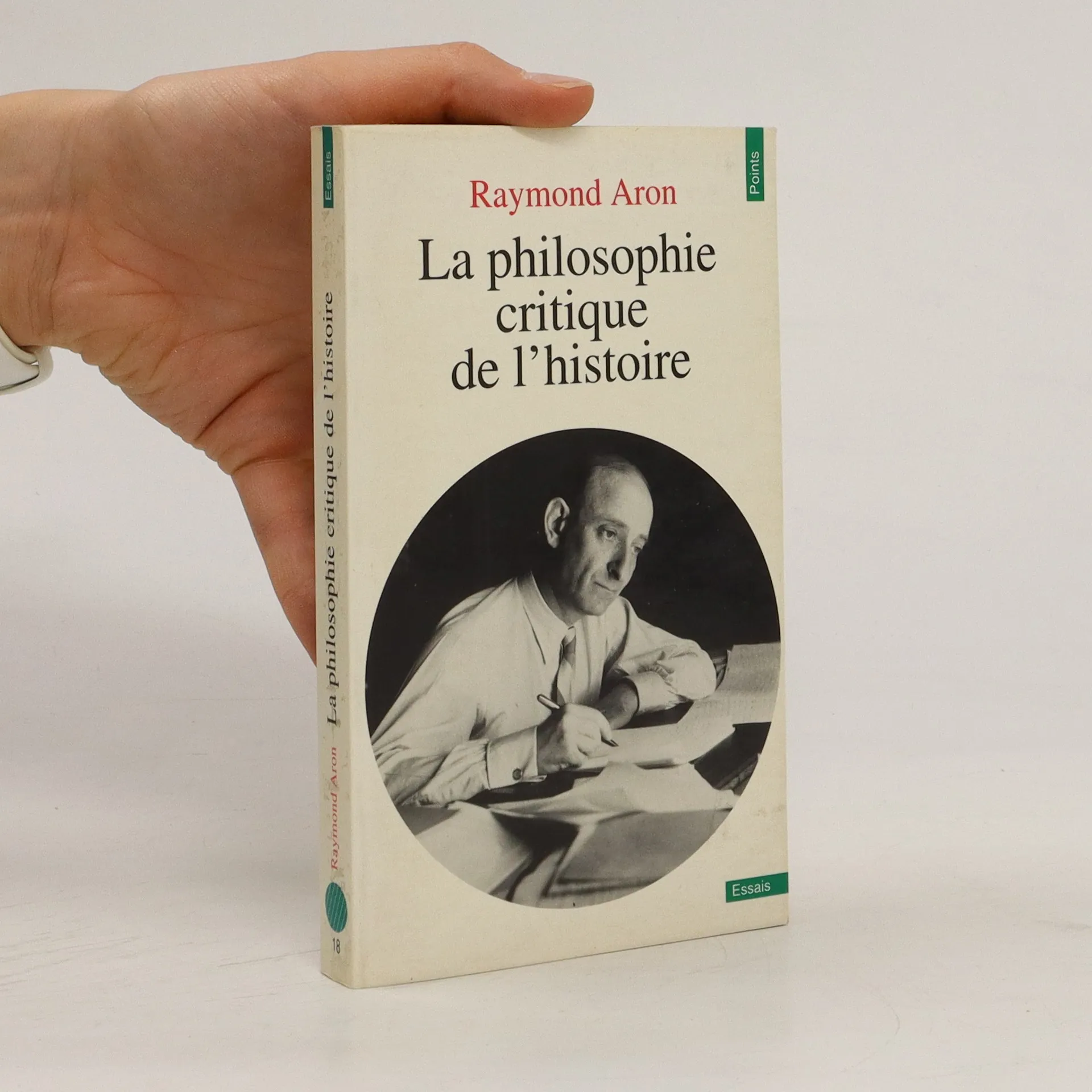
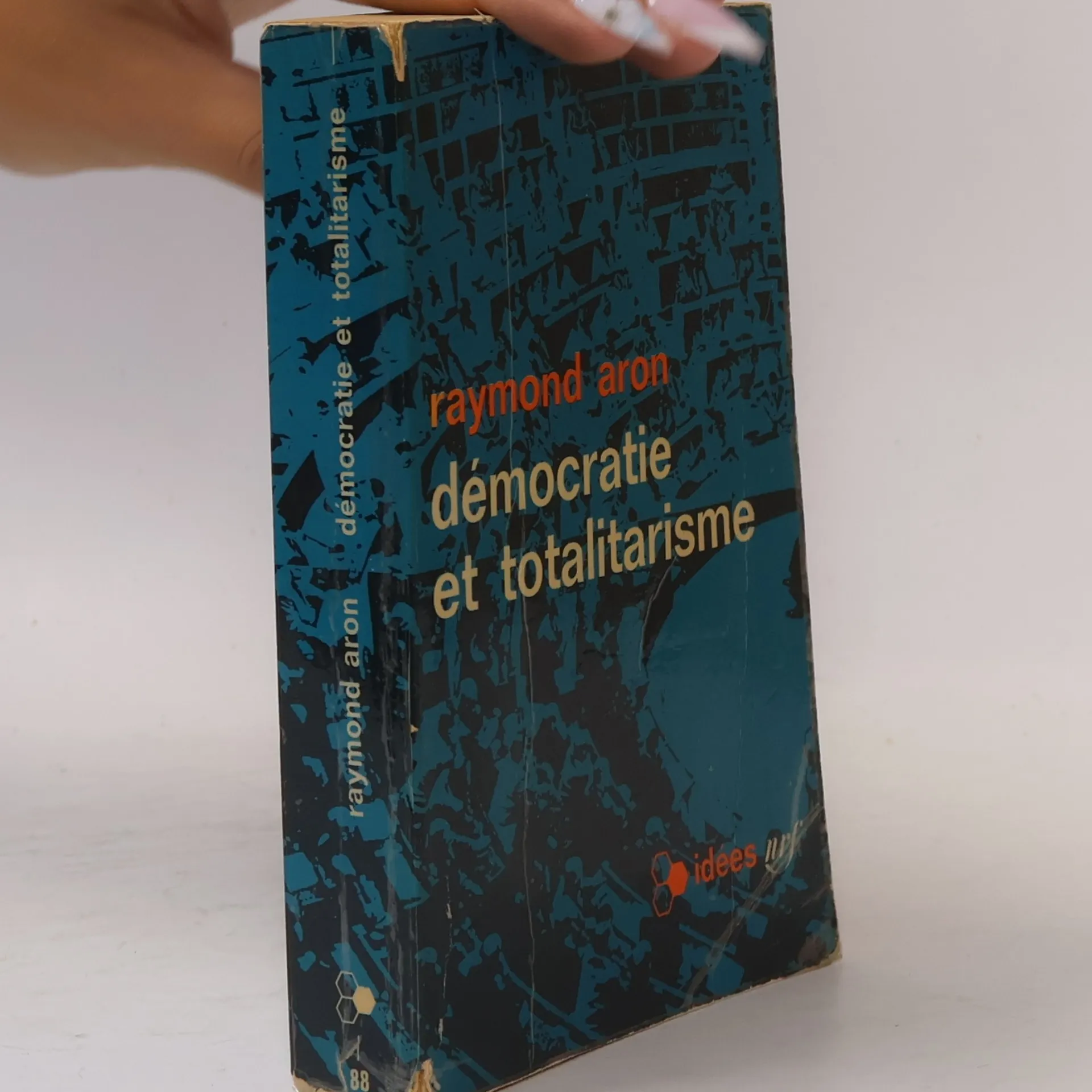
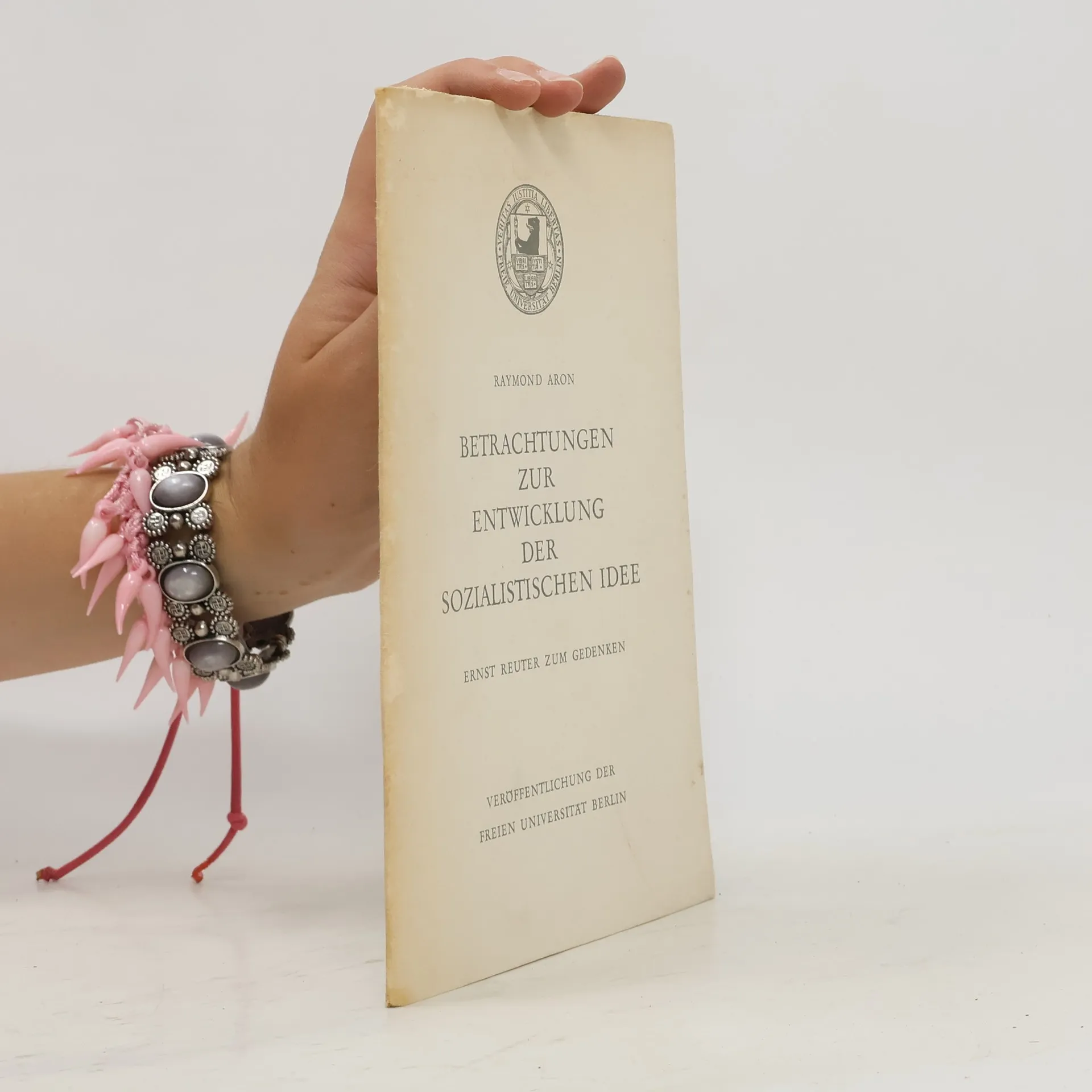
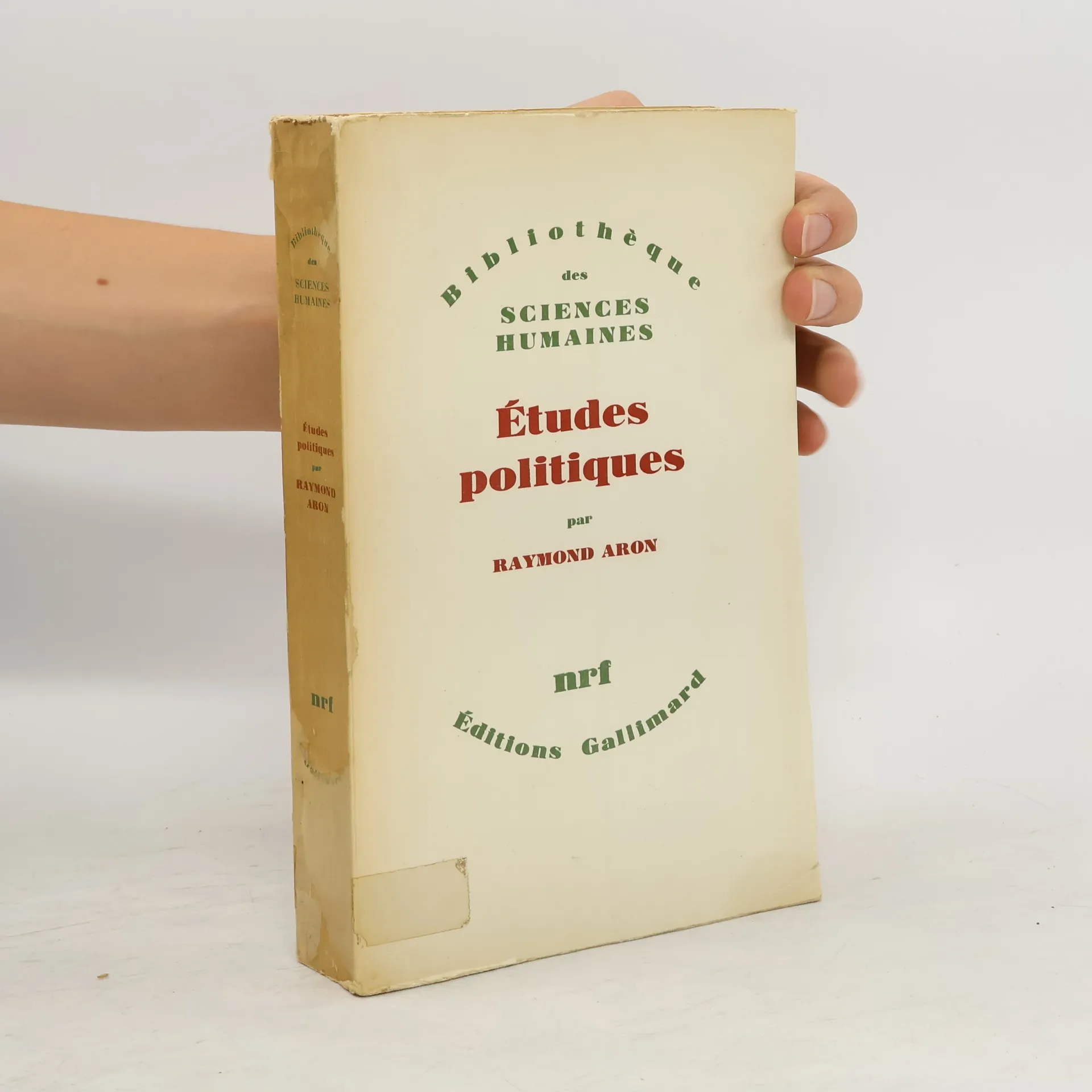
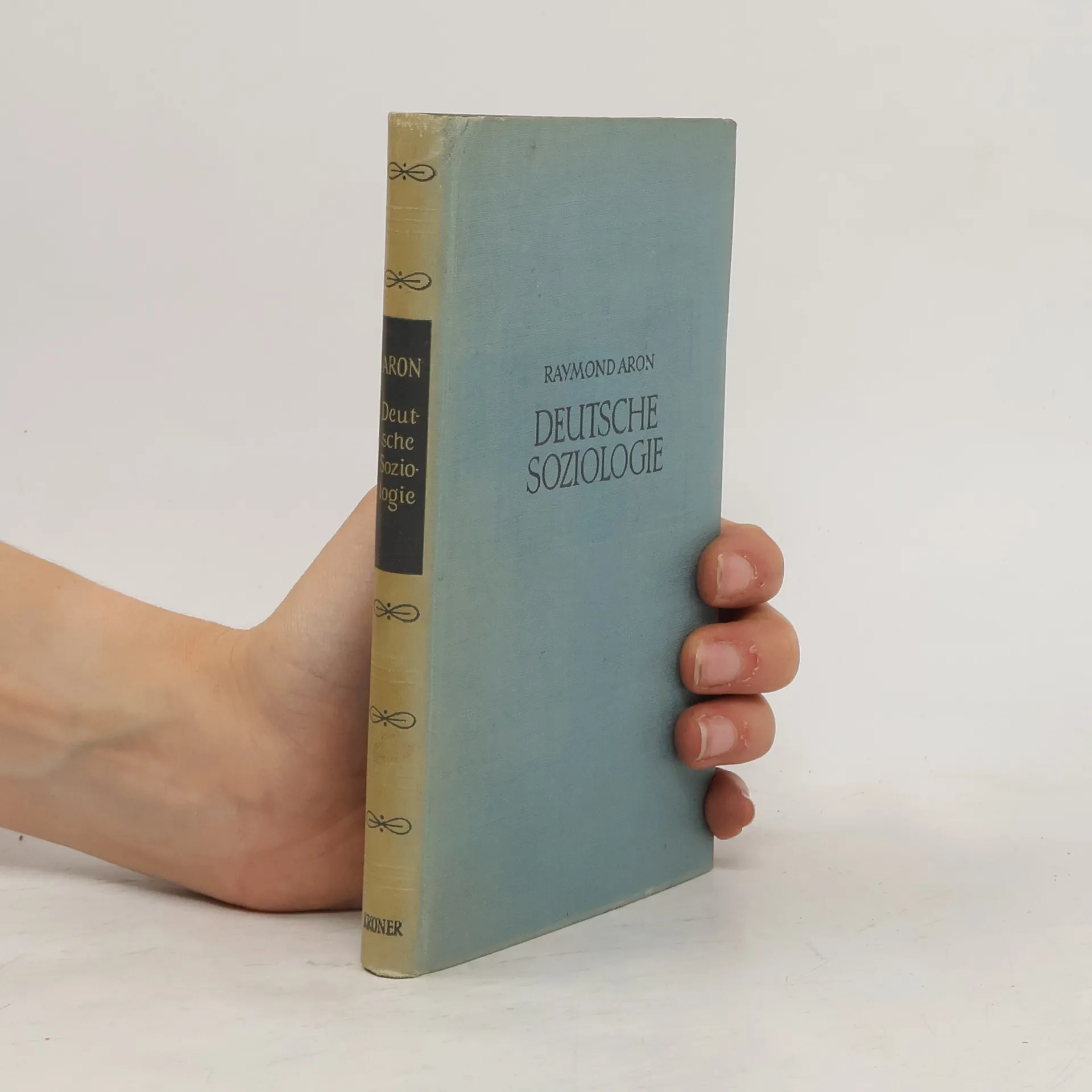
Raymond Aron fue un filósofo, sociólogo, periodista y politólogo francés cuyo trabajo examinó críticamente la influencia del pensamiento intelectual en las ideologías políticas. Es conocido por su libro fundamental, 'El opio de los intelectuales', donde analizó cómo el marxismo en la Francia de la posguerra influyó en los intelectuales para defender regímenes opresivos, pasando por alto las fallas del capitalismo y la democracia. La escritura de Aron se caracteriza por su agudo análisis y su enfoque racional ante fenómenos sociales y políticos complejos. Sus extensos escritos sobre diversos temas consolidaron su posición como una voz significativa en el discurso intelectual del siglo XX.


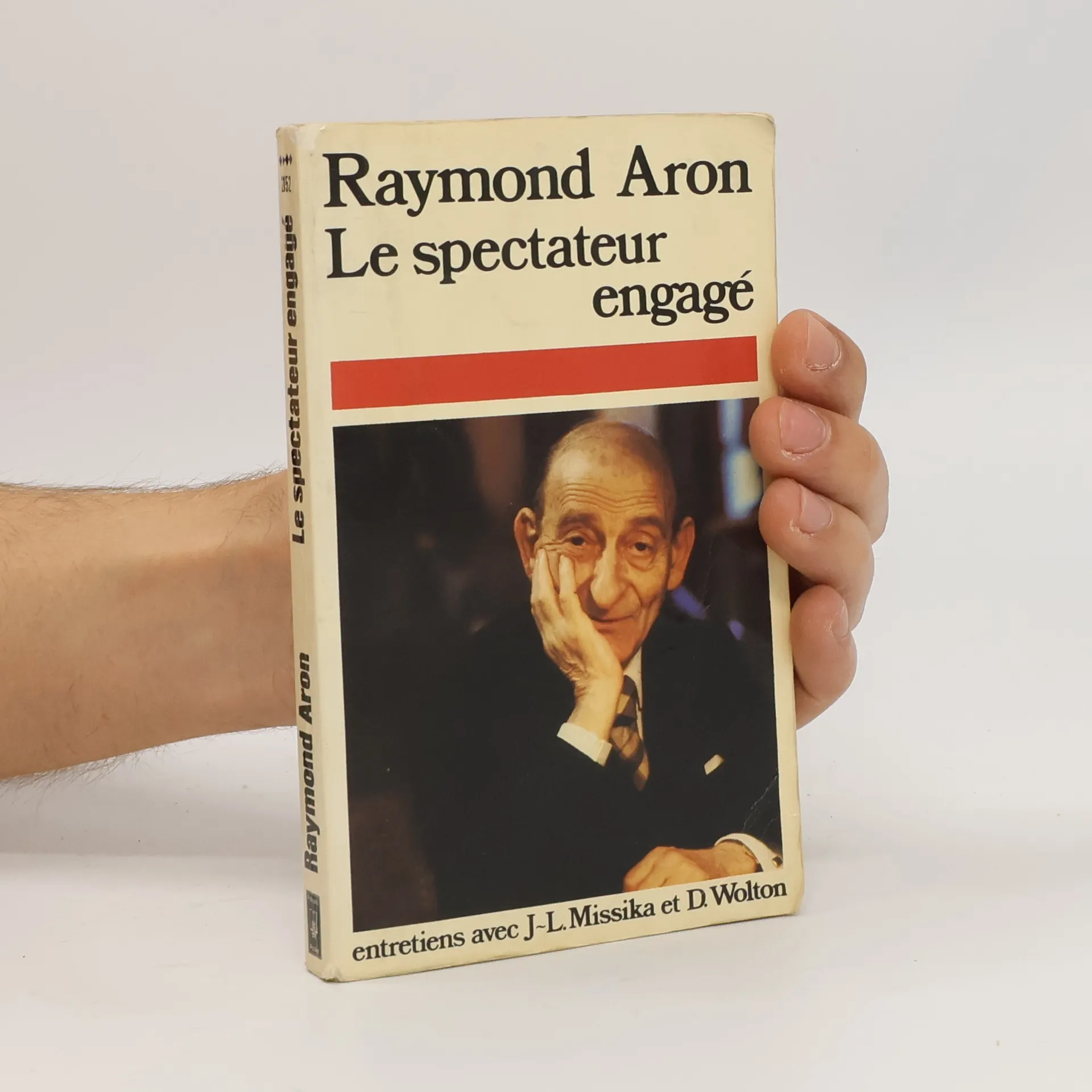
The book features a collection of insightful interviews with Raymond Aron, offering a deep exploration of political thought and history. Through these conversations, Aron reflects on significant historical events and political theories, providing a unique perspective on contemporary issues. The interviews highlight Aron's intellectual journey and his contributions to political discourse, making it a valuable resource for understanding the complexities of modern politics.
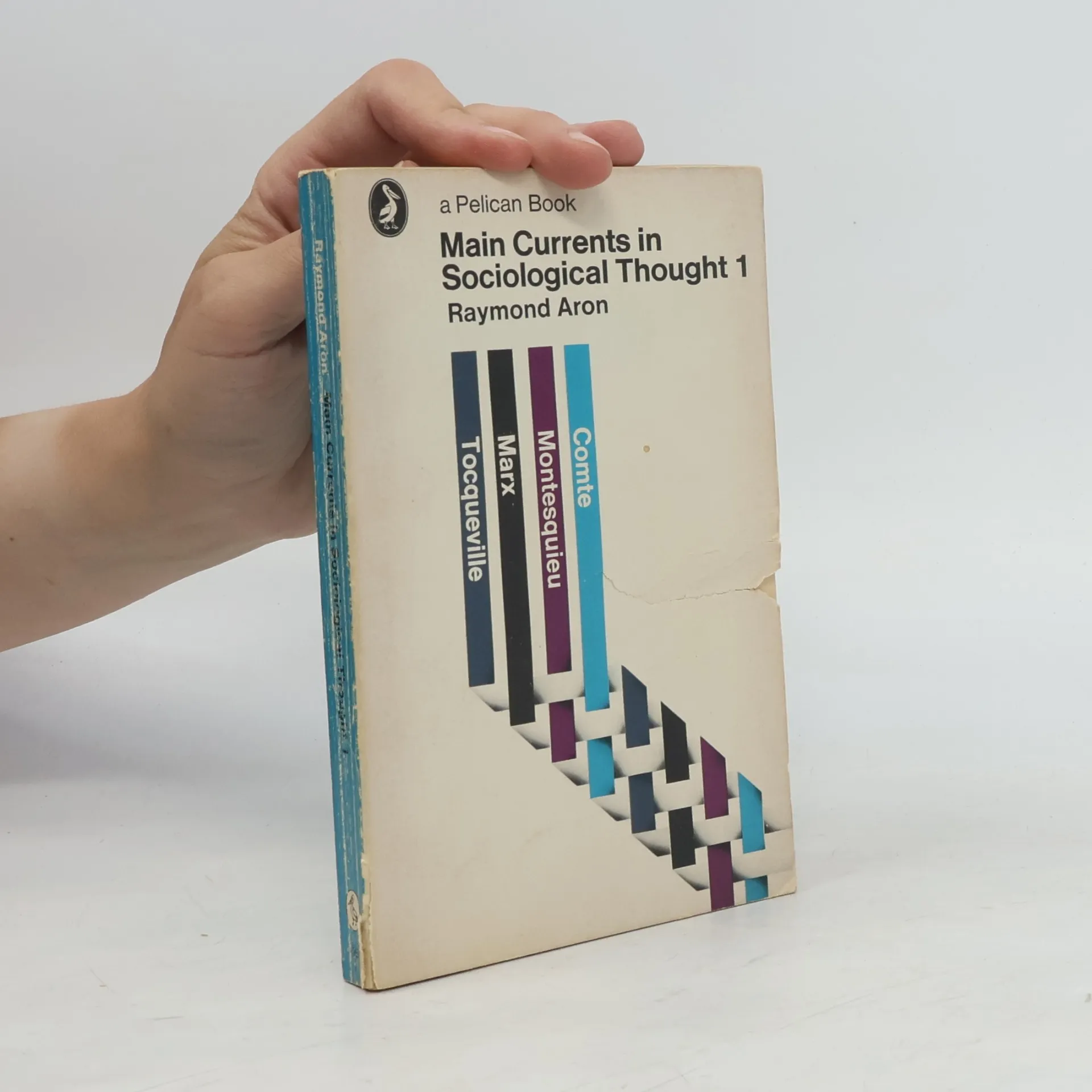
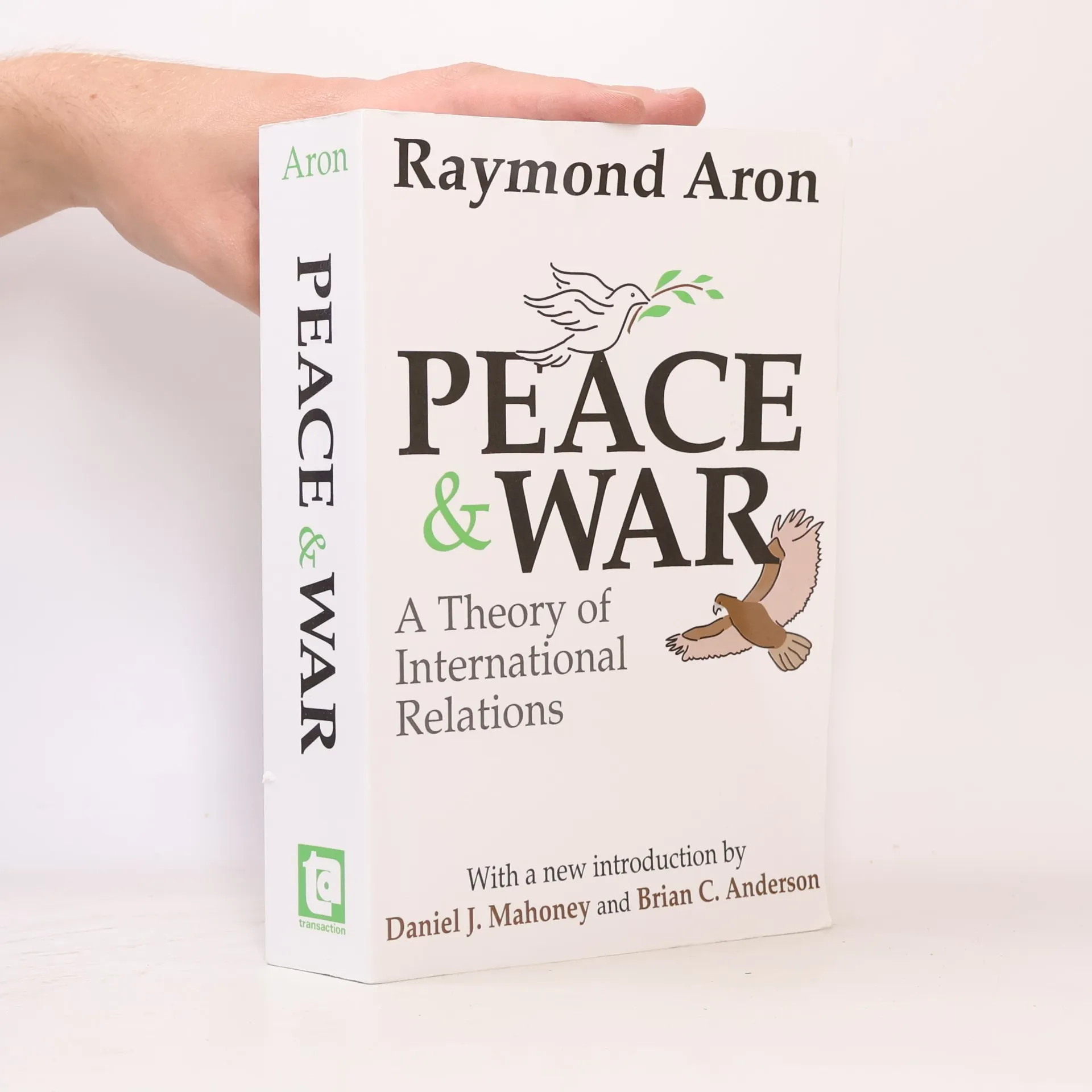
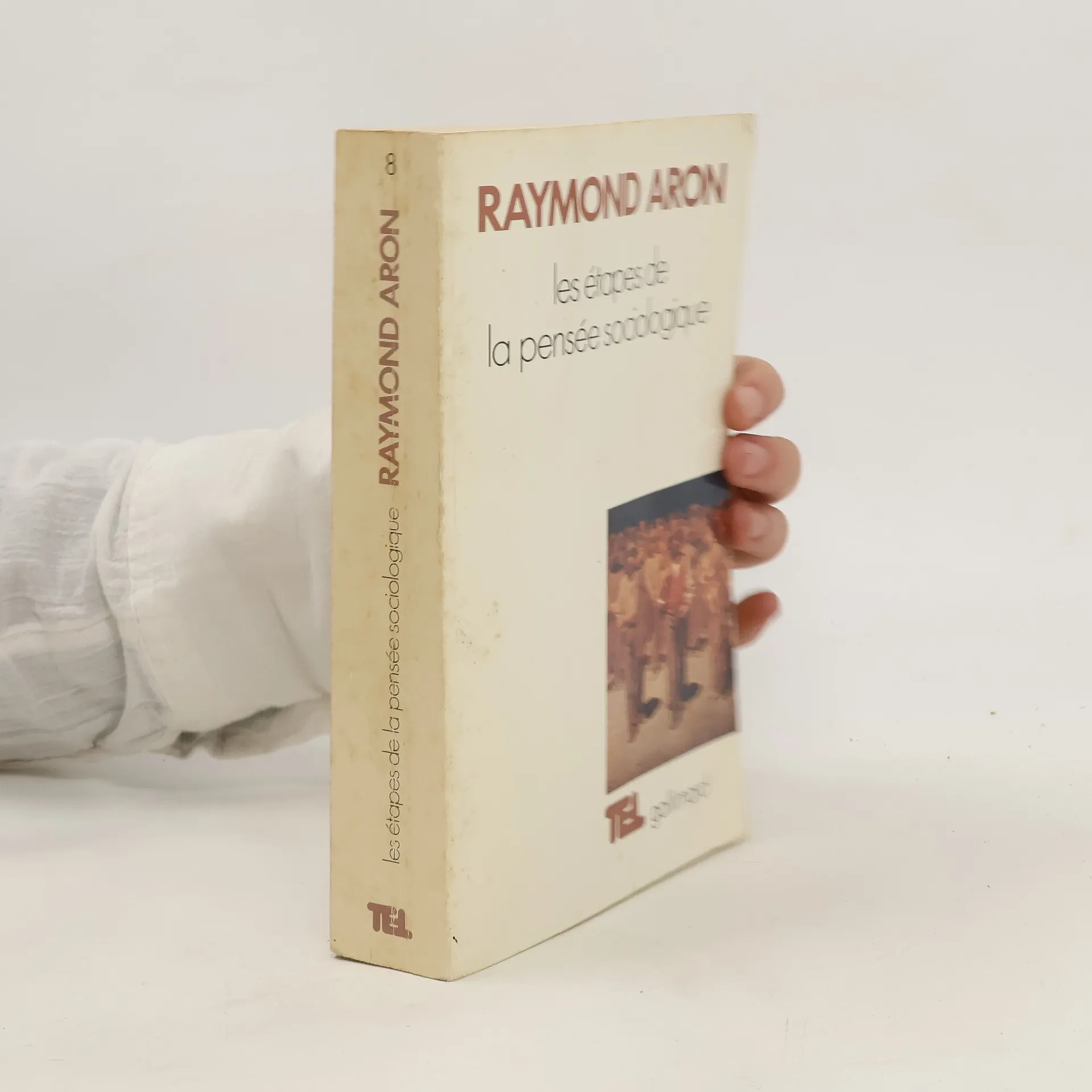
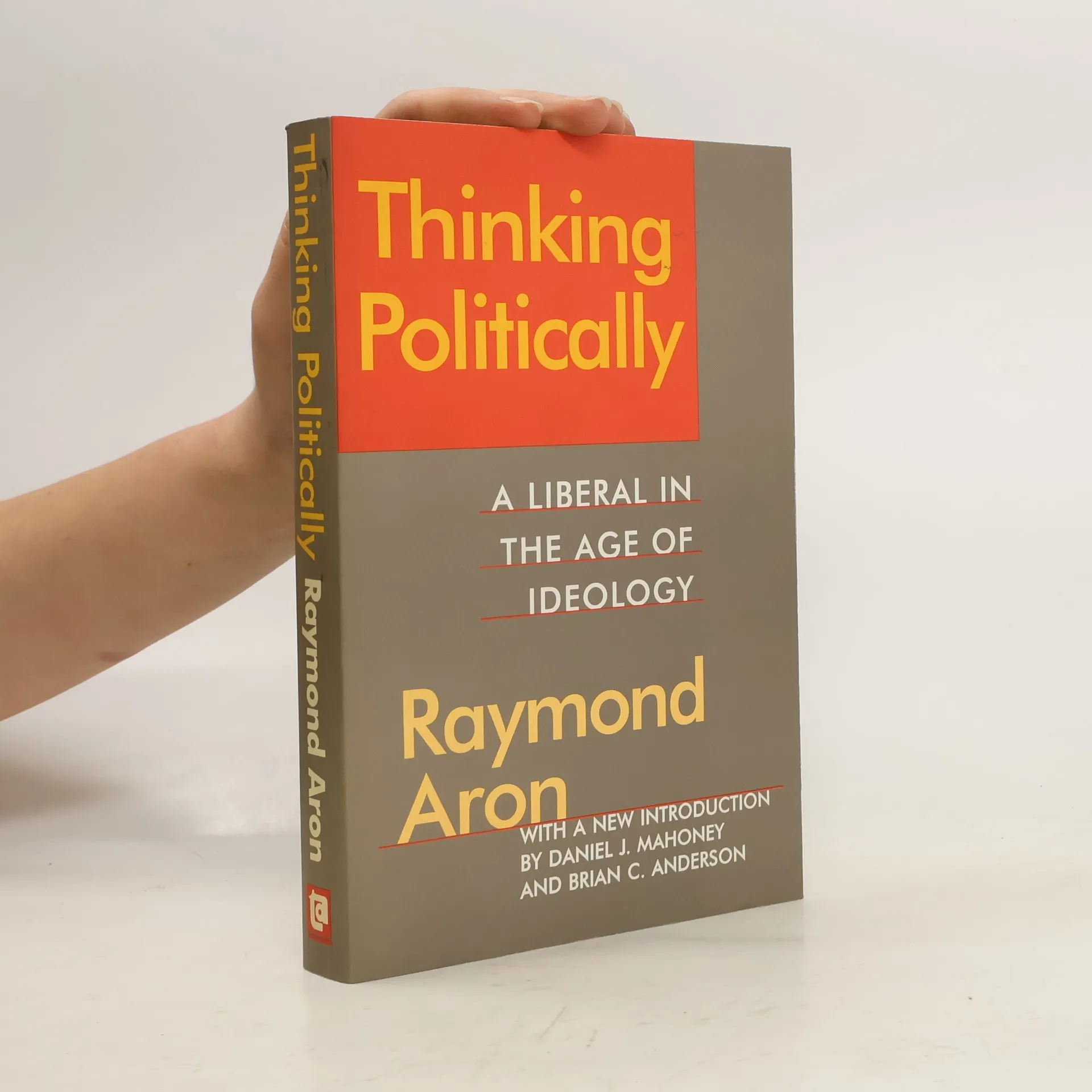
This is the first part of Raymond Aron's landmark two-volume study of the sociological tradition¿arguably the definitive work of its kind. More than a work of reconstruction, Aron's study is, at its deepest level, an engagement with the very question of modernity: How did the intellectual currents which emerged in the eighteenth century shape the modern political and philosophical order? With scrupulous fairness, Aron examines the thought and arguments of the major social thinkers to discern how they answered this question. Volume One explores three traditions: the French liberal school of political sociology, represented by Montesquieu and Tocqueville; the Comtean tradition, anticipating Durkheim in its elevation of social unity and consensus; and the Marxists, who posited the struggle between classes and placed their faith in historical necessity. In his customary clear and penetrating prose, Aron argues that each of these schools offers its own theory of the diversity of societies and that ¿each is inspired both by moral convictions and by scientific hypotheses.¿ This Routledge Classics edition includes an introduction by Daniel J. Mahoney and Brian C. Anderson.
Raymond Aron, French scholar, journalist, philosopher, sociologist, and historian, is internationally recognized as one of the great thinkers in the modern social sciences, bringing to contemporary history the insights of both philosophy and social science. This edition focuses on Aron's lifelong attempt to bridge the gap between knowledge and action and to understand the dialectical relationship between history and politics. It is an indispensable introduction to one of the most important thinkers of our century.This volume also contains an introduction by Aron, which presents an autobiographical account of his confrontation with many of the most important ideas of this century. Miriam Bernheim Conant provides perceptive commentary as well as a chronology of Aron's career and works.
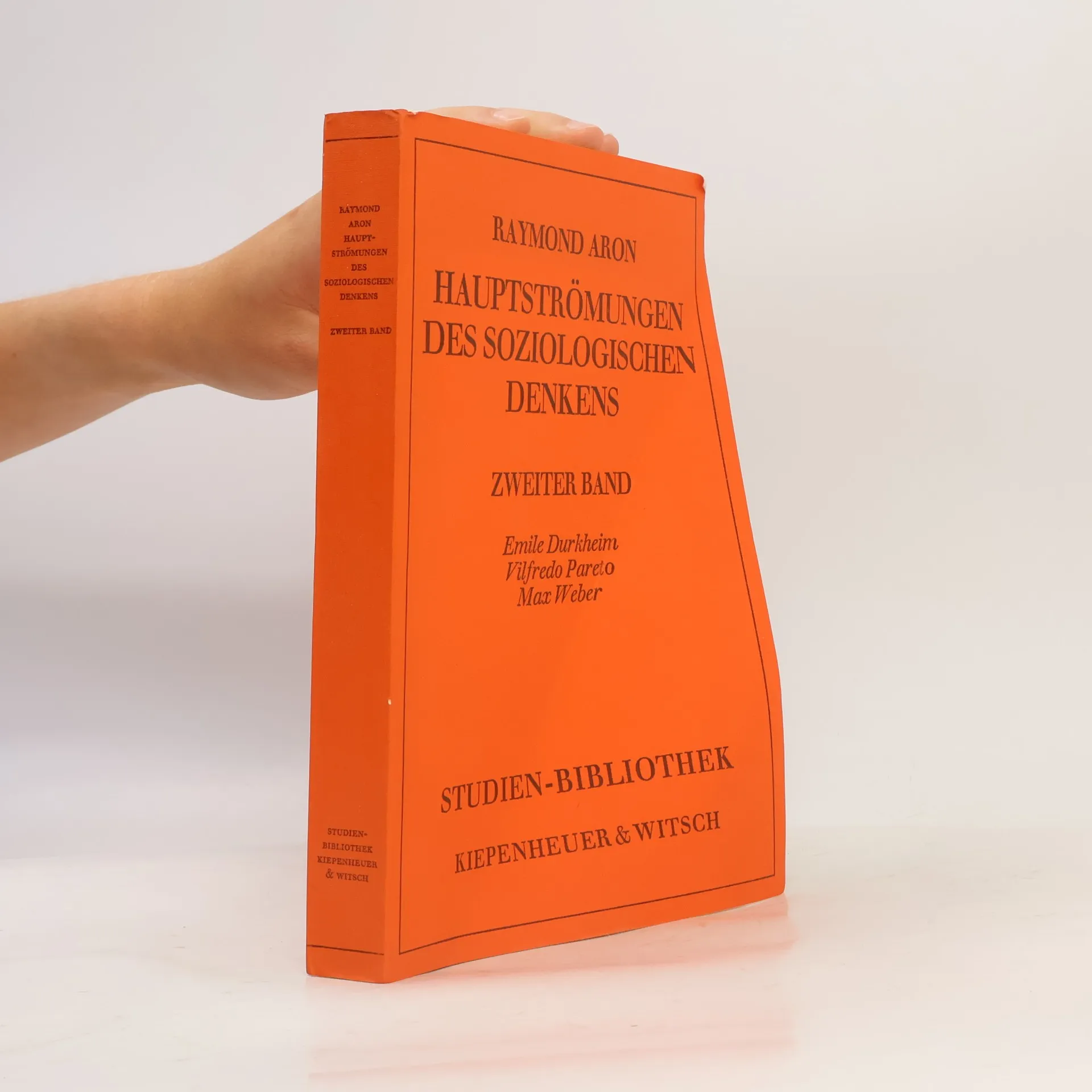
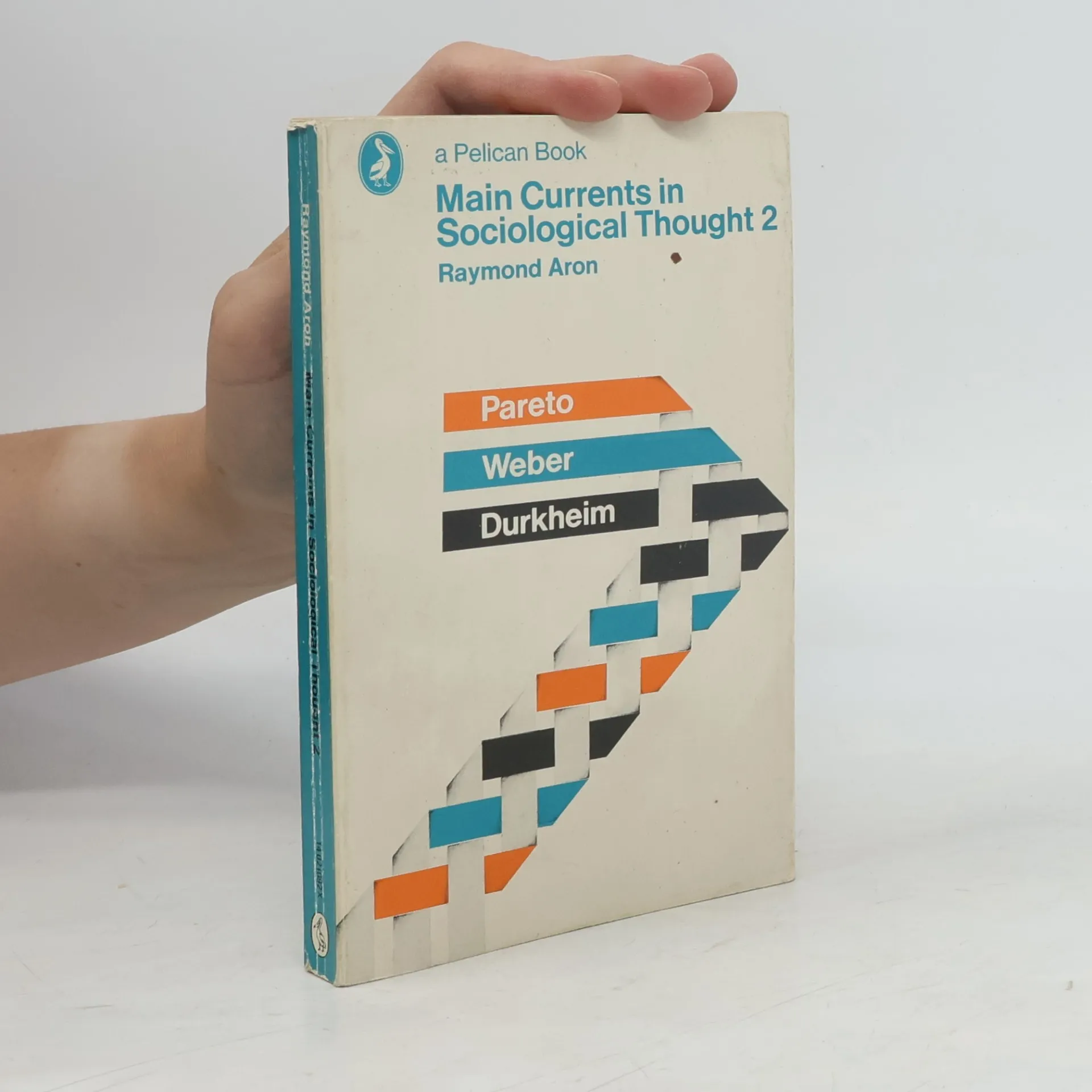
This volume explores the work of three figures who profoundly shaped sociology as it entered the twentieth century: Emile Durkheim, Vilfredo Pareto, and Max Weber.
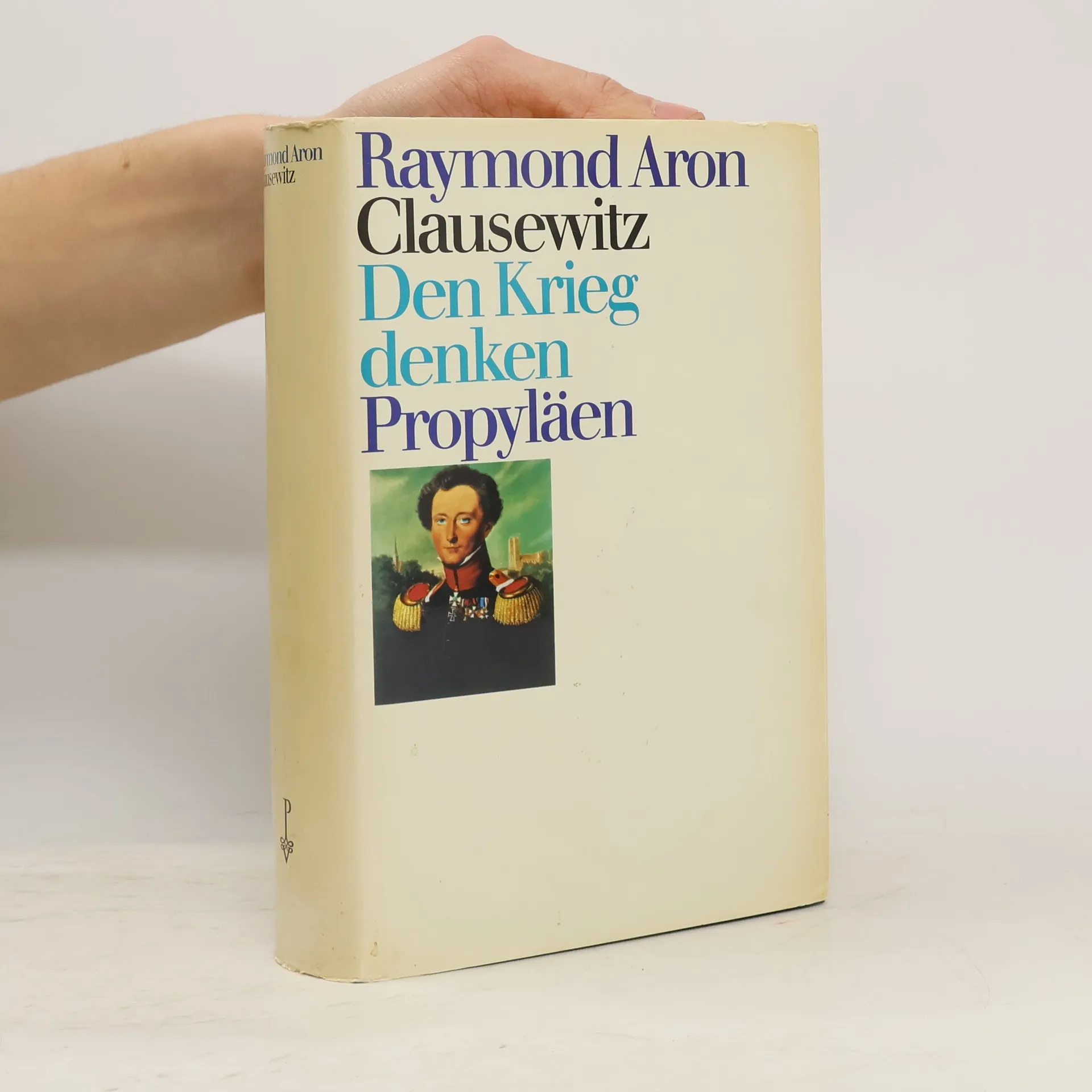
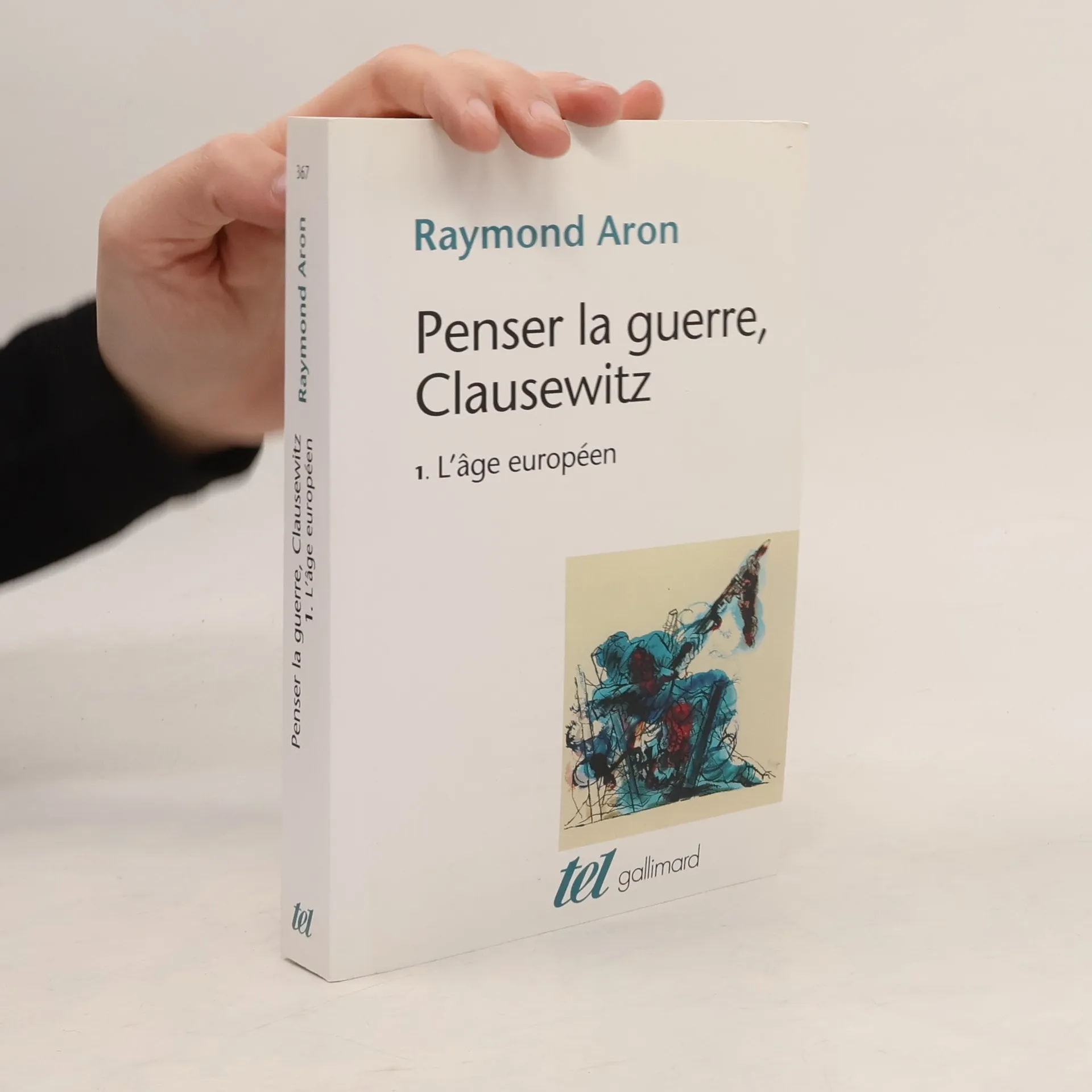
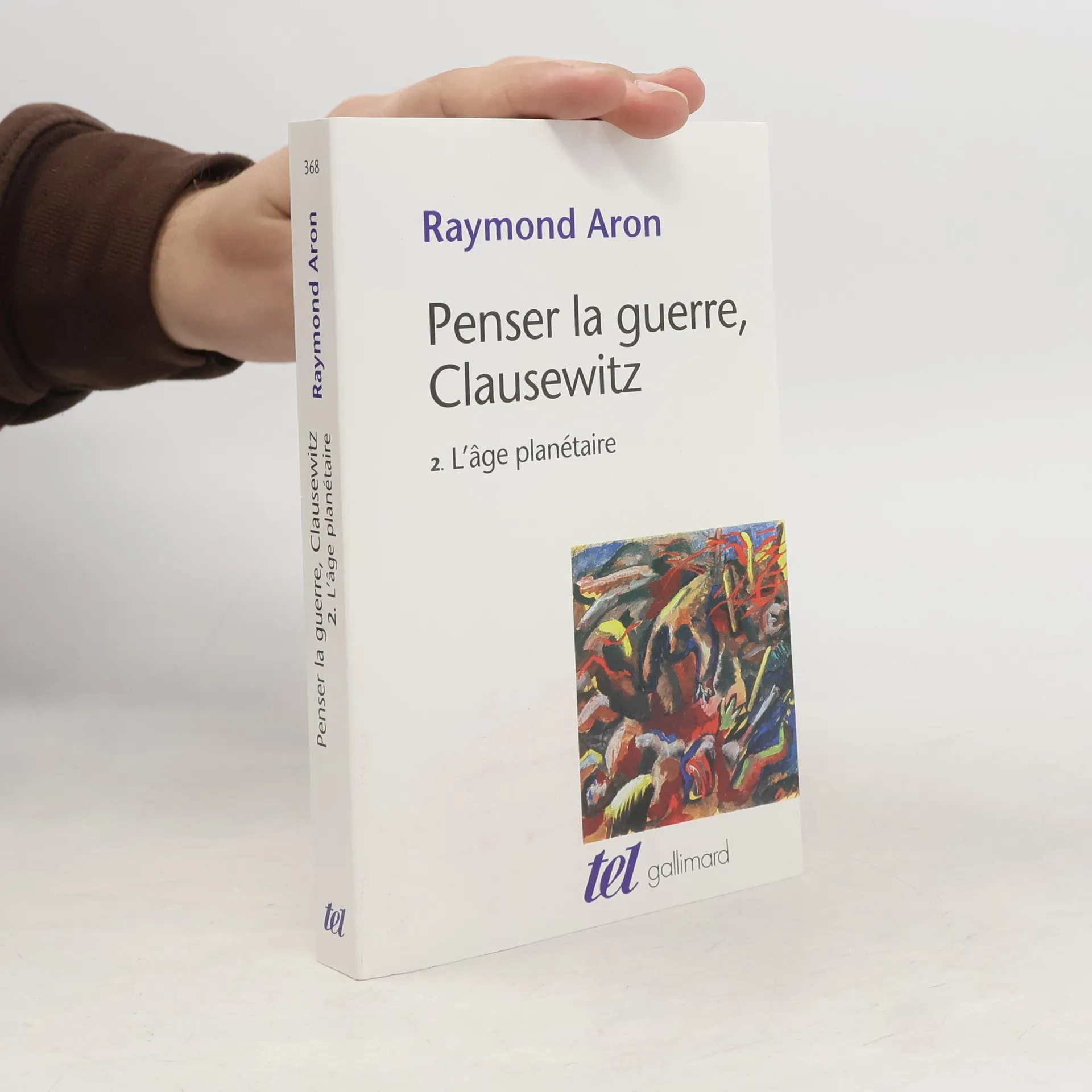
The book offers a profound re-evaluation of Carl von Clausewitz, highlighting him not just as a military strategist but as a significant political philosopher. Professor Raymond Aron, a prominent French social scientist, explores Clausewitz's influence on various aspects of contemporary society, emphasizing his enduring relevance in understanding the interplay between war and politics. This edition, first published in 1983, invites readers to reconsider Clausewitz's contributions beyond traditional military studies.
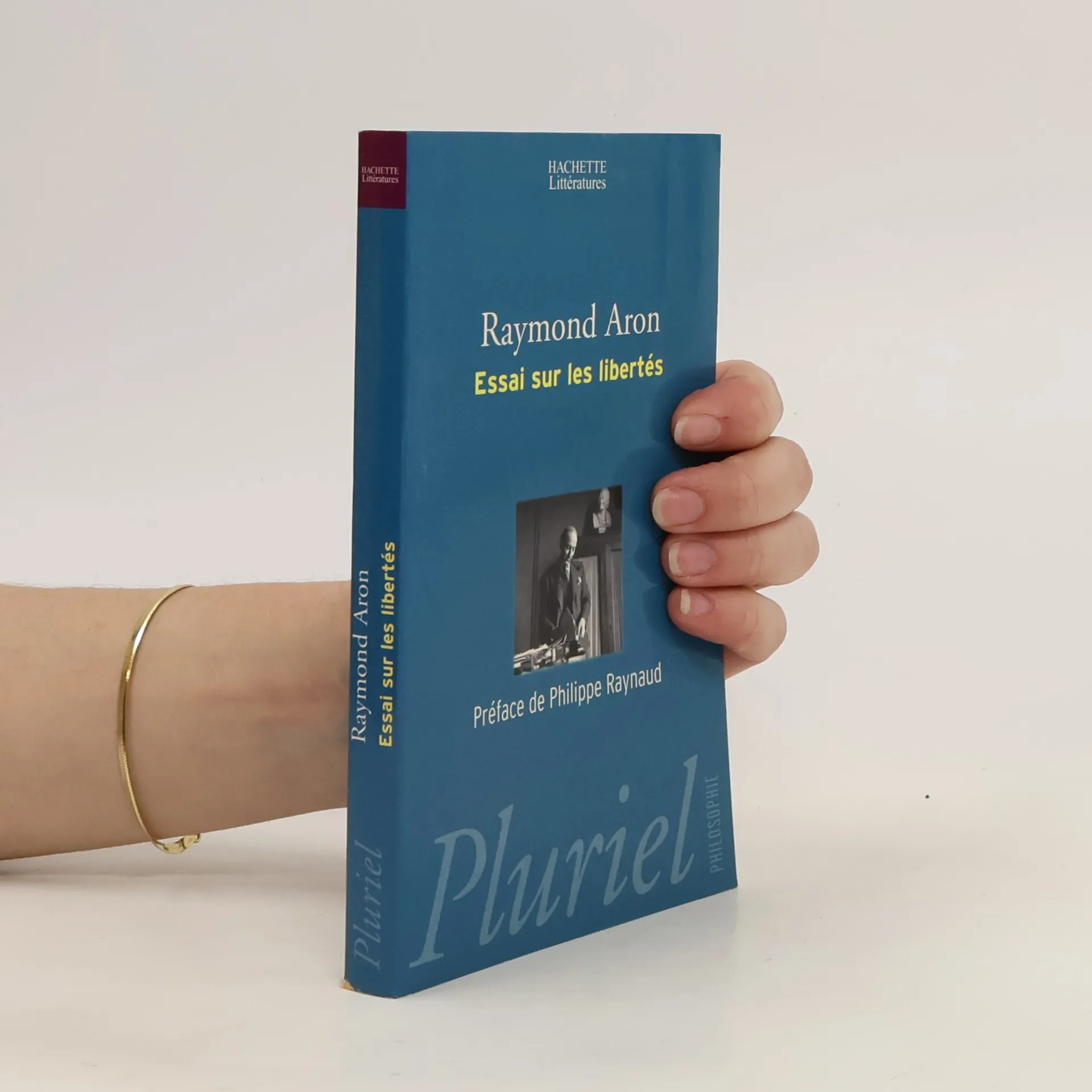
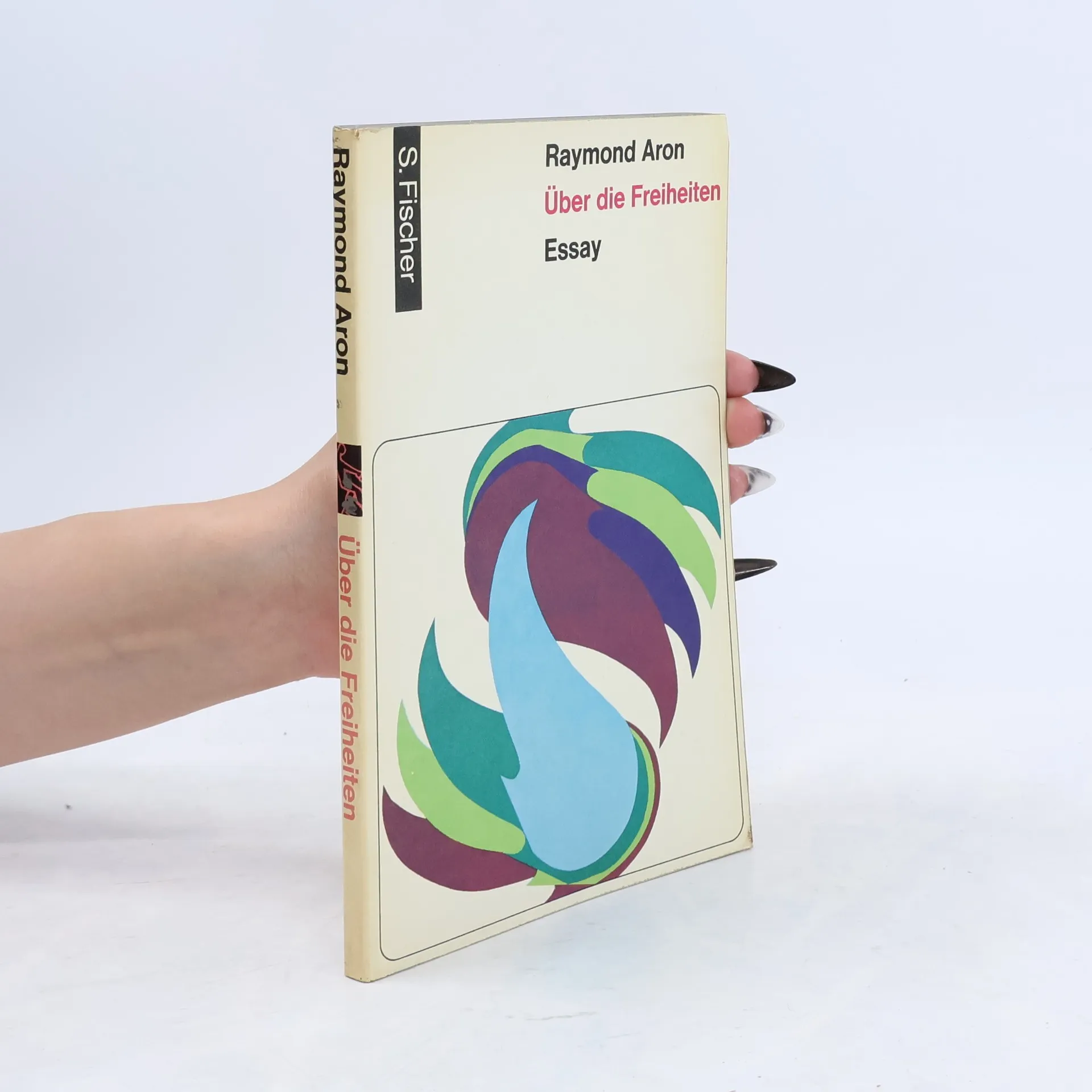
In this important work, the most prominent French liberal intellectual of the Cold War era presents his views on the core values of liberal democracy: liberty and equality. At the same time, he provides an ideal introduction to key aspects of his thought