

Compra 10 libros por 10 € aquí!
Bookbot

Caroline Walker Bynum

    10 de mayo de 1941

    Caroline Walker Bynum se adentra en las ideas y prácticas religiosas de la Europa medieval. Su obra investiga este período crucial, abarcando desde la antigüedad tardía hasta el siglo XVI. Bynum busca comprender la formación y evolución del pensamiento y comportamiento religioso dentro del contexto dinámico de la Europa medieval. Su investigación ofrece profundas perspectivas sobre las vidas espirituales de las personas de esta época.

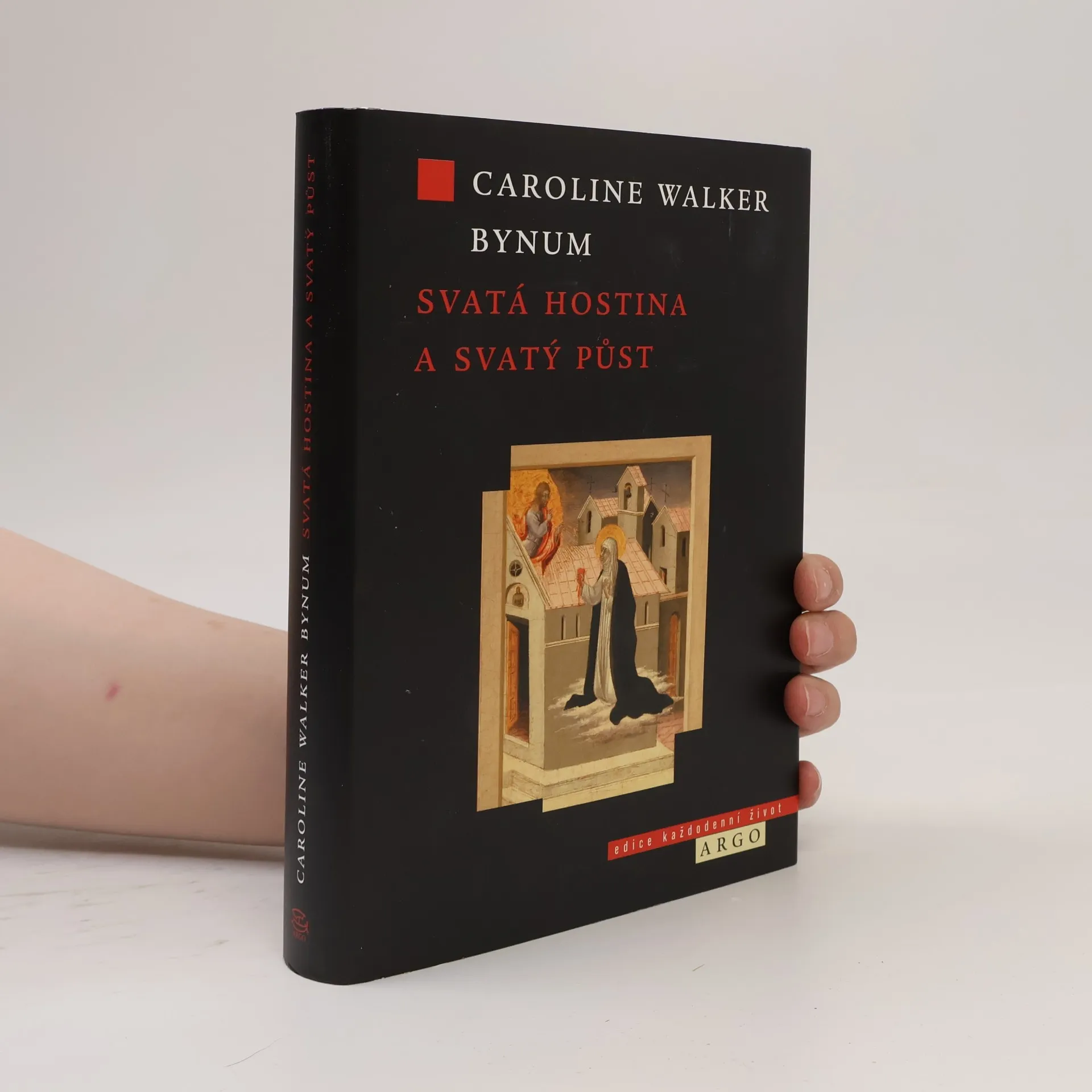
    Svatá hostina a svatý půst
    Jesus as Mother
    Dissimilar Similitudes - Devotional Objects in Late Medieval Europe
    The Resurrection of the Body in Western Christianity, 200-1336
    Christian Materiality
    • 2020

      Between the twelfth and sixteenth centuries, European Christians incorporated a wide range of objects into their worship, including prayer books, statues, natural materials like stones and earth, dolls of Jesus and Mary, and even bits of consecrated bread and wine believed to be preserved flesh and blood. These items were subject to various interpretations and justifications by theologians and worshippers, often intertwined with anti-Semitic sentiments and the promise of heaven. Their prevalence and the reactions to them provide essential context for the European-wide movements known as "reformations" (both Protestant and Catholic). In a series of independent yet interconnected essays, Caroline Bynum explores examples of these holy objects, such as beds for the baby Jesus and the footprints of Christ brought back by pilgrims. Building on her previous work on materiality, Bynum presents two main arguments. First, she illustrates that these objects embody a paradox of dissimilar similitude, reflecting heaven's glory while highlighting its inaccessibility through earthly representations. Second, she critiques current comparative history practices, urging scholars to focus on the diverse and visually dissimilar objects that worshippers and theorists associate with the "other," which imparts lasting power to their religions.

      Dissimilar Similitudes - Devotional Objects in Late Medieval Europe
    • 2017

      A classic of medieval studies, this book traces ideas of death and resurrection in early and medieval Christianity. Caroline Walker Bynum explores problems of the body and identity in devotional and theological literature, suggesting that medieval attitudes toward the body still shape modern notions of the individual.

      The Resurrection of the Body in Western Christianity, 200-1336
    • 2017

      Svatá hostina a svatý půst

      • 464 páginas
      • 17 horas de lectura

      Kniha Svatá hostina a svatý půst, napsaná v roce 1988, zevrubným způsobem pojednává o specifických podobách ženské zbožnosti především v období 13. a 14. století. Pronikavě přitom ukazuje, jak byla ženská zbožnost a ženská askeze provázána s ženským vztahem k jídlu, který v mužském prostředí vůbec nenajdeme. Koncept raně středověkého mnišství, jehož podstatou byl přísný půst, podle autorčina soudu v pozdním středověku plně přebraly ženy. Zároveň však půst propojily s eucharistickou zbožností, jež ve svém důsledku vedla k vytváření představ, v němž ženy pojídaly Krista jako svého Boha, a tím se s ním tělesně nejen ztotožňovaly, ale i spojovaly. Hlavními hrdinkami její knihy jsou ale nejen ženské poustevnice, ale i nejrůznější mystičky, na něž mužská středověká společnost pohlížena s velkou ostražitostí. Kniha Svatá hostina a svatý půst tak představuje jeden z nejoriginálnějších pokusů o genderově pojatou historii středověku.

      Svatá hostina a svatý půst
    • 2015

      Christian Materiality

      • 416 páginas
      • 15 horas de lectura

      Late Medieval Christianity's encounter with miraculous materials viewed in the context of changing conceptions of matter itself.

      Christian Materiality
    • 1992

      Jesus as Mother

      • 280 páginas
      • 10 horas de lectura

      Features essays that apply the method to the broader question of differences between regular canons and monks and the narrower question of differences between one kind of monk - the Cistercians - and other religious groups, monastic and nonmonastic, of the twelfth century.

      Jesus as Mother