Ulrike Becks Malorny Orden de los libros (cronológico)
1 de enero de 1950
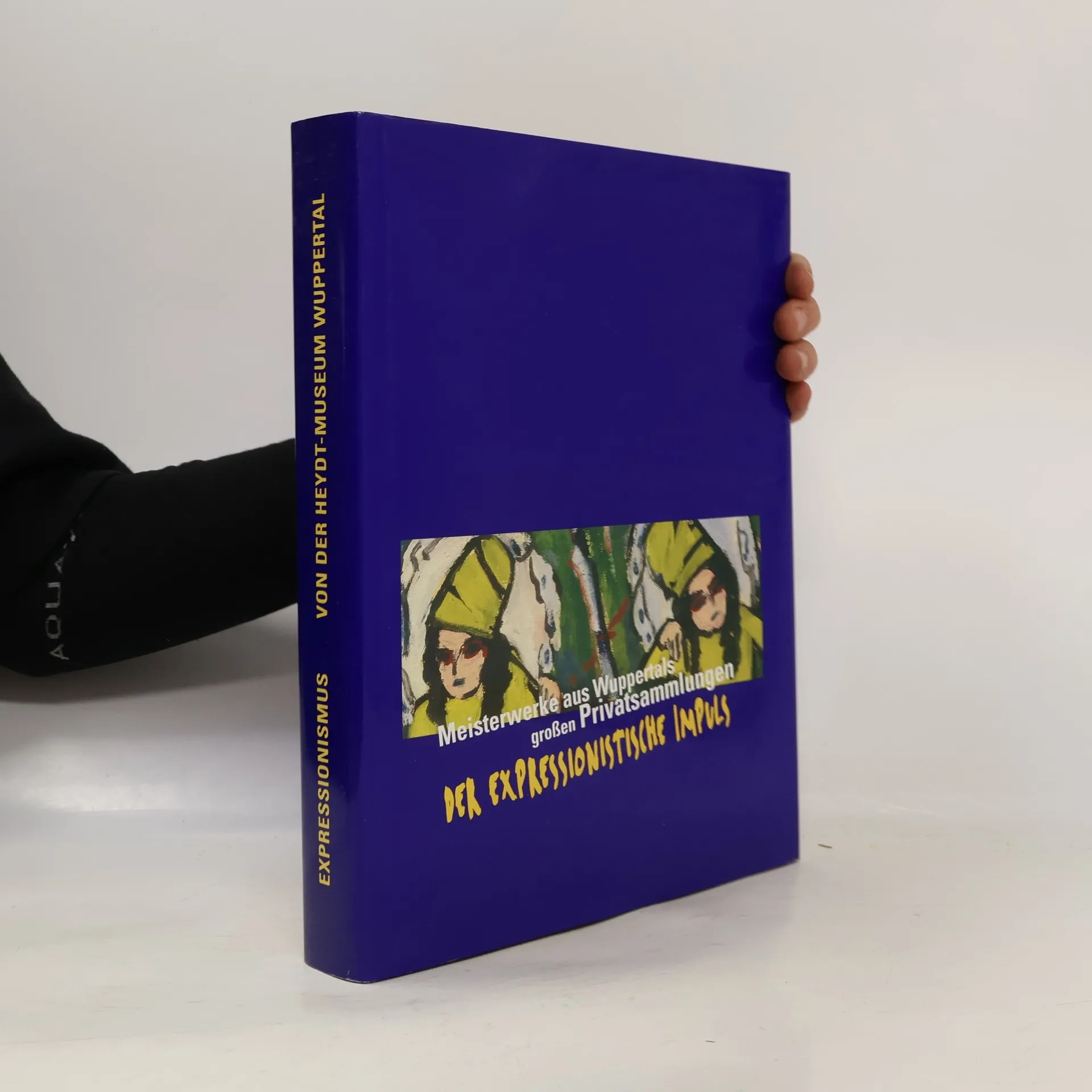
Der expressionistische Impuls
- 367 páginas
- 13 horas de lectura
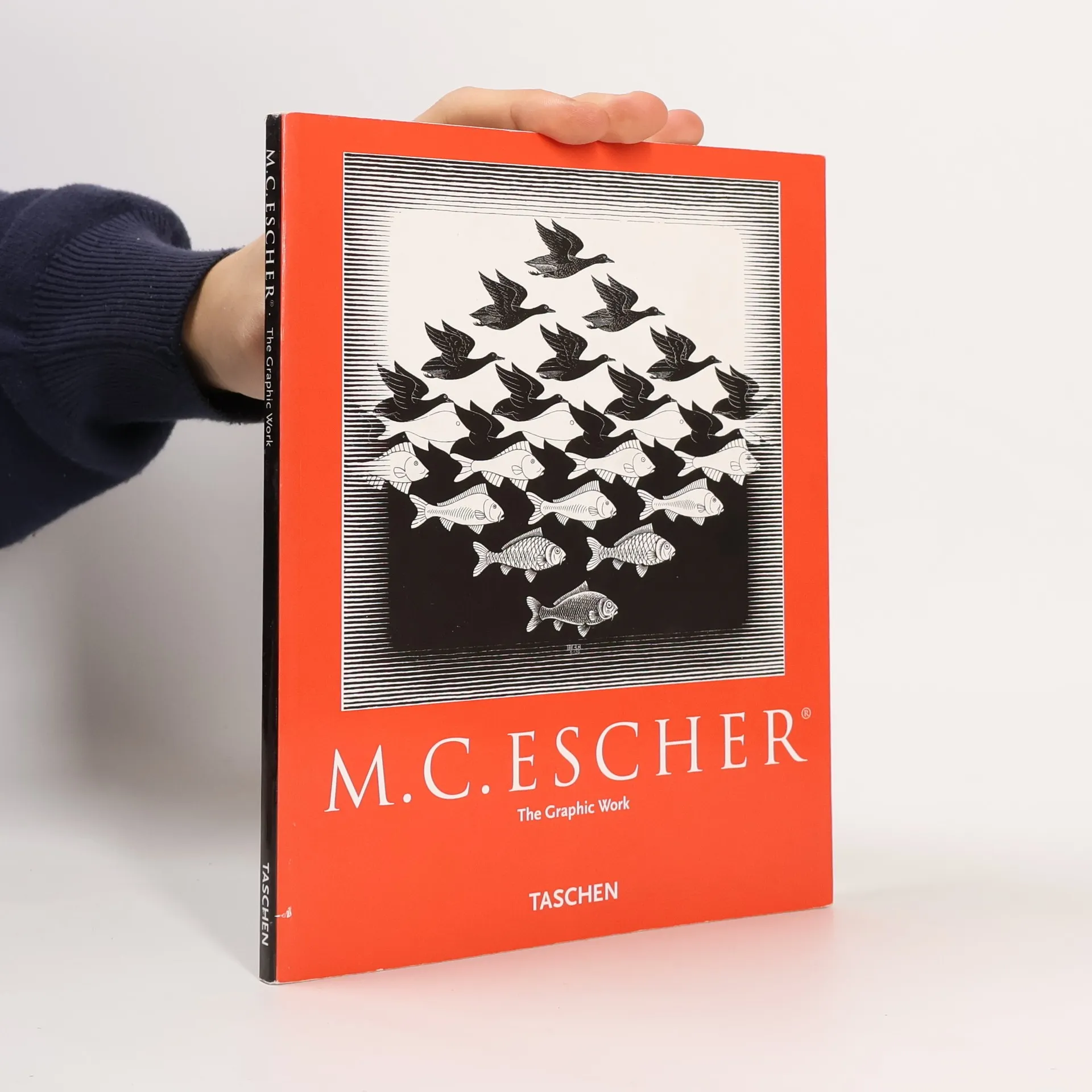
Escher
- 96 páginas
- 4 horas de lectura
Dieses Buch zeigt das Werk von M.C. Escher, einem Architekten unmöglicher Welten, der strukturell Unvorstellbares als Naturgesetz darstellt. Die daraus entstehenden dimensionalen und perspektivischen Illusionen konfrontieren uns mit den Grenzen unserer Sinneswahrnehmung.
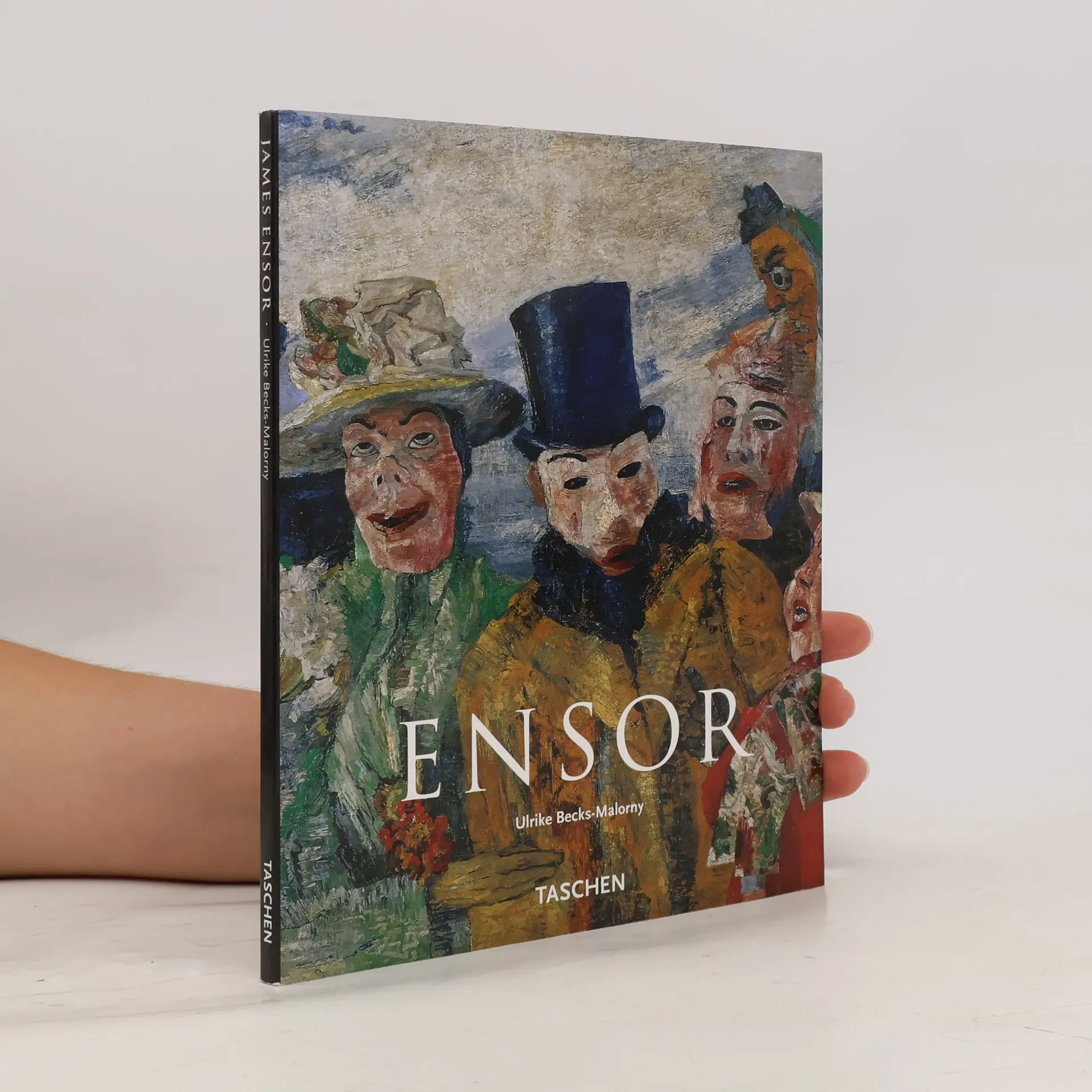
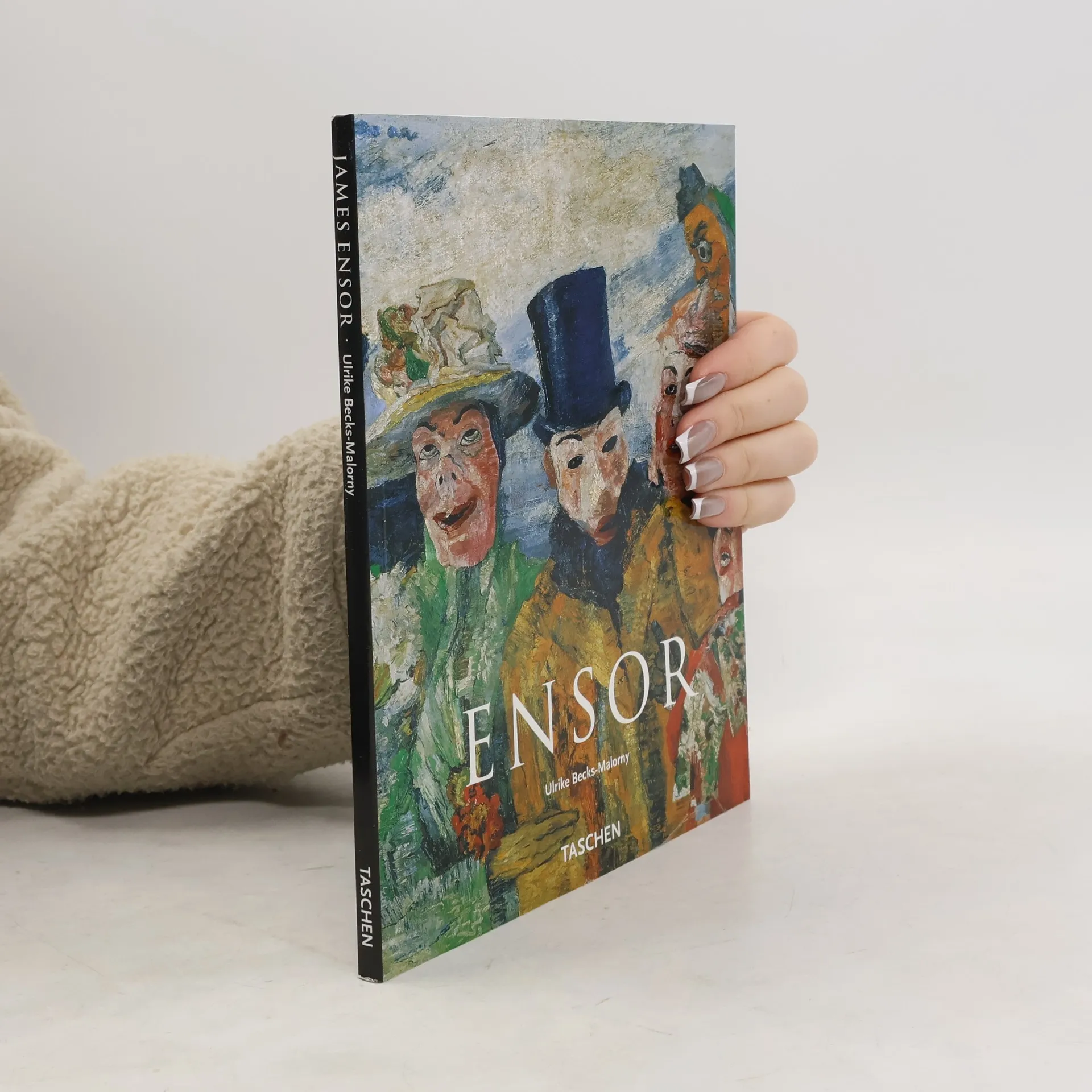
Ensor
- 96 páginas
- 4 horas de lectura
It has been said that James Ensor appropriated the subject matter of a Bosch or Bruegel and revisioned them using the techniques of Manet or Rubens. This work shows that Ensor was a genuine maverick with his own merit.
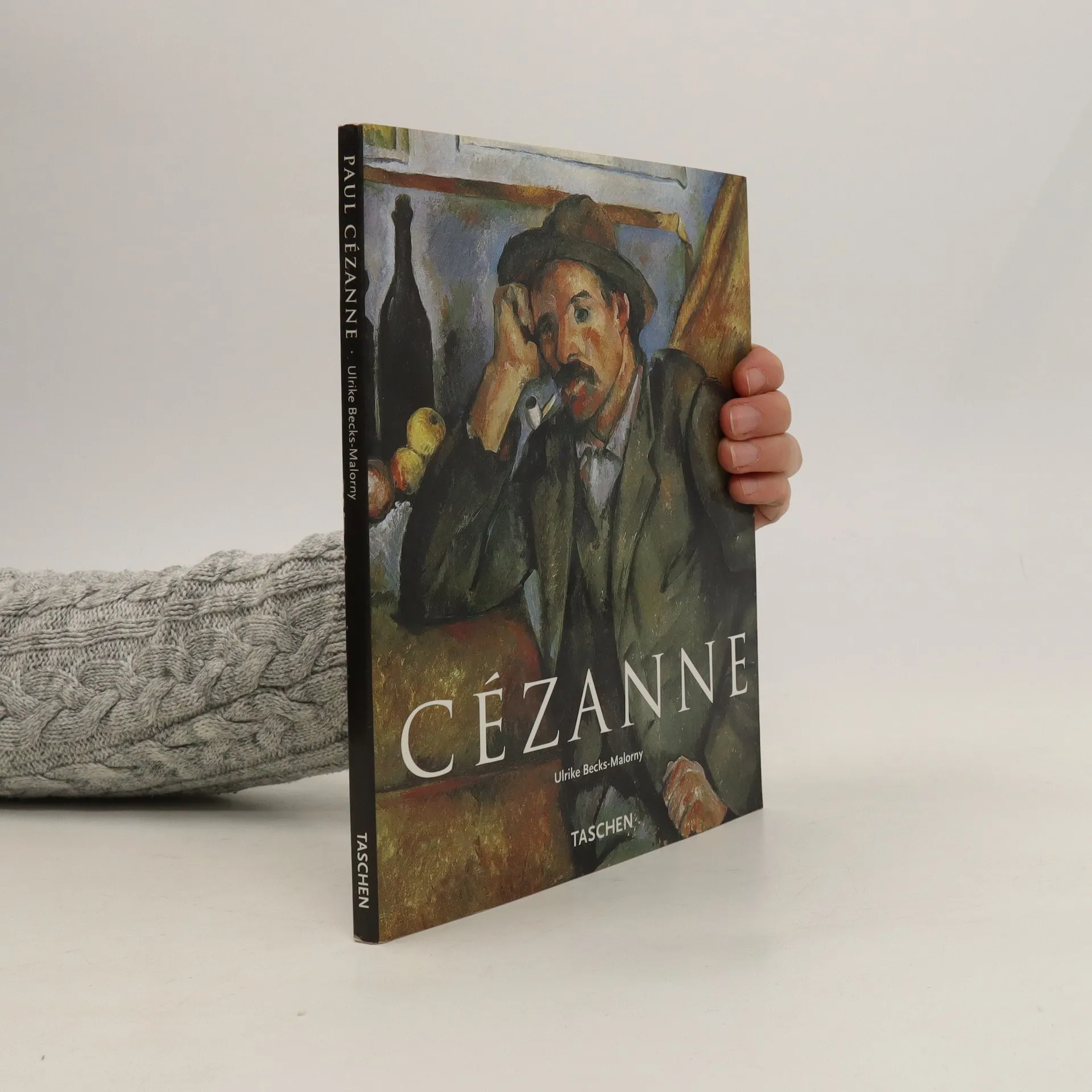
Liberación de la ilusión perspectiva, abstracción de la naturaleza en manchas de color, tematización de la superficie pictórica, el color como principal medio de composición, el juego con formas geométricas y la reducción de objetos a formas básicas como cubo, cilindro y círculo: Paul Cézanne, inicialmente influenciado por el romanticismo francés y el realismo temprano, avanzó rápidamente a través del siglo XIX. Mientras los impresionistas, con quienes simpatizaba, aún parpadeaban ante la luz del sol, él ya se dirigía hacia la modernidad. El color se convierte en su principal herramienta de composición. No es el dibujo ni el juego de luces y sombras lo que crea la estructura de la imagen, sino un sistema de marcas de color contrastantes que él denominó "modulación". Los bodegones y paisajes que Cézanne (1839–1906) creó en la segunda mitad del siglo XIX, principalmente en las exuberantes colinas de Aix-en-Provence, se convirtieron en obras centrales del arte moderno. Esta monografía del artista examina, a través de obras clave de su variado legado, cómo Cézanne, atormentado por dudas sobre sí mismo y destruyendo muchas de sus obras, desarrolló un tratamiento del color y un lenguaje de formas que tendrían un impacto decisivo en el arte moderno.
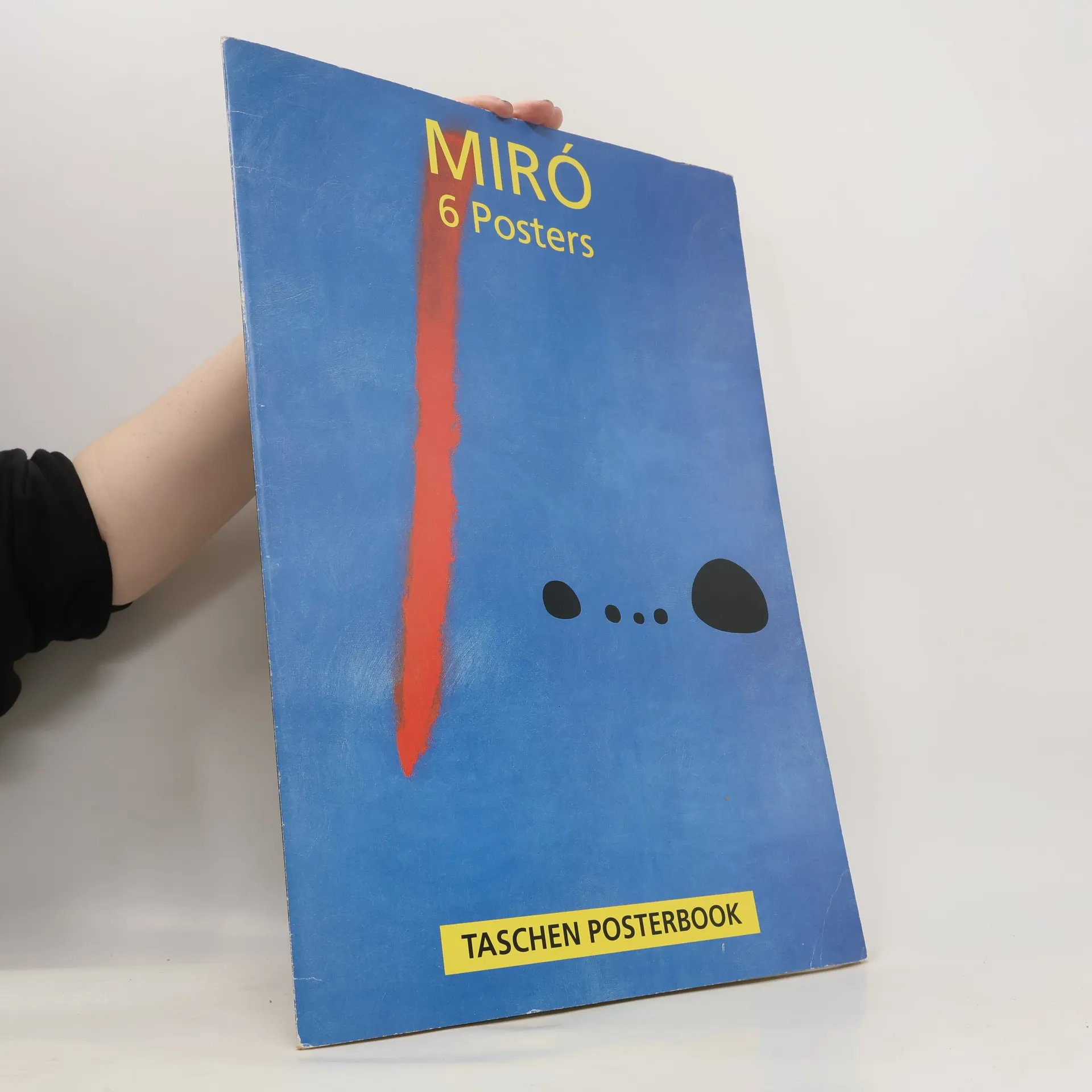
Posterbook: Miró
- 6 páginas
- 1 hora de lectura
posters
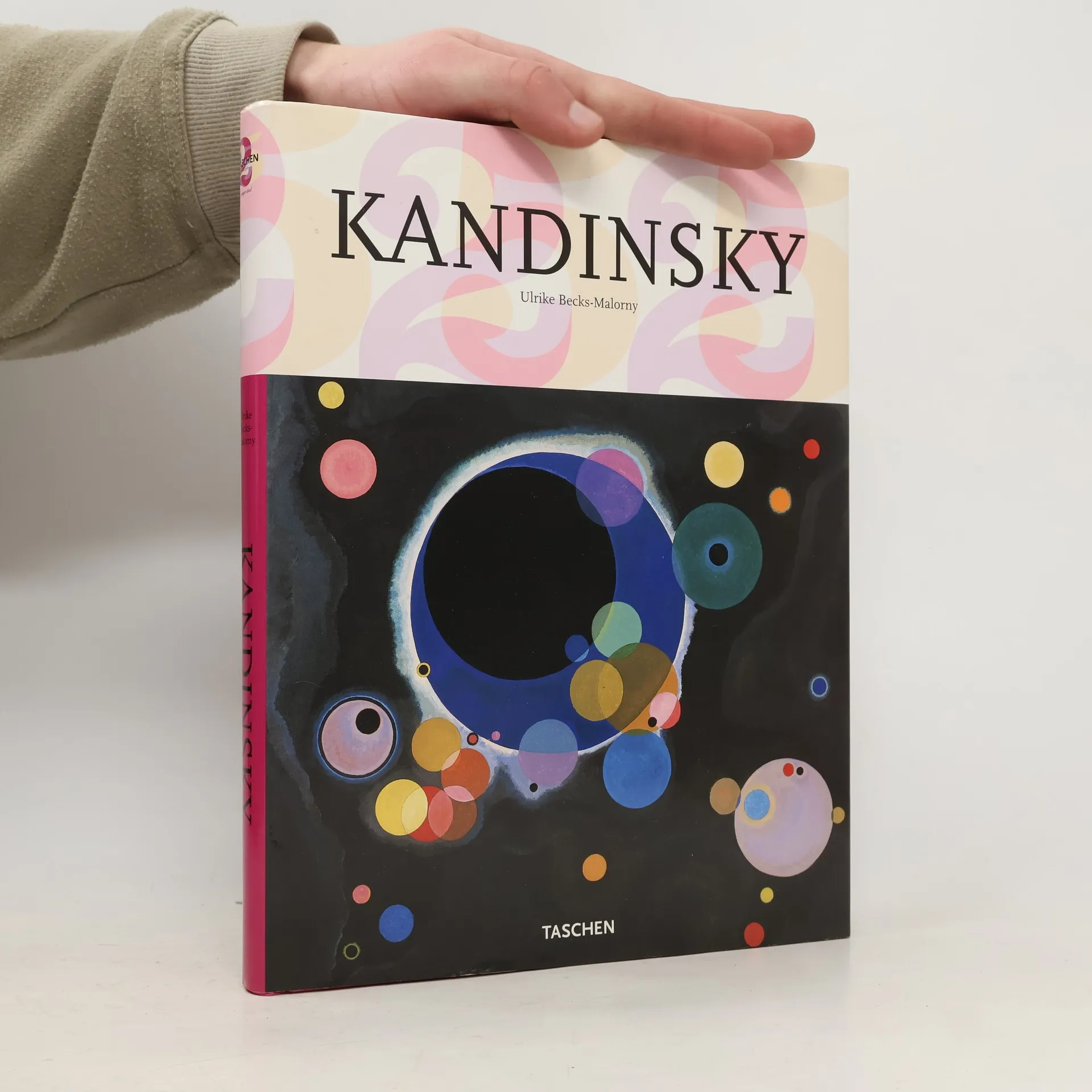
Kandinsky
- 199 páginas
- 7 horas de lectura
Wassily Kandinsky was undoubtedly one of the most exciting artists of the twentieth century. He brought an equal passion and commitment to his work as a painter, a theoretician and a teacher of art. After conventional beginnings in Munich, he devoted his intellectual and artistic energies to pioneering new dimensions of expression in art.
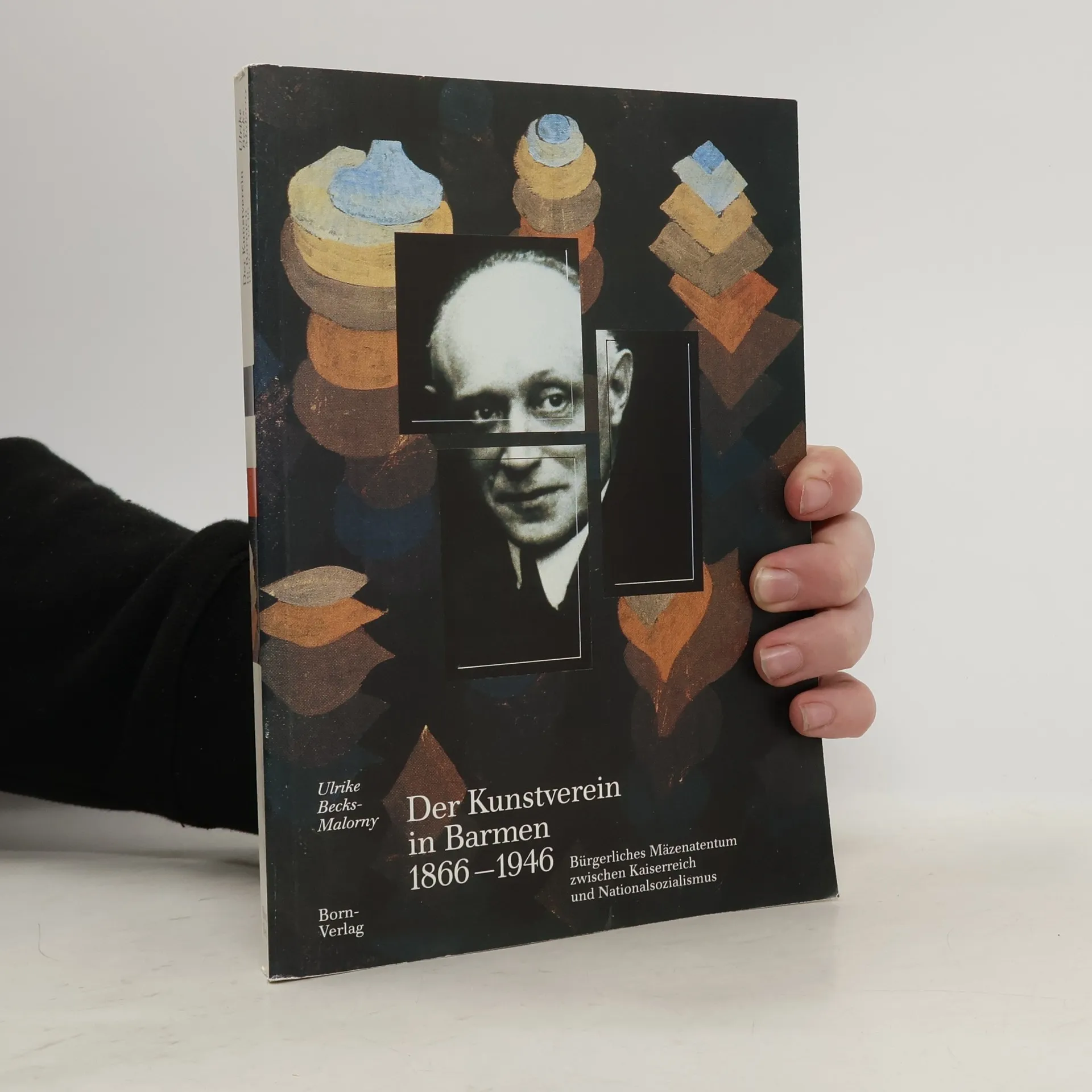
Der Kunstverein in Barmen 1866 - 1946
- 287 páginas
- 11 horas de lectura
Die umfassende Dokumentation der Geschichte des Barmer Kunstvereins von seiner Gründung 1866 bis zu seiner Fusion mit dem Elberfelder Museumsverein im Jahre 1946 zum Kunst- und Museumsverein Wuppertal ist ein einzigartiges Geschenk zum 125jährigen Jubiläum! Die Geschichte des Barmer Kunstvereins, einer Bürgerinitiative im besten Sinne des Wortes, ist die Geschichte bürgerlichen Engagements und Mäzenatentums, der Liebe zur Stadt und zur Kunst, ein Stück Kultur- und Stadtgeschichte. Was den Barmer Kunstverein aber weit über eine lokale Institution hinaushebt, ist die Tatsache, dass er in der Zeit zwischen 1910 und 1930 ein Zentrum modernen Kunst war, das den Vergleich mit den künstlerischen Metropolen in Deutschland nicht zu scheuen brauchte. Er war ein Stützpunkt der Avantgarde, dessen progressive Sammlungstätgkeit die Barmer Ruhmeshalle in den zwanziger Jahren zu einer der bedeutendsten Galerien moderner Kunst in Deutschland machte.