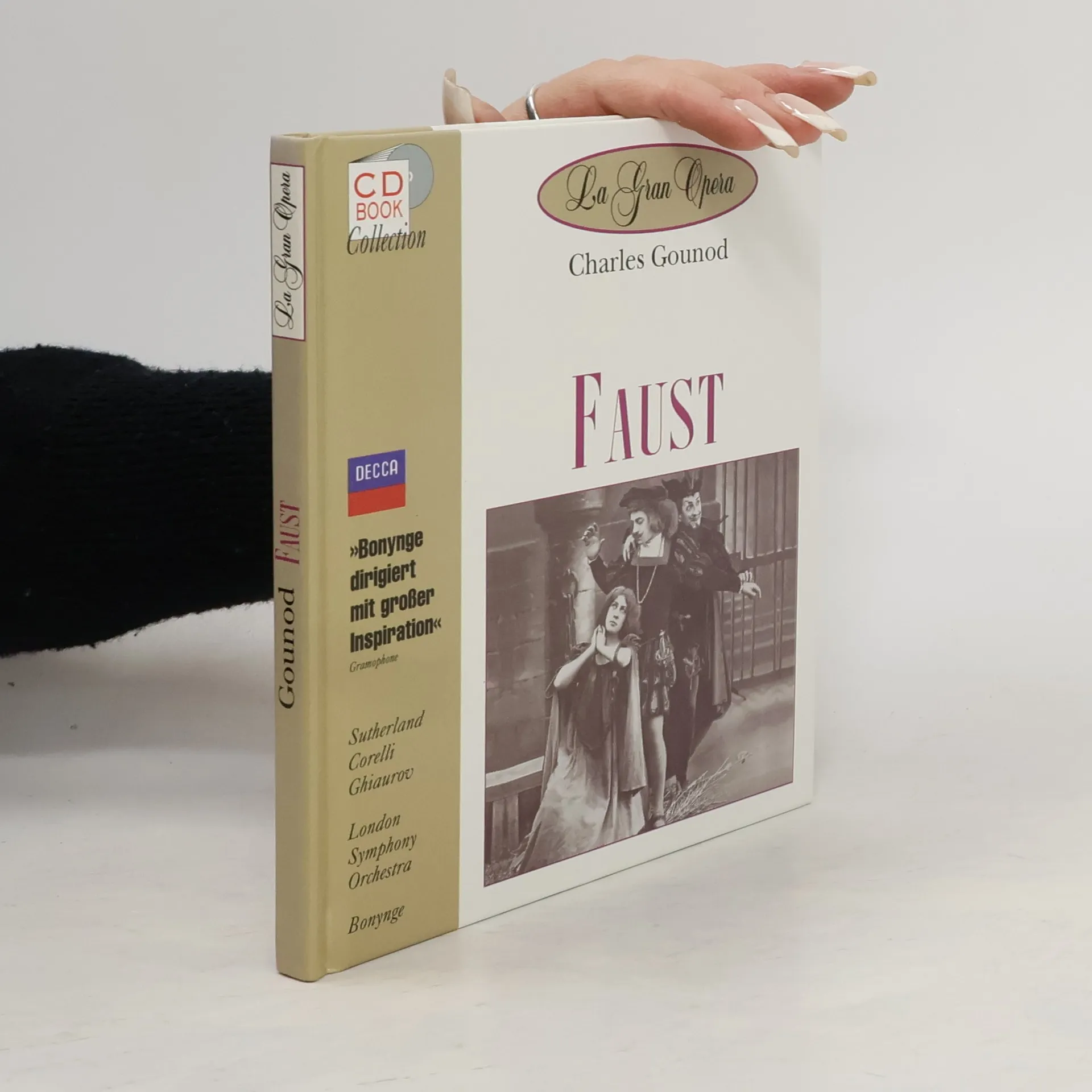
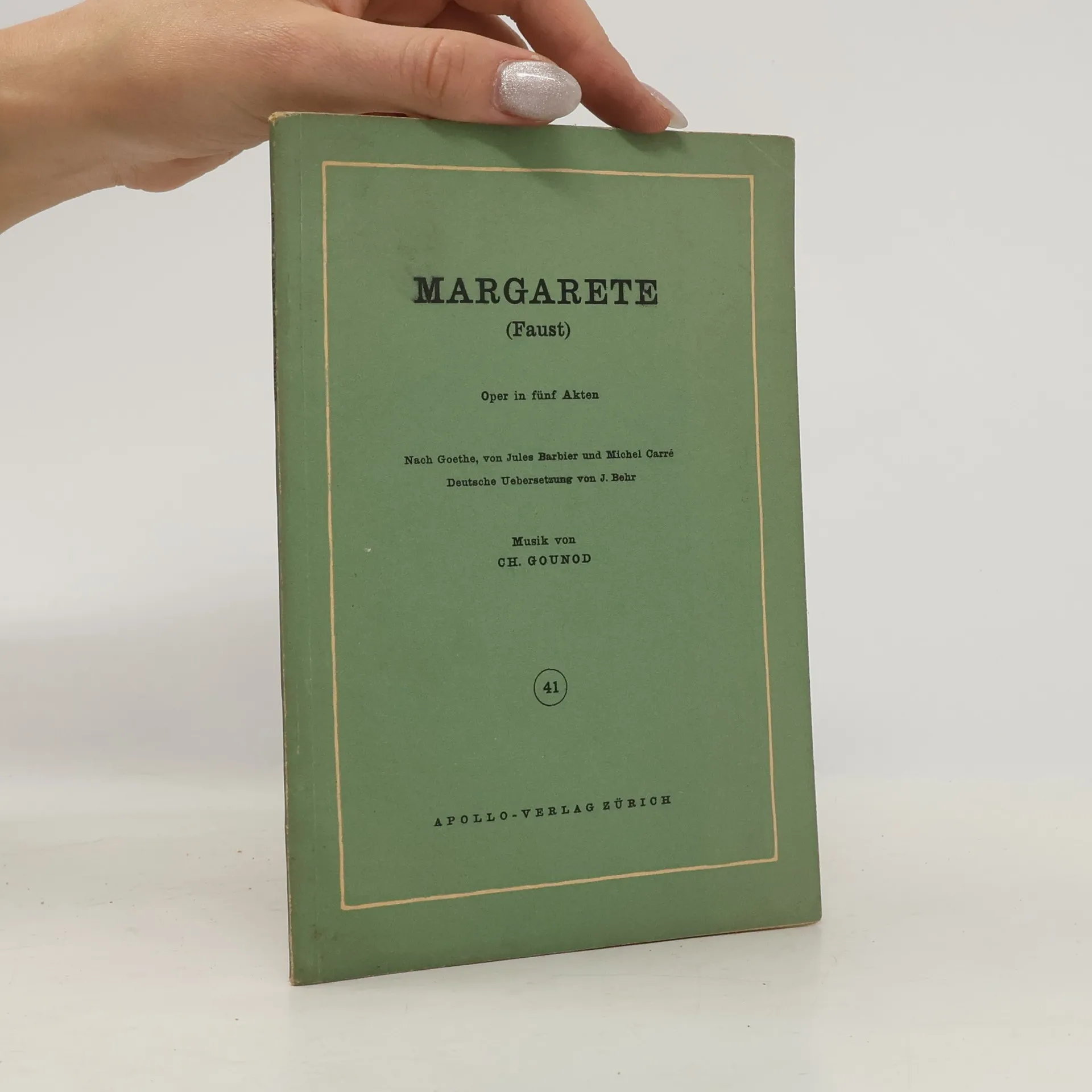

Soldiers' Chorus (from Faust): Score & Parts
- 999 páginas
- 35 horas de lectura
La obra de este compositor está profundamente imbuida de una pasión por la música sacra del siglo XVI, una base que informa sus óperas dramáticas, especialmente su célebre adaptación de la épica de Goethe. Su música se caracteriza por sus melodías fluidas y una notable maestría escénica, lo que le granjeó una popularidad duradera. Más allá de la ópera, su producción incluye profundos oratorios y evocadoras canciones, todo lo cual obtuvo un reconocimiento significativo durante su vida.


Instrumentation: 1.2.2.2: 2.0.0.0 This charming work in four movements was requested by Charles Gounod by a Parisian wind ensemble called Societe de Musique Pout Instruments a Vent led by famed flautist Paul Taffanel. Written for flute, two oboes, two clarinets, two horns, and two bassoo

Written during a creative break from opera, this symphony by Gouod premiered in 1855 in Paris. Its publication included scores and arrangements, notably one for piano duet by a young Georges Bizet. This arrangement likely inspired Bizet to compose his own Symphony in C major, which remained largely overlooked until after his death. The work reflects the interconnectedness of composers and their influences during the 19th century, showcasing the evolution of symphonic music during that period.
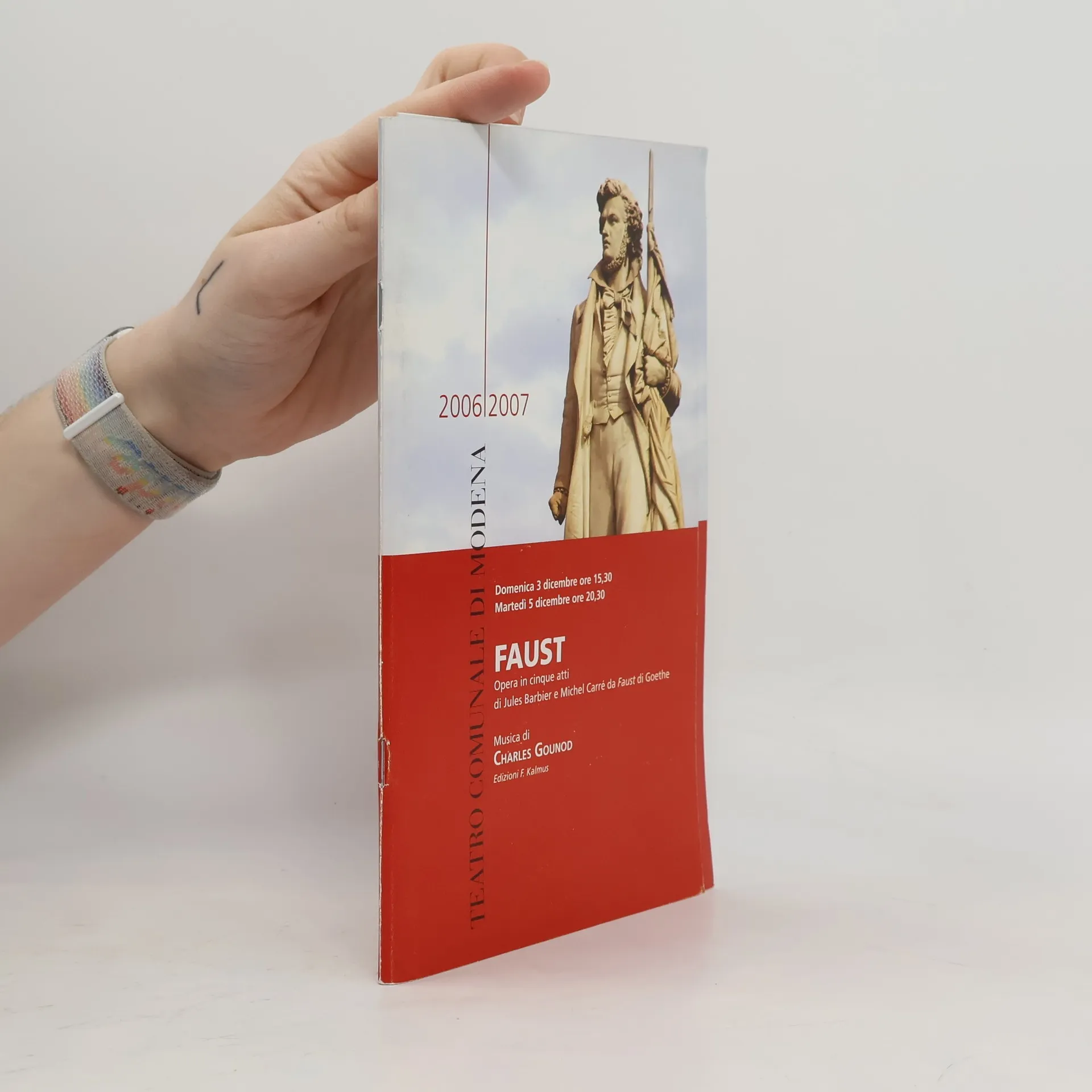
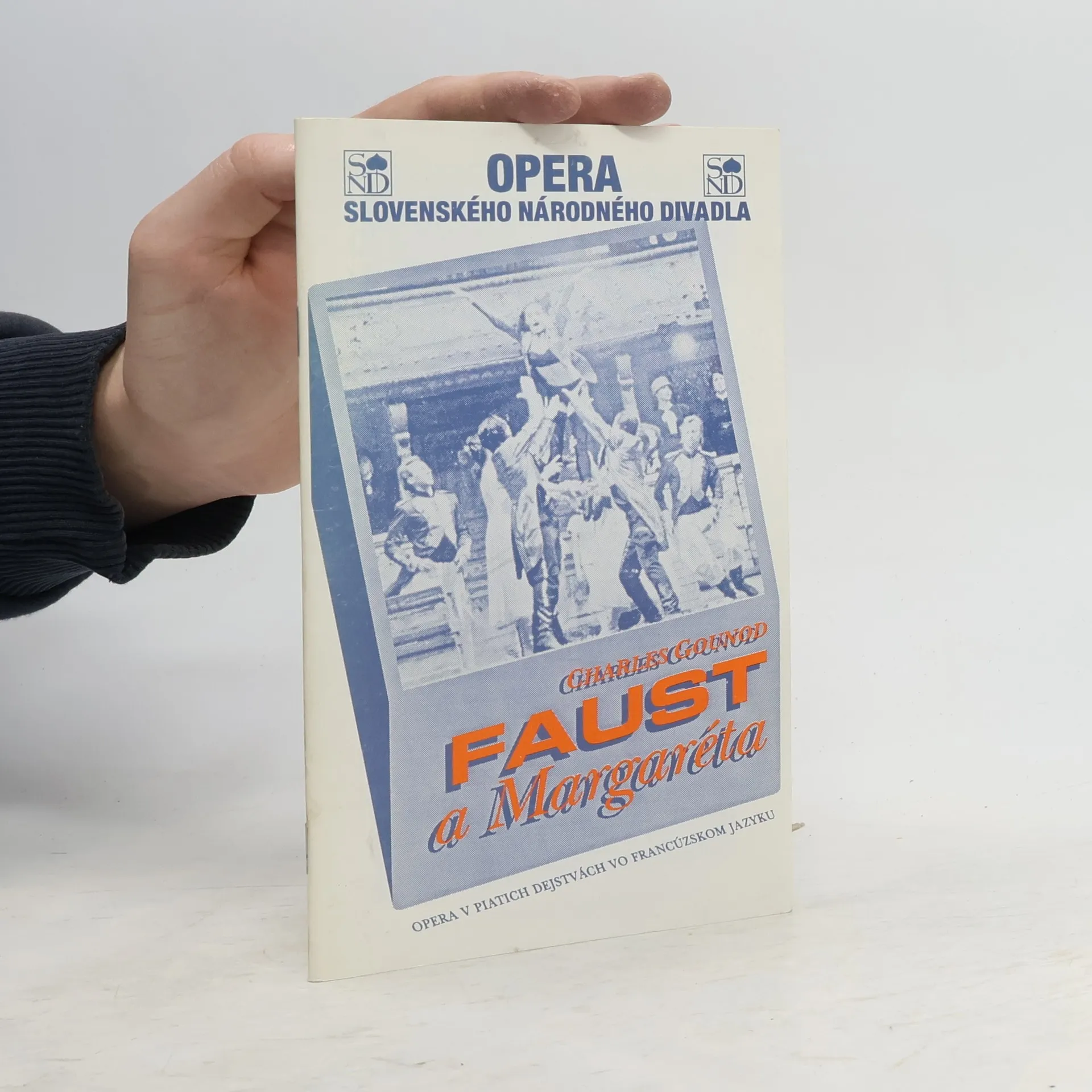
Oper in fünf Akten
Faust