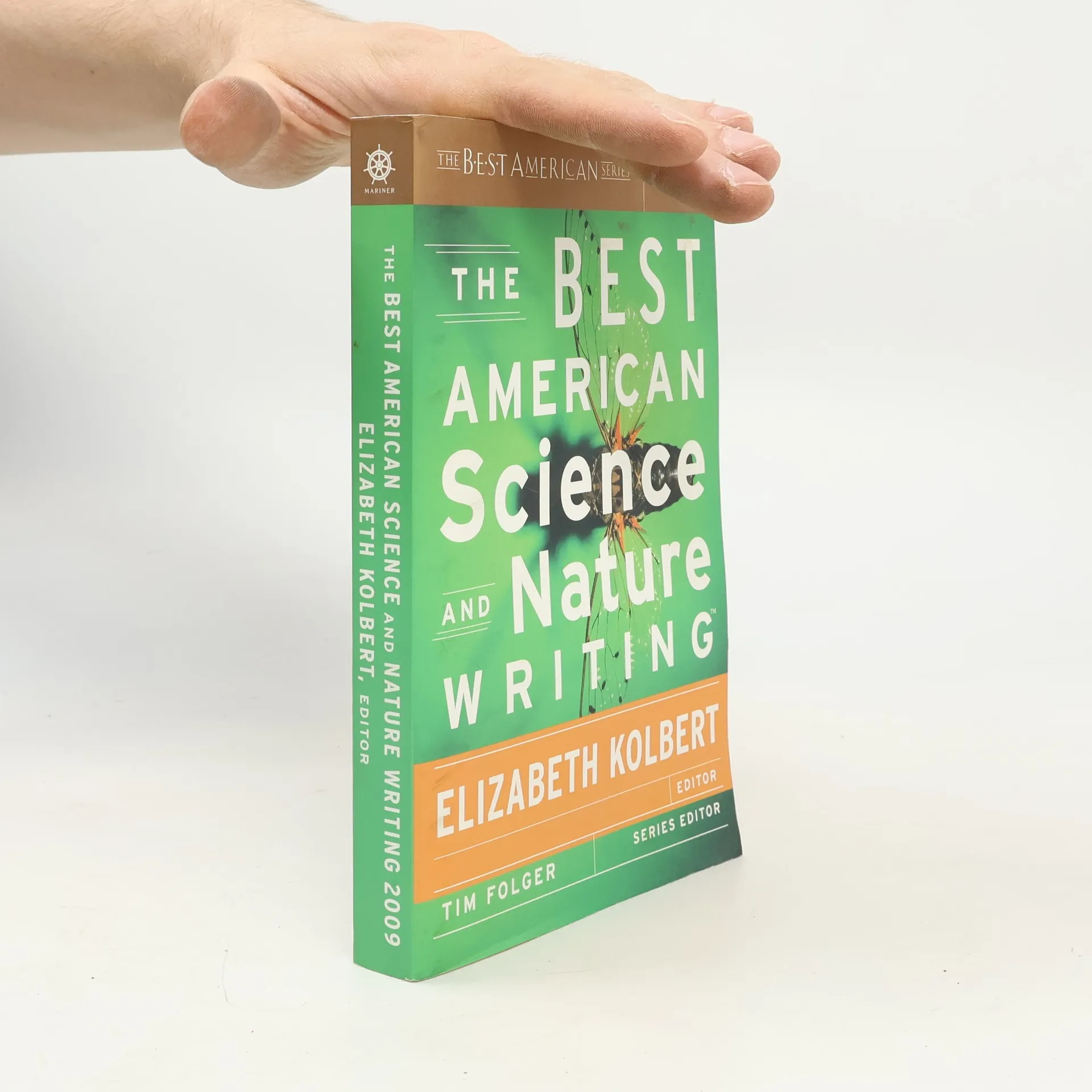
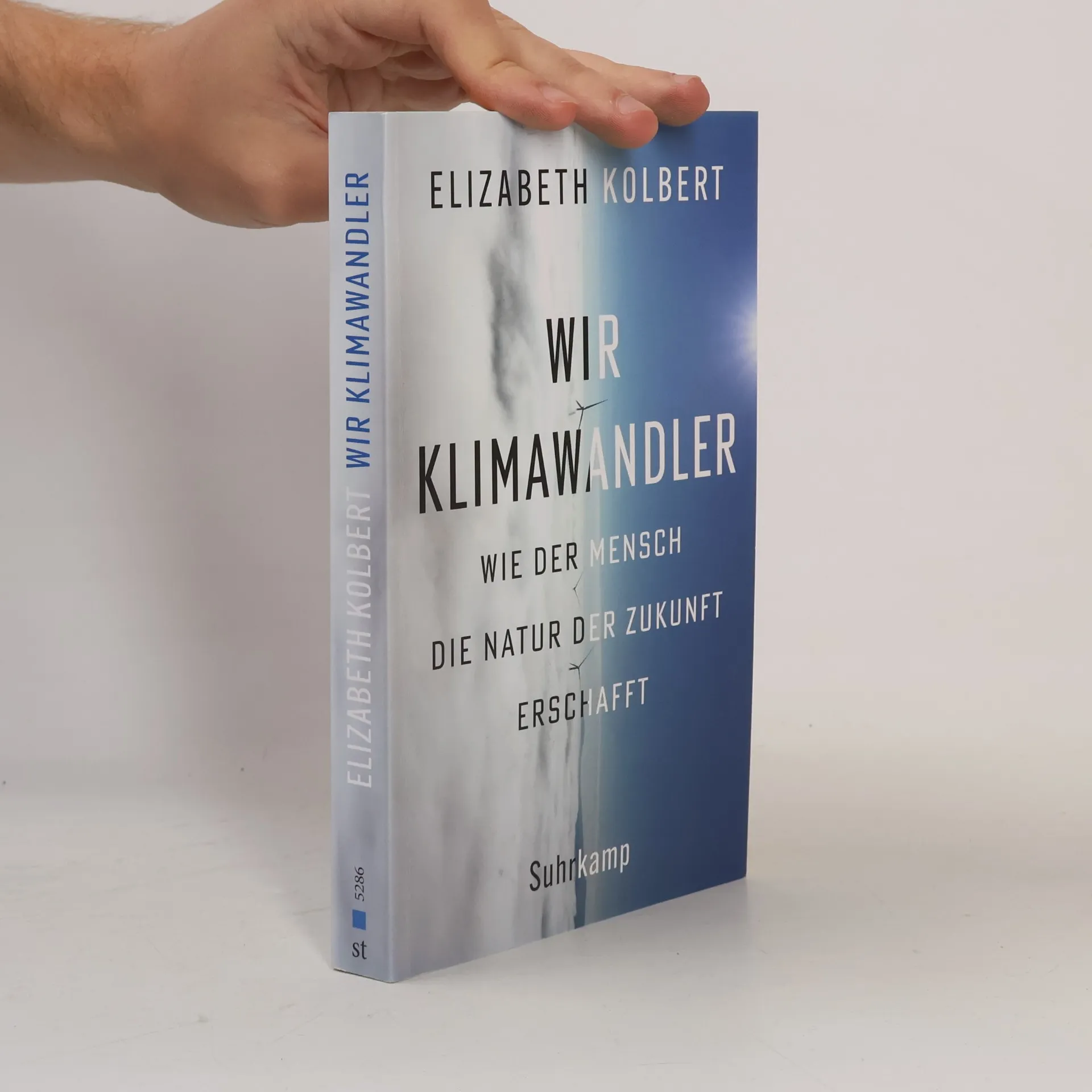
Elizabeth Kolbert se centra en tender puentes entre la ciencia y el impacto social, especialmente en cuestiones medioambientales. Su trabajo se caracteriza por una investigación profunda y la capacidad de presentar temas complejos de manera accesible. Explora la relación entre las actividades humanas y el mundo natural, lo que impulsa a los lectores a reflexionar sobre nuestro planeta. A través de su escritura, enfatiza la urgencia de las preocupaciones medioambientales y nuestra responsabilidad colectiva.
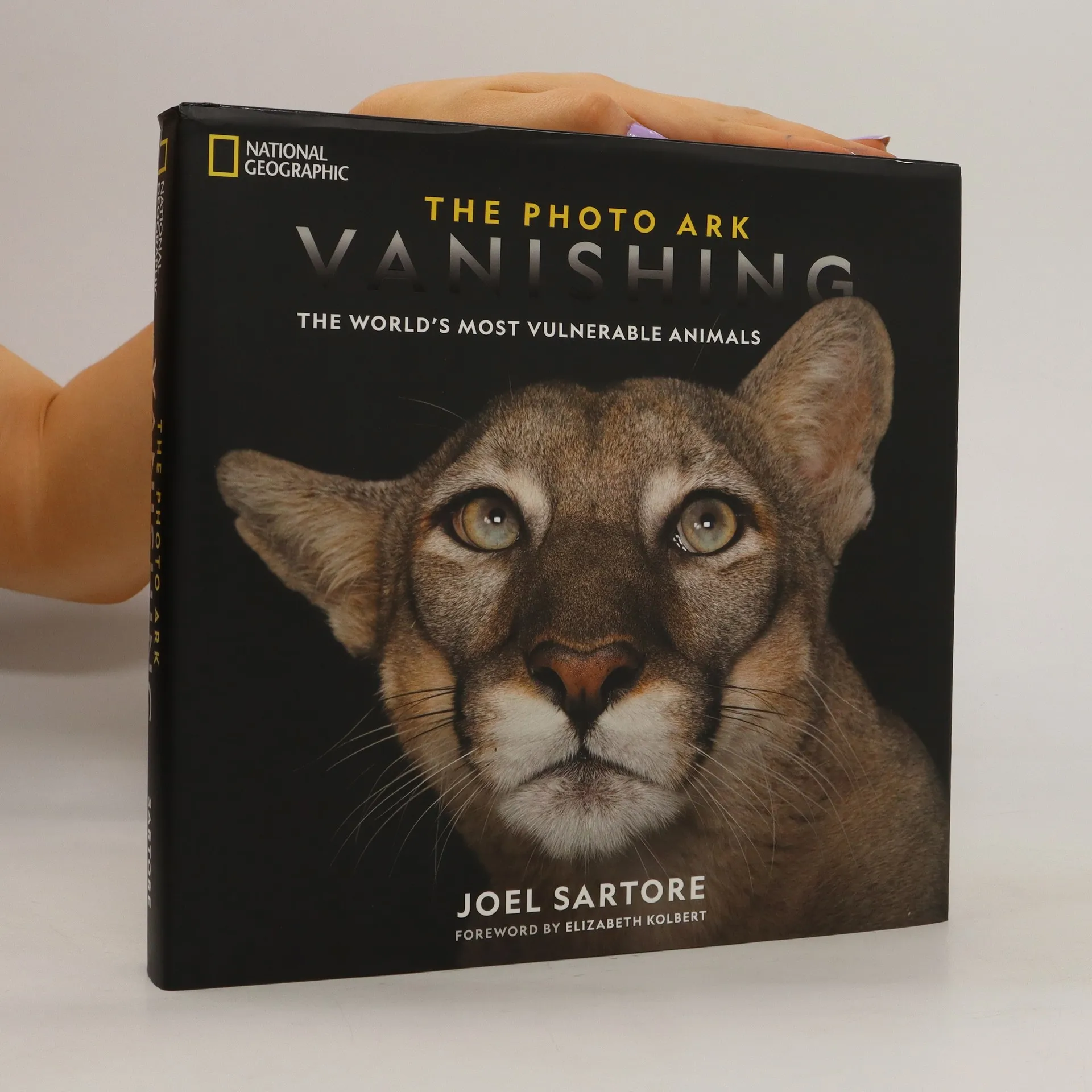
Celebrated National Geographic photojournalist Sartore continues his Photo Ark quest, photographing species around the world that are escaping extinction thanks to human efforts. The animals featured in these pages are either destined for extinction or already extinct in the wild but still alive today, thanks to dedication of a heroic group committed to their continued survival.l.
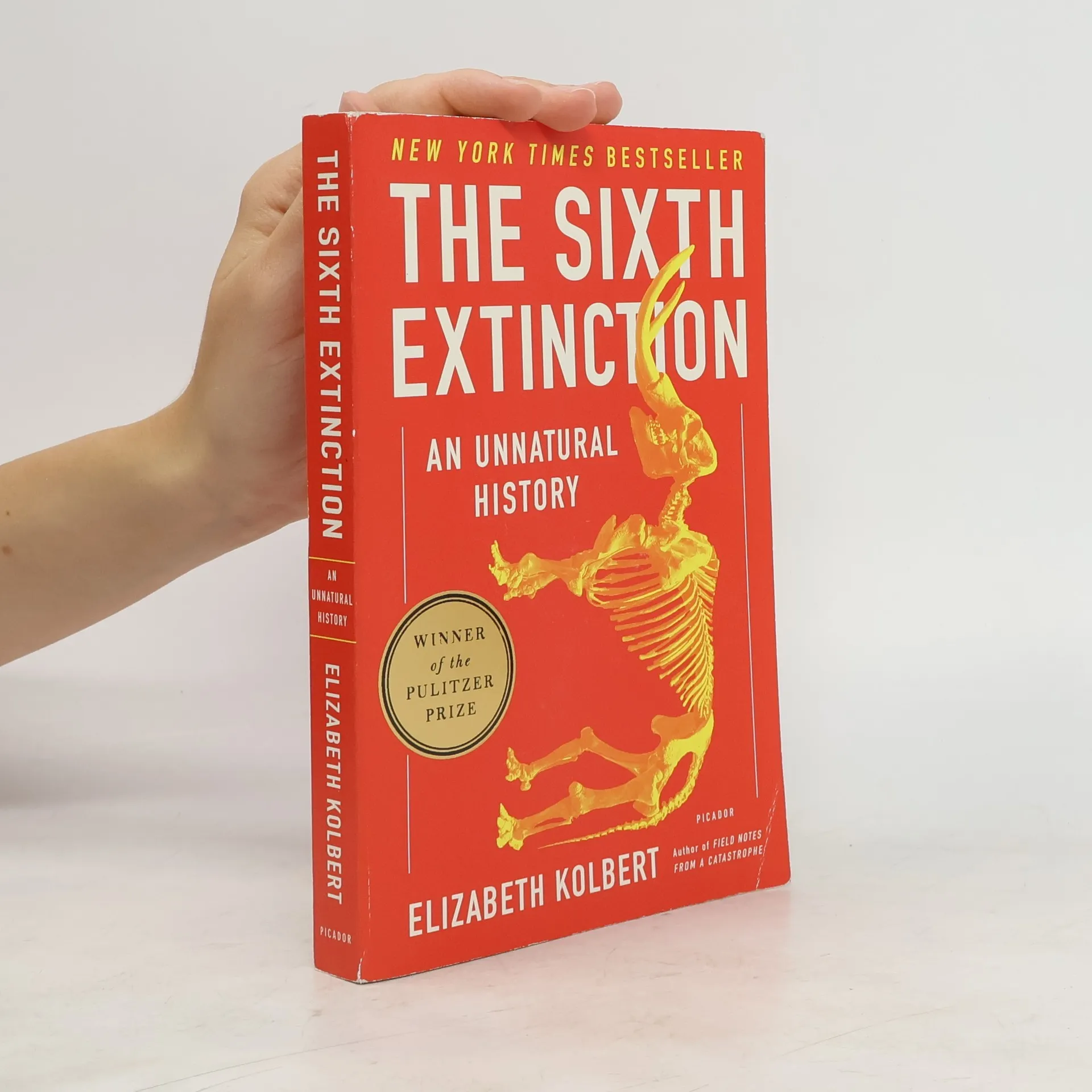
WINNER OF THE PULITZER PRIZE ONE OF THE NEW YORK TIMES BOOK REVIEW'S 10 BEST BOOKS OF THE YEAR A NEW YORK TIMES BESTSELLER A NATIONAL BOOK CRITICS CIRCLE AWARD FINALIST A major book about the future of the world, blending intellectual and natural history and field reporting into a powerful account of the mass extinction unfolding before our eyes Over the last half-billion years, there have been Five mass extinctions, when the diversity of life on earth suddenly and dramatically contracted. Scientists around the world are currently monitoring the sixth extinction, predicted to be the most devastating extinction event since the asteroid impact that wiped out the dinosaurs. This time around, the cataclysm is us. In prose that is at once frank, entertaining, and deeply informed, New Yorker writer Elizabeth Kolbert tells us why and how human beings have altered life on the planet in a way no species has before. Interweaving research in half a dozen disciplines, descriptions of the fascinating species that have already been lost, and the history of extinction as a concept, Kolbert provides a moving and comprehensive account of the disappearances occurring before our very eyes. She shows that the sixth extinction is likely to be mankind's most lasting legacy, compelling us to rethink the fundamental question of what it means to be human.
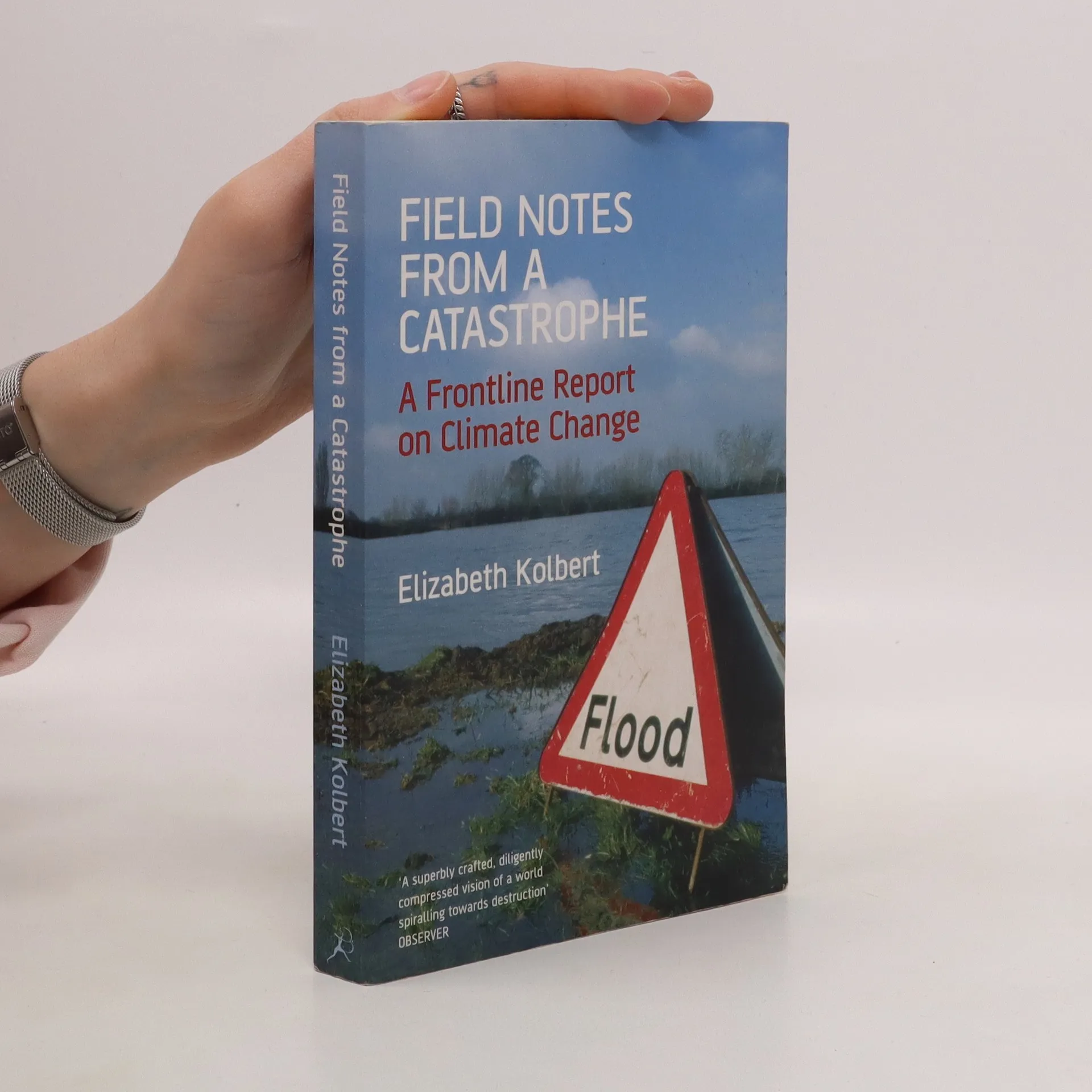
The world has known about global warming since the late 1970s, yet little has been done to halt it. The threat, if we fail, is nothing less than catastrophe - the flooding of coastal communities, the extinction of species and entry into a climate regime of which humans have no experience. Exploring the relationship between what we know and what we refuse to know, Elizabeth Kolbert takes us on an urgent journey from the Arctic to Central America, interviewing researchers, environmentalists and traditional Inuits whose lives have already been dramatically altered by climate change.
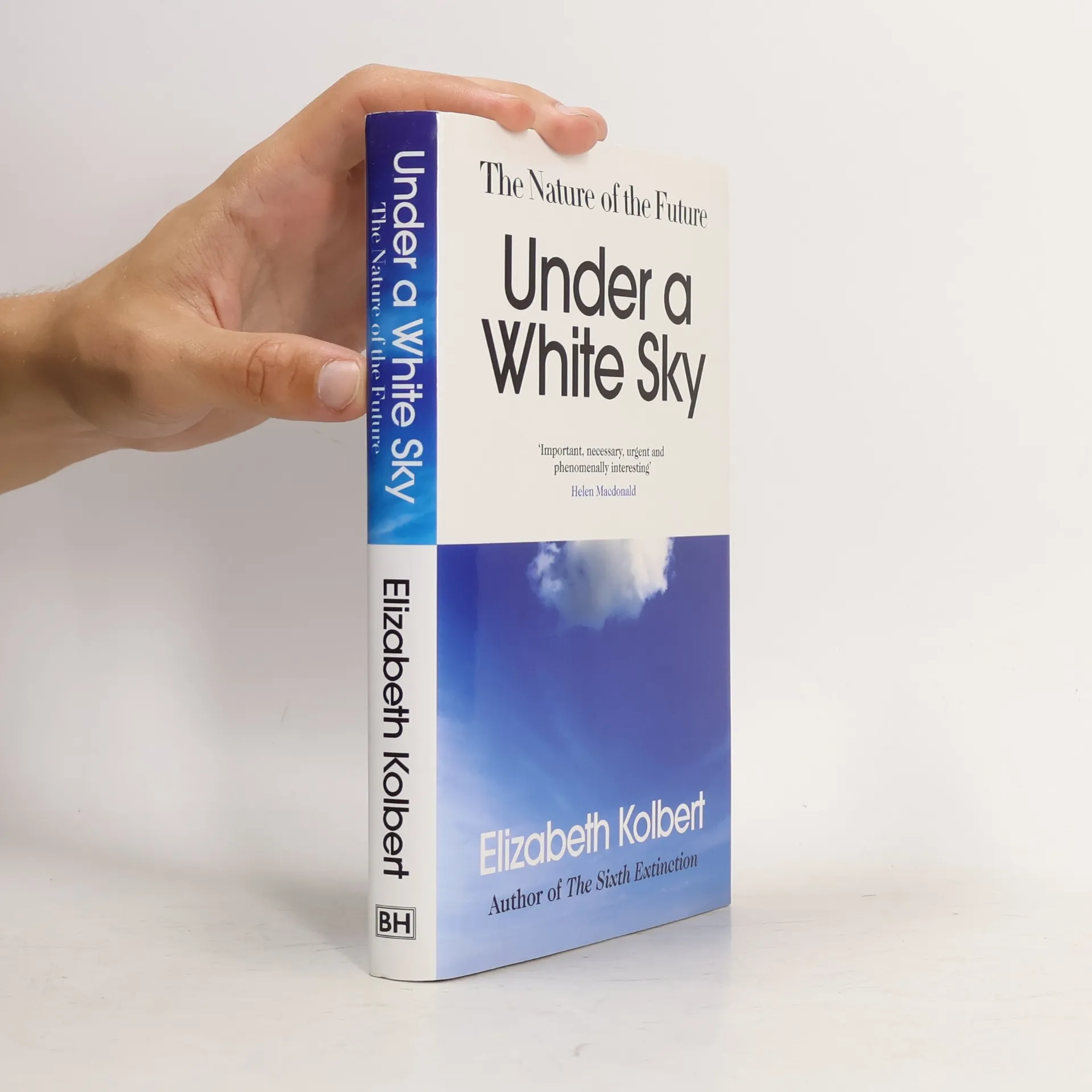
Now she investigates the immense challenges humanity faces as we scramble to
reverse, in a matter of decades, the effects we've had on the atmosphere, the
oceans, the world's forests and rivers - on the very topography of the globe.
In Under a White Sky, she takes a hard look at the new world we are creating.
Exploring humanity's profound influence on the environment, the author examines the possibility of reversing ecological damage through intentional intervention. This thought-provoking narrative challenges readers to consider whether we can harness our capabilities to restore and preserve nature, rather than simply exploit it. With insights drawn from the author's Pulitzer Prize-winning background, the book delves into the urgent need for innovative solutions to environmental crises.
Delving into the Anthropocene, or Age of Humans, this work examines its causes and implications through diverse lenses such as anthropology, science, society, art, and economics. By integrating various perspectives, it offers a comprehensive understanding of how human activities shape the planet and our future.
With twenty-six dazzling, interwoven pieces – one for each letter of the
alphabet – Pulitzer Prize-winning author Elizabeth Kolbert creates an
alternately hopeful and alarming manifesto on the climate crisis.
The book jacket design by art director Susanna Dulkinys conveys Elizabeth Kolbert's message through a pattern of life forms, contrasted with distorted elements in acid green to symbolize change and destruction. The typeface FF Hertz is used for its uni-width feature, while Christoph Koeberlin's Fabrikat serves for titles and headings, reflecting geometric design.
Dirty Oil and the Future of a Continent, Revised and Updated Edition
280 páginas
10 horas de lectura
Tar Sands critically examines the frenzied development in the Canadian tar sands and the far-reaching implications for all of North America. Bitumen, the sticky stuff that ancients used to glue the Tower of Babel together, is the world’s most expensive hydrocarbon. This difficult-to-find resource has made Canada the number-one supplier of oil to the United States, and every major oil company now owns a lease in the Alberta tar sands. The region has become a global Deadwood, complete with rapturous engineers, cut-throat cocaine dealers, Muslim extremists, and a huge population of homeless individuals. In this award-winning book, a Canadian bestseller, journalist Andrew Nikiforuk exposes the disastrous environmental, social, and political costs of the tar sands, arguing forcefully for change. This updated edition includes new chapters on the most energy-inefficient tar sands projects (the steam plants), as well as new material on the controversial carbon cemeteries and nuclear proposals to accelerate bitumen production.
To be a well-informed citizen of Planet Earth, you need to read Elizabeth Kolbert. One of our most influential environmental writers, Kolbert compiles her urgent reporting and insights from the frontlines of the climate crisis. Traveling to the most affected corners of the globe, she reveals a world that is both dangerously fragile and remarkably resilient—showcasing Greenland's melting ice sheets, Utah's shrinking lakes, New Zealand's protected mountaintops, and Europe's regenerated plains. Along the journey, we encounter newly discovered species and the last survivors of others, learning how to bring animals back from the brink of extinction. The power of rewilding is highlighted, reminding us of the wonders of our natural world. Kolbert introduces us to dedicated individuals steering us toward a better future: scientists using AI to communicate with whales, activists advocating for nature's rights, and ordinary people like the Samsø islanders living carbon-neutral lives. The climate crisis is the defining challenge of our age, with threats to our planet intensifying. Now is the time to deepen our understanding of this incredible world at risk and to act while we still can. Kolbert is recognized as the premier chronicler of humanity's thoughtless destruction of our habitat.
Wie der Mensch die Natur der Zukunft erschafft | Das neue Buch der Pulitzer-Preisträgerin
239 páginas
9 horas de lectura
Das Klima verändert sich, weil wir das Klima verändern. So tiefgreifend beeinflusst unser Handeln den Planeten, dass Wissenschaftler vom Erdzeitalter des Menschen sprechen, dem Anthropozän. Wir stehen vor einem Dilemma: Unsere Eingriffe in die Umwelt haben uns an einen Punkt geführt, an dem weitere Interventionen womöglich die letzte Hoffnung im Kampf gegen die globale Erderwärmung sind. Vielleicht sind sie aber auch der letzte Schritt auf dem Weg in die Klimakatastrophe. In ihrem neuen Buch gewährt uns Elizabeth Kolbert einen Blick auf die Natur der Zukunft. Die Pulitzer-Preisträgerin erzählt von Ingenieuren, die mit aberwitzigen Folgen für das Ökosystem den Verlauf von Flüssen ändern oder ganze Küstenstreifen vor dem ansteigenden Meerwasser schützen. Sie trifft Biologen, die den Teufelskärpfling, den wohl seltensten Fisch der Erde, retten wollen, und sie berichtet von den kühnen Plänen, CO2 aus der Luft zu saugen oder winzig kleine Diamanten in der Stratosphäre zu verteilen.