Compra 10 libros por 10 € aquí!
Bookbot

Richard Sennett

    1 de enero de 1943

    Richard Sennett ha explorado cómo los individuos y grupos dan sentido social y cultural a los hechos materiales — sobre las ciudades en las que viven y el trabajo que realizan. Se centra en cómo las personas pueden convertirse en intérpretes competentes de su propia experiencia, a pesar de los obstáculos que la sociedad pueda interponer en su camino. Como analista social, Sennett continúa la tradición pragmatista iniciada por William James y John Dewey. Investiga la formación de la identidad en el entorno urbano, analiza cómo el capitalismo moderno transforma la vida de los trabajadores y examina las consecuencias para la responsabilidad, la cooperación y la artesanía.

    Richard Sennett
    Building and dwelling : ethics for the city
    The Fall of Public Man
    The Hidden Injuries of Class
    Authority
    Conversations with Richard Sennett
    Democracy and Urban Form
    • Democracy and Urban Form

      • 264 páginas
      • 10 horas de lectura

      Exploring the relationship between architecture and democracy, the book revisits Richard Sennett's 1981 lectures, emphasizing how urban design can influence public discourse. It argues that cities have the potential to either foster or hinder democratic engagement. With contemporary political polarization in mind, the text examines how thoughtful architectural choices can enhance civic dialogue and participation, highlighting the enduring significance of these ideas in today's context.

      Democracy and Urban Form
    • Authority

      • 224 páginas
      • 8 horas de lectura

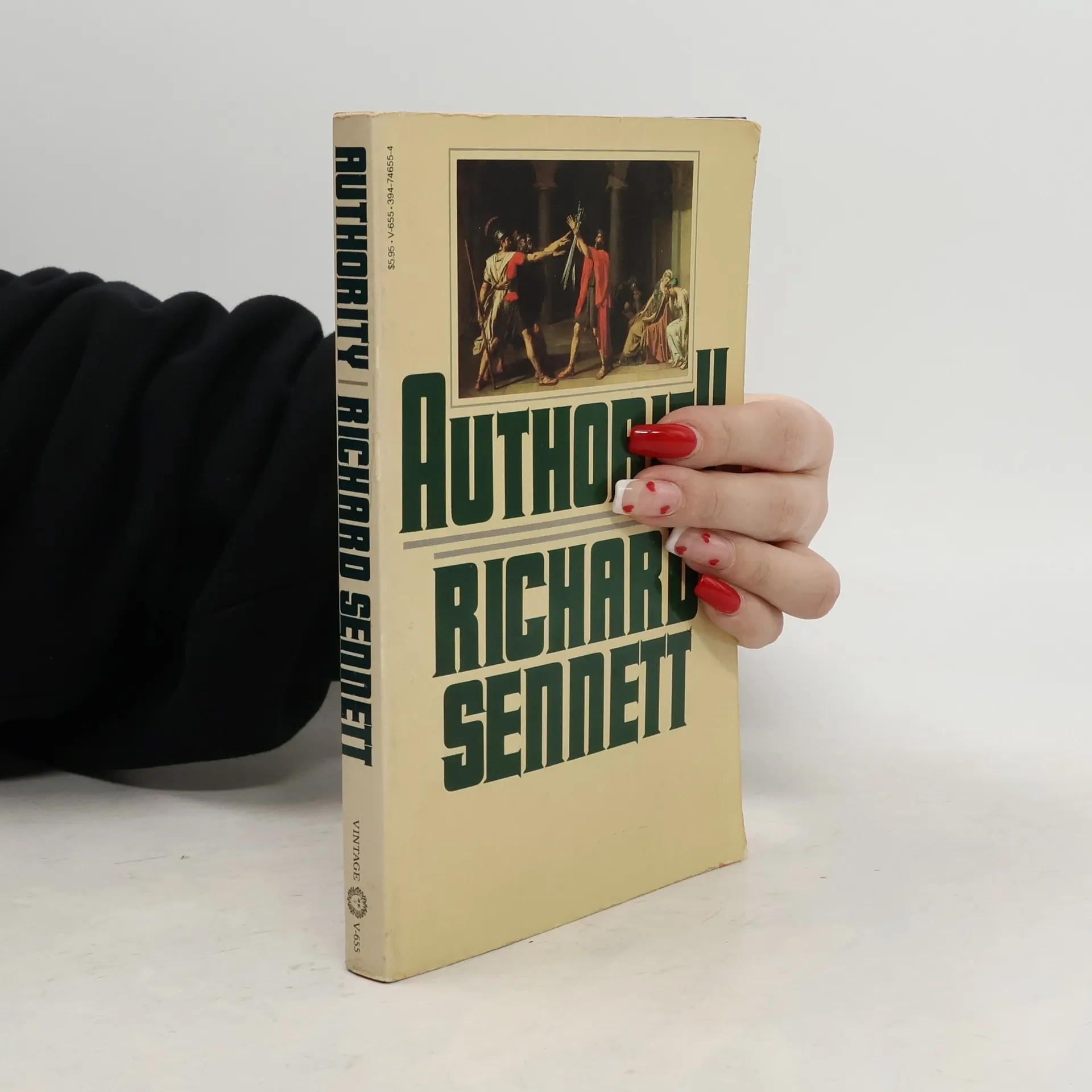
      A master of the interplay between politics and psychology, Richard Sennett here analyzes the nature, the role, and the faces of authority—authority in personal life, in the public realm, authority as an idea. Why have we become so afraid of authority? What real needs for authority do we have—for guidance, stability, images of strength? What happens when our fear of and our need for authority come into conflict? In exploring these questions, Sennett examines traditional forms of authority (The father’s in the family, the lord’s in society) and the dominant contemporary styles of authority, and he shows how our needs for, no less than our resistance to, authority have been shaped by history and culture, as well as by psychological disposition.

      Authority
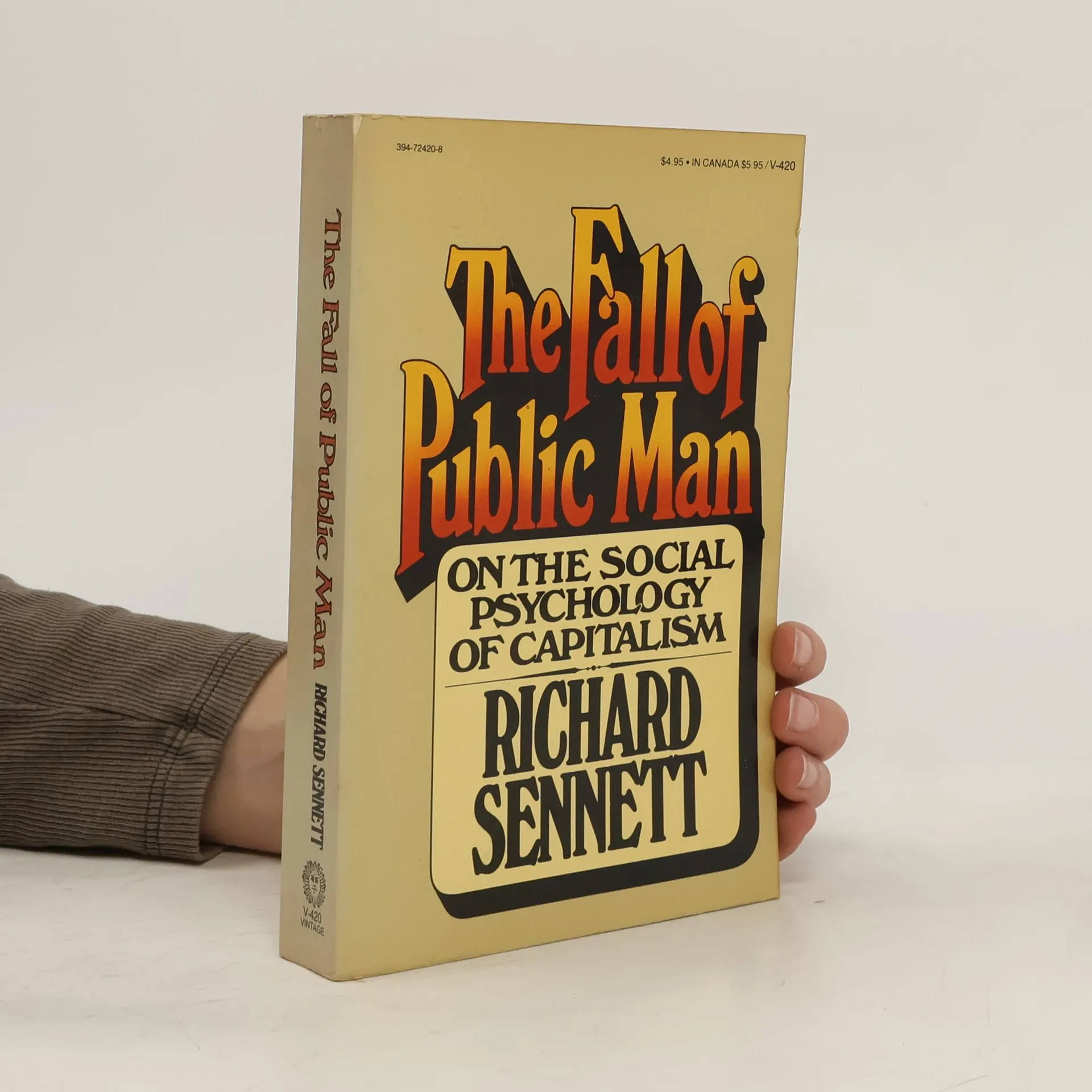
    • Richard Sennett's The Fall of Public Man examines the growing imbalance between private and public experience, and asks what can bring us to reconnect with our communities. Are we now so self-absorbed that we take little interest in the world beyond our own lives? Or has public life left no place for individuals to participate? Tracing the changing nature of urban society from the eighteenth century to the world we now live in, and the decline of involvement in political life in recent decades, Richard Sennett discusses the causes of our social withdrawal. His landmark study of the imbalance of modern civilization provides a fascinating perspective on the relationship between public life and the cult of the individual.

      The Fall of Public Man
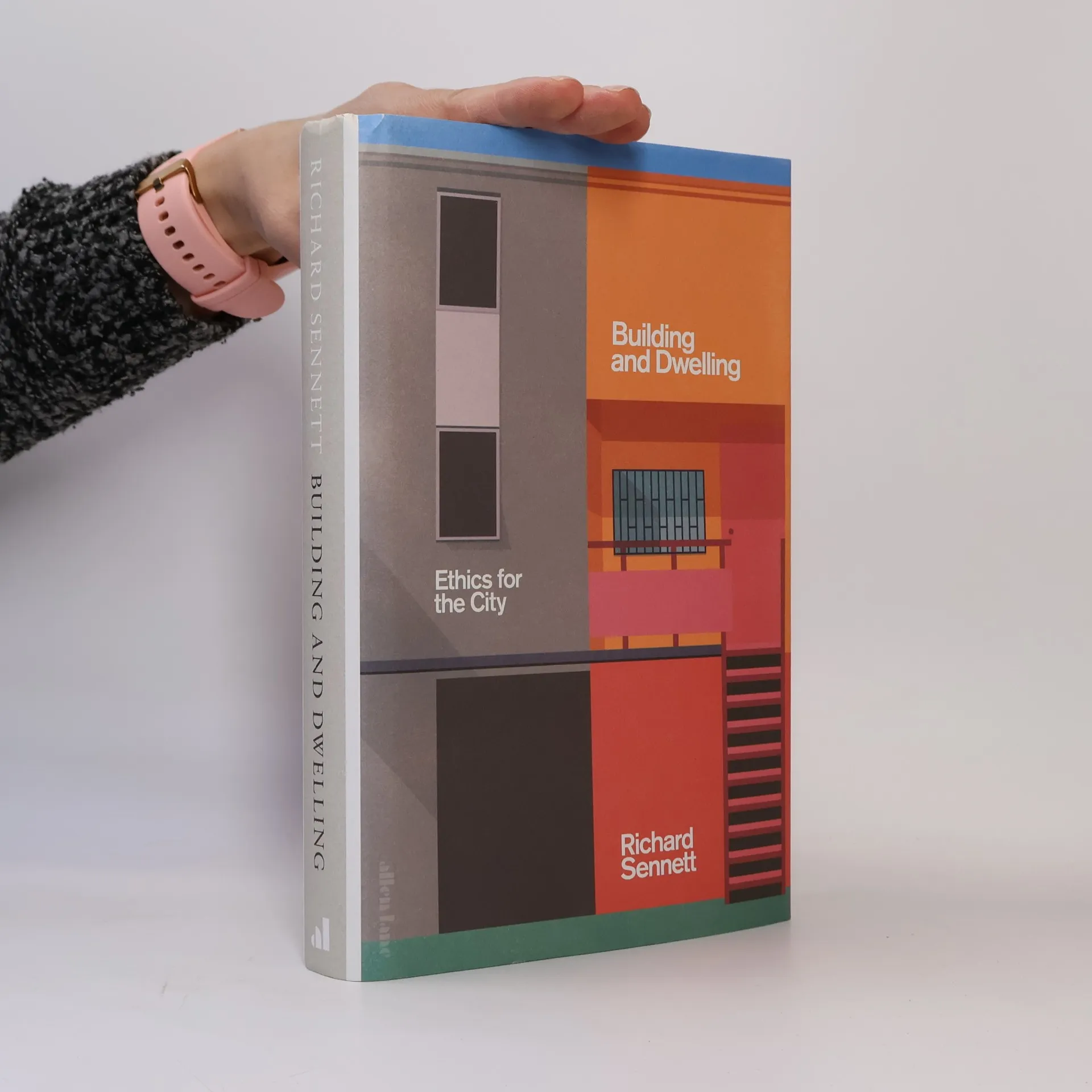
    • Building and dwelling : ethics for the city

      • 368 páginas
      • 13 horas de lectura

      "In this sweeping study, one of the world's leading thinkers about the urban environment traces the often anguished relation between how cities are built and how people live in them, from ancient Athens to twenty-first-century Shanghai. Richard Sennett shows how Paris, Barcelona and New York City assumed their modern forms ; rethinks the reputations of Jane Jacobs, Lewis Mumford and others ; and takes us on a tour of emblematic contemporary locations, from the backstreets of Medellin, Colombia, to the Google headquarters in Manhattan. Through it all, he shows how the 'closed city' - segregated, regimented, and controlled - has spread from the global North to the exploding urban agglomerations of the global South. As an alternative, he argues for the 'open city,' where citizens actively hash out their differences and planners experiment with urban forms that make it easier for residents to cope. Rich with arguments that speak directly to our moment - a time when more humans live in urban spaces than ever before - Building and Dwelling draws on Sennett's deep learning and intimate engagement with city life to form a bold and original vision for the future of cities."--[Source inconnue]

      Building and dwelling : ethics for the city
    • The Performer explores the relations between performing in art (particularly music), politics and everyday experience. It focuses on the bodily and physical dimensions of performing, rather than on words. Richard Sennett is particularly attuned to the ways in which the rituals of ordinary life are performances. The book draws on history and sociology, and more personally on the author's early career as a professional cellist, as well as on his later work as a city planner and social thinker. It traces the evolution of performing spaces in the city; the emergence of actors, musicians, and dancers as independent artists; the inequality between performer and spectator; the uneasy relations between artistic creation and social and religious ritual; the uses and abuses of acting by politicians. The Janus-faced art of performing is both destructive and civilizing. This is the first in a trilogy of books on the fundamental DNA of human expression- performing, narrating, and imaging.

      The Performer
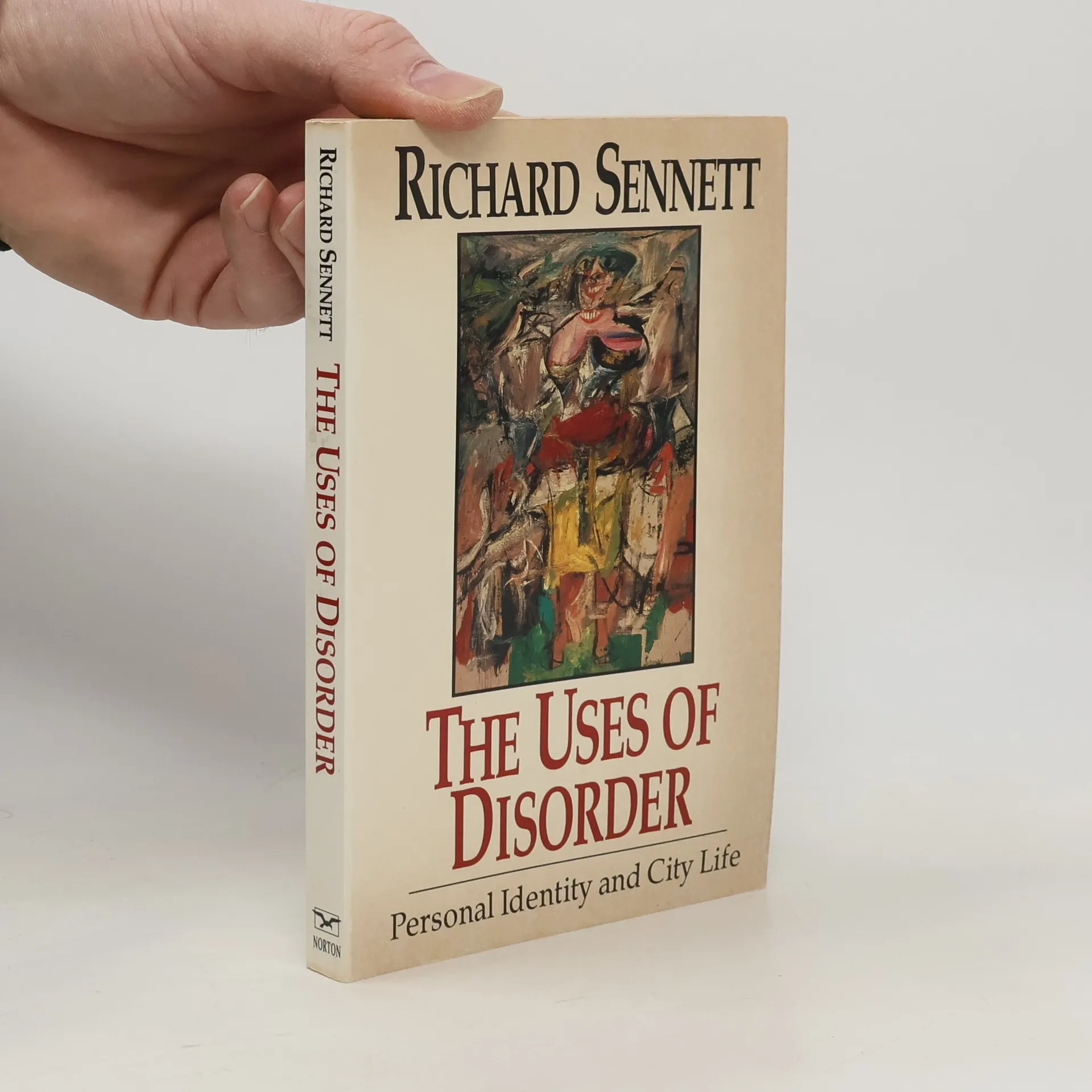
    • “[Sennett] has ended up writing the best available contemporary defense of anarchism. . . . The issues [he] raises are fundamental and profound. His book is utopian in the best sense―it tries to define a radically different future and to show that it could be constructed from the materials at hand.” –Kenneth Keniston, New York Times Book Review The distinguished social critic Richard Sennett here shows how the excessively ordered community freezes adults―both the young idealists and their security-oriented parents―into rigid attitudes that stifle personal growth. He argues that the accepted ideal of order generates patterns of behavior among the urban middle classes that are stultifying, narrow, and violence-prone. And he proposes a functioning city that can incorporate anarchy, diversity, and creative disorder to bring into being adults who can openly respond to and deal with the challenges of life.

      The Uses of Disorder. Personal Identity and City Life
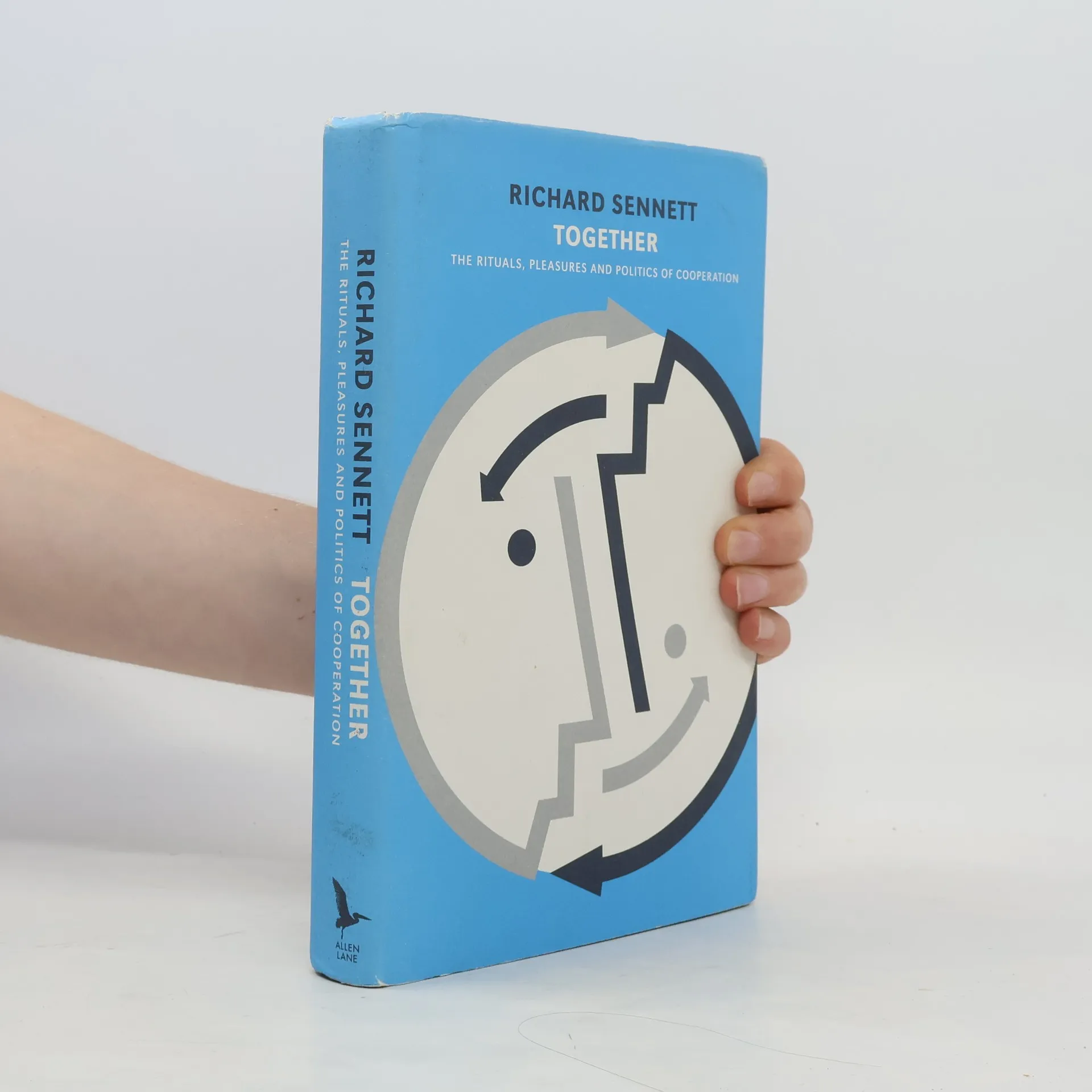
    • Together

      The Rituals, Pleasures and Politics of Cooperation

      • 336 páginas
      • 12 horas de lectura

      Living with people who differ—racially, ethnically, religiously, or economically—is the most urgent challenge facing civil society today. We tend socially to avoid engaging with people unlike ourselves, and modern politics encourages the politics of the tribe rather than of the city. In this thought-provoking book, Richard Sennett discusses why this has happened and what might be done about it. Sennett contends that cooperation is a craft, and the foundations for skillful cooperation lie in learning to listen well and discuss rather than debate. In Together he explores how people can cooperate online, on street corners, in schools, at work, and in local politics. He traces the evolution of cooperative rituals from medieval times to today, and in situations as diverse as slave communities, socialist groups in Paris, and workers on Wall Street. Divided into three parts, the book addresses the nature of cooperation, why it has become weak, and how it could be strengthened. The author warns that we must learn the craft of cooperation if we are to make our complex society prosper, yet he reassures us that we can do this, for the capacity for cooperation is embedded in human nature.

      Together