Brian Moore creó una obra prolífica que profundiza en temas de identidad, fe y alienación. Sus novelas, que navegan con fluidez entre el realismo, escenarios históricos y toques de lo fantástico, capturan las complejidades de la psique humana. Moore explora frecuentemente estados de desarraigo, ya sea arraigados en la convicción religiosa o en la búsqueda de un hogar en un mundo en constante expansión y diversidad. Su escritura se caracteriza por una profunda perspicacia y una voz narrativa distintiva.
When Judith Hearne moves into her new lodgings, she meets James Madden, recently returned from New York, where he was "in the hotel business right on Times Square". Is she too late for love - or dare she let herself hope? Soon reality and fantasy become hopelessly mixed.
Diarmuid Devine is a teacher, and bachelor, destined for a lifetime of loneliness. One day he overhears a colleague mocking his sexual inexperience then he meets Una and a possible future appears. Set in an oppressive Belfast, stifled by religion and the conformity it imposes, Brian Moore explores the innocence, misunderstanding and consequences of Devines relationship with Una until rejection and the fear of scandal forces him to choose how he will live the rest of his life.
Father Paul Michel, a Canadian missionary on the poor Caribbean island of Ganae, rescues a little local boy from abject poverty, and sets him on the road towards a dramatic and dangerous future as a revolutionary priest and, later, as the first democratically elected leader in a land of dictators.
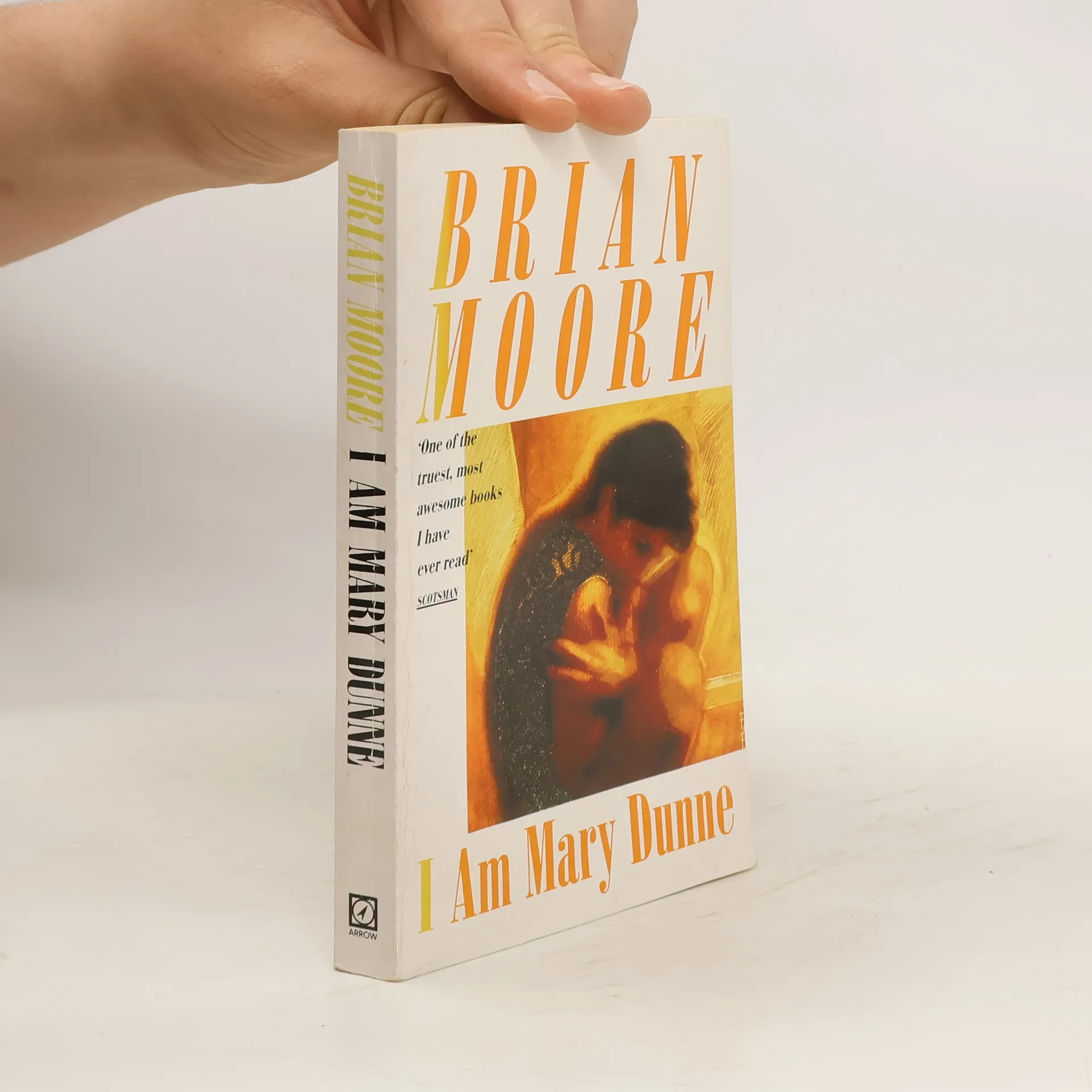
A novel of female sexuality. Mary Lavery lives in New York, happily married to a distinguished British playwright, but there have been two previous husbands and a passionate Catholic girlhood. So who is Mary Lavery, nee Dunne? The author's successes include the W.H. Smith Literary Award.
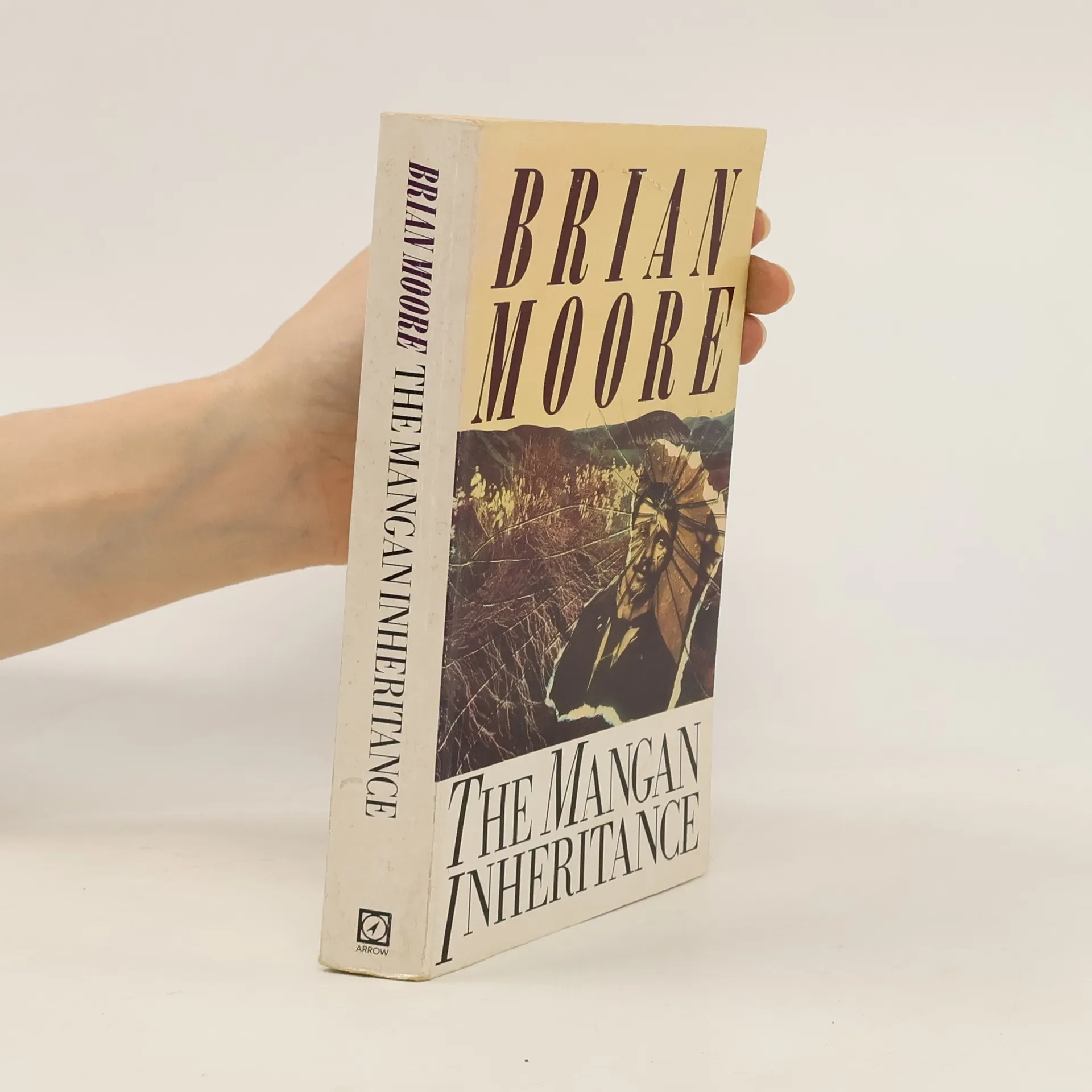
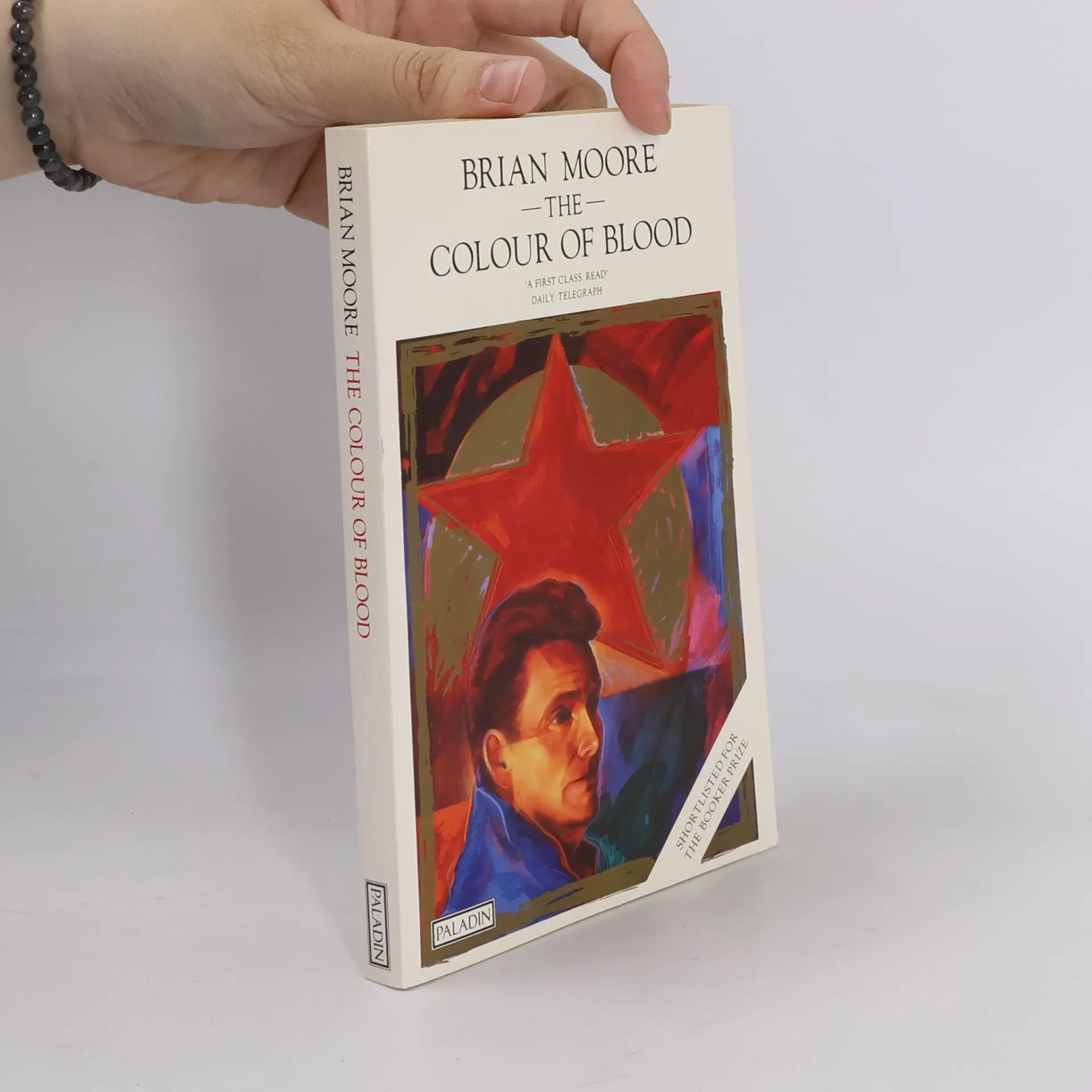
Moore's suave professionalism elevates this lightweight, contrived search-for-identity novel. Jamie Mangan, a 36-year-old Canadian cub reporter and poet, inherits a fortune after the tragic death of his film star wife, Beatrice Abbot, who had recently left him for another man. Having spent years as "Mr. Beatrice Abbot" and feeling like a cuckold, Jamie desperately needs to reclaim his identity. Upon returning to Montreal, he discovers family documents, including a photograph of James Clarence Mangan, a 19th-century Irish poet who resembles him. This revelation prompts Jamie to travel to Ireland in search of personal identity. In the town of Dinshane, he encounters various Mangans, divided into two distinct groups: black sheep and white. The narrative unfolds as Jamie seeks to understand the origins of this behavioral divide, leading to revelations of incest, past traumas, and madness. While the plot may seem far-fetched, Moore's smooth storytelling engages readers throughout. The narrative's charm and the sentimental conclusion provide enjoyment, but the overall impact remains light and lacks depth.
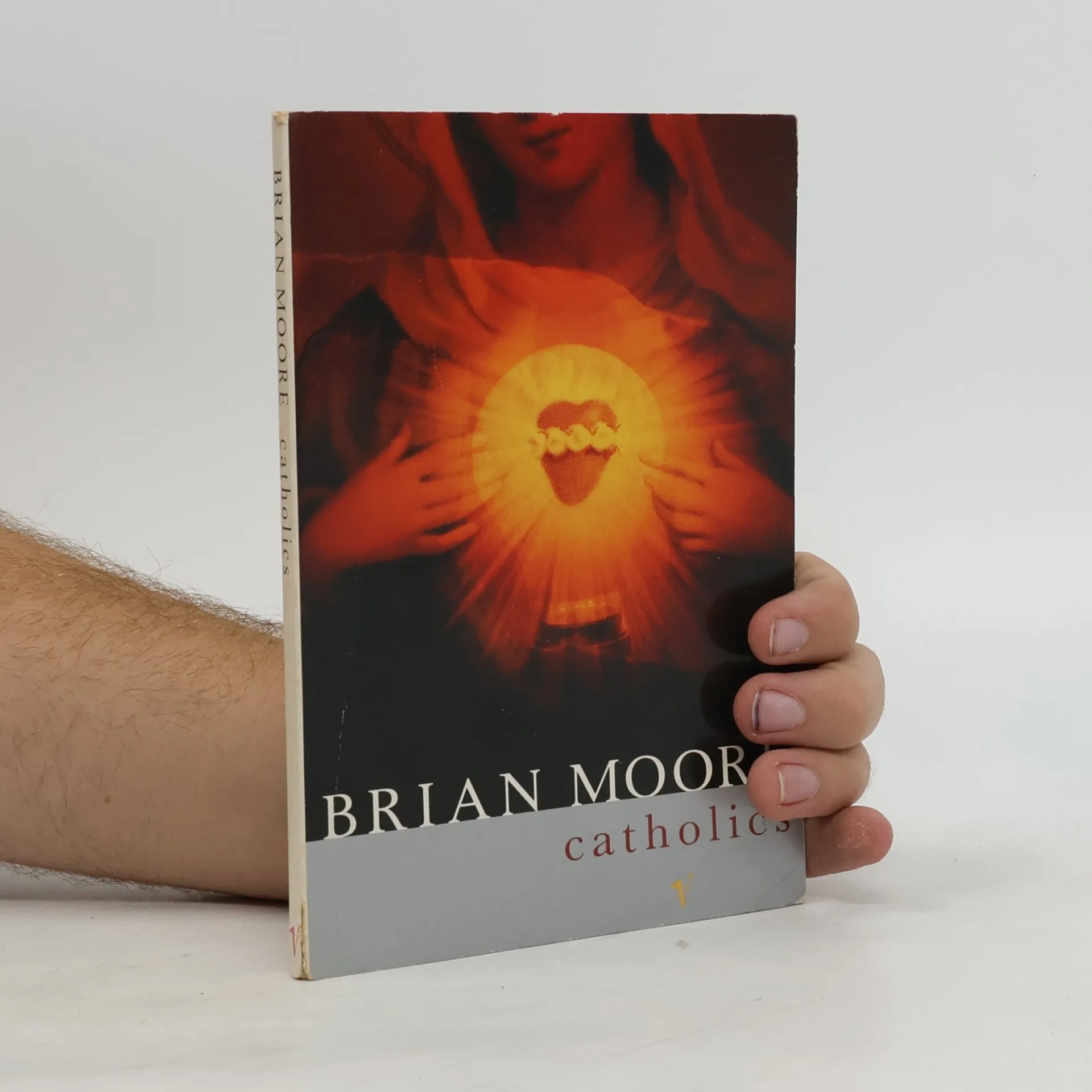
"The story is told with . . . superb grace and wit."--The New Yorker "If reading it upsets you, do not be surprised. . . . Moore has eliminated our standard escapes from God--a secularized Kingdom or a romanticized past."--America "A neat and striking story."--Times Literary Supplement In the not-too-distant future, the Fourth Vatican Council has abolished private confession, clerical dress, and the Latin Mass, and opened discussions about a merger with Buddhism. Authorities in Rome are embarrassed by publicity surrounding a group of monks who stubbornly celebrate the old Mass in their island abbey off the coast of Ireland. The clever, assured Father James Kinsella is dispatched to set things right. At Muck Abbey he meets Abbot Tomás, a man plagued by doubt who nevertheless leads his monks in the old ways. In the hands of the masterly Brian Moore, their confrontation becomes a subtle, provocative parable of doubt and faith. Loyola Classics are new editions of acclaimed Catholic novels.
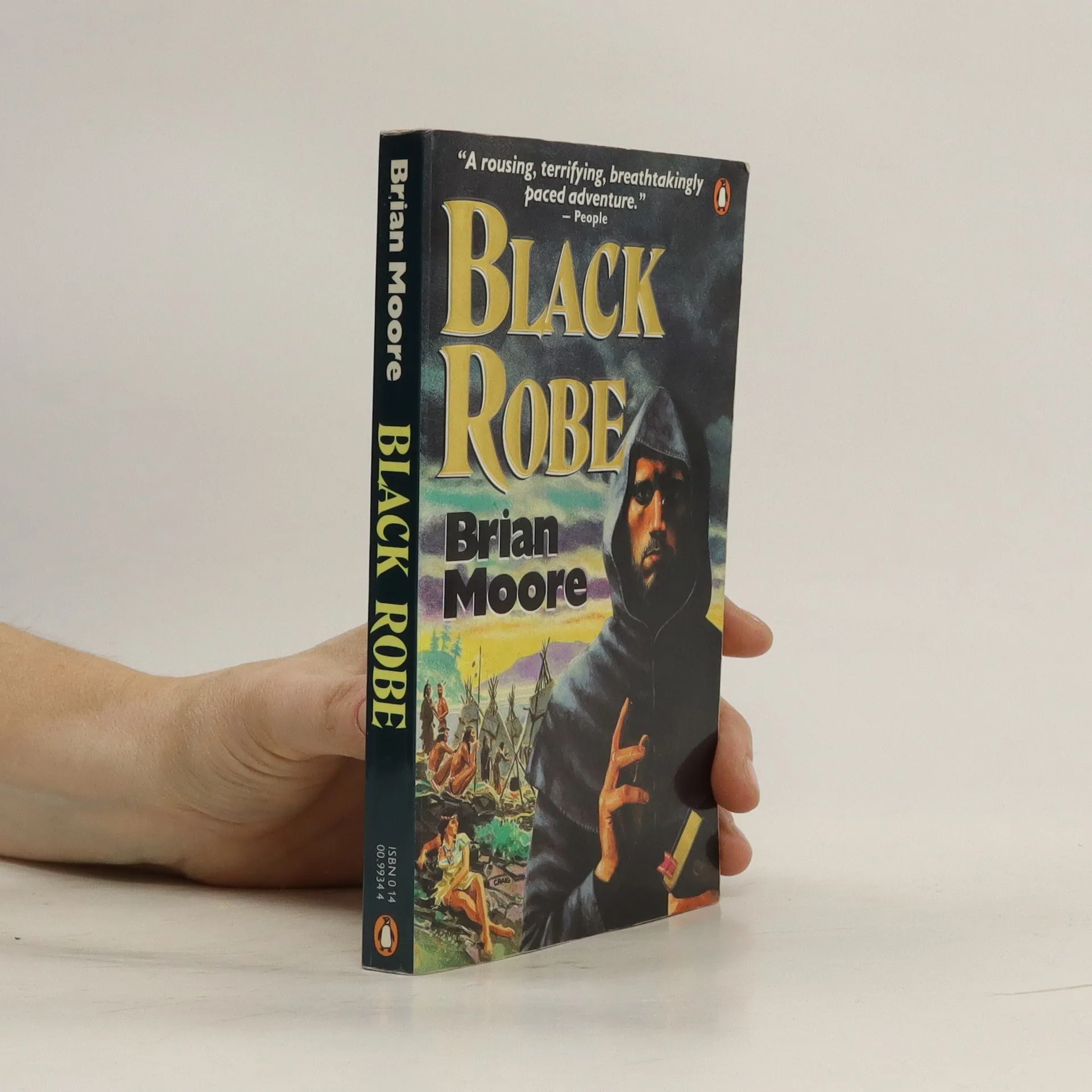
His name is Father Laforgue, a young Jesuit missionary come from Europe to the New World to bring the word of God to the heathen. He is given minimal aid by the governor of the vast territory that is proudly named New France but is in reality still ruled by the Huron, Iroquois, and Algonkin tribes who have roamed it since the dawn of time and whom the French call Savages. His mission is to reach and bring salvation to an isolatied Huron tribe decimated by disease in the far north before incoming winter closes off his path to them. His guides are a group of Savages who mock his faith and their pledges even as they accept muskets as their payment. Father Laforgue is about to enter a world of pagan power and sexual license, awesome courage and terrible cruelty, that will test him to the breaking point as both a man and a priest, and alter him in ways he cannot dream. In weaving a tautly suspenseful tale of physical and spiritual adventure in a wilderness frontier on the cusp of change, Brian Moore has written a novel that rivals Joseph Conrad's Heart of Darkness in its exploration of the confrontation between Western ideology and native peoples, and its meditation upon Good and Evil in the human heart.
Awaiting her husband's arrival on holiday in France, Sheila Redden,quiet, middle-aged doctor's wife, suddenly finds herself caught up in a passionate affair with a young American, ten years her junior, this extraordinary powerful portrayal of a woman transformed by love was shortlisted for the Booker Prize.
Held against his will at a safe-house after an assassination attempt, Cardinal Bem is unsure whether his captors work for the government or for the Catholic Church