
Compra 10 libros por 10 € aquí!
Bookbot

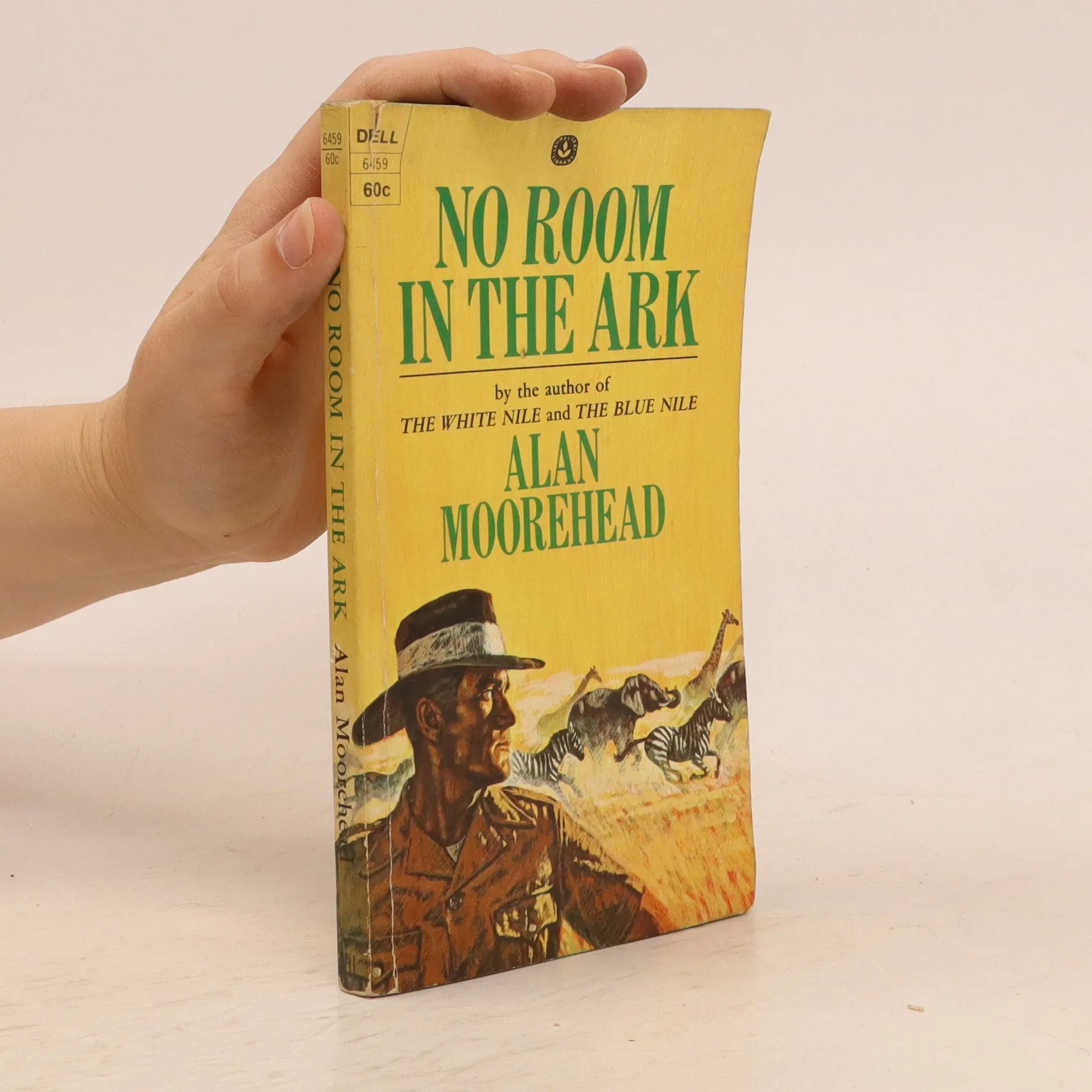
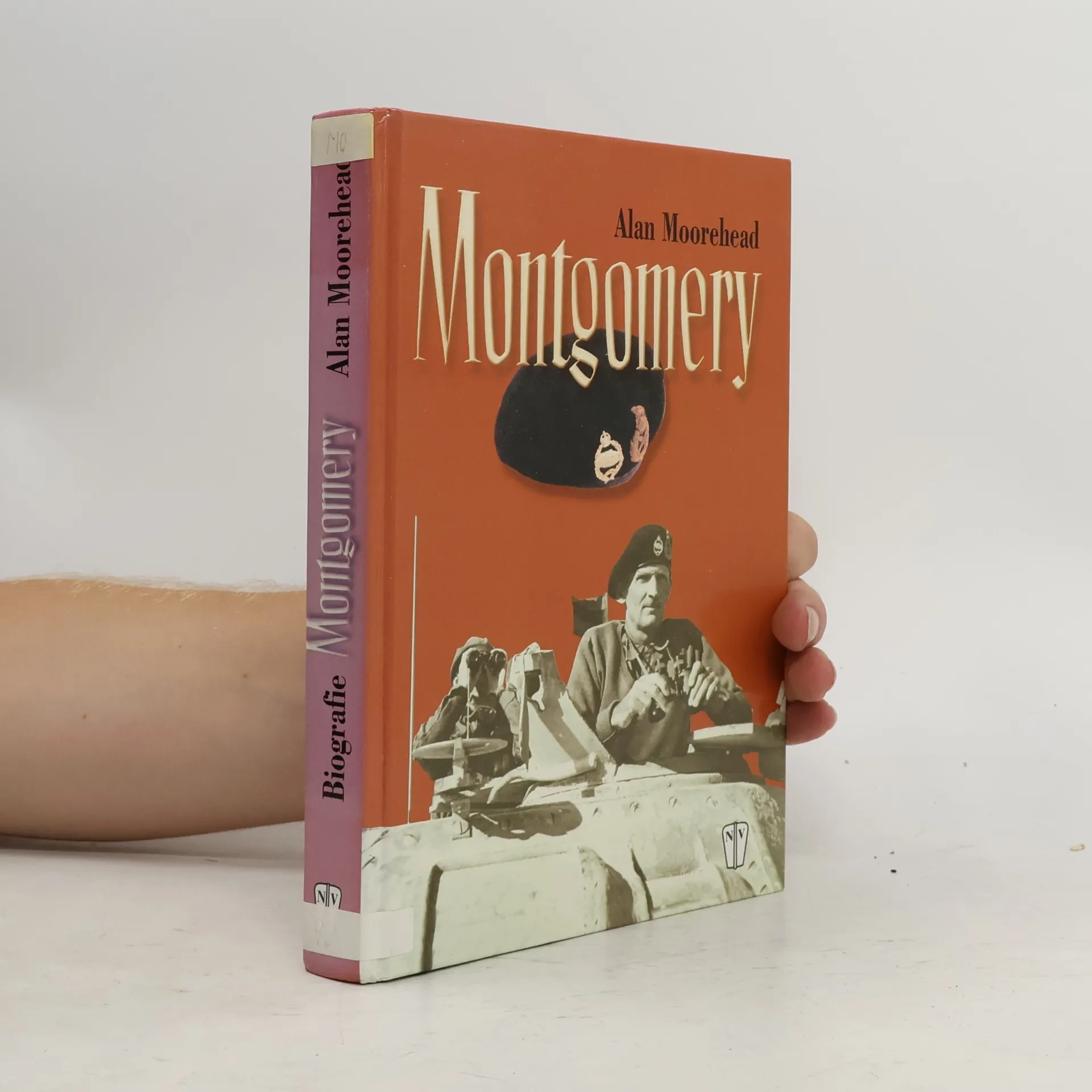
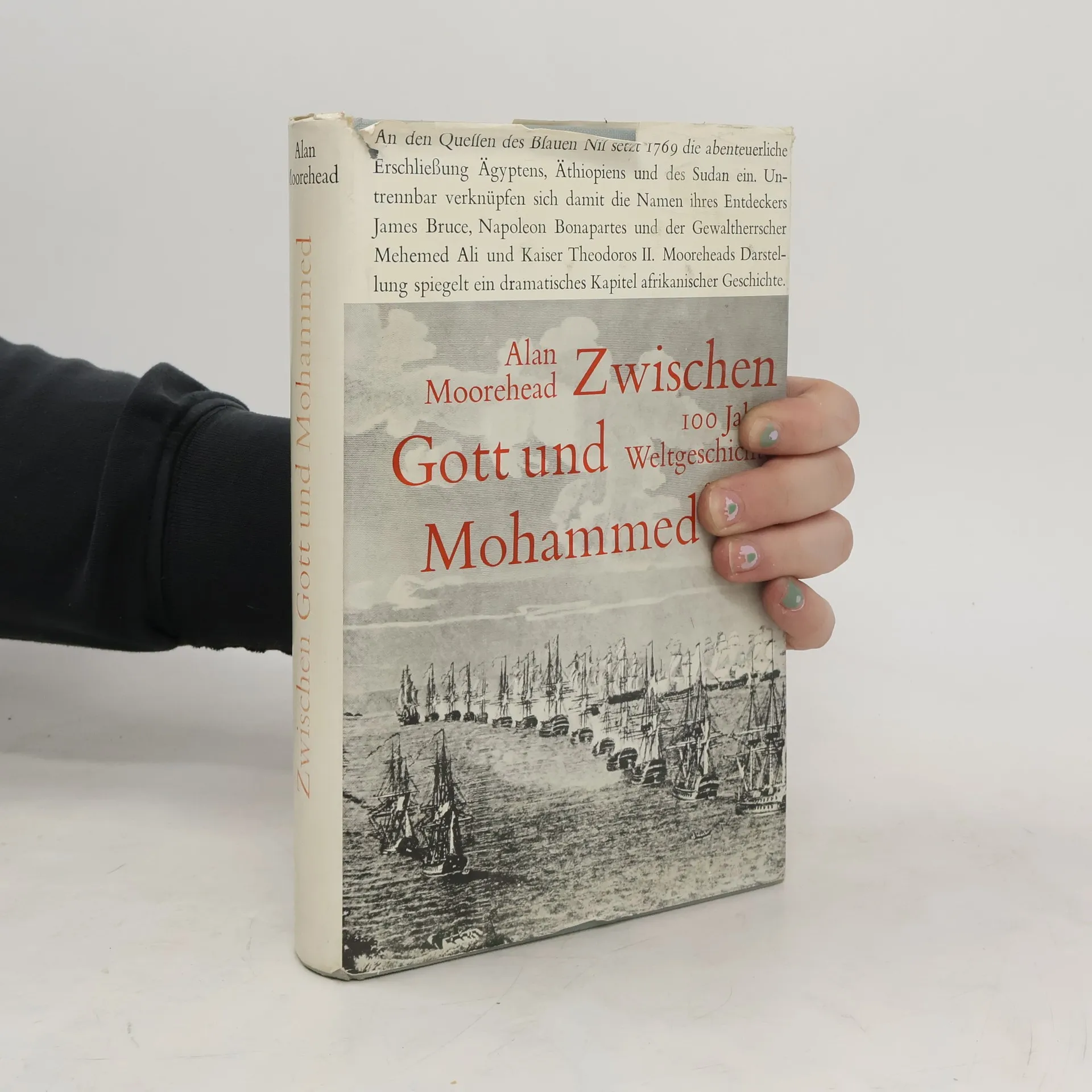
Alan Moorehead

    22 de julio de 1910 – 29 de septiembre de 1983

    Alan Moorehead fue aclamado como un hombre de letras de acción, célebre corresponsal de guerra y autor de libros galardonados. En la cúspide de su éxito, su escritura cesó abruptamente, y su eventual fallecimiento marcó la partida de una figura heroica de una era pasada. Su renombre literario fomentó amistades con personalidades destacadas y lo posicionó como un escritor de viajes estrella, conocido por sus perspicaces narrativas. Después de 1945, se dedicó a escribir libros, creando relatos cautivadores de eventos históricos y vívidos relatos de viajes que cautivaron a los lectores y obtuvieron elogios de la crítica.

    Alan Moorehead
    Cooper's Creek
    The White Nile
    The Blue Nile
    Eclipse
    Churchill
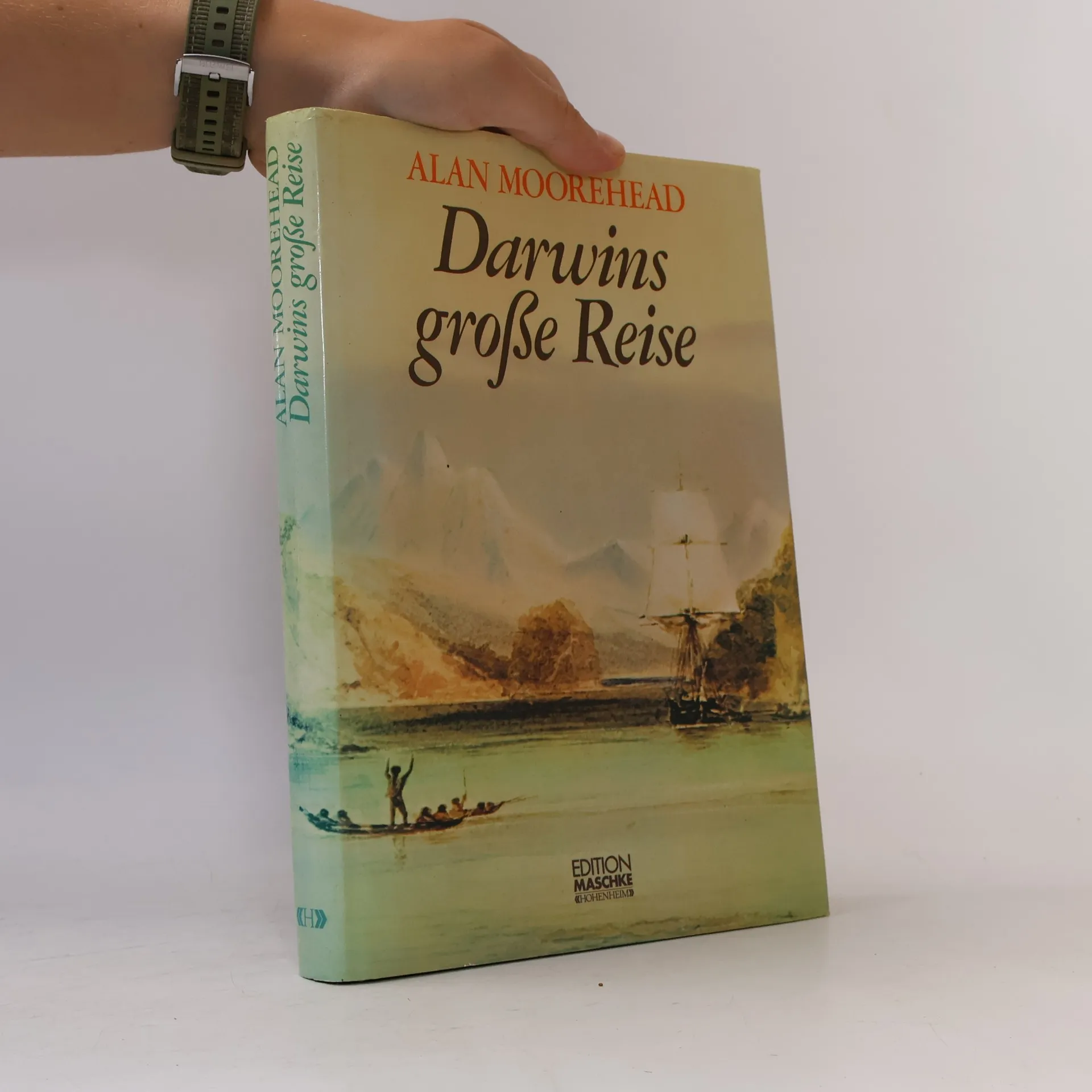
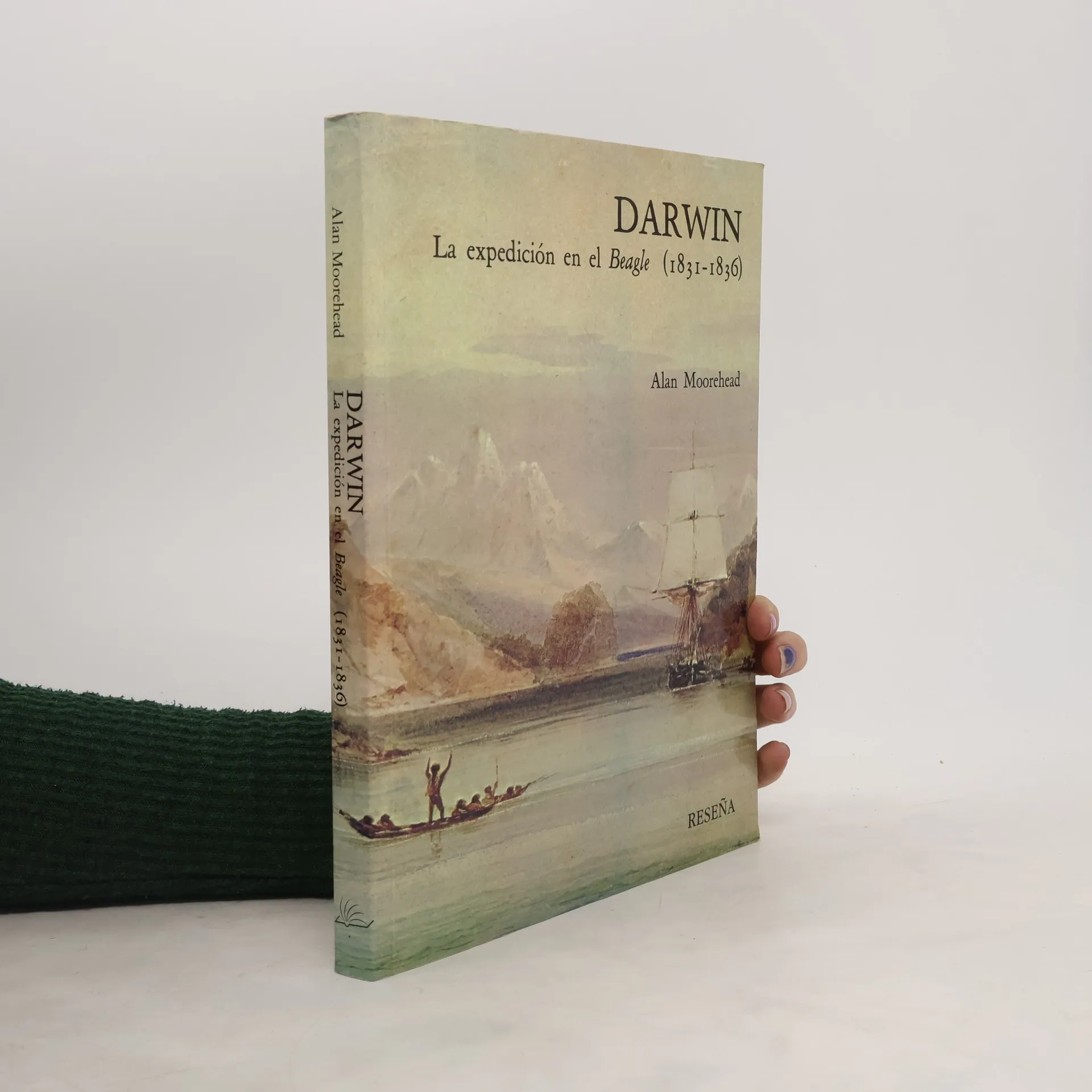
    DARWIN. La expedición en el Beagle (1831-1836)
    • En 1831 se le ofreció a Charles Darwin, que tenía a la sazón 22 años, el puesto de naturalista a bordo del "Beagle", un bergantín de diez cañones que el Almirantazgo enviaba en viaje de exploración alrededor del mundo. La expedición duró cinco años y visitó Brasil, Uruguay, Argentina, Chile, Perú, las islas Galápagos, Tahití, Nueva Zelanda, Australia y otros países e islas de paso. Además de una excitante y extraordinaria aventura, el largo periplo fue para Darwin el inicio de una concepción completamente nueva del origen y evolución de las distintas formas de vida de la Tierra que, unas décadas después, significaría una revolución de la mayor parte de las creencias tenidas hasta entonces por sagradas. En esta narración vívida y colorista del viaje, se describen los países a través de los ojos de Darwin, y las numerosas especies de animales, plantas y minerales estudiados, clasificados y coleccionados.


      DARWIN. La expedición en el Beagle (1831-1836)
    • Part of the SECOND WORLD WAR VOICES series in partnership with the podcast We Have Ways of Making You Talk, presented by comedian Al Murray and bestselling historian James Holland. With a new introduction by James Holland Eclipse was the code name given by the Allies to the occupation of Germany. Moorehead's book describes his experiences in Sicily and southern Italy in 1943, which culminated in the capture of Rome. He tells the electrifying story of D-Day, the liberation of Paris, and the Allied advance through northern France and Belgium, the crossing of the Rhine. The author reconstructs, in terrifying detail, the collapse of Germany, the wholesale destruction, mass surrenders, and the unimaginable horrors of the concentration camps.

      Eclipse
    • In the first half of the nineteenth century, only a small handful of Westerners had ventured into the regions watered by the Nile River on its long journey from Lake Tana in Abyssinia to the Mediterranean-lands that had been forgotten since Roman times, or had never been known at all. In The Blue Nile, Alan Moorehead continues the classic, thrilling narration of adventure he began in The White Nile, depicting this exotic place through the lives of four explorers so daring they can be considered among the world's original adventurers -- each acting and reacting in separate expeditions against a bewildering background of slavery and massacre, political upheaval and all-out war.

      The Blue Nile
    • The White Nile

      • 320 páginas
      • 12 horas de lectura

      The story of the Nile, from the Mountains of the Moon to the Mediterranean. The tale starts with Richard Burton and John Hanning Speke setting out to find the sources of the Nile. It continues with Baker of the Nile and his wife struggling with malaria, and of the famous greeting between Stanley and Livingstone. The book examines the results of their discoveries: the building of the Suez canal; the Khedive Ismail's appointment of Gordon as Governor-General of Sudan; and the story of the last days of Khartoum.

      The White Nile
    • Story of social and economic corruption that followed the visits of Captain Cook and other explorers who voyaged to Tahiti, Australia and the Antarctic.

      The Fatal Impact
    • Originally written in 1951, a post-World War II journey through Italy  Above Florence and the valley of the Arno stood the Villa Diana, in one of the oldest inhabited parts of Italy, at the end of an old Etruscan road that wound among olive groves and lines of cypresses. The home of Poliziano in the 15th century, it had been occupied by the troops of seven different armies during World War II but otherwise escaped damage, if one overlooked the looting of the grand piano. It was here that Alan Moorehead, known as one of the greatest correspondents of that war, moved in 1948 to travel through Italy and write this celebrated book. His experiences illustrate the issues of the day, yet surrounded as always by extreme physical beauty and governed by the rhythms of the seasons. He describes with wit such diverse matters as the daily drama of life among the servants, the reviving fortunes of Portofino, the 500-year-old horse race around the main square of Siena, the gondoliers' union in Venice, and a traffic clash between a family of pigs and a cart full of crucifixes.

      The Villa Diana