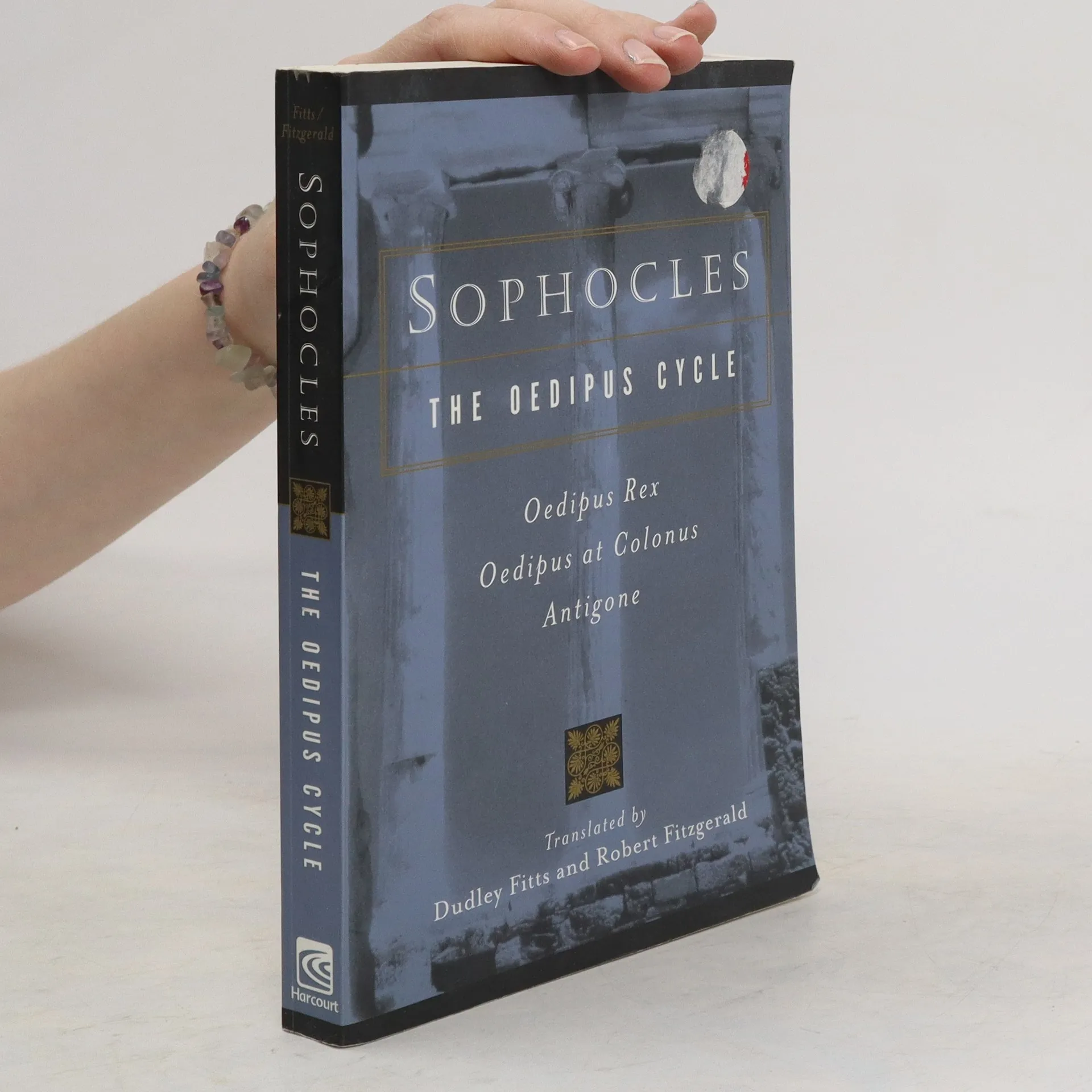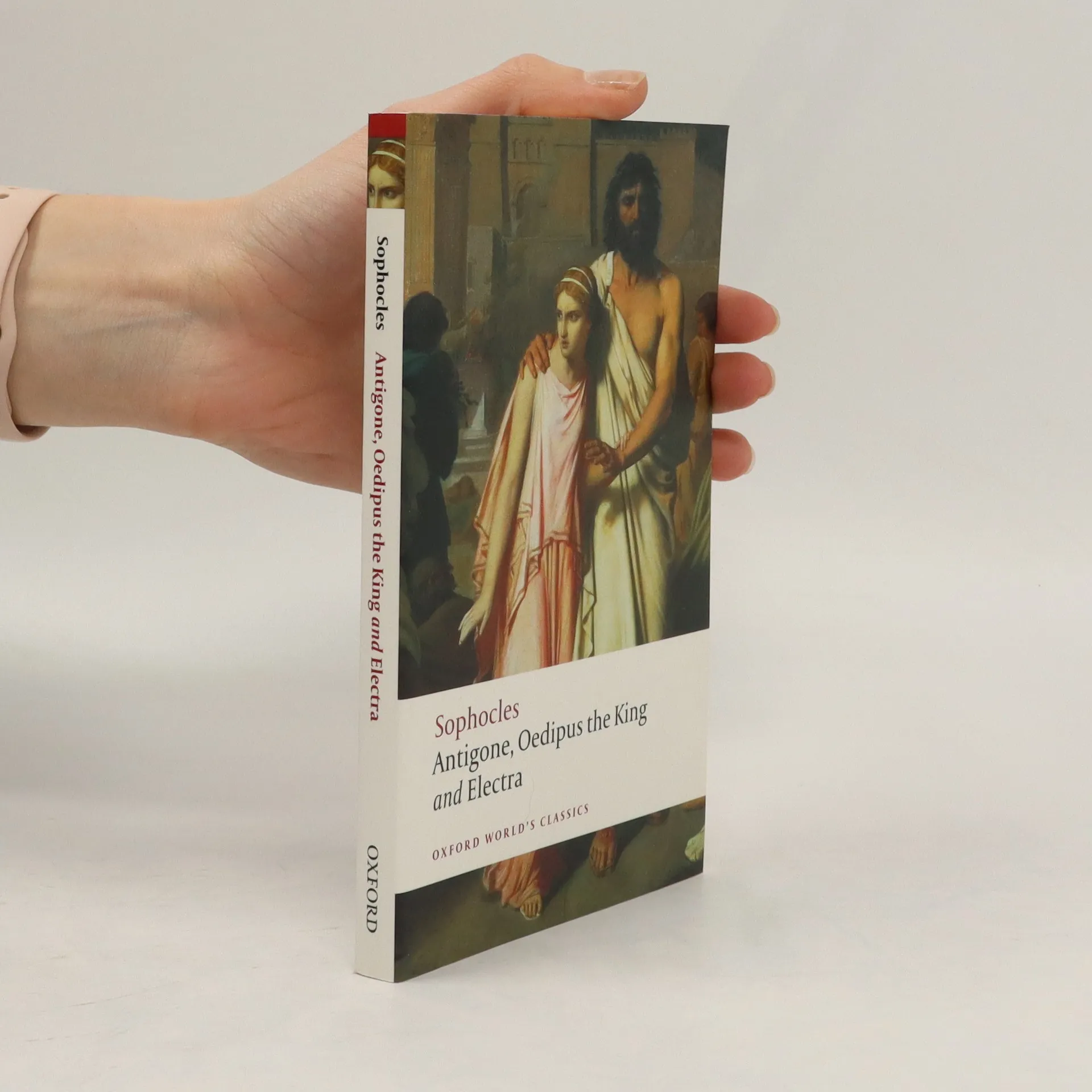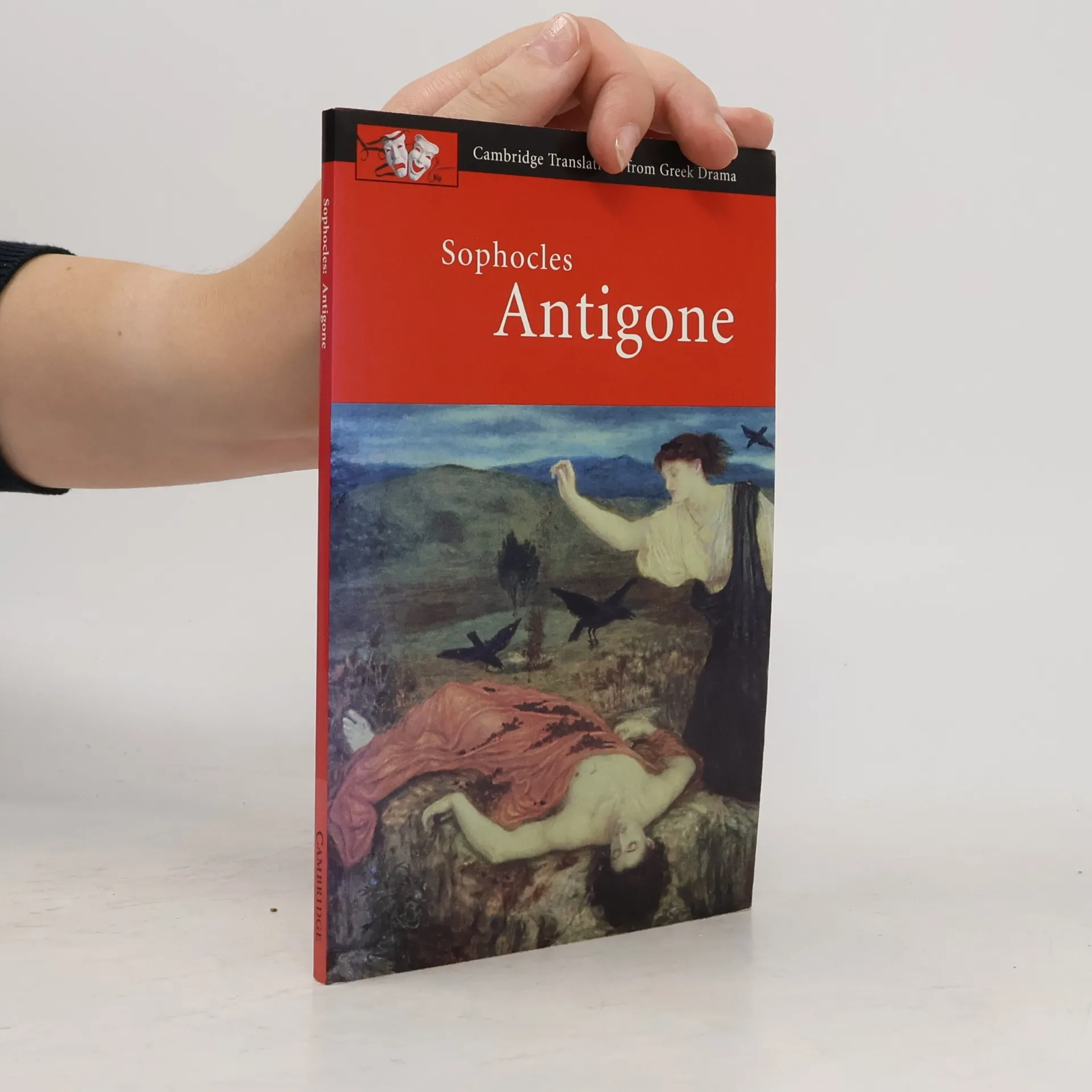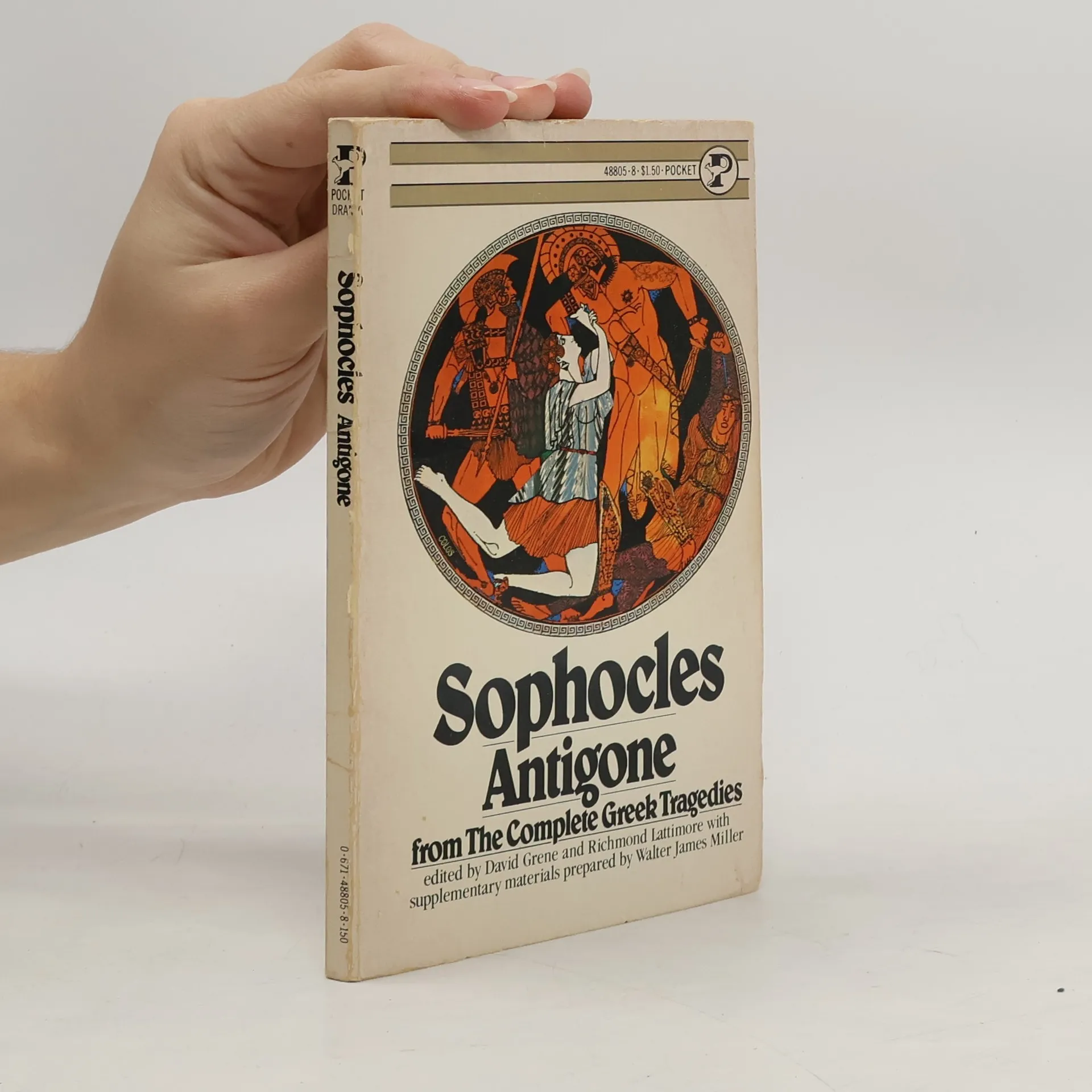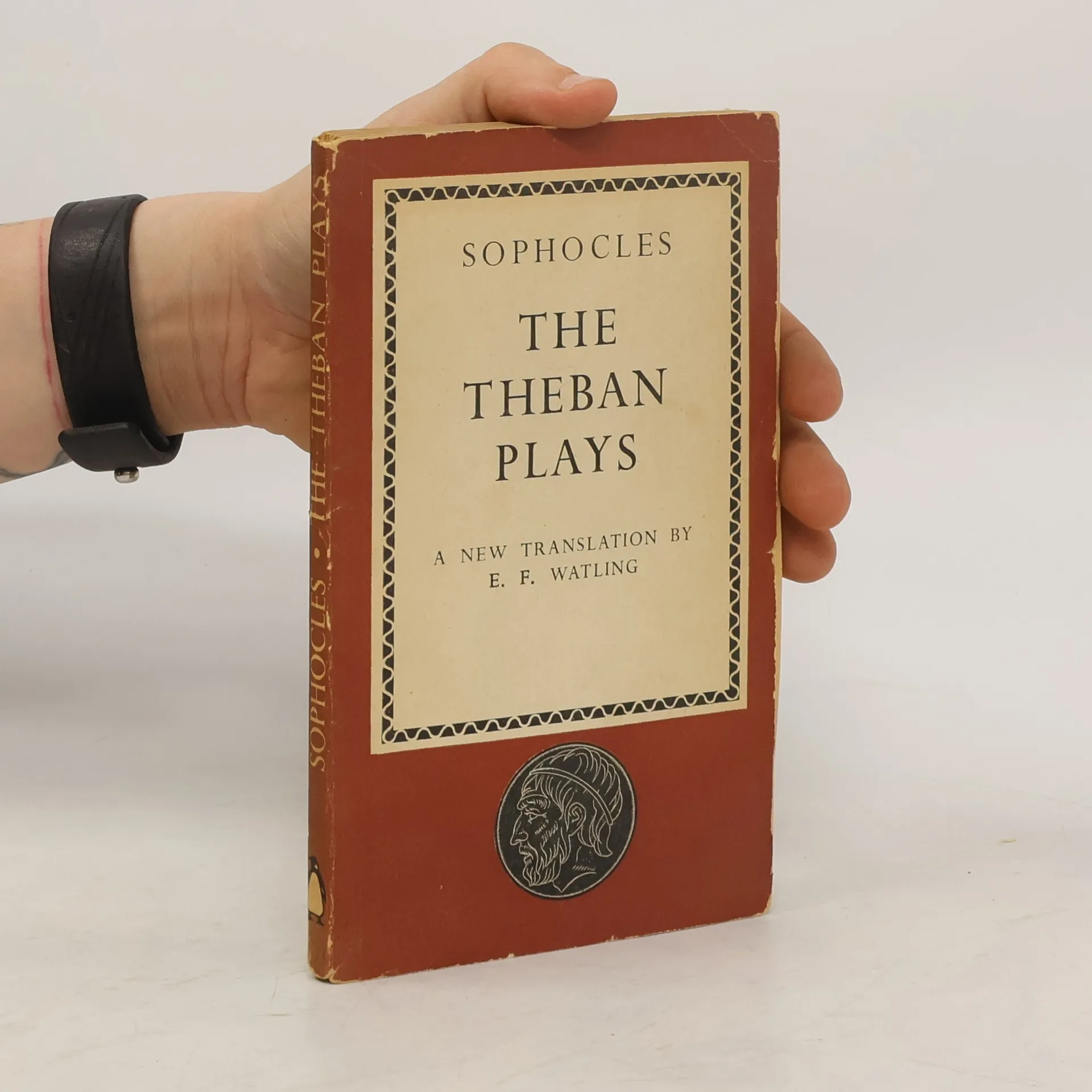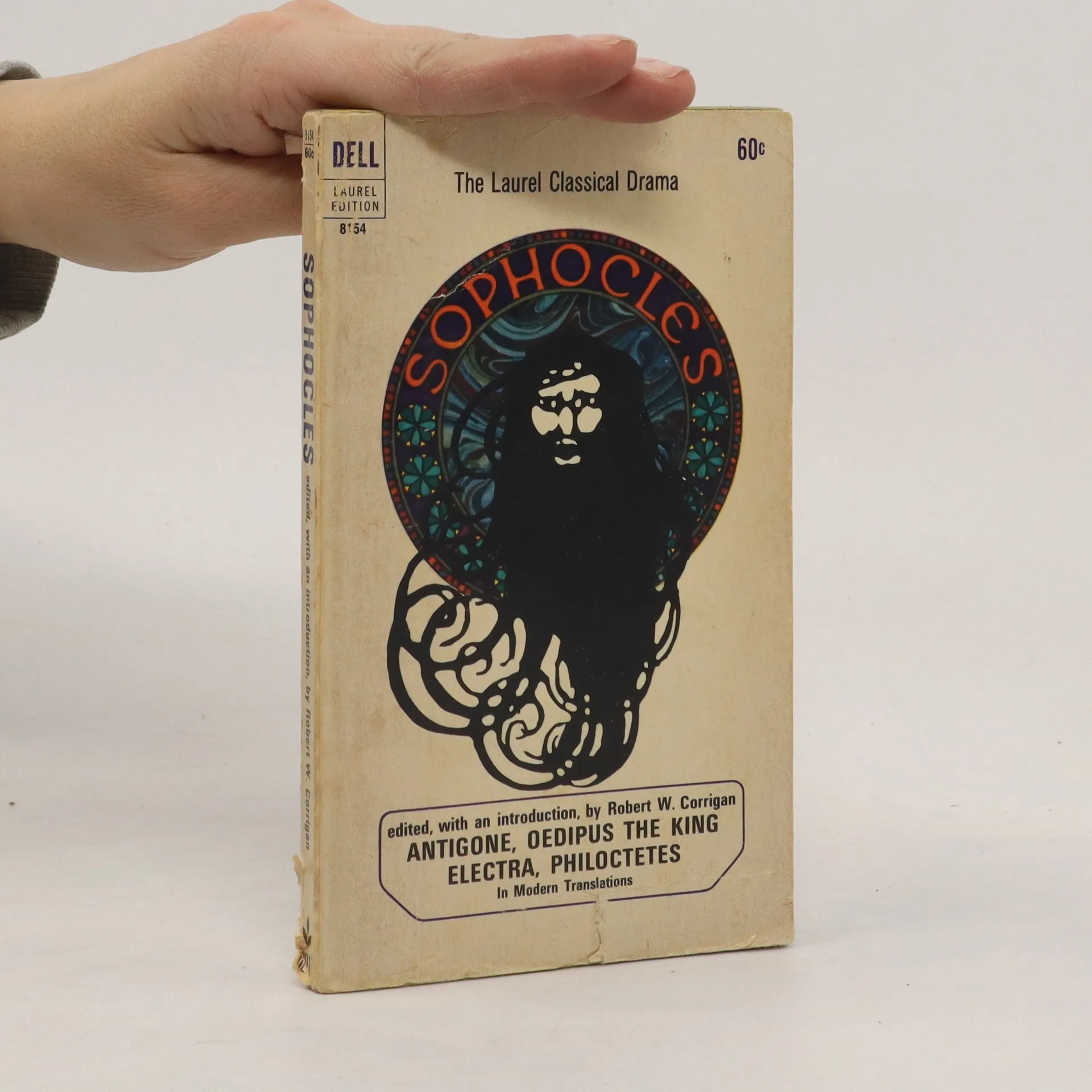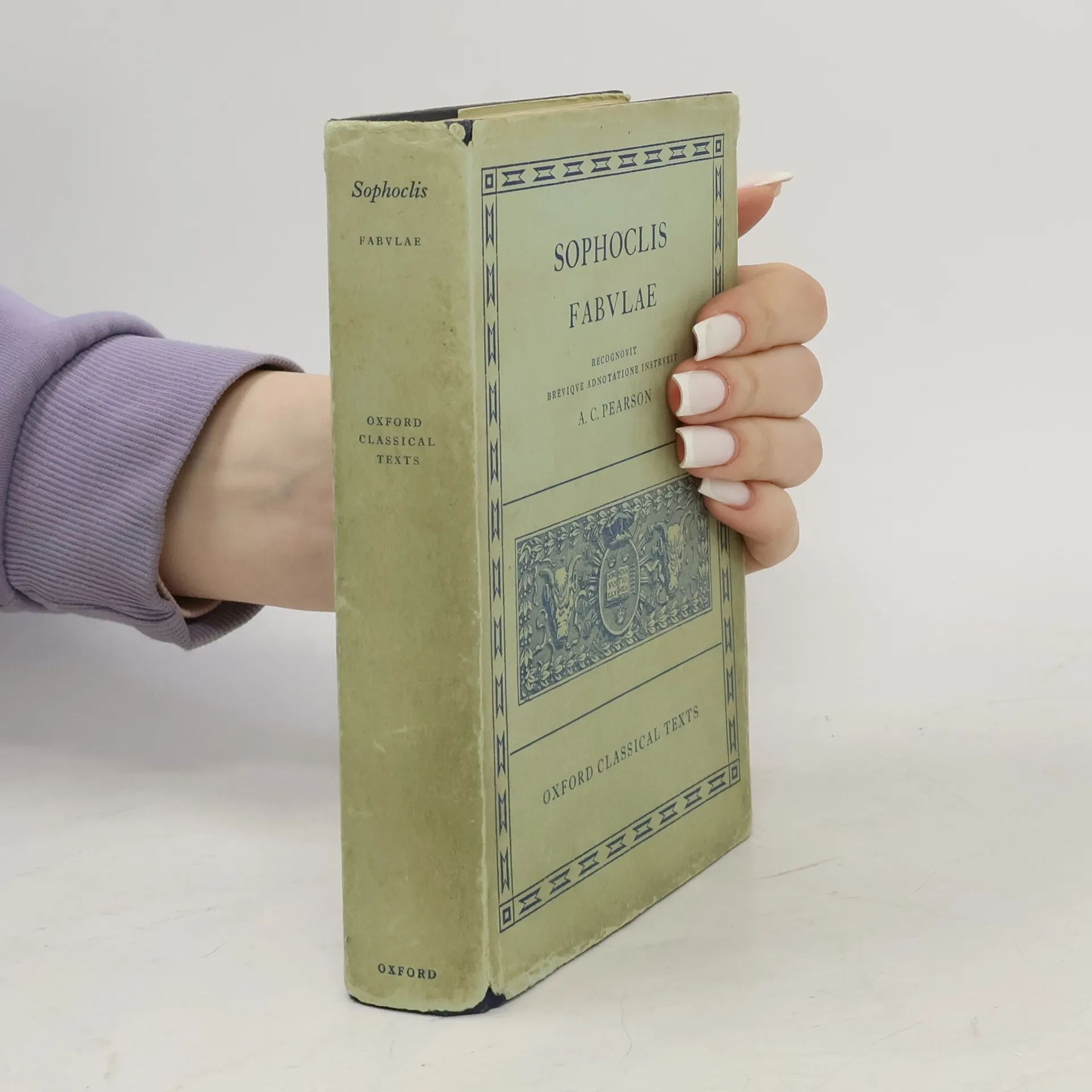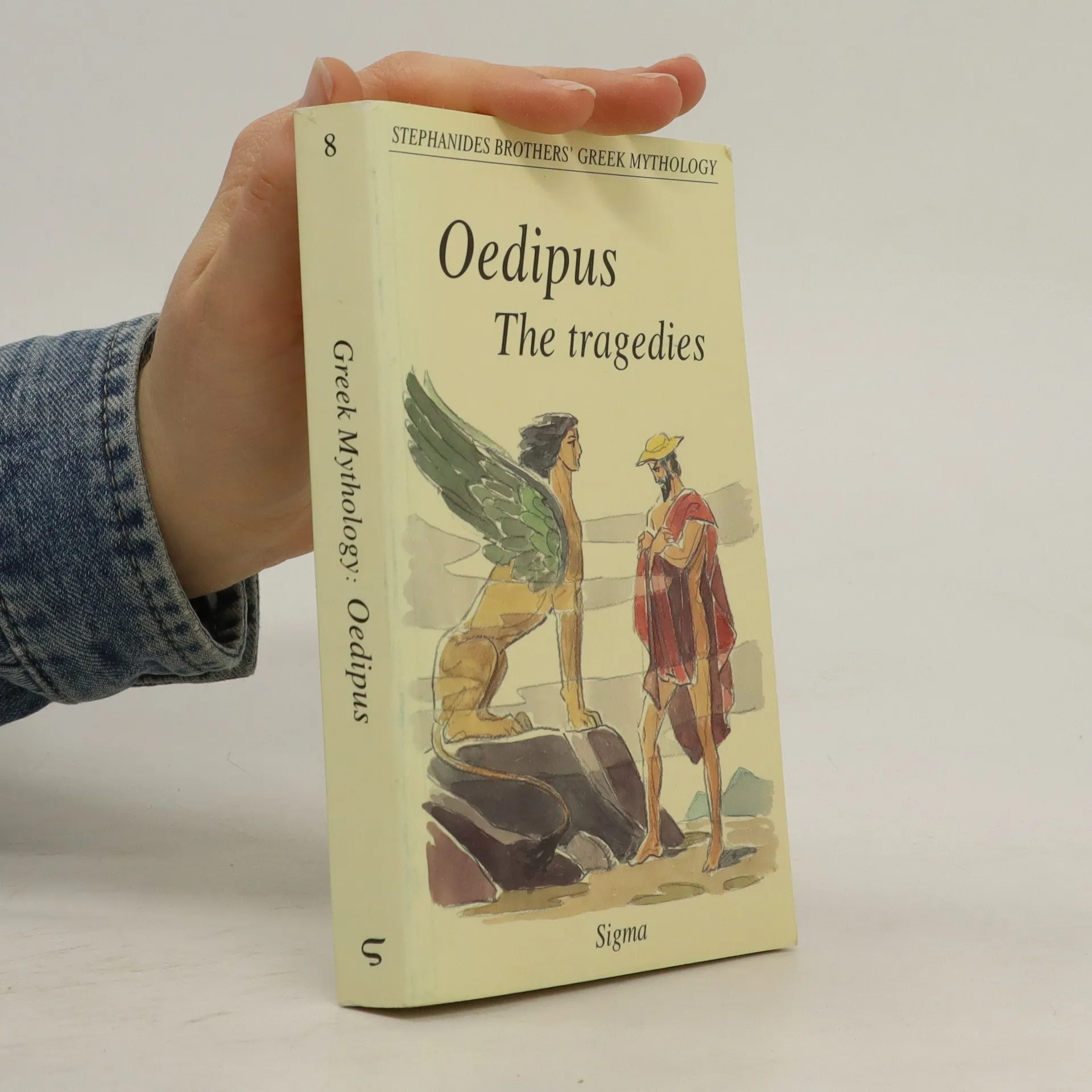

Las siete tragedias
- 298 páginas
- 11 horas de lectura


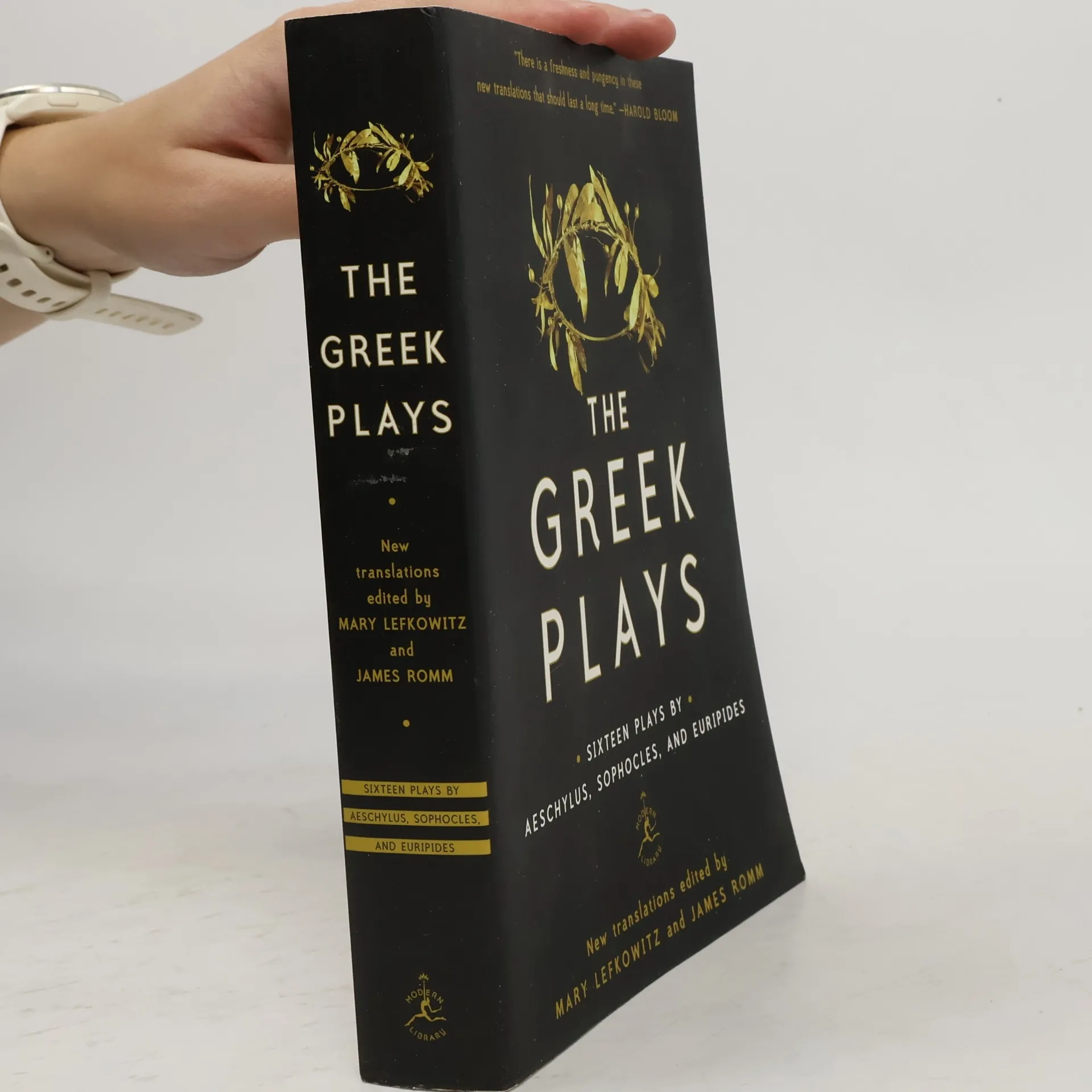
A landmark anthology of the masterpieces of Greek drama, featuring all-new, highly accessible translations of some of the world's most beloved plays, including Agamemnon, Prometheus Bound, Bacchae, Electra, Medea, Antigone, and Oedipus the King
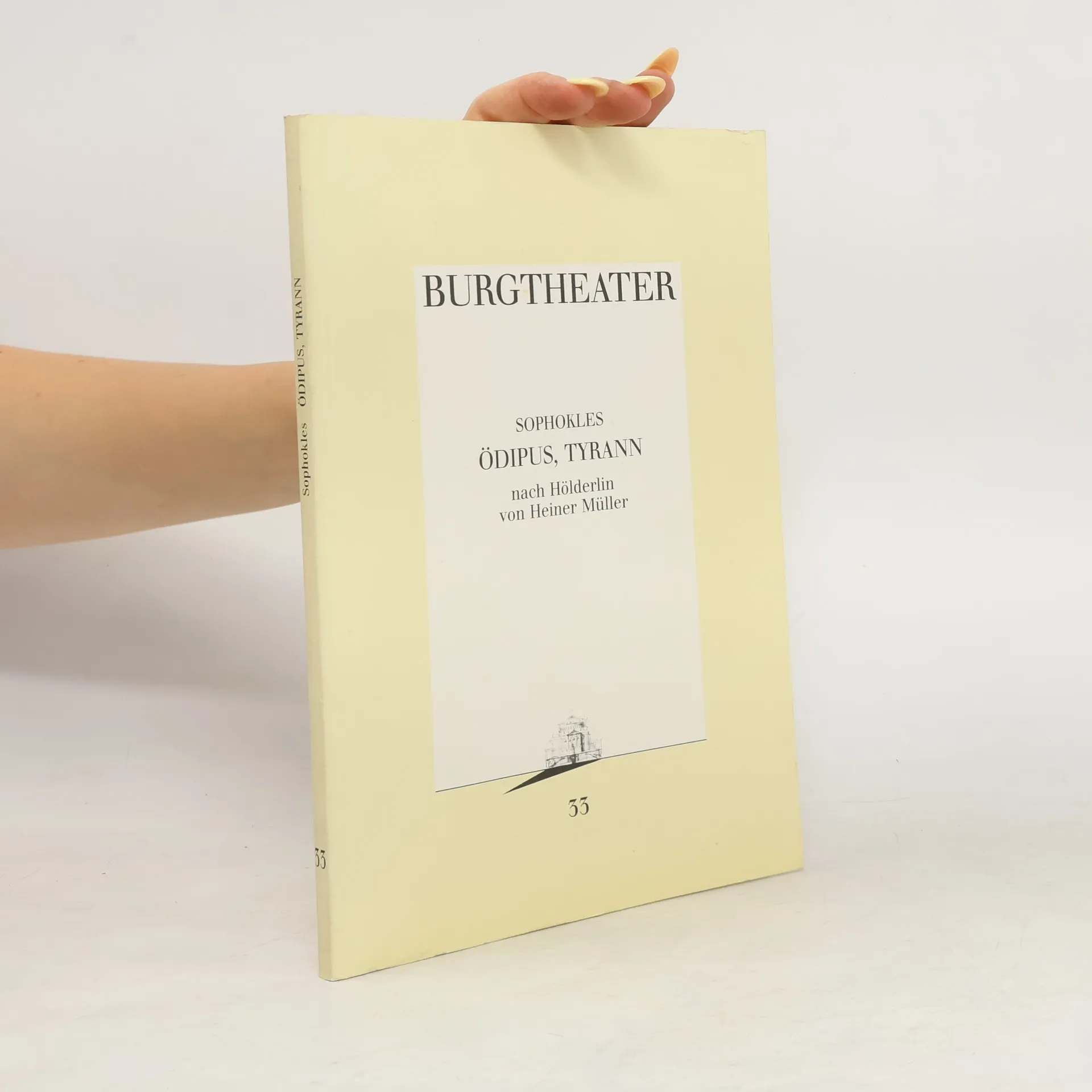
Antigone, Oedipus the King, and Oedipus at Colonus
The collection features Sophocles' pivotal "Theban" plays, highlighting themes of familial duty, fate, and moral conflict. "Antigone" portrays a strong heroine defying royal authority for her family, while "Oedipus the King" explores the tragic consequences of prophecy and exile. In "Oedipus at Colonus," the aged Oedipus navigates the rivalries of Athens and Thebes as he seeks a final resting place. Renowned for their profound impact on modern drama, these tragedies are presented with Francis Storr's translations and introductions by R. C. Jebb.
These original and distinctive verse translations convey the vitality of Sophocles' poetry and the vigour of the plays in performance, doing justice to both the sound of the poetry and the theatricality of the tragedies.
The whole tragic story of Oedipus, seen through the prism of the four great classical tragedies (chiefly by Sophocles), each taking up where the previous one leaves King Oedipus, Oedipus at Colonus, The Seven Against Thebes and Antigone. These are followed by the war of the Epigoni. This last volume in the series closes with one final myth, that of the Heraclids, after which the curtain falls suddenly and unexpectedly on Greek mythology.
Washington Square Press Enriched Classics make great literature even more accessible to a new generation of readers, with expanded and updated reader's supplements and essential historical information. Oedipus the King is the 2,000-year-old masterpiece that raises basic questions about human behavior that are still vigorously debated by students and scholars. Photos and illustrations. (Poetry/Plays)
Treating ancient plays as living drama. schovat popis
English versions of Sophocles' three great tragedies based on the myth of Oedipus, translated for a modern audience by two gifted poets. Index.

Love and loyalty, hatred and revenge, fear, deprivation, and political ambition: these are the motives which thrust the characters portrayed in these three Sophoclean masterpieces on to their collision course with catastrophe. Recognized in his own day as perhaps the greatest of the Greek tragedians, Sophocles's reputation has remained undimmed for two and a half thousand years. His greatest innovation in the tragic medium was his development of a central tragic figure, faced with a test of will and character, risking obloquy and death rather than compromise his or her principles: it is striking that Antigone and Electra both have a woman as their intransigent `hero'. Antigone dies rather than neglect her duty to her family, Oedipus's determination to save his city results in the horrific discovery that he has committed both incest and parricide, and Electra's unremitting anger at her mother and her lover keeps her in servitude and despair. These vivid translations combine elegance and modernity, and are equally suitable for reading or theatrical performance.