

Aún puedes pedir antes de Navidad 0 horas y 12 minutos
Bookbot

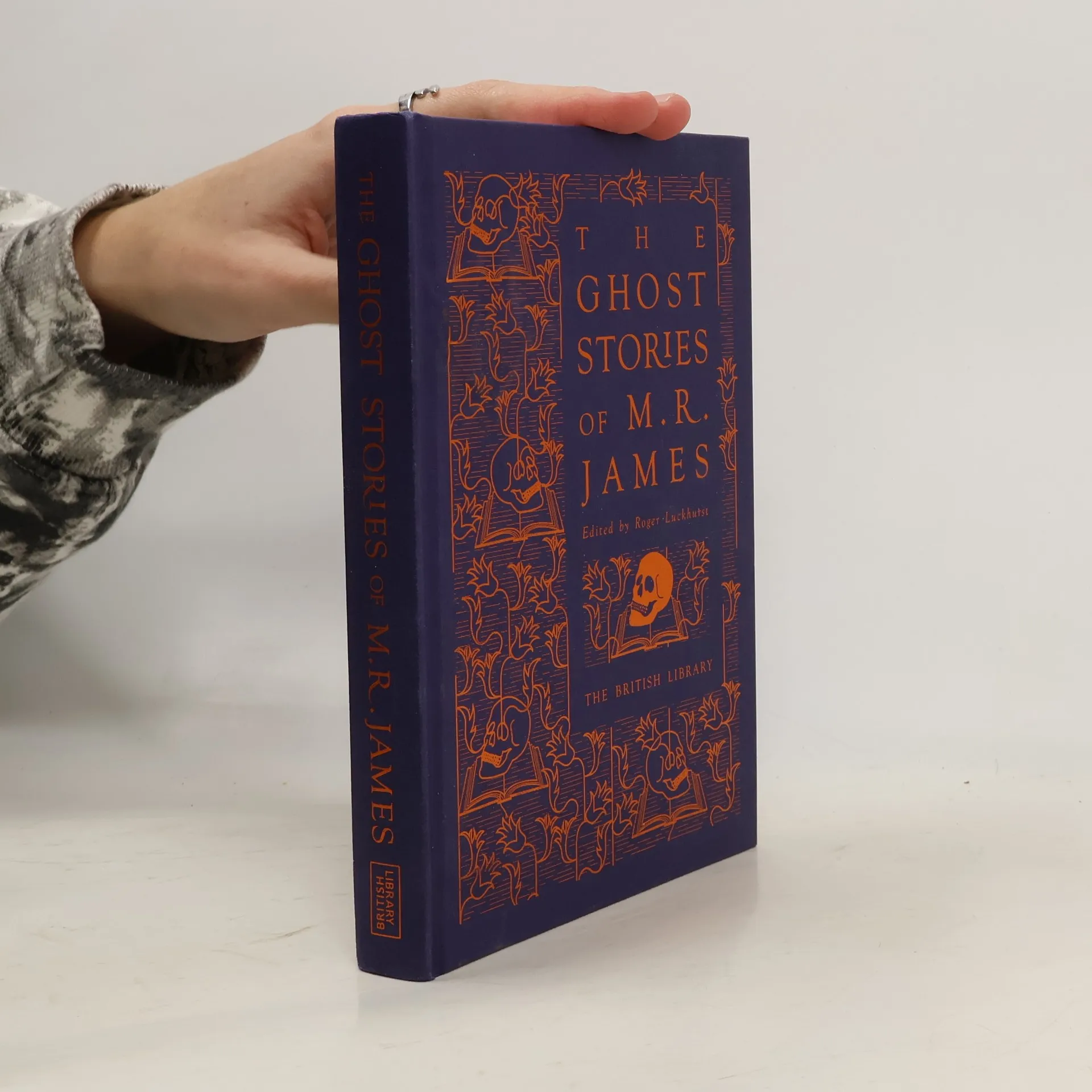
Roger Luckhurst

    The Shining
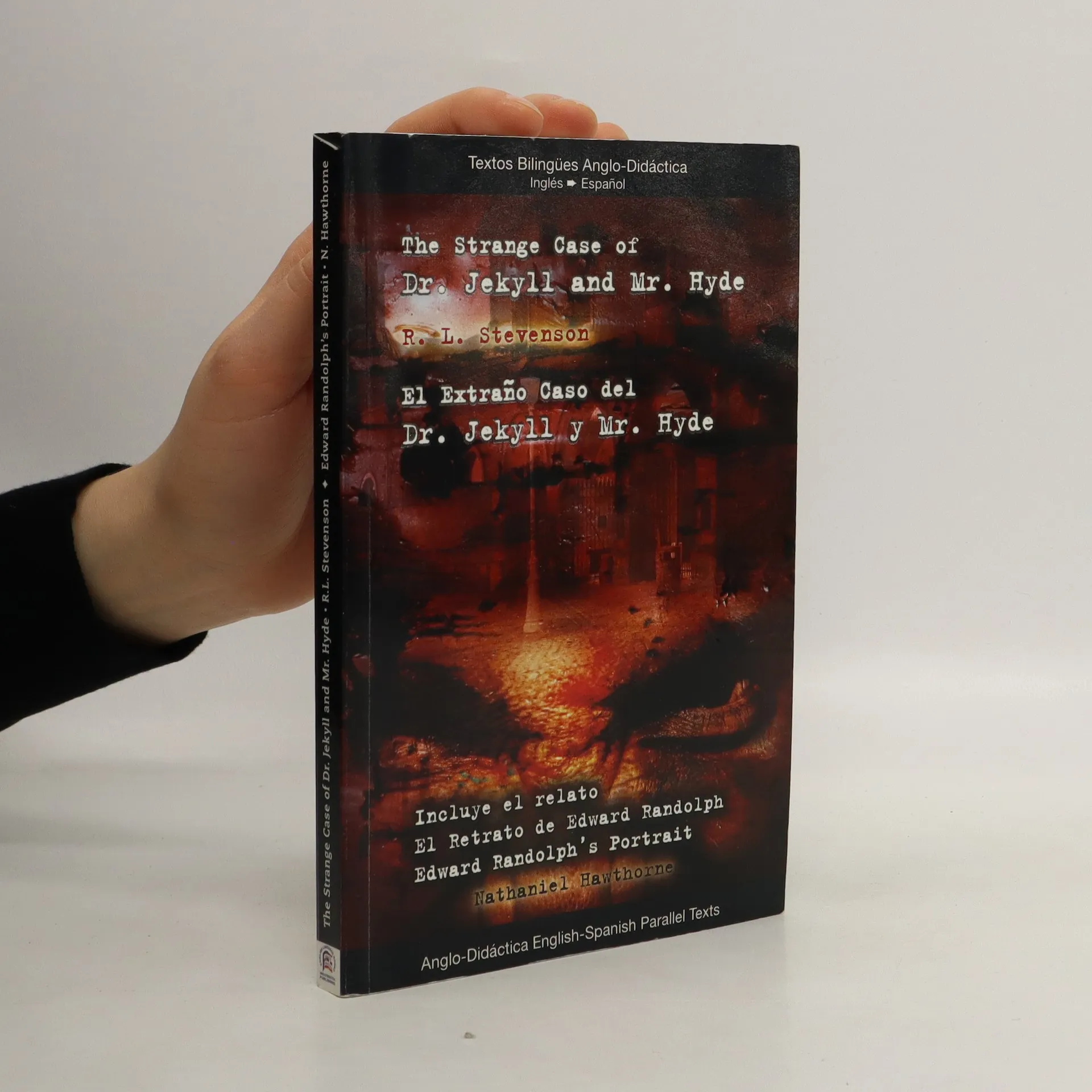
    El extraño caso del Dr. Jekyll y Mr. Hyde
    The Classic Horror Stories
    The Trauma Question
    Gothic. An illustrated history
    Drácula
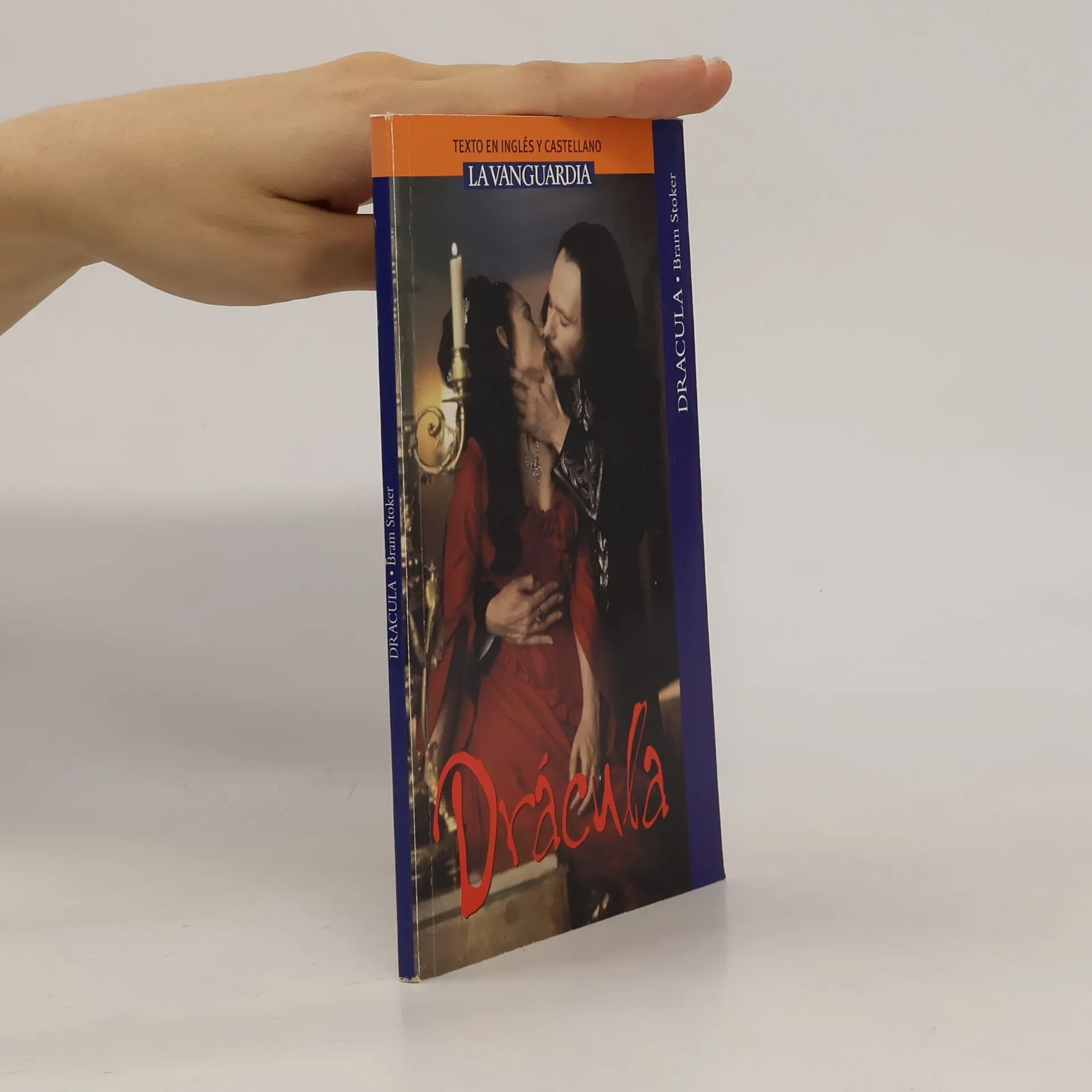
    • Tras el auge del romanticismo en Inglaterra, el misterio cae como la niebla sobre las calles de la mítica Albión. Proliferan novelas en las que los fantasmas se apoderan dl alma de los vivos hasta la obsesión, las vidas marcadas pro destinos infaustos, los personajes lejanos que buscan la inmortalidad y ganan por amor... al mismo diablo. No es sino el manierismo del gusto romántico por las novelas de misterio, por el amor a los parajes desconocidos y llenos de historia y ruinas. Pero Drácula, pese a beber de esta tradición y esta corriente, es mucho más que una novela gótica. Drácula, encarnación viviente de las fuerzas del mal, se apodera del lector para hacer del vampiro un héroe. En Drácula el mito del vampiro, asombrósamente bien documentado de acuerdo a las tradiciones más oscuras y demoníacas, entabla una lucha a muerte contra el espíritu racional capaz de vencer a las fuerzas del mal. Realmente no es una casualidad que Bram Stoker, su autor, fuese miembro alternativamente de sociedades literarias y científicas. El darwinismo imponía en la época su racionalidad, los mitos caían ante la fuerza de la lógica y la capacidad del hombre por descubrir, y Stoker se enfrentó a un mito, Drácula, con la fuerza del hombre de su tiempo, encarnado en Van Helsing.

      Drácula
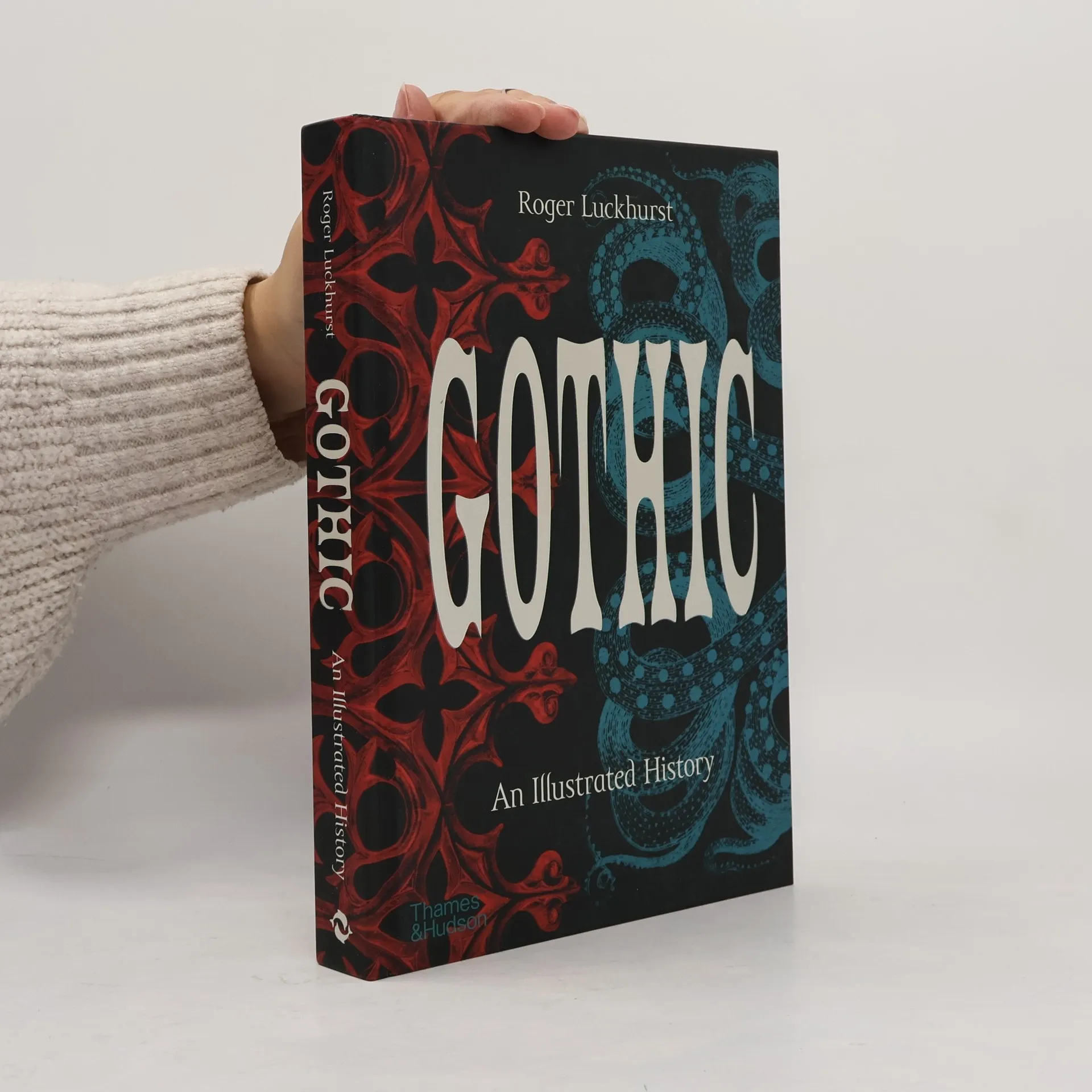
    • Crumbling ruins, undead fiends, dark alleys and forests teeming with horrors seen and unseen: the tendrils of the Gothic have crept out of the architecture of churches, mosques and grand houses and into suburban malls, overcrowded cities, the deserted corners of the world and beyond, taking the shape of monsters from Beowulf to Gojira, Cthulhu or the wendigo to our own terrifying, warped reflections. Across time, form and media, this book traces the weaving path of the Gothic from the shadows of history to the very heart of popular culture today. With over 350 illustrations
      Gothic. An illustrated history
    • The Trauma Question

      • 246 páginas
      • 9 horas de lectura

      This book explores the interconnected fields of cultural memory and trauma studies, delving into how collective memories shape identities and influence societal narratives. It examines the impact of trauma on communities and individuals, offering insights into the ways memories are preserved, transformed, and communicated across generations. Through a multidisciplinary approach, it addresses the implications of cultural memory in understanding historical events and their lasting effects on society.

      The Trauma Question
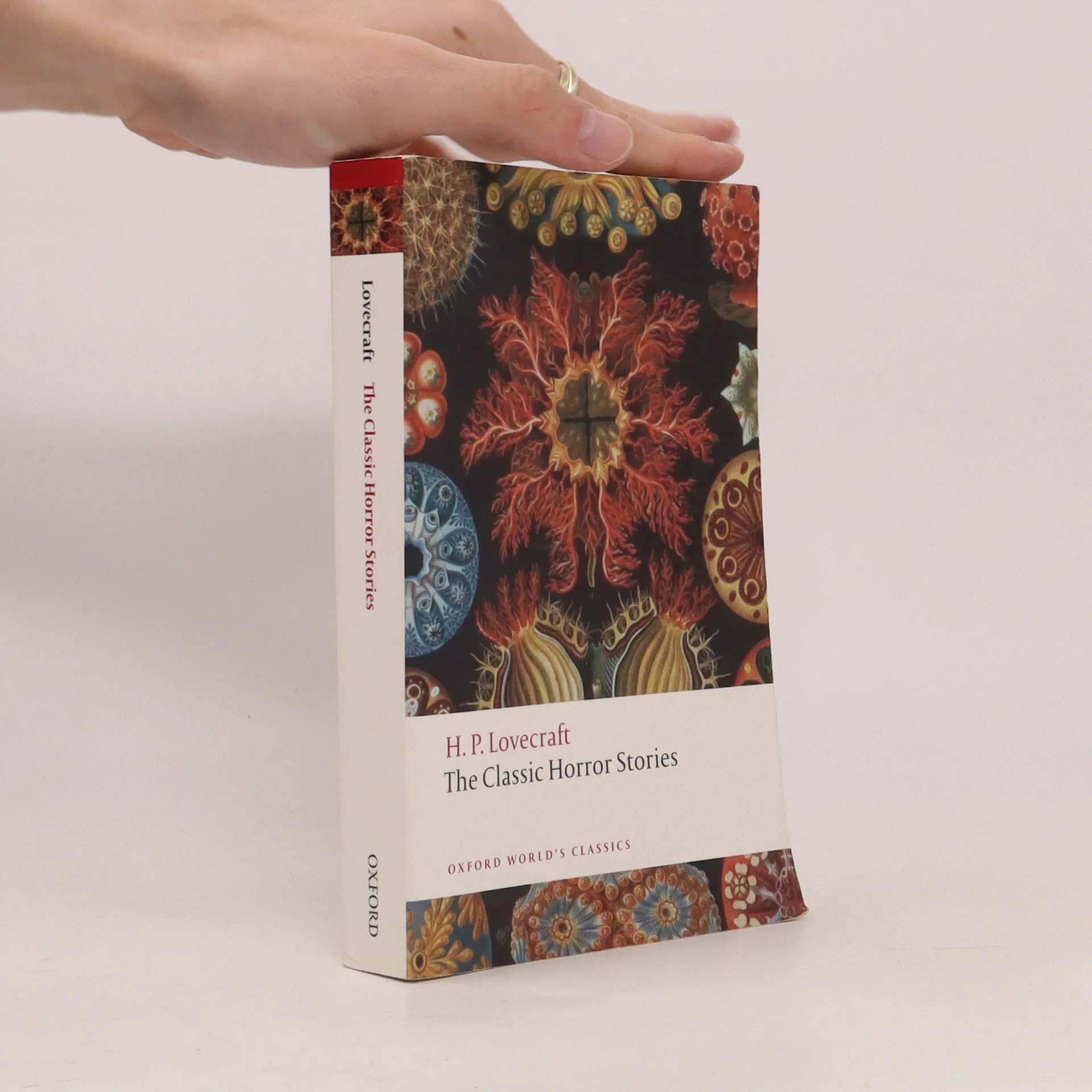
    • The Classic Horror Stories

      • 528 páginas
      • 19 horas de lectura

      H. P. Lovecraft (1890-1937) was a reclusive scribbler of horror stories for the American pulp magazines that specialized in Gothic and science fiction in the interwar years. He often published in Weird Tales and has since become the key figure in the slippery genre of "weird fiction." Lovecraft developed an extraordinary vision of feeble men driven to the edge of sanity by glimpses of malign beings that have survived from human prehistory or by malevolent extra-terrestrial visitations. The ornate language of his stories builds towards grotesque moments of revelation, quite unlike any other writer. This new selection brings together nine of his classic tales, focusing on the "Cthulhu Mythos," a cycle of stories that develops the mythology of the Old Ones, the monstrous creatures who predate human life on earth. It includes the Introduction from Lovecraft's critical essay, "Supernatural Horror in Literature," in which he gave his own important definition of "weird fiction." In a fascinating contextual introduction, Roger Luckhurst gives Lovecraft the attention he deserves as a writer who used pulp fiction to explore a remarkable philosophy that shockingly dethrones the mastery of man.

      The Classic Horror Stories
    • The Shining

      • 98 páginas
      • 4 horas de lectura

      Stanley Kubrick hailed The Shining as 'the scariest horror film of all time' before its release in 1980.

      The Shining
    • Alien

      • 96 páginas
      • 4 horas de lectura

      Alien, that legendary fusion of science fiction and horror, was born out of a terrible monster movie script called Star Beast. Tracing the constellation of talents that came together to produce the film, this book explores how and why this interstellar slasher movie, this old dark house in space, came to coil itself around our darkest imaginings.

      Alien
    • The Cambridge Companion to 'Dracula'

      • 240 páginas
      • 9 horas de lectura

      Notes on Contributors; Note on the Text; Chronology; Introduction Roger Luckhurst; Part I. Dracula in the Gothic Tradition: 1. Dracula's Pre-History: The Advent of the Vampire Nick Groom; 2. Dracula's Debts to the Gothic Romance William Hughes; 3. Dracula and the Late Victorian Gothic Revival Alex Warwick; Part II. Contexts: 4. Dracula and the Occult Christine Ferguson; 5. Dracula and Psychology Roger Luckhurst; 6. Dracula and Sexology Heike Bauer; 7. Dracula in the Age of Mass Migration David Glover; 8. Dracula and the East Matthew Gibson; 9. Dracula's Blood Anthony Bale; 10. Dracula and Women Carol Senf; Part III. New Directions: 11. Dracula Queered Xavier Aldana Reyes; 12. Dracula and New Horror Theory Mark Blacklock; 13. Transnational Draculas Ken Gelder; Part IV. Adaptations: 14. Dracula on Stage Catherine Wynne; 15. Dracula on Film 1931-1959 Alison Peirse; 16. Dracula on Film and TV, 1960 to present Stacey Abbott; Guide to Further Reading; Index

      The Cambridge Companion to 'Dracula'