Compra 10 libros por 10 € aquí!
Bookbot

Vikram Seth

    20 de junio de 1952

    Vikram Seth es un narrador que profundiza en las vidas y relaciones humanas a través de culturas y continentes. Su obra se caracteriza por una franqueza inusual, donde las narrativas personales se entrelazan con telones de fondo sociales e históricos más amplios. A Seth le gusta explorar temas de identidad, familia y la búsqueda del propio lugar en el mundo, empleando un estilo que es a la vez cautivador e introspectivo. Su producción literaria a menudo refleja sus propias experiencias y sentimientos vividos, ofreciendo a los lectores una visión íntima de su mundo interior.

    Vikram Seth
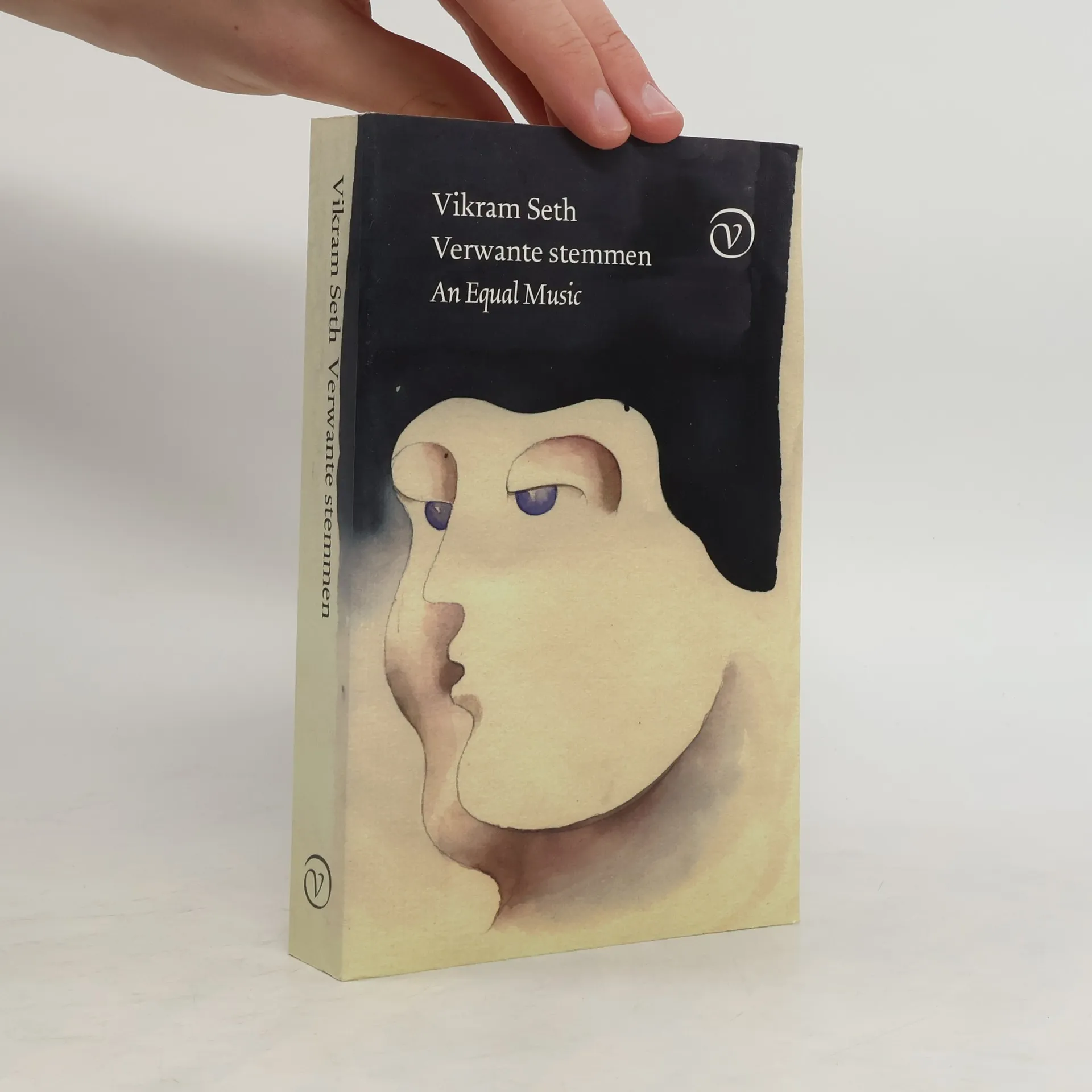
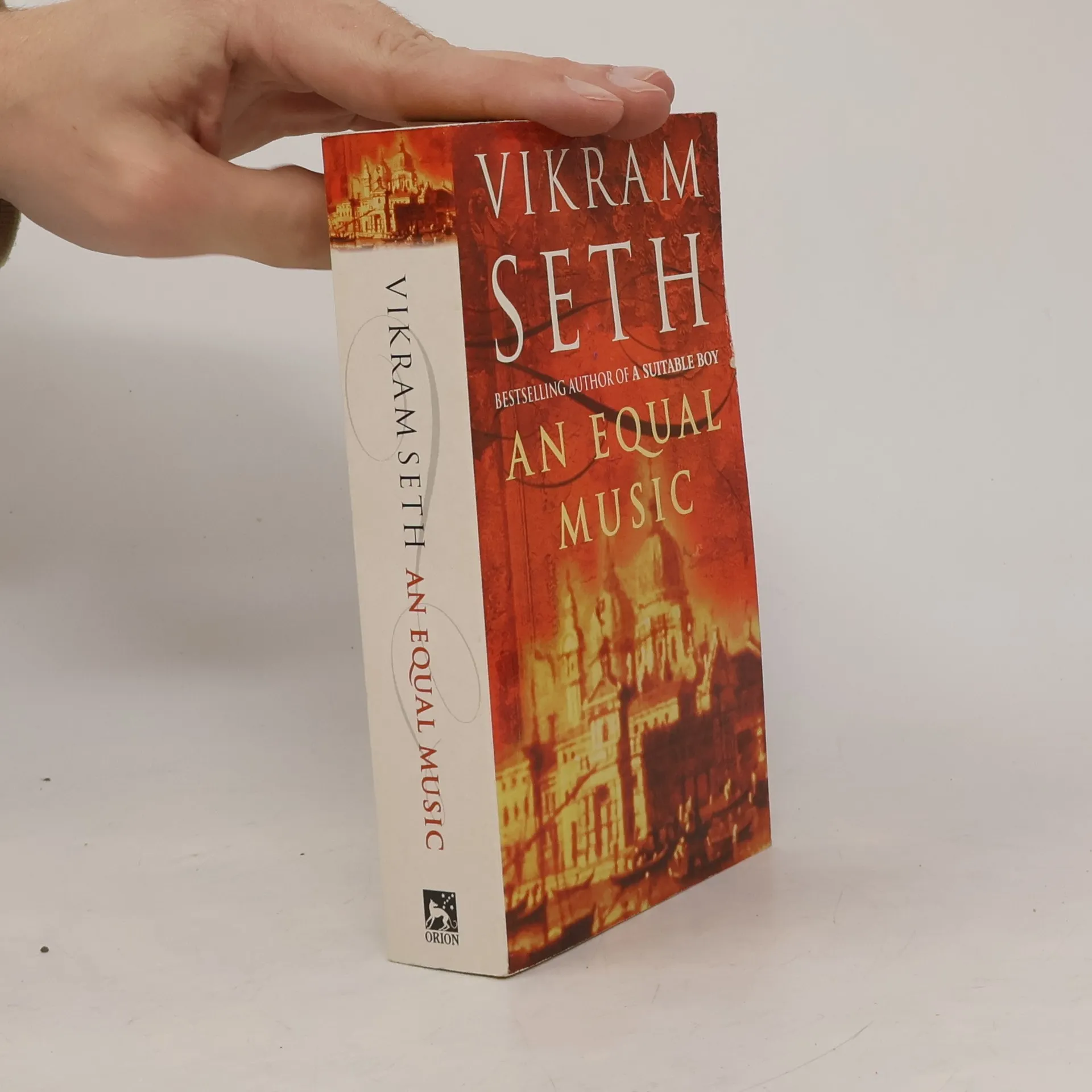
    An Equal Music
    The golden gate
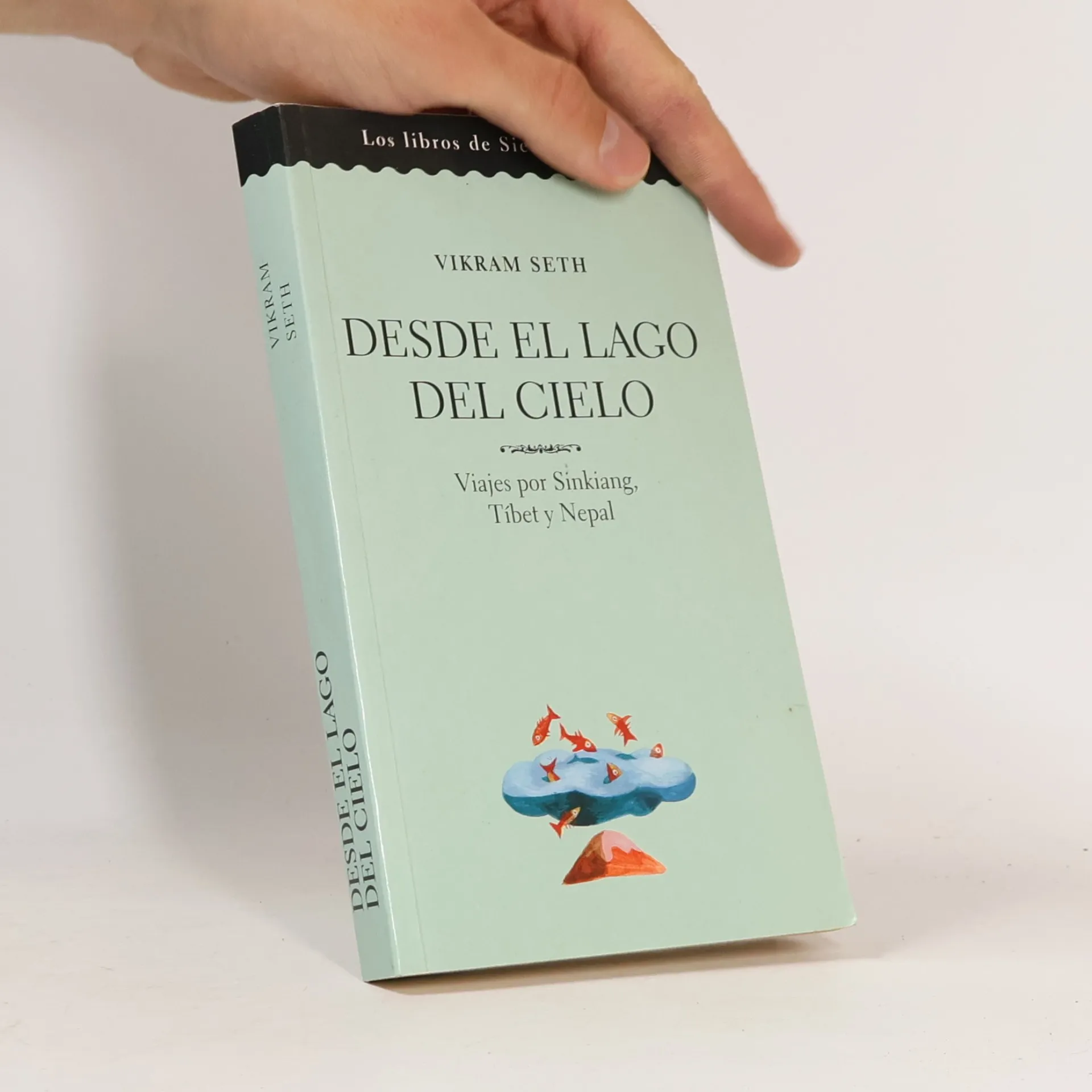
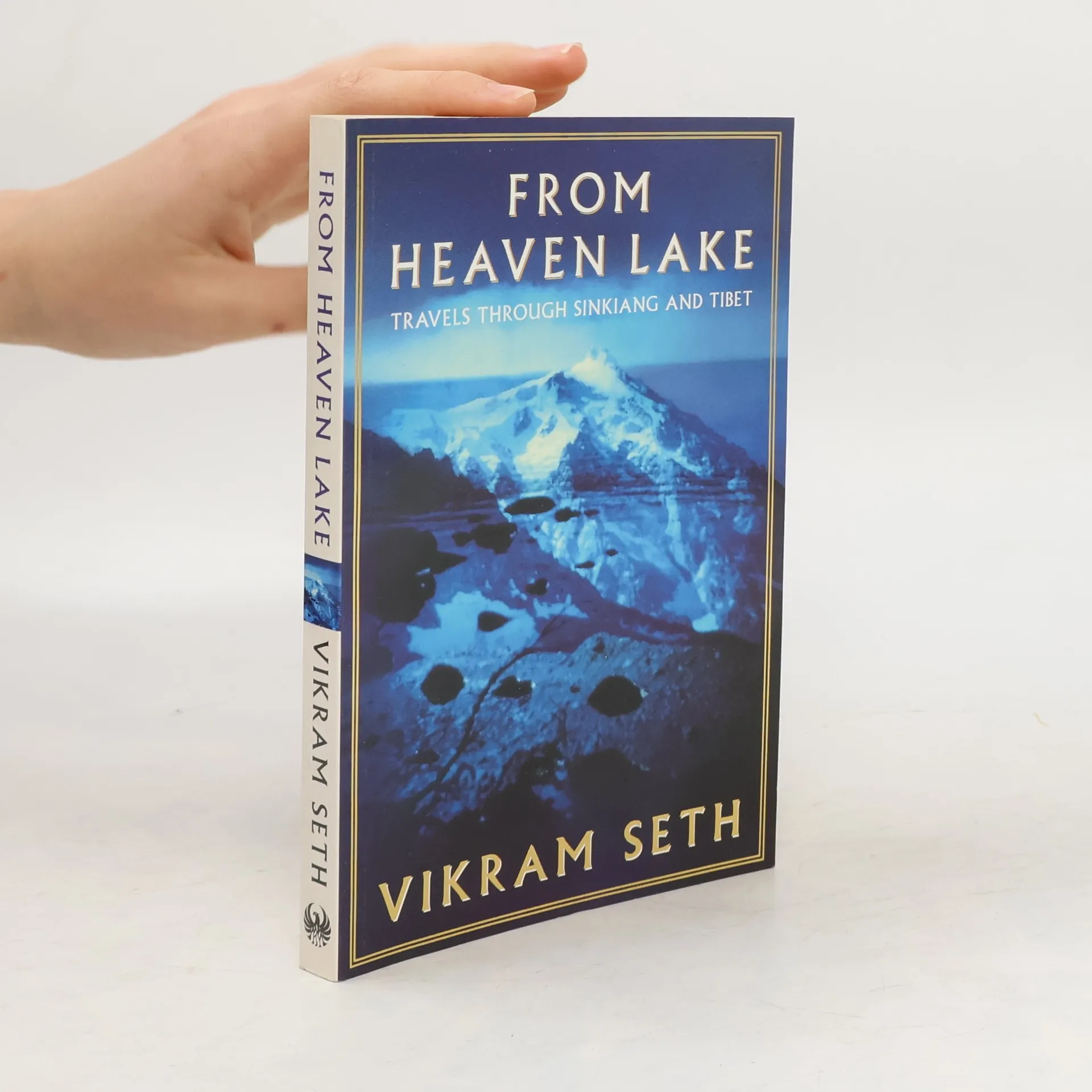
    From Heaven Lake
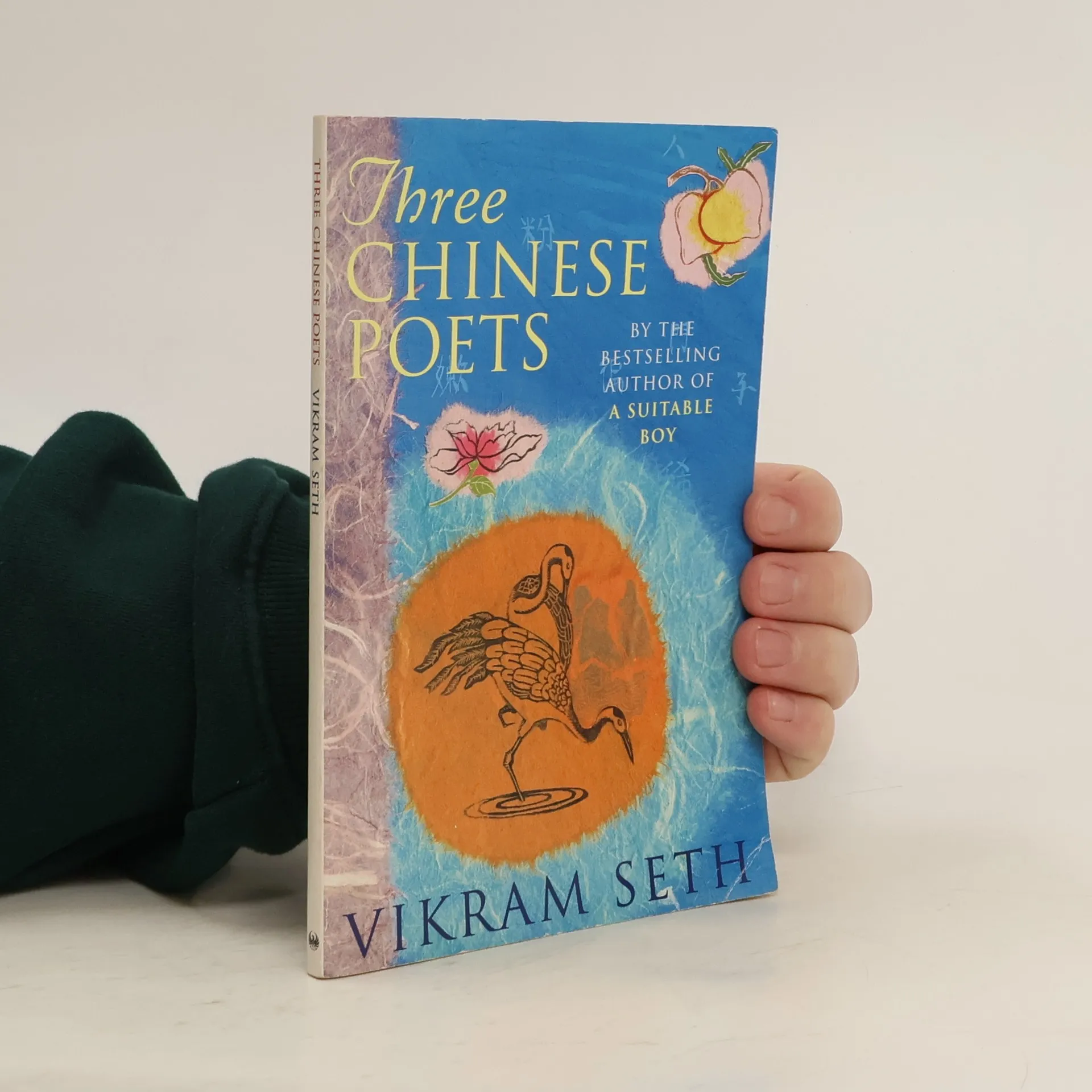
    Three Chinese Poets
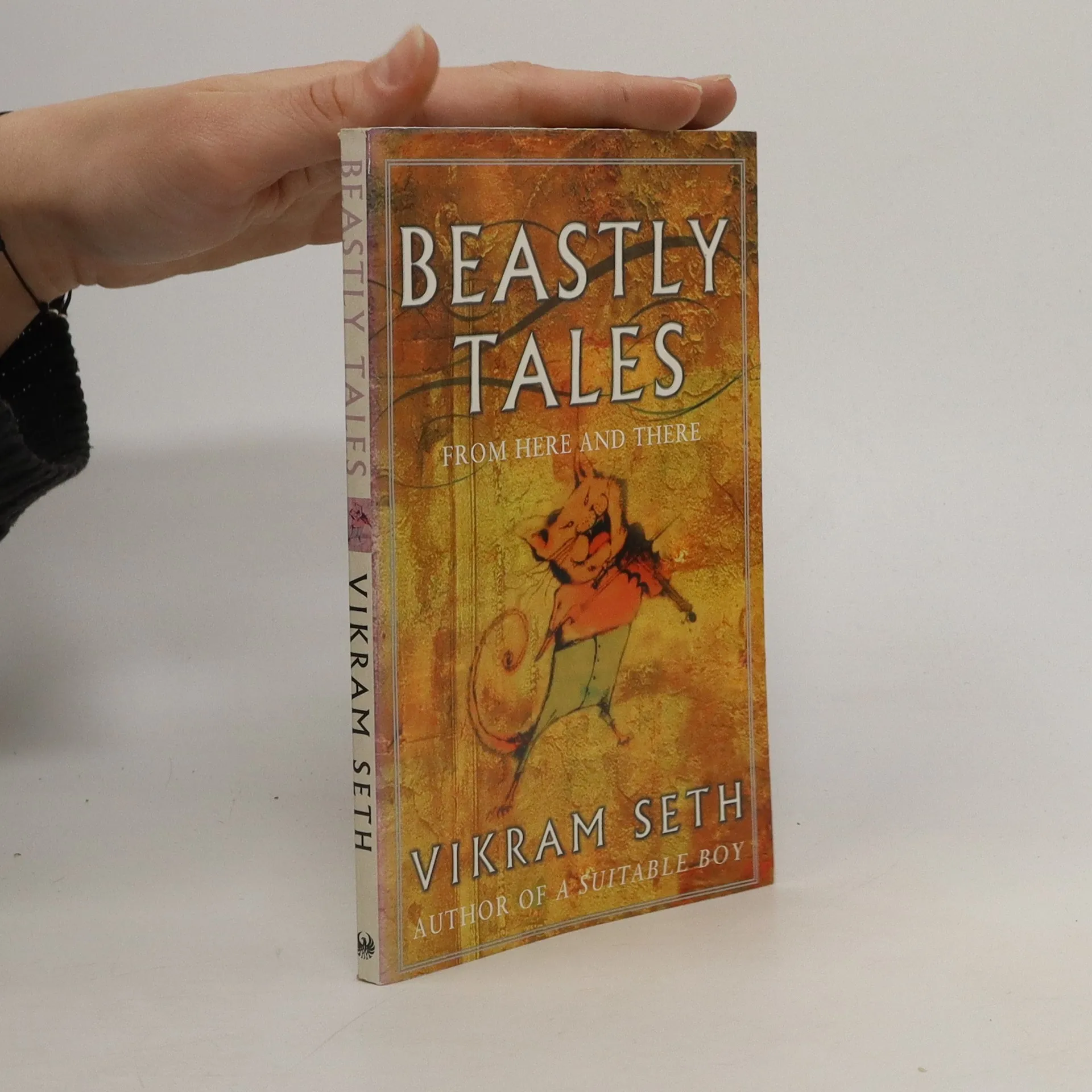
    Beastly tales from here and there
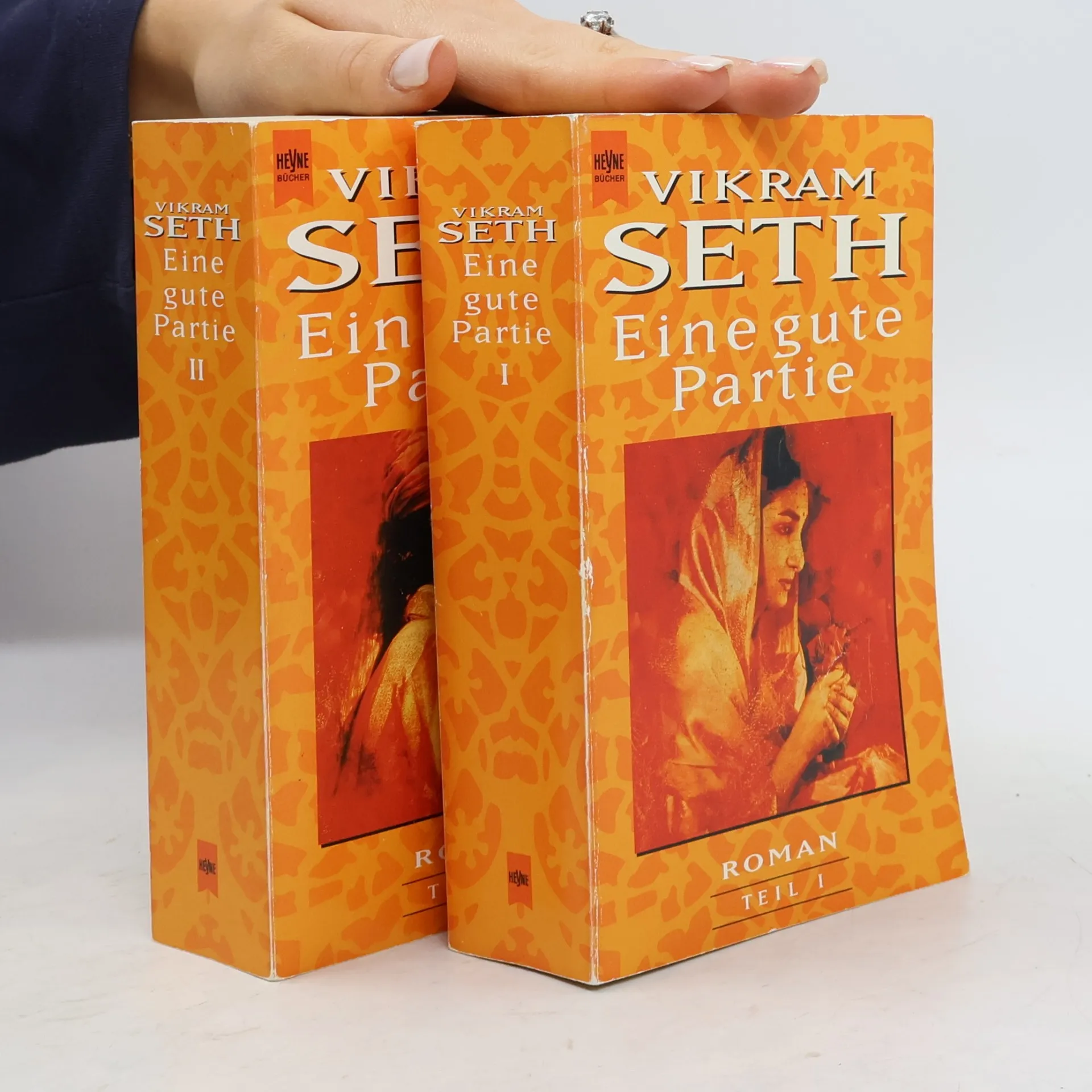
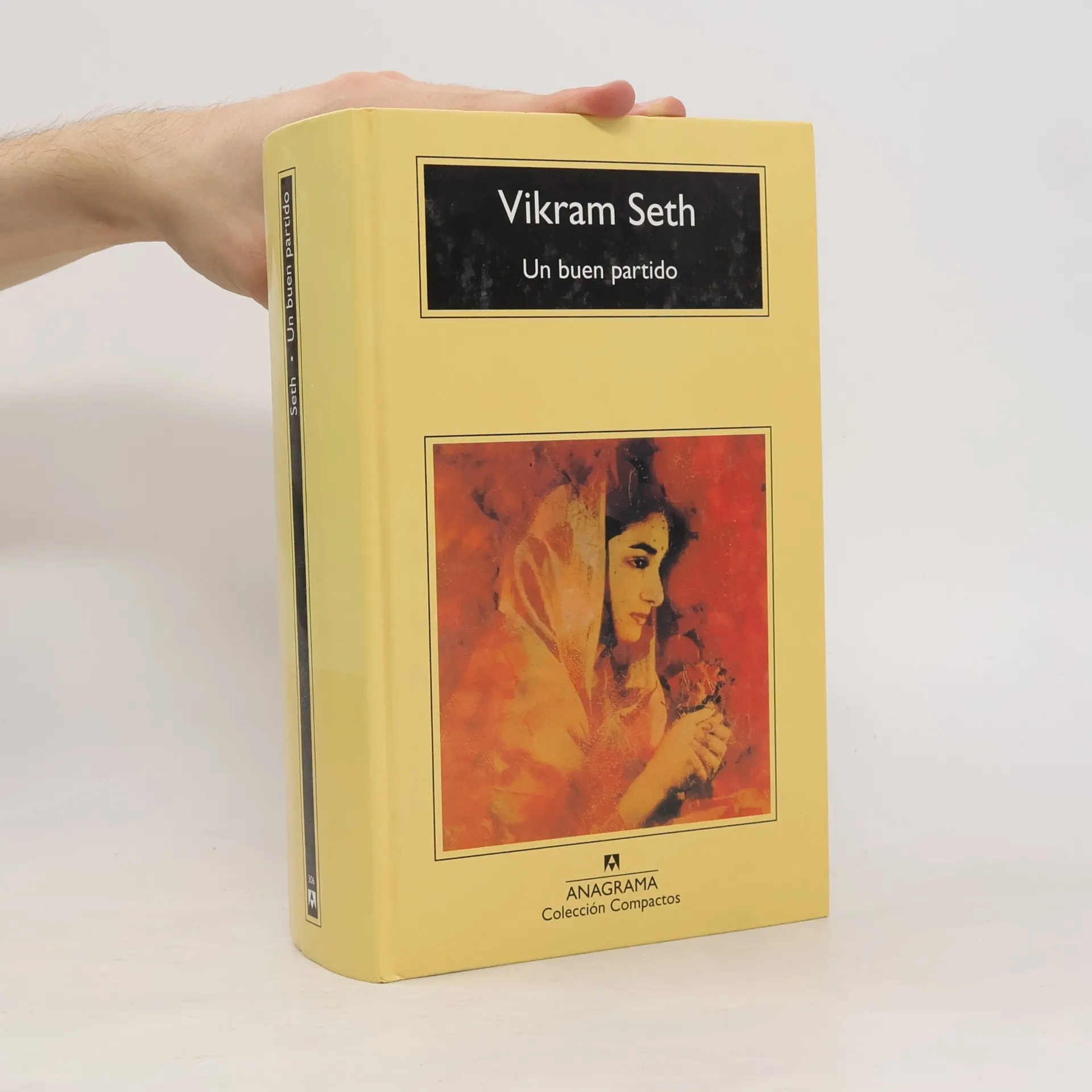
    Un buen partido
    • «Tú también te casarás con quien yo diga», le dice la señora Rupa Mehra a su hija Lata al principio de esta historia. Desde ese momento, la búsqueda de un buen partido para Lata se convierte en el motor de este extraordinario fresco de la India de los años cincuenta, un país que aún restaña las heridas de su reciente independencia; donde los esfuerzos modernizadores tropiezan con las ancestrales costumbres y donde los matrimonios se concertan por intereses familiares. En la tradición de Tolstói, George Eliot o Jane Austen, Vikram Seth nos ofrece una verdadera tranche de vie en la que los personajes viven, sienten, aman, odian y luchan por escapar o alcanzar su destino.

      Un buen partido
    • Three Chinese Poets

      • 80 páginas
      • 3 horas de lectura

      The three Chinese poets translated here are among the greatest literary figures of China, or indeed the world. Wang Wei with his quiet love of nature and Buddhist philosophy; Li Bai, the Taoist spirit, with his wild, flamboyant paeans to wine and the moon; and Du Fu, with his Confucian sense of sympathy with the suffering of others in a time of civil war and collapse. These three poets of a single generation, responding differently to their common times, crystallise the immense variety of China and the Chinese poetic tradition and, across a distance of twelve hundred years, move the reader as it is rare for even poetry to do.

      Three Chinese Poets
    • From Heaven Lake

      Travels Through Sinkiang and Tibet

      • 192 páginas
      • 7 horas de lectura

      `The perfect travel book' New Statesman Hitch-hiking, walking, slogging through rivers and across leech-ridden hills, Vikram Seth travelled through Sinkiang and Tibet to Nepal: from Heaven Lake to the Himalayas. By breaking away from the reliable routes of organised travel, he transformed his journey into an unusual and intriguing exploration of one of the world's least known areas. 'Vikram Seth is already the best writer of his generation' Daniel Johnson, The Tmes

      From Heaven Lake
    • The golden gate

      • 320 páginas
      • 12 horas de lectura

      Written in verse, this was Vikram Seth's first novel. Set in the 1980s, in the affluence and sunshine of California's silicon valley, it is the story of twenty-somethings looking for love, pleasure and the meaning of life.

      The golden gate
    • An Equal Music

      • 380 páginas
      • 14 horas de lectura

      The violinist hero of Vikram Seth's third novel would very much like to be hearing secret harmonies. Instead, living in London 10 years after a key disaster, Michael Holme is easily irritated by his beautiful young (and even French!) girlfriend and by his colleagues in the Maggiore Quartet. In short, he's fed up with playing second fiddle in life and art. Yet a chance encounter with Julia, the pianist he had loved and lost in Vienna, brings Michael sudden bliss. Her situation, however--and the secret that may end her career--threatens to undo the lovers. An Equal Music is a fraction of the size of Seth's A Suitable Boy , but is still deliciously expansive. In under 400 pages, the author offers up exquisite complexities, personal and lyrical, while deftly fielding any fears that he's composed a Harlequin for highbrows. During one emotional crescendo, Michael tells Julia, "I don't know how I've lived without you all these years," only to realize, "how feeble and trite my words sound to me, as if they have been plucked out of some housewife fantasy." In addition to the pitch of its love story, one of the book's joys lies in Seth's creation of musical extremes. As the Maggiore rehearses, moving from sniping and impatience to perfection, the author expertly notates the joys of collaboration, trust, and creation. "It's the weirdest thing, a quartet," one member remarks. "I don't know what to compare it to. A marriage? a firm? a platoon under fire? a self-regarding, self-destructive priesthood? It has so many different tensions mixed in with its pleasures." An Equal Music is a novel in which the length of Schubert's Trout Quintet matters deeply, the discovery of a little-known Beethoven opus is a miracle, and each instrument has its own being. Just as Michael can't hope to possess Julia, he cannot even dream of owning his beloved Tononi, the violin he has long had only on loan. And it goes without saying that Vikram Seth knows how to tell a tale, keeping us guessing about everything from what the Quartet's four-minute encore will be to what really occasioned Julia's departure from Michael's life. (Or was it in fact Michael who abandoned Julia?) As this love story ranges from London to Michael's birthplace in the north of England to Vienna to Venice, few readers will remain deaf to its appeals. --Kerry Fried

      An Equal Music
    • Riot at Misri Mandi

      • 64 páginas
      • 3 horas de lectura

      An extraordinary account of the political upheavals afflicting the newly independent India,taken from the bestselling A SUITABLE BOY.

      Riot at Misri Mandi
    • Two Lives

      • 512 páginas
      • 18 horas de lectura

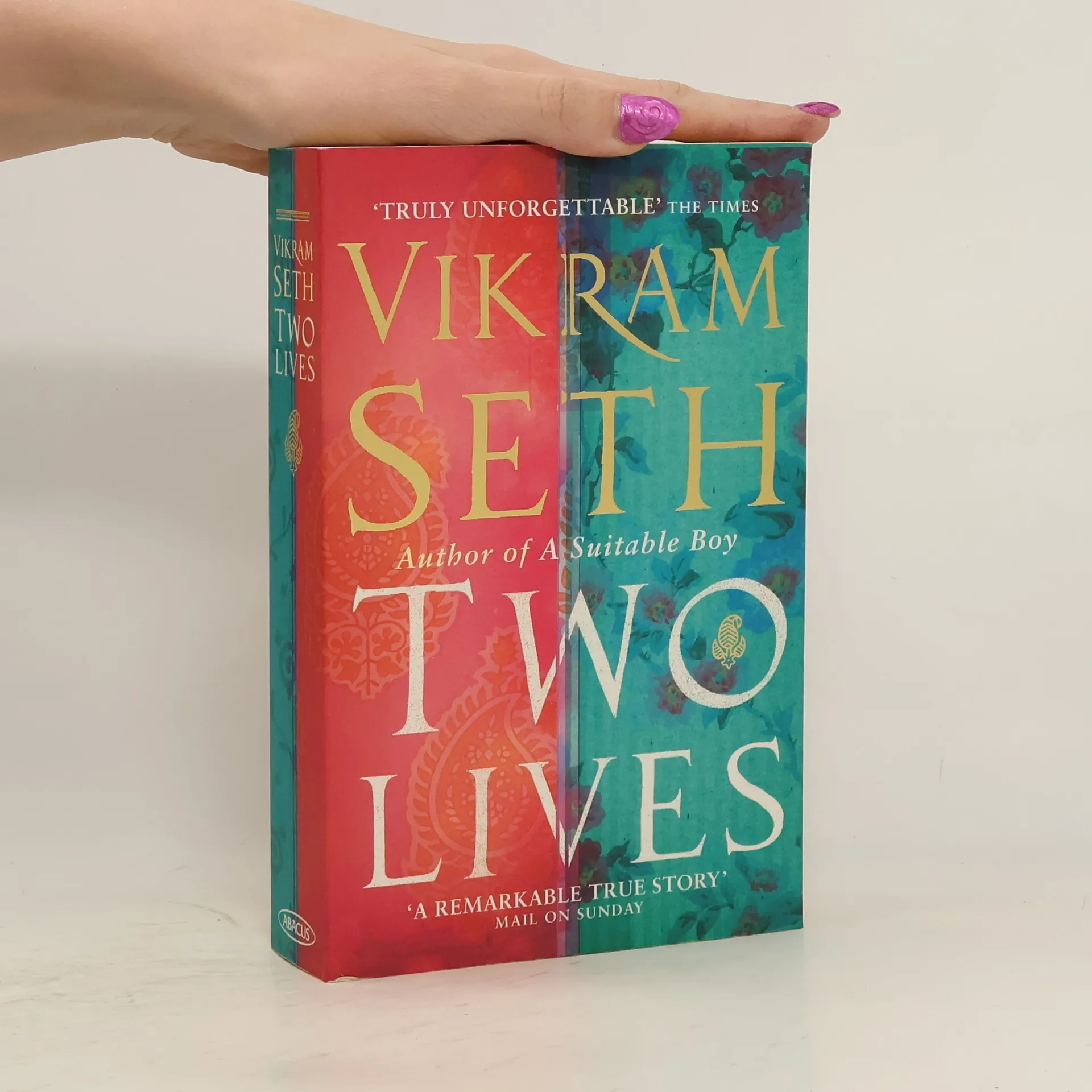
      TWO LIVES tells the remarkable story of Seth's great uncle and aunt. His great uncle Shanti left India for medical school in Berlin in the 1930s and lodged with a German Jewish family. In the household was a daughter, Henny, who urged her mother 'not to take the blackie'. But a friendship developed and each managed to leave Germany and found their way to Britain as the Nazis rose to power. Shanti joined the army and lost his right arm at the battle of Monte Cassino, while Henny (whose family were to die in the camps) made a life for herself in her adopted country. After the war they married and lived the emigre life in north London where Shanti, despite the loss of his arm, became a much-loved dentist. During his own adolescence in England, Vikram Seth lived with Shanti and Henny and came to know and love them deeply. His is the third life in this story of TWO LIVES. This is also a book about history, encompassing as it does many of the most significant themes and events in the 20th century, whose currents are reflected in the lives of Shanti, Henny and their family: from the Raj and the Indian freedom movement to the Third Reich, the Holocaust and British postwar society.

      Two Lives
    • An Equal Music

      • 484 páginas
      • 17 horas de lectura

      The violinist hero of Vikram Seth's third novel would very much like to be hearing secret harmonies. Instead, living in London 10 years after a key disaster, Michael Holme is easily irritated by his beautiful young (and even French!) girlfriend and by his colleagues in the Maggiore Quartet. In short, he's fed up with playing second fiddle in life and art. Yet a chance encounter with Julia, the pianist he had loved and lost in Vienna, brings Michael sudden bliss. Her situation, however--and the secret that may end her career--threatens to undo the lovers. <p> <i>An Equal Music</i> is a fraction of the size of Seth's <i>A Suitable Boy</i>, but is still deliciously expansive. In under 500 pages, the author offers up exquisite complexities, personal and lyrical, while deftly fielding any fears that he's composed a Harlequin for highbrows. During one emotional crescendo, Michael tells Julia, "I don't know how I've lived without you all these years," only to realize, "how feeble and trite my words sound to me, as if they have been plucked out of some housewife fantasy." In addition to the pitch of its love story, one of the book's joys lies in Seth's creation of musical extremes. As the Maggiore rehearses, moving from sniping and impatience to perfection, the author expertly notates the joys of collaboration, trust, and creation. "It's the weirdest thing, a quartet," one member remarks. "I don't know what to compare it to. A marriage? a firm? a platoon under fire? a self-regarding, self-destructive priesthood? It has so many different tensions mixed in with its pleasures."</p><p> <i>An Equal Music</i> is a novel in which the length of Schubert's <i>Trout Quintet</i> matters deeply, the discovery of a little-known Beethoven opus is a miracle, and each instrument has its own being. Just as Michael can't hope to possess Julia, he cannot even dream of owning his beloved Tononi, the violin he has long had only on loan. And it goes without saying that Vikram Seth knows how to tell a tale, keeping us guessing about everything from what the Quartet's four-minute encore will be to what really occasioned Julia's departure from Michael's life. (Or was it in fact Michael who abandoned Julia?) As this love story ranges from London to Michael's birthplace in the north of England to Vienna to Venice, few readers will remain deaf to its appeals. <i>--Kerry Fried</i></p>

      An Equal Music