

Compra 10 libros por 10 € aquí!
Bookbot

Wang Hui

    1 de enero de 1959

    Wang Hui es un destacado intelectual y profesor chino cuyo trabajo se adentra en las profundidades de la literatura contemporánea china y la historia intelectual. Sus análisis se caracterizan por una aguda visión de la evolución del pensamiento y las corrientes literarias en China. A través de una extensa investigación y compromiso académico, ofrece a los lectores una perspectiva única sobre las complejidades de la cultura y la sociedad chinas. Sus contribuciones intelectuales moldean la comprensión tanto en círculos académicos como entre el público en general.

    Nachdenken über Tibet
    Philosophie und Politik
    China's New Order: Society, Politics, And Economy in Transition
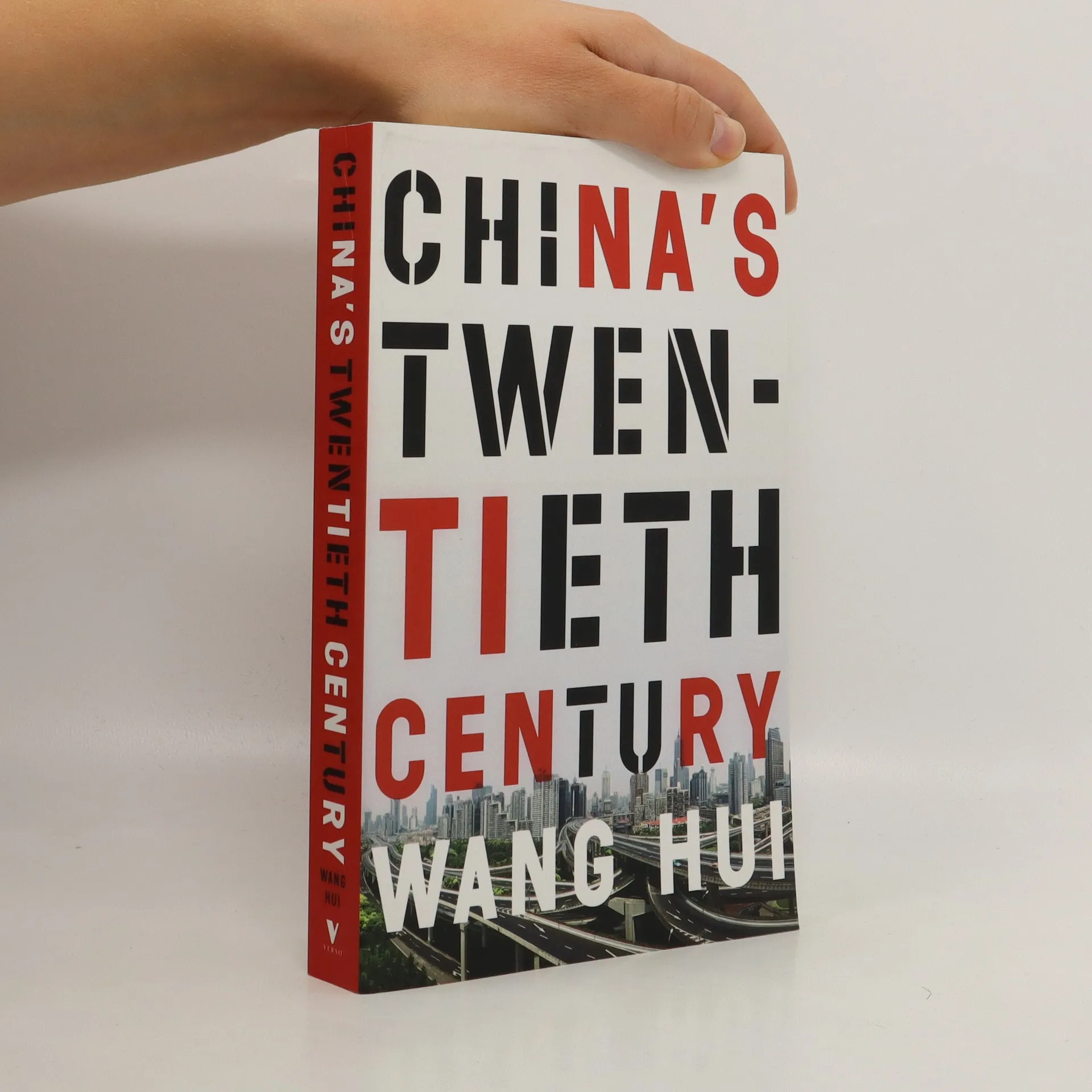
    China's Twentieth Century
    The End of the Revolution
    • The End of the Revolution

      • 238 páginas
      • 9 horas de lectura

      Examines the roots of China's social and political problems, and traces the reforms and struggles that have led to the state of mass depoliticization. From the May Fourth Movement to Tiananmen Square, this title offers a discussion of Chinese intellectual history and society, in the hope of forging a path for China's future.

      The End of the Revolution
    • China's Twentieth Century

      • 361 páginas
      • 13 horas de lectura

      An examination of the shifts in politics and revolution in China over the last century What must China do to become truly democratic and equitable? This question animates most progressive debates about this potential superpower, and in China’s Twentieth Century the country’s leading critic, Wang Hui, turns to the past for an answer. Beginning with the birth of modern politics in the 1911 revolution, Wang tracks the initial flourishing of political life, its blossoming in the radical sixties, and its decline in China’s more recent liberalization, to arrive at the crossroads of the present day. Examining the emergence of new class divisions between ethnic groups in the context of Tibet and Xinjiang, alongside the resurgence of neoliberalism through the lens of the Chongqing Incident, Wang Hui argues for a revival of social democracy as the only just path for China’s future.

      China's Twentieth Century
    • A participant in the Tiananmen Square movement, Wang Hui is also editor of the most important intellectual journal in contemporary China. He argues that the features of contemporary China are elements of the new global order as a whole in which considerations of economic growth and development have trumped democracy and social justice.

      China's New Order: Society, Politics, And Economy in Transition