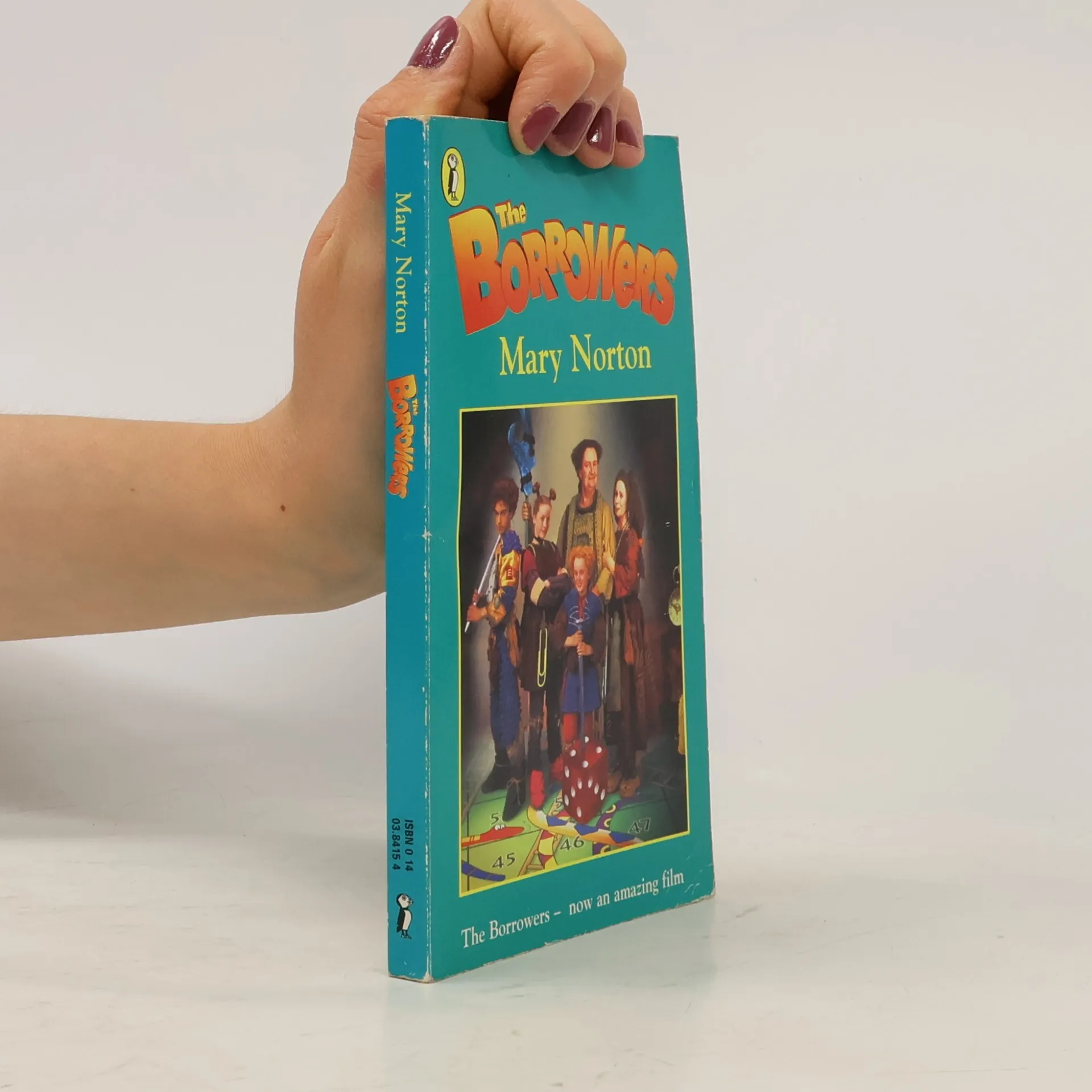
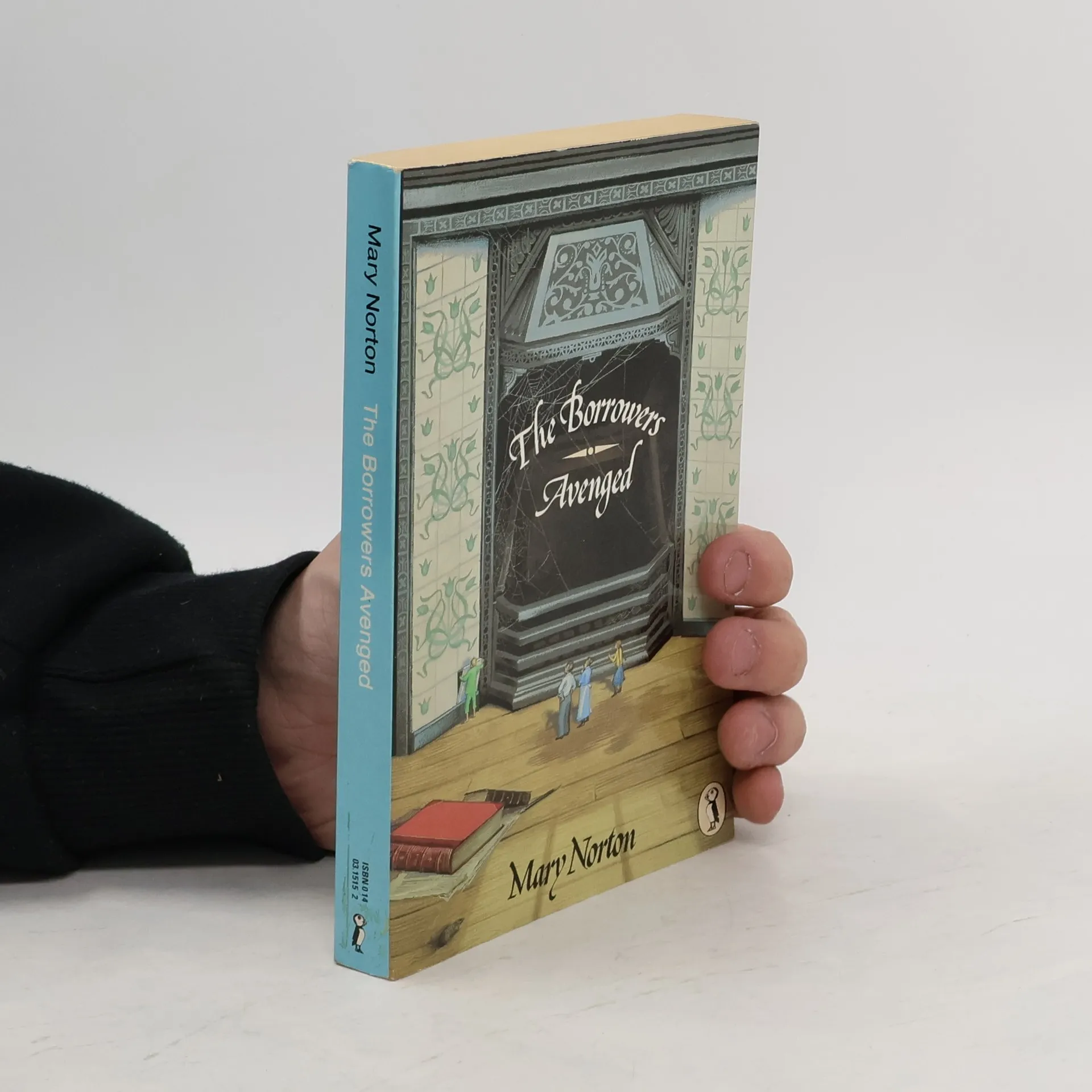
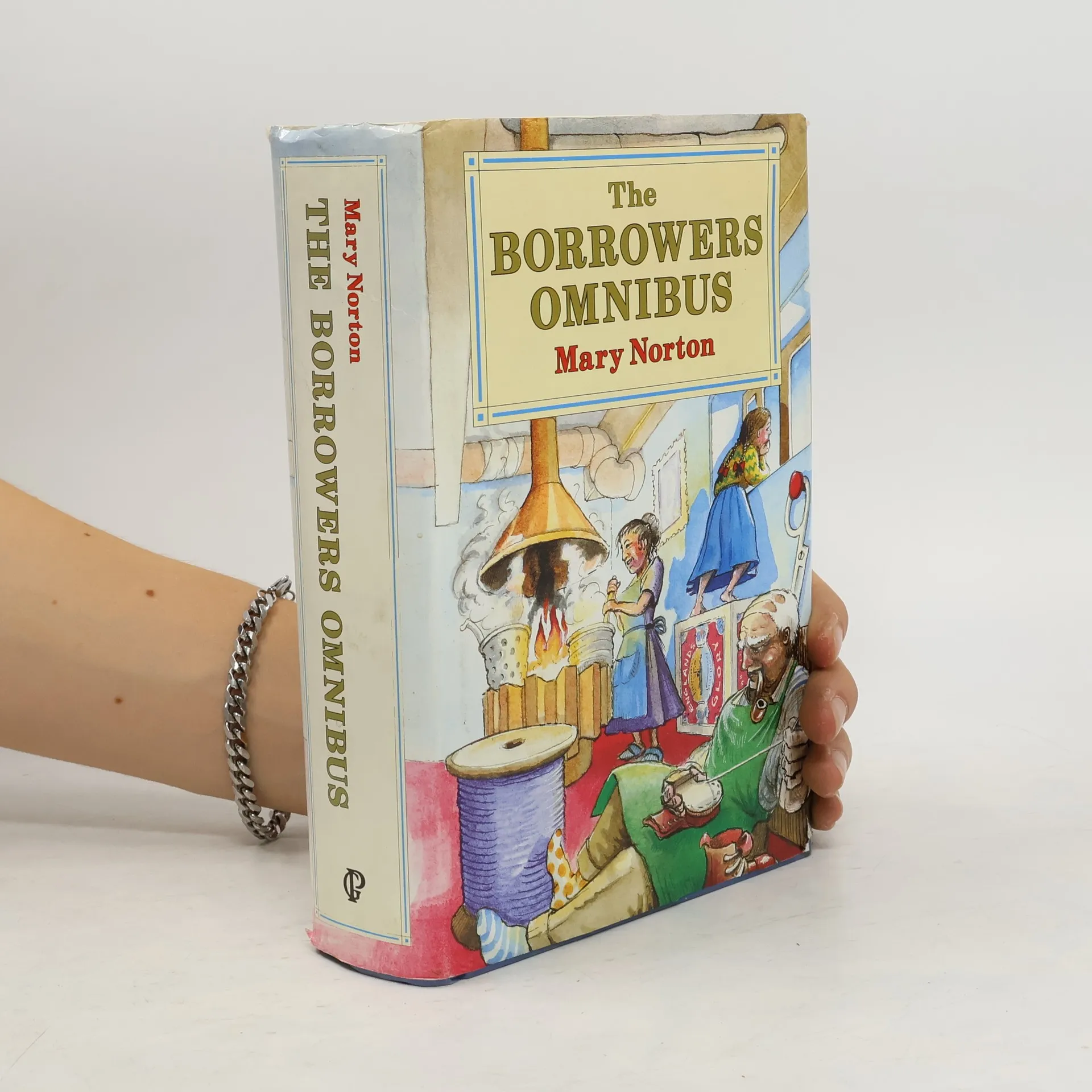
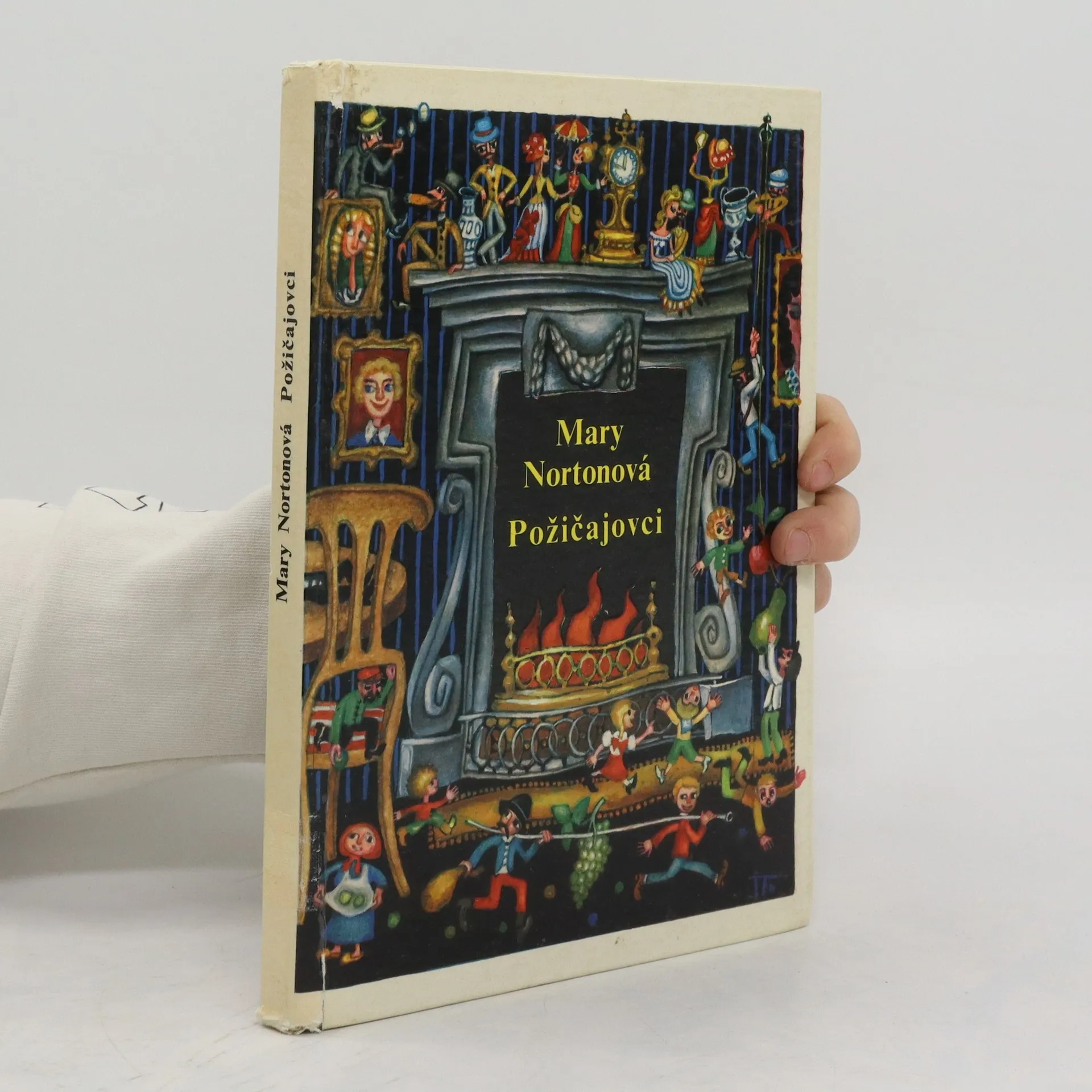
Los incursores
- 344 páginas
- 13 horas de lectura


Mary Norton fue una autora inglesa cuyas obras se sumergen en el ámbito de la fantasía y la aventura. Su escritura infantil más célebre a menudo explora la idea de lo ordinario volviéndose extraordinario. Escribió con un ojo agudo para los detalles y una imaginación que resuena en los lectores jóvenes. Sus historias frecuentemente resaltan el ingenio y la resiliencia frente a lo desconocido.

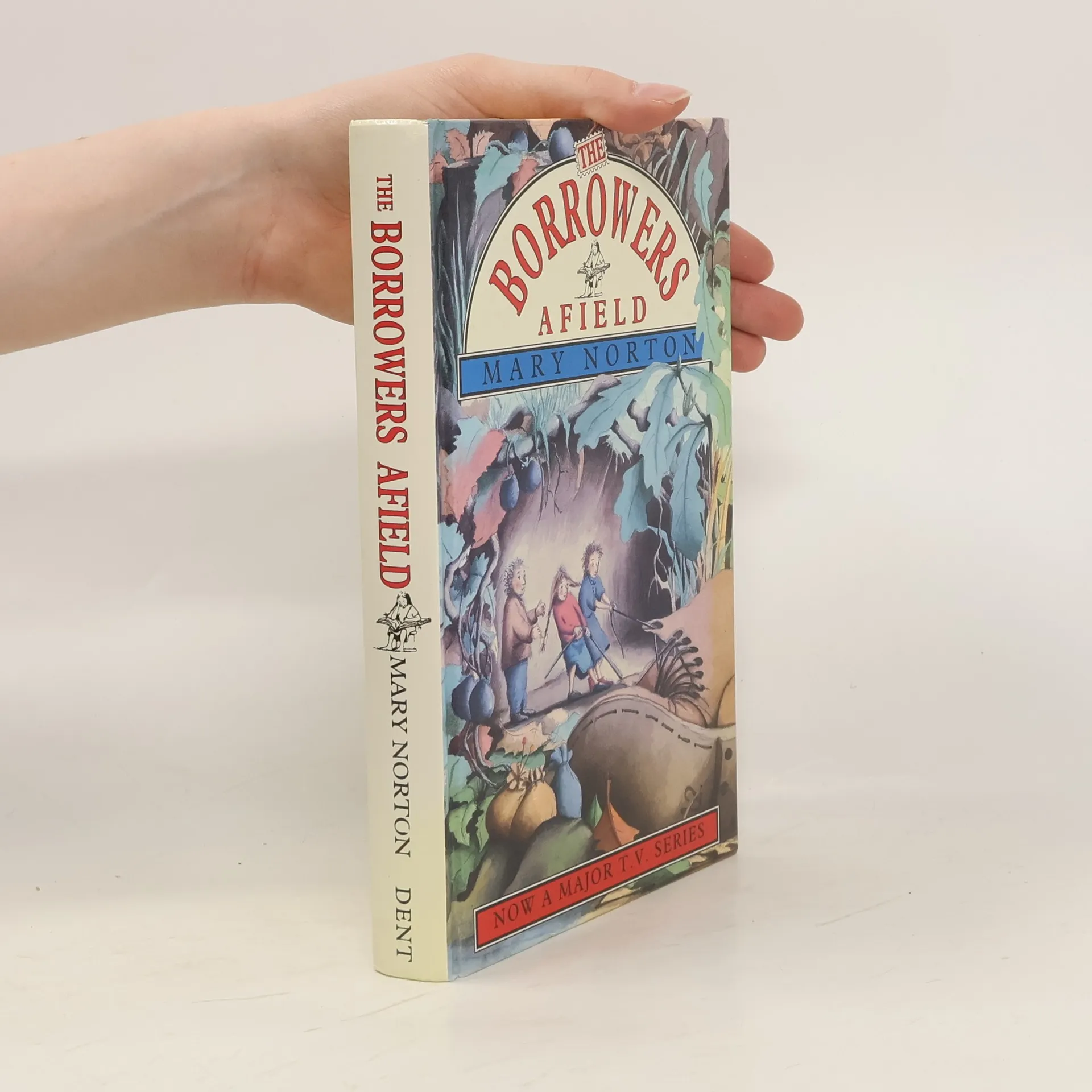
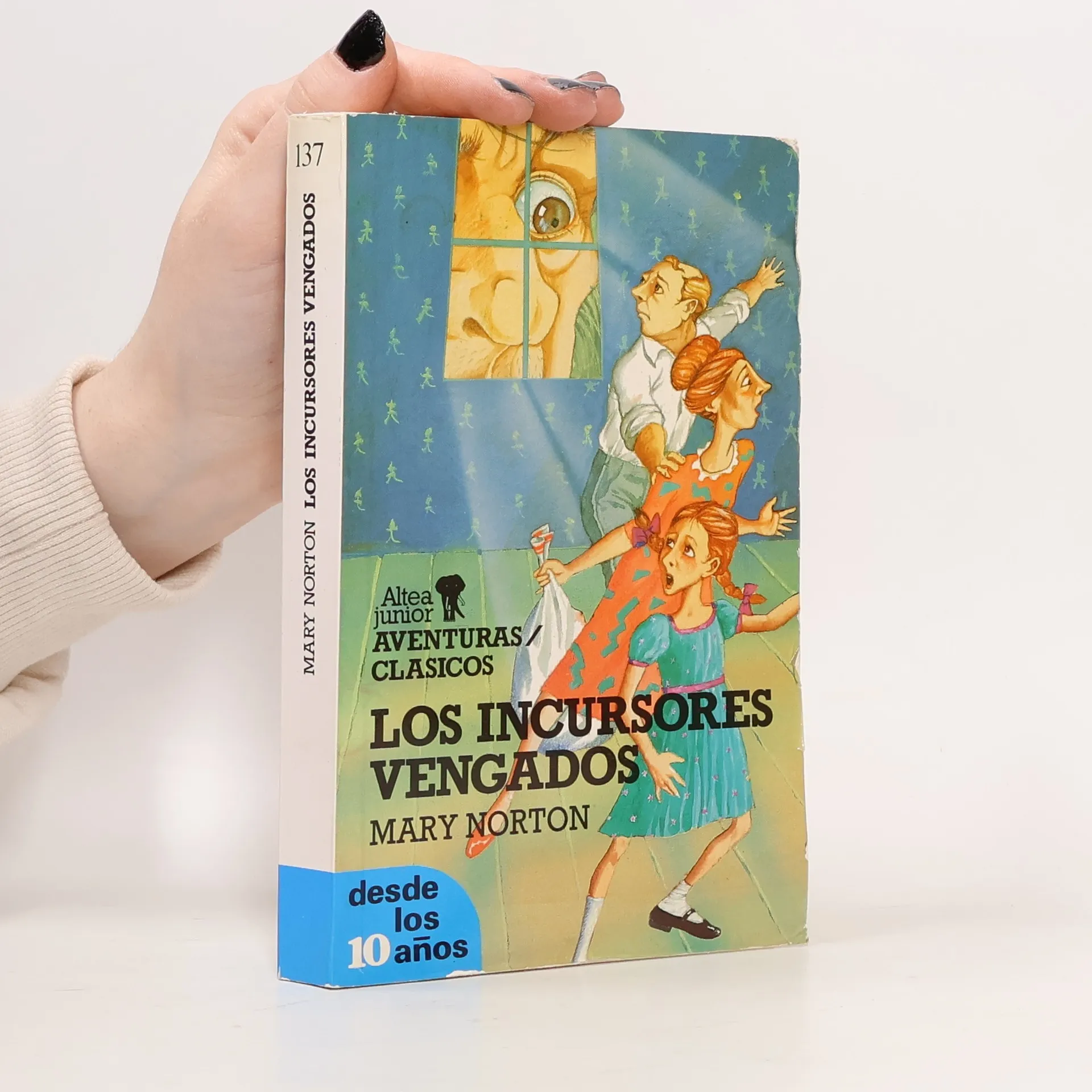
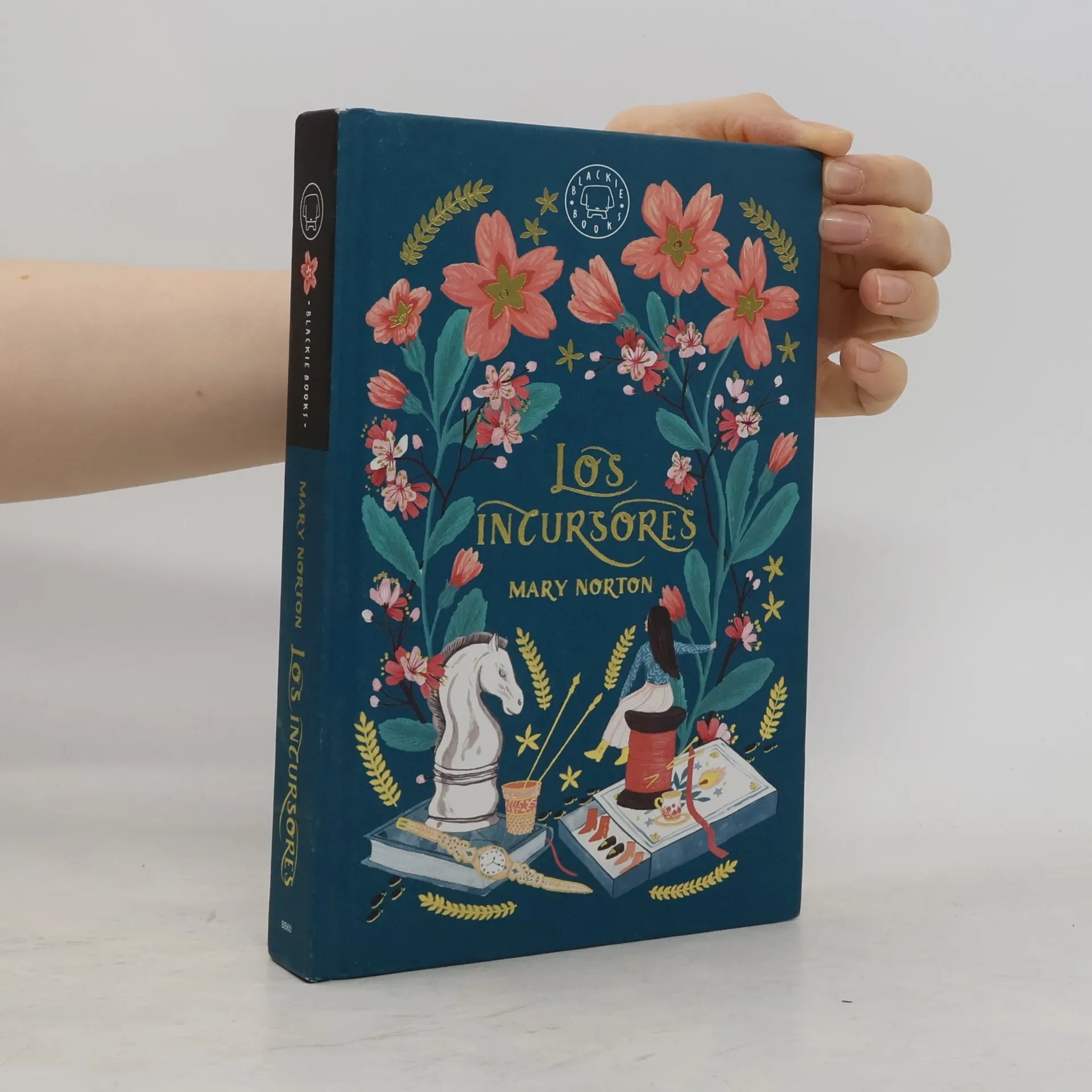
Escaping from an attic where they had been held captive over the long, dark winter, a family of tiny people sets up house in an old rectory.
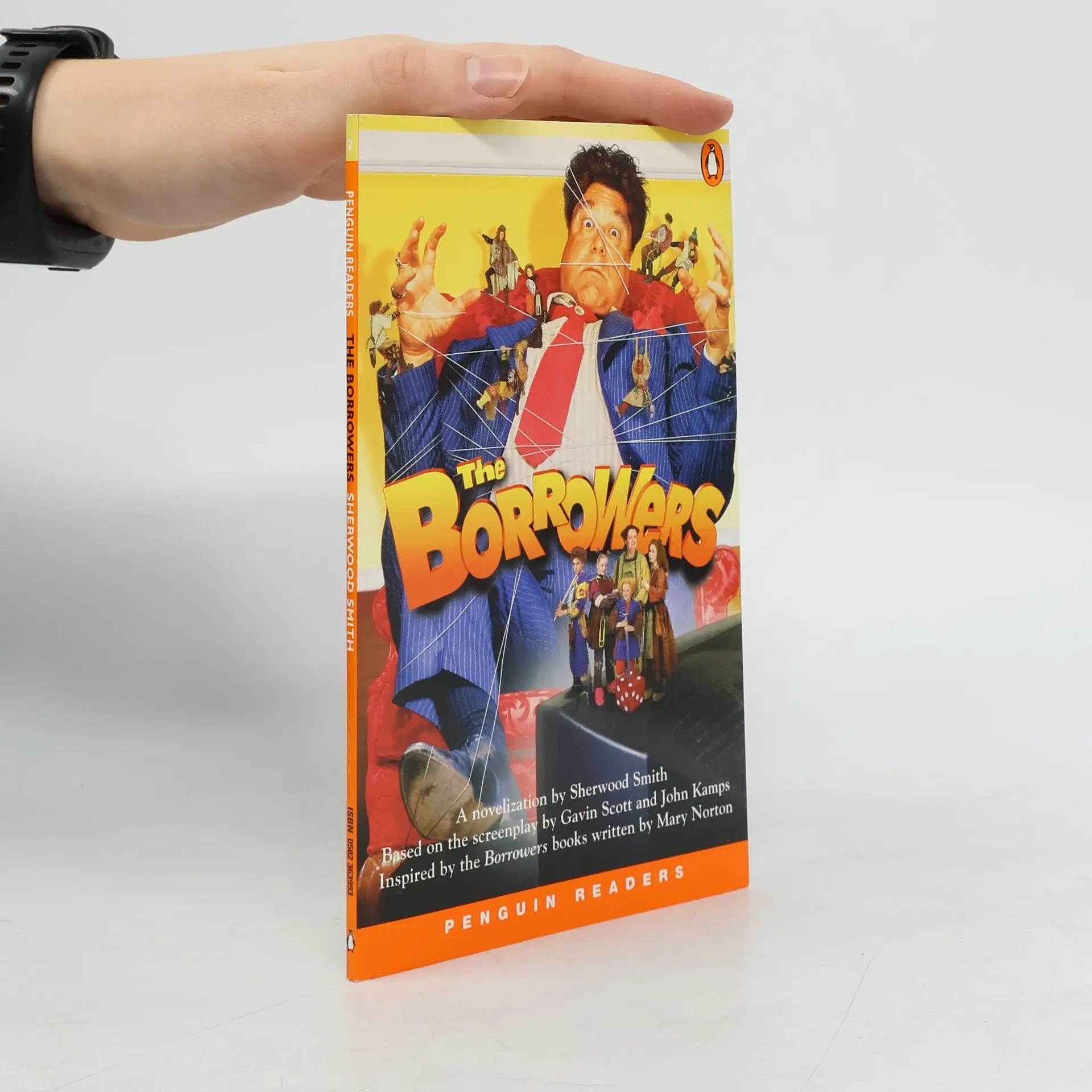
The Borrowers are tiny people who live under the floor of the Lender family's house. A nasty lawyer, Ocious P. Potter, wants to pull down the Lender's home, but young Peter Lender meets Arrietty Clock, a Borrower, and they join forces to try and stop him.
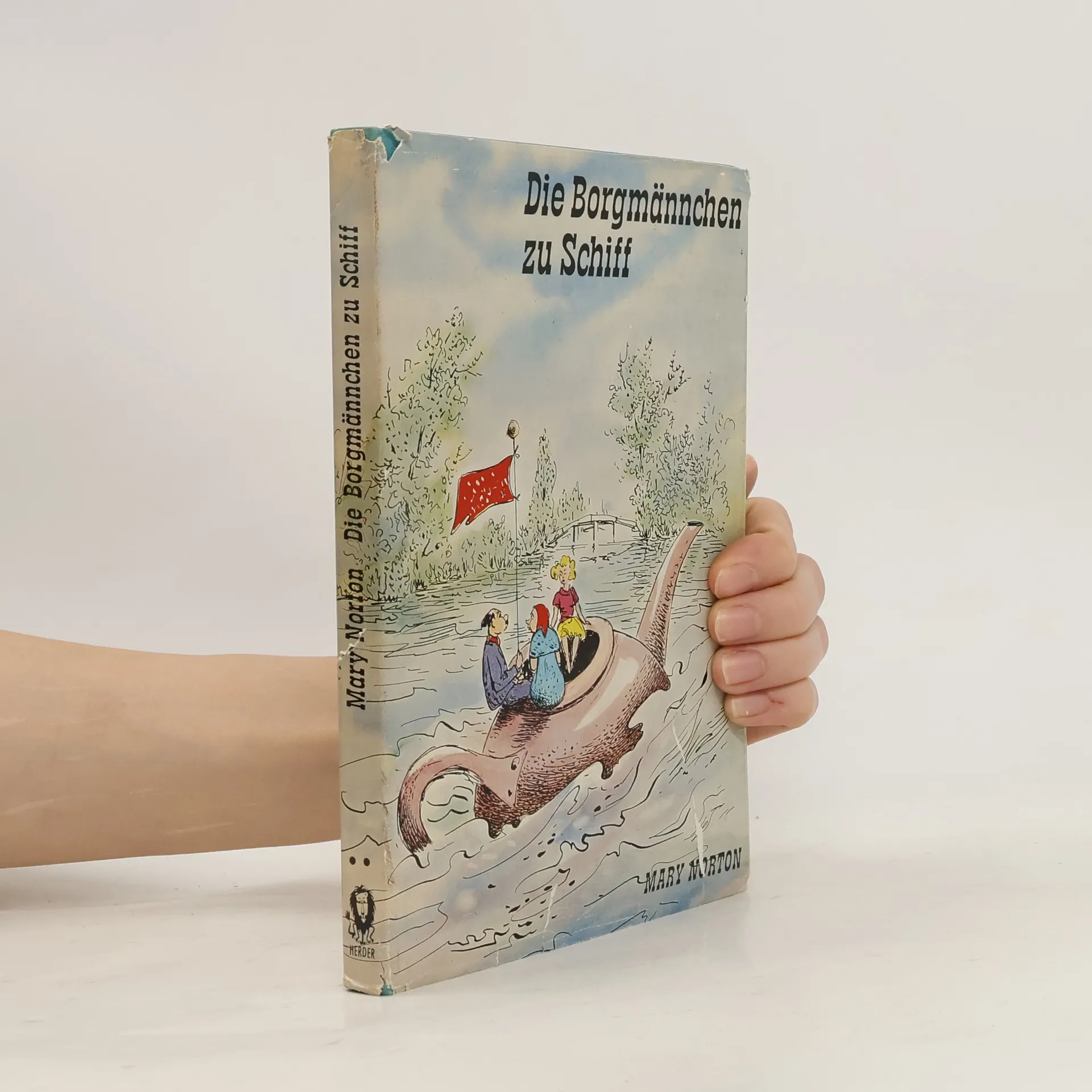
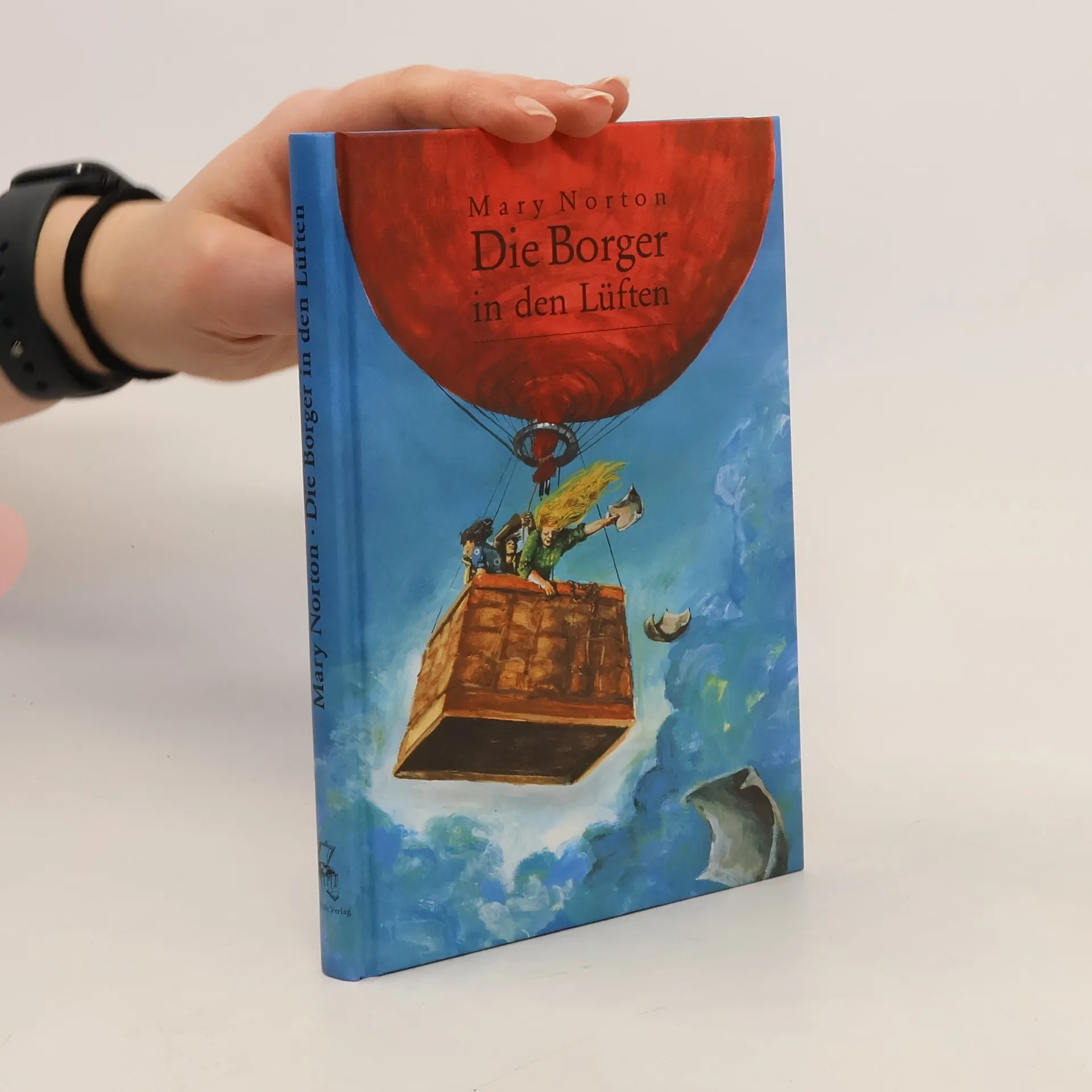
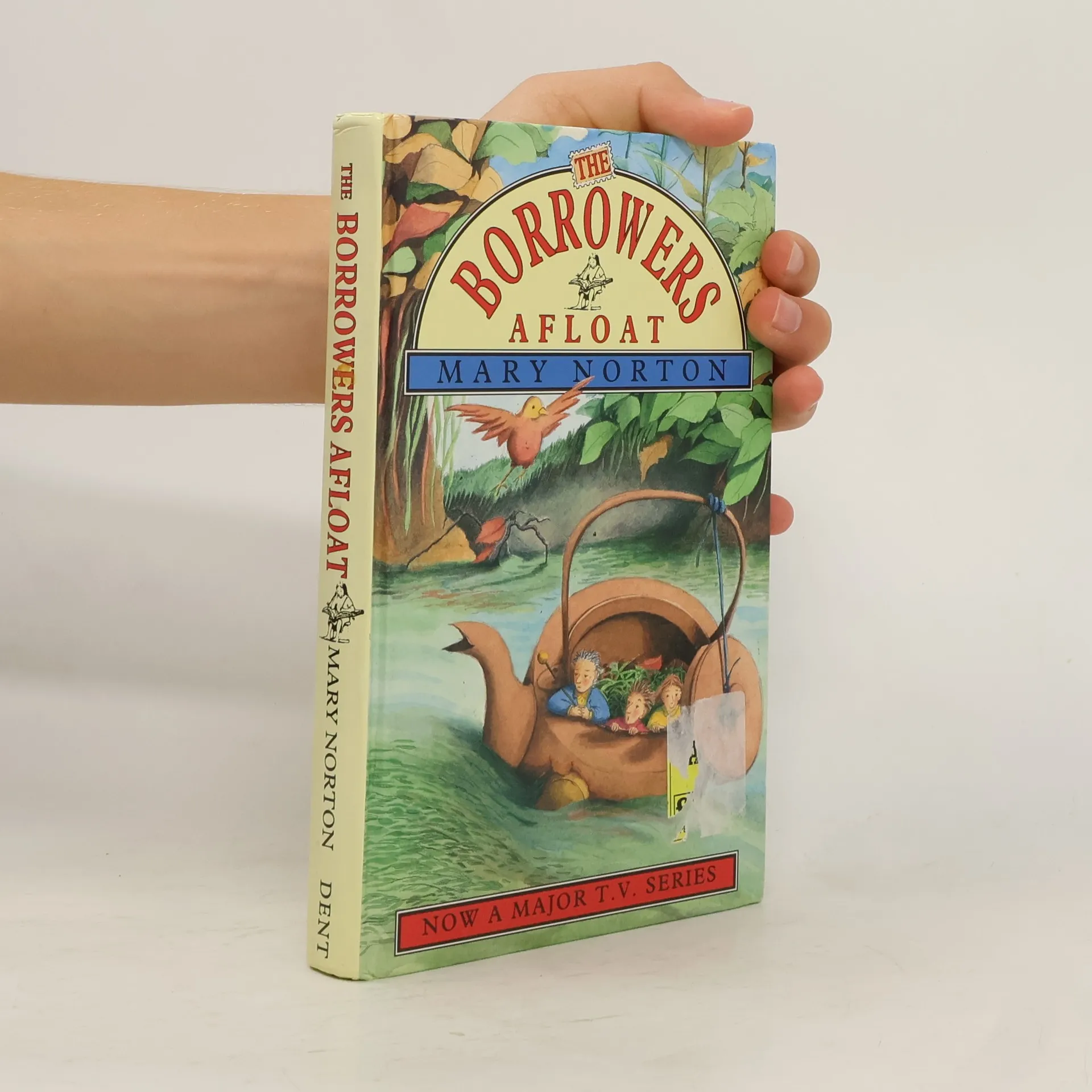
The Borrowers are homeless again. The gamekeeper's cottage, their latest refuge, is being closed up. Luckily their friend Spiller comes to the rescue and introduces them to a new home by the river, in a kettle
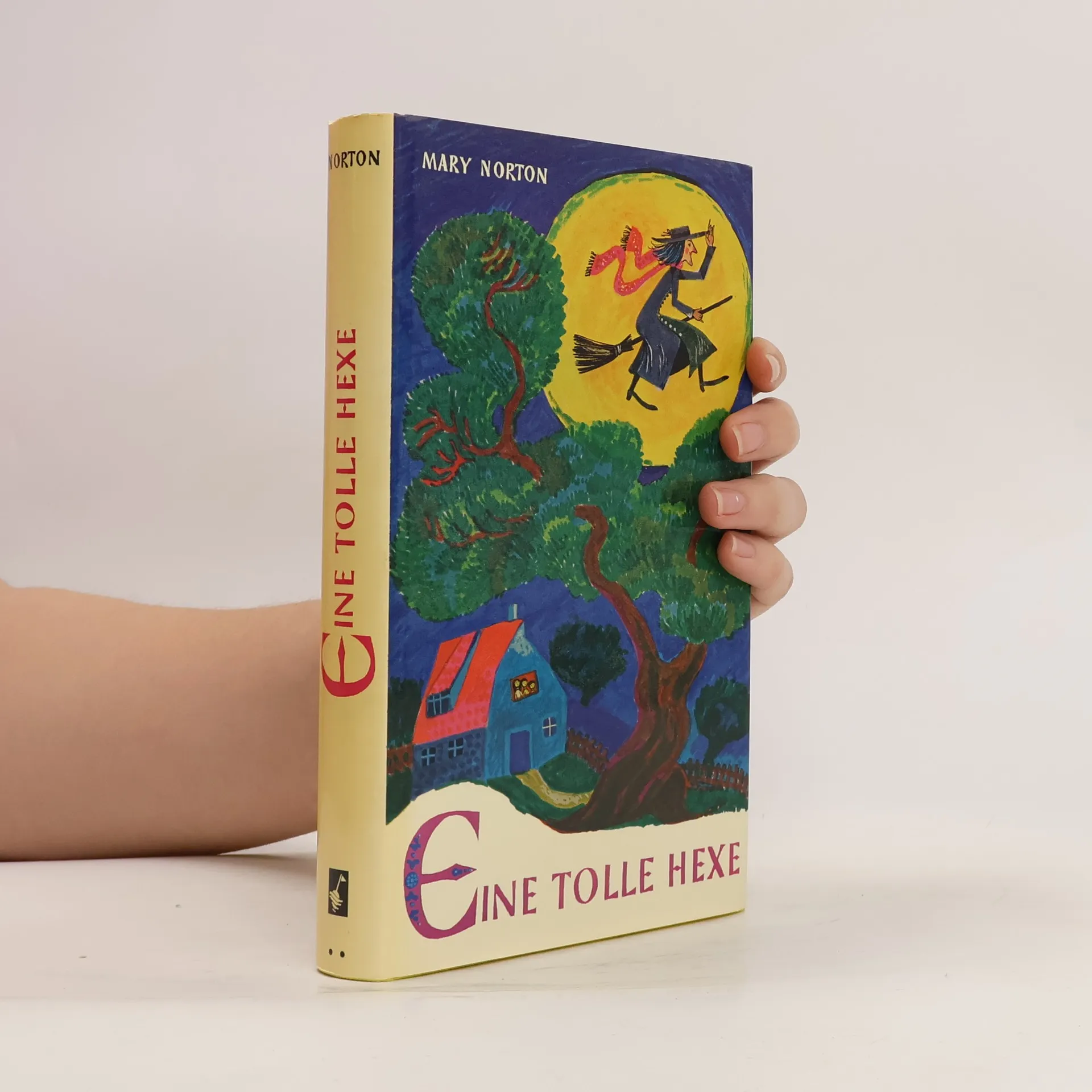
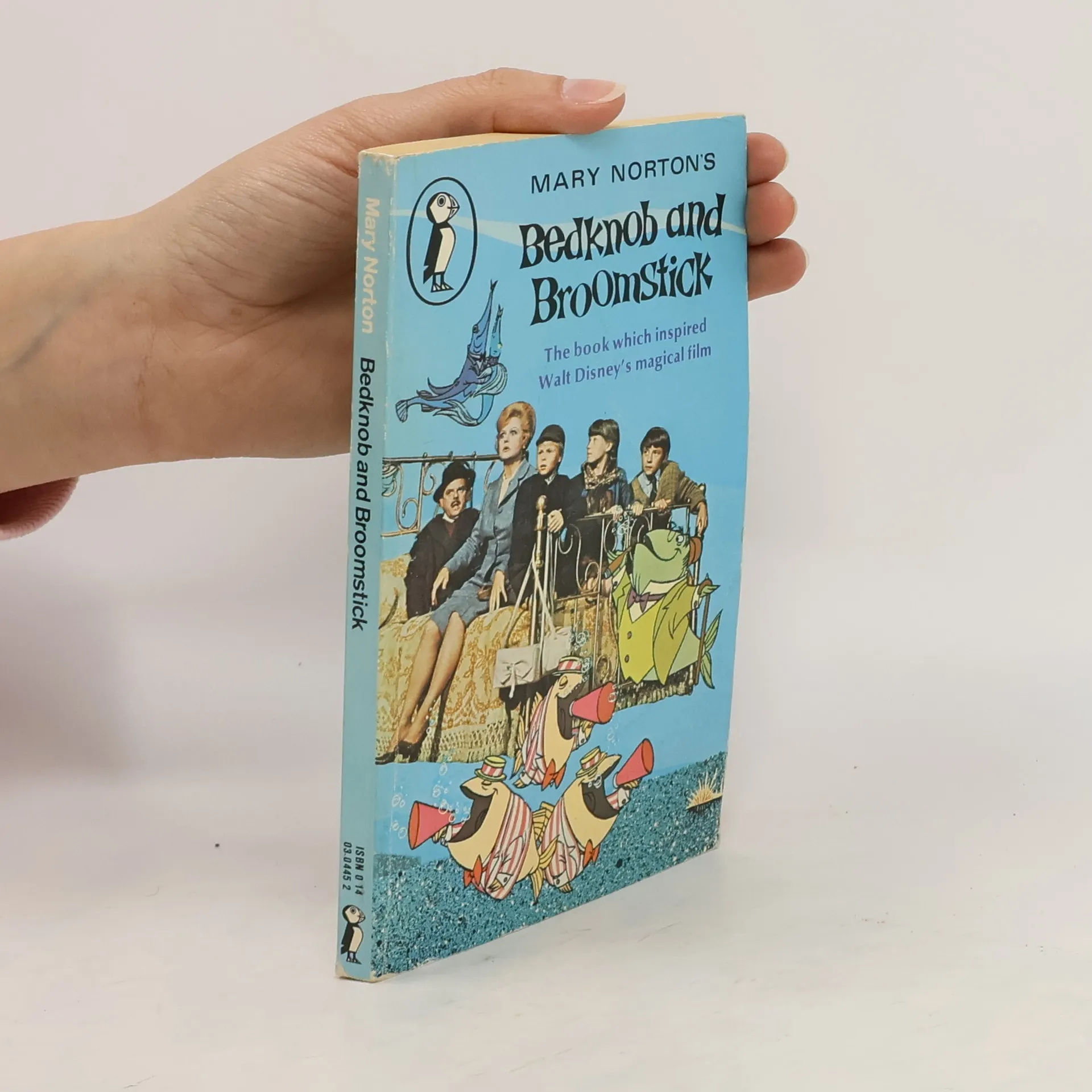
In The Magic Bedknob, Carey, Charles and Paul 6 find prim Miss Price injured by falling off her broomstick. For their silence, she bespells a bedknob to carry them where-ever and when-ever. In Bonfires and Broomsticks two years later, they bring necromancer Emelius Jones to visit. But his neighbors want to burn him at the stake for disappearing in the Great Fire of London.
A powerful and intellectually stimulating teenage love story.
Beneath the kitchen floor is the world of the Borrowers -- Pod and Homily Clock and their daughter, Arrietty. In their tiny home, matchboxes double as roomy dressers and postage stamps hang on the walls like paintings. Whatever the Clocks need they simply "borrow" from the "human beans" who live above them. It's a comfortable life, but boring if you're a kid. Only Pod is allowed to venture into the house above, because the danger of being seen by a human is too great. Borrowers who are seen by humans are never seen again. Yet Arrietty won't listen. There is a human boy up there, and Arrietty is desperate for a friend.
Pod, Homily, and Arrietty escape from the Platters' attic and set off to an old rectory to begin life anew. "Like her Borrowers, the author is resourceful, inventive, and patient, and her fantasy continues to be totally real and acceptable."--"The Horn Book"
First published in 1980 and recently out of print, Liberty's Daughters is widely considered a landmark book on the history of American women and on the Revolution...
In this pioneering study of the ways in which the first settlers defined the power, prerogatives, and responsibilities of the sexes, one of our most incisive historians opens a window onto the world of Colonial America. Drawing on a wealth of contemporary documents, Mary Beth Norton tells the story of the Pinion clan, whose two-generation record of theft, adultery, and infanticide may have made them our first dysfunctional family. She reopens the case of Mistress Ann Hibbens, whose church excommunicated her for arguing that God had told husbands to listen to their wives. And here is the enigma of Thomas, or Thomasine Hall, who lived comfortably as both a man and a woman in 17th century Virginia. Wonderfully erudite and vastly readable, Founding Mothers & Fathers reveals both the philosophical assumptions and intimate domestic arrangements of our colonial ancestors in all their rigor, strangeness, and unruly passion."An important, imaginative book. Norton destroys our nostalgic image of a 'golden age' of family life and re-creates a more complex past whose assumptions and anxieties are still with us."--Raleigh News and Observer
"A book on the American Revolution that looks at the critical "long year" of 1774, and the revolutionary change that took place from December 1773 to mid-April 1775, from the Boston Tea Party and the first Continental Congress to the Battle of Lexington and Concord."-- Provided by publisher
Award-winning historian Mary Beth Norton reexamines the Salem witch trials in this startlingly original, meticulously researched, and utterly riveting study.In 1692 the people of Massachusetts were living in fear, and not solely of satanic afflictions. Horrifyingly violent Indian attacks had all but emptied the northern frontier of settlers, and many traumatized refugees—including the main accusers of witches—had fled to communities like Salem. Meanwhile the colony’s leaders, defensive about their own failure to protect the frontier, pondered how God’s people could be suffering at the hands of savages. Struck by the similarities between what the refugees had witnessed and what the witchcraft “victims” described, many were quick to see a vast conspiracy of the Devil (in league with the French and the Indians) threatening New England on all sides. By providing this essential context to the famous events, and by casting her net well beyond the borders of Salem itself, Norton sheds new light on one of the most perplexing and fascinating periods in our history.
This collection features a selection of poems from the original 1890 edition, showcasing the lyrical beauty and thematic depth of the author's work. The poems explore various subjects, inviting readers into a world rich with emotion and imagery. The reprint maintains the integrity of the original text, making it a valuable addition for poetry enthusiasts and those interested in historical literary works.
When life takes a cruel turn and everything you knew becomes the unknown. Macy Reynolds was an ordinary girl with an ordinary life, until one day that life was shattered by a cruel attack on her. People's lives spiral out of control as a number of suspects are interviewed and secrets and lies are unravelled. But will Macy's attacker ever be exposed?
What happens when you find yourself living a nightmare that you thought only happened to other families? Or that you thought only ever happened in a TV drama? The Spencer family are a hardworking, unassuming, contented, ordinary family - a mother, a father, and three offsprings. Nothing different from anyone else. Until one night, a tragedy unfolds, and their ordinary lives are thrust into total disarray. What they all once knew has all but gone, and now their lives are one big sequence of hurt, upset, uncertainty, and, above all ... hope. A roller coaster of emotions that seem to have no end. This story expresses courage, strength, love, and what can happen when a family pulls together and never gives up hoping.
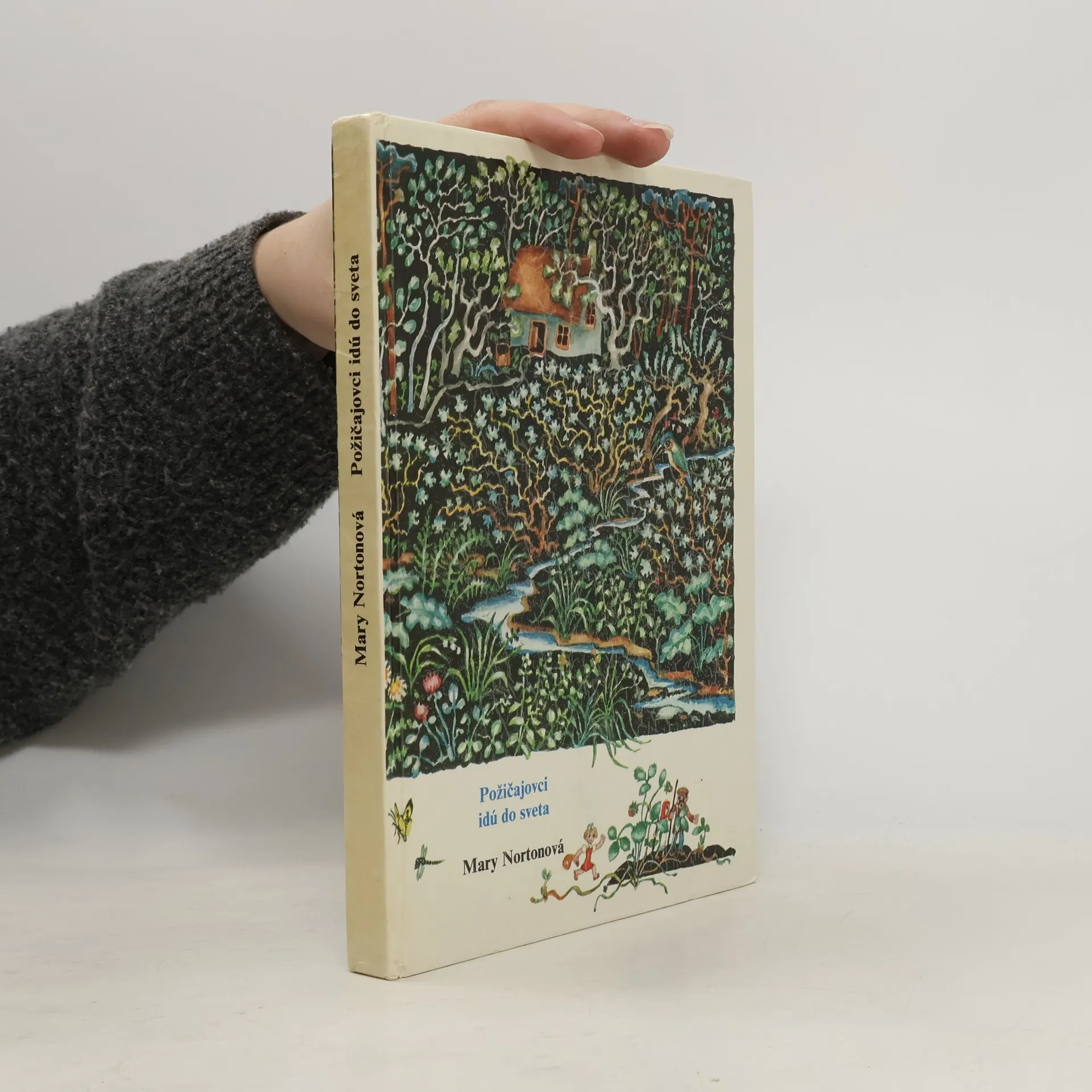
Na začiatku tohto rozprávania je Katkin stratený háčik. Kam sa asi stratil? Nepožičal si ho niekto? Možno áno, možno nie. V každom prípade však môžete zažiť veľké dobrodružstvo, ak nahliadnete spolu s ňou do skrytého piadisveta snaživých piadiľudí. Tieto neškodné bytôstky spoluobývajú naše domovy a žijú skromne z „požičiavania“, ktorému niektorí neprajní jedinci veľkého sveta škaredo hovoria krádež. Arieta a jej rodičia Strúčik a Babuľka vás iste presvedčia, že tomu tak nie je. Kúzelný príbeh anglickej spisovateľky Mary Nortonovej má i svoju filmovú podobu a prináša čitateľom potešenie už od roku 1952, kedy získal významné ocenenie Carnegie Medal. Dnes patrí do svetovej pokladnice významných diel detskej literatúry.
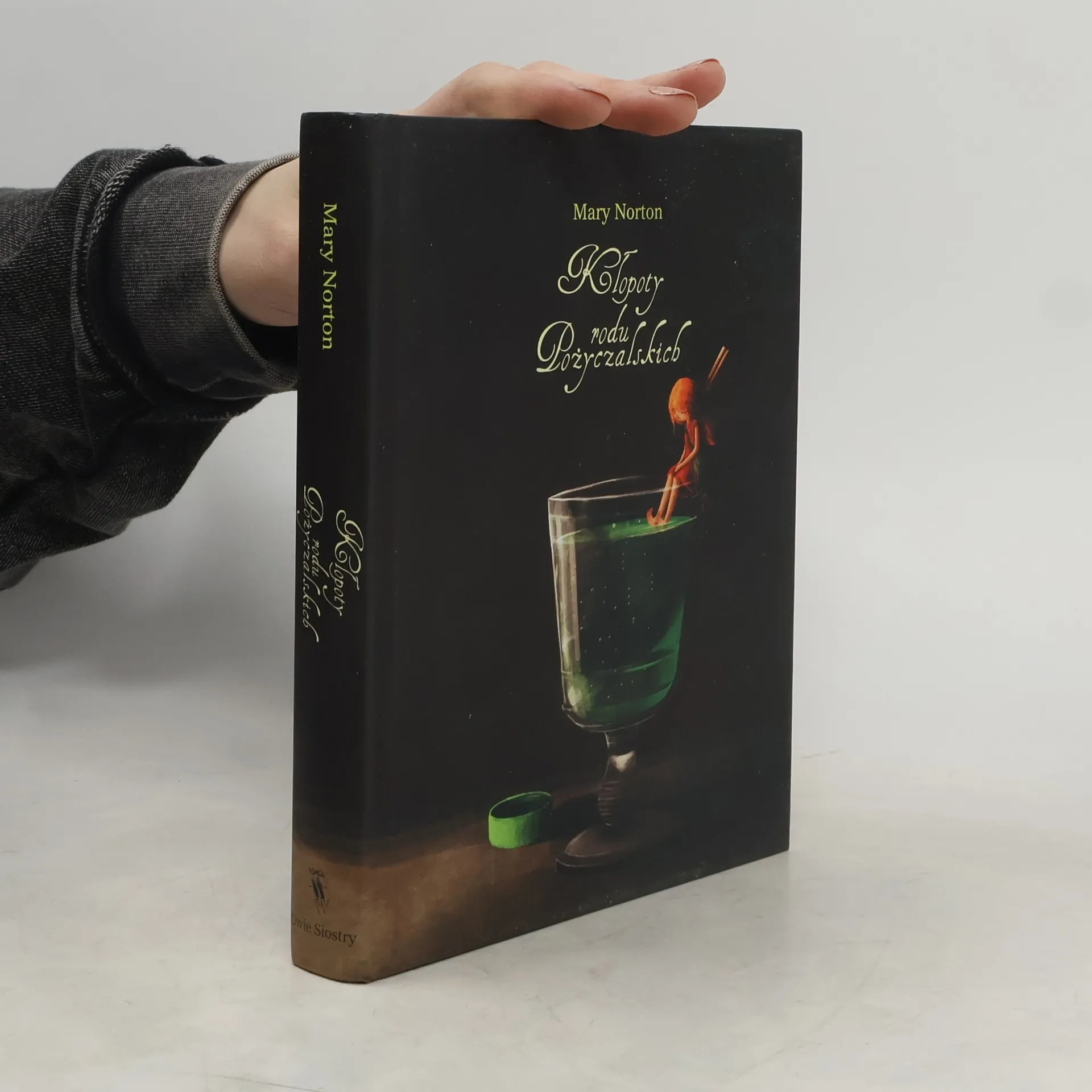
Der vierte von fünf Bänden der Abenteuer der Familie Pożyczalskich ist ebenso spannend und humorvoll wie die vorherigen. Die Pożyczalscy, Dominik, Strączek und Arietta, erreichen nach einer gefährlichen Reise das legendäre Städtchen Mały Potok und beziehen das gemütliche Bluszczowe Domku. Doch bald werden sie entführt und in einem Dachboden gefangen gehalten. Der Winter naht, und wenn es ihnen bis zum Frühling nicht gelingt, zu entkommen, landen sie als Touristenattraktion in einem Käfighaus. Werden die Pożyczalscy einen Weg finden, zu fliehen?
"Klasyka światowej literatury dziecięcej: zabawna opowieść o perypetiach rodziny Pożyczalskich - maleńkich istot, które próbują wygodnie żyć w mieszkanku pod podłogą swoich ludzkich sąsiadów. Poznajcie Pożyczalskich: Strączka, Dominikę i ich córkę Ariettę. Mają po kilkanaście centymetrów wzrostu i mieszkają pod podłogą starego domu. Wszystko, czego im trzeba, 'pożyczają' z mieszkania olbrzymów znad sufitu. Ale pod żadnym pozorem nie mogą być przez nich widziani - by przetrwać, muszą ukrywać swoje istnienie. Wszystko idzie dobrze do momentu, gdy Strączek zostaje dostrzeżony przez Chłopca. Czy Pożyczalscy będą musieli uciekać? 'Kłopoty rodu Pożyczalskich' to powieść zaliczana do złotej klasyki światowej literatury dziecięcej. W 1952 roku została nagrodzona najważniejszym brytyjskim wyróżnieniem w dziedzinie książek dla dzieci - The Carnegie Medal. Pół wieku później uznano ją za jeden z dziesięciu najlepszych tytułów w siedemdziesięcioletniej historii tej nagrody. Zapoczątkowała pięciotomowy cykl o losach rodziny Pożyczalskich, który podbił serca i poruszył wyobraźnię czytelników na całym świecie."--
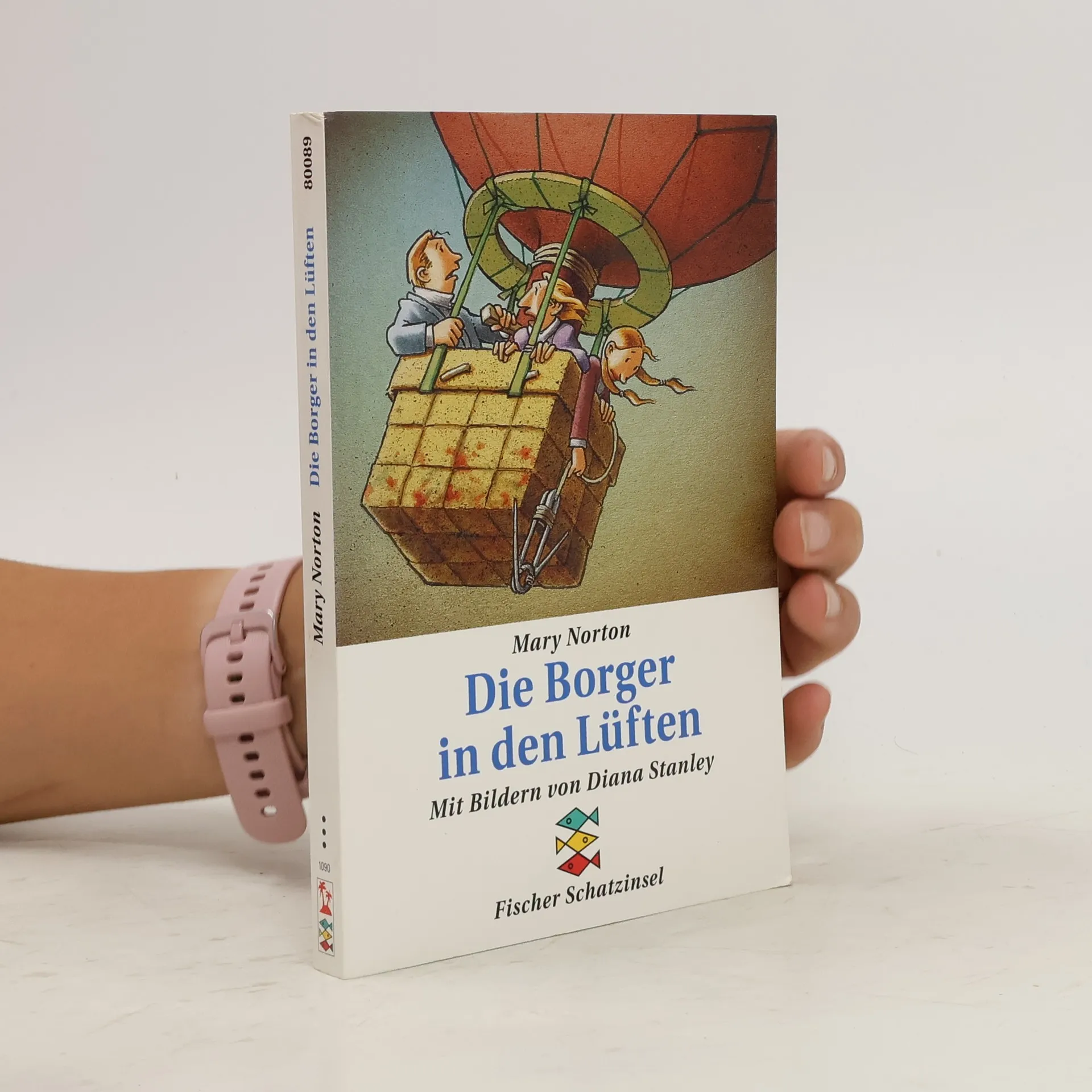
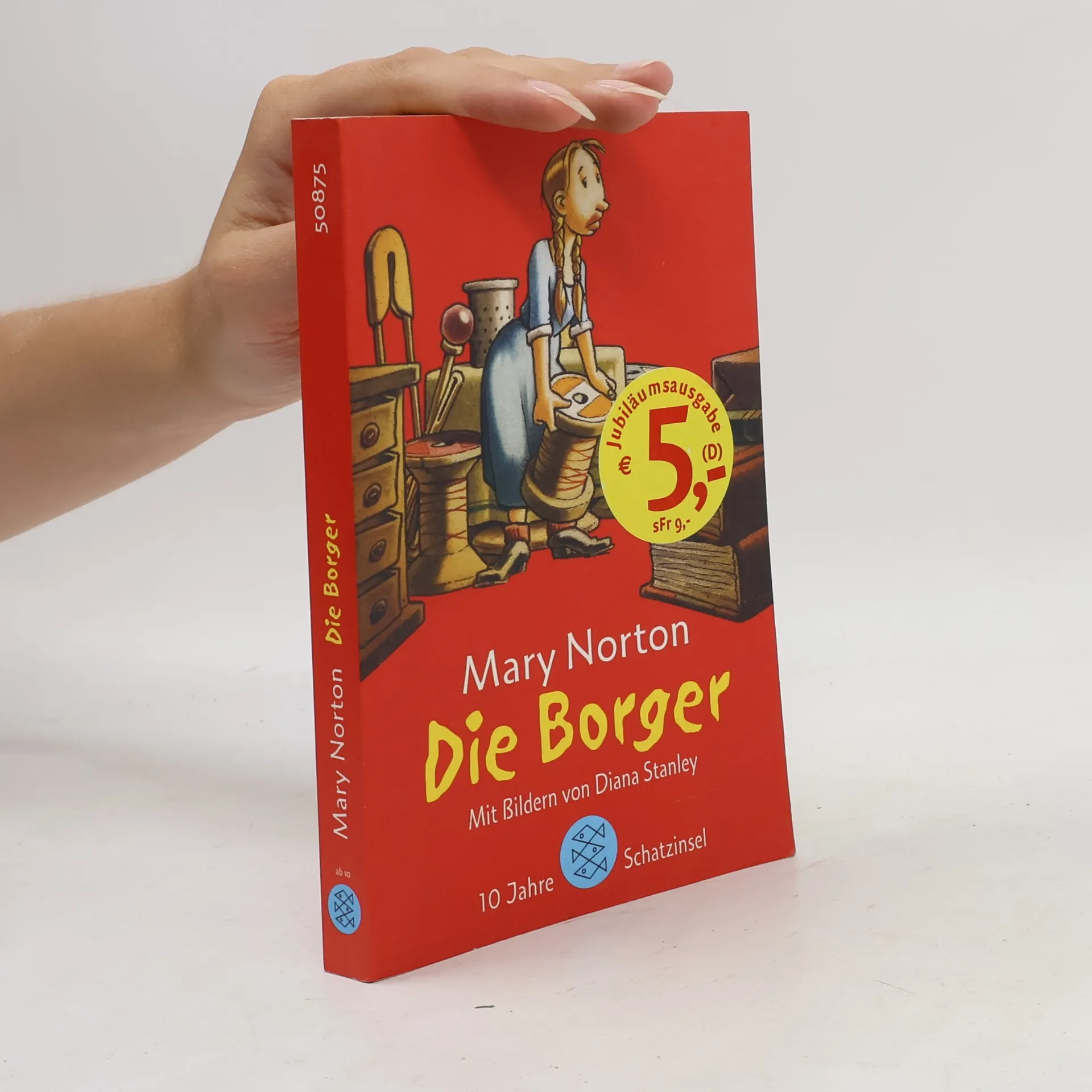
Wenn es im Haus knackt, ist das nicht immer das Holz, das arbeitet. Und wenn auf unerklärliche Weise immer wieder Dinge des alltäglichen Lebens einfach verschwinden, dann sind das keine unerklärlichen Phänomene. Es sind die Borger! Zehn Zentimeter kleine Leute mit großem Herzen, die in den Häusern ihrer menschlichen Gastfamilien unter Dielenbrettern oder in Hohlräumen der Wände leben und sich borgen, was sie so für ihr Leben alles brauchen. Socken werden zu Betten, Briefmarken zu Postern und Zahnseide zum Kletterseil.
Wenn es im Haus knackt, ist das nicht immer das Holz, das arbeitet. Und wenn auf unerklärliche Weise immer wieder Dinge des alltäglichen Lebens einfach verschwinden, dann sind das keine unerklärlichen Phänomene. Es sind die Borger! Zehn Zentimeter kleine Leute mit großem Herzen, die in den Häusern ihrer menschlichen Gastfamilien unter Dielenbrettern oder in Hohlräumen der Wände leben und sich borgen, was sie so für ihr Leben alles brauchen. Socken werden zu Betten, Briefmarken zu Postern und Zahnseide zum Kletterseil.