Plays: One
- 416 páginas
- 15 horas de lectura
This volume contains the best of David Edgar's work from the seventies


David Edgar es un dramaturgo inglés cuya obra está profundamente arraigada en una tradición familiar teatral. Desde joven, demostró un profundo interés en la escritura de obras de teatro y el mundo teatral. Sus obras a menudo abordan temas sociales y políticos contemporáneos, explorándolos con una aguda comprensión de la naturaleza humana. El estilo dramático de Edgar es reconocido por su profundidad intelectual y su capacidad para atraer al público a las complejas cuestiones de nuestro tiempo.
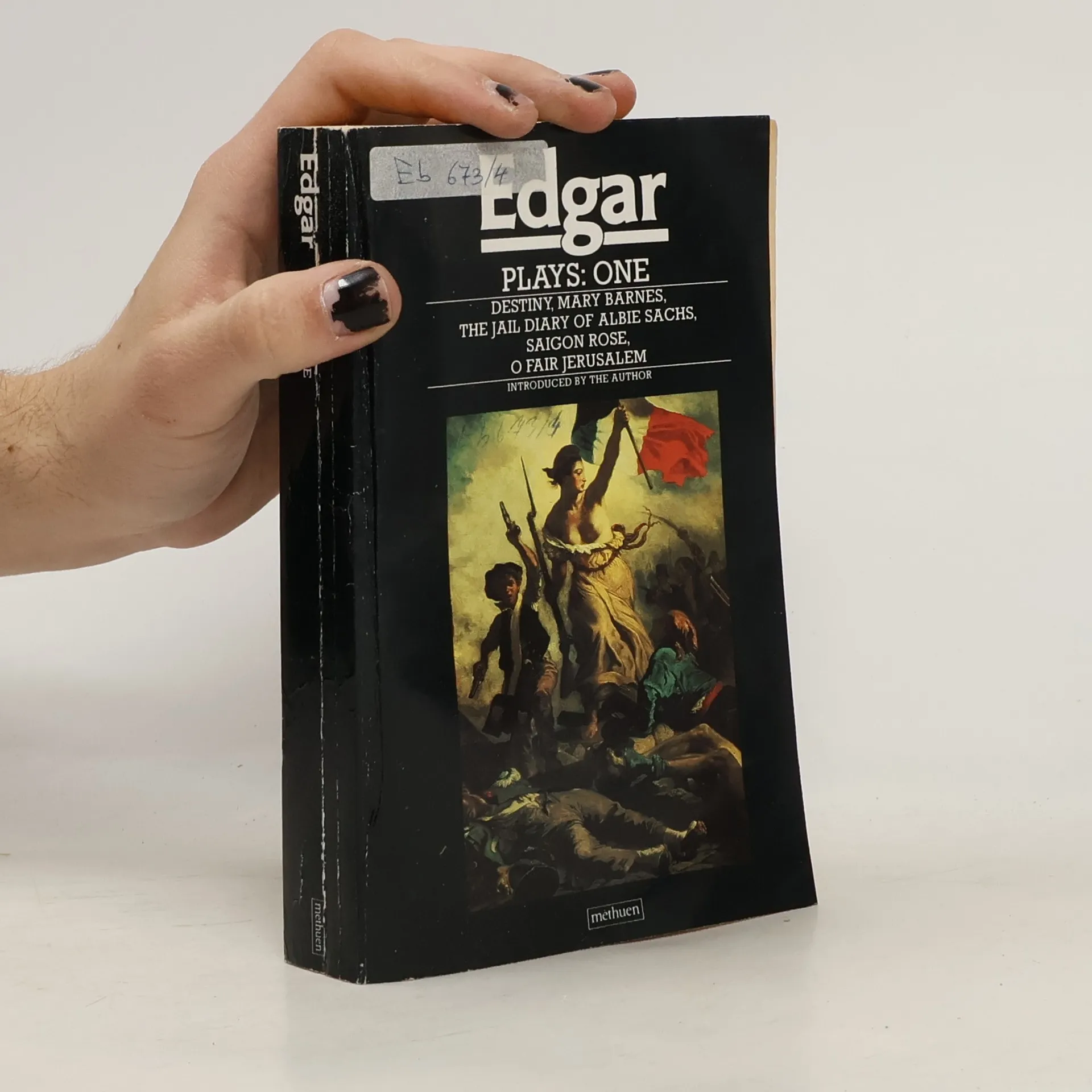
This volume contains the best of David Edgar's work from the seventies
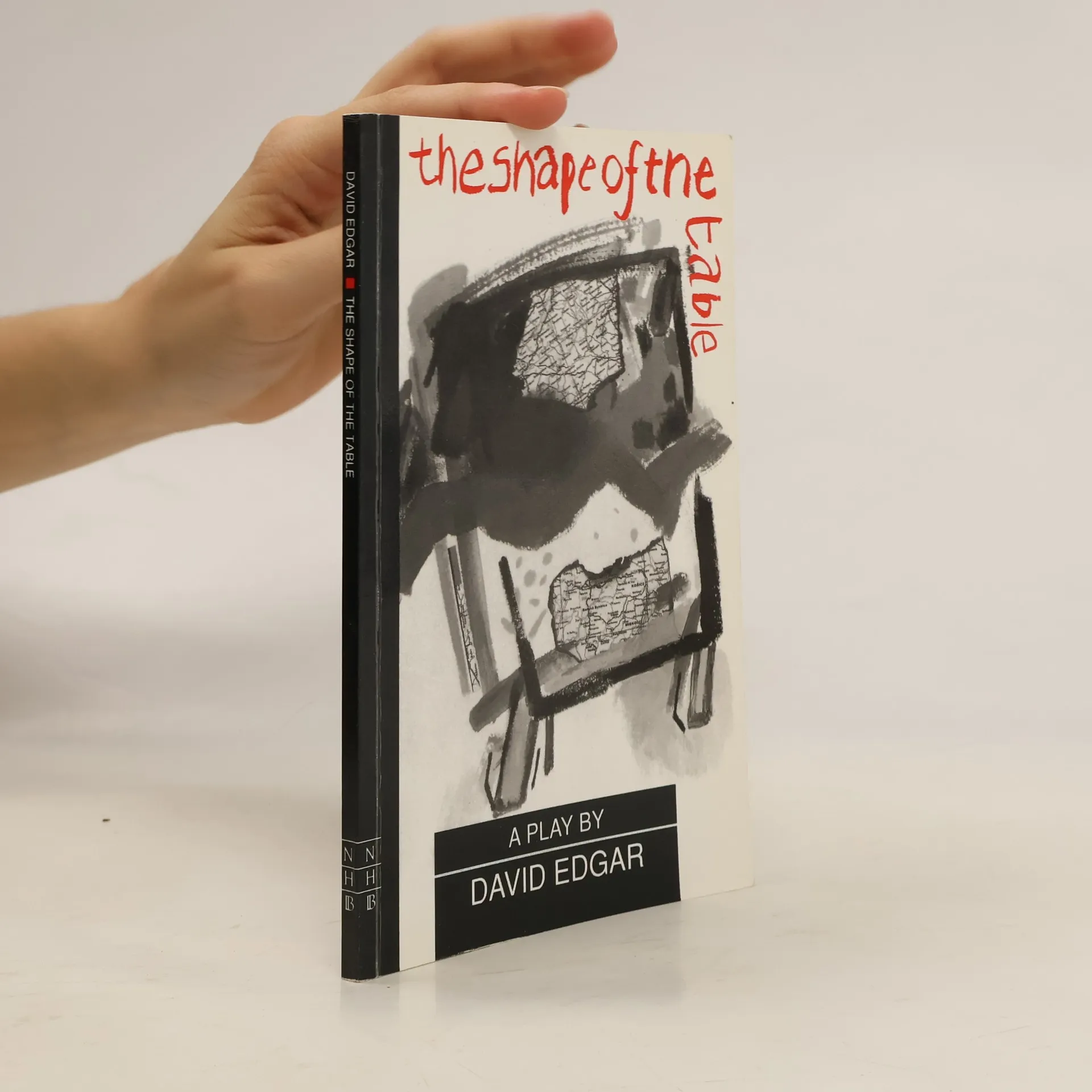
1989. An Eastern Bloc government on the brink of collapse. As the old regime retreats, former political prisoners join banned writers around the negotiating table... The Shape of the Table is part of David Edgar's post-Cold War trilogy of plays, which also includes Pentecost and The Prisoner's Dilemma. Witty and informative, this play is both an intensely topical account of what actually went on in the corridors of power and a timeless analysis of revolution in action. In particular the play explores not only the challenge of seizing power, but also the difficulty of relinquishing it. The Shape of the Table was first performed at the National Theatre, London, in 1990.
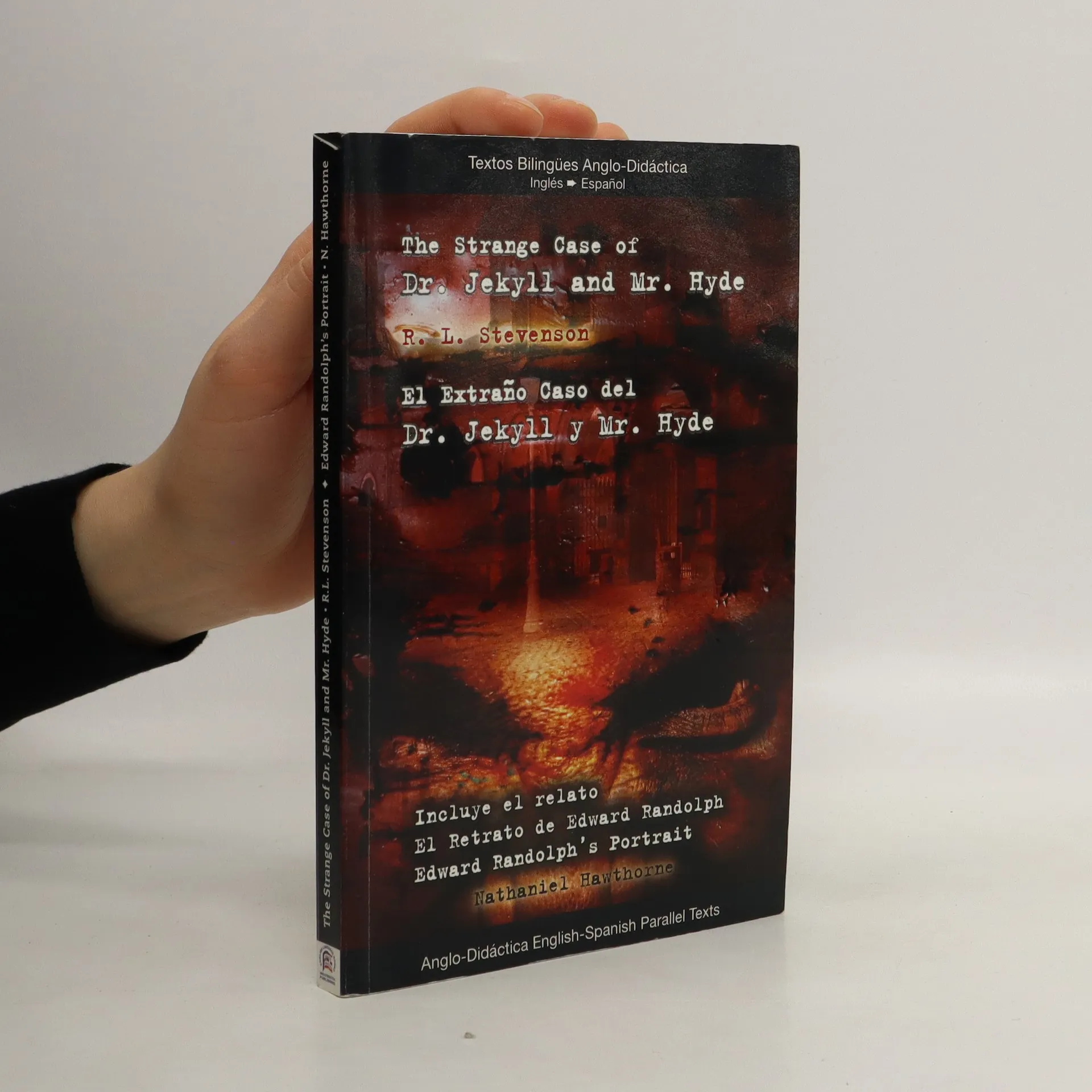
"The Strange Case of Dr. Jekyll and Mr. Hyde," published in 1886, became a bestseller with 40,000 copies sold in six months. The story is inspired by the true tale of Deacon Brodie, an Edinburgh carpenter who led a secret double life and ultimately faced execution. Stevenson had previously written a play about this case as a teenager, titled "Deacon Brodie, or The Double Life." The impetus for the novella came from a vivid dream in late September or early October 1885, after which Stevenson quickly drafted a version. While recovering in Bournemouth, he experienced a health crisis just before the dream and wrote feverishly. His wife criticized the initial draft, prompting Stevenson to burn it and produce an allegorical second version within a week. The narrative combines various stylistic levels, with a distinct tone in the narrator's voice compared to the inserted documents, showcasing Stevenson's stylistic virtuosity, which needed to be faithfully preserved in translation.