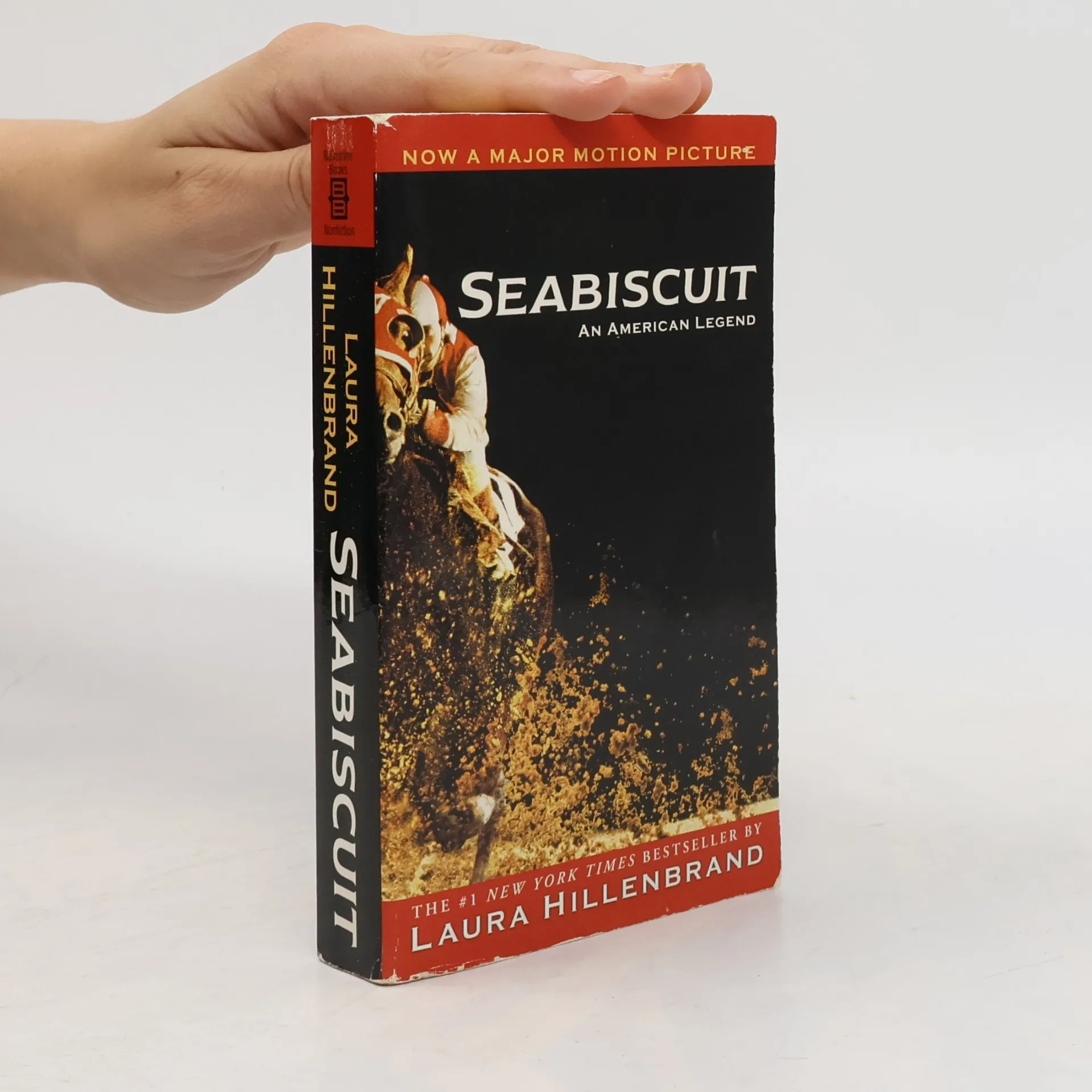
Laura Hillenbrand crea narrativas convincentes que entrelazan la historia y el espíritu humano con una investigación meticulosa y un estilo cautivador. Su obra demuestra una notable habilidad para dar vida al pasado, sumergiendo a los lectores en historias ricamente detalladas y emocionalmente resonantes. Posee un talento único para encontrar historias extraordinarias dentro de la historia, explorando temas de resiliencia, determinación y el triunfo del desvalido. La prosa de Hillenbrand es a la vez autorizada y accesible, haciendo que los temas complejos sean atractivos e inolvidables para una amplia audiencia.
Relates the story of a U.S. airman who survived when his bomber crashed into the sea during World War II, spent forty-seven days adrift in the ocean before being rescued by the Japanese Navy, and was held as a prisoner until the end of the war
On a May afternoon in 1943, a U.S. Army Air Forces bomber crashed into the Pacific Ocean and disappeared. Only two crew members survived: one of them a young lieutenant named Louis Zamperini. So began one of the most extraordinary odysseys of the Second World War, as Zamperini is driven to the limits of endurance
#1 NEW YORK TIMES BESTSELLER • From the author of Unbroken comes a universal underdog story about a horse who rose to legendary status. Seabiscuit captivated the nation in 1938, garnering more media attention than prominent figures like FDR and Hitler. Initially dismissed by the racing establishment, this crooked-legged horse's fortunes changed thanks to three men. Charles Howard, a former bicycle repairman turned millionaire, sought a trainer for his racehorses and found Tom Smith, a mysterious mustang breaker from Colorado. Smith encouraged Howard to purchase Seabiscuit at a low price and hired Red Pollard as the jockey. Pollard, a failed boxer with one eye and a penchant for quoting Ralph Waldo Emerson, joined this unlikely team. Over four years, they faced immense challenges, including bad luck and injuries, transforming Seabiscuit from a lazy underdog into a celebrated sports icon. Praise for the narrative highlights its fascinating storytelling and vivid portrayal of both the horse and the historical context, showcasing the extraordinary journey of its human companions as well. The story remains compelling and memorable, resonating with audiences just as strongly today as it did in 1938.
An Olympian's Journey from Airman to Castaway to Captive
307 páginas
11 horas de lectura
"On a May afternoon in 1943, an American military plane crashed into the Pacific Ocean and disappeared, leaving only a spray of debris and a slick of oil, gasoline, and blood. Then, on the ocean surface, a face appeared. It was that of a young lieutenant, the plane's bombardier, who was struggling to a life raft and pulling himself aboard. So began one of the most extraordinary sagas of the Second World War. The lieutenant's name was Louis Zamperini."--Jacket
An Olympian's Journey from Airman to Castaway to Captive
320 páginas
12 horas de lectura
Louis Zamperini, a clever young delinquent turned Olympic runner, became an airman when the war came. In 1943 his plane crashed into the Pacific Ocean, where sharks, a sinking raft, thirst, starvation, and enemy aircraft, tested his will and endurance