Compra 10 libros por 10 € aquí!
Bookbot

Edward Bond

    18 de julio de 1934 – 3 de marzo de 2024

    Edward Bond fue un dramaturgo británico cuyas obras se caracterizaron por una crítica social radical y a menudo provocadora. Sus obras exploraron temas de poder, violencia y naturaleza humana con un realismo inquebrantable y una perspicacia filosófica. Bond se centró en deconstruir las estructuras narrativas y el lenguaje convencionales para revelar los mecanismos ocultos de la opresión y buscar posibilidades de liberación humana. Su influencia en el drama moderno es innegable, ya que amplió los límites de lo que el teatro puede explorar y cómo puede hacerlo.

    Edward Bond
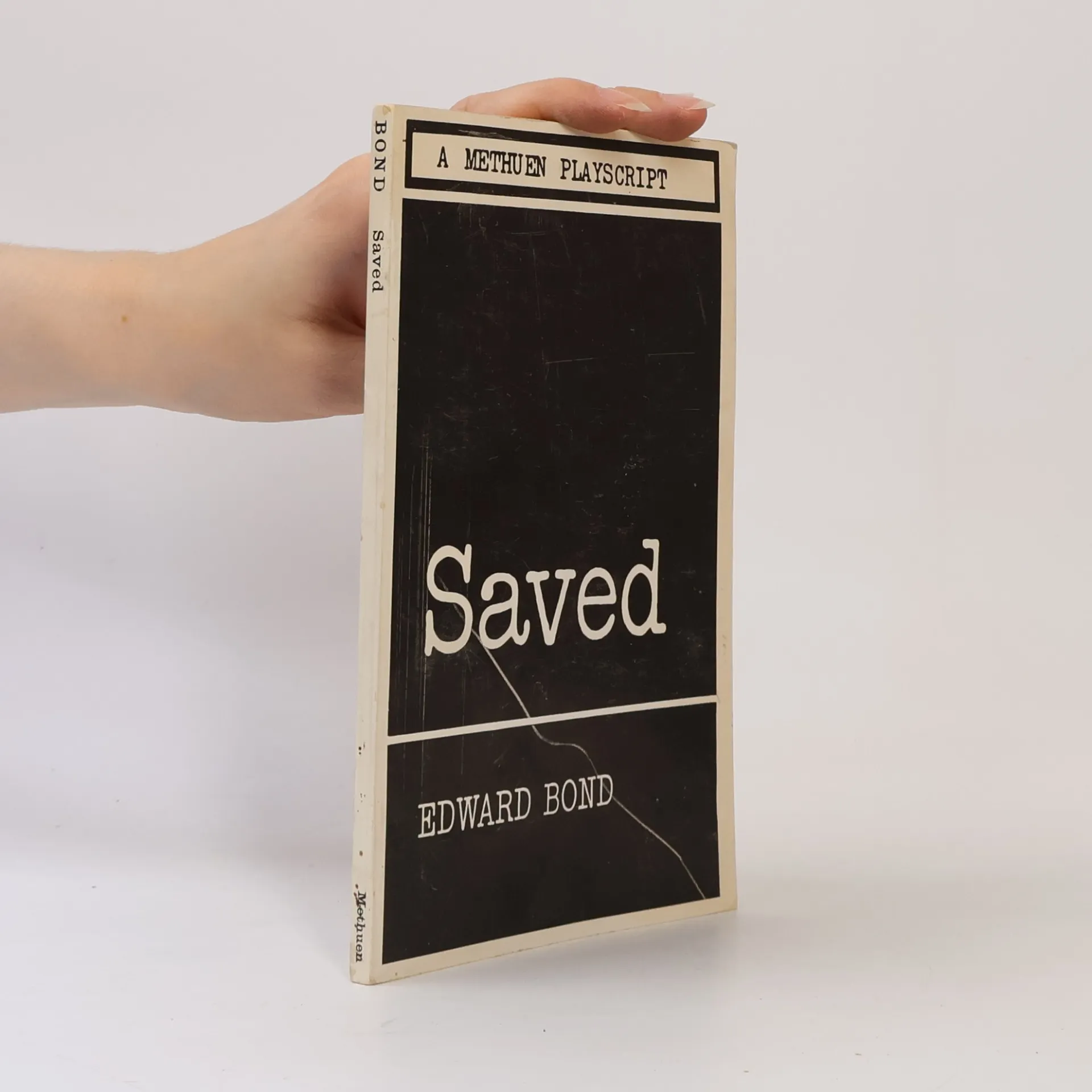
    Saved
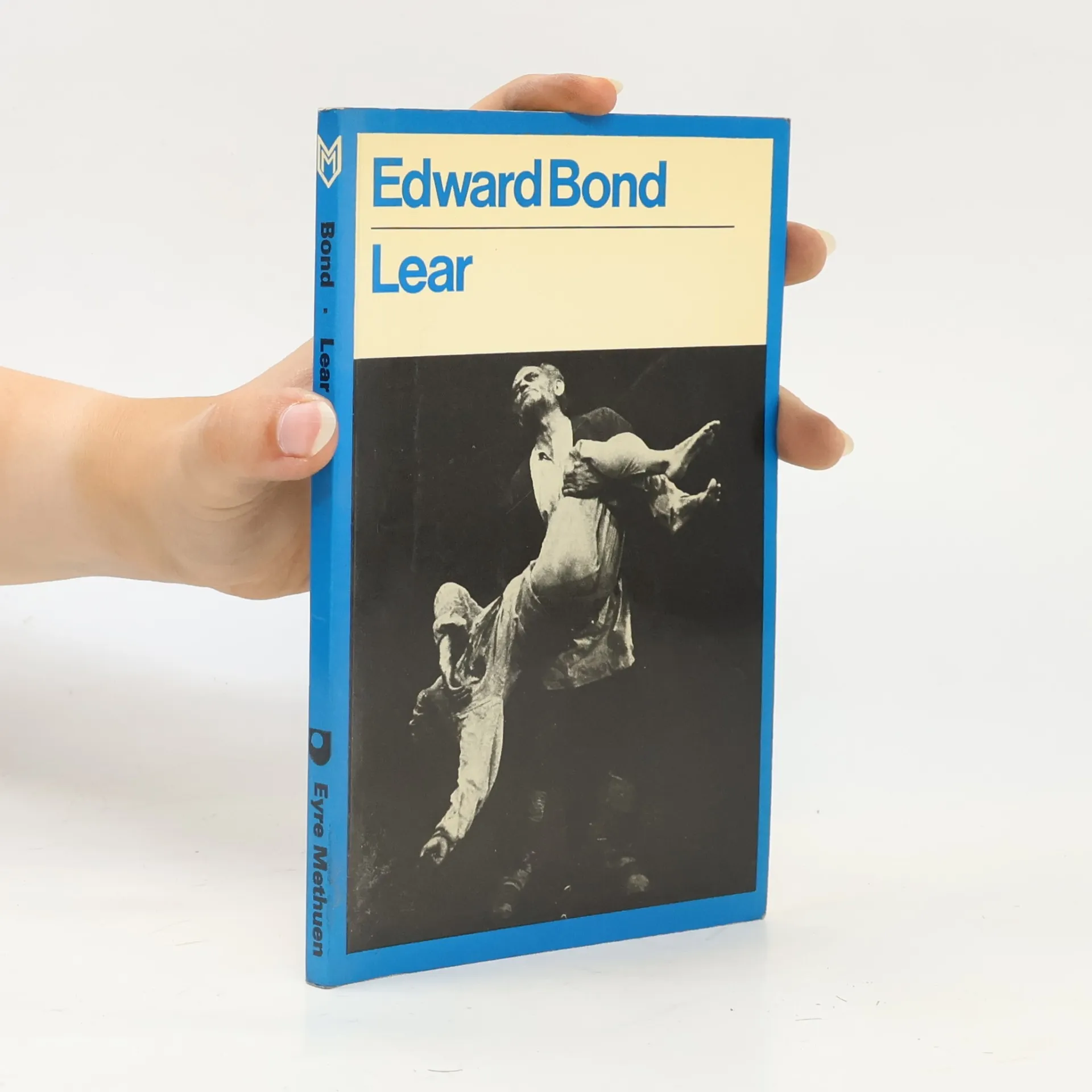
    Lear
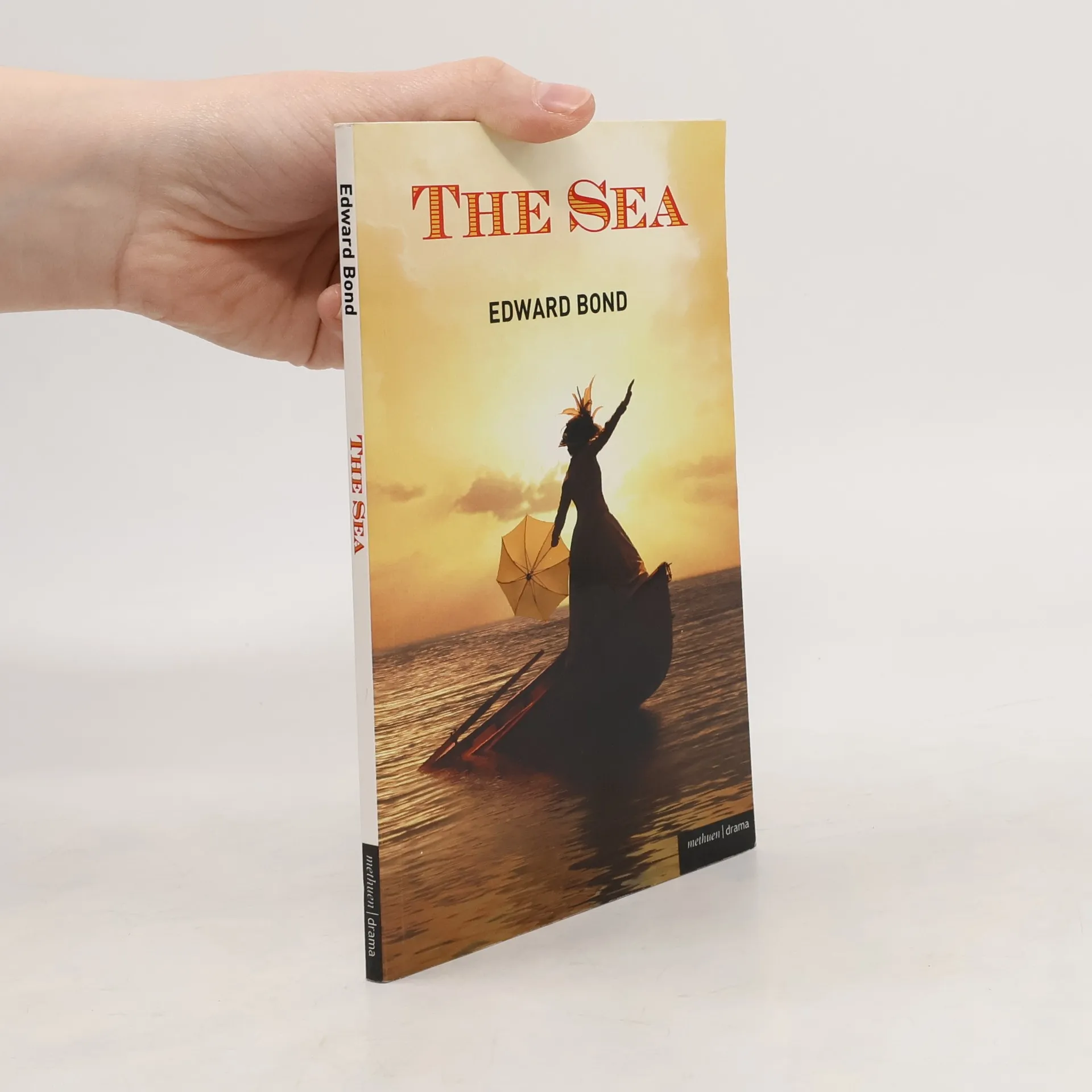
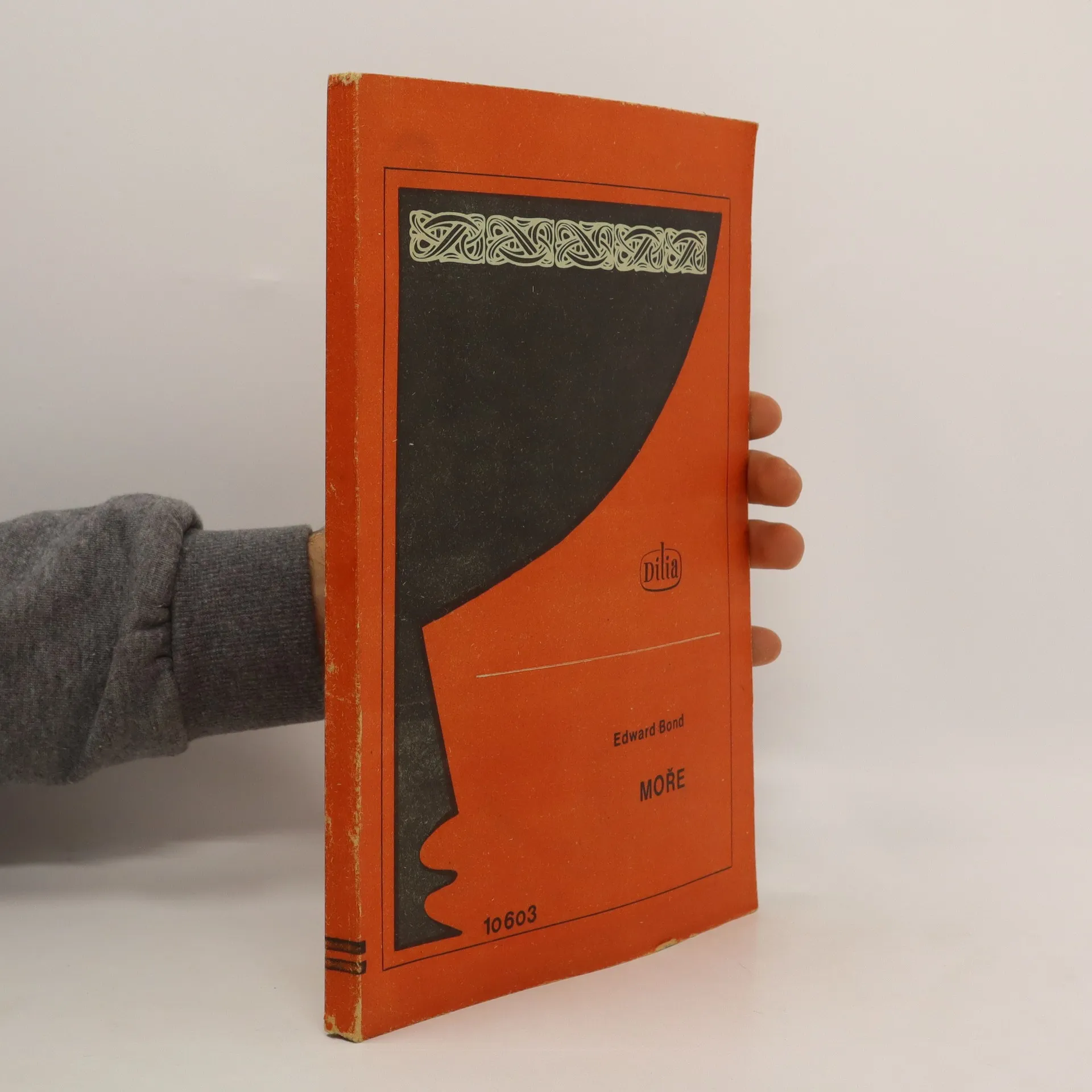
    The Sea
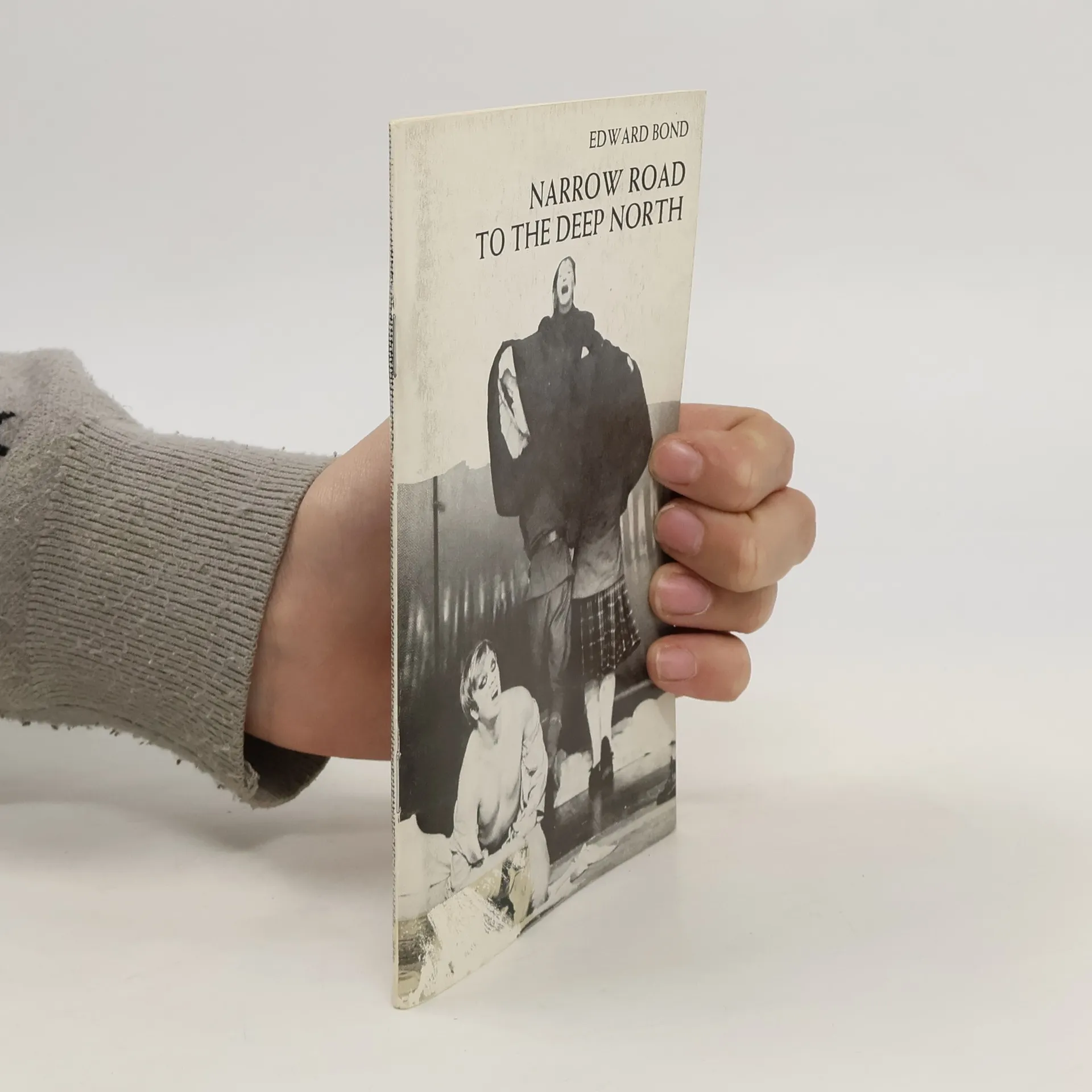
    Plays: Two. lear, the sea, narrow road to the deep north, black mass, pession
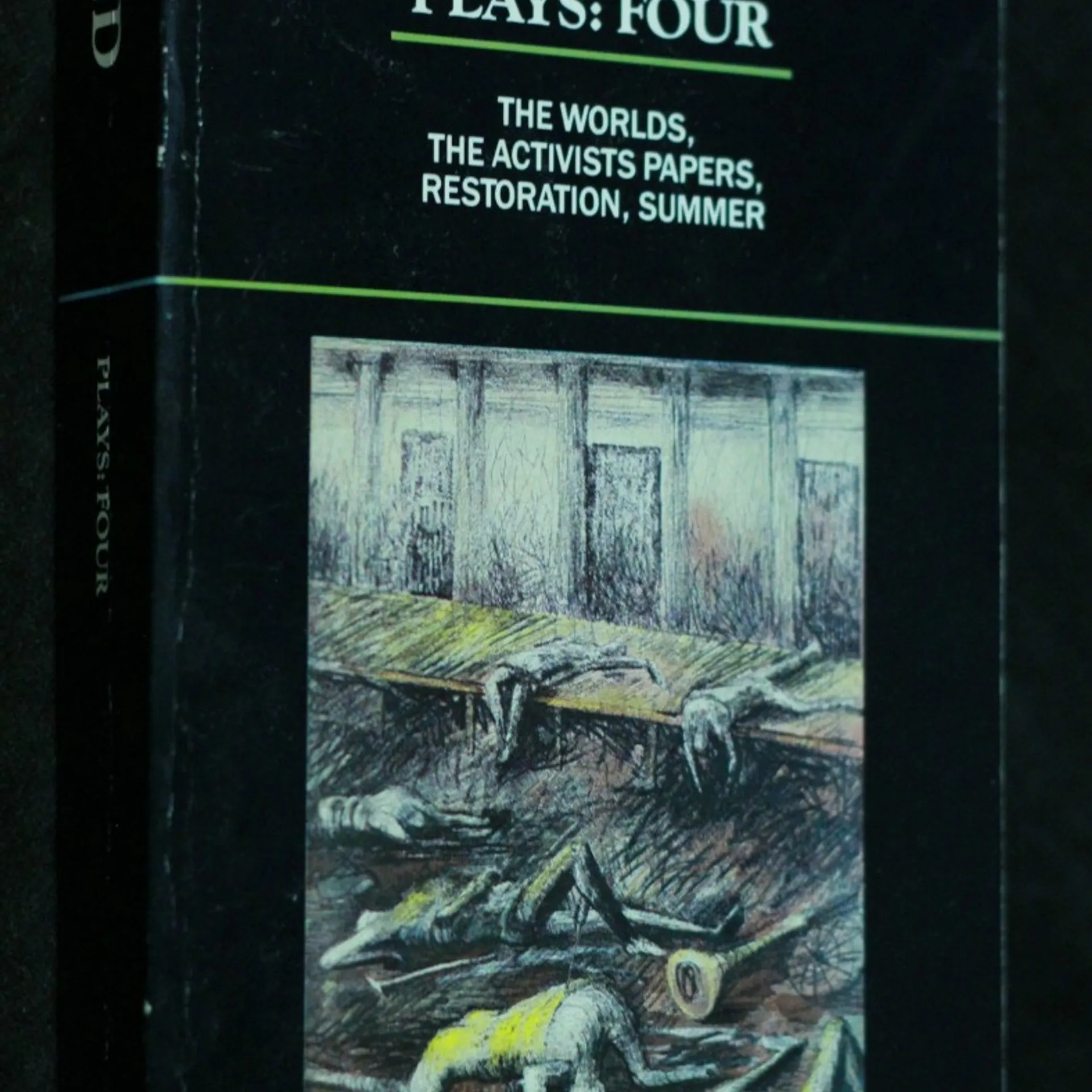
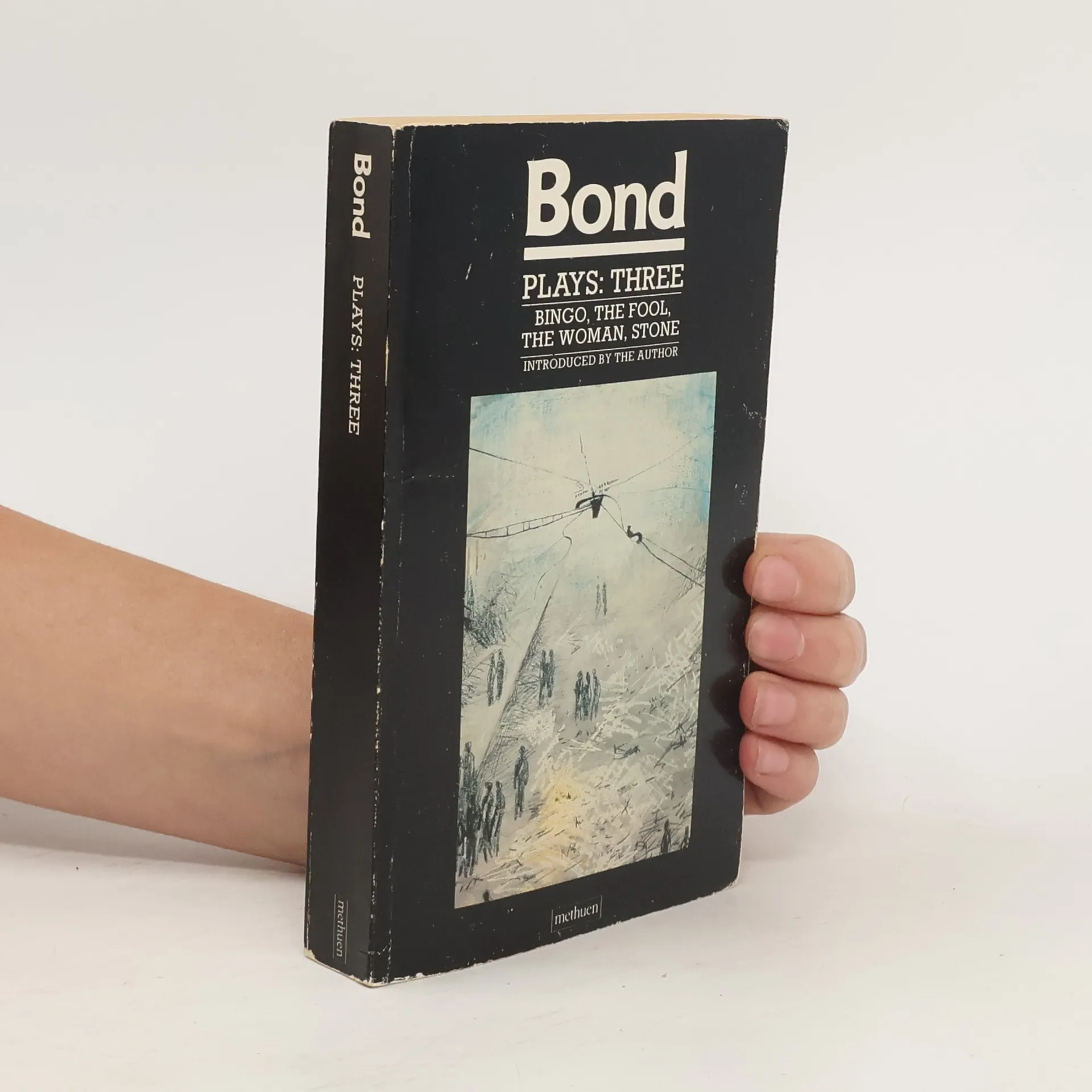
    Bond Plays
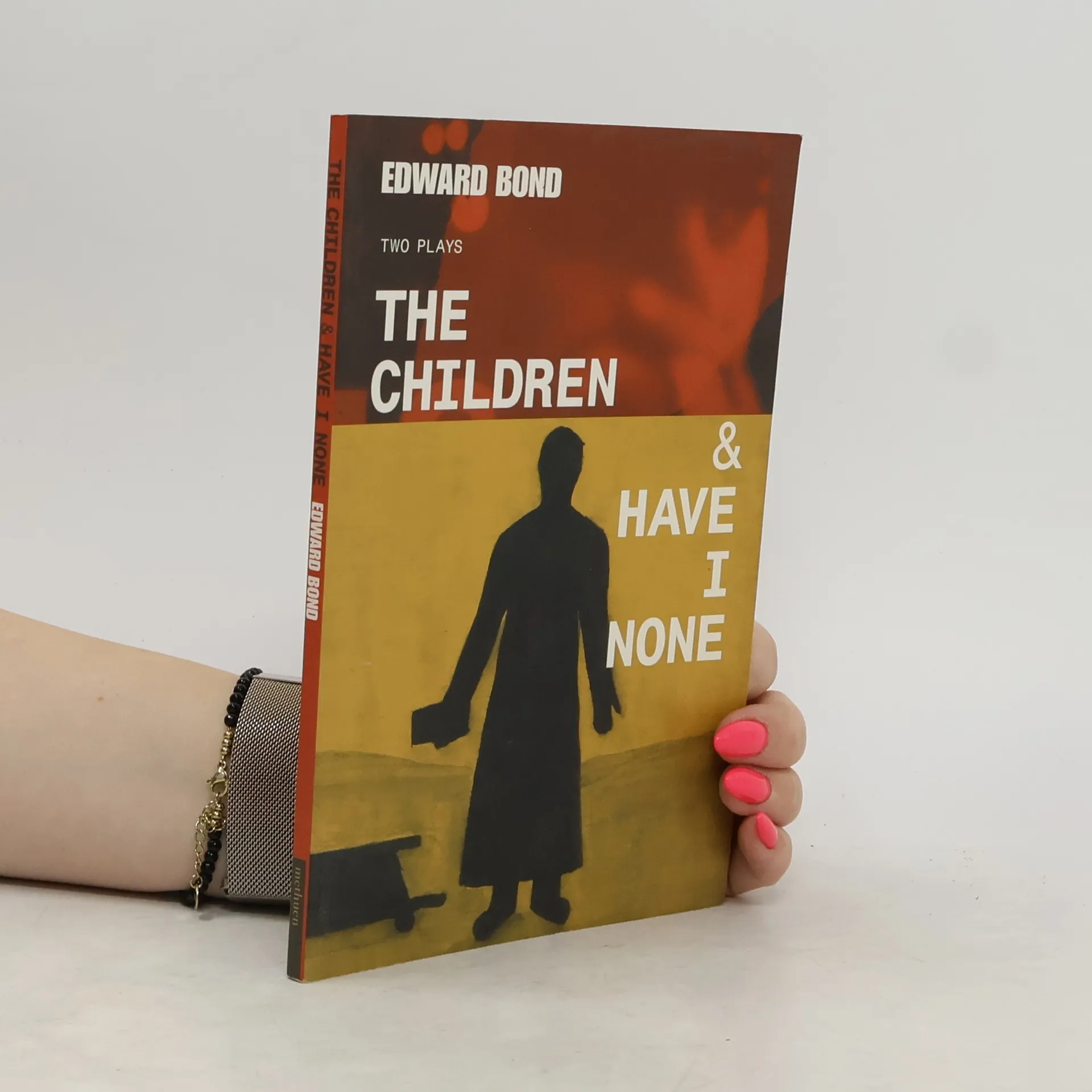
    The Children & Have I None
    • The Children & Have I None

      • 96 páginas
      • 4 horas de lectura

      Two new plays from Britain's most challenging dramatist Have I None and The Children are both set in a late-21st-century apocalyptic landscape where human behaviour is monitored, living spaces are designated and where any emotional displays are immediately eradicated. In The Children a teenager's unquestioning loyalty to his mother has fatal consequences, while in Have I None a couple's lives are irreversibly changed by the appearance of a disturbing stranger who questions their existence.Edward Bond is "a great playwright - many, particularly in continental Europe, would say the greatest living English playwright" (Independent)

      The Children & Have I None
    • Bond Plays

      • 150 páginas
      • 6 horas de lectura

      The internationally acclaimed dramatist Edward Bond endures as one of the towering figures of contemporary British theatre. His plays are read at schools and university level. Edward Bond is the most radical playwright to have emerged from the sixti

      Bond Plays
    • The internationally acclaimed dramatist Edward Bond endures as one of the towering figures of contemporary British theatre. His plays are read at schools and university level. "Edward Bond is the most radical playwright to have emerged from the sixtiLear - "Bond's greatest (and biggest) play … It is even more topical now and will become more so as man's inhumanity gains subtle sophistication with the twenty-first century's approach" (The Times); The Sea - "It blends wild farce with tragedy and ends with a sliver of hope … what makes the play fascinating is Bond's bleak poetry and social comedy" (Guardian); Narrow Road to the Deep North - "His best piece so far … No one else could have written it" (The Times); Black Mass, written for performance at an anti-apartheid demonstration: "A Georg Grosz picture come to life … the only possible kind of artistic imagery through which to speak of such evil" (Listener); Passion - a play for CND: "Mingles comedy and high anger with absolute sureness." (Guardian) 

      Plays: Two. lear, the sea, narrow road to the deep north, black mass, pession
    • A wild storm shakes a small East Anglian seaside village and sets off a series of events that changes the lives of all its residents. Set in the high Edwardian world of 1907, The Sea is a fascinating blend of wild farce, high comedy, biting social satire and bleak poetic tragedy.

      The Sea
    • Saved

      • 128 páginas
      • 5 horas de lectura

      Described by its author as 'almost irresponsibly optimistic', Saved is a play set in London in the sixties. Its subject is the cultural poverty and frustration of a generation of young people on the dole and living on council estates. The play was first staged privately in November 1965 at the Royal Court Theatre, London, before members of the English Stage Society in a time when plays were still censored. With its scenes of violence, including the stoning of a baby, Saved became a notorious play and a cause celebre. In a letter to the Observer, Sir Laurence Olivier wrote: 'Saved is not a play for children but it is for grown-ups, and the grown-ups of this country should have the courage to look at it.' Saved has had a marked influence on a whole new generation writing in the 1990s.Edward Bond is "a great playwright - many, particularly in continental Europe, would say the greatest living English playwright" (Independent)

      Saved
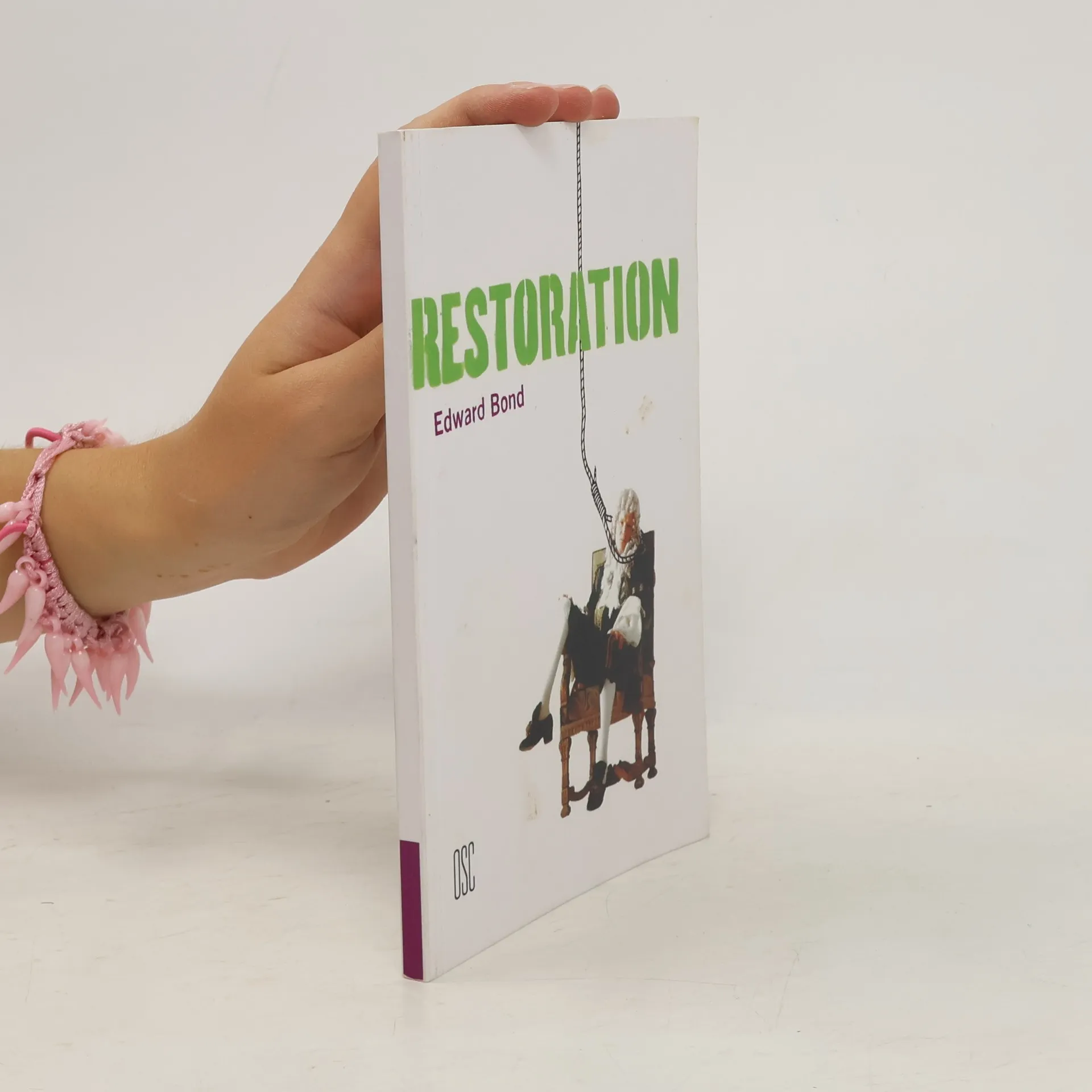
    • Restoration is set in eighteenth-century England: a world of cruelty, injustice and iron privilege. Lord Are is forced by poverty into an unwanted marriage with the daughter of a wealthy mineowner. One morning, during breakfast, he commits a bizarre and fatal crime. He seeks to pin responsibility for it on his guileless, illiterate footman, Bob Hedges. A battle ensues between Bob's black, justice-hungry wife and the fortified privilege of the ruling classes. This is a new programme text edition of the play with minor revisions to the original text and produced for the tour by Oxford Staeg Company.

      Restoration
    • The book delves into the historical interplay between theatre and societal crises, highlighting how stage plays have served as a medium for exploring contemporary challenges and predicting future events. It examines the role of live theatre from ancient Greek times to the present, illustrating how audiences have sought understanding and insight during turbulent political, social, and economic periods. This collection invites readers to reflect on the questions raised by theatre in the face of uncertainty.

      Theatre in Times of Crisis: 20 Scenes for the Stage in Troubled Times