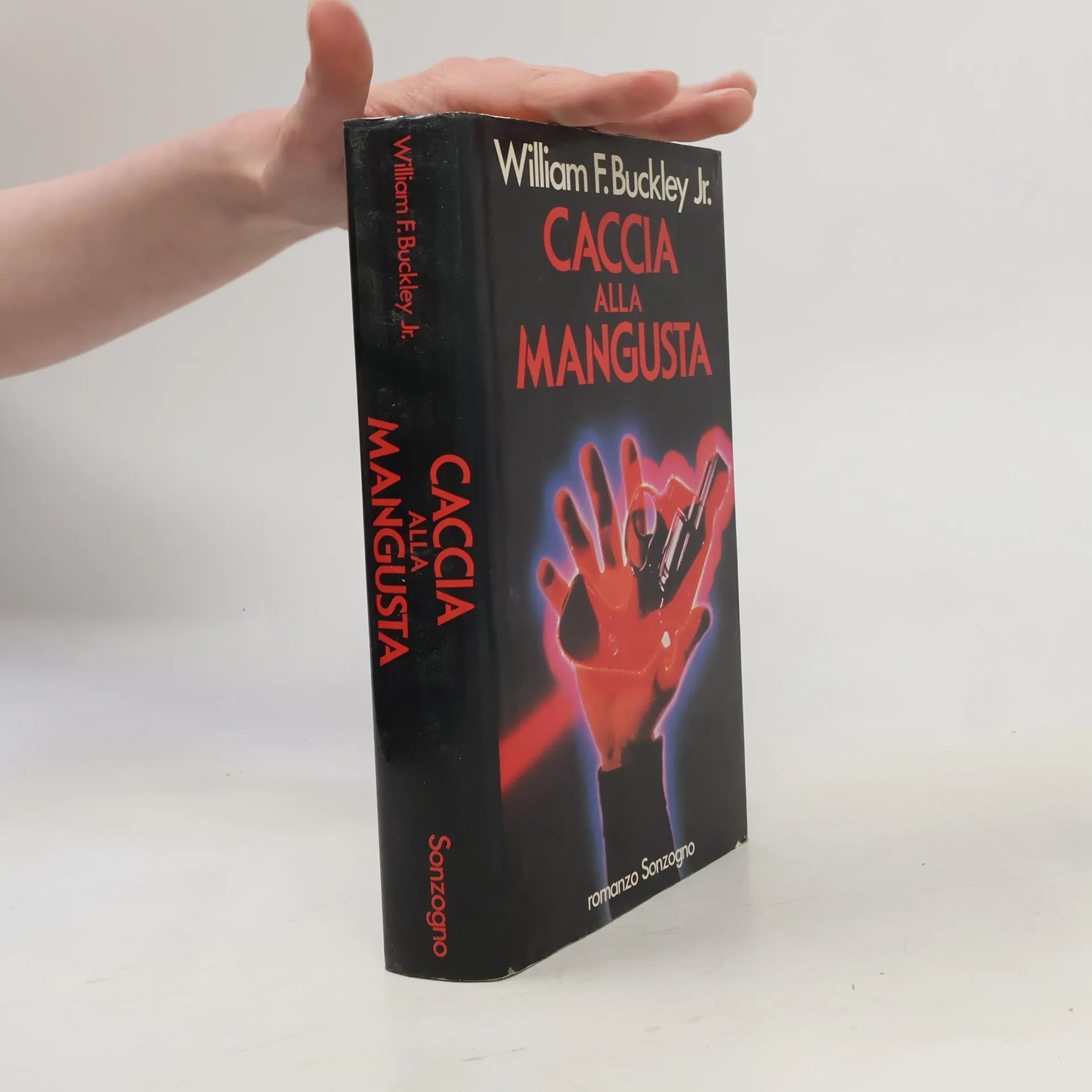
Celebrate 70 years of the classic! "For God, for country, and for Yale... in that order," William F. Buckley Jr. wrote as the dedication of his monumental work—a compendium of knowledge that still resonates within the halls of the Ivy League university that tried to cover up its political and religious bias. In 1951, a twenty-five-year-old Yale graduate published his first book, which exposed the "extraordinarily irresponsible educational attitude" that prevailed at his alma mater. The book, God and Man at Yale, rocked the academic world and catapulted its young author, William F. Buckley Jr. into the public spotlight. Now, half a century later, read the extraordinary work that began the modern conservative movement. Buckley's harsh assessment of his alma mater divulged the reality behind the institution's wholly secular education, even within the religion department and divinity school. Unabashed, one former Yale student details the importance of Christianity and heralds the modern conservative movement in his preeminent tell-all, God and Man at Yale: The Superstitions of "Academic Freedom."
William F. Buckley Libros
William F. Buckley Jr. fue una voz prominente en el discurso intelectual estadounidense, conocido por su prosa erudita, ingeniosa y de estilo distintivo. Combinó hábilmente el conservadurismo estadounidense tradicional con el libertarianismo económico y el anticomunismo, dando forma a la trayectoria del pensamiento conservador moderno. A través de sus extensos escritos y comentarios públicos, Buckley exploró complejos temas políticos e históricos con un rigor intelectual único. Su obra sigue siendo estudiada por su influencia en la ideología conservadora y su sofisticado estilo literario.
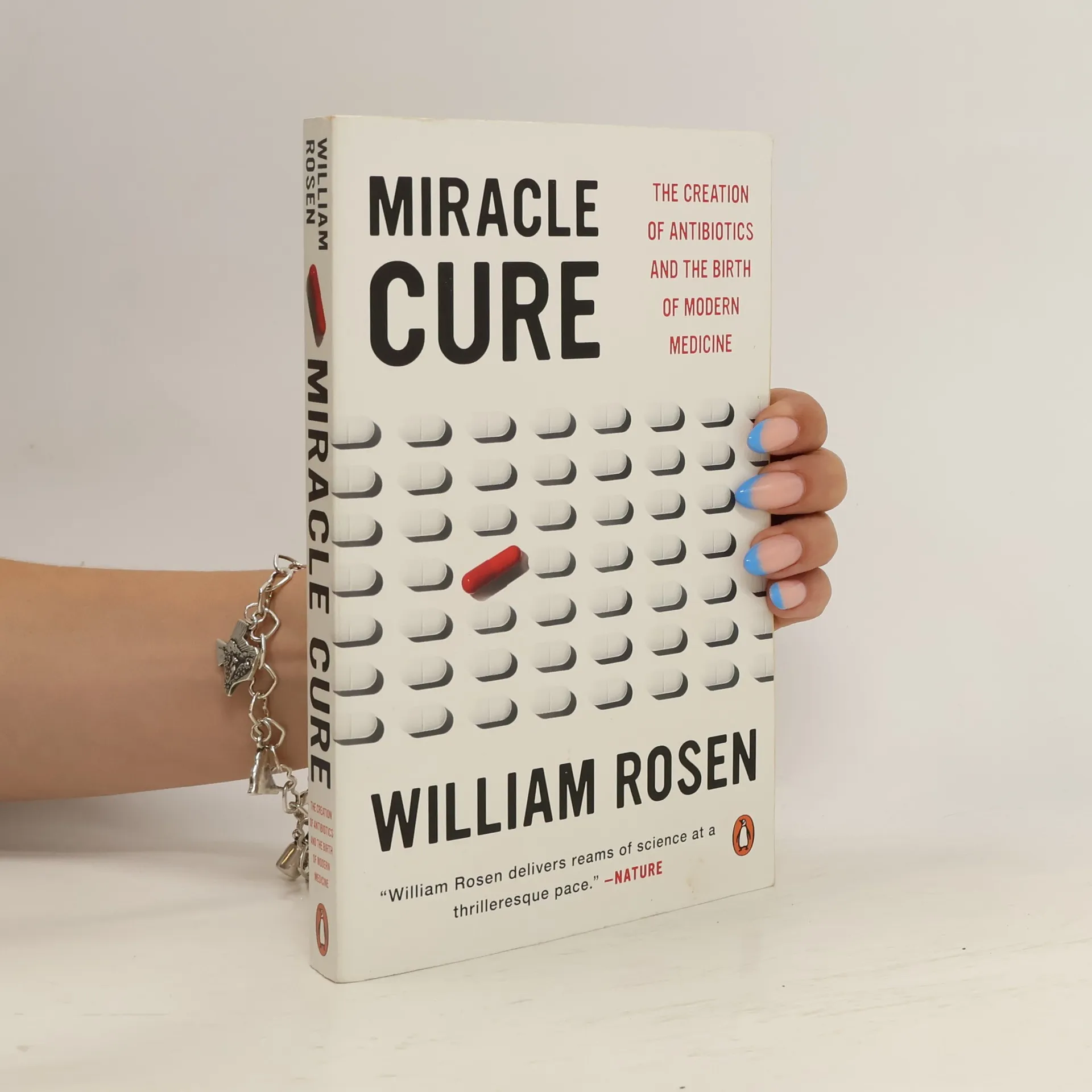

Miracle Cure: The Creation of Antibiotics and the Birth of Modern Medicine
- 368 páginas
- 13 horas de lectura
The epic history of how antibiotics were born, saving millions of lives and creating a vast new industry known as Big Pharma. As late as the 1930s, virtually no drug intended for sickness did any good; doctors could set bones, deliver babies, and offer palliative care. That all changed in less than a generation with the discovery and development of a new category of medicine known as antibiotics. By 1955, the age-old evolutionary relationship between humans and microbes had been transformed, trivializing once-deadly infections. William Rosen captures this revolution with all its false starts, lucky surprises, and eccentric characters. He explains why, given the complex nature of bacteria—and their ability to rapidly evolve into new forms—the only way to locate and test potential antibiotic strains is by large-scale, systematic, trial-and-error experimentation. Organizing that research needs large, well-funded organizations and businesses, and so our entire scientific-industrial complex, built around the pharmaceutical company, was born. Timely, engrossing, and eye-opening, Miracle Cure is a must-read science narrative—a drama of enormous range, combining science, technology, politics, and economics to illuminate the reasons behind one of the most dramatic changes in humanity’s relationship with nature since the invention of agriculture ten thousand years ago.
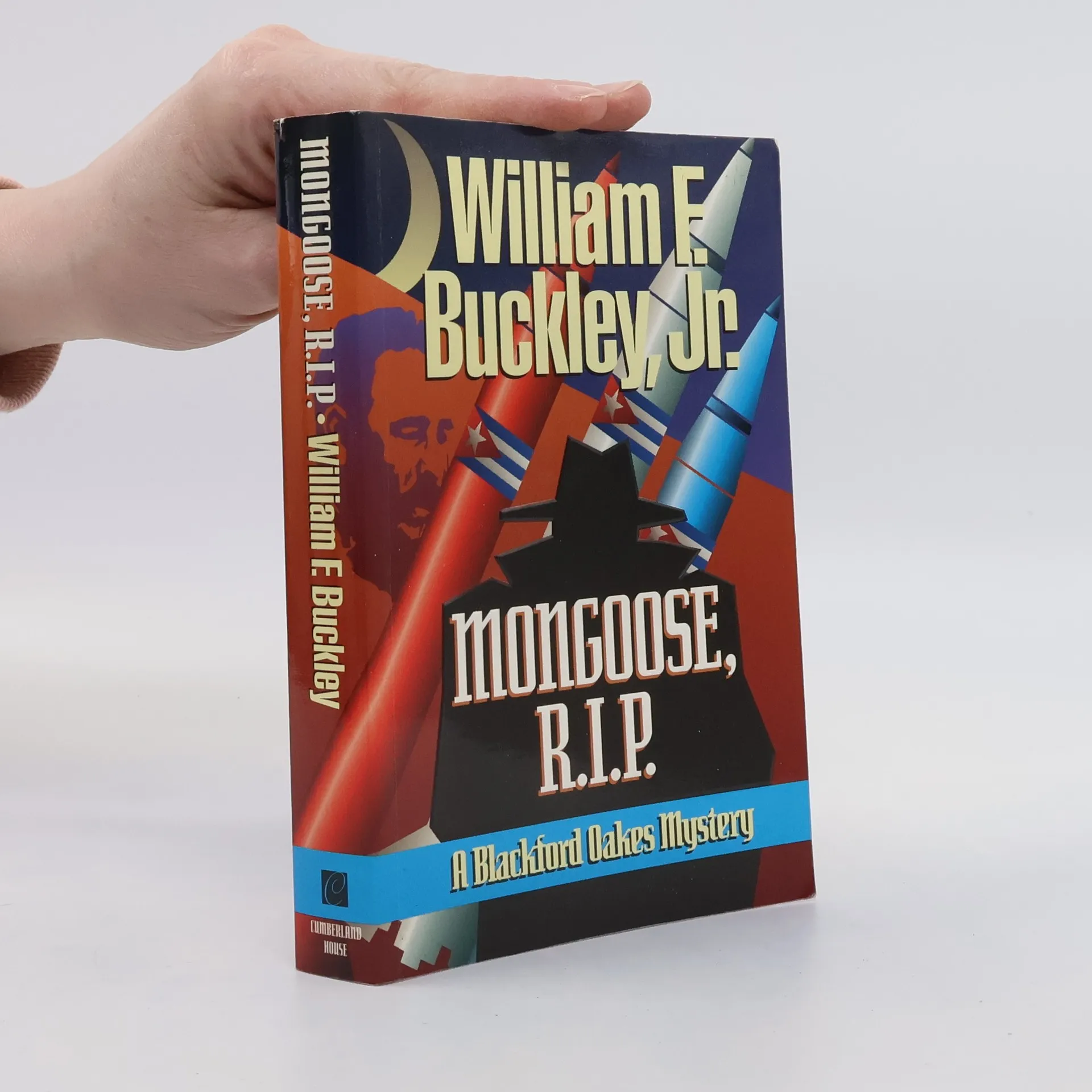
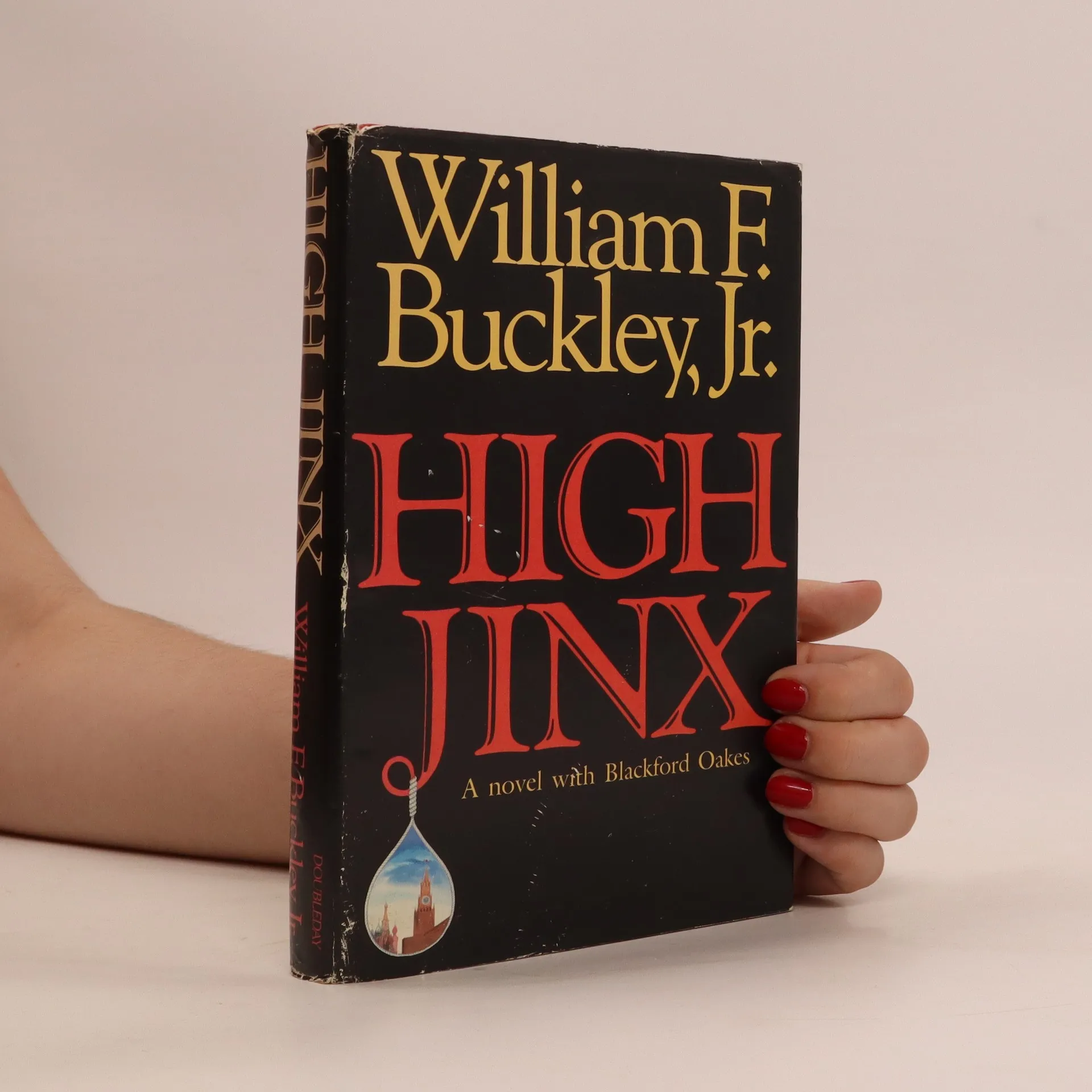
Blackford Oakes takes on the Russians and a top level traitor during the Cold War in this tale of treason and action-packed adventure. Buckley is the author of See You Later, Alligator and The Story of Henri Tod. Copyright © Libri GmbH. All rights reserved.
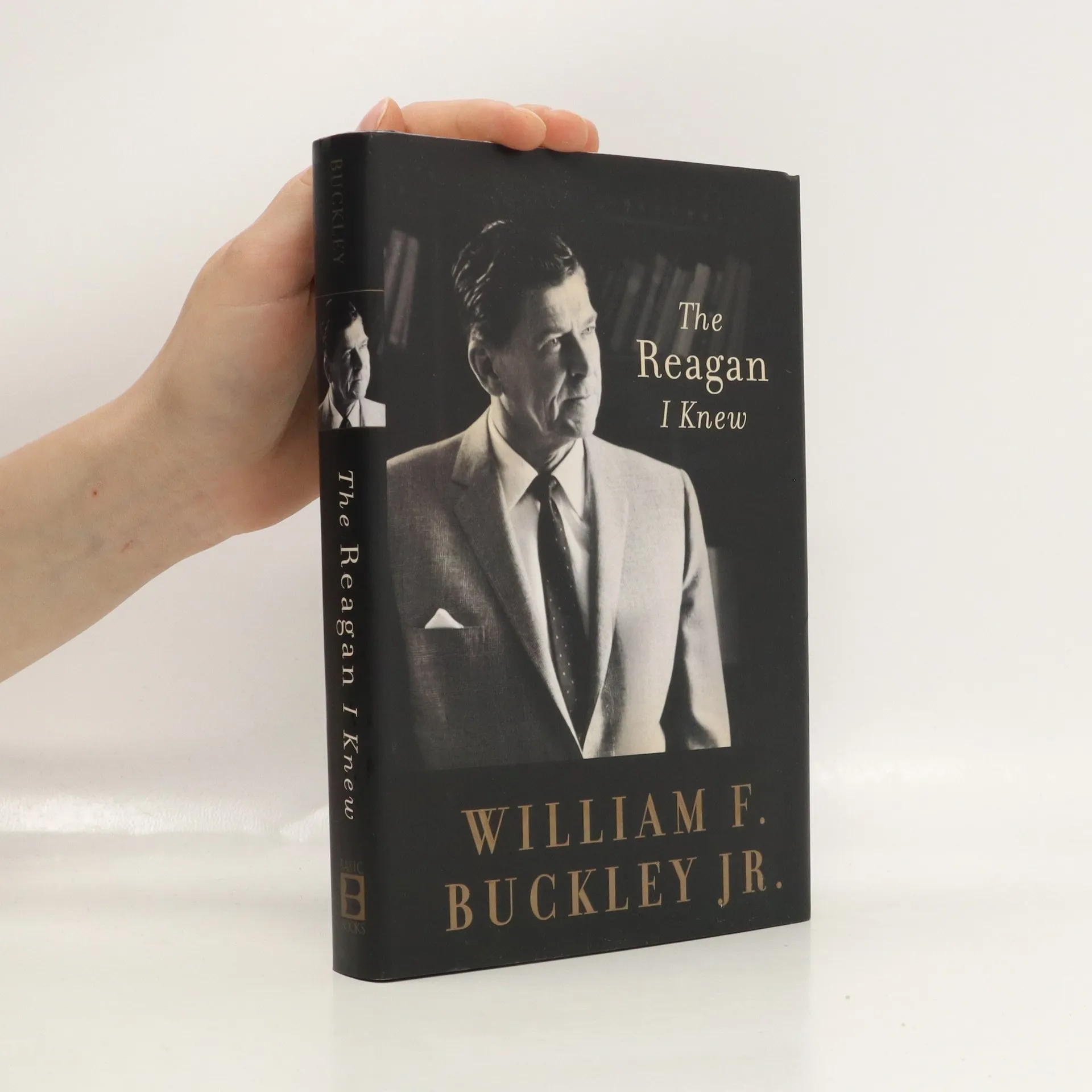
The Reagan I knew
- 279 páginas
- 10 horas de lectura
In The Regan I Knew, the late William F. Buckley Jr. offers a reminiscence of thirty years of friendship with the man who brought the American conservative movement out of the political wilderness and into the White House. Ronald Reagan and Buckley were political allies and close friends throughout Reagan's political career. They went on vacations together and shared inside jokes. When Reagan was elected president, Buckley wrote him to say that Reagan should not offer him any position in the new administration; Reagan wrote back saying he had hoped to appoint Buckley U.S. Ambassador to Afghanistan (then under Soviet occupation). For the rest of his term, Reagan called Buckley “Mr. Ambassador.” On the day the Soviets withdrew, he wrote Buckley to congratulate him for single-handedly driving out the Red Army “without ever leaving Kabul.” Yet for all the words that have been written about him, Ronald Reagan remains an enigma. His former speechwriter Peggy Noonan called him “paradox all the way down,” and even his son Ron Reagan despaired of ever truly knowing him. But Reagan was not an enigma to William F. Buckley Jr. They understood and taught each other for decades, and together they changed history. This book presents an American political giant as seen by another giant, who knew him perhaps better than anyone else. It is the most revealing portrait of Ronald Reagan the world is likely to have.
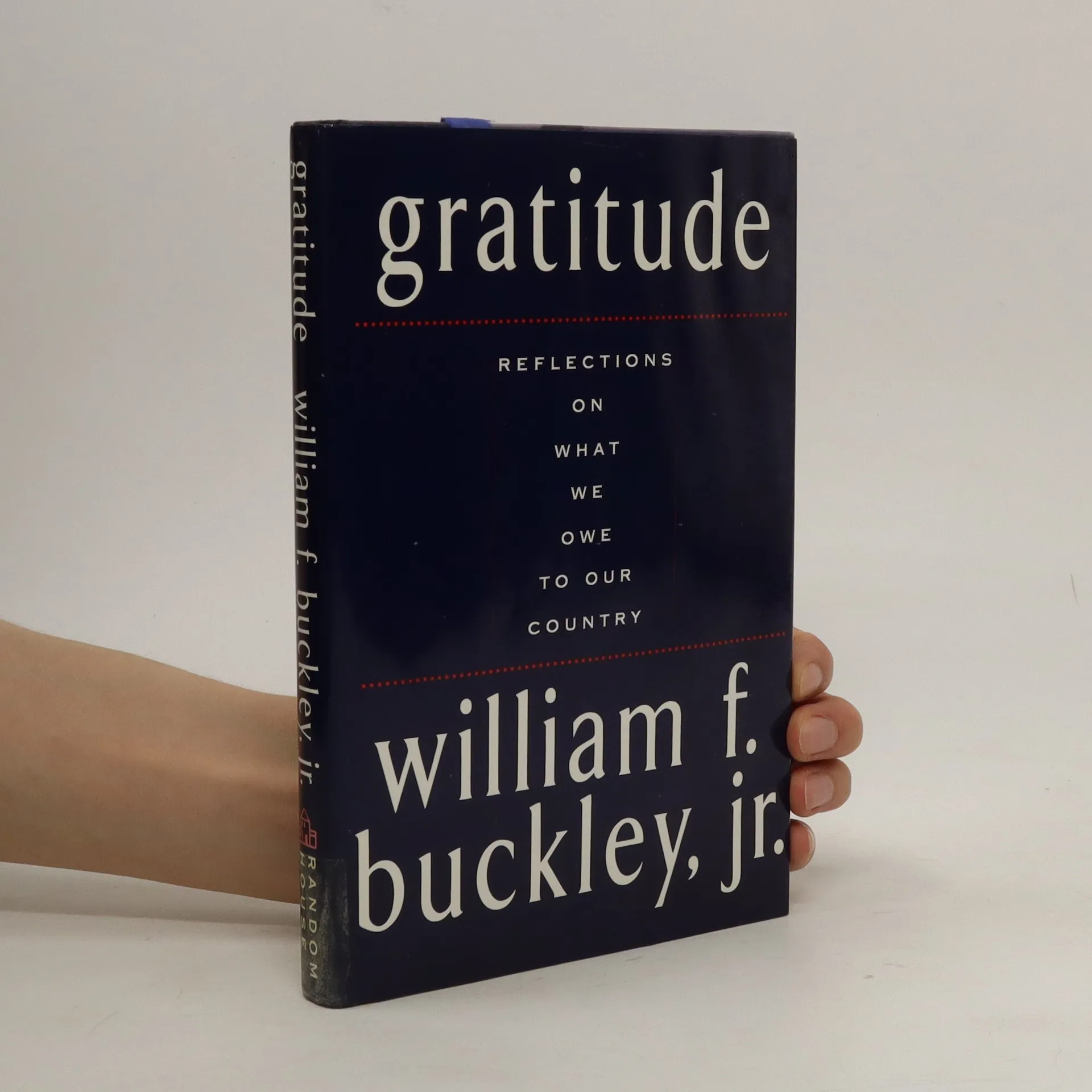
Uses literature and case studies to chronicle the historic shift in the philosophy of punishing wrongdoers and examines the continuing tension between the desire for personal vengeance and public interest in lawfulness.
This novel continues the Cold War espionage series featuring the operator Blackford Oakes. In this installment, Oakes has just been cashiered from the Agency, when his boss decides he is the only man for an exceptionally dirty piece of work. Oakes agrees to return, but in short order finds himself standing before a secret Soviet military tribunal which has as its subject his execution for spying
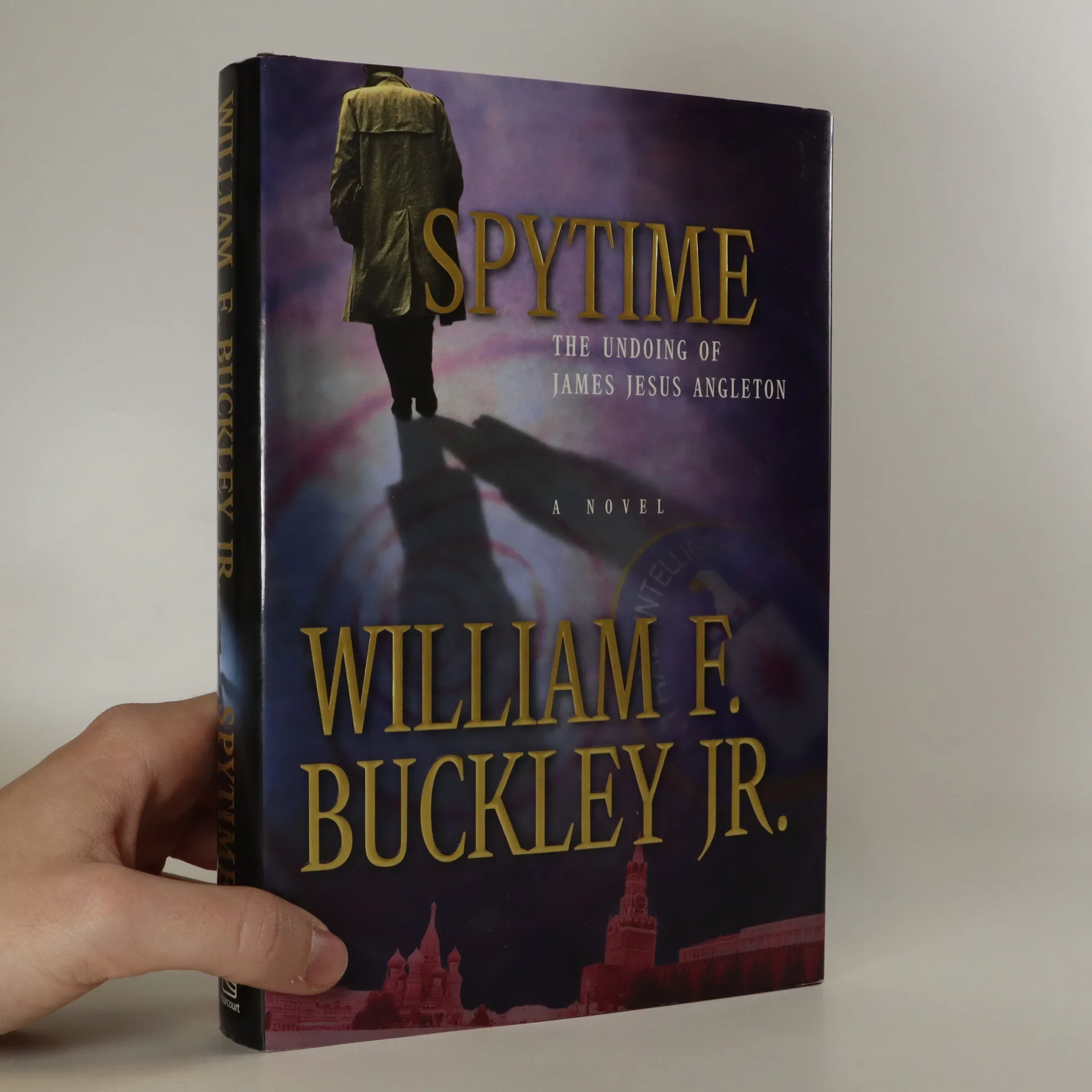
"James Jesus Angleton was the master - a legend in the time of spies, the founder of U.S. counterintelligence, and a ruthless hunter of America's enemies. Spytime is a fictional account of Angleton's life, from his involvement behind the lines in World War II to the waning days of the Cold War. A stunning re-creation of perilous times, it is also a masterful revelation of an obsessed man whose name became synonymous with skullduggery and subterfuge.". "Angleton pursued his foes, real and imagined, with cool, calculating intelligence. Convinced there was a turncoat within the highest levels of government, he spared no effort to expose and capture the traitor. The result was a near victory for U.S. Intelligence - and a disaster for Angleton himself."--BOOK JACKET.
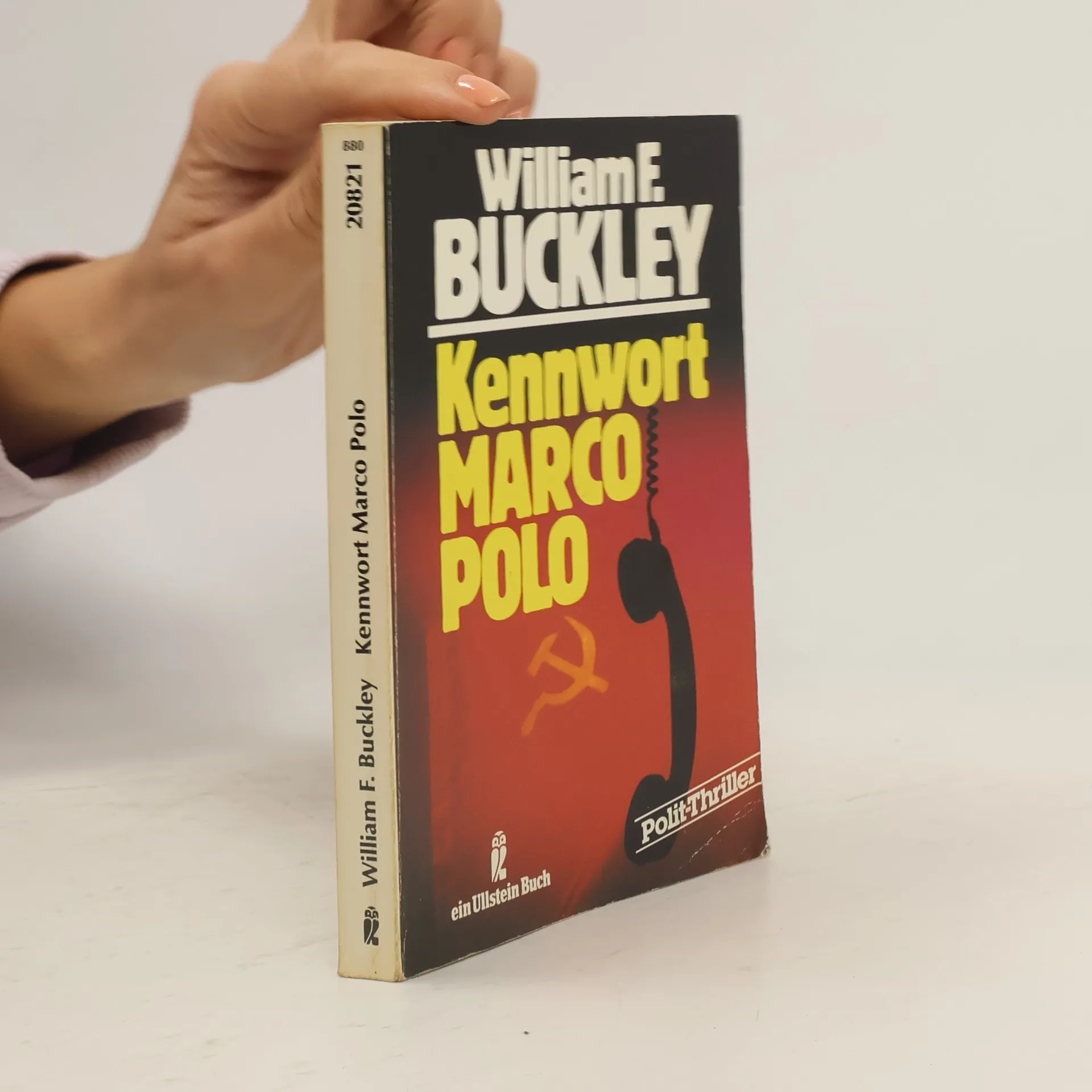
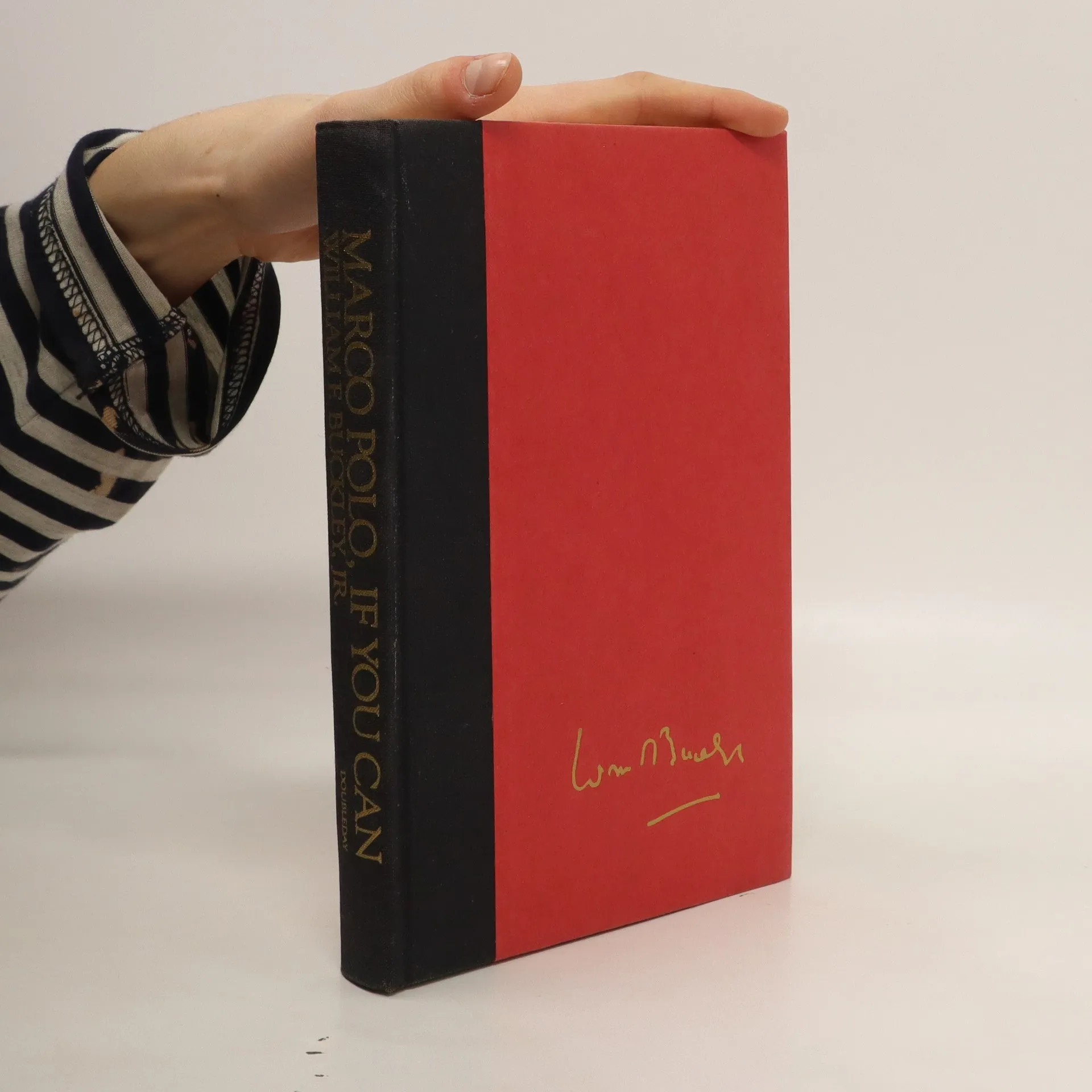
Kennwort Marco Polo. Polit-Thriller.
- 286 páginas
- 11 horas de lectura
Libro usado en buenas condiciones, por su antiguedad podria contener señales normales de uso
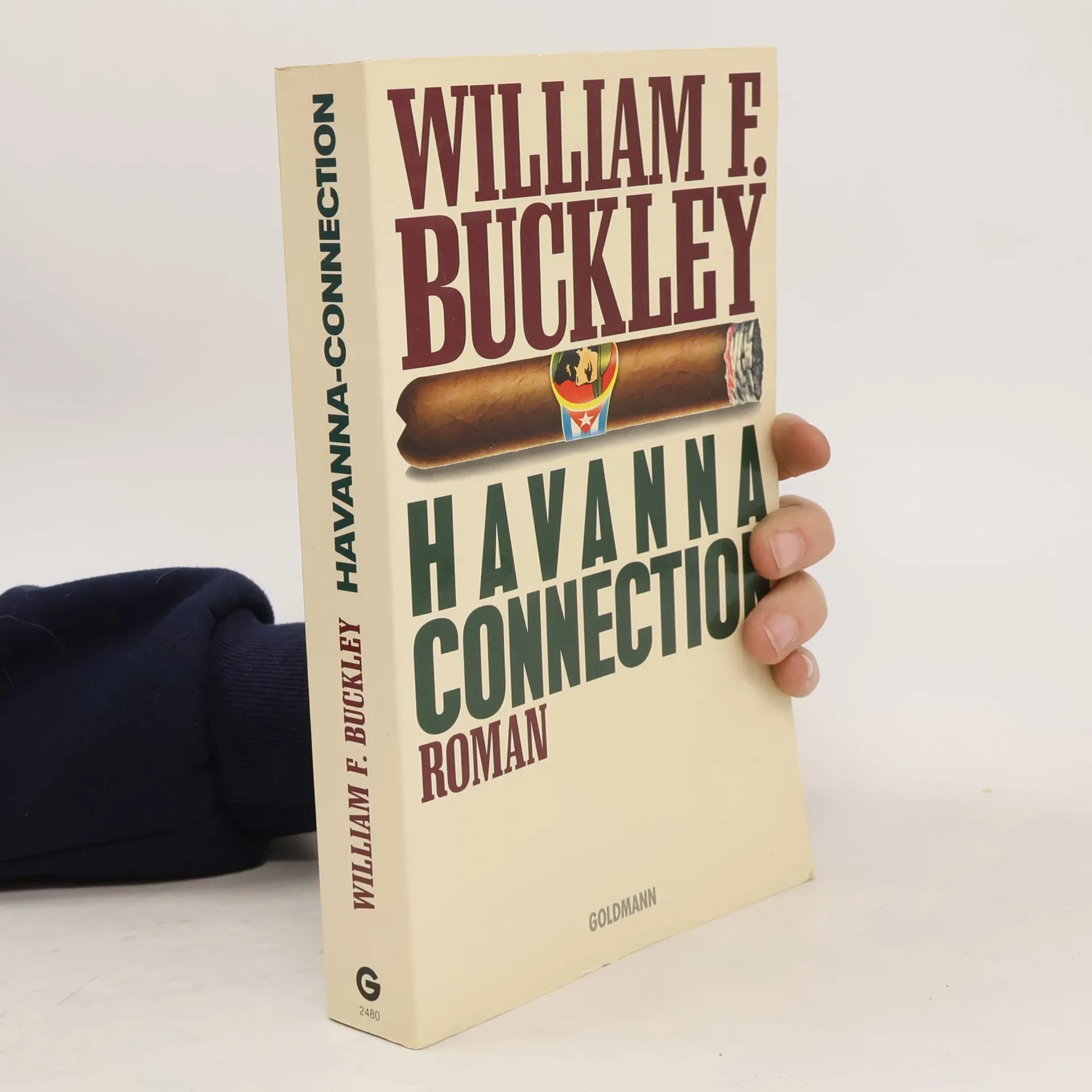
Havanna Connection. Roman
- 350 páginas
- 13 horas de lectura
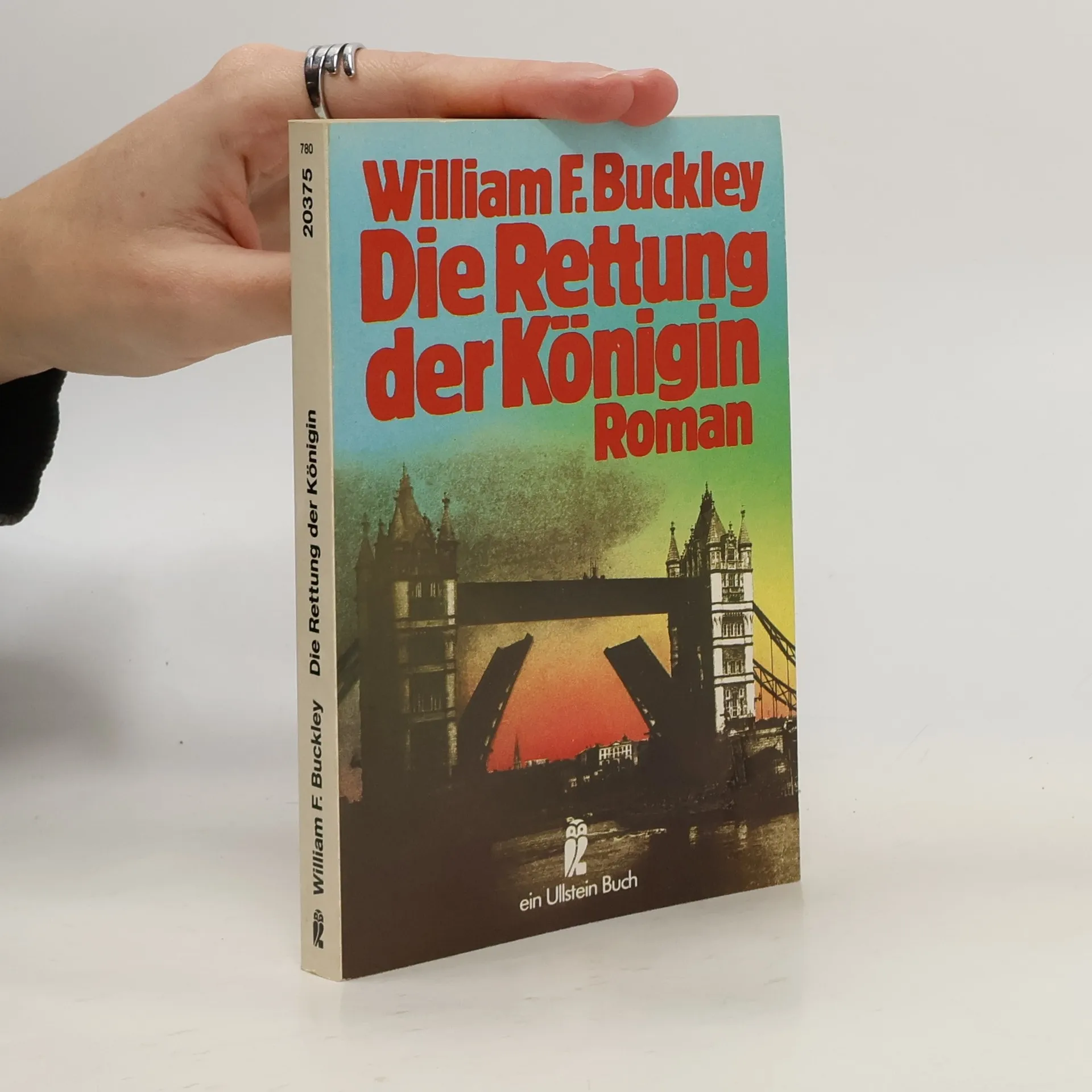
Die Rettung der Königin
- 239 páginas
- 9 horas de lectura
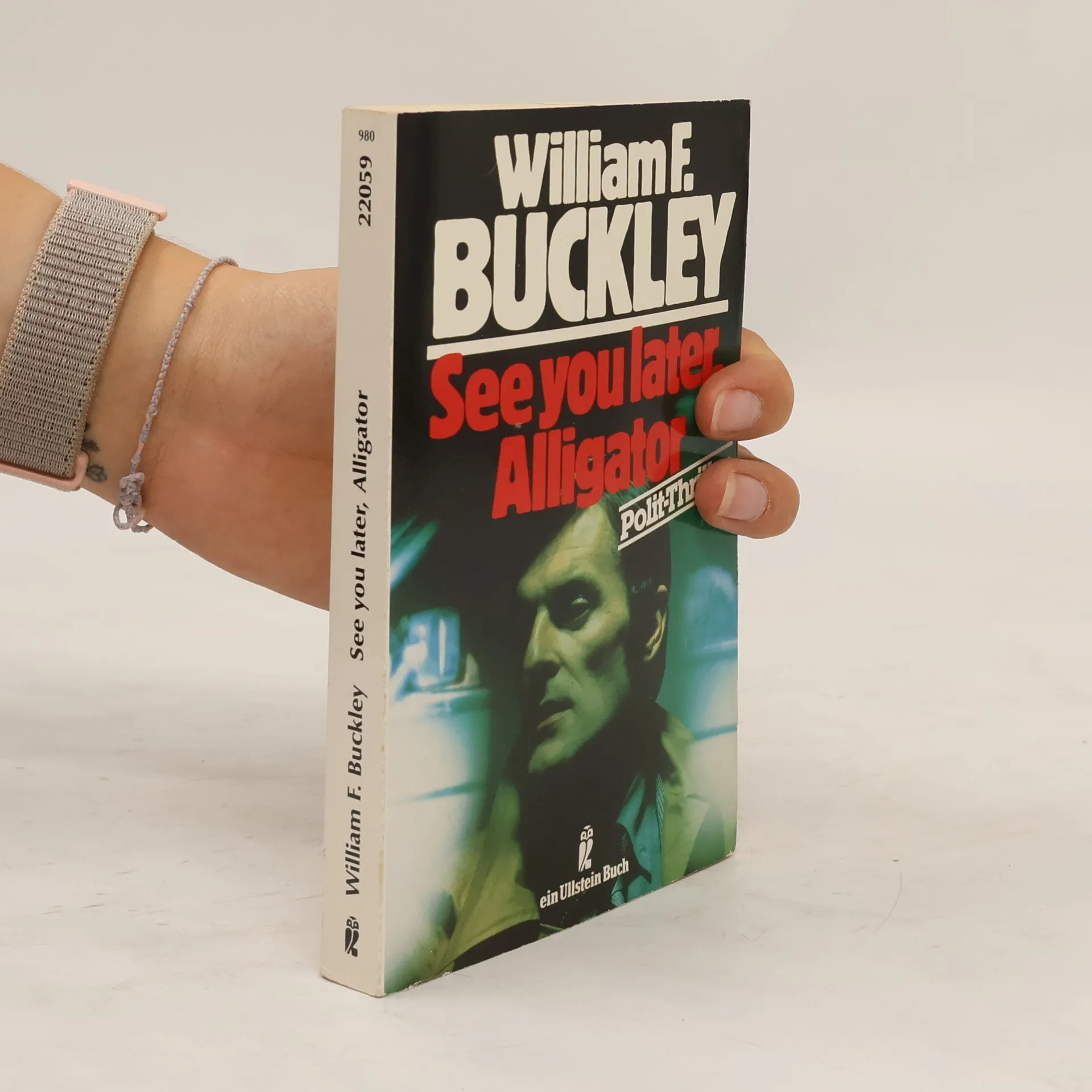
See you later, Alligator
- 348 páginas
- 13 horas de lectura
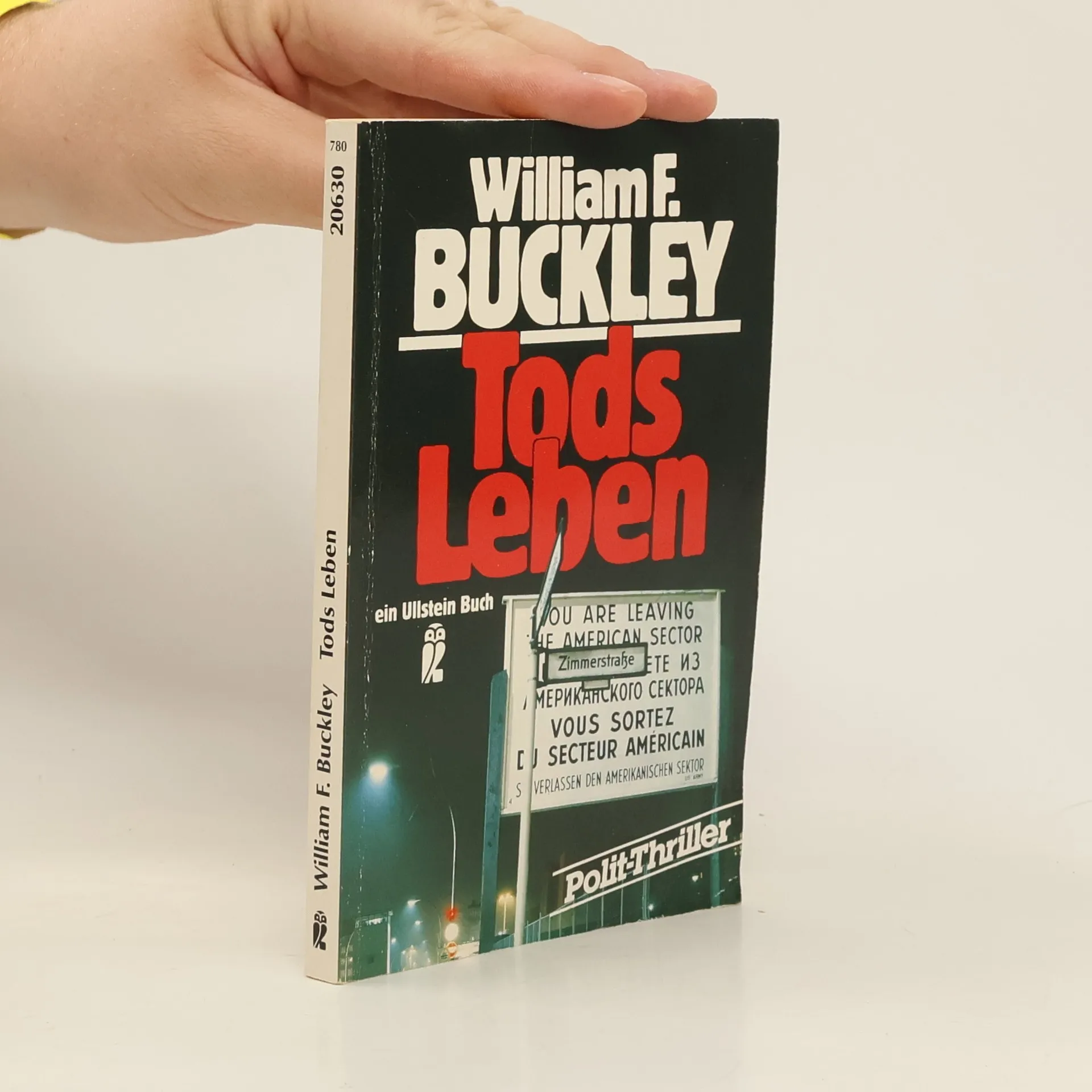
Tods Leben
- 185 páginas
- 7 horas de lectura
Havanna connection
- 350 páginas
- 13 horas de lectura
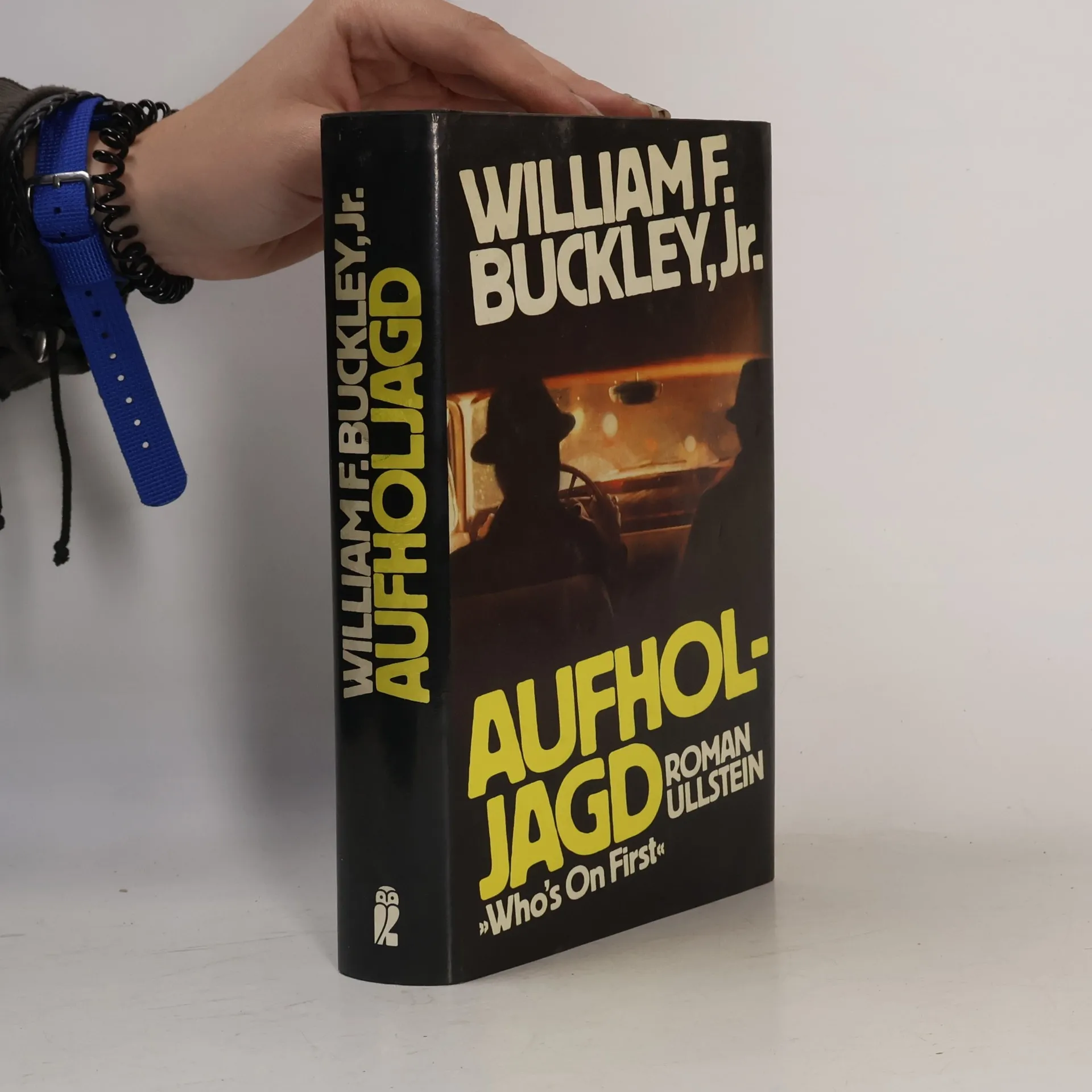
Aufholjagd
- 318 páginas
- 12 horas de lectura