Tus Libros - 8: El prisionero de Zenda
- 221 páginas
- 8 horas de lectura


Anthony Hope es recordado principalmente por sus magistrales contribuciones al género de la novela de aventuras, situando a menudo sus relatos en reinos ficticios meticulosamente elaborados. Sus narrativas entrelazan hábilmente tramas emocionantes y enredos románticos, definiendo así un estilo literario conocido como la novela ruritana. La voz distintiva de Hope y su talento para sumergir a los lectores en mundos cautivadores y de alto riesgo solidifican su legado como un narrador arquetípico de aventuras.


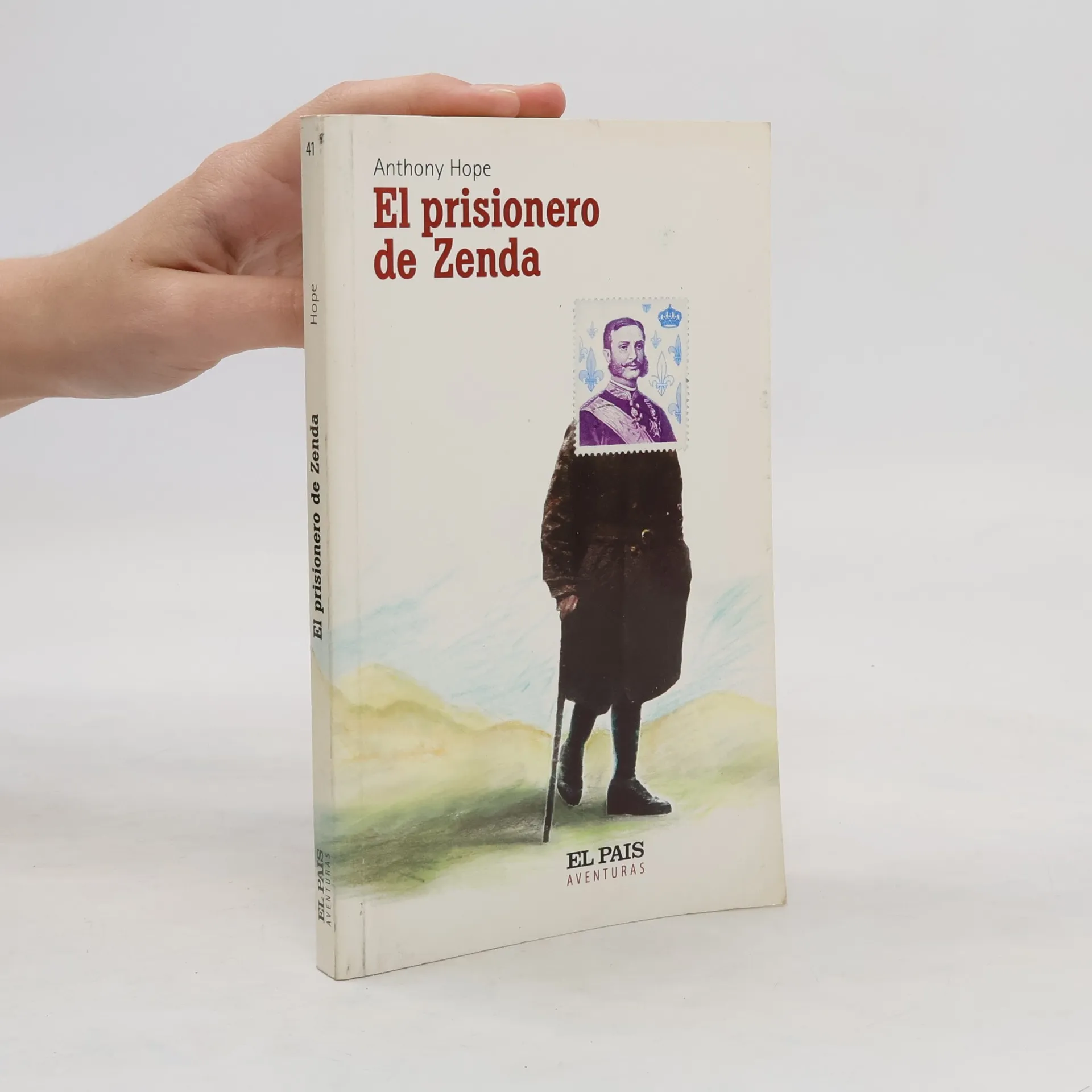
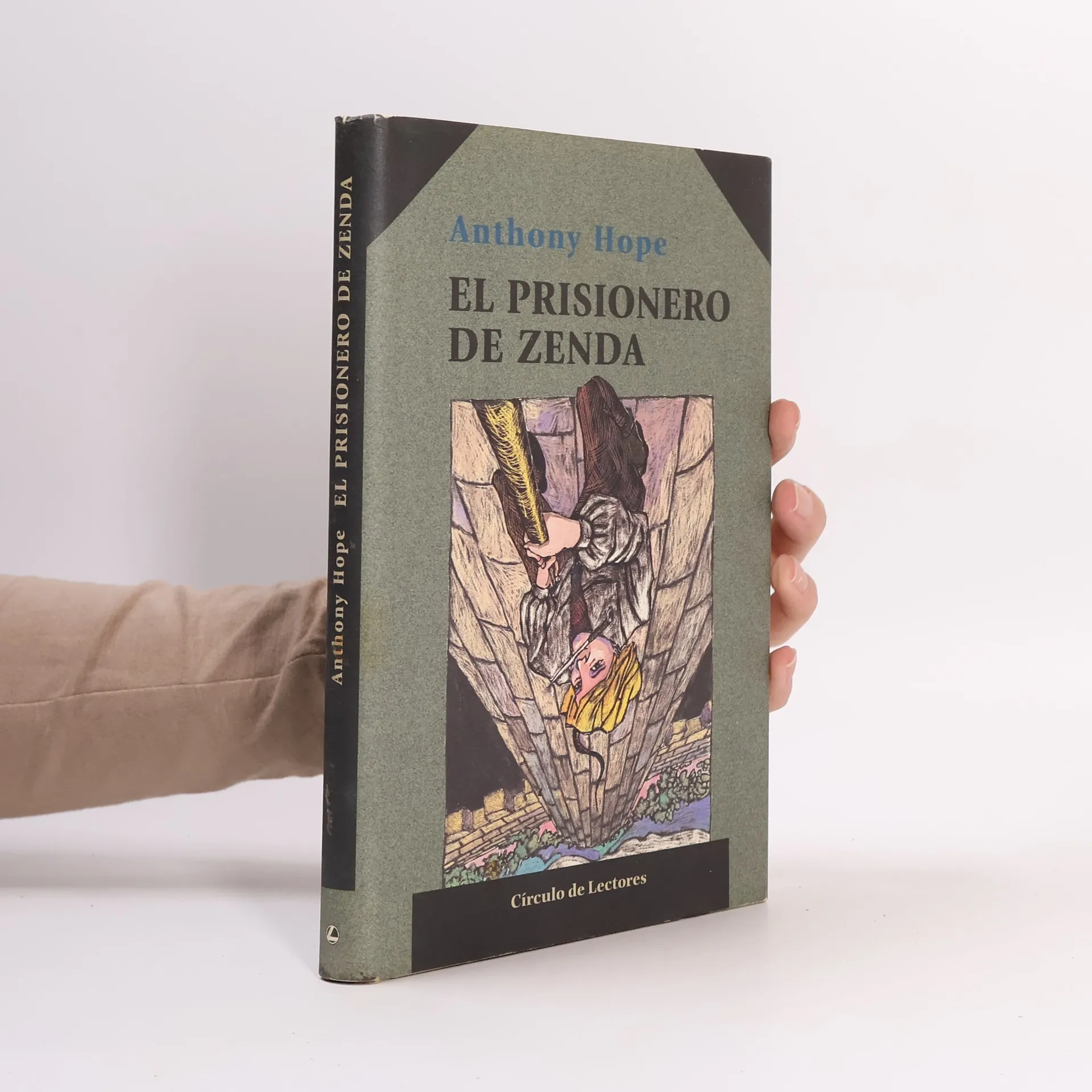
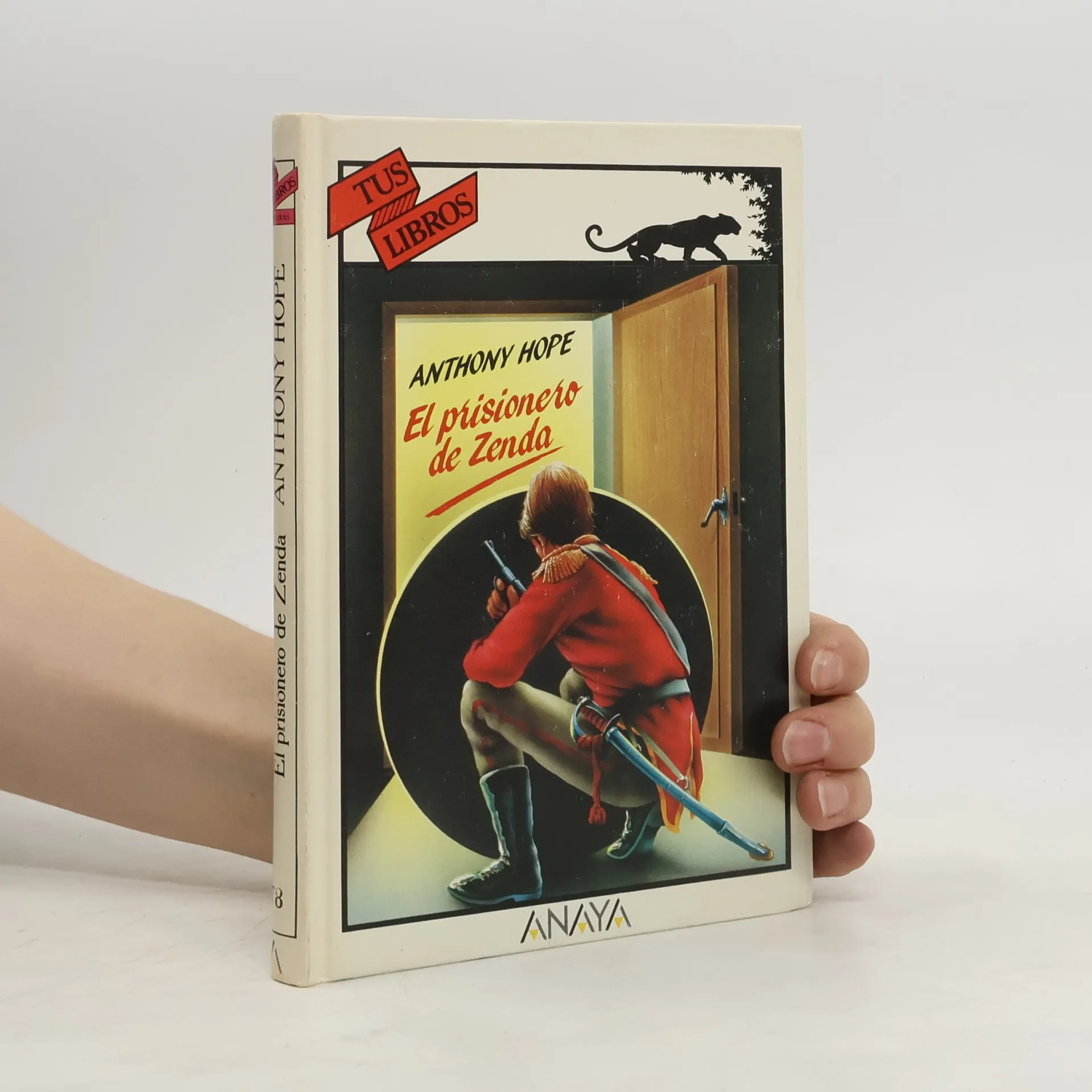
This collection features two renowned adventure novels that promise thrilling escapades and captivating journeys. Readers can expect a blend of excitement, exploration, and dynamic characters as they navigate through perilous situations and discover new worlds. The dual narrative offers a rich tapestry of storytelling that showcases the essence of adventure literature, appealing to both longtime fans and newcomers alike.
Set in the fictional European country of Ruritania, the novels by Anthony Hope, particularly The Prisoner of Zenda and its sequel Rupert of Hentzau, are seminal works in the Ruritanian romance genre. These adventure tales feature themes of identity, political intrigue, and romance, capturing the imagination of readers and inspiring numerous adaptations, including a notable 1937 film. Despite his prolific output of 32 works, Hope is primarily celebrated for these two "minor classics" that continue to influence literature and cinema.
In The Prisoner of Zenda, Rudolf Rassendyll's close resemblance to the King of Ruritania leads him into intrigue, romance and perilous escapades. Enmeshed in a plot by the villainous Duke of Strelsau to depose the King, Rudolf is entranced by the beautiful Princess Flavia, and finds that both his life and his honour are imperilled. The sequel, Rupert of Hentzau, tells how Rupert'who feared neither man nor devil') seeks to ruin Flavia's reputation and wreak vengeance on Rudolf. Events accelerate to a dramatically violent climax. Both these swashbuckling novels offer the appeal of romantic adventure in a land now legendary. Numerous adaptations on screen and stage have extended the fame of Anthony Hope's Ruritania
Een Engelsman neemt de plaats in van zijn neef, de koning van Ruritanië.
Set against the backdrop of late 19th-century England, the author's journey from law to literature highlights his struggle to find success. After initially self-publishing his first novel, he found fame with "The Prisoner of Zenda," which established the Ruritanian genre, characterized by political intrigue and romance in fictional European settings. The novel's enduring popularity led to numerous adaptations, and Hope later continued the story with a sequel, "Rupert of Hentzau," further exploring its iconic characters and themes.
With the death of Black Michael of Strelsau and the restoration of King Rudolf to the throne, the troubles of Ruritania may seem to be at an end. But lasting peace cannot be secure when the notorious Rupert of Hentzau is still at large.
Set in the fictional European country of Ruritania, the novels explore themes of adventure, romance, and political intrigue. The Prisoner of Zenda and its sequel, Rupert of Hentzau, are celebrated for their captivating plots and memorable characters, establishing the Ruritanian romance genre. These works have significantly influenced literature and popular culture, leading to numerous adaptations, including notable Hollywood films. Anthony Hope's storytelling continues to resonate, marking him as a key figure in adventure literature.
Set in the fictional European country of Ruritania, the novels explore themes of adventure, romance, and political intrigue. The stories follow dashing characters embroiled in royal conspiracies and personal honor, establishing a rich backdrop that has influenced the Ruritanian romance genre. Notable for their enduring popularity, these works have inspired numerous adaptations, including acclaimed films. Despite a prolific career, the author is primarily celebrated for these two novels, which remain significant in English literature.
Set in the fictional European country of Ruritania, this adventure novel features themes of romance, intrigue, and political machinations. It follows a doppelgänger plot where the protagonist becomes embroiled in royal affairs, leading to thrilling escapades and moral dilemmas. The book has significantly influenced the Ruritanian romance genre, inspiring numerous adaptations, including notable Hollywood films. Its enduring legacy as a "minor classic" highlights its impact on literature and popular culture.
This work is a reproduction of a historical text, presented in large print to enhance accessibility for individuals with impaired vision. Published by Megali, a house dedicated to making historical literature more readable, it aims to preserve important works while catering to the needs of readers requiring larger text.
Set against the backdrop of colonialism and imperialism, this novel features a heroic protagonist navigating a world filled with political intrigue, romance, and mystery. As he embarks on a quest for truth and justice, readers are taken to exotic locales where secrets are unveiled and challenges arise. The intricate character development allows for a deep exploration of personal growth amidst the action and suspense. With its rich storytelling, the narrative reveals the complexities of colonial rule and the intertwined fates of its characters.
Set in the fictional European country of Ruritania, this adventure novel introduces themes of romance, political intrigue, and doppelgängers. It follows the story of a man who becomes embroiled in royal machinations after resembling the kidnapped king. This narrative not only established a new literary genre known as Ruritanian romance but also influenced numerous adaptations, including notable films. While the author's broader work includes various adventure novels, these two stories remain his most celebrated contributions to literature.
The novel features a rich narrative that has been significant in literary history, showcasing a blend of adventure and romance. It has been meticulously reformatted and retyped for clarity and readability, ensuring that its timeless themes and characters remain accessible to contemporary readers. Alpha Editions aims to preserve this classic work for future generations, enhancing its presentation without compromising the original content.
BEING A STORY CONCERNING TWO LADIES, A NOBLEMAN, AND A NECKLACE
Set in the fictional kingdom of Ruritania, Anthony Hope's notable works include "The Prisoner of Zenda," "The Heart of Princess Osra," and "Rupert of Hentzau." His writing career began with "A Man of Mark," but he gained significant recognition with "The Dolly Dialogues." Following the success of "Zenda," he focused on writing full-time, producing various novels and plays, including "English Nell," inspired by the actress Nell Gwyn, and "Sophy of Kravonia," which reflects his signature adventurous style.
Set against the backdrop of post-war England, the story follows Beaumaroy, who struggles with the challenges of reintegrating into civilian life after conflict. The narrative intricately explores the emotional scars of war, as Beaumaroy seeks new purpose amid the burdens and aspirations of a diverse cast of characters. Themes of love, loss, and the search for meaning are woven throughout, reflecting societal changes and personal struggles of the era. Anthony Hope's storytelling combines romance and adventure with a deep understanding of human nature, making this a poignant exploration of war's impact.
Set in the fictional European country of Ruritania, the works of Anthony Hope, particularly his renowned adventure novels, have defined the Ruritanian romance genre. His most famous books, "The Prisoner of Zenda" and its sequel "Rupert of Hentzau," explore themes of identity, loyalty, and political intrigue. These minor classics have influenced literature and inspired numerous adaptations, including notable Hollywood films, cementing Hope's legacy in English literature despite his extensive body of work.
This book is a reproduction of a historical work, presented in large print to enhance accessibility for individuals with impaired vision. Published by Megali, a house dedicated to making historical texts more readable, it aims to preserve the integrity of the original while ensuring that a broader audience can enjoy and benefit from its content.
Set in the fictional European country of Ruritania, this work is a hallmark of the Ruritanian romance genre, characterized by adventure, intrigue, and royal escapades. The narrative follows themes of identity and duty, revolving around doppelgängers and political machinations. Although Anthony Hope authored numerous novels, he is primarily celebrated for "The Prisoner of Zenda" and its sequel, which have left a lasting impact on literature and inspired various adaptations, including a notable 1937 film.
Set in the Victorian era, this romantic comedy weaves together love stories filled with mischief and matchmaking, showcasing British humor. Through the lens of aristocratic society, it satirizes the conventions and pretensions of the time, offering sharp social commentary on the absurdities of love and courtship among the elite. With clever dialogue and astute observations, the narrative explores the complexities of relationships, highlighting Anthony Hope's talent for blending romance and humor in a timeless classic that continues to entertain.
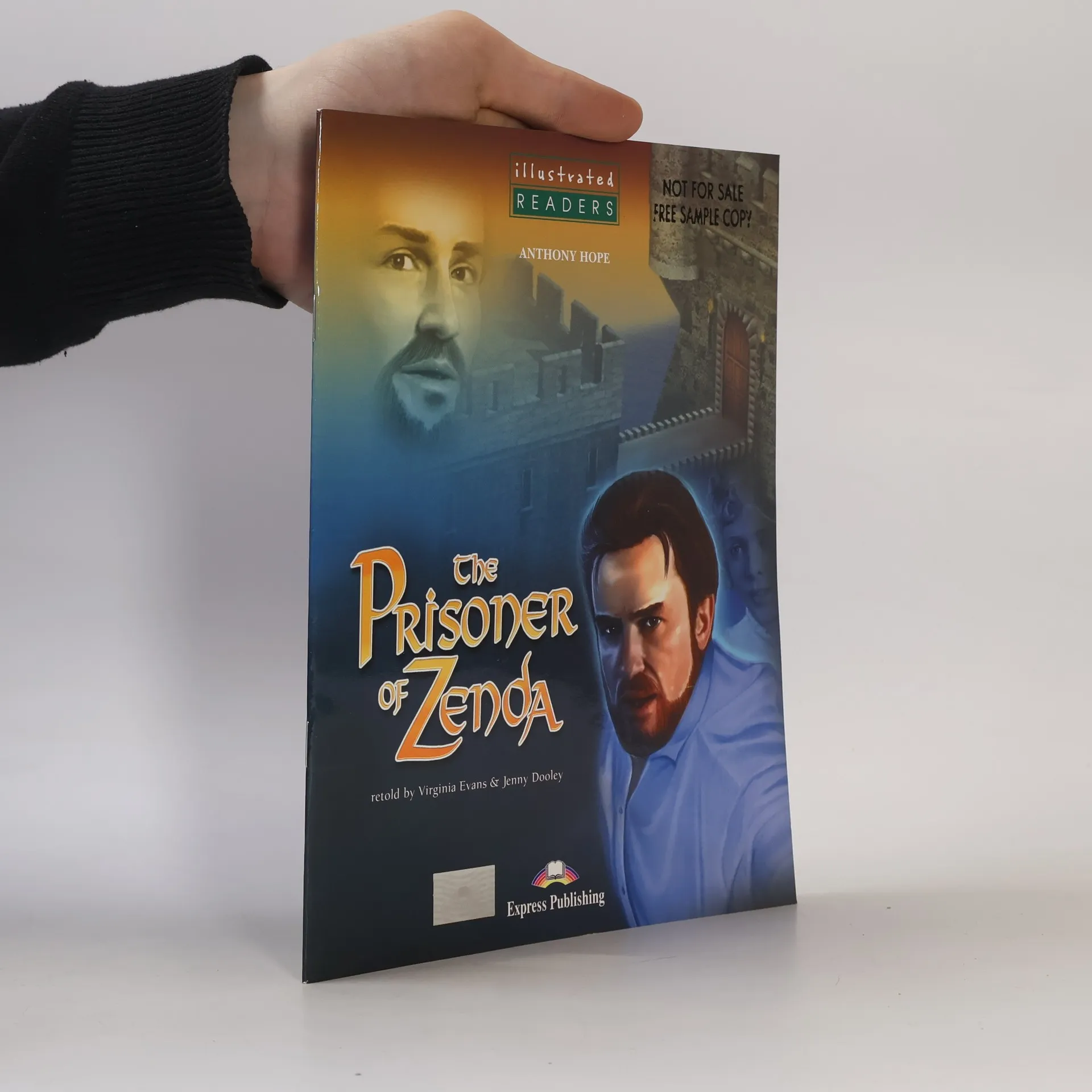
Classic / British EnglishRudolf Rassendyll, a daring young Englishman looking for adventure, arrives in Ruritania for the new king’s coronation. The two men meet by chance the day before and are shocked to find that they look exactly the same! A trick leaves Rudolf in the king’s place while the king becomes the Prisoner of Zenda.
Set in the fictional country of Ruritania, the adventure novels by Anthony Hope, particularly The Prisoner of Zenda and its sequel Rupert of Hentzau, are celebrated for their captivating plots and romantic intrigue. These works have established the Ruritanian romance genre, characterized by tales of political intrigue and dashing heroes in imaginary European settings. Their enduring popularity has led to numerous adaptations, including notable Hollywood films, solidifying their place as minor classics in English literature.
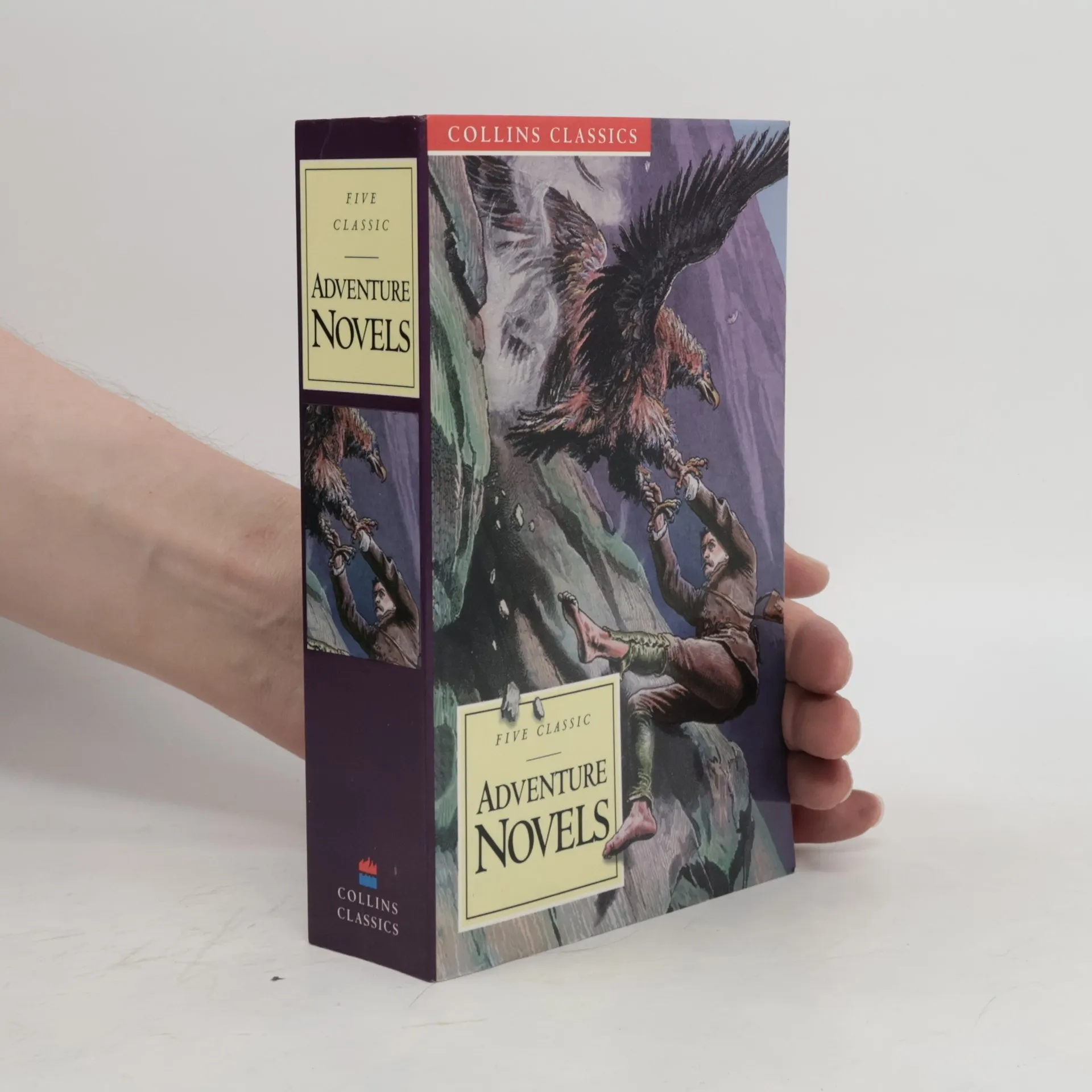
Five adventure novels from the period 1885-1924 in one volume, from the swashbuckling "The Prisoner of Zenda" to the science fiction classic "The Lost World". This book includes an introduction, bibliography and filmography by George MacDonald Fraser, historian and author of the Flashman novels.Includes: King Solomon's Mines/The Prisoner of Zenda/Under the Red Robe/The Lost World/Beau Geste
Tytuł z serii Illustrated Readers. Seria stanowi zbiór bogato ilustrowanych lektur, obejmujący głównie arcydzieła literatury światowej, i jest skierowana do osób uczących się języka angielskiego na poziomach od A1 do B1. W ramach serii wyodrębniono 5 stopni trudności tekstu. Adresatami Illustrated Readers są dzieci i młodzież. schovat popis