

Compra 10 libros por 10 € aquí!
Bookbot

Sebastian Raschka

    Este autor se sumerge profundamente en los reinos de la ciencia de datos y el aprendizaje automático, descubriendo con entusiasmo patrones intrincados en los datos. Su trabajo se centra en derivar conclusiones perspicaces a través de técnicas de minería de datos y aprendizaje automático, particularmente para la modelización predictiva. Un firme defensor de la colaboración y la ética del código abierto, cree en el poder de compartir conocimientos y herramientas para el crecimiento mutuo. Actualmente, está perfeccionando sus habilidades analíticas como candidato a doctorado, centrándose en el desarrollo de software de cribado virtual altamente eficiente para el descubrimiento de fármacos asistido por ordenador y en enfoques novedosos para el acoplamiento proteína-ligando.

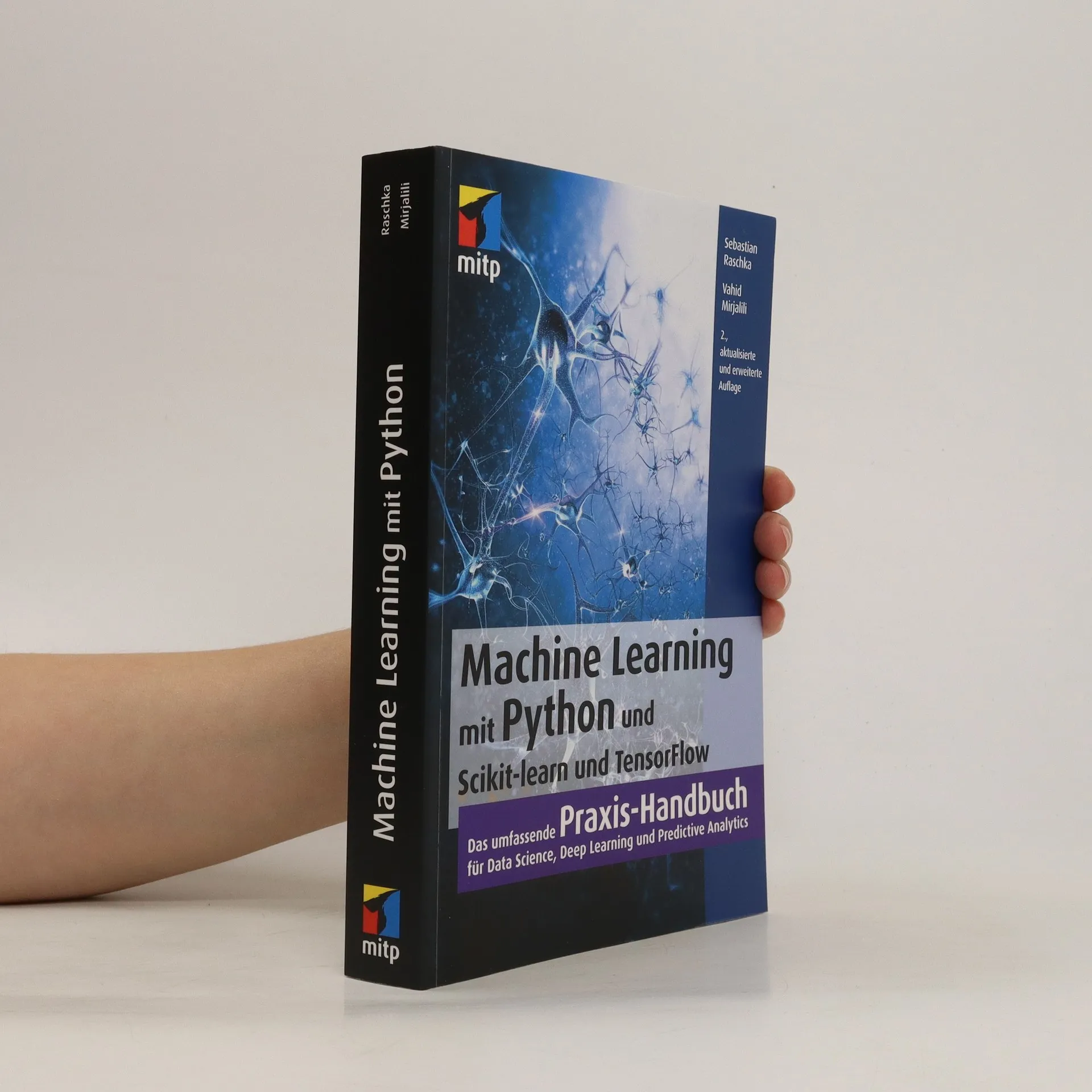
    Machine Learning mit Python und Scikit-learn und TensorFlow
    Machine Learning mit Python und Keras, TensorFlow 2 und Scikit-learn
    Machine Learning Q and AI
    Machine Learning with PyTorch and Scikit-Learn
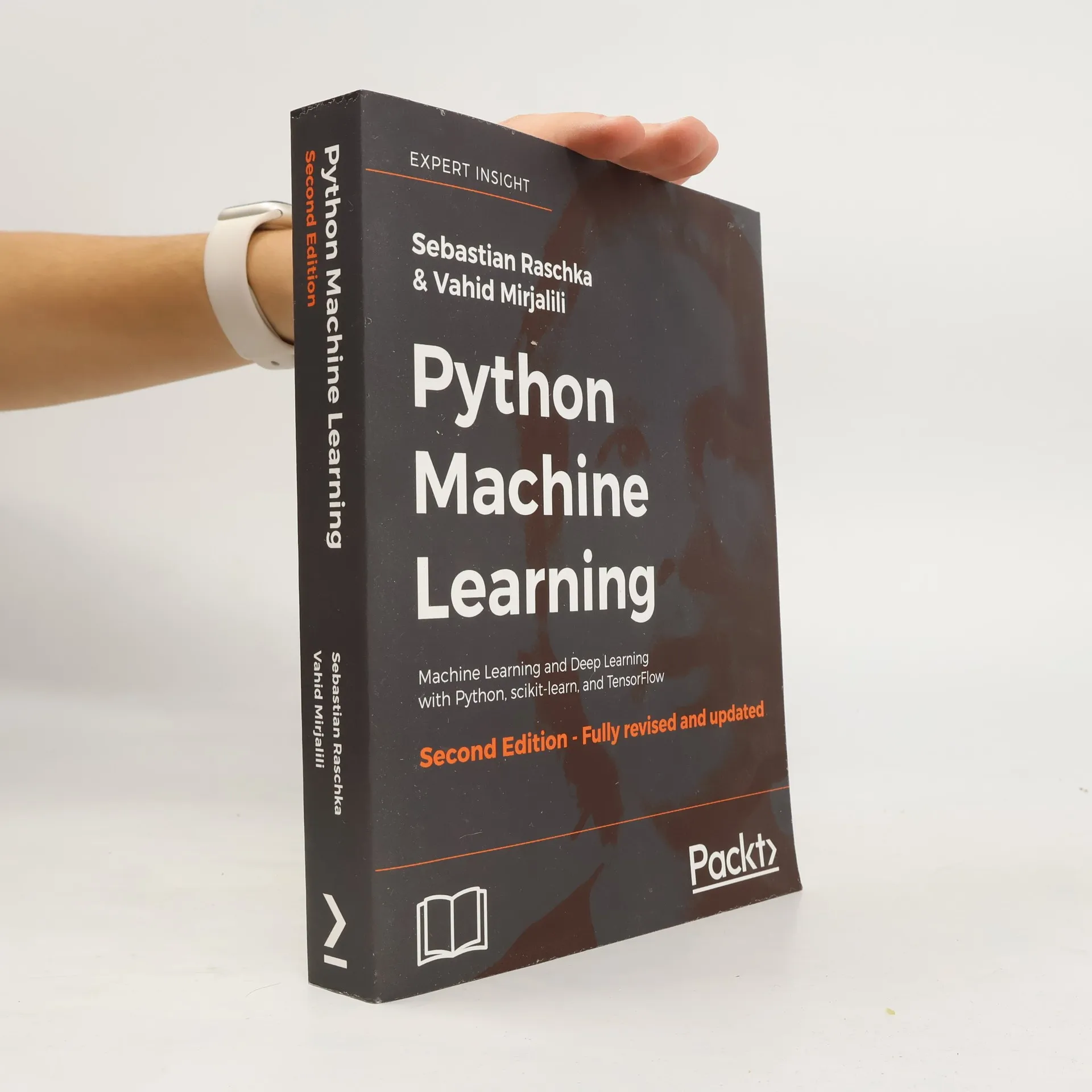
    Python Machine Learning
    • Python Machine Learning

      • 622 páginas
      • 22 horas de lectura

      Machine learning is eating the software world. Understand and work at the cutting edge of machine learning, neural networks, and deep learning with this second edition of Sebastian Raschka's bestselling book, Python Machine Learning. Modernized and extended to include the latest open source technologies, including scikit-learn, Keras, and TensorFlow, Python Machine Learning Second Edition offers the practical knowledge and techniques you need to create effective machine learning and deep learning applications in Python. Sebastian Raschka and Vahid Mirjalili's unique insight and expertise introduce you to machine learning and deep learning algorithms, before progressing to advanced topics in data analysis. This book combines the theoretical principles of machine learning with a hands-on coding approach for a thorough grasp of machine learning theory and implementation using Python.

      Python Machine Learning
    • Machine Learning with PyTorch and Scikit-Learn

      Develop machine learning and deep learning models with Python

      • 774 páginas
      • 28 horas de lectura

      Focusing on machine and deep learning, this guide offers a thorough exploration of PyTorch, known for its user-friendly coding framework. It is part of a bestselling series, providing readers with practical insights and techniques to effectively implement machine learning concepts. Ideal for both beginners and experienced practitioners, the book emphasizes hands-on learning and real-world applications, making complex topics accessible and engaging.

      Machine Learning with PyTorch and Scikit-Learn
    • Die zweite Auflage dieses Buchs behandelt die Anwendung fortschrittlicher statistischer Modelle des Machine Learnings und die wichtigsten Algorithmen sowie Python-Bibliotheken wie NumPy, SciPy, Scikit-learn, TensorFlow, Matplotlib, Pandas und Keras. Machine Learning und Predictive Analytics revolutionieren die Unternehmenswelt, indem sie es ermöglichen, Trends und Muster in komplexen Daten zu erkennen, was für den langfristigen Geschäftserfolg entscheidend ist. Die Autoren erläutern den Einsatz von Machine-Learning- und Deep-Learning-Algorithmen anhand praktischer Beispiele und bieten umfassende Einblicke in leistungsfähige Python-Bibliotheken. Sie zeigen, wie Python genutzt werden kann, um grundlegende Erkenntnisse zu gewinnen und komplexe Algorithmen zu entwickeln. Zu den Themen gehören das Trainieren von Lernalgorithmen für Klassifizierungen, Regressionsanalysen zur Ergebnisprognose, Clusteranalysen zur Entdeckung verborgener Muster, Deep-Learning-Verfahren zur Bilderkennung, effektive Datenvorverarbeitung, Dimensionsreduktion zur Datenkomprimierung, das Training neuronaler Netze mit TensorFlow, Ensemble Learning, die Integration von Machine-Learning-Modellen in Webanwendungen sowie Stimmungsanalysen in sozialen Netzwerken und die Modellierung sequenzieller Daten mit rekurrenten neuronalen Netzen.

      Machine Learning mit Python und Scikit-learn und TensorFlow